Chic on a Shoestring: Designing a Boutique Hotel on a Budget
Thinking of opening a boutique hotel without breaking the bank? Discover practical tips and creative ideas that will help you design a stunning space that captivates guests and showcases your unique style, all while being budget-conscious. Let's explore how to make your dream hotel a reality without overspending.
Start with a Strong Concept
Honestly, this is where most budget boutique hotel projects go wrong before they even get started. People jump straight into buying furniture and paint swatches without first asking the most important question: What is this place actually about? A strong concept is not a luxury, it's a necessity, especially when you're working with limited funds. Because here's the thing, when you have a clear design narrative, every single purchasing decision becomes easier. You stop wasting money on things that don't fit and start spending intentionally on things that do.
Think about what makes your property unique. Is it the building's history? The neighborhood it sits in? The kind of traveler you're trying to attract? Maybe it's a converted warehouse in a gritty arts district, or a colonial-era townhouse in a coastal town. Whatever it is, lean into it hard. Don't try to be everything to everyone. The boutique hotels that really nail it are the ones that feel like they couldn't exist anywhere else on earth. That specificity is what people are paying for, and it's something that actually costs very little to develop if you think it through properly upfront.
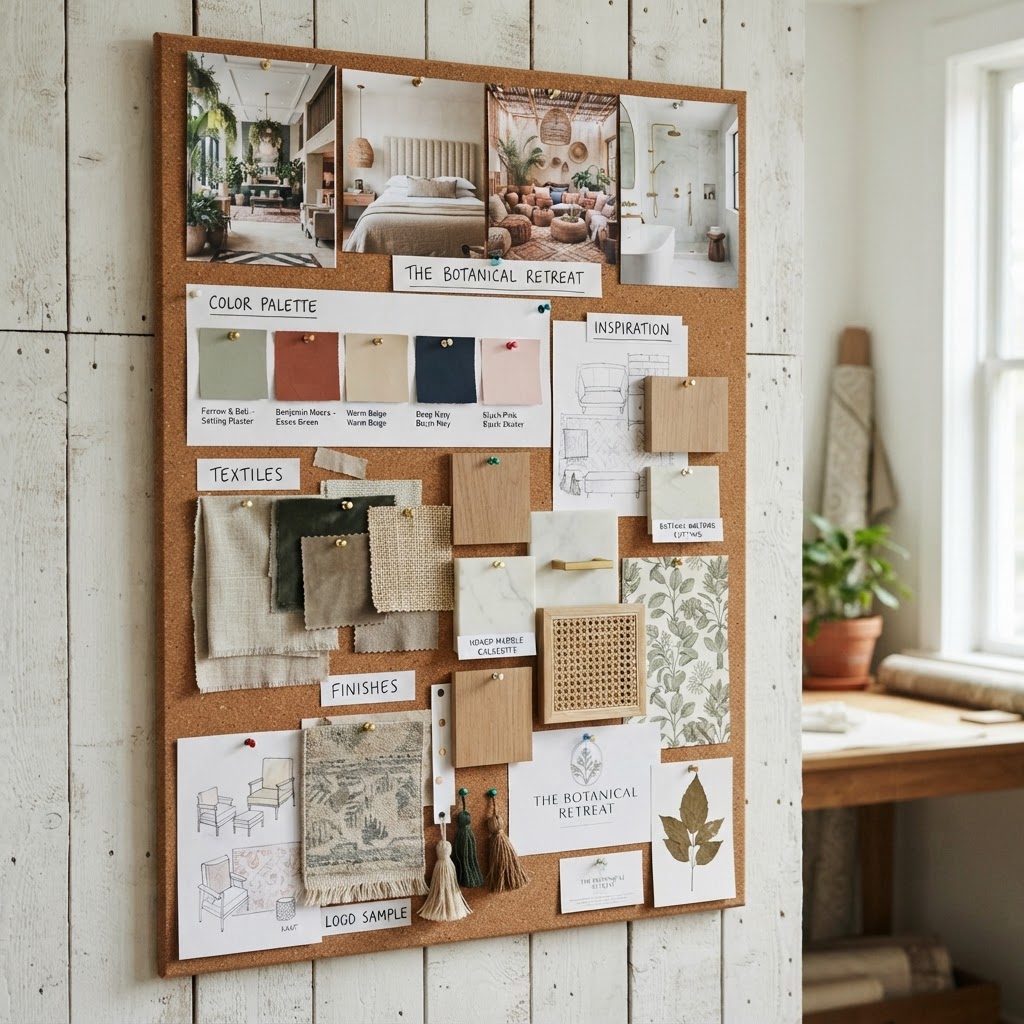
Get your concept down on paper in a single sentence. Not a paragraph, a sentence. Something like: "A moody, jazz-era speakeasy vibe for the design-savvy solo traveler." Or: "Breezy coastal minimalism rooted in local fishing village culture." Once you've got that sentence, use it as a filter. Every time you're about to spend money on something, ask yourself whether it fits that sentence. If it doesn't, walk away. This is one of the most powerful budget tools in your entire arsenal and it's completely free.
From there, build a simple mood board. Pinterest, Canva, even a physical board with magazine clippings, it really doesn't matter. What matters is that everyone involved in the project, from contractors to interior stylists to the owner, is looking at the same vision. Miscommunication is expensive. Alignment is free. Trust me on this, the concept phase is not the place to rush.
Repurpose and Upcycle
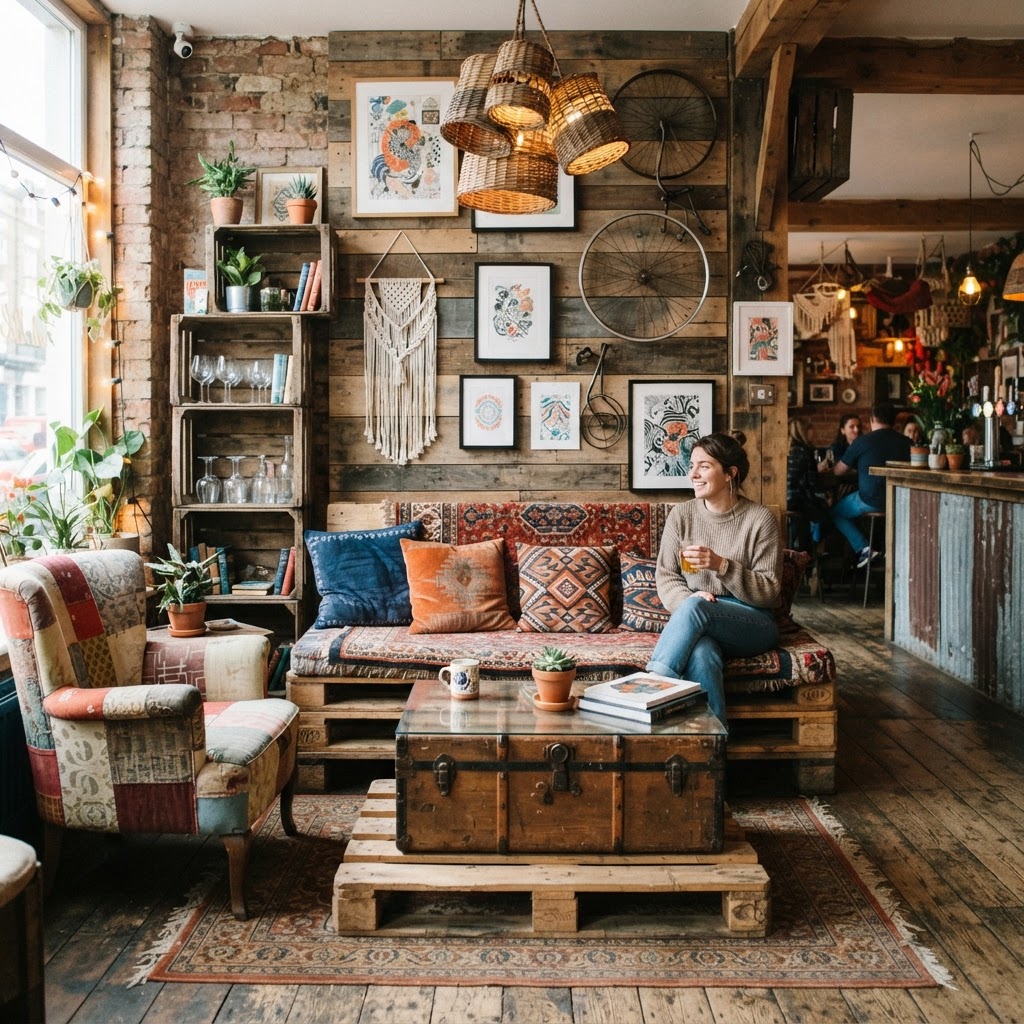
Real talk: some of the most beautiful boutique hotels I've ever walked into were filled almost entirely with secondhand and repurposed pieces. There's a reason for that. Old stuff has character. It has texture. It has stories baked into the grain of the wood and the patina on the metal. New furniture from a big-box commercial supplier, no matter how expensive, almost never has that quality. And the irony is that sourcing vintage and repurposed pieces is almost always significantly cheaper than buying new.
Start haunting your local auction houses, estate sales, salvage yards, and architectural reclaim dealers. You'd be genuinely shocked at what comes through those places. Reclaimed timber can become a stunning reception desk. Old factory windows become bathroom mirrors. Antique doors from a demolished church become headboards. Industrial shelving units from old warehouses become lobby display pieces. The key is to see potential in raw materials rather than needing everything to arrive perfectly finished. A bit of sandpaper and a coat of paint can transform something truly ugly into something seriously cool.
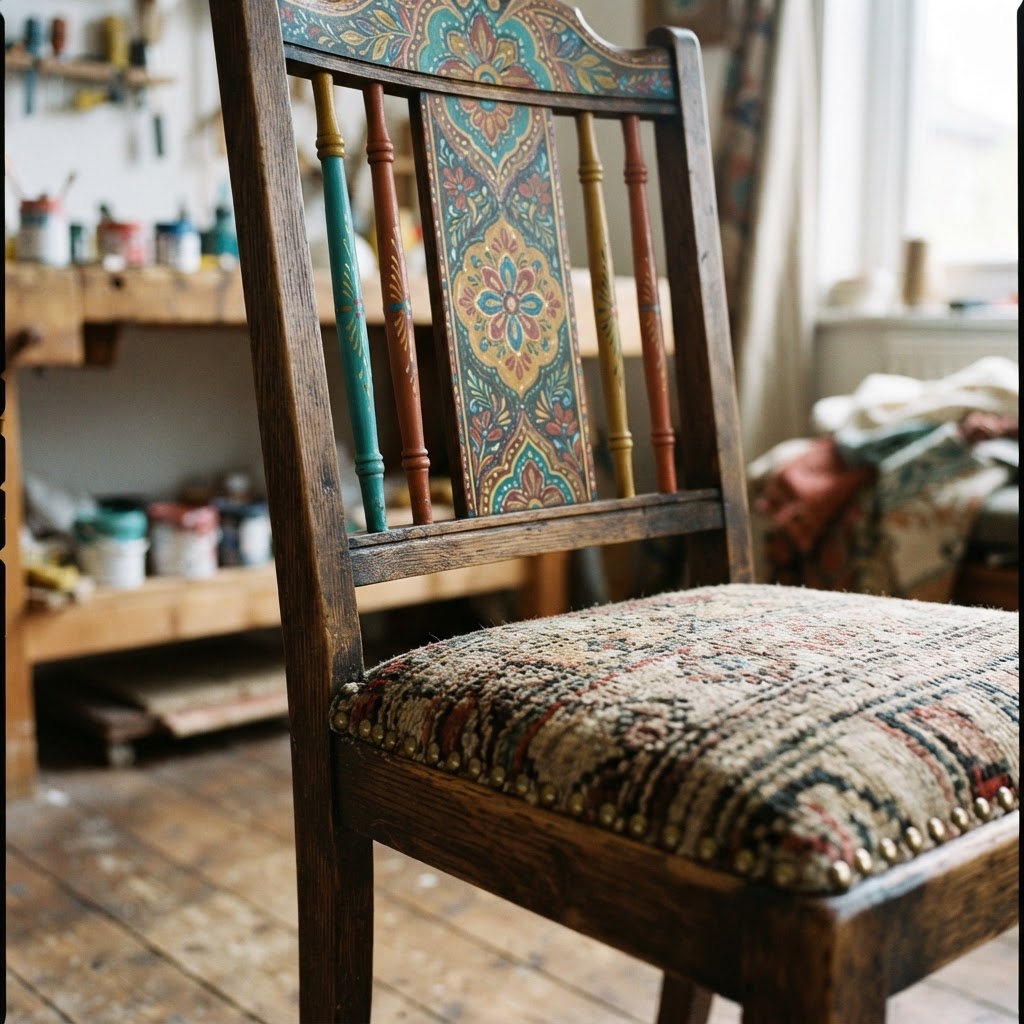
Don't overlook what's already in the building either. If you're renovating an older structure, pull back the carpets before you rip them out. There are often original hardwood floors hiding underneath. Exposed brick walls, original cornicing, vintage tiling in bathrooms, these are all things that budget renovators often cover up or destroy, when in reality they're exactly what guests are paying a premium to experience. Preserve first, replace second. That's the mantra.
And honestly, upcycling is a brilliant story to tell your guests too. People love knowing that the lamp in their room was once a vintage laboratory flask, or that the bench in the hallway was made from reclaimed scaffolding boards. It adds to the narrative of your hotel and gives guests something to Instagram and talk about. That word-of-mouth marketing has genuine monetary value, so the investment in sourcing interesting pieces pays dividends way beyond the immediate cost saving.
Smart Budgeting and Planning
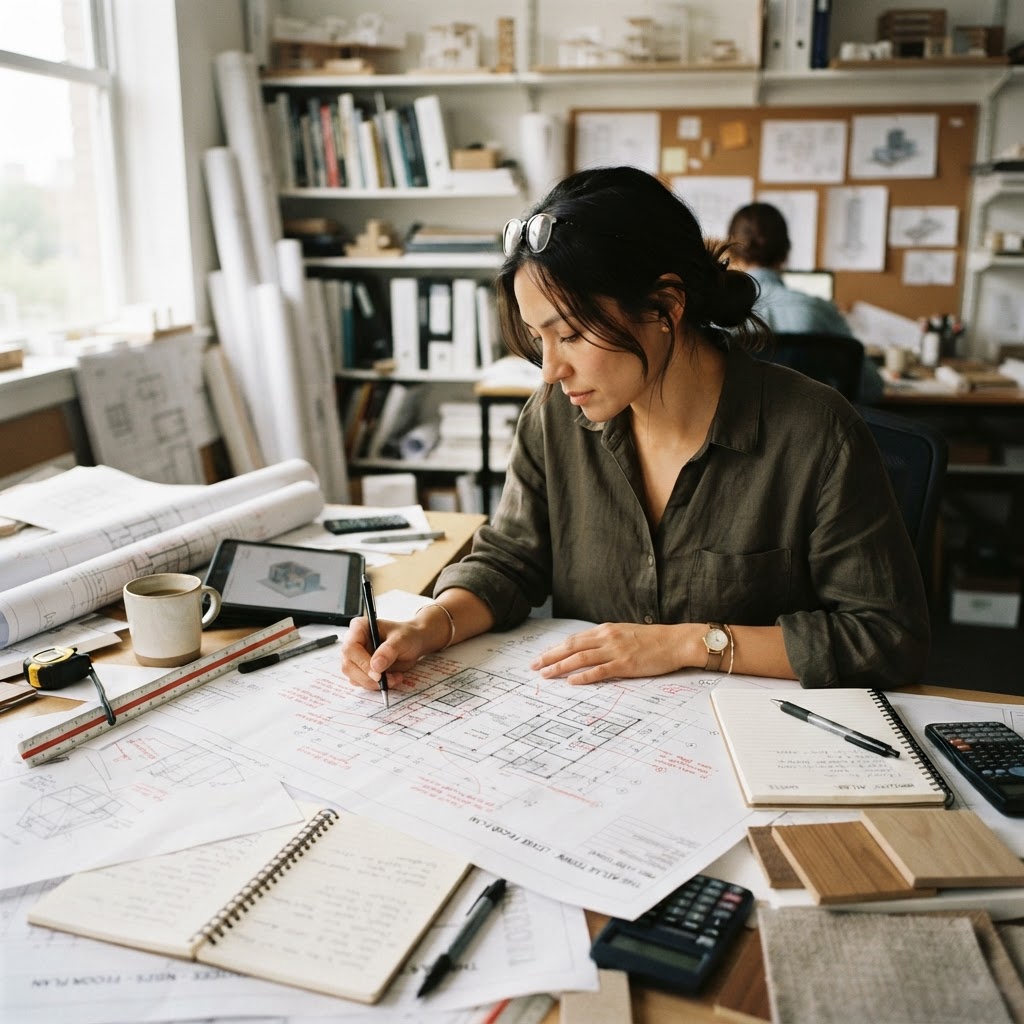
Look, budgeting for a boutique hotel fit-out is not just about knowing how much money you have. It's about knowing where to spend and where to save, and that distinction is everything. A lot of first-time boutique hotel developers make the mistake of spreading their budget evenly across all areas. That sounds fair, but it's actually a terrible strategy. Guests don't experience all areas equally. Some spaces carry the whole vibe of the property, and those are the spaces that deserve the lion's share of your investment.
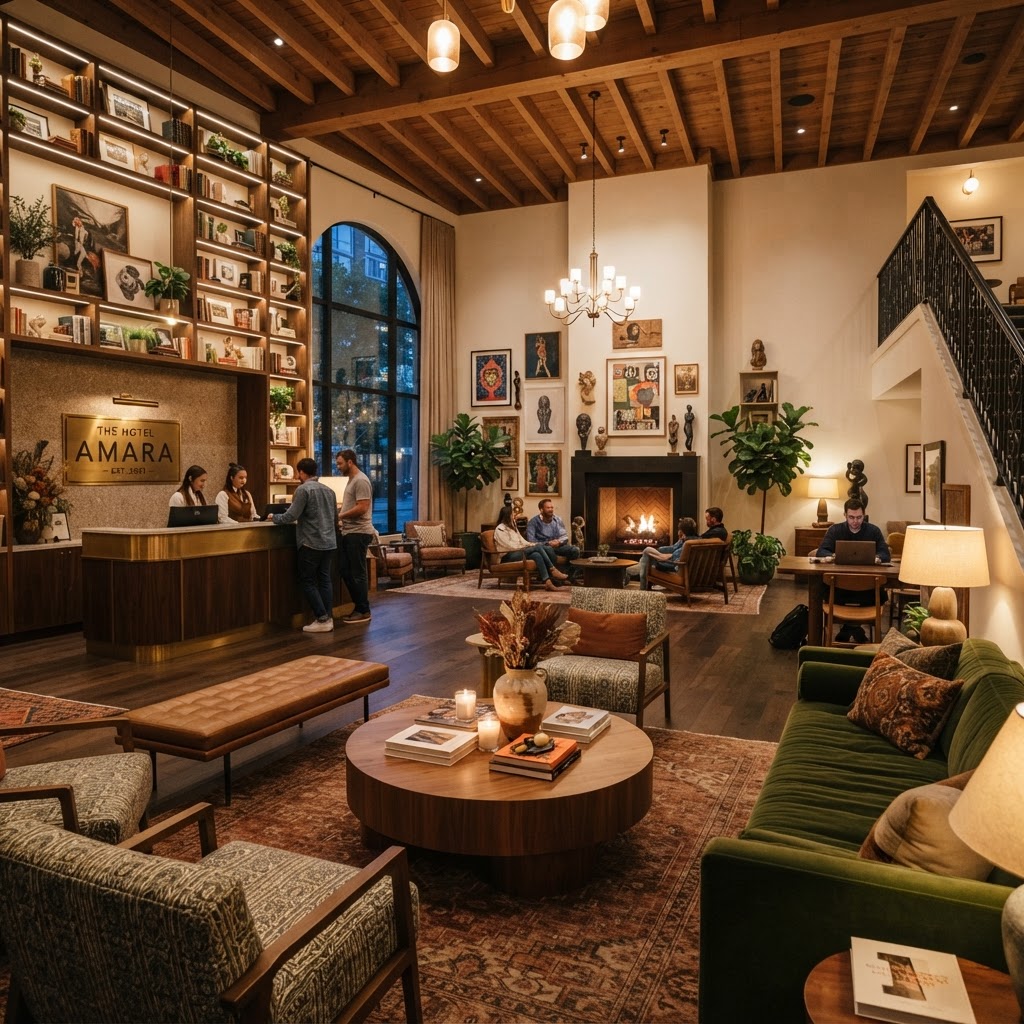
The lobby and the guest rooms are your biggest priorities. The lobby is the first impression, the moment a guest decides whether this place is worth what they paid. Spend on the lobby. Get the flooring right, get the lighting right, make the reception area feel special. Guest rooms are where people actually sleep and live during their stay, so comfort and atmosphere matter enormously there too. Back-of-house areas like staff corridors, storage rooms, and service areas? That's where you save. Nobody is photographing the supply closet.
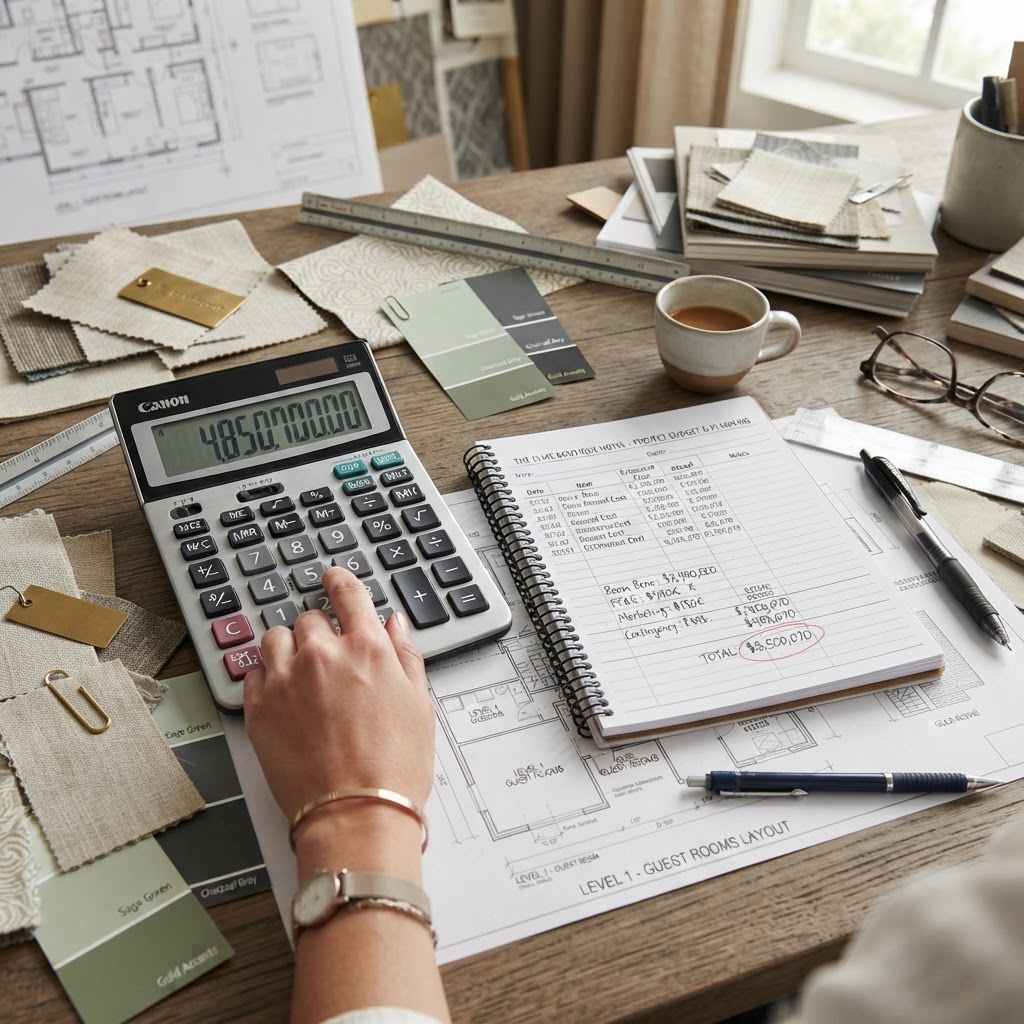
Build a proper room-by-room budget breakdown before you spend a single cent. List every space, assign a budget to each, and then within each space, prioritize your line items. Always include a contingency buffer of at least 10 to 15 percent because something will always go over. Plumbing surprises, structural issues, delivery delays that require last-minute substitutions, it happens on every single project. The designers and developers who handle these moments gracefully are the ones who planned for them in advance.
- Prioritize high-visibility areas like the lobby, breakfast room, and standard guest rooms for your best budget allocation.
- Use a tiered purchasing strategy, splurging on a few hero pieces and sourcing the rest affordably.
- Get multiple quotes for every trade job, including joinery, painting, flooring, and electrical.
- Phase the project if necessary, opening with fewer rooms and reinvesting revenue into completing the rest.
- Track every expense in real time rather than reviewing costs monthly, it's much easier to correct course early.
One more thing worth saying here: don't be too proud to negotiate. Suppliers, trades people, furniture wholesalers, almost everyone has more flexibility than their opening price suggests. If you're fitting out ten rooms, you have genuine buying power. Use it. Ask for trade pricing, ask for package deals, ask what's been sitting in the warehouse for six months and is therefore available at a discount. Asking costs nothing.
Local Art and Decor
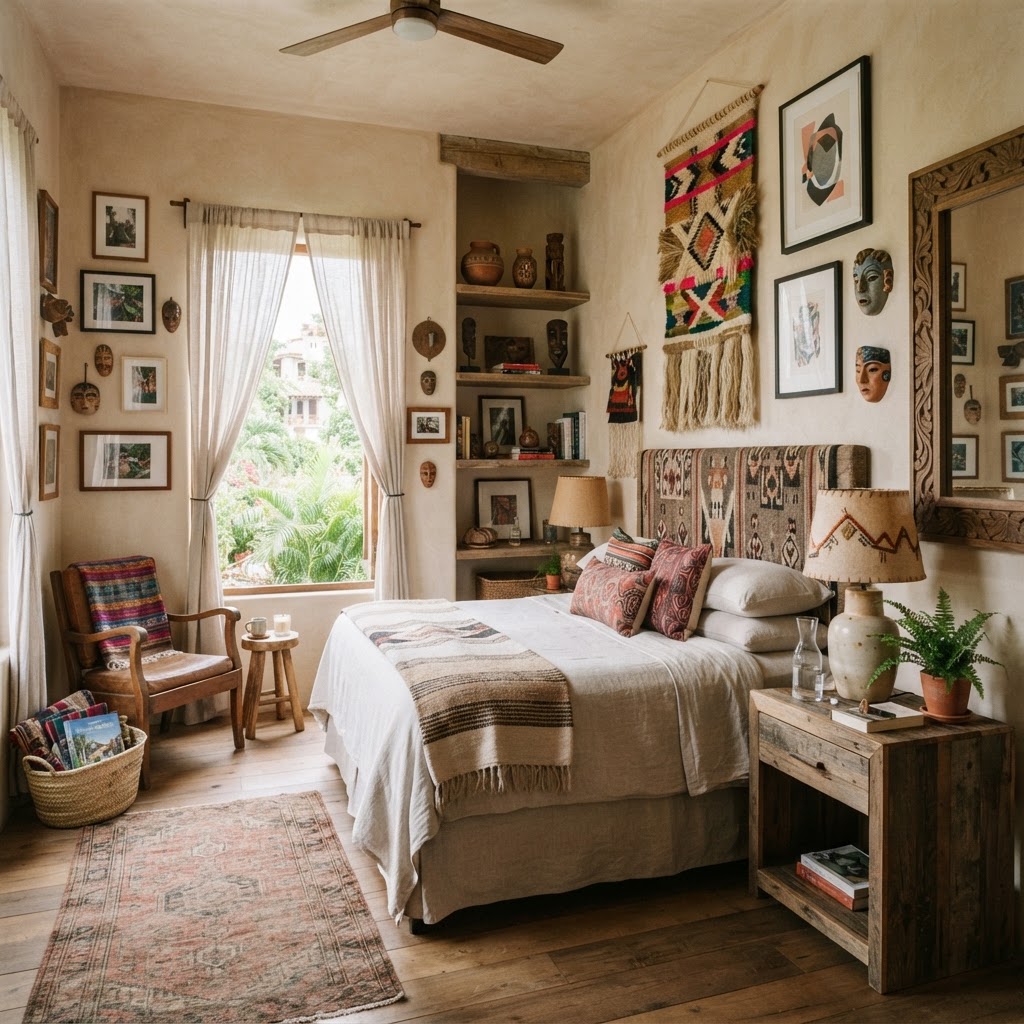
Here's something that genuinely makes me excited to talk about: local art. It's one of the most cost-effective and impactful design decisions you can make for a boutique hotel, and it's also one of the most underused. Instead of buying generic prints from a commercial art supplier, which cost more than you'd think and say absolutely nothing about your hotel or its location, reach out to local artists directly. You'll often get original work for a comparable price, sometimes even less, and the authenticity it adds to the space is immeasurable.
Many artists are genuinely eager to have their work displayed in a hospitality setting because it's ongoing exposure to a rotating audience of travelers, many of whom are exactly the kind of art buyers they want to reach. You can often arrange consignment agreements where the artwork is displayed for a set period, or permanent purchases at a mutually beneficial price. Some artists will even do a commission, creating pieces specifically designed for your space and concept. That kind of collaboration produces something truly one-of-a-kind and it usually comes with a great story that you can share on your hotel's website and social channels.
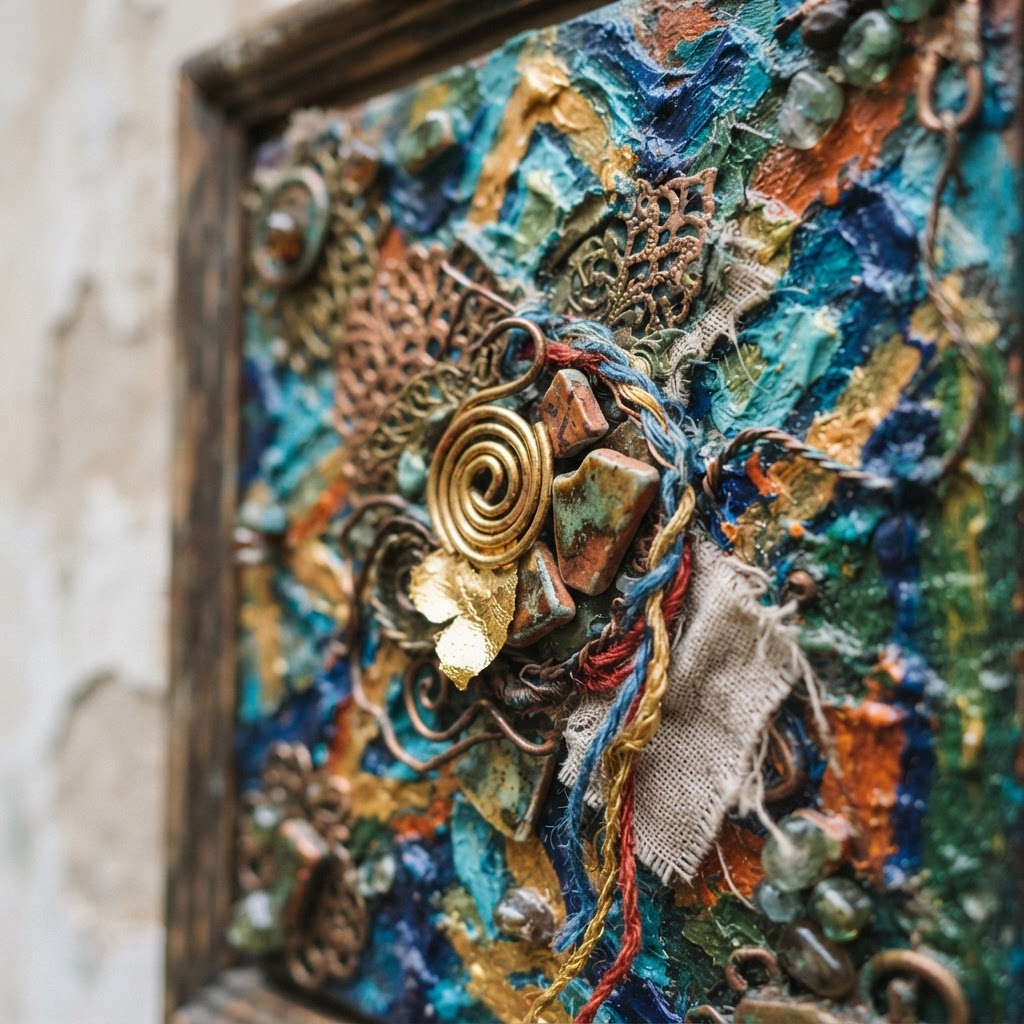
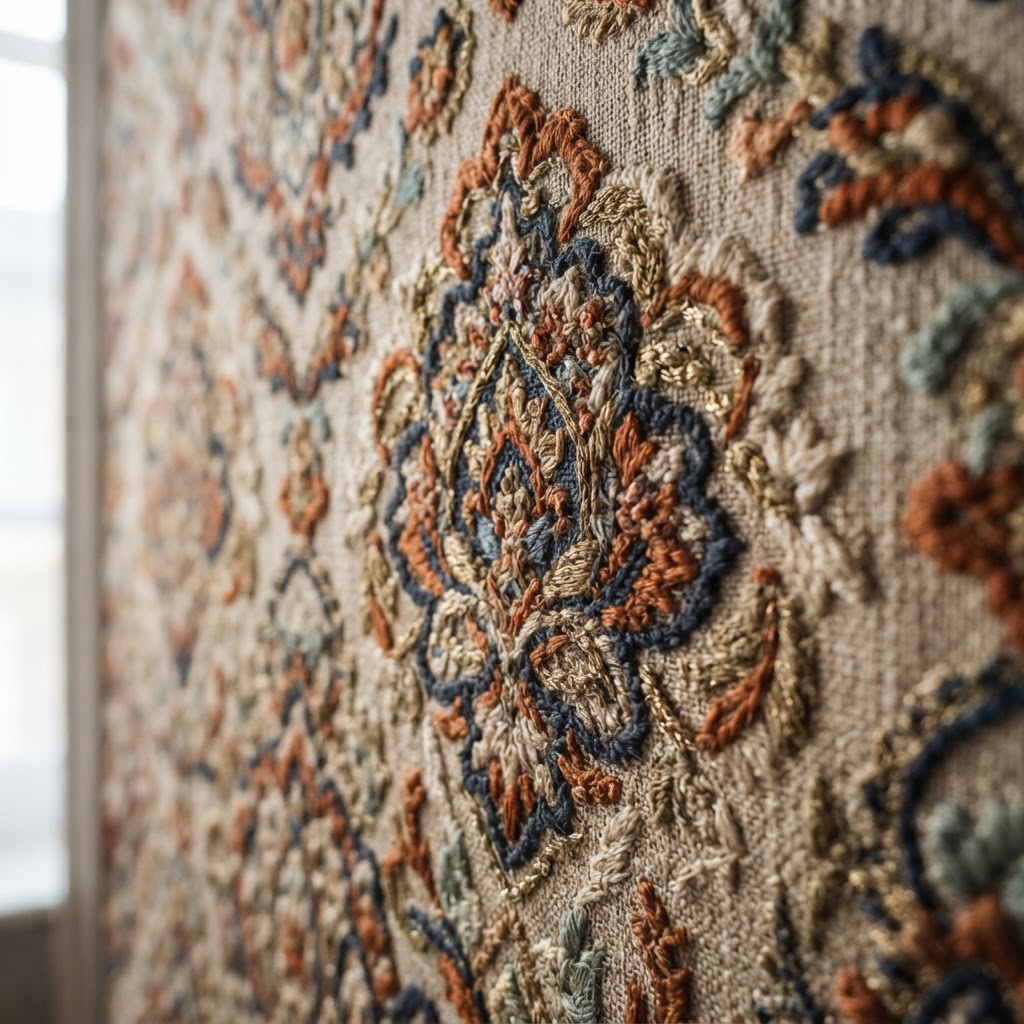
Beyond paintings and prints, think about all the decorative objects that fill a hotel space. Ceramics, textiles, handwoven baskets, locally thrown pottery for the bathrooms, hand-printed cushion covers. These things are often available directly from local craftspeople and artisan markets at prices well below what you'd pay at a design wholesaler. And they add so much more warmth and authenticity to a room than anything mass-produced ever could. Guests notice these details. They pick up the little ceramic dish on the bathroom shelf and turn it over to see who made it. That's the kind of experience they remember and review.
Honestly, building relationships with local creatives also embeds your hotel into the fabric of the community in a way that benefits you long-term. Local businesses may recommend you to their customers. Artists may tag your hotel in their social posts. Community ties create a kind of organic marketing that money genuinely can't buy. So what looks like a design decision is actually also a business development strategy. Not bad for something that saves you money at the same time.
Lighting Makes All the Difference
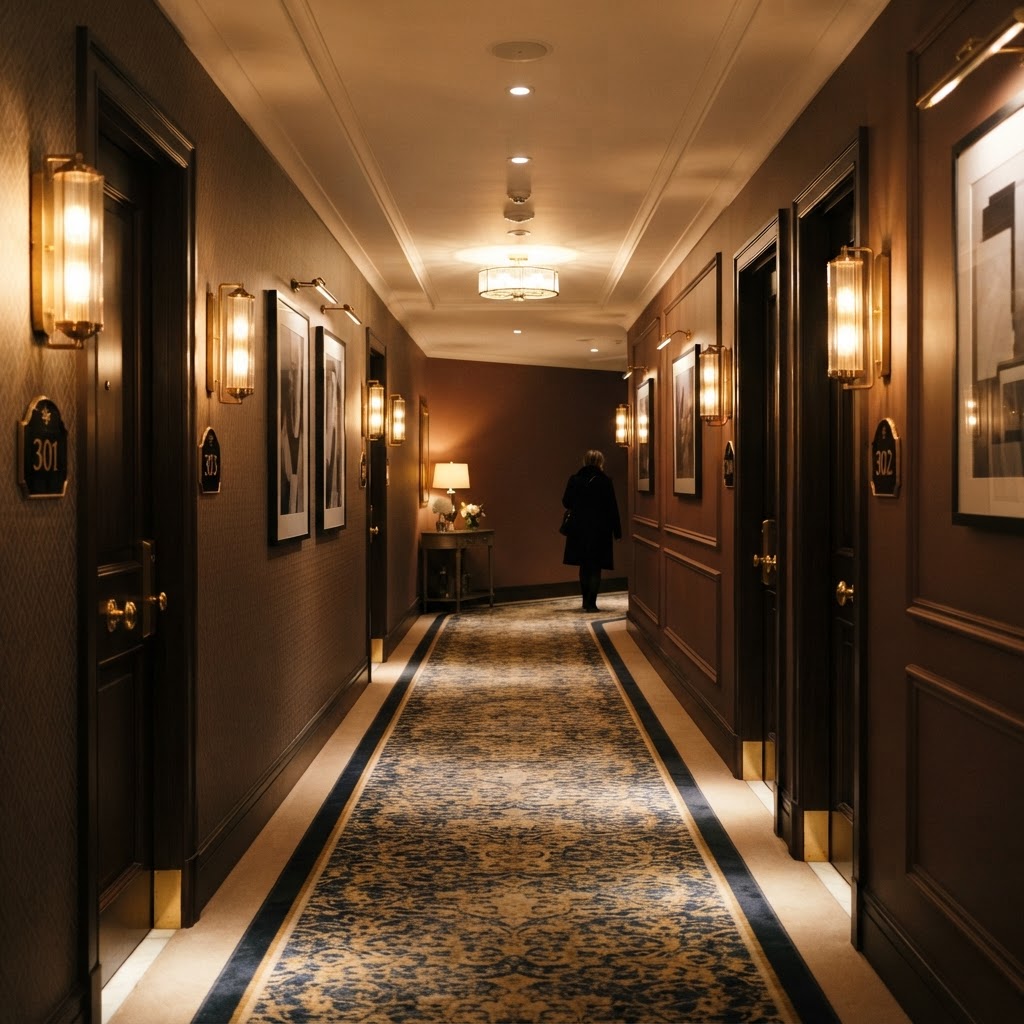
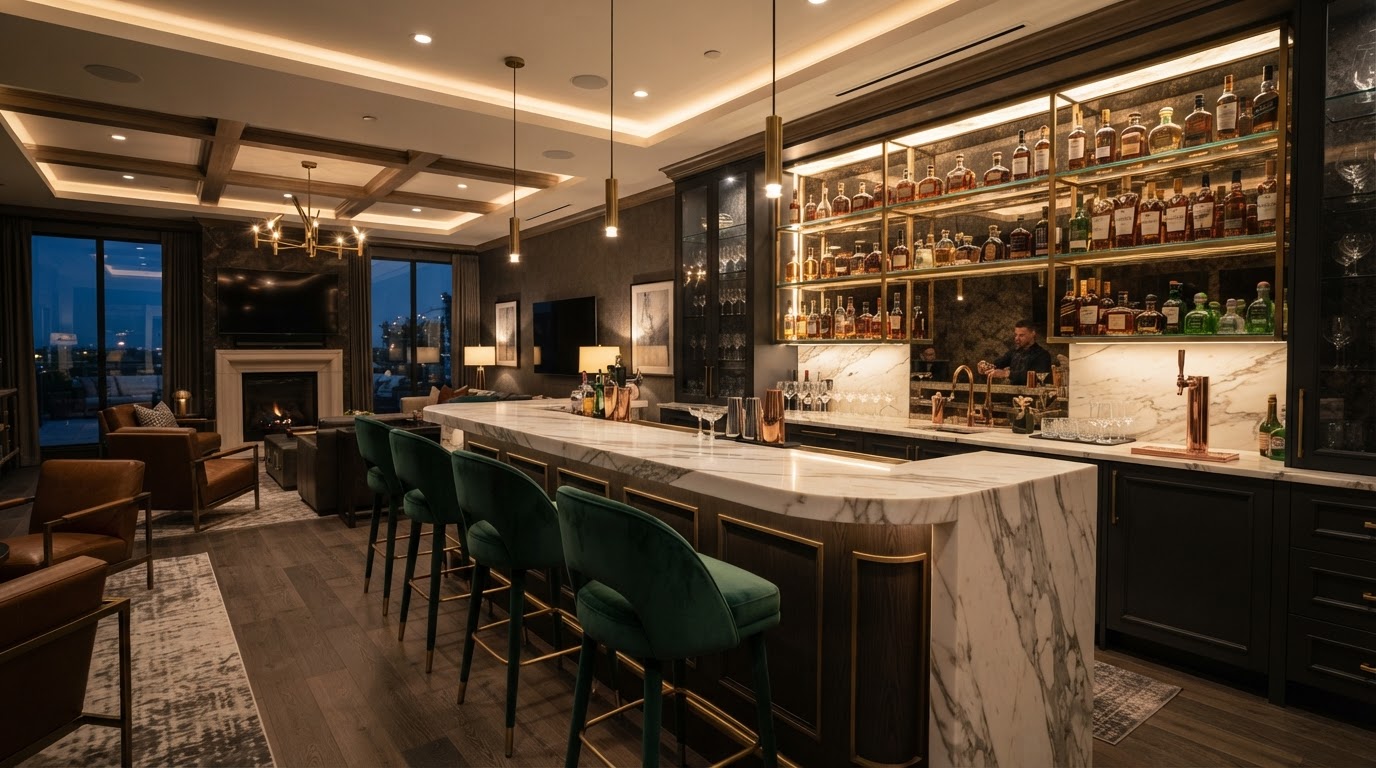
I will stand on this hill forever: lighting is the single most transformative element in any interior, and it is absolutely criminally underinvested in most budget hotel projects. People spend thousands on furniture and then ruin the whole effect with harsh overhead lighting that makes everything look flat and institutional. Good lighting doesn't have to be expensive. It has to be thoughtful. And honestly, a space with modest furniture but beautifully considered lighting will almost always feel more luxurious than a space with expensive furniture lit badly.
The basics are simple. Avoid cold, bright, uniform overhead lighting in any guest-facing area. Layer your light sources instead. Think ambient light for general illumination, task lighting for reading and work areas, and accent lighting to highlight architectural features or artwork. Warm bulbs in the 2700K to 3000K range immediately make a space feel more intimate and inviting. Dimmable circuits are worth every cent of the extra electrical cost because they give you incredible flexibility in how a room feels at different times of day.
For budget-conscious buyers, there are some genuinely great options available. Pendant lights from independent makers on platforms like Etsy or local craft markets can be stunning and affordable. Clip-on reading lights can replace expensive built-in bedside lighting. Even simple rope lights or LED strip lighting used cleverly behind headboards or under shelving can create a really sophisticated effect for almost no money. The goal is atmosphere, not fixture price tags.
Natural light is also part of the equation and it costs absolutely nothing. Think hard about window treatments that maximize daylight during the day while providing good blackout at night for sleeping guests. Sheer curtains layered with blackout liners give you the best of both worlds. If your rooms are naturally dark, consider adding mirrors strategically to bounce light around. A well-placed large mirror opposite a window can effectively double the perceived brightness of a room. Small tweaks, big impact.
"Lighting is to a room what music is to a film. You might not consciously notice it, but take it away or get it wrong, and everything falls apart."
The one area I'd genuinely encourage splurging slightly on is the lobby lighting fixture. A statement pendant or chandelier in the entrance sets the tone for the entire property. It doesn't have to be outrageously expensive, but it should be memorable. This is the Instagram moment, the first impression, the thing that makes someone stop when they walk in and think, okay, this place is something special. Spend a little more there and save everywhere else. It's worth it every single time.
Final Thoughts
Designing a boutique hotel on a tight budget is genuinely one of the most creatively rewarding challenges in commercial interior design. The constraints force you to be smarter, more resourceful, and more intentional than you might otherwise be, and those qualities almost always produce better design outcomes than an unlimited budget does. Some of the most celebrated boutique hotels in the world were built on shoestring budgets by people who understood their concept deeply, sourced creatively, spent strategically, and never lost sight of what their guests actually came there to feel.
Start with your concept and protect it fiercely. Let repurposed and local materials tell your story. Budget with precision, not just caution. Commission local artists and craftspeople who will make your space unique to its place on the map. And for the love of good hospitality, get your lighting right. These five principles won't just help you stay on budget. They'll help you build something genuinely worth staying in.
Real talk: the boutique hotel guests of today are sophisticated and they can smell inauthenticity from a mile away. They're not looking for the most expensive finishes. They're looking for something that feels real, considered, and human. That's actually much easier to achieve on a modest budget than most people think. You've just got to know where to look and have the courage to trust your vision.
More in Commercial
Stay Inspired
Subscribe for new essays on architecture, design, and the spaces that shape us.