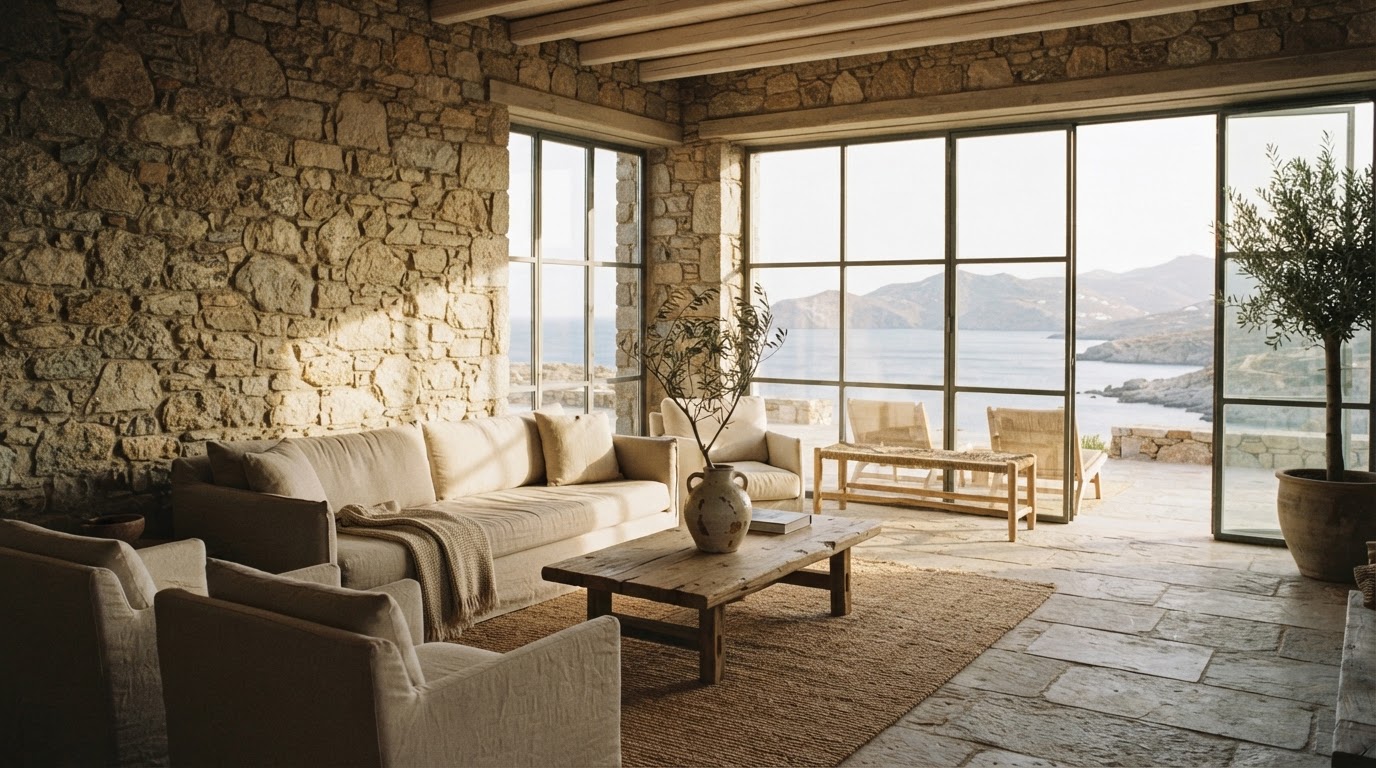
The Art of Imperfection, A Beginners Guide to Wabi Sabi Interior Design
Discover how to embrace the beauty of imperfection in your home. This guide breaks down the philosophy of wabi sabi and shows you how to curate a space that feels calm, grounded, and authentic.
Understanding the Core Philosophy
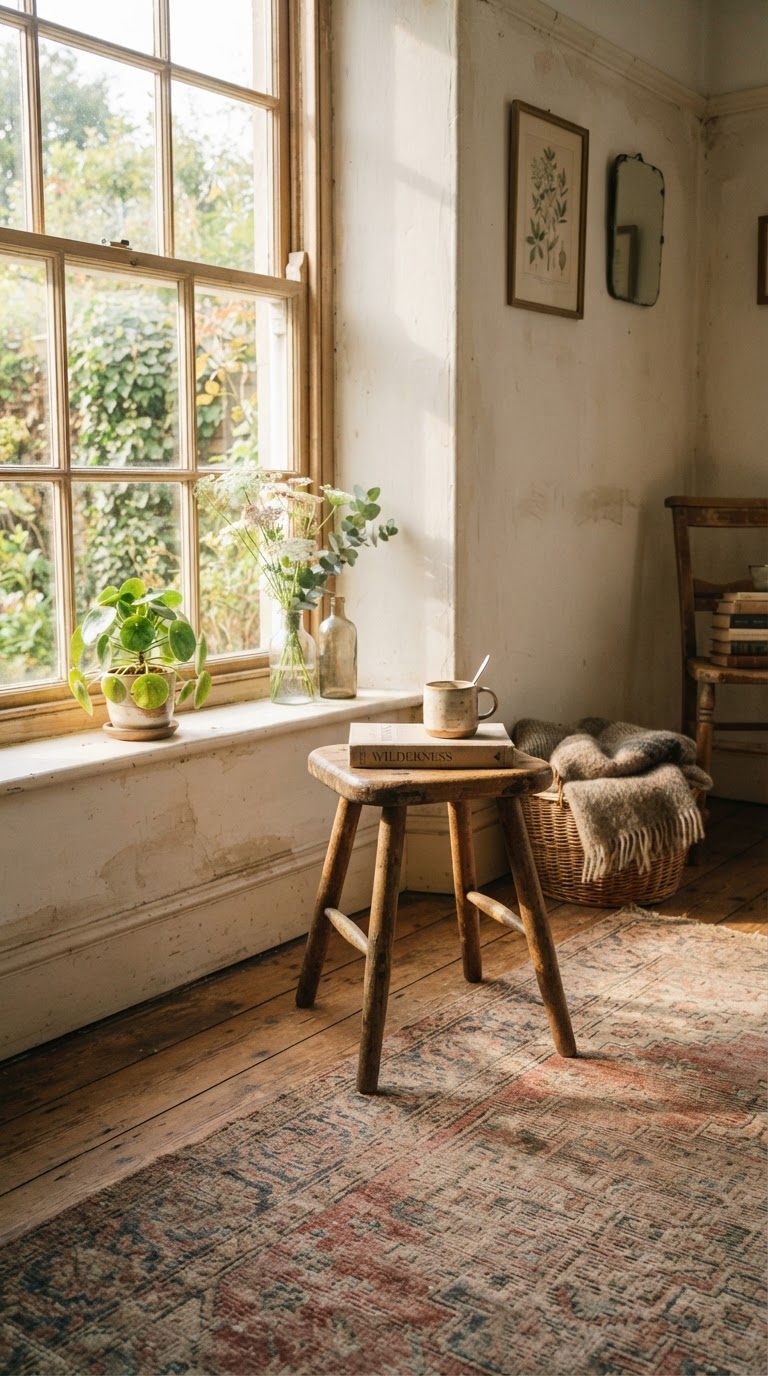
Okay, so before we dive into the practical stuff, let's talk about what wabi sabi actually is, because honestly, most people get it wrong on the first pass. It's not a trend. It's not just "rustic aesthetic" or an excuse to leave your house looking a little rough around the edges. Wabi sabi is a Japanese philosophy rooted in the acceptance of transience and imperfection, and it has been shaping art, architecture, and interior design for centuries. The term itself comes from two separate concepts: wabi, which speaks to a kind of humble simplicity found in nature, and sabi, which refers to the beauty that comes with age and wear. Put them together and you get something genuinely profound.
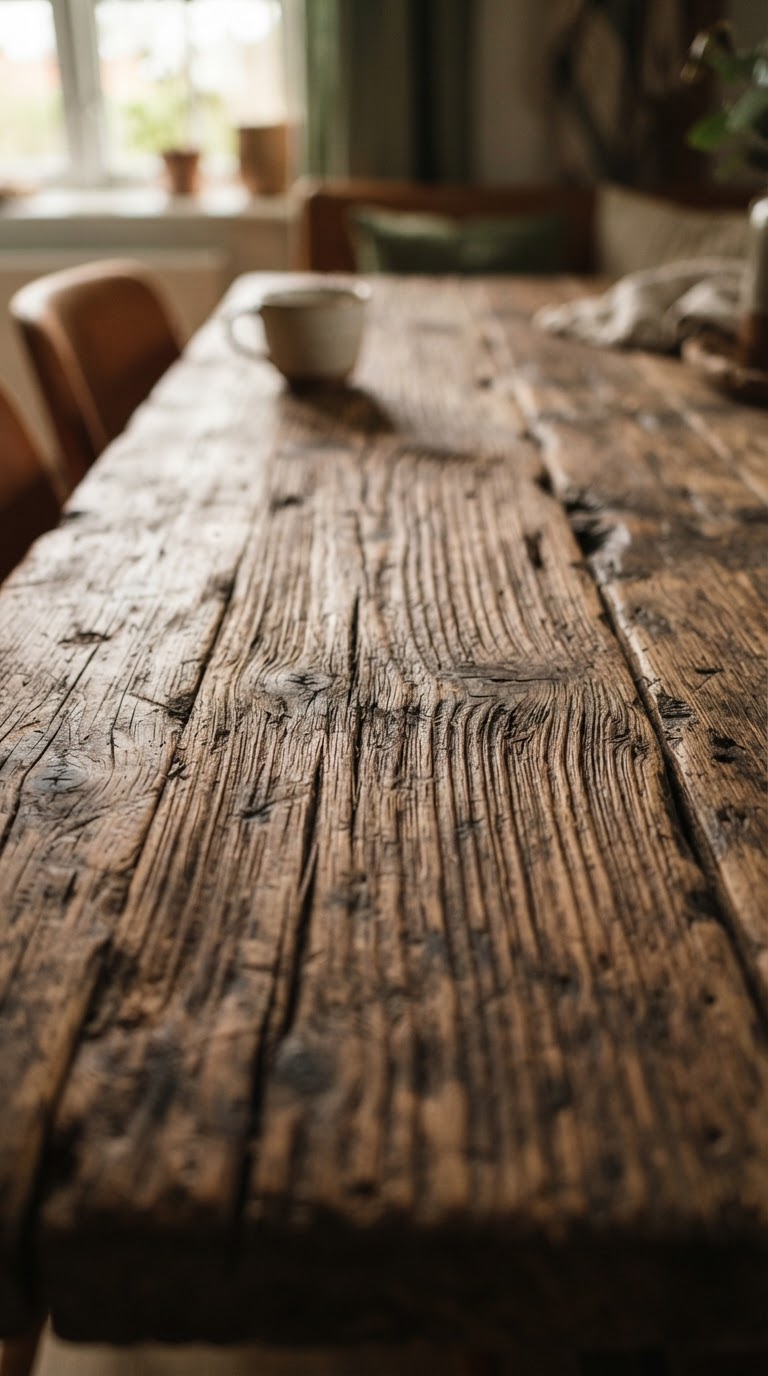
Here's the thing about Western design culture. We've been trained to want everything pristine. New furniture, fresh paint, symmetrical arrangements. We replace things the moment they show signs of use. Wabi sabi asks you to completely flip that instinct. That crack in the ceramic bowl? That's not damage. That's history. The faded grain on an old wooden table? That's character built over decades. When you start seeing your space through this lens, it genuinely changes how you shop, how you decorate, and even how you feel inside your home.
The philosophy also leans heavily into the idea of mono no aware, a kind of gentle sadness or sensitivity toward the passing of things. It's why a wilting flower is considered just as beautiful as one in full bloom. Real talk, this mindset is almost radical in a consumer culture that profits off us feeling like what we have is never enough. Bringing wabi sabi into your home is, in a quiet way, an act of resistance.
As a beginner, the most important thing you can do is just sit with the concept before you buy a single thing. Walk around your space and look at it differently. What already has age and story to it? What feels forced or overly polished? Start there. The philosophy should inform every decision that follows, not the other way around.
Choosing Natural and Raw Materials
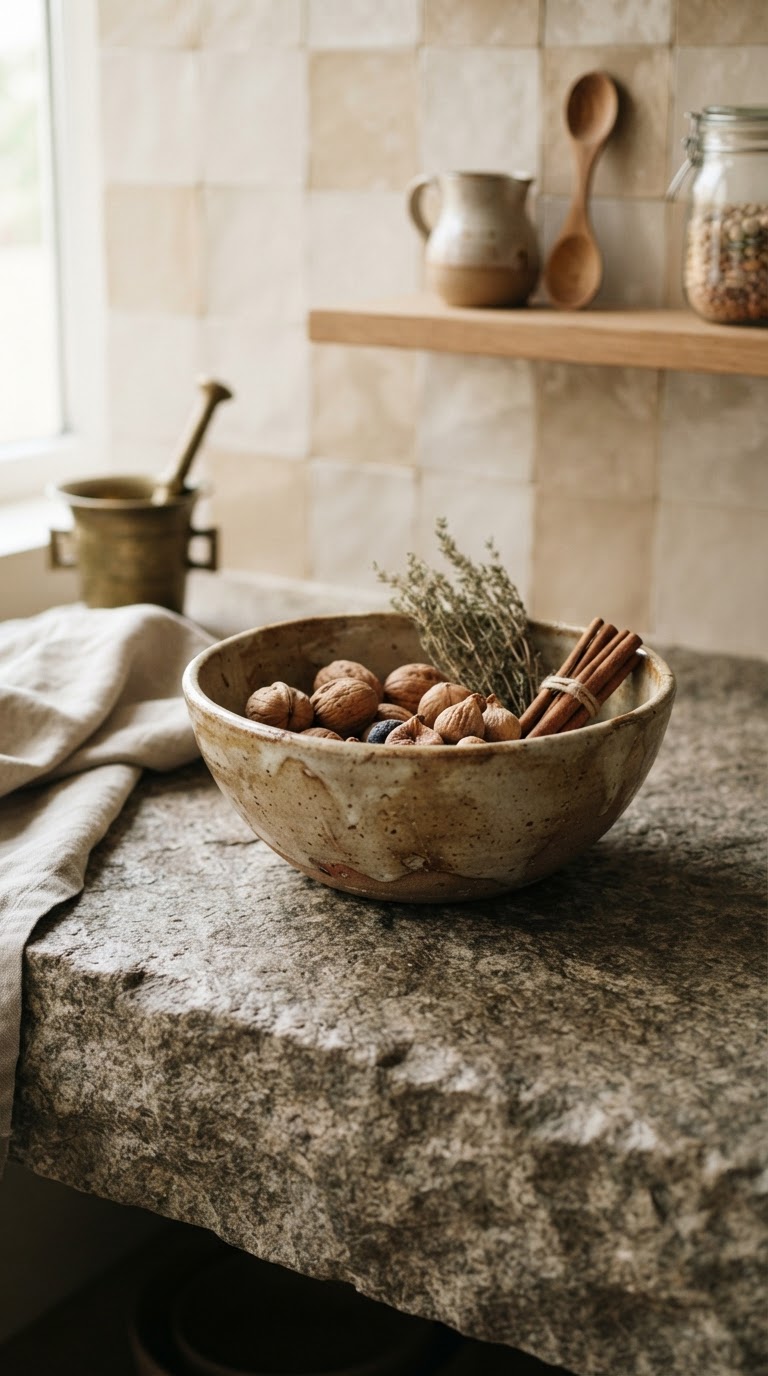
If wabi sabi has a love language, it's definitely texture. And not the kind of texture that comes from a factory-made product designed to look handmade. We're talking about the real thing. Wood with visible grain and knots. Stone that hasn't been polished into a mirror finish. Linen that wrinkles and softens with every wash. Clay that holds the fingerprints of whoever threw it on the wheel. These are the materials that form the backbone of a wabi sabi interior, and honestly, once you start working with them, you won't want to go back.
When you're sourcing materials, think about what has lived before. Reclaimed wood flooring tells a completely different story than brand new engineered hardwood. Handmade tiles with slight variations in glaze are infinitely more interesting than factory-perfect ceramic. Even something as simple as swapping out your polyester throw blankets for chunky wool or rough linen can shift the entire feeling of a room. The goal is to surround yourself with materials that age beautifully, not materials that just age.
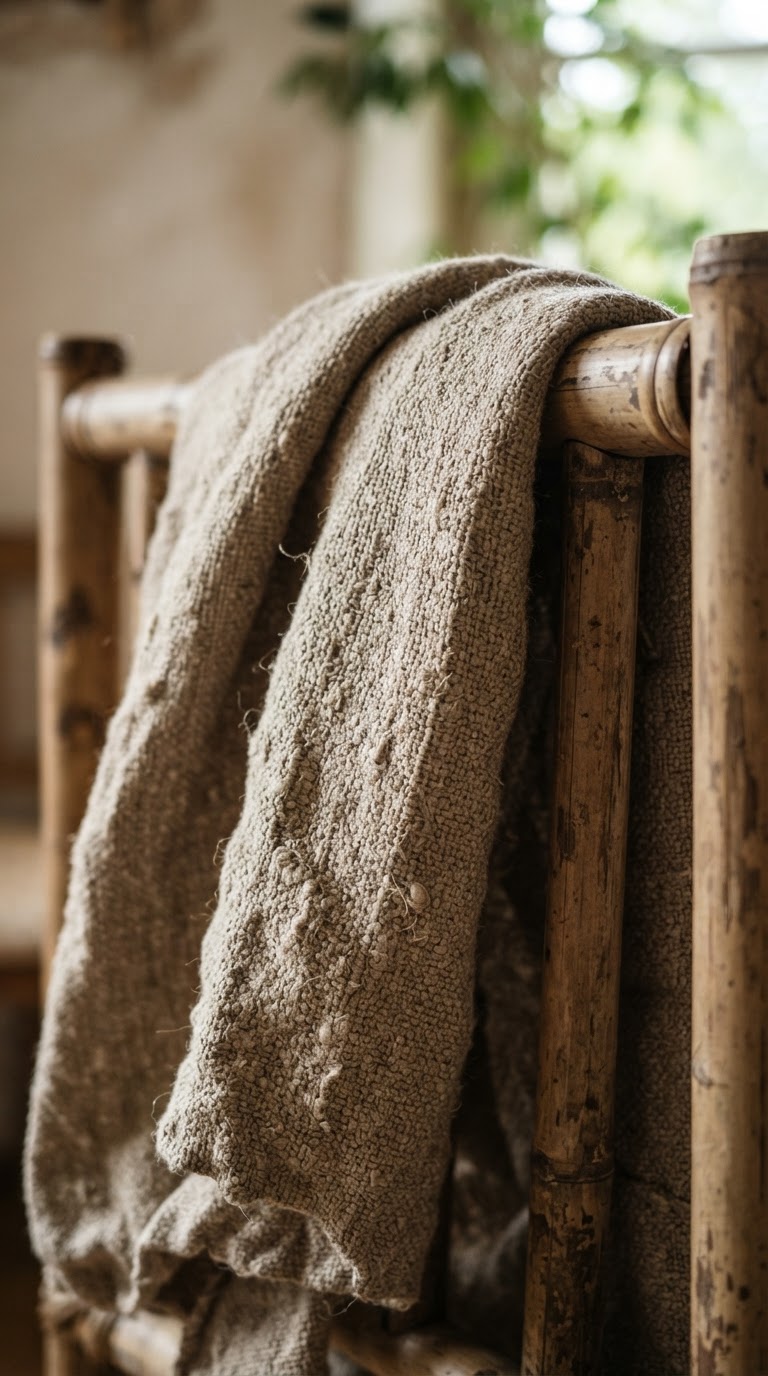
Here's a quick list of materials to prioritize when you're pulling a wabi sabi space together:
- Unfinished or lightly oiled wood, especially pieces that show natural variation in color and grain
- Handmade ceramics and pottery, look for slight asymmetry and visible tooling marks
- Natural stone like slate, limestone, or travertine, left as raw as possible
- Natural fibers including linen, jute, wool, and cotton in undyed or low-dye forms
- Aged or patinated metals like weathered brass, rusted iron, or oxidized copper
Trust me on this, the difference between a room that feels authentically wabi sabi and one that just looks like a mood board is almost always in the material quality. You can get the colors and the layout right and still have something that feels hollow if everything in it is synthetic and uniform. Invest in a few truly natural, imperfect pieces and let them carry the room.
Embracing a Muted Color Palette
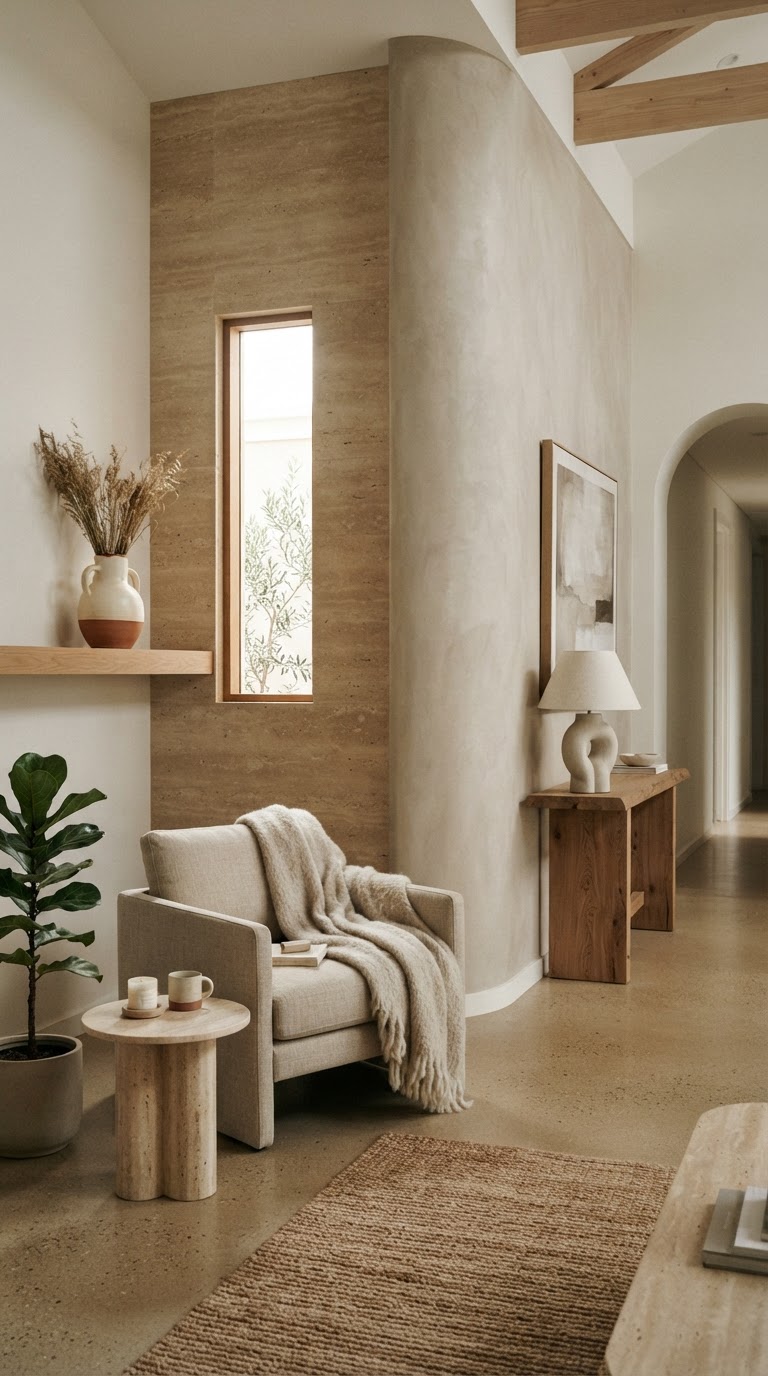
Color is where a lot of beginners either nail it or completely miss the point. Wabi sabi is not about stark minimalism or clinical white walls. And it's definitely not about saturated, trendy accent colors. The palette here is drawn entirely from nature, and specifically from nature in its quieter, more understated moments. Think the grey-green of lichen on a stone wall. The warm beige of dry sand. The dusty terracotta of unglazed clay. The soft brown of weathered driftwood. These are your colors.
What unifies a wabi sabi palette is a kind of low saturation. Everything feels slightly muted, like you're viewing the world through a soft filter. This doesn't mean dull, though. Honestly, some of the most beautiful rooms I've ever seen have been built on these "boring" neutral tones, because when the colors are quiet, the textures and forms get to do all the talking. It's a really smart design move once you understand it.
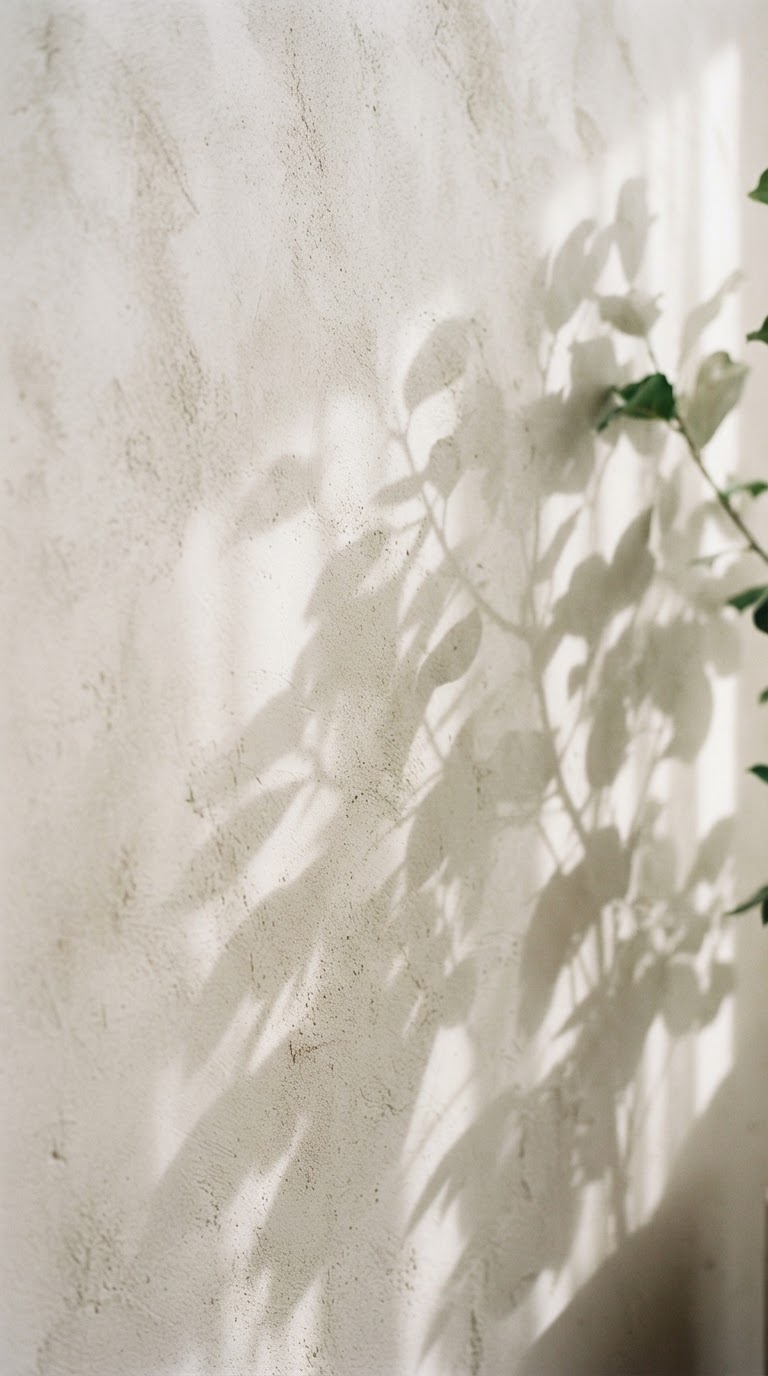
When painting walls or choosing large furnishings, stick to warm whites, greiges, soft taupes, and muted earthy tones. For accent pieces, you can go a bit deeper, think aged terracotta, mossy green, or a dusty slate blue. But keep it restrained. The rule of thumb I always come back to is this: if a color would look at home in a forest, a beach, or a stone quarry, it probably belongs in a wabi sabi room.
"In wabi sabi, color is not decoration. It is atmosphere. Choose tones that make you feel like you can breathe."
Also, don't underestimate the role of natural light in your color choices. Wabi sabi spaces tend to favor soft, diffused light rather than harsh overhead lighting, and your colors will shift beautifully throughout the day when they're in this range. Test your paint samples at different times of day before committing, because a warm beige at noon can feel like a completely different color by candlelight in the evening.
Curating Objects with Character
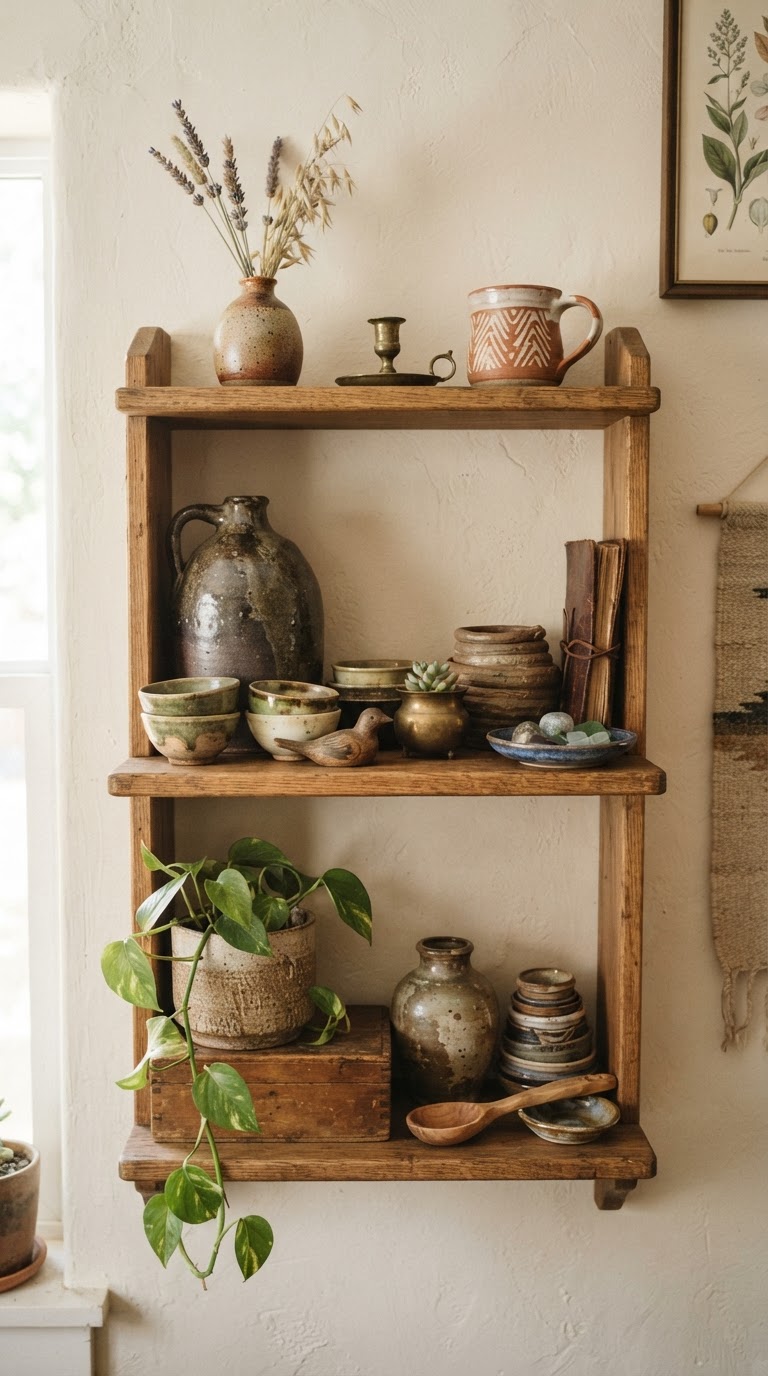
Look, this is probably my favorite part of wabi sabi design to talk about, because it's where the philosophy gets genuinely personal. Curating objects for a wabi sabi space isn't about shopping for a specific aesthetic. It's about choosing things that have meaning and visible history. A chipped mug your grandmother used every morning. A ceramic vase you picked up from a local potter whose hands shaped it slightly unevenly. A piece of driftwood you pulled from a beach years ago. These objects carry energy that you simply cannot manufacture or buy off a shelf.
When you're at a market or a thrift store, train your eye to look for signs of wear that add rather than detract. A brass candlestick with natural patina. A wooden bowl that's been smoothed by decades of handling. Old books with worn spines. The question to ask yourself isn't "is this perfect?" but rather "does this have a story?" If you can answer yes, it probably belongs in a wabi sabi home.
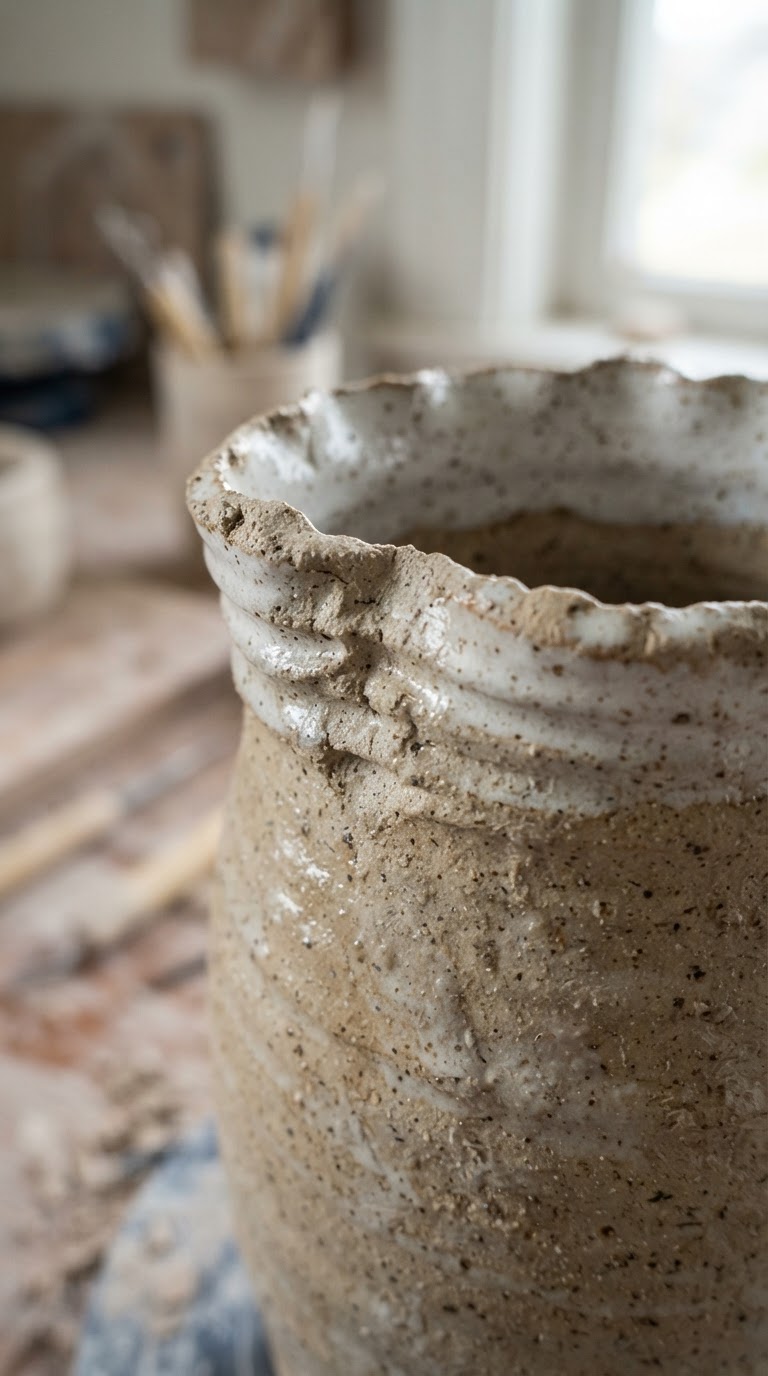
One thing to watch out for, and this is important, is the trap of overcurating. It's easy to get excited about the concept and suddenly start filling your shelves with "wabi sabi objects" until the space feels cluttered and performative. Less is genuinely more here. A single beautiful, imperfect pot on a windowsill has more power than twenty carefully arranged pieces. Give each object room to exist on its own terms.
- Prioritize handmade over mass produced, always
- Look for organic forms rather than geometric perfection
- Include things from nature, dried botanicals, stones, shells, branches
- Keep personal objects, things with sentimental weight matter here
- Rotate your objects seasonally rather than keeping everything out all the time
And honestly, don't feel like you need to go out and buy everything new for this. Some of the best wabi sabi objects are already in your home. You just haven't looked at them with fresh eyes yet.
Simplifying Your Space for Clarity
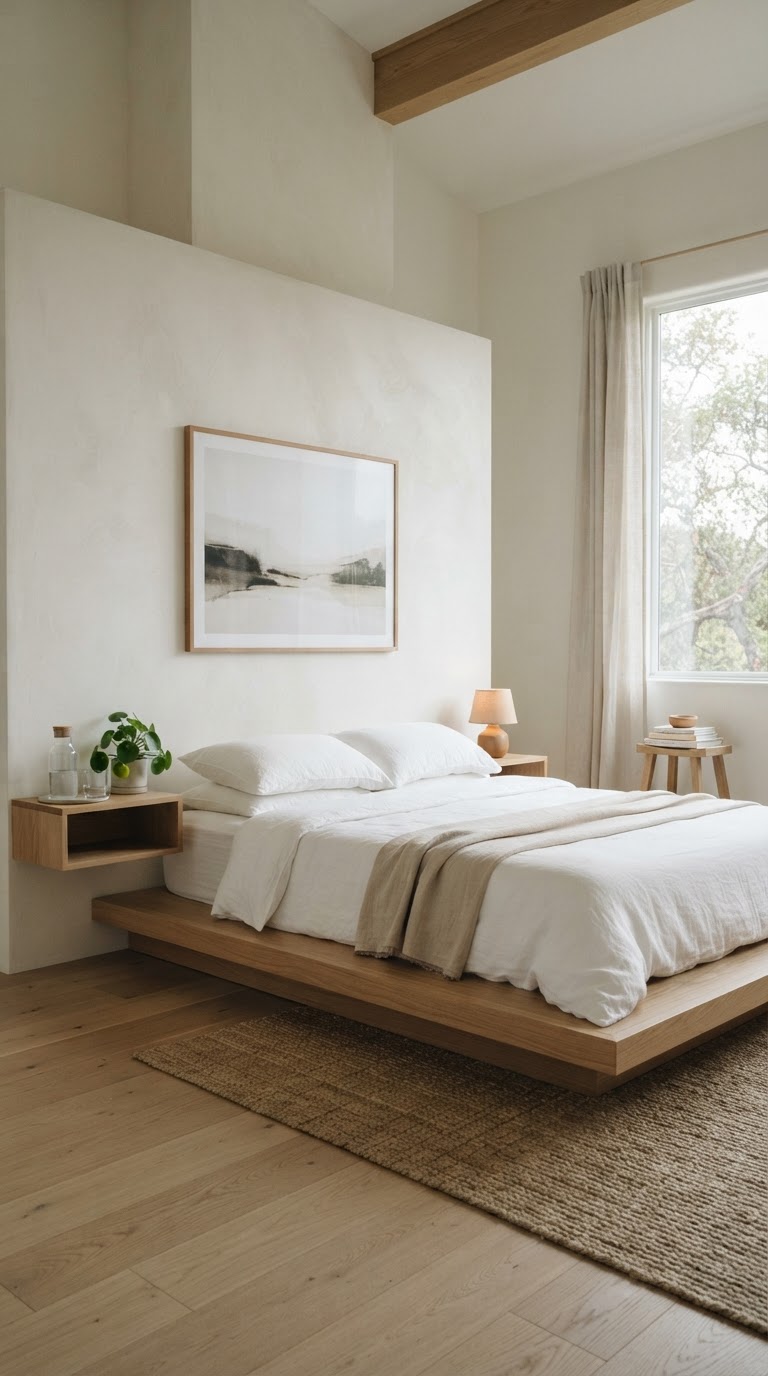
Here's the thing about simplification in a wabi sabi context. It's not the same as minimalism, even though the two get lumped together constantly. Minimalism can feel cold, almost sterile in its commitment to reduction. Wabi sabi simplicity is warmer. It's about removing what doesn't serve you so that what remains can be fully felt. There's a big difference between a room that's empty and a room that's spacious. One feels incomplete, the other feels intentional and peaceful.
Start by honestly assessing what's in your space. Not just the big furniture pieces, but the small stuff. The random objects on your coffee table, the pile of things on the kitchen counter, the decorative items that you bought on a whim and haven't really looked at since. Wabi sabi asks you to be a bit ruthless here. Keep what you love and what has genuine meaning. Let go of the filler.
Negative space is a design element in this world, not a problem to be solved. When you leave a wall bare, when you have a shelf with just one or two objects rather than a full arrangement, you're giving the eye somewhere to rest. And in a world that is constantly overstimulating, a room that offers visual rest is incredibly powerful. I've had clients tell me that after editing their space down to wabi sabi principles, they started sleeping better. That's not a coincidence.
- Go through every room and remove anything that doesn't have a clear purpose or personal meaning
- Avoid symmetrical arrangements, asymmetry feels more natural and less forced
- Use furniture with low profiles to keep the visual weight of the room grounded
- Allow walls and surfaces to breathe, resist the urge to fill every corner
- Store what you need but don't display, hidden storage is your friend
Real talk, the editing process is ongoing. Wabi sabi isn't a one-time project, it's a practice. Every few months, walk through your home with fresh eyes and ask yourself what's accumulated that doesn't belong. What's become clutter? What can go? This habit of regular, gentle editing keeps your space feeling clear and intentional without ever tipping into that cold, overly minimal feeling that can make a home feel unwelcoming.
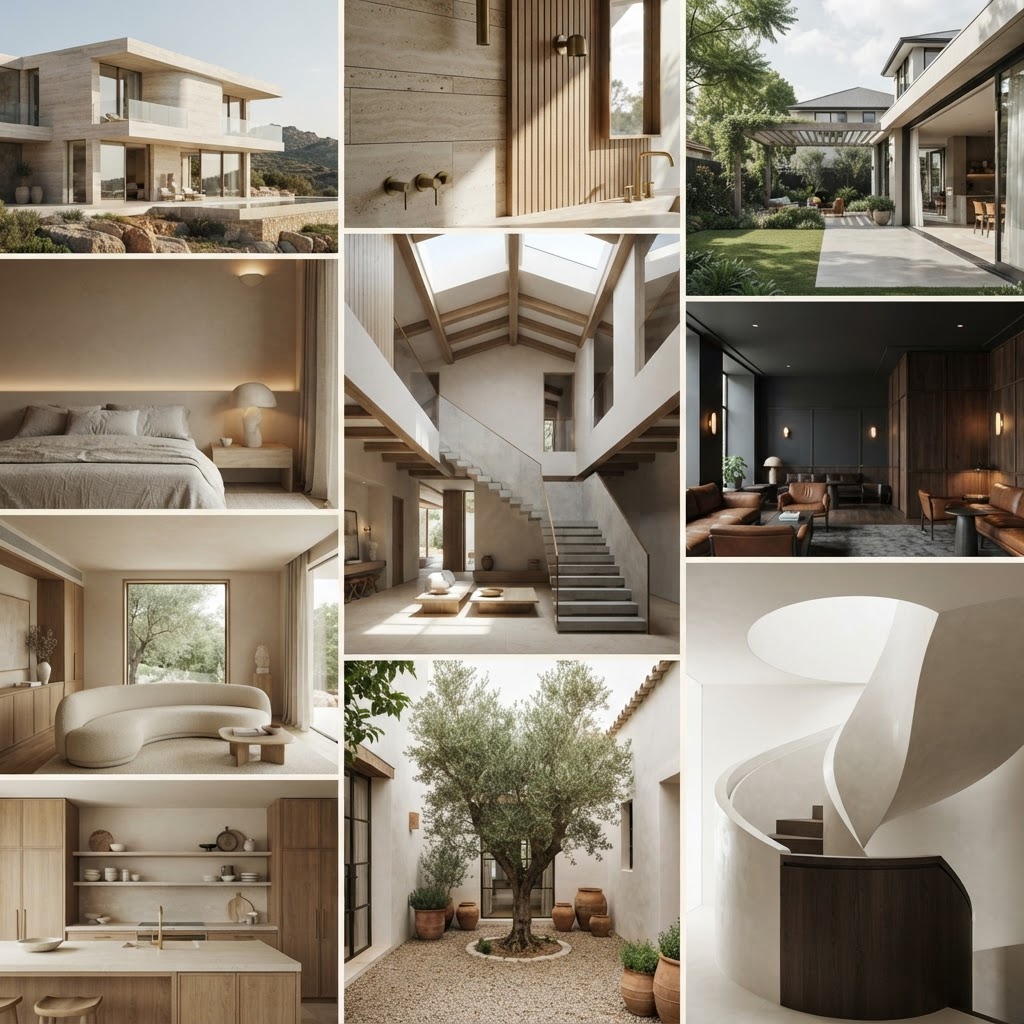
Create your own architectural concepts
Generate personalized architectural images and develop your own concepts independently with AI, shaped around your space, needs, and style.
Powered by next-generation AI trained specifically for architecture and interior design.
Be the first to hear when the Studio opens.
Final Thoughts
Wabi sabi is one of those design philosophies that sounds simple but takes real time to fully understand and embody. And honestly, that's kind of the point. It's not meant to be executed quickly or perfectly. It's meant to evolve with you, to deepen as you age along with your home and the objects in it. The cracks, the fading, the gentle wear, all of it becomes part of something richer over time.
If you're just starting out, don't overthink it. Pick one principle from this guide and apply it this week. Maybe it's swapping out a synthetic material for something natural. Maybe it's removing three objects from a shelf that's feeling overcrowded. Maybe it's just sitting with the philosophy for a while before making any changes at all. Any of those is a valid place to start.
The most wabi sabi thing you can do is stop chasing the perfect version of your home and start appreciating the imperfect, living, breathing space you already have. Trust me, once that shift happens, everything else follows naturally.
More in Interior
Stay Inspired
Subscribe for new essays on architecture, design, and the spaces that shape us.