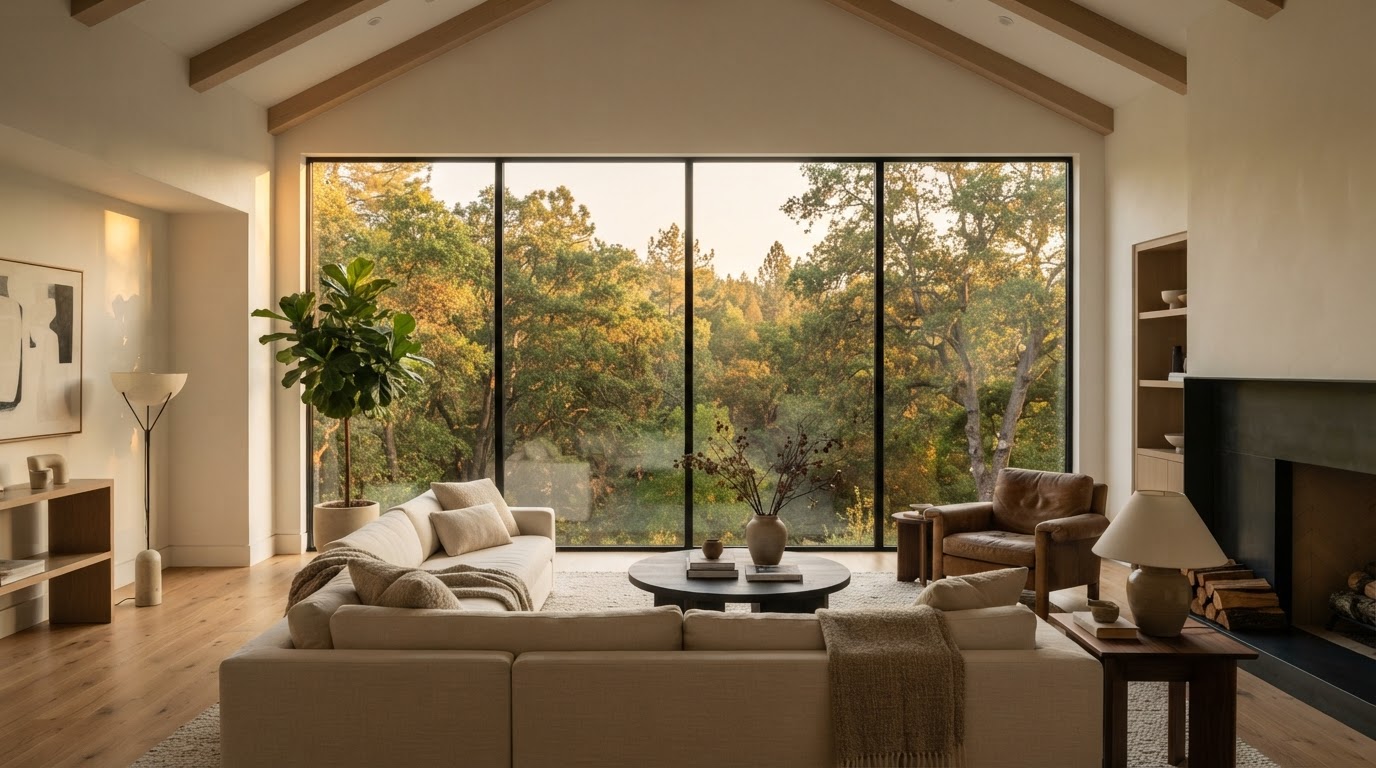
Why A Single Massive Window Is The Best Design Feature Your Home Can Have
Architects often say that light is the most important material in a home. A single, perfectly placed oversized window can transform an entire room into a work of art. Discover how to lean into this architectural feature to create a space that feels calm and connected to the outdoors.
Let The View Become Your Primary Wall Art
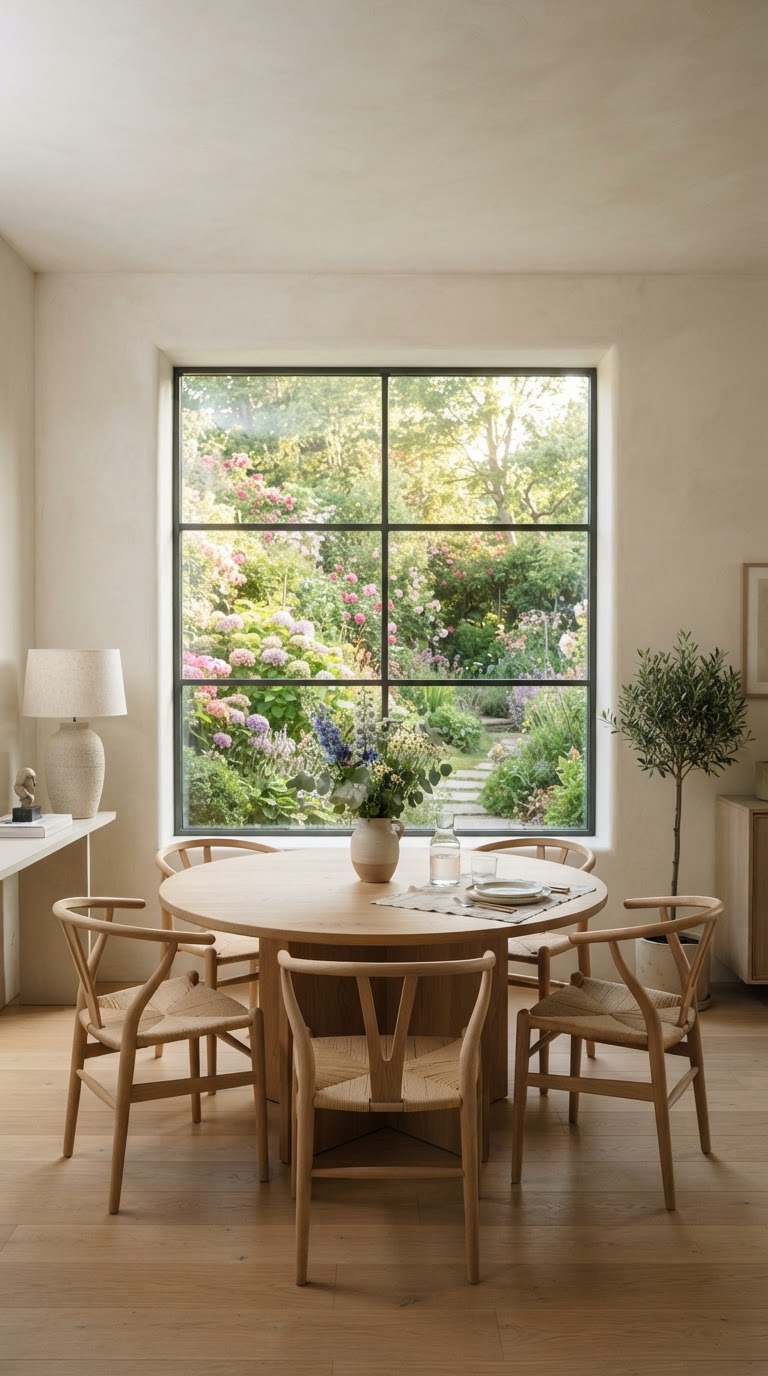
Honestly, I've spent years looking at beautifully curated interiors, and the ones that stop me dead in my tracks almost always share one thing: a massive, unapologetic window that swallows an entire wall. Not a grid of smaller windows, not a sliding door situation, but one bold, singular sheet of glass that says, "look outside, that's the art now."
Here's the thing about wall art. We obsess over prints, gallery walls, statement canvases. We spend hundreds, sometimes thousands, dressing up vertical space. But nothing, and I mean nothing, competes with a live, ever-changing view framed in architectural glass. A snowy backyard in January. A golden tree line at 5pm in October. The way fog sits low over a hillside on a Tuesday morning. That's not decoration. That's a whole experience.
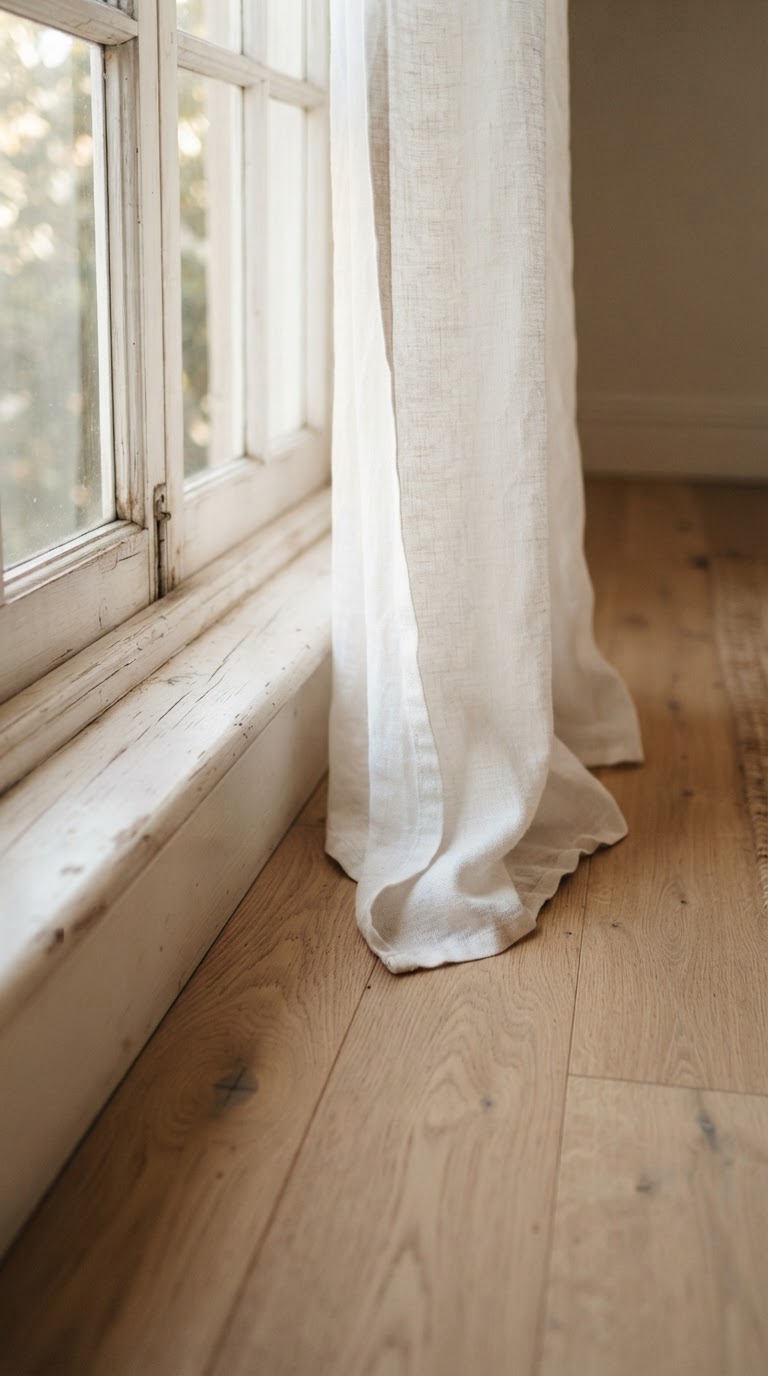
When you commit to one large window on a primary wall, you're making a design decision that cascades through the entire room. The furniture arrangement suddenly makes sense around a focal point. The color palette of the room can pull from whatever's outside. Even the flooring choice feels more intentional when it's leading your eye toward something that beautiful. It's not just a window. It's a compositional anchor for the whole space.
Architects and designers who really understand this principle tend to be pretty deliberate about placement. The window needs to frame something worth framing. A blank fence six feet away doesn't quite cut it. But if you've got trees, water, a garden, distant rooftops, even just sky, you have a view worth showcasing. Orientation matters too. North-facing glass gives you soft, consistent light. South-facing gives you that dramatic seasonal sun shift. Both are gorgeous in their own right, just different moods entirely.
Trust me on this: once you experience a room designed around one significant window, every other room starts to feel a little closed off. It changes what you expect from a space.
Creating A Focused Reading Nook
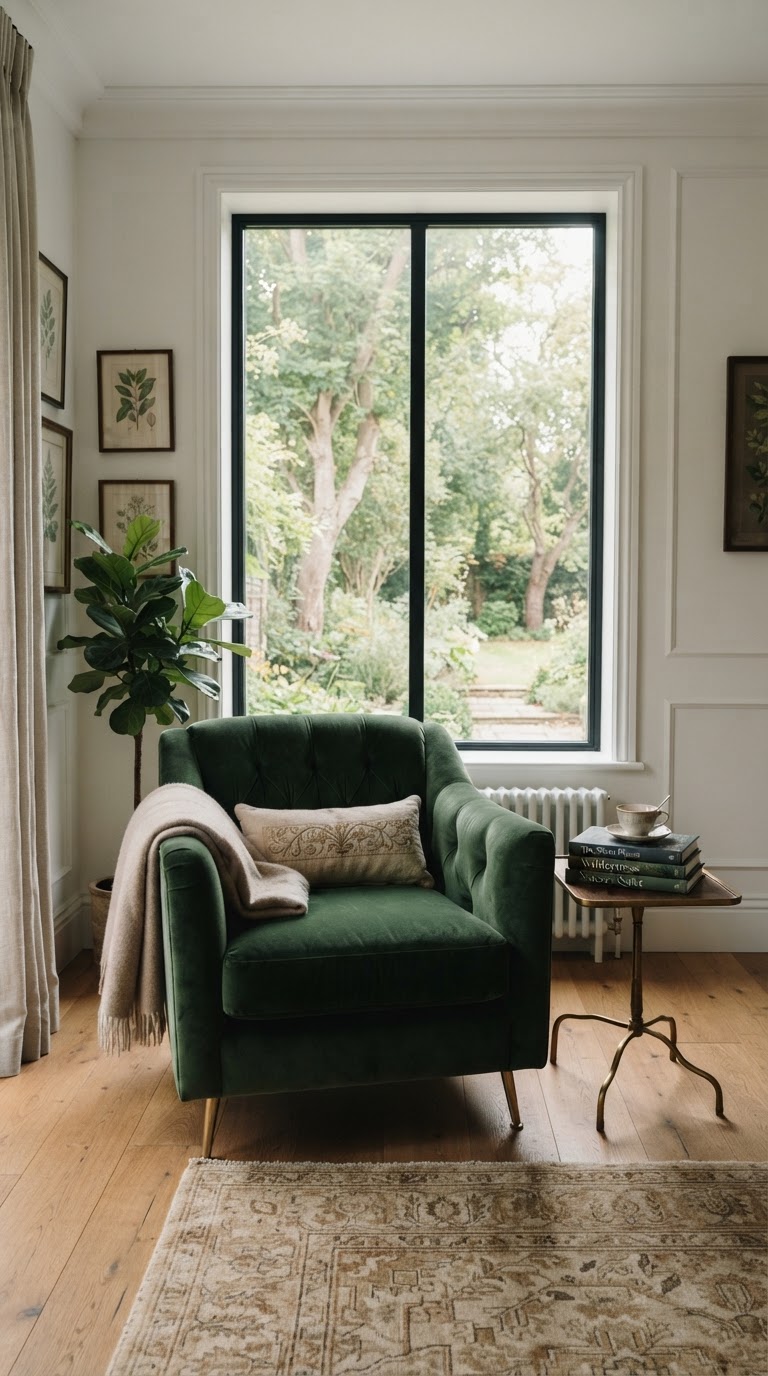
Real talk: the reading nook is one of those design features people dream about their whole lives but rarely get right. Most reading nooks feel like an afterthought, a tucked-away corner with a small porthole window and barely enough light to read by mid-afternoon. But pair a proper reading nook with a truly large window and you've created something that feels almost sacred.
The beauty of using a massive window as the backbone of a reading nook is the generosity of it. You're not squinting toward a narrow slit of daylight. You're sitting inside the light, surrounded by it. A built-in bench seat running the full width of a large window, padded with something soft and deep enough to actually curl into, with the entire outdoors in front of you. That's not just functional. That's a reason to stay home.

What I love about this combination is how it handles the acoustics and atmosphere of a room. A large window with a nook built in front of it creates a kind of psychological boundary. You're in the main room, yes, but you're also slightly apart from it. There's a sense of being in a room within a room. That sense of enclosure combined with expansive glass is a genuinely rare thing to achieve in residential design. It requires intention from the very start of a project, not something you can bolt on at the end.
From a practical standpoint, it's worth thinking about glazing quality when you're planning something like this. Triple glazing, low-E coatings, thermally broken frames. These aren't just technical details for the spec sheet. They're what allows you to sit comfortably next to a massive window in January without feeling like you're leaning against a block of ice. The experience of the nook lives or dies on those details.
- Go deep on the bench seat: at least 24 inches of depth makes it genuinely usable for reading and napping
- Add storage underneath: lift-up bench lids or drawers make the space work harder
- Consider a low sill height: the lower the sill, the more immersive the view feels from a seated position
- Soft lighting nearby: a small sconce or pendant for evenings when the window goes dark
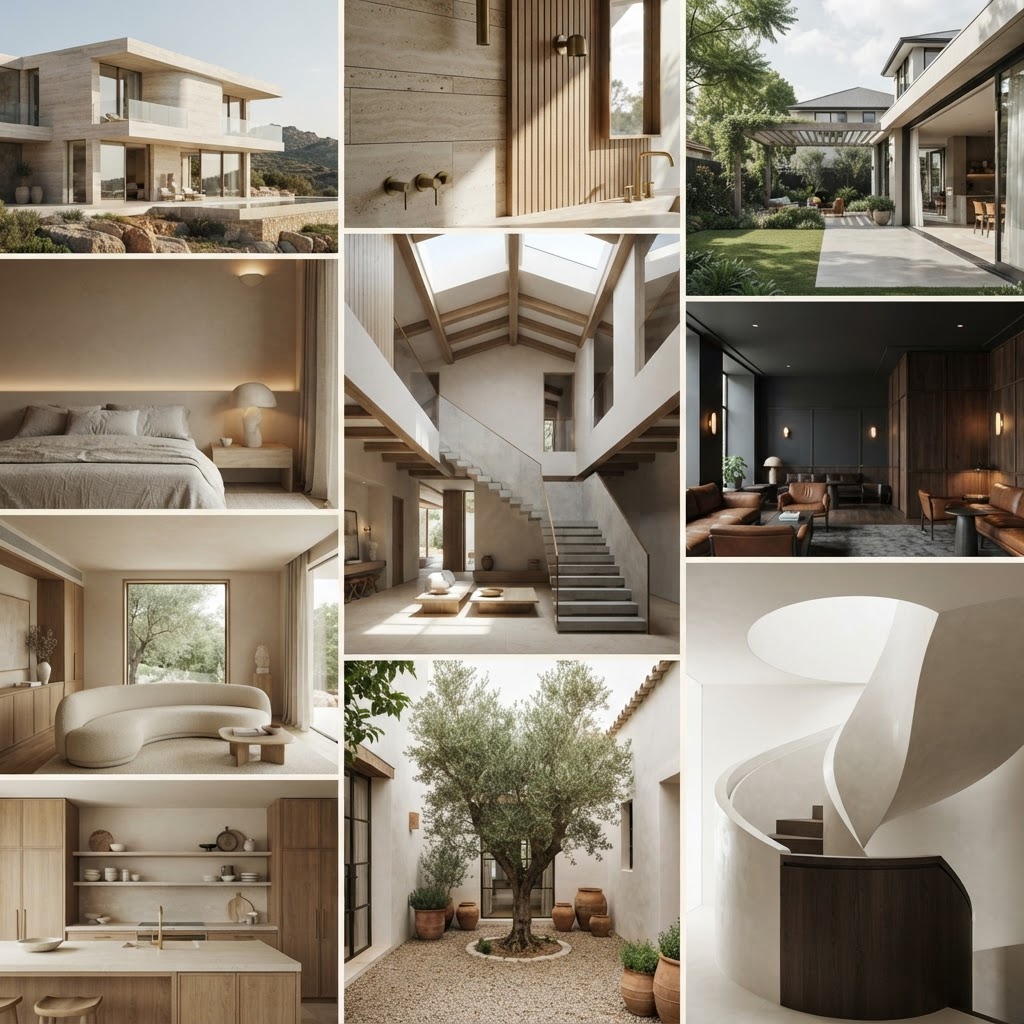
Create your own architectural concepts
Generate personalized architectural images and develop your own concepts independently with AI, shaped around your space, needs, and style.
Powered by next-generation AI trained specifically for architecture and interior design.
Be the first to hear when the Studio opens.
Balancing Architecture With Minimalist Furniture
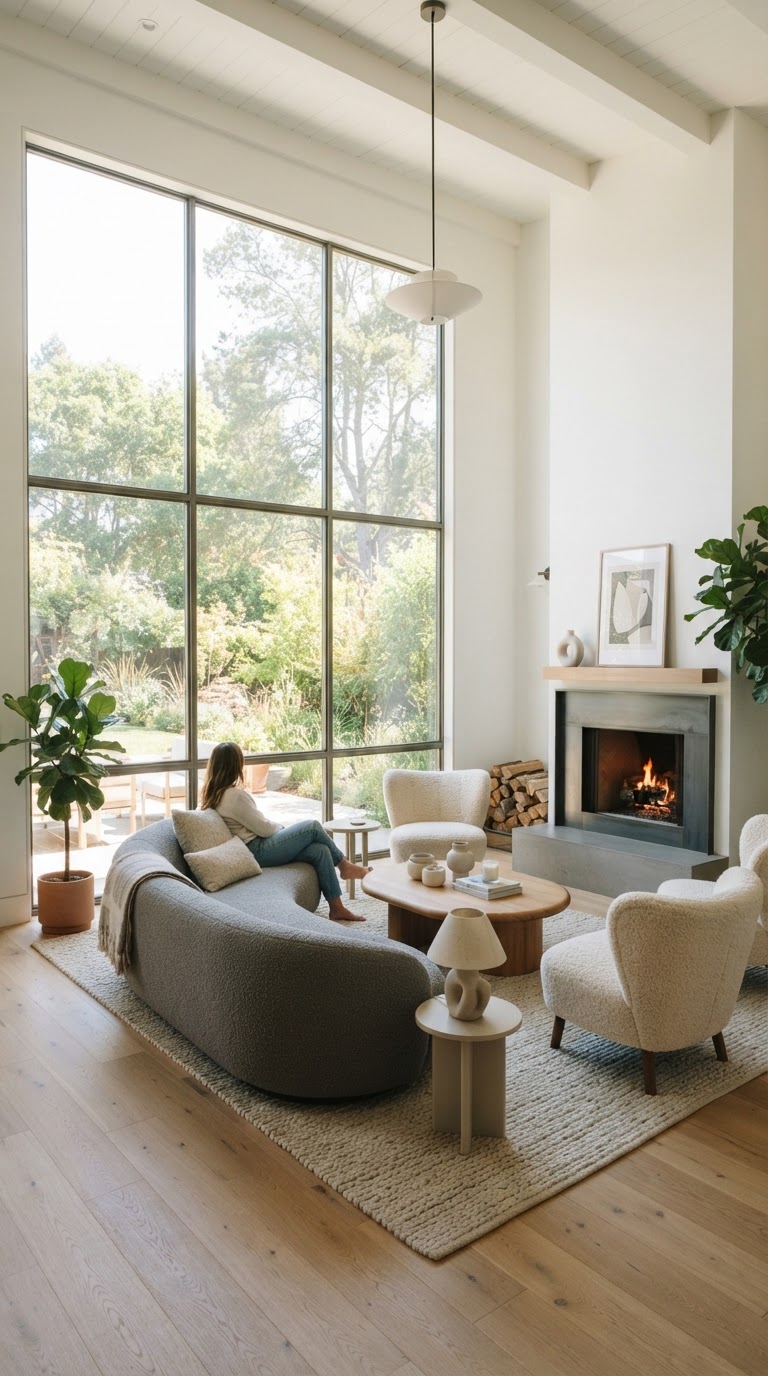
Here's where a lot of people trip up. They invest in a gorgeous large window, and then they crowd the room with furniture that fights it for attention. Big sectional, tall bookcase, busy rug, decorative objects everywhere. And suddenly the window, the best thing in the room, disappears into visual noise. It's genuinely heartbreaking to see.
The architectural logic of a single massive window calls for restraint everywhere else. This isn't about liking minimalism as an aesthetic style. It's about understanding that the window is already doing enormous heavy lifting in the room, and your furniture's job is to support that, not compete with it. Low-profile sofas and chairs are your best friends here. Anything with a high back will block sightlines and chop up the wall of glass. Keep it low, keep it simple, keep it out of the way.
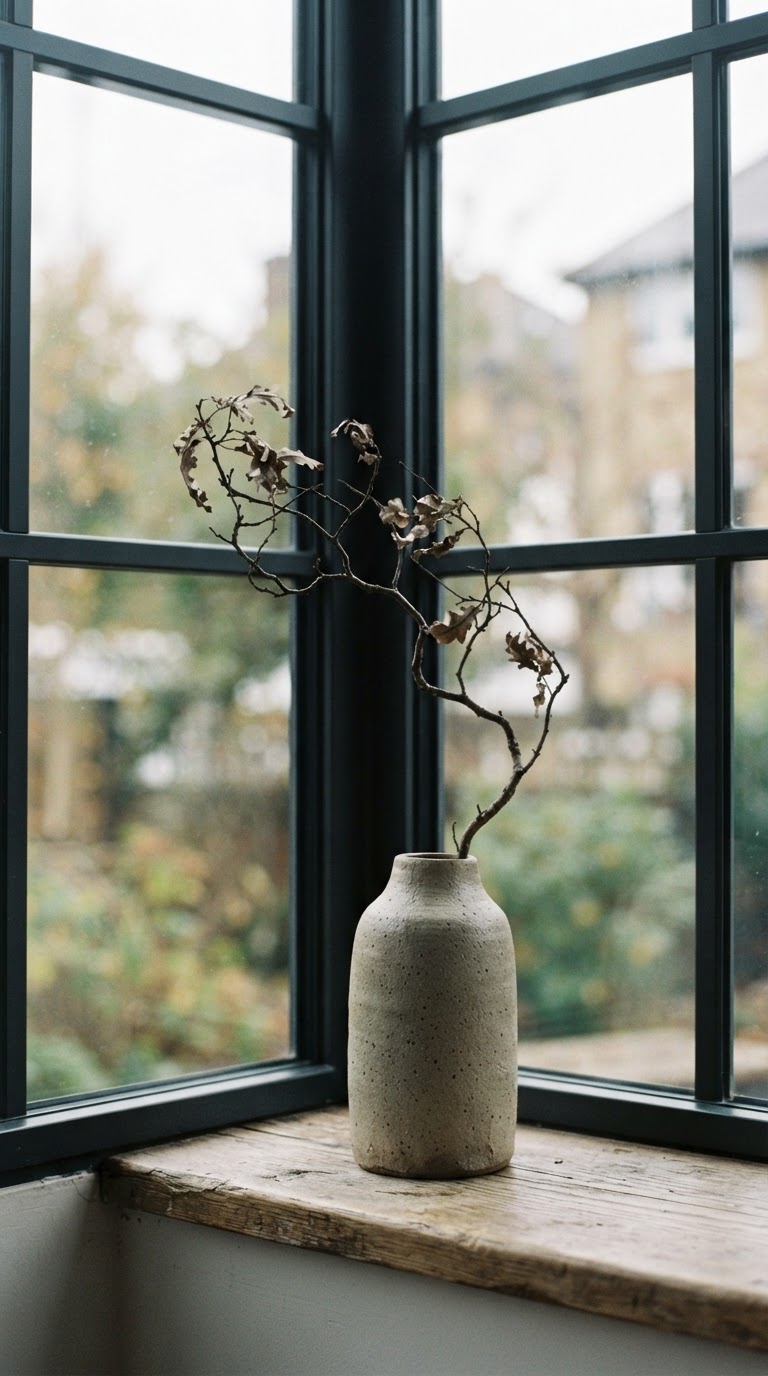
Color becomes really interesting in this context too. Because the window is essentially a giant dynamic color panel, shifting from blue-grey morning light to warm amber afternoon to deep blue dusk, the fixed colors in your room need to play nicely with all of those shifts. Neutrals obviously work. But honestly, some of the most striking rooms I've seen built around a large window use a single deeply saturated color on the non-window walls, something that acts as a backdrop rather than a focal point. It makes the glass pop even harder.
Material choices matter too. Rooms with large windows tend to benefit from materials that reflect or interact with light rather than absorb it. Polished concrete, light timber, pale stone, brushed plaster. These surfaces animate as the light through the window moves across them throughout the day, and that movement is part of what makes the room feel alive. A room with a great window and the right materials isn't static. It performs.
The Power Of Natural Light Diffusion
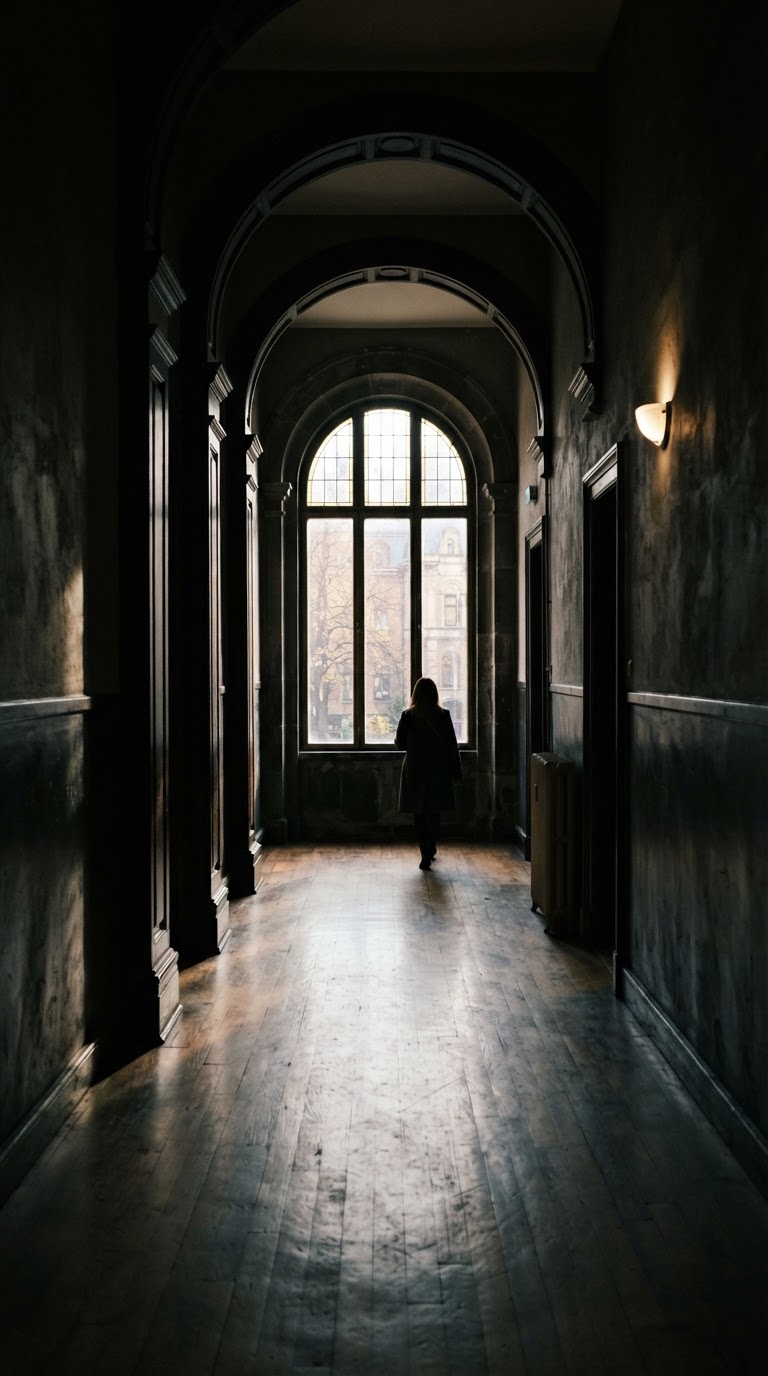
People underestimate how much the quality of light inside a home affects everything from mood to perceived room size to how good your food looks when you're cooking. And look, I know that sounds dramatic, but it's genuinely true. A room lit by one large, well-placed window diffuses natural light in a way that multiple smaller windows simply can't replicate. The light spreads. It bounces. It fills corners you wouldn't expect.
The physics of this is actually fascinating. A large opening means a larger solid angle of sky is visible from more points inside the room. What that translates to in practice is that you can stand almost anywhere in the space and still feel bathed in daylight rather than just receiving it in a narrow shaft. It's the difference between a room that has light and a room that is light. That distinction sounds poetic but it's entirely real and you feel it immediately when you walk in.
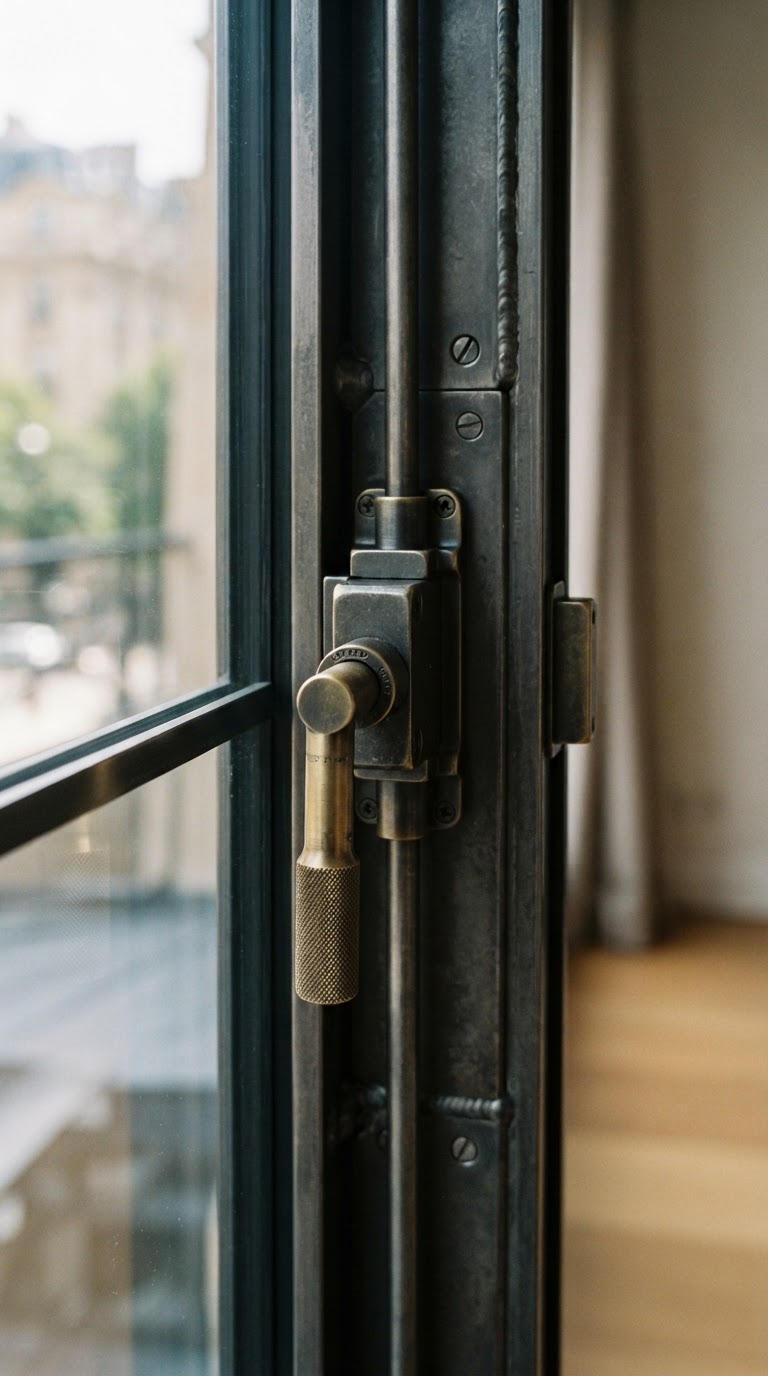
There are practical considerations here that architects think about carefully. Solar heat gain in summer is a real issue with large south or west-facing glass. Good overhangs, smart glazing specification, and sometimes external shading devices are part of the picture. But these aren't reasons to avoid the big window. They're just part of designing it properly. The payoff in light quality is absolutely worth working through those details.
"Sunlight is the best decorator. All you have to do is give it enough room to work."
Honestly, the other thing worth mentioning is what this does for your circadian rhythm. Living in a home with generous natural light means your body is constantly getting accurate time-of-day cues. You wake up with morning light. You feel the shift in afternoon. You wind down as it dims. That connection to the natural light cycle is something a lot of modern homes completely sever by using small windows and relying on artificial light, and the effect on sleep and wellbeing is real. A large window isn't just an aesthetic choice. It's a health choice.
Embracing The Seasons From Indoors
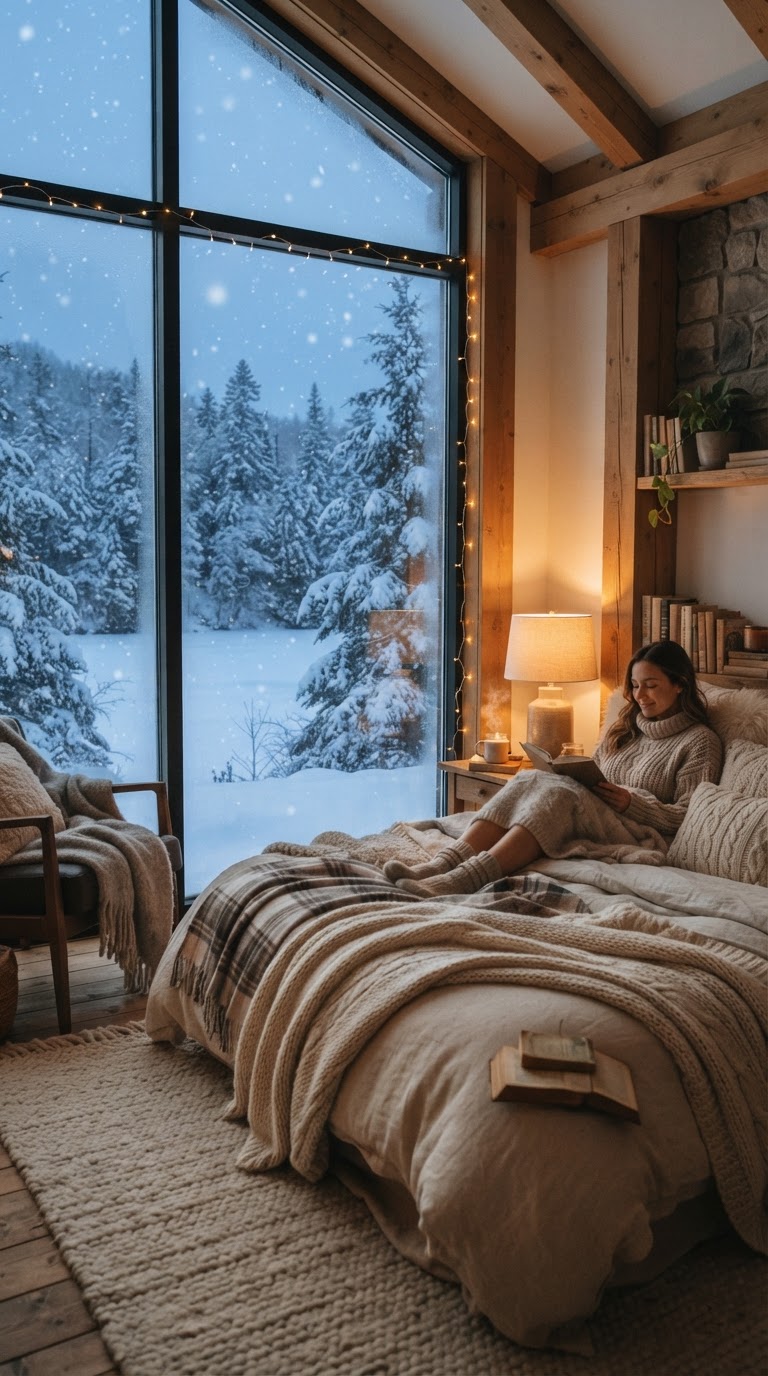
This might be my favorite argument for the single massive window, and it's the one that feels the most personal. When you have a large expanse of glass oriented toward something worth watching, your home becomes a front-row seat to the year. All of it. The whole slow, gorgeous, sometimes dramatic rotation of seasons playing out like a show you never get tired of.
I grew up in a house with small windows, and I remember how disconnected from outside weather I felt inside. It could be snowing heavily or the most spectacular autumn morning imaginable, and you'd barely know it unless you walked out or pressed your face to the glass. Compare that to living with a full-height window looking onto a garden or a woodland edge. You see the first frost on the grass. You watch how the bare winter trees slowly, almost invisibly, begin to bud. You notice exactly when the light starts to change in late February, that first hint that spring is coming. That awareness of the natural world is a gift that good architecture can give you.
There's also something deeply grounding about it. We talk a lot about bringing nature indoors through houseplants and natural materials, and all of that is great. But a large window that connects you visually to actual, real, unmediated nature outside, that's something those design tricks can't fully substitute for. It satisfies something in us that I think goes pretty deep. We're not meant to be sealed away from the world.
- Spring: watch blossom, new growth, and changing bird activity from your sofa
- Summer: long golden evenings that stretch the light well into the room
- Autumn: color shifts and dramatic cloud formations become daily entertainment
- Winter: stark bare structures, frost light, and the occasional snow transform everything
And honestly, the seasonal shift in how the room itself feels is part of it too. The same room looks and feels completely different in December versus June because the light coming through that window is completely different. The room is alive. It's not frozen in one mood. That dynamism is something you just can't buy with decor or furniture choices. It requires glass and the willingness to put it somewhere meaningful.
Final Thoughts
Look, there are plenty of ways to make a home beautiful. Great materials, thoughtful furniture, interesting art. But if I had to pick one single architectural move that transforms the experience of living in a space more than anything else, it's the commitment to one genuinely large window. Not a cluster of small ones. Not a timid opening in the wall. A real, bold, generous expanse of glass that says this room is connected to the world outside it.
It changes the light. It changes your relationship with nature and the seasons. It creates focal points and opportunities for furniture arrangements that actually make sense. And it does something harder to quantify too, something to do with how you feel in the room, how present and alive and connected you feel on a random Wednesday afternoon. That's what good architecture is supposed to do, and a single massive window might be the most direct path to it.
If you're building, renovating, or even just dreaming about your next home, put the window conversation at the top of the list. Everything else can be figured out around it.
More in Residential
Stay Inspired
Subscribe for new essays on architecture, design, and the spaces that shape us.