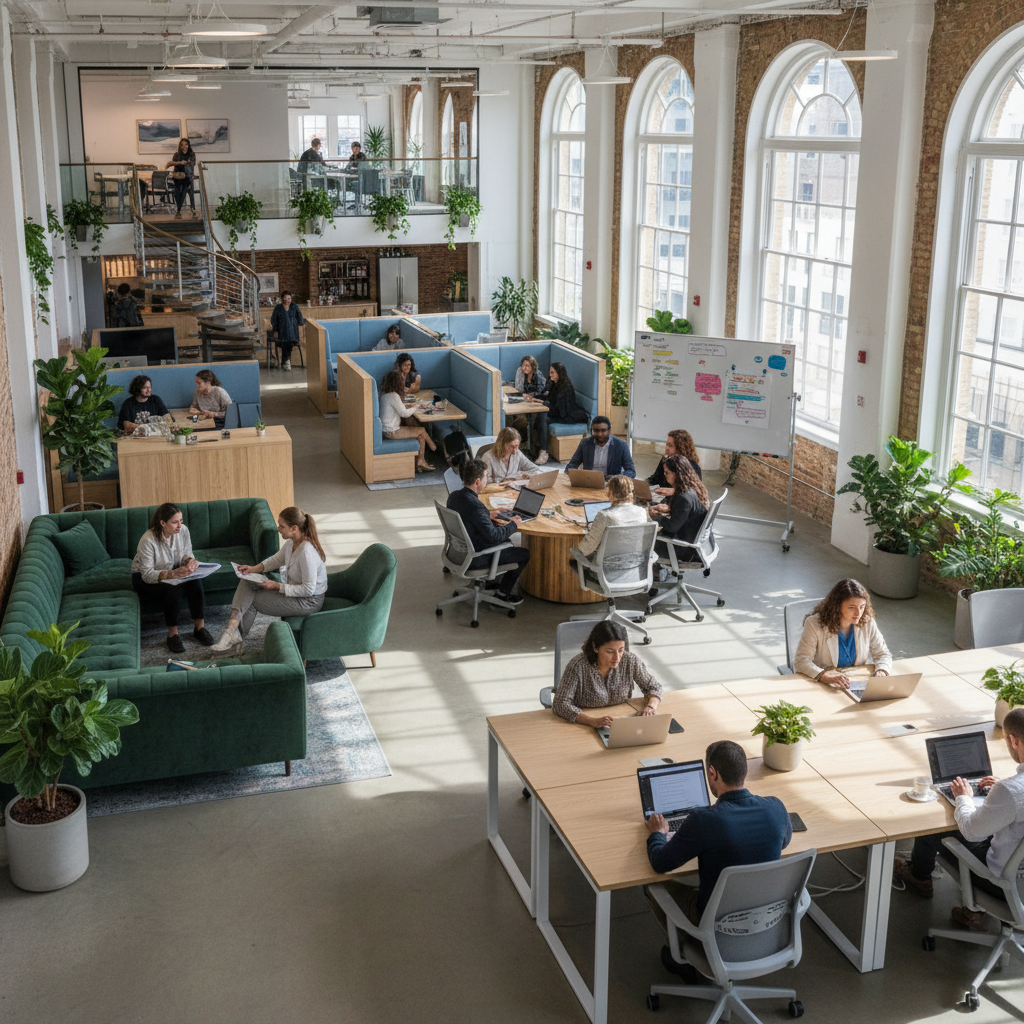
Creating a Workspace Everyone Loves: How to Design an Enjoyable Coworking Space
Designing a coworking space that people actually enjoy can be a game changer for productivity and collaboration. In this post, we’ll explore essential design elements and tips to create an inviting and functional environment for everyone.
Understand Your Target Audience

Here's the thing about coworking spaces that a lot of designers miss right out of the gate: you can't design a great one without knowing who's actually going to use it. It sounds obvious, but honestly, so many spaces get built with a vague "everyone is welcome" mentality, and then they wonder why nobody feels truly at home there. Knowing your audience isn't just a marketing exercise. It's the foundation of every single design decision you're going to make.
Think about who's walking through your doors. Are they freelancers who need a quiet corner to grind through client work? Are they early-stage startups that need room to collaborate loudly and brainstorm on whiteboards? Maybe it's remote employees from larger companies who just want a change of scenery from their kitchen table. Each of these people has completely different needs, different rhythms, and different expectations from a workspace.
Real talk: the best coworking operators I've ever spoken with do something most people skip entirely. They talk to potential members before they even finalize the floor plan. They run surveys, hold open houses in temporary spaces, and actually listen. That research shapes everything, from the ratio of private offices to open desks, to the kind of coffee setup they invest in, to whether they put a phone booth in the corner or a big communal table front and center.
If your target audience skews toward creative professionals, for example, you'll want a space that feels inspiring rather than corporate. Think exposed brick, bold art on the walls, and maybe even a dedicated area for pinning up mood boards. But if you're going after legal or financial professionals, they're going to need more privacy, better soundproofing, and a cleaner, more formal aesthetic. The design language speaks directly to the person you're trying to attract.
- Define your primary user personas before committing to a layout
- Survey potential members about their daily work habits and pain points
- Research competitor spaces in your area to find gaps you can fill
- Consider the mix of industries you want to attract and design accordingly
Incorporate Flexible Work Areas
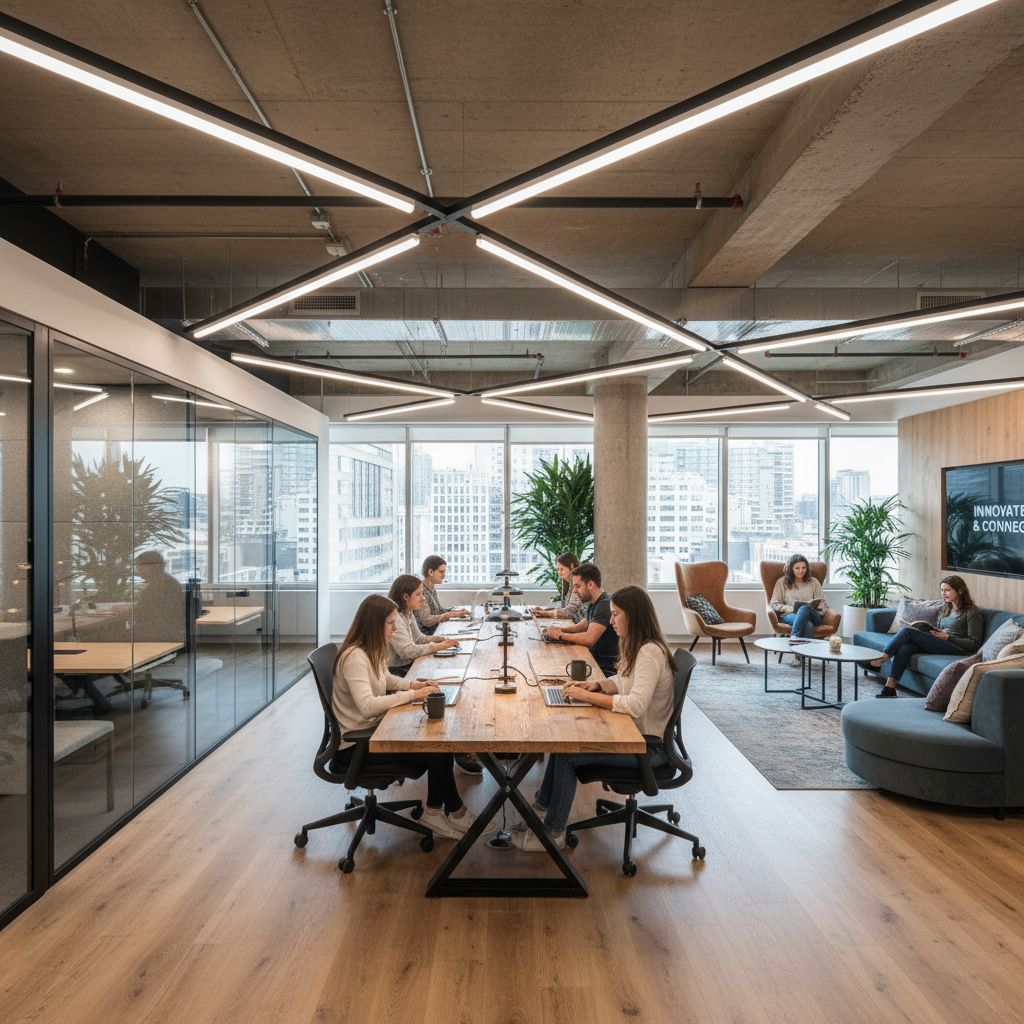
Flexibility is probably the single most important word in modern workspace design. And honestly, it goes way deeper than just having a few moveable chairs. True flexibility means designing a space that can shift and adapt throughout the day, throughout the week, and even as your membership grows and changes over time. That's a tall order, but it's absolutely achievable if you think it through from the start.
Look, the nine-to-five, sit-at-your-desk model of work is basically dead for a huge portion of the workforce. People work in bursts. They need a quiet solo zone in the morning, a collaborative area for a lunchtime brainstorm, and maybe a lounge-style setup for a casual afternoon call. A smart coworking space anticipates all of this and builds it into the floor plan without the whole thing feeling chaotic or disjointed.
Modular furniture is your best friend here. Lightweight tables that can be pushed together for a workshop or pulled apart for individual use. Seating that works in multiple configurations. Moveable partitions that can create temporary private zones or open up a big event space in the evening. These choices might cost a little more upfront, but the long-term payoff in member satisfaction is enormous. People feel like the space is working with them, not against them.
You also want to think about acoustic flexibility. Some people absolutely cannot work with background noise. Others find silence oppressive. Designing zones with different noise levels, a focused quiet zone, a moderate collaboration area, and a more social buzzy spot, lets members self-select throughout the day. Use materials like acoustic panels, rugs, and soft furnishings to absorb sound in the quieter zones without making them feel like a library.
Trust me on this: the spaces that get the best word-of-mouth reviews are the ones where members feel like they have genuine options. Nobody wants to feel stuck. When someone can switch from a standing desk to a cozy armchair to a private pod all within the same building, that variety keeps them engaged and coming back.
Prioritize Comfort and Aesthetics
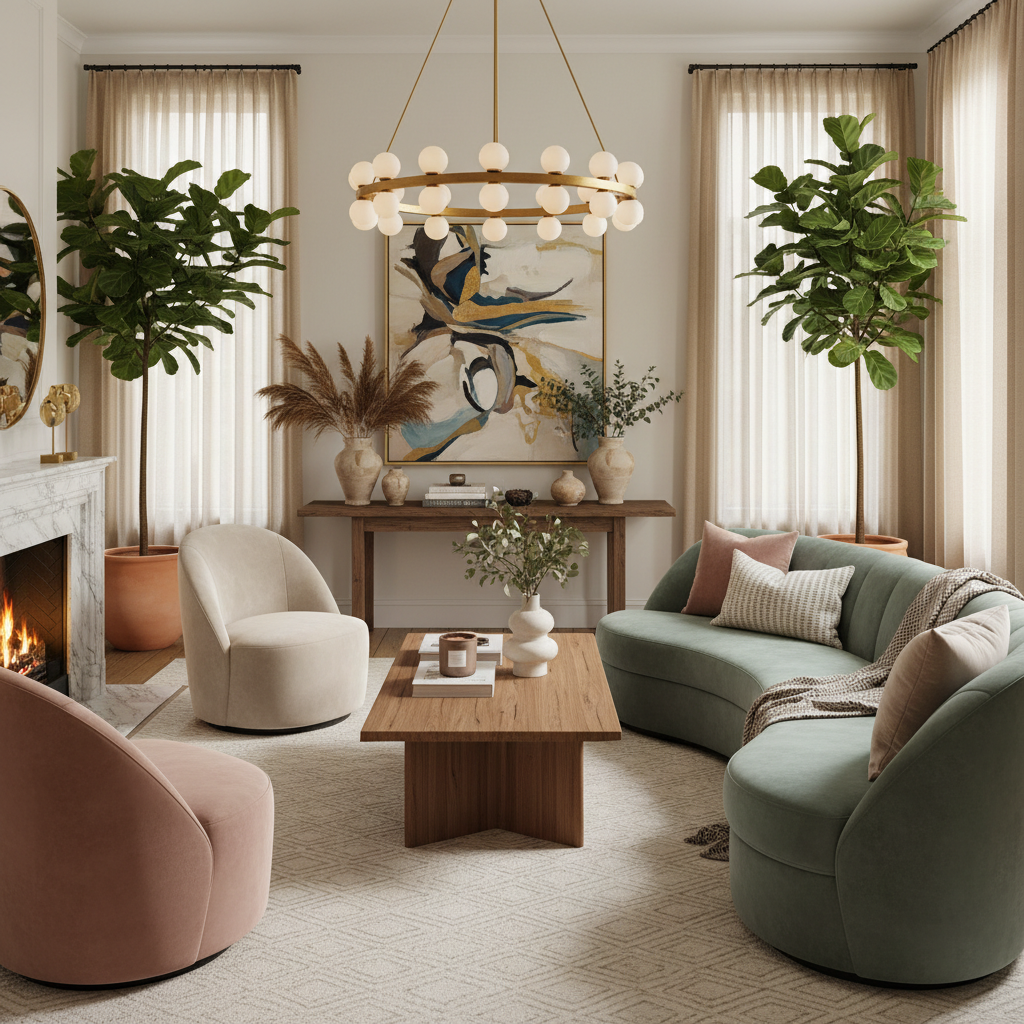
Honestly, this is where a lot of coworking spaces drop the ball. They nail the layout, they get the technology right, and then they furnish the whole place with chairs that feel like airport seating and lighting that makes everyone look slightly ill. Comfort and aesthetics aren't extras. They're core to whether people actually enjoy spending time in your space.
Let's start with ergonomics, because it matters more than people give it credit for. If someone is sitting in your space for six, seven, eight hours a day, a bad chair is genuinely going to hurt them. Investing in quality ergonomic seating is one of the best things you can do for your members. Same goes for desk heights, monitor positioning options, and even the availability of standing desks or balance boards. When members feel physically good at the end of the day, they associate that with your space. That's powerful.
Now, aesthetics. This is where you get to have some fun. The visual identity of a coworking space sets the tone for the whole experience. Warm, layered lighting is almost always better than harsh overhead fluorescents. Natural light should be maximized wherever possible, and window treatments should control glare without blocking the view. A cohesive color palette, textures that feel good to touch, art that sparks conversation, all of these things contribute to an atmosphere that people genuinely want to be in.
"People make decisions about whether they like a space in seconds. That first impression is made up of light, smell, sound, and the overall visual feel of the room. Get those right and you've already won half the battle."
Don't underestimate the role of scent and cleanliness either. A space that smells clean and fresh, maybe with a subtle hint of something pleasant like cedar or light citrus, just feels more professional and welcoming. And consistent cleanliness signals to members that you care about the space as much as they do. These are the details that separate a good coworking space from a great one.
Integrate Technology Thoughtfully
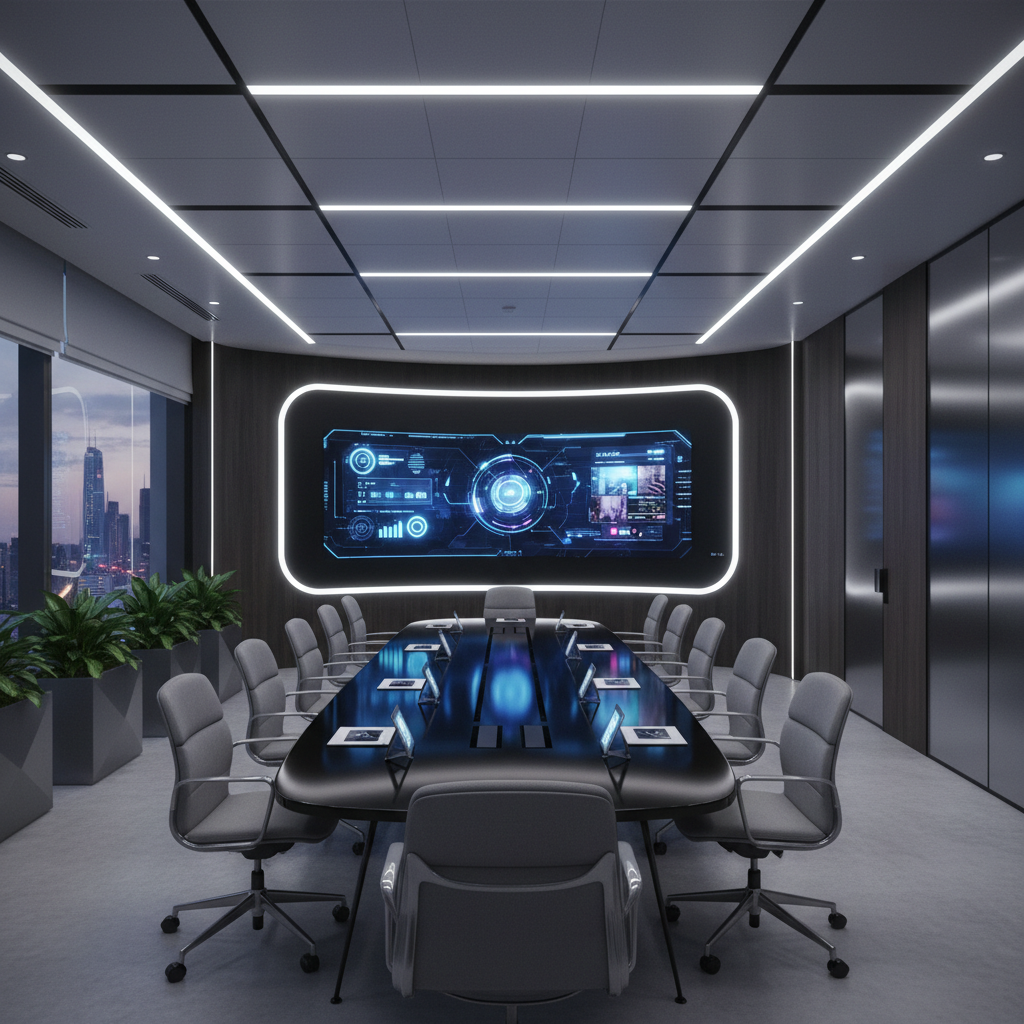
Look, technology in a coworking space can either be seamless and invisible or it can be a constant source of frustration. There is genuinely no middle ground. When the WiFi drops, when the room booking screen is confusing, when there are no power outlets near the comfortable seats, people notice. And they talk about it. Getting the tech right is non-negotiable.
Start with the obvious stuff: the internet connection. This is not an area to cut corners. A coworking space with slow or unreliable WiFi is like a restaurant with bad food. Everything else can be perfect, but that core failure will define the entire experience. Invest in enterprise-grade networking, make sure coverage is consistent throughout the space including any outdoor areas, and offer a wired option in at least some zones for the members who really need stable connectivity for video calls or large file transfers.
Beyond connectivity, think about how technology supports the flow of the space. Room booking systems should be intuitive, ideally with a tablet display outside each meeting room that shows real-time availability. Smart lighting and climate controls can make a big difference in how comfortable a space feels throughout the day, especially if they adjust automatically or can be controlled by members through an app. Printing stations, digital whiteboards, and video conferencing setups in meeting rooms are increasingly expected rather than exceptional.
Here's the thing though: technology should always serve the human experience, not replace it. The goal isn't to fill the space with every gadget available. It's to remove friction. Every piece of technology you introduce should answer the question, does this make someone's day easier or better? If the answer isn't a clear yes, you probably don't need it. Keep the tech intentional and you'll keep the experience clean.
- Invest heavily in network infrastructure from the very beginning
- Use smart room booking systems with real-time availability displays
- Provide ample power access at every seating area
- Offer well-equipped video conferencing in all private meeting rooms
- Keep the tech simple and reliable rather than flashy and complicated
Add Greenery to Boost Wellbeing
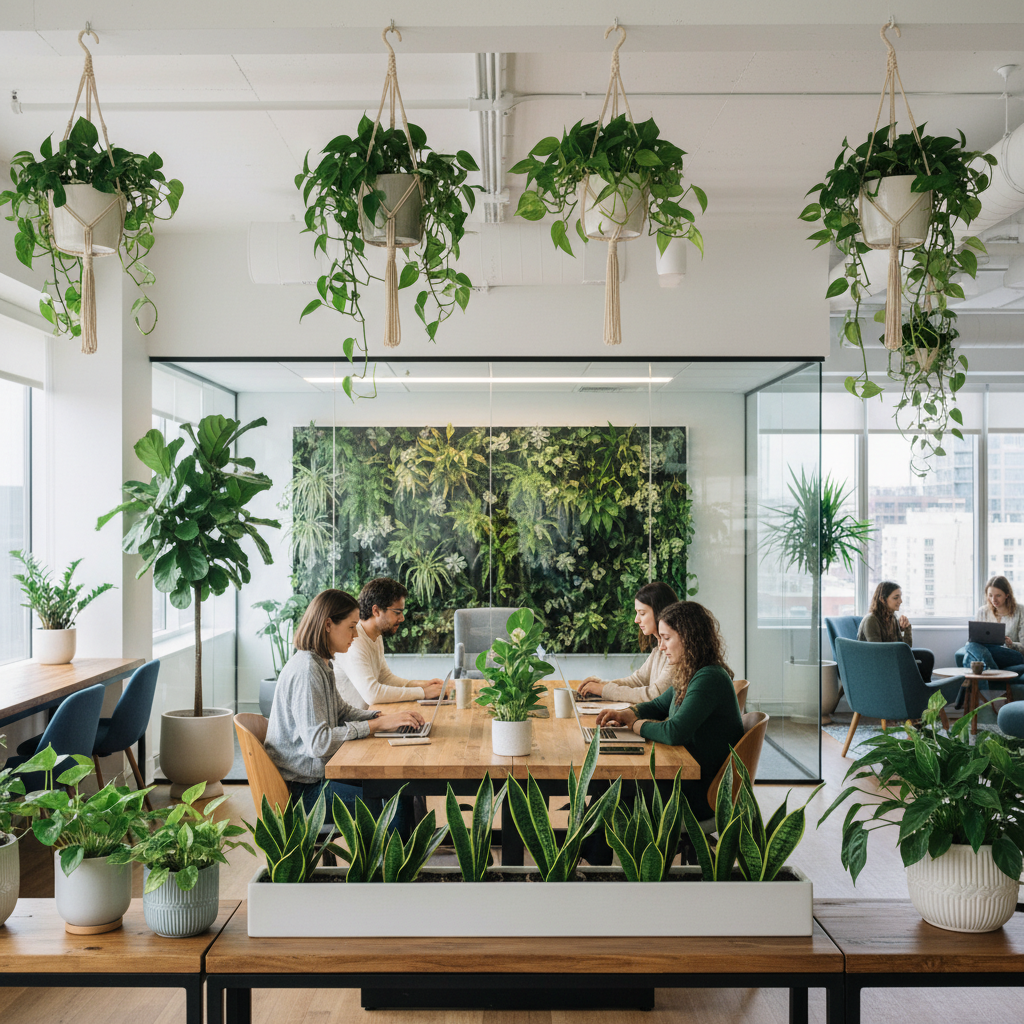
Plants might seem like a small detail, but honestly, the research behind biophilic design is genuinely compelling. Studies have consistently shown that incorporating natural elements into workspaces reduces stress, improves focus, and even boosts creativity. This isn't just interior design fluff. It's backed by science, and it's one of the most cost-effective ways to elevate the feel of a coworking space.
The good news is that you don't need to go overboard with a full indoor garden situation to see the benefits. Even a thoughtful scattering of plants throughout the space, some larger statement pieces near entrances and collaboration zones, a few smaller ones on shelves and window ledges, can transform the atmosphere entirely. Living green walls are increasingly popular in commercial spaces and make a genuinely stunning visual statement while also improving air quality.
When choosing plants, consider maintenance requirements carefully. Nobody wants a coworking space full of sad, drooping, brown-tipped plants. If you don't have the budget for a regular plant maintenance service, choose hardy varieties that can handle occasional neglect. Snake plants, pothos, ZZ plants, and cast iron plants are all incredibly resilient and look great with minimal care. If you can stretch to it, a regular visit from a plant care service is absolutely worth the investment.
And beyond individual plants, think about bringing natural materials into the space more broadly. Timber accents, stone surfaces, water features in larger spaces, textured natural fabrics, all of these elements speak to the same biophilic principles and contribute to a space that feels genuinely restorative rather than sterile. When people feel restored by their environment, they do better work. And when they do better work, they keep coming back.
Create Community Spaces for Networking
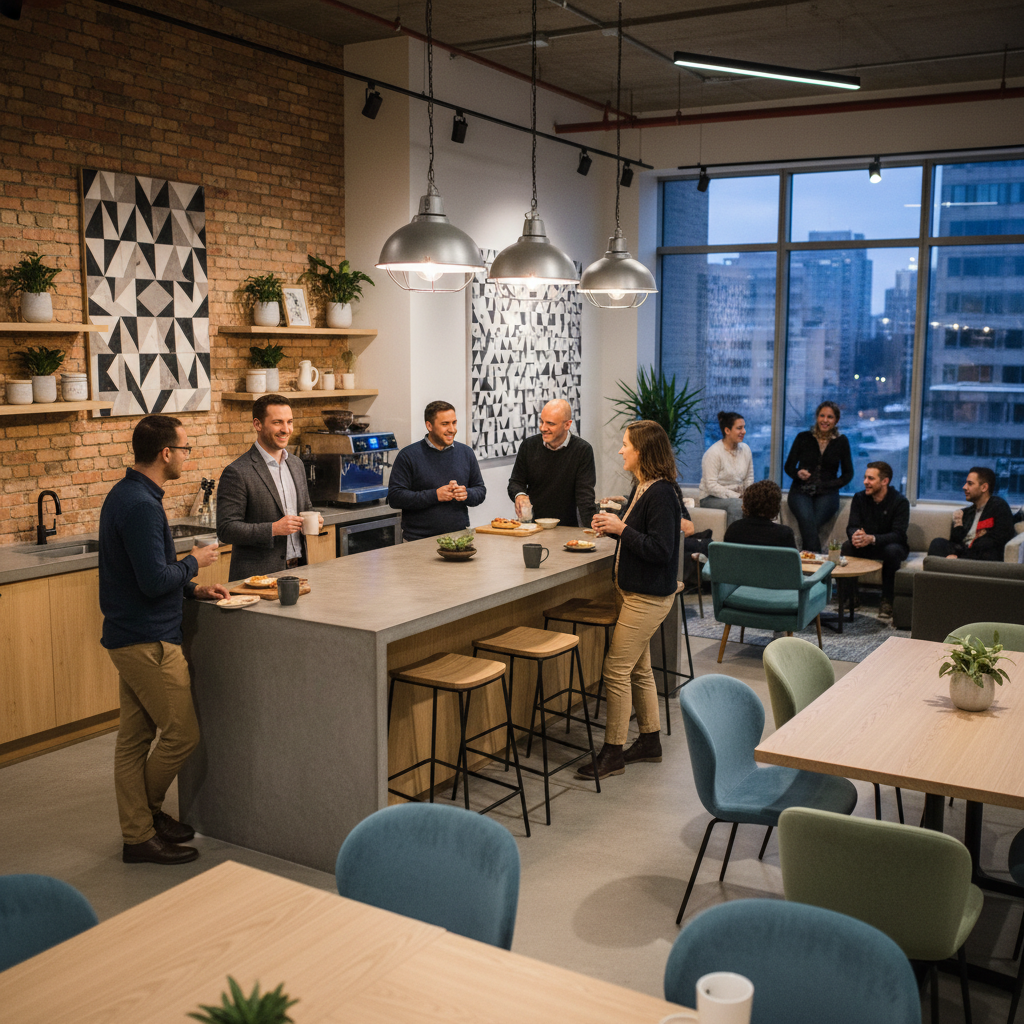
Here's the thing that separates a truly great coworking space from a glorified open-plan office: community. People don't just come to coworking spaces to get work done. They come for the energy, the connections, the chance encounters that turn into collaborations, referrals, friendships, and sometimes whole new businesses. Your job as a designer is to create the physical conditions where those connections can happen naturally.
The kitchen and coffee area is, without question, the most important community space in any coworking environment. It's where people decompress, chat, and accidentally discover they're working on complementary projects. This area deserves serious design attention. It should be inviting, generous in size, well-equipped, and positioned in a way that naturally draws foot traffic. A cramped, sad little kitchen tucked in a corner sends a message that community isn't really a priority here.
Beyond the kitchen, think about designing a variety of informal gathering spots throughout the space. Low coffee tables with comfortable seating clusters, high bar tables near windows, a lounge area with softer lighting for more relaxed conversations. These spots should feel different from the working areas, signaling to people that it's okay to pause, to talk, to be a little less heads-down. The physical environment gives people permission to connect.
Programming and events are deeply connected to space design too. If you want to host workshops, talks, or networking evenings, you need a space that can flex to accommodate those activities. A large open area that can be cleared of furniture, good audiovisual setup for presentations, and a layout that encourages circulation and conversation during mingling events are all worth planning for from day one. And honestly, designing for community isn't just good for members. It's great for business. Happy, connected members stay longer, refer friends, and become genuinely invested in the space they're part of.
- Invest in a warm, spacious kitchen area that encourages lingering
- Scatter informal seating clusters throughout the space for spontaneous conversations
- Design an event-ready zone that can flex between daily use and gatherings
- Use furniture arrangements that naturally bring people face-to-face
Final Thoughts
Designing a coworking space that people genuinely love is one of the most rewarding commercial design challenges out there. It requires you to think about everything at once: who the people are, how they work, what they need to feel comfortable and productive, and what's going to keep them coming back day after day. That's a lot to hold in your head, but when you get it right, you really feel it in the atmosphere of the place.
The spaces that stand out are the ones where you can tell real thought went into every decision, from the ergonomics of the seating to the placement of the plants to the way the kitchen pulls people together. It's not about following trends or spending the most money. It's about genuinely caring about the human experience happening inside those walls.
Start with your audience, build in flexibility, get the fundamentals of comfort and technology right, and then layer in the details that make it feel alive. Do all of that with intention and warmth, and you won't just have a successful coworking space. You'll have a community that people are proud to be part of.
More in Commercial
Stay Inspired
Subscribe for new essays on architecture, design, and the spaces that shape us.