Beyond the Plate: Designing a Restaurant Your Customers Will Rave About (and Return To!)
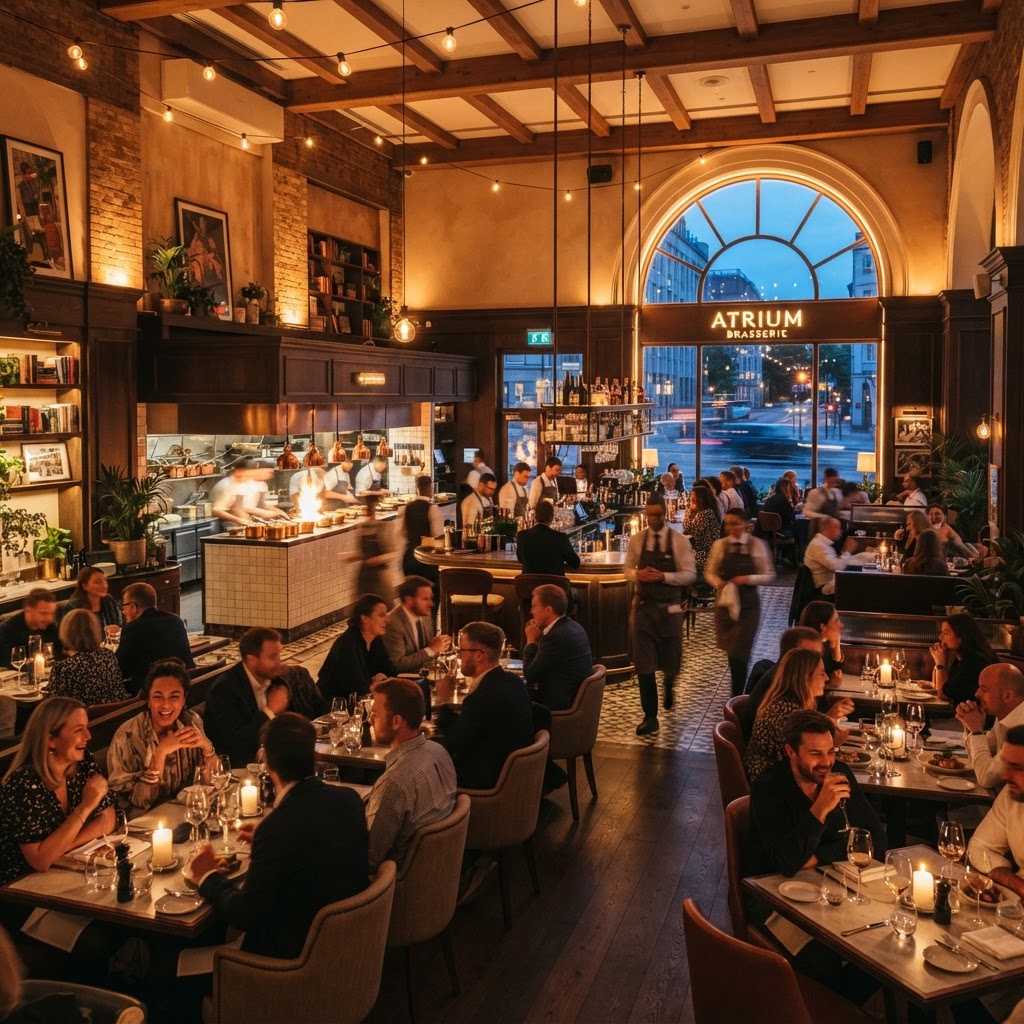
Creating a restaurant that keeps guests coming back is about more than just delicious food. It's about crafting an unforgettable experience. We'll dive into the key design elements that transform a dining space into a beloved destination.
The Art of First Impressions: Creating an Inviting Entryway
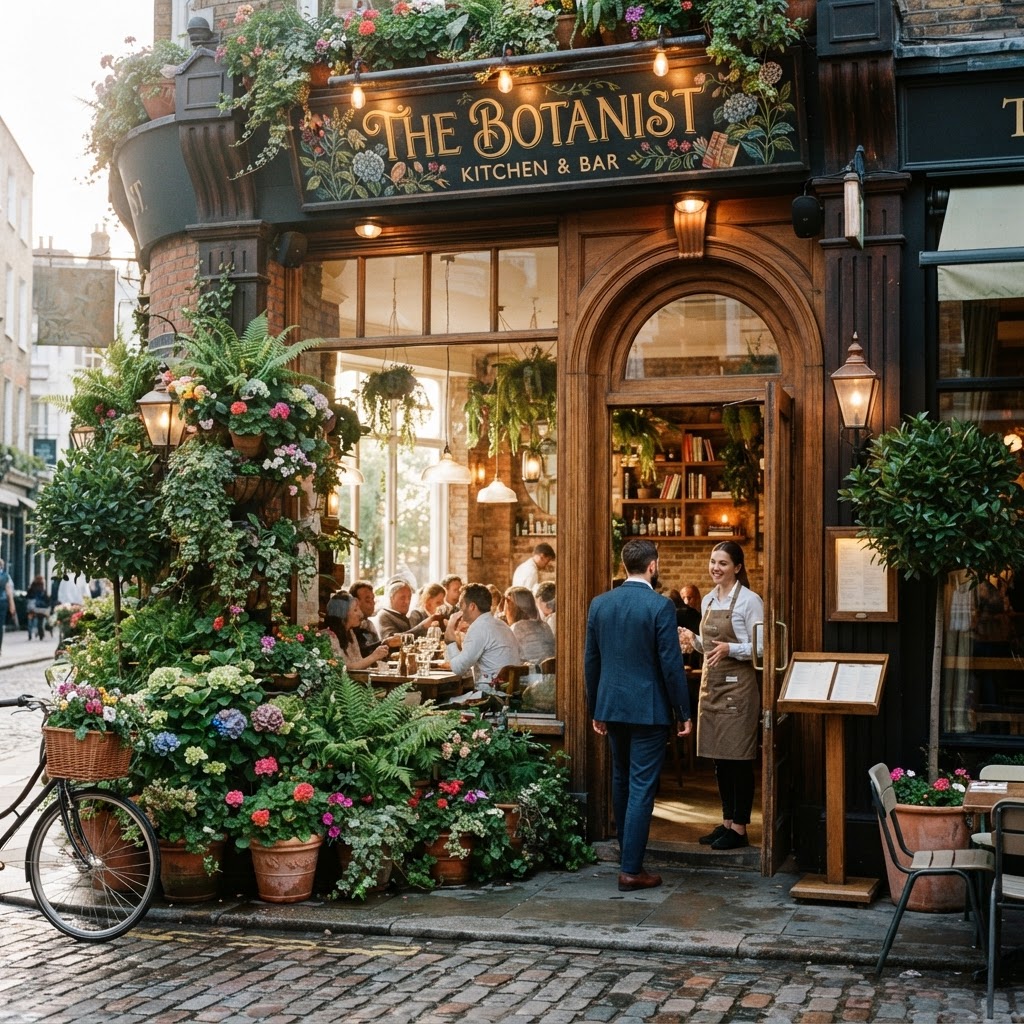
Honestly, most restaurant owners spend so much energy obsessing over the menu that they completely forget about the moment a guest walks through the door. And that moment? It's everything. Before anyone has tasted a single dish, they've already formed an opinion about your restaurant based purely on what they see, smell, and feel in those first ten seconds. That's not an exaggeration. That's just human psychology.
Your entryway needs to do several jobs at once. It needs to communicate your brand, make people feel welcome, and transition them mentally from the chaos of the outside world into the experience you've curated. Think of it like the opening scene of a great film. It signals tone, it creates anticipation, and it makes you want to stay. A heavy wooden door with warm light spilling out from behind it tells a completely different story than a glass facade with fluorescent lighting. Neither is wrong, but both are intentional statements.
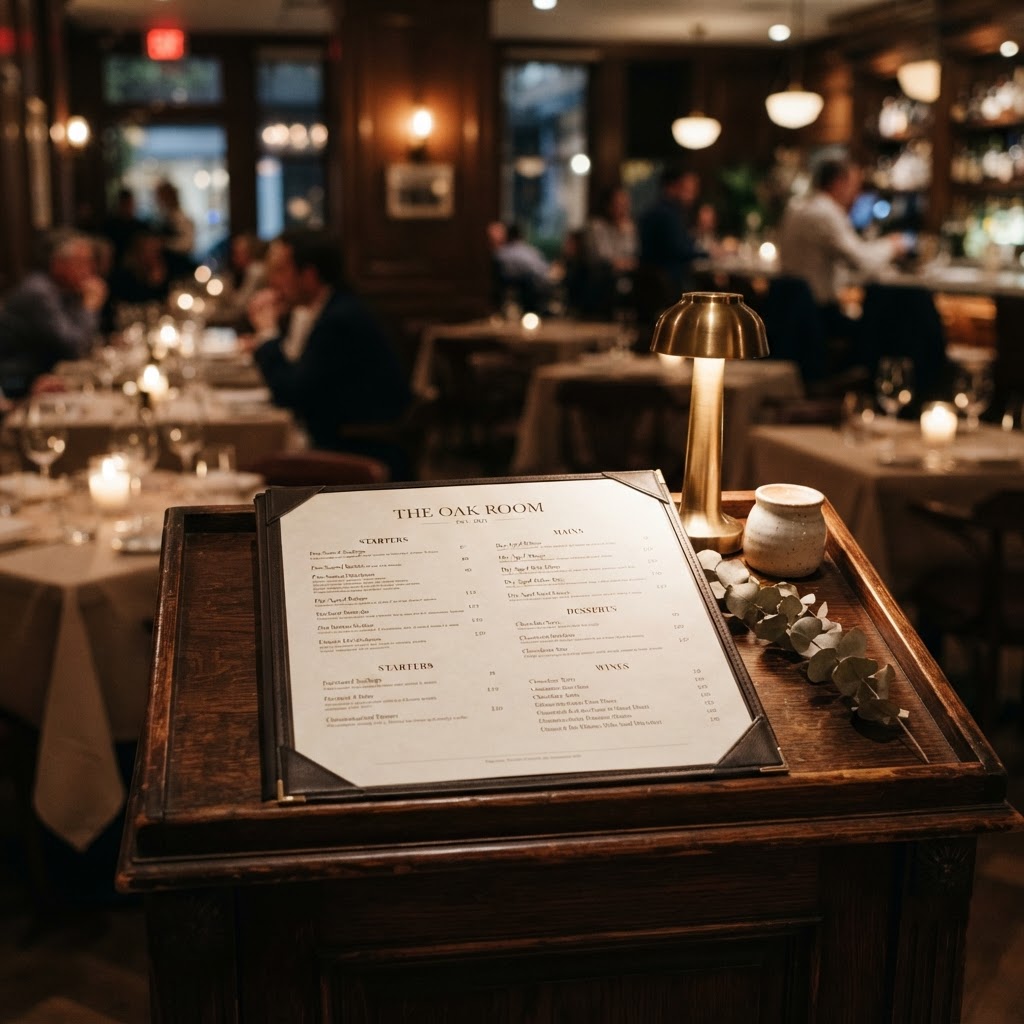
Here's the thing a lot of designers get wrong: the entryway is not just a functional space for waiting. It's a stage. Consider a small built-in bench with plush cushions, a statement light fixture overhead, and maybe a piece of art or a plant wall that gives people something to look at while they wait to be seated. These details make the wait feel intentional rather than inconvenient.
Practical stuff matters too. Make sure the host stand is easy to find, the lighting is warm rather than clinical, and the path from the door to the dining room feels natural and unobstructed. I've walked into restaurants where I genuinely had no idea where to go and that awkward pause at the door is not the vibe you want. Signage can help, but good spatial design should make wayfinding feel intuitive without signs at all.
- Scent: A subtle, pleasant aroma near the entrance, whether from fresh bread, herbs, or a diffuser, primes guests for a positive experience before they've said a word.
- Lighting transition: Going from bright outdoors to a dimly lit interior can feel jarring. A well-lit foyer bridges that gap beautifully.
- Materials at eye level: Textured walls, interesting tiles, or a striking mural near the entrance give the eye something to land on and create immediate visual interest.
Comfort is King: Seating That Encourages Lingering
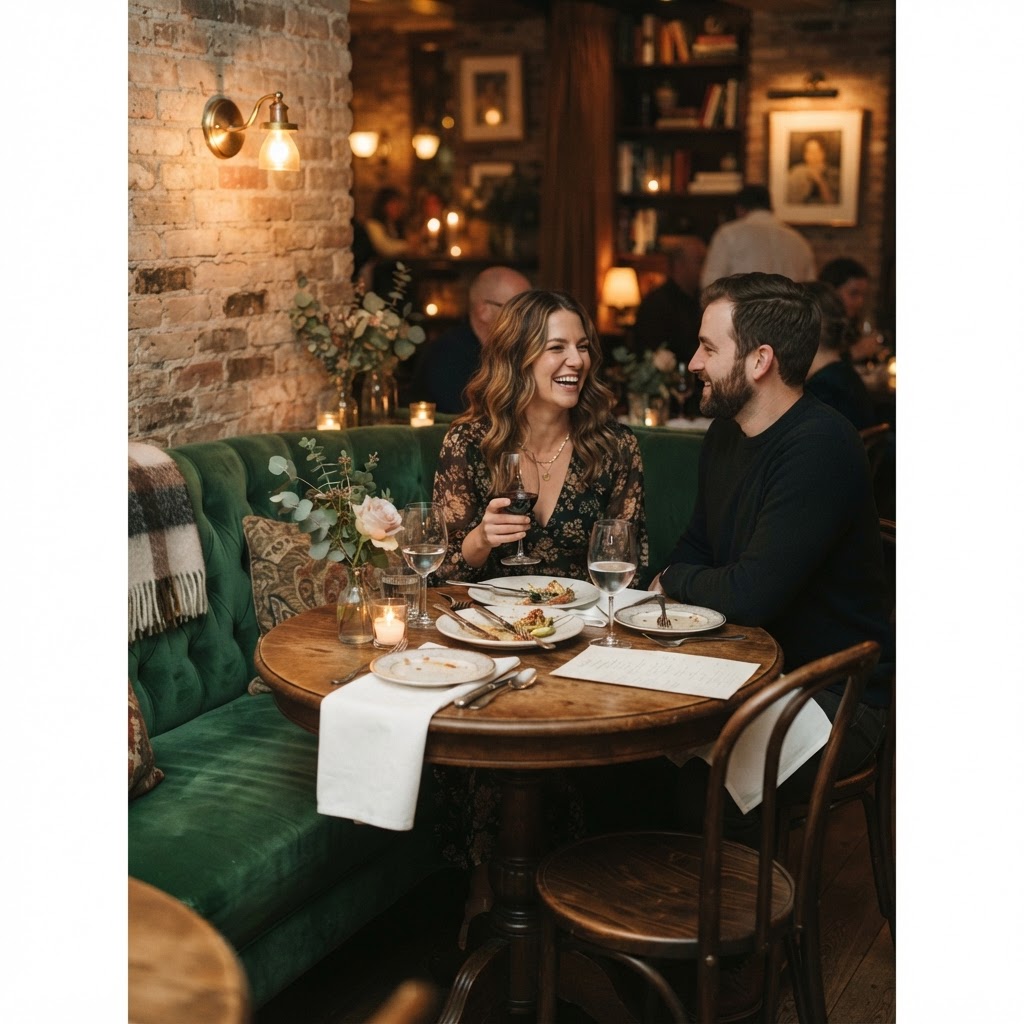
Real talk: uncomfortable chairs are one of the most common reasons people don't return to a restaurant. They might tell their friends the food was just okay, but the real culprit is that their back was aching by the time dessert came around. Seating comfort is one of those invisible factors that shapes the entire dining experience without guests even fully realizing it.
Now, I'm not saying you need plush recliners at every table. Different dining concepts call for different approaches. A fast-casual spot might intentionally use harder seating to encourage turnover. A date-night restaurant, on the other hand, should probably invest in banquettes or padded chairs that make guests want to settle in and order another glass of wine. Understanding your own concept and customer behavior is the starting point for every seating decision you make.
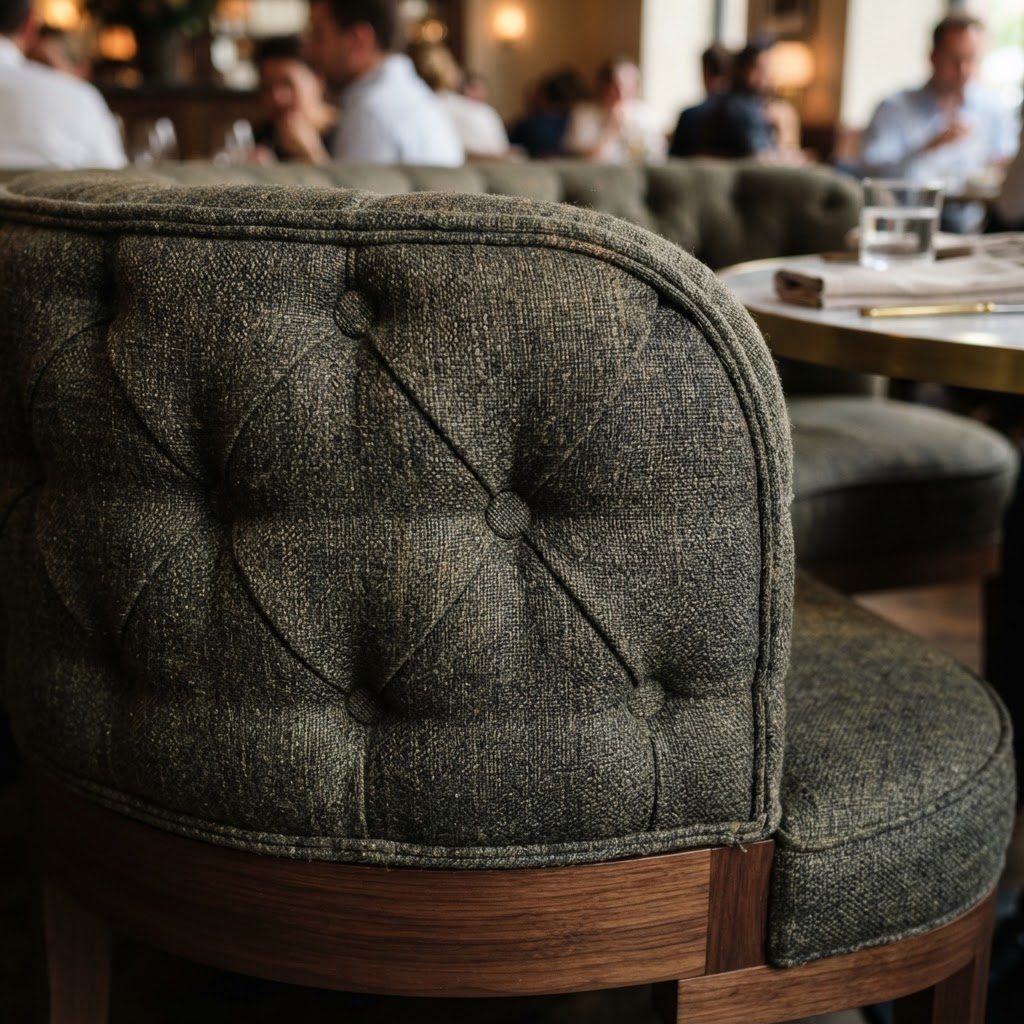
Variety is your best friend here. A mix of two-tops, four-tops, a few larger communal tables, and some cozy booth or banquette seating gives your space flexibility and visual rhythm. It also means you can accommodate date nights, business lunches, family dinners, and solo diners without anyone feeling like they drew the short straw. And honestly, booths are almost universally loved. There's something about that enclosed, semi-private feeling that people gravitate toward.
Table height and spacing matter just as much as the chairs themselves. Tables that are too low create an awkward hunched dining experience, while tables crammed too close together make guests feel like they're eating inside someone else's conversation. Give people enough room to breathe, cross their legs, and set down a bag without a whole production. The industry standard is about 18 inches between chair backs at neighboring tables, but honestly, more is almost always better if your layout allows it.
Setting the Mood: Lighting and Ambiance That Sings
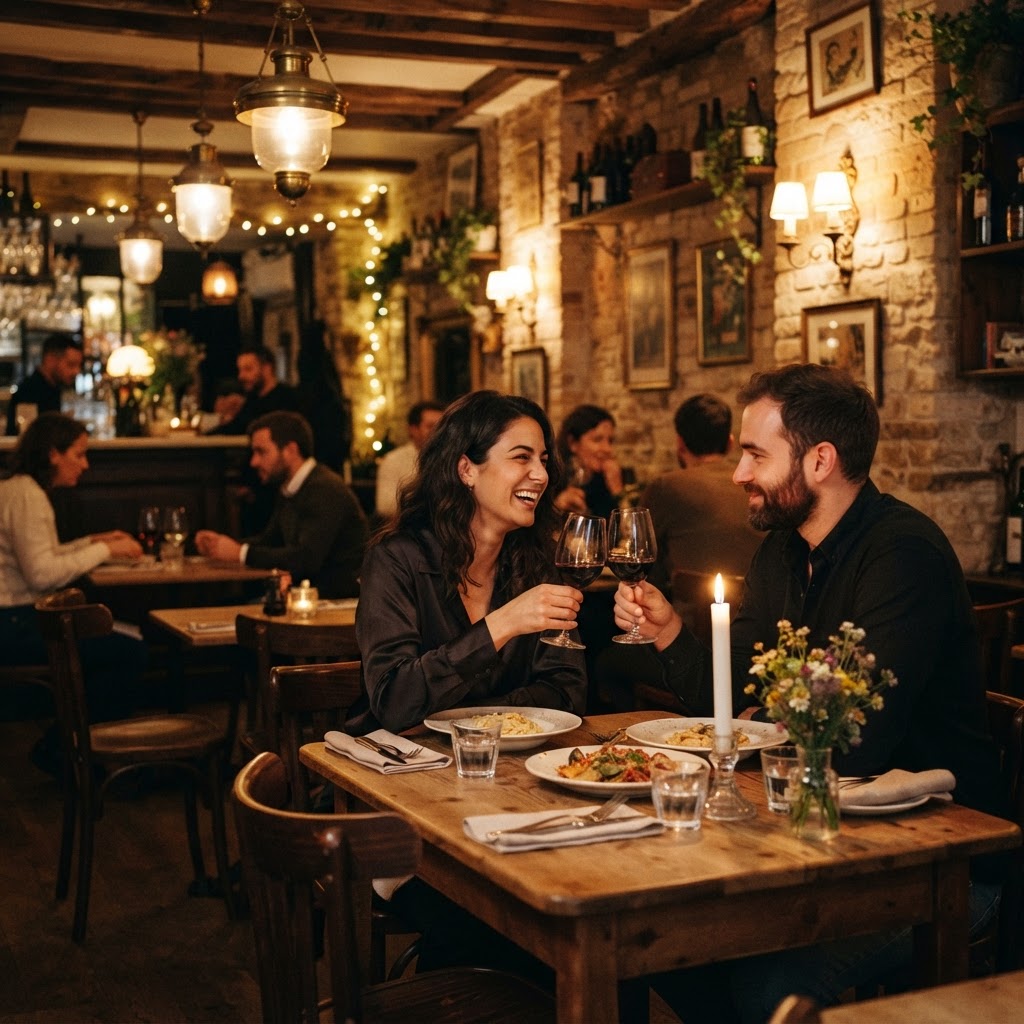
If there is one single design element that can make or break a restaurant's atmosphere, it's lighting. And I cannot stress this enough. Lighting is not just about seeing your food. It's about how you feel, how attractive you look to the person across from you, how intimate or energetic the space feels, and honestly, how much you enjoy yourself. Bad lighting is responsible for more forgettable restaurant experiences than most people realize.
The golden rule for dining spaces is layered lighting. You want ambient light to fill the room at a base level, task lighting to make sure people can actually read the menu, and accent lighting to highlight architectural features, artwork, or the bar. Candlelight or small table candles can add another layer of warmth that feels incredibly inviting. Each layer serves a purpose, and together they create a space that feels considered and alive rather than flat.
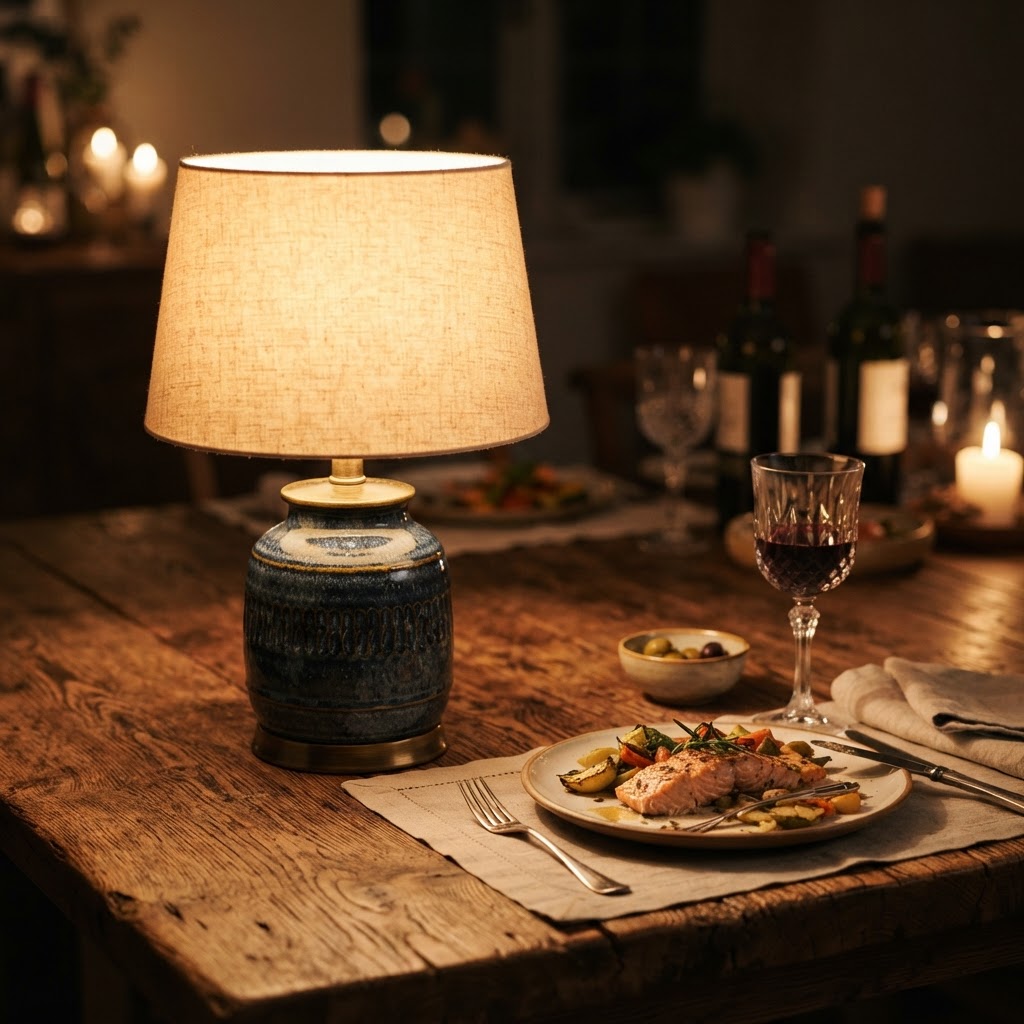
Color temperature is where a lot of restaurants go wrong. Cool white light, the kind you find in hospitals and offices, is absolutely devastating in a dining room. It makes food look less appetizing, skin tones look washed out, and the overall vibe feel harsh and institutional. Warm white bulbs in the 2700K to 3000K range are almost always the right call for a restaurant setting. They make everything look more beautiful, including your dishes.
And please, please install dimmers. The ability to shift the lighting as the day progresses is one of the most underrated tools in a restaurant operator's toolkit. A bright, airy lunch service can transition into a more intimate, moodier dinner atmosphere simply by adjusting the dimmer levels. It costs relatively little to implement and makes an enormous difference in how versatile and responsive your space feels throughout the day.
Sensory Delight: How Materials and Textures Enhance the Experience
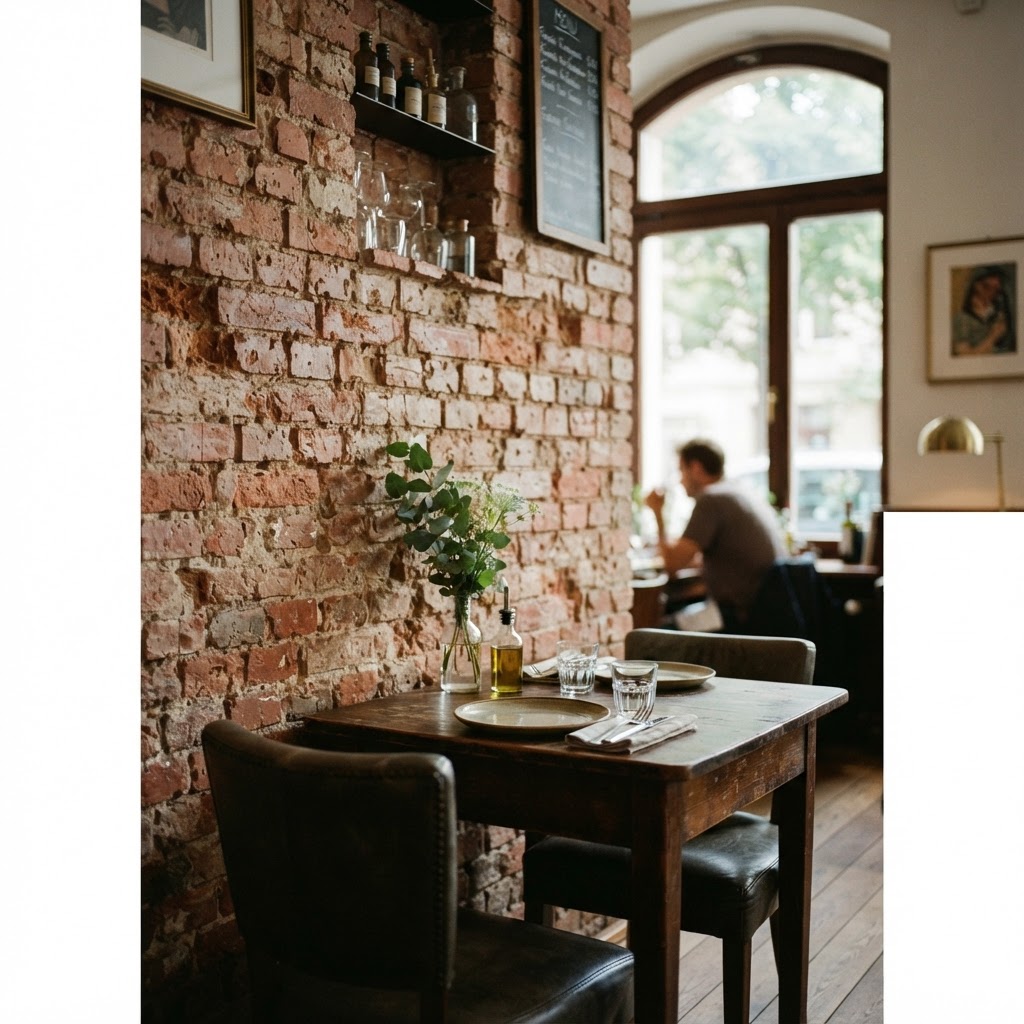
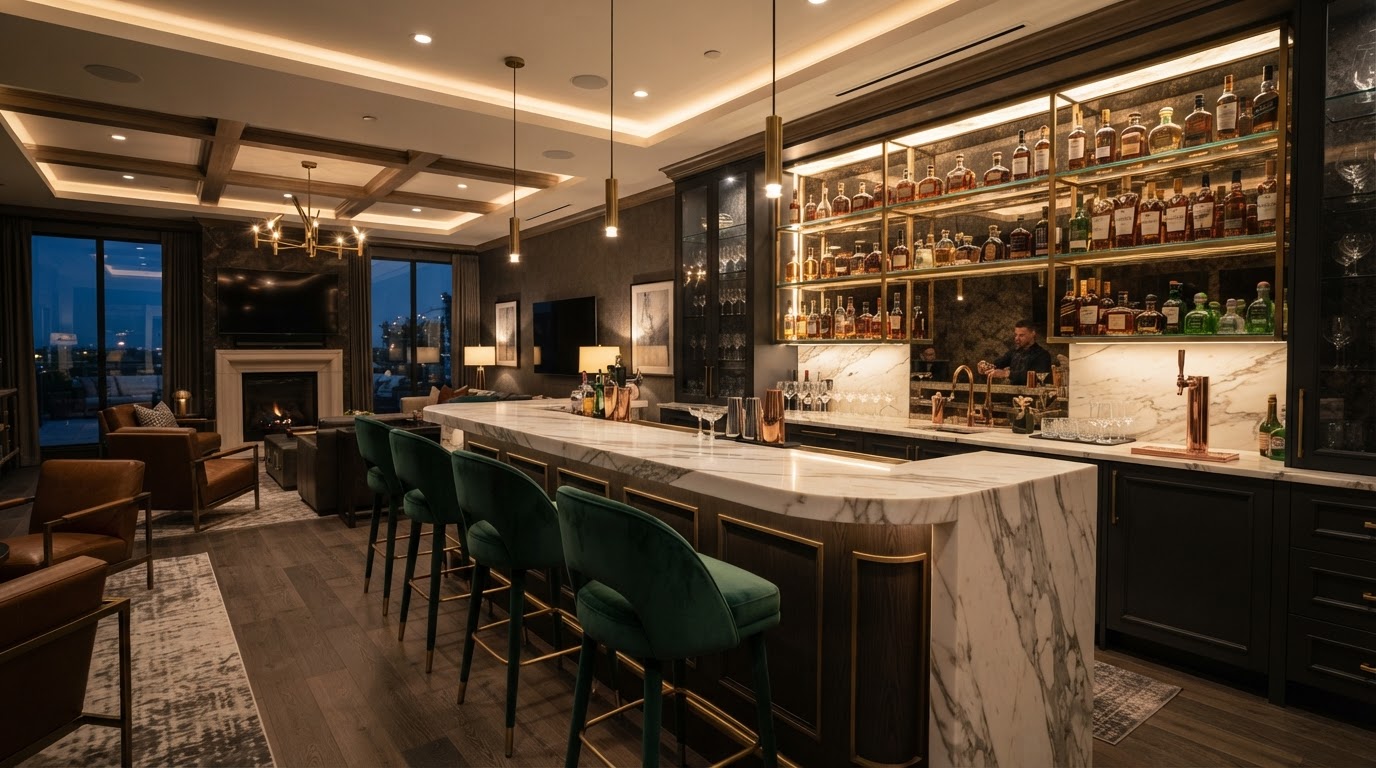
Look, most people couldn't tell you exactly why they love how a certain restaurant feels. They'll say it's "cozy" or "sophisticated" or "warm," but they're usually responding to the material choices on a subconscious level. The roughness of an exposed brick wall, the smoothness of a marble bar top, the softness of linen napkins, the visual weight of a dark timber ceiling beam. These are the building blocks of atmosphere, and getting them right is both an art and a science.
Acoustics are part of this conversation too, and they're massively underestimated. A room full of hard, reflective surfaces like concrete floors, glass walls, and metal furniture can get incredibly loud incredibly fast. And noise is one of the top complaints diners have about restaurants. Sound-absorbing materials, upholstered furniture, acoustic panels disguised as art, fabric ceiling treatments, and even well-placed plants can all help tame noise levels without killing the energy of a busy room.
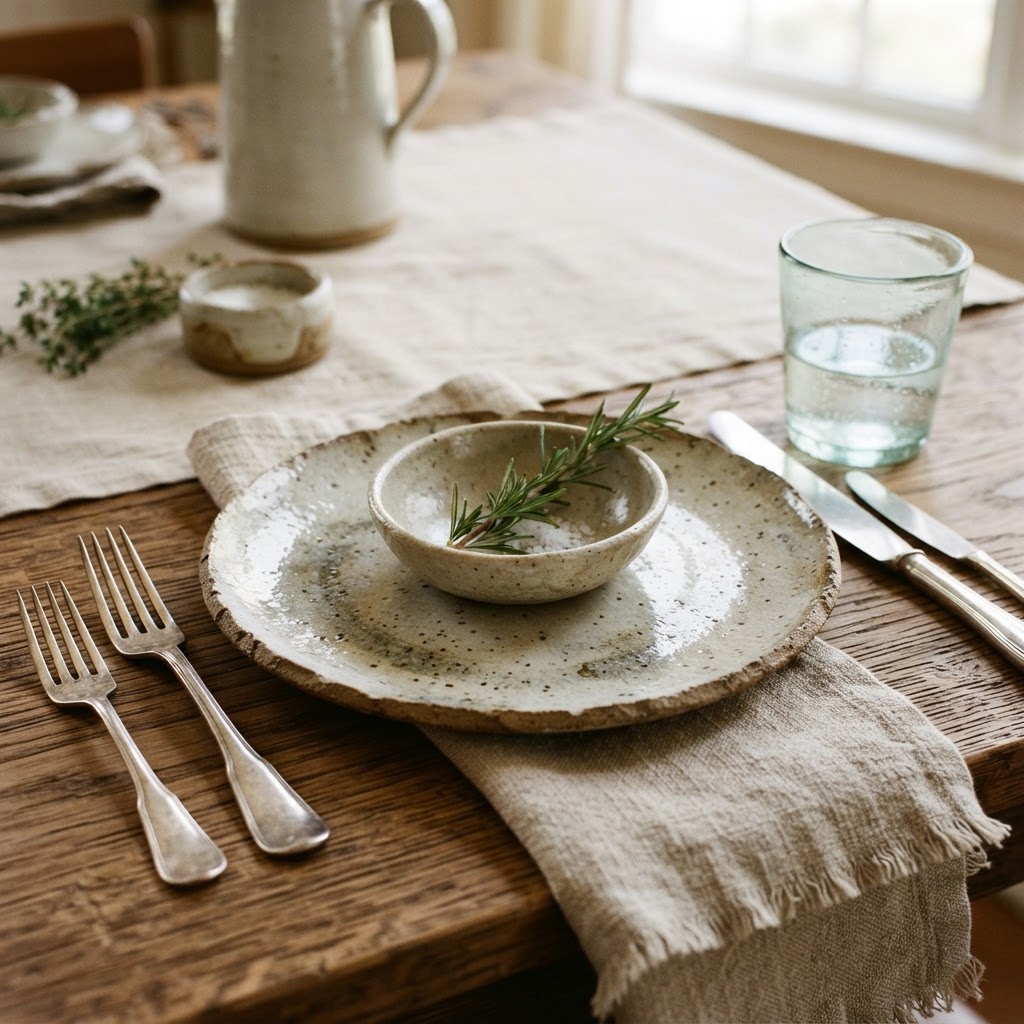
Contrast is your best friend when it comes to materials. A purely smooth, uniform space can feel sterile and cold, while a space with too many competing textures can feel chaotic and overwhelming. The sweet spot is intentional contrast. Think a polished concrete floor paired with rough-hewn wooden tables, or glossy subway tiles behind the bar contrasted with soft leather stools in front of it. These pairings create visual tension that feels interesting without being exhausting.
Don't neglect the tactile experience at the table either. The weight of the cutlery, the feel of the tablecloth or bare wood, the shape and heft of the glassware. All of these things communicate quality and care. Guests pick up on these details even when they're not consciously analyzing them, and they contribute to that overall feeling that a restaurant is worth their time and money.
The Flow Factor: Designing for Seamless Service and Guest Comfort
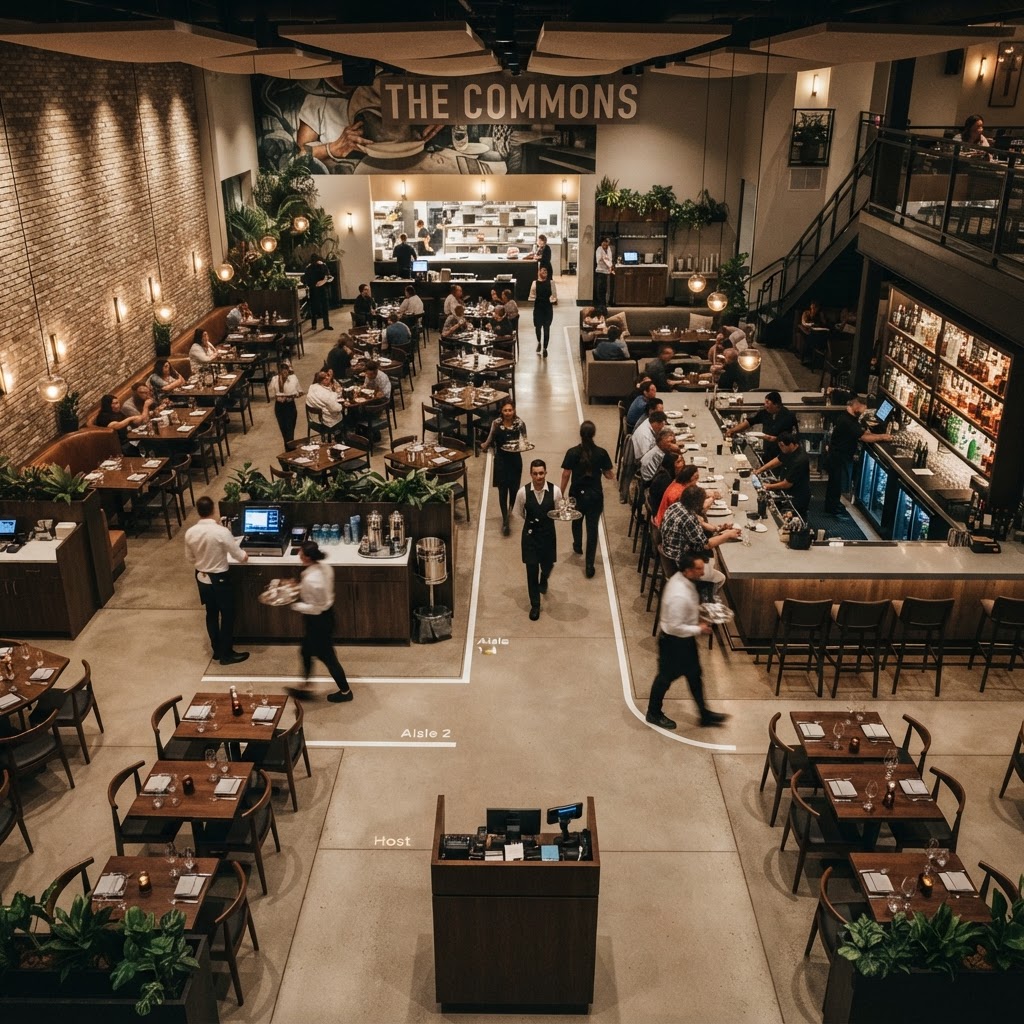
Here's the thing about restaurant flow: when it's done well, nobody notices it. When it's done badly, everyone notices it, even if they can't articulate why. They feel bumped by servers rushing past, they feel exposed sitting next to the kitchen door, they feel cramped because the aisle between tables is too narrow to navigate with a loaded tray. Good flow is invisible. It's the design doing its job quietly in the background.
The relationship between the front of house and the back of house is absolutely critical. Server stations need to be accessible but not intrusive. The path from the kitchen to the tables should be as direct and unobstructed as possible. And the kitchen pass, that critical handoff point between chef and server, needs to be thoughtfully positioned so food hits the table hot and quickly. I've seen beautiful restaurants with genuinely terrible kitchen-to-table flow, and it affects the food quality even when the cooking is exceptional.
Guest flow matters just as much as staff flow. Where do people naturally look when they walk in? Where do they naturally want to walk? Smart furniture placement guides guests through the space in a way that feels organic rather than forced. Think about the path from the entrance to the restrooms, make sure it doesn't cut through the most intimate seating areas. Think about how guests navigate to the bar versus their table. These are choreography decisions as much as they are design decisions.
- Aisle widths: Main thoroughfares should be at least 48 inches wide to allow comfortable two-way traffic, with secondary aisles no less than 36 inches for server access.
- Server station placement: Position stations so servers can see their section clearly without crowding guests or creating visual clutter.
- Restroom location: Ideally positioned so the path doesn't disrupt the dining room's energy or privacy.
- Bar positioning: A well-placed bar can serve as both a functional service hub and a social anchor that energizes the whole room.
Branding in Every Detail: Consistent Aesthetics and Personal Touches
Honestly, this is the section that separates the good restaurants from the great ones. Any competent designer can create a functional, attractive dining room. But the restaurants that people genuinely rave about, the ones that develop cult followings and show up constantly on Instagram without any paid effort, are the ones where every single detail feels intentional and cohesive. Where the design tells a story.
Your restaurant has a personality. Or it should. And that personality needs to be expressed consistently from the menu typography to the staff uniforms to the pattern on the napkins to the art on the walls. When all of these elements speak the same visual language, something magical happens. Guests feel like they've been let into a world that exists only in your restaurant. That's brand identity, and it's one of the most powerful tools you have.
Personal touches are what make a space feel human rather than corporate. A collection of vintage photographs that speak to the restaurant's heritage. A chalkboard with daily specials written in a distinctive hand. A small library of cookbooks on a shelf near the entrance. A locally commissioned mural that references the neighborhood's history. These things cost relatively little compared to major construction or furniture investment, but they add layers of meaning that guests notice and remember.
Trust me on this: the details that seem small, the custom matchbooks, the branded candles, the way the menu is folded, the handwritten note on a birthday dessert. These are the things people photograph and share and talk about. They're the things that make a meal feel like an experience rather than just a transaction. And in a world where diners have more choices than ever, that distinction is everything.
- Color palette consistency: Carry your brand colors through the space in subtle ways, cushion fabrics, artwork, even the color of your website and menus.
- Typography: The fonts you use on your signage, menus, and even staff uniforms should feel like they belong to the same family.
- Local references: Incorporating nods to your neighborhood or city creates an immediate sense of belonging for local guests.
- Seasonal updates: Small seasonal design shifts, fresh flowers, different table linens, updated art, keep the space feeling alive and give regulars a reason to notice something new.
Final Thoughts
Designing a restaurant that people genuinely love is not about having the biggest budget or the most famous designer. It's about understanding that every single design decision, from the door handle guests touch when they arrive to the lighting they sit under for two hours, contributes to an experience that is either memorable or forgettable. The food is your product, but the space is your stage. Get the stage right, and the performance has every chance of being extraordinary.
Start with the fundamentals: a welcoming entry, comfortable seating, beautiful lighting, quality materials, smart flow, and a consistent brand identity. Then layer in the personal touches that make your space uniquely yours. Because at the end of the day, people don't just return to restaurants with great food. They return to places that made them feel something. Make sure your space does exactly that.
More in Commercial
Stay Inspired
Subscribe for new essays on architecture, design, and the spaces that shape us.