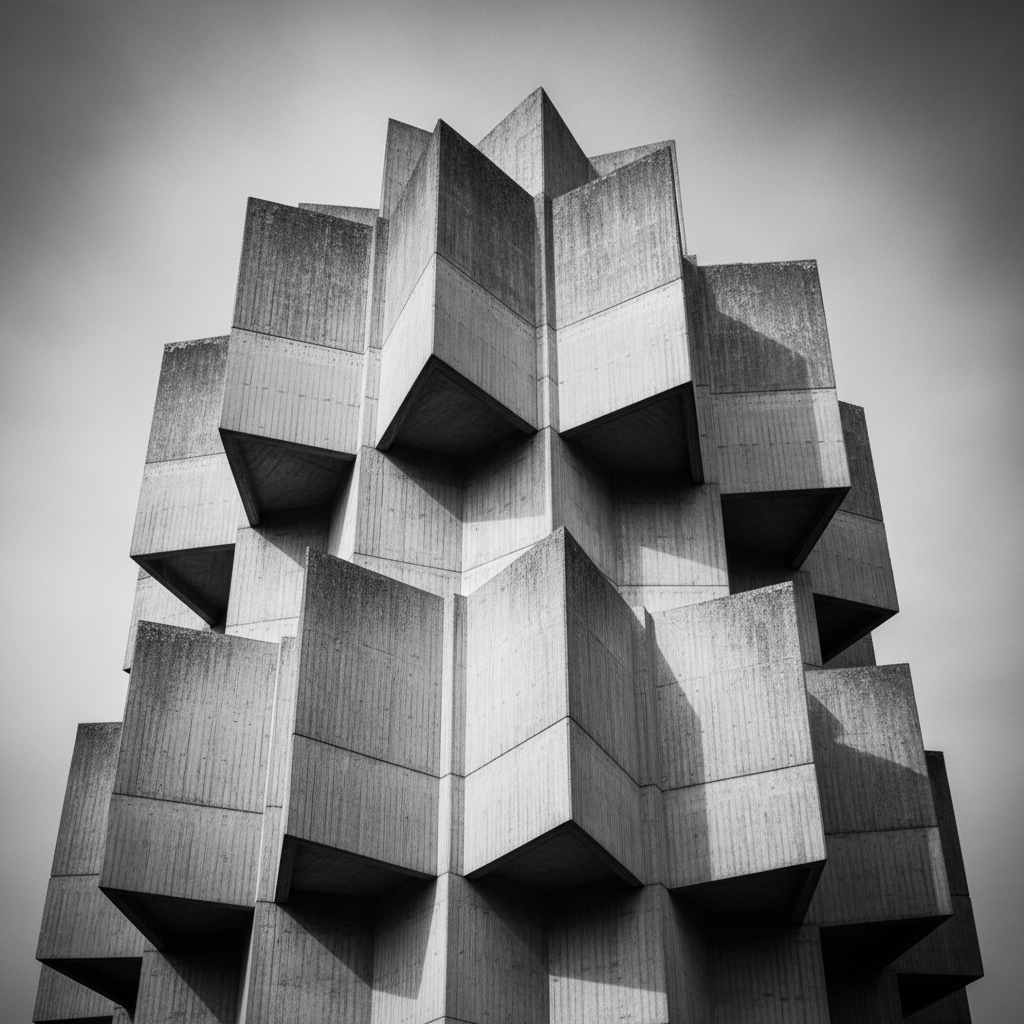
The Enduring Appeal of Brutalist Architecture
Once dismissed as cold and oppressive, brutalist buildings are finding renewed appreciation among a generation that values honesty of materials and structural boldness.
Raw Concrete, Real Emotion
Brutalism emerged in the 1950s as a reaction against the decorative tendencies of earlier modernism. Architects like Le Corbusier and Paul Rudolph championed exposed concrete, referred to in French as "beton brut," as a material that wore its construction logic on its sleeve. There was nothing hidden, nothing pretending to be something it was not.
For decades, brutalist buildings were easy targets for criticism. Urban housing towers built in this style became synonymous with failed social experiments and neglect. But the style itself was never the problem. The failures were rooted in underfunding, poor maintenance, and the difficult circumstances of the communities placed within these structures.
A New Generation Looks Again
Today, preservation battles are being fought for brutalist landmarks around the world. The Barbican in London, the Habitat 67 complex in Montreal, and the Boston City Hall all inspire passionate defenders. Photographers flock to these sites, drawn by the interplay of light and shadow on angular concrete surfaces. The geometry is severe, yes, but it is also deeply compelling.
What makes brutalism relevant now is precisely its refusal to comfort. In an era saturated with smooth digital surfaces and algorithmic aesthetics, the rough honesty of poured concrete feels almost radical. These buildings ask something of you. They do not apologize for their weight or their presence.
Lessons for Contemporary Practice
Contemporary architects are revisiting brutalist principles not to copy the past but to reclaim its core values: material honesty, structural expression, and a willingness to prioritize durability over trend. New projects blend this sensibility with better thermal performance, softer landscaping, and more attentive social programming. The result is an architecture that is tough and tender at once.
More in Commercial

Stay Inspired
Subscribe for new essays on architecture, design, and the spaces that shape us.