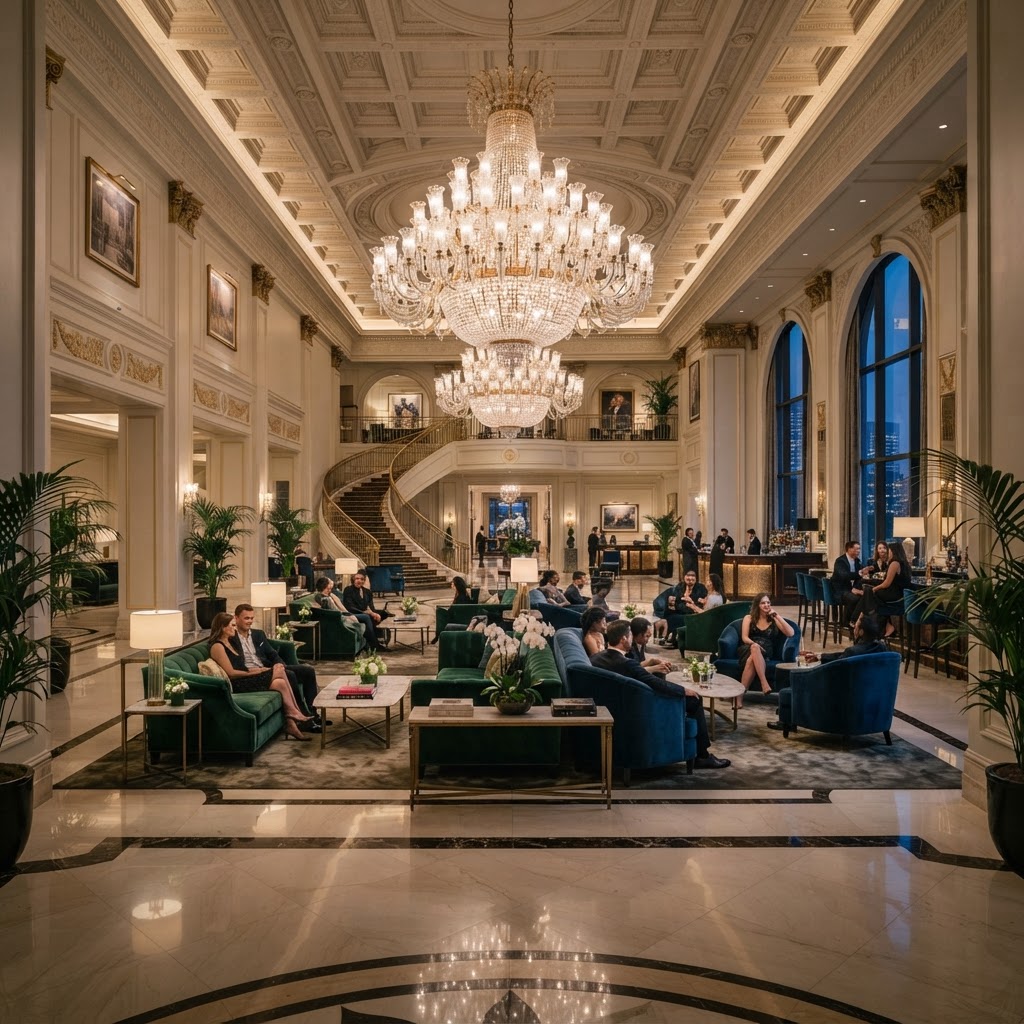
7 Hotel Lobby Designs That Will Make Your Guests Never Want To Leave
First impressions matter more than ever in the hospitality industry. Discover how to transform your hotel entry into a stunning social hub that guests will love to share on social media.
The Power of a Statement Ceiling
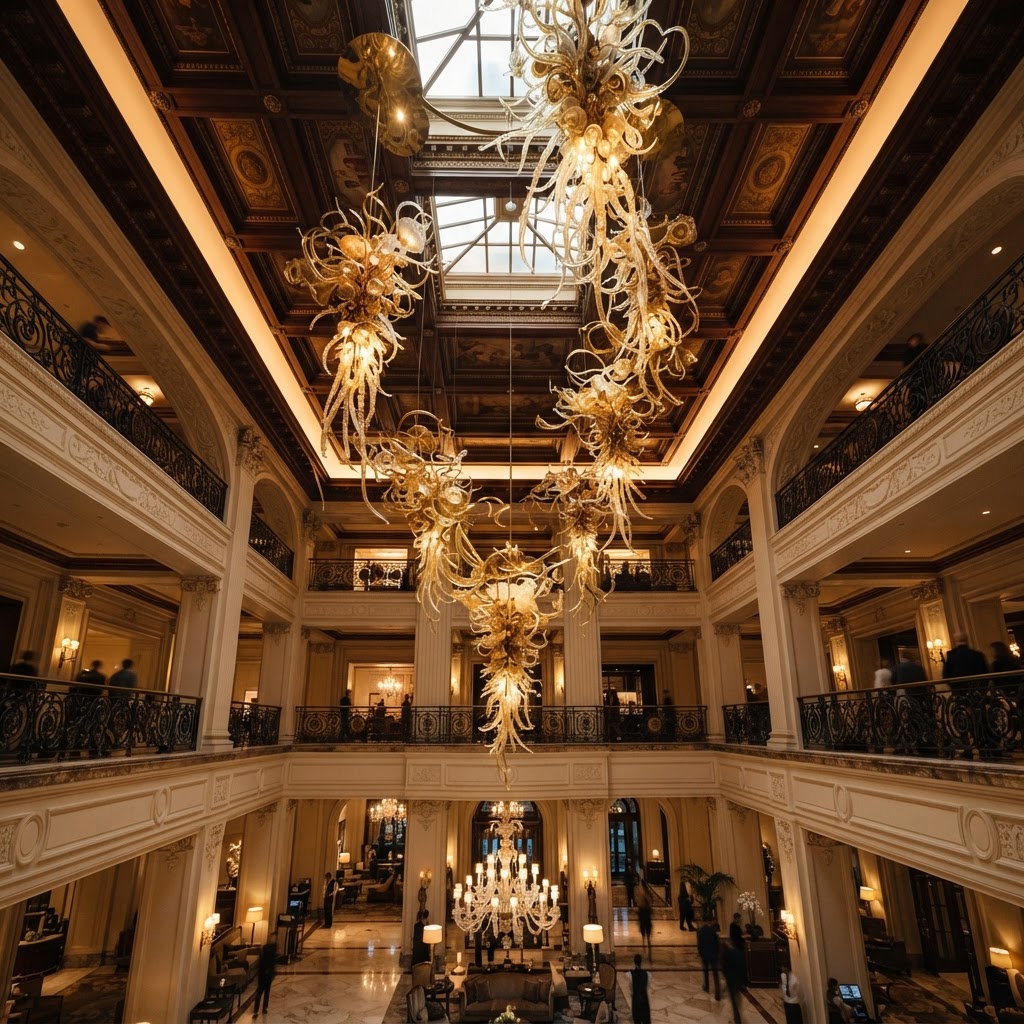
Honestly, the ceiling is the most underrated surface in any lobby. Most designers spend all their energy on the floors, the furniture, the front desk, and then just kind of... forget to look up. But here's the thing: when a guest walks through those front doors, their eyes do this natural sweep upward. It's instinctive. And if you've got something extraordinary happening above their heads, you've already won.
Statement ceilings come in a lot of forms. You've got your dramatic coffered designs with deep shadow lines and gold detailing, the kind that scream old-world opulence without being stuffy. Then there's the contemporary approach, think sculptural acoustic panels arranged in flowing, cloud-like formations that double as sound management. Both approaches have one thing in common: they anchor the entire space visually and give guests something to talk about.
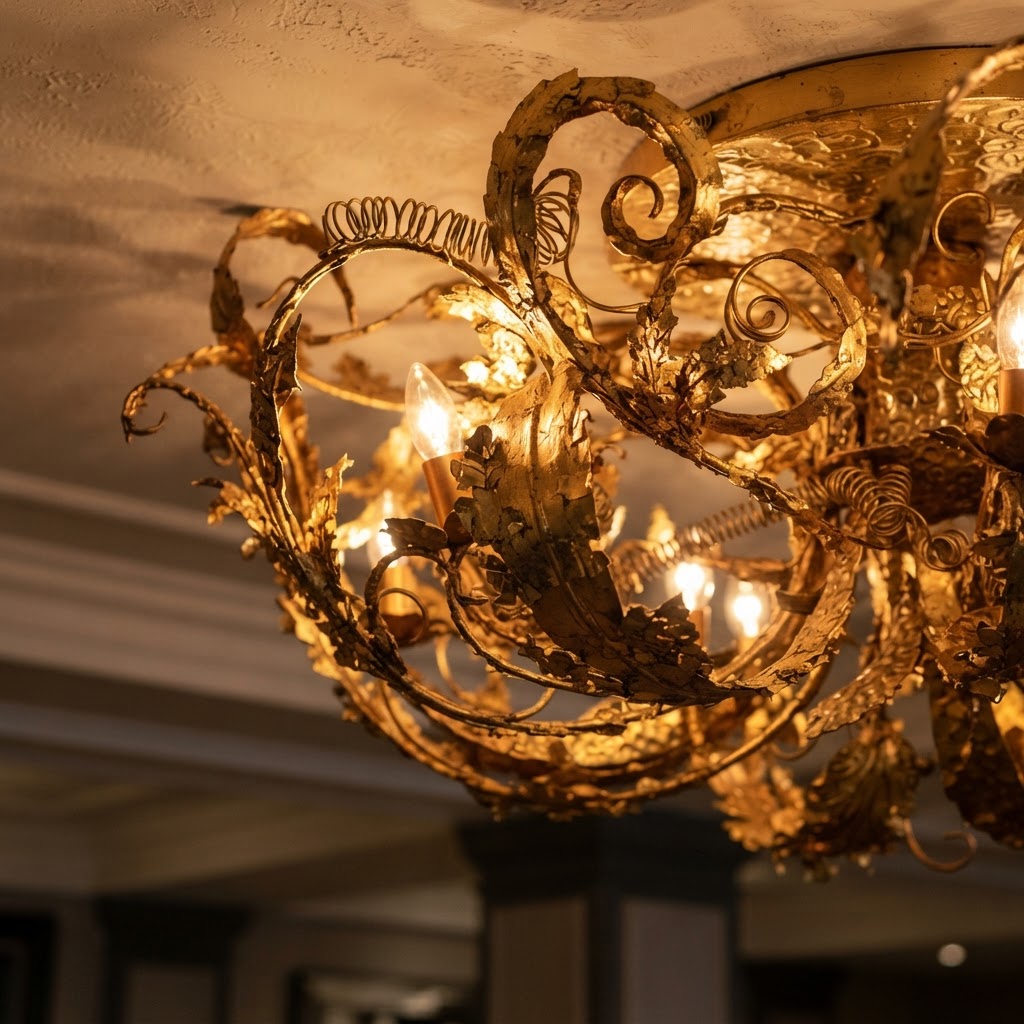
Lighting integration is where ceiling design really gets exciting. Recessed fixtures, cove lighting, pendant clusters, backlit translucent panels, these aren't just functional choices. They're sculptural. The way light washes down from a beautifully designed ceiling at dusk can genuinely make guests stop mid-stride and pull out their phones. That's not an accident. That's intentional design doing its job perfectly.
Real talk, a hotel that invests in its ceiling is a hotel that understands the psychology of arrival. Height creates a sense of grandeur, texture creates warmth, and light creates mood. Get all three right and you've set an emotional tone for the entire stay before the guest even checks in. That's powerful stuff.
Biophilic Elements for a Natural Escape
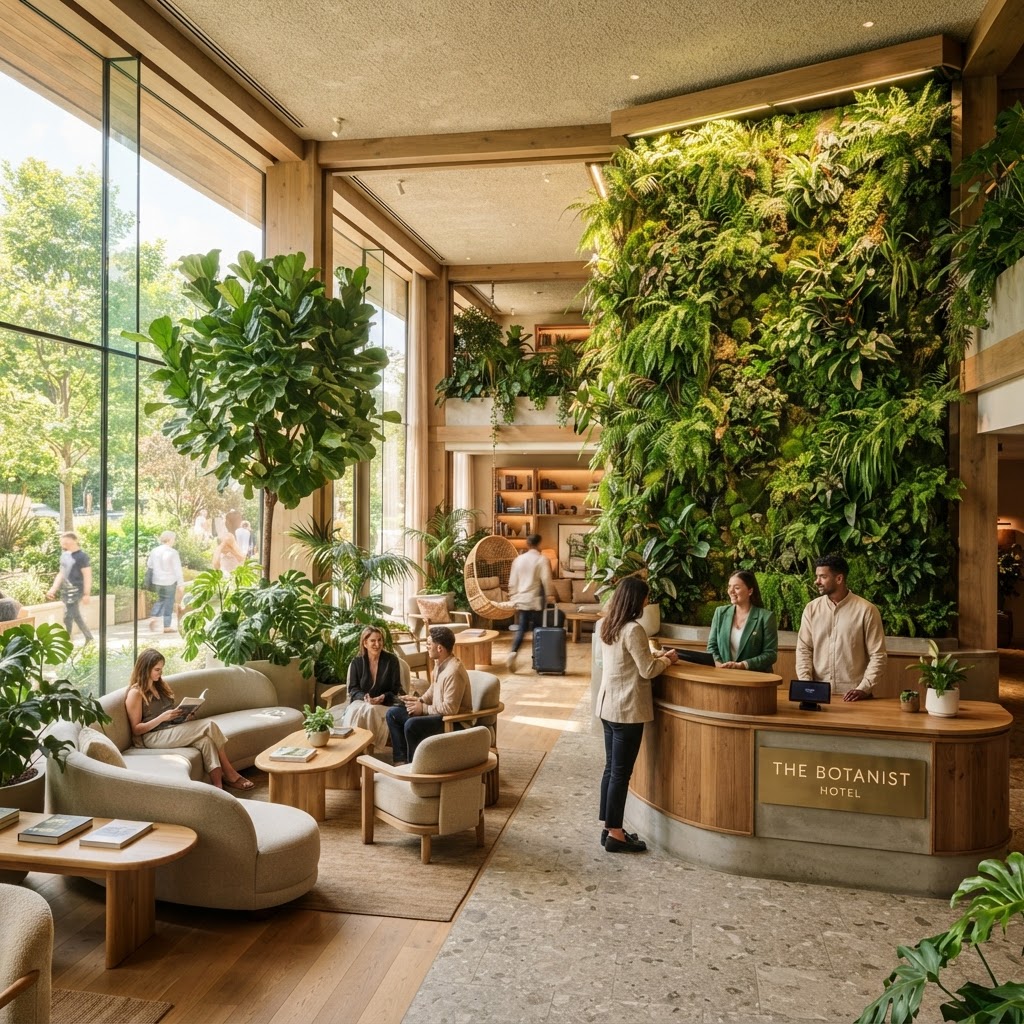
Look, we spend a ridiculous amount of our lives indoors, and our brains genuinely miss nature. It's not a trend or a passing fad, biophilic design is rooted in actual human biology. When people step into a lobby filled with real plants, natural materials, water features, and organic forms, their cortisol levels drop. They relax. They feel at home. And for a hotel, that's exactly the reaction you're going for.
The most successful biophilic lobbies I've seen don't just plop a few potted ferns in the corner and call it a day. They commit. We're talking living walls that stretch floor to ceiling, sometimes spanning entire feature walls behind the reception desk. Mature specimen trees planted directly into the lobby floor through custom built planters. Water features that create a gentle ambient soundscape rather than the awkward silence of a marble-floored room. These are design decisions that require real planning and real maintenance budgets, but the payoff is immense.
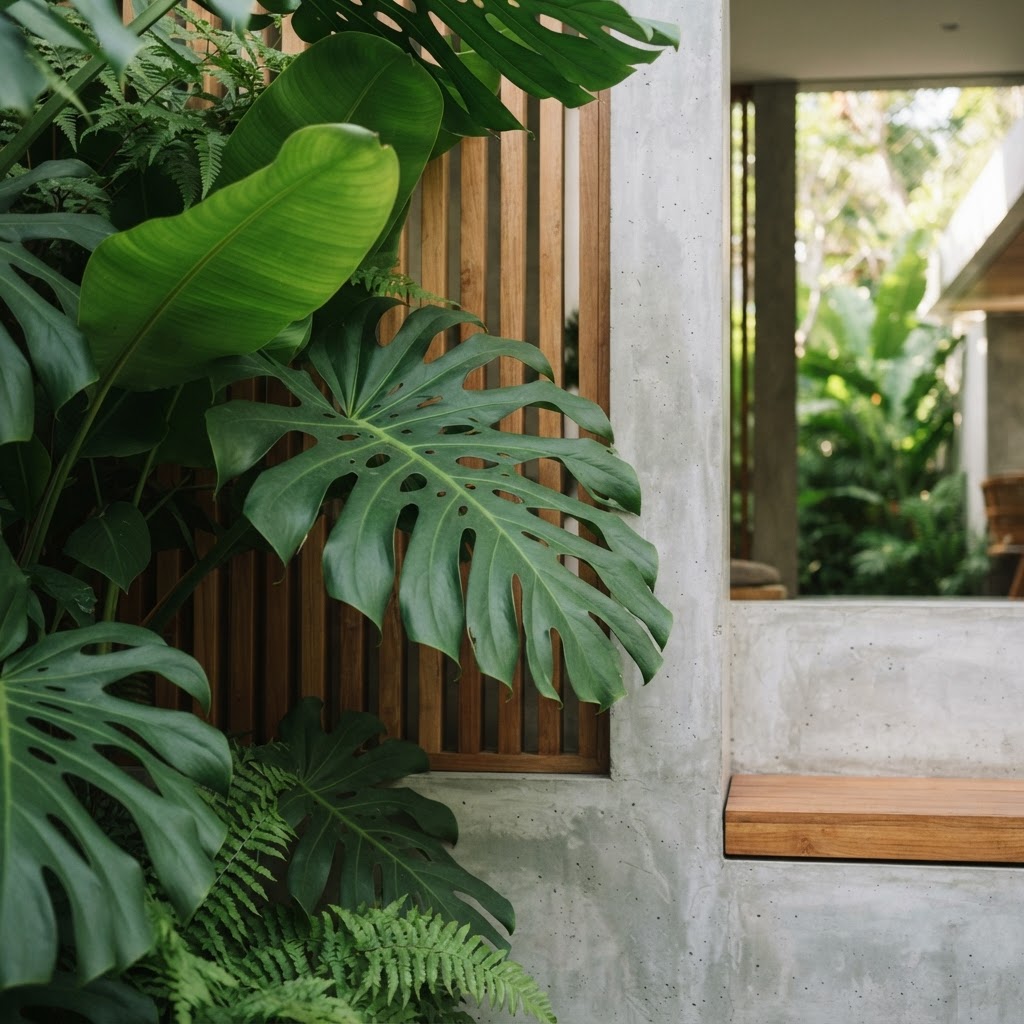
Beyond plants, biophilic design pulls in natural materials at every touchpoint. Raw stone surfaces, rough-hewn timber, rattan, jute, hand-thrown ceramics. These textures communicate something instinctively comforting. They're imperfect, and that imperfection is the whole point. It's the opposite of the cold, sterile corporate lobbies that feel like you've walked into a bank rather than a place to rest and recharge.
And honestly, there's a sustainability story here too, one that matters more and more to today's guests. When a hotel uses reclaimed wood, locally sourced stone, and maintains a thriving indoor garden, it signals values. Guests notice. They appreciate it. It becomes part of the brand identity in a way that no marketing campaign could fully replicate.
- Living walls and moss panels for dramatic vertical greenery without high maintenance
- Indoor water features that provide ambient sound and humidity
- Natural stone flooring with visible veining and organic variation
- Timber ceiling elements that add warmth against cooler materials
- Specimen trees as anchor pieces in double-height lobby spaces
Luxury Lounge Zones for Social Connection
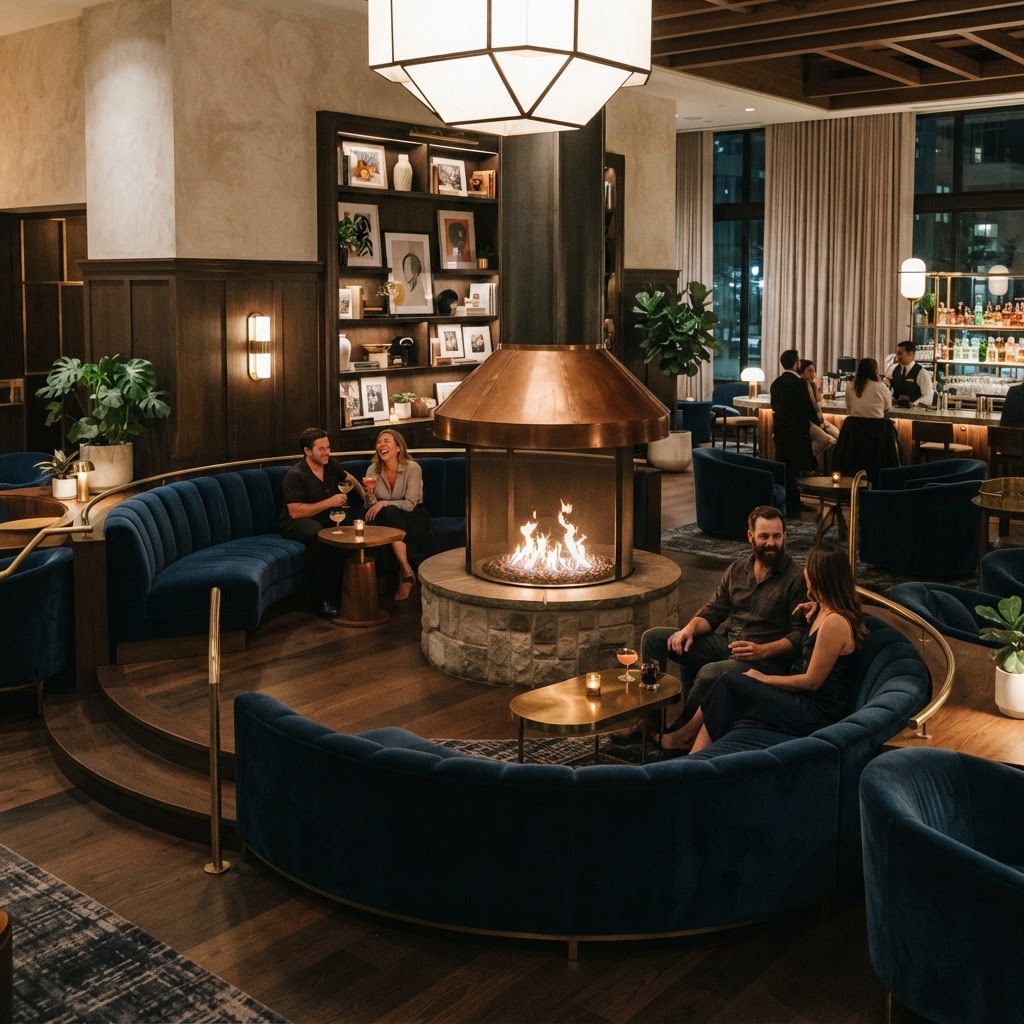
Here's the thing about hotel lobbies that really get it right: they don't feel like waiting rooms. They feel like the best living room you've ever been in. The shift away from the traditional lobby layout, rows of stiff seating facing a reception desk, toward flexible, layered lounge zones has been one of the most exciting developments in hospitality design over the last decade.
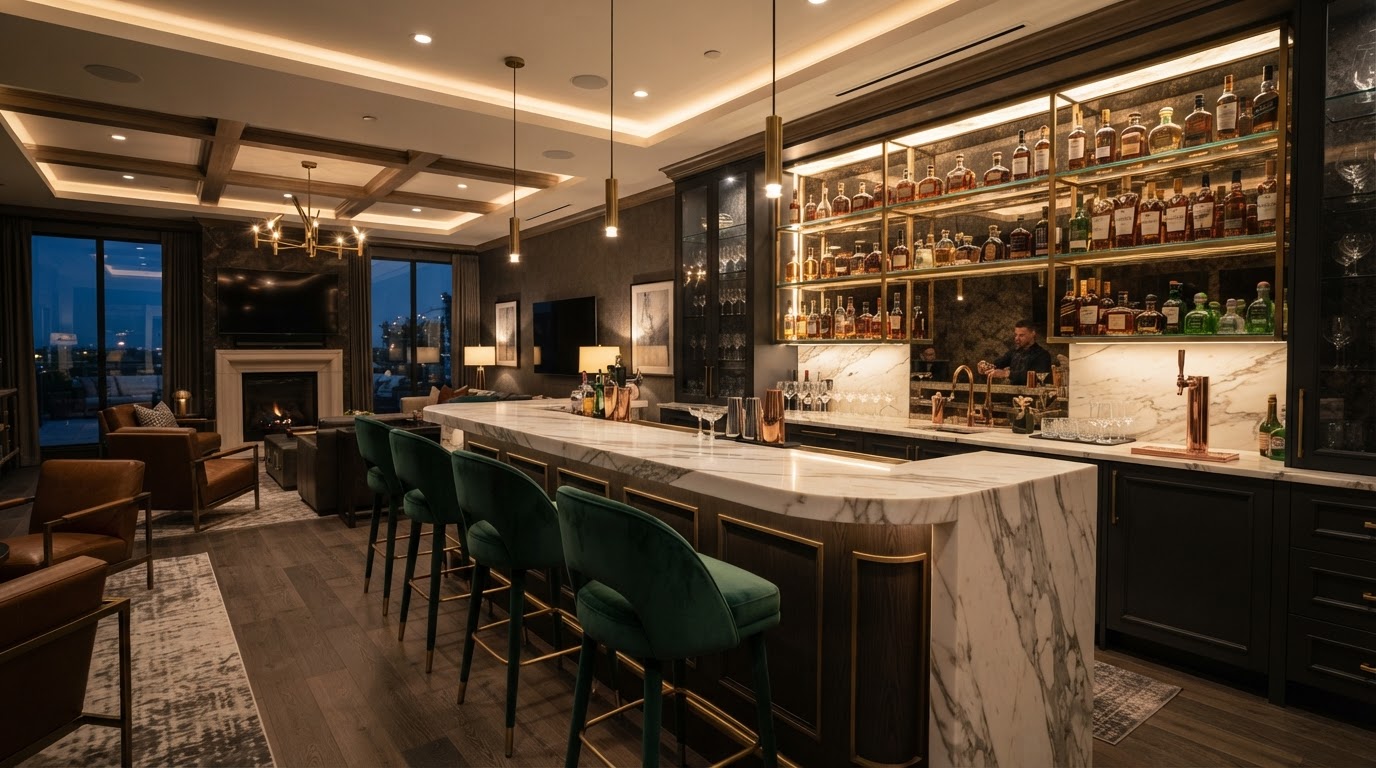
The idea is to create multiple micro-environments within the larger lobby space. A low, intimate seating cluster with a fireplace for couples or quiet conversation. A higher communal table with charging points for the remote workers and laptop crowd. A bar-adjacent lounge area that activates in the evenings and draws in both guests and locals. Each zone has its own personality, its own lighting level, its own vibe. Together they create a lobby that's genuinely alive throughout the day.
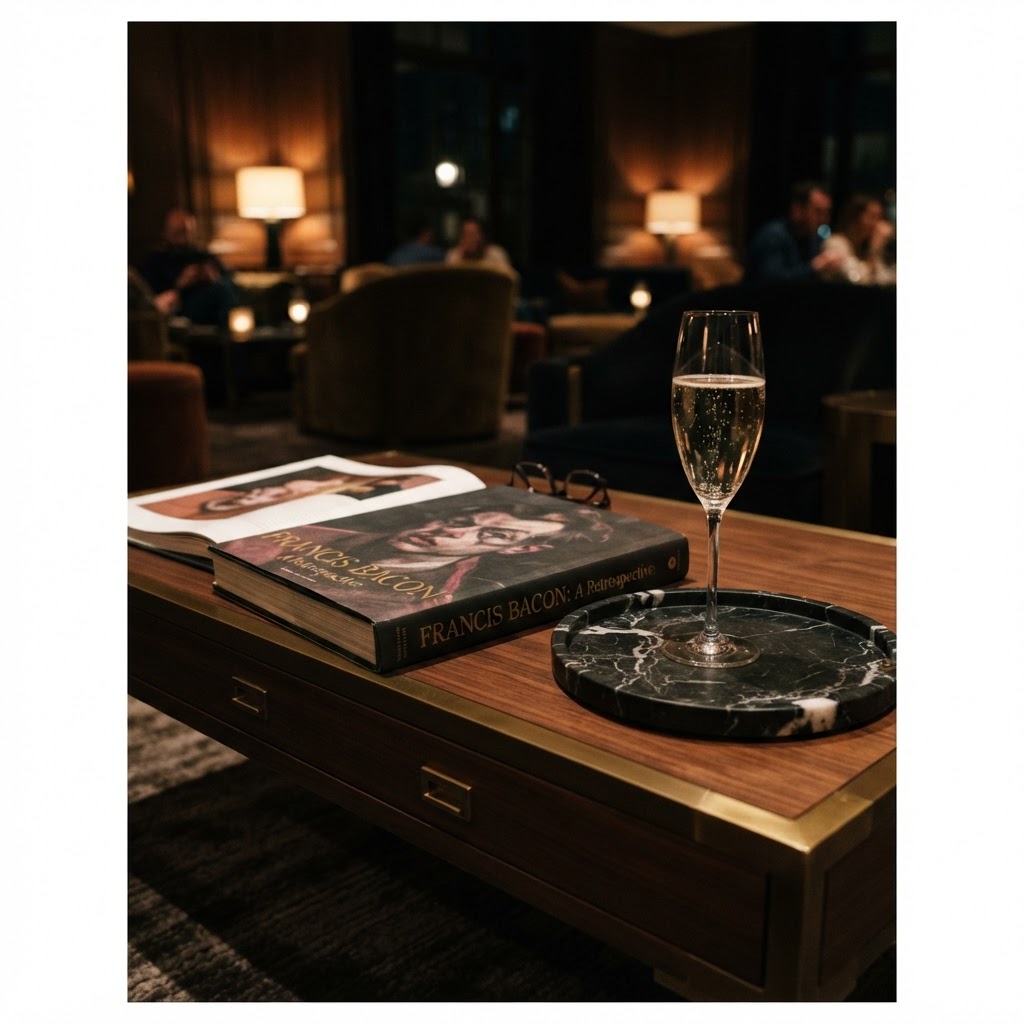
Furniture selection is critical here. Trust me on this, you cannot fake quality seating. Guests sit down and they know immediately whether the sofa they're in is worth lingering in or whether they'll be shifting uncomfortably within five minutes. Deep, generously proportioned sofas upholstered in tactile fabrics, velvet, boucle, high-grade leather, these communicate luxury in a completely physical way. Pair them with side tables at exactly the right height, proper task lighting for reading, and surfaces where people can actually set a drink down, and you've created somewhere worth staying.
The best lounge zones I've seen also manage acoustic comfort beautifully. Hard surfaces everywhere create an echoing, uncomfortable din that makes conversation exhausting. Strategic placement of soft furnishings, acoustic panels disguised as art, and planting all work together to keep the sound environment pleasant even when the space is busy. It's one of those invisible design decisions that guests feel without ever consciously noticing.
The Modern Art Gallery Entrance
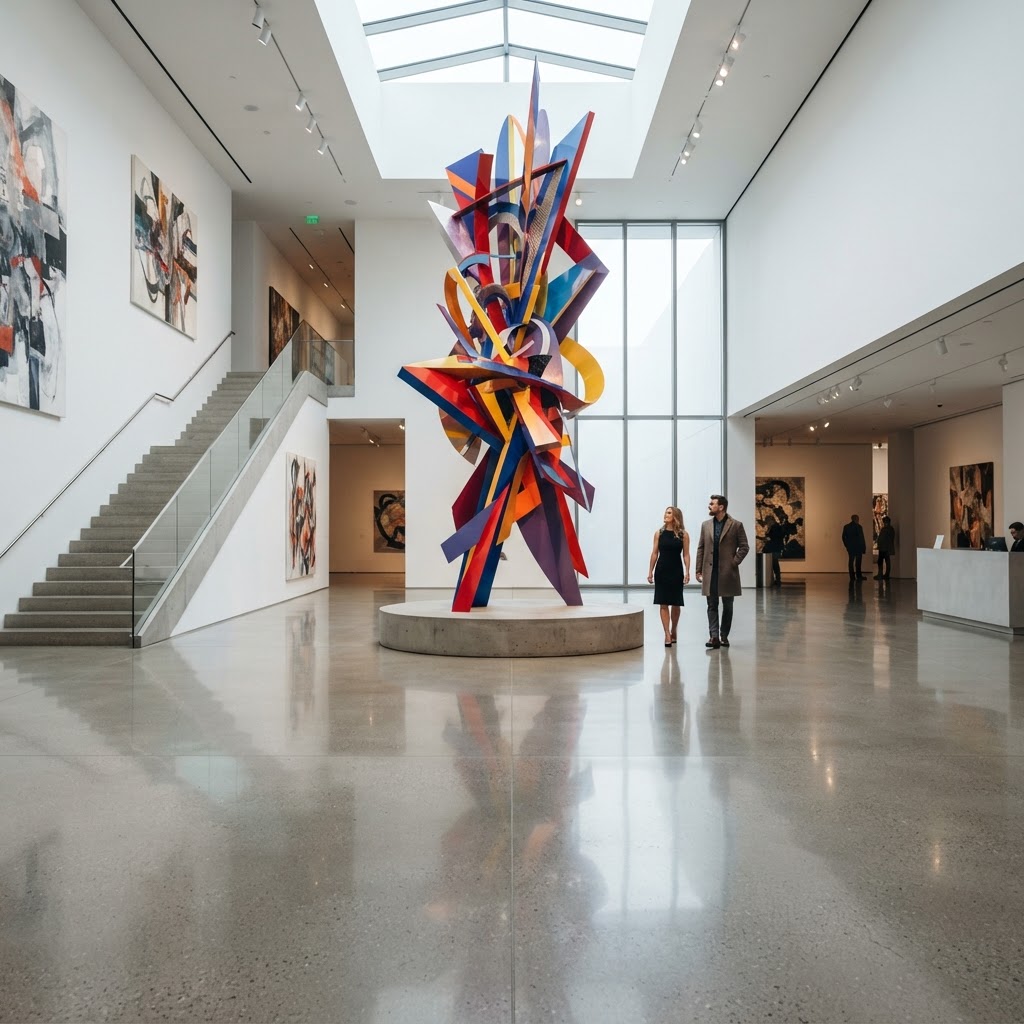
Some of the most memorable hotel lobbies I've walked into don't feel like hotels at all. They feel like galleries. And that's completely intentional. The art gallery approach to lobby design takes the idea that hospitality spaces should have cultural weight seriously, and when it's done well, it creates an entrance experience that's genuinely unforgettable.
This isn't about hanging a few generic prints on the wall. Real talk, guests see through that immediately and it actually does more damage to a brand than bare walls would. The art gallery lobby approach means commissioning original works, often from local or emerging artists, and integrating them into the architecture of the space from the very beginning of the design process. The lighting is designed around the art. The sight lines are planned so that a major sculptural piece is the first thing you see when the doors open. The scale is considered, the juxtaposition of pieces is considered, the whole thing is curated with the same intention you'd bring to an actual gallery show.
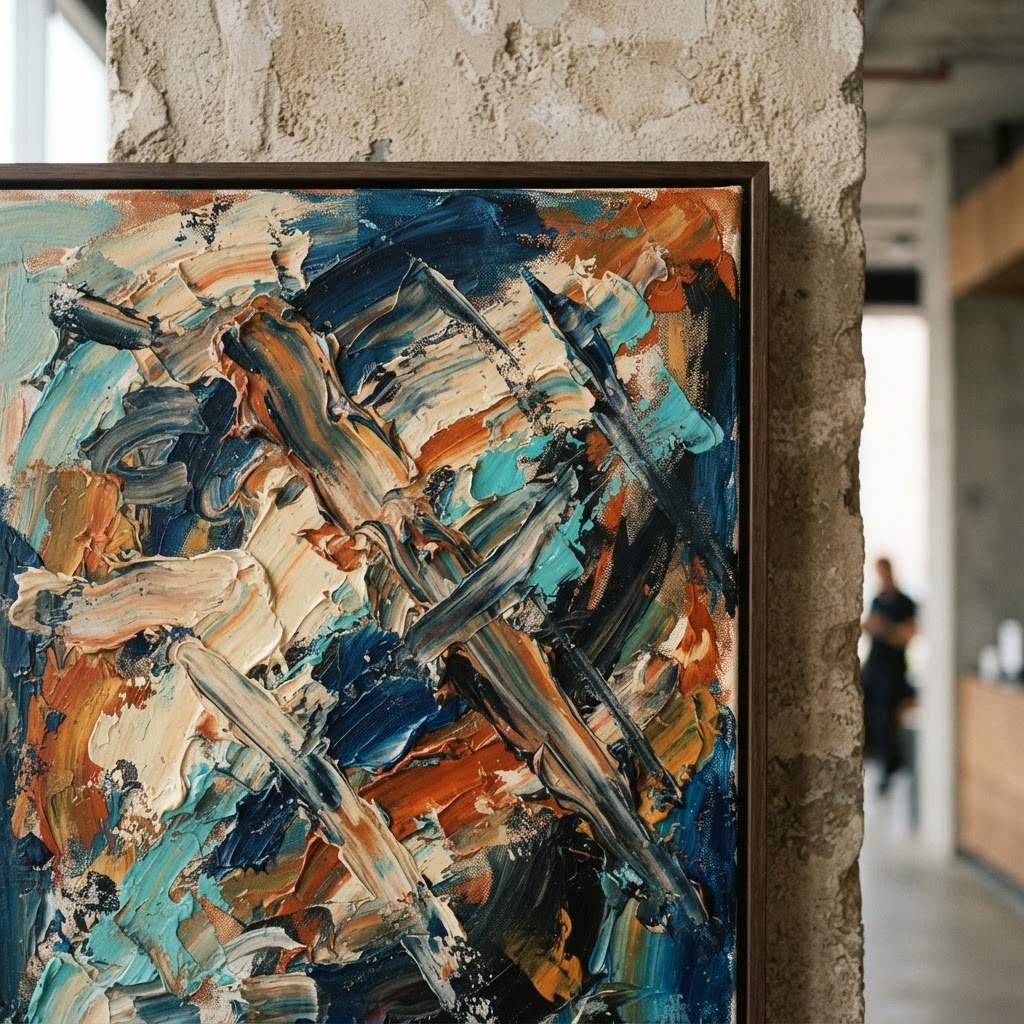
There's also a practical benefit that's easy to overlook. Art creates conversation. It gives guests something to talk about with each other, with staff, with people they share on social media. A genuinely striking lobby installation becomes a social media moment without the hotel having to manufacture one artificially. The design does the marketing for you.
"The lobby is the hotel's handshake. It tells you everything you need to know about who you're dealing with before a single word is exchanged."
Hotels that invest in art also tend to attract a different quality of guest, and they retain that guest loyalty more effectively. When someone feels like they're staying somewhere that has genuine cultural intelligence, they come back. They recommend it. They think of it as their place, not just a place.
Textural Contrast with Statement Rugs
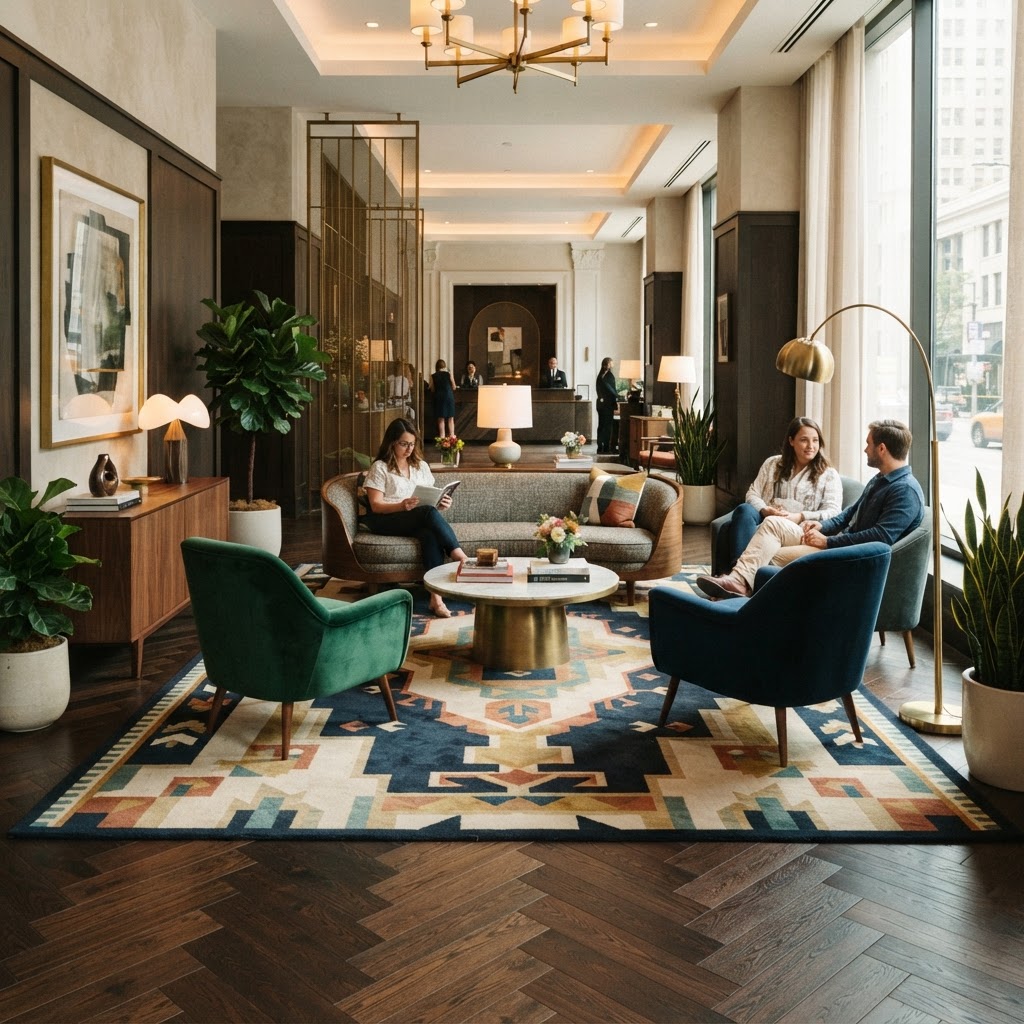
Honestly, a great rug might be the single most transformative element you can introduce into a hotel lobby, and it's one that doesn't get nearly enough credit. In a space that's often dominated by hard, reflective surfaces, marble floors, glass facades, polished stone, a statement rug does something that nothing else can quite replicate. It creates warmth. It defines space. It introduces color, pattern, and texture in one powerful move.
The scale matters enormously here. A rug that's too small looks like an afterthought, like someone ordered the wrong size and decided to go with it anyway. In a hotel lobby, you want a rug that commands the room. Custom pieces that span the full width of a seating zone, sometimes several meters in each direction, make the furniture groupings feel intentional and cohesive. They create a visual anchor that ties the whole composition together.
Material choice is where it gets really interesting. Hand-knotted wool rugs bring a depth and irregularity that machine-made pieces simply can't match. Silk highlights catch the light differently throughout the day. Flatweave designs in natural fibers add a contemporary edge that works beautifully against more ornate furniture. The texture underfoot is also part of the experience, that moment when a guest steps off hard flooring onto a thick, well-made rug is a genuinely physical pleasure that registers subconsciously as comfort and quality.
- Custom sizing to fit the exact proportions of the seating zone
- Hand-knotted construction for depth and longevity in high-traffic areas
- Bold geometric or organic patterns that complement the overall design language
- Color grounding that ties together the furniture palette and wall finishes
Don't underestimate the acoustic benefit either. In a hard-surfaced lobby, a large area rug absorbs a significant amount of ambient sound. The difference it makes to the overall comfort of the space is real, even if guests never consciously register why the room feels easier to be in.
Final Thoughts
A hotel lobby isn't just a transitional space. It's not just somewhere you pass through on the way to the elevator. Done right, it's a destination in itself, a place guests actively want to spend time in, return to, and remember long after they've checked out.
The lobbies that get it right share something in common: they're designed with genuine intention at every level. From the ceiling down to the rug beneath your feet, every decision has been made with the guest's experience at the center of it. The material choices, the lighting, the art, the planting, the furniture, none of it is accidental. And guests feel that, even when they can't articulate exactly why a space feels so good to be in.
Whether you're working on a new hotel project or rethinking an existing lobby that's feeling tired, these five approaches give you a real toolkit to work with. You don't need to do all five at once. Pick the one that speaks most directly to your brand identity and your guest, and commit to it fully. That commitment is what separates a lobby that people remember from one they walk straight through.
More in Commercial
Stay Inspired
Subscribe for new essays on architecture, design, and the spaces that shape us.