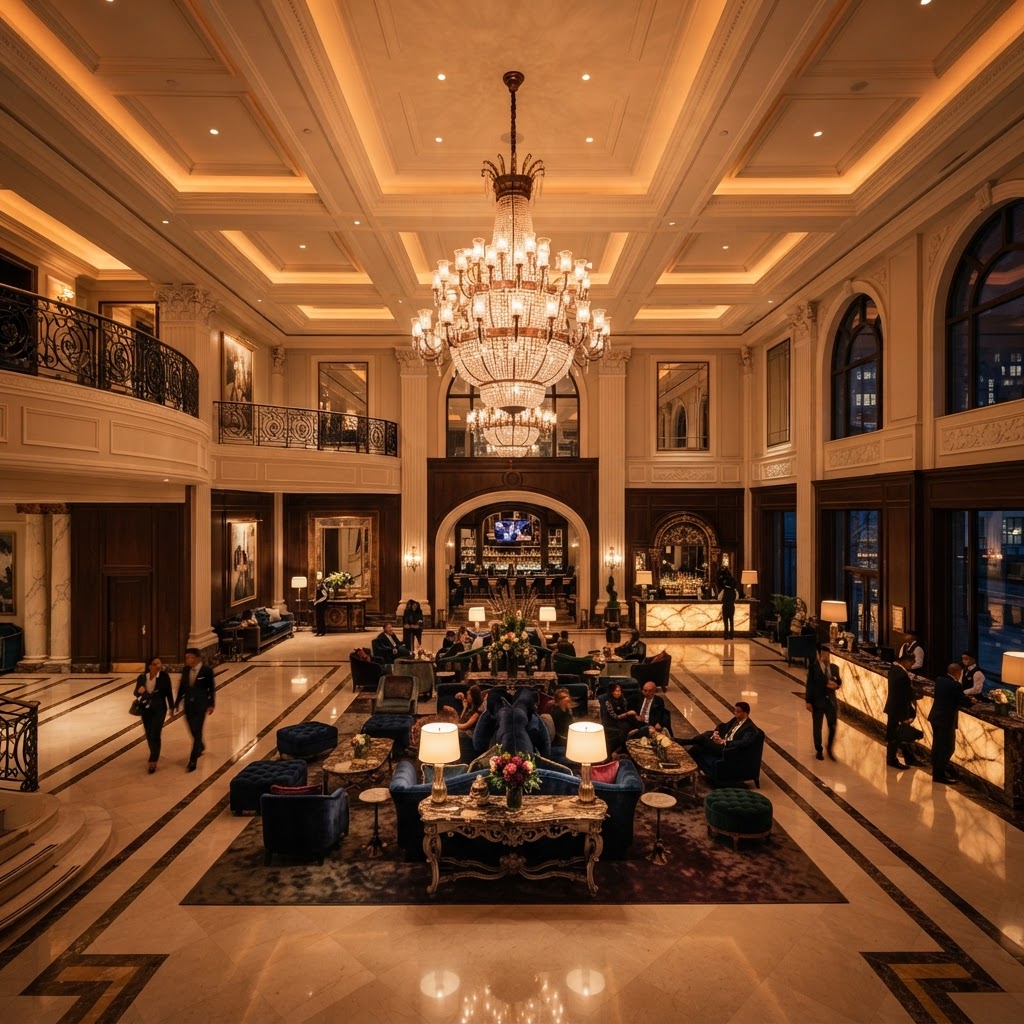
7 Hotel Lobby Design Trends That Will Make Your Guests Say Wow
First impressions matter when it comes to hospitality. Discover how these clever design strategies can transform any lobby into an unforgettable experience for your guests.
The Power of a Statement Ceiling
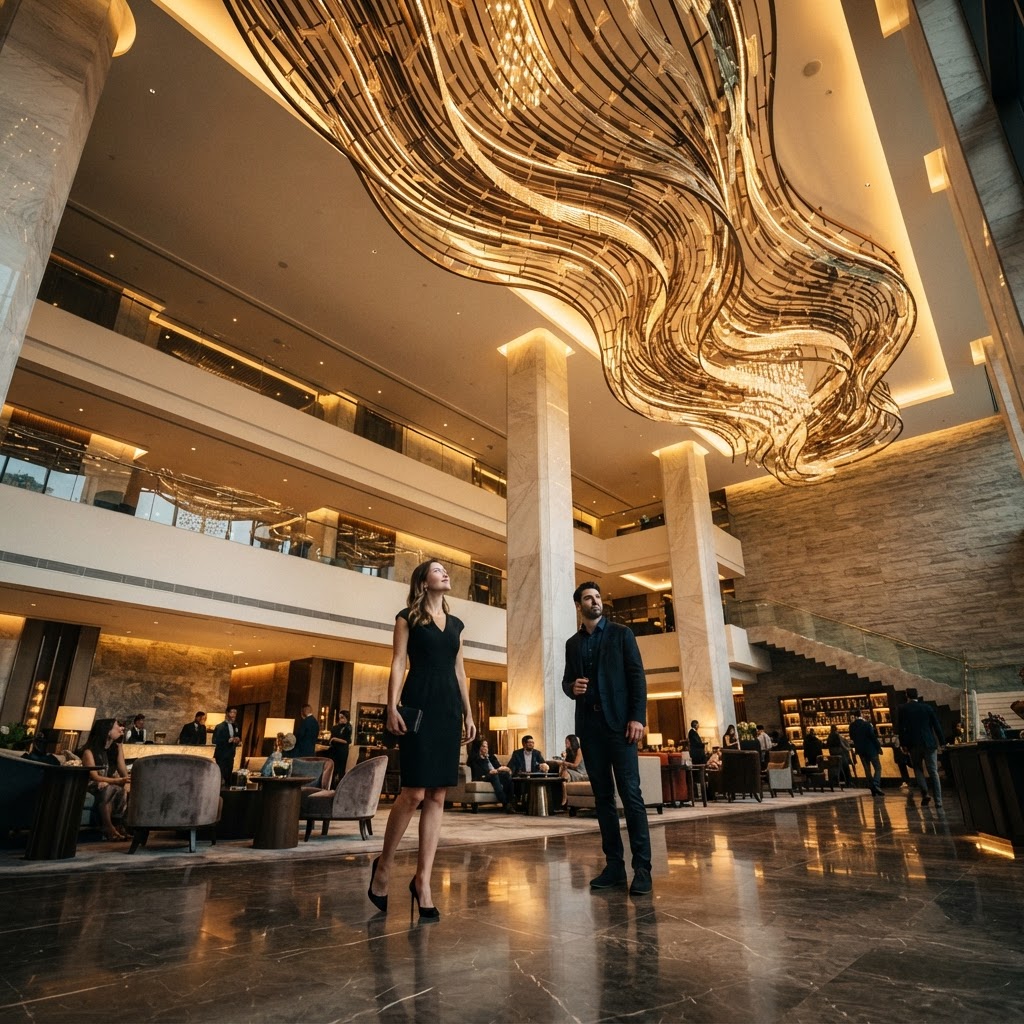
Honestly, I think ceilings are the most underrated surface in any interior space, and hotel lobbies are where this truth really hits home. When a guest walks through those front doors for the first time, their eyes do something interesting: they sweep up. It's almost involuntary. And if what they find up there is a flat, painted white expanse of absolutely nothing, that's a missed opportunity that no amount of gorgeous furniture can fully recover from.
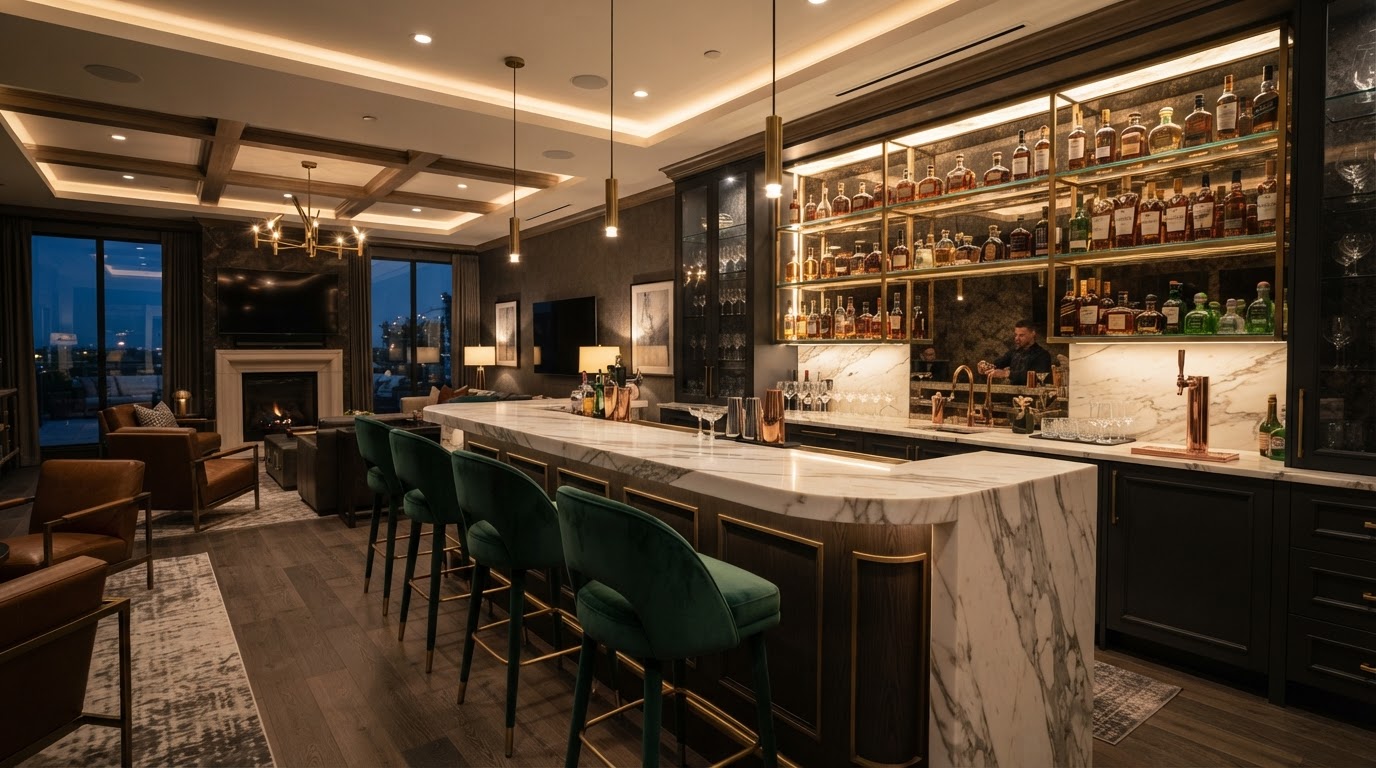
The best hotel lobbies I've seen in the last few years have gone all in on the ceiling as a design feature. We're talking custom coffered millwork with integrated lighting, hand-applied plaster reliefs, dramatic vaulted forms, and tensile fabric installations that billow like something out of a dream. Some properties are doing entire painted murals overhead, commissioning local artists to turn the ceiling into storytelling canvas. It sounds extravagant, and sure, it is, but the payoff in guest reaction is enormous.
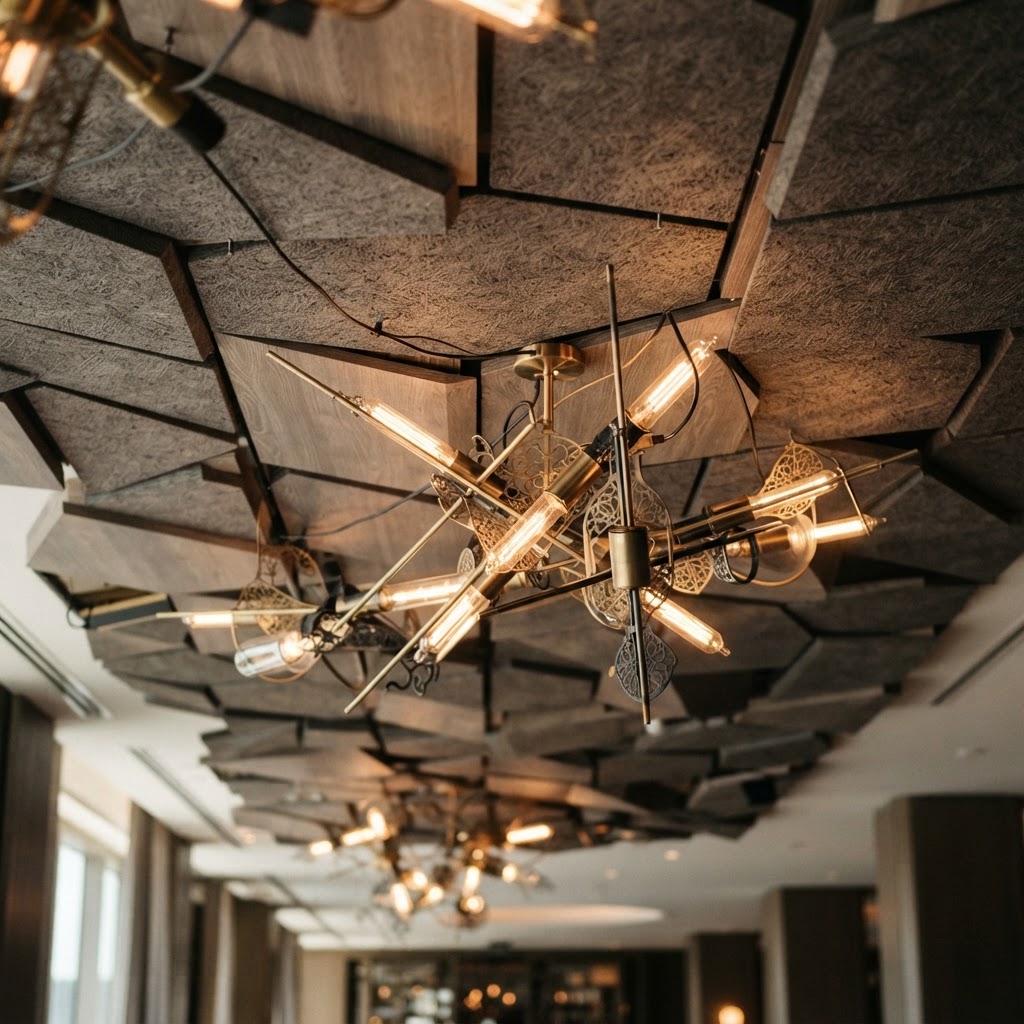
Here's the thing about statement ceilings: they do a lot of heavy lifting beyond just looking beautiful. They establish scale. They anchor the room. They tell guests, without a single word, that this property takes design seriously. A well-designed ceiling can make a modest-sized lobby feel palatial, or make an enormous atrium feel intimate and warm depending on how it's handled.
Lighting is a huge part of this conversation too. Recessed coves, pendant clusters at varying heights, and backlit panels embedded into ceiling architecture can completely transform how a space reads at different times of day. The trend right now is toward warmer color temperatures and layered lighting schemes that shift from bright and energetic during check-in rush to soft and moody in the evening. If your hotel lobby ceiling is just a grid of recessed cans, trust me on this, it's time to rethink the whole thing. The ceiling is your fifth wall, and it deserves as much attention as everything else.
Biophilic Design Elements
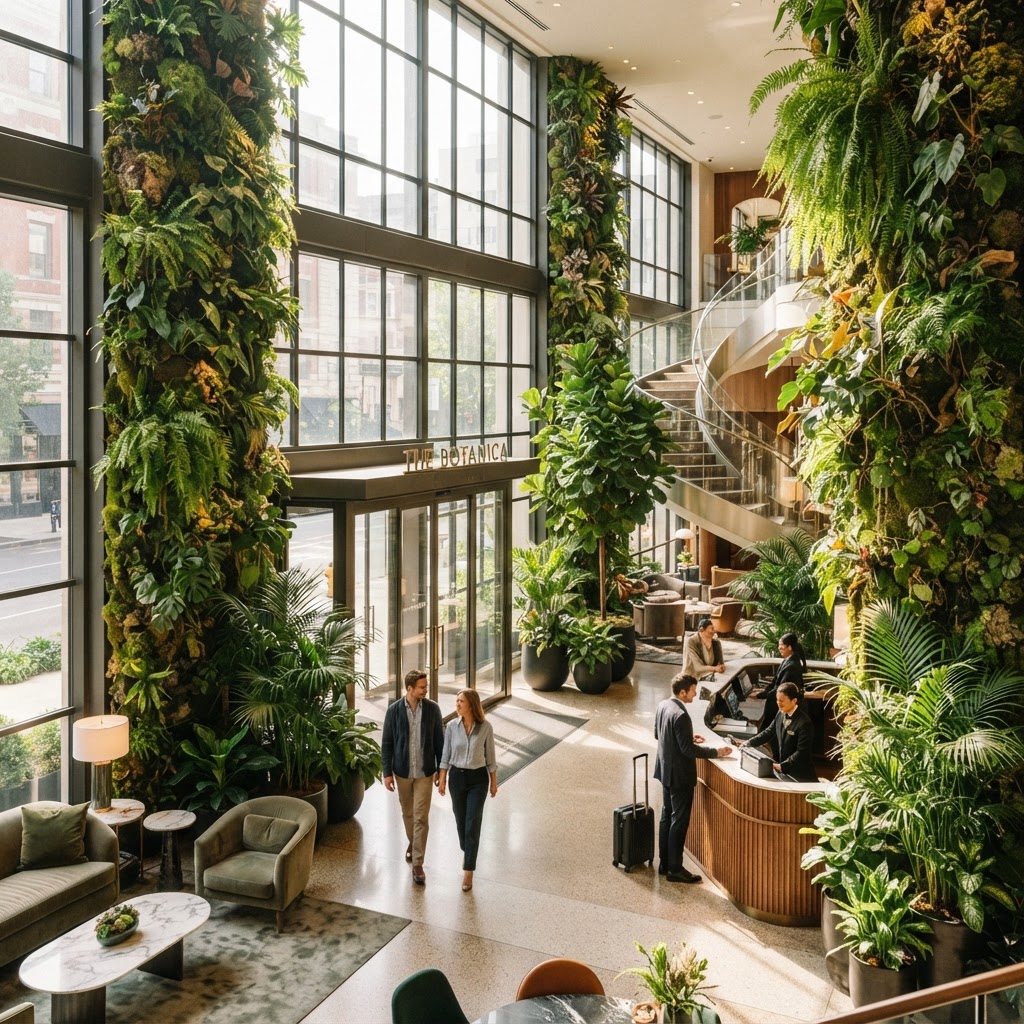
Look, biophilic design has been a buzzword for a while now, but there's a reason it keeps showing up in every serious conversation about hospitality interiors. It works. Bringing natural elements into a lobby, whether that's through living plant walls, water features, raw stone, reclaimed timber, or even just an abundance of natural light, genuinely makes people feel better. There's actual science behind it. Humans are wired to respond positively to nature, and when you weave that into your lobby design, guests feel calmer and more at ease almost immediately upon arrival.
The most compelling biophilic lobbies I've come across aren't just dropping a few potted palms in the corner and calling it a day. They're integrating nature into the actual architecture. We're seeing vertical gardens that span entire feature walls, sometimes two or three stories high, designed and maintained by specialist horticulturists. We're seeing water channels built directly into lobby floors, with smooth river stones and gentle sounds that create an almost meditative quality. These aren't accessories. They're structural decisions made at the design stage.
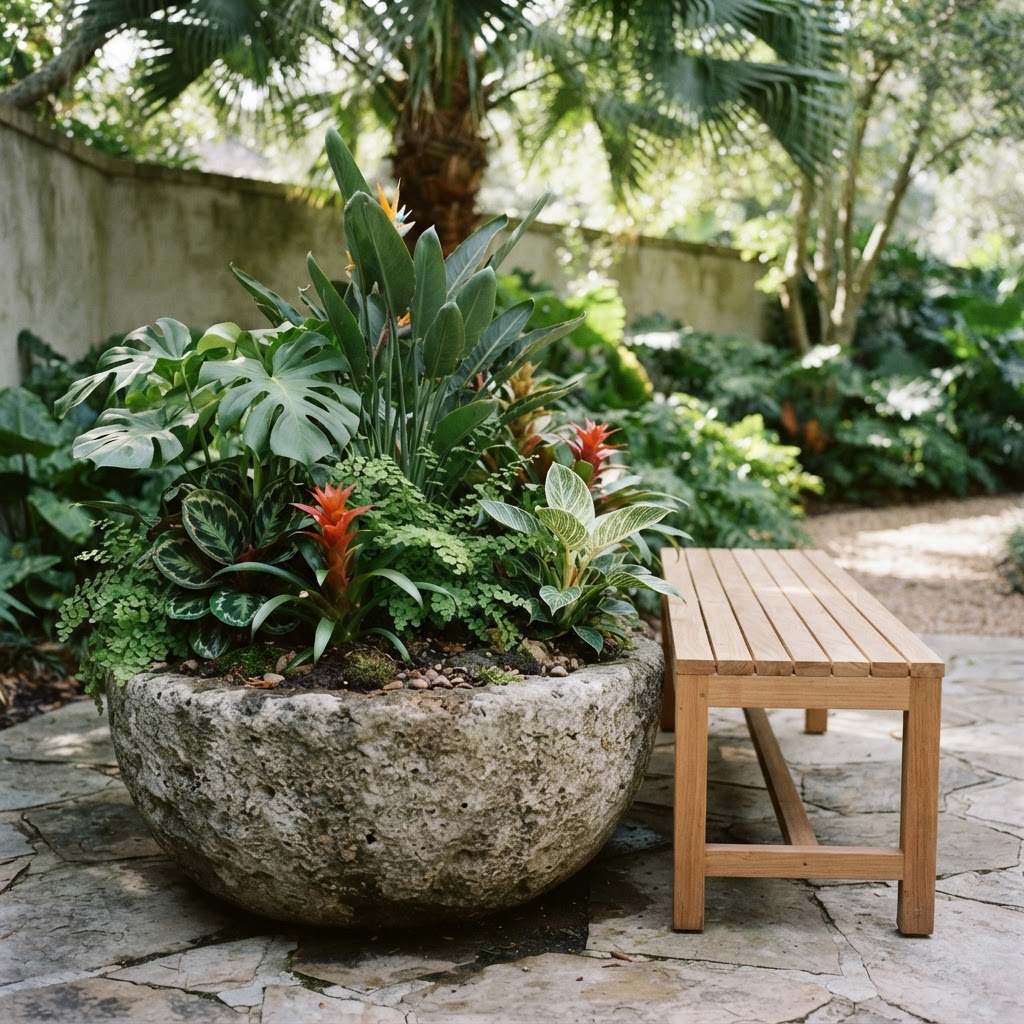
Material choices matter enormously here. Polished marble has its place, but rough-hewn limestone, honed travertine, and unfinished concrete with visible aggregate all carry a very different energy. Paired with warm wood tones, natural fiber rugs, and woven rattan or cane furniture, you build a lobby that feels genuinely connected to the earth rather than floating in some generic luxury vacuum.
And honestly, there's a sustainability angle here that guests are increasingly paying attention to. Using reclaimed materials, sourcing locally, choosing low-VOC finishes, and selecting plants that improve indoor air quality are all design decisions that communicate values. Today's travelers, especially younger ones, notice and appreciate when a hotel walks the talk on environmental responsibility. Biophilic design done right isn't just beautiful, it's meaningful. That combination is pretty hard to beat.
Curated Art Installations
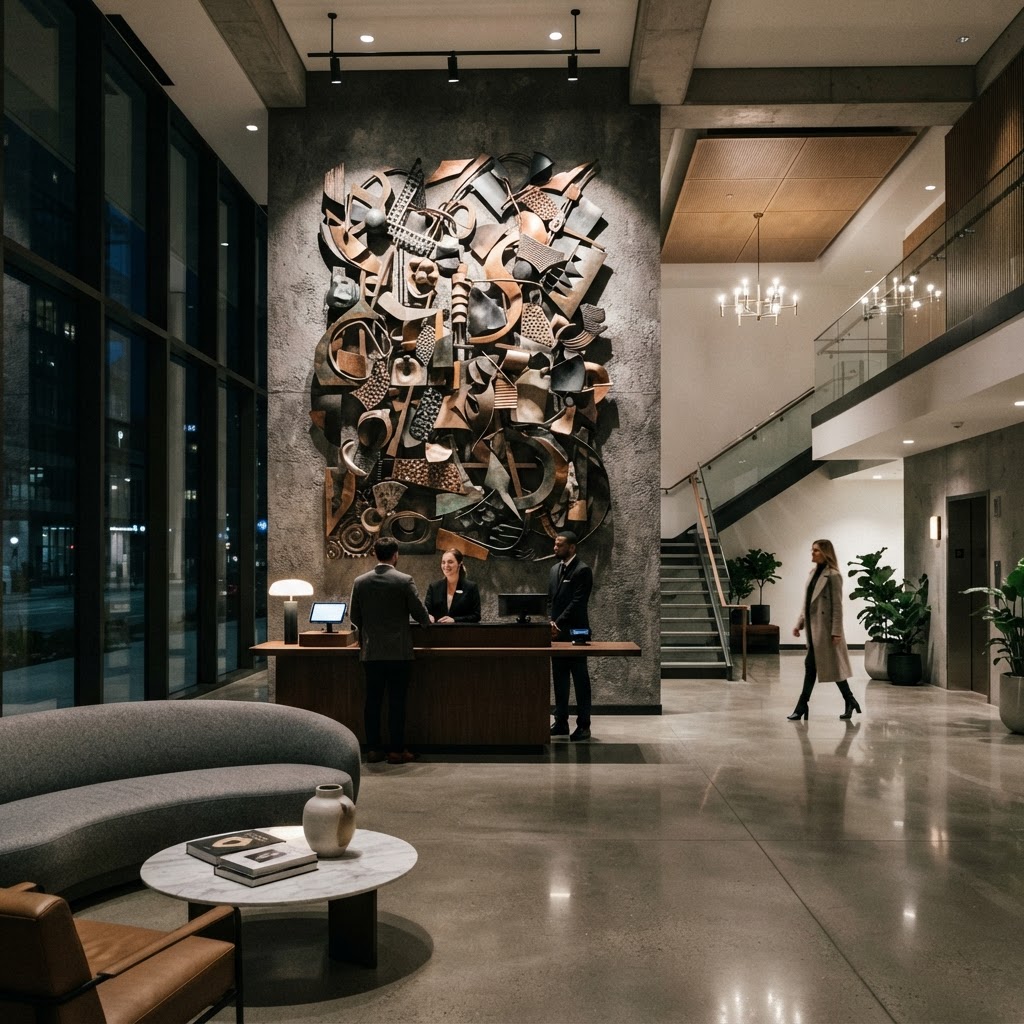
Real talk: the days of hanging a few generic landscape prints and a reproduction of a famous painting in the lobby are well and truly over. The hotels that are really killing it right now are treating their lobbies like galleries, commissioning original works from artists, often local ones, and building the entire design narrative around those pieces. It's a completely different approach and the results are genuinely breathtaking.
A well-chosen art installation does something no piece of furniture or finish can fully replicate: it gives a space a soul. It creates talking points. It sparks curiosity. I've walked into hotel lobbies and stopped dead in my tracks because of a sculpture hanging from the atrium ceiling, or a massive hand-woven fiber piece covering an entire wall, or an immersive video installation responding to sound. These are moments that guests photograph and share. They're the reason people choose one hotel over another when the rooms and rates are comparable.
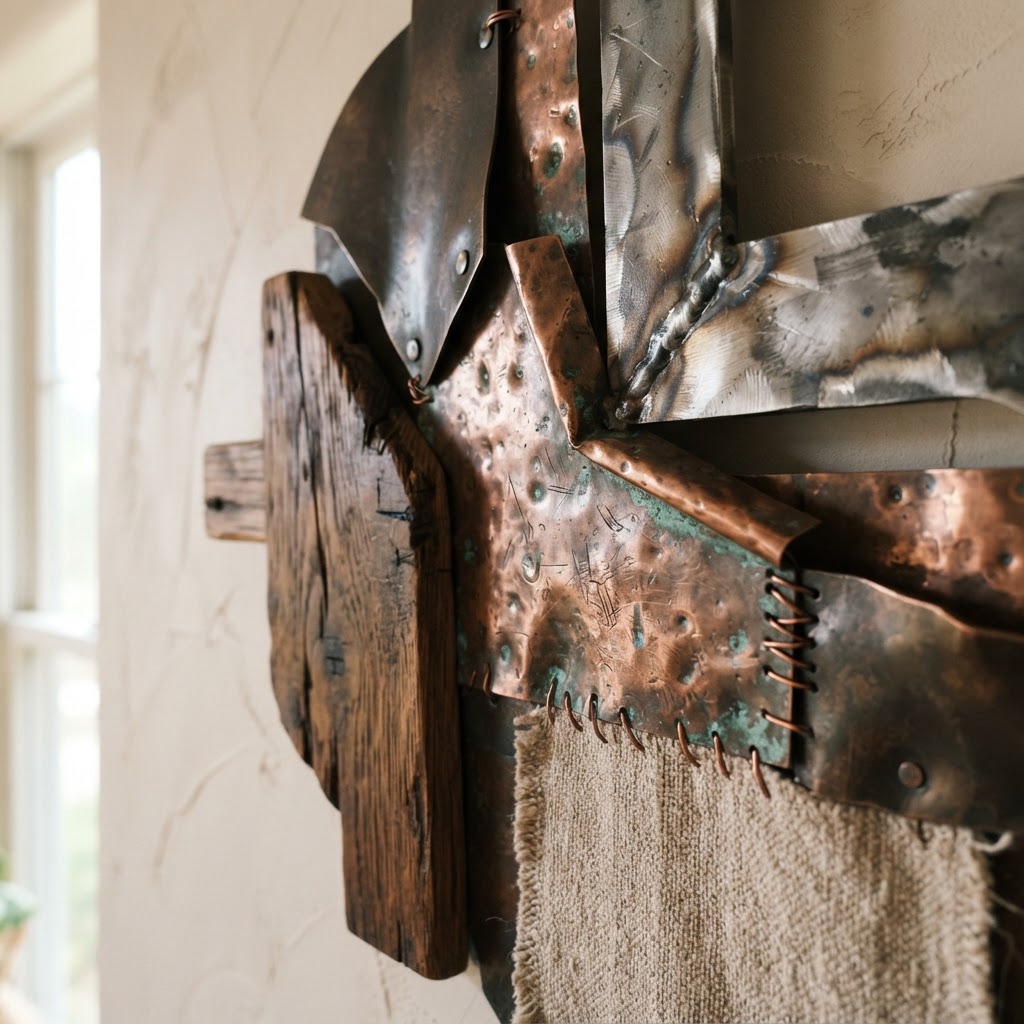
The curatorial approach matters as much as the art itself. The best hotel art programs have an actual story behind them, a thread that connects the works to each other and to the property's location, history, or ethos. Working with an art consultant from early in the design process rather than as an afterthought means the art can inform everything from wall dimensions to lighting placements to traffic flow. It becomes part of the architecture rather than something stuck on top of it.
- Commission local artists to create site-specific works that connect guests to the destination.
- Think beyond the wall: sculpture, textile, ceramic, and digital installations all have a place in the lobby.
- Rotate works seasonally to give returning guests something new to discover.
- Provide context: small printed cards or a dedicated app feature explaining the art adds real depth to the experience.
- Involve the community: partnerships with local galleries or art schools build goodwill and generate genuine buzz.
There's also a practical upside to investing in original art. It's essentially impossible to replicate. A competitor can copy your furniture selections, match your color palette, and source the same stone. They cannot reproduce a one-of-a-kind commissioned installation. Art gives your hotel lobby a genuinely unique identity, and in a crowded market, that is worth an enormous amount.
Hybrid Social Spaces
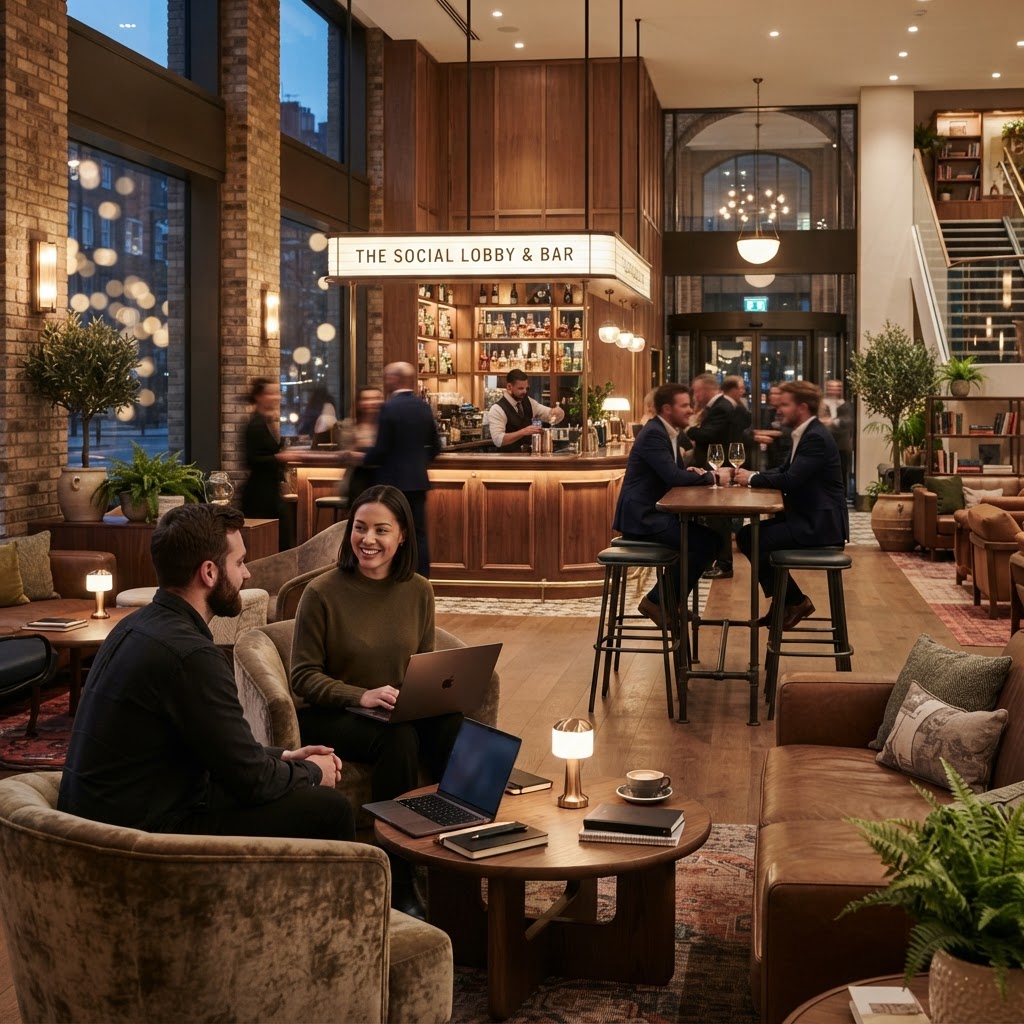
Here's the thing about modern hotel guests: they don't want to sit in a sterile waiting area. They want to live in the lobby. The whole concept of what a hotel lobby is for has shifted dramatically, and the properties that have adapted to this are seeing their lobbies become genuine destinations rather than just transitional spaces you pass through on the way to the elevator.
The hybrid social space trend is about designing the lobby to serve multiple functions simultaneously and seamlessly. Someone should be able to grab a coffee and do a video call in one corner while a group of friends has cocktails and shares small plates in another, while a solo traveler reads in a quiet nook, all within the same open floor plan. The key is zoning, and the key to good zoning is furniture selection and arrangement, acoustic design, and lighting that can adapt to different activities and times of day.
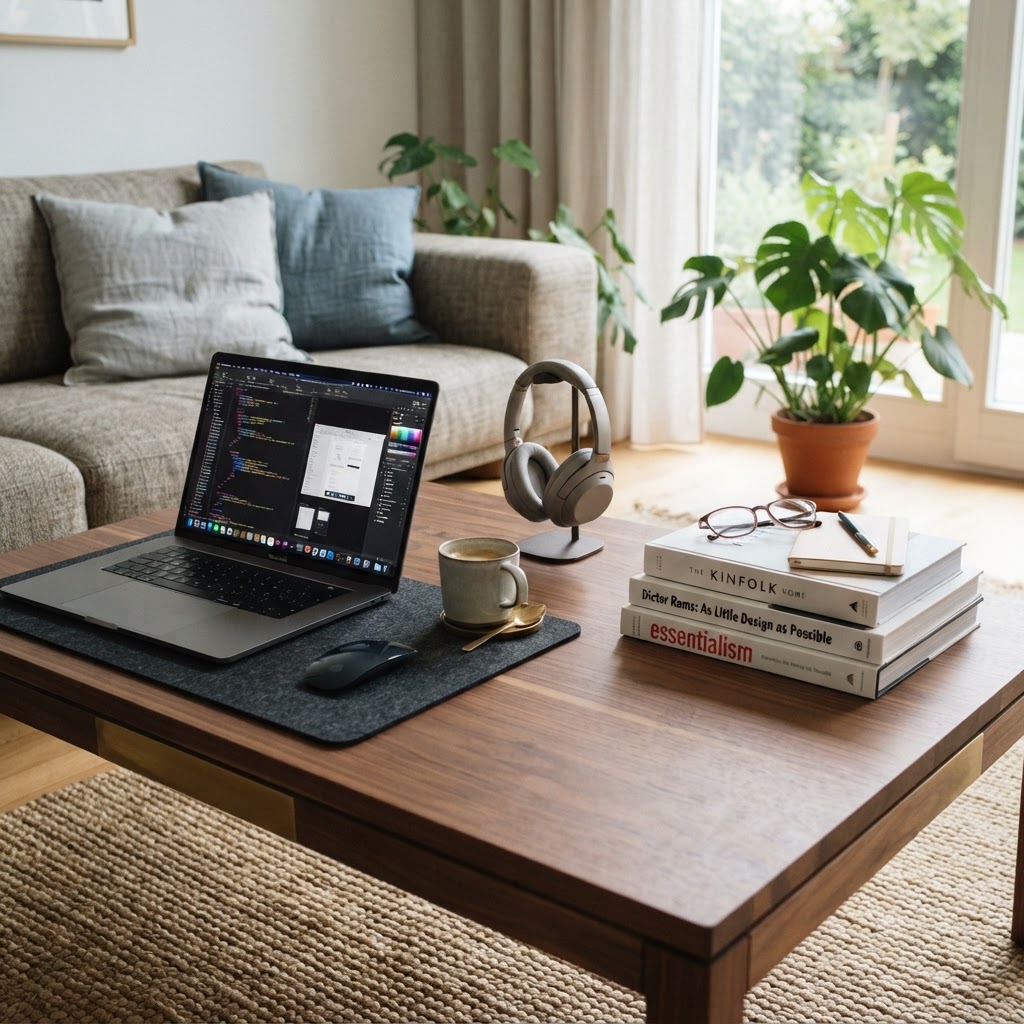
Smart hoteliers are integrating food and beverage directly into the lobby footprint in ways that feel organic rather than tacked on. A coffee bar that doubles as a cocktail bar after five. A chef's counter where guests can watch something being prepared. A communal table big enough for a casual business meeting or a family breakfast. These features keep people in the lobby longer, generate additional revenue, and create an energy that makes the whole property feel alive.
Technology integration is part of this too. Discreetly placed charging stations, strong and reliable WiFi, screens that display local information or art, these things matter to guests and they need to be thoughtfully incorporated without looking like an airport lounge. The best hybrid lobbies manage to feel warm, designed, and deeply human while also being completely functional for the modern traveler's needs. That balance is genuinely hard to strike, but when you get it right, the lobby becomes the heart of the whole property.
Textural Layering and Soft Goods
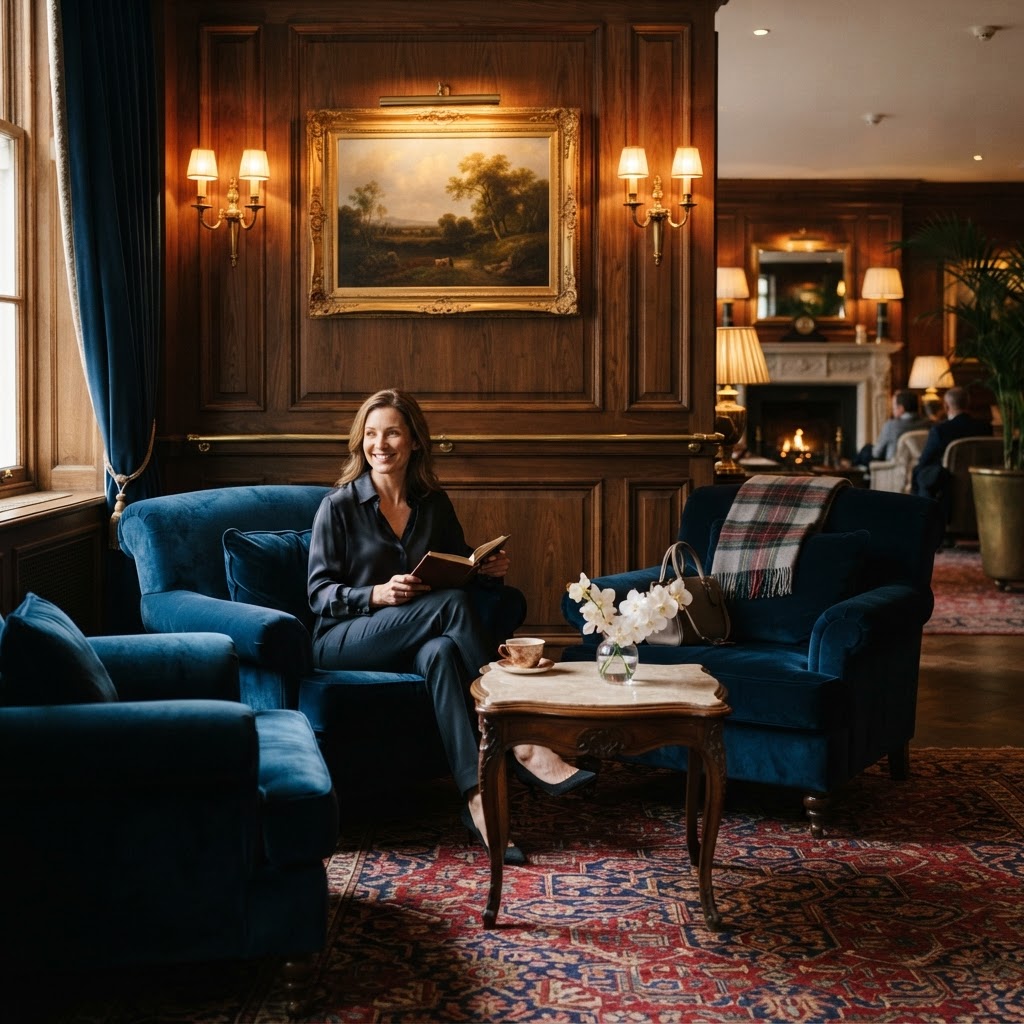
If there's one thing that separates a lobby that photographs beautifully from one that actually feels incredible to be in, it's texture. Specifically, the layering of multiple textures in a way that invites touch, creates visual depth, and makes the space feel genuinely considered rather than staged. This is where soft goods, think upholstery, drapery, rugs, cushions, throws, and woven wall panels, do work that no hard surface finish ever can.
The trend right now is moving away from the cool, minimal, everything-is-marble aesthetic toward something warmer and more tactile. Boucle fabric on curved sofas. Hand-knotted wool rugs with subtle geometric patterns. Pleated silk or linen drapery that pools slightly on the floor. Velvet accent chairs in deep, moody tones. These materials don't just look good, they absorb sound, which is a seriously underappreciated benefit in a busy hotel lobby. A space with good acoustic warmth feels instantly more comfortable and less chaotic.
The trick to getting textural layering right is restraint within abundance, which sounds contradictory but makes total sense when you see it done well. You want variety in texture, not variety in color. Keeping to a relatively tight color palette while mixing linen with leather with stone with wood with woven grass creates richness without visual chaos. Add in some handmade or artisanal pieces, a thrown ceramic lamp base, a hand-blocked cushion fabric, a rug with slight irregularity that speaks to its handmade origin, and you build a lobby that feels collected and personal rather than contract-furnished and soulless.
Honestly, this is the area where I see the most lobbies getting it wrong. They'll invest in spectacular hard finishes and then drop in generic, over-scaled sectional sofas in a predictable neutral and call the furniture sorted. The soft goods are the soul of any interior. They're where personality lives. A lobby that takes textural layering seriously, that really sweats the details on fabric choices, rug placement, and the interplay between hard and soft materials, is a lobby that guests sink into and never want to leave. And that is exactly what you want them to feel.
Final Thoughts
Look, hotel lobby design has never been more exciting or more competitive than it is right now. Guests are sophisticated, they travel widely, they share everything on social media, and they have seen enough cookie-cutter lobbies to last several lifetimes. The properties that are winning are the ones treating their lobbies as genuine design statements rather than functional waiting areas with nice lighting.
Whether you're embarking on a full redesign or just looking for strategic ways to refresh an existing space, any one of these five trends can genuinely move the needle on guest experience. Start with the one that feels most aligned with your property's identity and your guests' expectations. And honestly, if you can find ways to weave several of them together, a biophilic ceiling feature with layered soft goods and a site-specific art commission, that's when the real magic happens.
The goal is always the same: create a space that stops people in their tracks, makes them feel something, and gives them a story to tell. Get that right, and everything else follows.
More in Commercial
Stay Inspired
Subscribe for new essays on architecture, design, and the spaces that shape us.