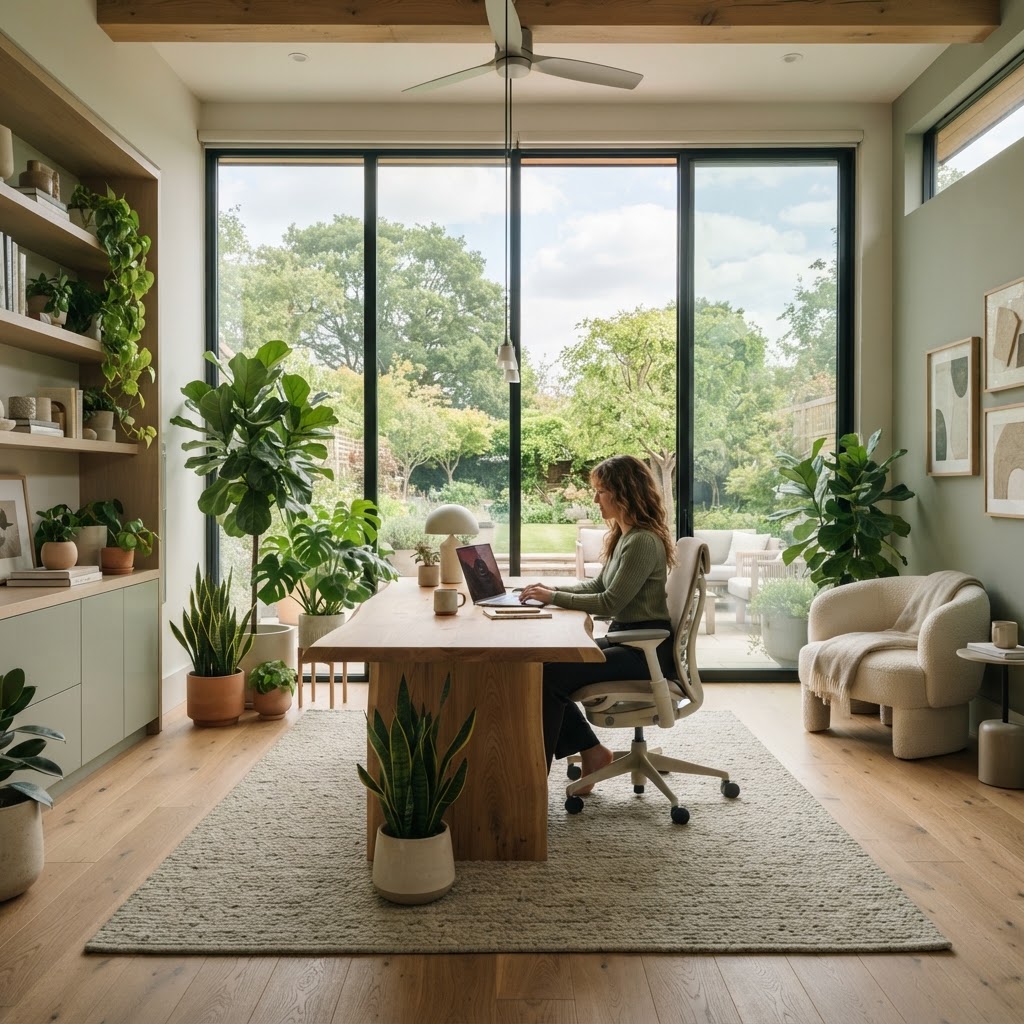
7 Office Design Upgrades That Will Actually Make You More Productive
Transforming your workspace can completely change how you approach your daily tasks. These simple design tweaks help you stay focused and comfortable throughout the work day.
The Power of Natural Lighting
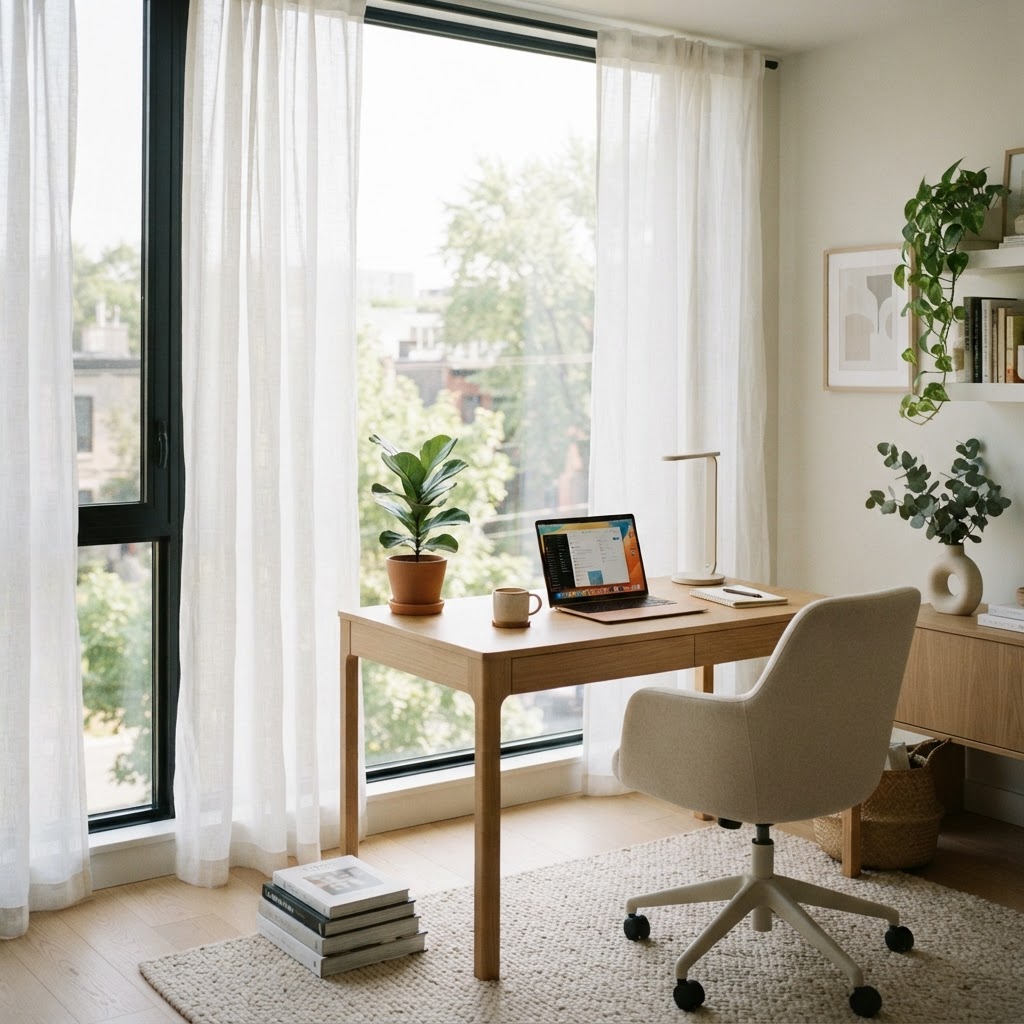
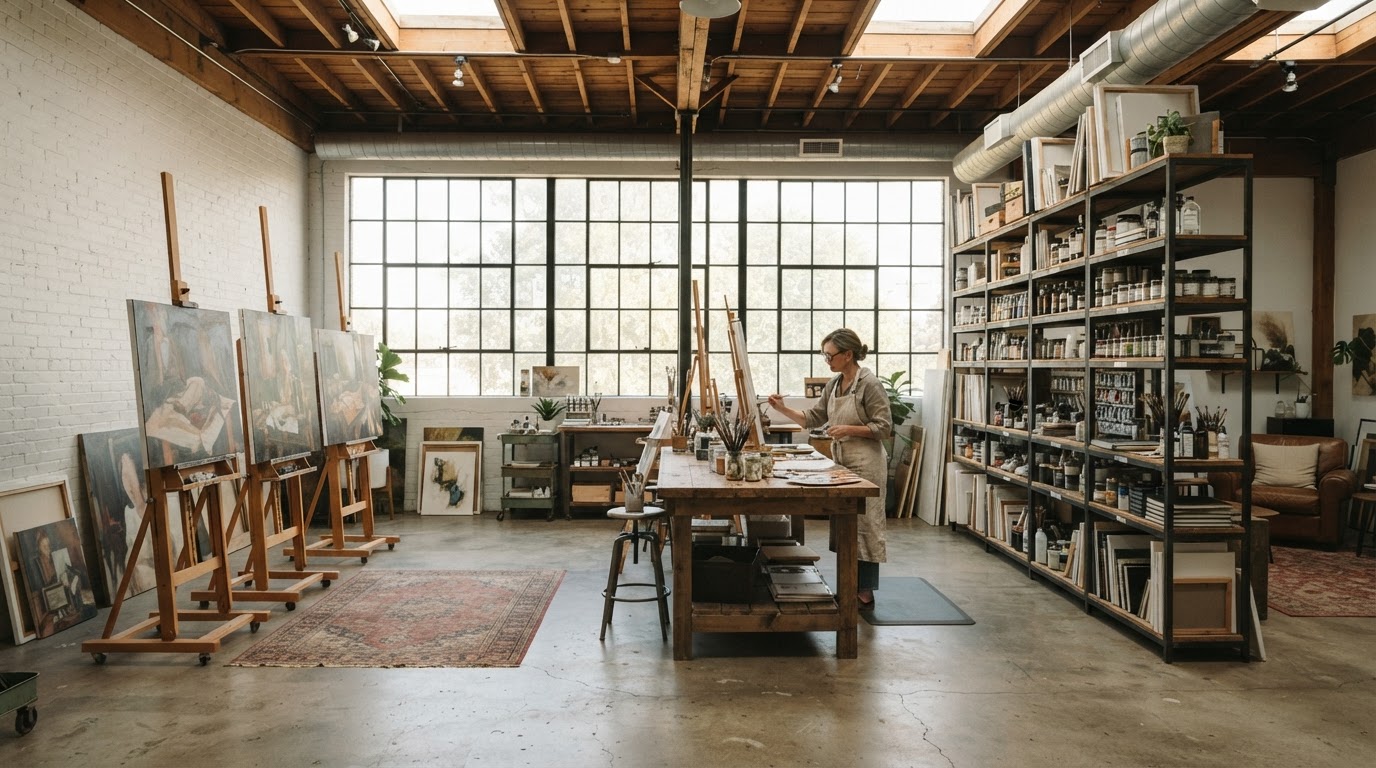
Honestly, if there's one thing I'd tell every single person redesigning their office, it's this: stop underestimating your windows. Natural light is not just a "nice to have." It is, without question, the single most impactful change you can make to a workspace. Studies have shown over and over again that employees who work near natural light sleep better, feel better, and yes, actually get more done. And yet so many offices are still treating windows like an afterthought.
Here's the thing about artificial lighting: it gets the job done, sure, but it's essentially a processed version of what your body actually wants. Fluorescent overhead lights, especially the harsh cool-toned ones you see in a lot of commercial spaces, can cause eye strain, headaches, and a general sense of low-grade misery that you might not even consciously connect to your environment. When you start replacing or supplementing that with real daylight, the difference is genuinely startling.

So what does this actually look like in practice? If you're doing a full renovation or fit-out, talk to your architect about window placement and glazing options early. Skylights are underused in commercial spaces and they can be transformative. If you're working within an existing layout, think about rearranging desks so more people sit closer to windows. Remove heavy curtains or blinds that block light unnecessarily. Use lighter paint colors on walls to bounce daylight deeper into the room.
For spaces that genuinely can't get enough natural light, the next best move is investing in high-quality tunable LED lighting that mimics the color temperature shifts of daylight throughout the day. Cooler, brighter light in the morning to wake people up and warmer tones in the afternoon to avoid that 3pm crash. It's not cheap, but trust me on this, it's worth every penny compared to the productivity losses you're quietly absorbing right now.
Creating a Dedicated Focus Zone
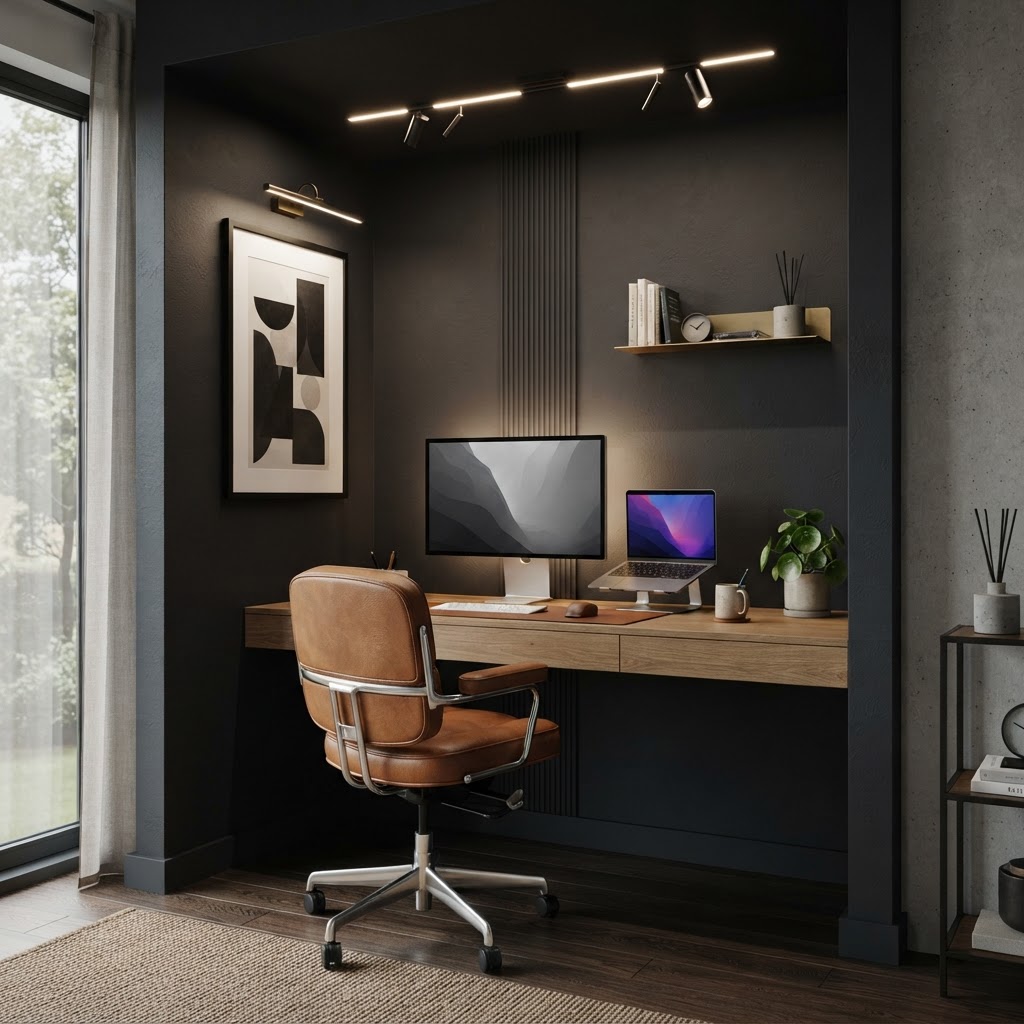
Real talk: open plan offices are not inherently evil, but they've been badly misused for years. The idea that throwing everyone into one big room automatically creates collaboration is a myth that has cost countless businesses serious money in lost focus and frustrated employees. The fix isn't to go back to a sea of closed-door private offices, though. It's to create intentional zones within your space, and the most important one is a dedicated focus zone.
A focus zone is exactly what it sounds like. It's a designated area where deep, concentrated work happens. No casual conversations, no loud phone calls, no hot-desking chaos. Think of it like a library section inside your office. The design of this space needs to reinforce that purpose at every level, from the acoustics to the furniture to the lighting. Lower, more focused task lighting rather than blazing overhead fixtures. Acoustic panels or partitions that dampen sound without making the space feel like a bunker. Comfortable but not too comfortable seating, because you want people focused, not napping.

One thing I always recommend is making the focus zone visually distinct from the rest of the office. Use a different flooring material, a subtle shift in color palette, or even just a change in ceiling height if your architecture allows it. These cues tell the brain "we're in a different mode now" without anyone having to say a word. It's subtle environmental psychology and it absolutely works.
The furniture matters more than people think too. Avoid round tables and casual lounge chairs in a focus zone. Go for individual desks or carrels with some visual separation, even if it's just a low dividing panel. Give people somewhere to set their things without feeling like they're in a fishbowl. And honestly, make sure there's accessible power everywhere. Nothing breaks focus faster than hunting for an outlet.
Incorporating Biophilic Design Elements
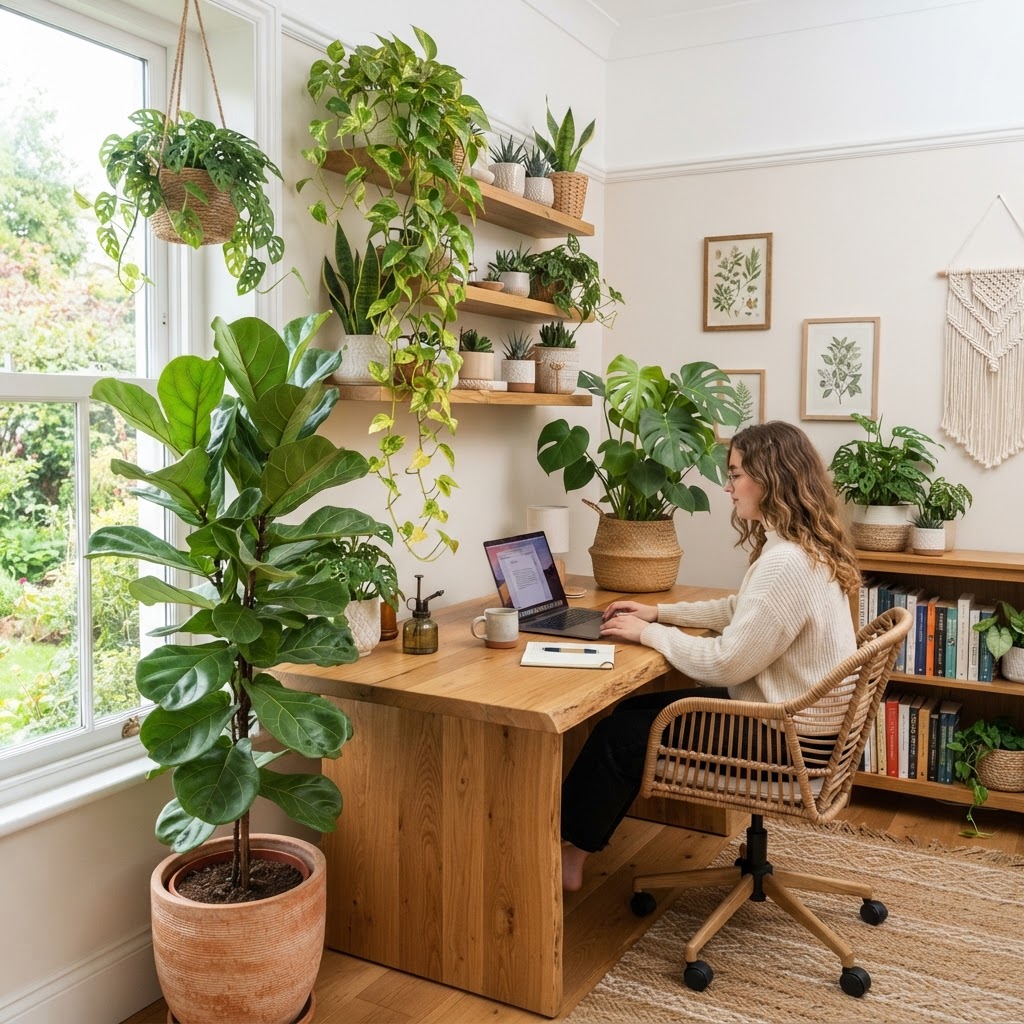
Biophilic design sounds like a buzzword, and look, I get why people roll their eyes at it a little. But the research behind it is genuinely solid. Humans evolved in natural environments and our nervous systems are still basically running that same old software. When we're surrounded by natural materials, plants, water features, organic shapes and textures, our stress levels drop and our ability to focus improves. This isn't woo, it's well-documented neuroscience.
The easiest entry point is plants. And I don't mean one sad succulent in the corner. I mean a real, committed investment in greenery throughout the space. Living plant walls are having a serious moment right now and for good reason. They're visually stunning, they improve air quality, they reduce noise, and they create a sense of being in a space that's alive and cared for. Even if a full living wall isn't in your budget, clustering large statement plants around the office makes a meaningful difference.

Beyond plants, think about materials. Exposed wood, stone surfaces, woven textiles, rattan accents. These natural textures give a space warmth and sensory richness that no amount of sleek laminate can replicate. Even something as simple as swapping out a few plastic desk accessories for wooden ones contributes to this feeling. The goal is an environment that doesn't feel aggressively artificial.
- Living walls or vertical gardens for maximum visual and acoustic impact
- Potted statement plants like fiddle leaf figs, monstera, or large palms
- Natural wood furniture or wood veneer surfaces instead of all-plastic finishes
- Stone or ceramic accents in common areas and reception spaces
- Water features in lobbies or breakout areas for ambient sound and calm
And honestly, don't forget about views. If your office has windows that look onto a green courtyard, a tree-lined street, or any kind of natural landscape, that's a genuine asset. Position seating so people can occasionally rest their eyes on something living and natural. It's one of those things that sounds minor but adds up in a big way over the course of a long workday.
Optimizing Your Ergonomic Setup
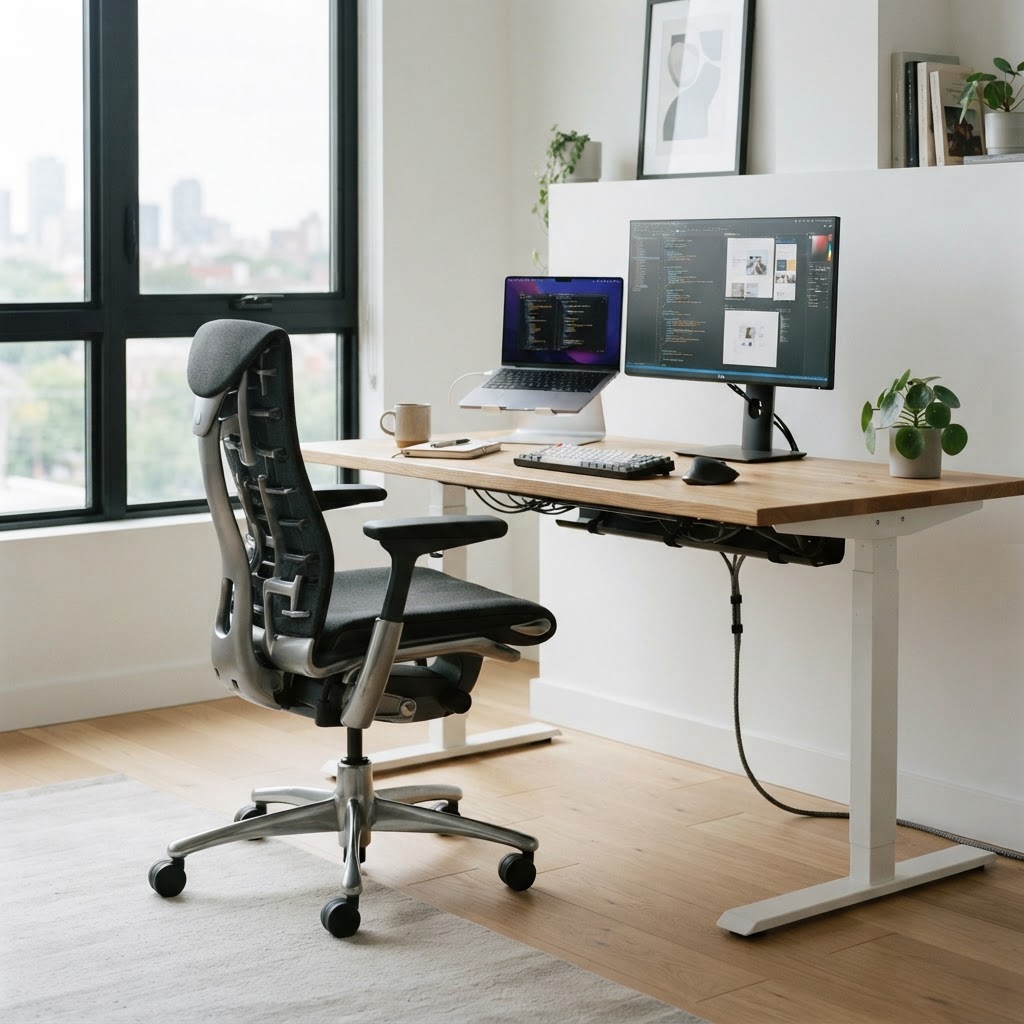
Here's something that gets overlooked constantly in office design conversations: you can have the most beautiful, thoughtfully designed space in the world, but if the chairs are uncomfortable and the desk heights are wrong, people are going to be miserable and unproductive within an hour. Ergonomics isn't glamorous but it might be the most directly productivity-linked investment on this entire list.
Good ergonomic design starts with chairs. Not just "chairs that look nice" but chairs that actually support the human body properly during extended periods of sitting. Adjustable lumbar support, seat depth adjustment, armrests that move, and sufficient padding that doesn't bottom out. Yes, proper ergonomic chairs are expensive. A good one will run you several hundred dollars per seat. But compare that to the cost of sick days, back injury claims, and the simple daily drag of employees who are physically uncomfortable trying to concentrate.
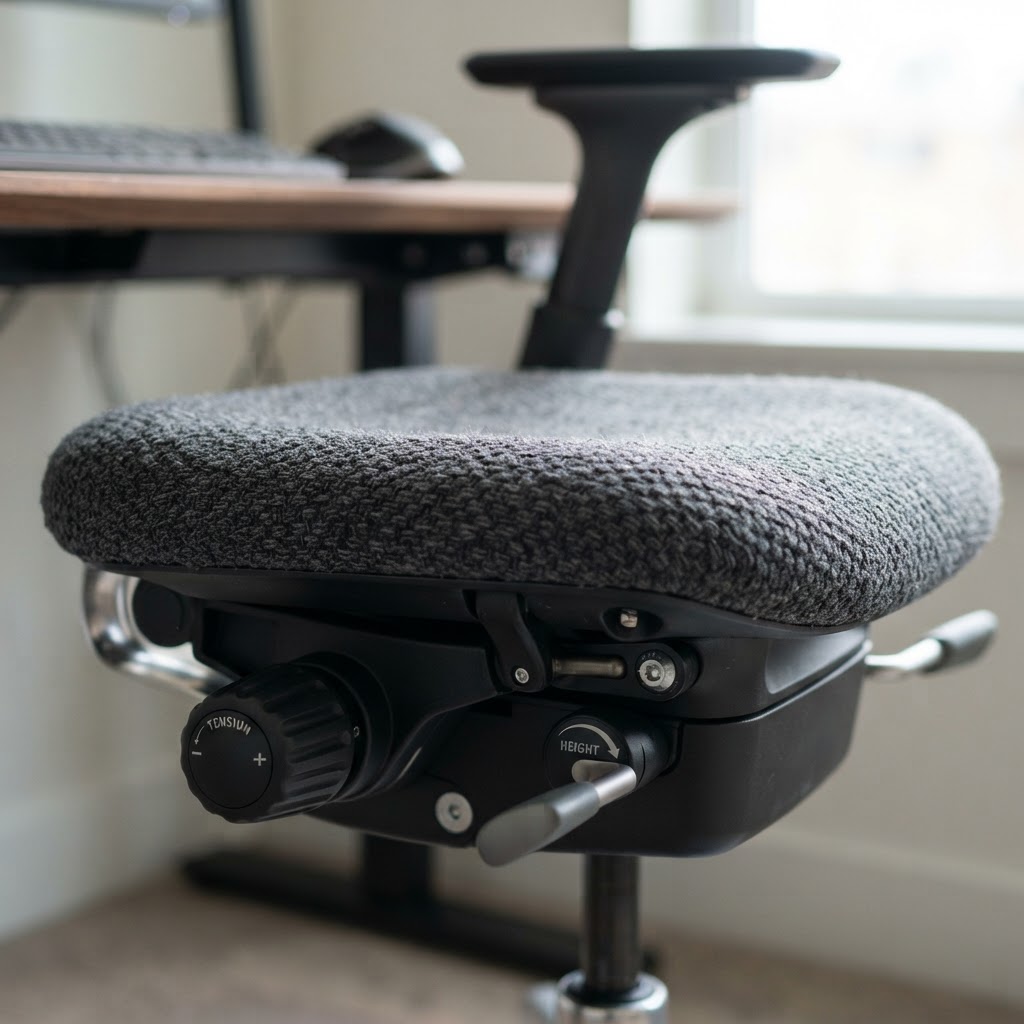
Height-adjustable desks are the other big one. Sit-stand desks have gone from being a niche luxury to basically standard practice in well-designed commercial offices, and for good reason. Alternating between sitting and standing throughout the day improves circulation, reduces back pain, and honestly just keeps people more alert. The research on sit-stand desks and productivity is pretty compelling at this point.
Beyond chairs and desks, think about monitor height and placement. Screens should be at eye level, roughly an arm's length away. Keyboards should allow wrists to stay flat or slightly angled downward. Under-desk cable management keeps workstations tidy and prevents people from sitting in weird positions to avoid tripping on wires. These are small things but they compound. And if you're outfitting a whole office, consider bringing in an ergonomics consultant for a day to assess workstations properly. It's a relatively modest investment that pays for itself fast.
Strategic Color Choices for Focus
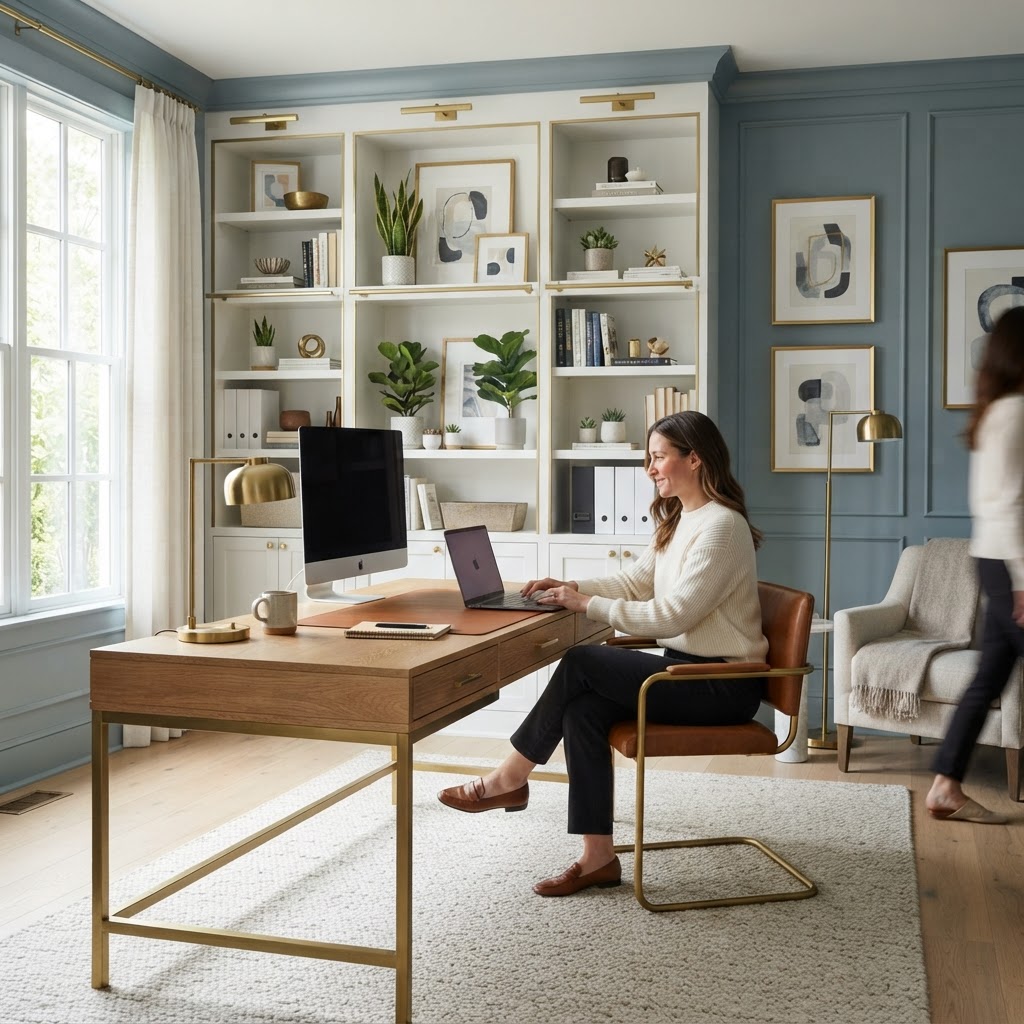
Color psychology in interior design is one of those topics that gets either way overstated or completely dismissed, and the truth is somewhere in the middle. Color does affect mood and cognitive performance, but it's not magic and it's not the same for everyone. What we do know from research is that certain colors tend to support certain kinds of mental states, and that's genuinely useful information when you're designing a workspace.
Blue tones are consistently associated with calm focus and mental clarity. They're a solid choice for areas where analytical, detail-oriented work happens. Green, especially softer sage and olive tones, is calming and restorative without being sleepy, which makes it great for spaces where people need sustained concentration. These aren't arbitrary associations, they're tied to our evolutionary responses to color in natural environments.
On the flip side, highly stimulating colors like red and bright orange are better used in small doses, maybe in a brainstorming room or a reception area where you want energy and conversation. Using them throughout a whole office can actually increase stress and anxiety over time. And all-white offices, while visually clean, can feel cold and overstimulating in their own way, causing eye strain and a kind of visual fatigue that creeps up on you.
- Soft blues and teals for analytical workstations and focus-heavy areas
- Greens and sage tones throughout general workspace for calm productivity
- Warm neutrals like terracotta and warm beige for collaborative areas
- Bright accent colors used sparingly in creative or energetic zones only
One more thing on color: don't neglect the ceiling. Most offices treat the ceiling as an afterthought, painting it flat white and moving on. But a ceiling painted in a soft, slightly saturated tone can completely change the feeling of a room, making it feel more enveloping and less like a corporate box. It's a low-cost intervention with a surprisingly big visual payoff. Trust me on this one, it reads as far more thoughtful and considered than most people expect.
Final Thoughts
Look, at the end of the day, a productive office isn't about one magic fix. It's about a bunch of thoughtful decisions that all work together. Natural light lifts your mood and regulates your body clock. A dedicated focus zone gives people permission to do deep work without guilt or interruption. Biophilic elements reconnect us to something our nervous systems genuinely need. Good ergonomics keeps physical discomfort from eating away at concentration. And smart color choices set the right psychological tone without anyone even realizing it.
The best commercial spaces aren't the flashiest ones. They're the ones where everything has been considered, where the design is working quietly in the background to make people feel good and perform well. If you're planning an office redesign or even just a refresh, start with this list. You don't have to do everything at once. Pick the two or three items that feel most relevant to your current pain points and go deep on those first. The results will speak for themselves.
More in Commercial
Stay Inspired
Subscribe for new essays on architecture, design, and the spaces that shape us.