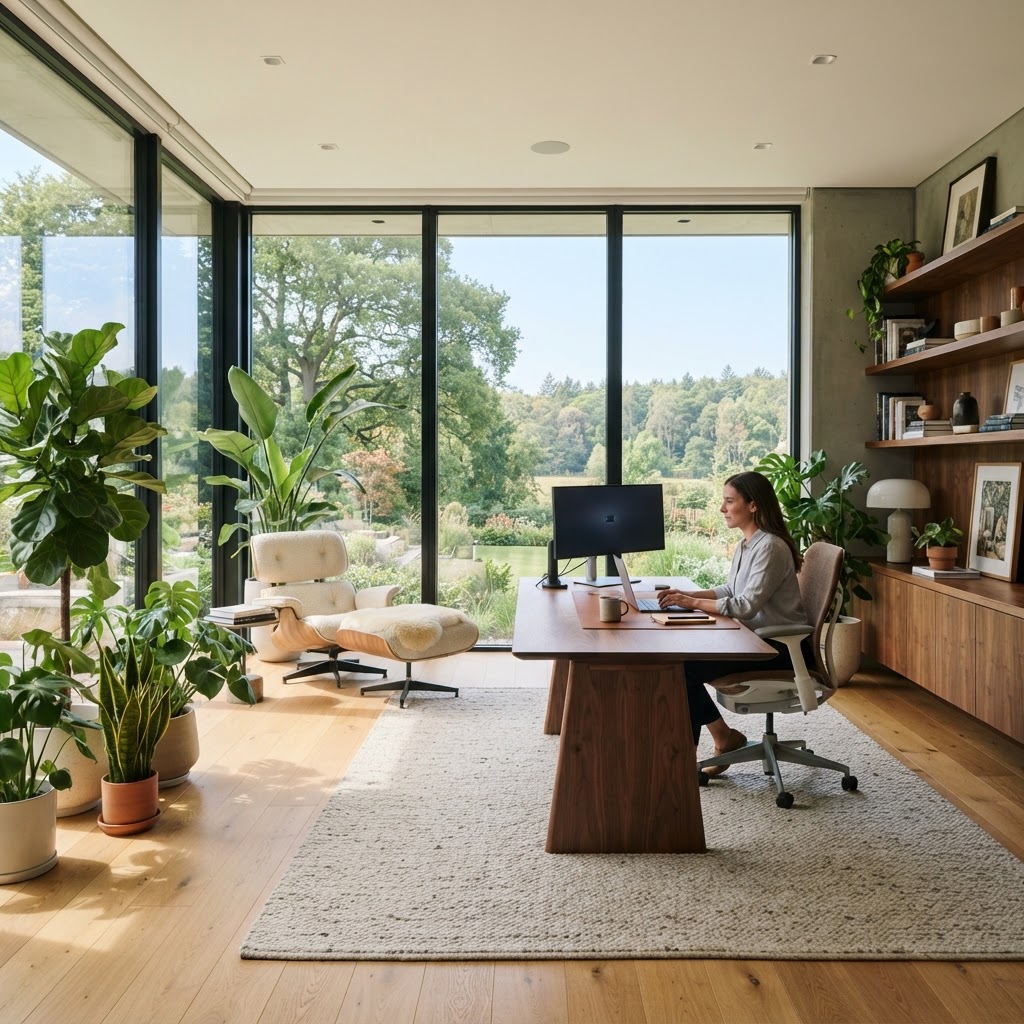
7 Office Design Secrets to Triple Your Productivity
Transforming your workspace can change the way you work every single day. We explore simple design shifts that help you stay focused and energized throughout your tasks.
The Power of Biophilic Elements
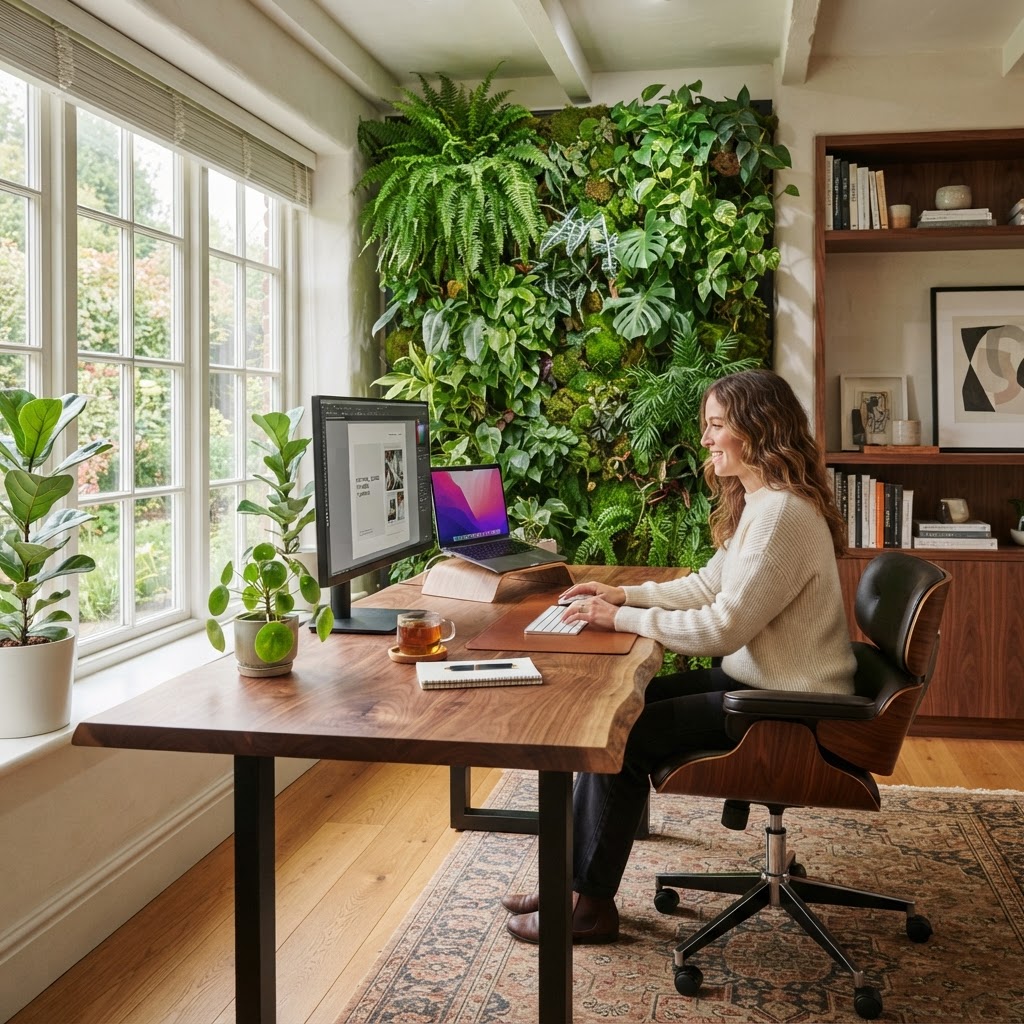
Honestly, I was skeptical about this one for years. Plants in an office? Sure, they look nice, but do they actually do anything? Then I redesigned a 3,000 square foot open-plan office for a marketing agency in Austin, and we went all-in on biophilic design. Within two months, the client reported a noticeable drop in sick days and people were staying at their desks longer without complaining about fatigue. That was the moment I became a true believer.
Biophilic design is rooted in the idea that humans have an innate need to connect with nature. When you strip that connection away, which most conventional offices absolutely do, people start to feel subtly stressed and mentally drained. Here's the thing: your brain is constantly processing your environment. When the environment is sterile and disconnected from anything natural, it registers that on some level as an uncomfortable, even threatening space.

So what actually works? Living walls are incredible if the budget allows. They create a dramatic visual anchor and genuinely purify the air in meaningful ways. But you don't need to spend a fortune. A cluster of potted plants near workstations, a few trailing pothos vines on shelving units, or even a single large fiddle leaf fig in a corner can shift the energy of a room noticeably. Natural materials matter too. Exposed wood, stone surfaces, woven textures, even water features if the space accommodates them, all of these cues signal "nature" to your brain and ease cognitive load.
- Use real plants wherever possible, not artificial ones. The air quality and psychological benefits simply don't transfer with fakes.
- Incorporate natural textures through furniture, rugs, and wall treatments made from wood, rattan, linen, or stone.
- Position workstations near windows so people get views of outdoor greenery or sky, even partial views make a measurable difference.
- Use nature-inspired color palettes, earthy greens, warm browns, soft sandy neutrals, rather than stark whites and grays.
Look, I know some offices don't have great natural light or outdoor views. That's a real constraint. But there are always workarounds. Botanical artwork, nature photography prints, and organic shapes in furniture design all tap into that same biophilic instinct. It's not a replacement for the real thing, but it beats a wall of motivational posters any day of the week.
Lighting That Keeps You Alert
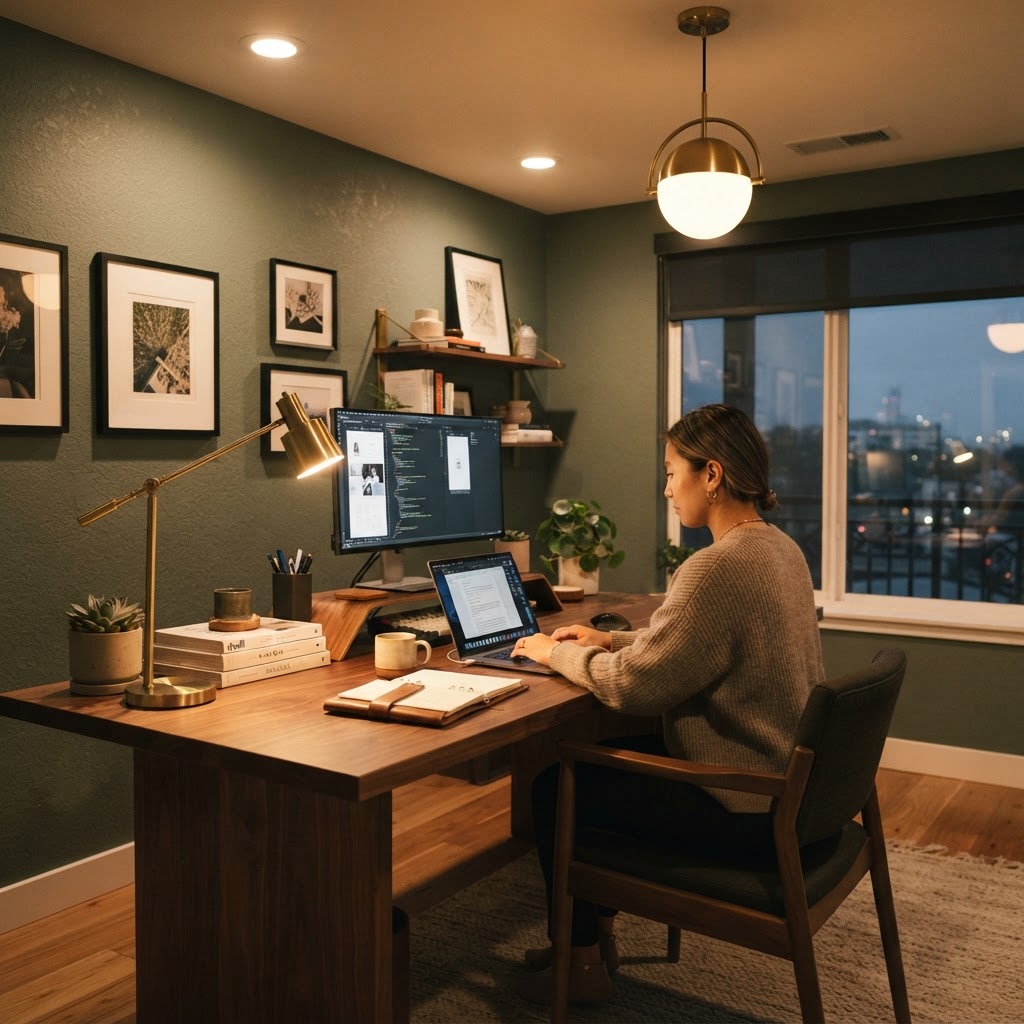
Bad lighting is the silent productivity killer that almost nobody talks about. Real talk: the flickering fluorescent tubes that still haunt most commercial offices are genuinely harmful to focus and mood. Studies have linked poor office lighting to eye strain, headaches, fatigue, and even increased rates of depression. And yet, companies will spend thousands on standing desks and completely ignore their lighting. It drives me a little crazy.
The key is understanding that different tasks need different light. Circadian-tuned lighting systems, which adjust color temperature throughout the day, are genuinely worth the investment for larger offices. Cooler, bluer light in the morning and midday supports alertness and focus. Warmer, softer tones in the late afternoon can help people wind down without crashing. This isn't a gimmick. It mirrors natural daylight cycles and works with your body's biology instead of against it.
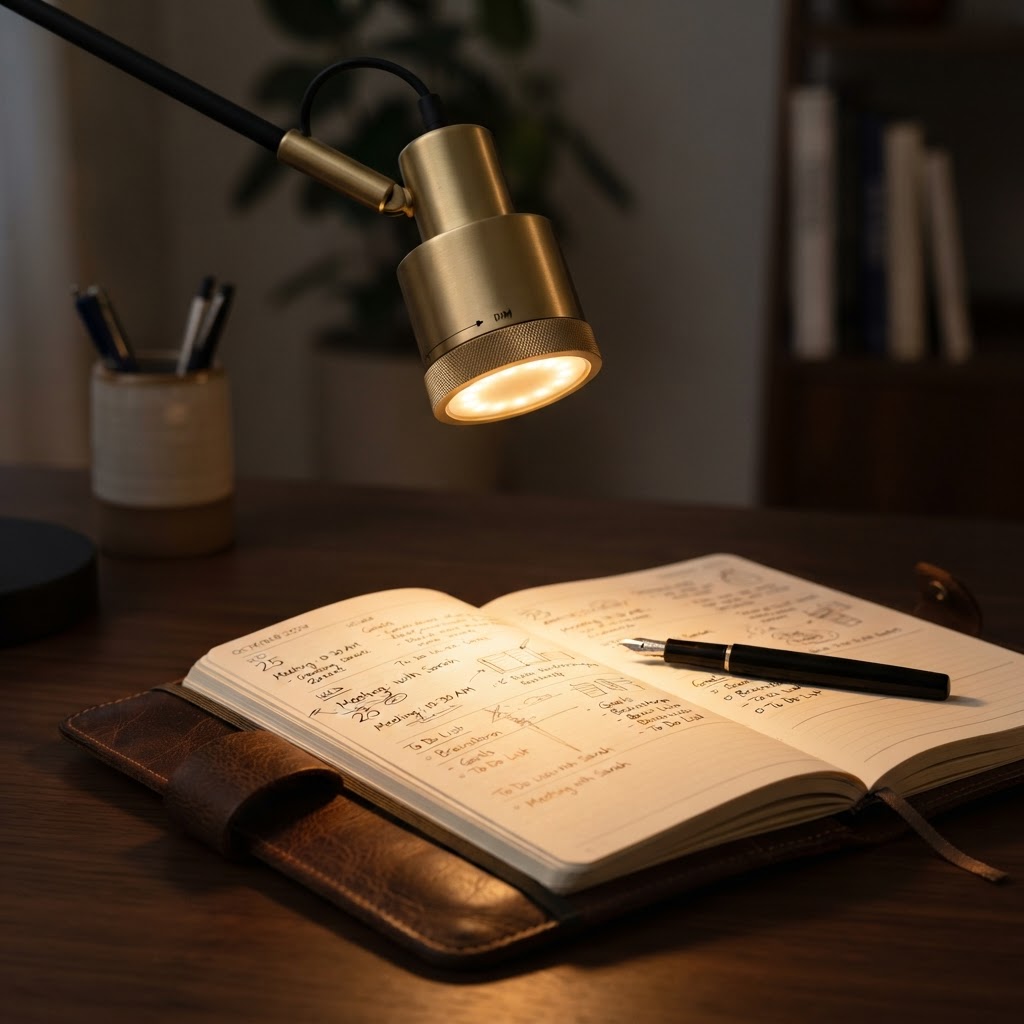
For smaller offices or budgets that don't stretch to smart lighting systems, layering is your best friend. You want ambient light for general visibility, task lighting at individual workstations for detailed work, and accent lighting that adds warmth and dimension to the space. A desk lamp with adjustable color temperature is a cheap and effective upgrade that makes an immediate difference. And please, if you can do one thing, maximize natural light first. Pull back those blinds, switch to sheer curtains, and arrange desks so people face windows rather than sitting with their backs to them.
"Lighting is the single most underestimated variable in commercial interior design. Get it right and everything else in the room improves."
One more thing: glare is a real problem that often gets overlooked. Direct sunlight on screens causes eye fatigue fast. Adjustable blinds or frosted window films let you control brightness without losing the benefit of natural light. Task lamps positioned to the side rather than directly above reduce shadow and screen glare. These small adjustments sound minor but they compound over the course of an eight-hour workday into something really significant.
Creating Zones for Different Tasks
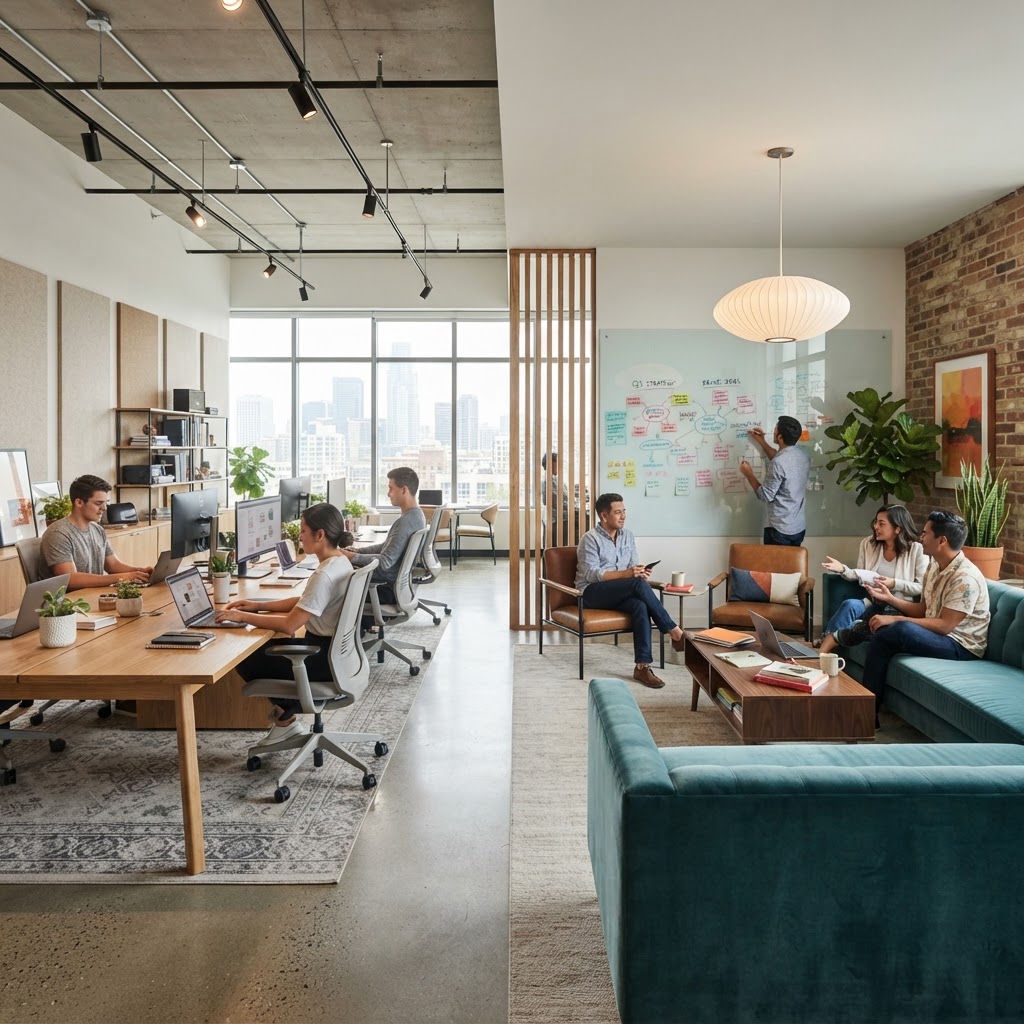
Here's something I've noticed after years of working on commercial projects: open plan offices were sold to us as collaborative utopias, and in many ways they delivered. But the part nobody planned for was what happens when someone needs to do deep, focused work in a room full of people chatting, laughing, and taking calls. That tension is real and it kills productivity for huge chunks of the day.
The answer isn't to go back to rows of private cubicles. It's to create intentional zones within the office that support different modes of work. Think of it like designing a house. You wouldn't eat dinner in your bathroom or sleep in the kitchen. Different activities need different environments, and the same logic applies at work.

A well-designed commercial office should have at least three types of zones. First, a focus zone where noise is minimized and interruptions are discouraged. Acoustic panels, sound-absorbing furniture, and physical separation through shelving or partial walls all help here. Second, a collaboration zone where people can gather, brainstorm, and communicate freely without guilt. High tables, writable surfaces, and loose seating arrangements work well. Third, a recharge zone, a lounge or breakout area where people can truly decompress for a few minutes. This isn't wasted space. It's an investment in sustained performance.
- Use acoustic panels and sound-absorbing materials in focus zones to reduce ambient noise without full walls.
- Make collaboration zones visually distinct with different furniture styles, colors, or lighting so people mentally shift gears when they enter.
- Design recharge areas to feel genuinely different from the rest of the office, softer, warmer, more residential in feel.
- Establish clear visual and social cues about each zone's purpose so the whole team uses them correctly and consistently.
Minimalist Organization Hacks
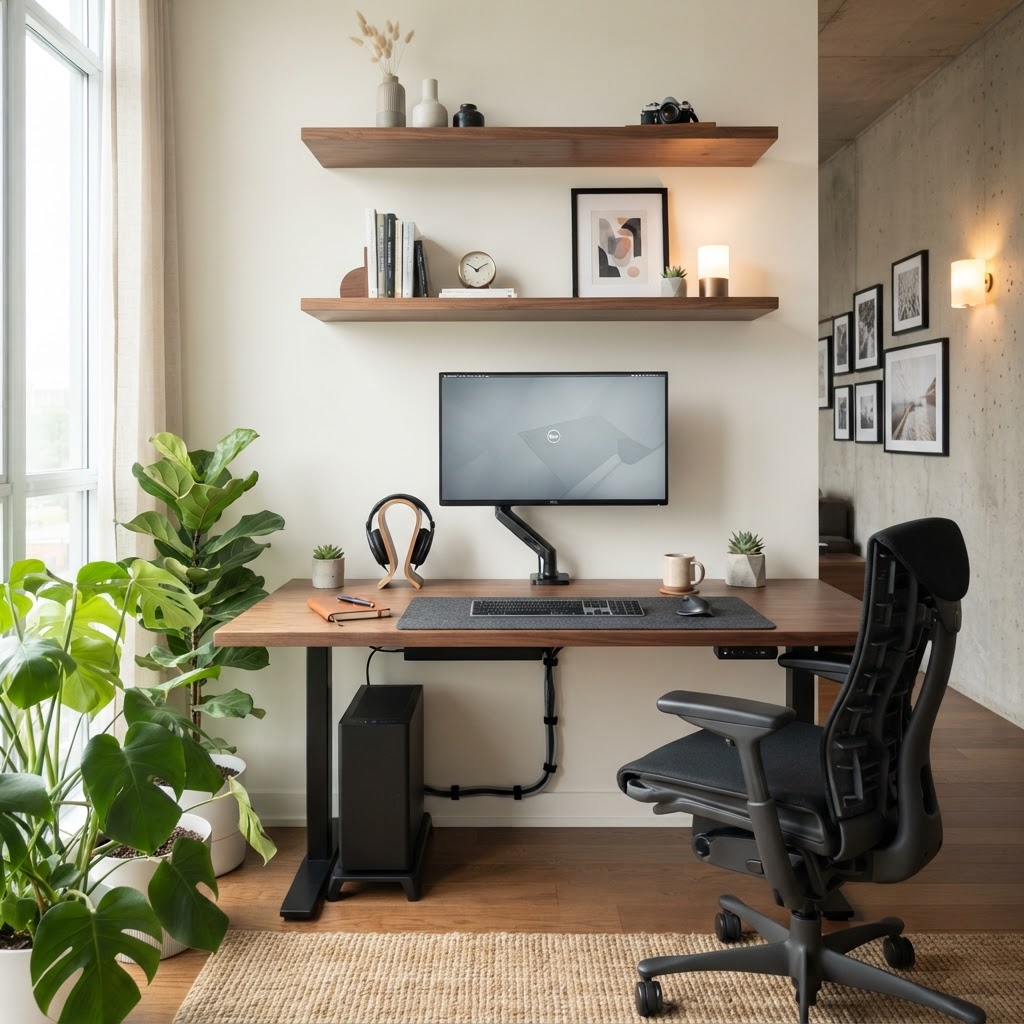
I want to be clear here: minimalism isn't about making your office look like a tech startup showroom for Instagram. It's about reducing cognitive load. Every object your eye lands on is a tiny demand on your brain's attention. Multiply that by the dozens of stray items on a typical messy desk and you're constantly draining mental energy before you even start the actual work. That's not a small thing. That accumulates.
The practical approach to minimalist organization in a commercial setting is built on two principles: everything has a home, and surfaces are for working, not storing. This sounds obvious but most offices violate both rules constantly. Papers pile up on desks because there's no clear system for processing them. Cables snake everywhere because nobody planned for cable management. Supplies accumulate in open containers because closed storage wasn't built into the design. These are fixable problems, and fixing them pays dividends every single day.
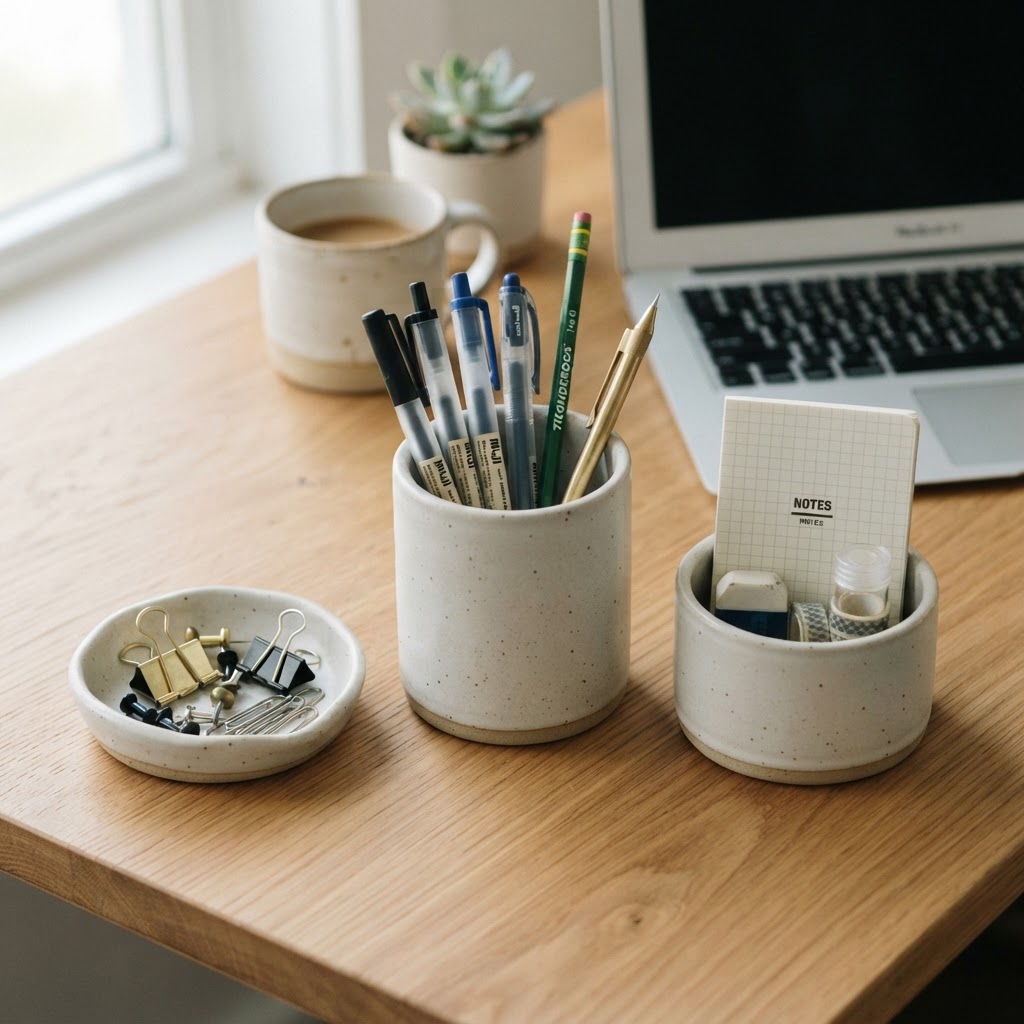
Trust me on this: built-in closed storage is one of the highest return-on-investment upgrades you can make to a commercial space. It doesn't have to be expensive custom millwork. IKEA's commercial-grade cabinetry, paired with consistent hardware and a coat of paint, looks genuinely professional and keeps clutter out of sight. Combine that with proper cable management at every workstation and a clean desk policy that the whole team buys into, and you'll be amazed at how different the space feels and functions.
- Invest in closed storage solutions at every workstation so surfaces stay clear by default, not by effort.
- Route and bundle all cables using trays, clips, and grommets built into desking systems.
- Use a single consistent container system for shared supplies so storage areas look intentional rather than chaotic.
- Implement a clean desk policy and pair it with enough storage to actually make it achievable for everyone.
- Digitize wherever possible to reduce the sheer volume of physical paper that ends up cluttering shared spaces.
Ergonomics for Daily Wellness
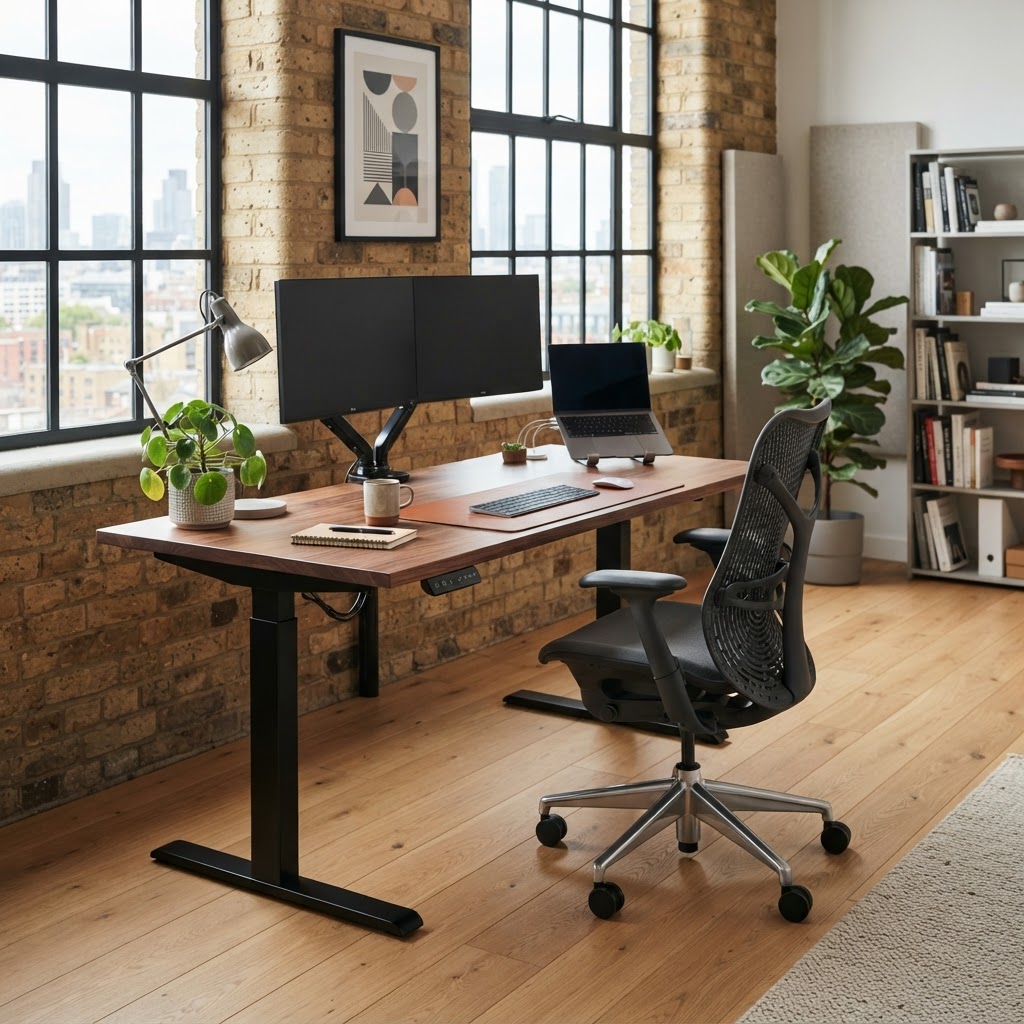
And honestly, I saved this one for near the end because I think it's the most important and the most misunderstood. When people hear "ergonomics" they think expensive chairs and standing desks. And look, those things are genuinely valuable. But ergonomics is a much broader concept than just furniture. It's about designing the entire work experience around the physical reality of being human, in a body, doing repetitive tasks for hours at a time.
A chair that doesn't adjust properly, a monitor at the wrong height, a keyboard that forces your wrists into an awkward angle, these aren't minor discomforts. Over weeks and months they lead to chronic pain, repetitive strain injuries, and the kind of deep fatigue that no amount of coffee fixes. And when people are in physical discomfort, their focus narrows and their patience shrinks. Productivity tanks. It's that direct a relationship.
Here's where to start if you're upgrading a commercial office space. Chairs should adjust in seat height, lumbar support, armrest height, and ideally tilt tension. Every single person using that chair should be able to configure it for their body. Monitors should sit at or slightly below eye level, roughly an arm's length away. Standing desk options, whether full sit-stand desks or desktop converters, give people the ability to shift positions throughout the day, which research consistently shows improves both health and alertness.
- Choose fully adjustable task chairs that accommodate a wide range of body types, not one-size-fits-all designs.
- Provide monitor arms so screen height and distance can be precisely dialed in for each user.
- Offer standing desk options, even simple desktop converters are a meaningful step toward movement-friendly workstations.
- Train the team on proper setup, an ergonomic chair doesn't help if nobody knows how to adjust it correctly.
One thing that often gets skipped is foot support. If someone's feet don't rest flat on the floor when their chair is properly adjusted for lumbar support, they need a footrest. It sounds like a small detail but it makes a surprisingly big difference to comfort over a long day. And comfortable people focus better. Full stop.
Final Thoughts
Look, you don't have to implement all of these at once. In fact, I'd strongly advise against trying to overhaul everything simultaneously, because you'll lose the thread of what's actually making the difference. Pick the two or three that resonate most with your space's specific problems and start there. Maybe it's the lighting because your team is always complaining about headaches. Maybe it's the zoning because collaboration and focus work are constantly colliding. Start where the pain is most acute.
The broader point is this: your physical environment is not a neutral backdrop to your work. It's an active participant in it. A well-designed office communicates care for the people who use it, and people who feel cared for show up differently. They're more engaged, more creative, more resilient. That's not a soft, fuzzy idea. It's backed by decades of research in environmental psychology, and frankly, by my own experience watching teams transform when their spaces do.
Tripling your productivity isn't about grinding harder. Sometimes it's about designing smarter. And that's a game worth playing.
More in Commercial
Stay Inspired
Subscribe for new essays on architecture, design, and the spaces that shape us.