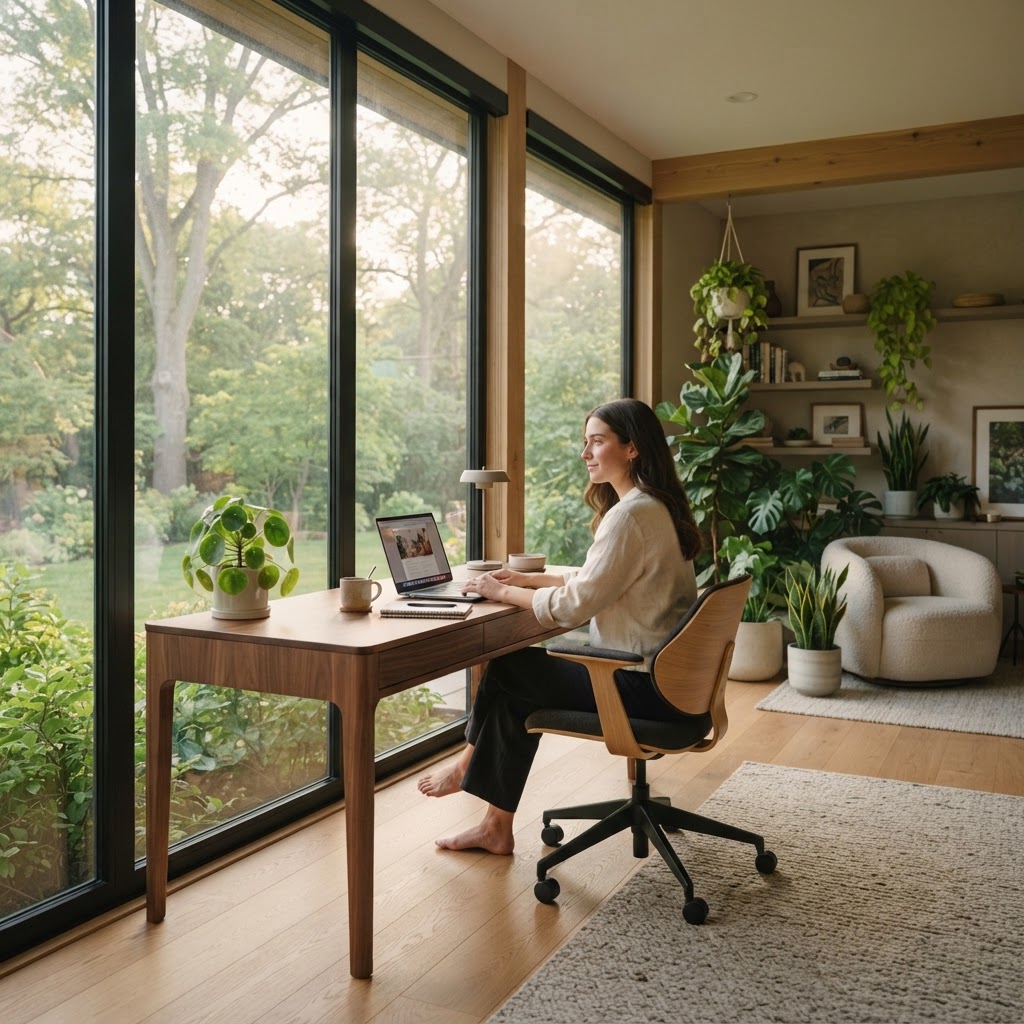
7 Office Design Secrets to Triple Your Productivity
Designing your workspace involves more than just a desk and a chair. We explore how intentional layout changes and lighting choices can transform your daily focus and energy levels.
Harnessing Natural Light for Focus
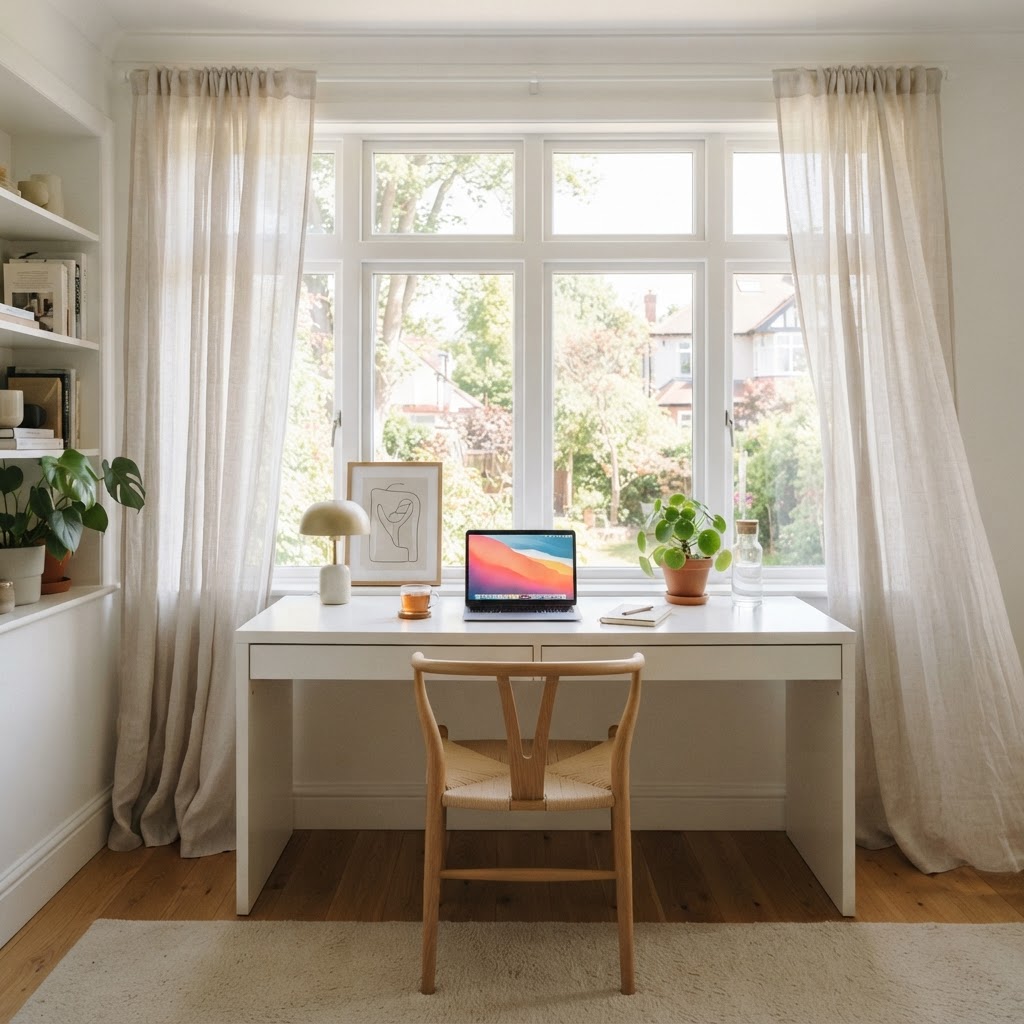
Honestly, this is the one thing I wish more office designers would take seriously from day one. Natural light is not just a nice-to-have. It is genuinely one of the most powerful tools you have for boosting productivity, and the research backs this up in a big way. A study from Northwestern University found that workers in offices with windows got 46 more minutes of sleep per night on average compared to those without. More sleep means sharper thinking, better moods, and yeah, way more getting done during the day.
Here's the thing: most offices are designed around square footage and cost, not around how humans actually function. You end up with fluorescent-lit caves where people slowly lose their will to live by 2pm. If you're designing or redesigning a commercial space, orienting your primary workstations toward the north or south-facing windows is one of the smartest moves you can make. North-facing light is softer and more consistent throughout the day, which reduces glare without sacrificing brightness.
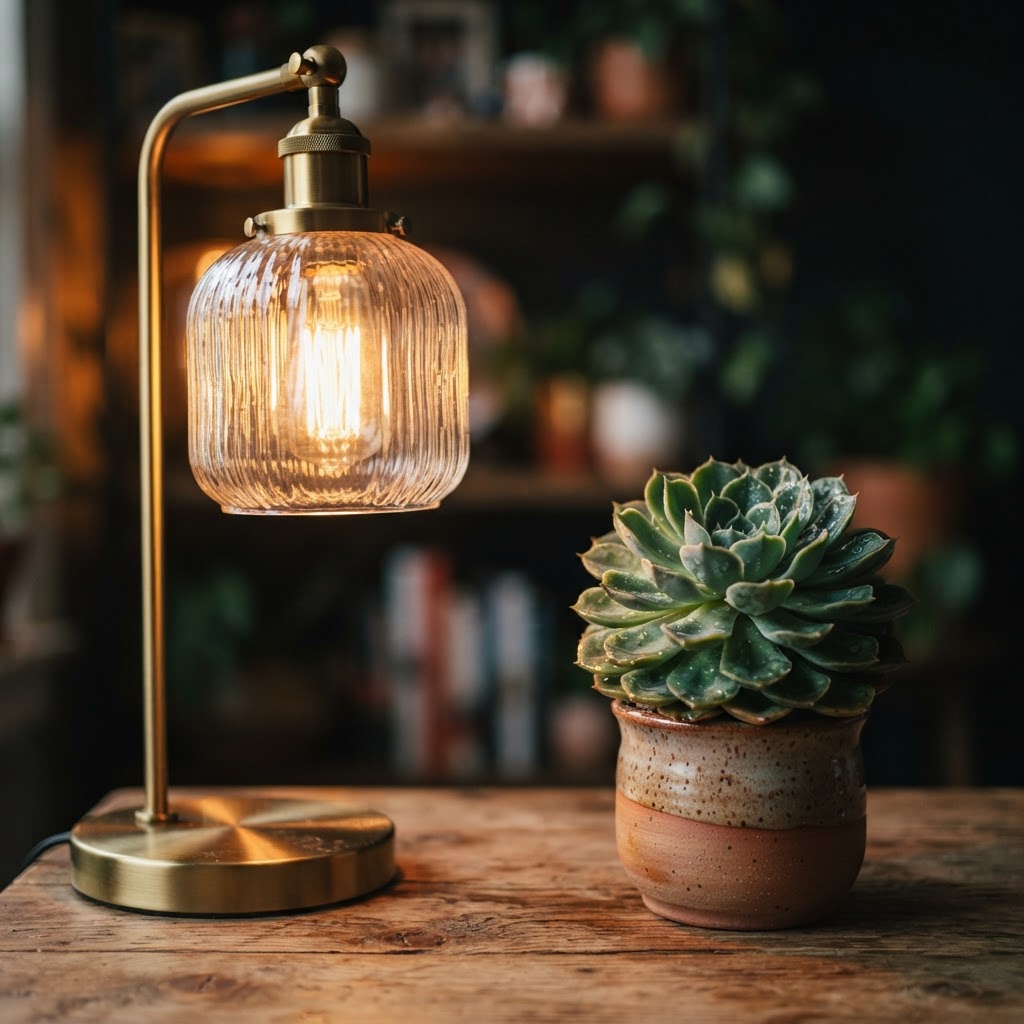
Now, if you're working with a space that doesn't have great window access, there are still things you can do. Sheer window treatments instead of heavy blinds let light scatter deeper into the room. Mirrors and light-reflective surfaces can bounce daylight into darker corners. And if you're going artificial, invest in circadian-rhythm lighting systems that shift from cool blue-white tones in the morning to warmer, softer tones in the afternoon. Your team's energy levels will thank you.
- Position desks perpendicular to windows to reduce direct glare on screens while still capturing ambient light.
- Use glass partitions instead of solid walls to allow light to travel deeper into the floorplan.
- Install skylights where possible, especially in central corridors or shared areas.
- Choose light, matte finishes on floors and walls to amplify natural light without harsh reflections.
Look, I've walked into so many offices where someone spent a fortune on furniture and technology and then completely ignored the lighting situation. Natural light is free. Use it like it's your best design asset, because honestly, it is.
Ergonomics That Support All Day Comfort
Real talk: you cannot expect people to do their best work if they're physically uncomfortable. And I don't just mean slightly uncomfortable. I mean the kind of low-grade physical pain that creeps up after a few hours of sitting wrong, the tight shoulders, the aching lower back, the stiff neck. That stuff is a productivity killer, and it's almost entirely avoidable with smart ergonomic design.
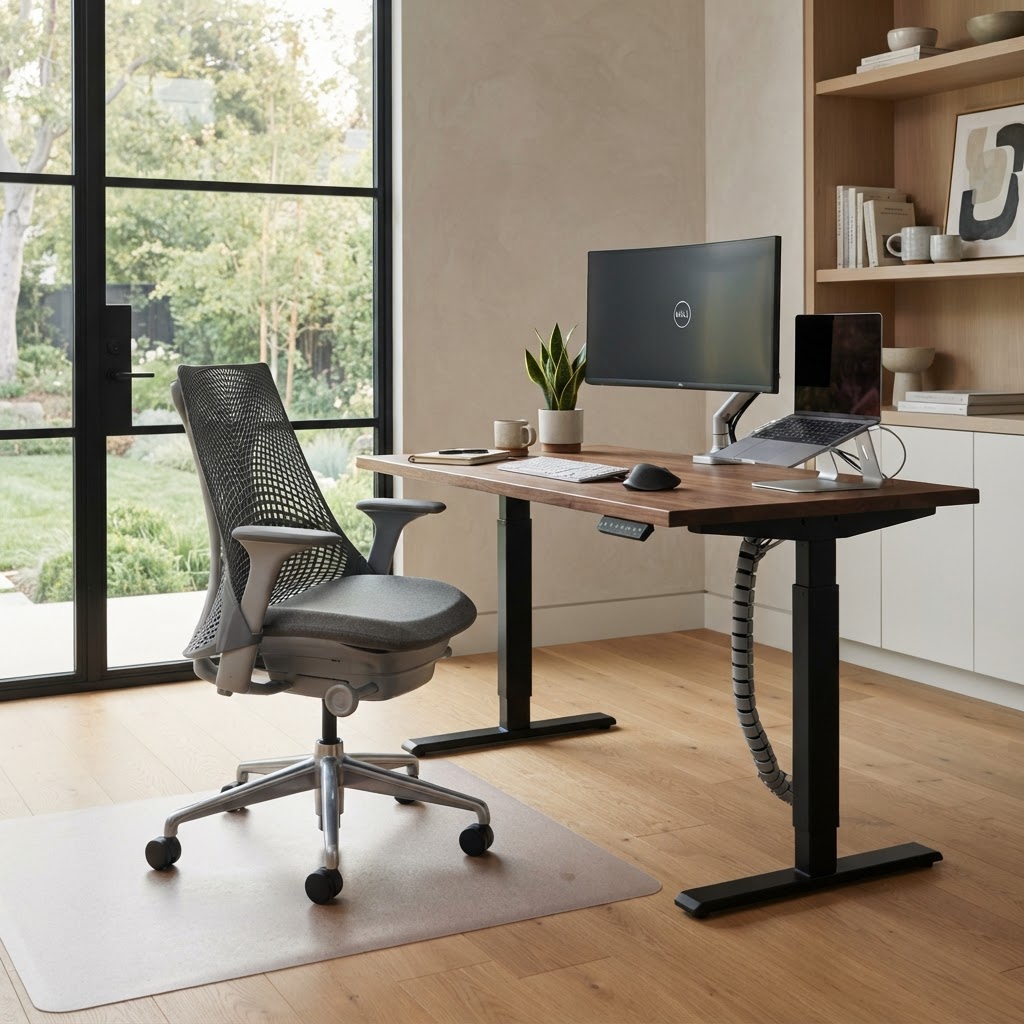
Ergonomics in a commercial office setting goes way beyond buying a decent chair. It starts with understanding how people actually use their bodies when they work. The monitor should sit at eye level, roughly an arm's length away from the face. Keyboards and mice should be positioned so the elbows rest at about 90 degrees and the wrists stay neutral. And the chair? It needs to support the lumbar curve of the spine, not just offer a place to park yourself for eight hours.
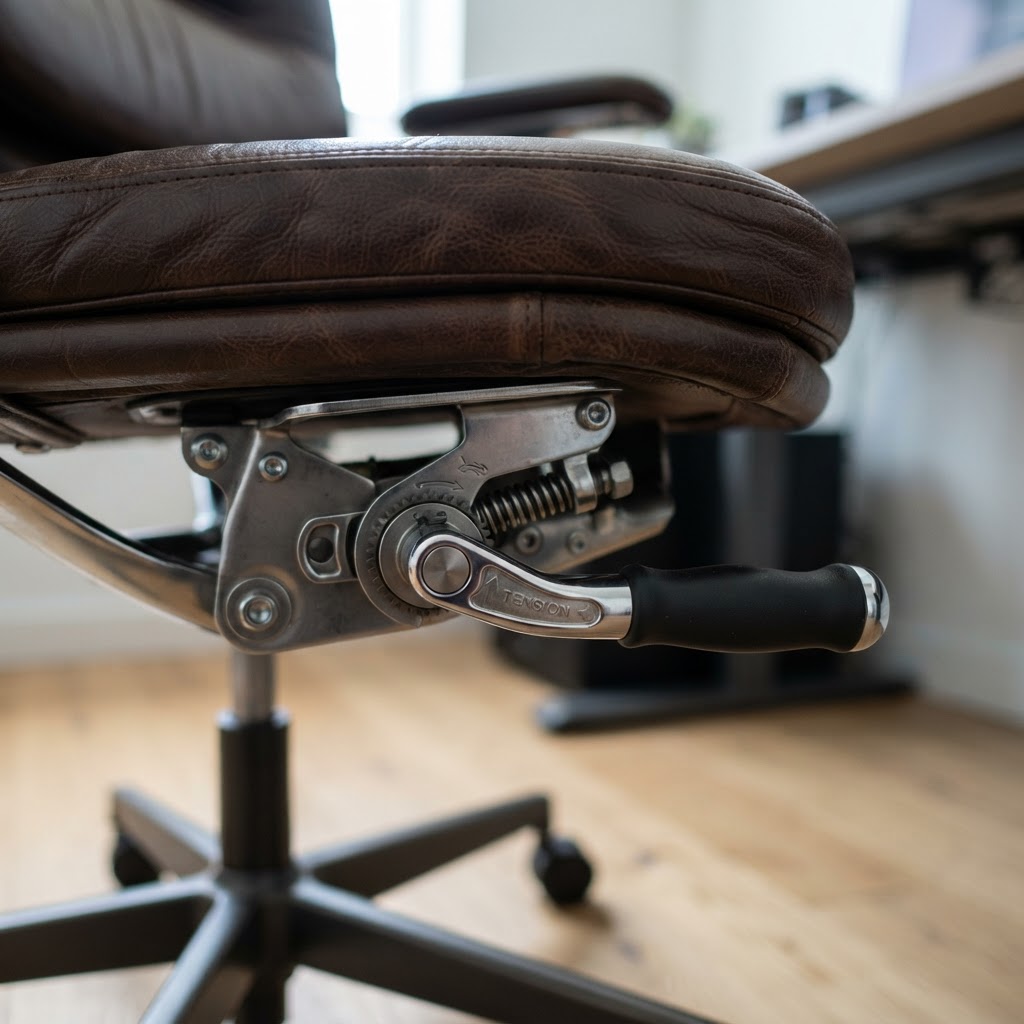
Height-adjustable desks have become something of a staple in modern commercial design, and honestly, for good reason. The ability to alternate between sitting and standing throughout the day reduces fatigue, improves circulation, and can even elevate mood. Trust me on this, once your team gets used to standing desks, going back feels like a punishment. The key is making sure the height range is genuinely functional for the people using them, not just technically adjustable.
- Invest in chairs with adjustable lumbar support, seat depth, and armrests rather than one-size-fits-all models.
- Pair standing desks with anti-fatigue mats to make standing positions sustainable for longer periods.
- Consider monitor arms instead of fixed stands to allow easy repositioning throughout the day.
- Provide footrests for employees who are shorter in stature, since most standard desk heights are designed with taller users in mind.
- Schedule regular movement reminders as part of your office culture, because even perfect ergonomics can't fully compensate for staying still for hours.
The bottom line is that ergonomics is an investment in human output. When people aren't fighting physical discomfort, they have more mental energy to put into actual work. It really is that simple.
Color Palettes for Mental Clarity
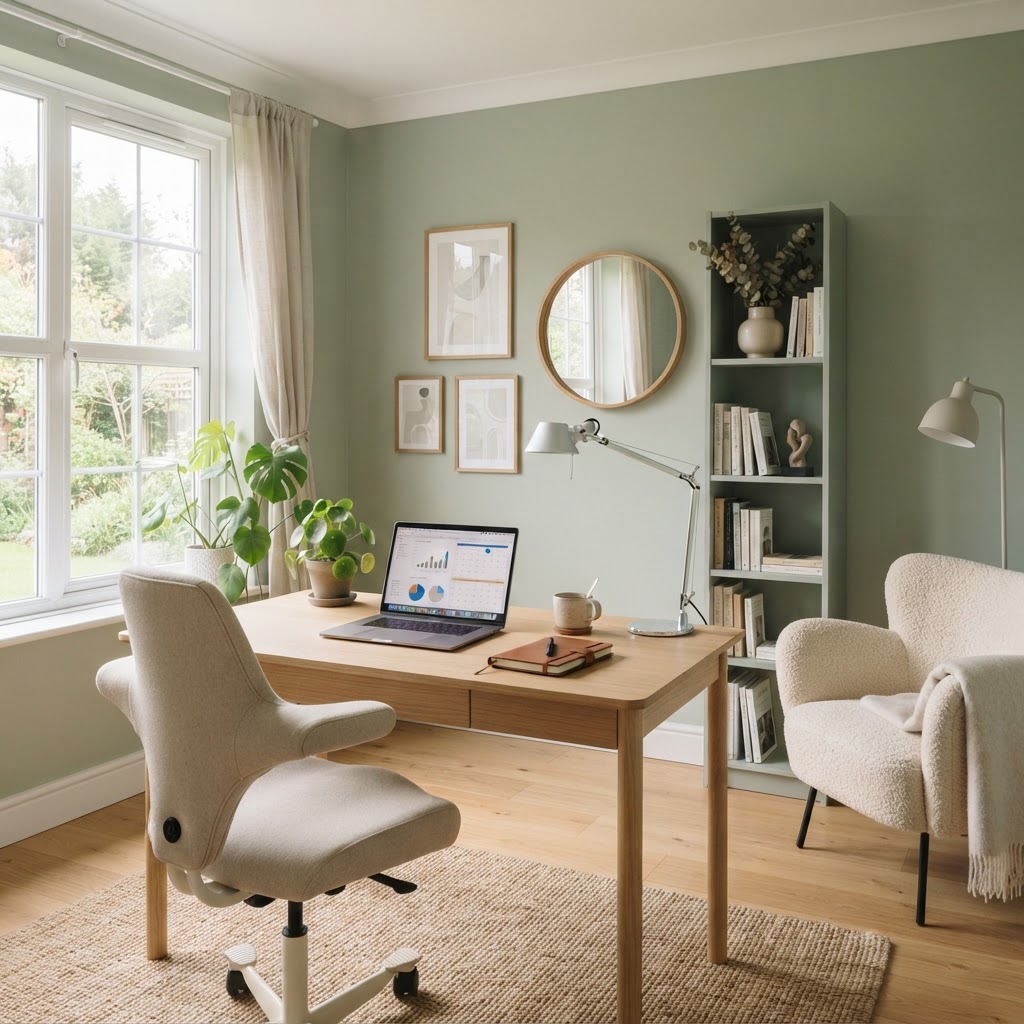
Color psychology is one of those things that sounds a little woo-woo until you actually experience it. I've been in offices painted in aggressive, saturated reds and yellows, and the feeling is... a lot. Your nervous system responds to color constantly, whether you're consciously aware of it or not. Getting the palette right in a commercial office space can genuinely influence how focused, calm, or creative people feel throughout their day.
Here's the thing about productivity-focused color schemes: they're rarely exciting in a flashy way. The palettes that work best tend to be grounded, deliberate, and layered. Think soft blues and blue-greens for areas that require sustained concentration. Blue has consistently been shown to support calm, clear thinking and is associated with focus and reliability. For creative zones, warmer yellows and earthy terracottas can stimulate energy and openness without tipping into overwhelm.

And honestly, neutrals get a bad rap. A really well-executed neutral palette, warm whites, soft greiges, muted sage greens, can feel incredibly sophisticated and easy to think in. The trick is contrast and texture. If every surface is the same flat beige, the space starts to feel deadening. Layer in different textures, wood, stone, woven fabric, to give the eye somewhere interesting to land without creating visual noise that fragments attention.
"Color is a power which directly influences the soul." That quote has been attributed to Wassily Kandinsky, and while he was talking about art, it applies just as much to the spaces where we work and think every single day.
Avoid high-contrast, busy patterns on walls or large surface areas in focus-heavy zones. Save the bold pattern moments for break rooms, reception areas, or lounge spaces where a bit of visual stimulation is actually welcome. Good color planning in a commercial space is really about matching the emotional need of each zone to the psychological effect of each palette. Get that right, and it's a game changer.
Zoning Your Workspace for Deep Work
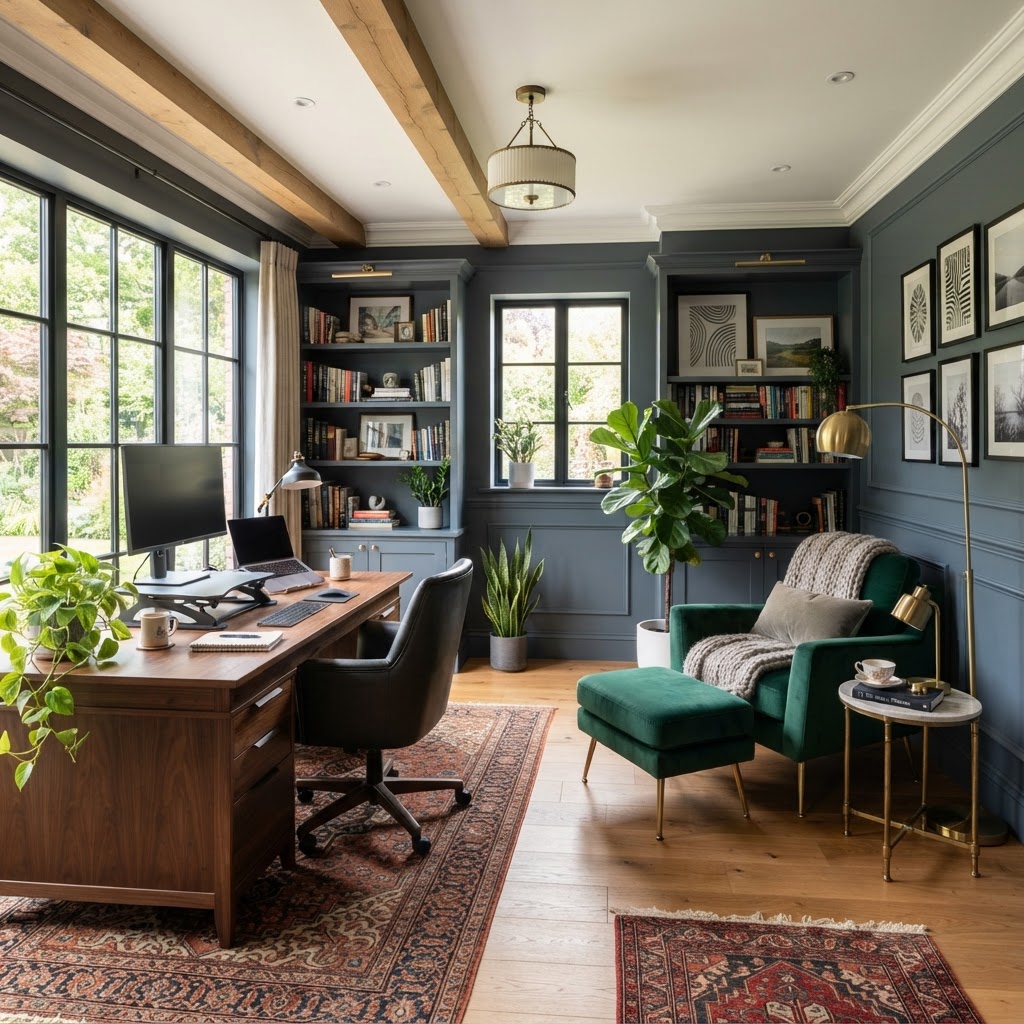
This is where a lot of open-plan offices completely fall apart, and I say that as someone who genuinely loves a well-designed open-plan space. The problem isn't openness itself. The problem is treating the entire office as one undifferentiated zone where everything happens everywhere all the time. That is a recipe for distraction, noise fatigue, and the slow erosion of any meaningful deep work.
Zoning is the answer. And by zoning I don't mean just slapping up a few partitions and calling it a day. I mean deliberately designing distinct territories within your office that are spatially, acoustically, and visually distinct from each other. You want a clear difference between the collaborative hub where teams brainstorm and meet, and the quiet focus zones where individuals can do serious, concentrated work without being interrupted every four minutes.
Acoustic design plays a massive role here. Sound-absorbing panels, ceiling baffles, soft furnishings, and even strategic placement of bookshelves or green walls can dramatically reduce noise bleed between zones. Focus pods and enclosed phone booths have become incredibly popular in modern commercial design, and for good reason. They give people a physical and psychological cue that says "this is a space for serious work." That cue matters more than you might think.
- Create at least three distinct zones: collaborative, focus-intensive, and social or informal.
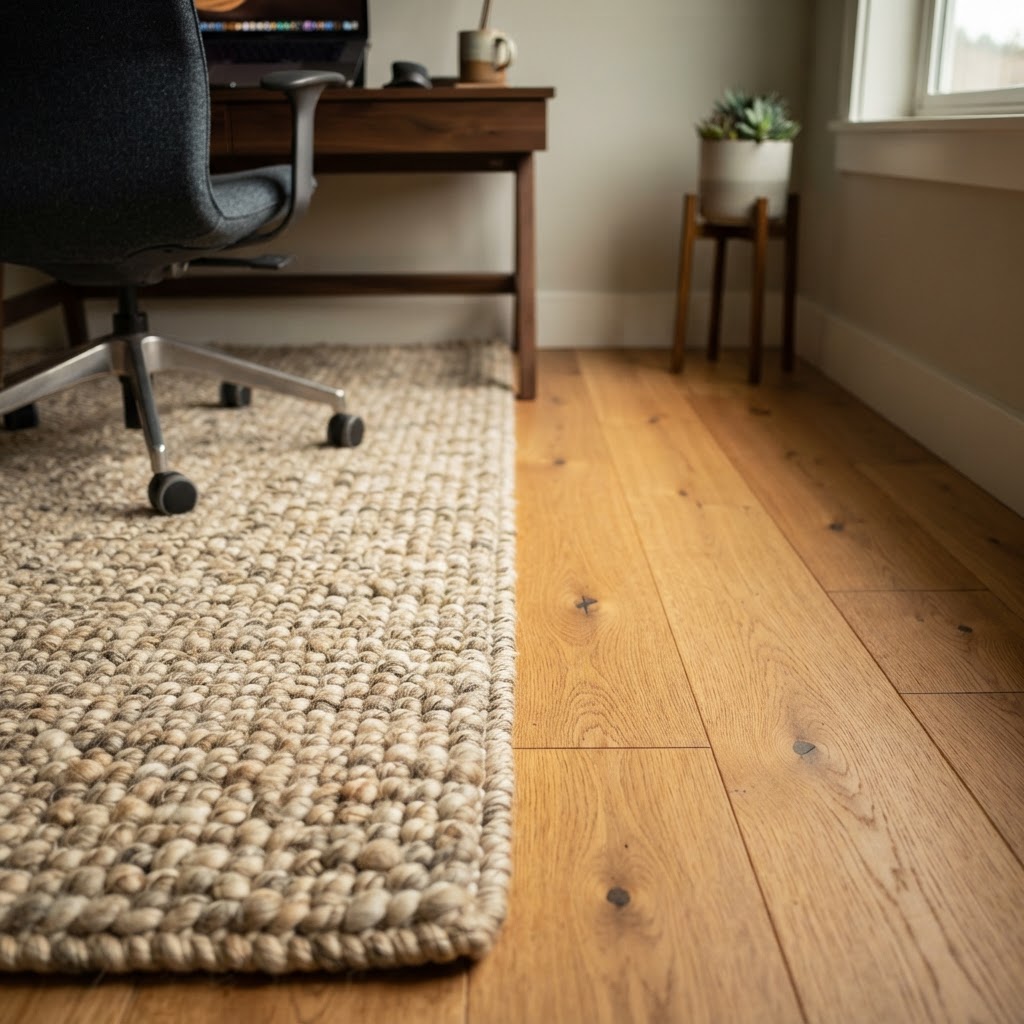
- Use flooring changes, like shifting from hardwood to carpet, to signal zone transitions without building walls.
- Install acoustic ceiling baffles above collaborative zones to contain noise rather than letting it bleed across the entire floor.
- Offer a mix of seating types in each zone so employees can choose the posture that matches their task.
The goal is to give people genuine options throughout their day. Some tasks need collaboration and energy. Others need silence and sustained attention. A well-zoned office supports both, and lets people move fluidly between them without it feeling like a logistical challenge.
Biophilic Elements to Reduce Stress
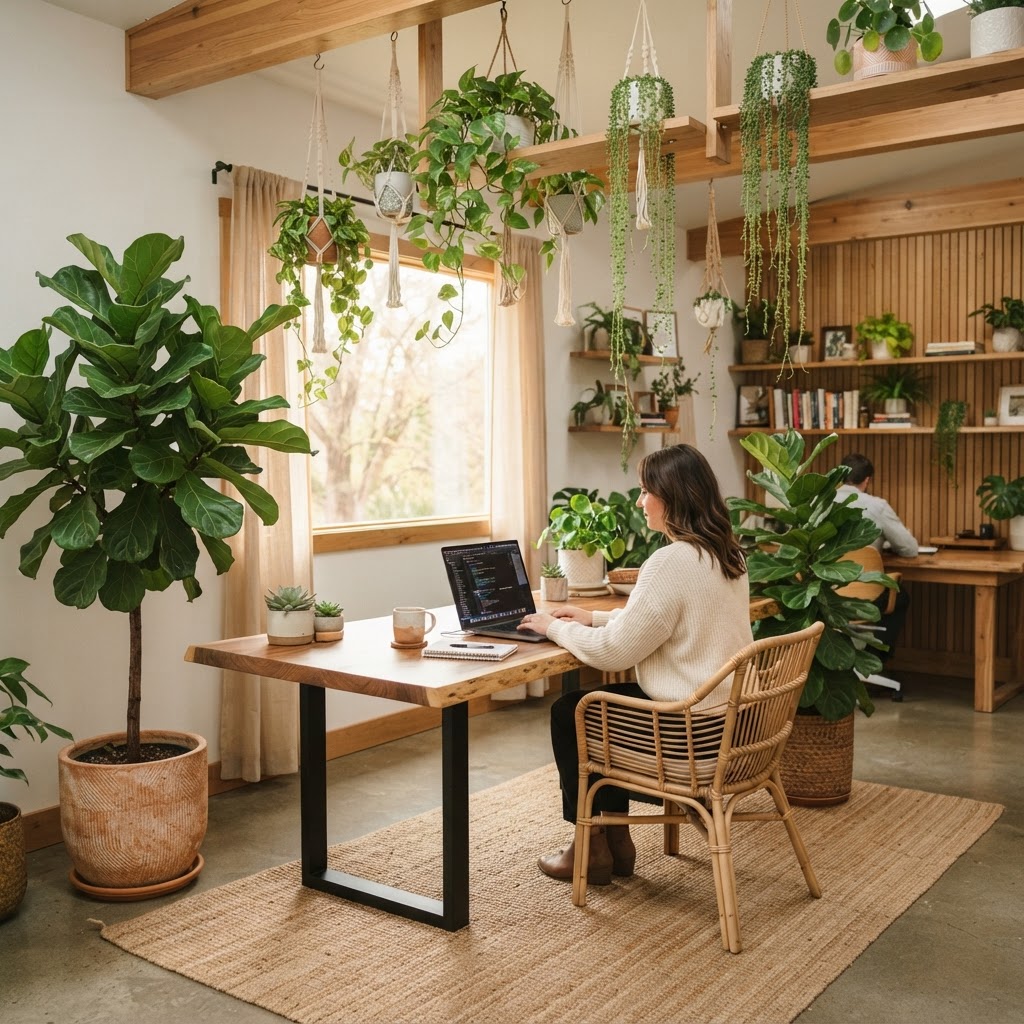
Biophilic design is one of those concepts that sounds incredibly academic but is actually just about one very human thing: we feel better when we're connected to nature. And in a commercial office setting where people spend eight-plus hours a day largely disconnected from the outdoors, bringing natural elements inside is one of the most impactful things you can do for wellbeing and, by extension, productivity.
The research here is genuinely compelling. Studies have found that employees in offices with natural elements report 15% higher wellbeing scores and 6% higher productivity compared to those in spaces without any biophilic features. Those are not tiny numbers. And here's what I love about biophilic design: it doesn't have to be expensive or dramatic. You don't need a full living wall installation to make a difference, although if you can do that, please do it because they are stunning.
Even modest interventions make a real difference. A cluster of plants on windowsills. A water feature in the reception area that adds gentle ambient sound. Natural wood accents on furniture or wall cladding. Stone surfaces in common areas. Views of outdoor greenery preserved and framed rather than blocked by furniture arrangements. These things accumulate into an environment that feels restorative rather than draining.
- Choose low-maintenance plant varieties like pothos, snake plants, and ZZ plants for consistent greenery without requiring a dedicated horticulturist on staff.
- Incorporate natural materials including timber, cork, linen, and stone as primary finishes rather than as afterthought accents.
- Use nature-inspired patterns on soft furnishings and artwork to reference the organic world even in zones where actual plants aren't practical.
- Preserve and frame any outdoor views by keeping window areas clear of storage or tall furniture that blocks sightlines.
- Add a water feature in a communal area to introduce the calming, restorative sound of moving water to the daily experience.
Biophilic design is ultimately about respect. It's about acknowledging that the people using your office are human beings with deep biological connections to the natural world, not just productivity machines who happen to need somewhere to sit. Design with that in mind, and the results speak for themselves.
Final Thoughts
Look, I know that redesigning or refitting a commercial office can feel overwhelming, especially when there are budget constraints, stakeholder opinions flying in from every direction, and a laundry list of practical requirements to tick off. But here's what I always come back to: the best office design is the one that treats human beings as the primary asset, not an afterthought.
Natural light, ergonomic comfort, thoughtful color, smart zoning, and a genuine connection to nature are not luxury features for fancy headquarters. They are foundational elements that make a direct, measurable difference to how people feel and how much they're able to accomplish. Start with one section, make it right, and build from there. The productivity gains will follow, and honestly, so will the good vibes. That part's basically guaranteed.
More in Commercial
Stay Inspired
Subscribe for new essays on architecture, design, and the spaces that shape us.