Transforming Spaces: 6 Innovative Gallery and Studio Design Ideas
Explore how to infuse creativity into gallery and studio designs with our innovative ideas. From open layouts to unique lighting concepts, these inspirations will help you create a space that truly reflects artistic vision.
Embrace Open Layouts for Flexibility
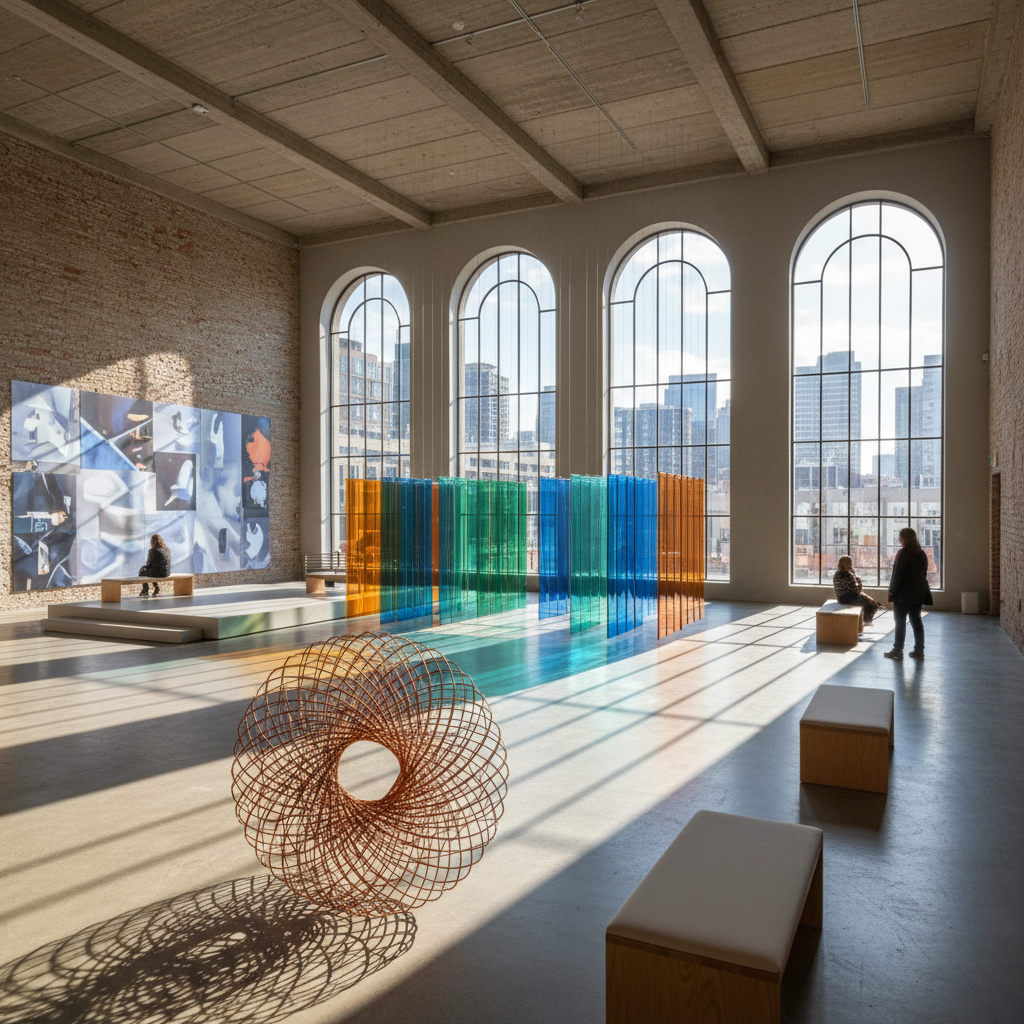
Honestly, if there's one thing I've learned from working with galleries and studios over the years, it's that rigidity kills creativity. The moment you lock a space into one fixed configuration, you're essentially putting a ceiling on what it can become. Open layouts are the foundation of any great gallery or studio design, and I cannot stress this enough.
The idea is pretty simple: instead of dividing your space into a bunch of fixed rooms with permanent walls, you design around moveable partitions, modular furniture, and flexible zones that can be rearranged depending on what you need. One week you're hosting a sculpture exhibition, the next you're running a photography workshop. The space should handle both without feeling awkward or cramped.
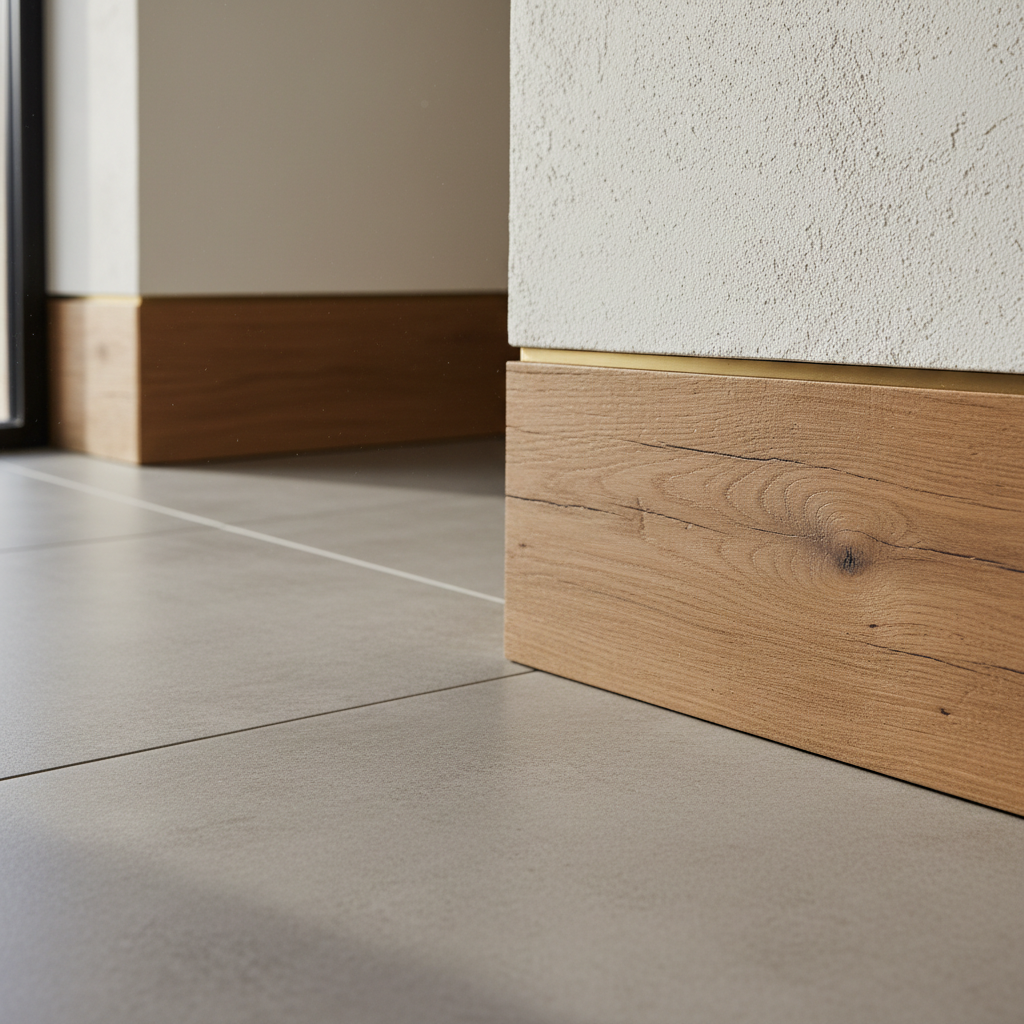
Here's the thing about open layouts that a lot of people get wrong: open doesn't mean empty. It means purposefully uncluttered. You still want visual anchors, good traffic flow, and a sense of arrival when someone walks through the door. Think about using low-profile storage, track systems on the ceiling for hanging artwork, and polished concrete or hardwood floors that can take a beating and still look great.
- Invest in high-quality moveable wall panels that feel solid, not flimsy
- Use ceiling tracks for lighting and display hanging to avoid drilling constantly
- Choose flooring that's durable enough for heavy foot traffic and easy to clean
- Keep the structural columns if you have them, they actually add character
Real talk, open layouts are also a smart business move. When a venue can be reconfigured quickly, it becomes more rentable, more versatile, and frankly more attractive to potential clients. Designers and studio owners who understand this tend to build spaces that last and generate revenue for years.
Utilize Natural Light to Inspire Creativity
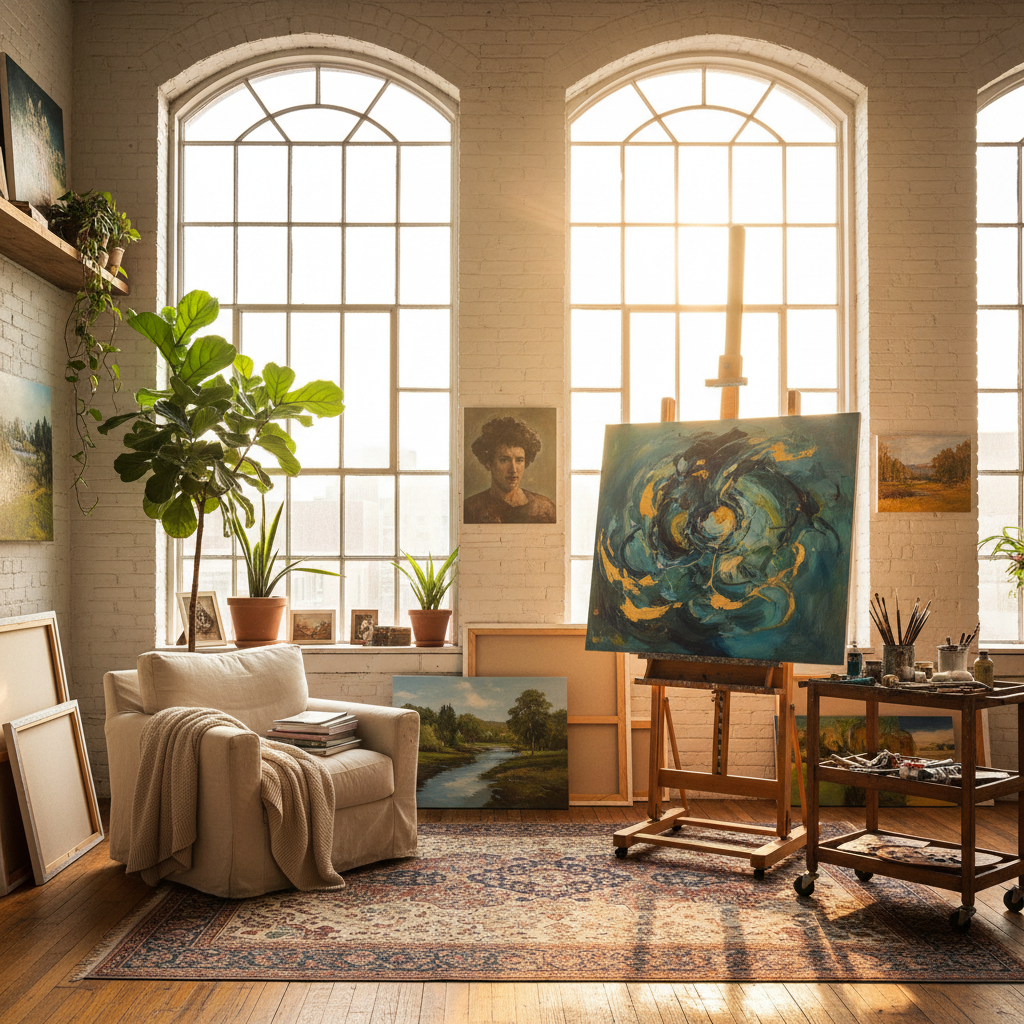
Look, there is no substitute for good natural light. None. You can have the most sophisticated artificial lighting system money can buy, and a single well-placed skylight will still make your space feel more alive than any bulb ever could. Natural light changes through the day, it shifts in color and intensity, and it does something to people psychologically that we're just beginning to fully understand.
For galleries specifically, north-facing windows are traditionally prized because they deliver consistent, diffused light without the harsh glare or UV damage that comes with direct sun exposure. But that doesn't mean you should ignore south or east-facing walls entirely. With the right glazing, solar control film, or deep overhangs, you can harness sunlight from any direction and turn it into a genuine asset.

Skylights deserve a special mention here. A well-designed clerestory or rooflight can bring daylight deep into the heart of a building where windows can't reach. I've seen studios transformed almost overnight simply by cutting a single skylight into the ceiling. The whole energy of the space shifts. People work differently under natural light, they stay longer, they feel better, and their work tends to show it.
"Light is the most important material in architecture. Everything else is just construction." This sentiment has been echoed by designers for generations, and in gallery design, it's as true as ever.
And honestly, don't overlook the interplay between natural light and your material choices. White walls bounce light beautifully. Polished surfaces amplify it. Matte textures absorb it and create depth. Getting these combinations right is what separates a good studio from a genuinely great one.
Incorporate Multi-Functional Spaces
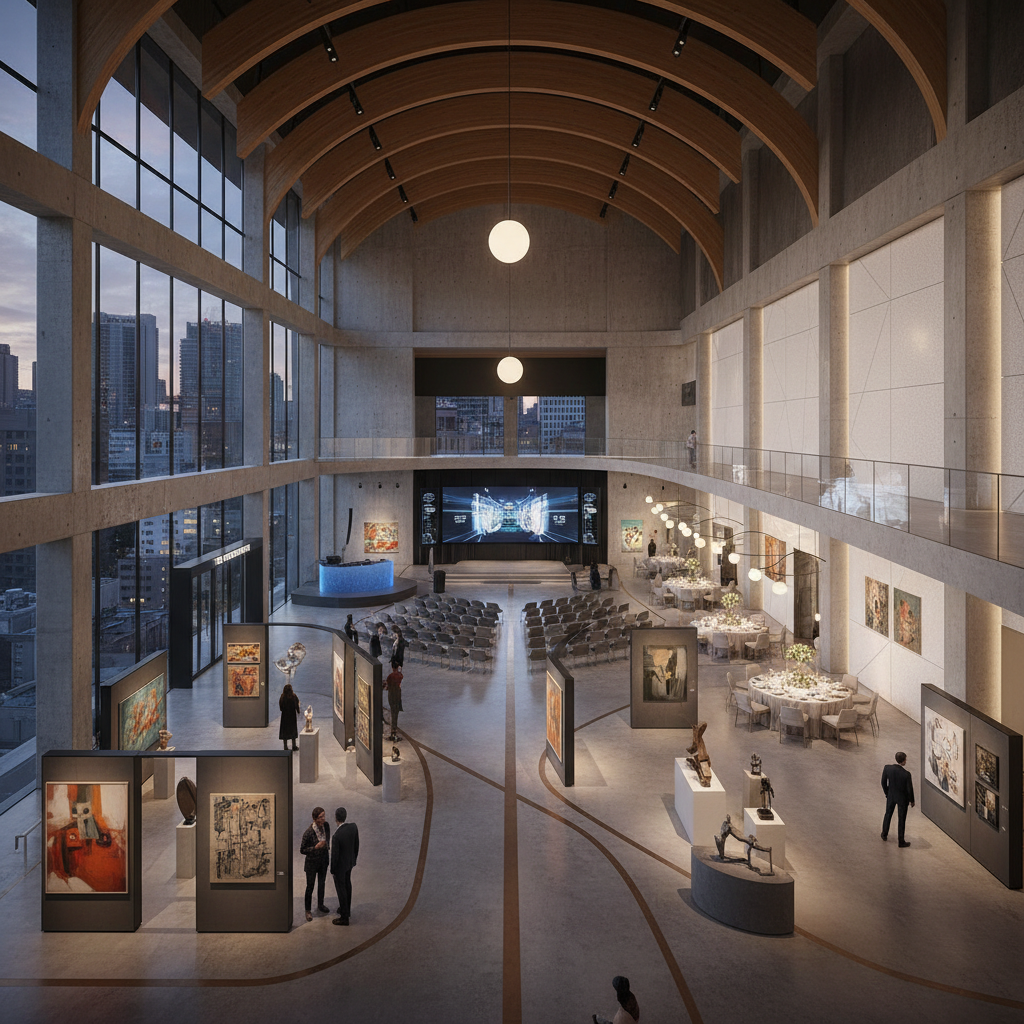
The commercial design world has changed a lot. Artists, designers, and creative professionals today wear a lot of hats, and their spaces need to keep up. A studio that's only good for making art is, increasingly, not good enough. You need somewhere to meet clients, hold events, shoot content, run workshops, and maybe even sell work directly. That's where multi-functional design becomes not just nice to have but genuinely essential.
The key is designing transitions that feel natural rather than forced. You don't want a space that screams "this half is the workshop and this half is the meeting room." Instead, you want zones that flow into each other and can be subtly separated when needed. Think about using sliding barn doors, retractable screens, or partial walls with open shelving to create visual separation without hard boundaries.
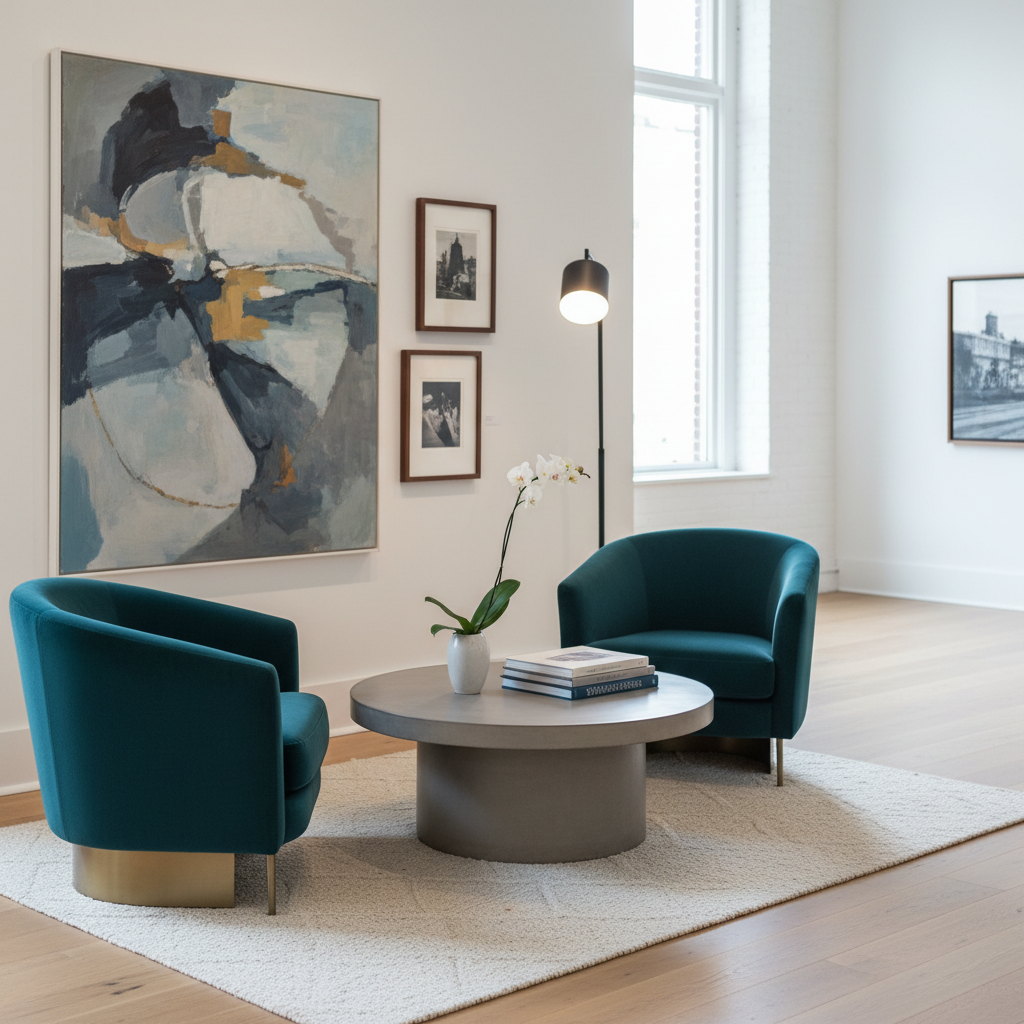
Trust me on this: furniture selection is everything in a multi-functional space. Go with pieces that serve more than one purpose. A long workbench that doubles as a display surface. Stackable chairs that store neatly when you need floor space for a performance or pop-up event. A kitchen island that becomes a bar cart during openings. Every piece of furniture should earn its place.
- Choose fold-down or extendable tables for maximum flexibility
- Invest in quality acoustic panels that can also serve as display boards
- Consider built-in storage that keeps the space from feeling cluttered between uses
- Design your lighting to suit multiple moods, not just one scenario
- Use rugs to define zones without permanent divisions
Multi-functional spaces also tend to be more financially sustainable. When your studio can host a private event on a Friday evening, a workshop on Saturday morning, and get back to regular work by Monday, that's a space that's actively working for you. Good design pays dividends.
Play with Innovative Lighting Solutions
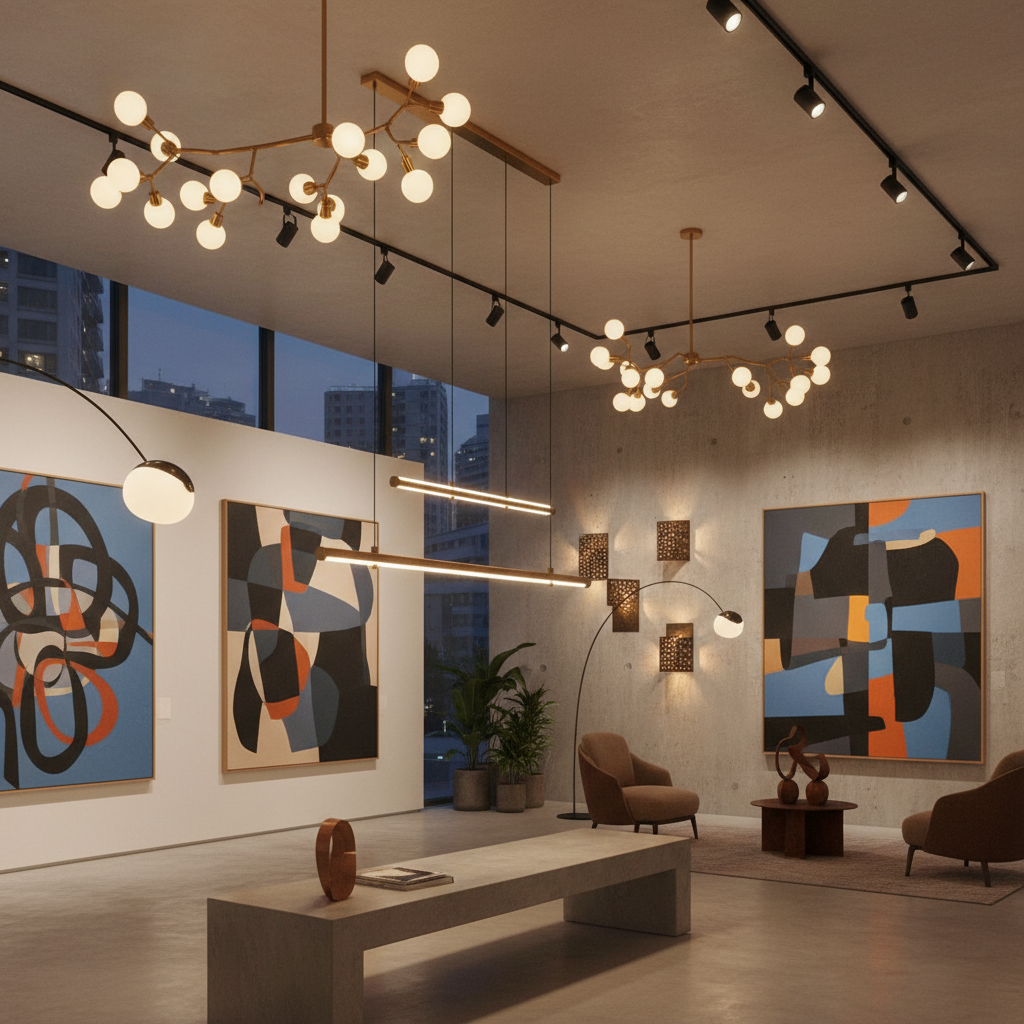
Okay, lighting is where a lot of gallery and studio owners really drop the ball, and it frustrates me every time I see it. You can have incredible art on the walls, a beautifully designed space, and killer furniture, but if your lighting is flat and lifeless, none of it will read the way it should. Lighting is not an afterthought. It's a design element in its own right.
The most effective approach is layered lighting. That means combining ambient lighting for overall illumination, task lighting for specific work areas, and accent lighting to highlight artwork or architectural features. Each layer serves a different purpose, and together they create a space that feels considered and dynamic. A good gallery lighting scheme can make even modest work look significant.
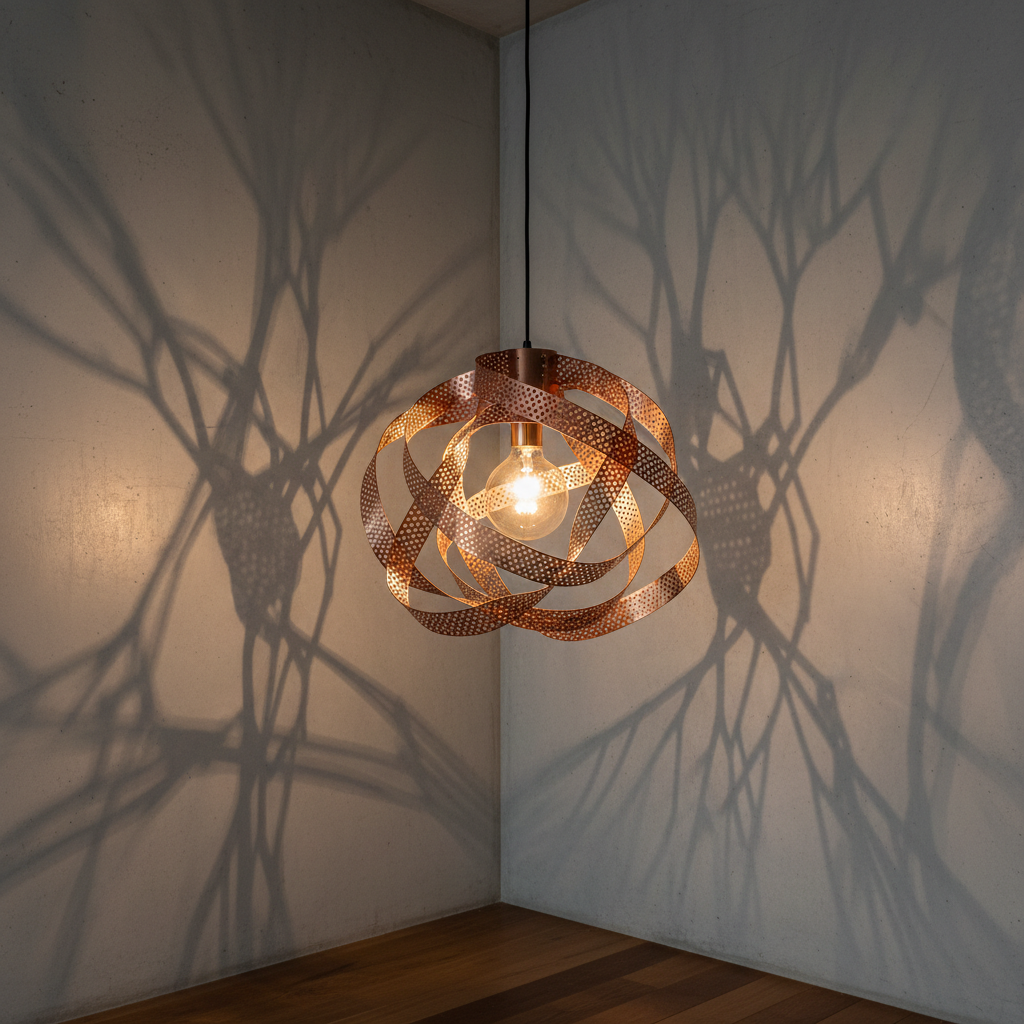
Here's the thing about modern LED technology: it's genuinely changed the game. You can now get LED fixtures with incredible color rendering, adjustable color temperature, and dimming capabilities that were either impossible or absurdly expensive a decade ago. Color rendering index, or CRI, matters enormously in a gallery setting. Aim for a CRI of 95 or above to ensure colors in artwork appear true and vivid.
"Lighting design in a gallery is not just about visibility. It's about creating an emotional relationship between the viewer and the work."
And honestly, don't underestimate the power of dimmers. The ability to shift your lighting from crisp and bright for a working afternoon to warm and moody for an evening opening is genuinely transformative. It costs relatively little to install dimmer systems, and the impact on how a space feels is enormous. Every gallery and studio should have this.
Use Color to Define Zones
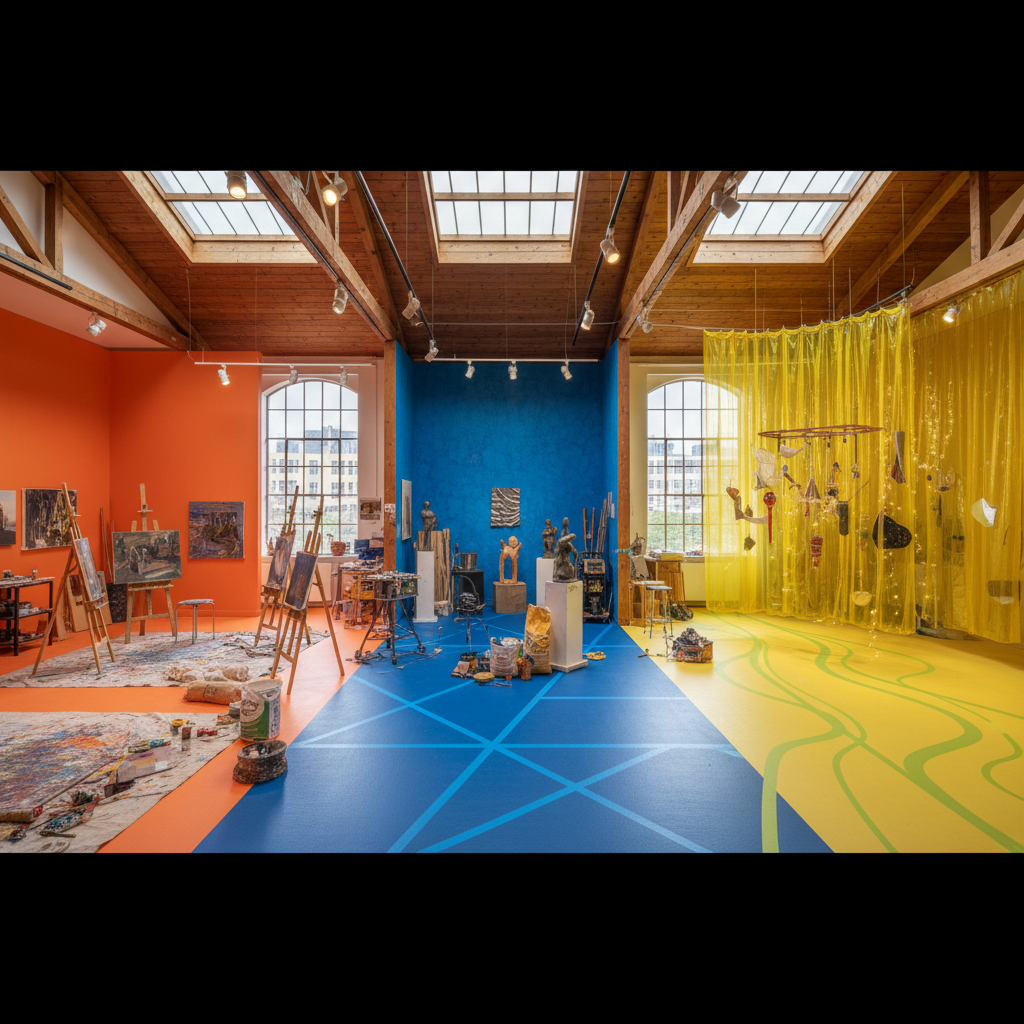
Color is one of the most underused tools in commercial interior design, especially in galleries and studios where people often default to plain white and call it a day. And look, white has its place. It's a classic for a reason. But relying on it exclusively is a missed opportunity to use color as a wayfinding tool, a mood setter, and a genuine design statement.
Using color to define zones is a smart, low-cost way to create structure in an open-plan space without building physical walls. A deep charcoal accent wall can signal that this corner is a more intimate, contemplative area. A warm terracotta or clay tone might define a social zone where people gather and talk. A bright, energetic color in the work area can stimulate focus and activity. These aren't arbitrary choices, they're intentional design decisions rooted in how color affects human perception and behavior.
The trick is to keep a sense of cohesion across the palette. You're not decorating a carnival. Choose a base neutral and then build your accent colors from a coherent palette, whether that's analogous tones, complementary contrasts, or a muted earthy family. Three to four colors maximum is usually enough to define distinct zones without the space feeling chaotic.
- Use paint to differentiate functional zones without structural changes
- Consider color-drenching a ceiling to add depth and define a zone from above
- Colored flooring materials like terrazzo or stained concrete can anchor zones beautifully
- Don't ignore the power of colored furniture against a neutral backdrop
One thing I always tell clients: test your colors in the actual space before committing. Paint large swatches, at least A3 size, and live with them for a few days under different lighting conditions. Colors look completely different at noon versus at 7pm under your artificial lights. What looks great on a screen or a paint chip can surprise you on the wall, sometimes pleasantly, sometimes not so much.
Bring the Outdoors In with Biophilic Design
Biophilic design has gone from being a buzzword to being something designers genuinely build entire projects around, and for very good reason. The research is clear: people perform better, feel calmer, and experience greater wellbeing when they're in environments that connect them to nature. For studios and galleries where creative energy is the entire point, this matters more than almost anywhere else.
The most obvious expression of biophilic design is plants, and yes, plants are great. A well-placed cluster of large leafy tropicals, a living moss wall, or even a simple row of trailing pothos along a shelf can change the entire feel of a space. But biophilic design goes much deeper than just adding greenery. It's about incorporating natural materials, organic forms, water features, views of the outside, and even sounds from nature into the built environment.
Think about it this way: when you're in a studio surrounded by raw concrete, fluorescent light, and synthetic surfaces, your body knows something is off even if your brain doesn't consciously register it. There's a low-level tension that comes from being completely severed from the natural world. Biophilic design addresses that tension directly. Wood, stone, linen, rattan, clay tiles, these materials carry a warmth and tactility that synthetic alternatives simply can't replicate.
- Install a living wall or vertical garden as a focal point
- Use reclaimed or untreated wood for shelving, wall cladding, or furniture
- Introduce natural stone in countertops, flooring, or feature walls
- Maximize views to outdoor greenery where possible
- Consider a small water feature to introduce ambient sound and movement
Honestly, biophilic design doesn't have to be expensive to be effective. Even small gestures, a few well-chosen plants, a timber frame, a view framed deliberately by an interior window, can shift the energy of a space significantly. The goal is to remind people, on a sensory level, that they exist in a living world. Creative people respond to that reminder in powerful ways.
And from a commercial perspective, spaces that incorporate biophilic elements photograph beautifully, which matters enormously in an era where Instagram and Pinterest drive foot traffic and bookings. A moss wall or a sun-drenched corner full of plants is a backdrop people actually want to be photographed in front of. That's marketing built right into your design.
Final Thoughts
Designing a gallery or studio that truly works, that inspires the people who use it, accommodates the demands of a modern creative business, and still manages to be a beautiful place to spend time, is genuinely one of the more complex challenges in commercial interior design. But it's also one of the most rewarding.
The six ideas we've covered here aren't just trends or surface-level aesthetics. They're principles rooted in how people actually experience and interact with space. Open layouts give you freedom. Natural light gives you energy. Multi-functional zones give you commercial viability. Thoughtful lighting transforms how work looks and feels. Color creates clarity and character. And biophilic design connects you to something larger than the project you're working on.
The best spaces don't happen by accident. They're the result of deliberate, informed decisions made by people who understand that design is never just about how something looks. It's about how it makes you feel, how it supports what you're trying to do, and whether it grows with you over time. Get these foundations right, and the rest tends to follow.
More in Commercial
Stay Inspired
Subscribe for new essays on architecture, design, and the spaces that shape us.