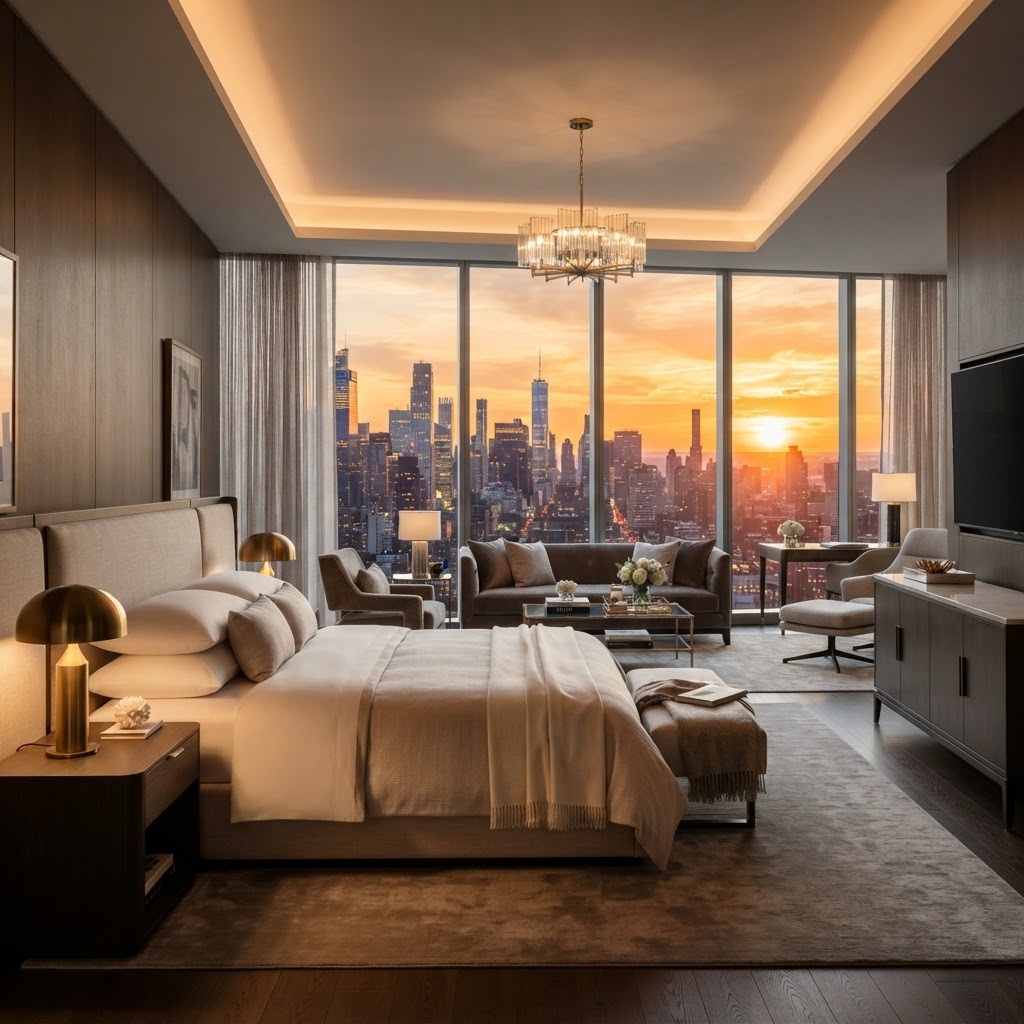
The Secret Ingredients That Make a Hotel Room Feel Luxurious
Ever wonder why you sleep better in a hotel than you do at home. We are breaking down the specific design choices that transform a standard bedroom into a high end sanctuary. Use these tips to bring that professional hospitality aesthetic into your own space.
The Importance of Layered Lighting
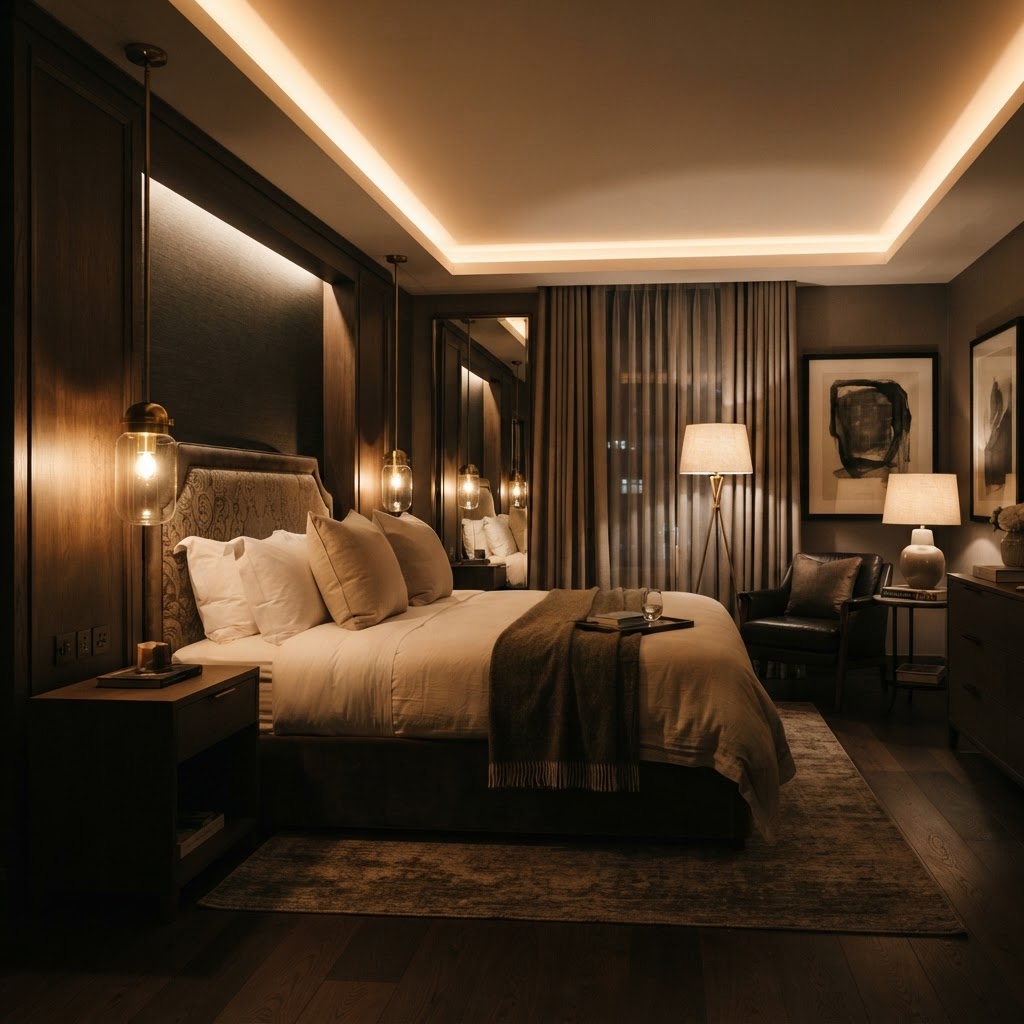
Honestly, if there's one thing that separates a forgettable hotel room from one you actually want to live in, it's the lighting. Not just the presence of light, but the layers of it. Walk into any five-star property and pay attention to what's happening overhead, on the nightstands, near the desk, along the baseboards. It's never just one source. It's a whole conversation happening between different fixtures at different heights and intensities.
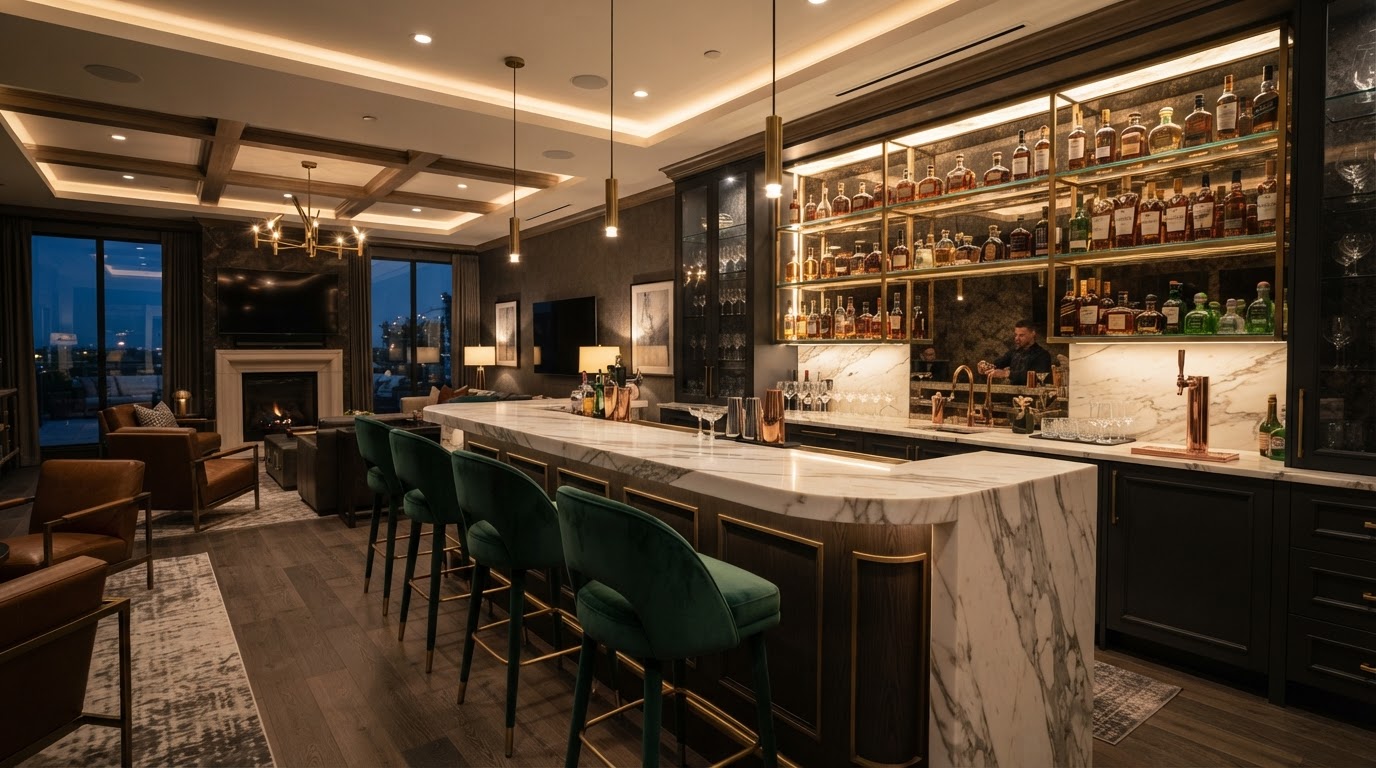
The reason this works so well comes down to something pretty simple: our eyes and our moods respond differently to light depending on where it's coming from. Harsh overhead lighting is functional, sure, but it's also kind of clinical. It doesn't make you feel relaxed. It makes you feel like you're in a waiting room. Luxury hotels figured this out a long time ago, and they've been mastering the art of ambient, accent, and task lighting ever since. Think warm sconces flanking the headboard, a dimmer-controlled pendant above the seating area, soft under-cabinet glow in the minibar corner.
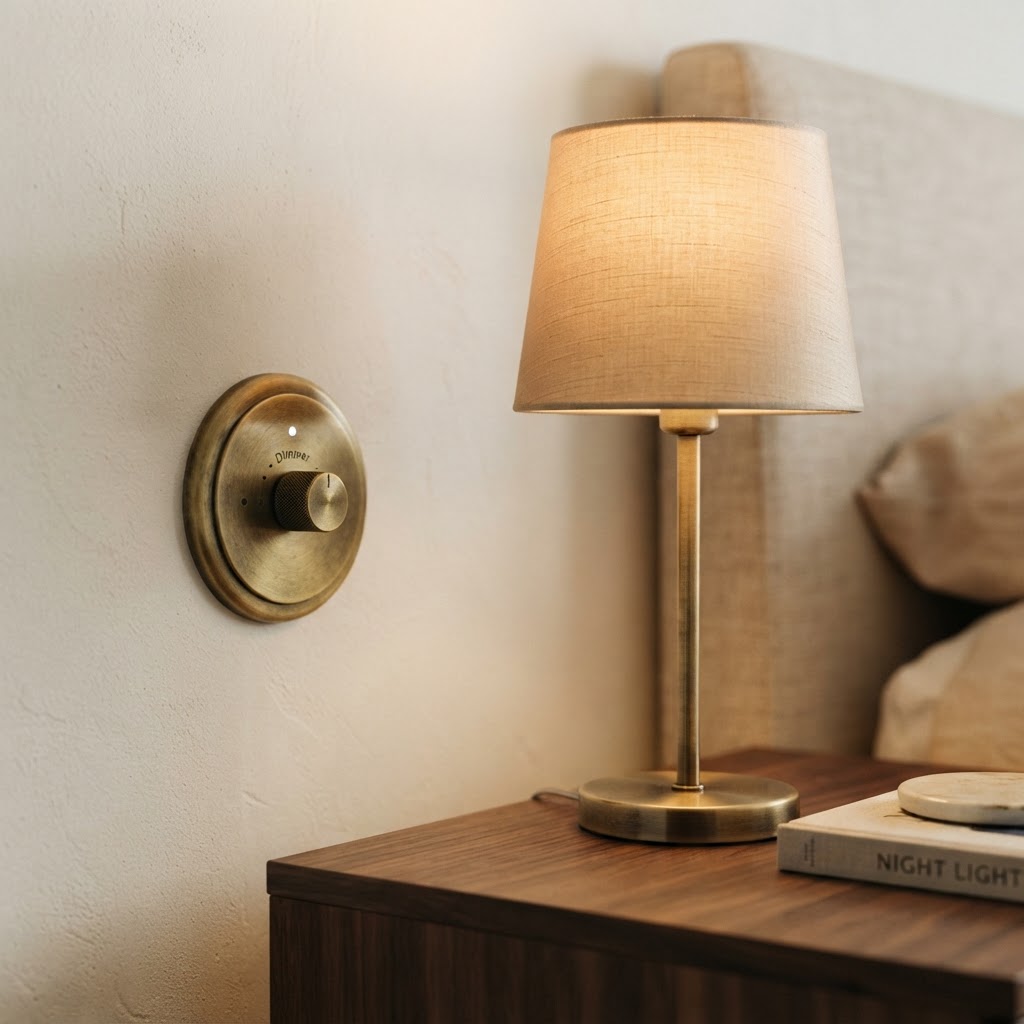
Here's the thing: dimmers are non-negotiable in this equation. The ability to control intensity transforms a room's entire personality within seconds. Bright and energized for morning, soft and golden for evening wind-down. That flexibility is what guests are really paying for. And the color temperature matters just as much. Warm whites in the 2700K to 3000K range feel cozy and residential, while cooler temperatures feel more office-like. Luxury properties almost always lean warm.
If you're designing a hotel room or even taking notes for a residential project, the key takeaway here is simple: never rely on a single light source. Layer at least three types of lighting in every room, give guests or residents control over each, and always, always choose warm bulbs. It sounds basic but you'd be shocked how many spaces completely miss this. Get the lighting right and everything else falls into place a little more naturally.
Textiles That Transform the Space
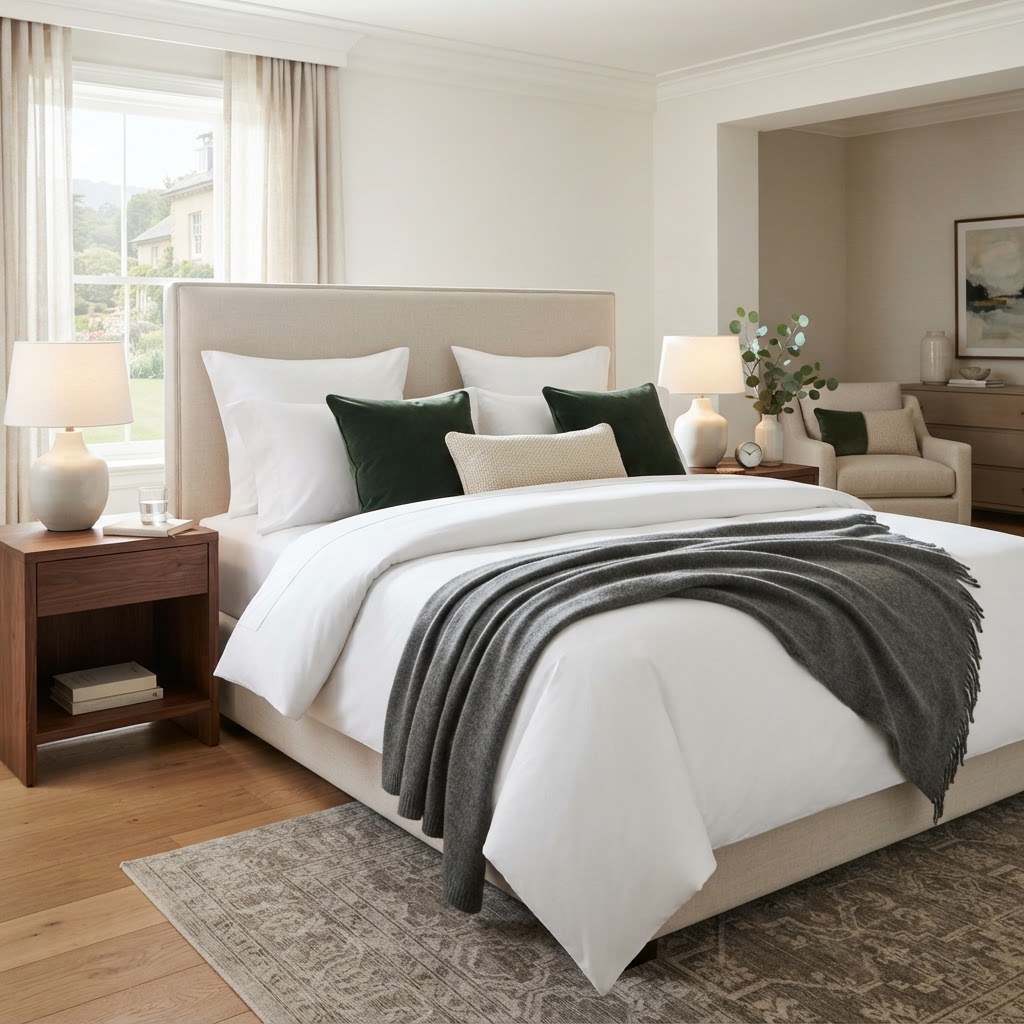
Real talk: you can have the most beautifully designed room on the planet, but if the sheets feel scratchy and the throw pillows are flat and sad, the whole illusion collapses. Textiles are the tactile language of luxury. They're what guests actually touch, what they wrap themselves in at night, what they feel under their feet when they step out of bed at 2am. And that physical experience is deeply tied to how people perceive quality overall.
The best hotel rooms invest heavily in their bedding programs. We're talking 400 to 600 thread count Egyptian cotton sheets at minimum, often combined with a duvet that has just the right amount of weight without being suffocating. There's also the layering principle at play here, much like with lighting. A fitted sheet, a flat sheet, a duvet, a coverlet, decorative shams, and a throw at the foot of the bed. Each layer adds visual depth and tactile richness. It looks abundant. It looks intentional. And when you pull everything back at night, it still feels incredibly considered.
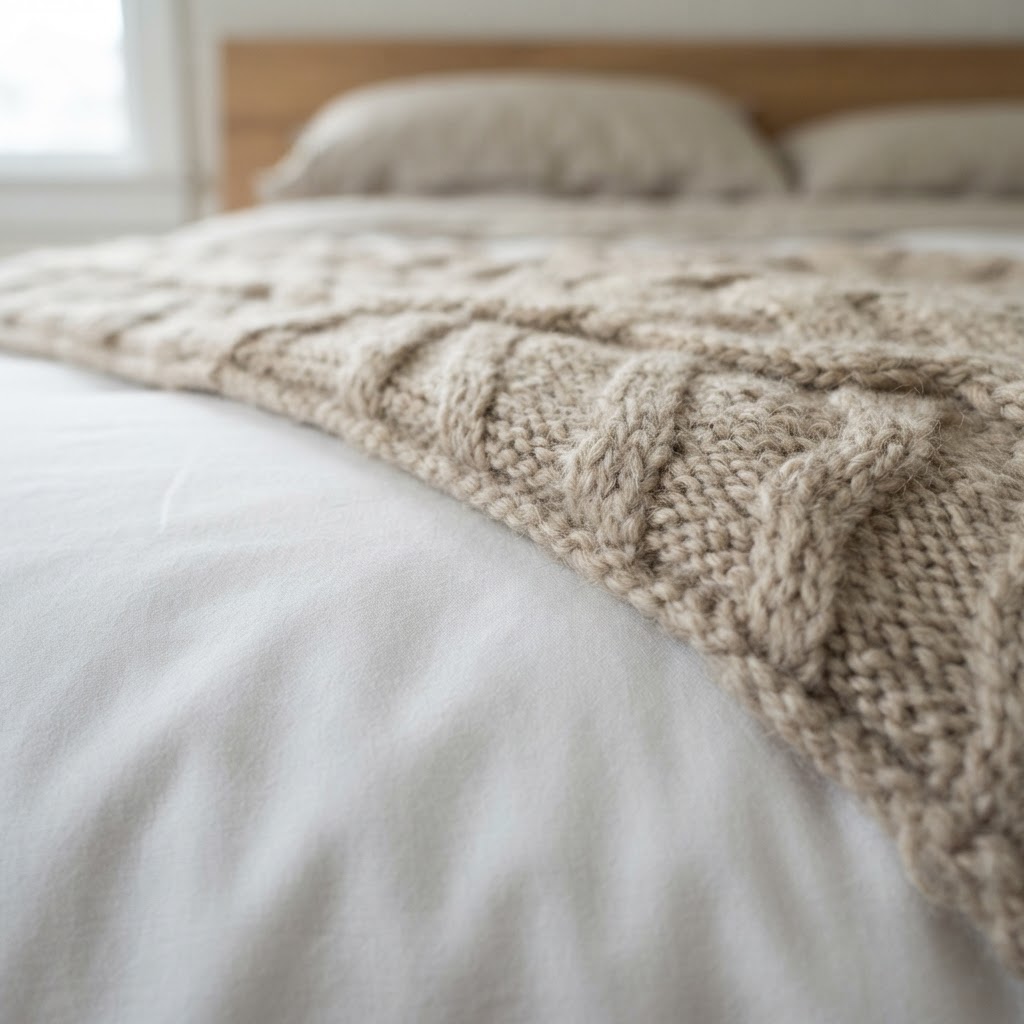
Beyond the bed, textiles show up in curtains, upholstered seating, area rugs, and bath towels. Blackout curtains are a must, but the best ones also have a beautiful drape to them, a weight that makes them feel architectural rather than functional. Upholstered headboards in velvet or linen add warmth and noise absorption. An area rug defines the sleeping zone and introduces texture underfoot. And bath towels, look, a truly thick, heavy hotel towel is one of life's small but genuinely satisfying pleasures.
- Thread count matters, but weave matters more. A percale weave at 300 thread count can outperform a sateen at 800 if the cotton quality is better.
- Neutral tones with textural contrast tend to photograph beautifully and age gracefully across multiple design updates.
- Natural fibers like cotton, linen, and wool regulate temperature better than synthetics and feel more premium.
- Weight and drape in curtains signal luxury far more than pattern or color alone.
The overall lesson here is to think of textiles as your investment category. These are the things that guests will remember long after they've forgotten the wall color or the furniture style. Skimp on textiles and even the most architecturally stunning room will feel a little off. Nail them and you've got something people will genuinely rave about.
Creating a Dedicated Work and Lounge Zone
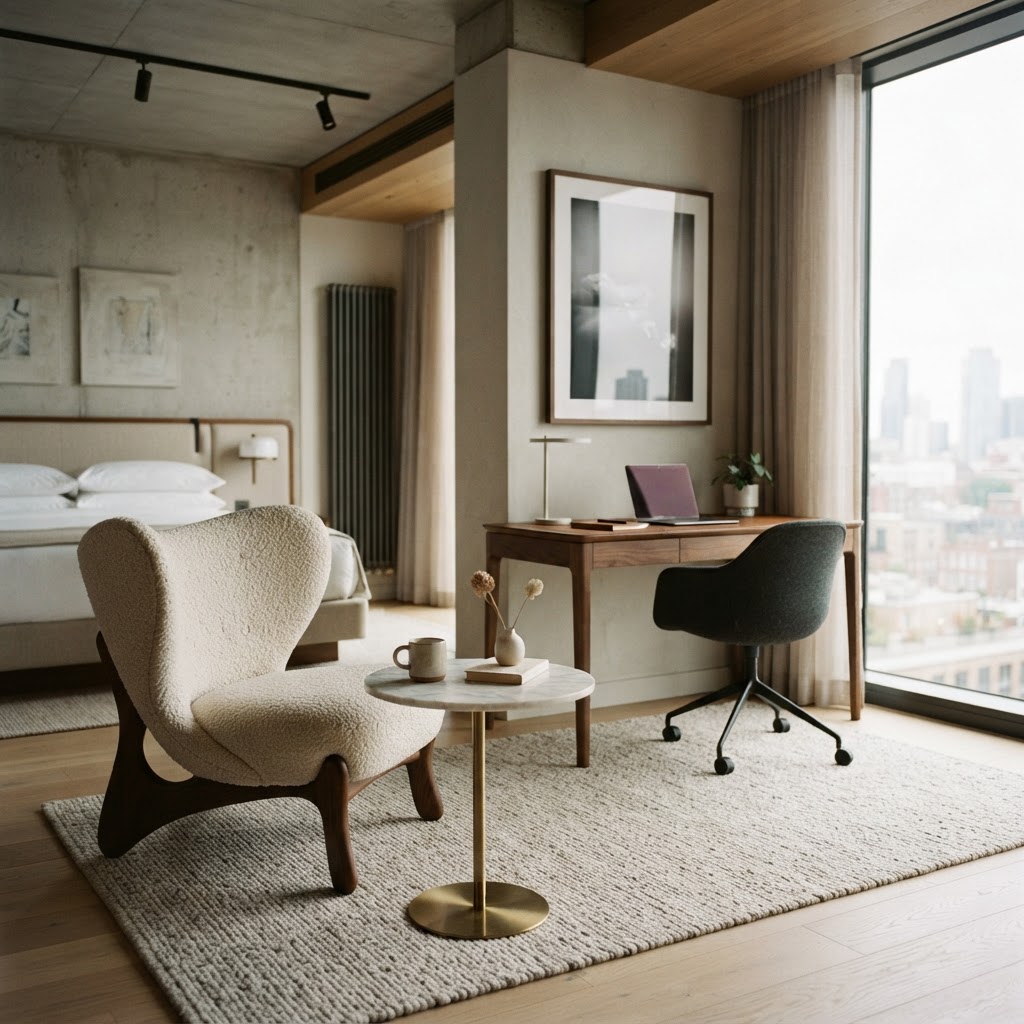
Here's a design truth that a lot of hotel rooms still haven't fully reckoned with: modern travelers don't just sleep in hotel rooms. They work, they decompress, they have video calls, they eat room service on the sofa, they read for hours by the window. A room that only optimizes for sleeping is leaving a huge chunk of the guest experience completely unaddressed. The most luxurious hotel rooms understand this, and they carve out distinct zones for different modes of living within a single space.
The work zone needs to be genuinely functional, not just a decorative gesture. That means a desk with real surface area, not one of those tiny console tables with nowhere to put your laptop and coffee simultaneously. It means ergonomic seating, good task lighting, accessible power outlets, and ideally a view that doesn't make you feel like you're in a cubicle. The best hotel work setups feel like they could belong in a thoughtfully designed home office, not an afterthought crammed into a corner.
The lounge zone is equally important and, honestly, often more emotionally impactful. A proper armchair or small sofa positioned near natural light or a view transforms the room from a place you sleep into a place you actually want to spend time. Add a side table, a lamp with warm light, and maybe a small tray for drinks, and you've created something that feels genuinely residential. People notice this. It makes the room feel larger, more generous, more considered.
"The moment a hotel room has a place where I genuinely want to sit and read or have a glass of wine, I stop thinking of it as a hotel room and start thinking of it as a temporary home."
Zoning in a small hotel room is largely achieved through furniture placement, lighting differentiation, and rug placement rather than walls or partitions. A rug under the seating area creates a lounge zone. A pendant or floor lamp in that corner reinforces it. A different light temperature at the desk versus the rest of the room signals a mental shift in purpose. These are subtle moves that have a surprisingly powerful cumulative effect on how the space feels to live in.
The Spa Like Bathroom Retreat
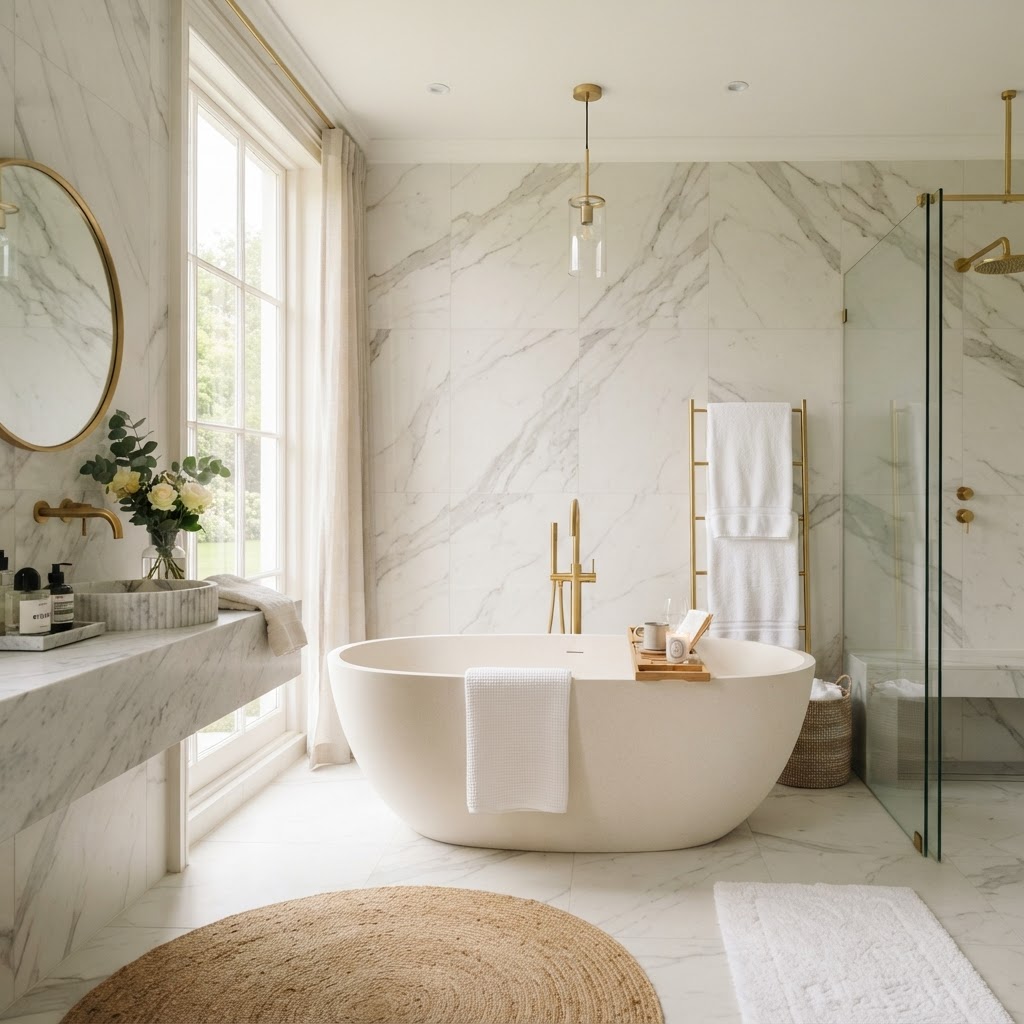
Ask anyone what they remember most about a truly great hotel stay and the bathroom will come up more often than you'd expect. There's something about a beautifully designed bathroom that feels deeply indulgent, maybe because in our own homes we tend to under-invest in them. Luxury hotels figured out a long time ago that the bathroom is where guests form some of their strongest impressions, and they treat it accordingly. We're talking about materials, fixtures, amenities, and atmosphere all working together.
The material palette is usually where it starts. Natural stone, whether genuine marble or a convincing engineered alternative, reads as luxury almost universally. Large format tiles with minimal grout lines feel cleaner and more expansive. Matte black or brushed brass fixtures add sophistication without being flashy. A freestanding soaking tub, where space allows, is essentially a statement piece that communicates opulence from the moment you walk in. Even without a tub, a generous walk-in shower with rainfall head, good water pressure, and frameless glass enclosure checks a lot of the same boxes.
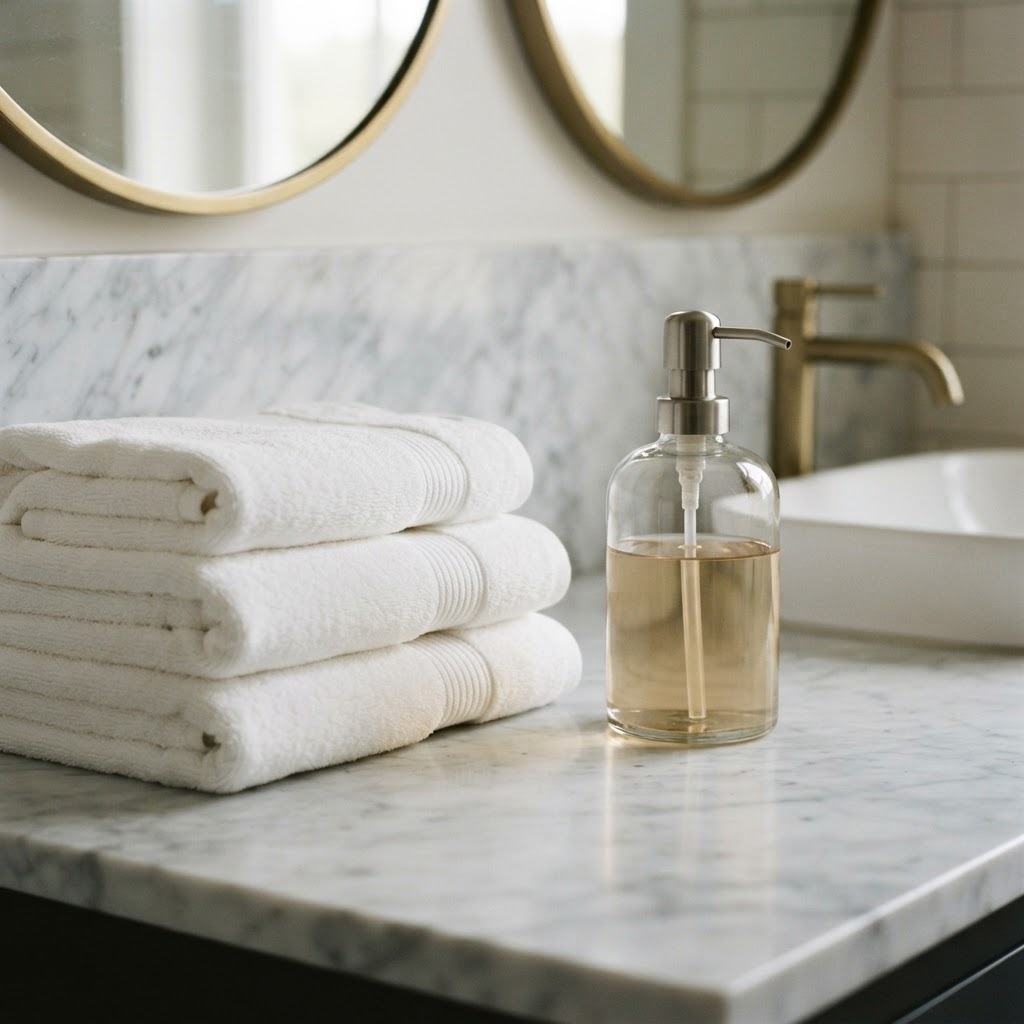
Lighting in the bathroom deserves its own mention here. Harsh overhead lighting is practically criminal in a bathroom meant to feel spa-like. Side-lit mirrors eliminate unflattering shadows and feel far more considered. Warm, even lighting around the vanity area is both functional and atmospheric. Some high-end properties even incorporate dimmable bathroom lighting, which sounds like a small detail but completely changes how the space feels in the evening.
- Amenity quality matters enormously. Branded, beautifully packaged toiletries signal investment in the guest experience in a very direct way.
- Heated towel rails are one of those details that feel wildly luxurious for what they actually cost to install.
- Double vanities in rooms designed for two travelers reduce friction and feel genuinely thoughtful.
- Clear glass storage for amenities looks cleaner and more organized than opaque containers or cluttered countertops.
Trust me on this: guests will happily overlook a slightly small room if the bathroom is spectacular. It's a place of private ritual, of transition between the stress of travel and genuine relaxation. When the design honors that, the whole stay gets elevated.
Curated Art and Minimalist Decor
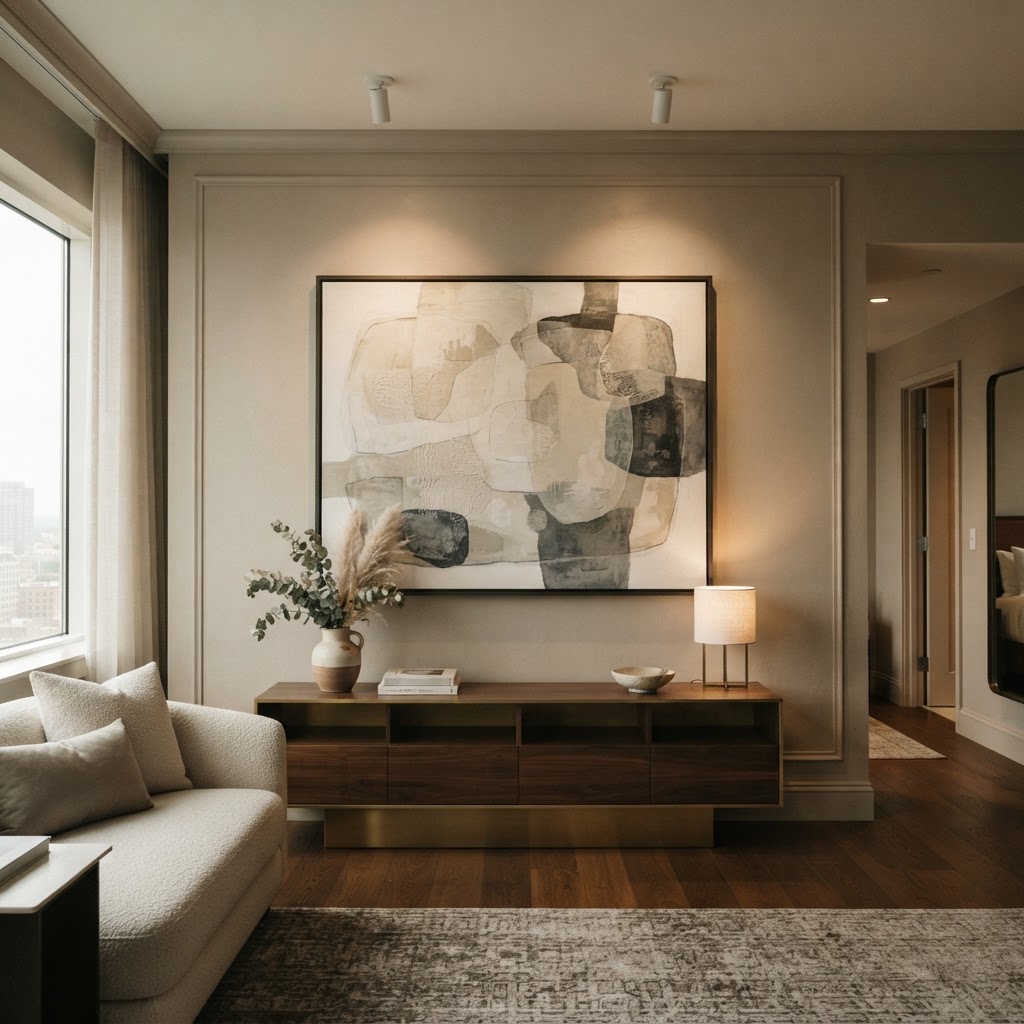
There's a temptation in hospitality design to fill every surface with something, to make the room feel abundant and generous. And honestly, that instinct usually backfires. What reads as luxury in a hotel room is almost always the opposite: restraint. Intentionality. The feeling that every single object in the room earned its place. This is where the philosophy of curated minimalism becomes incredibly powerful, and where art plays a central role in doing the heavy lifting of personality and character.
Good hotel art isn't decoration. It's a statement about the property's identity. It might reference the local culture, the natural surroundings, or the aesthetic values of the brand. What it should never be is generic. Those mass-produced abstract prints in aluminum frames that you find in mid-tier properties are a missed opportunity. A single large-scale photograph, a commissioned painting, or even a beautifully framed archival map can make a room feel specific and memorable in a way that a dozen generic pieces simply can't. Less is dramatically more here.
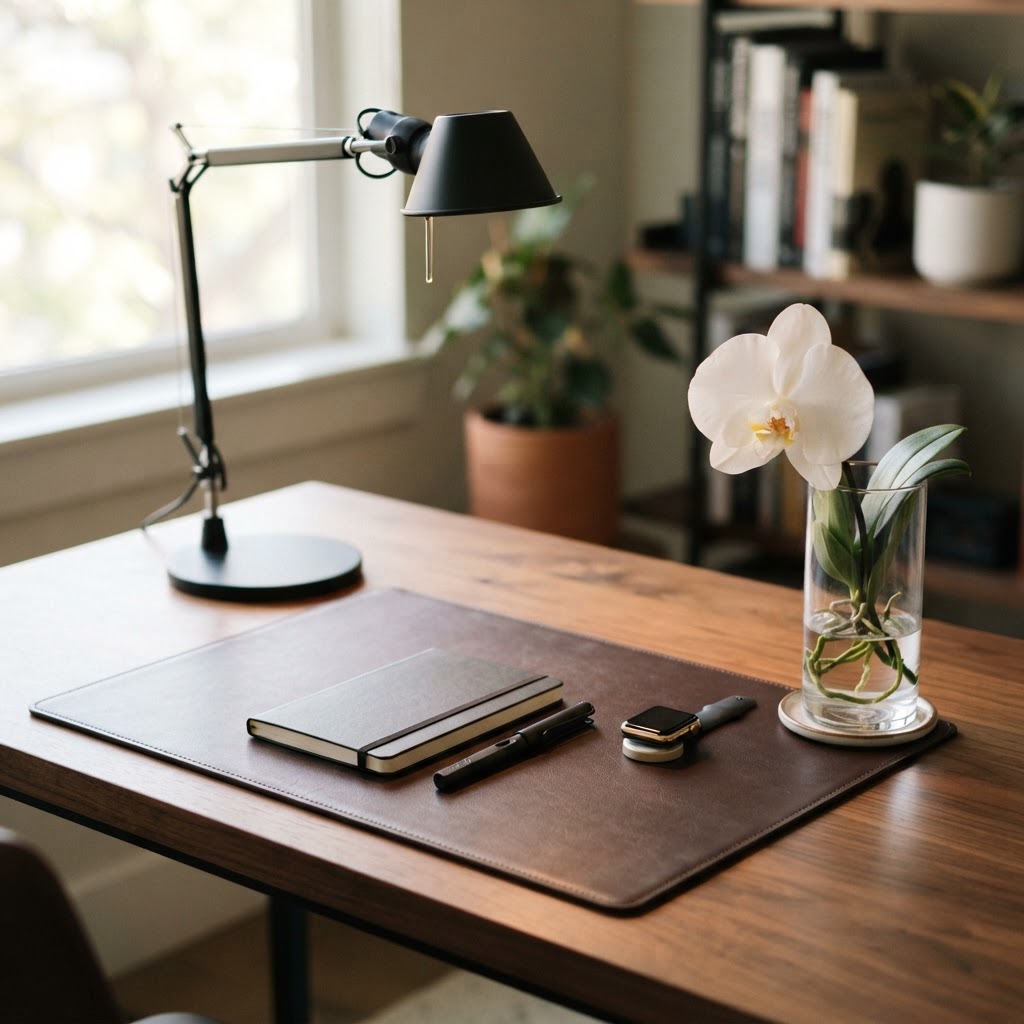
Beyond art, the styling approach matters. A well-placed ceramic vase. A single hardcover book on the nightstand. A tray on the desk with just two or three items arranged with care. These are the kinds of details that feel like a thoughtful host prepared the room for you personally, not like a checklist was ticked off before checkout. That sense of intention is what separates a room that photographs beautifully from one that also feels beautiful to inhabit.
And here's something worth noting: the edit is ongoing. Properties that keep their decor feeling fresh don't necessarily redesign the rooms. They rotate art seasonally, update small accent pieces, swap out coffee table books. It's a living, breathing approach to interior styling that keeps the spaces from feeling stale. That kind of attentiveness communicates respect for the guest experience in a really tangible way.
Final Thoughts
What makes a hotel room feel luxurious isn't always about budget. It's about intention. It's about layering light instead of blasting a single overhead fixture. It's about investing in textiles that feel incredible to touch. It's about giving guests a real place to work and a real place to relax, not just a bed in a room. It's about a bathroom that feels like a private spa moment and art that makes the space feel genuinely considered rather than assembled from a catalog.
The best commercial hospitality design borrows freely from residential design principles, because at the end of the day, what guests respond to is the feeling of being at home, just a more beautiful, more intentional version of home. If you're working in hotel design, or even just drawing inspiration from these spaces for your own projects, these five ingredients are your starting point. Get them right and everything else tends to follow.
More in Commercial
Stay Inspired
Subscribe for new essays on architecture, design, and the spaces that shape us.