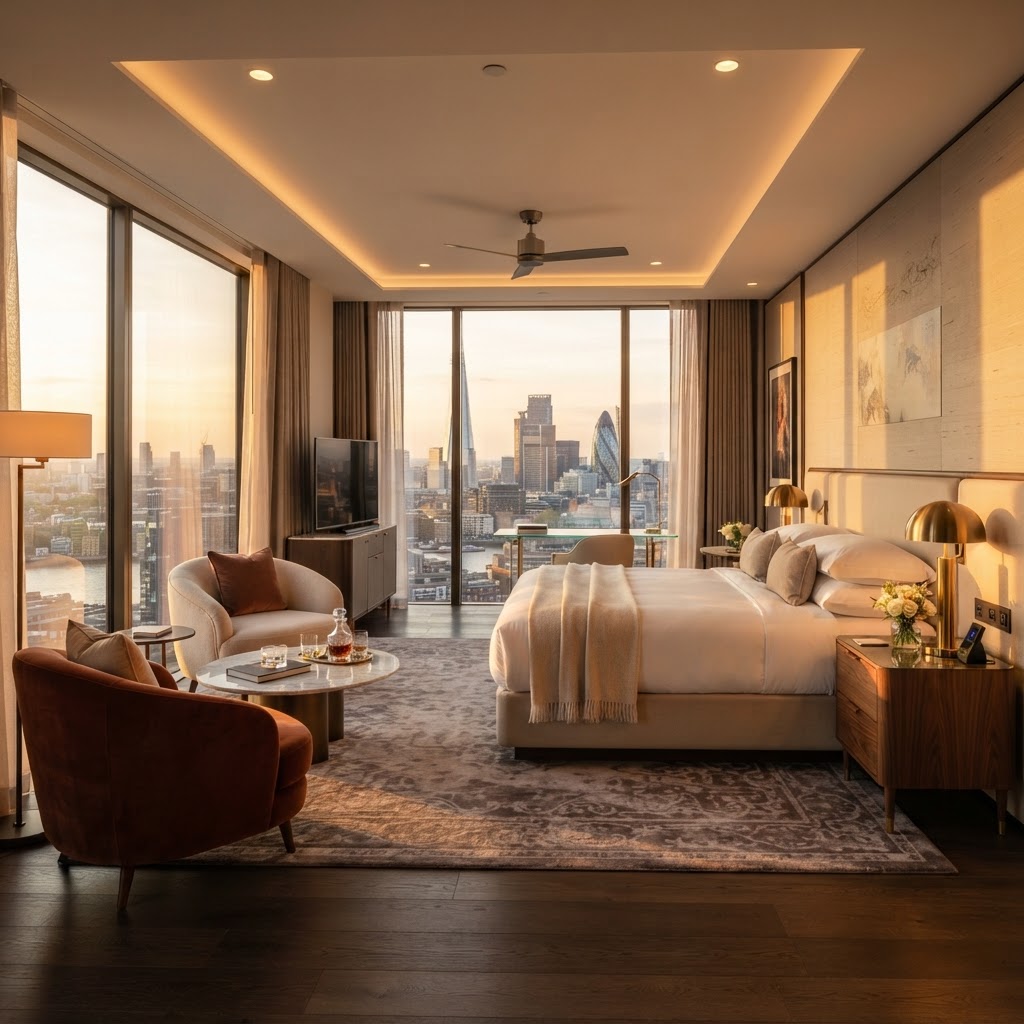
7 Tiny Design Details That Make a Hotel Room Feel Luxurious
Ever wonder why you sleep better in a hotel than at home. We are breaking down the specific interior design secrets that make high end hotel rooms feel like a sanctuary. Use these tips to elevate your own bedroom into a five star retreat.
The Art of Layered Lighting
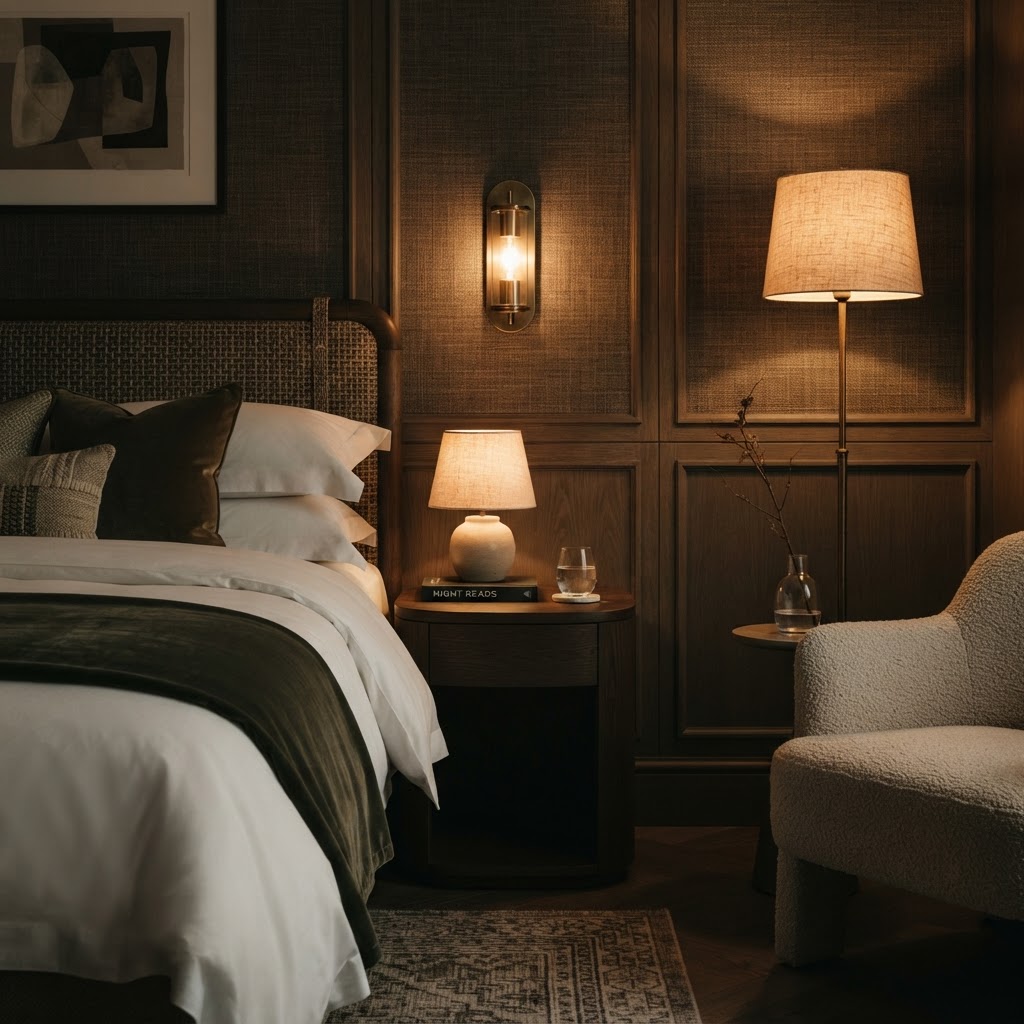
Walk into any truly great hotel room and before you even clock the thread count on the sheets or notice the marble in the bathroom, something just feels right. Nine times out of ten, that feeling comes from the lighting. Honestly, lighting is the single most underestimated design detail in hospitality spaces, and it is the one thing that separates a room that feels like a motel off the highway from one that feels like a five-star sanctuary.
Layered lighting means you are never relying on a single overhead source to do all the work. Think about it: one flat ceiling light makes everything look institutional, flat, a little sad. Luxury hotels get this. They build in multiple light sources at different heights and intensities, so guests can control the mood of the space completely. You have got ambient lighting for general illumination, task lighting near the desk and bedside for practical use, and accent lighting to highlight architectural details or artwork.
Here's the thing about color temperature that most people totally overlook: warm light (think 2700K to 3000K) makes people feel relaxed and comfortable. Cool white light makes people feel alert and, frankly, a little on edge. Luxury hotel designers know this deeply. They keep the lighting warm throughout the sleeping areas and bathrooms, and reserve cooler tones only for task-heavy spaces like the work desk. That subtle shift in warmth is doing a massive amount of emotional heavy lifting without guests ever realizing it.
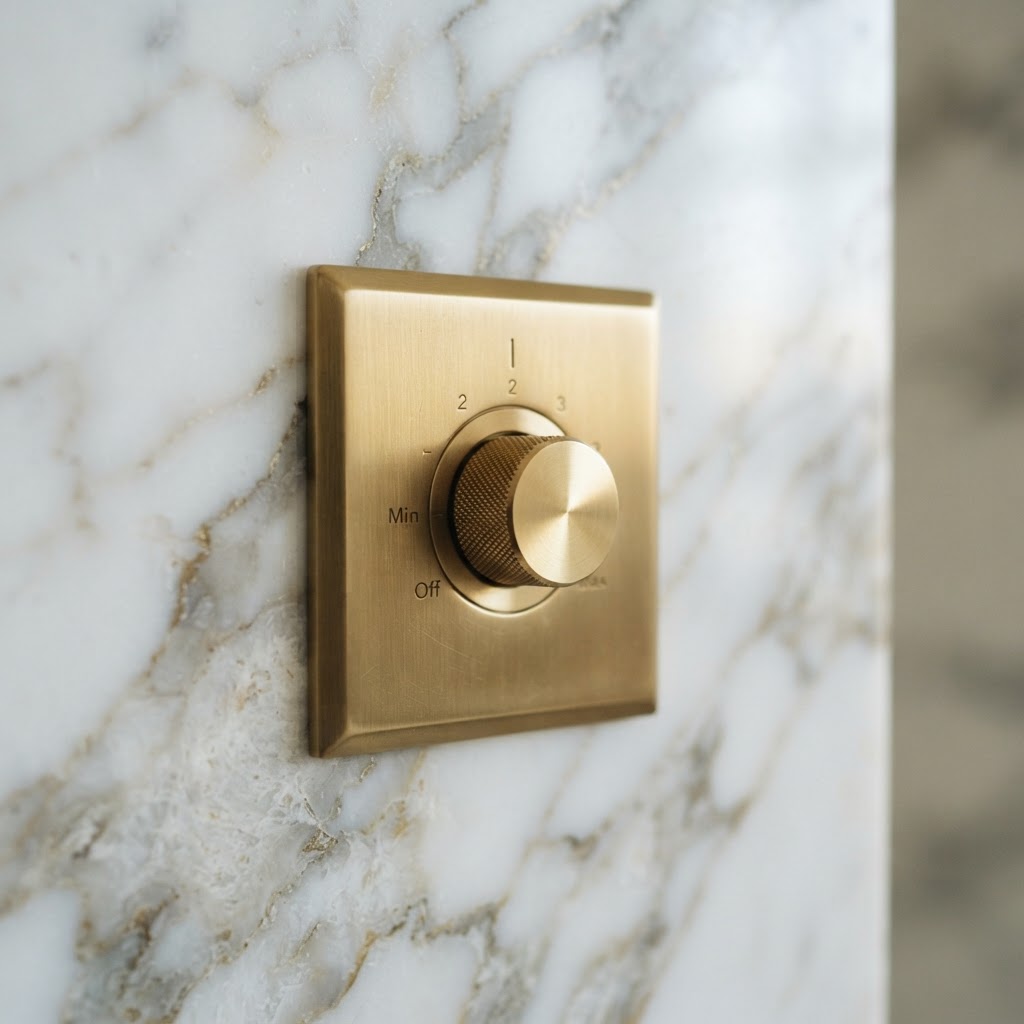
The practical takeaway for commercial designers? Install dimmers on everything. Dimmer switches are cheap relative to the rest of the room build, and they give guests total control. Bedside controls for all room lighting are non-negotiable in high-end hospitality design. And do not sleep on cove lighting or under-furniture LED strips. That soft glow emanating from under the bed platform? Pure luxury signal, every time.
"Lighting is not just functional. It is emotional architecture. Get it wrong and no amount of expensive furniture will save you."
Prioritizing the Sleep Sanctuary
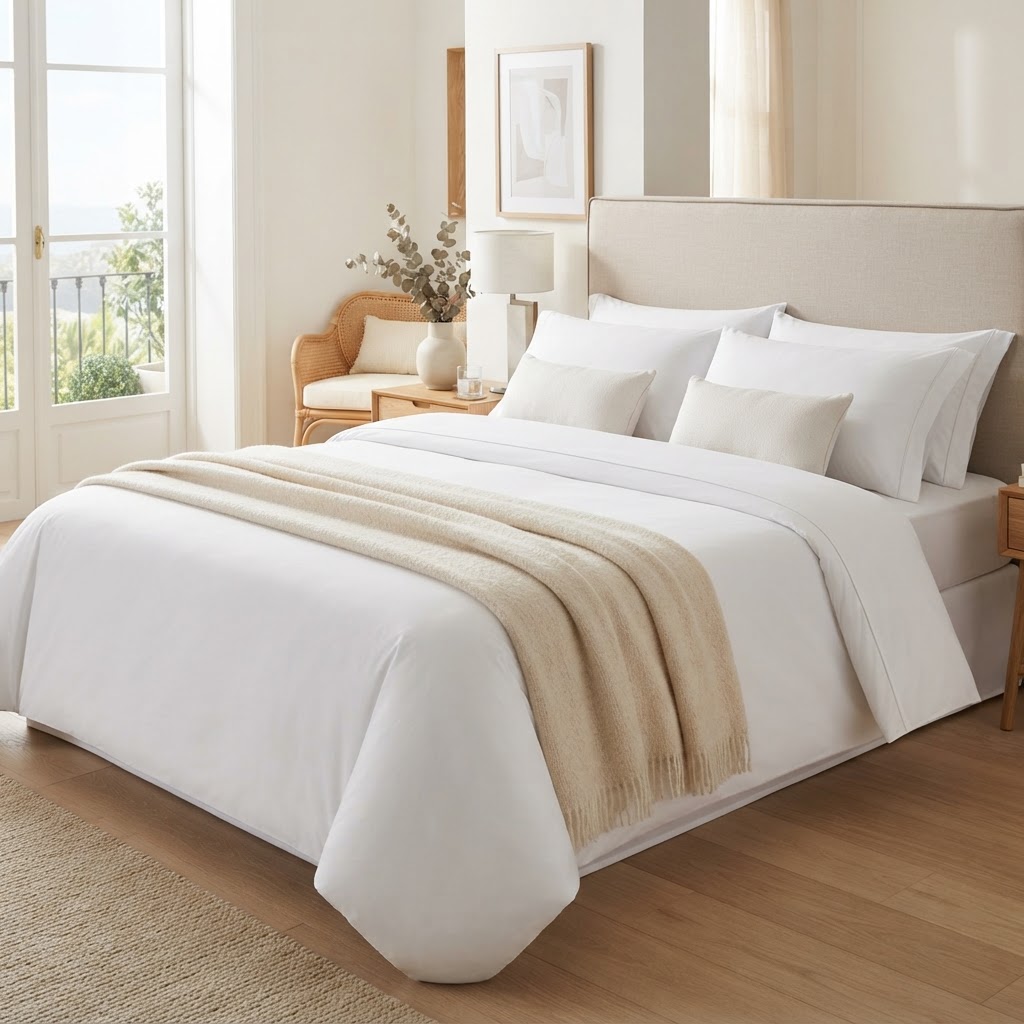
Real talk: the bed is the whole point. When someone books a hotel room, what they are really booking is a good night's sleep in a place that is not their house, with all the stress and mess that comes with their house. The bed has to deliver. And delivering on the bed means going way beyond just buying an expensive mattress, though yes, that matters too.
Luxury hotel beds work because of layering, and I do not just mean the thread count. It is the combination of a quality mattress topper that adds a cloud-like softness without sacrificing support, crisp high-thread-count cotton sheets that feel cool and smooth against skin, a plush duvet or comforter with real weight to it, and then decorative euro shams and accent pillows that make the whole thing look like something out of a design magazine. The visual impact of a beautifully made bed is immediate and powerful. It signals care. It signals quality. It says someone thought about your comfort before you even arrived.
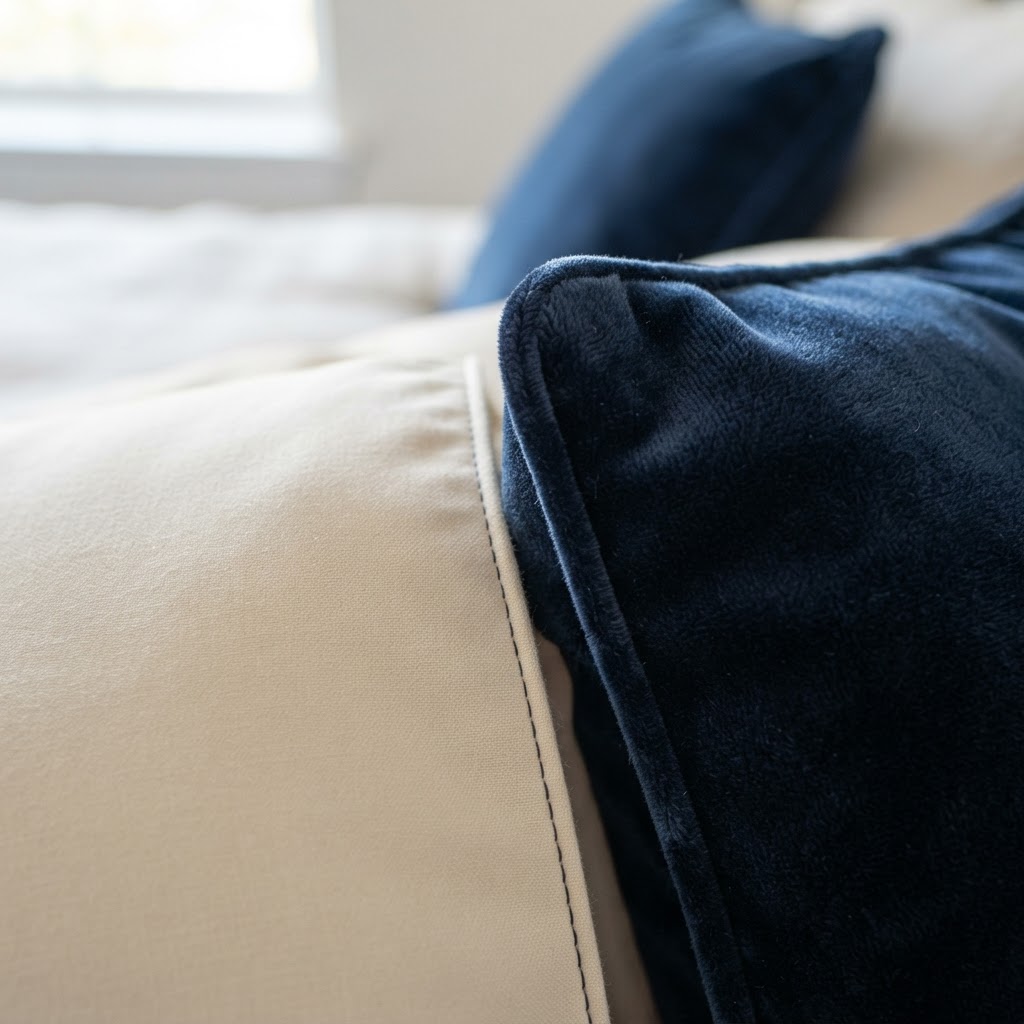
Beyond the bedding itself, the sleep sanctuary concept extends to what surrounds the bed. Bedside tables need to be the right height, roughly level with the top of the mattress, and they need a surface large enough to hold a glass of water, a phone, a book, without things falling off. Sounds basic, right? You would be amazed how many hotels get this wrong. Bedside USB and power outlets are now an absolute expectation, not a bonus. And blackout curtains are non-negotiable. Not blackout-ish. Full, total blackout, with no light gap at the center seam.
Sound management is another piece of this puzzle that great designers address early in the process. Acoustic panels, heavy drapery, thick rugs, and solid-core doors all contribute to that hushed, insulated feeling that makes a hotel room feel like a proper retreat. When you close that door and the world outside goes quiet, that is intentional design at work.
Hidden Storage and Clutter Free Surfaces
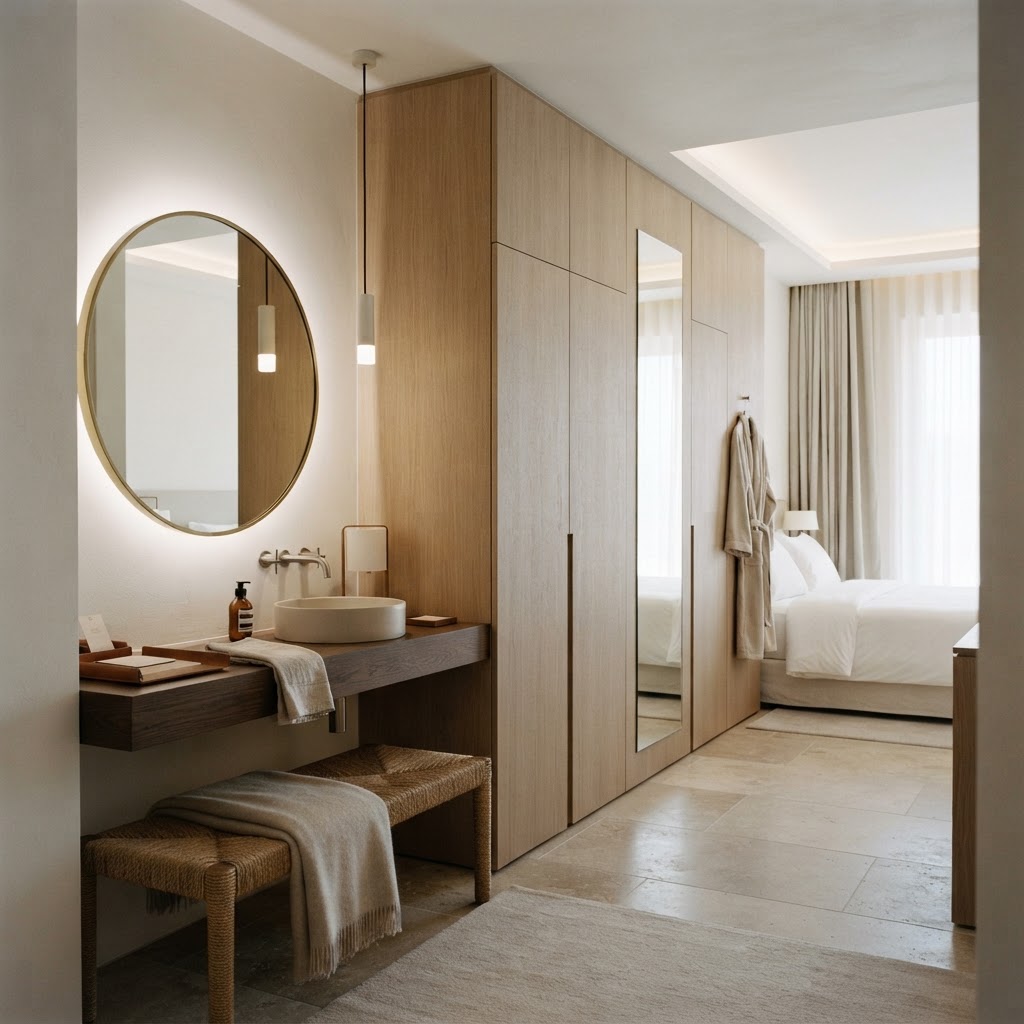
Honestly, clutter is the enemy of luxury. It does not matter how beautiful your furniture is, how perfect your lighting is, or how silky your sheets feel. If there is visual chaos, the space will not feel high-end. This is why the best hotel rooms dedicate serious design attention to storage solutions that keep everything out of sight without making guests feel like they have nowhere to put their stuff.
The trick is concealment without inconvenience. Built-in wardrobes with smooth, handle-free doors that blend into the wall. Luggage benches with storage compartments underneath so suitcases disappear. Bedside tables with drawers rather than open shelves. Minibar units that are flush with the cabinetry rather than a freestanding fridge shoved in a corner. Every item that could potentially create visual noise gets a home, and that home is behind a door or inside a drawer.
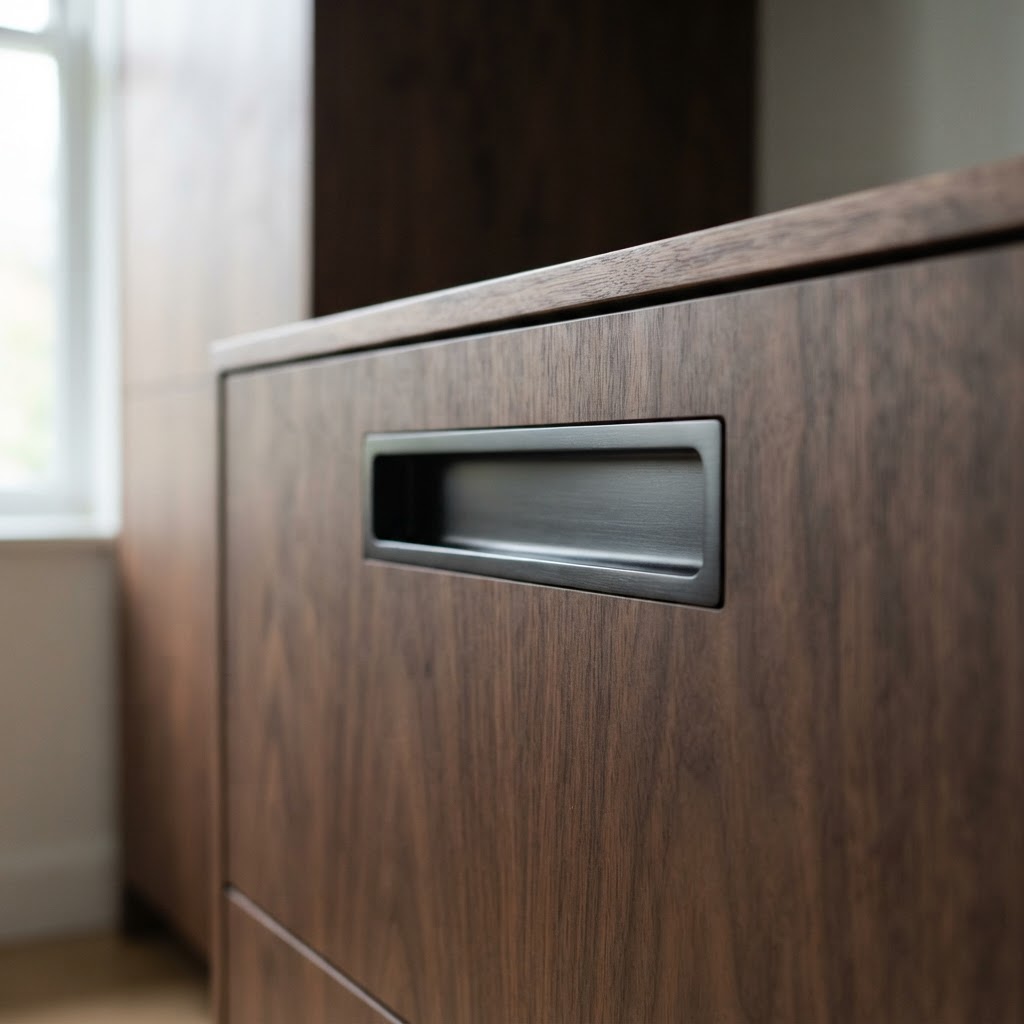
Cable management is one of those details that separates the hotels that truly care from the ones that just say they do. A charging station built into the bedside table with cord routing channels, or a desk setup where all the tech cables disappear into a discreet grommet, makes a room feel polished in a way that is hard to articulate but immediately felt. Seeing a tangle of cords is a subconscious stress trigger. Removing them removes that stress.
- Use built-in joinery wherever possible to eliminate the visual weight of freestanding furniture.
- Limit decorative objects on surfaces to a curated few rather than filling every inch.
- Hide the minibar and safe behind matching cabinetry doors for a seamless look.
- Provide ample wardrobe space with matching hangers in a consistent style.
- Route all cables through furniture or walls to keep surfaces completely clean.
The psychological effect of a clutter-free environment is real and well-documented. Guests feel calmer, more in control, and more comfortable in spaces that have visual order. For hospitality designers, this is not just an aesthetic preference, it is a direct line to guest satisfaction scores.
The Spa Inspired Bathroom Escape
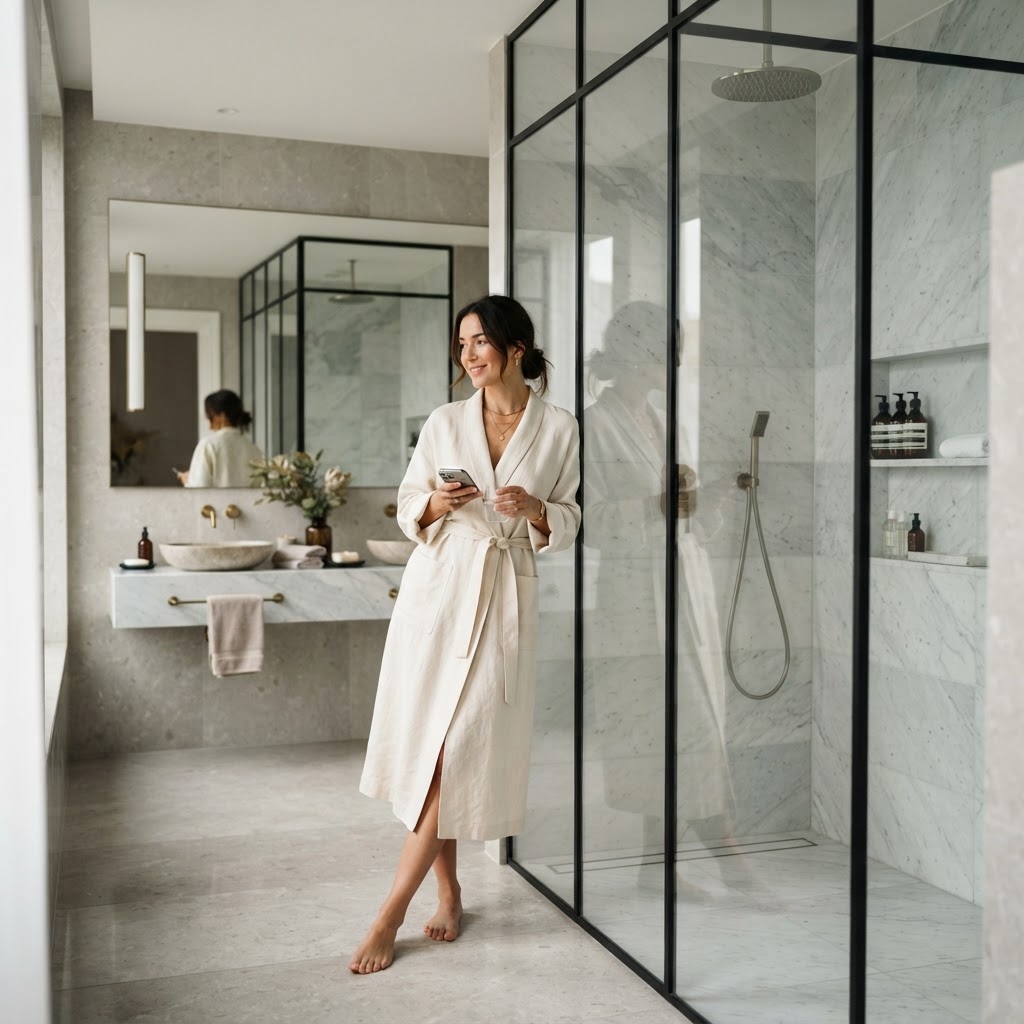
Look, the bathroom is where guests form some of their strongest impressions about a hotel. It is intimate, it is personal, and it is where they spend a lot of time during a stay. A bathroom that feels like a genuine spa escape elevates the entire experience of the room, sometimes more than any other single element. Getting this right is not just about spending money on marble, though beautiful materials certainly help. It is about the details.
Rain showers are practically standard in luxury hotels now, and for good reason. The experience of standing under a wide overhead rain shower head is categorically different from a standard wall-mounted one. It feels generous. It feels indulgent. Pair that with good water pressure, a thermostatic control system that delivers the right temperature instantly, and you have got a shower experience people will actually talk about. Heated towel rails are another small detail with outsized impact. Wrapping yourself in a warm towel after a shower is one of life's genuine pleasures, and it costs relatively little to install.
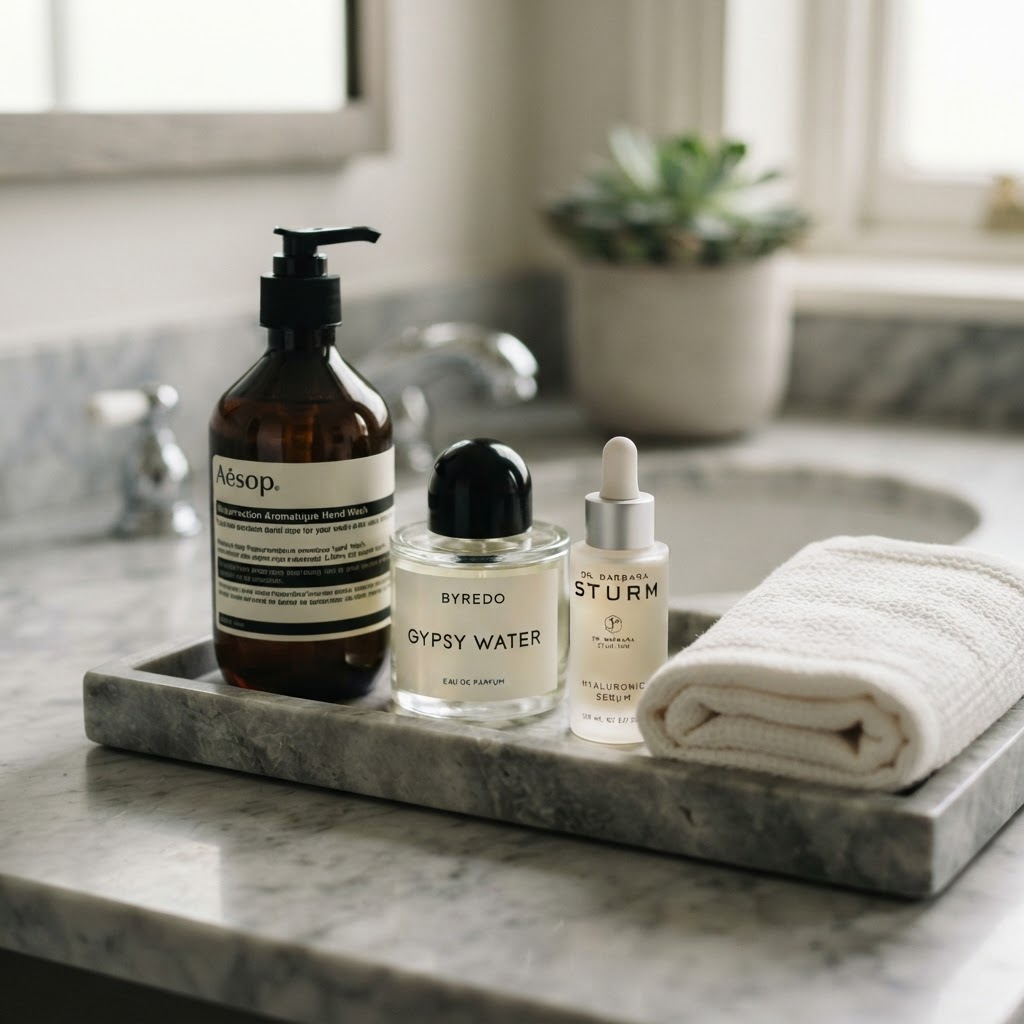
Towel quality and presentation matter enormously. Thick, heavy, hotel-weight towels folded with precision and displayed in a way that looks intentional rather than just stacked make a bathroom feel curated. The same goes for toiletry presentation. Decanting complimentary amenities into sleek, matching dispensers rather than leaving a cluster of plastic mini bottles on the shelf signals that someone cared about the visual experience all the way down to the smallest detail.
Mirror placement and bathroom lighting deserve their own mention here. A well-lit vanity mirror, lit from the sides rather than from above (which creates unflattering shadows), makes guests feel good about themselves. And feeling good about how you look is a powerful, if subtle, part of the luxury hotel experience. Add an anti-fog mirror and you have got something guests will genuinely appreciate every single morning of their stay.
Curated Tactile Materials
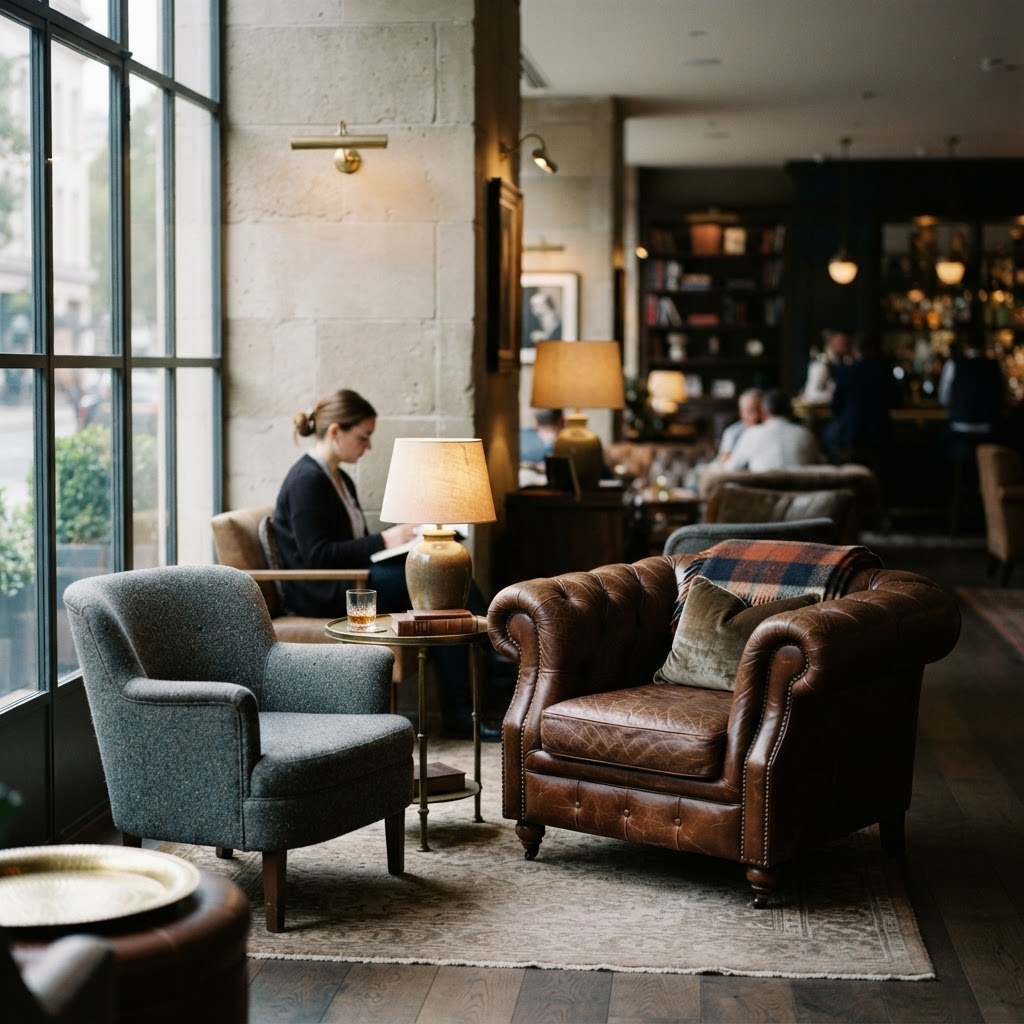
Here is something that does not get talked about enough in hospitality design: the way a room feels when you touch it. Not the visual impression, the actual tactile experience of moving through a space and making contact with surfaces. Luxury registers through touch in a really primal way. The cool smoothness of a stone countertop, the soft give of a high-pile rug underfoot, the solid weight of a well-made door handle, these things communicate quality directly to the nervous system before the brain has even processed what it is experiencing.
The best hotel designers are intentional about material selection across every surface guests will touch. Upholstery on seating should feel substantial and soft, not scratchy or plasticky. Bed runners and throw pillows should invite contact, not just look good in photos. Wall textures, whether linen-wrapped panels, textured plaster, or timber cladding, add depth and warmth that painted drywall simply cannot replicate. Even the quality of the carpet or flooring makes a difference: a thick pile carpet with a quality underlay feels genuinely luxurious underfoot, especially first thing in the morning.
Hardware is another material detail that luxury hotels nail. Door handles, drawer pulls, light switches, tap fittings: when these are made from quality materials like brushed brass, matte black steel, or solid chrome, and when they feel weighty and precise to operate, they reinforce the overall sense of quality throughout the room. When they are cheap plastic or thin pressed metal, they undercut everything else the room is trying to do. It is a detail that guests may not consciously notice, but they absolutely feel it.
"Luxury is felt before it is seen. Every surface a guest touches is a chance to either reinforce or undermine the quality of the entire experience."
Trust me on this one: if you are designing or renovating a hospitality space and you have got to make budget choices, do not cut on hardware and do not cut on textiles. These are the things guests will literally have their hands on all day long. Every other material choice can be slightly compromised before these two, because they are the ones that live in physical memory long after the stay is over.
Final Thoughts
What all five of these details have in common is that none of them are about spending the most money or chasing the flashiest design trends. They are about thinking carefully about how a guest actually moves through and experiences a space, and then making deliberate choices that serve that experience at every single point of contact. Layered lighting that flatters and comforts. A bed that makes sleep feel like an event. Storage that removes stress from the environment. A bathroom that offers a genuine moment of escape. Materials that feel good to live inside. These are the things that make guests come back, leave five-star reviews, and tell their friends.
And honestly, the gap between a room that feels average and a room that feels genuinely luxurious is often smaller than designers expect. It is not always about a complete overhaul or a sky-high budget. Sometimes it is a dimmer switch. Sometimes it is a heated towel rail and a rain shower head. Sometimes it is just committing to concealing every cable and clearing every surface. Small details, done with real intention, add up to something that feels exceptional. That is the whole point, and the best hotel designers in the world have known it for years.
More in Commercial
Stay Inspired
Subscribe for new essays on architecture, design, and the spaces that shape us.