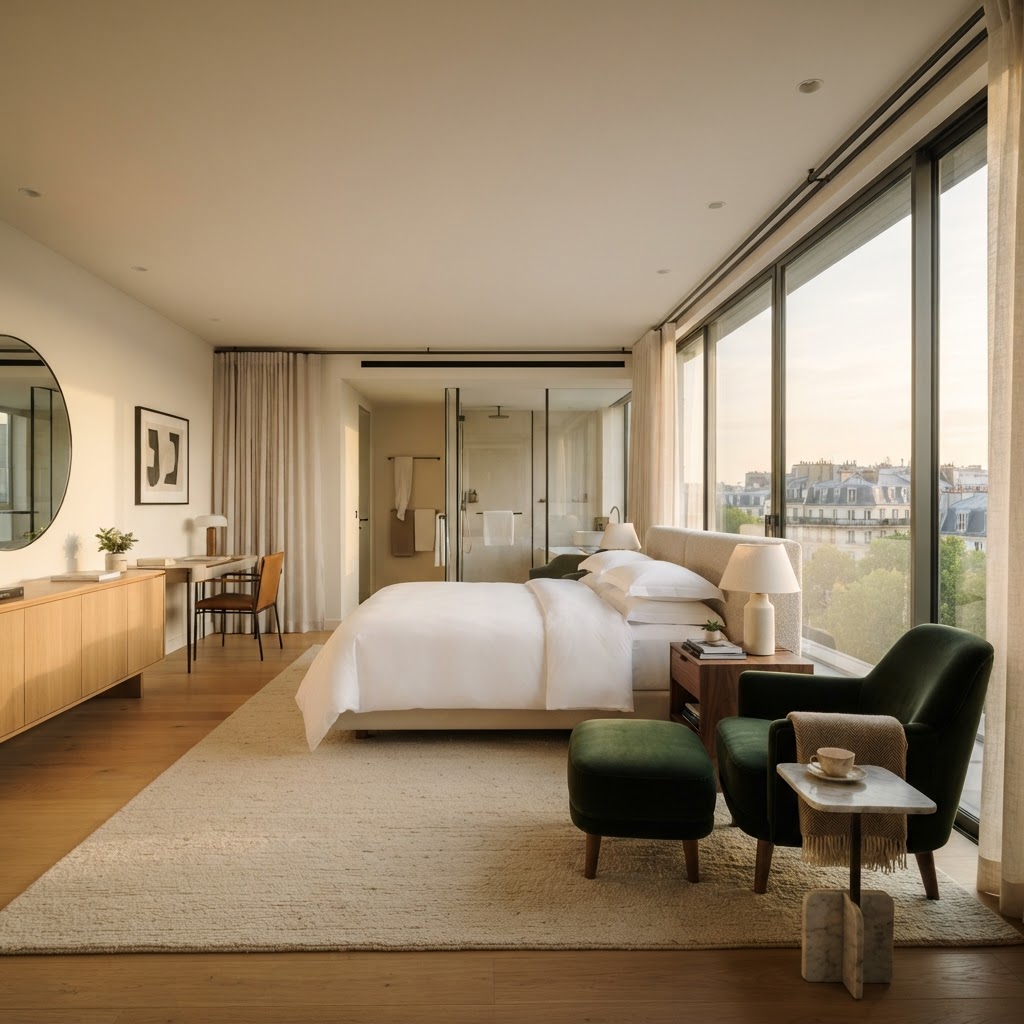
6 Design Secrets That Make a Hotel Room Feel Like Luxury
Have you ever wondered why hotel rooms feel so much more relaxing than our own bedrooms. I am breaking down the key design elements that transform a standard space into a five star experience. These simple adjustments can help you bring that high end hotel atmosphere directly into your home.
The Power of Layered Lighting
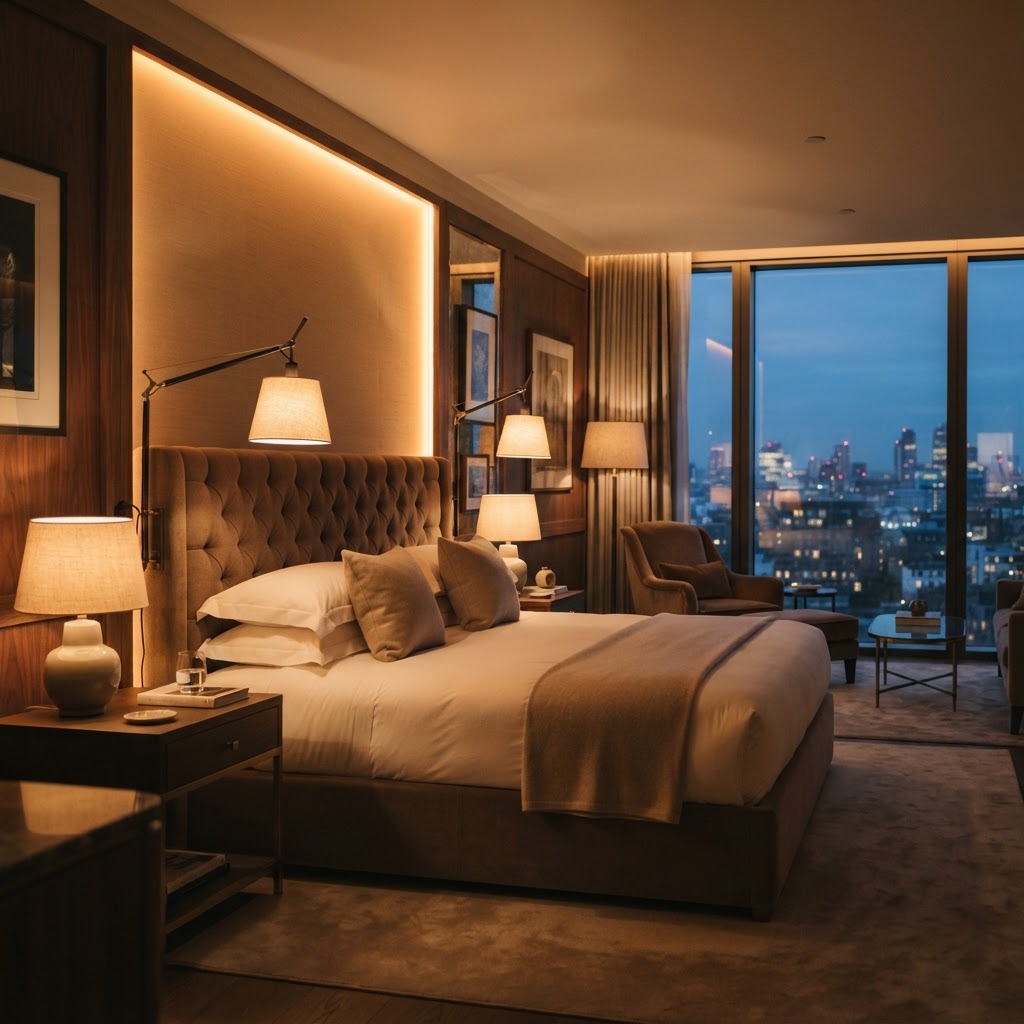
Walk into any truly luxurious hotel room and I promise you, the first thing that hits you isn't the fancy bedding or the view. It's the lighting. Specifically, the way the light makes you feel. Warm, calm, like the room is wrapping its arms around you. That's not an accident. That's a designer who understands that lighting is doing about 60% of the emotional heavy lifting in any space.
Here's the thing about layered lighting: it's not just about having more lights. It's about having the right lights doing different jobs at different heights. A luxury hotel room typically works with at least three layers. You've got your ambient lighting, usually recessed or cove lighting that sets the overall tone. Then you've got task lighting, the bedside reading lamps, the desk light, the vanity mirror strips. And finally, you've got accent lighting, those little glowing touches that add drama and depth without flooding the room in brightness.
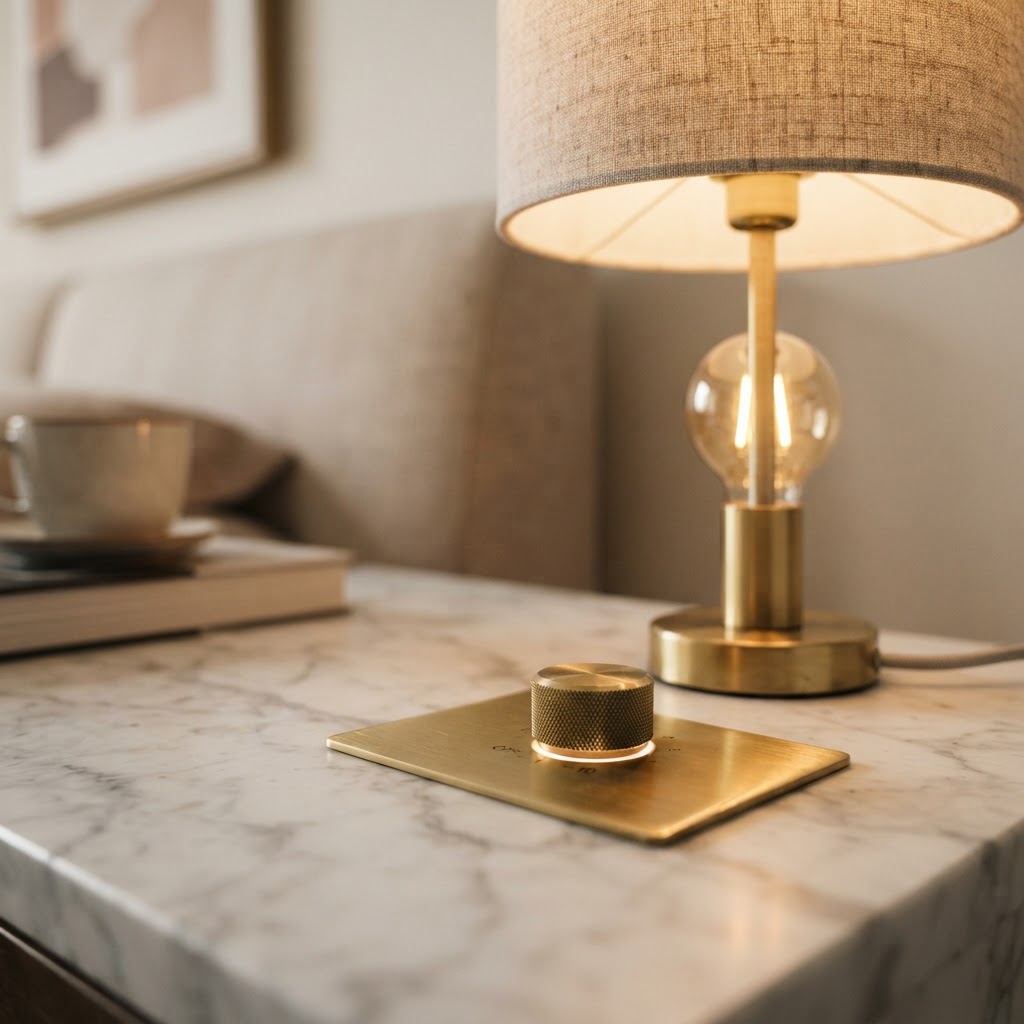
Honestly, the single biggest mistake I see in residential spaces trying to replicate this is relying on one overhead fixture to do everything. That flat, even light from a single ceiling fixture? It's the enemy of atmosphere. It flattens everything out and makes a room feel like a waiting area at a dentist's office. What you want instead is pools of warm light that create visual interest and give the eye somewhere to travel.
Color temperature matters enormously here too. Most luxury hotels stick to bulbs in the 2700K to 3000K range, which is that golden, incandescent-style warmth that makes skin look great and materials look rich. Cool white light, even in a beautiful room, reads as clinical. If you want your space to feel like a five-star escape, swap out any bulbs pushing above 3500K and watch the whole vibe shift instantly. It really is that straightforward.
- Install dimmer switches on every circuit so you can dial in the exact mood you need
- Use bedside sconces instead of table lamps to free up surface space and lower the light source
- Add under-furniture LED strips for that floating, weightless effect hotels love
- Backlight art or headboards to create a focal point that draws the eye
Textural Depth Through Fabrics
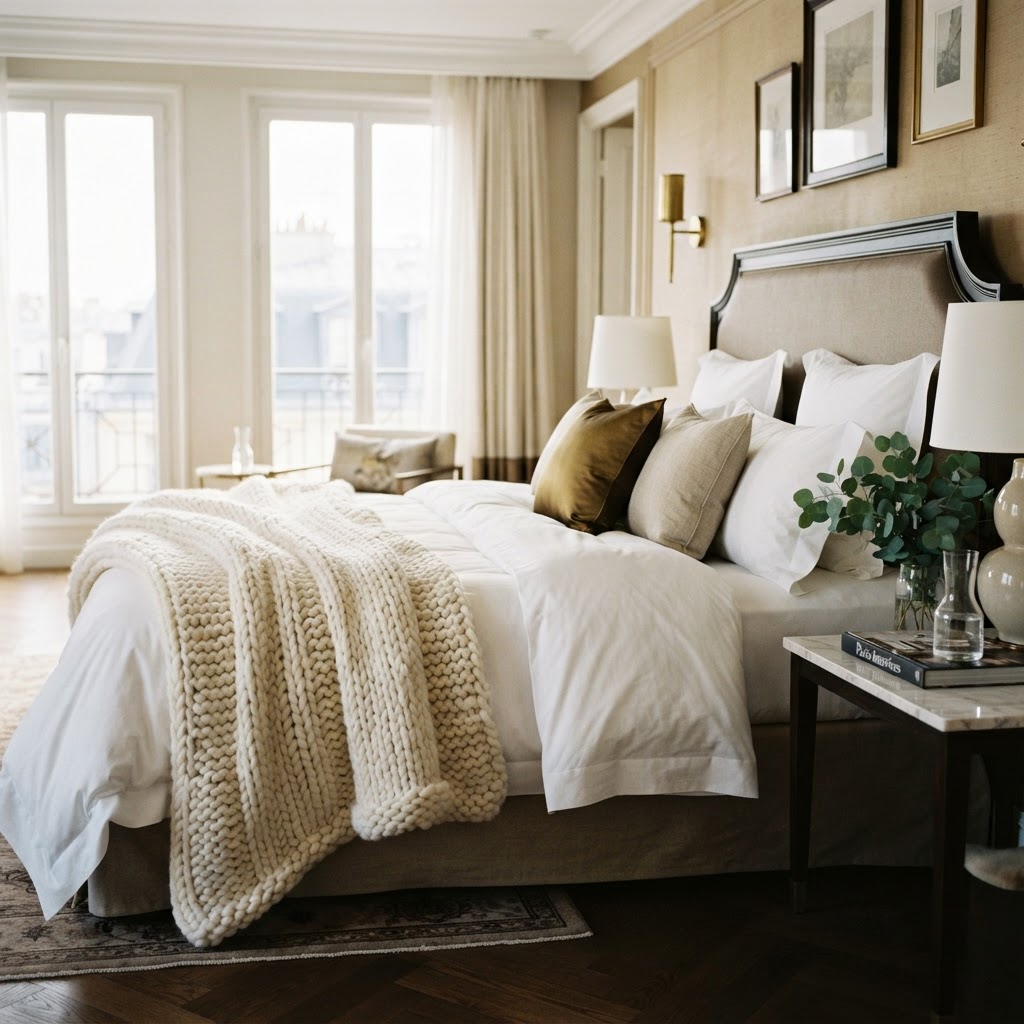
Real talk: you can have the most expensive furniture in the world and if your fabrics are flat and one-dimensional, the room is going to feel cheap. Texture is what makes a space feel expensive even when you're looking at a relatively neutral palette. This is one of the biggest secrets high-end hotel designers lean on hard, and it's something that's completely achievable at any budget if you know what you're doing.
Think about the bed in a luxury hotel. You've got crisp, high-thread-count cotton sheets. Then a slightly heavier cotton duvet. A chunky knit or woven throw folded at the foot. Decorative pillows in velvet or a textured linen. A bed skirt with subtle pleating. Every single one of those layers is contributing a different tactile and visual texture. Together they create this sense of incredible abundance without being busy or cluttered. It's layering done with intention.
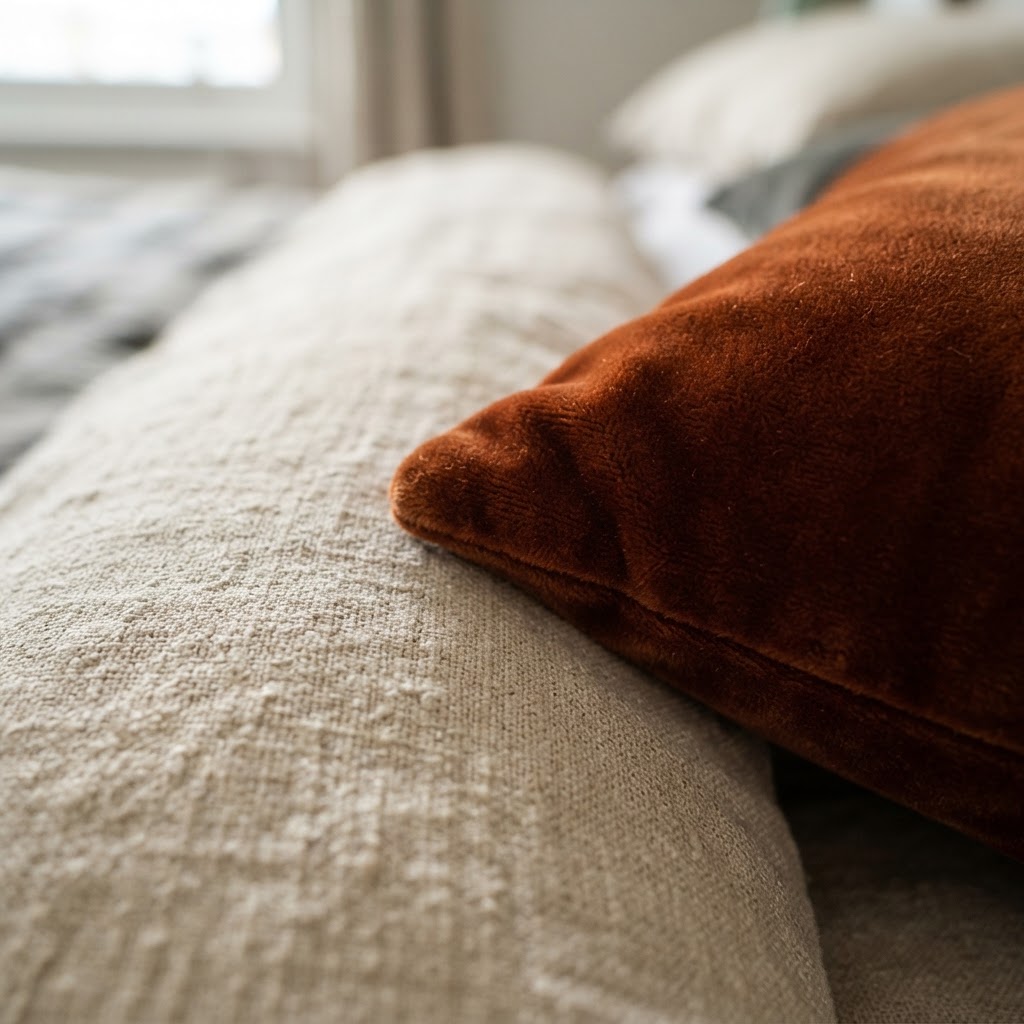
The trick is to work within a tight color story while varying the textures wildly. A monochromatic scheme in creams and taupes can hold velvet cushions next to rough linen throws next to smooth silk pillowcases and it all works because the color is cohesive even while the texture is doing all the expressive work. This is why neutral palettes are so popular in luxury hotel design. They give texture room to breathe and speak for itself.
And honestly, don't neglect the curtains. Floor-to-ceiling drapes in a heavy fabric like velvet or a dense linen weave do something miraculous to a room. They add height, they soften acoustics, and they create that sense of enclosure and privacy that makes a room feel genuinely intimate. Thin, skimpy curtains are one of the fastest ways to accidentally make a space feel budget, no matter what else you've spent money on.
"Luxury is never about one big statement. It's about dozens of small, considered decisions stacking on top of each other until the room feels inevitable."
Curated Furniture Placement
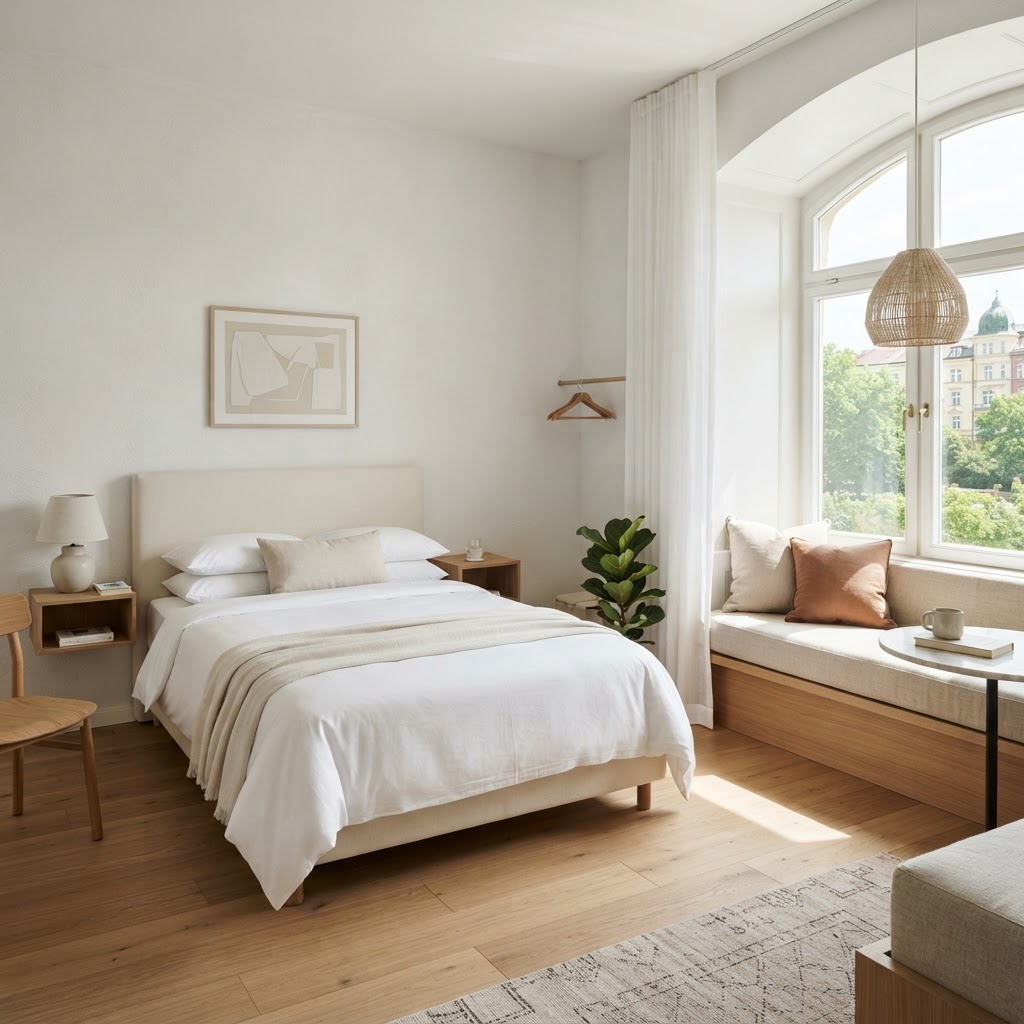
Look, furniture placement is one of those things that sounds boring until you realize it's the reason some rooms feel spacious and welcoming while others feel awkward and cramped despite being the exact same square footage. Hotel designers spend a serious amount of time on this, and the results speak for themselves every time you walk into a room and think, "wow, this just feels right."
The number one rule in luxury hotel room layouts is leaving generous circulation paths. At least 36 inches around the bed, ideally more on the main walking side. Clear, unobstructed routes to every functional area of the room. The reason this feels luxurious is simple: space is the ultimate luxury. When you don't have to squeeze past furniture or navigate around obstacles, the room feels bigger, calmer, and more respectful of your presence in it. It communicates that the designer had your comfort as the priority, not just fitting in as much furniture as possible.
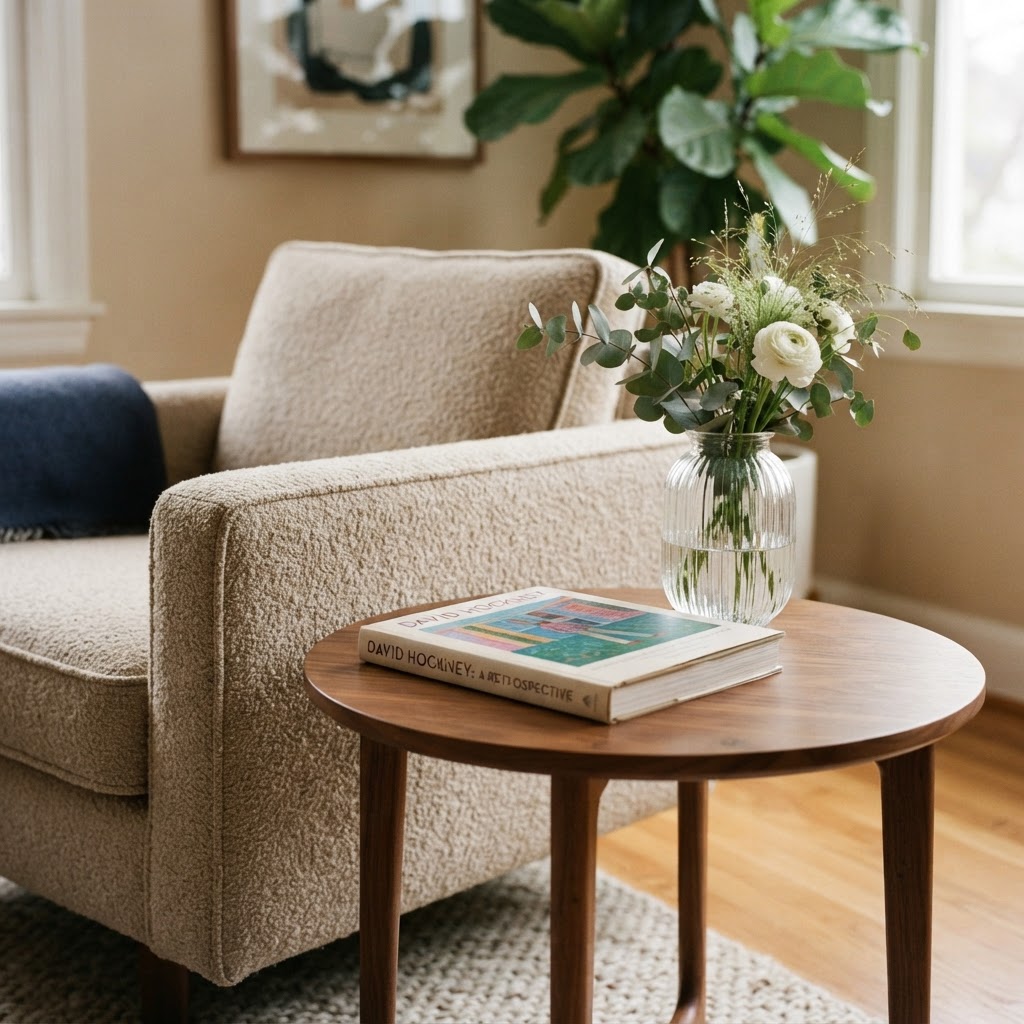
Another thing hotels do brilliantly is create distinct zones within a single room. A sleeping zone, obviously, but also a working zone and a seating or lounge zone. Even in a modest-sized room, having a proper chair or a small sofa positioned near the window with a side table makes the space feel like a suite rather than just a box with a bed in it. You're giving the room multiple lives, multiple reasons to exist, and that reads as thoughtful and generous.
Symmetry plays a huge role too. Matching bedside tables, matching lamps, a headboard centered on the wall. Symmetry is psychologically soothing. It signals balance and order, which is exactly the feeling you want when you're trying to create a restful, luxurious environment. You don't have to be rigid about it throughout the whole room, but anchoring the bed in symmetry gives the layout a backbone everything else can play off of.
- Float furniture away from walls rather than pushing everything to the perimeter
- Use a bench or ottoman at the foot of the bed to add layering without clutter
- Position seating to face a view, whether that's a window, art, or a fireplace
- Keep bedside surfaces clear of everything except the essentials for a clean, hotel-like calm
Bathroom Sanctuaries
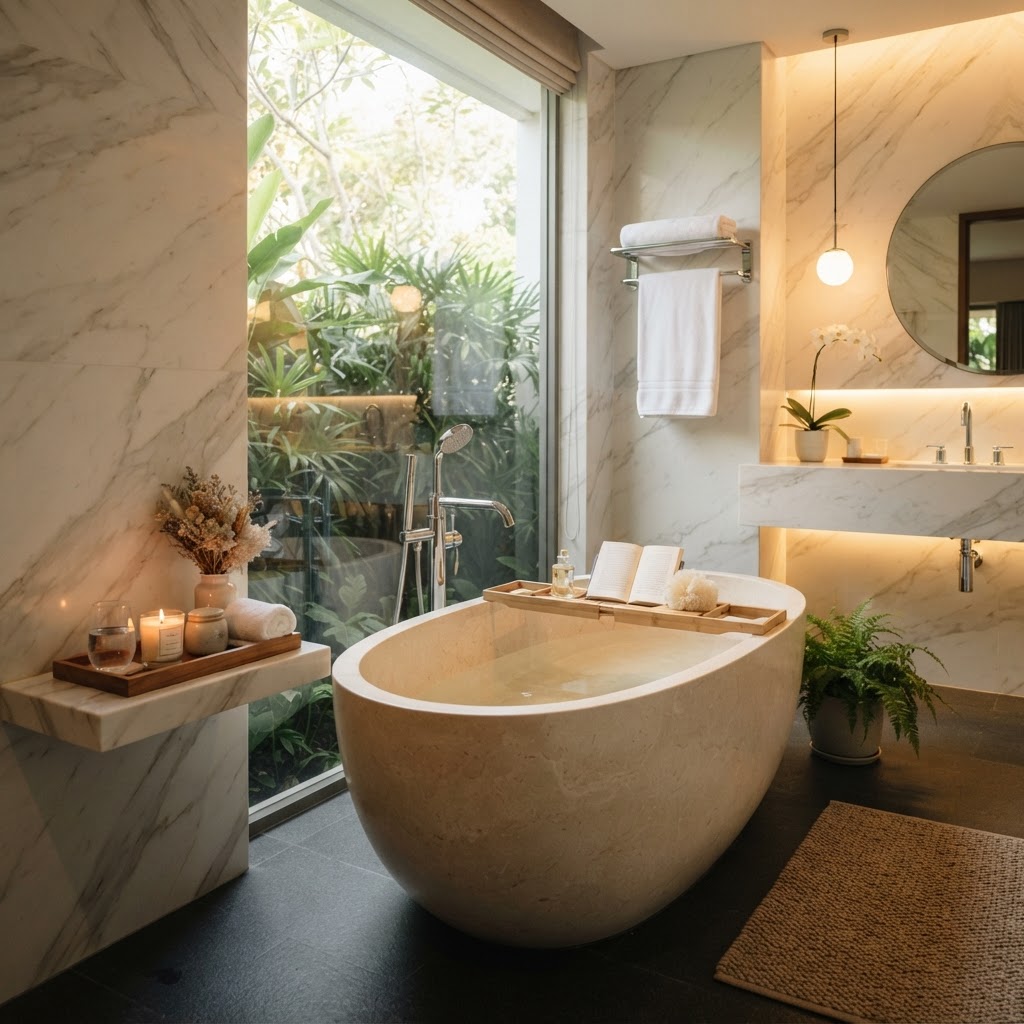
Nobody talks about this enough, but the bathroom is where a luxury hotel stay either completely wins you over or loses you. People remember how a bathroom made them feel. Was it spacious? Was there a deep soaking tub? Did the shower have incredible pressure? Was everything perfectly white and gleaming? The bathroom in a high-end hotel isn't just a utilitarian space. It's a destination within the room, and treating it that way is a design mindset shift that changes everything.
The materials do the most work here. Large-format stone or porcelain tiles that run continuously from floor to wall with minimal grout lines. Matte black or brushed brass fixtures that feel intentional and current. A freestanding tub if there's space, because nothing communicates luxury quite like a tub that doesn't need to touch the wall. These choices cost more upfront but they age beautifully and they photograph brilliantly, which is increasingly important in the age of social media-driven hospitality.
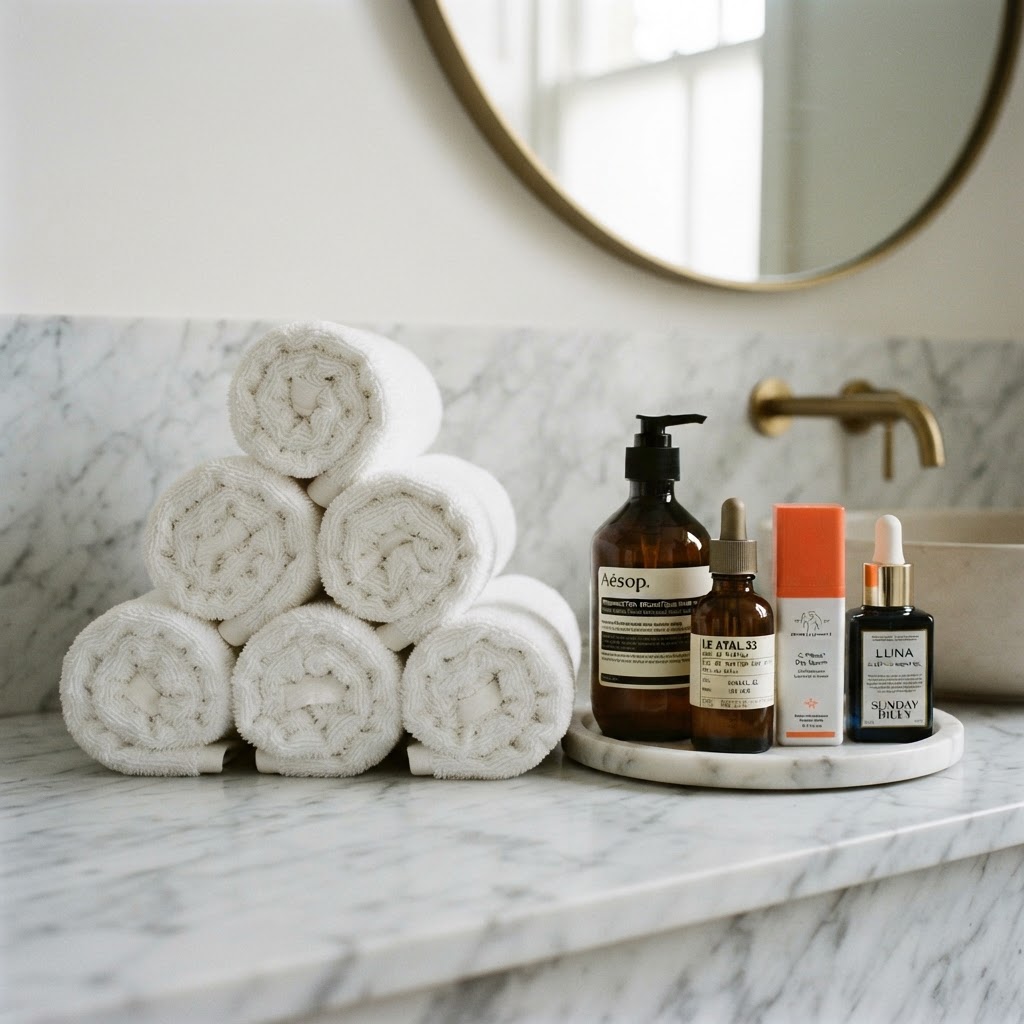
Trust me on this one: the accessories and linens in the bathroom are doing more work than people realize. Thick, oversized towels in a consistent white or ivory. A tray holding a small collection of quality products. A single candle or a simple plant. These small details communicate care. They say someone thought about your experience here. That's the essence of luxury, honestly. It's not about price tags. It's about the feeling that someone put real thought into making your experience better.
Lighting in the bathroom is its own conversation. Vanity lighting that eliminates shadows on the face is non-negotiable. Side-mounted sconces at eye level are far superior to overhead lighting for this purpose. And if you can add a separate, dimmer-controlled ambient source, even better. The ability to shift the bathroom from bright and functional in the morning to soft and atmospheric in the evening is something five-star hotels have nailed, and it's a feature that genuinely improves daily life in a way that's hard to overstate.
The Art of Negative Space
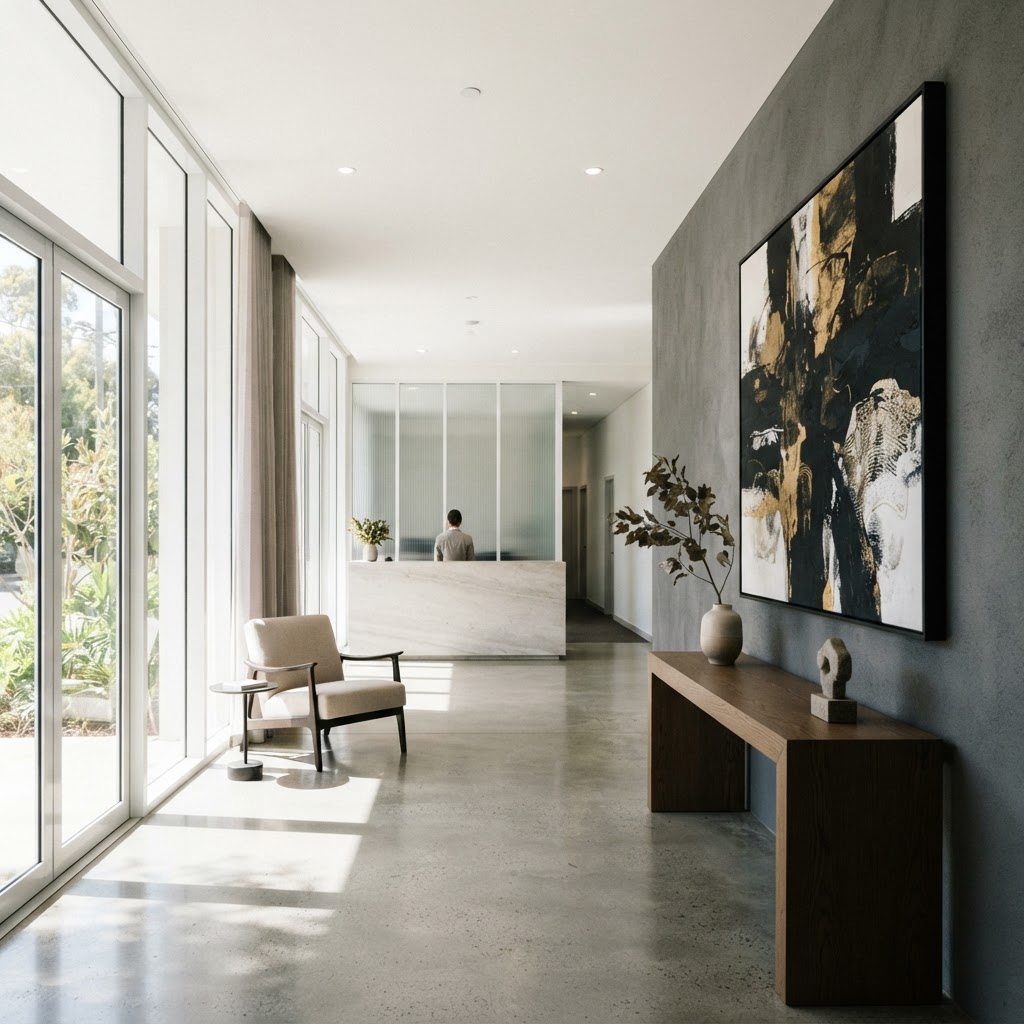
Here's the thing most people get completely wrong when they're trying to make a space feel luxurious: they think more is more. More furniture, more art, more accessories, more stuff. And then they wonder why the room still doesn't feel like a hotel. The answer is almost always that they've left no room to breathe. Negative space, the deliberate absence of stuff, is one of the most powerful tools in a luxury designer's toolkit, and it's the one that's hardest to embrace because it can feel wasteful or unfinished when you're living through the process.
Walk into a beautiful hotel room and look at the walls. There's art, yes, but it's probably one strong piece or one well-composed grouping, and then there's a lot of wall doing nothing except being a calm, beautiful backdrop. Look at the surfaces. A bedside table might have a lamp, a carafe of water, and nothing else. The desk might have a single leather-bound notepad. This restraint is not laziness or a lack of ideas. It is a deliberate, confident choice that communicates sophistication.
The psychological effect of negative space is well-documented in design. When a room isn't competing for your attention on every surface, your eye can rest. Your nervous system can settle. You feel calmer, more comfortable, more at ease. That is the feeling luxury hospitality is selling you, and negative space is one of the primary tools used to create it. Real talk: editing down is harder than adding more. It takes genuine confidence to leave a wall bare or a shelf empty, but the payoff is a room that feels considered and intentional rather than accumulated.
- Limit art to one or two strong pieces per room rather than gallery-walling every surface
- Keep tabletops to three items maximum using the designer's rule of odd numbers
- Leave at least one wall completely clear to act as a visual rest stop in the room
- Choose storage that hides clutter completely rather than open shelving that demands constant curation
- Resist the urge to fill corners, let them be corners
And honestly, negative space only works when what you do choose to include is genuinely good. One beautiful piece of art. One considered accessory. One perfectly proportioned lamp. The empty space around those choices amplifies them. It says this object is worth looking at. It deserves room. When everything is competing for attention, nothing wins. When you give a few curated pieces room to exist, they become genuinely elevated, and so does the whole room around them.
Final Thoughts
What's interesting about all five of these principles is that none of them are really about money. Sure, some of the materials we've talked about carry a premium. But layered lighting? That's a dimmer switch and a lamp from a thrift store. Negative space? That literally costs you nothing to create. Curated furniture placement? You're just moving things around. The real currency here is intention, and that's available to everyone.
Luxury hotel rooms feel the way they do because teams of talented people thought deeply about how a guest would experience every moment in that room. The first impression walking through the door. The feeling of getting into bed. The experience of standing at the bathroom mirror in the morning. Every single moment was considered. That's the mindset shift that transforms a space, whether you're a hospitality designer working on a hundred rooms or someone trying to make their own bedroom feel like a getaway.
Take these five principles, apply them one at a time, and I promise you'll feel the difference. Start with lighting because the impact is immediate and dramatic. Then look at your fabrics. Then stand in the middle of the room and be honest about what should go. The room you're dreaming of is probably already there. It might just need a little less, not a little more.
More in Commercial
Stay Inspired
Subscribe for new essays on architecture, design, and the spaces that shape us.