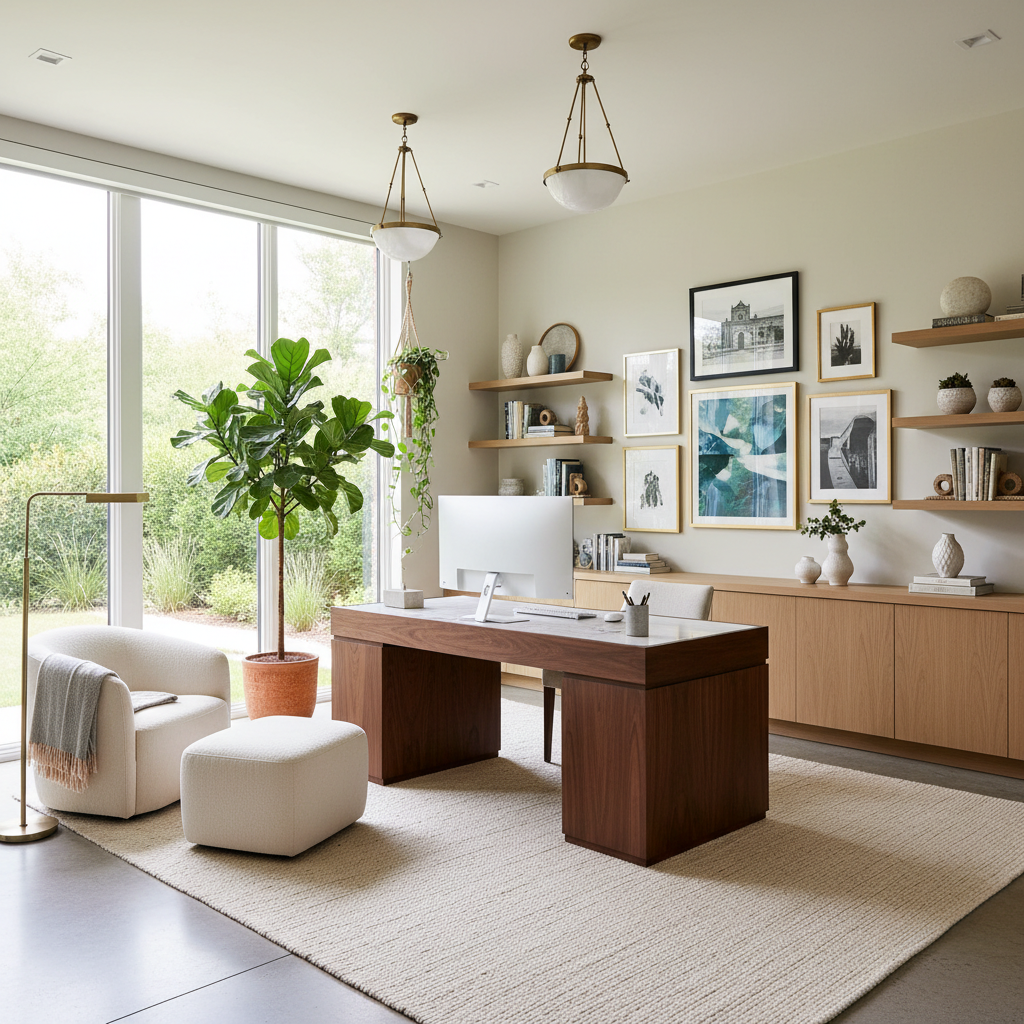
Transform Your Work-from-Home Experience: 5 Inspiring Home Office Setups
Struggling to create an inspiring work-from-home environment? Discover five stunning home office setups that blend functionality with style. From cozy nooks to minimalist masterpieces, these designs will ignite your creativity and productivity.
1. The Cozy Nook: Perfect for Reading and Working
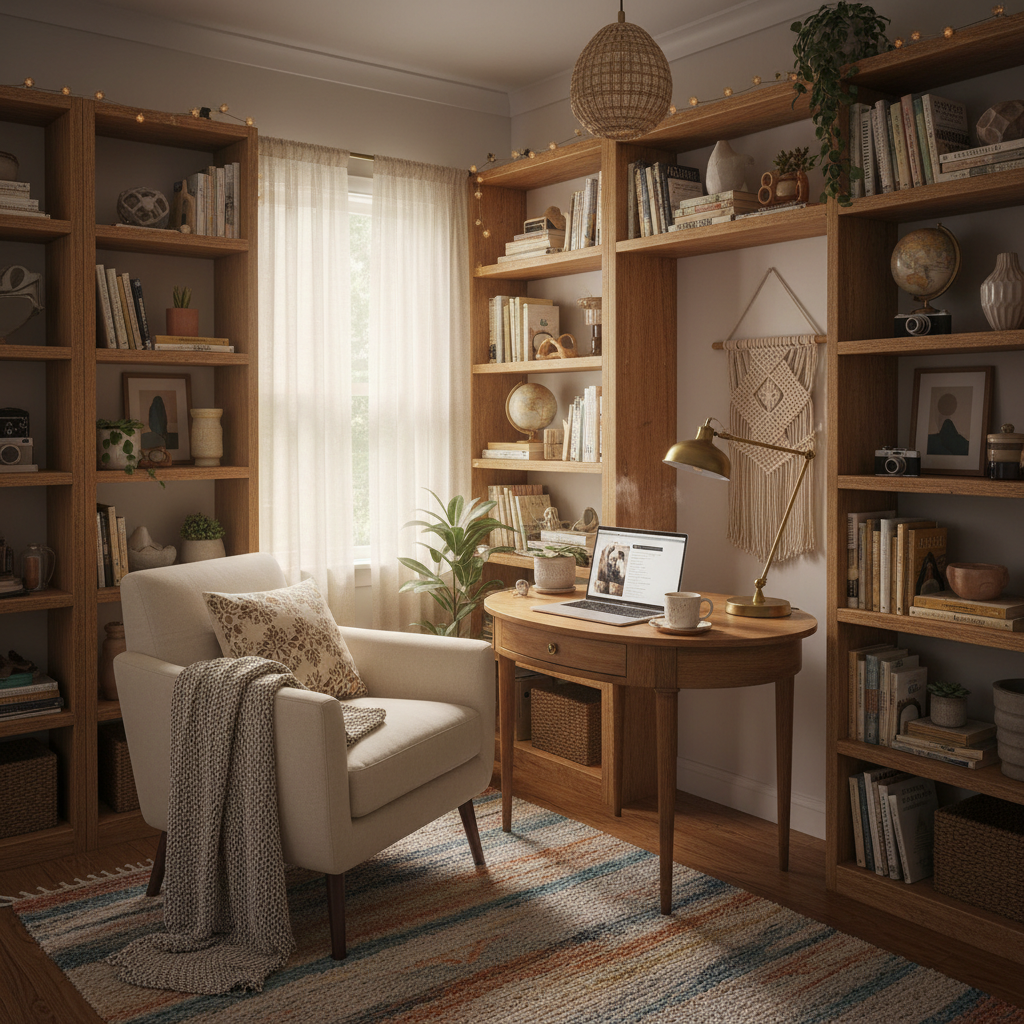
Honestly, this is the setup that makes me a little emotional every time I see it done right. There is something deeply satisfying about carving out a small, intentional corner of your home that feels like it was made just for you. The cozy nook concept is not about having a huge space. It is about making every square inch feel purposeful, warm, and genuinely inviting.
The magic of a cozy nook starts with the right seating. Think a deep armchair with good lumbar support, a window seat with thick cushions, or even a small loveseat pushed against a bookshelf wall. The key is that it has to be comfortable enough that you actually want to sit there for hours, but supportive enough that your back does not start screaming at you by noon. Layer in a chunky knit throw, a side table at the perfect height for your coffee mug, and some warm-toned lighting and you are already most of the way there.
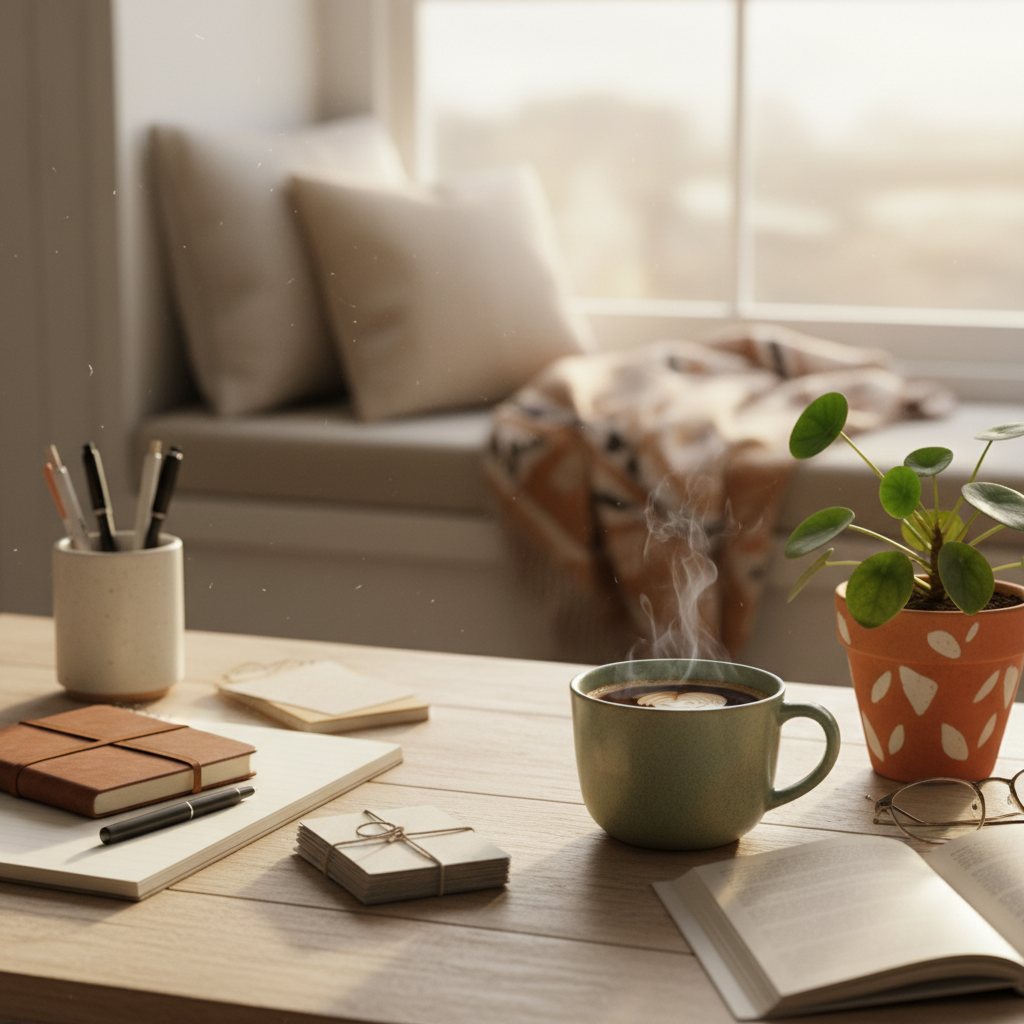
Here is the thing about lighting in a cozy nook: overhead lighting is almost always the wrong answer. You want a combination of a good task lamp positioned over your shoulder and some ambient light sources that keep the space feeling warm rather than clinical. Warm-toned bulbs in the 2700K to 3000K range are your best friend here. String lights tucked along a bookshelf, a small table lamp with a linen shade, even a few candles for the end of the workday, it all adds up to something that feels genuinely restorative rather than just functional.
- Bookshelves are non-negotiable in a cozy nook. Even if you are not a big reader, they add texture, depth, and a sense of intellectual warmth to the space.
- Natural materials like wood, wool, linen, and rattan make the space feel grounded and organic rather than sterile.
- A lap desk is a game-changer if you prefer working from a chair or sofa rather than a traditional desk setup.
- Plants, even just one or two small ones on a nearby shelf, bring the space to life in a way that is hard to explain but instantly felt.
Real talk: if you work from home and you have not tried a cozy nook setup, you are missing out. So many people default to a traditional desk-and-chair situation when what they actually need is a space that makes them feel calm and focused. For writers, researchers, consultants, or anyone whose work is more about thinking than clicking, this setup is genuinely transformative. Give it a shot before you dismiss it as impractical.
2. The Minimalist Haven: Less is More
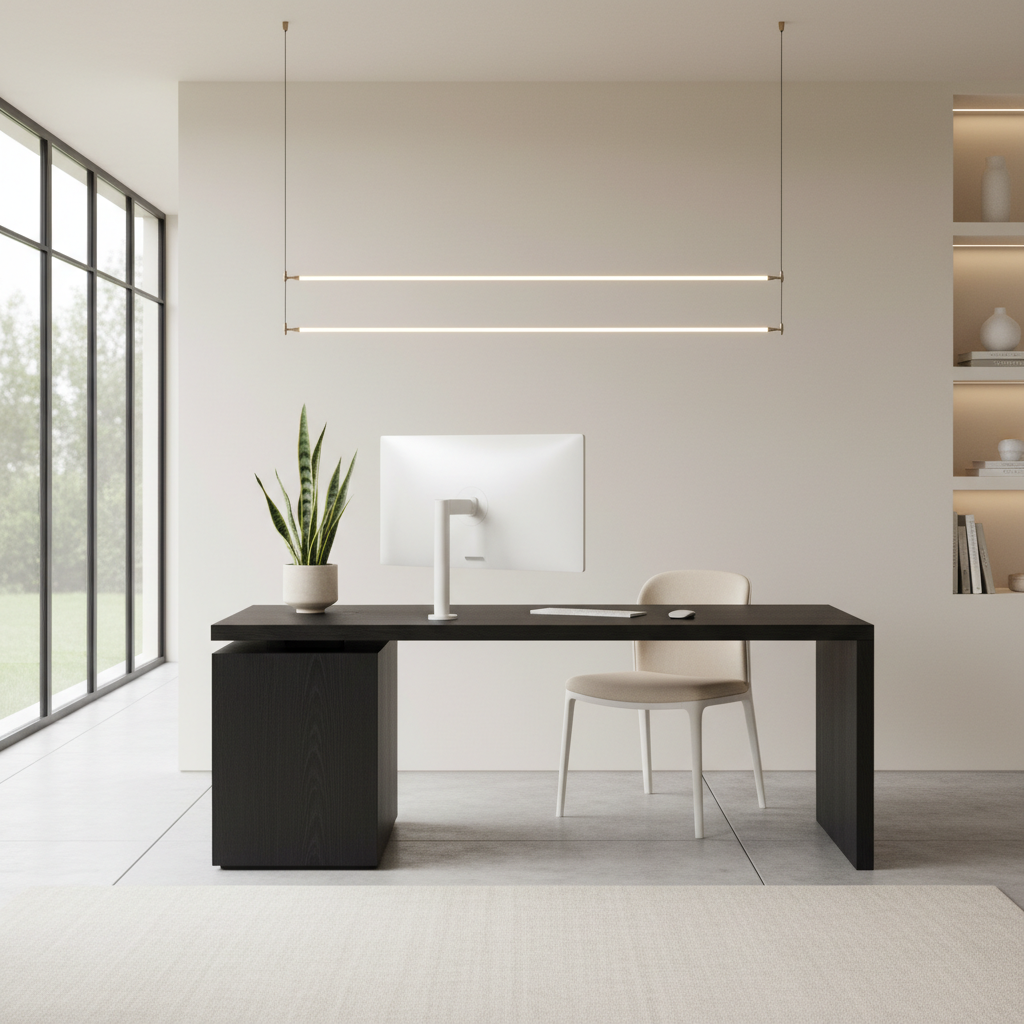
Look, I know minimalism gets a bad reputation sometimes. People hear the word and immediately picture cold, sterile spaces with no personality, just a white desk and a sad succulent. But done well, a minimalist home office is one of the most productive and genuinely beautiful setups you can create. The whole point is not to strip everything away. It is to keep only what actually serves you.
The foundation of a great minimalist office is a desk that earns its place. A solid wood surface with clean lines, a floating desk mounted to the wall, or even a simple trestle desk in a neutral tone. The color palette stays tight, usually whites, off-whites, warm grays, and natural wood tones. What makes it feel warm rather than cold is the quality of the materials you choose. A cheap white laminate desk feels clinical. A solid oak desk with a matte finish feels intentional and sophisticated. That distinction matters more than people realize.
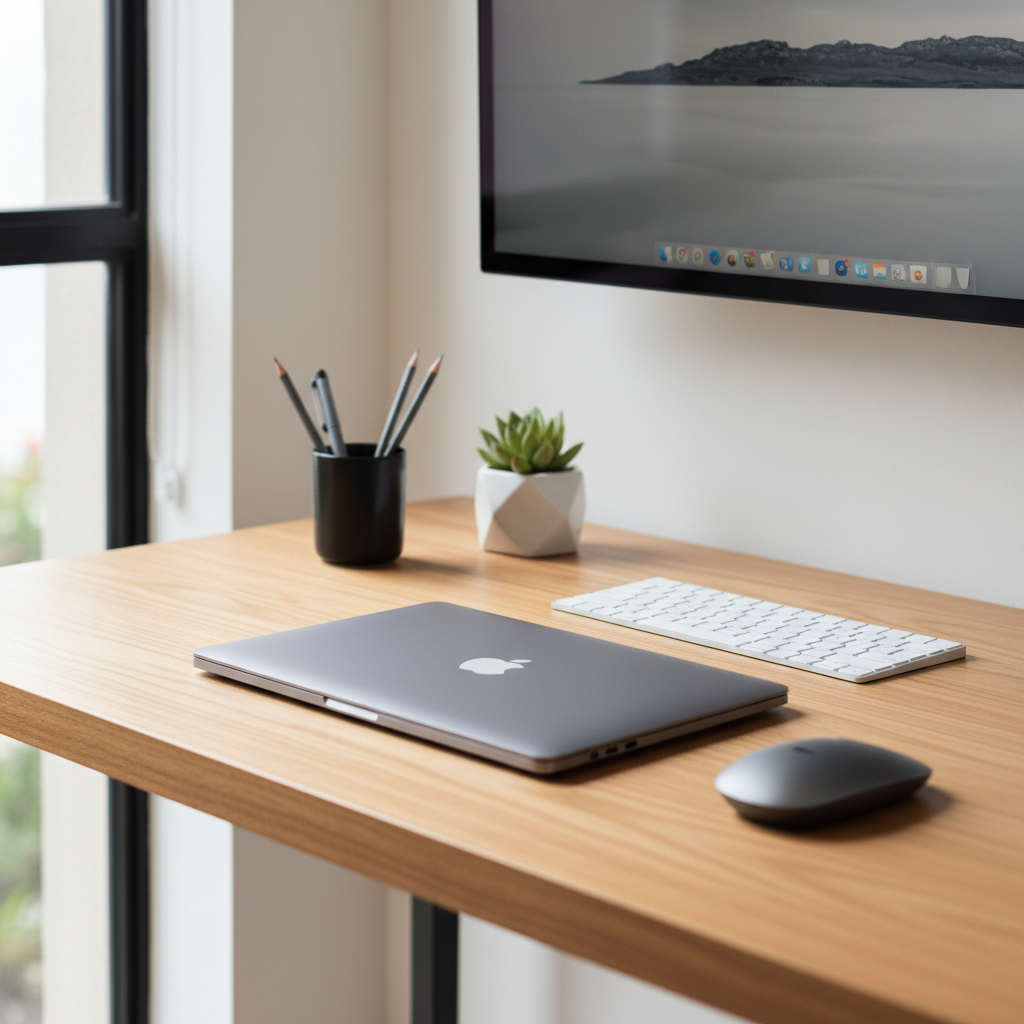
Cable management is, honestly, one of the most underrated aspects of pulling off a minimalist look. You can have the most beautiful desk in the world and it will look like a chaotic mess if there are six cables snaking across the surface. Cable clips, under-desk trays, wireless chargers, and a single monitor arm instead of a stand go a long way. Trust me on this. Spend an afternoon sorting your cables and the whole room will feel ten times more calm and intentional.
"A place for everything and everything in its place. In a minimalist office, that is not just a motto. It is the whole design philosophy."
- Limit decorative objects to three to five items maximum, and make sure each one means something to you.
- Hidden storage like drawers, closed cabinets, and desk organizers keeps surfaces clear without eliminating functionality.
- A single statement piece, whether that is a beautiful lamp, a piece of art, or an architectural chair, gives the eye somewhere to land without overwhelming the space.
- Negative space is intentional. Empty wall space and clear desk areas are not laziness. They are the design.
The productivity argument for minimalism is real and it is backed up by research. Cluttered environments increase cortisol levels and make it harder to focus. And honestly, when your workspace is clean and intentional, sitting down to work just feels different. It feels like you mean it. If you tend toward distraction or feel overwhelmed easily, give this setup serious consideration.
3. The Creative Studio: Colorful and Inspiring
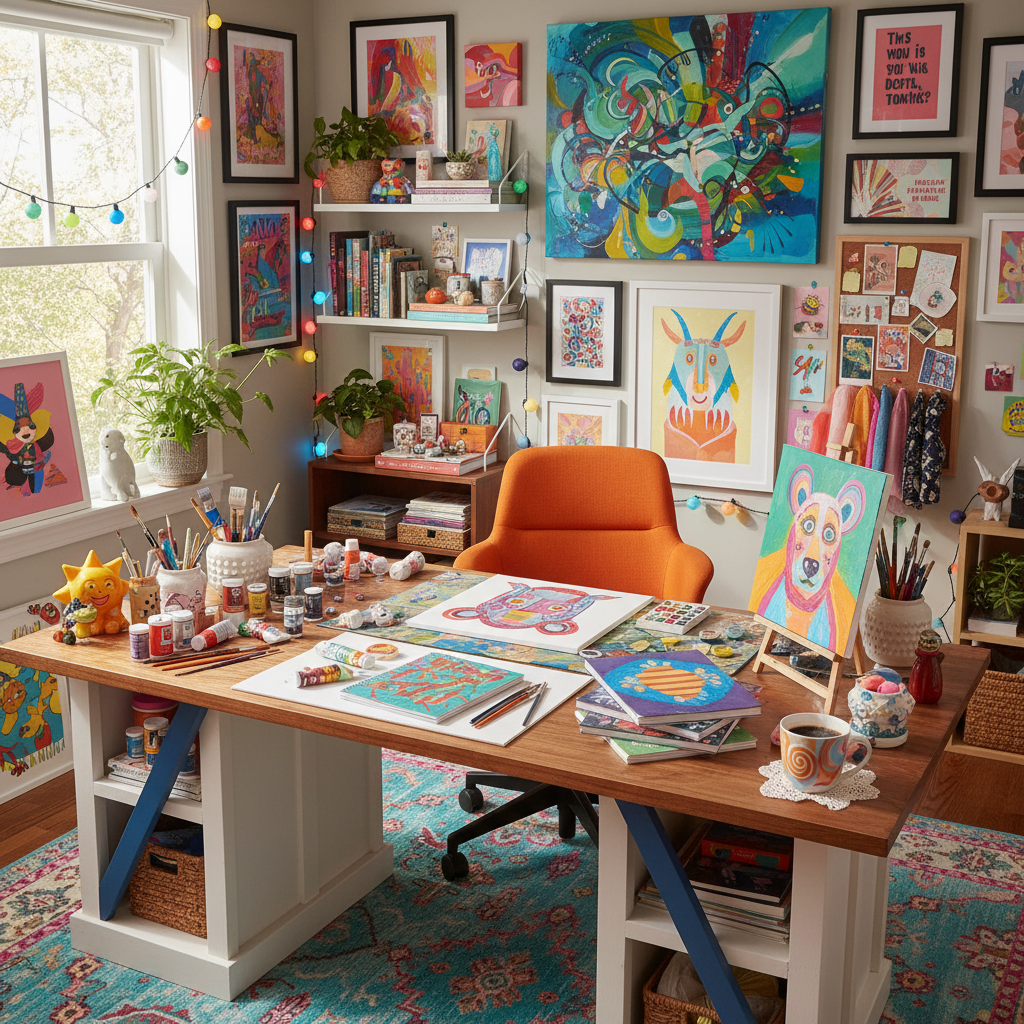
This one is for the people who look at a white wall and feel absolutely nothing. If you are a designer, an artist, a content creator, or just someone who is energized by color and visual stimulation, the creative studio setup is your spiritual home. And honestly, even if you are in a more traditional field, do not sleep on what a well-designed, colorful workspace can do for your mood and output.
The creative studio setup leans into personality hard. We are talking gallery walls packed with art prints, inspiration boards covered in swatches and sketches and torn magazine pages, open shelving with colorful books and objects displayed with genuine intention. The desk itself is often large, because creative work tends to spread out, and the chair is usually something that makes a statement. A vintage velvet chair in a deep jewel tone, a modern ergonomic option in a bold color, something that says you were thinking about aesthetics when you chose it.

Color psychology is genuinely fascinating when you apply it to workspace design. Yellow stimulates mental activity and optimism. Green promotes calm focus. Orange encourages creativity and enthusiasm. You do not have to paint every wall a bold color to tap into this. An accent wall, colorful artwork, a brightly upholstered chair, or even a collection of colorful desk accessories can shift the energy of a space significantly. The trick is to be intentional about it rather than just throwing everything at the wall and hoping it works.
- Pegboards and cork boards are functional and visually rich, perfect for organizing tools while keeping inspiration visible.
- Good task lighting is still essential, especially for detail-oriented creative work. A daylight-balanced lamp prevents eye strain during long sessions.
- Storage that doubles as display, like open shelves with styled objects, keeps the space feeling curated rather than chaotic.
- A dedicated area for physical materials, sketchbooks, paints, fabric samples, whatever your craft requires, makes the space actually functional, not just pretty.
- Rugs and textiles layer in color and warmth underfoot and help acoustically absorb sound in a busy creative space.
Here is the thing about a creative studio setup: it requires maintenance. When a space is this visually rich, clutter can tip the balance from inspiring to overwhelming pretty quickly. A weekly tidy-up where you reset surfaces and reorganize the inspiration board keeps it feeling intentional. But within that, give yourself full permission to make the space an honest reflection of who you are and what excites you creatively. That permission is the whole point.
4. The Industrial Chic: Modern and Edgy
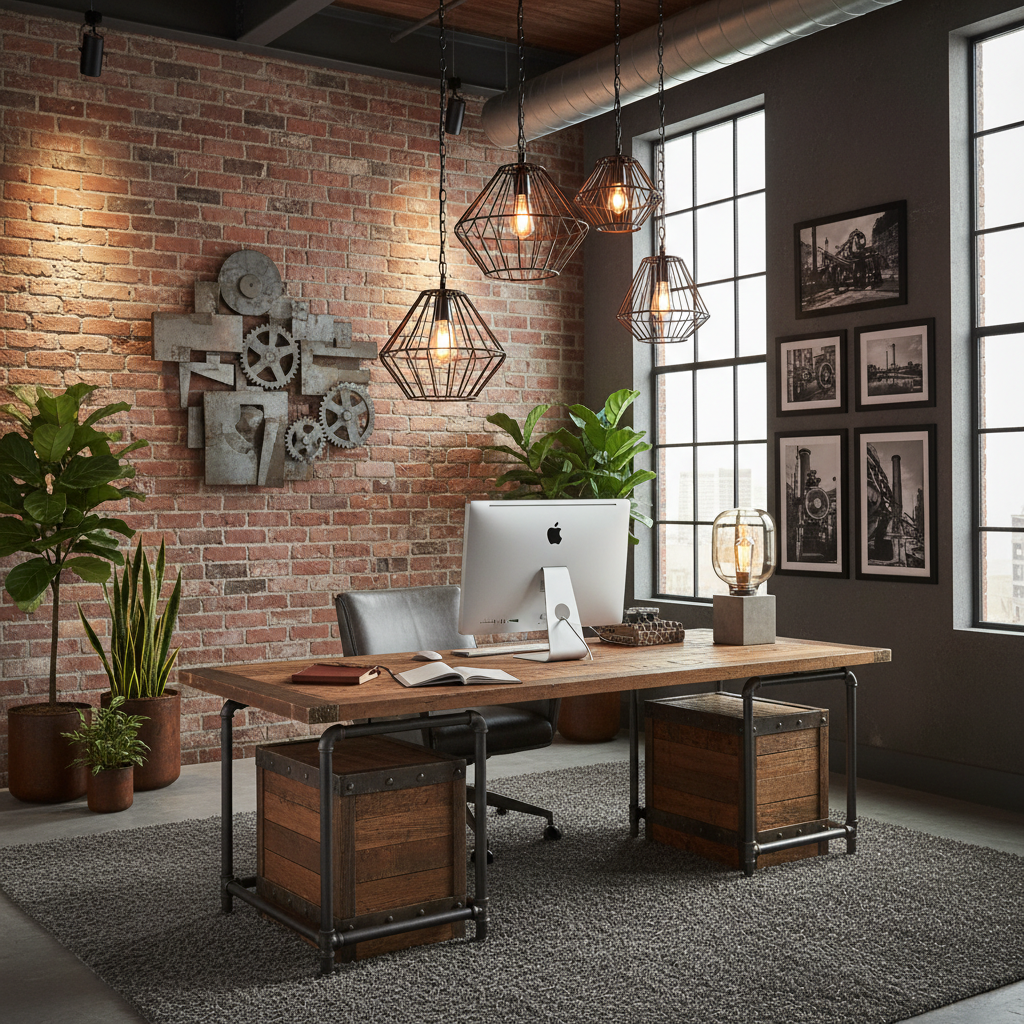
Industrial chic is one of those design aesthetics that sounds intimidating until you actually see it done well in a home office context, and then you get it immediately. This is the setup for people who love the look of a converted warehouse or a cool urban loft but are working within a regular home. And honestly, you can pull it off in almost any space if you understand the core elements.
The industrial aesthetic is built on a foundation of raw, honest materials. Exposed brick (or a brick-effect wallpaper if you are not working with a brick wall, no shame in that), raw metal shelving, concrete or reclaimed wood surfaces, and matte black hardware and fixtures. The color palette tends to be dark and grounded: charcoal, deep gray, warm black, rust tones, with natural wood acting as a warming element throughout. It is moody without being depressing, strong without being harsh.
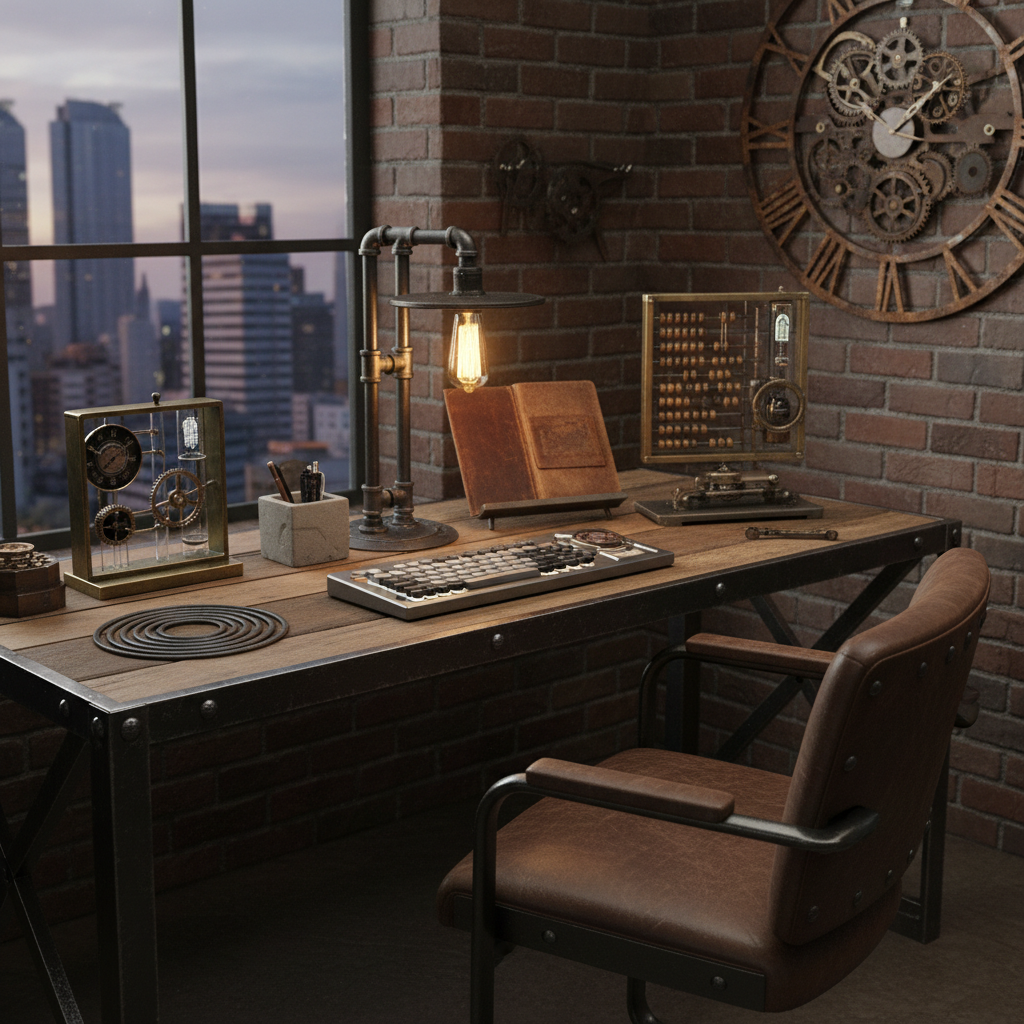
Lighting in an industrial office is a real opportunity to have some fun. Edison bulb pendants are the obvious choice and they work for a reason, that warm, slightly amber glow against dark walls is genuinely beautiful. A metal desk lamp with a matte black or aged brass finish adds to the aesthetic while being incredibly functional. The goal is lighting that feels purposeful and a little bit dramatic without sacrificing actual usability during work hours.
"Industrial design is not about making a space look unfinished. It is about celebrating the beauty of materials in their most honest form."
- Pipe shelving made from black iron pipes and reclaimed wood boards is an affordable, DIY-friendly way to nail the industrial look.
- A metal mesh or wire desk organizer fits the aesthetic while keeping the surface functional.
- Leather accents, a leather desk pad, a leather chair, leather-bound notebooks, add richness and warmth to what can otherwise be a cool-toned space.
- Vintage or antique finds, old filing cabinets, vintage industrial lamps, worn leather chairs, add authenticity that new pieces cannot replicate.
Trust me on this: the industrial chic setup photographs incredibly well, which matters if you are ever on video calls and want your background to say something about you. But more importantly, it creates a workspace that feels serious and grounded. There is a no-nonsense energy to a well-designed industrial office that actually does translate into how you work. It is not for everyone, but for the right person, it is absolutely their aesthetic soulmate.
5. The Nature Retreat: Inspired by the Outdoors
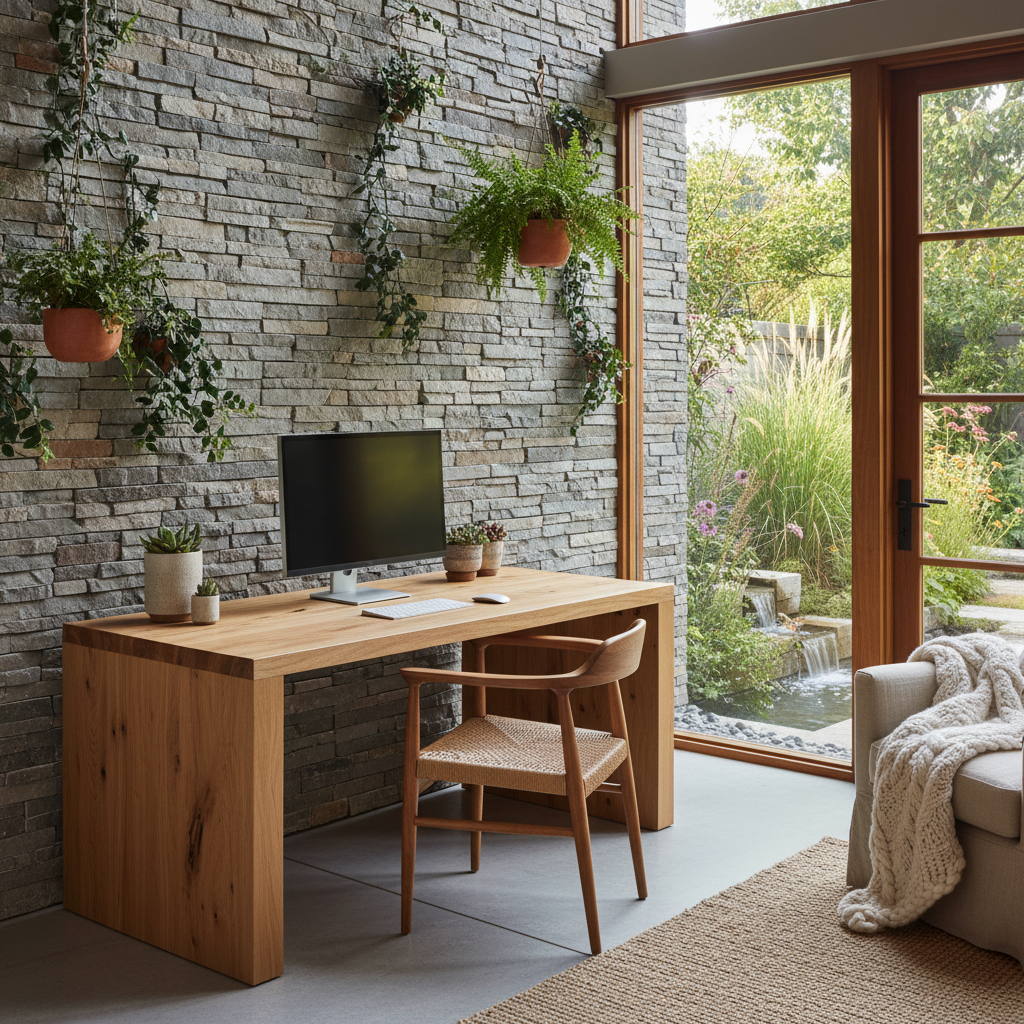
If the pandemic years taught us anything about working from home, it is that being cut off from nature takes a real toll on our mental health and our ability to focus. The nature retreat home office is a direct response to that, and it is one of the most genuinely restorative setups you can create. This is biophilic design in practice, and it works.
The non-negotiable element here is natural light. Position your desk near a window if at all possible. Morning light from an east-facing window gives you that energizing start-of-day brightness. North-facing windows provide consistent, diffused light that is ideal for screens and detailed work. Whatever direction you are working with, maximize it. Keep window treatments light and sheer, use a mirror to bounce light deeper into the space, and do not let furniture block the view to the outside if you can help it. That connection to the sky, the trees, even just the changing light throughout the day, is genuinely good for your brain.
Plants are the heart of this setup and here is where a lot of people get nervous. They love the idea of a lush, plant-filled office but are convinced they will kill everything they touch. Start with genuinely hardy varieties: pothos, snake plants, ZZ plants, peace lilies, and philodendrons are all highly forgiving and do well in indoor light conditions. A mix of sizes and heights creates that layered, almost jungle-like effect that makes a nature-retreat office feel so immersive. Hang some from the ceiling, put a large statement plant in the corner, line the windowsill with smaller ones. Let it build over time.
- Natural wood in warm, honey tones or raw finishes brings an organic quality that no painted surface can replicate.
- Stone and ceramic accessories, a stone tray, ceramic pen holders, clay vases, add earthy texture to the desk surface.
- A nature-inspired color palette of sage green, warm terracotta, sand, and deep forest green creates instant calm without feeling like a paint store accident.
- Natural fiber textiles, jute rugs, linen curtains, a wool throw, ground the space in organic warmth.
- Sounds and scents matter too. A small essential oil diffuser with eucalyptus or cedarwood and a playlist of ambient nature sounds can deepen the retreat-like feeling when you cannot actually be outside.
And honestly, the research backs all of this up. Studies consistently show that access to nature, even simulated or represented nature inside a building, reduces stress hormones, improves mood, and increases concentration. If you find yourself feeling drained and distracted during your workday, it might not be a productivity problem at all. It might be an environmental one. The nature retreat setup is a real and legitimate solution, not just an aesthetic choice.
Final Thoughts
Here is what I want you to take away from all of this: your home office does not have to look like anyone else's. The five setups we covered here are radically different from each other, and that is the whole point. A cozy nook works beautifully for a novelist but would drive a graphic designer crazy. An industrial chic setup might feel like home to a tech entrepreneur but feel completely wrong to a therapist who sees clients virtually. Your workspace should reflect how you actually think and work, not just what looks good on a Pinterest board.
The things that cut across all five styles, though, are worth paying attention to. Good lighting is always essential. Intentional organization, whether that is minimalist clarity or creatively curated shelves, makes a difference. Natural elements in some form, even just a single plant and a wooden desk, improve mood and focus. And comfort matters, not just aesthetic comfort but ergonomic, physical comfort, because you are spending real hours in this space.
So take what resonates from each of these ideas and start experimenting. You do not need a renovation budget or a huge space. Start with one change, a lamp, a plant, a reorganized shelf, and see how it affects how you feel when you sit down to work. Small shifts add up to something significant over time. And when you finally land on a setup that feels genuinely yours, you will know it. The work will feel a little easier, the days a little longer in the good way, and your home will feel a little more like the place where your best thinking happens.
More in Interior
Stay Inspired
Subscribe for new essays on architecture, design, and the spaces that shape us.