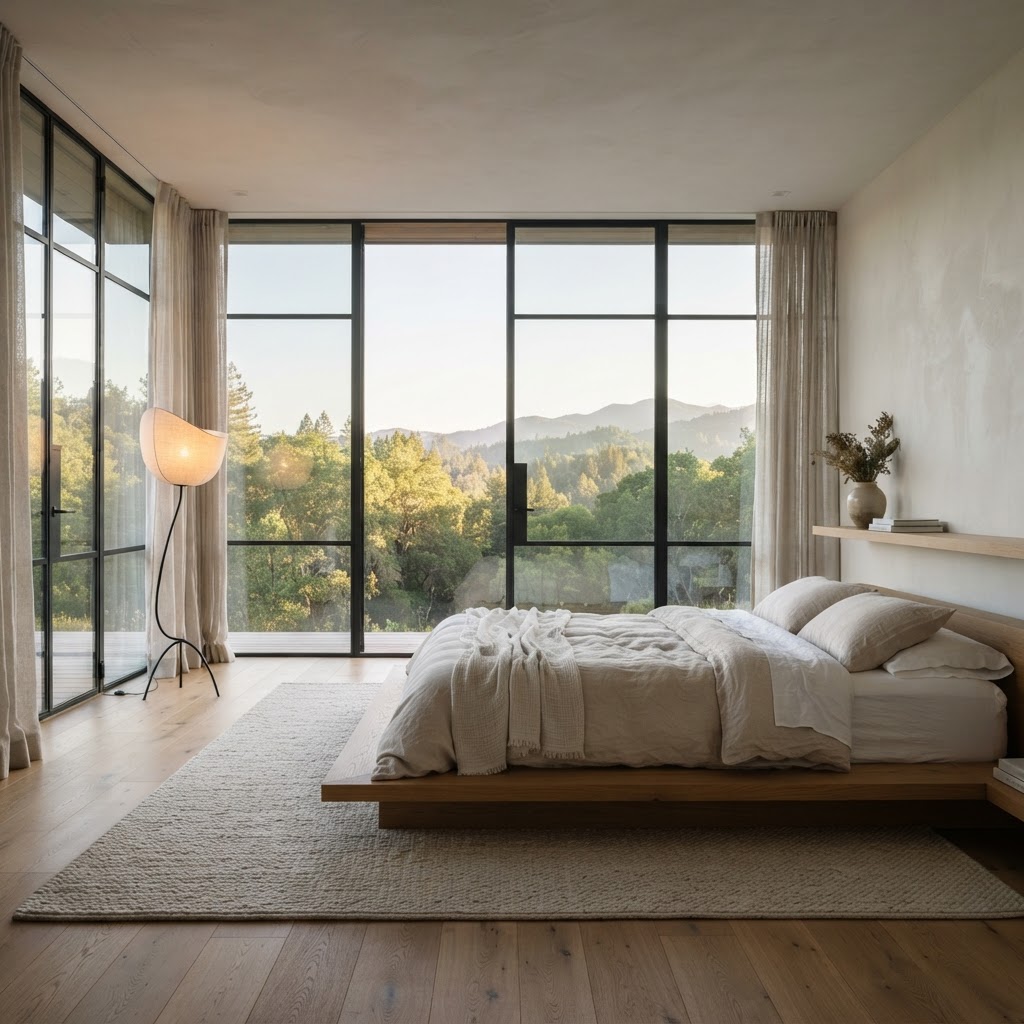
5 Minimalist Bedroom Ideas That Actually Feel Cozy
Minimalism does not have to mean cold or empty spaces. These five design ideas will help you create a serene retreat that focuses on comfort and intentional decor.
1. The Warm Earth Tone Sanctuary
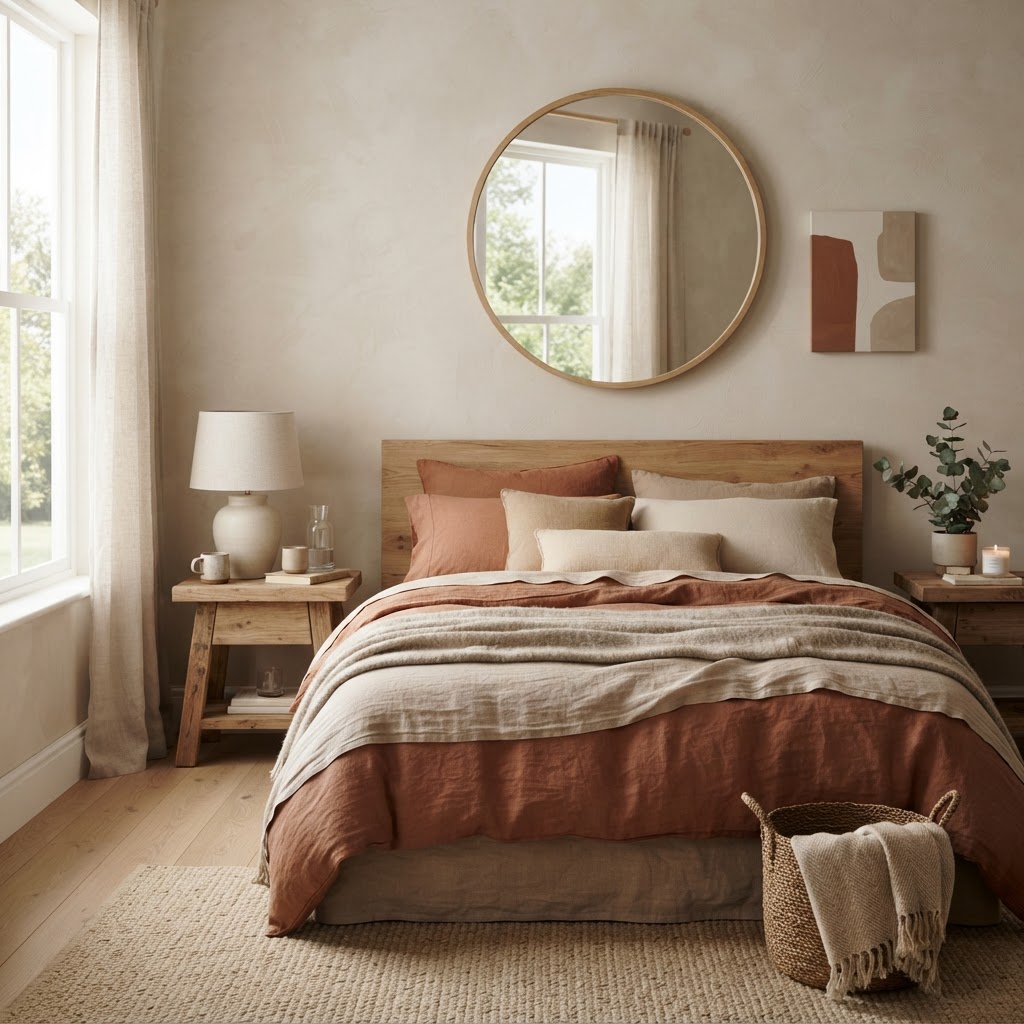
Honestly, this is probably my favorite approach to minimalist bedrooms because it solves the biggest complaint people have about minimalism in general: that it feels cold and sterile. Earth tones fix that problem completely. We're talking terracotta, warm sand, deep ochre, burnt sienna, dusty clay. These colors carry an inherent warmth that no amount of throw pillows can fake.
The trick here is to keep the palette tight. Pick two or three earth tones and commit to them. Maybe a creamy off-white for the walls, a warm terracotta on an accent wall or through textiles, and a deep brown in your furniture pieces. That's it. You don't need more. When you start piling on too many colors, even warm ones, the room loses that calm, intentional feeling that makes minimalism worth pursuing in the first place.

Natural materials are your best friend in this kind of space. Linen bedding, a jute rug, raw wood nightstands, maybe a woven pendant light. These textures reinforce the earthy palette and add visual interest without adding clutter. Real talk, a simple linen duvet in a warm oat color does more for a bedroom than any decorative object you could put on a shelf.
Here's the thing about lighting in an earth tone room: it matters enormously. Warm bulbs, around 2700K, will make those terracotta and sand tones absolutely glow in the evening. Cool white light will kill the vibe instantly. Swap out any harsh overhead lighting for a simple floor lamp or a pair of warm sconces flanking the bed, and suddenly the whole room transforms into something that feels genuinely restful.
- Stick to a max of three earth tones to keep things cohesive and intentional
- Layer natural textures like linen, jute, and raw wood to add warmth without visual noise
- Use warm-toned bulbs at 2700K or lower for evening lighting
- Keep decor minimal but meaningful, a single ceramic vase or a small potted plant goes a long way
2. Monochromatic Calm with Texture
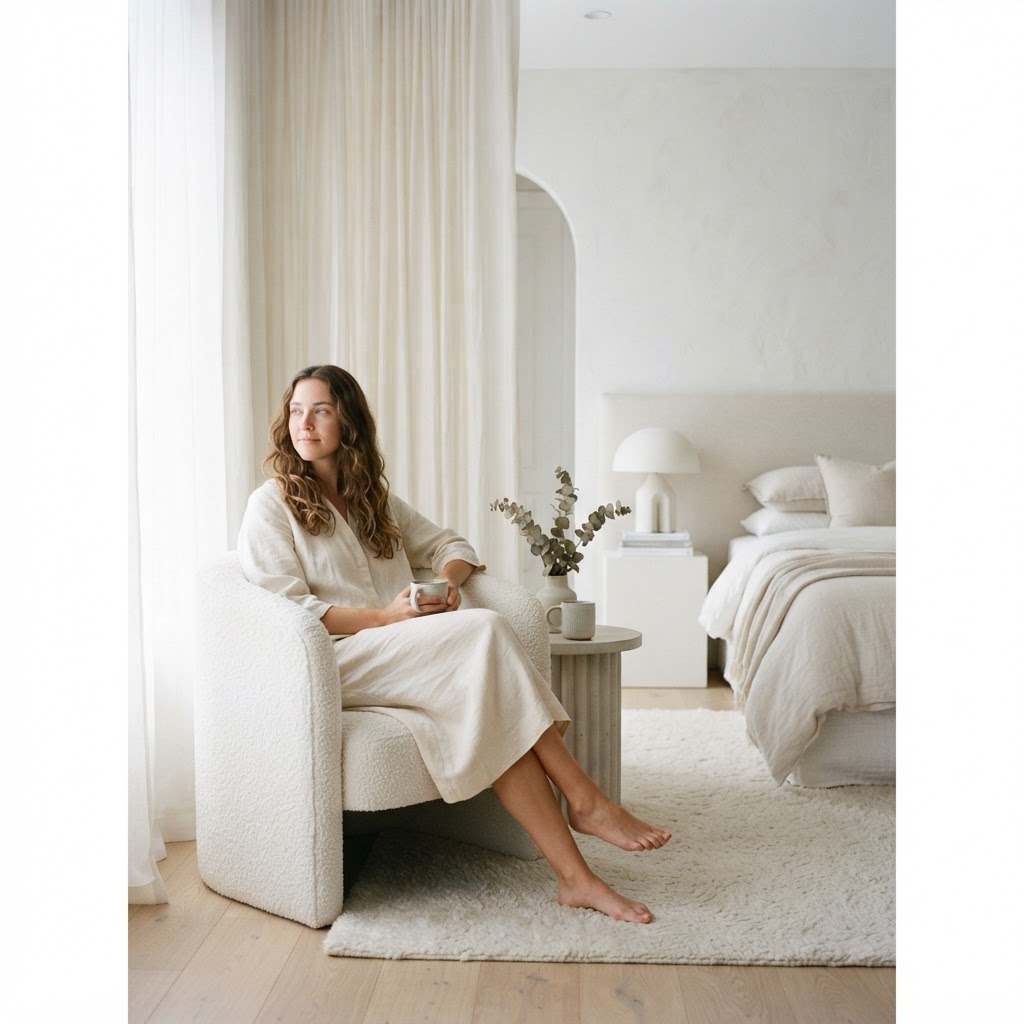
Look, monochromatic doesn't mean boring. That's the misconception that drives me a little crazy. When you strip away the distraction of multiple colors, texture becomes the star of the show, and honestly, that's when bedrooms get really interesting. Imagine a room done entirely in soft greige, where you've got a chunky knit throw, a smooth linen duvet, a rough-woven rug, and a matte plaster wall finish all working together. Same color family, completely different feel in every corner of the room.
The key to pulling this off is being deliberate about your tonal range. You want lights, mids, and darks all within the same color family. If you're going greige, maybe the walls are a very pale version, the bedding sits in the middle, and your furniture or flooring anchors things in a deeper shade. That tonal variation creates depth and dimension without introducing a second color. It sounds fussy when you describe it, but in practice it just looks incredibly sophisticated.
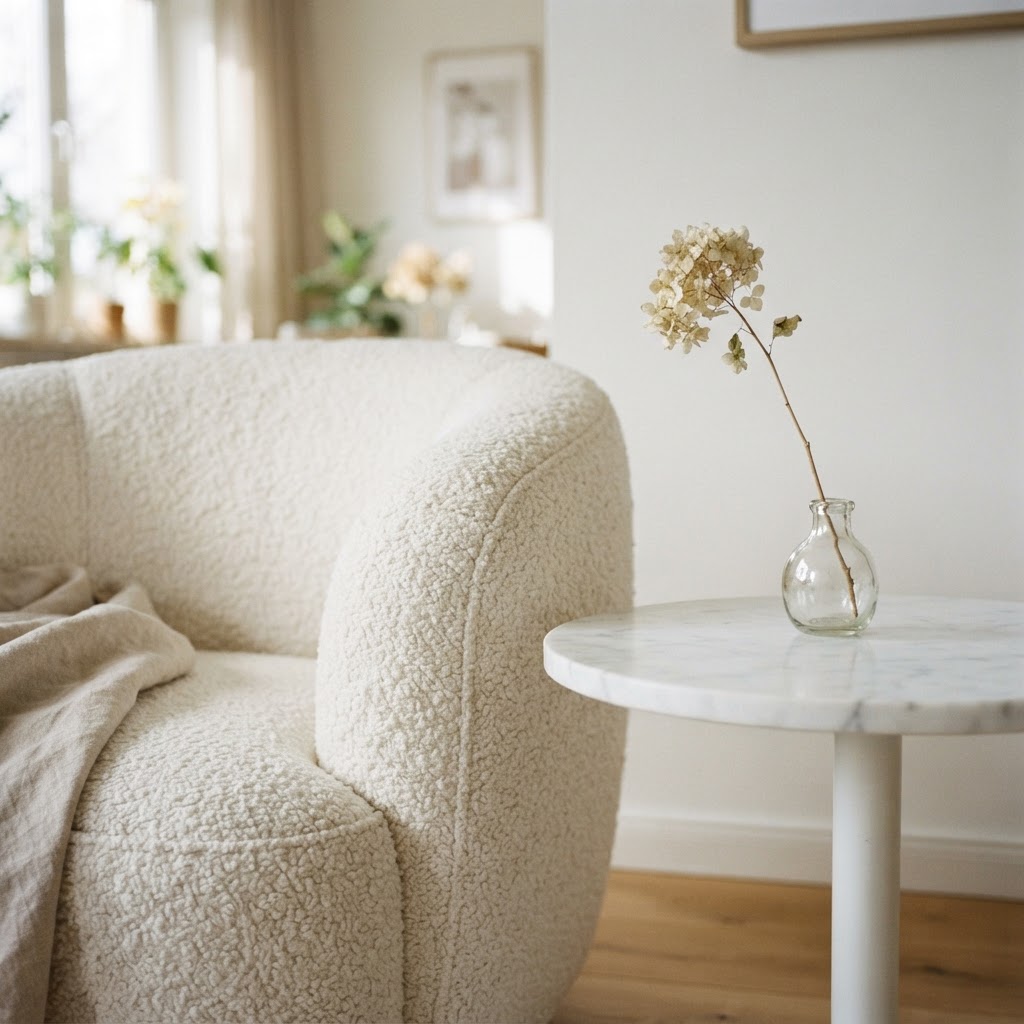
Bedding is where you really get to play in a monochromatic room. Layer a waffle-weave blanket over a smooth percale sheet set, add a linen duvet, and throw a chunky knit at the foot of the bed. All in the same color story. The result is a bed that looks genuinely luxurious and inviting, which is exactly what minimalism should feel like. Not sparse. Not cold. Just deeply, intentionally comfortable.
One thing people overlook is the ceiling. In a monochromatic room, painting the ceiling the same color as the walls, or even slightly lighter, creates this incredible cocoon effect. The room feels wrapped and enveloping rather than boxy. Trust me on this one, it sounds weird but it works beautifully, especially in smaller bedrooms where you want to create a sense of intimacy rather than trying to make the space feel larger.
Texture is the secret weapon of every great monochromatic room. When color steps back, the way things feel, both literally and visually, takes center stage.
3. Modern Japanese Zen Vibes
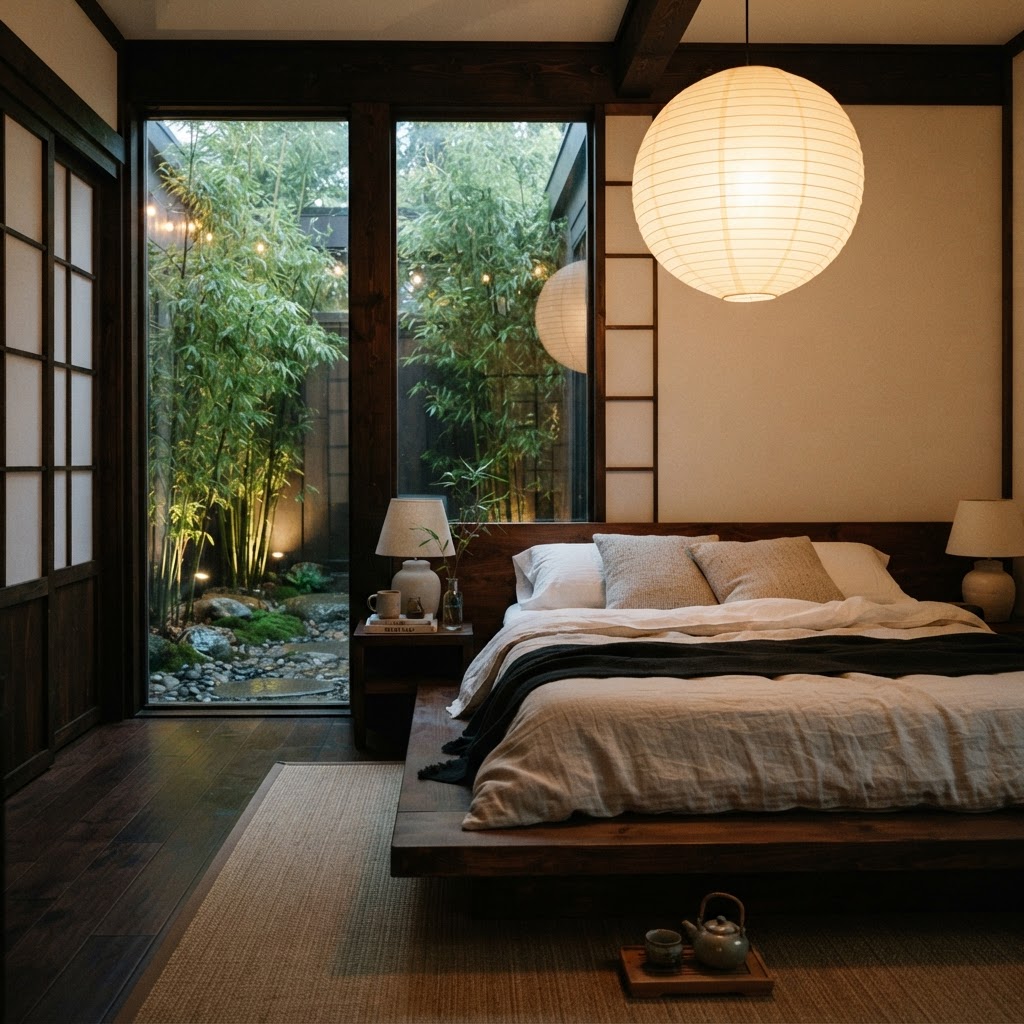
Japanese design philosophy has been influencing Western interiors for decades now, and honestly, when it comes to bedrooms specifically, I think it's the most spiritually correct approach to the space. The Japanese concept of ma, the beauty of empty space, is something that translates so well into a bedroom. The idea that the negative space is just as important as the objects in a room. That emptiness isn't absence, it's presence.
Practically speaking, this means going lower to the ground. A platform bed or even a floor-level futon setup immediately changes the energy of a room. It creates a more grounded, horizontal feeling that's inherently calming. Pair that with natural wood in warm or medium tones, clean-lined furniture with no ornate details, and a very restrained color palette of whites, naturals, and soft greens or blacks as accents.

Plants are incredibly important in this style. Not a dozen of them scattered around, but one or two really considered placements. A single tall-stemmed plant in a simple ceramic pot near the window, or a small bonsai on a low shelf. The Japanese approach to nature in interior spaces is always about reverence and intention, not abundance. One beautiful plant beats a dozen mediocre ones every single time.
Storage needs to be completely invisible in a Zen-inspired bedroom. Built-in wardrobes with flat-panel doors, under-bed storage, wall-mounted shelves kept very spare. The goal is that when you walk into the room, your eyes have nowhere to snag. Everything flows. That visual quiet is what creates the psychological calm that makes this style of bedroom feel genuinely restorative rather than just aesthetically pretty.
- Go low with platform beds or floor-level sleeping arrangements for that grounded feeling
- Embrace negative space and resist the urge to fill every corner
- Choose one or two plants placed with real intention rather than scattered decor
- Hide all storage behind flat-panel doors or inside built-ins
- Natural light is sacred in this style, keep window treatments sheer or minimal
4. Scandinavian Functional Simplicity
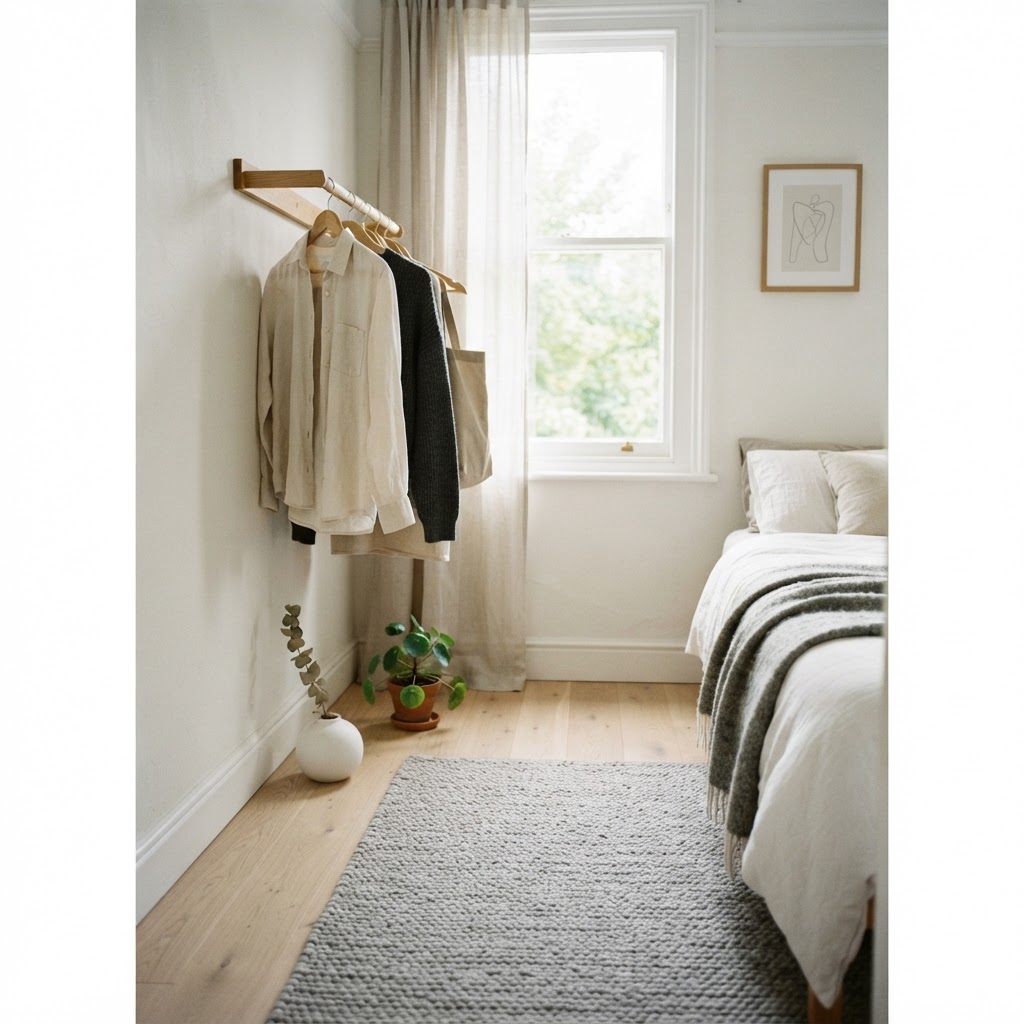
Here's the thing about Scandinavian design that people sometimes get wrong: it's not about making things look minimal for aesthetic reasons alone. It's about function driving form. Every object in a Scandi bedroom should genuinely earn its place. That bedside table isn't there to look pretty, it's there because you need somewhere to put your book and your lamp and your glass of water. The design just makes sure it does that job beautifully.
Hygge, the Danish and Norwegian concept of coziness and convivial warmth, is what separates Scandinavian minimalism from colder, more austere interpretations. You're still keeping things simple and uncluttered, but you're layering in warmth through soft textures, candlelight, and a color palette that leans into creamy whites and pale, warm woods rather than stark grays and cool whites.
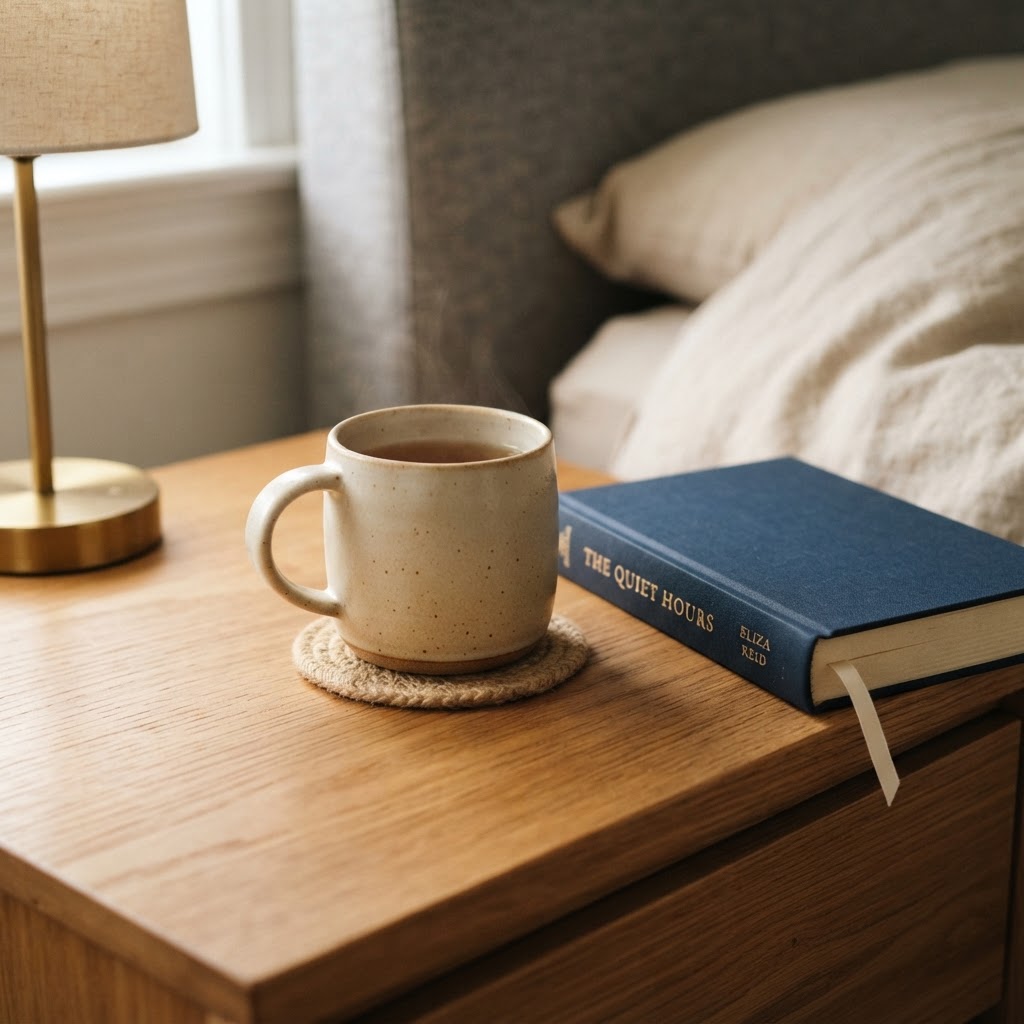
Light birch or ash wood furniture is the classic Scandi bedroom choice, and for good reason. Those pale, warm-toned woods brighten a space and add organic warmth without feeling heavy or dominant. A simple wooden bed frame, a matching nightstand, maybe a small wooden stool at the foot of the bed as a functional perch. Nothing elaborate, nothing fussy, just clean and honest and well-made.
And honestly, Scandi bedrooms do cozy bedding better than almost any other design tradition. Think heavyweight cotton duvets, soft wool throws, knit cushions in warm neutrals. The bed becomes this incredible focal point of comfort and rest, which is exactly right. The whole room is designed around the idea that sleep is important and rest is something you deserve. That philosophy shows up in every design choice, from the blackout curtains to the quality of the mattress to the thoughtful placement of a reading lamp.
In a Scandinavian bedroom, function and coziness aren't opposites. They're the same goal approached from two different angles, and they meet beautifully in the middle.
5. The Concrete Industrial Haven
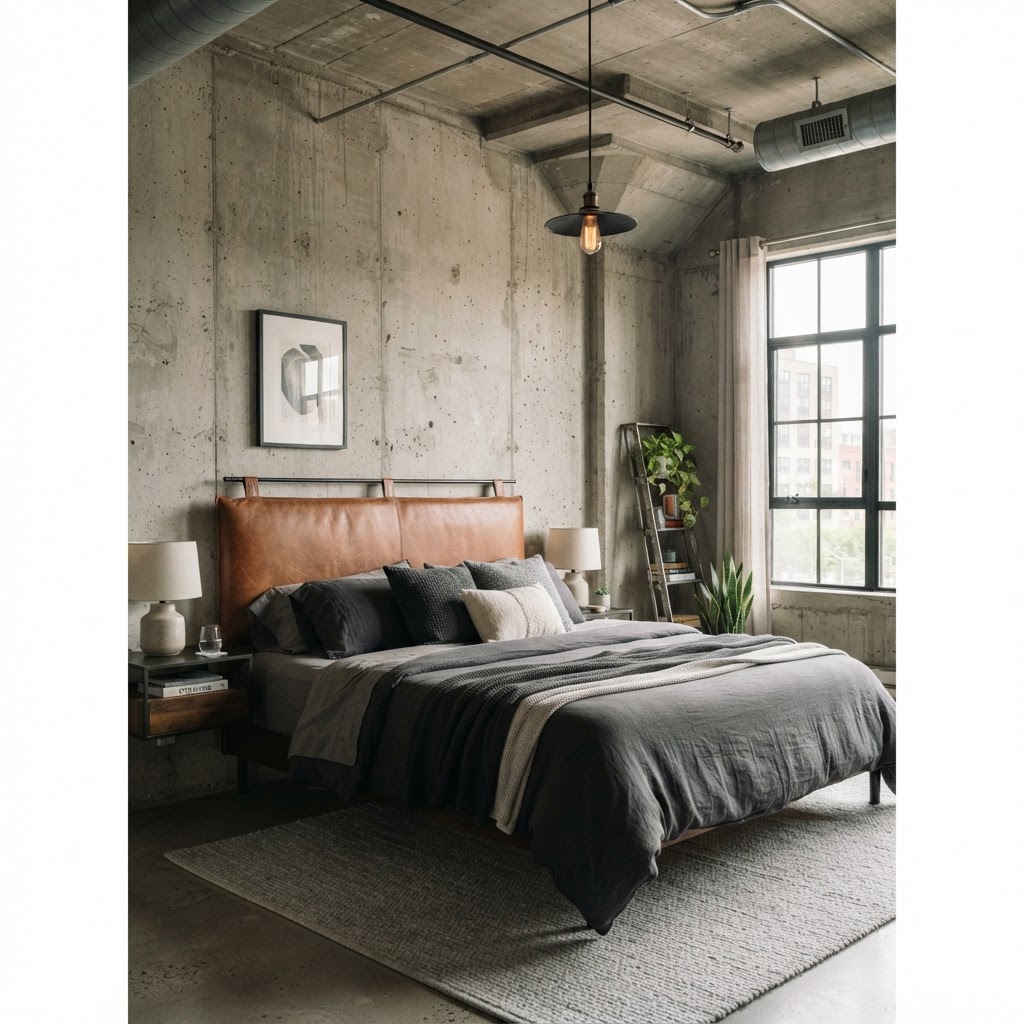
Okay, I know what you're thinking. Concrete and industrial materials in a bedroom? That sounds like sleeping in a parking garage. And look, I get it. Done badly, this style absolutely can feel cold and unwelcoming. But done well, with intention and the right softening elements, a concrete-influenced industrial bedroom can be genuinely gorgeous and surprisingly cozy. The contrast is the whole point.
The secret is in the balance. Concrete walls or polished concrete floors need to be counterweighted with serious warmth elsewhere. We're talking rich, dark wood furniture, deep-toned soft furnishings in charcoal, navy, or warm rust, thick wool rugs that anchor the space and add acoustic softness, and warm amber lighting that plays off the texture of the concrete beautifully. The hard surfaces and the soft elements create a tension that feels really compelling and grown-up.
Exposed structural elements are a gift in this style. A steel beam, a raw brick wall, original concrete ceiling, these aren't problems to be hidden. They're the bones of the design. The trick is to let them breathe and not compete with them. Keep your furniture selection very edited and low-profile. A simple platform bed in dark wood or matte black steel, a pair of industrial-style pendant lights, a minimalist dresser. The architecture does the heavy lifting so your furniture doesn't have to.
Real talk: lighting is probably more important in an industrial bedroom than in any other style. The materials themselves, concrete, steel, raw wood, all respond dramatically to light. Warm Edison-style bulbs in pendant fixtures cast this gorgeous amber glow that softens everything. Add a few candles on a low surface, or a warm-toned table lamp, and suddenly that concrete wall isn't cold anymore. It's moody and atmospheric and honestly kind of incredible.
- Balance hard surfaces with generous soft furnishings in warm, deep tones
- Embrace exposed architectural elements rather than trying to hide or soften them
- Use warm amber lighting to transform the mood of raw, cool materials
- Choose a thick wool or cotton rug to add warmth underfoot and absorb sound
- Keep furniture minimal and low-profile so the architecture remains the star
Final Thoughts
Minimalism in the bedroom doesn't have to mean sacrificing warmth or comfort. These five approaches all prove that you can strip a room right back to its essentials and still end up with a space that feels genuinely inviting and restful. The common thread running through all of them is intentionality. Every material, every color choice, every piece of furniture is there for a reason, and that reason is to serve the person sleeping in that room.
Whether you're drawn to the earthy warmth of terracotta tones, the sophisticated calm of a monochromatic palette, the spiritual simplicity of Japanese design, the hygge-infused functionality of Scandinavian style, or the moody drama of industrial concrete, the goal is the same. A bedroom that quiets your mind the moment you walk in. Honestly, that's worth every thoughtful decision it takes to get there.
More in Interior
Stay Inspired
Subscribe for new essays on architecture, design, and the spaces that shape us.