5 Minimalist Bedroom Ideas That Actually Feel Cozy
Minimalism does not have to mean cold or empty spaces. These five design styles show you how to curate a serene bedroom retreat that remains warm and inviting.
1. The Japandi Sanctuary
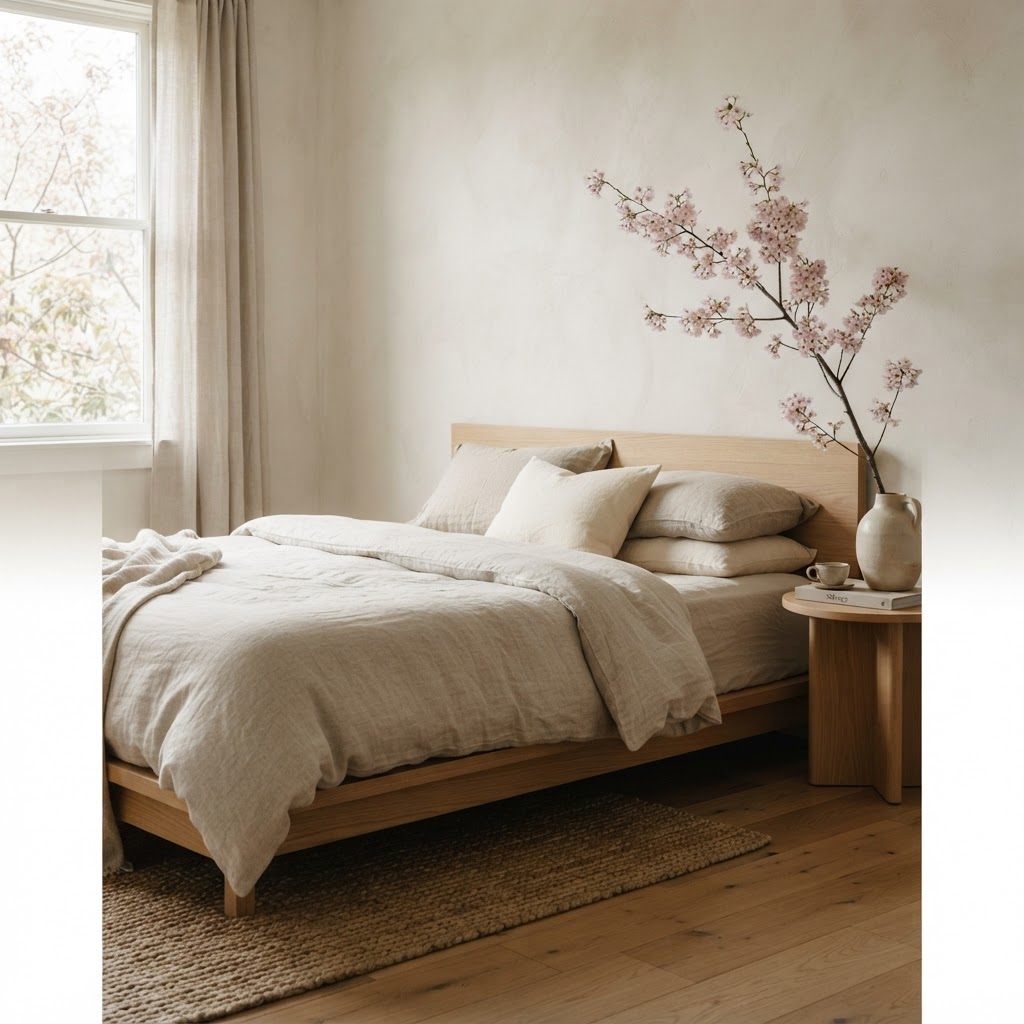
Okay, so if you've spent any time on design Pinterest boards or Instagram in the last few years, you've seen Japandi everywhere. And honestly, there's a really good reason for that. It's one of those design philosophies that sounds like it shouldn't work on paper but absolutely delivers in real life. It takes the warmth and natural materials of Scandinavian design and marries them with the restraint and intentionality of Japanese aesthetics. The result is a bedroom that feels genuinely peaceful, not sterile.
Here's the thing about Japandi that most people get wrong: they think it means emptying the room out completely. Real talk, it's not about having nothing. It's about having the right things. A low-profile platform bed in natural oak or walnut. Linen bedding in muted tones like sand, stone grey, or warm cream. A single ceramic vase on a bedside table. Maybe a woven floor lamp. Every object earns its place, and that's what makes it feel so intentional rather than just sparse.
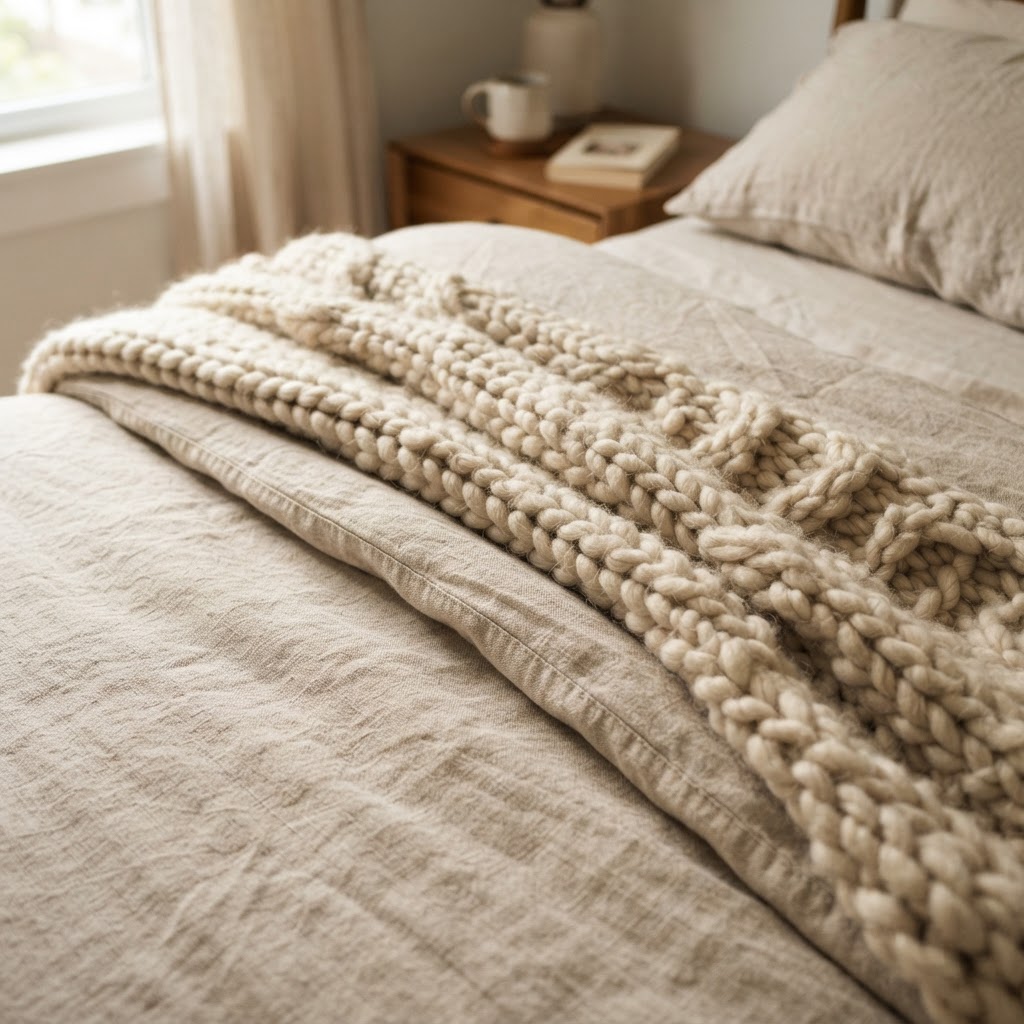
Texture is your best friend in a Japandi space. Because the color palette stays so calm and controlled, you need things like a chunky knit throw, a jute rug, raw wood grain on the furniture, or a rough linen pillowcase to add visual depth without adding noise. Think of it as layering quietness. The room whispers at you rather than shouting, and after a long day, that's genuinely what you want from a bedroom.
Lighting matters more here than in almost any other style. Soft, warm, diffused light is everything. Ditch the harsh overhead fixture and go for paper lantern-style pendants, low-wattage table lamps with natural shades, or even a few candles on a wooden tray. The Japanese concept of wabi-sabi, finding beauty in imperfection and transience, really shines when you get the lighting right. A room lit like this at night feels like a retreat you never want to leave.
- Go low: Platform beds and low furniture keep the room grounded and calm
- Stick to a tight palette: Warm whites, taupes, soft blacks, and natural wood tones only
- Layer textures: Linen, jute, ceramic, and wood create depth without clutter
- Edit ruthlessly: If it doesn't have a function or bring genuine calm, it goes
2. Monochromatic Calm
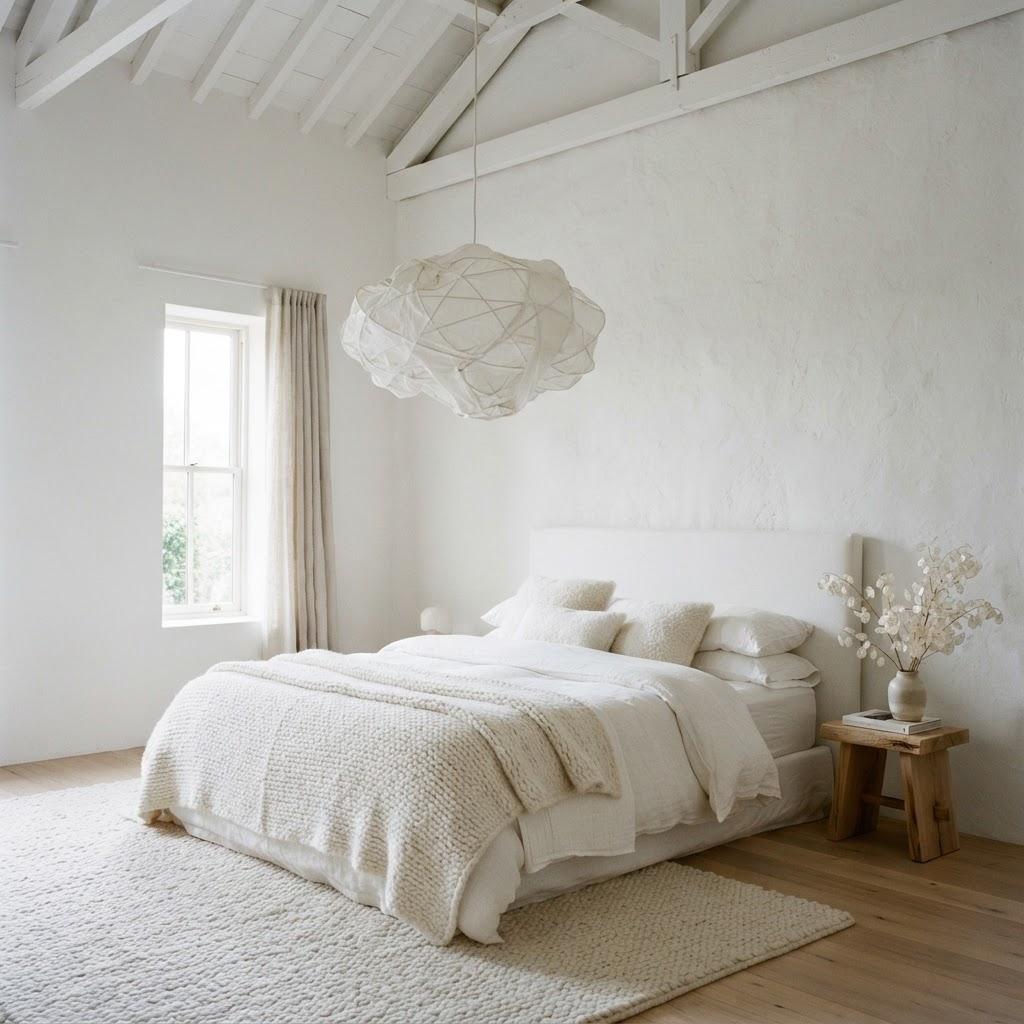
Monochromatic design gets a bad rap for being boring, and honestly, I get it. On the surface, "one color everywhere" sounds like a recipe for a room that feels like a waiting room at a dentist's office. But done properly, a monochromatic bedroom is one of the most sophisticated and genuinely cozy spaces you can create. The key word is tonal variation. You're not painting every single surface the same flat color. You're playing with light, shadow, and material to create a sense of depth within a single color family.
Let's say you go with a soft warm grey. Your walls might be a mid-tone greige. Your bedding could be a lighter, almost pearl grey linen. The headboard might be a deeper charcoal boucle fabric. The rug is a textured grey with slight variation. The curtains are a sheer pale silver. None of it is exactly the same, but it all sings together. Trust me on this: when a room uses one color family this thoughtfully, your eye gets to rest. There's no visual competition happening anywhere.
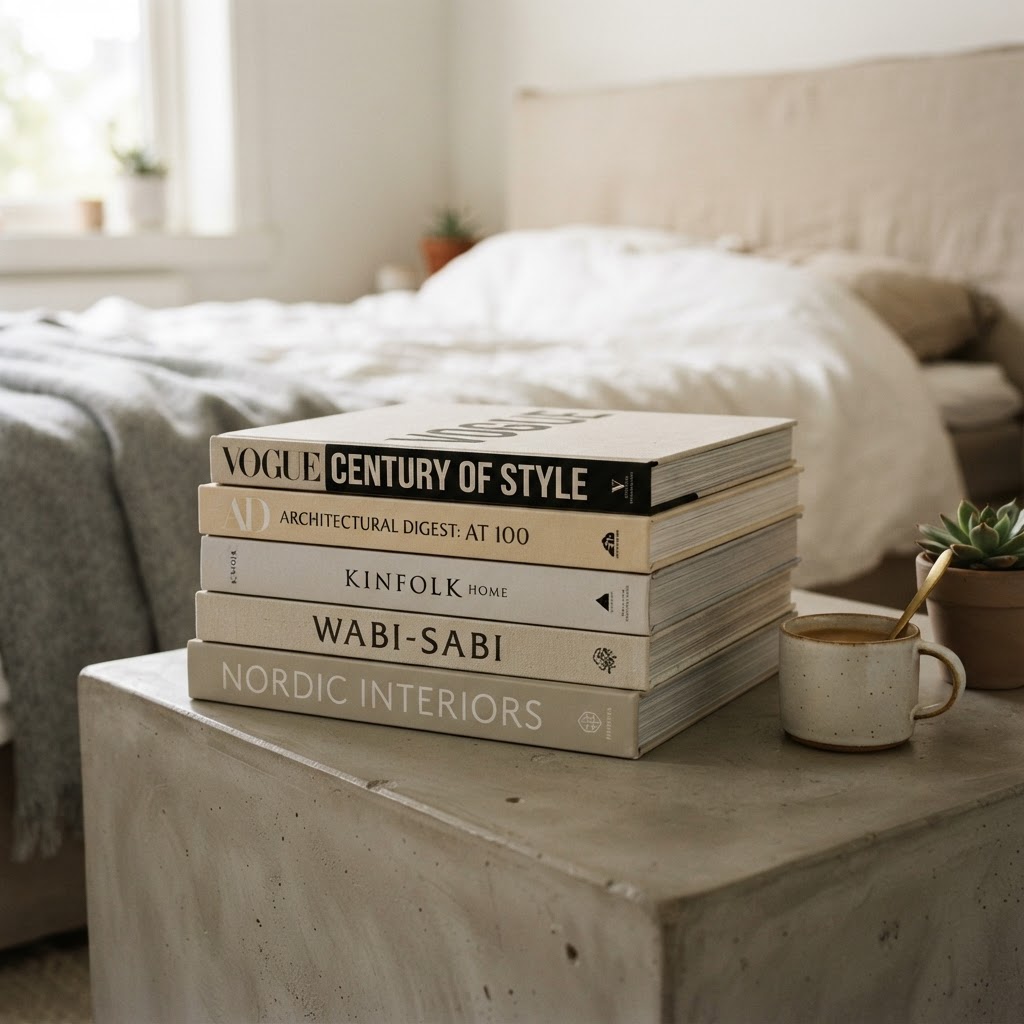
The cozy factor in a monochromatic room comes entirely from your material choices. This is where you really get to have fun. Mix matte and glossy surfaces. Put a velvet throw next to a rough linen cushion. Add a ceramic lamp base with a fabric shade. Use a wood-framed mirror to break up a flat wall. These contrasting textures within the same color family are what prevent the space from feeling flat or clinical.
One more thing worth mentioning: don't be afraid to go darker than you think you should. A lot of people default to white or very pale grey for minimalist bedrooms because they think it'll make the room feel bigger. And sure, technically it does. But a moody, deeper tone like a warm slate blue, a dusty sage, or a soft charcoal can actually feel far cozier and more enveloping. Darker walls recede and wrap around you. Done right, it feels like being inside a really beautiful cocoon, and for a bedroom, that's kind of ideal.
3. Warm Earthy Tones
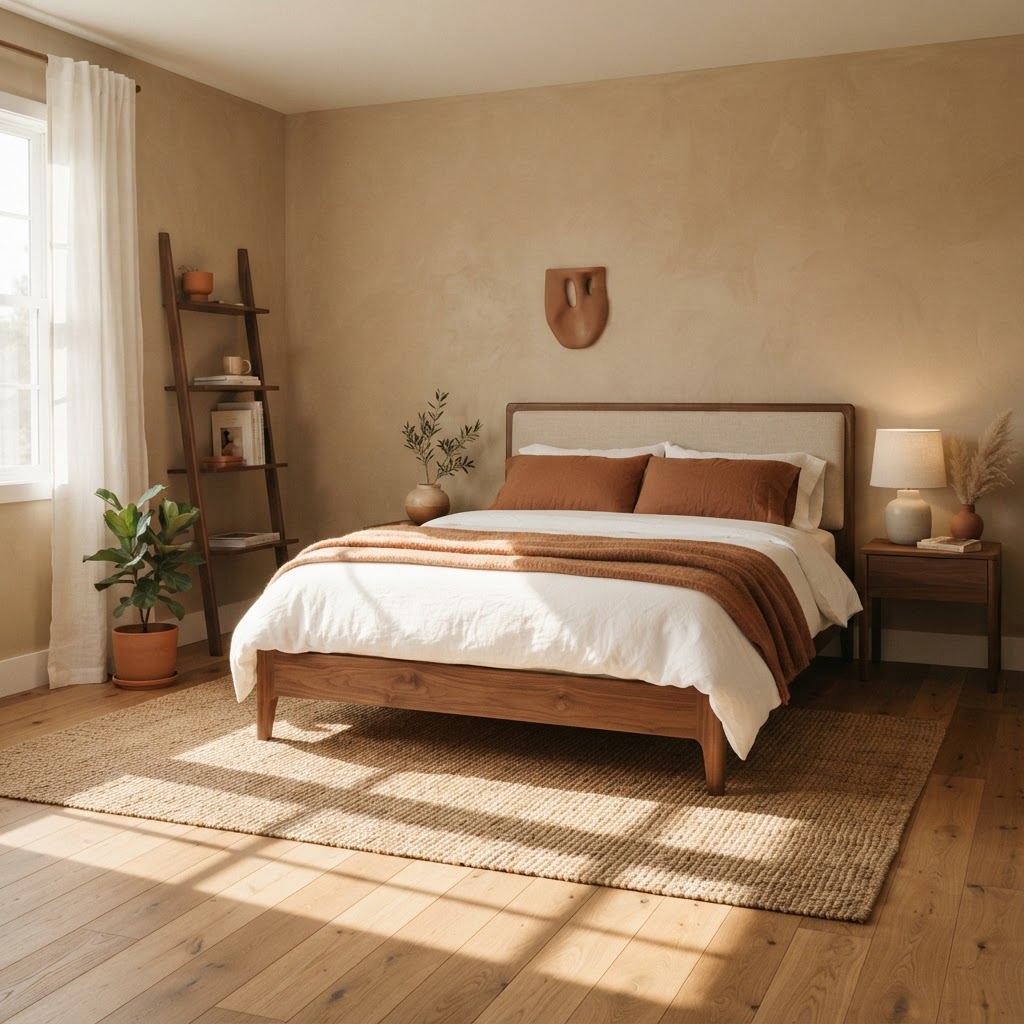
Look, if there's one minimalist bedroom style that I personally find the most livable and the most universally flattering, it's this one. Warm earthy tones are having a major moment right now, and they deserve every bit of the attention. We're talking terracotta, burnt sienna, warm sand, dusty olive, raw umber, clay pink. These are colors pulled straight from the natural world, and our brains are basically hardwired to find them calming and familiar.
The beauty of going earthy in a minimalist space is that even when you strip the room back to its bare essentials, it still feels incredibly warm. You don't need a mountain of stuff to make a room feel welcoming when the color palette itself is doing that heavy lifting. A simple bed with terracotta linen bedding, a raw plaster wall in a warm beige, a single trailing plant on a wooden shelf, and a woven jute rug. That's honestly all you need. It photographs beautifully and lives even better.

Plants play really well in earthy minimalist bedrooms. The green tones are already part of the natural palette, so a single large fiddle leaf fig or a trailing pothos in a terracotta pot doesn't feel like an addition. It feels like the room is reaching outward. Same goes for natural materials: unfinished wood, rattan, cane, stone. These materials carry a warmth that painted or manufactured surfaces just can't replicate.
"The goal isn't a room that looks like it belongs in a magazine. The goal is a room that makes you exhale the moment you walk in."
If you're repainting for this style, look at colors like Farrow and Ball's Dead Salmon or Claydon Blue, or anything in Benjamin Moore's Organic collection. And don't forget your ceiling. Painting the ceiling a tone or two lighter than the walls wraps the entire room in a warmth that feels almost physical. It's a small move with a surprisingly big payoff.
4. The Industrial Edge
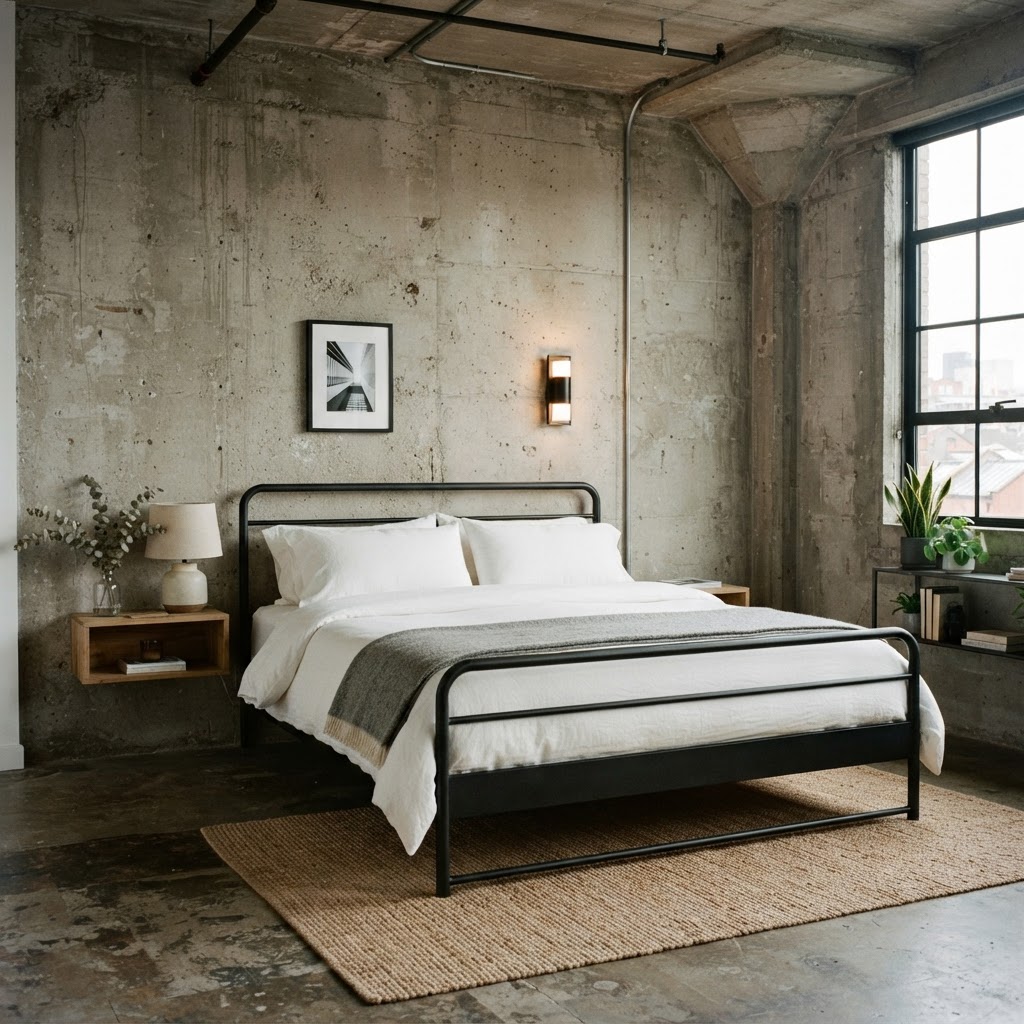
Okay, I know what you're thinking. Industrial? Cozy? Those two words don't naturally belong in the same sentence. And honestly, you're right to be skeptical. Done badly, an industrial bedroom feels like sleeping inside a warehouse or a car park. Cold, hard, uncomfortable. But done with intention and a real understanding of how to soften the edges, an industrial minimalist bedroom can be genuinely cool and surprisingly warm.
The trick is contrast. Industrial design gives you exposed concrete walls or faux concrete finish, matte black metal frames, raw wood, and deliberately unfinished surfaces. The cozy comes from everything you layer on top of that. Thick, oversized bedding in a warm off-white or deep charcoal. A sheepskin rug on the floor. Warm Edison bulb lighting from a cluster pendant or a vintage-style table lamp. Soft curtains in a heavy linen that puddle slightly on the floor. These soft elements push back against the hardness of the industrial base and create this really satisfying tension.
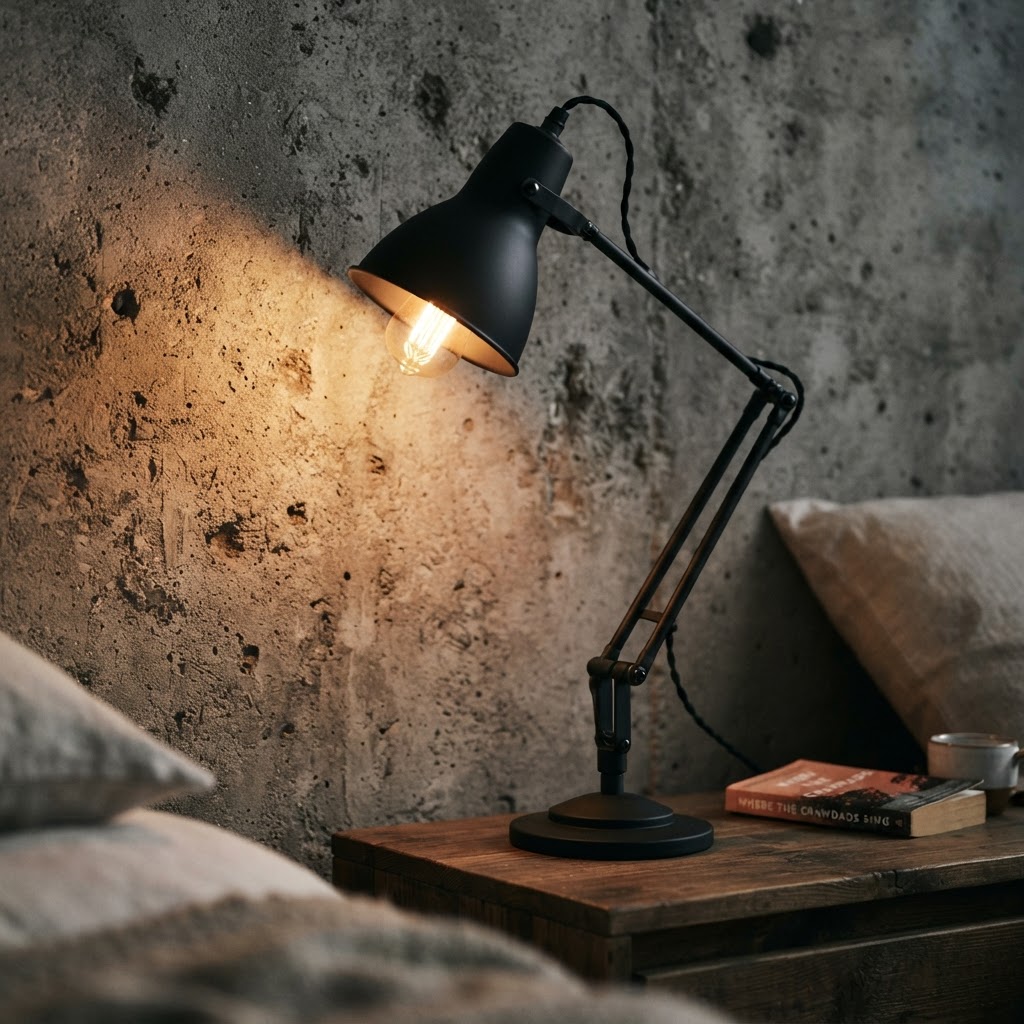
Metal bed frames work beautifully here. A simple matte black frame with clean lines and a solid upholstered headboard in a dark fabric is one of my favorite combinations in this style. It reads as minimalist because the silhouette is so clean, but the headboard adds enough softness that it doesn't feel like you're sleeping in a factory. Floating shelves in reclaimed wood, a concrete bedside table, and a single oversized piece of artwork in a simple black frame complete the look without overcrowding it.
- Embrace raw materials: Concrete, exposed brick, unfinished wood, and metal are your foundation
- Invest in bedding: This is where all the coziness comes from in an industrial room
- Go warm with lighting: Edison bulbs and warm-toned lamps soften the hard edges dramatically
- Keep decor intentional: One large art piece beats a gallery wall in this style every time
5. Soft Scandi Minimalism
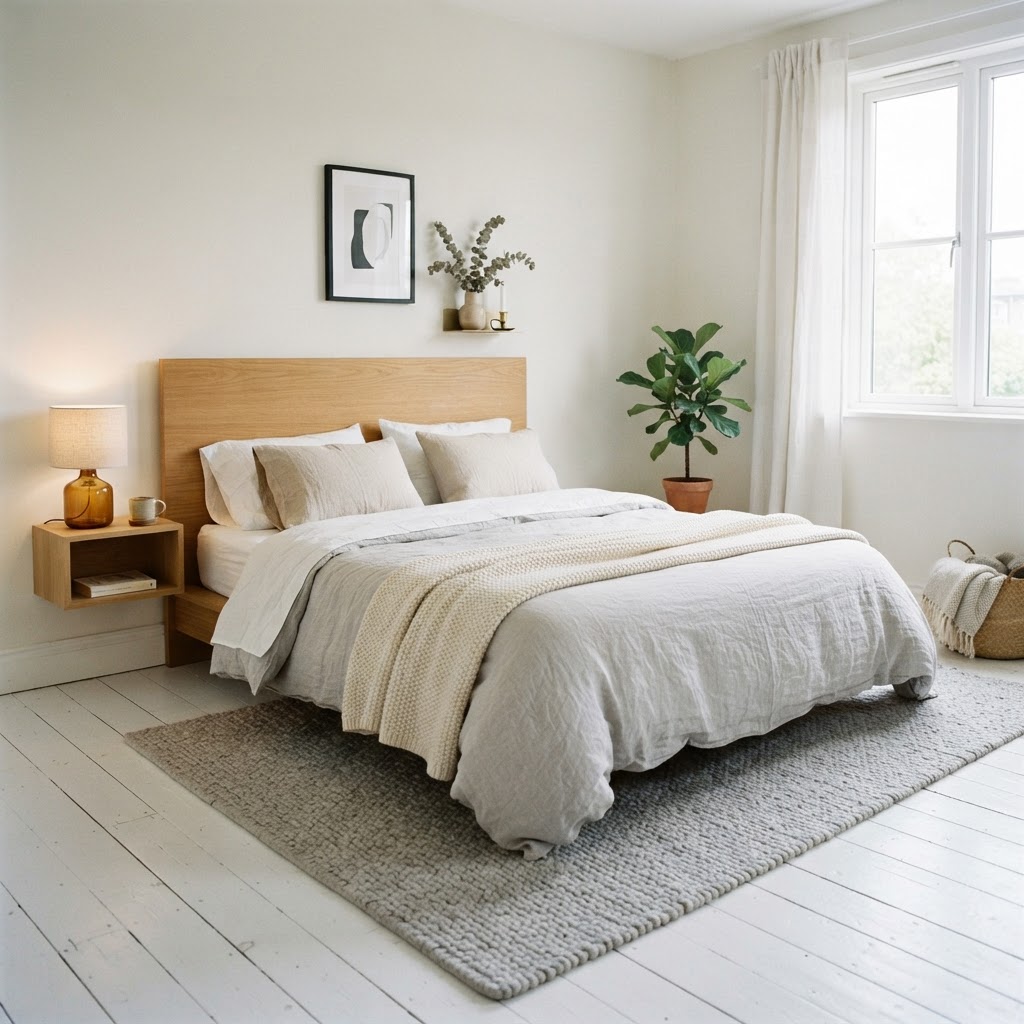
We can't talk about minimalist bedrooms without landing on Scandi design eventually, because it is genuinely the OG of cozy minimalism. Scandinavian countries figured out centuries ago that when the outside world is dark and cold for a huge chunk of the year, your interior spaces need to work incredibly hard to be warm, welcoming, and psychologically restorative. That's where the concept of hygge comes from, this Danish and Norwegian idea of cultivating coziness, contentment, and togetherness through your environment.
Soft Scandi minimalism is different from the colder, more severe version of the style that you sometimes see. It leans into natural light, light wood tones, plenty of white and cream, and layers of soft textiles. The furniture is functional and beautiful at the same time, usually in pale birch or ash, with clean simple lines and no unnecessary ornamentation. There's nothing fussy about it. But there's also nothing cold or unwelcoming. It hits this sweet spot between order and warmth that feels genuinely livable.
Textiles are where Scandi bedrooms really shine. Think a chunky knit throw draped casually over the end of the bed, mismatched linen pillowcases in soft complementary tones, a sheepskin or wool rug beside the bed, and floor-length curtains in a natural undyed fabric. These layers of softness are what give the style its coziness. And because the rest of the room is so restrained, the textiles really get to pop without the room feeling messy or overdone.
Natural light is treated almost reverently in Scandi design, and honestly, this is one of the best lessons any bedroom can take on board regardless of style. Keep window treatments light and airy. Let as much natural light in as possible during the day. Position your bed to take advantage of morning light if you can. And at night, use candles alongside your artificial lighting. There's a reason Scandinavians are some of the biggest consumers of candles per capita in the world. That flickering warm light in a soft, simple room is basically the definition of cozy.
- Choose light wood: Pale birch, ash, and pine keep the room airy and warm simultaneously
- Layer your textiles: Knits, linens, wools, and sheepskins create that signature hygge softness
- Maximize natural light: Sheer curtains and clean windows are non-negotiable
- Add candles: Seriously, just do it. Nothing transforms a room like candlelight in the evening
- Keep surfaces clear: A few well-chosen objects on a bedside table beats a cluttered surface every single time
Final Thoughts
Here's the thing that ties all five of these ideas together: cozy minimalism is never really about having less. It's about having the right things, chosen with intention, arranged with care. Whether you're drawn to the serene restraint of Japandi, the enveloping warmth of earthy tones, or the surprising softness of an industrial space, the common thread is always thoughtfulness. Every material, every color, every object should be doing a job in the room, either functionally, aesthetically, or both.
And honestly, if your bedroom isn't currently making you feel calm and rested the moment you walk in, that's worth paying attention to. You spend roughly a third of your life in that room. It deserves some real thought. You don't need to gut the place and start over. Sometimes it's as simple as stripping back a few things, swapping out your bedding for something softer, or changing the lighting. Small moves, consistently made, add up to a room that actually feels like a sanctuary. And that's the whole point, isn't it.
More in Interior
Stay Inspired
Subscribe for new essays on architecture, design, and the spaces that shape us.