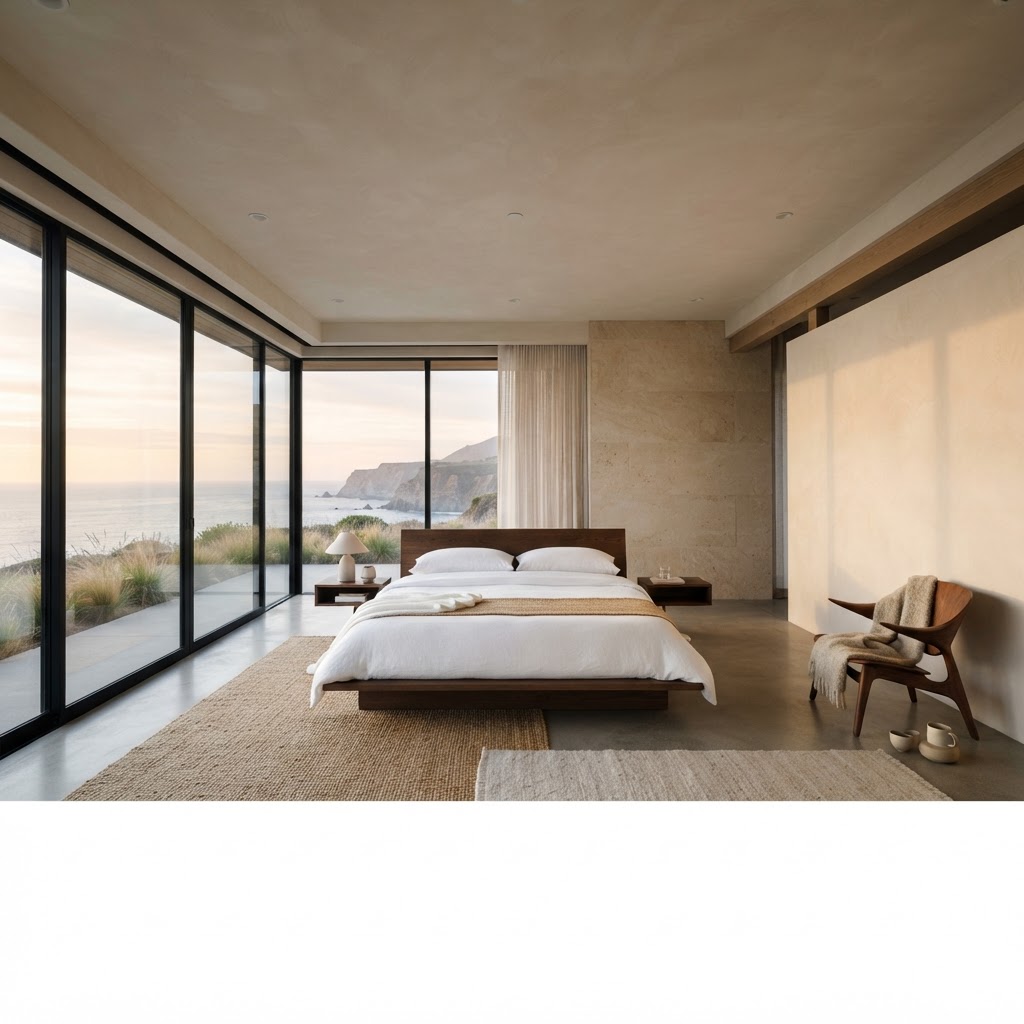
5 Minimalist Bedroom Ideas That Feel Like A Five Star Hotel
Transforming your bedroom into a peaceful sanctuary does not require a complete renovation. These five minimalist design approaches focus on clean lines and intentional decor to help you sleep better and wake up refreshed.
The Monochromatic Sanctuary
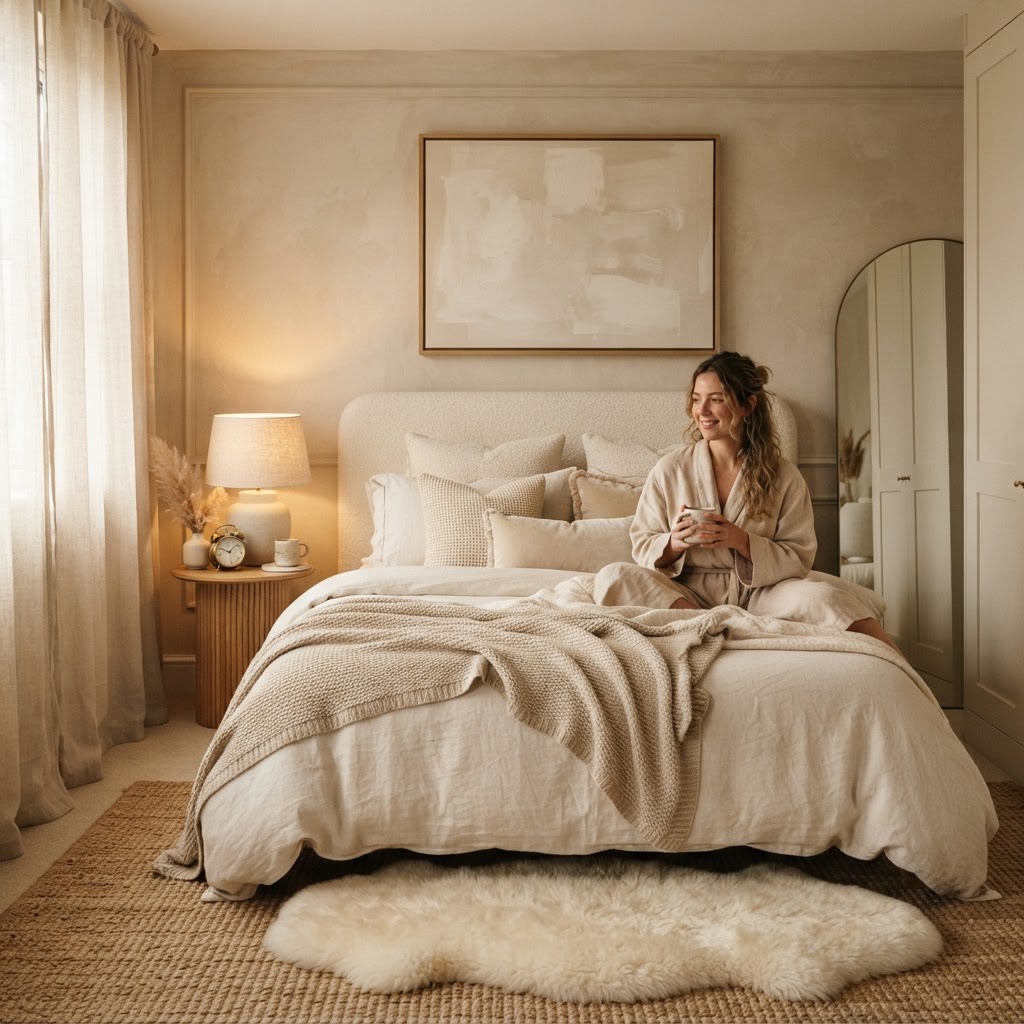
Honestly, the first time I walked into a high-end hotel room and felt that immediate sense of calm, it took me a minute to figure out what was doing it. It wasn't a chandelier. It wasn't even particularly expensive furniture. It was the fact that everything in the room was basically the same color. That's the whole secret behind the monochromatic bedroom, and once you get it, you can't unsee it.
Here's the thing about going monochromatic: most people think it means boring. It absolutely does not. What it actually means is that you're working within a single color family, but you're layering different shades, tones, and textures within that family to create depth. Think soft cream linen against an ivory headboard against an off-white plaster wall. Or charcoal wool throws on a slate gray duvet on a deep graphite upholstered bed frame. Same color, totally different vibe depending on what you touch.

The real trick here is texture. When you remove color contrast from a room, texture becomes the star. Matte walls next to a glossy ceramic lamp next to a chunky knit pillow, that's what creates visual interest without clutter. Hotels nail this because they invest in quality materials that look good even when they're simple. You don't have to blow your budget, but do pay attention to how things feel, not just how they look.
If you're going to try this, start with your walls and your bedding first, get those in the same tonal family, and then build out from there. Warm whites with warm creams. Cool grays with cool taupes. Don't mix warm and cool tones in a monochromatic scheme because that's where it starts looking muddy instead of curated. And keep your nightstands and any furniture pieces within that same range. It sounds restrictive but it's genuinely freeing once you're in it.
- Pick one anchor tone and build three to four variations around it
- Vary your textures aggressively, smooth, matte, woven, knitted, glossy
- Limit your metals to one finish throughout the whole room
- Keep art minimal, one large piece in a similar tone works beautifully
Real talk, this is probably the easiest of all five ideas to actually pull off because it doesn't require a total overhaul. You can swap your bedding, paint an accent wall, and recover a pillow or two and be 80% of the way there. The monochromatic sanctuary is understated, quiet, and deeply restful. Exactly what a bedroom should be.
Warm Wood and Natural Textures
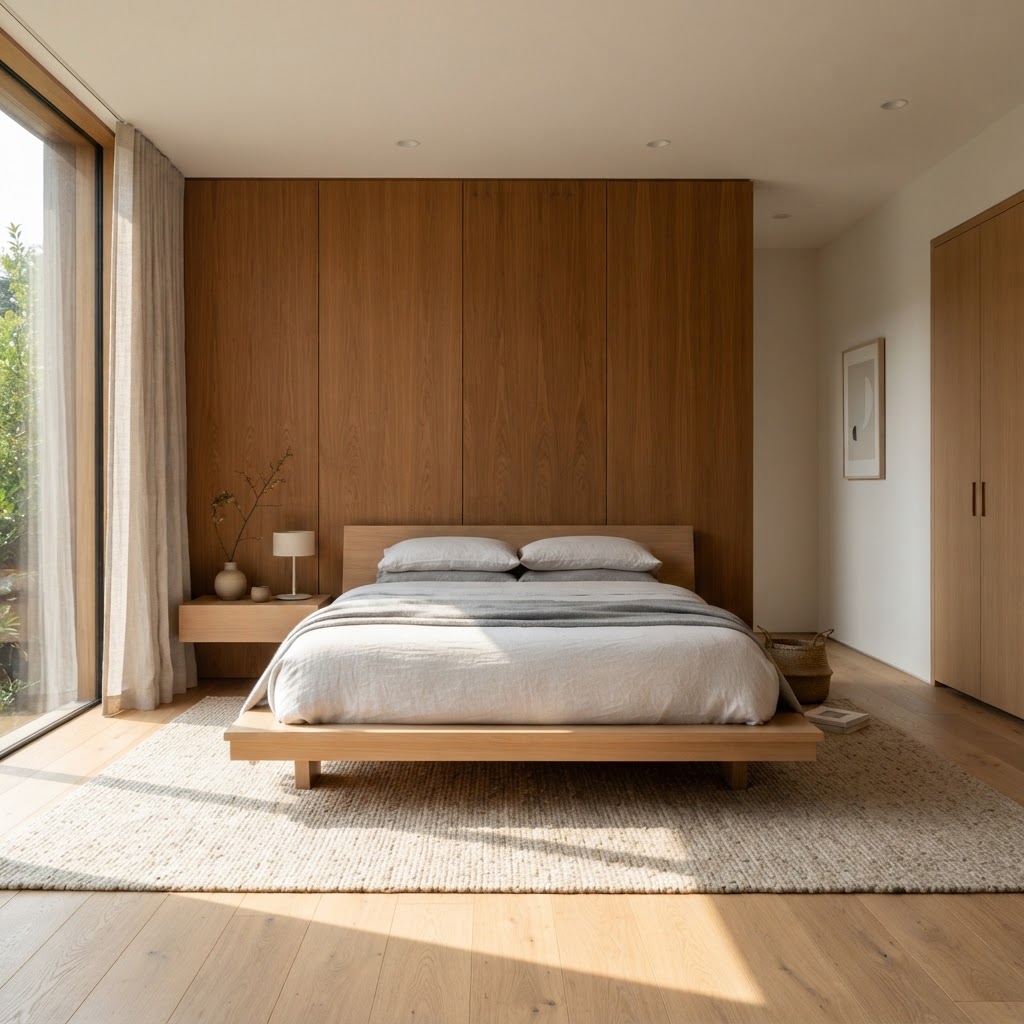
There's a reason that every boutique hotel that opens these days has warm wood somewhere in the bedroom. It's not a trend, it's a fundamental truth about how humans respond to natural materials. Wood is grounding. It makes a space feel safe and real in a way that synthetic materials just don't. And when you pair it with other natural textures like linen, rattan, stone, and cotton, you get this layered organic richness that feels genuinely luxurious.
The key is to keep the wood tones consistent. This is where a lot of people go wrong. They'll have a light oak bed frame, a dark walnut dresser, and a honey pine nightstand, and then wonder why the room feels chaotic. Pick a wood tone and commit to it. Personally, I'm a huge fan of medium to light oak right now. It's warm without being too orange, it works with almost every neutral palette, and it photographs beautifully if that matters to you.
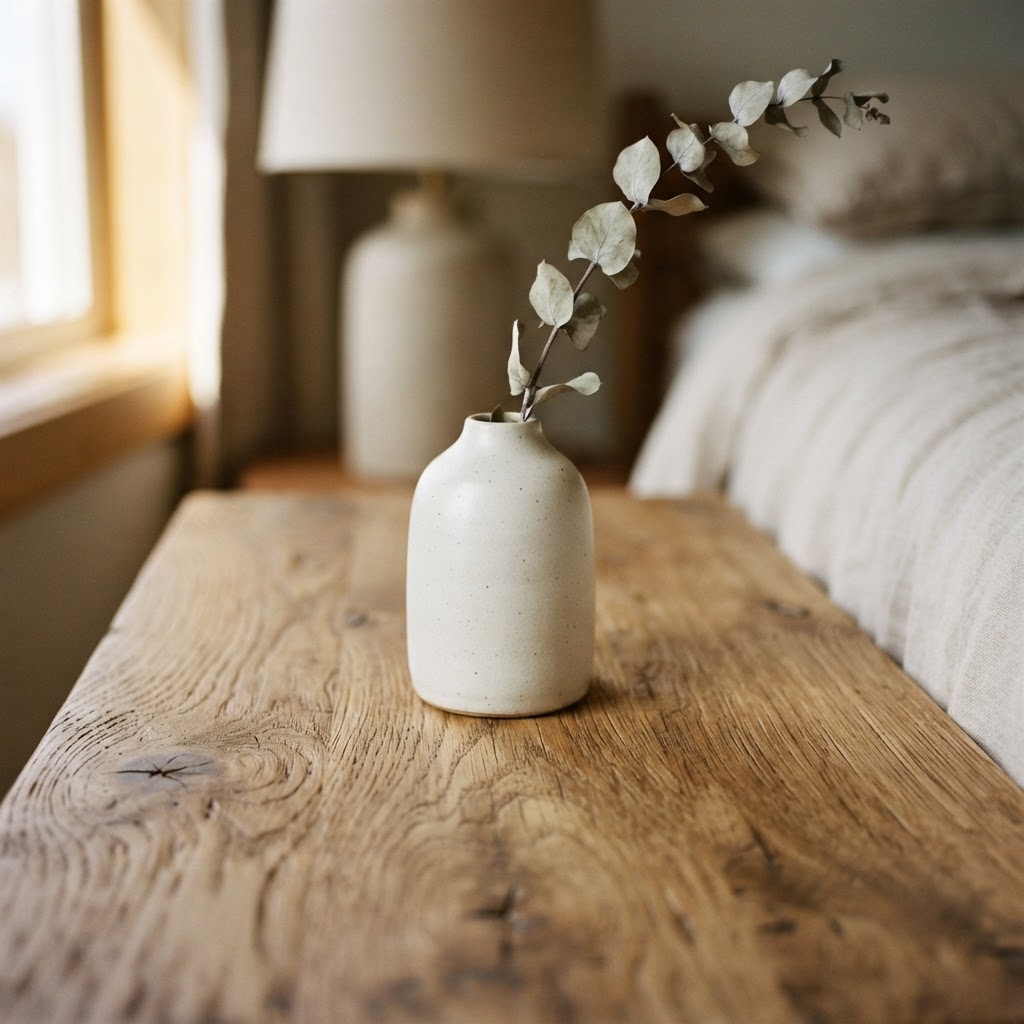
Beyond the wood itself, think about where you're bringing in other natural textures. A jute or wool rug on the floor. Linen curtains that pool slightly at the bottom. A woven rattan pendant light instead of something metallic. These elements create what designers call a "material story," basically a cohesive thread that runs through the whole room and ties everything together without you having to spell it out.
And look, natural textures also have this practical benefit that gets overlooked: they age well. A linen duvet cover gets softer with every wash. A solid oak nightstand will look better in ten years than a flat-pack alternative. Investing in real materials means your room improves with time instead of looking tired and dated. That's actually the hotel mindset applied to residential design, buy good things and let them do the work.
"The best minimalist rooms don't look empty. They look edited. Every material earns its place."
Don't overthink the greenery question either. One or two plants in simple ceramic or terracotta pots will do more for this kind of room than a dozen accessories ever could. Keep it simple, keep it natural, and let the materials speak.
The Japandi Fusion Look
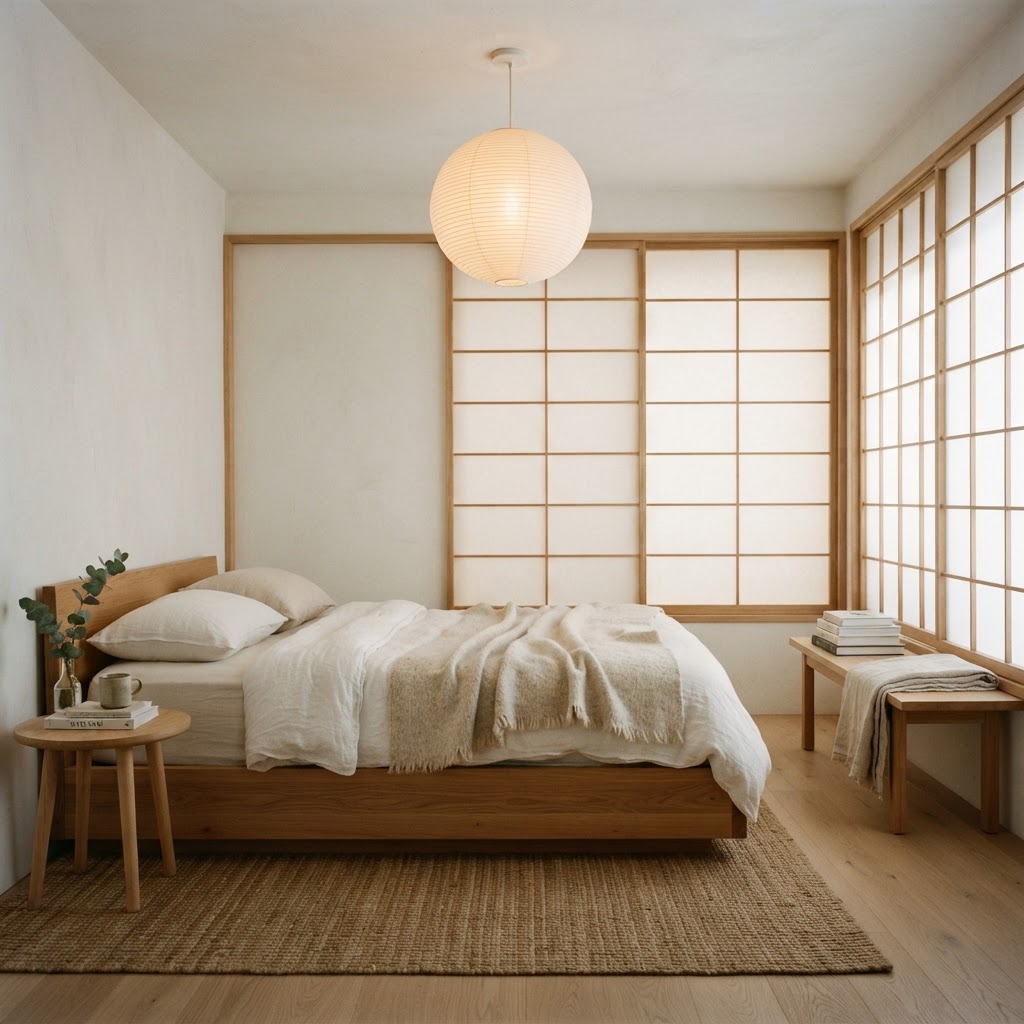
Japandi is one of those words that gets thrown around so much it's almost lost meaning, but the actual concept behind it is genuinely one of the most thoughtful design philosophies I've come across. It's a fusion of Japanese wabi-sabi, the art of finding beauty in imperfection and impermanence, with Scandinavian hygge-inspired minimalism, the warm, cozy, functional kind. The result is a bedroom that feels intentional without feeling sterile. Serene without feeling cold.
What makes Japandi work so well in a bedroom specifically is that it prioritizes rest above everything else. Low platform beds are a cornerstone of this look. There's actual science behind why sleeping closer to the ground feels grounding and calm, but honestly you don't need the science, you just need to experience it once and you'll be a convert. Pair a low bed with a simple wooden frame, keep the legs visible, and avoid any kind of ornate headboard.
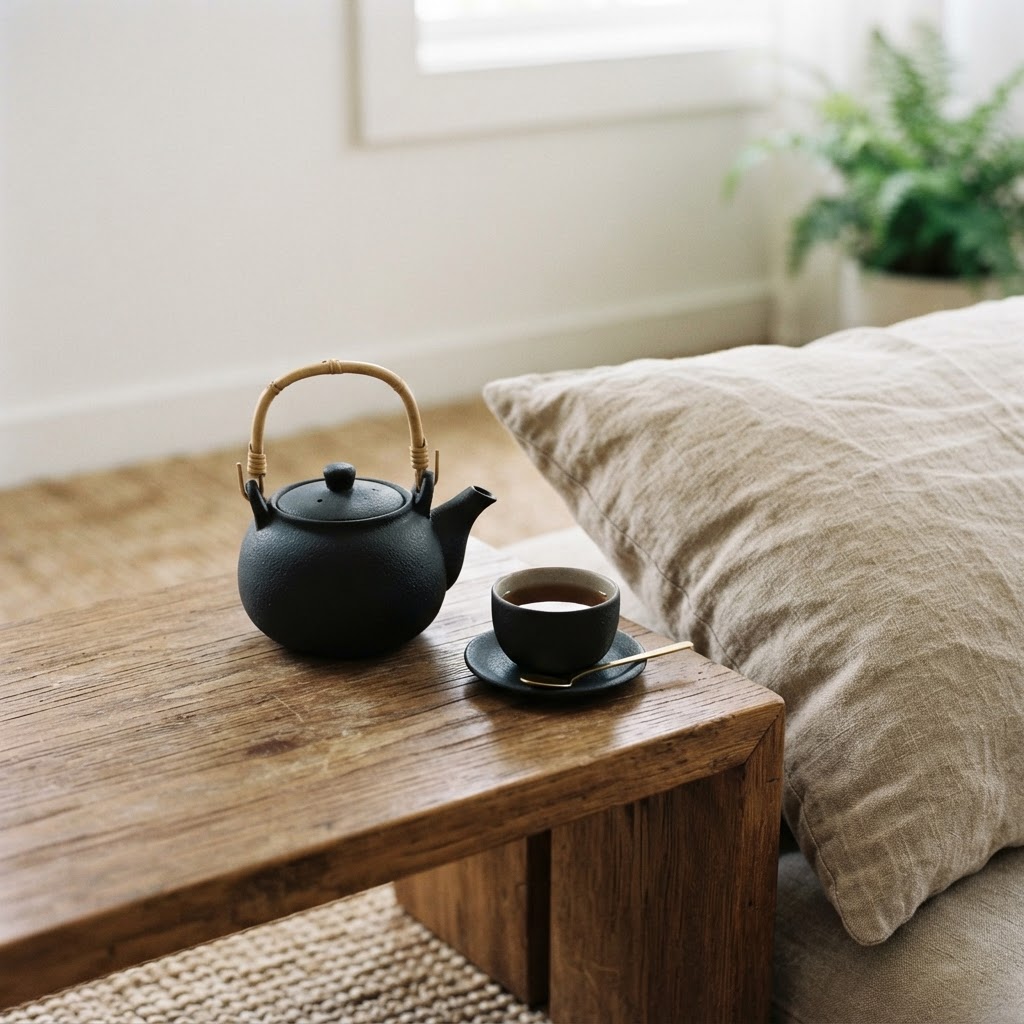
The color palette in a Japandi bedroom tends to stay in the muted, earthy range. Think warm whites, soft sage, dusty clay, deep charcoal. Not bright, not saturated. Muted and considered. Accent colors, if you use any at all, should feel like they came from nature, the color of dried grasses, river stones, or aged pottery. Black is used as an accent quite a bit in Japandi design, thin black frames on art, a black lamp base, black hardware on drawers. It adds definition without aggression.
Storage in a Japandi room is either hidden completely or displayed with serious intention. Open shelving should have maybe three to five objects on it maximum, and every single one should be something you find genuinely beautiful. A ceramic vase. A single book you love. A small sculptural object. The negative space around those objects is part of the design. Trust me on this, the emptiness is not wasted space, it's doing work.
- Low platform bed with clean, simple wooden frame
- Muted, earthy palette with black used sparingly as an accent
- Handmade or artisan objects with imperfect, organic quality
- Shoji-inspired lighting or paper pendants for soft diffused glow
- Minimal open display with intentional negative space
Gallery Style White Walls
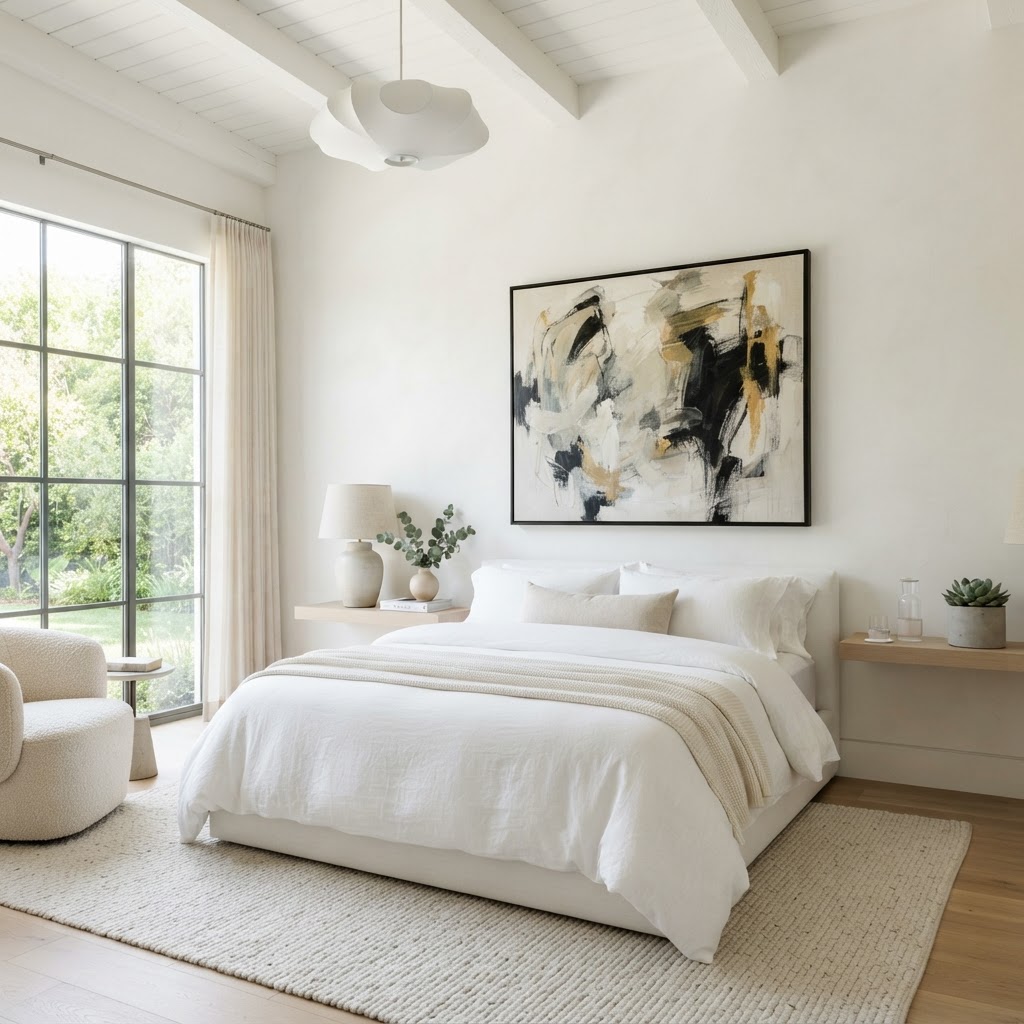
Okay, white walls get a bad rap. People think white equals boring, white equals unfinished, white equals "they just haven't gotten around to painting yet." But here's the thing, a truly well-done white room is one of the most sophisticated things you can pull off in interior design. It takes confidence. It takes editing. And when it works, it really works.
The gallery style approach takes white walls and uses them the way a museum uses them: as a backdrop that lets everything else shine. The difference between a white room that feels cheap and one that feels like a luxury hotel suite comes down to a few specific choices. First, the white itself. Not all whites are equal. A cool bluish white feels clinical. A warm creamy white feels like a cashmere sweater. Spend real time with paint samples in your actual room at different times of day before you commit.
In terms of art, less is more but what you do have needs to be good, or at least meaningful. One large piece above the bed is often more impactful than a gallery wall of many smaller pieces. If you do go the gallery wall route, keep tight margins between frames, use matching frame finishes, and treat the whole arrangement as a single visual unit rather than a collection of individual pieces. And honestly, even simple black and white photography in thin black frames can look incredibly elevated against a white wall.
The bedding in a white room has to be exceptional. This is where you do not cut corners. Crisp white hotel-quality linen or cotton bedding, properly layered with a duvet, a folded throw, and real pillows, is what makes the whole thing sing. The bed is the focal point in most bedrooms anyway, and in a white minimalist room it's even more so. Invest there first and let everything else support it.
"White rooms don't hide anything. That's exactly what makes them so powerful when they're done right."
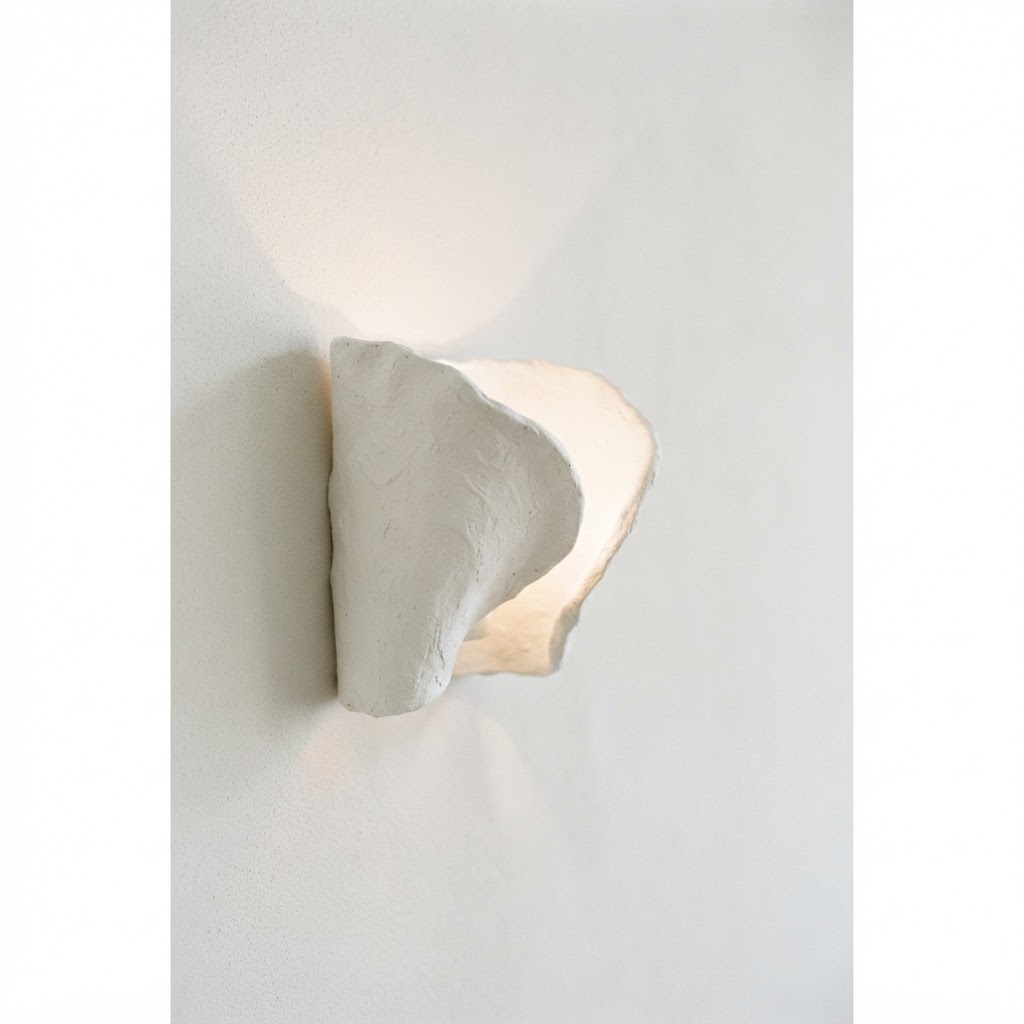
Lighting is critical here too. Recessed lighting with dimmers, a sculptural bedside lamp, maybe a floor lamp in a corner. The light bounces beautifully off white walls and you can completely change the mood of the room just by adjusting the levels. That's hotel design 101 and it works just as well at home.
Industrial Minimalist Edge
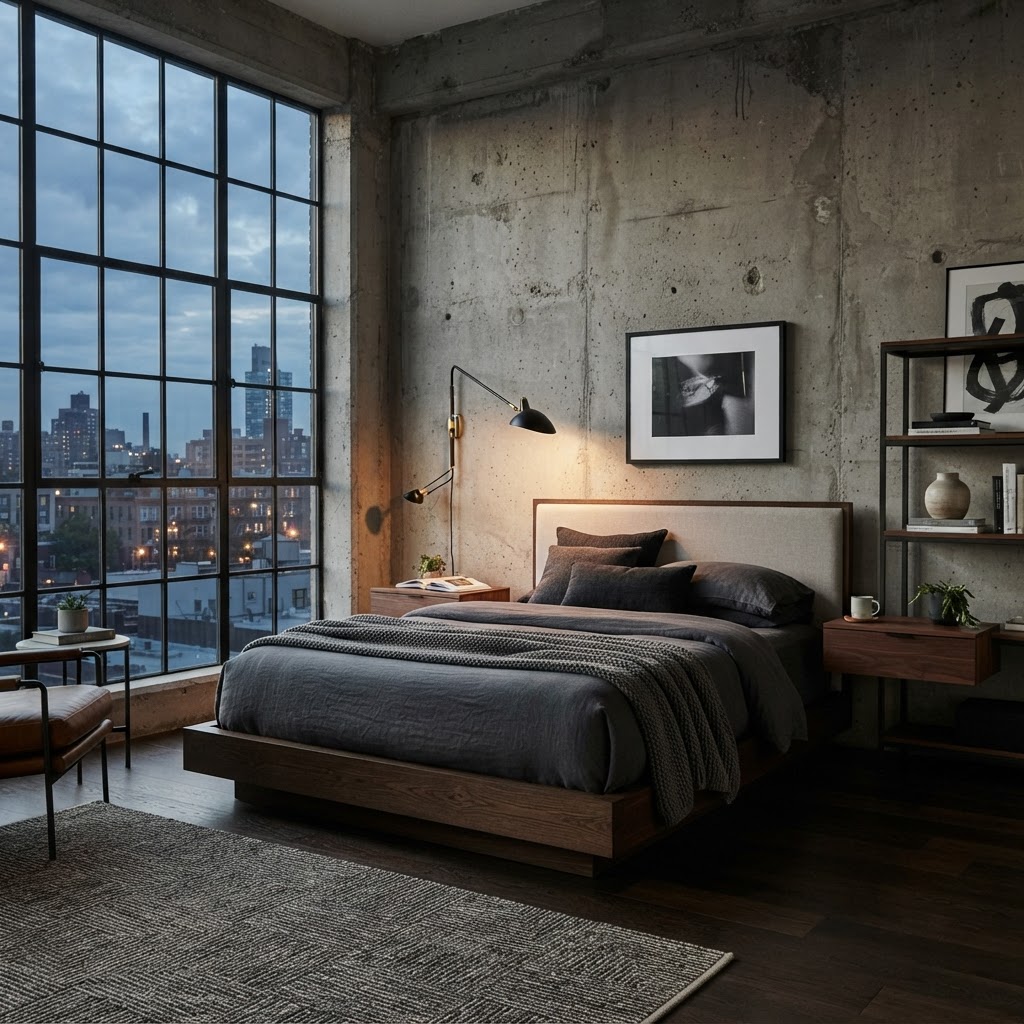
Industrial minimalism is the dark horse of this whole list. It's not for everyone, and that's exactly what I like about it. It has an edge. It has a point of view. Done right, it's the kind of bedroom that makes people walk in and immediately feel like they're somewhere sophisticated and a little bit unexpected. Think converted loft, think upscale urban hotel in a former factory building. That specific energy.
The foundation of industrial minimalism is raw, honest materials. Exposed concrete, whether that's actual poured concrete walls or a high-quality concrete effect paint or wallpaper. Raw steel in furniture legs, bed frames, and light fixtures. Aged leather. Unfinished wood with visible grain. The whole ethos is that things look like what they are, no veneer, no fuss, no pretending.
Here's the thing though: industrial minimalism can very easily tip into cold and uncomfortable if you're not careful. The trick is warmth. You need warm elements to balance the raw ones. A thick wool rug. Soft linen bedding in warm neutral tones. A few well-placed plants. Maybe an oversized vintage-style pendant light that gives off a warm amber glow rather than a harsh cool one. The contrast between the hard industrial elements and the soft warm ones is what creates the tension that makes this style so compelling.
- Concrete or stone effect walls as a backdrop for everything else
- Black steel bed frame with clean geometric lines and no ornamentation
- Warm textiles in wool, leather, or linen to soften the raw materials
- Edison or globe bulb lighting for warm amber tone against dark elements
- Minimal furniture, every piece functional and visually purposeful
Color in an industrial minimalist bedroom is mostly neutrals, but they tend to be darker and moodier than in the other styles on this list. Deep charcoals, dark slate, matte black, aged bronze. You can absolutely go warm and light with industrial minimalism, but there's something particularly compelling about leaning into the drama a little. A charcoal concrete wall with warm linen bedding and a single vintage lamp is genuinely one of my favorite combinations in any style of bedroom design. It's moody without being depressing. Dramatic without being loud.
And honestly, this is the style that rewards restraint the most. Every single item in an industrial minimalist bedroom should feel like it was chosen specifically and deliberately. Nothing accidental, nothing just filling space. If you're the kind of person who's naturally drawn to quality over quantity, who'd rather have one really excellent chair than three mediocre ones, this might just be your aesthetic.
Final Thoughts
Look, the common thread running through all five of these ideas isn't really about style. It's about intention. Five star hotel rooms feel the way they do because someone made every single decision on purpose. The material, the color, the texture, the light, the negative space, all of it considered. That's what minimalism actually is when it's done well, not emptiness, but purposefulness.
You don't need a massive budget to bring any of these ideas into your own bedroom. You need patience, a willingness to edit ruthlessly, and the confidence to leave some space empty. Start with whichever of these five resonates most with how you naturally live and what makes you feel calm, because that's what your bedroom is ultimately for. Rest. Restoration. A place that feels like yours.
Pick one idea, commit to it, and build slowly. That's honestly the most hotel-like thing you can do.
More in Interior
Stay Inspired
Subscribe for new essays on architecture, design, and the spaces that shape us.