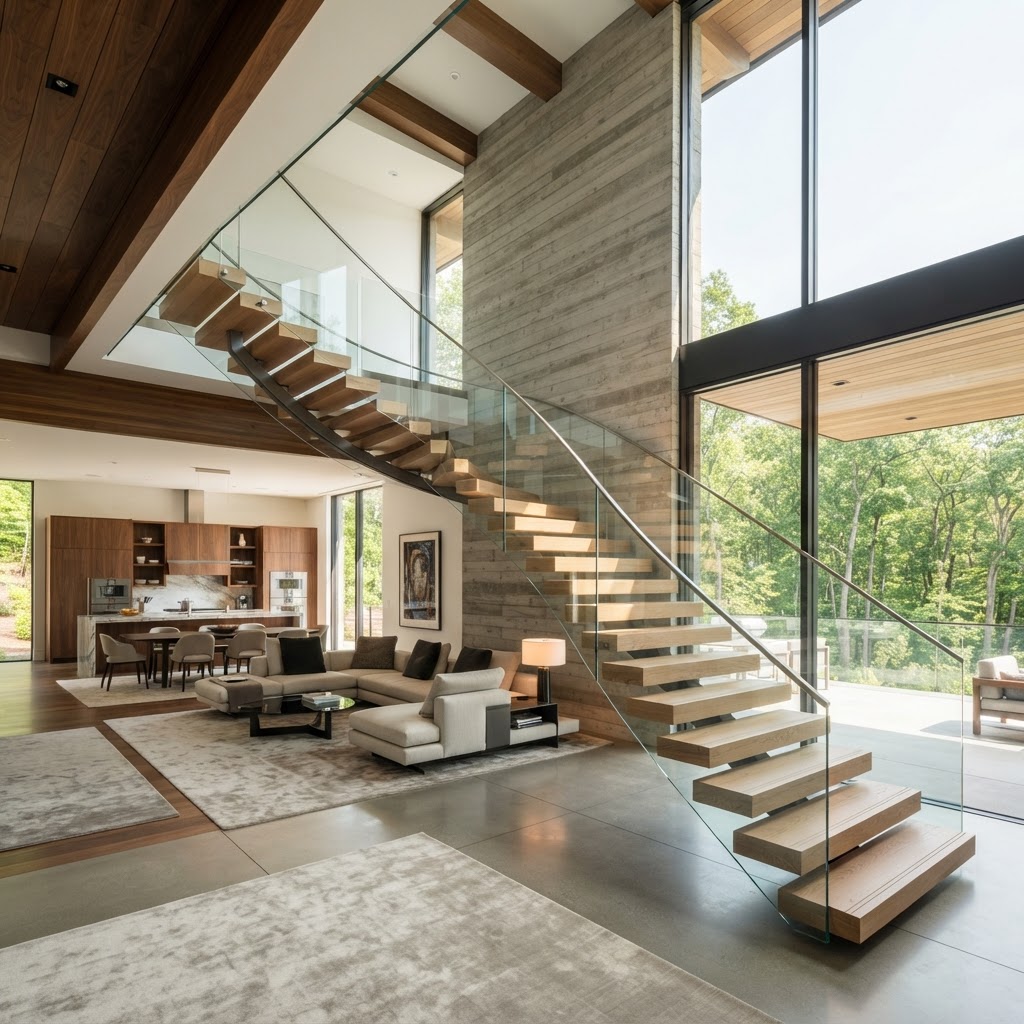
5 Staircase Designs That Will Totally Transform Your Home
A staircase is more than just a way to get between floors. It is an opportunity to make a serious design statement that elevates your entire interior. These five stunning staircase concepts prove that form and function can work perfectly together.
The Sculptural Floating Stair
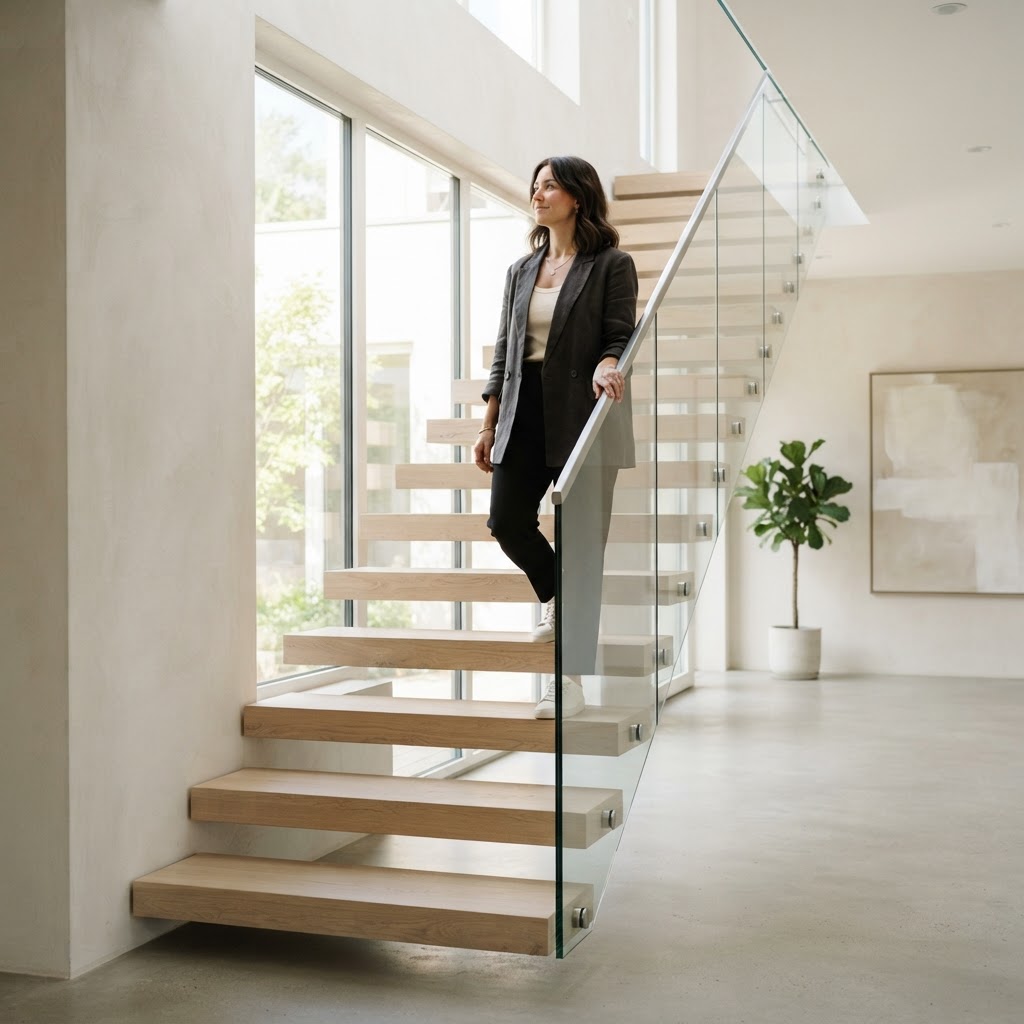
Honestly, if there's one staircase design that has completely taken over the interior design world in the last decade, it's the sculptural floating stair. And look, I get it. There's something almost theatrical about a staircase that appears to defy gravity, with treads that seem to hover in mid-air with no visible support underneath. It's the kind of thing that stops guests dead in their tracks the moment they walk through your front door.
The trick with floating stairs is that they're not actually floating, obviously. The treads are typically cantilevered from a central steel spine or secured into a structural side wall with serious engineering behind them. What you don't see is a whole lot of very deliberate structural work happening behind the scenes. This is a design that requires a good structural engineer in your corner, not just a confident architect with a mood board. That said, when it's done right, the result is genuinely breathtaking.
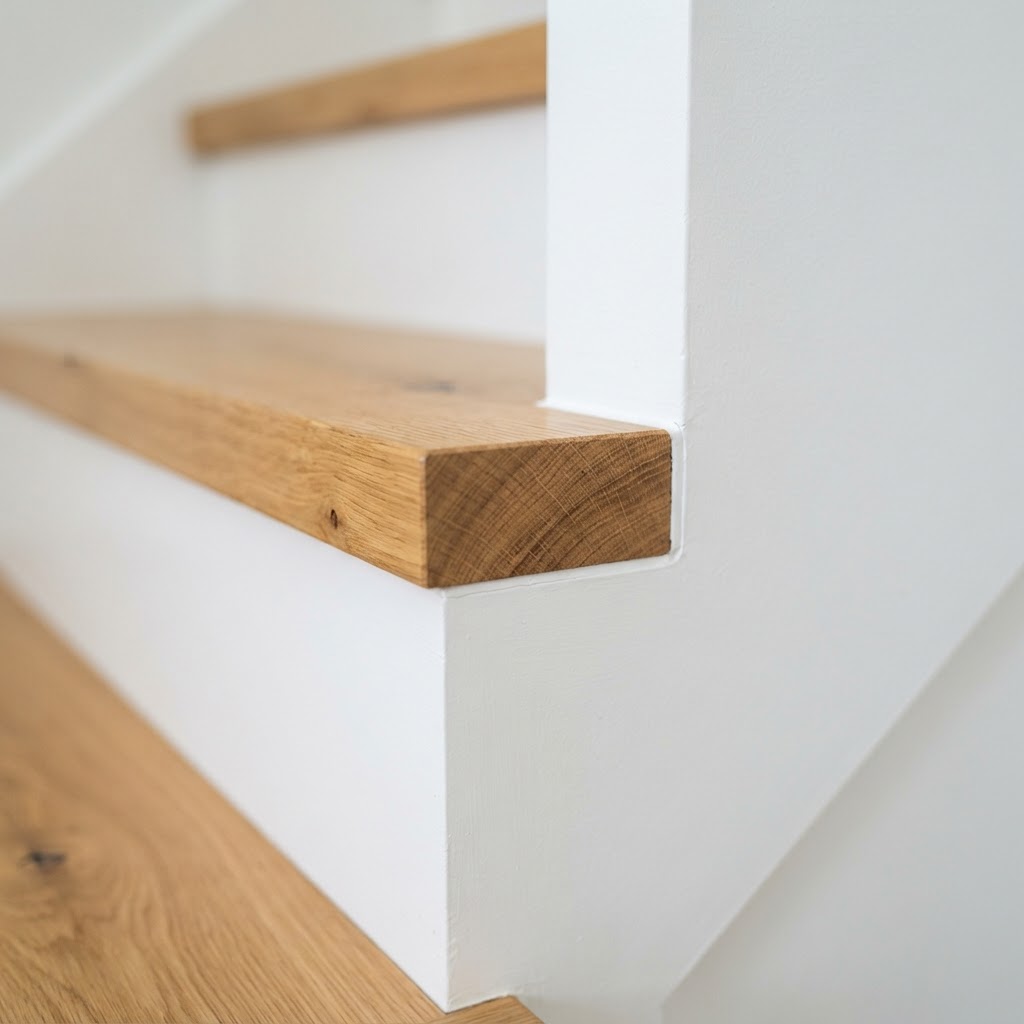
Material choice is everything here. Thick timber treads, especially in a rich walnut or white oak, give the design warmth and stop it from feeling cold or clinical. Pair those with a frameless glass balustrade and you've got something that feels both modern and liveable. Some designers push further into concrete or stone treads for a more monolithic, gallery-like feel, and honestly, those versions are stunning if your home can carry the aesthetic.
The lighting situation with floating stairs is also worth obsessing over. Recessed LED strips underneath each tread create a glow that's subtle during the day and genuinely cinematic at night. It's one of those details that costs relatively little in the grand scheme of a renovation but completely elevates the whole composition. Trust me on this one, don't skip the under-tread lighting.
- Best for: Contemporary homes with double-height volumes or open-plan living spaces
- Material sweet spot: Solid timber treads paired with steel or glass balustrades
- Budget reality: Higher-end investment, structural engineering costs add up
- Pro tip: Keep the wall behind the staircase plain and well-lit to let the design breathe
If you've got the budget and the space, a sculptural floating stair isn't just a way to get between floors. It becomes the defining architectural feature of your home, full stop.
Art Deco Spiral Statement
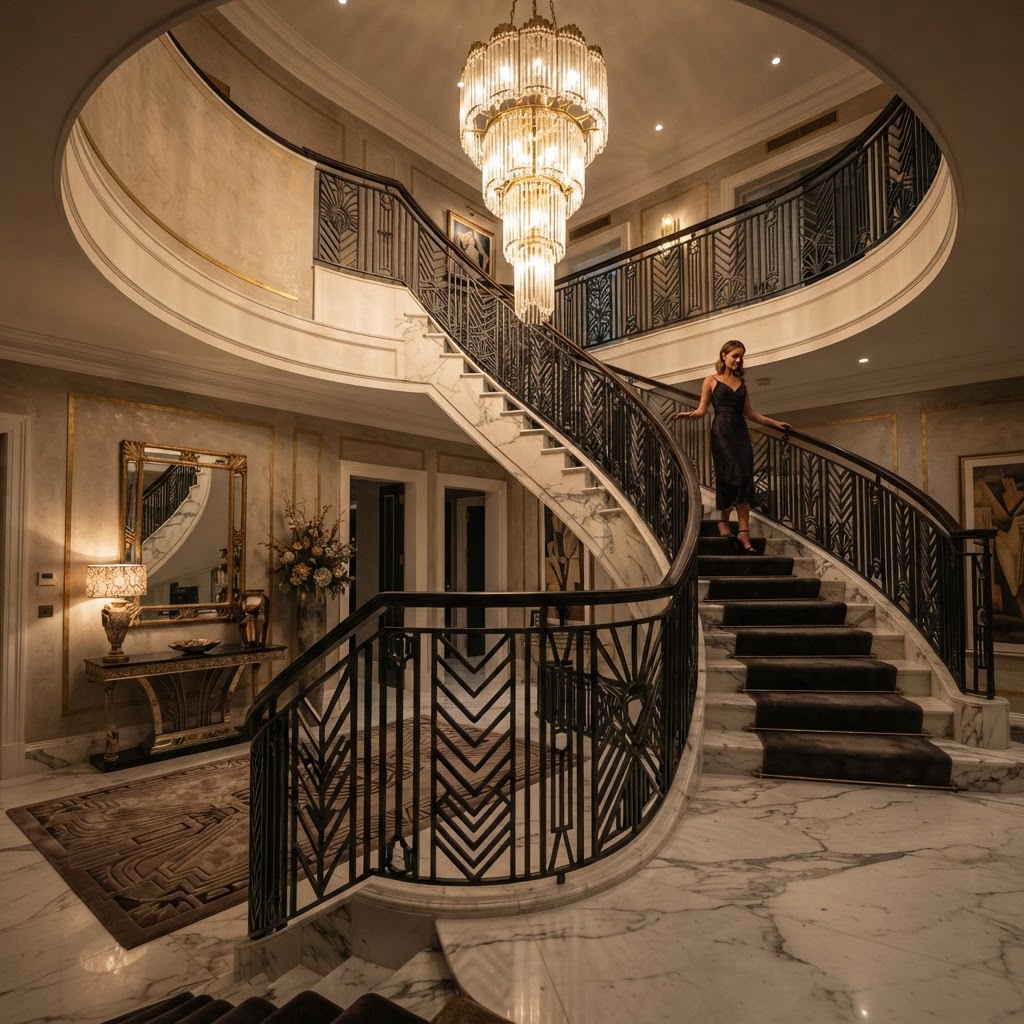
Real talk, spiral staircases have had a bit of an image problem for a while. For a long time they were associated with cramped beach houses and tiny apartments where a proper staircase simply wouldn't fit. But the Art Deco spiral? That is a completely different conversation. We're talking grandeur, geometry, and genuine wow factor in a way that very few design moves can match.
The Art Deco aesthetic is built on bold geometric forms, luxurious materials, and a certain unapologetic glamour that feels incredibly relevant right now. Applied to a spiral staircase, this means you're looking at wrought iron or brass balustrades with intricate geometric patterning, treads in marble or high-gloss lacquered timber, and a central column that might be wrapped in mirrored steel or even upholstered in leather. Yes, leather. On a staircase. And it works.
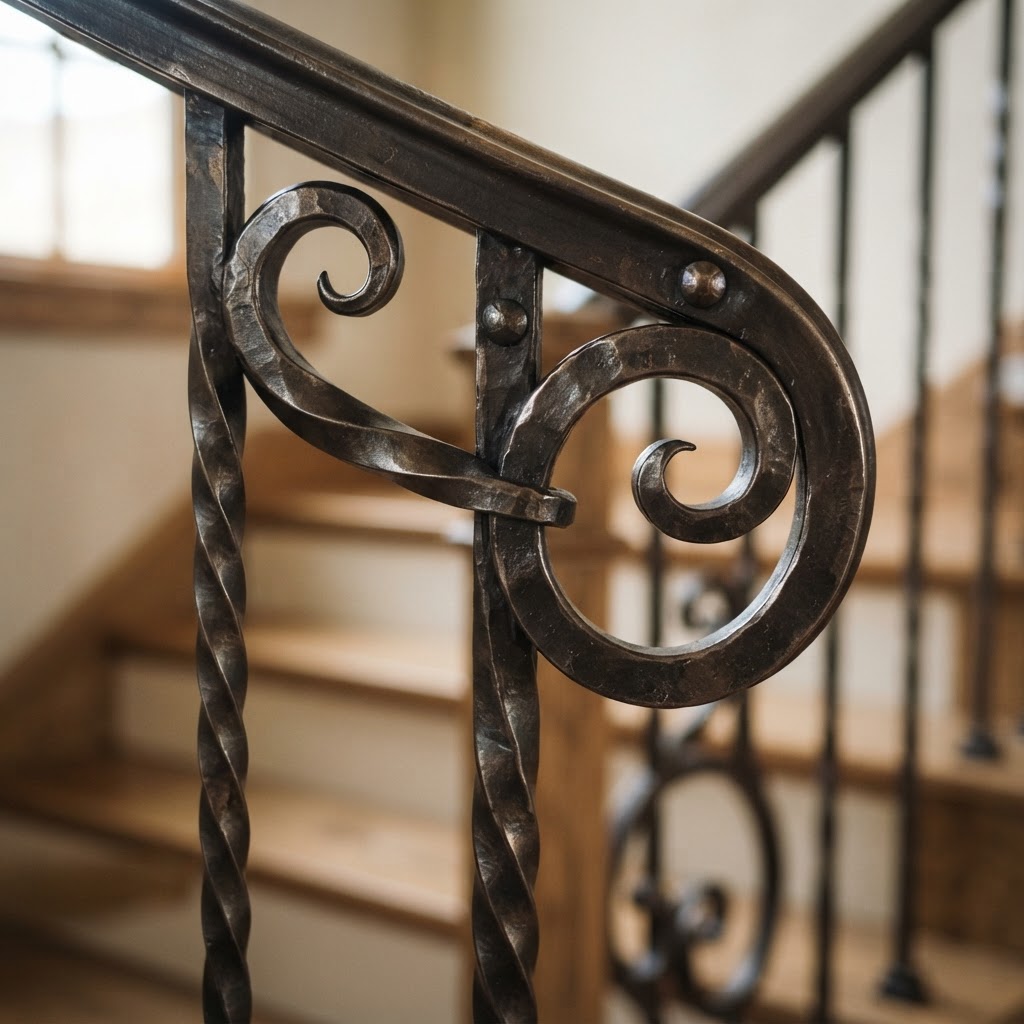
Here's the thing about committing to an Art Deco spiral. It's a statement that sets the tone for everything else in the room. Your furniture, your lighting, your colour palette, they all need to have a conversation with that staircase. This isn't the kind of design you can just drop into a space and ignore. It demands attention and, honestly, it deserves it. Interior designers who work in this style often talk about building the rest of the room around the staircase rather than treating it as an afterthought.
The proportions matter enormously. An Art Deco spiral that's too small looks fussy and decorative in the wrong way. You want it generous, you want the treads wide enough to walk comfortably, and you want the whole thing to have a sense of ceremony about it. Think of it as the architectural equivalent of a statement piece of jewellery, it should be visible, intentional, and slightly excessive in the best possible way.
- Signature materials: Brass, marble, wrought iron, lacquered timber
- Key detail: Geometric balustrade patterning is what separates this from a generic spiral
- Colour approach: Black and gold, ivory and brass, or deep green with chrome all work beautifully
- Works best in: Period homes, apartment lobbies, or any space with high ceilings and a love of drama
The Industrial Steel Spine
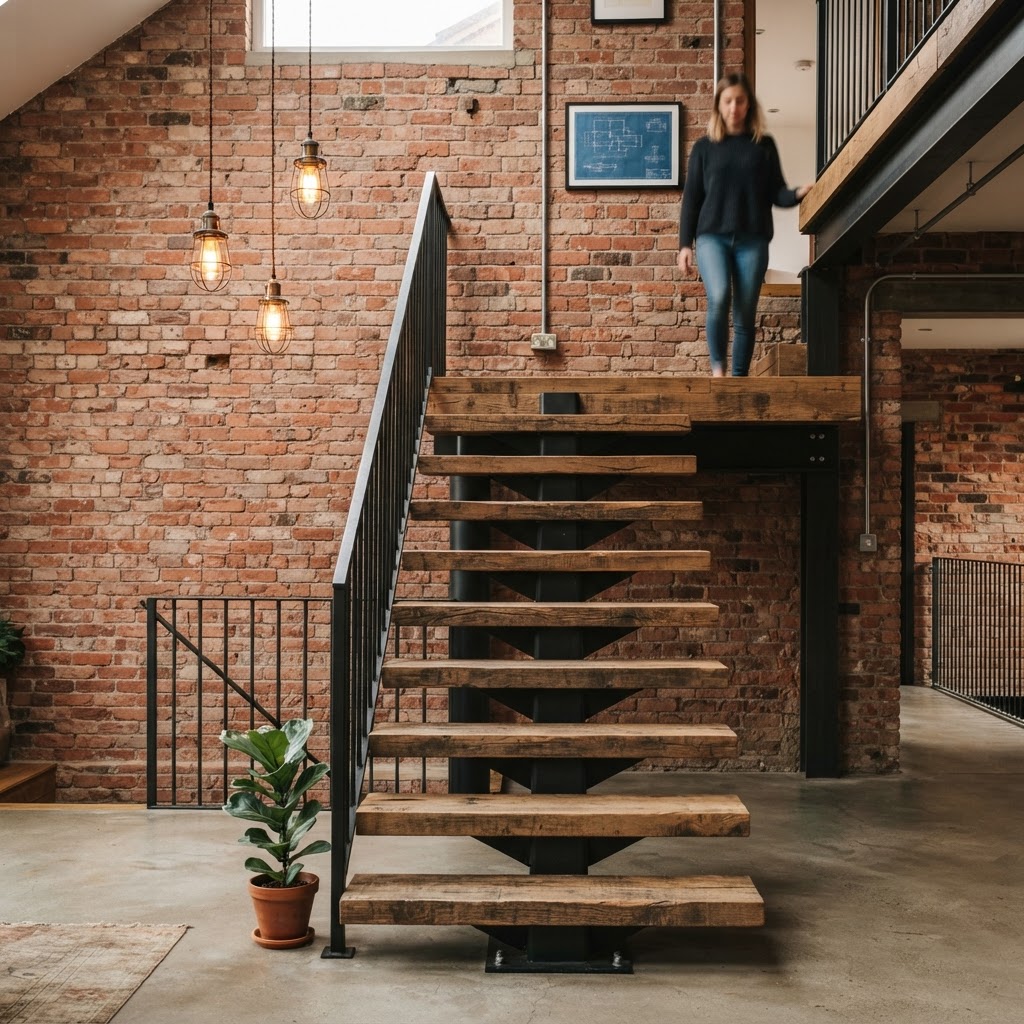
If floating stairs are about elegance and Art Deco spirals are about glamour, the industrial steel spine staircase is about attitude. This is the design for people who love exposed structure, who find beauty in the honesty of materials, and who genuinely think a weld bead can be as beautiful as a carved oak newel post. And honestly? I'm with them.
The industrial staircase is centred around a visible steel structure, usually a pair of flat plate stringers or a single central spine fabricated from structural steel. The treads are typically reclaimed timber, checker plate steel, or even cast concrete, and the balustrade is almost always cable wire or flat steel bar in a grid pattern. The whole thing is raw, purposeful, and completely lacking in pretence. There's no hiding anything here, and that's exactly the point.
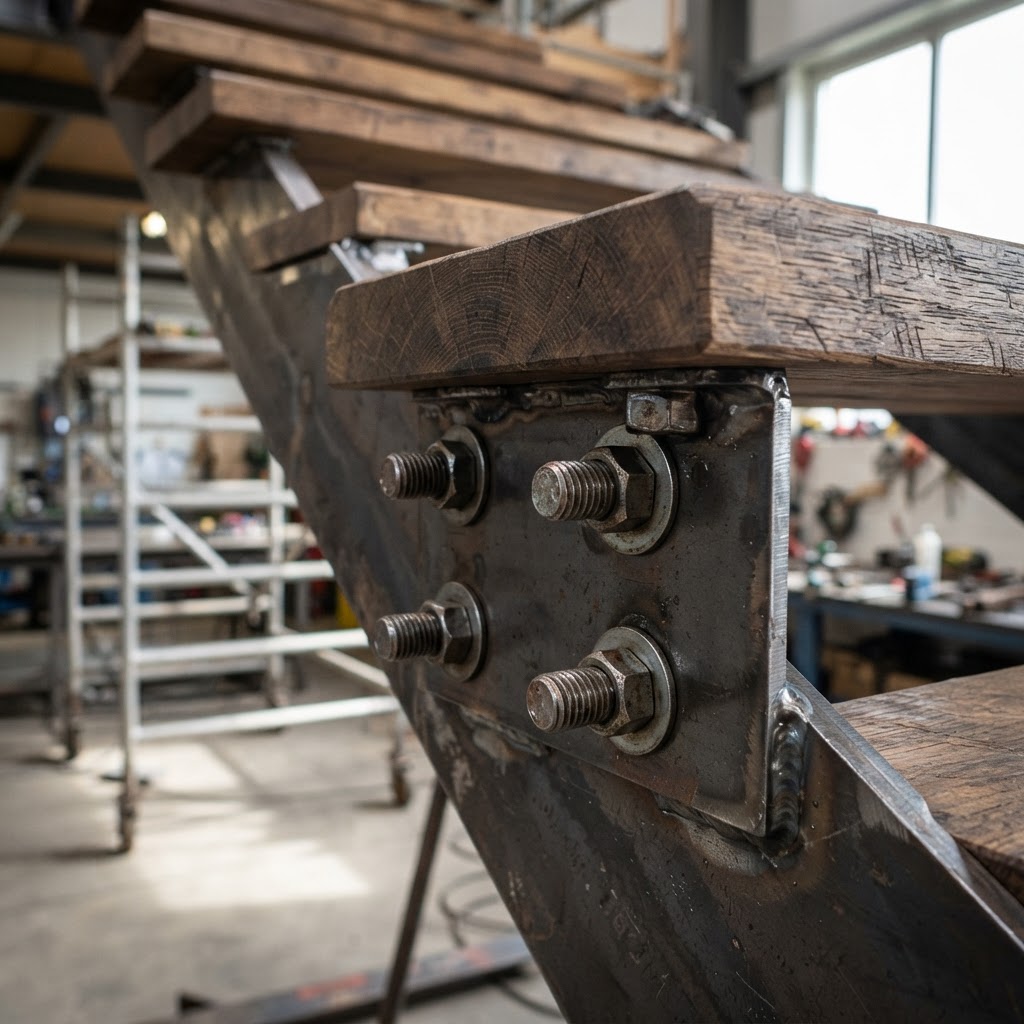
What I find genuinely interesting about this style is how well it plays with other aesthetics. A steel spine staircase in a converted warehouse is the obvious move, sure, but drop one into a more traditional home and suddenly you've got a really compelling tension happening. The contrast between old and new, rough and refined, is one of the most interesting things you can do in interior design, and a well-crafted industrial staircase is one of the best ways to introduce that energy into a space.
The finish on the steel is a conversation worth having with your fabricator. Raw steel left to develop a natural patina has a warmth and character that powder-coated or painted steel simply can't replicate. That said, raw steel needs ongoing maintenance to prevent actual rust unless you seal it properly, so factor that into your decision. A matte black powder coat is the easy and very handsome alternative, and it works beautifully with both timber and concrete treads.
- Tread options: Reclaimed timber, checker plate, poured concrete, or thick rubber for a really edgy look
- Balustrade choices: Horizontal cable wire, flat steel bar, or simple round steel rod
- Finish decisions: Raw steel with sealant, matte black powder coat, or dark grey
- Pairs beautifully with: Exposed brick, concrete floors, pendant Edison bulbs, and leather furniture
Hidden Storage Staircase
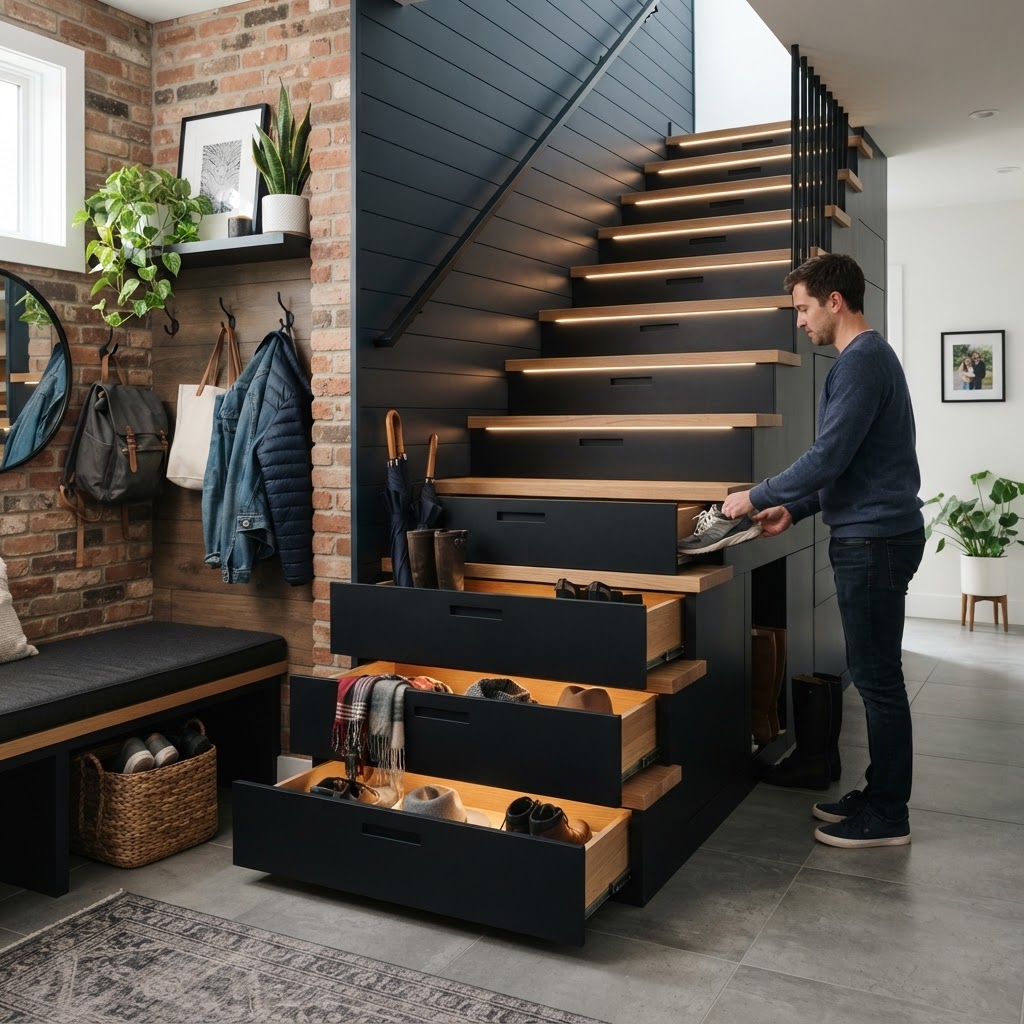
Okay, I want to talk about the hidden storage staircase because I think it is genuinely one of the most underrated design moves in residential interiors right now. It's not flashy in the way that a floating stair or an Art Deco spiral is flashy, but it's the kind of design that makes your actual life significantly better, and that matters a lot more than people give it credit for.
The concept is straightforward. Each tread is built as a drawer or a lift-up hatch, giving you a long run of deep, easily accessible storage built right into the structure of your staircase. In a family home, this is borderline life-changing. Think about what you could store there: shoes, sporting equipment, board games, seasonal items, tools, the kids' craft supplies that seem to multiply overnight. The under-stair cupboard is a good solution but it always ends up being the dark chaotic corner where things go to be forgotten. Individual stair drawers give you organisation and accessibility in a way that a single under-stair space never can.
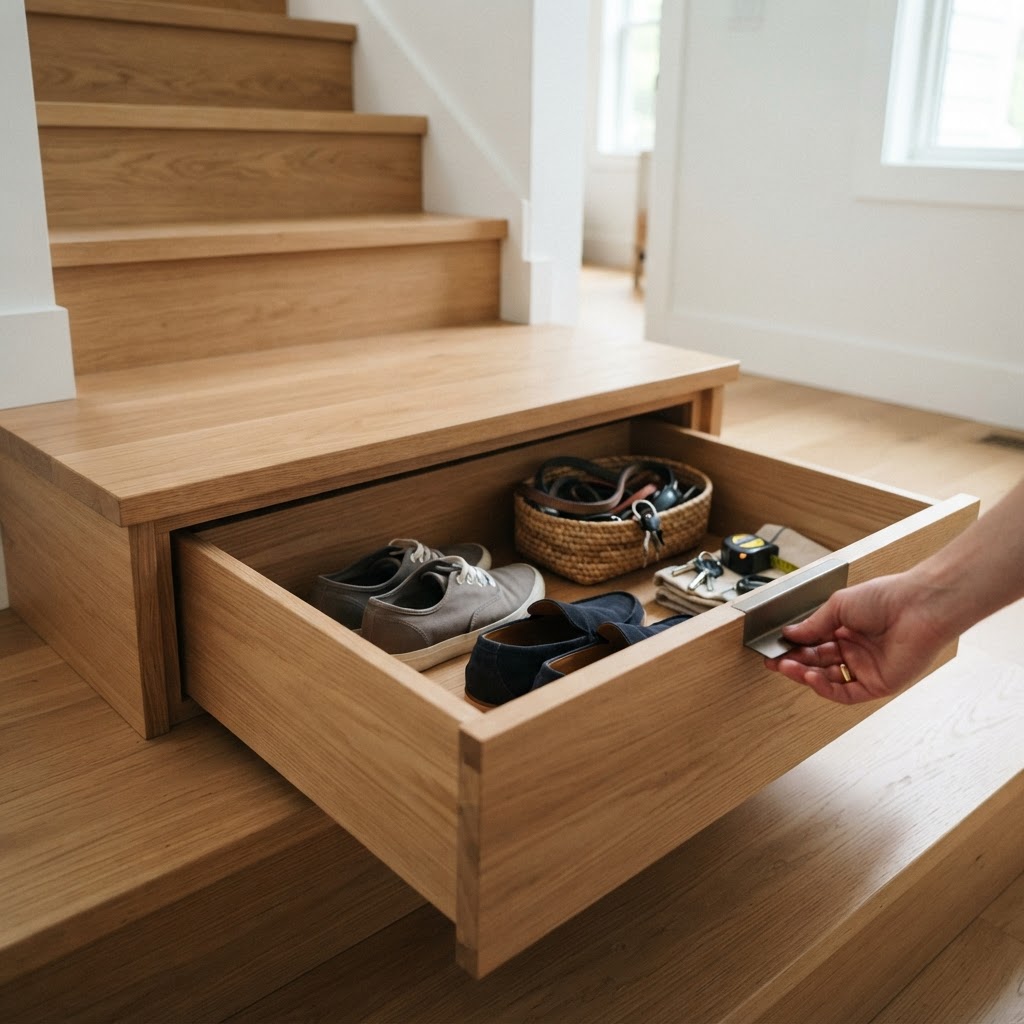
From a design perspective, the storage staircase works best when the drawer fronts are flush and handleless, integrated seamlessly into the riser face so the whole thing reads as a clean, uninterrupted composition. The craftsmanship here is crucial. Gaps that are uneven, drawers that stick, or hardware that doesn't sit flush will make the whole thing look cheap and unfinished regardless of how good the rest of the staircase is. This is a build that rewards investing in a really skilled joiner.
Here's the thing that people often don't consider until they're living with it: the staircase becomes a piece of furniture in the truest sense. It's not just circulation, it's storage, it's a design element, and it's a daily functional workhorse. In smaller homes or apartments where every square metre counts, this is the kind of thinking that separates a smart renovation from a merely pretty one.
- Best drawer depth: Around 400 to 500mm for maximum usefulness without structural compromise
- Hardware advice: Push-to-open mechanisms keep the look clean, soft-close runners are non-negotiable
- Interior finish: Line drawers with a light timber veneer to make finding things easier
- Consider also: Combining some steps as drawers with others as full-height cabinet doors for varied storage
- Perfect for: Family homes, small apartments, beach houses, anywhere storage is at a premium
Graphic Tiled Risers
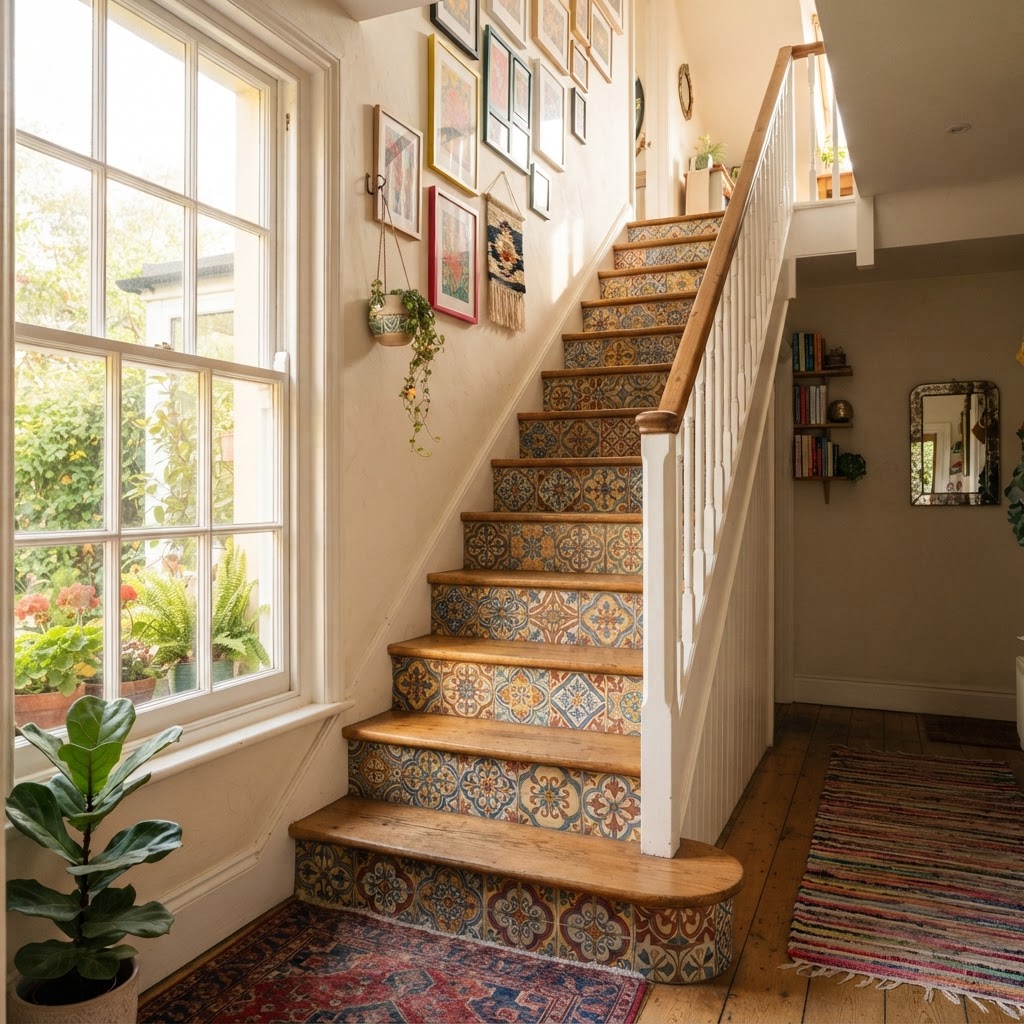
Look, not every transformative staircase design requires a structural overhaul, a team of engineers, or a six-figure renovation budget. Sometimes the most impactful move is also the most accessible one, and graphic tiled risers are exactly that. This is the staircase upgrade that can genuinely change the feel of your home for a fraction of the cost of any other option on this list, and it works in almost any home from a terrace house to a country cottage.
The idea is simple. While the treads stay in their existing material, whether that's timber, stone, or carpet replaced with timber, the vertical riser face of each step is tiled with a decorative, graphic, or patterned tile. The effect when you stand back and look at the staircase as a whole is extraordinary. You've essentially turned a utilitarian piece of architecture into a wall-mounted artwork that you get to walk through every single day.
The tile choices available right now are genuinely incredible. Portuguese azulejos with their deep cobalt patterns on white are the obvious choice and remain endlessly beautiful for good reason. But there's also a huge world of Spanish encaustic tiles, Moroccan zellige, hand-painted Italian ceramics, and contemporary geometric tiles from independent studios that can take the design in wildly different directions. The key is committing to a tile that has real graphic presence. Subtle or neutral tiles on risers tend to get lost. You want something that reads clearly from across a room and rewards close inspection equally well.
Practically speaking, riser tiles need to be appropriately rated for the application and properly sealed, especially in homes with kids or pets where cleaning is a regular activity. The installation requires patience and a tiler who understands the importance of consistent grout lines because on a staircase any inconsistency is very visible. And honestly, even with professional installation costs factored in, this is still one of the most cost-effective ways to dramatically transform your home's interior on this entire list.
- Tile styles to consider: Portuguese azulejos, Spanish encaustic, Moroccan zellige, geometric contemporary
- Grout colour matters: Dark grout emphasises geometry, white or matching grout lets the tile pattern dominate
- Mix it up: Using a different tile on every riser for an eclectic collected look is a brilliant move
- Tread pairing: Natural timber treads work with almost every tile style, stone treads are perfect for Mediterranean patterns
- Seal everything: A penetrating sealer on porous tiles will save you significant headaches long-term
And here's a thought that I keep coming back to with tiled risers specifically: they age incredibly well. Unlike many design trends that start to feel dated after a few years, a beautifully tiled staircase actually develops more character over time. Small variations in handmade tiles become more visible, the colours mellow slightly, and the whole thing starts to feel genuinely historical even in a brand new home. That's a rare quality in any design decision and it's worth a lot.
Final Thoughts
The staircase is one of those elements in a home that we tend to take completely for granted right up until the moment we see one that stops us in our tracks. Then suddenly we can't stop thinking about it. Each of the five designs in this list approaches the staircase from a completely different angle, some prioritising pure visual drama, others making a strong case for intelligent function, and a couple doing both at the same time.
Honestly, my advice is to spend real time thinking about what your home needs most. A growing family in a smaller home might find the hidden storage staircase is the most transformative thing they ever do to their space. A design-obsessed couple in a beautifully proportioned period home might find that an Art Deco spiral finally gives the interior the focal point it's always been missing. A renter or someone working with a tight budget might discover that tiled risers deliver more visual impact per dollar than almost anything else they could invest in.
Here's the thing about staircases that I want to leave you with. They're one of the very few elements in a home that you interact with physically multiple times every single day. You touch the handrail, you feel the tread underfoot, you glance at the composition every time you pass through the space. Getting that experience right, making it beautiful, making it feel considered and intentional, is one of the most meaningful investments you can make in your home. Don't leave it as an afterthought. Let it be the thing people talk about when they come through your front door.
More in Interior
Stay Inspired
Subscribe for new essays on architecture, design, and the spaces that shape us.