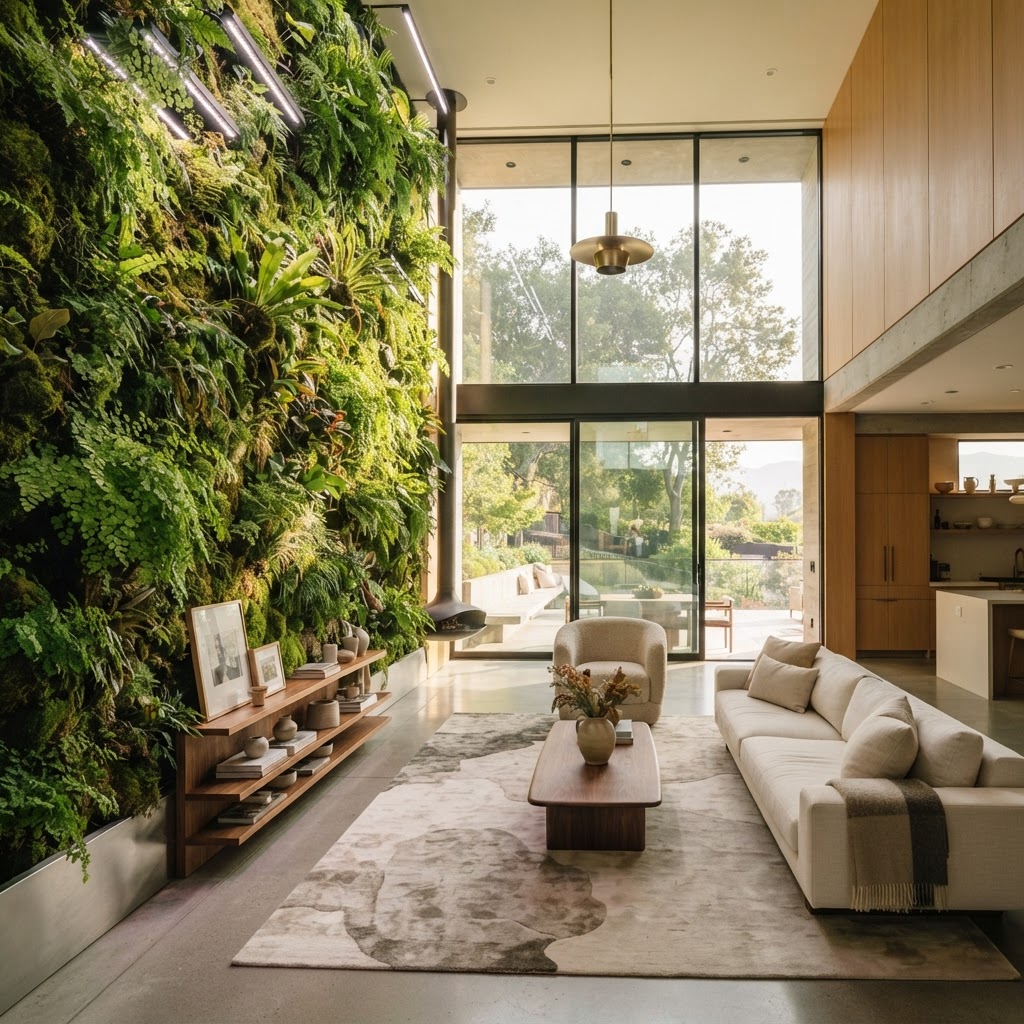
5 Stunning Green Wall Ideas To Bring The Outdoors Inside
Transform your living space into a refreshing oasis with these creative vertical garden designs. We explore how to integrate lush greenery into your home decor for a modern and organic look.
1. The Statement Moss Wall
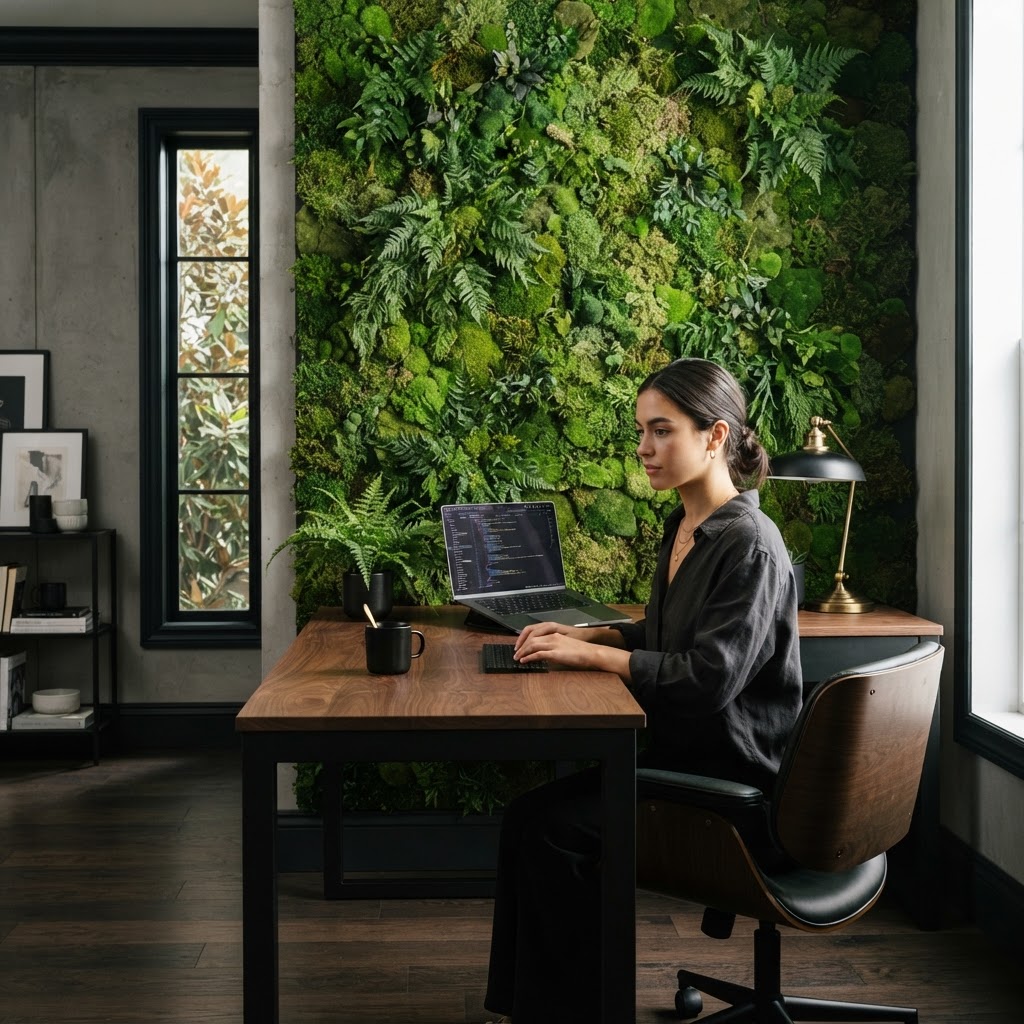
Okay, let's start with the one that stops people dead in their tracks the moment they walk into a room. The moss wall. Honestly, nothing else in interior design gives you that immediate, jaw-dropping, did-I-just-step-into-a-forest feeling quite like a wall covered floor to ceiling in preserved moss. It's bold. It's textural. And it is absolutely having a moment right now, and for very good reason.
Here's the thing about moss walls that a lot of people don't realize at first: the moss is preserved, not live. That means no watering, no soil, no grow lights, and no complicated maintenance routines. Preserved moss is treated with a glycerin-based solution that keeps it soft, flexible, and vibrant for years. Real talk, this is the dream for anyone who wants the look of lush greenery without the commitment of actually keeping plants alive. If you've killed a cactus before (no judgment, I absolutely have), this is your redemption arc.
When it comes to design applications, the options are genuinely exciting. You can go full wall coverage in a living room or entryway for maximum drama. Or you can create a framed moss art piece, almost like a painting, that acts as a focal point above a sofa or bed. Mixing different moss varieties, flat sheet moss, reindeer moss, and ball moss, adds incredible depth and dimension. Some designers even work in dried florals, bark, or branches to create something that feels truly one-of-a-kind.
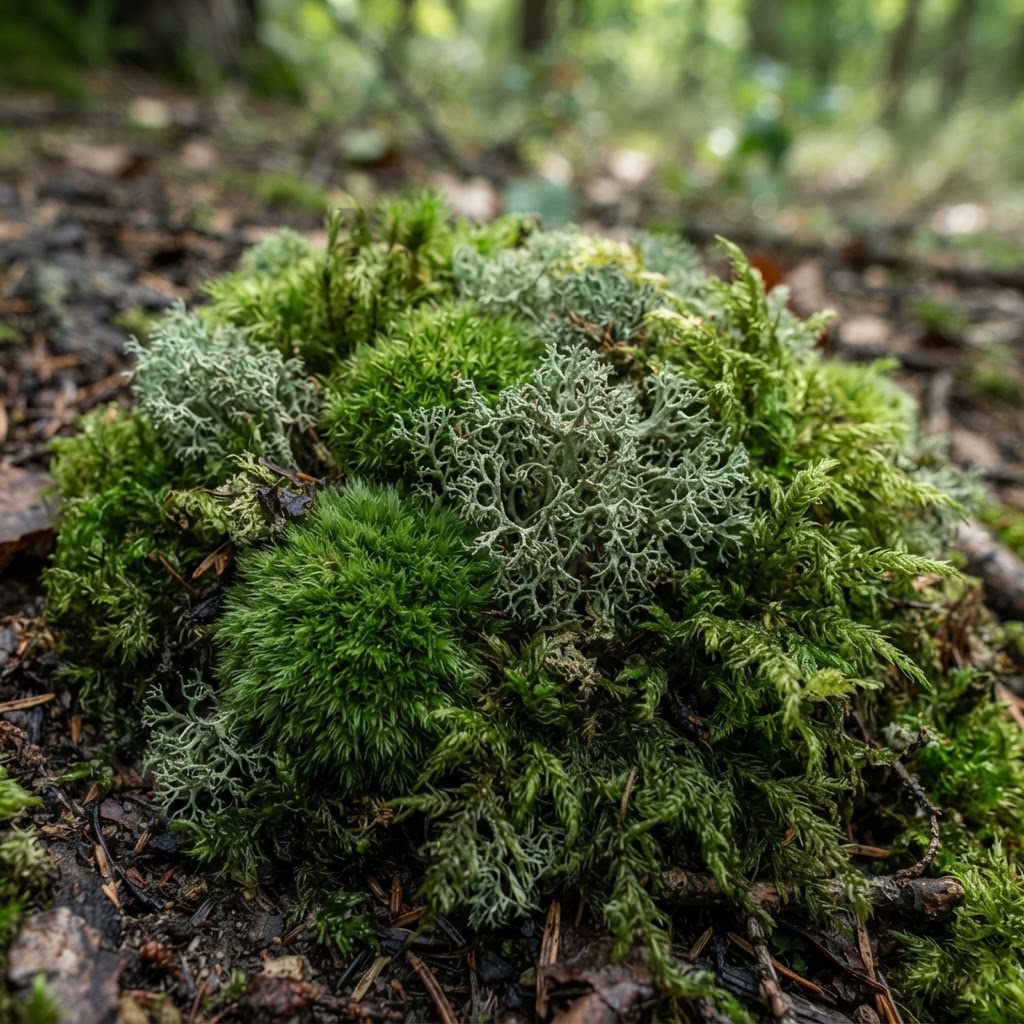
From a practical standpoint, moss walls work beautifully in spaces where natural light is limited, which is a huge selling point. Because they're preserved rather than living, they don't need sunlight at all. This makes them perfect for offices, basements, bathrooms, or any interior room that doesn't get great window exposure. They also have a mild acoustic benefit, the texture absorbs some sound, which is a lovely little bonus in open-plan spaces.
- Best for: Entryways, living rooms, office reception areas, restaurants
- Maintenance level: Extremely low, occasional dusting is all you need
- Cost range: Custom panels can run from a few hundred to several thousand dollars depending on size
- Pro tip: Keep humidity moderate and avoid direct sunlight to preserve the color longer
Honestly, if you want one green wall idea that makes an immediate, undeniable impact with practically zero upkeep, this is it. It's the kind of feature that makes your home feel like it was designed by someone who really knows what they're doing.
2. Self-Watering Modular Vertical Gardens
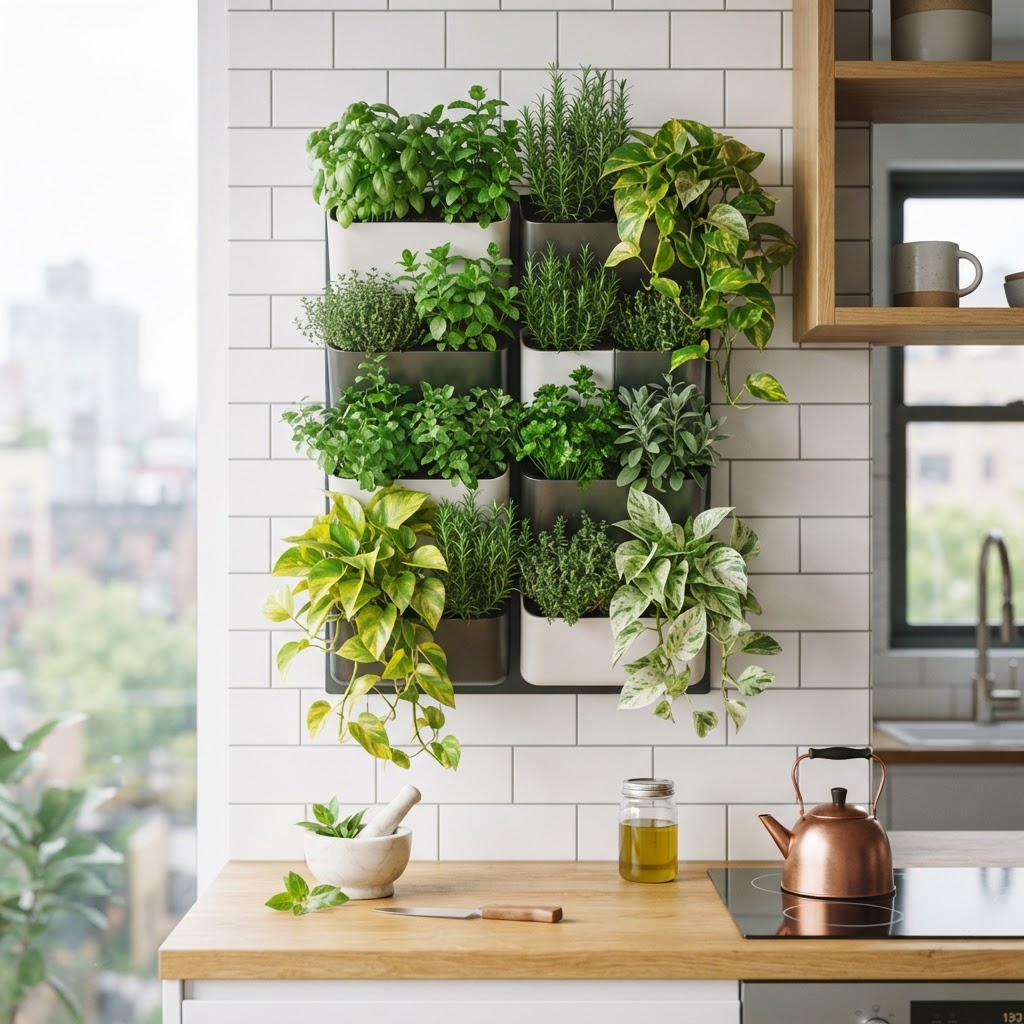
This one is for the people who actually want living plants on their walls, because there is genuinely something different about the energy a living green wall brings to a room. The slight movement of leaves, the air-purifying qualities, the way new growth appears over time. It's alive, and you can feel that. The good news is that technology has caught up with the dream, and self-watering modular vertical garden systems have made this idea way more accessible than it used to be.
The concept is pretty straightforward. Individual planter modules, usually made from plastic, felt, or a combination of both, snap or clip together onto a wall-mounted frame or panel. Each module holds one or a few plants, and many modern systems include a built-in reservoir or drip irrigation channel that feeds water slowly down through the panels. You fill the reservoir every week or two, and the system does the rest. Some higher-end versions even connect to a timer and water line for completely automated care.
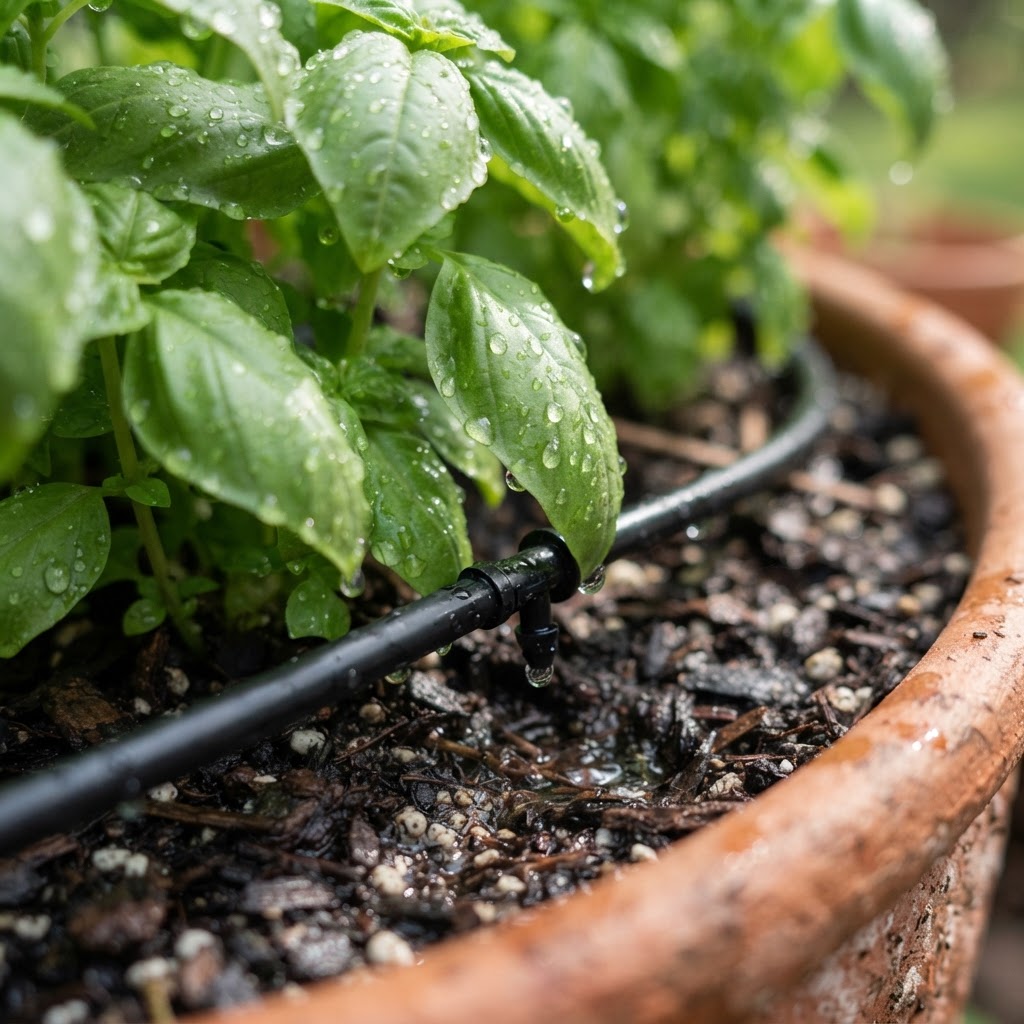
Plant selection is where you can really have fun with this. For indoors, you want species that tolerate moderate light and thrive in a more compact growing environment. Think ferns, pothos, philodendrons, peace lilies, spider plants, and herbs like basil, mint, and parsley. Kitchens are an especially brilliant location for a modular herb wall, fresh herbs literally within arm's reach while you cook, which is both practical and genuinely gorgeous to look at.
"A living wall doesn't just decorate a space, it transforms the air quality, the acoustic feel, and the emotional atmosphere of an entire room."
- Best for: Kitchens, home offices, living rooms with good natural light
- Maintenance level: Moderate, weekly watering and occasional pruning
- Cost range: Starter kits from around $80, larger systems $300 and up
- Pro tip: Start with a small section and expand as you get comfortable with the care routine
Look, the modular approach also means you're not locked in. You can rearrange plants, swap out ones that aren't thriving, and gradually grow the wall as your confidence builds. It's a living, evolving design feature rather than something static. And honestly, watching a vertical garden fill in over a few months is deeply satisfying in a way that's hard to explain until you've experienced it yourself.
3. Draped Cascading Pothos Shelving
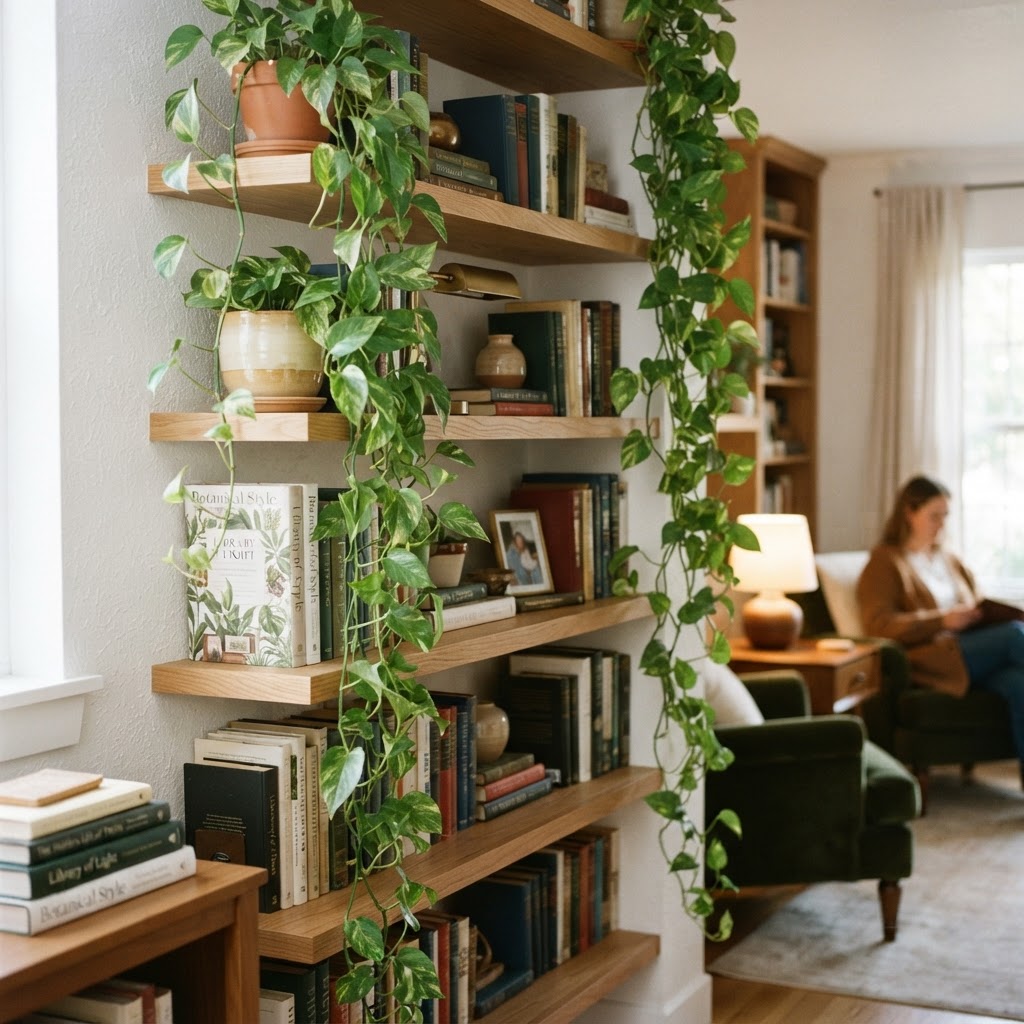
Okay, so not everyone wants to drill into their walls or invest in a full vertical garden system. Totally fair. That's exactly where this idea comes in, and honestly, it might be my personal favorite because it's so achievable and so incredibly lush-looking when done right. The draped cascading pothos shelf setup is basically the lazy genius approach to creating a green wall effect, and I mean that in the most complimentary way possible.
Here's the thing: pothos are practically indestructible. They tolerate low light, irregular watering, and general neglect with a cheerfulness that borders on suspicious. And their vines trail and drape beautifully, sometimes growing several feet long indoors if you let them. When you place pothos plants on shelves mounted at varying heights along a wall, ideally starting high and stepping down, the trailing vines create an organic curtain of greenery that covers a huge surface area with virtually no structural work required.
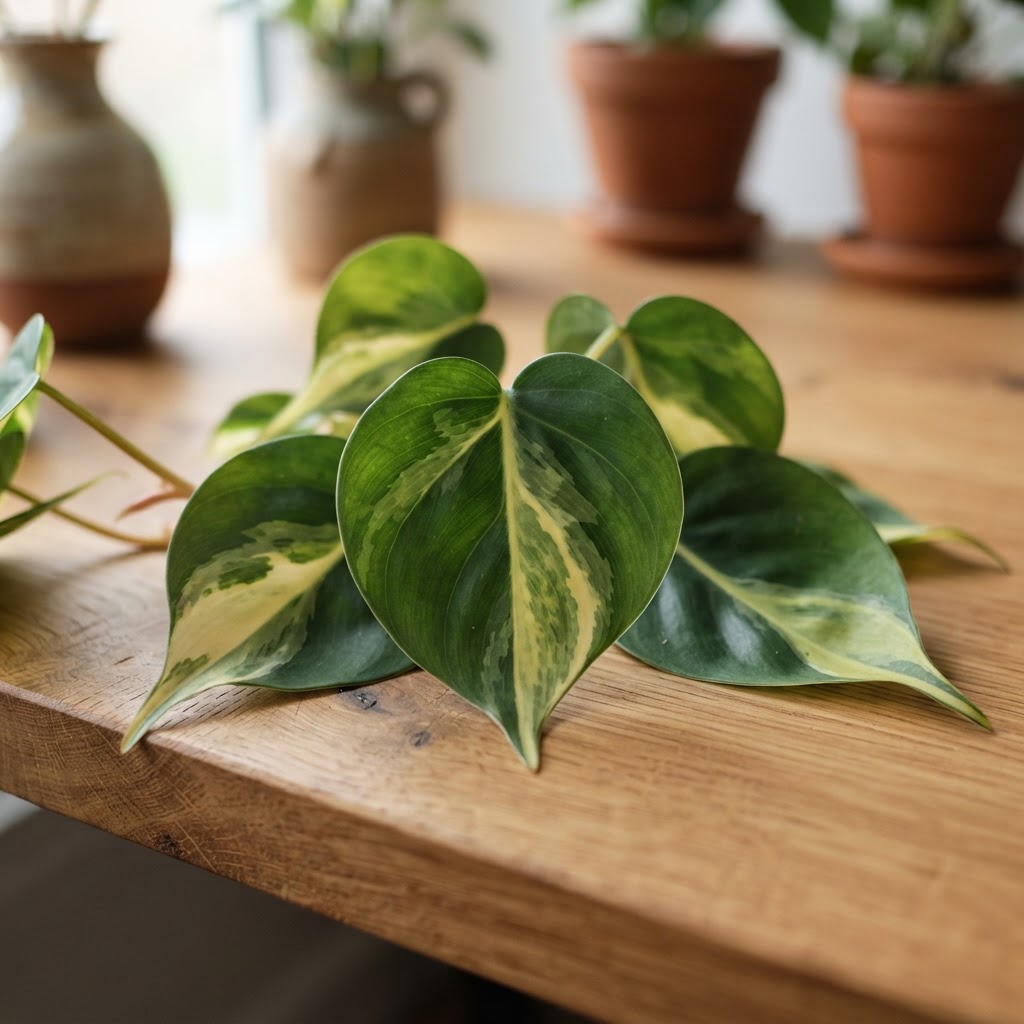
You're not limited to just pothos, either. Mix in heartleaf philodendrons, string of pearls, tradescantia, or even a few ivy varieties to add color and texture variation. The visual effect you're going for is abundance, like the plants are spilling out of the shelves because they simply can't be contained. Dark-stained or black metal shelving brackets look especially striking against trailing green vines, creating that contrast that makes everything pop.
From a styling perspective, you can use the shelves to hold other objects too. Books, candles, ceramics, and small sculptures look incredible nestled among the foliage. It stops the wall from feeling purely botanical and gives it a more curated, lived-in quality that feels personal rather than like a garden center display. Trust me on this, mixing plants with objects is what takes a shelf display from "nice" to "magazine-worthy."
- Best for: Living rooms, bedrooms, home offices, reading nooks
- Maintenance level: Low, pothos and philodendrons are incredibly forgiving
- Cost range: Very budget-friendly, shelves plus plants can easily come in under $150
- Pro tip: Let some vines trail to the floor for maximum drama, don't trim them too eagerly
4. Industrial Metal Trellis Climbers
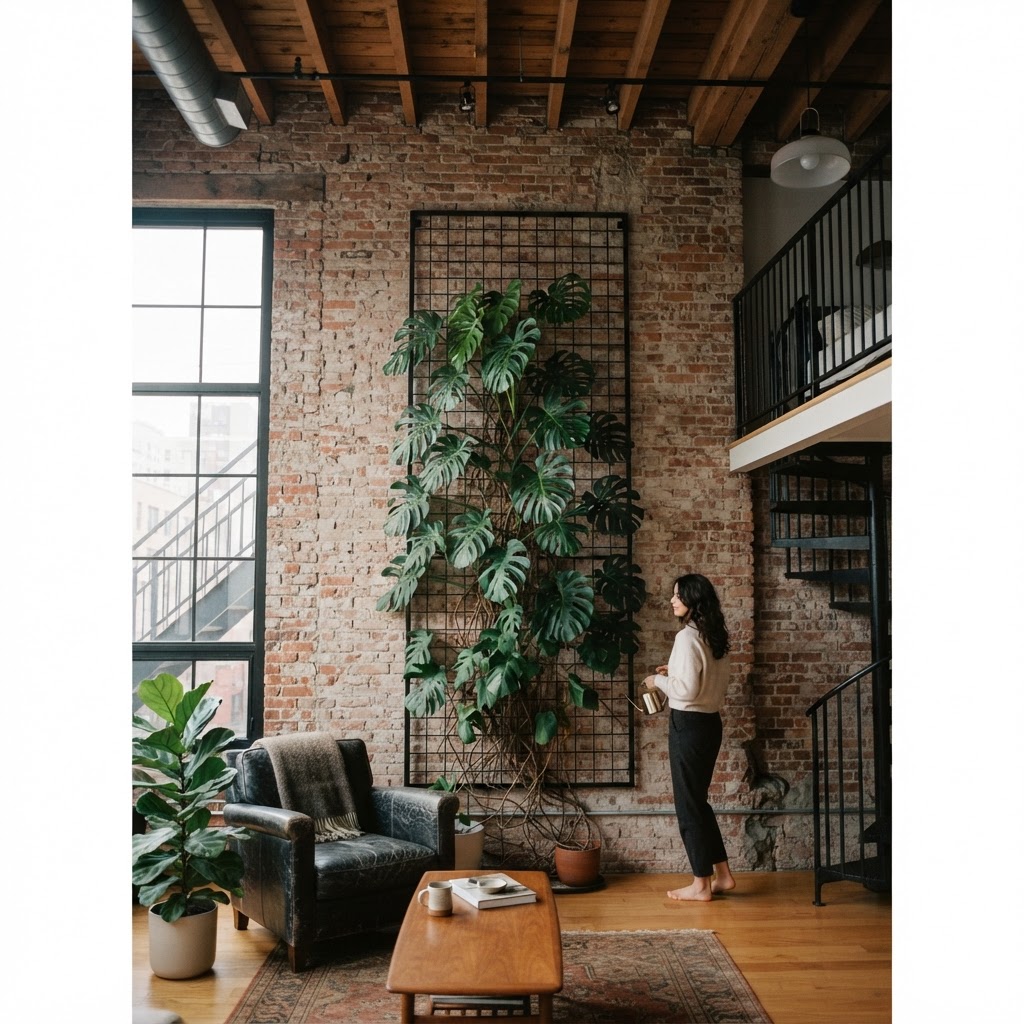
If you're into that modern industrial aesthetic, or even if you just love the idea of plants that actually climb rather than just sit there looking pretty, this one is going to speak to you. The industrial metal trellis climber setup is one of the most architecturally interesting approaches to a green wall, because the structure itself is part of the design. The trellis isn't hidden by the plants, it works with them.
Picture a large grid of black powder-coated steel or raw iron mounted flush against a wall. The metal itself has visual weight and presence. Now imagine climbing plants, things like monstera, climbing philodendron, scindapsus, or even an indoor jasmine, threading through the grid and gradually covering more of the structure over months and years. The interplay between the hard, geometric metal and the organic, irregular plant growth creates a tension that is genuinely beautiful. It feels designed and wild at the same time, which is a very specific kind of magic.
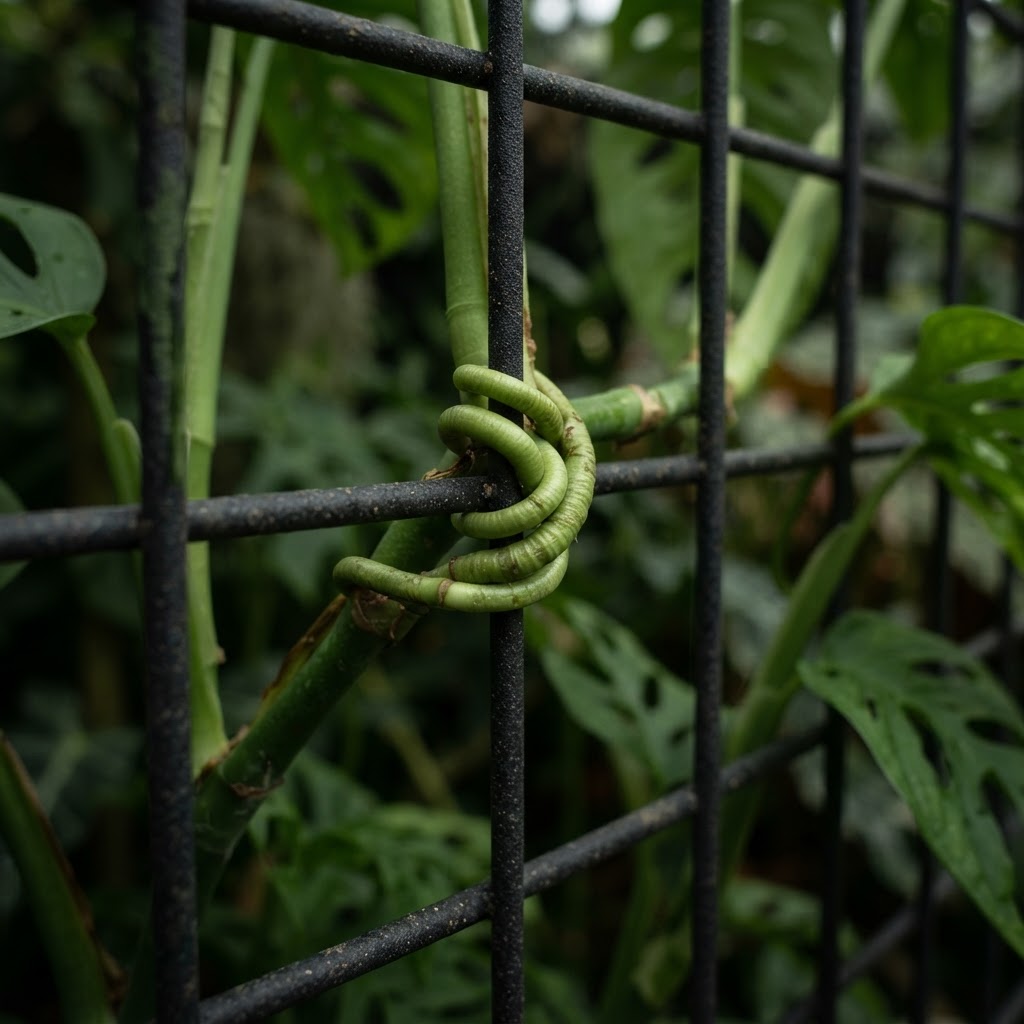
The practical details matter here. You'll want to mount the trellis a few inches away from the wall rather than flush against it, giving the plant stems and leaves room to grow behind and through the structure. Use a large planter at the base, something substantial enough to support mature plant growth and heavy enough to be stable. Soil quality really counts here since you want the plant to have the nutrients it needs to grow vigorously and fill the trellis over time.
"The beauty of a trellis climber is that the wall evolves. What starts as structure becomes garden, and the transformation is part of the design experience."
- Best for: Industrial lofts, modern apartments, living rooms with high ceilings
- Maintenance level: Moderate, regular watering and occasional training of vines
- Cost range: Custom metalwork can be pricey, but prefab trellis panels start around $60 to $200
- Pro tip: Use soft plant ties or velcro strips to guide the vines in the direction you want them to grow
And look, one of the biggest advantages of this approach over a moss wall or modular system is that it grows and changes over time. In year one, you've got an interesting structural piece with some plants climbing it. In year three, you might have a genuinely lush, dramatic feature wall that people ask about every single time they visit. The patience is part of the reward.
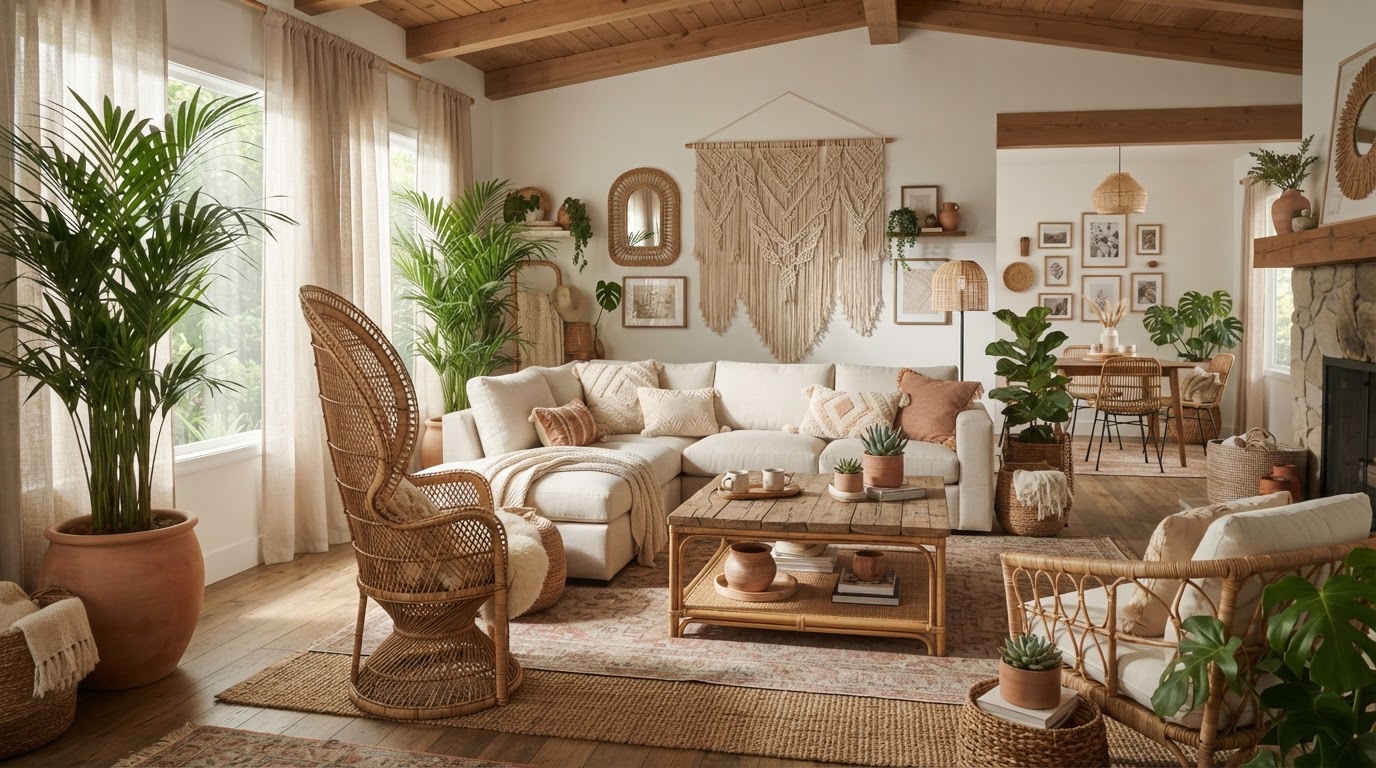
5. Boho Macrame Hanging Pockets
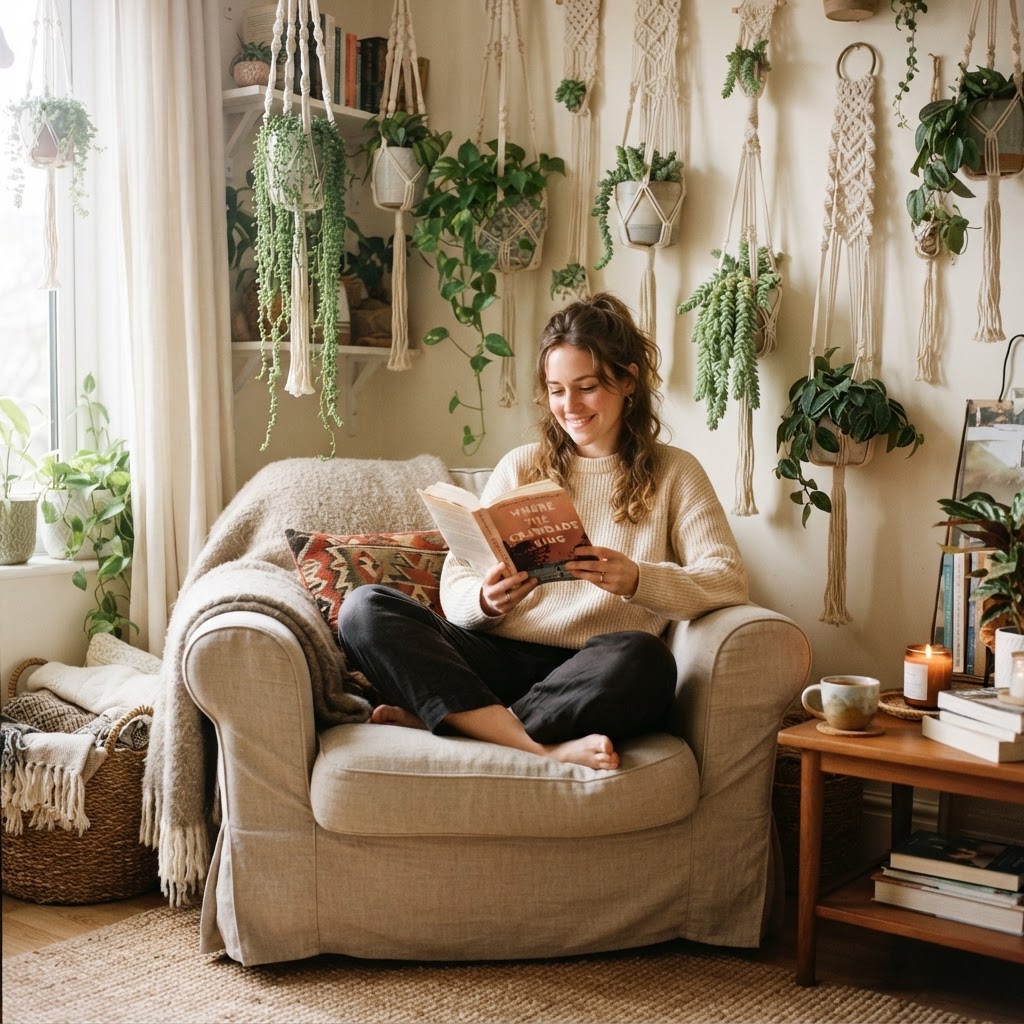
Alright, last but absolutely not least, and this one brings such a specific, warm, tactile energy to a space that I genuinely think it's underestimated in serious design conversations. The boho macrame hanging pocket approach to a green wall is not just a trend, it's a full aesthetic commitment, and when done well it creates a wall that feels handmade, personal, and deeply cozy in a way that no sleek modular system can replicate.
The idea is to create a collection of macrame plant hangers arranged across a wall section in a way that feels intentional but not too rigid. Varying heights are key. Some hangers sit high and hold trailing plants that cascade down, others sit at mid-height with more compact plants, and a few might sit lower with small succulents or air plants tucked into the pocket knots. The knotted cotton rope itself adds beautiful texture, and natural fiber against warm-painted walls or wooden paneling creates a palette that just feels right.
Plant choices for this style lean toward trailing and compact varieties. Pothos again, obviously, but also string of hearts, burro's tail, small ferns, air plants, and even small cacti can work beautifully in the right context. The slightly irregular, artisanal quality of macrame means the plants don't need to be perfect specimens either, a plant with a slightly wild shape or uneven growth often looks even better in this setting than something too symmetrical and manicured.
If you're at all crafty, making your own macrame hangers is incredibly satisfying and not as hard as it looks. There are good tutorials for basic plant hangers that even a complete beginner can follow. But even if DIY isn't your thing, the handmade market has exploded with talented makers selling beautiful pieces at very reasonable prices. Mixing purchased hangers with one or two you made yourself adds to the authentic, eclectic quality of the whole display.
- Best for: Bedrooms, living rooms, creative studios, bohemian and eclectic interiors
- Maintenance level: Low to moderate depending on plant selection
- Cost range: Very budget-friendly, individual macrame hangers from $15 to $60
- Pro tip: Use a picture rail or a long wooden dowel rod fixed to the wall to hang multiple pieces at varied heights from one anchor point
Final Thoughts
Here's what I want you to take away from all of this: there is no single right way to bring greenery onto your walls, and the best approach is honestly the one that fits how you actually live. If you love low maintenance and want maximum drama, go for the preserved moss wall. If you're a plant enthusiast who likes the nurturing aspect, a living modular system or trellis climber will give you so much joy. If you're renting or working with a tight budget, cascading shelf plants or macrame pockets can create something genuinely stunning for very little investment.
Green walls do something to a space that is hard to quantify but impossible to ignore. They soften hard edges, improve air quality, reduce noise, and create a sense of calm that feels almost instinctual, because we are wired to respond positively to nature. Bringing the outdoors inside isn't just a design trend, it's honestly one of the most human things you can do to a room. And whatever scale you work at, even a single shelf with trailing plants counts, the impact is always worth it.
Start somewhere. Start small if you need to. But start. I promise you won't regret it.
More in Interior
Stay Inspired
Subscribe for new essays on architecture, design, and the spaces that shape us.