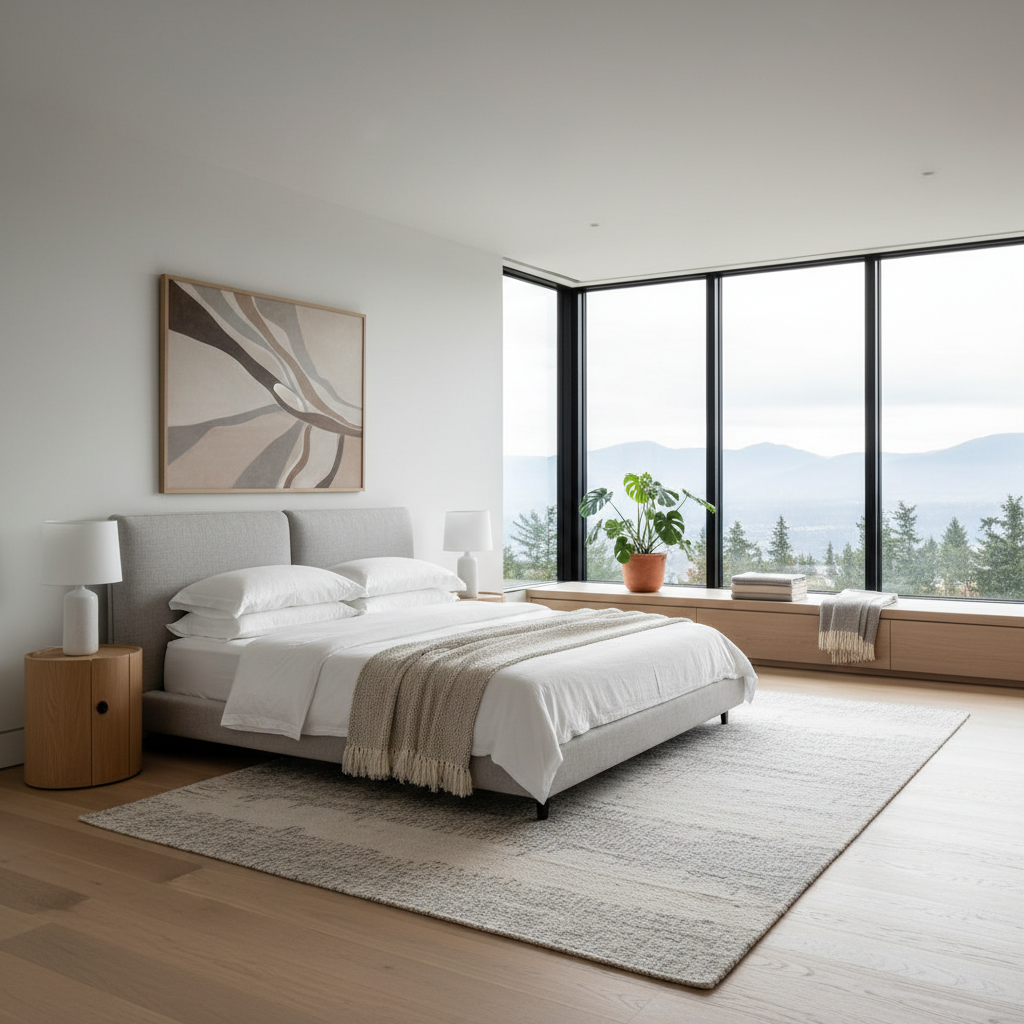
5 Stunning Minimalist Bedroom Looks You’ll Love
Looking to create a serene retreat in your home? In this post, we’ll explore five breathtaking minimalist bedroom designs that embody simplicity and elegance. From monochrome palettes to natural textures, discover the styles that inspire tranquility and relaxation.
5 Stunning Minimalist Bedroom Looks You'll Love
Okay, so I've been obsessed with minimalist bedrooms for a while now. Like, genuinely obsessed. There's something about walking into a room that feels calm and intentional that just resets your whole nervous system. And I know what you're thinking, "minimalist" sounds cold, sterile, maybe a little sad. But honestly, when it's done right, it's the opposite of all that. It's warm, it's considered, and it makes you actually want to be in your bedroom rather than just sleeping in it.
I've pulled together five looks that I think really nail different flavors of minimalism. Whether you're a hardcore "less is more" person or you just want to declutter and breathe a little, there's something here for you. Let's get into it.
1. Monochrome Magic
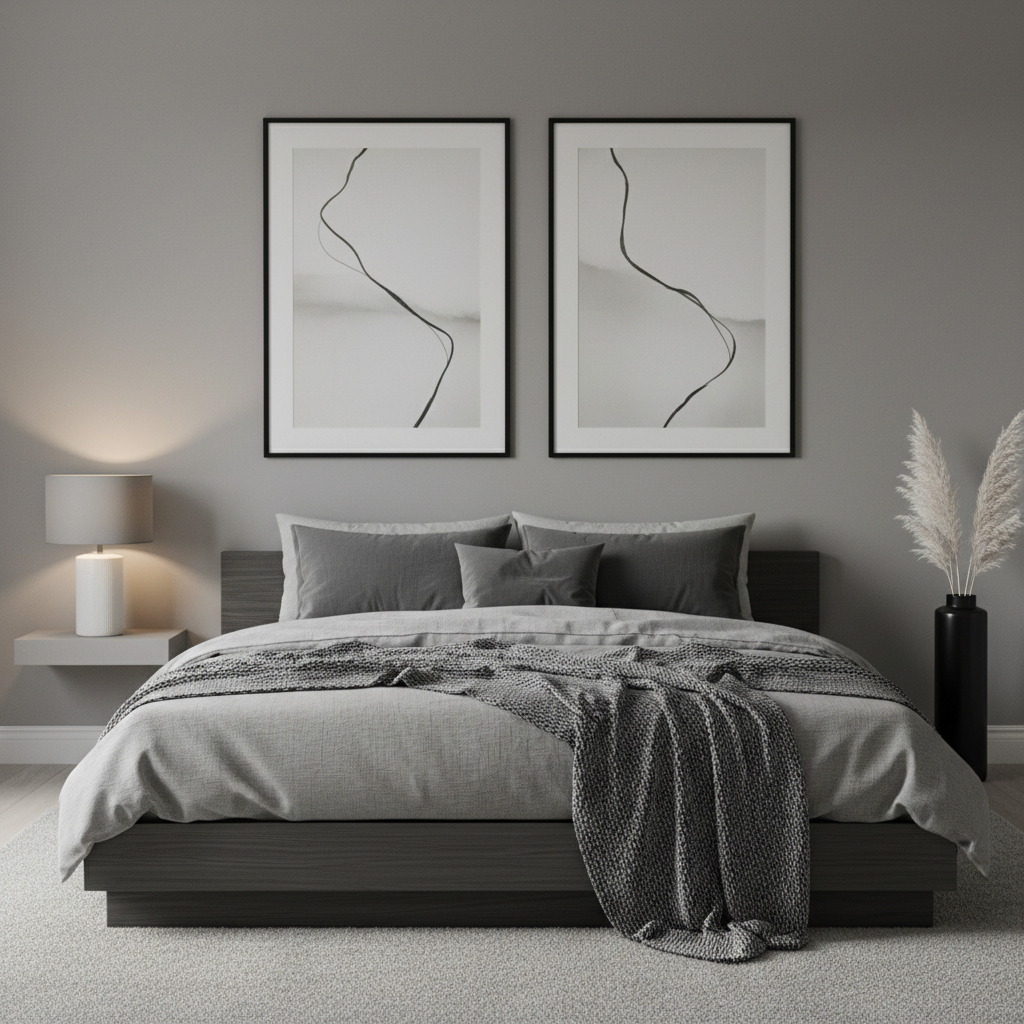
Here's the thing about monochrome rooms: people think it means just painting everything white and calling it a day. That is not what this is. A truly stunning monochrome bedroom is all about tonal layering, which is the art of taking one color family and working it through every surface, every fabric, every material until the whole room feels like one cohesive exhale. It's more nuanced than it sounds, and honestly, it takes a real eye to pull off without making the space look flat.
The most compelling monochrome bedrooms I've seen work in shades of warm grey, soft taupe, or creamy white. The trick is to vary your textures aggressively. Think a linen duvet in one shade, a chunky knit throw two shades darker, matte walls, glossy bedside tables, a wool rug with a subtle pattern that's technically the same color but reads completely differently. When you stack textures like that, the room comes alive even without a single pop of contrasting color.
Real talk, the bedside lighting matters enormously in a monochrome setup. Because you're working without color contrast to draw the eye, your lighting becomes the thing that creates depth and warmth. Sculptural table lamps in a complementary material, maybe brushed plaster or matte ceramic, do double duty as decor and atmosphere. Warm bulbs are non-negotiable. Cool white light in a monochrome bedroom is just depressing, I won't mince words about it.
If you're nervous about going fully monochrome, start with your bedding. Invest in a really quality duvet cover and two or three pillow shams in tonal variations of the same shade. That alone will give you a taste of the look and let you see how it feels in your specific light conditions before you commit to painting the walls. And trust me on this, once you see how calming it looks, you'll want to take it all the way.
- Layer at least three different textures within your chosen color family
- Use matte and sheen finishes on surfaces to create visual interest
- Invest in warm-toned lighting, ideally dimmable, to control the mood
- Keep furniture lines clean so the tonal layers do the talking
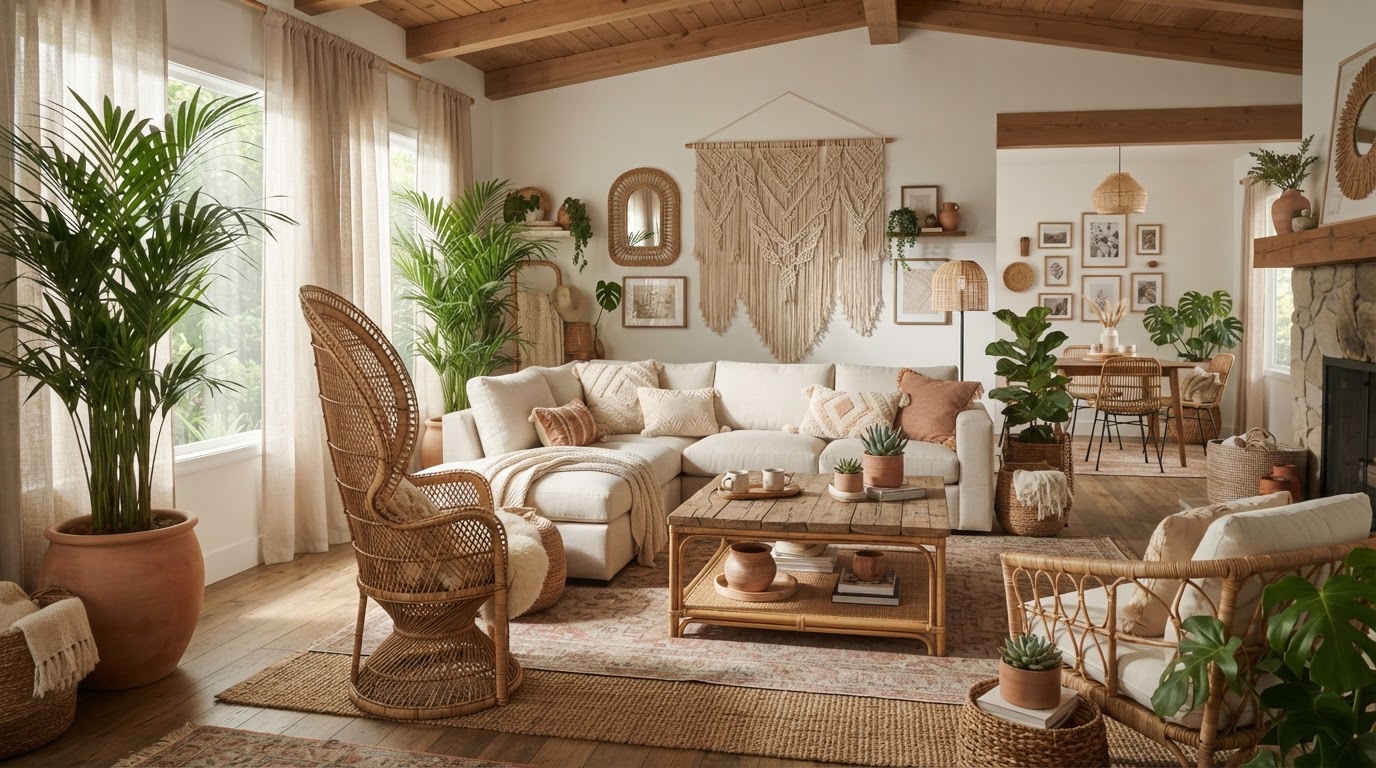
2. Nature-Inspired Retreat
This is probably my personal favorite on this list, and I'll tell you why. Nature-inspired minimalism has this incredible ability to feel restful in a way that's almost biological. There's actual research suggesting that natural materials and earth tones lower cortisol levels, and look, I'm not a scientist, but I will say that every time I walk into a bedroom that's done this aesthetic well, I immediately want to take a nap. A good nap. A restorative nap.
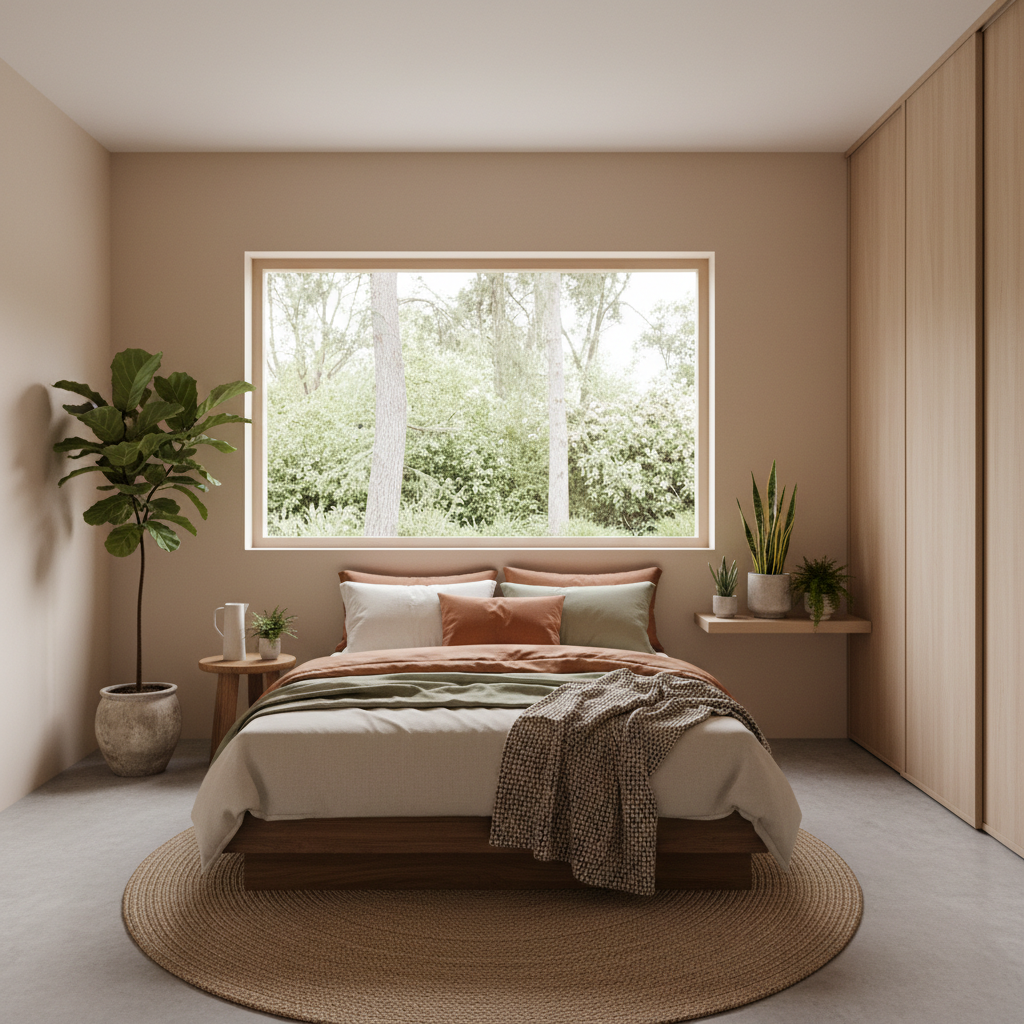
The palette here is drawn from the forest floor and the morning sky. Think warm sand, terracotta, moss green, bark brown, and soft stone grey. These colors work together because nature already figured out the color theory for us. You're not going to walk through a forest and think the colors clash. The same logic applies when you bring those tones into your bedroom. Keep the wall color neutral, something in the warm beige or soft clay family, and let your natural materials bring in the variation.
The materials are where this look really lives or dies. Raw linen is your best friend here. Unbleached cotton, washed wool, aged wood, stone accessories, woven rattan. Every surface should feel like it was made by a human hand or found in a forest. Avoid anything too polished or synthetic because it immediately breaks the spell. And I know rattan can feel a little overdone at this point, but a genuinely good rattan light fixture or bedside table done right still earns its place in this aesthetic.
Plants are part of the deal, but I want to be specific about this. One or two considered plants, properly potted and actually cared for, are a hundred times better than a dozen scrawny ones in mismatched pots. A sculptural fiddle leaf fig in a matte terracotta pot, or a trailing pothos on a high shelf, something that looks intentional. The plants should feel like punctuation, not clutter. Because remember, we're still doing minimalism here, just a warmer, earthier version of it.
Honestly, this look also works beautifully if you're on a budget, because the raw and organic materials it favors, linen, wood, stone, tend to be more affordable than their polished counterparts. A simple wooden bed frame, undyed linen sheets, and a couple of good plants can get you most of the way there without a serious renovation.
3. Industrial Minimalism
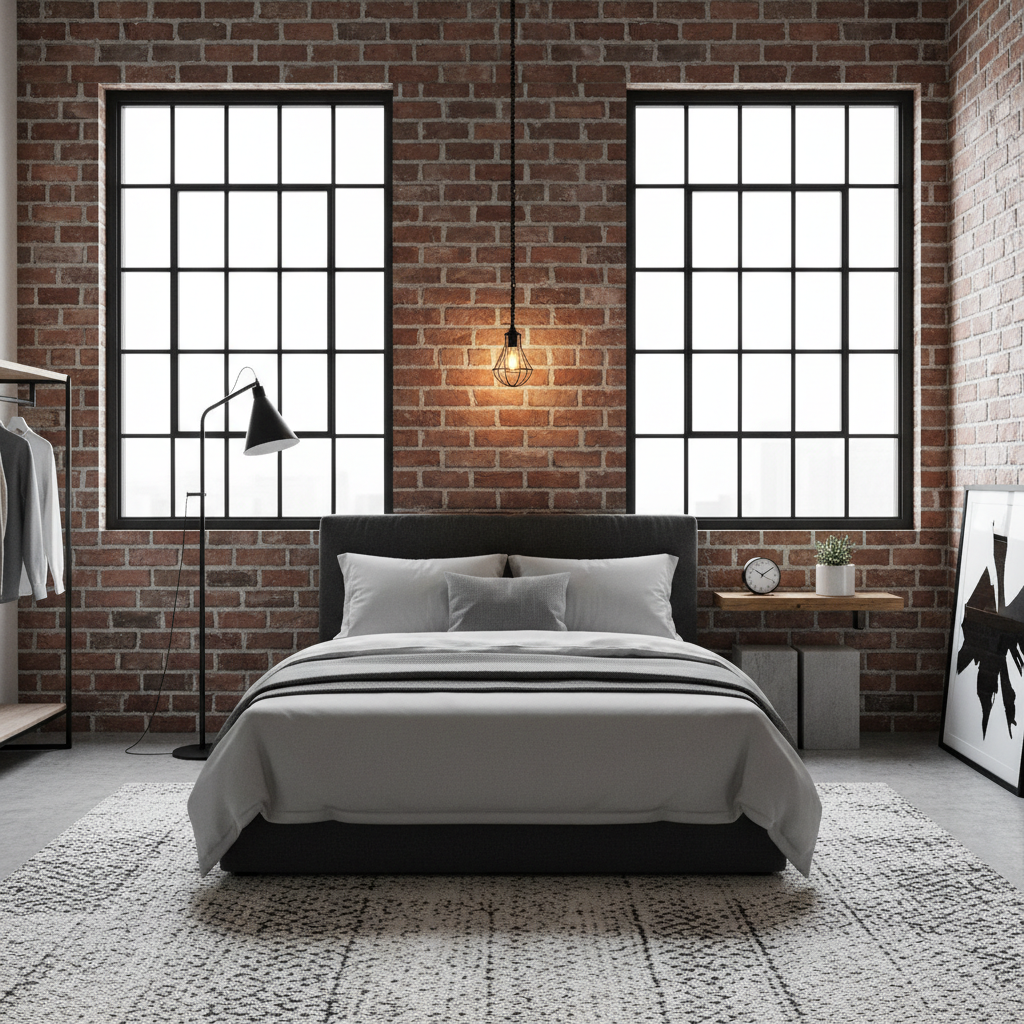
Look, industrial minimalism is not for everyone, and I respect that. But if it's your thing, when it's done well, it is so cool. The key distinction between industrial minimalism and just, like, a warehouse with a bed in it, is restraint. You're borrowing the raw, unfinished vocabulary of industrial spaces but you're curating it down to only the most beautiful versions of those elements. No exposed pipes unless they're actually interesting. No concrete unless it's properly finished. The rawness should feel intentional, not accidental.
The palette for industrial minimalism is typically cooler and darker than the other looks on this list. Deep charcoal walls are a classic choice and they work remarkably well in bedrooms when balanced with lighter bedding and warm metal accents. Exposed brick, if you're lucky enough to have it, is obviously a dream. If you don't have it, a limewash or textured plaster finish can give you some of that same raw energy without the structural commitment.
Furniture in this aesthetic tends toward the utilitarian. Metal bed frames with clean lines, rather than ornate ironwork, dark stained oak or walnut furniture with no unnecessary decoration, minimal hardware. Here's the thing though: you have to balance all that hard material with something soft, otherwise the room becomes genuinely uncomfortable to sleep in. Good quality bedding in crisp white or soft grey, a generously sized rug in a natural fiber, blackout curtains in a heavy linen or velvet. These soft layers are what make industrial minimalism livable rather than just photogenic.
Lighting in an industrial space deserves special attention. Edison bulbs and exposed filament fixtures are the obvious choice, but I'd push you toward something slightly more refined. A simple black metal pendant light over each bedside, or a single architectural floor lamp with a clean profile, will feel more considered than the overly on-the-nose Edison bulb look that peaked around 2015. The goal is industrial influence, not an industrial theme park.
- Balance raw materials with genuinely soft, quality textiles
- Choose cool, dark wall colors and ground them with lighter bedding
- Let exposed structural elements be features rather than afterthoughts
- Keep lighting minimal but sculptural
- Resist the urge to over-theme it, one or two industrial elements are plenty
4. Scandinavian Simplicity
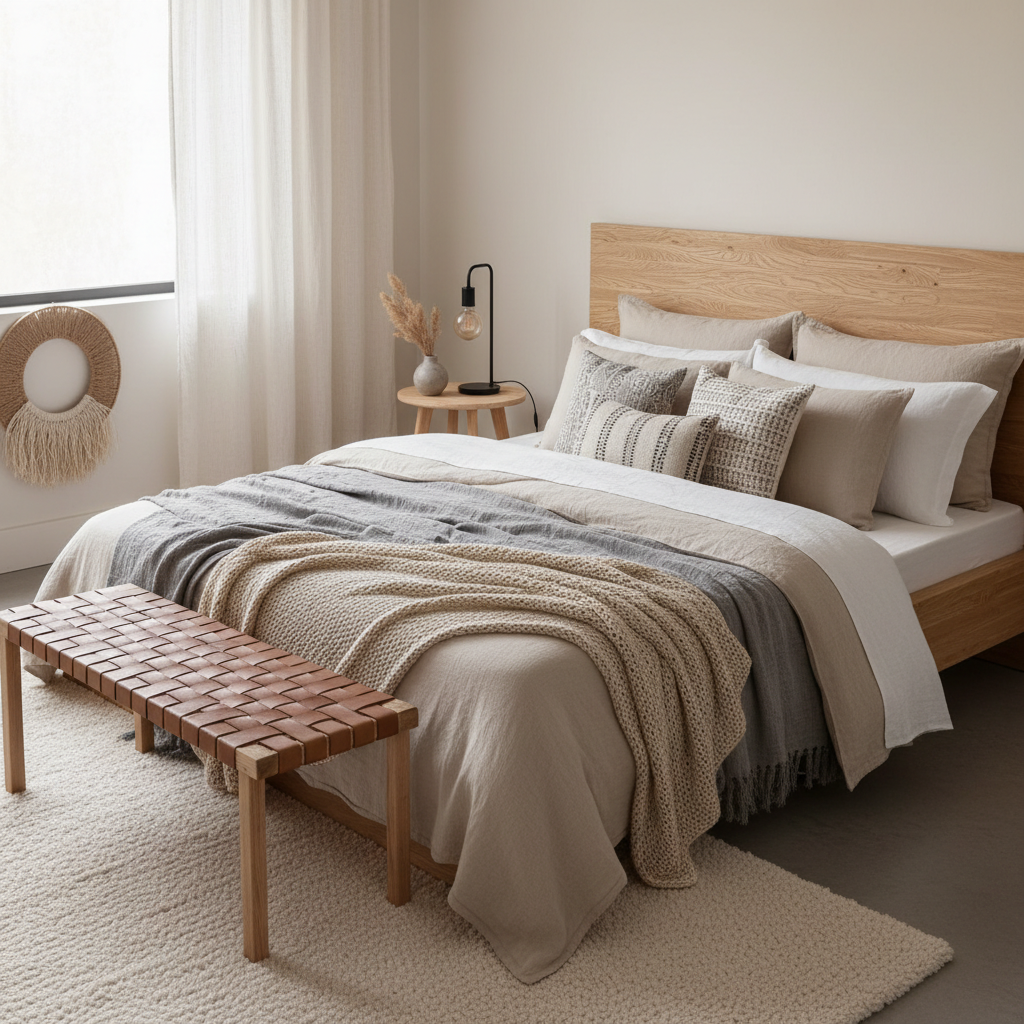
Okay, I know Scandi style has been everywhere for the past decade and there are people who are deeply tired of it. And honestly? I understand. But here's why I'm still including it, because it keeps being popular for a very good reason. It works. The principles behind Scandinavian design, functionality, beauty, warmth, and a deep respect for light, are genuinely timeless. The over-saturation isn't a sign that it's a bad aesthetic. It's a sign that a lot of people identified it as a good one.
The true Scandinavian bedroom is built around the concept of hygge, that untranslatable Danish and Norwegian idea of cozy contentment. It's about creating a space that makes you feel genuinely comfortable and at peace. Lots of soft textiles layered together, warm candlelight or soft lamp light, pale wood furniture with clean Scandinavian joinery, and a color palette that's mostly white and soft grey with very deliberate warm accents. Mustard yellow, dusty rose, forest green, used in small doses, like a single cushion or a throw blanket.
The furniture in a proper Scandi bedroom is low, often, and always functional. Bed frames close to the ground in pale birch or ash. Floating shelves rather than bulky wardrobes. Storage that disappears into the wall. The whole point is to keep the visual field clean so your eyes and your mind can rest. And because Scandinavian design comes from countries with very limited winter daylight, it is absolutely obsessed with maximizing whatever light is available, so keep windows unobstructed and choose light-reflecting surfaces where you can.
One thing that gets overlooked in Scandi-inspired bedrooms is the importance of quality over quantity. This isn't an aesthetic where you pile in a bunch of cheap pieces and hope for the best. One genuinely well-made piece, a beautiful solid wood nightstand, a really good quality mattress dressed in high-thread-count white cotton, a single piece of art with breathing room around it, those things do more for the look than twenty pieces of average quality. It's worth saving up for the right items rather than filling the space quickly.
"The Scandinavian approach to interiors isn't just an aesthetic choice. It's a philosophy about how your home should make you feel. Calm, cared for, and at ease."
If you're starting from scratch or doing a bedroom refresh on a budget, Scandi minimalism is genuinely one of the most accessible looks to achieve. White walls are almost free. A simple wood-toned Ikea piece actually fits perfectly in this aesthetic without apology. The investment pieces are the textiles, high quality bedding and a good rug will take a simple white room from feeling empty to feeling intentional.
5. Zen Minimalism
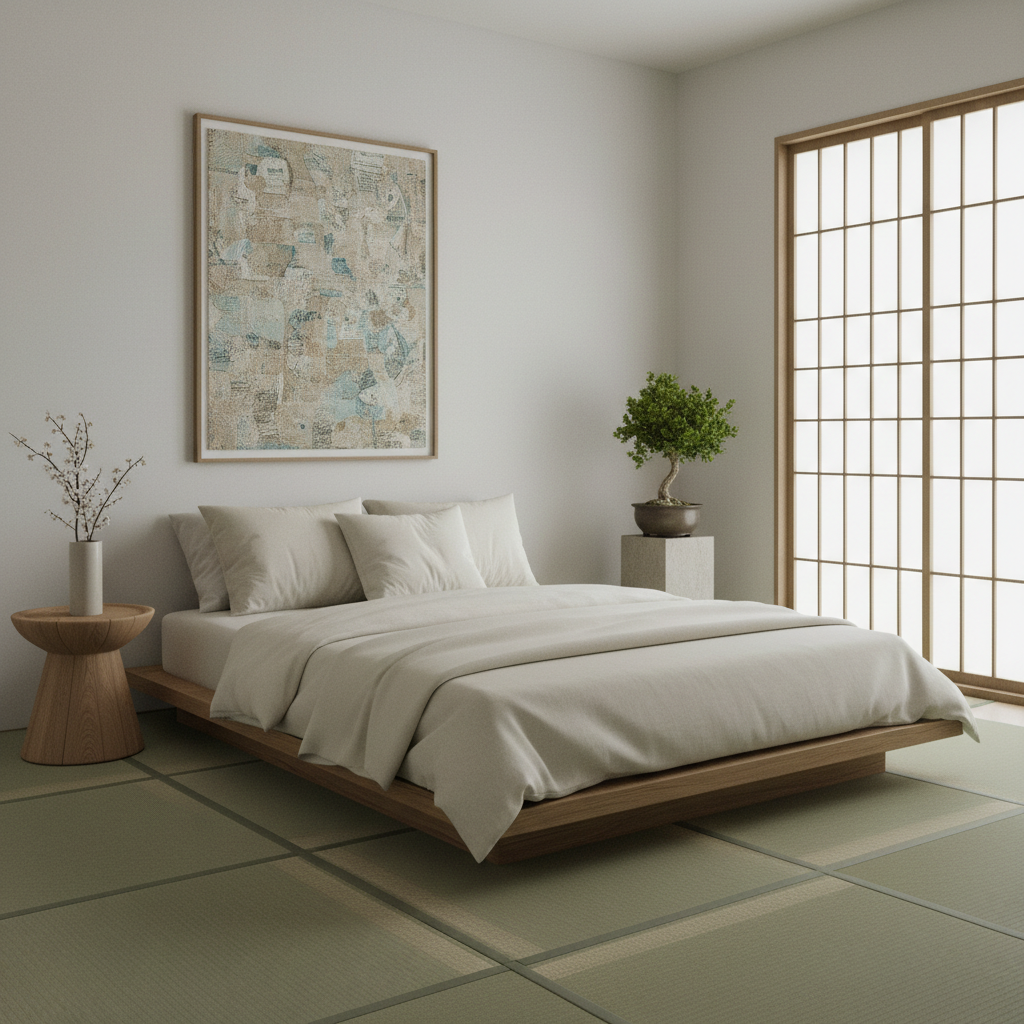
Zen minimalism is probably the most rigorous aesthetic on this list, and I mean that as a compliment. Where some of the other looks allow for a bit more flexibility, Zen minimalism is genuinely committed to its philosophy. It comes from Japanese design traditions and the concept of ma, the idea that empty space is not a void to be filled but an element of design in its own right. When you embrace that idea, the whole way you think about decorating shifts. You stop trying to fill the room. You start considering what each object needs to earn its place.
The visual vocabulary of Zen minimalism is very specific. Very low furniture, often a platform bed or a traditional futon close to the floor. Natural materials in their most refined forms, smooth stone, polished wood with visible grain, washi paper or bamboo shades filtering soft light. A palette of the most restrained earth tones: warm white, soft grey, clay, the color of unbleached cotton. No clutter, obviously, but also nothing purely decorative. Everything in a Zen bedroom exists for a reason, and the beauty comes from that purposefulness rather than from ornamentation.
Real talk, this is the hardest look to maintain. Because it's so sparse, any mess or misplaced item is immediately visible. This is not an aesthetic that hides your clutter. It demands that you either deal with your clutter or have excellent hidden storage. And honestly, for a lot of people, that's exactly the point. The design forces a discipline that the bedroom really benefits from. When you know everything will be on display, you start to be more intentional about what you own and where it lives.
The sensory experience of a Zen minimalist bedroom extends beyond the visual. Scent is a big part of it, a single sandalwood or hinoki cypress candle or reed diffuser tucked in a corner. Sound, meaning the room should be genuinely quiet, good curtains help, as does strategic placement of soft surfaces that absorb sound. Temperature, the room should feel cool and fresh. All of these things together create an experience that is about far more than how the room looks in a photograph. It's about how it feels to actually exist in it.
If the full Zen aesthetic feels like too much of a commitment, you can absolutely borrow from it without going all in. Lower your bed frame. Clear your bedside table down to just one or two objects. Replace heavy curtains with something light and diffusing. Choose one natural material and let it be the focal point of the room. These small moves will give you a taste of that calm without requiring you to overhaul your entire space.
- Embrace empty space as a design element, not a problem to solve
- Keep furniture low and simple, ideally with natural material finishes
- Invest in hidden or built-in storage so every surface stays clear
- Extend the sensory experience beyond the visual, consider scent, sound, and temperature
- Let one beautiful natural material be the star of the room
Final Thoughts
Here's what all five of these looks have in common: they're all about being intentional. Minimalism isn't really about having less for the sake of it. It's about having the right things, placed deliberately, in a space that's been designed to make you feel good. Whether you're drawn to the cool restraint of industrial minimalism, the earthy warmth of a nature-inspired retreat, or the meditative calm of a Zen space, the underlying principle is the same. Every element should earn its place.
The best part? You don't have to commit to one look fully or spend a fortune getting there. Pick the aesthetic that resonates most with how you want to feel in your bedroom, not just how you want it to look, and start making small moves in that direction. A different duvet cover. A cleared nightstand. A single good lamp. Minimalism, honestly, is one of those rare design philosophies where starting small actually gets you somewhere. You'll be surprised how quickly a few intentional changes can transform the whole feeling of a room.
Trust me on this one. Your bedroom is worth it.
More in Interior
Stay Inspired
Subscribe for new essays on architecture, design, and the spaces that shape us.