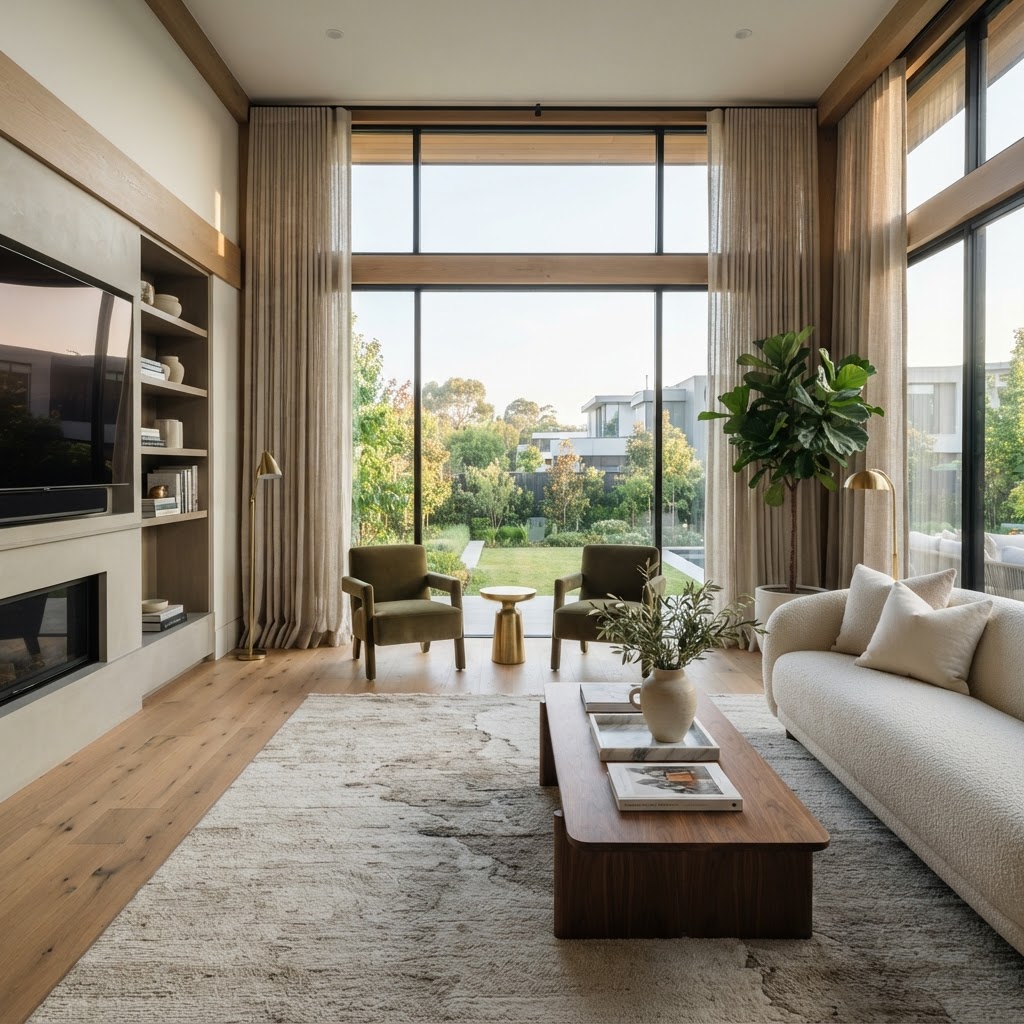
6 Window Treatment Ideas That Will Totally Transform Your Room
Curtains and shades are often the missing piece to a perfectly designed home. Discover how these simple updates can bring texture and light control to your favorite living spaces.
Layered Textures for a Cozy Vibe
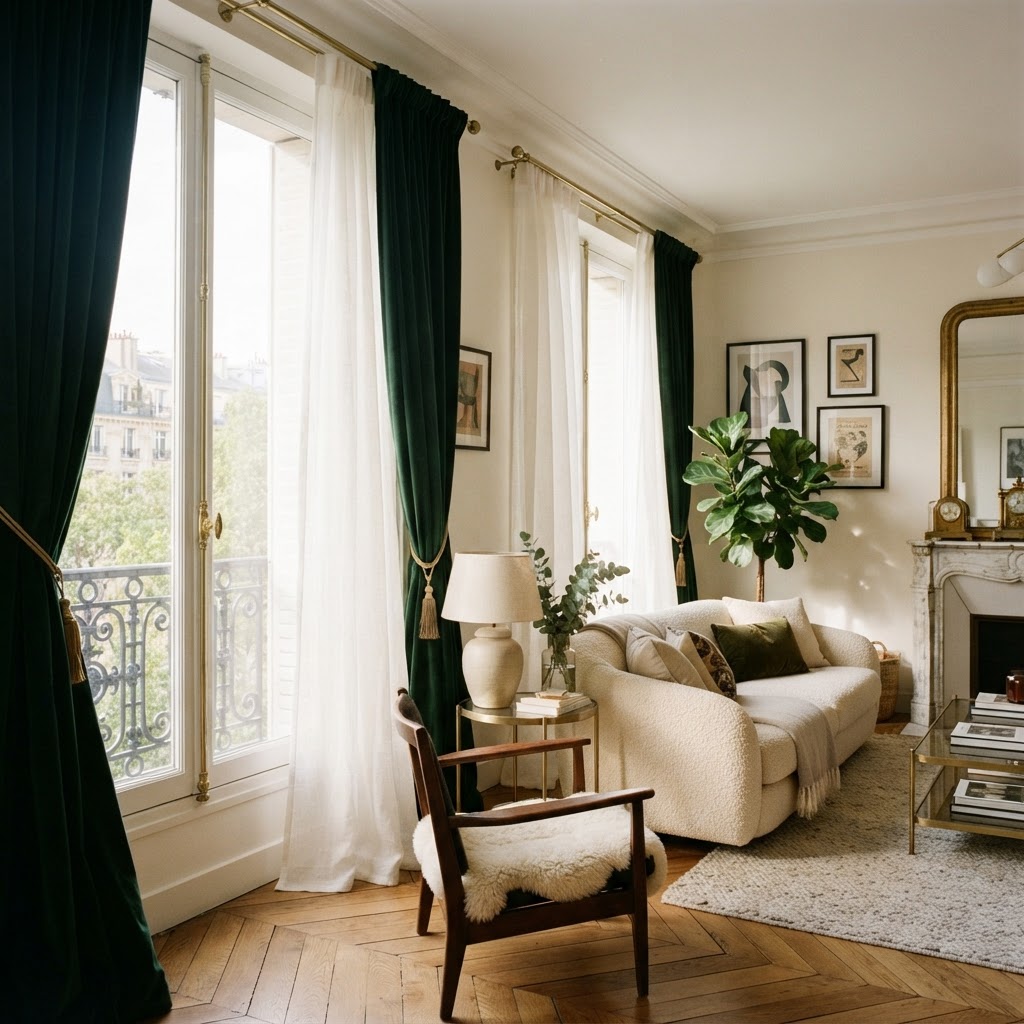
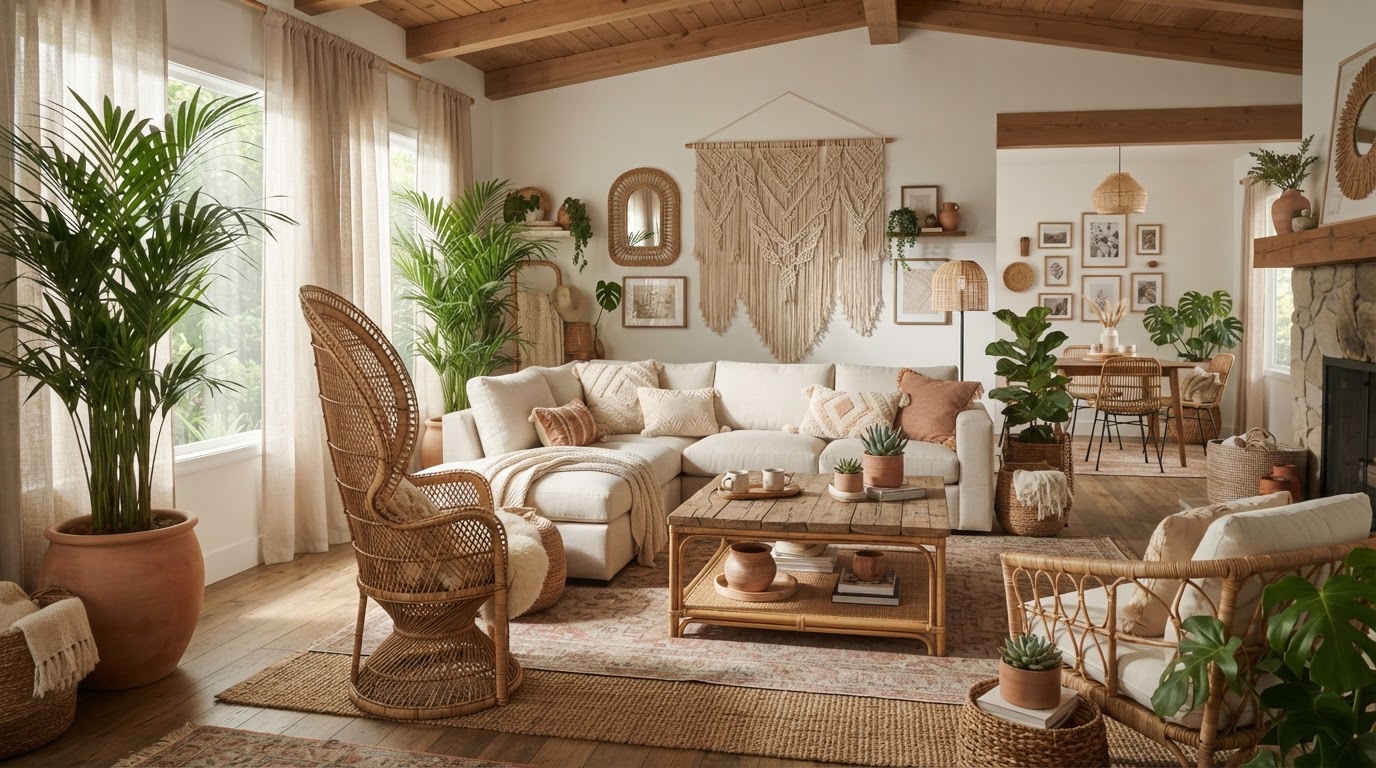
Honestly, if I had to pick one window treatment approach that completely changed the way I think about decorating, it would be layering. There is something about stacking different fabrics and textures at a window that just makes a room feel finished in a way that a single curtain panel never quite achieves. It is the difference between a room that looks pulled together and one that looks like you just moved in.
Here is the thing about layering: it does not have to be complicated or expensive. The most classic combo is a sheer linen panel underneath a heavier drape in velvet, cotton, or even a textured boucle. The sheer filters light beautifully during the day, giving everything that golden, diffused glow. Then when you want privacy or a moodier atmosphere at night, you pull the heavier curtain across and suddenly the whole room shifts. It is like having two rooms in one, and I am completely serious about that.
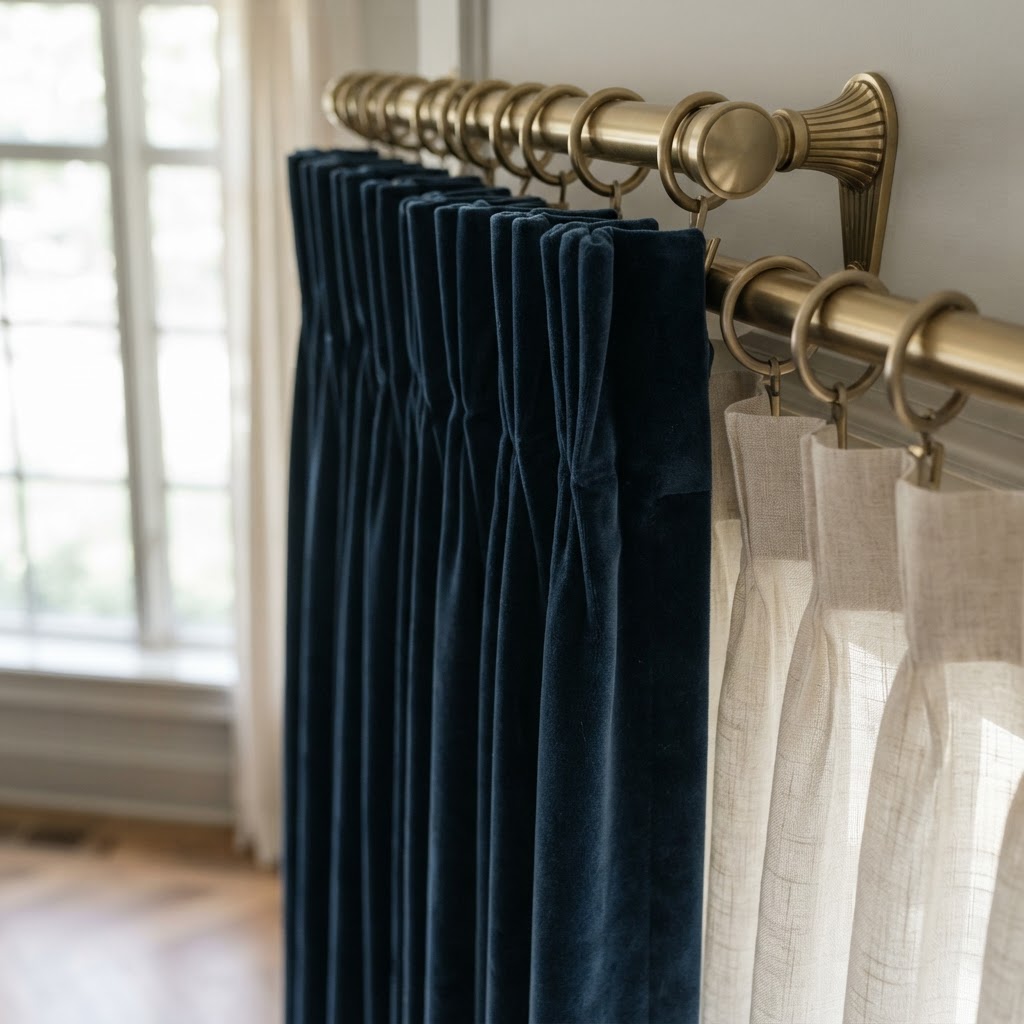
When it comes to color, you do not need to match everything perfectly. Real talk, some of the best layered window treatments I have ever seen use a neutral sheer with a deeper, richer outer curtain in something like deep terracotta, forest green, or even dusty navy. The contrast adds visual interest without being overwhelming. If you are nervous about committing to color, start with a warm cream or ivory sheer and build from there.
A few things to keep in mind if you want to try this look:
- Use double curtain rods so each layer hangs independently and moves properly.
- Choose fabrics with different weights so there is visible contrast between the two layers.
- Let both panels be long enough to puddle or just graze the floor for that luxurious, intentional feel.
- Do not overthink the pattern mix. One solid and one subtle texture is usually more than enough.
Layering also works brilliantly in smaller rooms because it draws the eye upward and outward, making the windows feel like a focal point rather than an afterthought. Trust me on this one. Once you try it, single-layer curtains are going to feel a little flat by comparison.
Natural Woven Shades for Organic Warmth
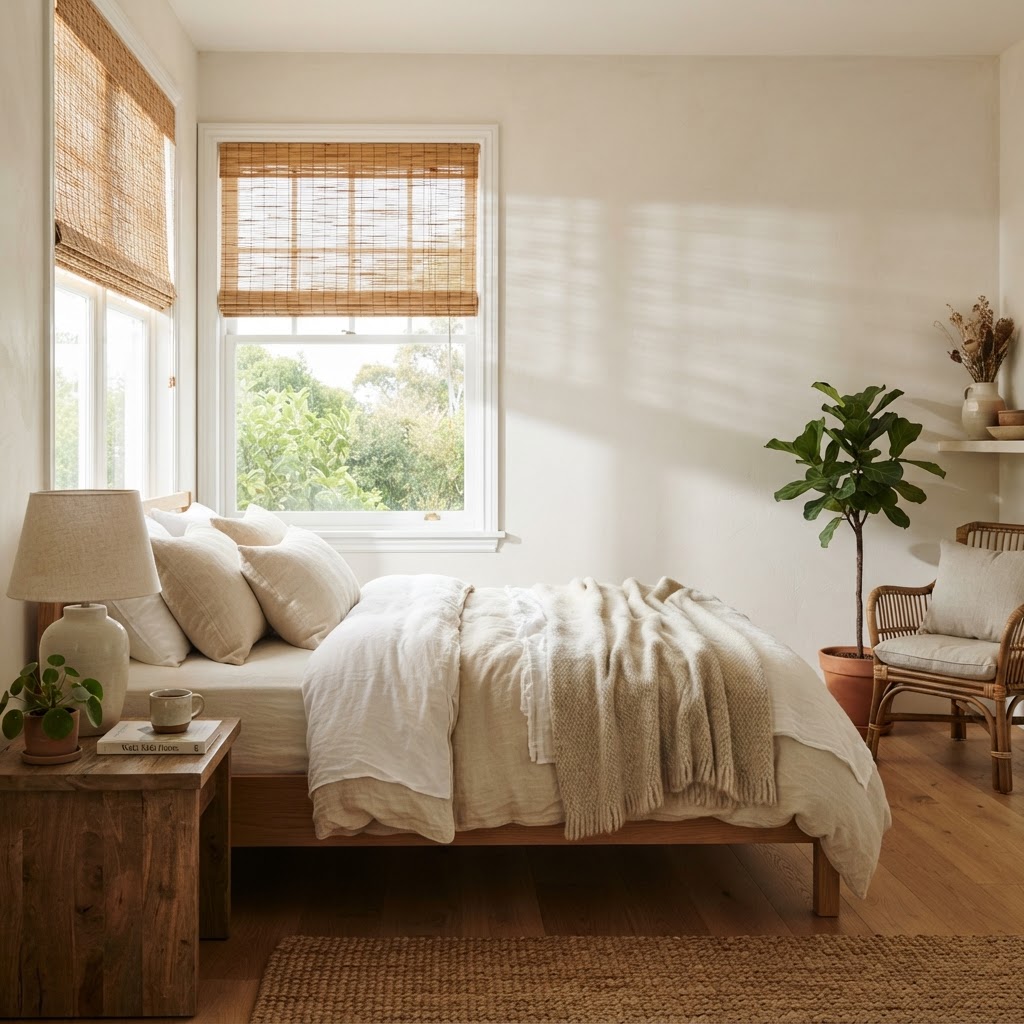
If there is one window treatment trend that has absolutely earned its staying power, it is natural woven shades. We are talking bamboo, jute, seagrass, rattan, and all those beautiful plant-based materials that bring a genuine sense of warmth and texture into a space. And honestly, they work in practically every style of home, from a coastal cottage to a mid-century modern apartment to a very sleek contemporary interior.
The thing I love most about woven shades is the way they handle light. They do not block it out completely, which means you still get that gorgeous, dappled natural light filtering through the weave during the day. It is a soft, warm glow that honestly feels like golden hour all afternoon. If you need more privacy, you can always pair them with a simple sheer or a blackout liner behind them, and you get the best of both worlds.
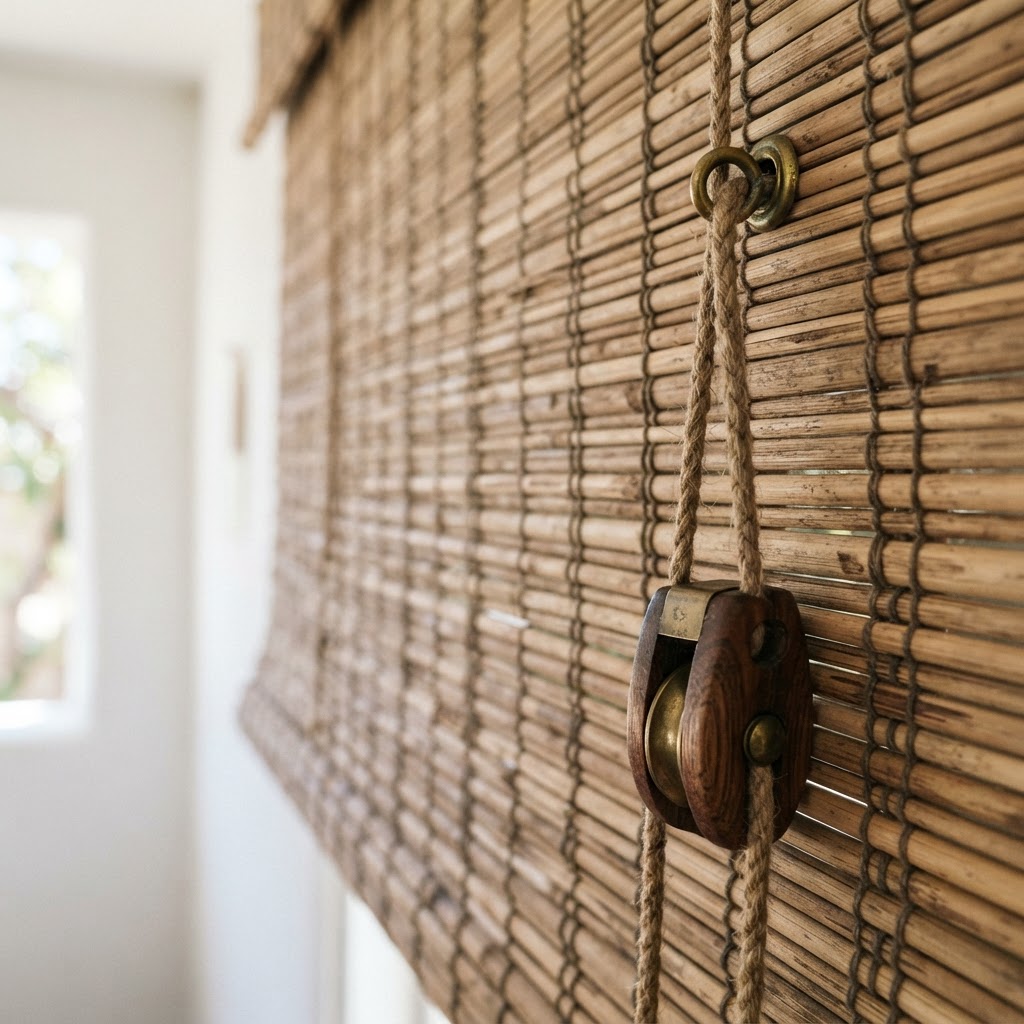
Look, these shades are also incredibly versatile in terms of how you mount them. An inside mount gives a really clean, tailored look that works well in modern or minimalist spaces. An outside mount, especially when you hang it a few inches above the window frame, makes the window appear larger and more architectural. I almost always recommend the outside mount for standard-sized windows because it just looks more intentional and polished.
Here are some of the best rooms for natural woven shades:
- Living rooms where you want warmth without heaviness.
- Bedrooms paired with linen or cotton curtains for a layered, relaxed look.
- Home offices where you need light control without sacrificing that connection to the outdoors.
- Dining rooms where texture and ambiance matter more than complete blackout privacy.
One more thing worth mentioning: woven shades are genuinely one of the most budget-friendly ways to add serious style and texture to a room. You can find beautiful options at a range of price points, and they almost always look more expensive than they actually are. That is a win in my book.
Minimalist Roman Shades for Clean Lines
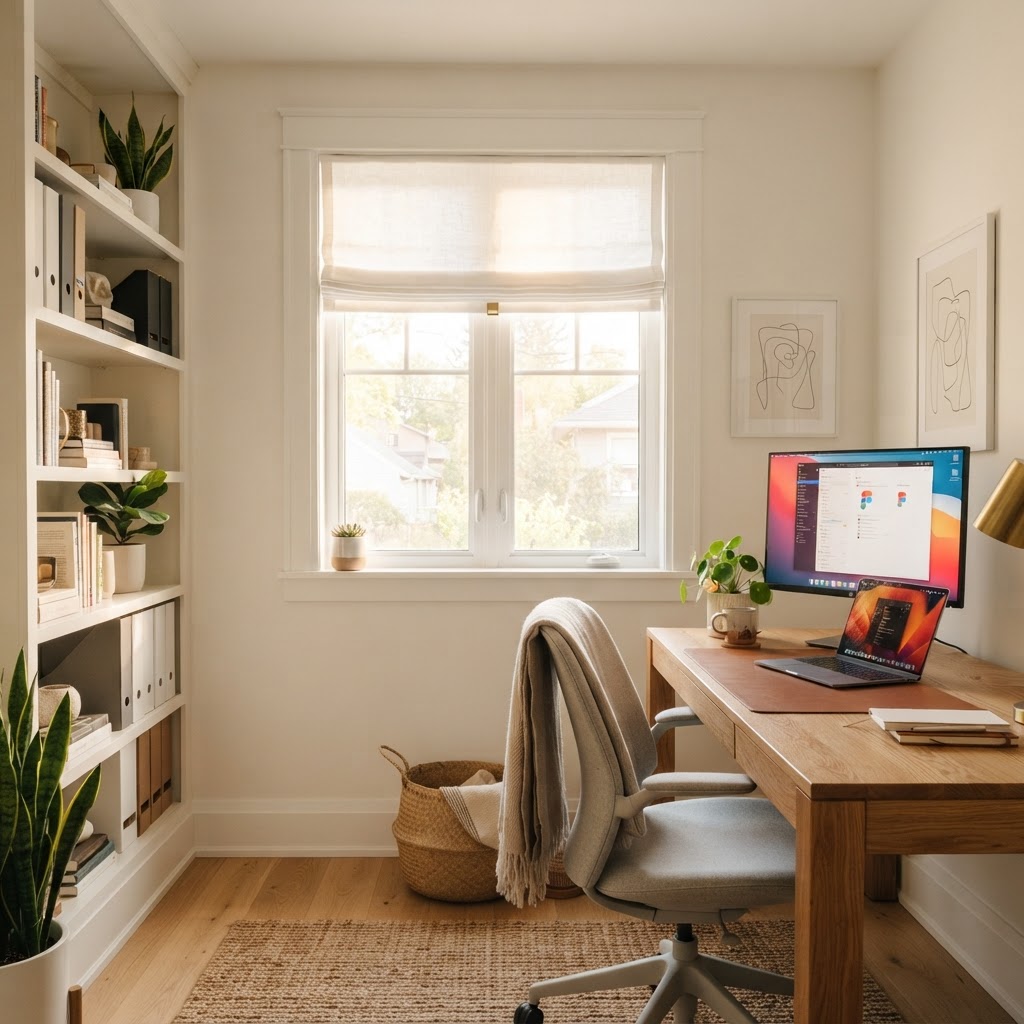
Roman shades are one of those window treatments that people sometimes underestimate, and I genuinely do not understand why. When they are done right, they are incredibly elegant. We are talking about a flat panel of fabric that folds up into neat, horizontal pleats when raised. They are structured, they are graphic, and in the right fabric, they can be seriously stunning.
The minimalist version specifically is what I want to talk about here, because there is a version of Roman shades that is overly fussy with lots of padding and a very traditional, almost grandmotherly feel. That is not what we are going for. The modern, minimalist Roman shade is flat, not hobbled or scalloped, and it is typically made in a solid fabric or a very restrained print. Think crisp white cotton, warm linen, or a subtle geometric pattern. It reads as clean and intentional rather than ornate.
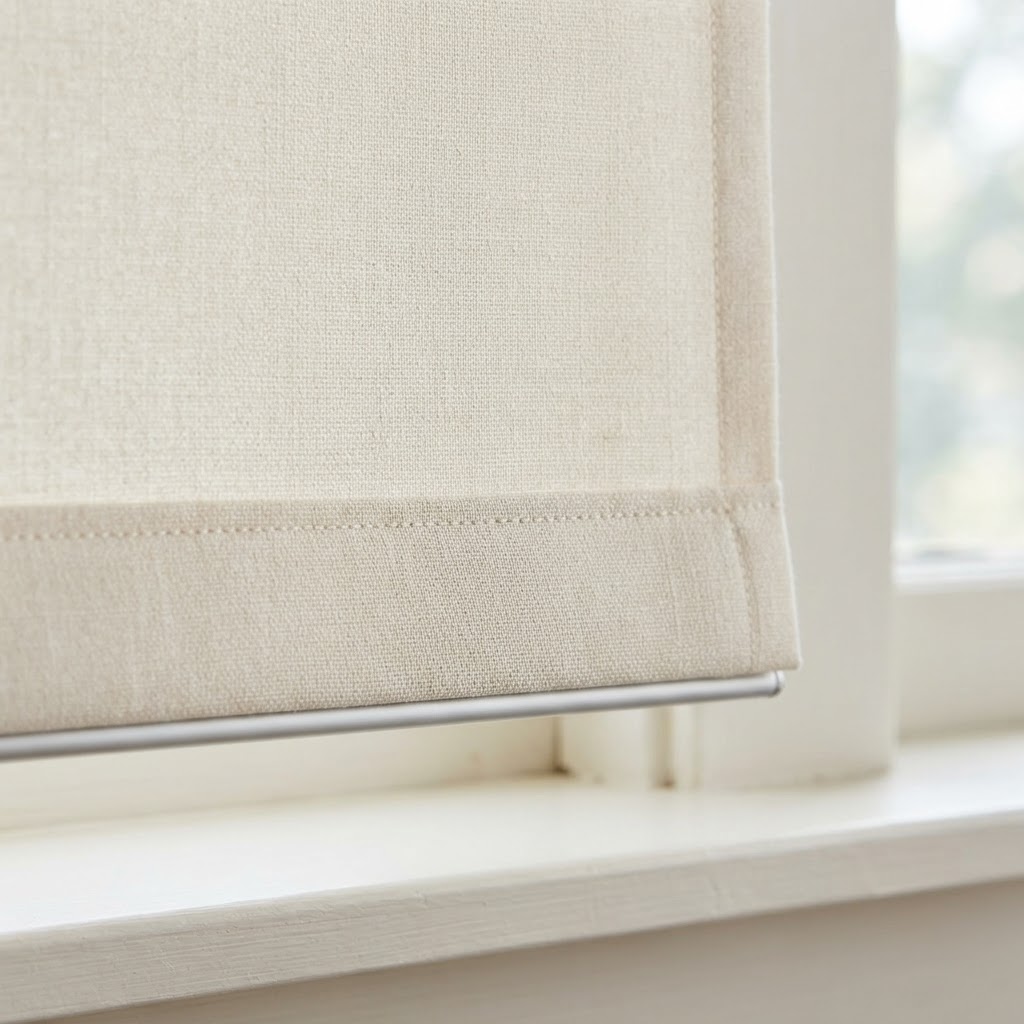
Roman shades are also fantastic for windows where you simply do not have room for curtain panels to stack to the side. Bay windows, narrow windows flanking a fireplace, or kitchen windows above a counter are all great candidates. They fit neatly within or just outside the frame and they keep the whole look tidy without sacrificing style or function.
And honestly, the fabric choice here really makes or breaks the look. Here are a few that work particularly well for a minimalist take:
- Belgian linen in a natural or bleached color for warmth and texture.
- Cotton canvas in white, cream, or a muted sage for a crisp, modern feel.
- Silk or faux silk for a more elevated, formal space without going over the top.
- Subtle textured weaves that add dimension without introducing pattern.
The hardware matters too. Go for simple, clean mounting hardware in brushed brass, matte black, or polished nickel depending on the rest of your room's metal finishes. It is a small detail but it makes the whole treatment feel intentional and considered rather than like an afterthought.
Floor to Ceiling Curtains for Height
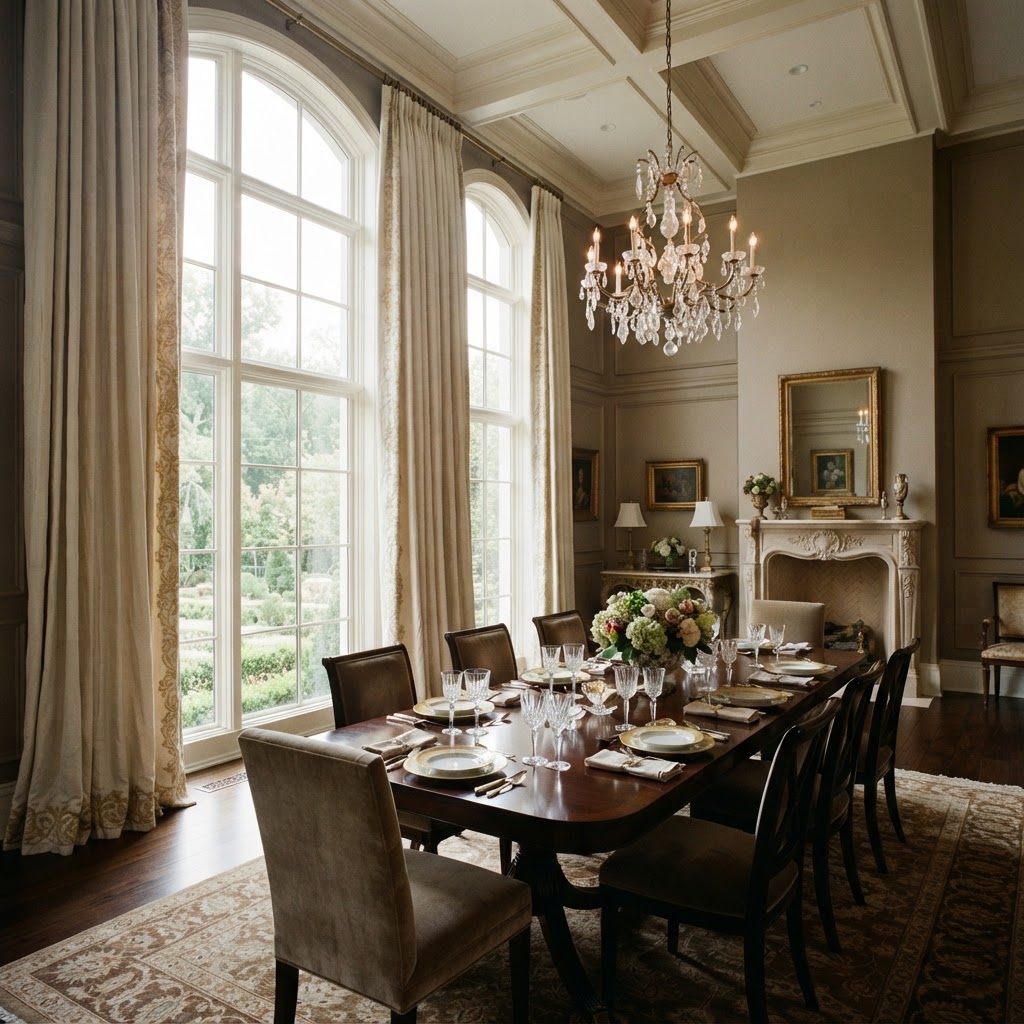
Here is the thing that a lot of people get wrong about curtains: they hang them too low and too short. I see it constantly and it is one of those small mistakes that makes a really noticeable difference in how polished and proportioned a room looks. The fix is so simple and so effective. Hang your curtain rod as high as possible, ideally just a few inches below the crown molding or ceiling, and let the curtains fall all the way to the floor. That is it. That one change can make a room feel twice as tall.
Floor to ceiling curtains work in every room, but they are especially powerful in living rooms, bedrooms, and dining rooms where you want that sense of grandeur and intimacy at the same time. There is something about a wall of softly draped fabric that makes a room feel both luxurious and lived-in, which is honestly the sweet spot most of us are going for in our homes.
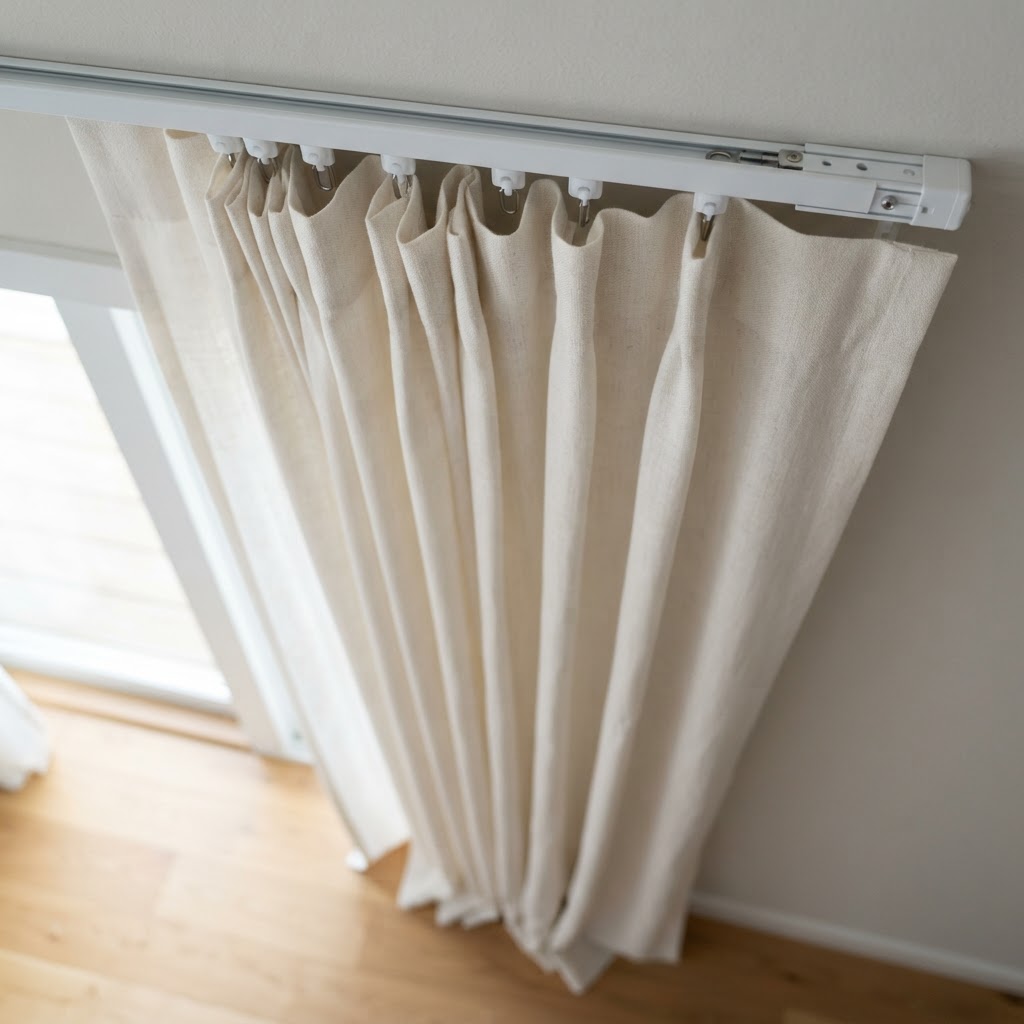
When you are shopping for curtains to do this treatment properly, make sure you are buying panels that are actually long enough. Standard curtain lengths are often 84 or 96 inches, which is fine for a standard 8-foot ceiling if you hang them close to the ceiling. But if you have 9 or 10-foot ceilings, you might need to look for 108-inch or even 120-inch panels, or get them custom hemmed. Curtains that are even an inch too short will ruin the whole effect, so measure carefully and err on the side of slightly too long.
A few practical tips to make floor to ceiling curtains look their absolute best:
- Use a curtain rod that extends well beyond the window frame on each side so the panels stack completely off the glass when open, letting in maximum light.
- Choose a fabric with enough body to hang straight. Thin, cheap fabrics will look limp. Linen, velvet, and cotton-blend fabrics all hang beautifully.
- Steam or iron your panels before hanging. Wrinkles from the package are distracting and make even nice curtains look sloppy.
- Allow a slight puddle or floor graze. About half an inch to an inch of extra length looks deliberate and elegant rather than like a sizing mistake.
This is genuinely one of the highest-impact, lowest-cost upgrades you can make to a room. Do not skip it.
Bold Patterns to Make a Statement
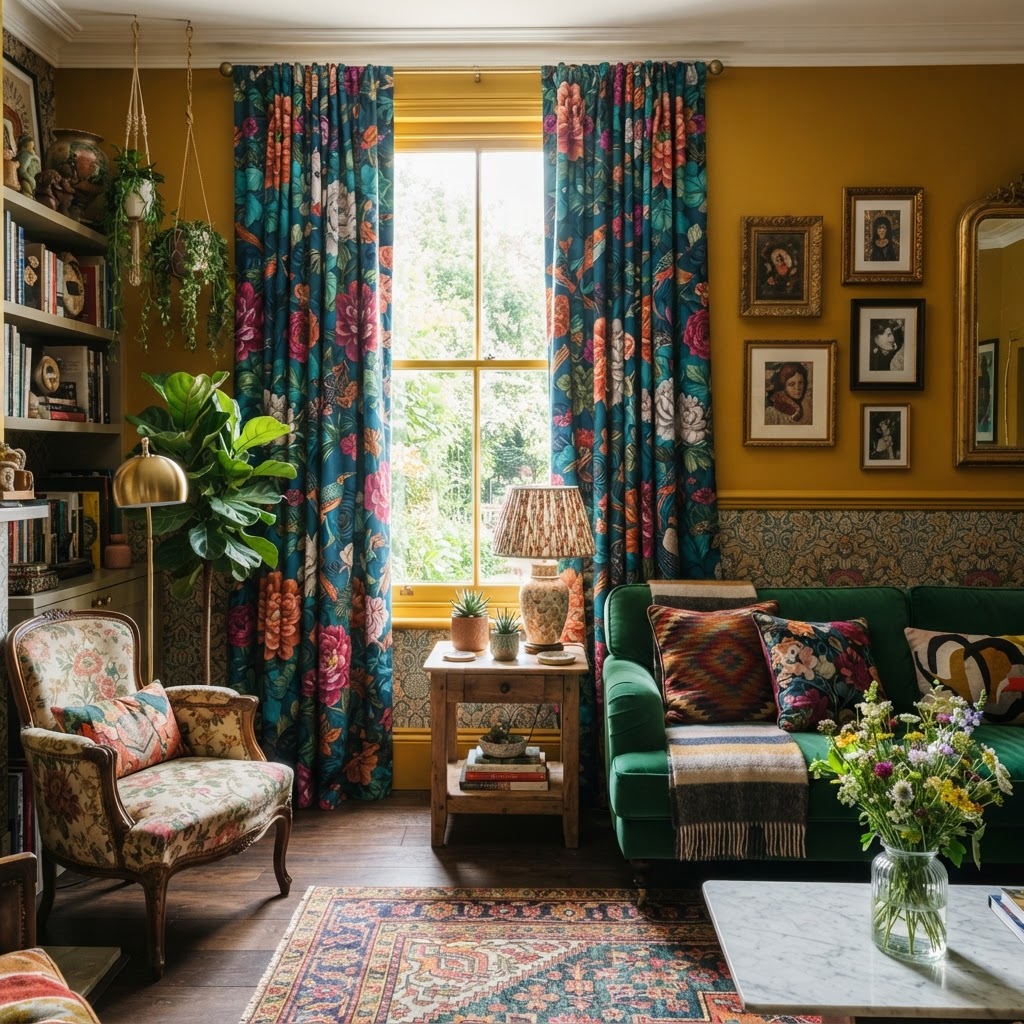
Okay, this is the one where I really want to encourage you to be brave. Bold patterned curtains scare a lot of people. I get it. It feels like a big commitment and you are worried that you will get tired of them or that they will clash with everything else in the room. But here is the thing: when patterned curtains are done well, they are absolutely show-stopping. They become the art in the room. They set the whole tone and make everything else feel intentional around them.
The key is scale and color. A large-scale pattern, think oversized botanicals, abstract brushstrokes, wide graphic stripes, or big geometric shapes, almost always looks more sophisticated than a small, busy repeat. Small patterns can read as chaotic on a large expanse of fabric. Go big or go home, honestly. And for color, you want to pull at least one or two of the tones from your existing furniture, rug, or accessories so the curtains feel connected to the room rather than dropped in from another planet.
Some of the most stunning rooms I have seen in my years of writing about interiors have had patterned curtains as their anchor. A white living room with bold indigo-and-white block print curtains. A bedroom in warm neutrals brought to life by dusty pink and terracotta floral panels. A dining room that felt completely flat until oversized botanical print curtains went up and suddenly the whole thing had personality. Pattern does that. It injects life.
Here are some pattern categories that work particularly well for curtains:
- Large botanical or floral prints for a romantic, maximalist look that feels rich rather than overwhelming.
- Wide vertical stripes for a classic, almost tailored feel that also emphasizes height.
- Abstract or painterly patterns for a contemporary, artistic vibe.
- Global-inspired block prints for warmth and a handmade, collected feeling.
- Geometric repeats in two colors for a graphic, modern statement that is not too busy.
Real talk: if you are nervous about committing, try patterned curtains in a smaller room first. A powder room, a home office, or a guest bedroom gives you a chance to experience the impact without feeling like you have turned your main living space upside down. I guarantee you will be hooked, and then you will be ready to go bold in the bigger rooms too.
Final Thoughts
Window treatments are genuinely one of the most underrated tools in interior design. They affect how a room feels in terms of scale, warmth, light, privacy, and personality, and yet so many people default to the most generic option available because the whole category can feel overwhelming. Hopefully this gave you a clearer picture of what is out there and, more importantly, what might actually work in your specific space.
Whether you go for the cozy layered look, the organic ease of woven shades, the crisp structure of minimalist Romans, the drama of floor to ceiling panels, or the bold personality of a statement print, the most important thing is that you make a real choice. Stop settling for whatever came with the house or whatever felt safe. Your windows are a huge part of every wall in your home, and they deserve some genuine attention and intention.
Start with one room. Pick the idea that made you feel something when you read about it. That gut reaction is usually right. And if it does not work out perfectly the first time, adjust and try again. That is just how decorating goes, and honestly, that is half the fun of it.
More in Interior
Stay Inspired
Subscribe for new essays on architecture, design, and the spaces that shape us.