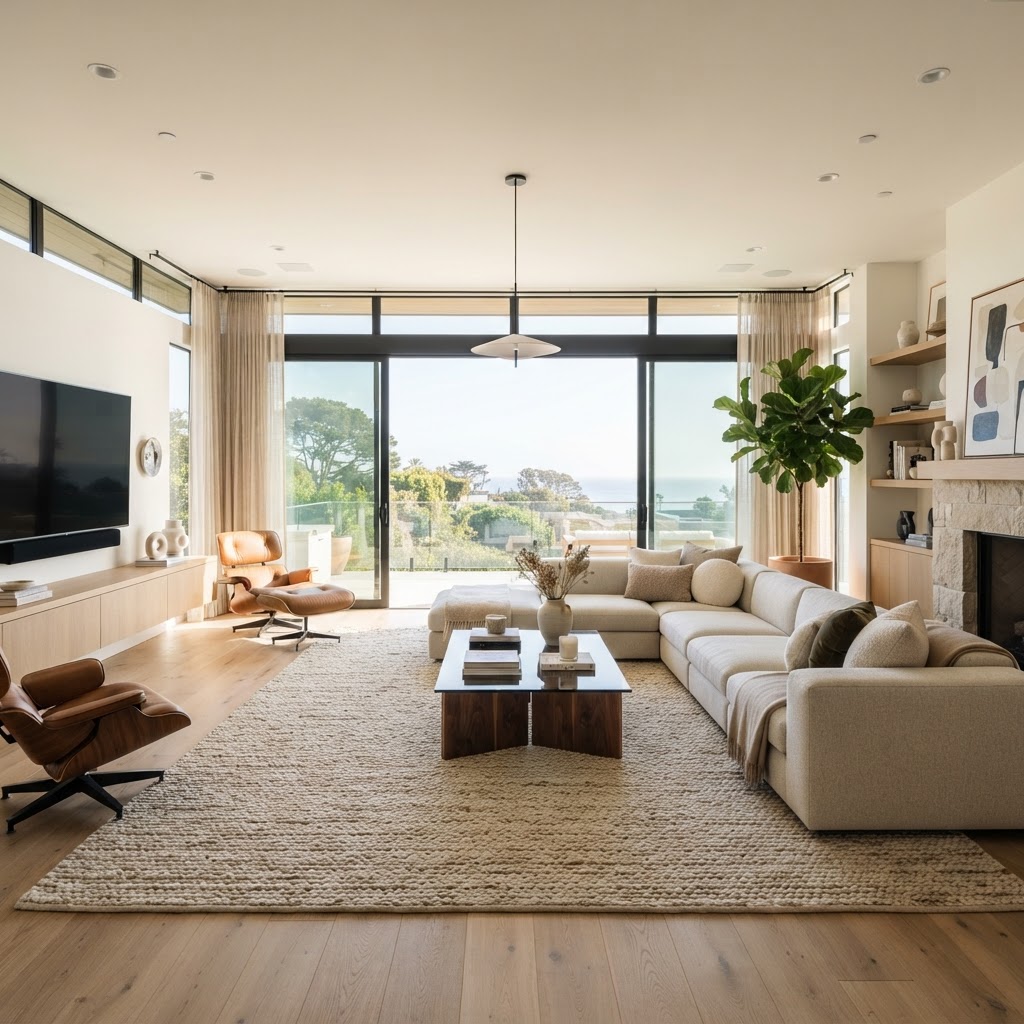
7 Rug Rules Every Living Room Needs for a Designer Look
Finding the perfect rug can completely transform your living space. We break down the essential tips to help you select a rug that brings comfort and style to your home.
The Golden Rule of Sizing
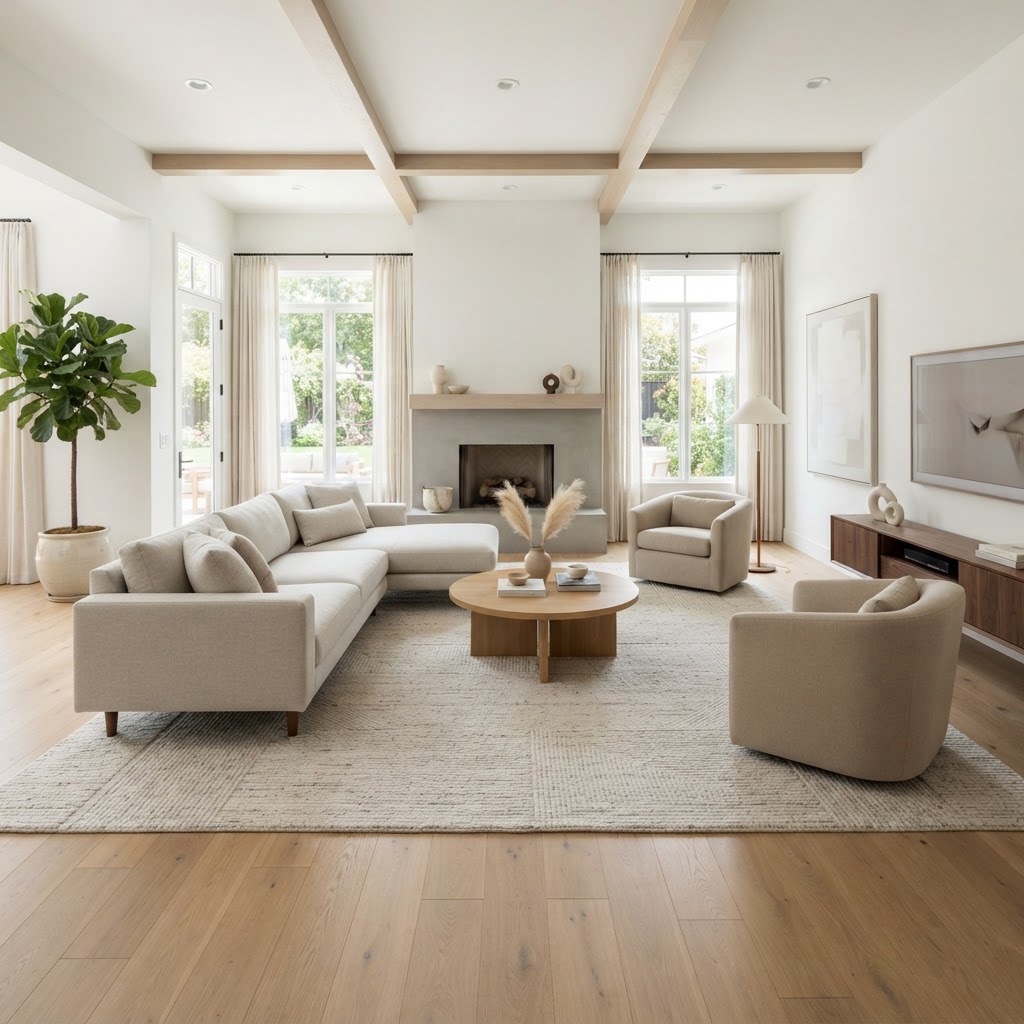
Honestly, if there's one thing that separates a room that looks like a designer touched it from one that just looks... off, it's rug sizing. I can't tell you how many times I've walked into a beautifully furnished living room and immediately spotted the culprit of why it felt wrong. A tiny rug floating in the middle of a large space, with furniture hovering around it like they're afraid to commit. It's a disaster. And it's so avoidable.
Here's the thing: your rug needs to be big enough to anchor the seating area. That's the golden rule. In most living rooms, that means at least the front legs of every major piece of furniture should sit on the rug. Think of it as the rug being the foundation that holds everything together, the thing that tells the room "this is a conversation area, this is intentional." When it's too small, the whole space reads as an afterthought.
The most common mistake people make is buying a 5x8 rug for a full-sized living room. Look, I get it. Larger rugs cost more and it's tempting to size down to save money. But a small rug in a big room actually makes the room feel smaller. It's counterintuitive but true. You want the rug to create breathing room around the furniture grouping, not get swallowed up by it.
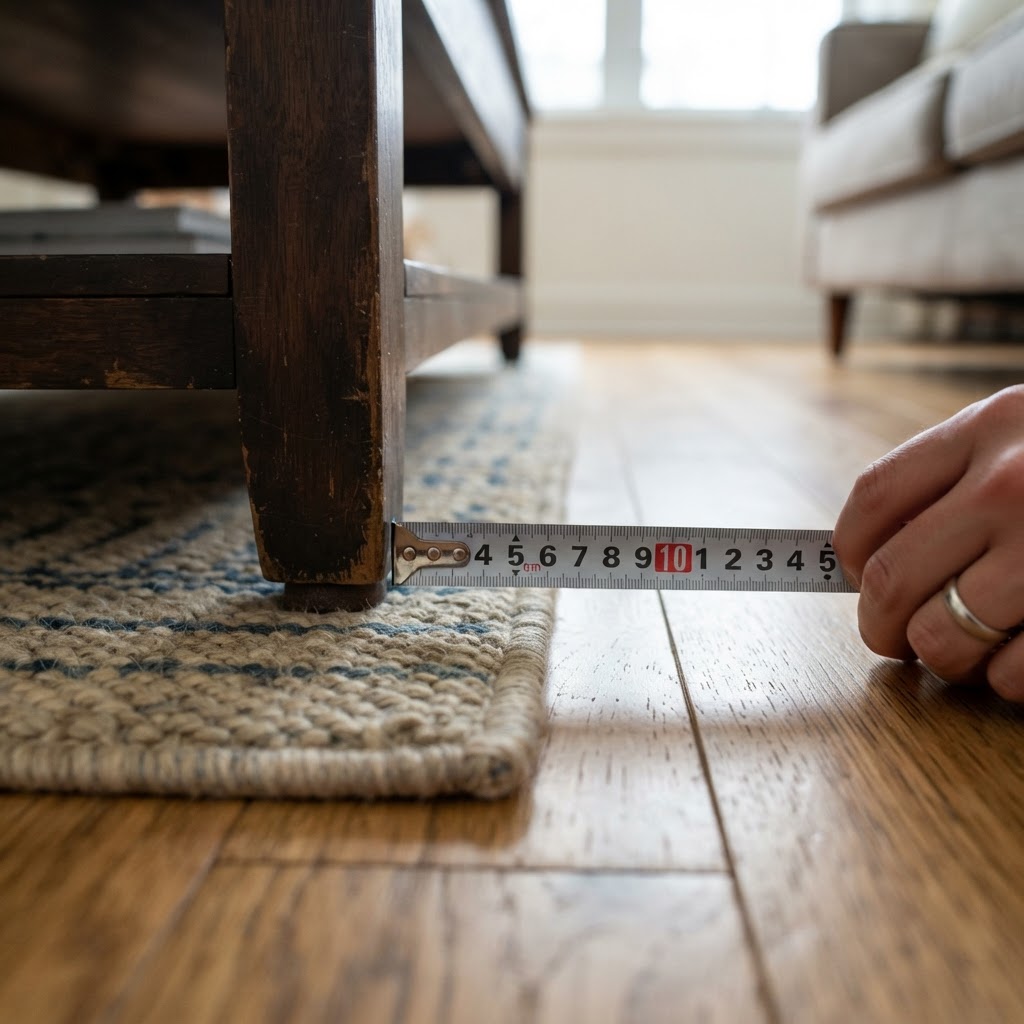
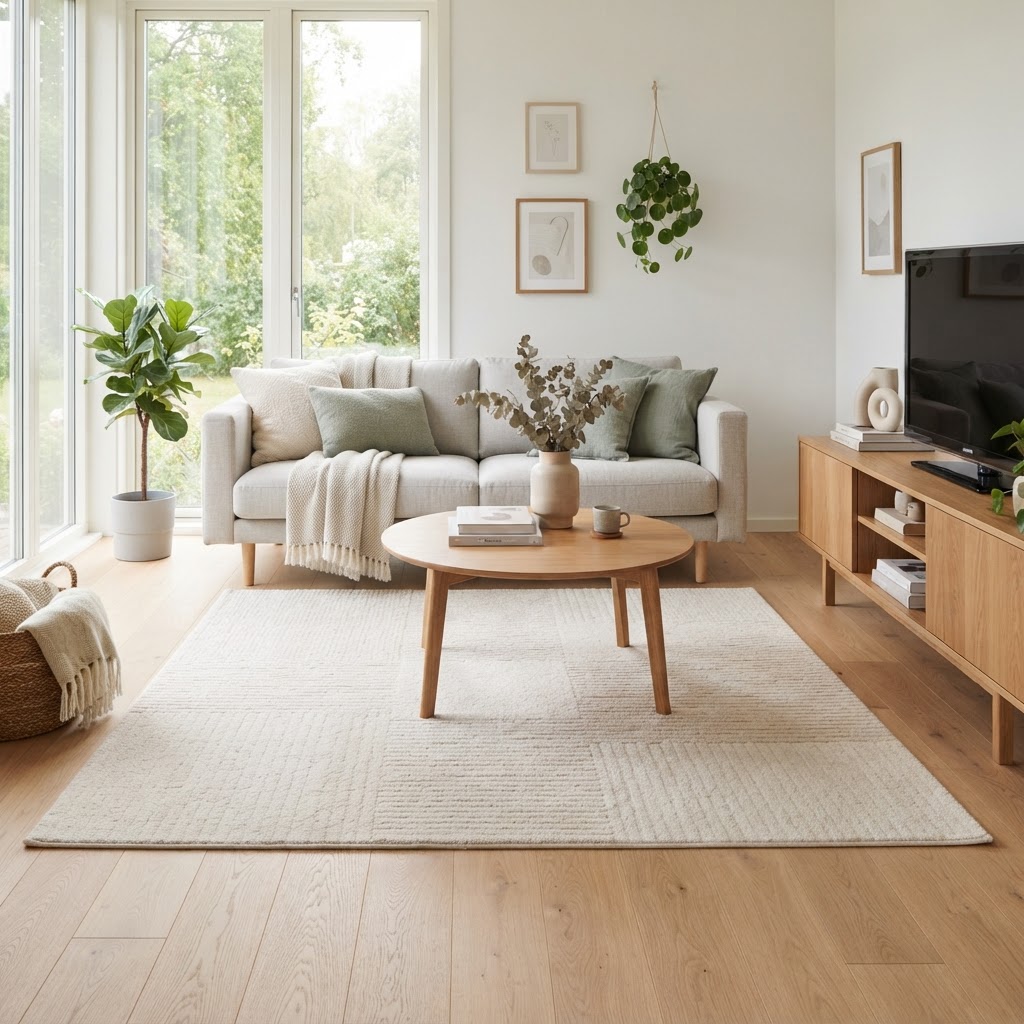
For a standard living room, aim for a 8x10 or 9x12 as your starting point. If you've got a large open-concept space, go even bigger. The ideal setup is having all four legs of your sofa and chairs on the rug, but if budget is a real constraint, front legs only is totally acceptable and still looks intentional. What's never acceptable is zero legs on the rug. That's just a decorative island and it helps nobody.
- Leave 12 to 18 inches of bare floor visible between the rug edge and the wall
- Use painter's tape on the floor to mock up different sizes before buying
- In open-concept rooms, use the rug to define the living zone specifically
- When in doubt, go one size up. You'll almost never regret it
Trust me on this one. Sizing is the single highest-impact decision you'll make about your rug, and getting it right costs nothing extra in effort. Tape out that floor, visualize it, and commit to the size that actually fits your room.
Choosing the Right Material for Your Lifestyle
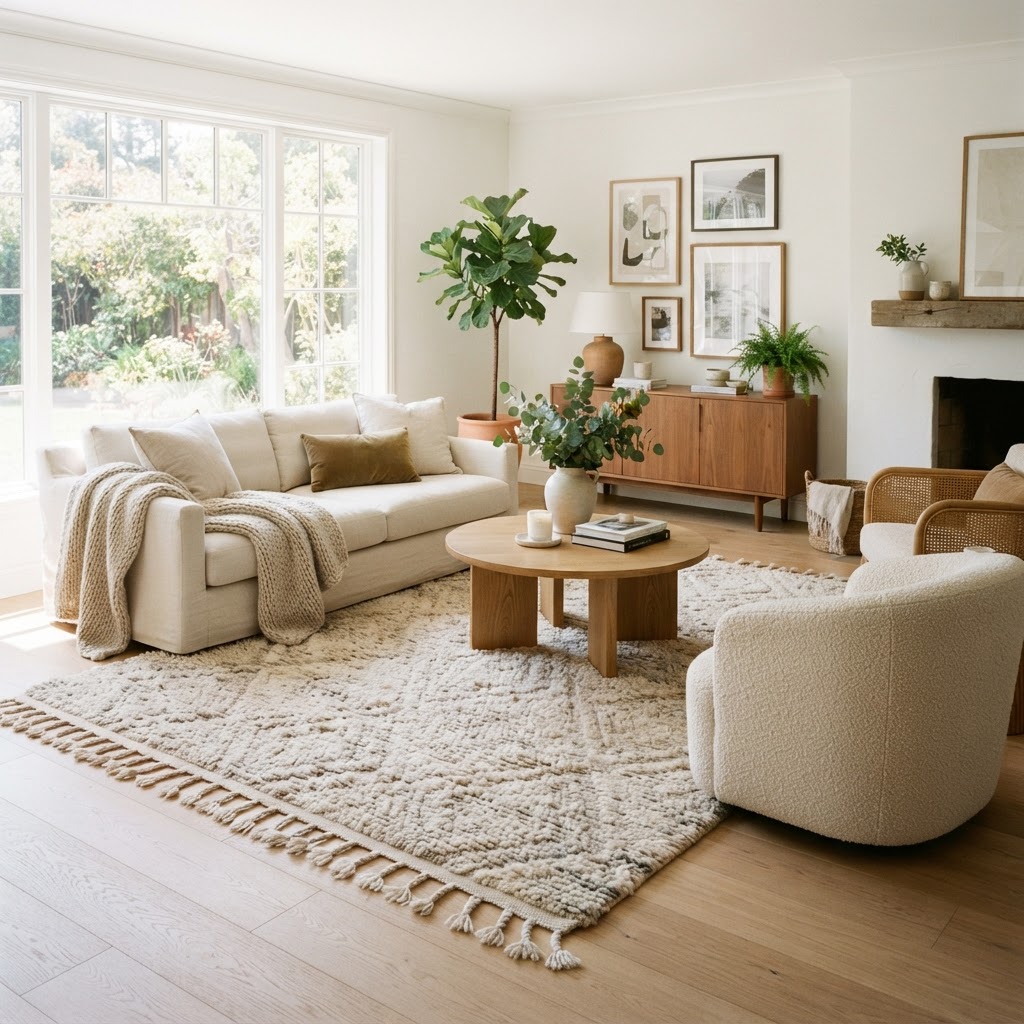
Real talk: the most beautiful rug in the world is useless if it can't handle your actual life. And this is where so many people go wrong. They fall in love with a gorgeous silk or delicate hand-knotted wool rug, bring it home, and then their dog ruins it in six months. Or they have kids, or they entertain constantly, and suddenly that dream rug becomes a source of anxiety every time someone walks through the front door.
So before you even think about color or pattern, you need to have an honest conversation with yourself about how your living room actually gets used. Is it a high-traffic zone? Do you have pets or little kids? Do you like to eat on the couch and drop things? No judgment here, that's just life. The rug you choose should work with your lifestyle, not against it.
Wool is honestly the gold standard for living rooms. It's durable, naturally stain-resistant to a degree, and it has this incredible quality where it just looks better with age. A good wool rug can last decades. The downside is cost, and it does require more careful cleaning. Polypropylene or synthetic rugs are the practical hero of the rug world. They're affordable, incredibly easy to clean, and surprisingly good-looking these days. If you've got kids and pets, don't sleep on a quality synthetic rug. Jute and sisal are gorgeous and natural but not the best under heavy foot traffic or in spill-prone environments. They're better for lower-traffic rooms or layered under another rug.
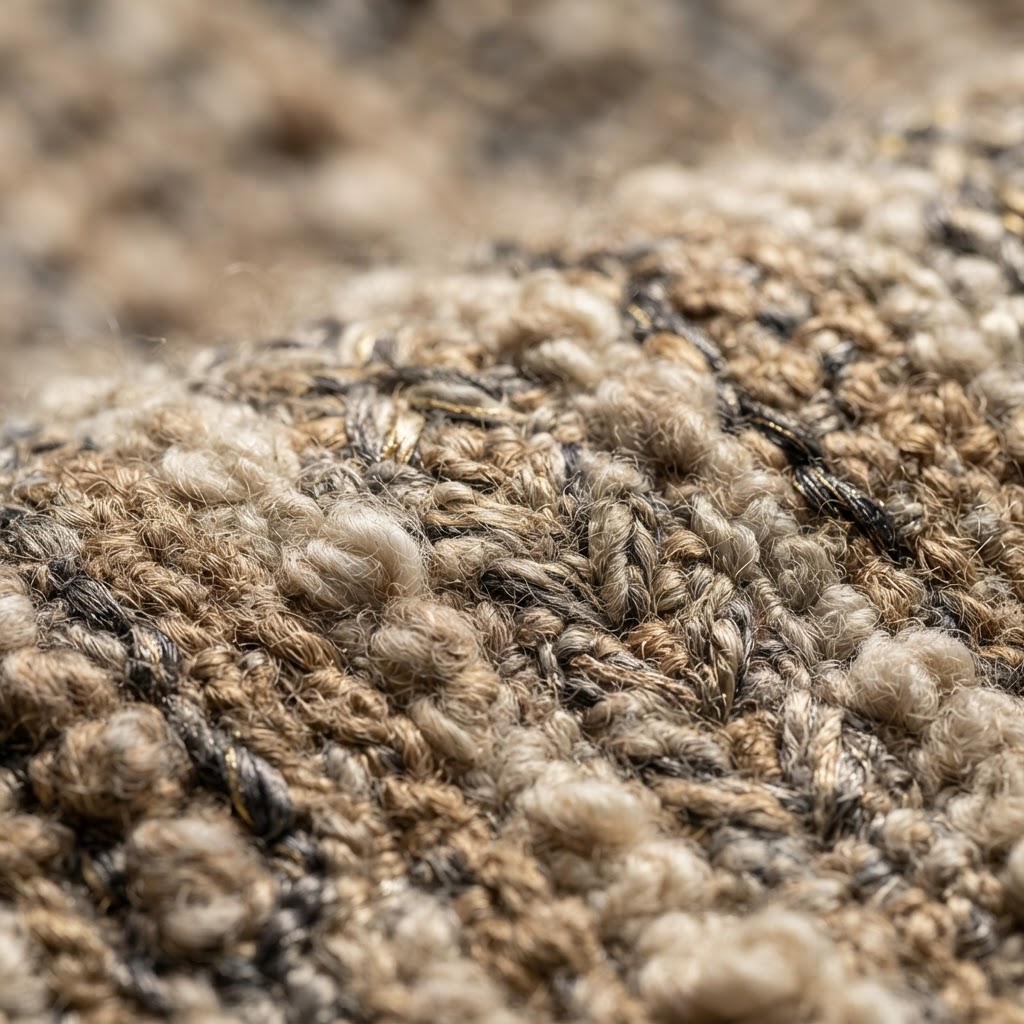
Here's a quick breakdown to make it simple:
- Wool: Best for longevity and a luxurious feel, moderate maintenance required
- Polypropylene/Nylon: Best for families with pets and kids, easy to clean, budget-friendly
- Jute/Sisal: Best for texture and natural vibes, keep away from moisture-heavy situations
- Cotton: Soft, washable, great for casual spaces, less durable than wool over time
- Silk: Stunningly beautiful, low traffic only, dry clean, worth it as a statement piece
And honestly, don't forget the rug pad. It's not glamorous but it's non-negotiable. A good rug pad extends the life of your rug, keeps it from sliding around, and adds an extra layer of cushiness underfoot. Always, always use a rug pad. It's one of those things where you'll thank yourself every single day.
Adding Depth with Patterns and Color
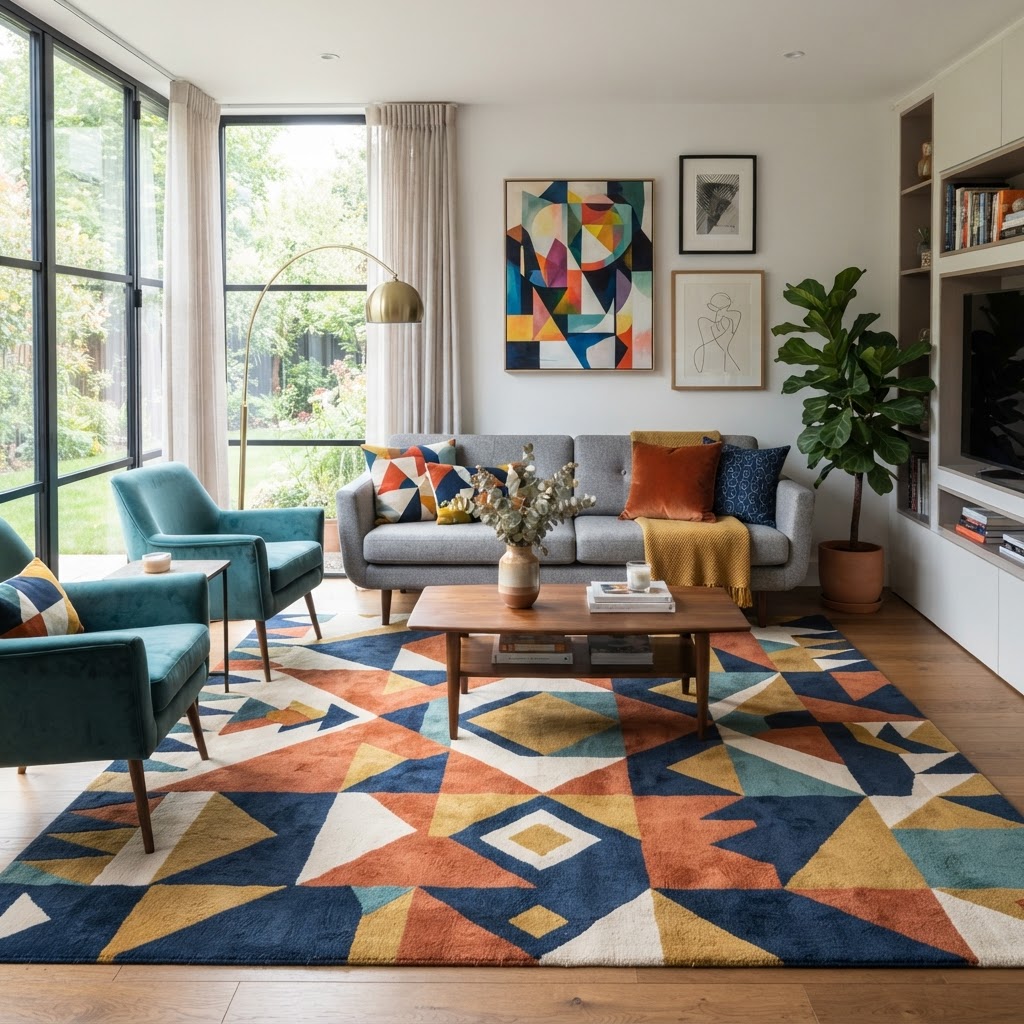
Here's the thing about patterns and color in rugs: most people play it way too safe, and then they wonder why their room feels flat. A rug is one of the best places to take a design risk because it can be replaced more easily than, say, a sofa or painted walls. And when you get it right, a great patterned rug is the thing that makes the entire room feel designed rather than just furnished.
The general rule of thumb is this: if your furniture and walls are neutral, use your rug as the moment of personality. Go for something with a strong pattern, a rich color, or both. If your room already has a lot going on visually, a more understated or solid rug will actually do more for the space by giving the eye somewhere to rest. It's about balance, and understanding where you want people to look first when they walk into the room.
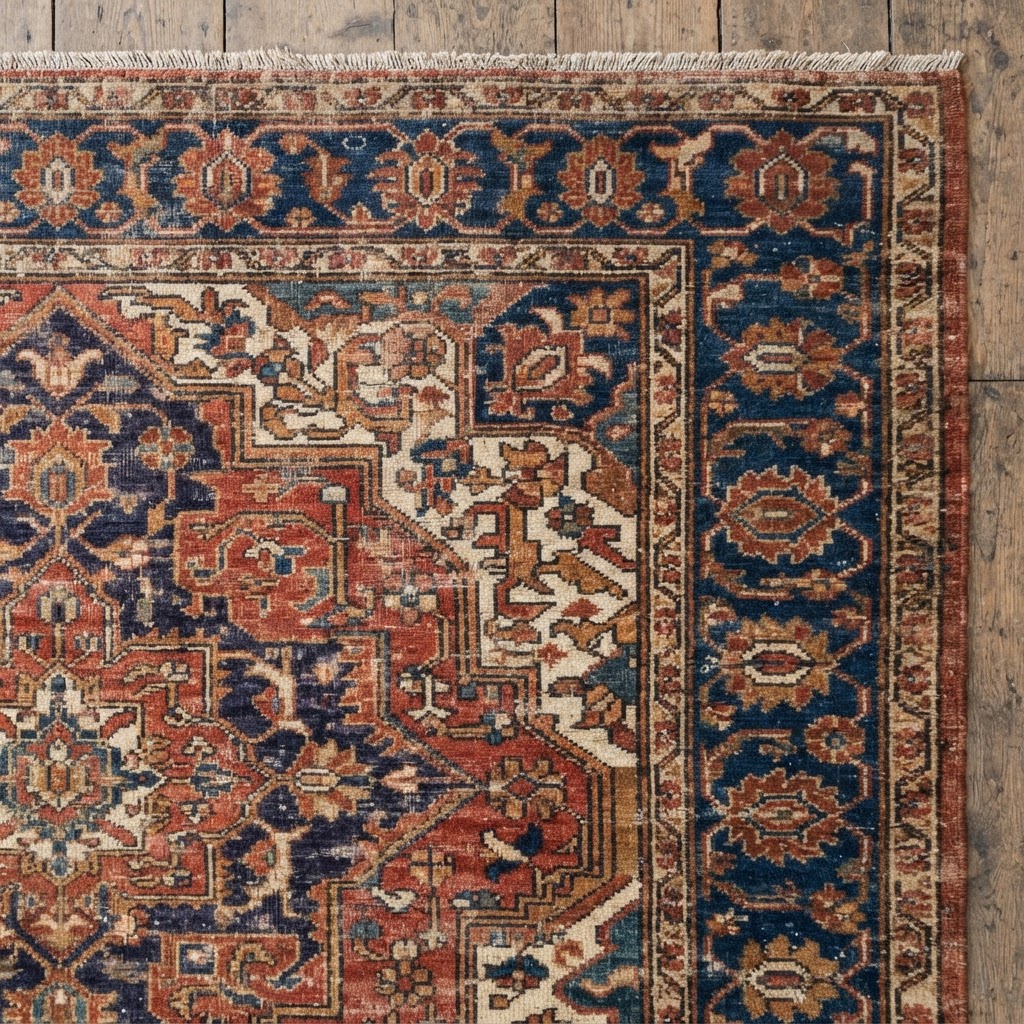
Color-wise, you've got a few smart approaches. You can pull a color from your existing decor and find a rug that features it, which creates that effortless "everything goes together" look. Or you can introduce a completely new accent color through the rug, which is a great way to refresh a room without buying new furniture. A terracotta rug in a room full of blues and creams? Incredible. A deep emerald rug in a white and wood room? Chef's kiss. Don't be afraid of contrast.
- Geometric patterns work beautifully in modern and minimalist rooms
- Persian or traditional patterns bring warmth and history to contemporary spaces
- Abstract patterns are incredibly versatile and work across almost any style
- Solid or near-solid rugs in a rich, saturated color can be just as impactful as a busy pattern
And one more thing: scale matters with patterns. A large pattern in a small room can feel overwhelming. A tiny intricate pattern in a very large room gets lost entirely. Try to match the scale of the pattern to the scale of the room and the furniture. It sounds technical but honestly, you'll feel it instinctively once you start looking at rugs with this in mind.
Layering for a Cozy Designer Vibe
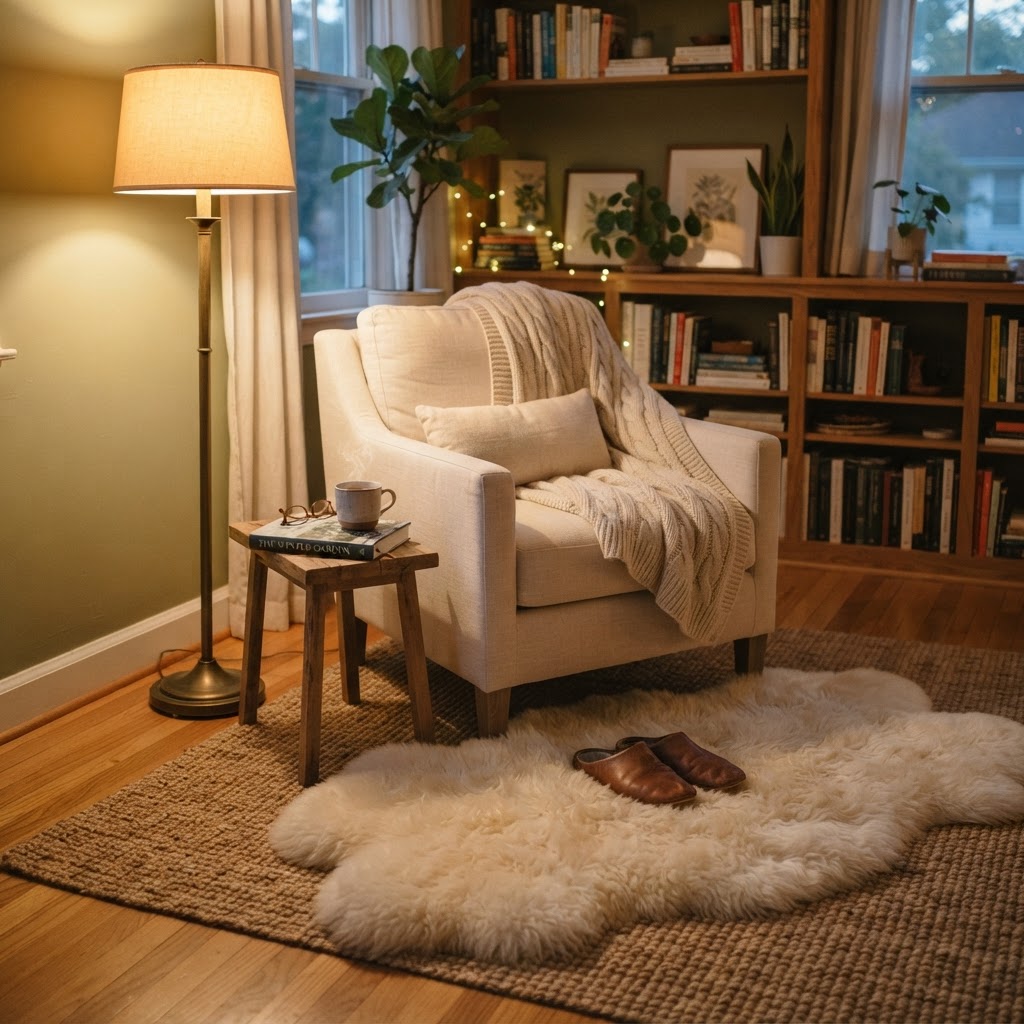
If you've ever scrolled through a beautifully styled interior and thought "why does that room feel so cozy and layered but I can't quite figure out what they did," there's a good chance the answer is a layered rug situation. Rug layering is one of those tricks that designers use constantly, and once you try it, you'll be hooked. It's also a great budget hack, because you can start with a large, inexpensive natural fiber base rug and layer something smaller and more special on top.
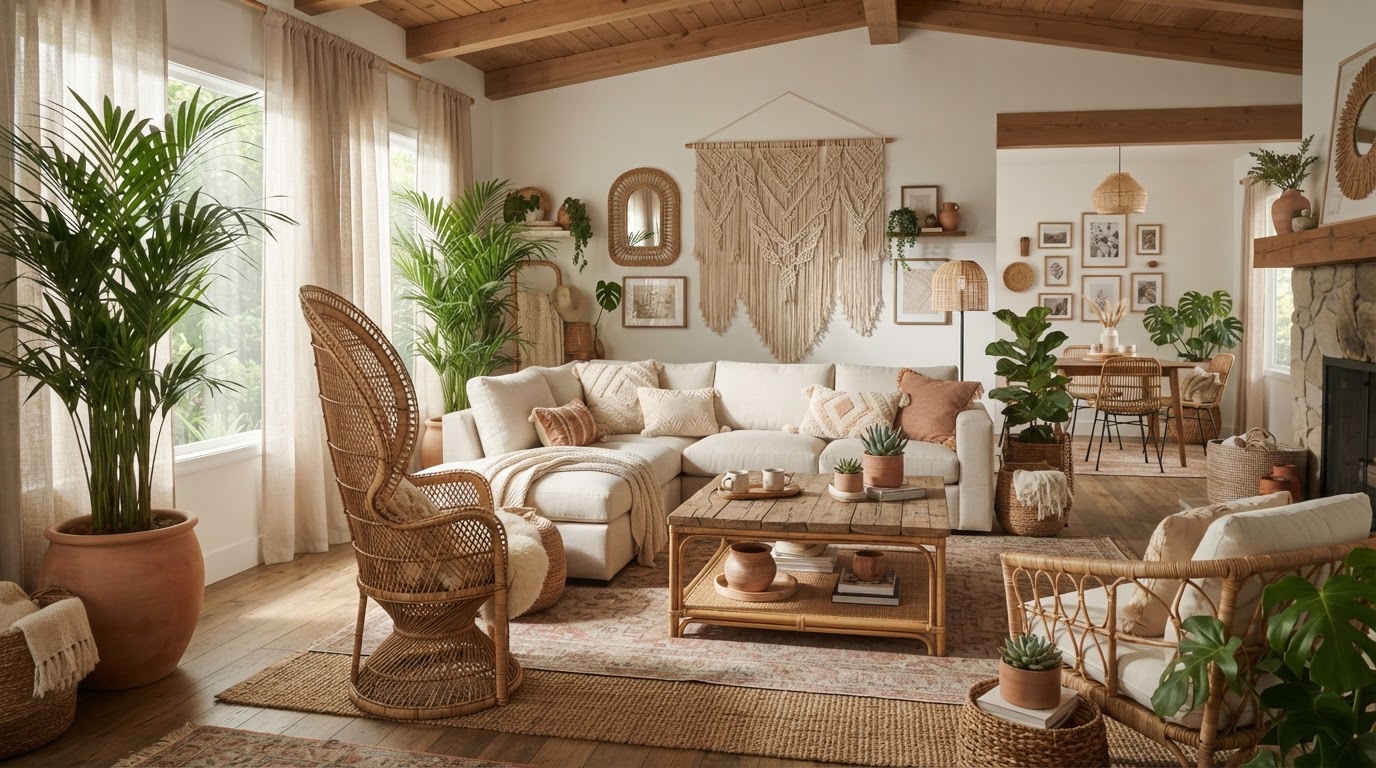
The classic move is a large jute or sisal rug as your base layer. These are relatively affordable, come in big sizes, and provide that beautiful neutral, organic texture. Then on top, you layer a smaller, more decorative rug, maybe something with a pattern, a pop of color, or a plush texture. The smaller rug sits roughly centered, often pulled slightly under the front edge of the sofa. The effect is incredibly layered, incredibly intentional, and honestly looks like you spent a lot more money than you did.
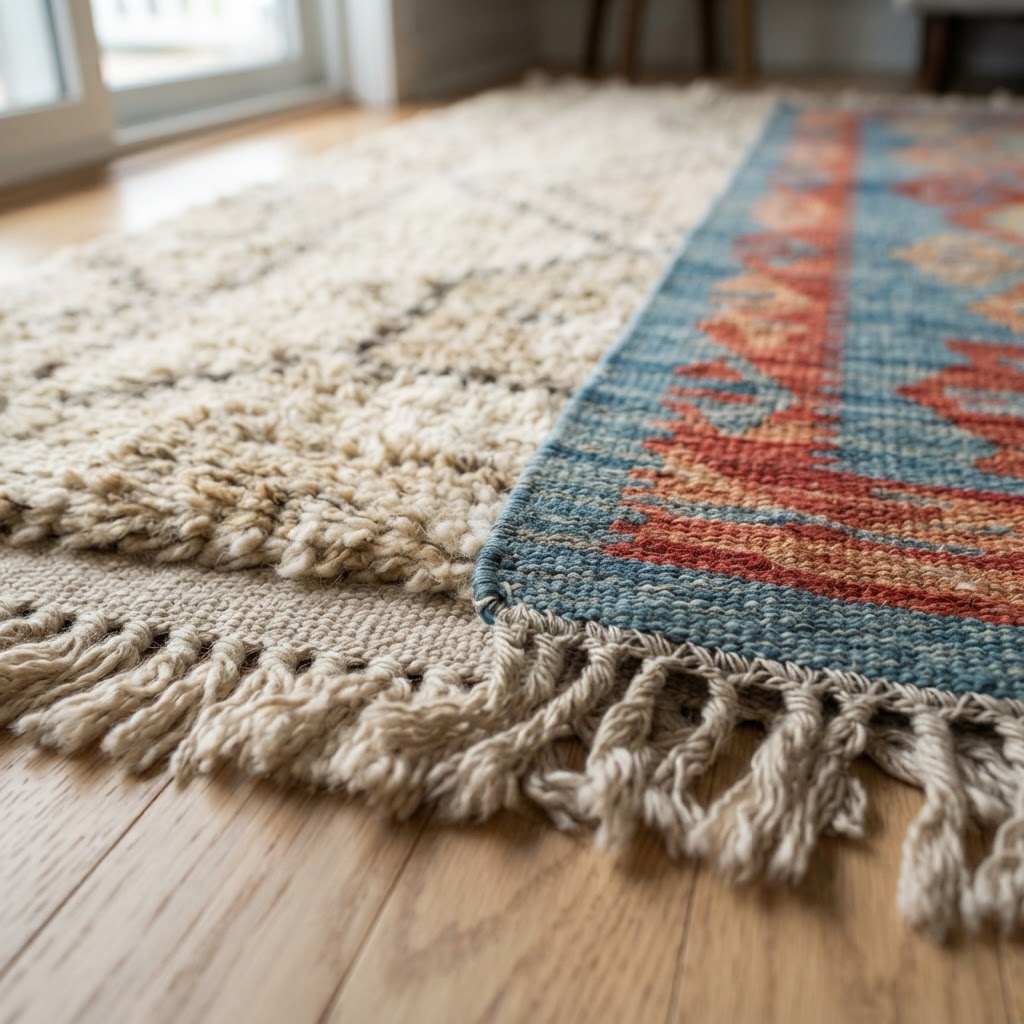
When layering, there are a few things to keep in mind. First, contrast is your friend. A flat-weave or low-pile rug layered under a high-pile or shaggy rug creates incredible textural interest. Similarly, a neutral base under a patterned top layer lets the pattern really sing. Second, make sure the sizes work together. Your base rug should be significantly larger than your top rug. A 9x12 under a 5x8 or 6x9 is a great starting combo.
- Avoid layering two similarly sized rugs, it just looks messy rather than intentional
- Angle the top rug slightly for a more casual, relaxed look
- Mixing textures is more important than matching colors when layering
- Vintage or distressed rugs work beautifully as top layers over simple base rugs
Layering also lets you change up a room seasonally without a huge investment. Swap out the top rug for something warmer and cozier in winter, something lighter and more airy in summer. It's honestly one of the most flexible decorating tricks in the book, and it doesn't get nearly enough credit.
Maintenance and Durability Tips
Look, buying a beautiful rug and then neglecting it is one of the saddest things in interior design. And I say that from experience. I had a stunning hand-knotted rug that I didn't rotate or clean properly, and within two years the high-traffic areas had worn down noticeably while the rest of it still looked pristine. It was completely lopsided and it made me want to cry. Learn from my mistakes.
The single best thing you can do for your rug's longevity is rotate it regularly. Every six to twelve months, rotate your rug 180 degrees. This ensures that the wear gets distributed evenly across the whole rug rather than concentrated in the spots where people walk most often. It takes literally two minutes and it genuinely extends the life of your rug by years. This is especially important for rugs under coffee tables where foot traffic patterns are very predictable.
Vacuuming consistently is obviously important, but the way you vacuum matters. For most rugs, avoid using the beater bar attachment on the full power setting because it can damage fibers over time. A gentler suction-only pass is better for delicate or handmade rugs. For high-pile or shag rugs, you might actually shake them out periodically rather than vacuuming, because the vacuum can tangle the long fibers. And when spills happen, and they will happen, blot immediately. Never rub. Rubbing spreads the stain and pushes it deeper into the fibers. Blot from the outside of the spill inward, using a clean white cloth.
- Rotate every 6 to 12 months to distribute wear evenly
- Blot spills immediately, never rub or scrub
- Use a rug pad to prevent slipping and protect backing
- Vacuum regularly but adjust settings based on rug pile height
- Professional cleaning every one to two years for wool and natural fiber rugs
One more tip that a lot of people overlook: sunlight. Prolonged direct sun exposure can fade rug colors significantly over time, especially in natural fiber and hand-dyed rugs. If your rug sits in a spot that gets a lot of direct afternoon sun, consider UV-filtering window treatments or simply rotate the rug more frequently to ensure even fading if it does occur. A faded rug can sometimes look beautifully vintage, but only if it fades evenly.
Final Thoughts
Honestly, rugs are one of the most transformative things you can do for a living room, and they're also one of the most misunderstood. Get the size right, choose a material that fits your actual life, and don't be afraid of color and pattern. Layer if you want that extra depth, and take care of what you invest in. These five rules, applied thoughtfully, will make your living room feel more designed, more intentional, and more like you.
The best rooms aren't necessarily the ones with the most expensive pieces. They're the ones where every decision was made with purpose. A well-chosen, properly sized, beautifully maintained rug is one of the clearest signals that someone who knows what they're doing put this room together. And now, that someone is you.
More in Interior
Stay Inspired
Subscribe for new essays on architecture, design, and the spaces that shape us.