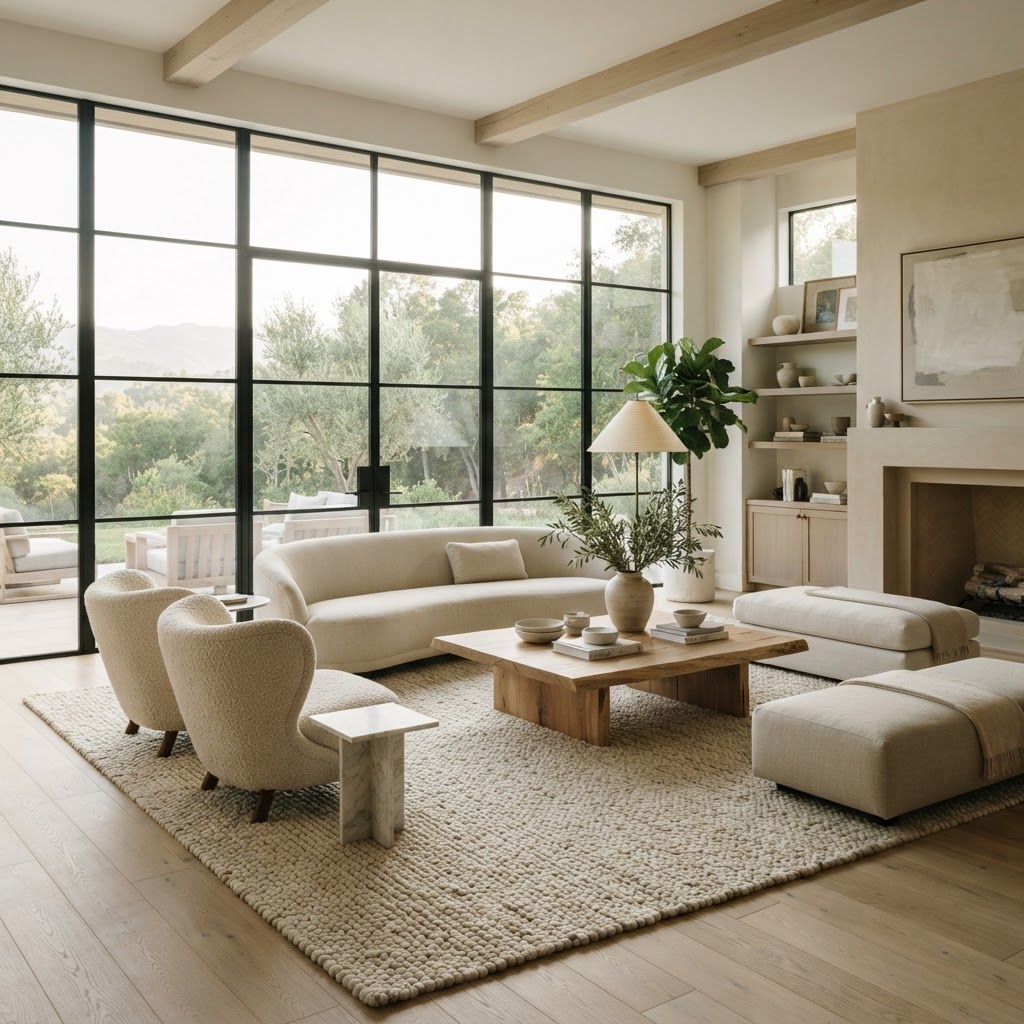
7 Rug Rules Every Living Room Needs for an Instant Upgrade
Selecting the right rug can completely transform the look and feel of your living area. We are breaking down the essential tips to help you pick the perfect texture, size, and style for your home.
Mastering the Perfect Size
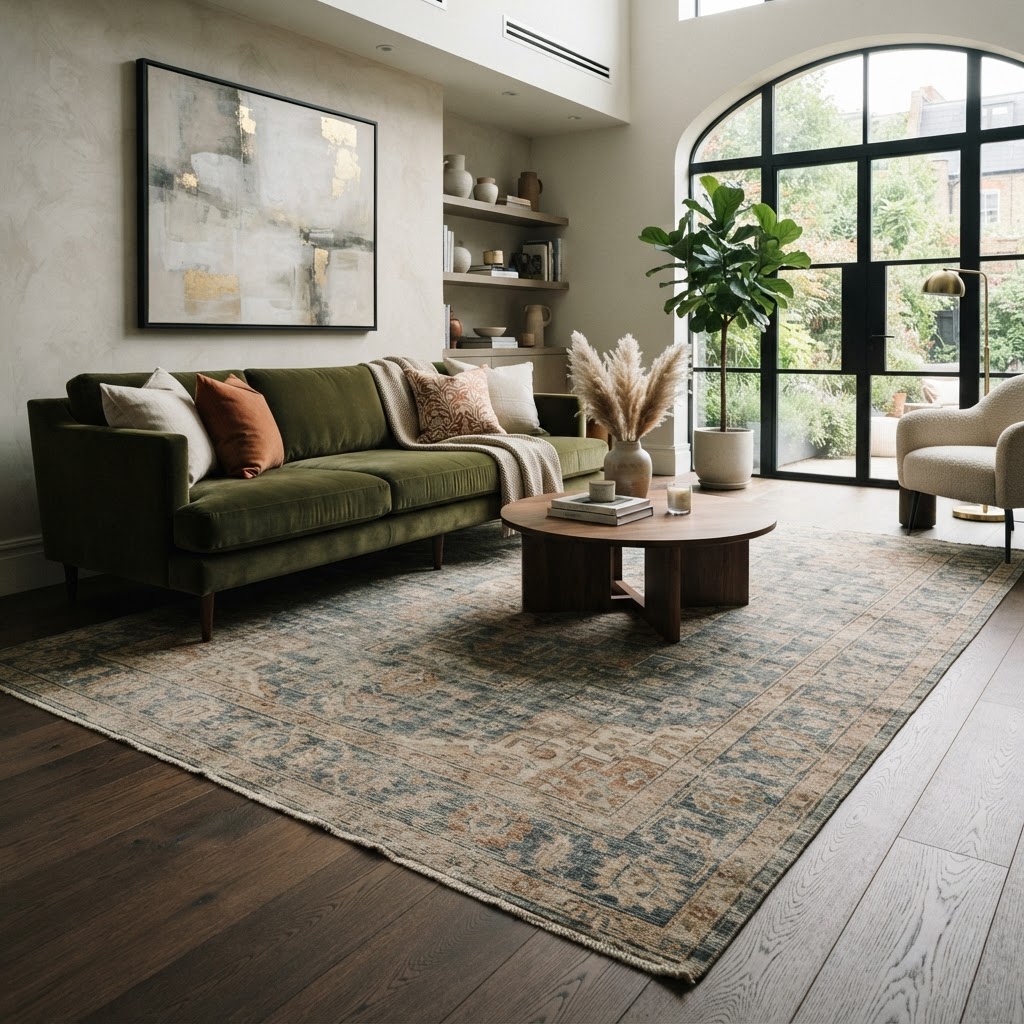
Honestly, this is where most people go wrong, and I mean most people. The number one mistake I see in living rooms over and over again is a rug that's just too small. It sits there like a little postage stamp in the middle of the room, and instead of tying everything together, it actually makes the whole space feel more disjointed. So let's fix that.
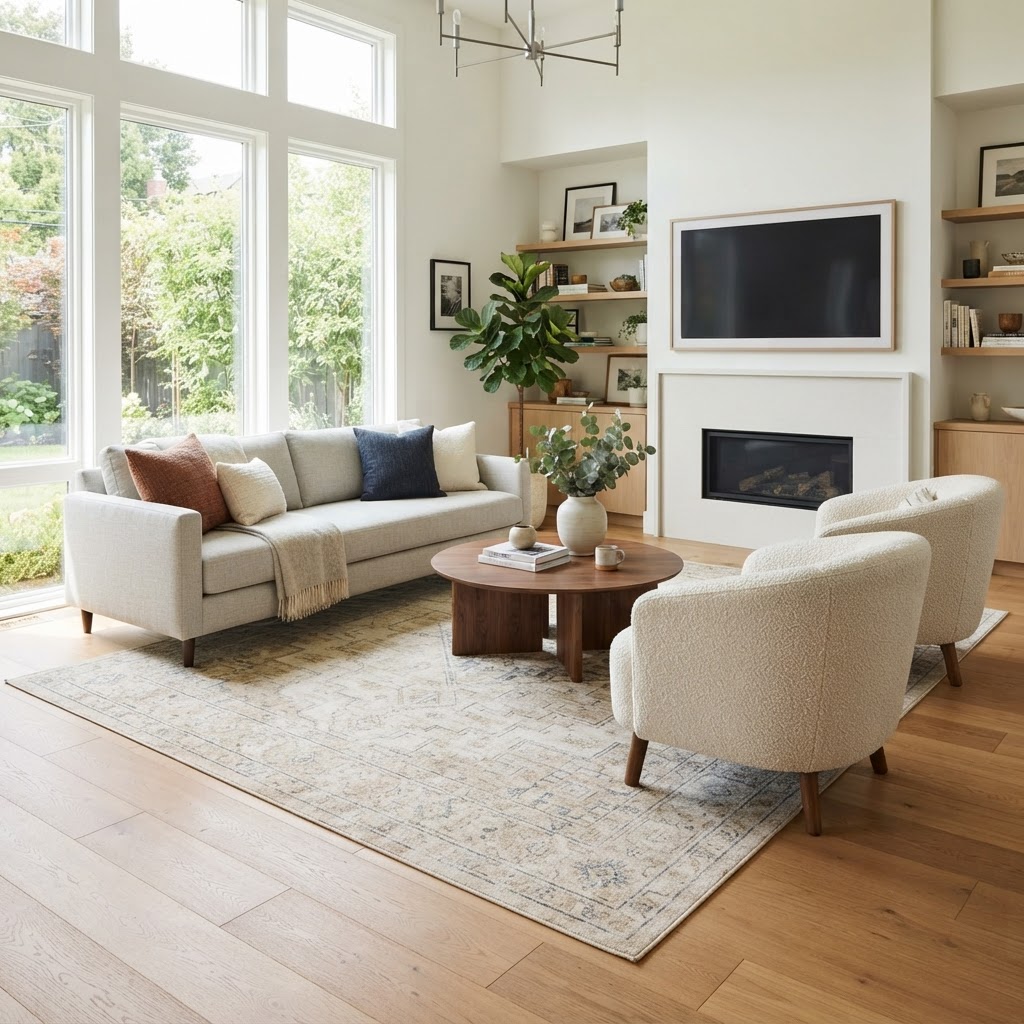
Here's the thing about rug sizing: it's not really about the rug itself, it's about how the rug relates to your furniture. The golden rule that designers swear by is that at least the front two legs of every major seating piece should sit on the rug. This creates a visual connection between all your furniture and grounds the entire seating area as one cohesive zone. If you can get all four legs of your sofa on the rug, even better. That's the dream.
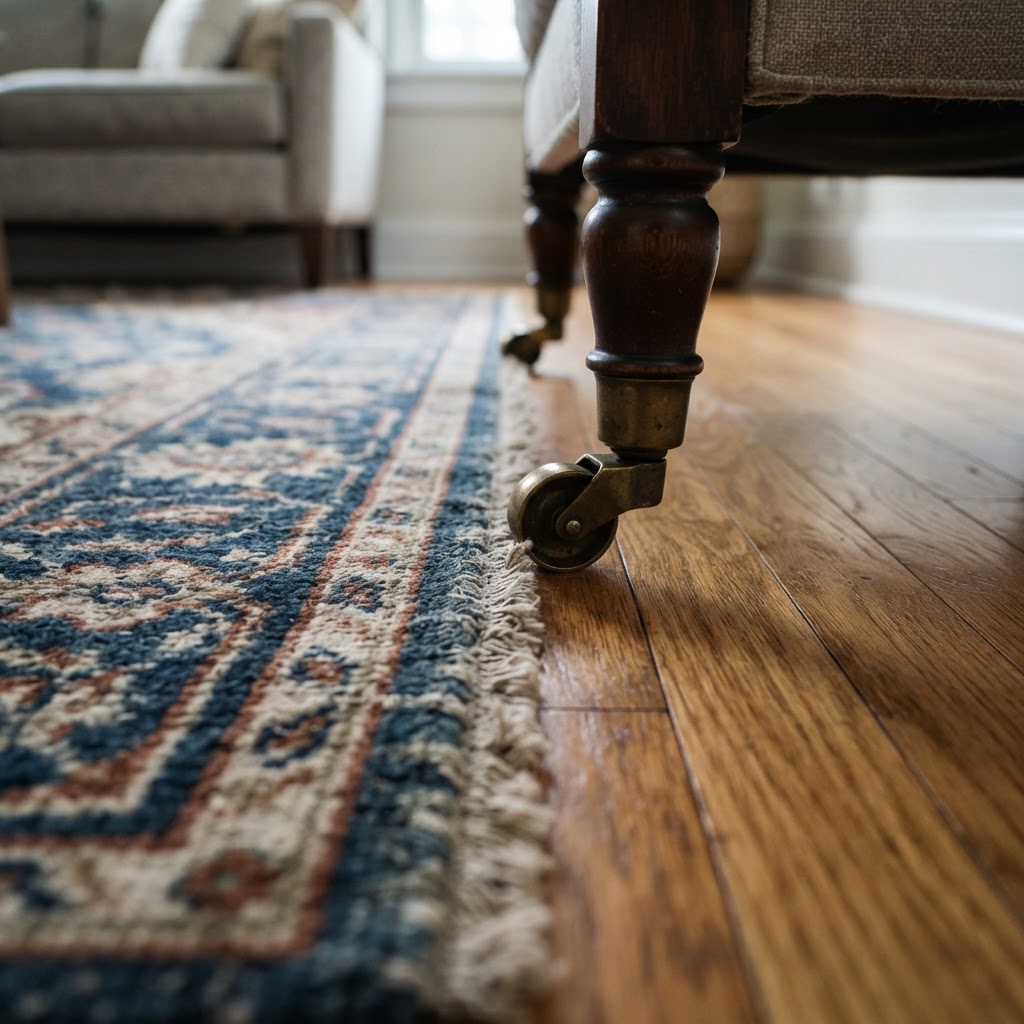
For most standard living rooms, you're looking at an 8x10 as the bare minimum, and a 9x12 is often where things really start to sing. Real talk: before you buy anything, grab some painter's tape and map out the dimensions on your floor. Live with it for a day. Walk around it. It sounds extra but it will save you from a very expensive mistake. Standard sizes in stores tend to feel massive in the showroom and then you get home and suddenly it looks tiny against your actual walls and furniture.
Also, don't forget to leave some breathing room between the rug's edge and the wall. Somewhere between 12 and 18 inches of exposed floor on all sides is generally ideal. This framing effect actually makes the room feel larger, not smaller, which is counterintuitive but absolutely true. Trust me on this one.
Texture and Material Choices
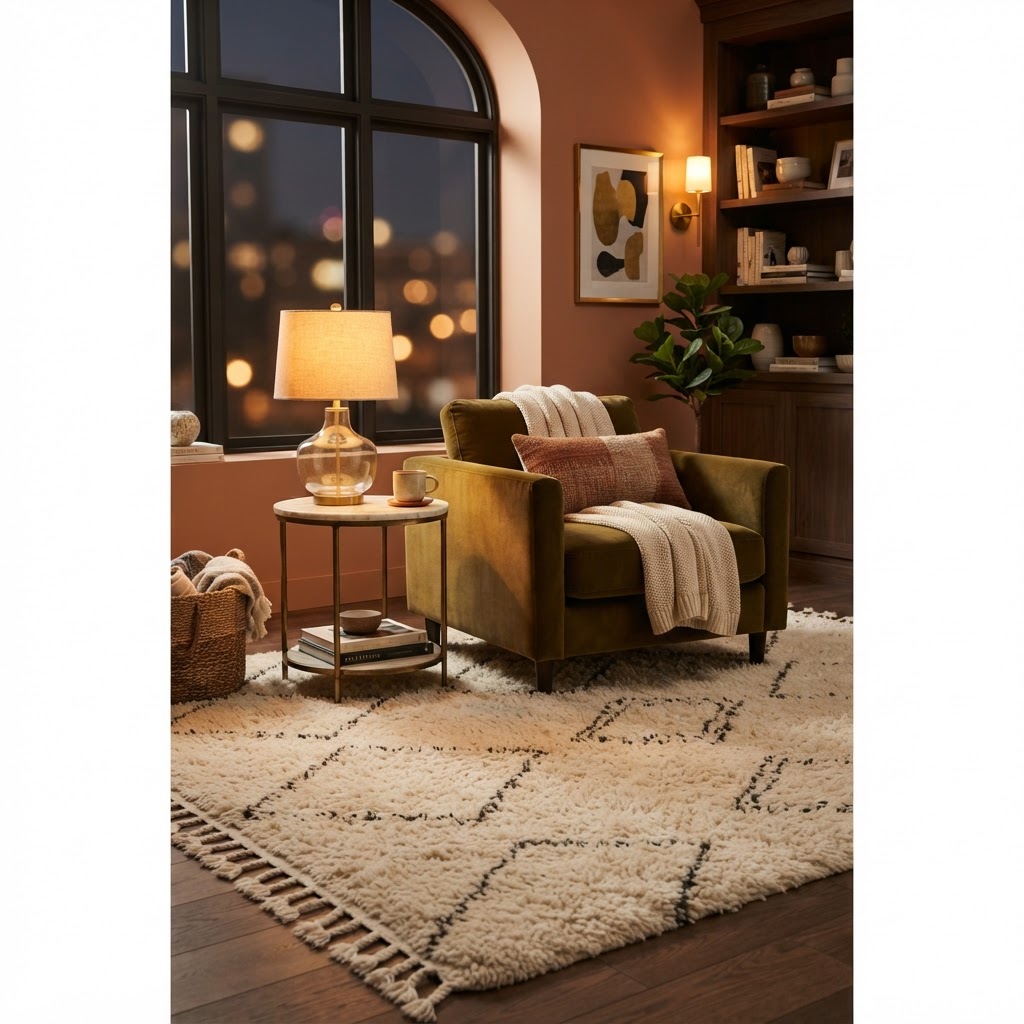
Look, color gets all the attention when people are shopping for rugs, but texture? Texture is doing the heavy lifting behind the scenes. The material your rug is made from affects how it looks in different lighting, how it feels when you're sitting on the floor, how it sounds (yes, really), and frankly how long it's going to last you. This deserves way more thought than most people give it.
Wool is still the gold standard, and for good reason. It's naturally durable, it has this incredible depth that synthetic fibers just can't replicate, and it handles high-traffic areas surprisingly well. A good wool rug has a slight sheen that shifts as light moves through the room throughout the day. It's one of those things that sounds subtle but makes a huge difference in the overall feeling of a space. The downside is cost, but honestly, a quality wool rug bought once will outlast three cheap synthetic replacements. Do the math and it usually works out.
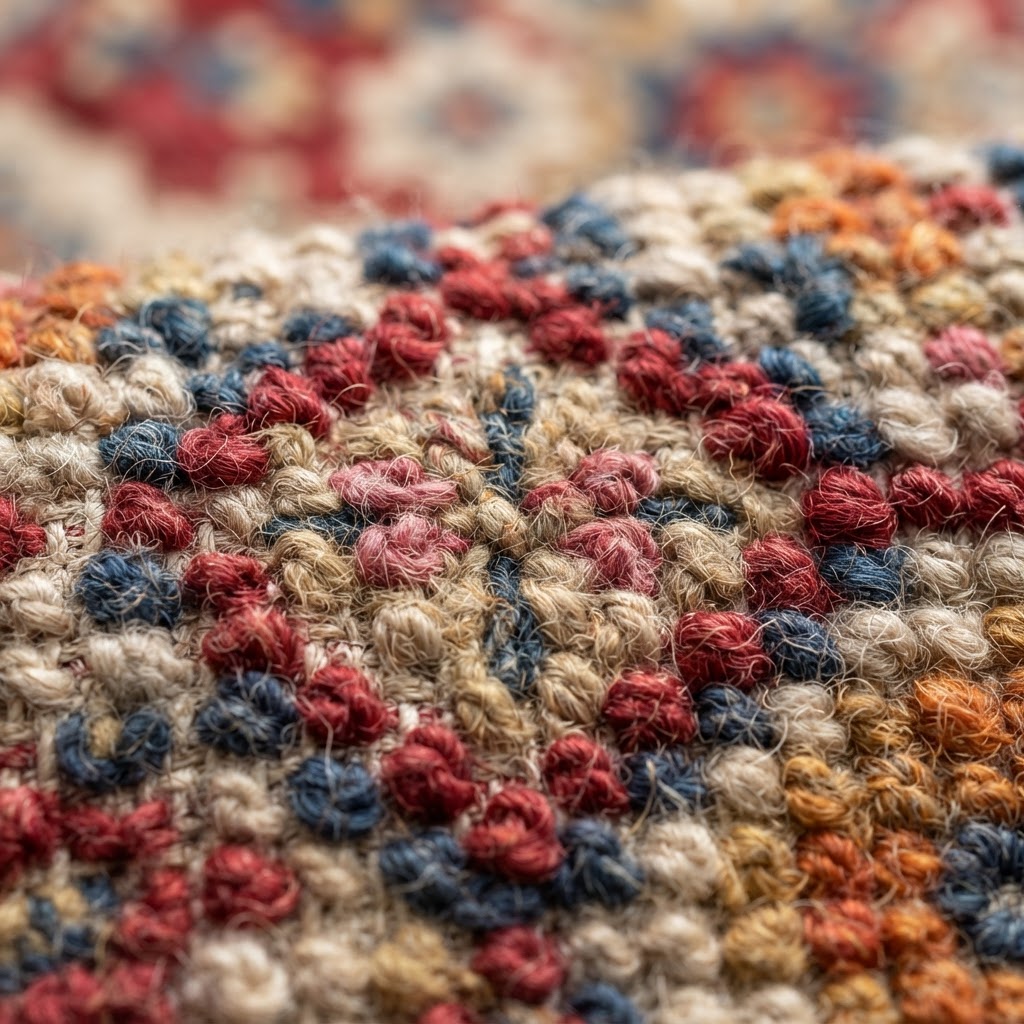
Natural fibers like jute, sisal, and seagrass have had a serious moment in interior design and they're not going anywhere. They bring this earthy, organic warmth that works especially well in rooms that feel a bit cold or overly polished. The texture is more casual and relaxed, which can be exactly what a formal living room needs to feel livable. Just know that these materials are a bit more challenging to clean and they don't love moisture, so if you've got spill-prone kids or pets, factor that in.
- Wool: Durable, beautiful, ages gracefully, and worth every penny.
- Jute and sisal: Casual, organic, great for layering underneath a smaller decorative rug.
- Cotton: Affordable and easy to wash, but tends to flatten out faster over time.
- Synthetic blends: Budget-friendly and often stain-resistant, a solid choice for high-traffic homes.
- Silk or silk-blend: Stunning, but genuinely not practical for everyday living room use.
The pile height matters too. A low pile keeps things clean-lined and modern, perfect for contemporary spaces. A high pile or shag rug brings in that cozy, sink-your-toes-in feeling that works beautifully in more relaxed, layered interiors. Neither is wrong. It's just about matching the vibe you're going for.
Layering for Maximum Depth
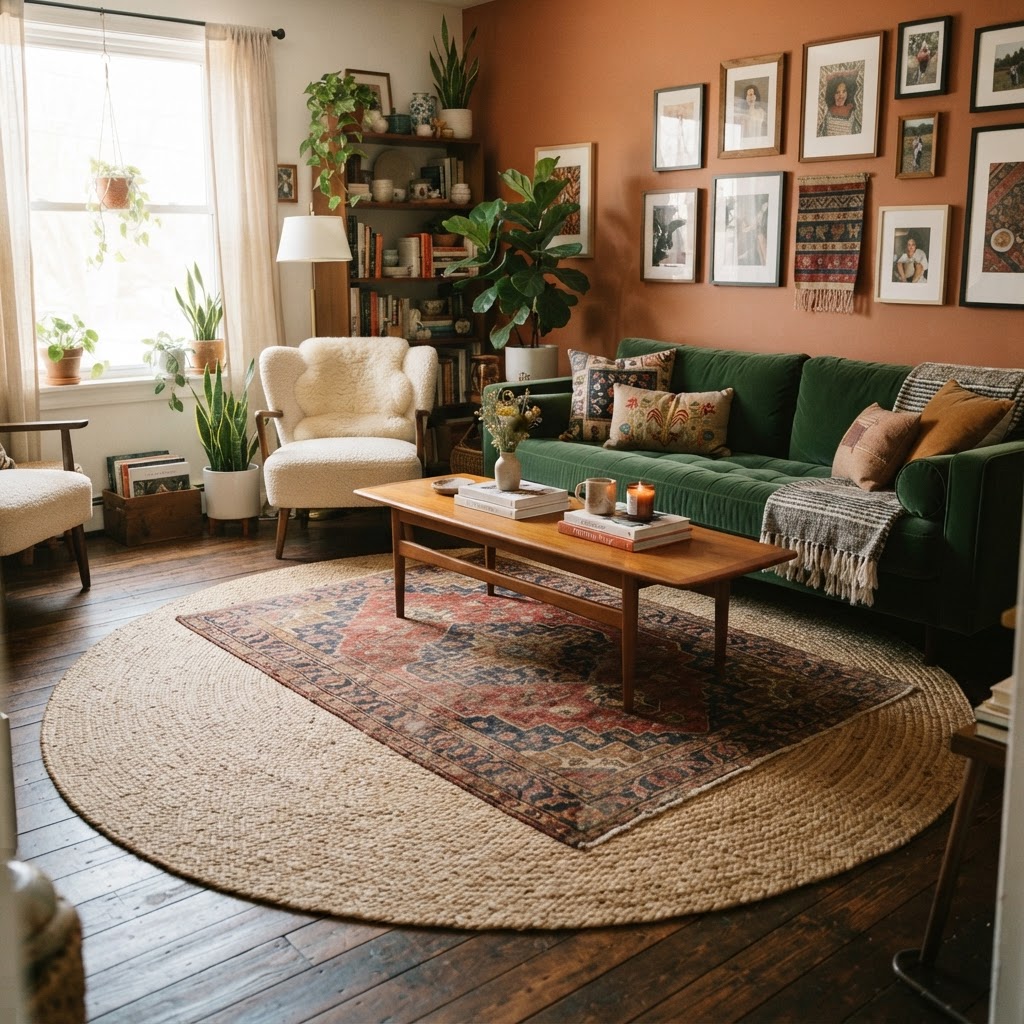
Rug layering used to feel like one of those advanced designer tricks that regular people couldn't quite pull off at home. And honestly, I get why. It sounds complicated. But here's the thing: once you understand the basic logic of it, it's actually one of the easiest ways to add serious depth and personality to a living room without a big renovation budget.
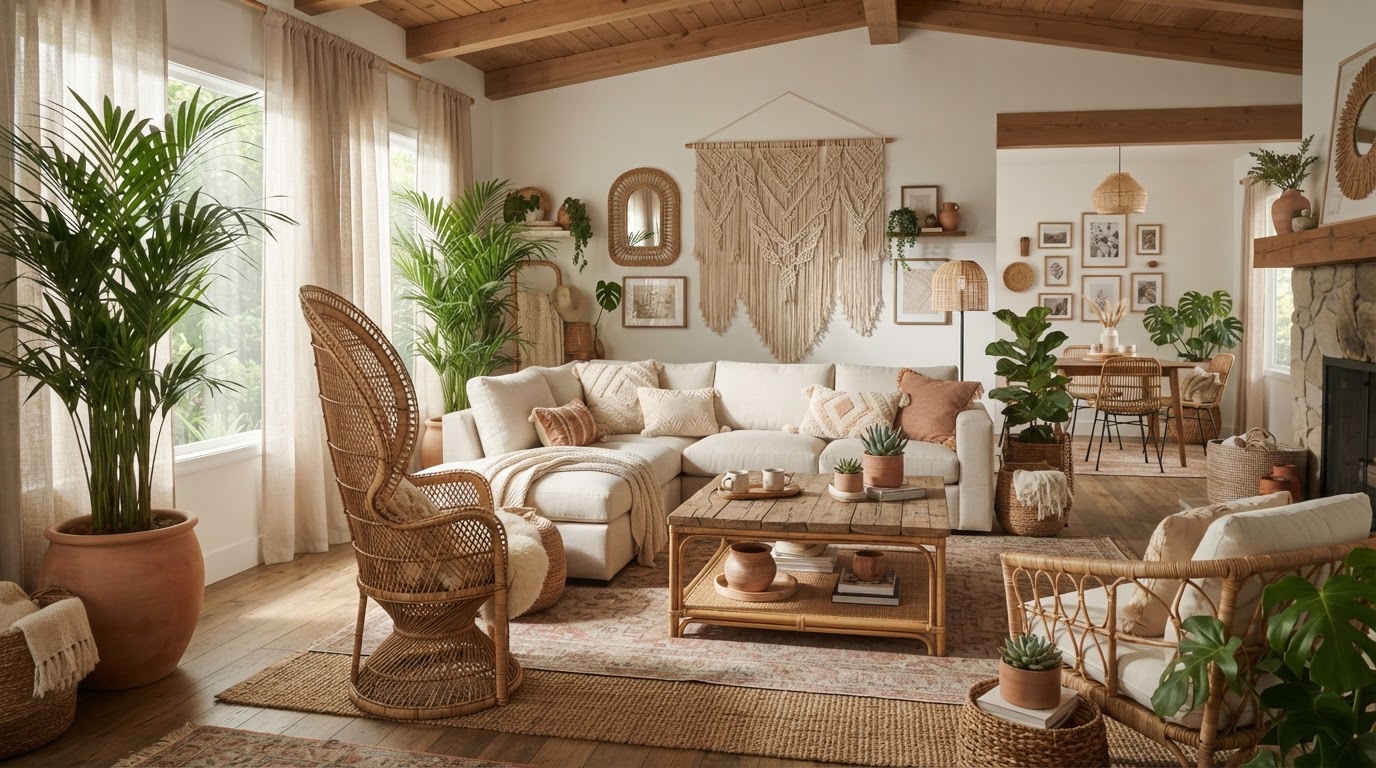
The classic approach is to start with a large, neutral base rug, usually something in a natural fiber like jute or a simple flatweave, and then layer a smaller, more decorative rug on top. The base rug does the size work, covering the right footprint and anchoring the furniture. The top rug gets to be the personality piece, whether that's a vintage Persian, a bold geometric, or something with interesting fringe. This combination gives you that collected, well-traveled look that feels genuinely personal rather than like you just ordered a whole room from a catalog.
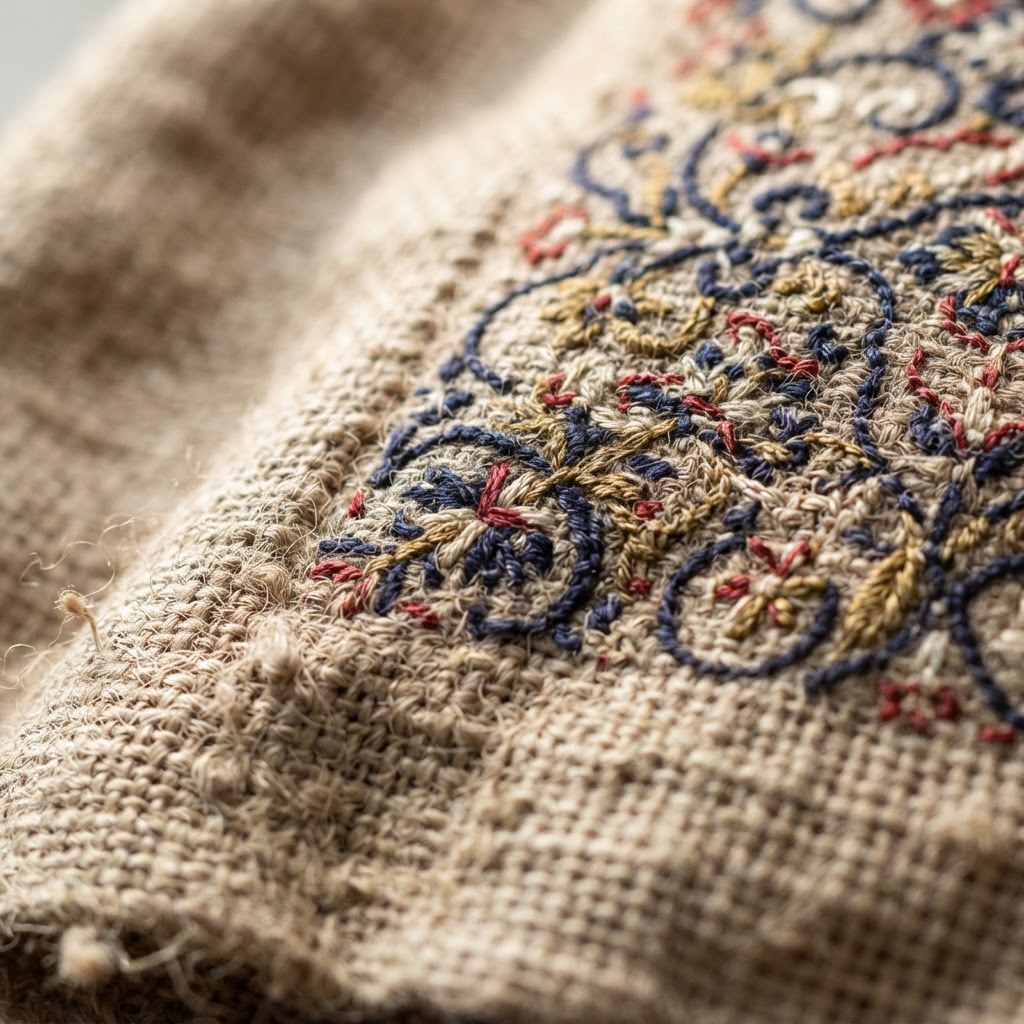
When layering, contrast in texture is your best friend. Pairing a chunky jute with a flat-woven kilim looks amazing. A smooth, low-pile wool base under a fluffy sheepskin throw rug in a reading corner is pure magic. The key is that the textures should feel obviously different from each other, not competing but complementing.
"Layering is less about rules and more about confidence. Start with a base, add a layer you love, and let them have a conversation with each other."
One practical tip: make sure your top rug is at least a few feet smaller than your base rug on each side, so both layers are visible. And always, always use a rug pad between them. It keeps everything from shifting around, which looks sloppy and is also a serious trip hazard.
Selecting Colors That Anchor the Room
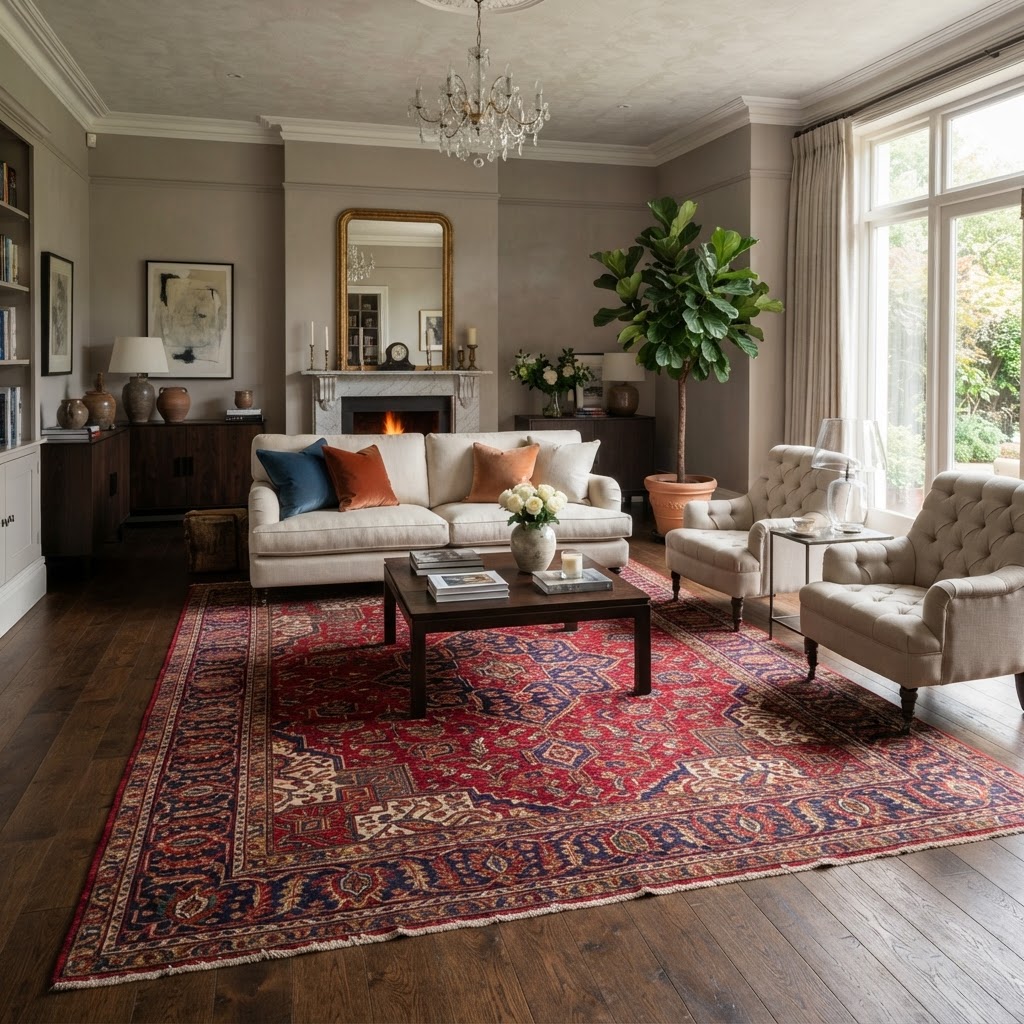
Color is where people freeze up the most, and I totally understand it. There are so many options and the stakes feel high because a rug is a significant purchase. But here's how I think about it: your rug should either anchor your room or activate it. Anchoring means it grounds everything with a neutral or muted tone that lets the other elements breathe. Activating means it's the focal point, the star, and everything else plays a supporting role. Both approaches work. You just need to decide which game you're playing before you start shopping.
If your room already has a lot going on, which is most rooms honestly, then a grounding rug in a warm neutral, soft gray, cream, or earthy terracotta is usually the smarter move. It creates calm. It gives the eye a place to rest. And it's significantly more forgiving when you inevitably want to change your throw pillows or swap out artwork in a couple of years.
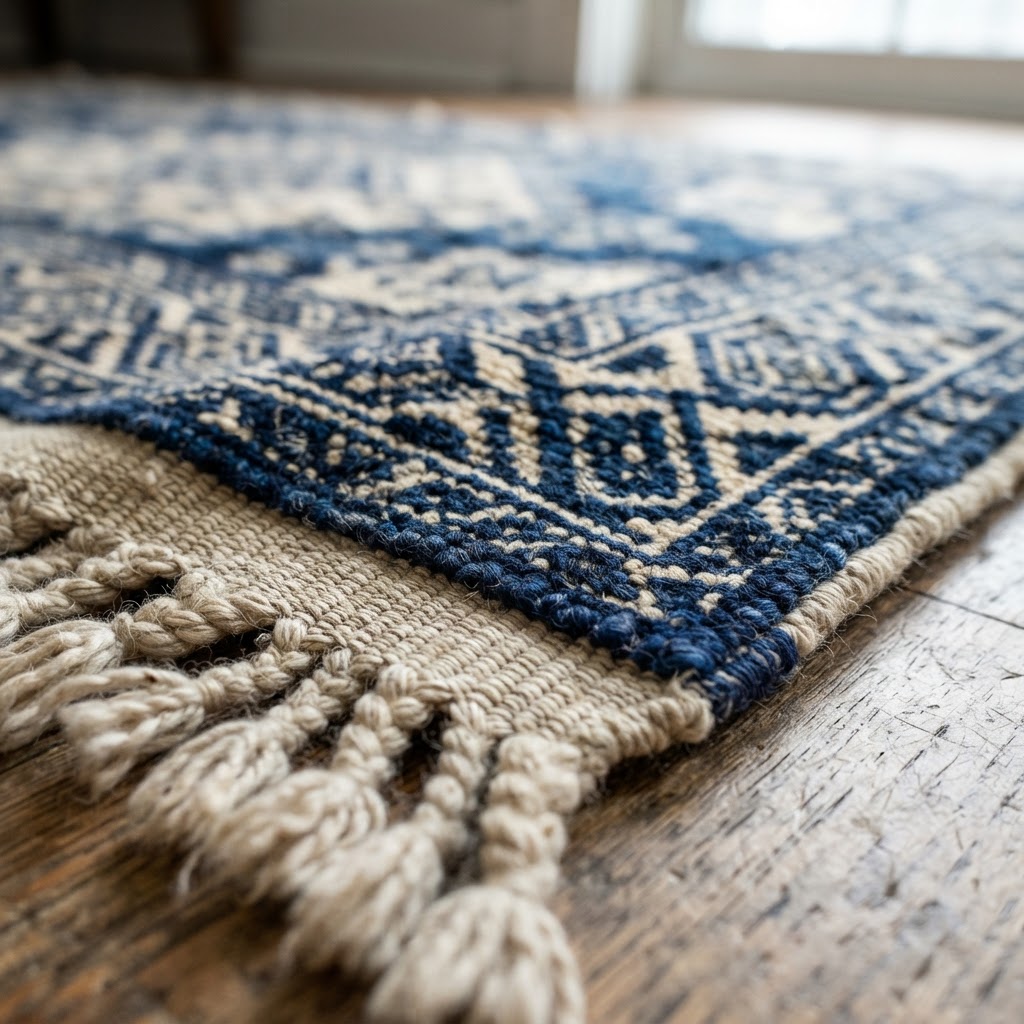
If you're going bold, and sometimes bold is absolutely the right call, pull your rug color from something already existing in the room. A piece of art, a decorative pillow, even the undertones in your wood furniture. This creates that sense of intentionality that makes a room look designed rather than assembled. And don't be scared of pattern. A traditional Persian or a bold abstract print can look completely current when you style the rest of the room thoughtfully around it.
- Rooms with lots of pattern elsewhere need a solid or subtly textured rug to provide visual rest.
- Rooms that are very neutral can absolutely handle a bolder rug without things feeling chaotic.
- Warm rugs in terracotta, ochre, or rust add coziness and work beautifully in north-facing rooms that get less natural light.
- Cool-toned rugs in blue, gray, or sage feel calm and airy, great for bright, sunny spaces.
One more thing: always look at rug samples in your actual space before committing. The way a color reads in a showroom versus your specific light conditions at home can be wildly different. Most online retailers offer swatches or returnable samples now, and that little extra step is genuinely worth it.
Durability for Everyday Living
Real talk: a rug can be gorgeous in the store and a complete disaster six months into real life if you haven't thought about durability. And I don't mean durability in a boring, practical way, I mean it as a genuine design consideration. Because a rug that's matted, stained, or falling apart is going to drag down the entire room no matter how beautiful everything else is.
Think honestly about your household. Do you have dogs or cats? Kids who eat on the couch? Do you actually take your shoes off at the door? These are not judgment questions, they're just reality checks. A delicate hand-knotted silk rug in a house with a golden retriever is going to cause you nothing but grief. And that's not the rug's fault, it's just a mismatch of expectations.
For busy households, look for rugs with these specific features. A low to medium pile is much easier to vacuum and doesn't trap debris the way a high pile does. Darker colors and patterns hide dirt and wear far better than pale solids. Rugs with a tight weave resist snagging and hold their shape longer. And wool, even in high-traffic areas, tends to be naturally more resilient than you'd expect because the fibers have a slight natural spring to them.
Flat-weave rugs are honestly underrated in this category. They're easy to clean, they don't shed, and many of them are reversible, which effectively doubles their lifespan. Kilims and dhurries fall into this category and they look fantastic in modern, eclectic, and bohemian spaces alike. And a good rug pad underneath any rug, regardless of its construction, will extend its life significantly by reducing friction and preventing the backing from wearing out against the floor.
If you're working with a real budget and can't stretch to a high-end wool piece right now, that's completely fine. A well-chosen mid-range polypropylene rug can look really good and hold up to daily life. Just manage your expectations about how it ages compared to natural fibers, and treat it as a stepping stone rather than a forever piece.
Final Thoughts
Here's what it really comes down to: a rug is one of the most impactful decisions you'll make in a living room, and it deserves real thought. Get the size right first, everything else can be adjusted. Choose a material that actually fits your life, not just your Pinterest board. Layer when you want depth and character. Pick colors with intention, whether you're anchoring or activating. And be honest with yourself about durability so you end up with something that still makes you happy two years from now.
These aren't rigid rules meant to stress you out. They're just the kind of hard-won knowledge that comes from seeing a lot of rooms and understanding why some feel amazing and some feel off. Once you internalize them, they become second nature. And honestly, the moment you nail the rug situation in your living room, the whole space just clicks. It's one of those upgrades that makes you wonder why you waited so long.
More in Interior
Stay Inspired
Subscribe for new essays on architecture, design, and the spaces that shape us.