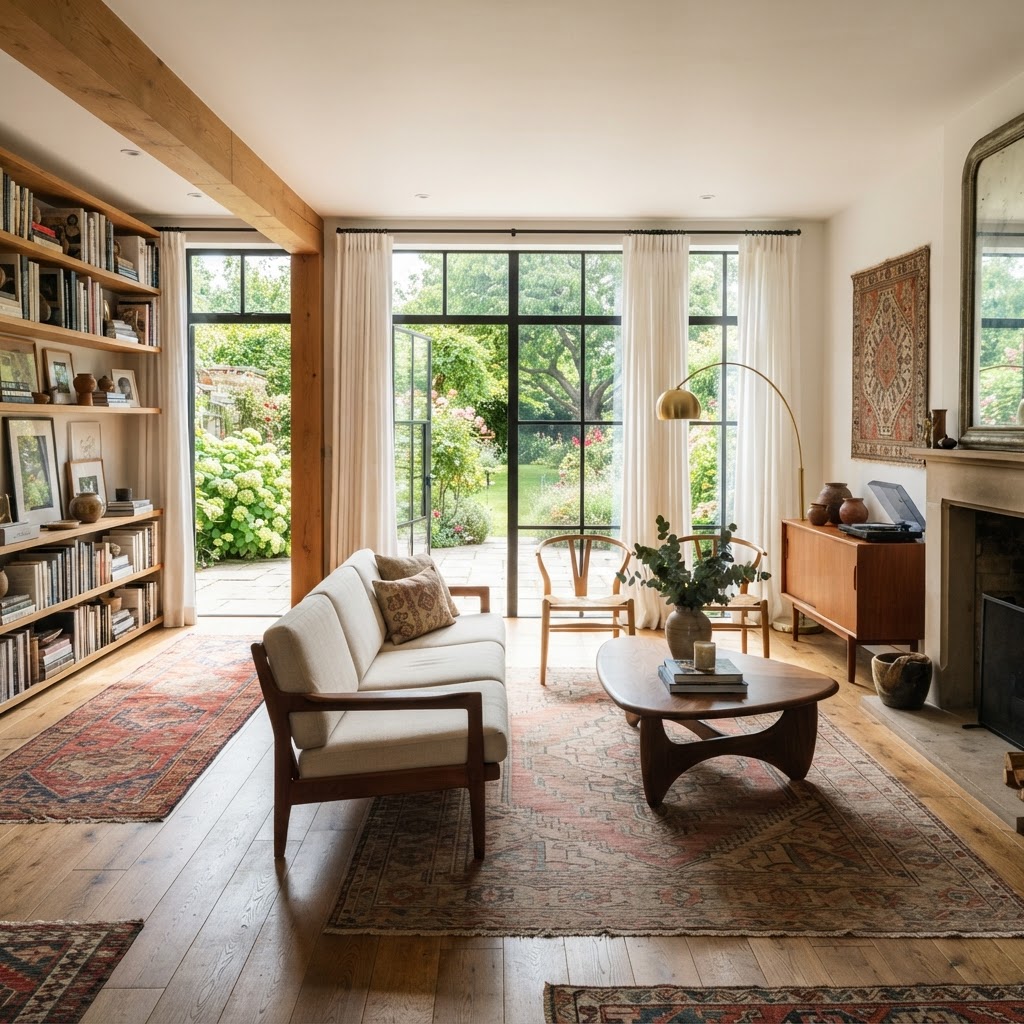
Why Your Home Needs a Little History: The Case for Secondhand Decor
Curating a home with vintage finds creates a space that feels personal and timeless. Learn why shopping secondhand is the best way to develop a unique style that tells a story.
The Art of the One-of-a-Kind Find
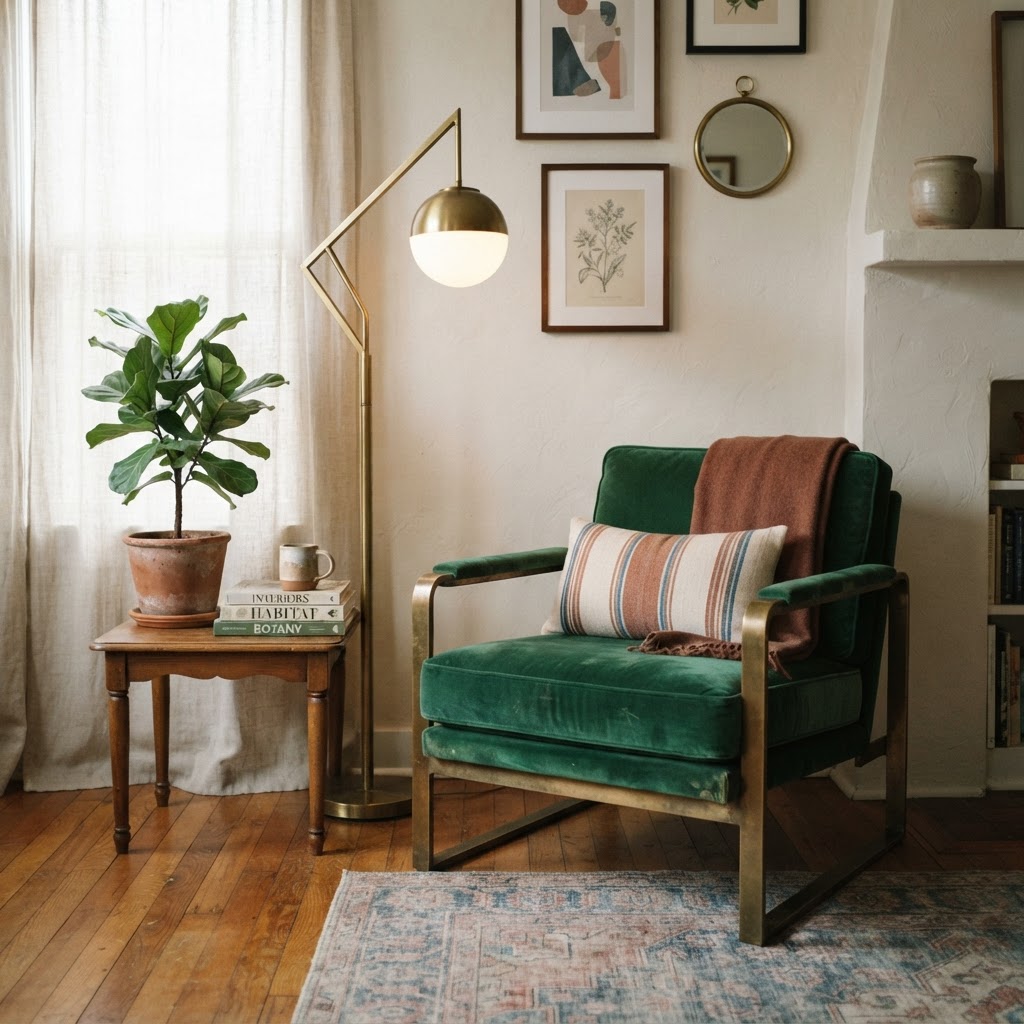
Honestly, there is something almost magical about walking into a flea market on a Saturday morning, coffee in hand, with absolutely no idea what you're going to find. That feeling, that genuine anticipation, is something you will never get scrolling through a big-box retailer's website at midnight. Secondhand decor is not a compromise. It's a choice, and a smart one at that.
Here's the thing about mass-produced furniture and decor: it's designed to appeal to the widest possible audience, which means it ends up appealing to nobody in particular. Your living room deserves better than that. When you bring home a vintage ceramic lamp or a mid-century side table you found at an estate sale, you're bringing home something that nobody else on your street has. Full stop.
The thrill of the hunt is real, and once it gets you, it really gets you. I remember finding a hand-painted French mirror at an antique market a few years ago. It was dusty, a little scratched, and probably not to everyone's taste. But it had this incredible patina, this sense of having actually lived somewhere beautiful. I cleaned it up, hung it in my entryway, and it became the single most commented-on piece in my entire apartment. Not my expensive sofa. The mirror I paid forty bucks for.
That's the power of the one-of-a-kind find. It stops people in their tracks because it has a presence. A personality. And when someone asks where you got it, you get to tell a story instead of just naming a store.
Sustainability Meets Elevated Style
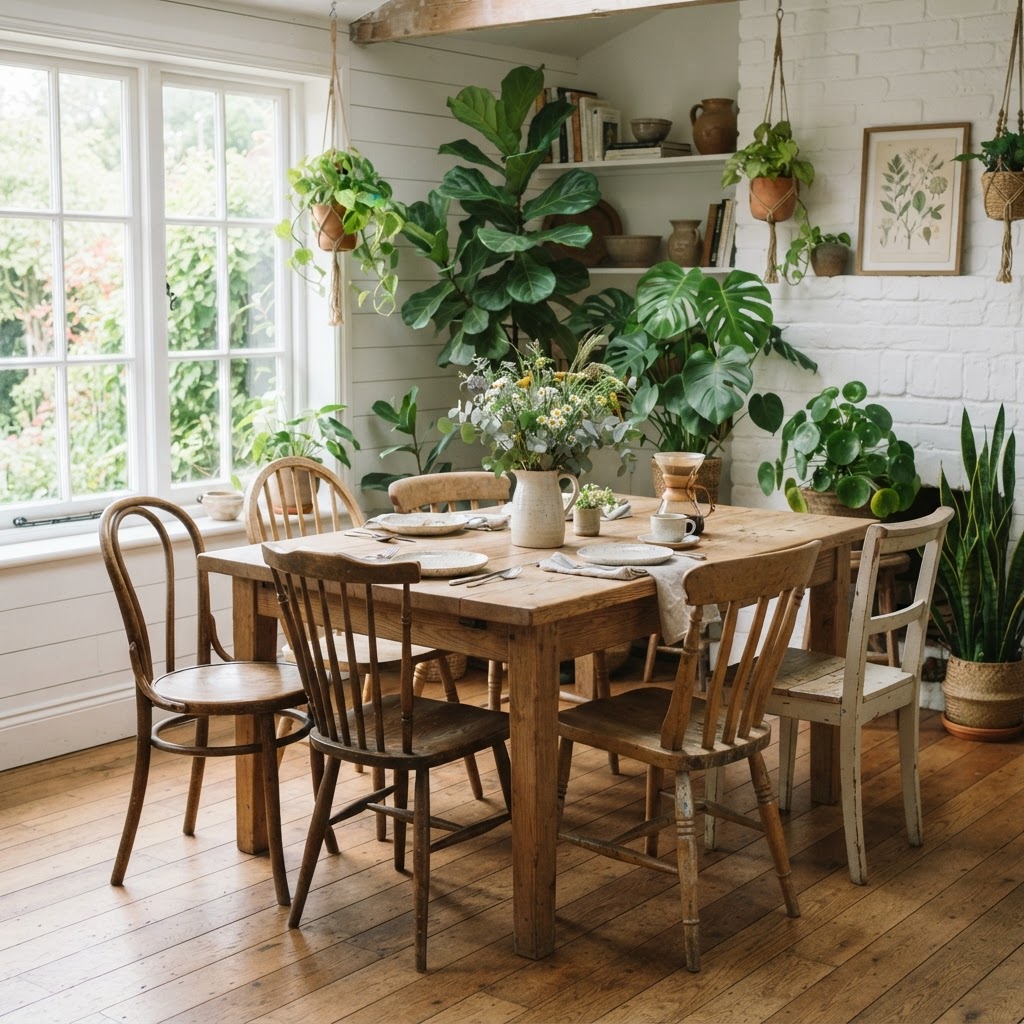
Look, sustainability in interior design has had a bit of an image problem. For a while there, "eco-friendly" decor conjured images of jute everything, washed-out neutrals, and a general vibe of self-congratulation over style. But that narrative is completely outdated. Buying secondhand is one of the most genuinely sustainable choices you can make for your home, and it can look absolutely stunning.
When you choose a pre-owned piece, you're keeping it out of a landfill. You're not generating demand for new production, which means no new raw materials extracted, no factory emissions, no shipping container crossing an ocean. The environmental math on secondhand is honestly pretty hard to argue with. And the style math is even better.
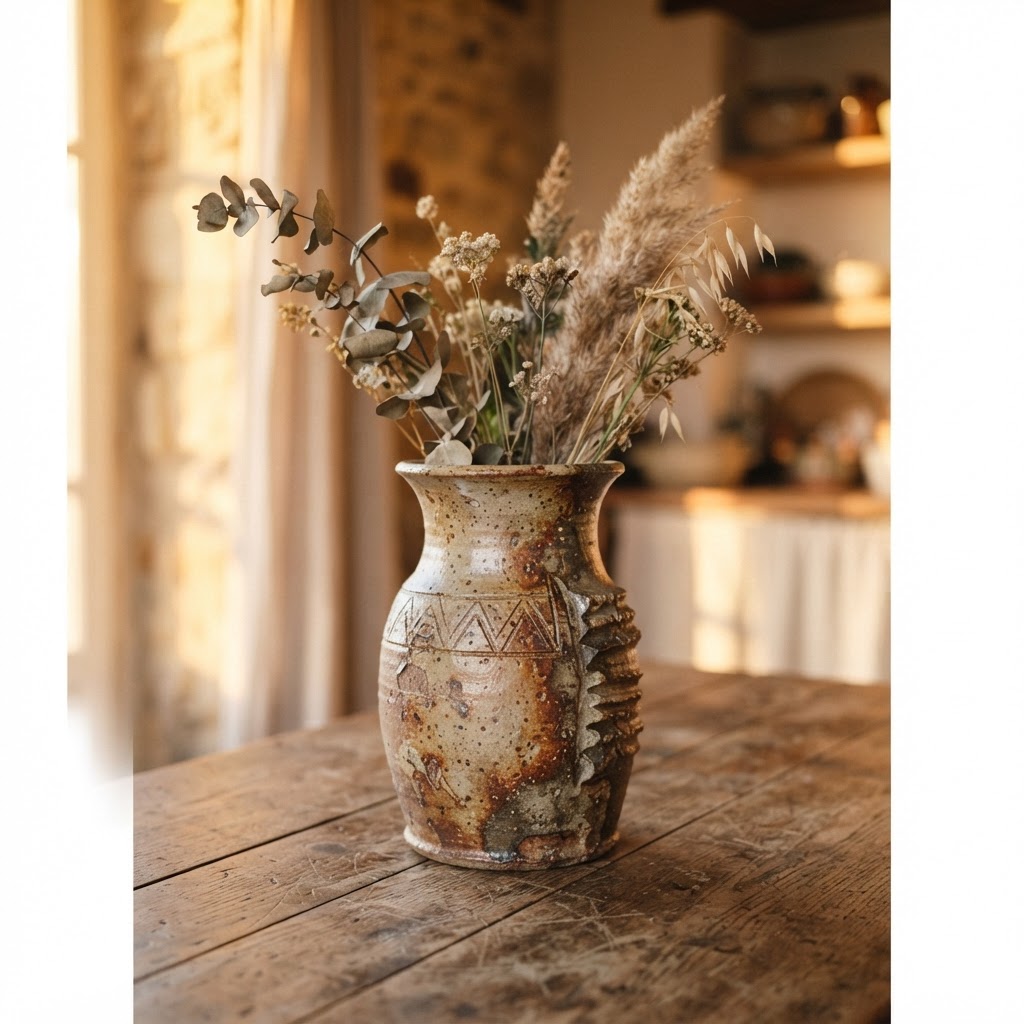
Think about it this way: a solid walnut credenza from the 1960s has already proven it can last sixty-plus years. The particleboard unit you're eyeing online? Good luck getting a decade out of it. Choosing secondhand is choosing quality that has already stood the test of time, and wrapping that choice in a genuinely good environmental conscience.
The design world has fully caught on. Some of the most celebrated interior designers working today talk openly about their love of vintage sourcing. It's not a budget move anymore, it's a design philosophy. Real talk, if anything, a thoughtfully sourced antique piece in a modern room signals more taste and intention than a room that looks like it was ordered entirely from a single catalog.
- Circular economy: Every secondhand purchase extends a product's lifecycle and reduces waste.
- Lower carbon footprint: No new manufacturing or long-distance shipping required.
- Investment pieces: Quality vintage items often hold or increase in value over time.
- Style differentiation: Your space looks curated, not catalog-copied.
Adding Soul to a Modern Space
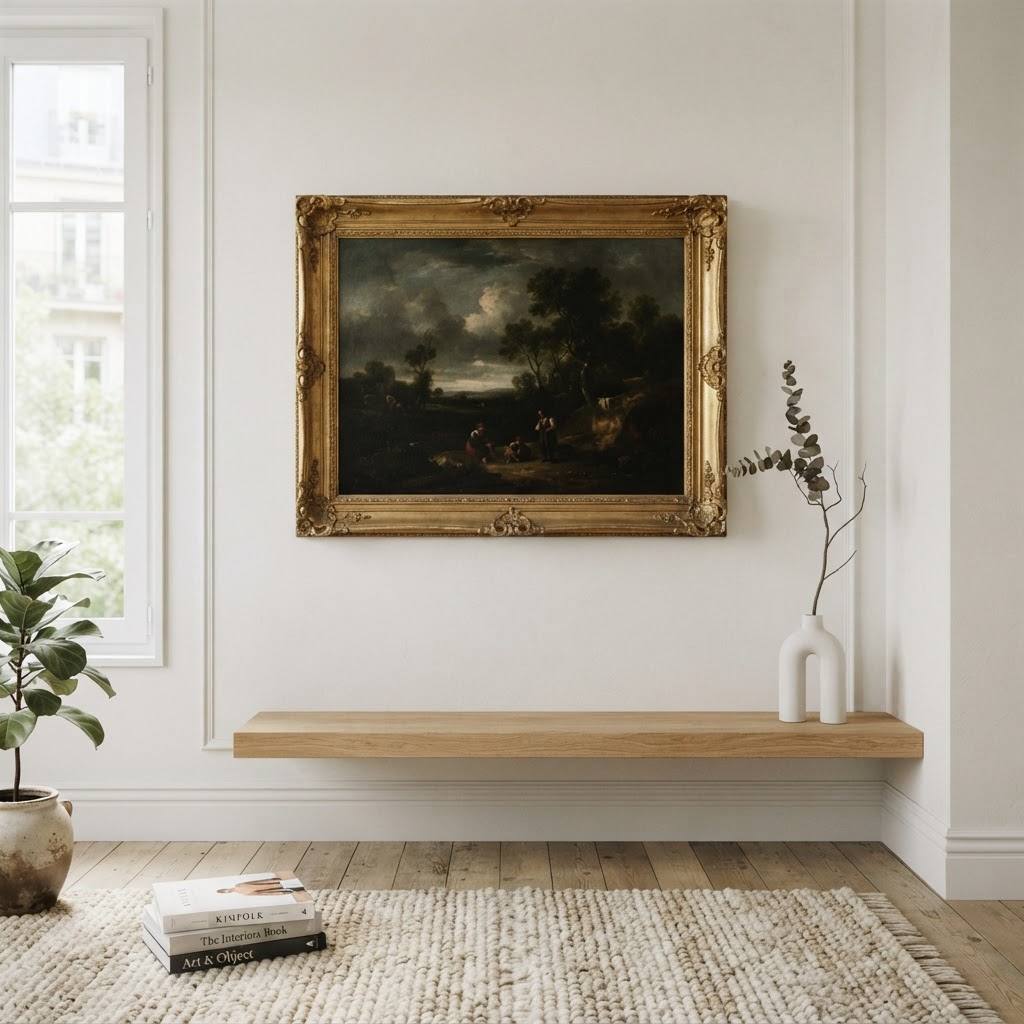
Here's something I genuinely believe: the reason so many modern interiors feel cold, or somehow unfinished, even when everything is technically perfect, is that they have no history in them. Everything is new. Everything is pristine. And paradoxically, that makes them feel a little lifeless. Soul in a space almost always comes from contrast, from layers, from the sense that a room has been lived in and loved over time.
Introducing even one or two secondhand pieces into a very contemporary setting can completely shift the energy of a room. A worn leather armchair in a sleek, minimalist living room. An antique brass candlestick on a concrete kitchen shelf. A stack of old hardcover books on a floating Scandi-style shelf unit. These things don't clash with modern design, they anchor it. They give the eye somewhere interesting to land.

The designers who do this best know that contrast is their friend. They're not afraid to put a rough, aged wooden stool next to a polished marble surface, or hang a faded textile artwork beside a very sharp, geometric modern print. The tension between old and new is what makes a room interesting. Without it, you've got a showroom. With it, you've got a home.
And honestly, this is something you can do incrementally. You don't need to overhaul your entire space. Start with one vintage piece, something with texture, warmth, or a great story, and see how it changes the room. I'd bet you'll be back for more within the month.
"A room without history is just a photograph of a room. The things that have been touched, used, and loved are what make a space feel human."
Where to Hunt for Hidden Gems
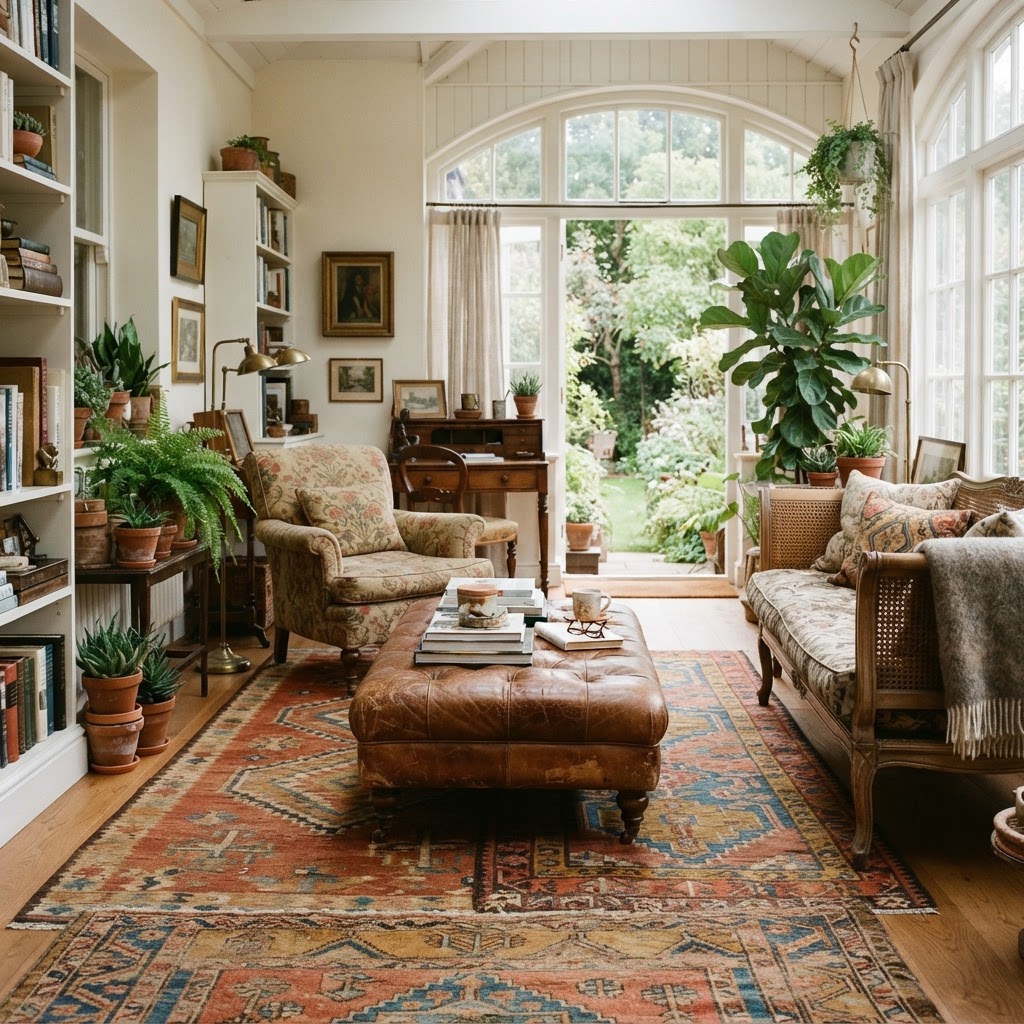
Okay so let's get practical, because "buy secondhand" is easy advice to give and a little harder to execute if you don't know where to start. The good news is that the options have genuinely never been better. Between online platforms and the real-world thrift and antique circuit, there's a whole ecosystem out there just waiting for you to dive in.
Online, platforms like Chairish, 1stDibs, Facebook Marketplace, and even eBay have made it possible to find extraordinary pieces without leaving your house. Chairish in particular has really raised the bar for curated vintage and antique decor online. It's searchable by style, era, and material, which makes it so much easier to find things that actually fit your aesthetic. Facebook Marketplace, on the other hand, is where you go when you want to find a solid deal from someone three streets away who's moving and doesn't want to haul their grandmother's sideboard with them.
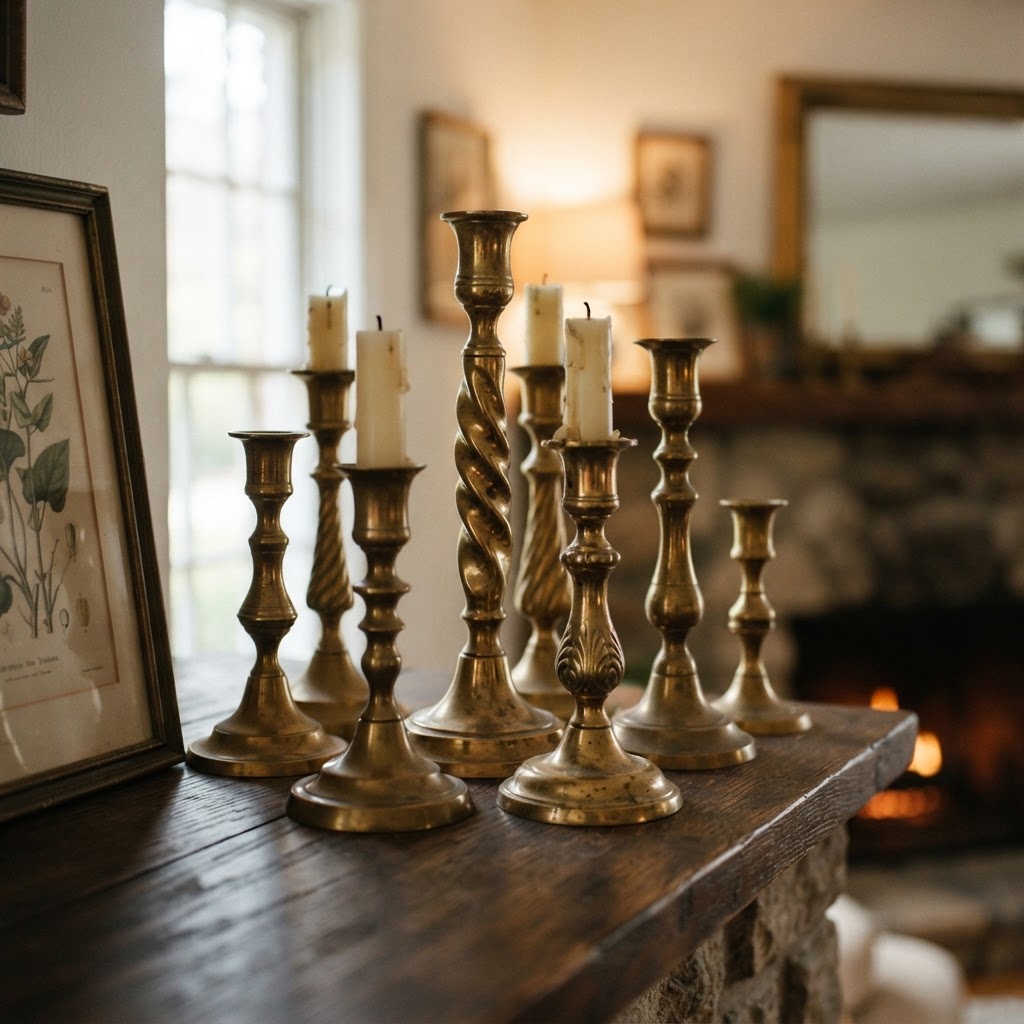
In the real world, estate sales are where the serious stuff lives. When a household is being cleared out, you often find pieces that have never been sold publicly before, things that have been in a family for decades. The prices can be incredible, and the quality is often exceptional. Flea markets are a little more hit-or-miss but that's honestly part of the fun. Thrift stores like Goodwill or local charity shops are great for smaller decorative items, artwork, and ceramics.
- Chairish and 1stDibs: Curated vintage and antique pieces, great for statement furniture.
- Facebook Marketplace: Local finds, often very affordable, perfect for larger items.
- Estate sales: Unbeatable for quality and provenance, worth following local listing sites.
- Flea markets: Great for smaller pieces, art, ceramics, and textiles.
- Thrift stores: Underrated for decorative accessories and the occasional furniture gem.
One tip I swear by: go early. Whether it's a flea market or an estate sale, the best stuff walks out the door in the first hour. Set your alarm, bring cash, and don't overthink it. Trust your gut when something speaks to you, because hesitation in secondhand shopping is a regret factory.
The Quality of Yesteryear

Real talk: a lot of furniture made today is not built to last. The race to the bottom on price has meant a race to the bottom on materials, joinery, and finishing. Walk into most mid-range furniture stores and knock on a few things. You'll hear the hollow sound of MDF and particle board more often than you'd like. Now go handle a piece of furniture made in the 1950s or 60s. The weight alone tells you something. These things were built with the assumption that they'd be around for a very long time.
Dovetail joinery, solid hardwoods, hand-applied finishes, upholstery done with proper springs and quality batting, these were standards across a much wider range of furniture production decades ago than they are today. That's not nostalgia talking, it's just material reality. When you buy a secondhand piece from that era, you're often getting construction quality that would cost you a serious amount of money to replicate new.
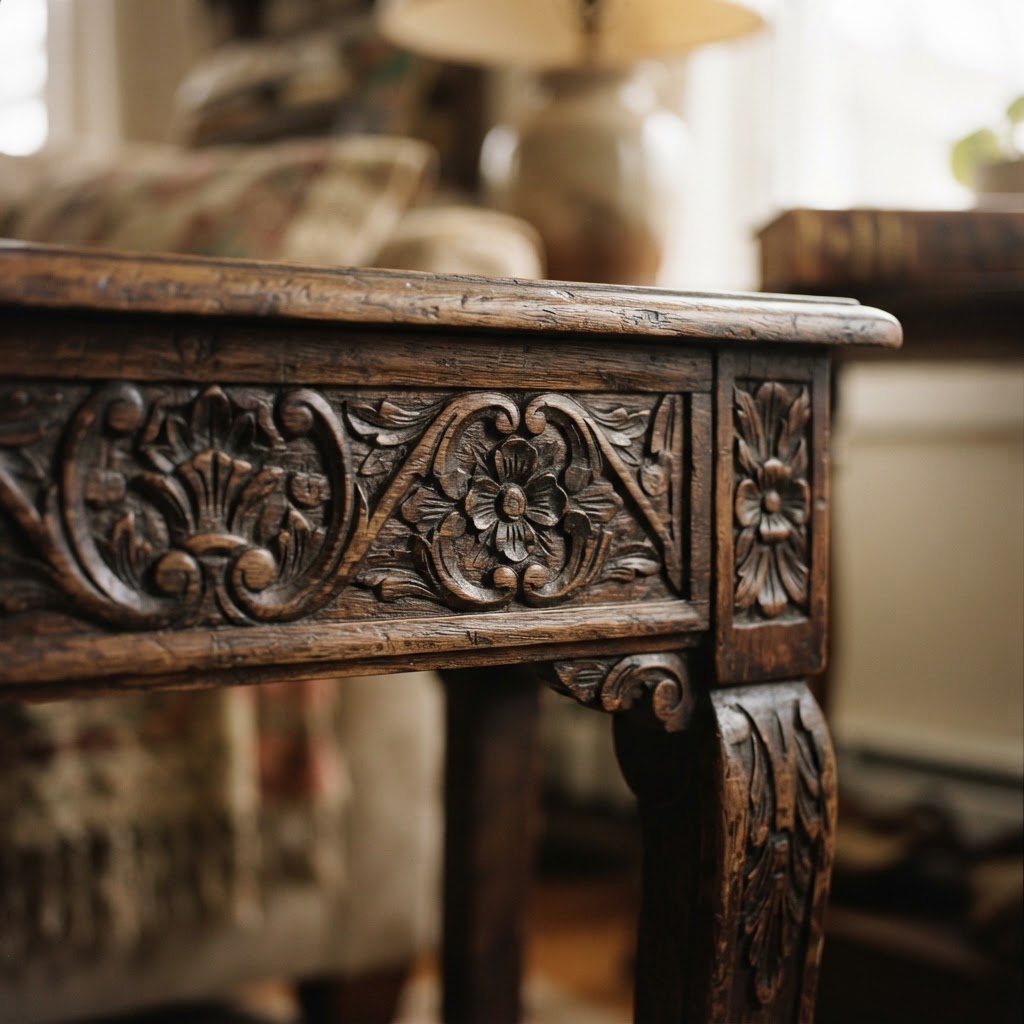
There's also something to be said for the patina that develops on genuinely well-made pieces over time. A solid brass fixture that's developed a natural oxidation. A leather chair that's softened and creased beautifully with years of use. A wooden table that's picked up the marks of family dinners and homework sessions. These things add visual richness that no amount of "distressed" factory finishing can convincingly fake. The real thing just looks different, and anyone with a trained eye can tell.
That said, it's worth knowing what to look for and what to avoid. Check the underside of drawers for solid wood construction. Look at joints and corners for signs of quality craftsmanship. Avoid anything with significant structural damage or that smells strongly of mold, because some problems genuinely aren't worth the effort to fix. But when you find a piece that's solid and well-made, even if it needs a little cosmetic attention, you're almost always looking at a better long-term investment than something shiny and new from a flat-pack box.
Final Thoughts
If there's one thing I hope you take from all of this, it's that decorating with secondhand pieces is not about compromise or thrift for thrift's sake. It's about making choices that are smarter, more personal, more sustainable, and honestly more interesting than the alternative. The homes that feel most alive are the ones that have been curated over time, with intention and a little bit of adventure thrown in.
You don't have to go all in overnight. Start with one piece. Give yourself permission to browse without a specific goal. Let something find you. That's how the best interiors get built, not all at once, but layer by layer, story by story. And trust me on this: once you bring home your first real secondhand gem and watch it transform a corner of your home, you'll never look at a big-box furniture store the same way again.
More in Interior
Stay Inspired
Subscribe for new essays on architecture, design, and the spaces that shape us.