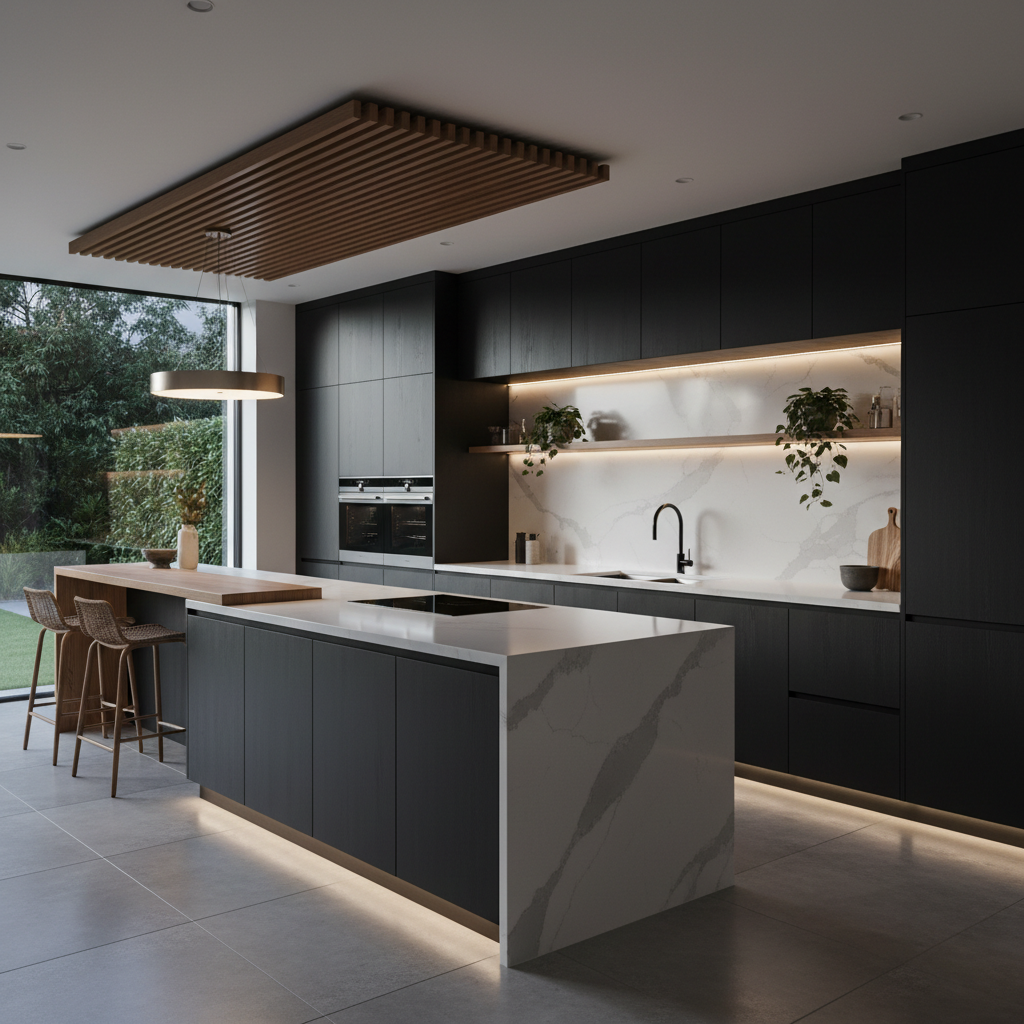
5 Moody Dark Kitchen Designs That Will Steal Your Heart
Are you ready to embrace the dark side of kitchen design? From sleek black cabinetry to stunning contrasts, these five moody kitchens prove that going dark can be both stylish and functional. Let’s dive into these captivating designs that might just inspire your next remodel!
1. Sleek All-Black Aesthetic
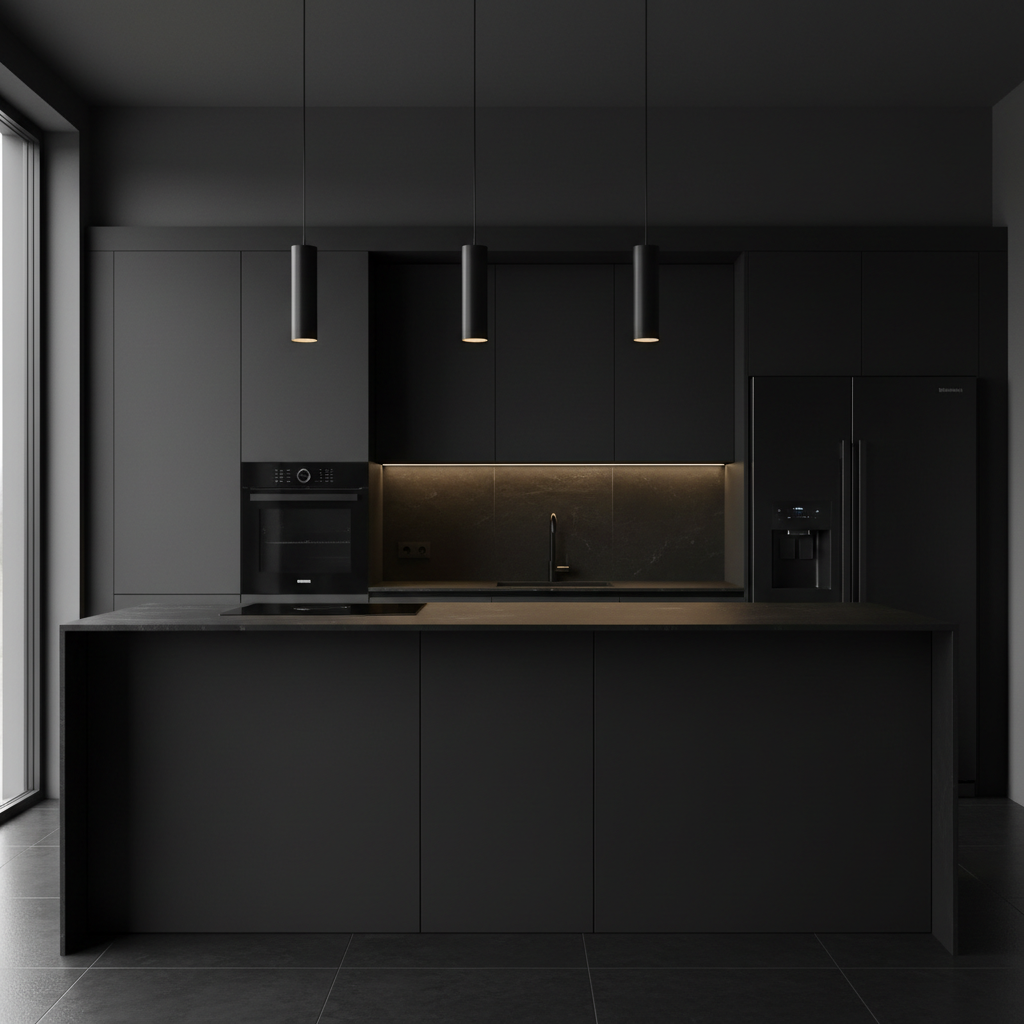
Honestly, if there's one kitchen style that makes me stop scrolling every single time, it's the all-black kitchen. There's something almost theatrical about it. You walk in and you just feel something. It's bold, it's intentional, and it tells you immediately that whoever designed this space was not playing around. This isn't a kitchen that happened by accident. Every decision was deliberate, and that's exactly what makes it so captivating.
The all-black aesthetic works best when you commit fully. Half-measures here look timid. We're talking matte black cabinetry from floor to ceiling, black hardware, black countertops, and ideally even black appliances. Some designers go as far as painting the ceiling dark too, and real talk, it actually works better than you'd expect. The space feels like a jewel box, contained and rich rather than just gloomy. The key is texture. When everything is the same color, texture becomes your best friend. Think about pairing matte cabinet fronts with a honed black granite countertop and a glossy tile backsplash. The interplay of finishes keeps your eye moving around the room so it never feels flat or oppressive.
Lighting is the unsung hero of any dark kitchen, but it's absolutely critical in an all-black one. You need to layer your light sources strategically. Under-cabinet lighting does a ton of heavy lifting here, casting a warm glow across the countertops and preventing that cave-like feeling that people worry about. Pendant lights over an island can introduce a material contrast, brass or brushed gold fixtures against all that black look genuinely stunning. And if you can get natural light in there, even just one good window, the way sunlight hits a matte black surface throughout the day is something you genuinely have to see to believe.
Here's the thing a lot of people overlook: the floor matters enormously in an all-black kitchen. A dark floor can work beautifully if you're going for that total immersion look, but a lighter floor, think pale wood, concrete, or even white marble, creates a grounding contrast that makes the whole scheme feel more intentional and less like you accidentally fell into a void. That visual break gives your eyes somewhere to rest and actually makes the black elements read stronger by comparison.
Trust me on this, once you see an all-black kitchen done right, your beige kitchen is going to feel a little boring by comparison. It's one of those designs that photographs incredibly well but honestly looks even better in person.
2. Dark and Rustic Charm
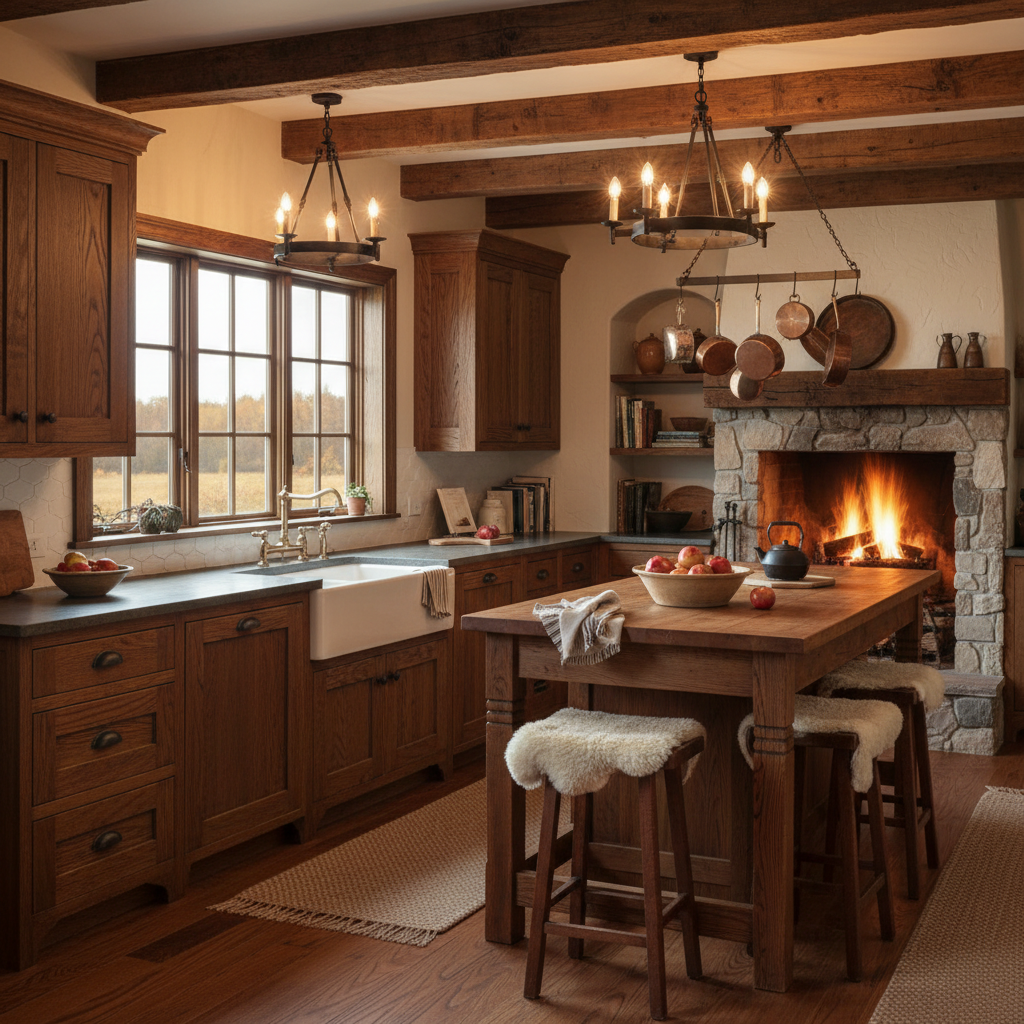
If the all-black kitchen feels a little too sharp and modern for your taste, the dark rustic kitchen is absolutely where it's at. This is the style that feels like a warm hug, like a farmhouse kitchen that grew up and got a little mysterious. It combines the coziness of traditional rustic design with a moodier, more sophisticated color palette, and the result is genuinely one of the most livable dark kitchen styles out there.
The foundation of a dark rustic kitchen is usually dark-painted cabinetry in shades like forest green, deep navy, charcoal, or even a very dark chocolate brown. These colors feel earthy and organic, which is exactly what you want when you're layering in natural materials. Think reclaimed wood open shelving, exposed ceiling beams, rough-hewn stone or slate countertops, and aged brass or wrought iron hardware. Every element should feel like it has a little history to it, a little patina. Shiny and perfect is not the vibe here. Worn and wonderful is.
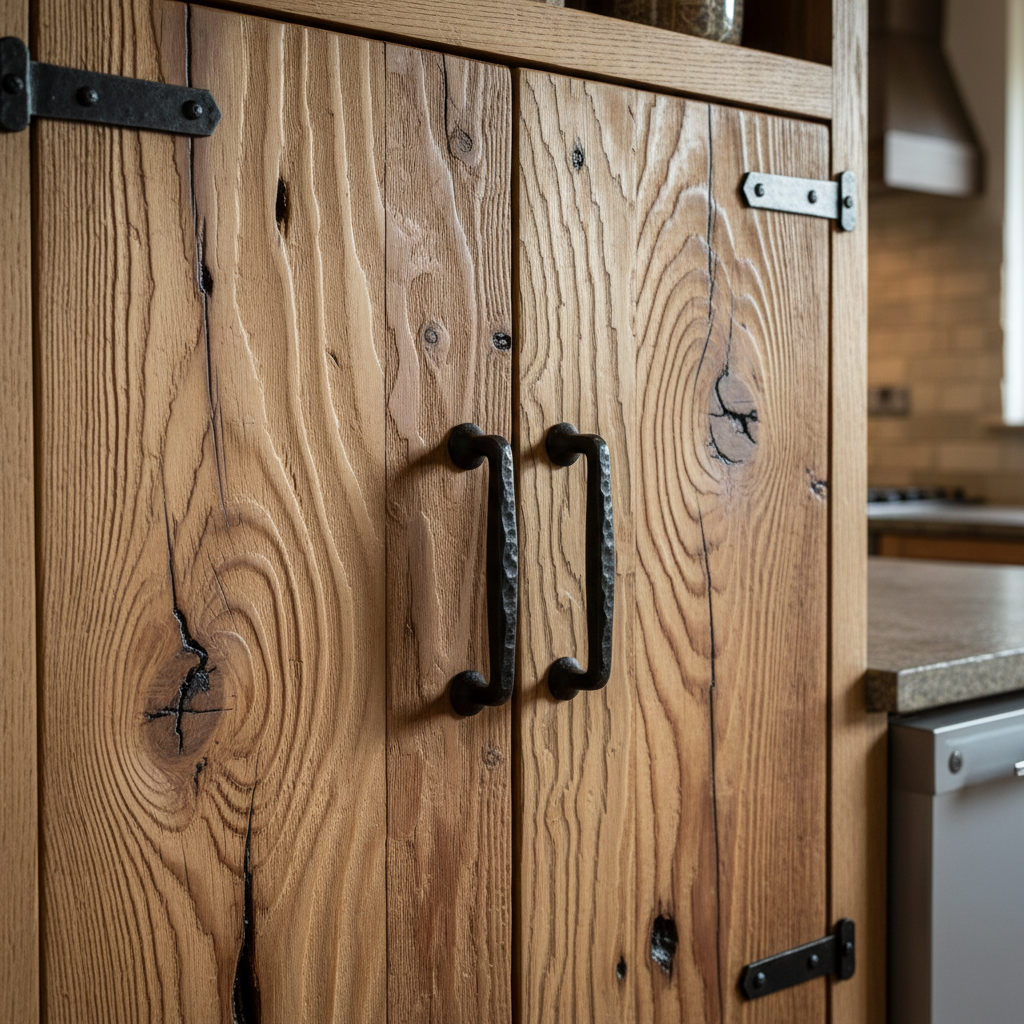
One thing I really love about this style is how well it handles accessories and decor. Open shelves in a dark rustic kitchen are a joy to style. Line them with terracotta pots, cast iron cookware, woven baskets, dried herbs hanging in bunches, and a few mismatched vintage ceramic pieces. Honestly, the more layered and slightly imperfect it looks, the better. This is a kitchen that rewards a relaxed approach. You don't need everything to be perfectly curated. A little bit of controlled chaos actually enhances the whole aesthetic.
Flooring in a dark rustic kitchen tends to be either wide-plank hardwood in a warm, mid-toned stain or natural stone. Both work beautifully. The wood adds warmth and continuity with those natural materials, while stone leans more into the farmhouse-meets-European-countryside vibe. Either way, avoid anything too polished or too pale. You want the floor to feel grounded and connected to the earth in some way, even if that sounds a bit dramatic. It's just the truth.
Look, the dark rustic kitchen is for people who want their kitchen to feel like the soul of the home. It's not a showpiece you're afraid to touch. It's a space you want to actually cook in, gather in, and linger in after dinner with a glass of wine. And that, honestly, is the best kind of kitchen there is.
3. Dramatic Contrast with White Accents
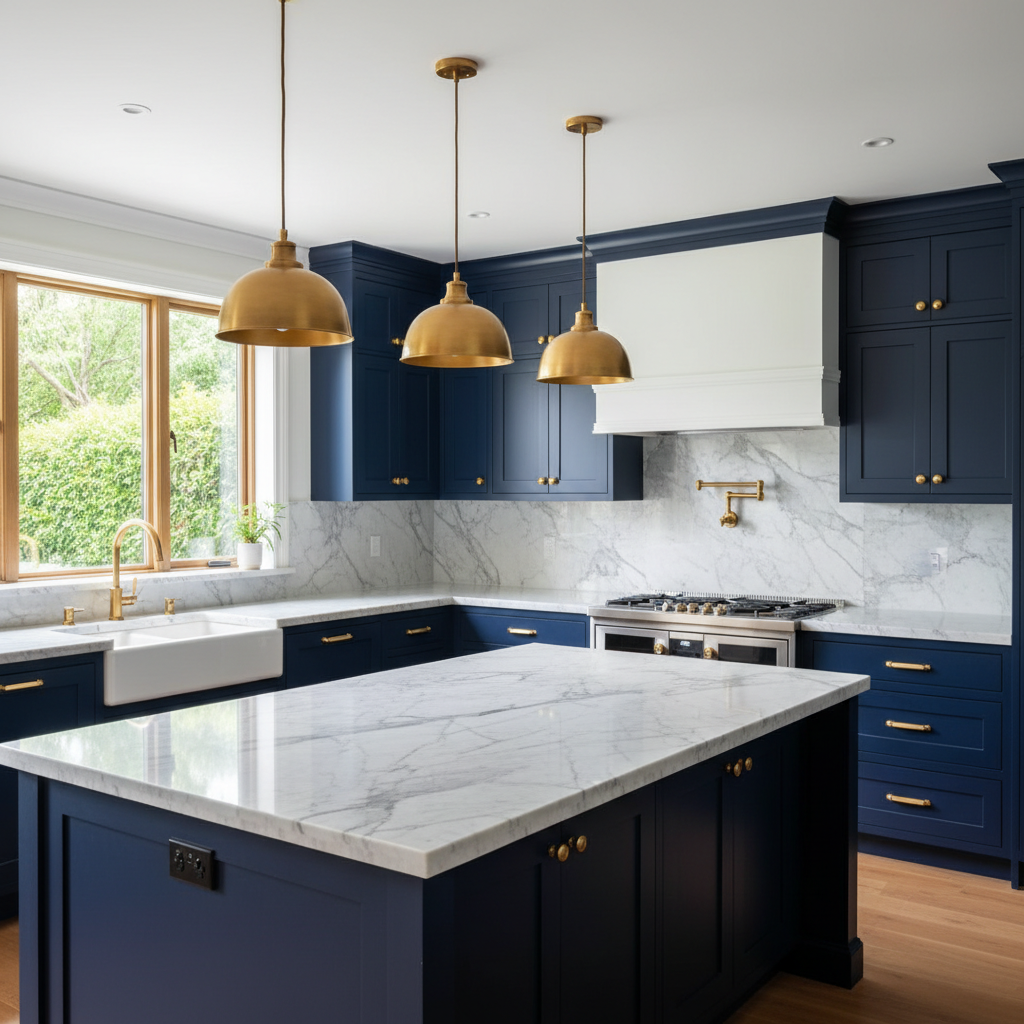
Here's the thing about going truly dark in a kitchen: some people love the idea but worry about the space feeling too heavy, too enclosed, or just too intense to live with every day. The dramatic contrast approach is the perfect answer to that concern. By pairing deep, dark cabinetry with bold white accents, you get all the moodiness and drama of a dark kitchen while keeping the energy dynamic and visually exciting. It's honestly the best of both worlds.
The most common version of this approach uses dark lower cabinets, often in a near-black charcoal or very deep navy, paired with crisp white upper cabinets. But the more interesting interpretations push further than that. Imagine dark cabinetry throughout the whole kitchen, but with a white marble island as the centerpiece, veined in grey and gold, practically glowing against all that darkness. Or dark walls with stark white shaker cabinets and black hardware. The contrast is what drives the drama, and the more intentional and defined that contrast is, the more powerful the result looks.
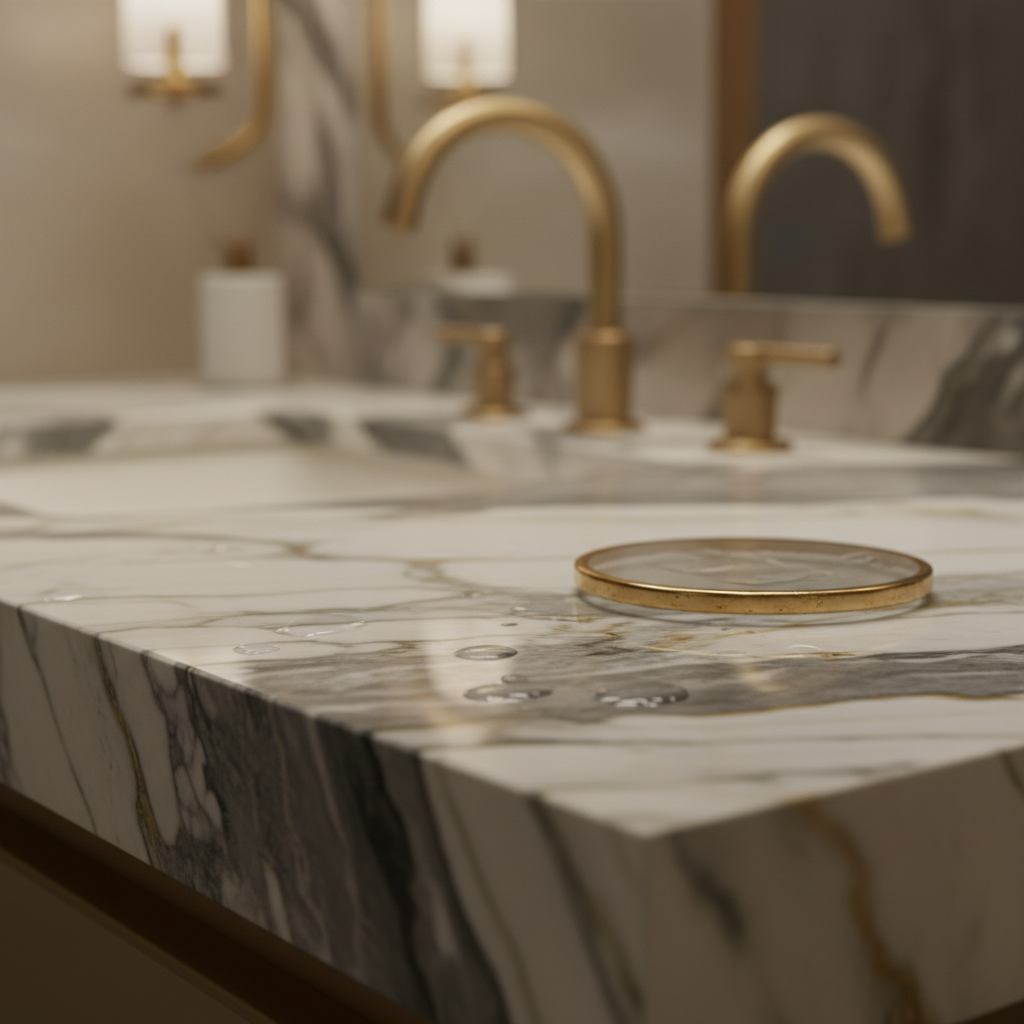
White countertops, particularly marble or quartz with a white or light grey base, are absolutely spectacular in this context. The veining in marble catches the light in a way that feels almost luminous against a dark backdrop. It's genuinely one of those combinations that looks better in real life than it does in photos, which is saying something because it photographs beautifully. If marble is out of the budget, a good white quartz gives you a very similar effect with a lot less maintenance anxiety.
Backsplash choices here can really elevate the whole design. A white subway tile backsplash is classic and works well, but if you want to lean into the drama even more, consider a white or light grey zellige tile with its irregular, handmade surface. The slight variations in color and texture catch the light differently throughout the day and add a layer of organic interest that keeps the space from feeling too graphic or severe. You want drama, but you want warmth too.
Real talk, this is the dark kitchen style I'd recommend most to people who are nervous about committing to something really moody. The white accents keep the room feeling fresh and balanced, so it never tips over into oppressive territory. It's dramatic without being exhausting, and that is a very hard balance to strike.
4. Industrial Dark Elegance
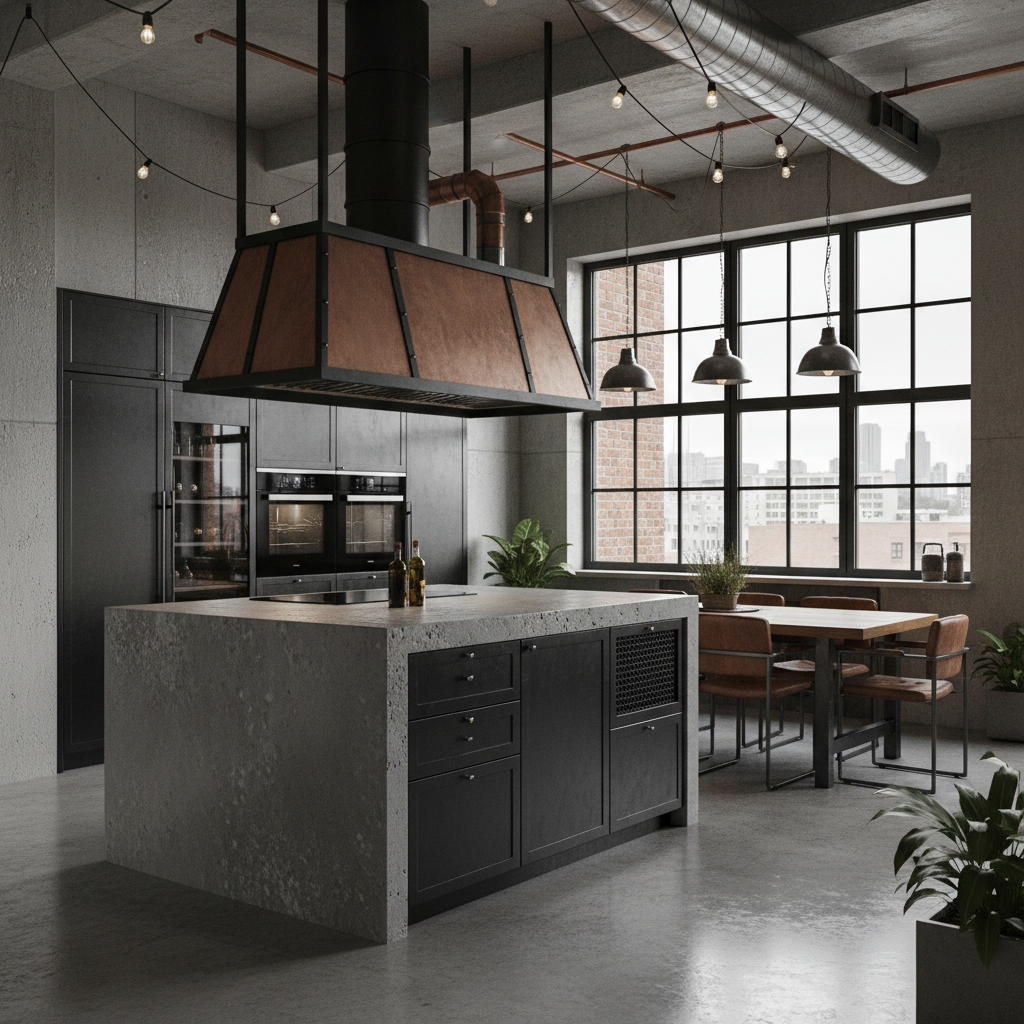
Industrial design has been having a long, well-deserved moment in interiors, and nowhere does it look better than in a dark kitchen. The industrial dark kitchen is a very specific kind of cool. It's sophisticated without being fussy, edgy without being trying too hard. It feels like something you'd find in a converted loft or a beautifully designed restaurant kitchen, and there's an undeniable appeal to that kind of raw, confident aesthetic.
The signature materials of industrial dark elegance are steel, concrete, raw brick, and dark metal. Think exposed steel beam accents or steel-framed glass cabinet doors. Think poured concrete countertops or concrete-look porcelain, which honestly achieves a very similar result with considerably more durability. Think dark grey or charcoal cabinetry with a matte finish and minimal hardware, or hardware in a brushed dark steel that disappears into the cabinet fronts. The overall effect should feel structured and purposeful, like every single element was chosen for a reason and nothing was included just to be decorative.
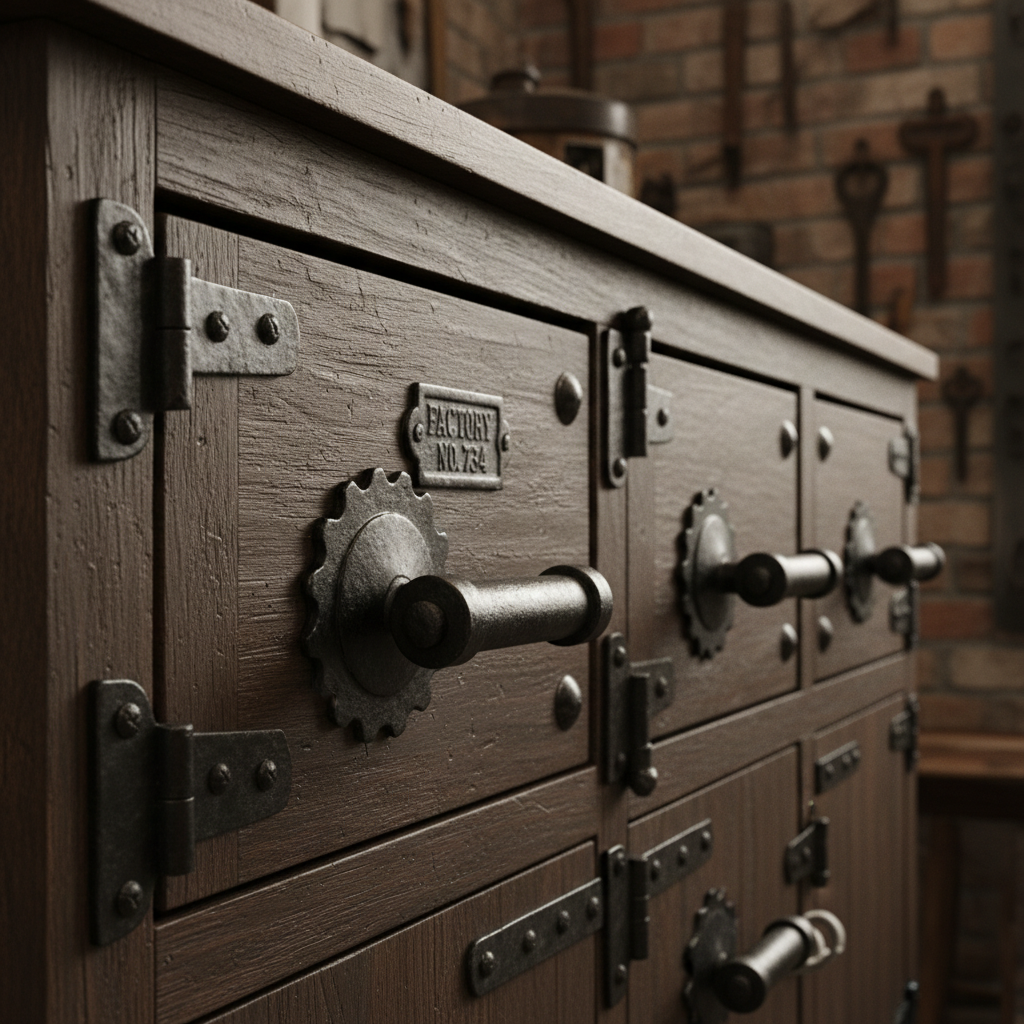
Where industrial dark kitchens often stumble is in the lighting department. People see the word industrial and immediately think bare Edison bulbs hanging from a single cord, and while that can look great in a bar, it's not always the most functional choice for a kitchen. The better approach is to use industrial-style light fixtures, pendant lights with metal cages or oversized enamel shades, but to layer them properly with under-cabinet task lighting and recessed ceiling lights so you actually have enough illumination to cook well. Functional and beautiful is always the goal.
- Steel-framed open shelving adds visual interest while keeping the industrial vocabulary consistent throughout the space.
- A deep single-bowl sink in matte black or dark gunmetal is both practical and incredibly on-brand for this aesthetic.
- Exposed ductwork or piping, if your space allows for it, pushes the industrial character even further without requiring any additional budget.
- A butcher block section on part of the island introduces warmth and softens the harder industrial materials in a way that feels very intentional.
And honestly, the elegance part of industrial dark elegance comes from restraint. Don't try to cram in too many industrial elements. Choose your moments carefully. A few well-placed steel details and the right dark palette do far more work than an overly literal interpretation of the style. Less really is more here, and the most impressive industrial kitchens are usually the ones that look almost effortless.
5. Warm Dark Wood Finishes
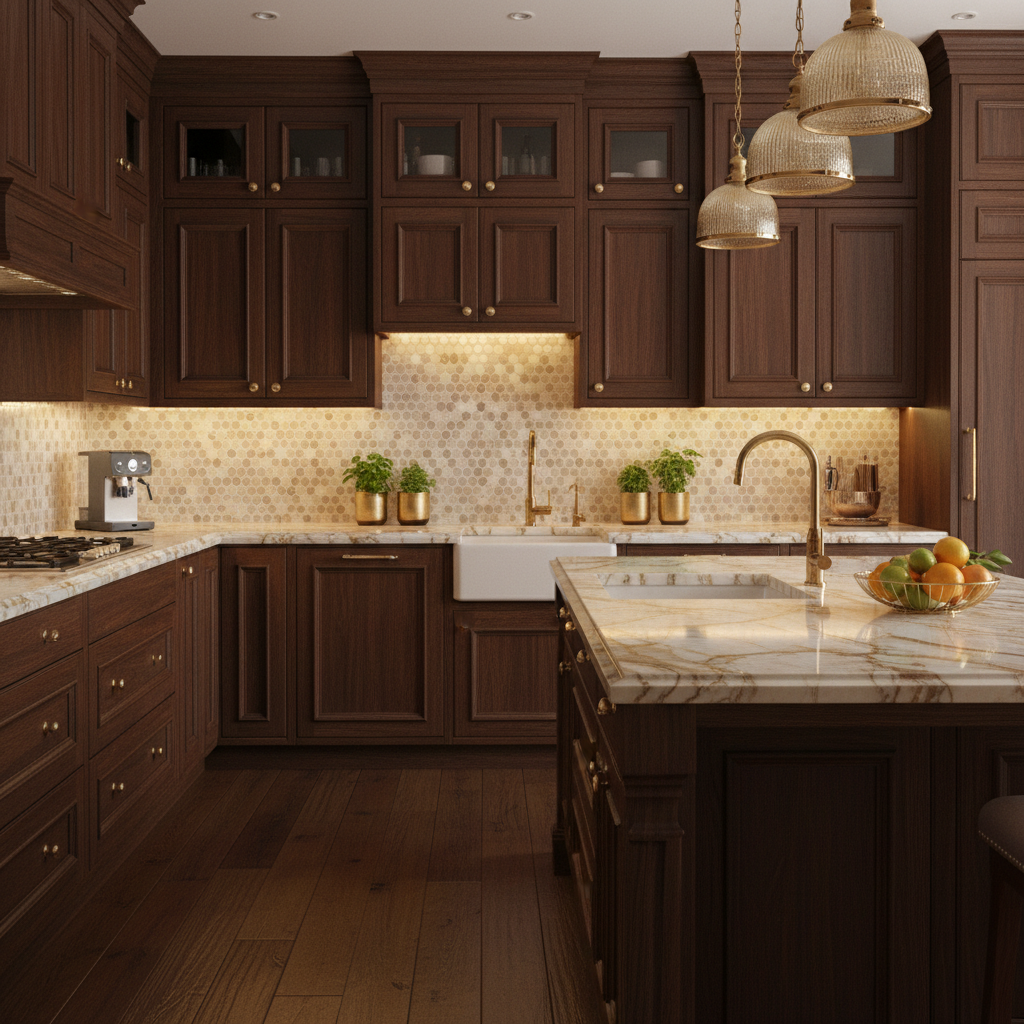
If you've ever walked into a kitchen with deep, rich dark wood cabinetry and felt immediately at ease, like the room just wrapped itself around you, you already understand the unique power of warm dark wood finishes. This is probably the most approachable of all the moody dark kitchen styles, because wood has an inherent warmth that prevents any design from feeling cold or unwelcoming, no matter how dark the overall palette gets. It's inviting in a way that painted dark cabinetry sometimes takes more effort to achieve.
The woods that work best for this look include walnut, which is arguably the king of dark wood kitchen design, wenge, dark stained oak, and smoked or fumed oak. Each has its own character. Walnut has that gorgeous chocolate-brown warmth with beautiful grain movement. Wenge is almost dramatically dark, with a very tight grain that reads almost like a texture more than a pattern. Stained oak can go in many directions depending on the stain, from warm espresso tones to cooler dark greys, and fumed oak has a naturally smoky, aged quality that is incredibly beautiful and very on-trend right now.
The beauty of dark wood kitchens is in how they interact with other materials. Stone countertops look particularly spectacular against dark wood cabinetry. A creamy, warm-toned stone like a pale limestone or a veined quartzite creates a gorgeous natural contrast that feels organic and considered rather than forced. Concrete countertops also work wonderfully, the cool grey of concrete against the warmth of walnut or dark oak is a combination that keeps showing up in high-end kitchen design over and over again for very good reason.
"Dark wood kitchens feel like they've always been there. They have a permanence and a soul that painted kitchens sometimes take years to develop, and that is exactly why they endure through every trend cycle."
Hardware choices here are really important and worth spending some time on. Brass hardware, particularly an aged or unlacquered brass that will develop a patina over time, is an absolutely beautiful pairing with dark walnut or dark stained wood. It feels warm and slightly vintage without being costume-y. Matte black hardware is a stronger, more contemporary choice that creates a sharper contrast and leans the whole design in a more modern direction. Both are correct. It just depends on the mood you're going for and how contemporary you want the final result to feel.
One more thing worth mentioning: dark wood kitchens age beautifully. Unlike painted cabinetry, which can chip and scuff and show wear in ways that look tired, a quality dark wood cabinet develops character over time. Small marks and scratches become part of the story. The wood itself can often be refinished if things get really rough. There's a longevity to this choice that genuinely justifies the typically higher price point, and honestly, in a kitchen where you're going to spend a significant chunk of your life, that kind of lasting quality matters enormously.
Final Thoughts
Look, dark kitchens have come a long way from being considered a risky or impractical design choice. The five styles covered here prove that there's a moody dark kitchen for every taste and every home, whether you want the drama of an all-black space, the coziness of a dark rustic scheme, the visual punch of strong contrast, the cool confidence of industrial design, or the timeless warmth of dark wood finishes.
The biggest thing that holds people back from going dark in the kitchen is fear, and honestly that fear is almost always unfounded. With the right lighting plan, thoughtful material choices, and a clear vision of the mood you're after, a dark kitchen can be the most beautiful and livable room in your home. It's not about making a space feel smaller or heavier. It's about creating atmosphere, depth, and intention in a room that genuinely deserves all of those things.
If you're sitting on the fence about it, my honest advice is to just commit. Pick the style that speaks to you most, gather your references, and go for it. The people who design dark kitchens and then live in them rarely look back. And the people who've been staring at beige cabinets for years and finally make the leap? They almost always wish they'd done it sooner.
More in Interior
Stay Inspired
Subscribe for new essays on architecture, design, and the spaces that shape us.