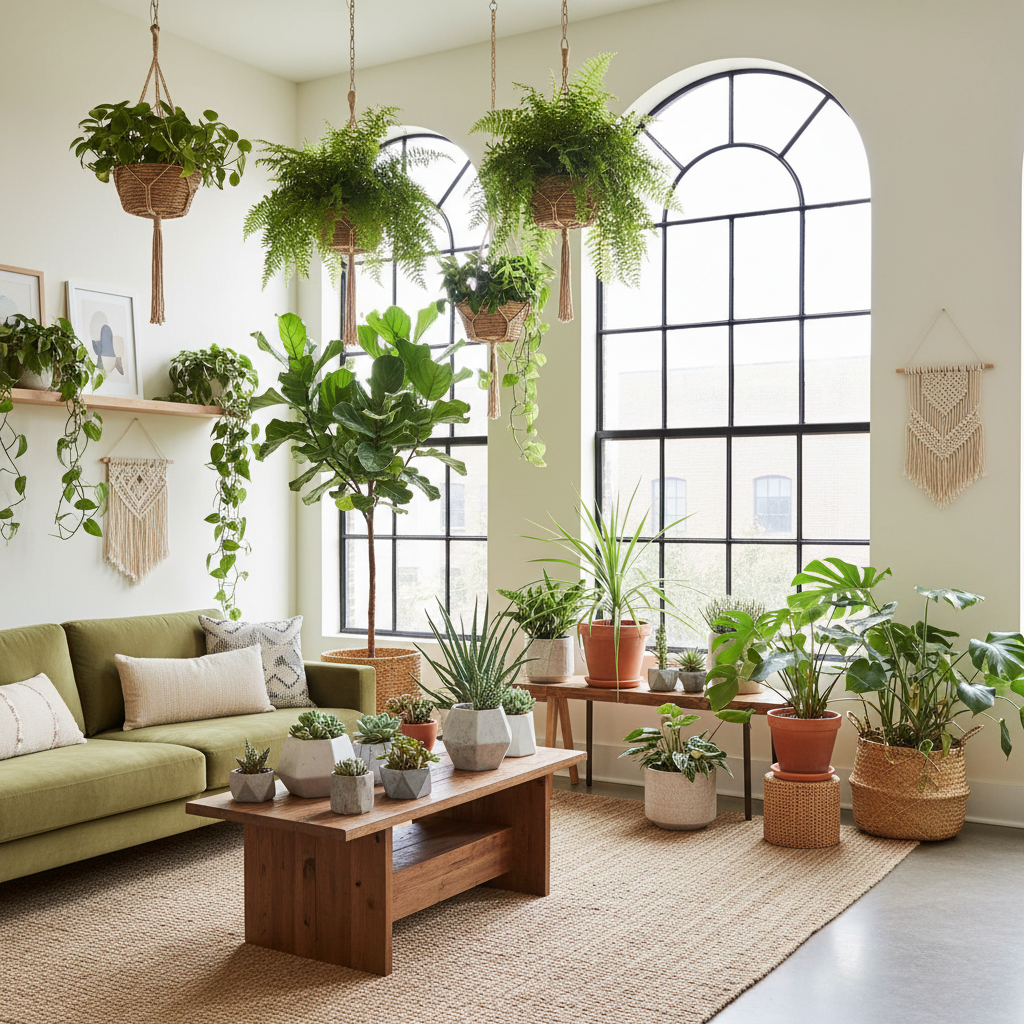
Breathe Life into Your Home: Expert Tips for Decorating with Plants
Adding plants to your decor can transform any space into a vibrant oasis. In this post, we'll explore creative ways to incorporate greenery into your home, including style tips and the best plants for different rooms. Let's cultivate a fresh and inviting atmosphere together!
Choosing the Right Plants for Your Space
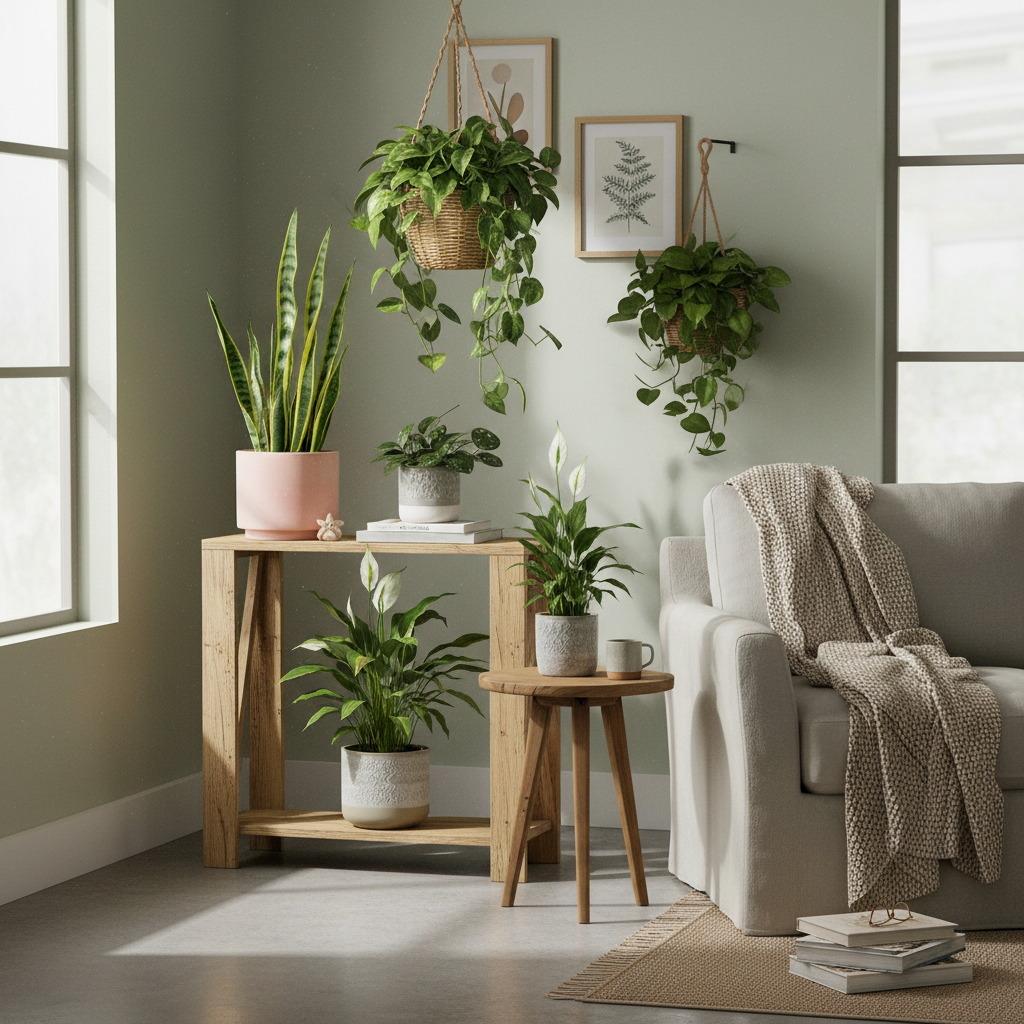
Honestly, this is where most people go wrong. They walk into a nursery, fall head over heels for a gorgeous fiddle-leaf fig, bring it home, stick it in a dark corner, and then wonder why it looks half-dead three weeks later. Choosing plants for your home isn't just about what looks pretty on Instagram. It's about matching the plant to your actual living conditions and, just as importantly, to your lifestyle.
Start by taking a serious look at the light situation in each room. South-facing windows flood a space with bright, direct light for most of the day, which means you can get away with sun-loving plants like cacti, succulents, and the ever-popular bird of paradise. North-facing rooms, on the other hand, are much dimmer, but that doesn't mean you're stuck with fake plants. Cast iron plants, pothos, and certain ferns absolutely thrive in low-light conditions. Here's the thing: every room has potential, you just need to know what you're working with.
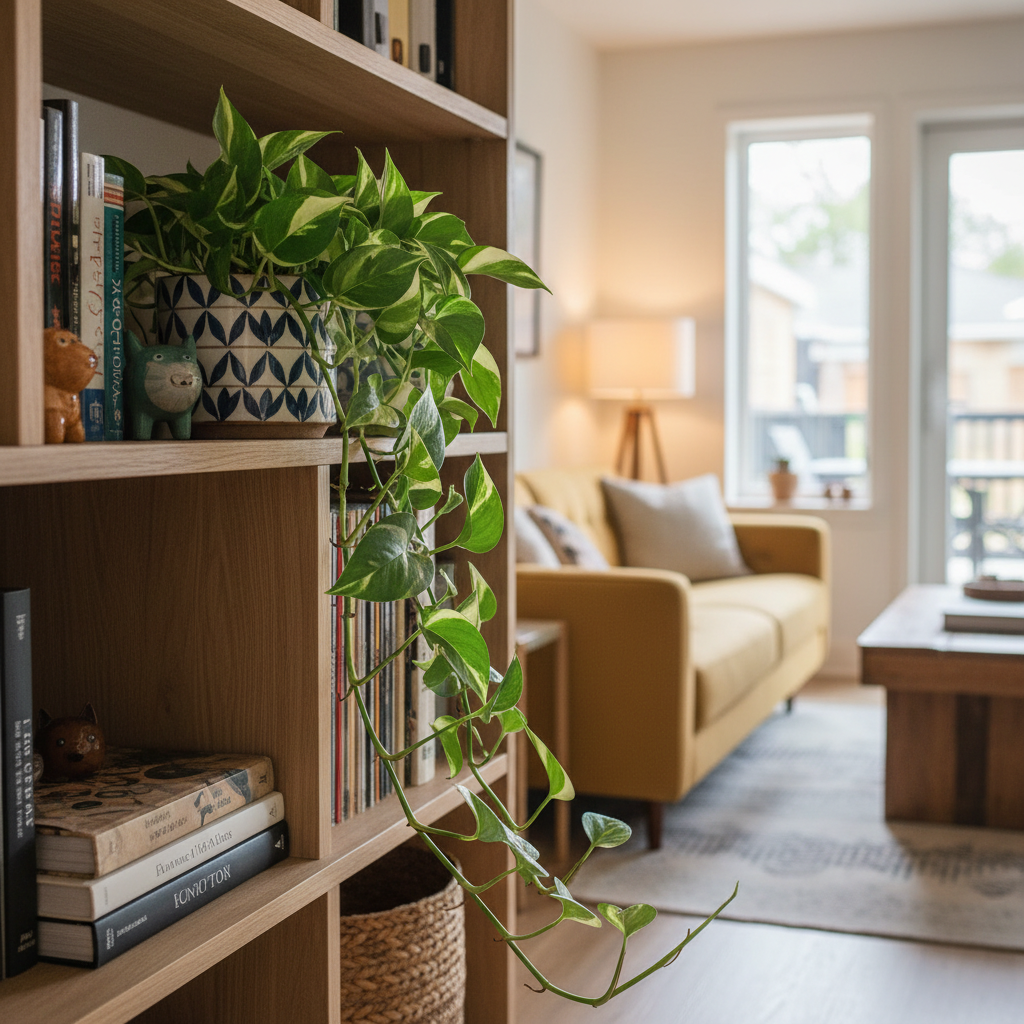
Beyond light, think about humidity and temperature. Bathrooms and kitchens tend to be more humid, making them perfect for tropical plants like peace lilies, air plants, and maidenhair ferns. Bedrooms and living rooms with central heating or air conditioning can get pretty dry, so you'll want to pick hardy varieties that don't mind the fluctuation. And real talk, if you travel a lot or simply forget to water things, just go for drought-tolerant plants like ZZ plants or snake plants. No shame in that at all. The goal is a thriving, beautiful home, not a plant graveyard.
Also consider the scale of the plant relative to the room. A tiny succulent in a massive open-plan living area is going to look a bit lost. Big, dramatic plants like monstera deliciosa or rubber trees make a bold statement in larger rooms, while compact varieties like peperomia or string of pearls work beautifully on shelves and windowsills. Think of it like furniture shopping: proportion matters more than you'd think.
Plant Styling: Unleashing Your Creativity
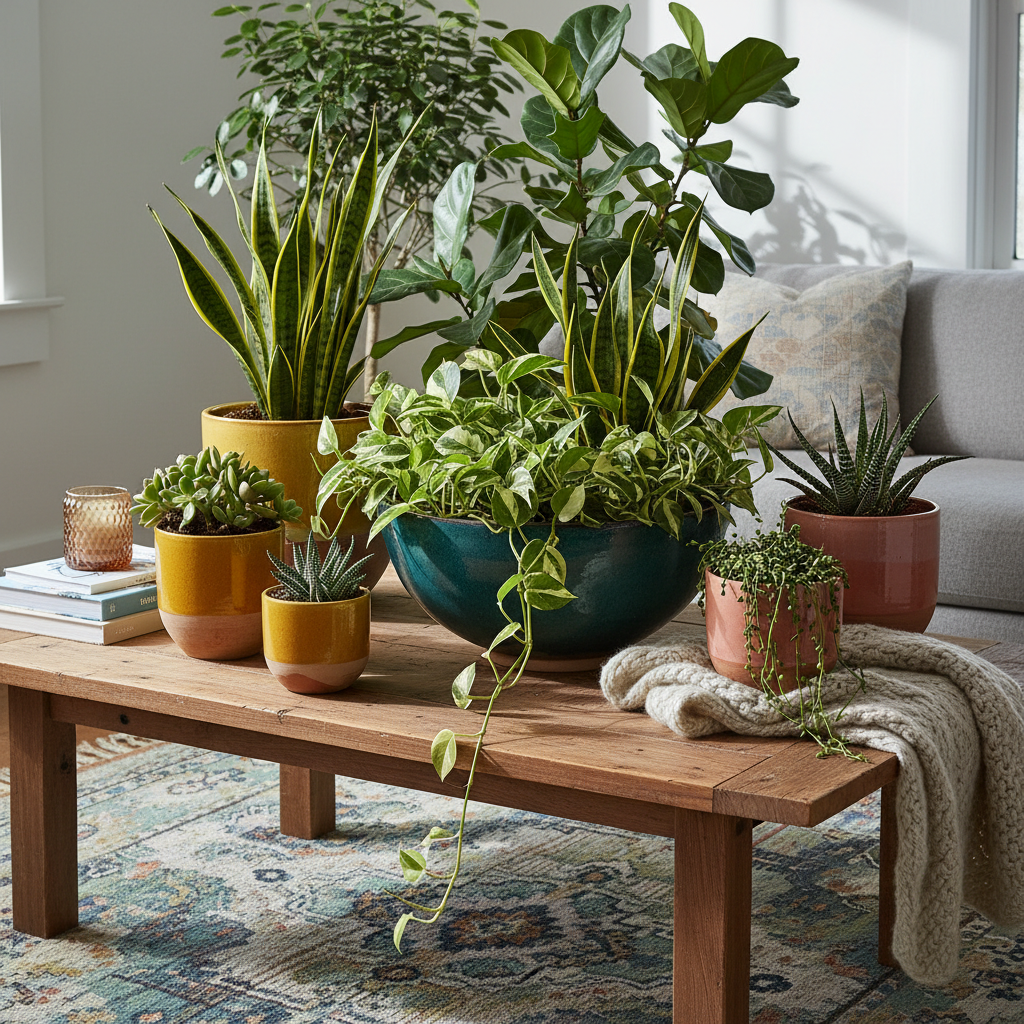
Okay, this is the fun part. Once you've figured out which plants will actually survive in your home, it's time to style them in a way that feels intentional and beautiful. And look, styling plants isn't just about dropping a pot on the floor and calling it a day. It's about composition, layering, and creating little moments throughout your space that make people stop and say, "wow, this feels alive."
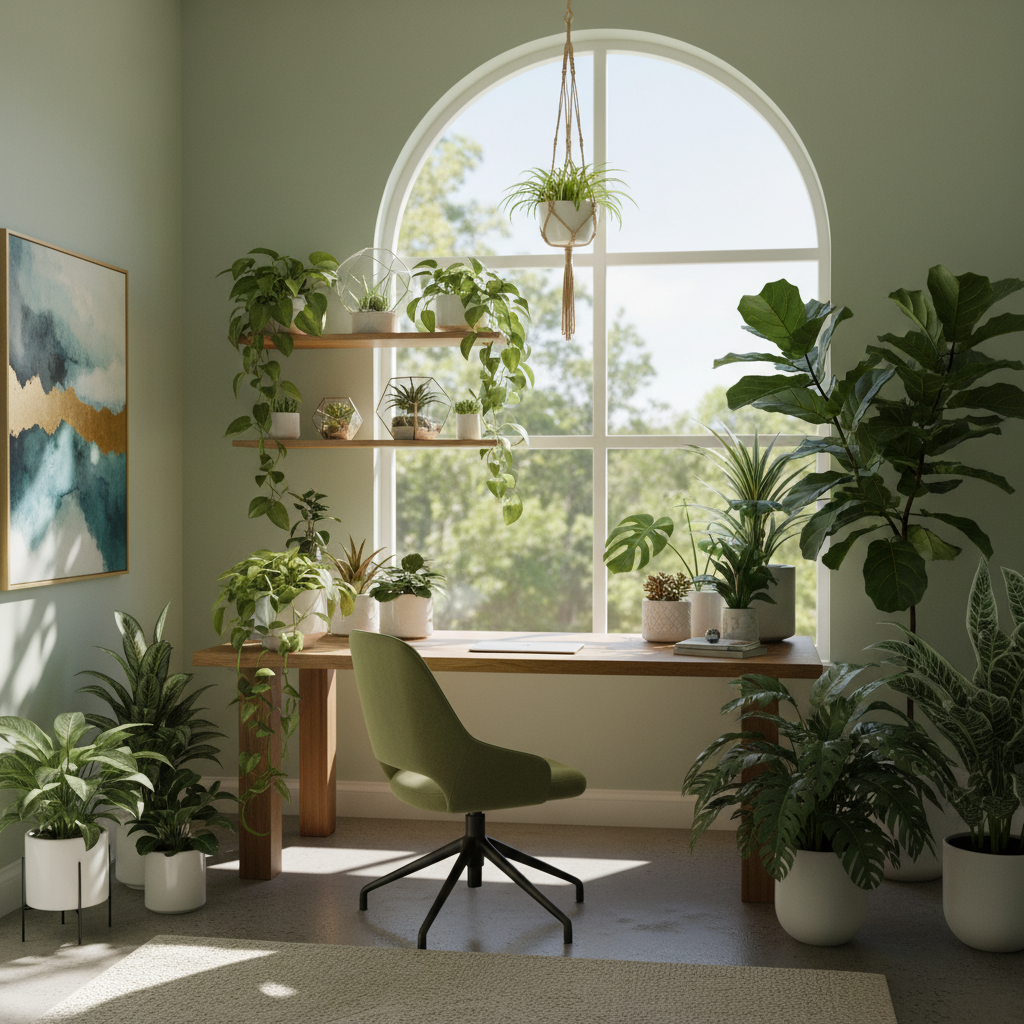
One of my favorite tricks is grouping plants together in odd numbers. Three or five plants clustered at different heights creates a much more dynamic and natural-looking arrangement than two plants sitting side by side. Use a mix of tall, medium, and trailing plants to add depth. A tall snake plant behind a medium-sized pothos with a trailing string of hearts spilling over the edge of a shelf? That's a whole mood right there. You're basically creating a mini ecosystem and it looks genuinely stunning.
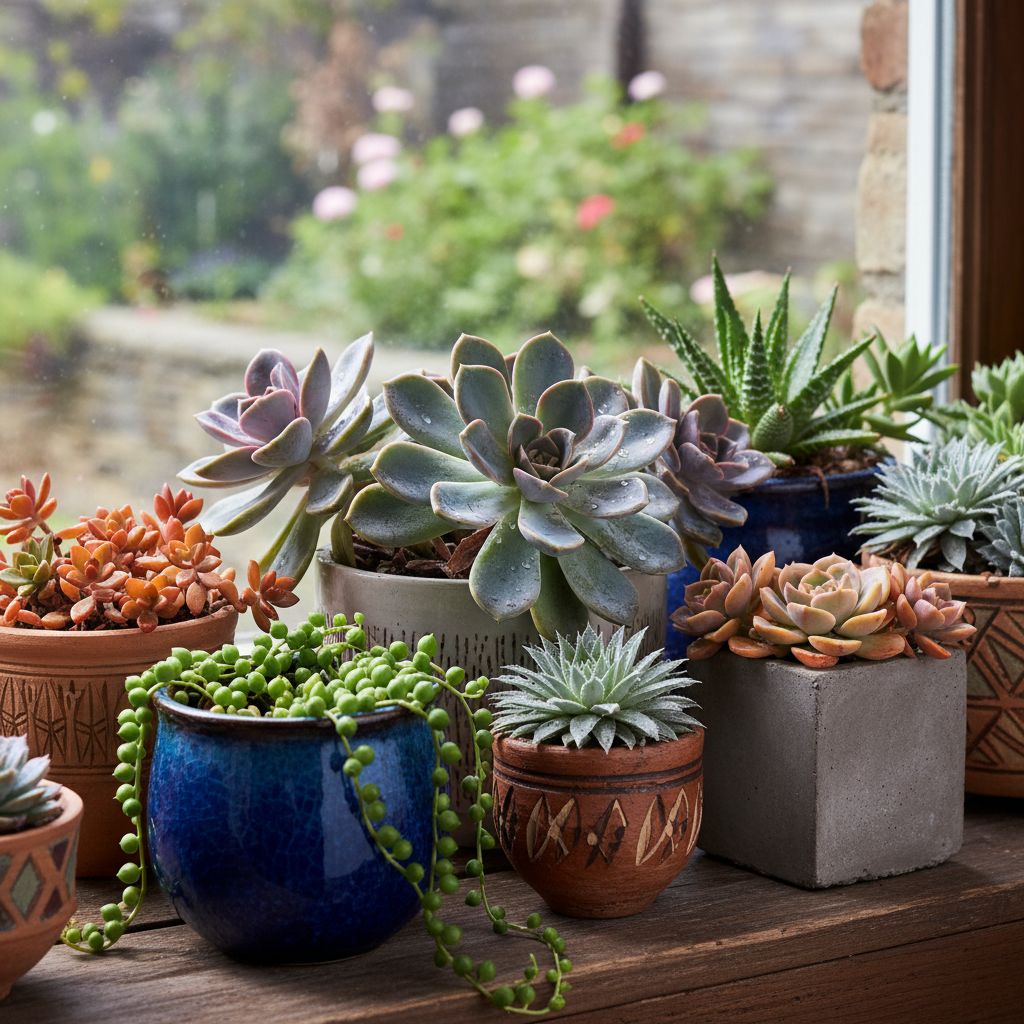
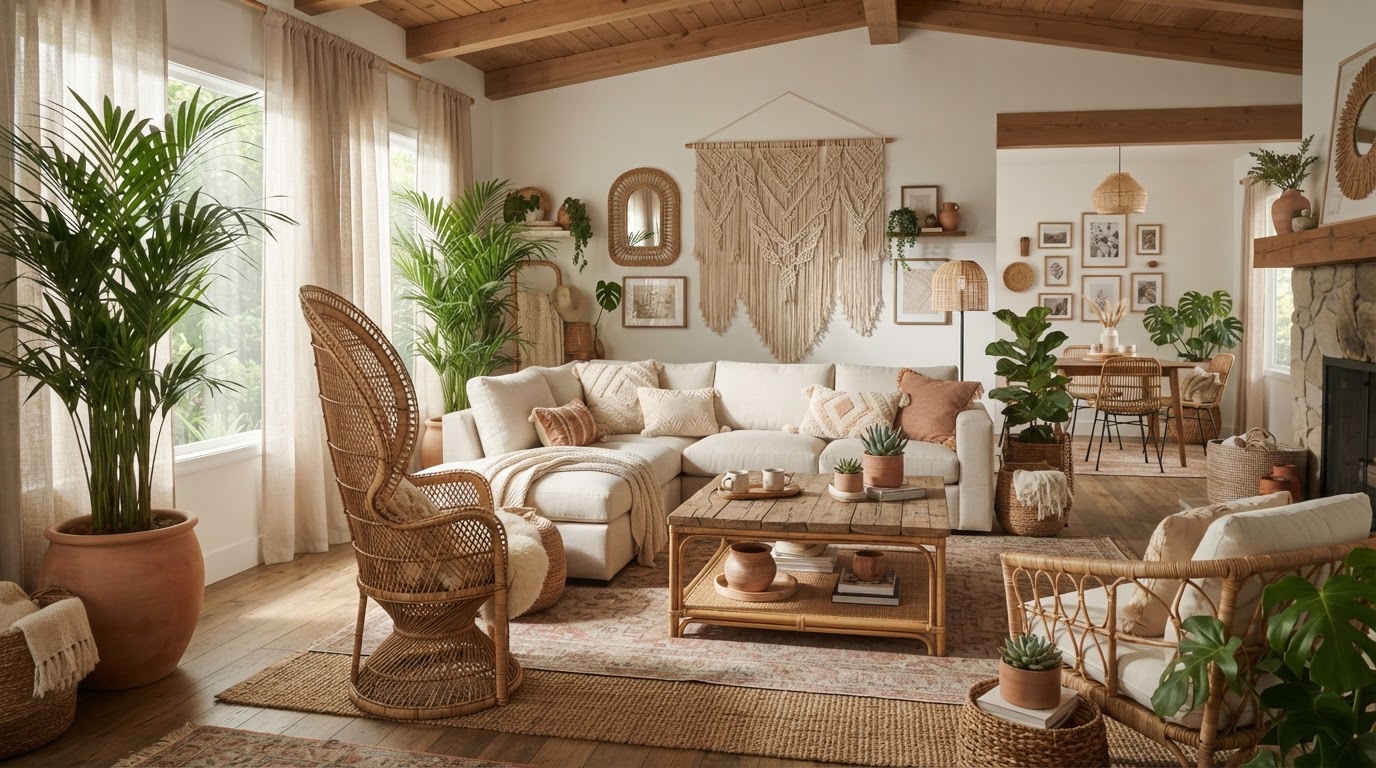
Don't overlook your pots and planters either. The vessel is part of the design. Terracotta pots give off that warm, earthy, slightly rustic vibe that pairs beautifully with bohemian or Mediterranean-inspired interiors. Sleek white or concrete planters feel more modern and minimal. Woven baskets add texture and warmth. And honestly, mixing different materials and styles within the same space can look incredibly intentional and curated, as long as you keep a consistent color palette or mood tying everything together.
Hanging plants are wildly underused and I genuinely cannot stress this enough. If you've got blank vertical space or high ceilings, trailing plants in hanging planters or wall-mounted pots take your plant game to a completely different level. They also free up floor and surface space, which is a total win in smaller homes or apartments. Pothos, philodendrons, and spider plants are classics for a reason, and they look absolutely lush when they're given room to trail and grow.
Elevating Outdoor Spaces with Greenery
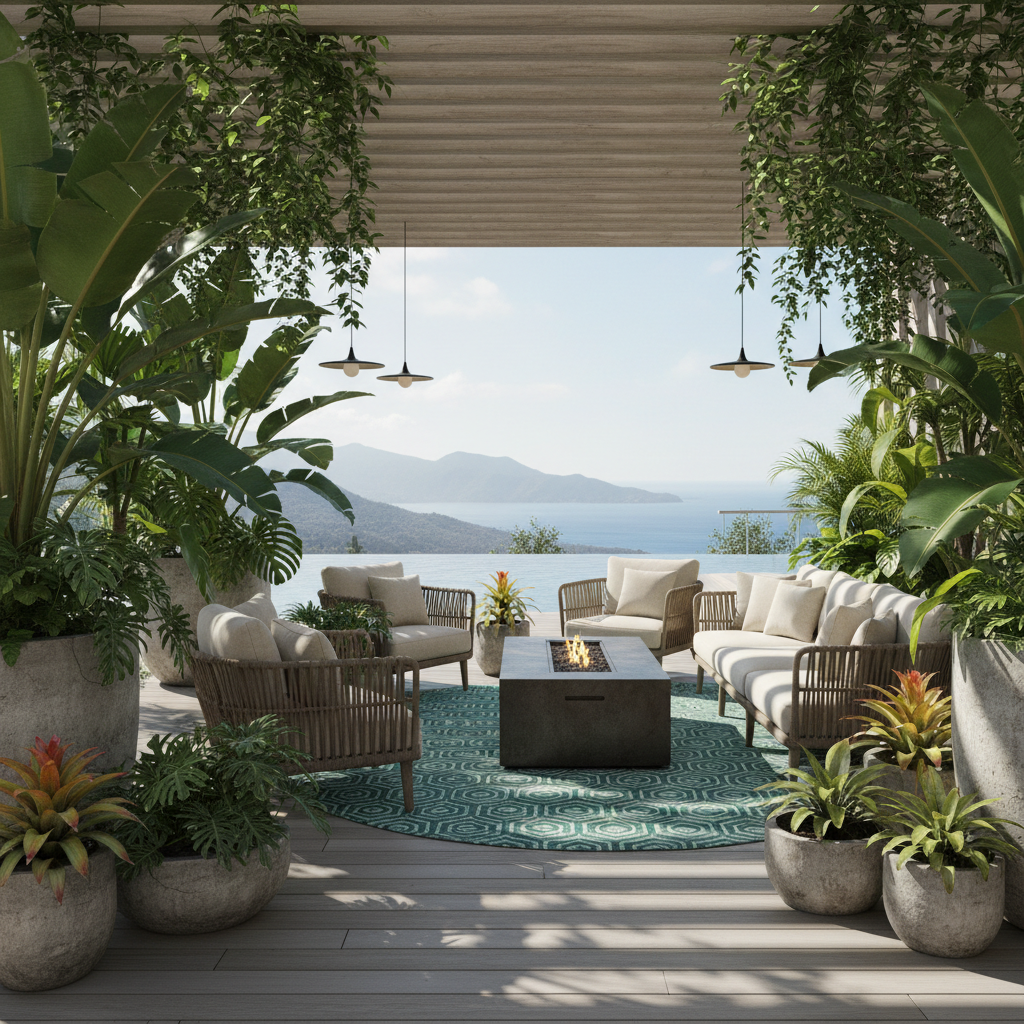
People often pour so much attention into styling their indoor spaces that the outdoor areas get completely neglected. And that's such a missed opportunity. Your balcony, patio, porch, or garden is essentially another room of your home, and greenery is the single most powerful tool you have for making it feel like a real, livable space rather than just a concrete slab or a forgotten patch of lawn.
For balconies and small outdoor spaces, layering is everything. Use tall potted trees or large grasses along the perimeter to create a sense of enclosure and privacy. Add medium-sized planters with flowering shrubs or colorful annuals for visual interest and then fill in with smaller trailing plants along the edges of railings or ledges. The effect is lush and layered, almost like a secret garden suspended in the air. Trust me on this: a well-planted balcony feels like an entirely different world compared to a bare one.
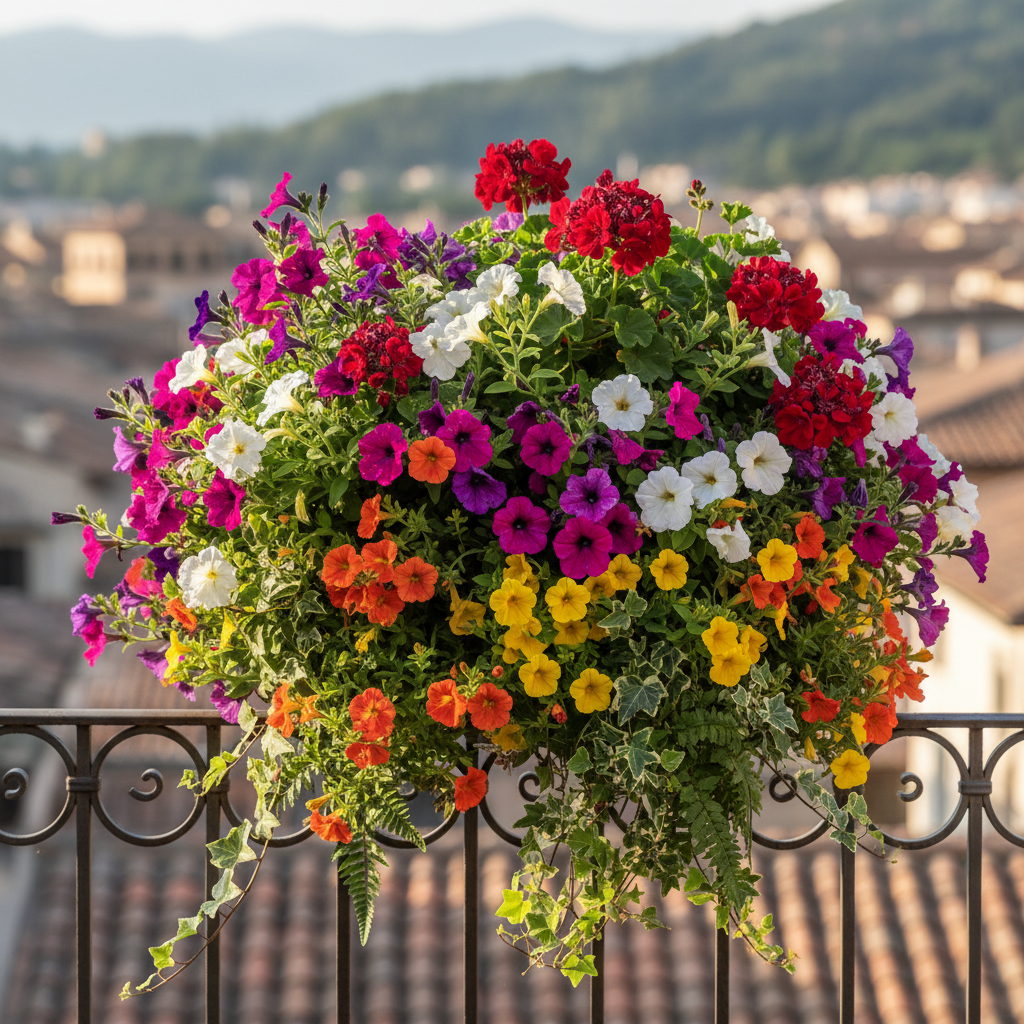
Vertical gardens and living walls are having a major moment right now and for good reason. If you're working with limited floor space, going vertical is the smartest move you can make. You can buy modular wall planting systems or even DIY something with pallet wood and some basic pots. Herbs, succulents, and ferns all work brilliantly in vertical arrangements. And the visual impact is absolutely massive for the footprint it takes up.
"Your outdoor space is just as important as your interior. Give it the same attention, the same intention, and watch it transform."
For larger garden spaces, think about creating distinct zones with planting. Use dense hedging or tall ornamental grasses to divide areas, creating rooms within your garden. A dining area bordered by lavender and rosemary not only looks gorgeous but smells incredible. A seating nook framed by climbing jasmine or wisteria feels genuinely magical. The key is treating plants as structural elements, not just accessories.
Using Plants as Natural Decor Elements
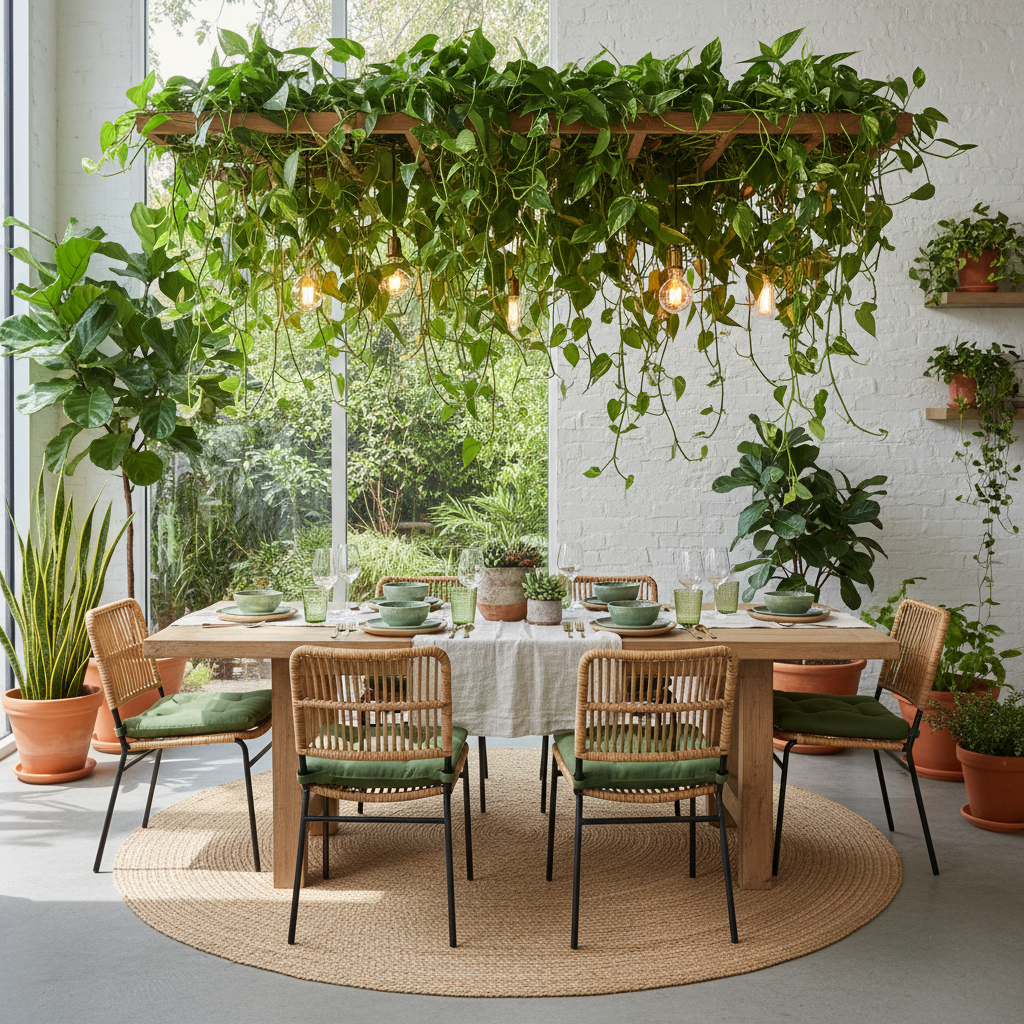
Here's the thing about plants that most interior designers will tell you: they're not just accessories. They're actual design elements. The right plant in the right spot can do the same work as a piece of art, a lamp, or a statement piece of furniture. They add color, texture, movement, and life to a space in a way that no manufactured object can fully replicate. When you start thinking of plants as decor tools rather than just living things to keep alive, your whole approach shifts.
Consider using a large, dramatic plant as a focal point in a room the same way you'd use a statement sofa or an oversized painting. A towering fiddle-leaf fig in a beautiful ceramic pot placed in a corner floods the room with presence. A monstera with its gorgeous split leaves placed next to a sofa immediately elevates the whole seating arrangement. Plants naturally draw the eye and anchor a space, and honestly, they do it better than most things you could buy.
Plants are also incredibly effective at softening hard architectural lines. A bare, boxy room with clean white walls and sharp corners can feel cold and clinical. Introduce some lush, leafy plants and suddenly the whole atmosphere warms up. The organic shapes of leaves and stems create a natural counterpoint to the rigidity of walls and furniture. This is especially valuable in modern and minimalist interiors, where the temptation to keep things sparse can sometimes tip over into sterile.
- Use tall plants to define zones in open-plan spaces without putting up walls or partitions.
- Place plants near mirrors to visually double the greenery and create the illusion of more depth.
- Layer plants on shelving units alongside books, ceramics, and art for a curated, lived-in look.
- Use cut stems and foliage in vases for a quick, beautiful refresh that costs almost nothing.
- Try moss walls or framed plant art as a genuinely unique alternative to traditional wall decor.
And don't underestimate the power of cut branches and foliage in vases and vessels. You don't always need a full potted plant to bring nature indoors. A few stems of eucalyptus, some dried pampas grass, or even simple garden branches arranged in a tall glass vase can look wildly beautiful and require zero maintenance. It's a super accessible way to experiment with plants as decor before you commit to the full living plant lifestyle.
Maintaining Healthy Indoor Plants
Real talk: none of the styling or design advice in the world means anything if your plants are struggling. A droopy, yellowing, sad-looking plant is not a decor asset, it's a distraction. The good news is that keeping indoor plants healthy really isn't that complicated once you understand a few basic principles. And I promise it becomes second nature pretty quickly.
Watering is the area where most people trip up. The number one killer of houseplants isn't neglect, it's overwatering. Most indoor plants prefer to dry out slightly between waterings rather than sitting in consistently moist soil. Before you water, stick your finger an inch or two into the soil. If it still feels damp, leave it alone. If it's dry, give it a good drink until water drains out the bottom of the pot. And speaking of pots, always, always use containers with drainage holes. Standing water at the bottom of a pot is a fast track to root rot and there's very little coming back from that.
Light and location adjustments are also something people forget about. Plants aren't furniture. They can be moved around as the seasons change and as you figure out what works. If a plant is stretching toward the window in a lopsided way, it's telling you it needs more light. If the leaves are bleaching or getting crispy edges, it might be getting too much direct sun. Pay attention to what your plants are communicating and don't be afraid to shuffle things around.
- Feed your plants with a balanced liquid fertilizer during the growing season, typically spring through early autumn.
- Wipe down leaves periodically with a damp cloth to remove dust and help the plant absorb light more efficiently.
- Repot when needed, usually every one to two years or when you can see roots coming out of the drainage holes.
- Check regularly for pests like spider mites and fungus gnats, which can spread quickly between plants if left unchecked.
And look, plants do sometimes die. It happens to everyone, even people who've been growing plants for decades. Don't beat yourself up about it. Each plant that doesn't make it teaches you something about your space, your habits, and what actually works in your home. The more you grow, the better you get at it. That's just how it goes.
Final Thoughts
Decorating with plants is one of the most rewarding things you can do for your home. It's not just about aesthetics, though honestly the visual payoff is incredible. Plants genuinely change the feeling of a space. They make it warmer, more alive, more personal. There's something deeply satisfying about nurturing living things and watching them thrive in your home.
Start small if you're new to this. Pick one or two low-maintenance plants, get comfortable with their rhythms, and then gradually expand your collection as your confidence grows. Learn your space, experiment with styling, and give yourself permission to make mistakes. The perfect plant-filled home doesn't happen overnight, but the journey there is genuinely enjoyable. And when you finally nail it, when every plant is thriving and every corner feels lush and intentional, there is honestly no better feeling.
More in Interior
Stay Inspired
Subscribe for new essays on architecture, design, and the spaces that shape us.