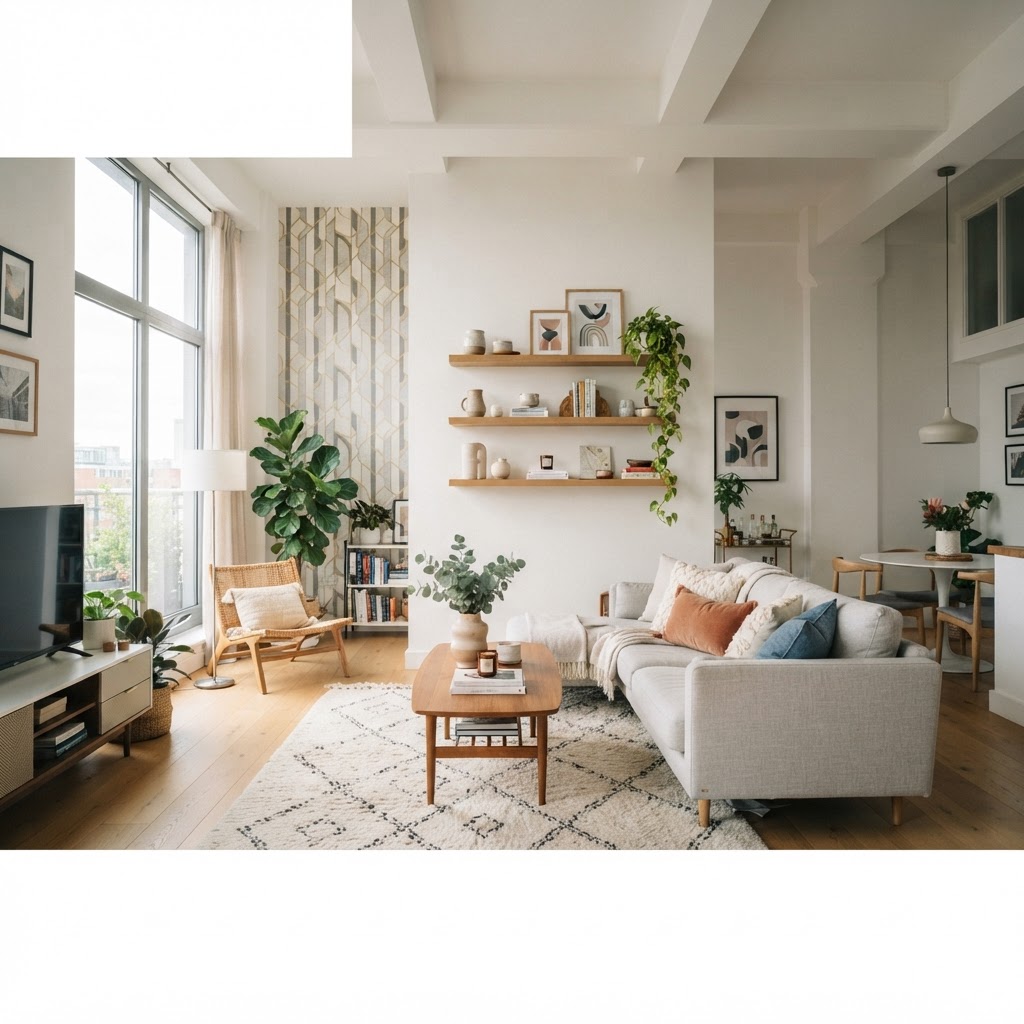
How to Give Your Rental a High-End Makeover Without Forfeiting Your Deposit
Transforming a boring rental into a stylish home can be challenging when you have strict rules to follow. These expert tips show you how to add personality and elevate your space using temporary solutions that leave no trace behind.
Walls That Wow Without Permanent Damage
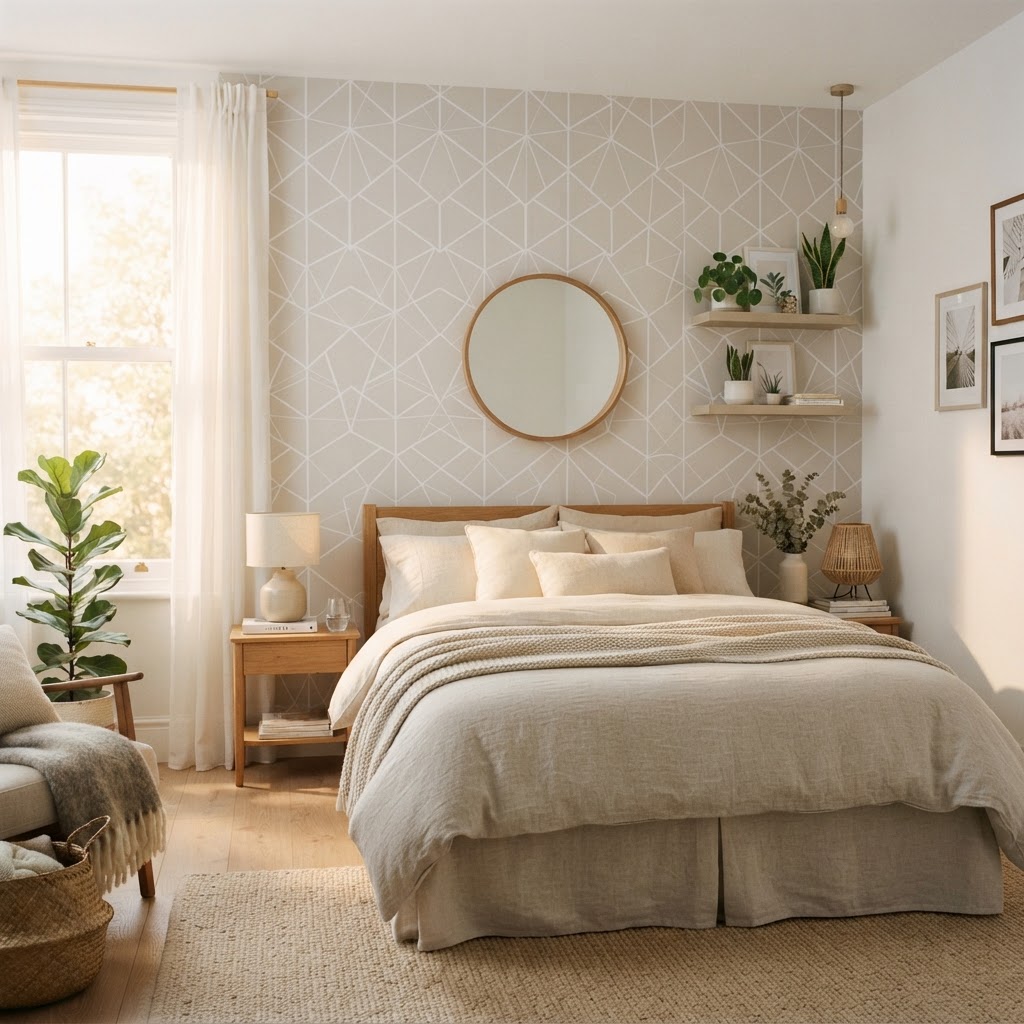
Honestly, the walls in most rentals are just sad. That flat, off-white paint that every landlord seems to be legally required to use is nobody's friend. It makes rooms feel sterile and forgettable, and for a long time, renters just had to live with it. But look, the market has completely caught up to us, and there are now so many incredible options for transforming your walls without putting a single nail hole in them that actually matters.
Peel-and-stick wallpaper is genuinely one of the best things to happen to renters in the last decade. The quality has improved so dramatically that you can now find options that mimic grasscloth, linen, marble, and even hand-painted murals. Brands like Chasing Paper, Tempaper, and Spoonflower have made it genuinely fun to experiment with pattern and texture. The key is to apply it to a clean, dry wall and take your time lining up the seams. When it's time to move out, it peels off cleanly without taking any paint with it, as long as you remove it slowly and at a warm temperature.
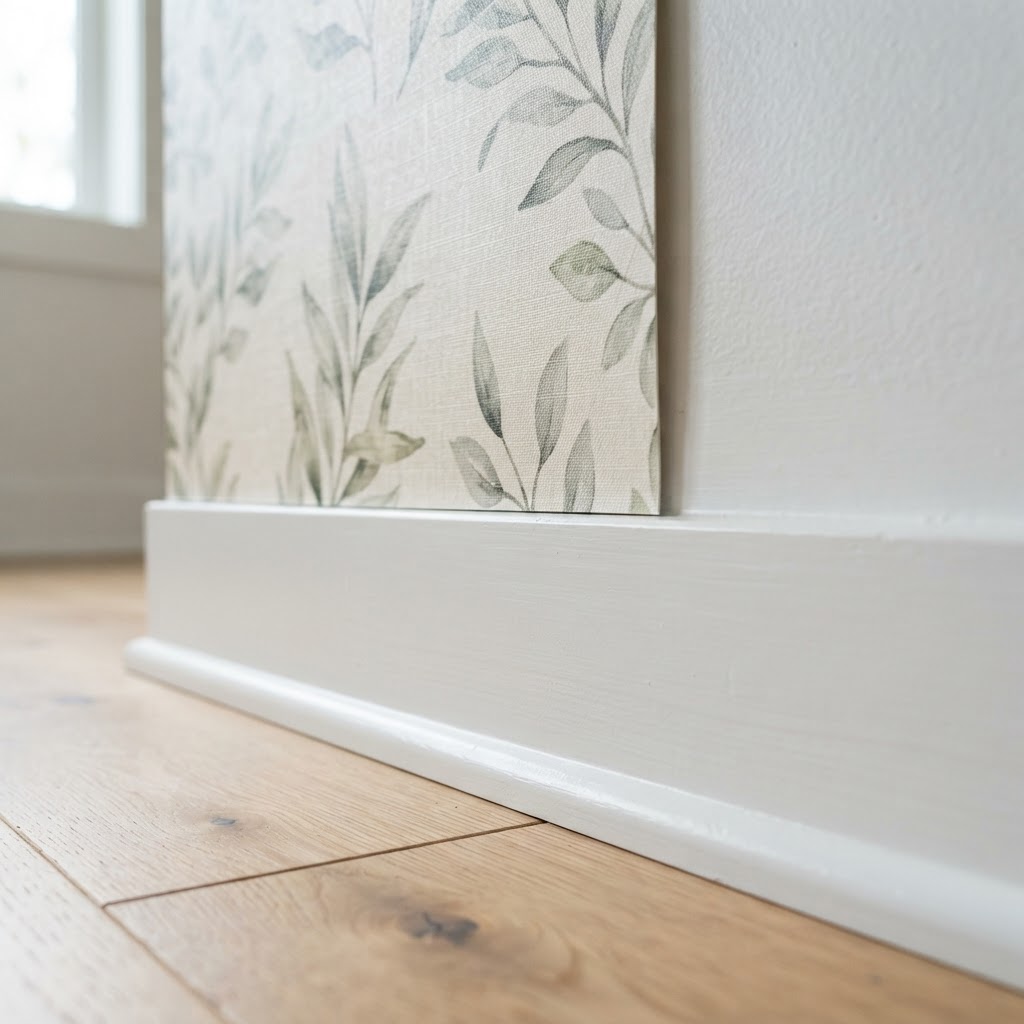
Beyond wallpaper, consider removable wall panels made from foam or wood veneer. These create the look of board and batten, shiplap, or even a full wood-paneled study without any actual installation. You can also lean large-format art against walls instead of hanging it, which, real talk, often looks more intentional and editorial than a hung piece anyway. Style it with a small plant or a stack of books at the base and it becomes a full vignette.
- Peel-and-stick wallpaper in a single accent wall is more affordable than doing a full room and still makes a massive impact.
- Removable foam panels are lightweight and come in geometric shapes that create a textural, almost sculptural effect.
- Washi tape in bold colors can create faux wall murals or geometric patterns and peels off without any residue.
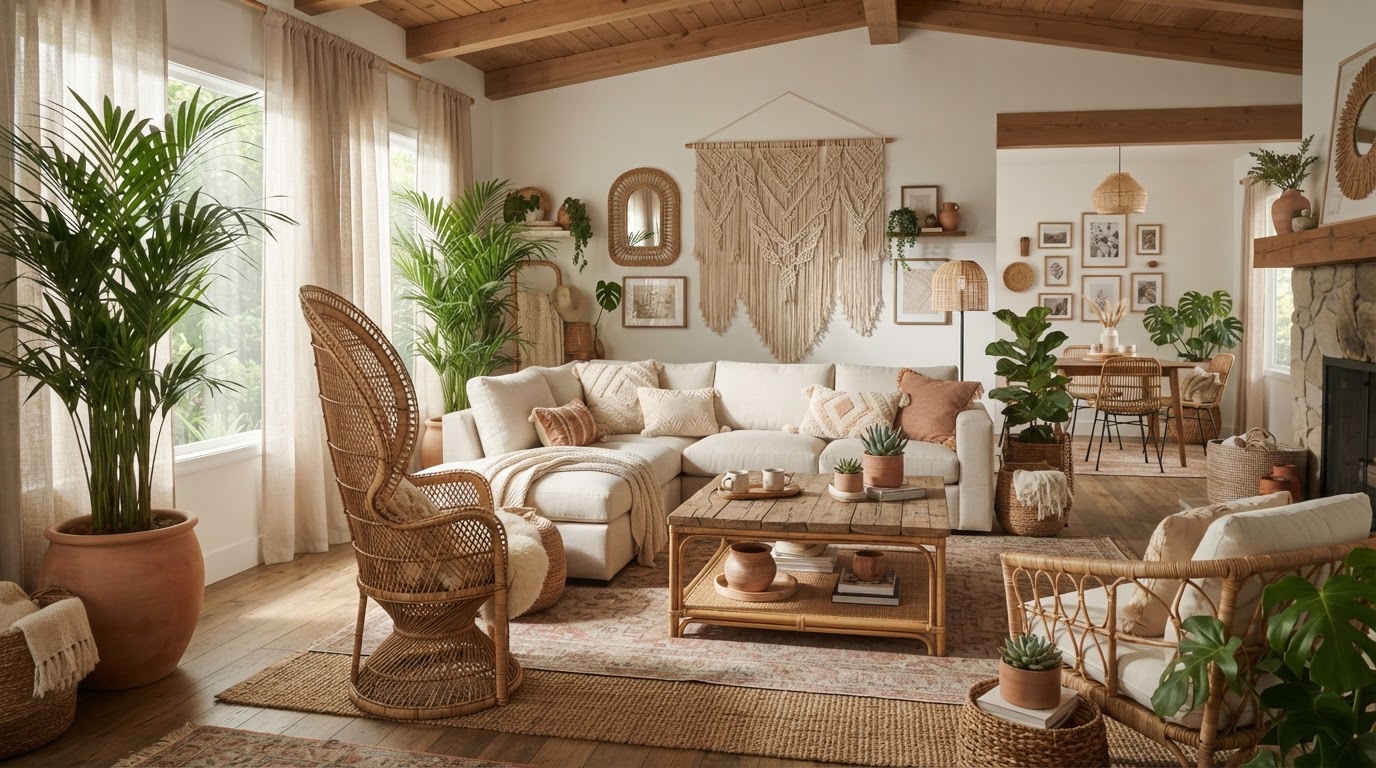
- Fabric wall hangings on tension rods or dowels add warmth and can cover a lot of wall real estate without a single hole.
The goal is to go in with intention. Pick one wall to be your statement wall, give it everything, and let the rest of the room breathe. You'll be shocked at how much a single transformed wall can change the entire energy of a space.
Swapping Out Builder-Grade Lighting
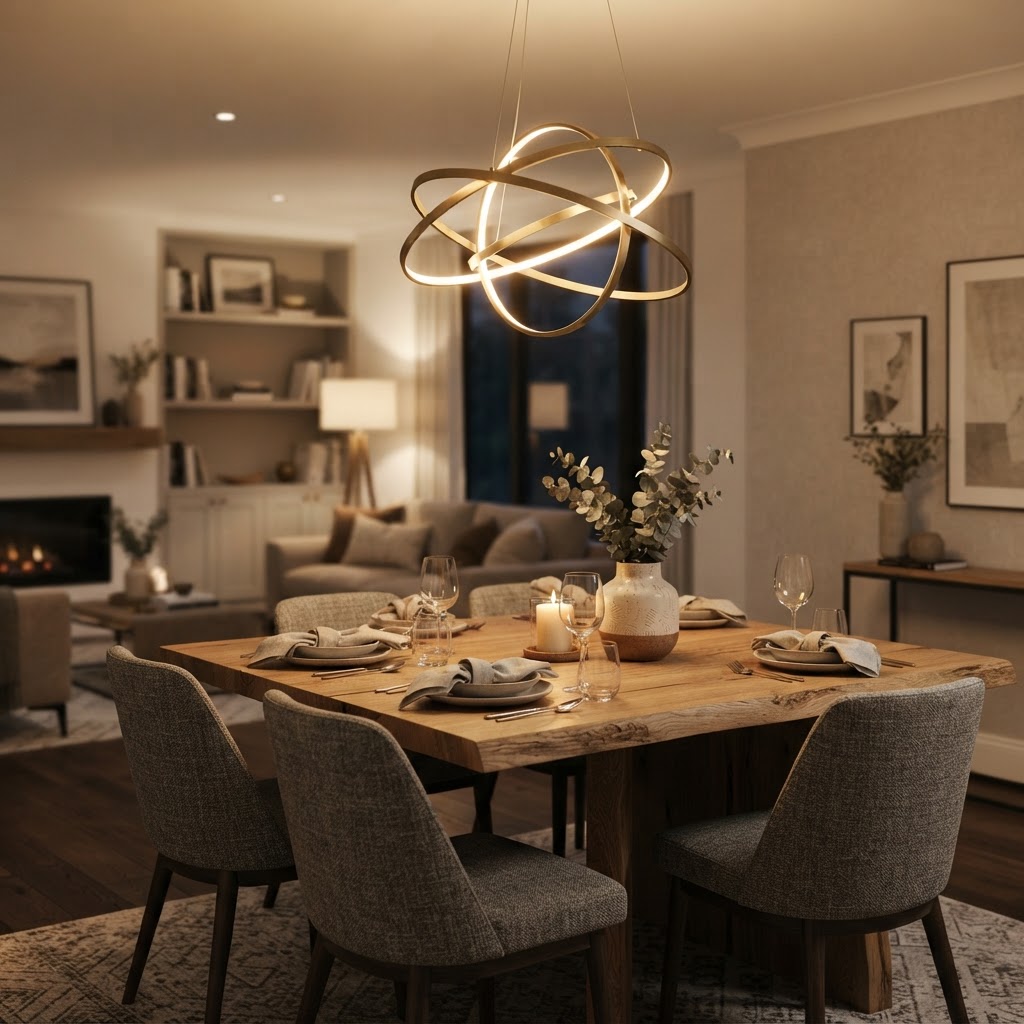
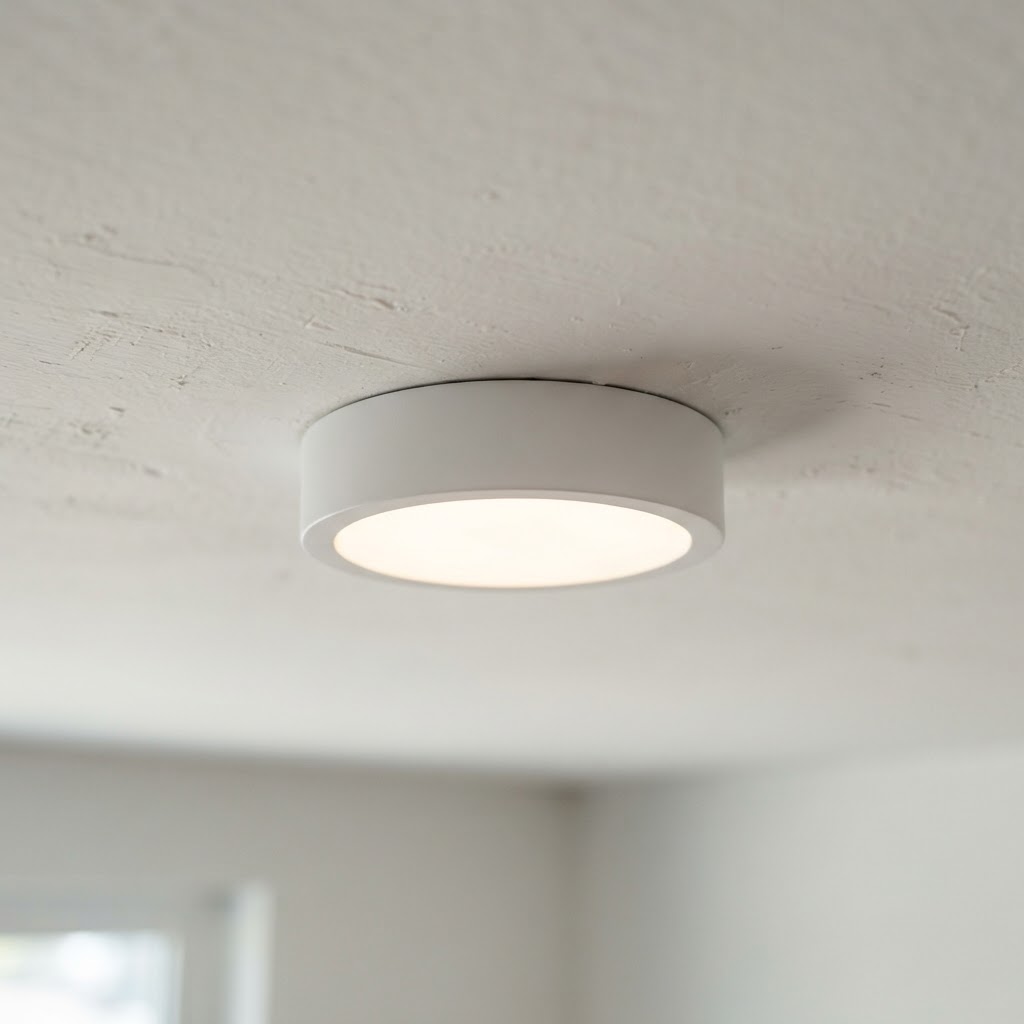
Here's the thing about lighting that most people don't realize until they've lived in a beautifully furnished space that still feels off: lighting is everything. The boob light. You know the one. That flush-mount frosted glass dome that appears in virtually every rental bedroom and hallway in the country. It casts harsh, flat light that makes everything look like a hospital corridor. Swapping it out is one of the highest-impact, lowest-cost changes you can make, and it's completely reversible.
Most ceiling light fixtures are swapped with just a screwdriver. You disconnect the existing fixture, cap the wires, install your new one, and when you move out, you reverse the process and reinstall the original. Just keep the original fixture in its box in your closet so you don't lose it. It takes maybe 20 minutes if you've never done it before, and the transformation is honestly kind of ridiculous. A rattan pendant, a sculptural brass chandelier, or even a vintage-inspired schoolhouse globe in a dining area will immediately make the space feel curated and intentional.
But don't stop at overhead fixtures. Layered lighting is the secret weapon of every interior designer and honestly it's something renters can absolutely achieve. Floor lamps in corners, table lamps on side tables, LED strip lighting tucked behind a TV console or under a floating shelf, plug-in sconces on either side of a bed instead of table lamps on crowded nightstands. All of these plug in, require no installation, and completely change the atmosphere of a room.
- Swap the ceiling fixture and store the original. It takes minutes and makes a world of difference.
- Use warm bulbs, around 2700K to 3000K, in every lamp. Cool white bulbs are the enemy of cozy.
- Plug-in pendant lights are a genius option for renters. They hang from a hook and plug into a standard outlet.
- Dimmers are allowed in most rentals if you swap the switch and reinstall the original when you leave.
Trust me on this: lighting is the single most transformative investment you can make in a rental. More than furniture, more than decor. Get the lighting right and everything else clicks into place.
Elevating Floors with Statement Rugs
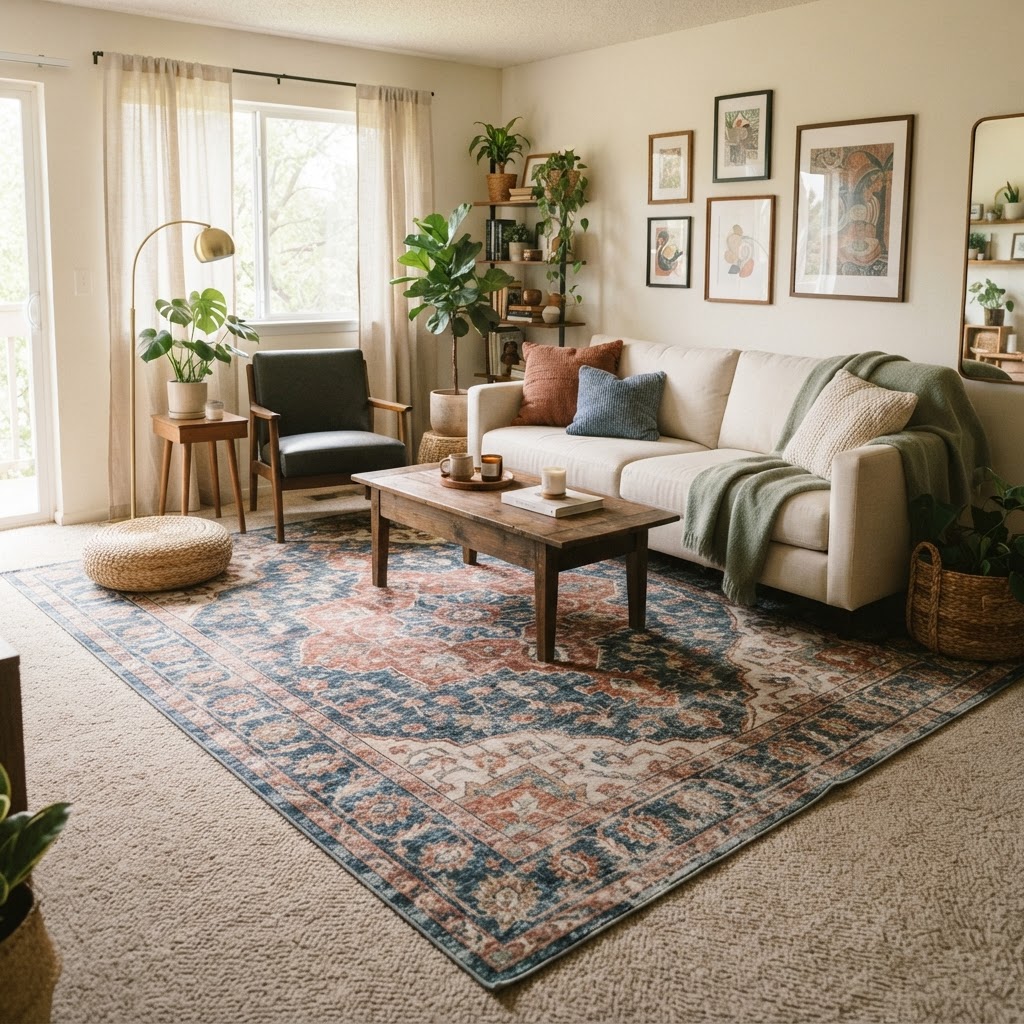
Rental floors are a special kind of nightmare. Whether it's dingy carpet that's been there since the 90s, scratched laminate that was installed during a renovation that prioritized budget over everything, or that weird shiny faux hardwood that reflects light in all the wrong ways, the floors in most rentals are not doing us any favors. A well-chosen rug is not just a bandaid, it's a complete transformation.
The number one mistake people make with rugs is going too small. A rug that doesn't extend past the legs of your furniture looks like you dropped a dish towel in the middle of the room. In a living room, you want a rug large enough that at least the front legs of every major piece of furniture are sitting on it. For most standard living rooms, that means a 9x12 or even a 10x14. Yes, they're more expensive. But a proper-sized rug makes your whole room look expensive, and that's the whole point here.
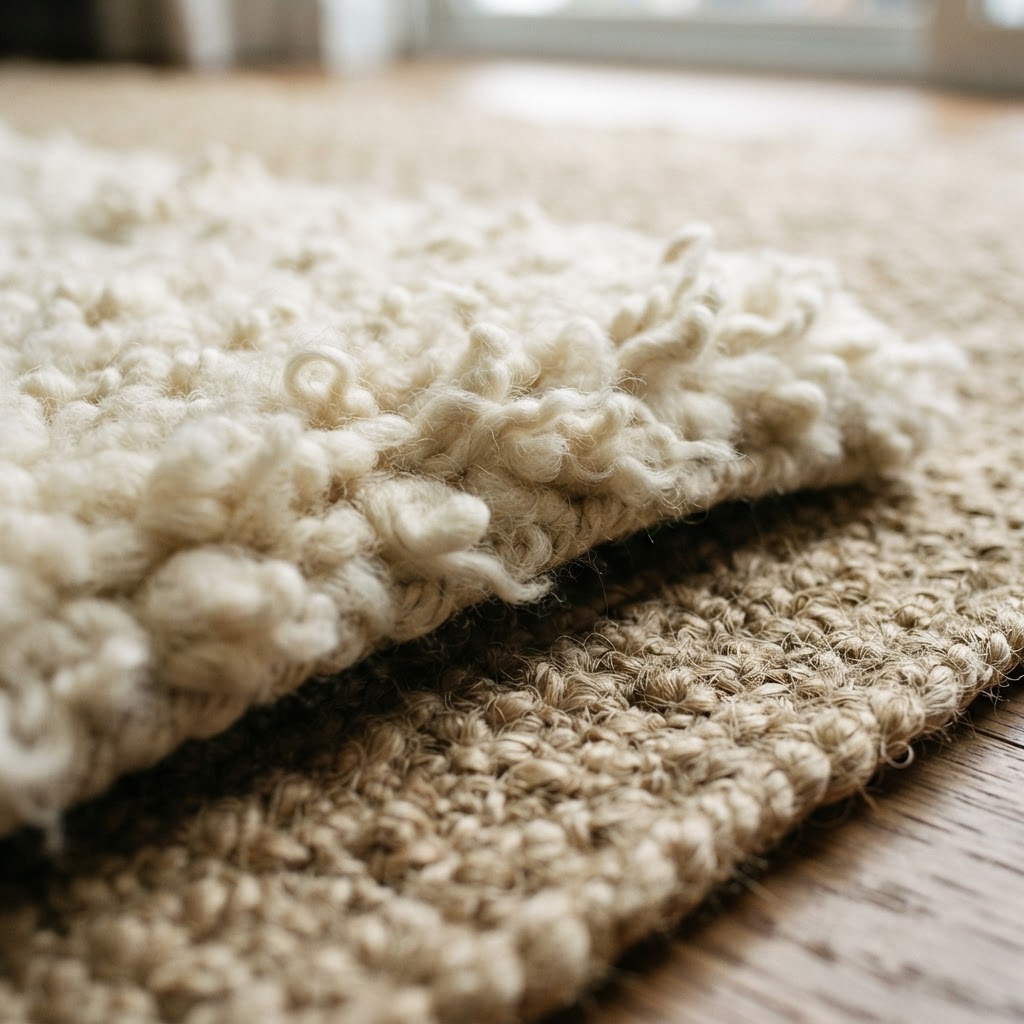
And here's something most people don't know: you can absolutely layer rugs. A flat-weave or jute rug as a base with a smaller, more decorative rug layered on top is a trick that interior designers use constantly and it looks wildly intentional. This is especially useful if your rental has carpet you can't replace. A large, neutral jute rug over carpet looks bohemian and textural, not like a cover-up job.
- Always use a rug pad underneath. It protects the floor beneath, keeps the rug from slipping, and makes even a thin rug feel plush.
- Natural fibers like jute and sisal work beautifully in high-traffic areas and age really well.
- Vintage-style rugs hide dirt and wear between cleanings, which is practical and also gorgeous.
- For smaller spaces like entryways or under a dining table, a boldly patterned runner can be more impactful than a neutral large rug elsewhere.
A rug is also the easiest way to define zones in an open-plan rental layout. One rug anchors the living area, another under the dining table creates a separate zone, and suddenly a single big box of a room feels like it has real structure and purpose.
Curated Decor Using Command Strips
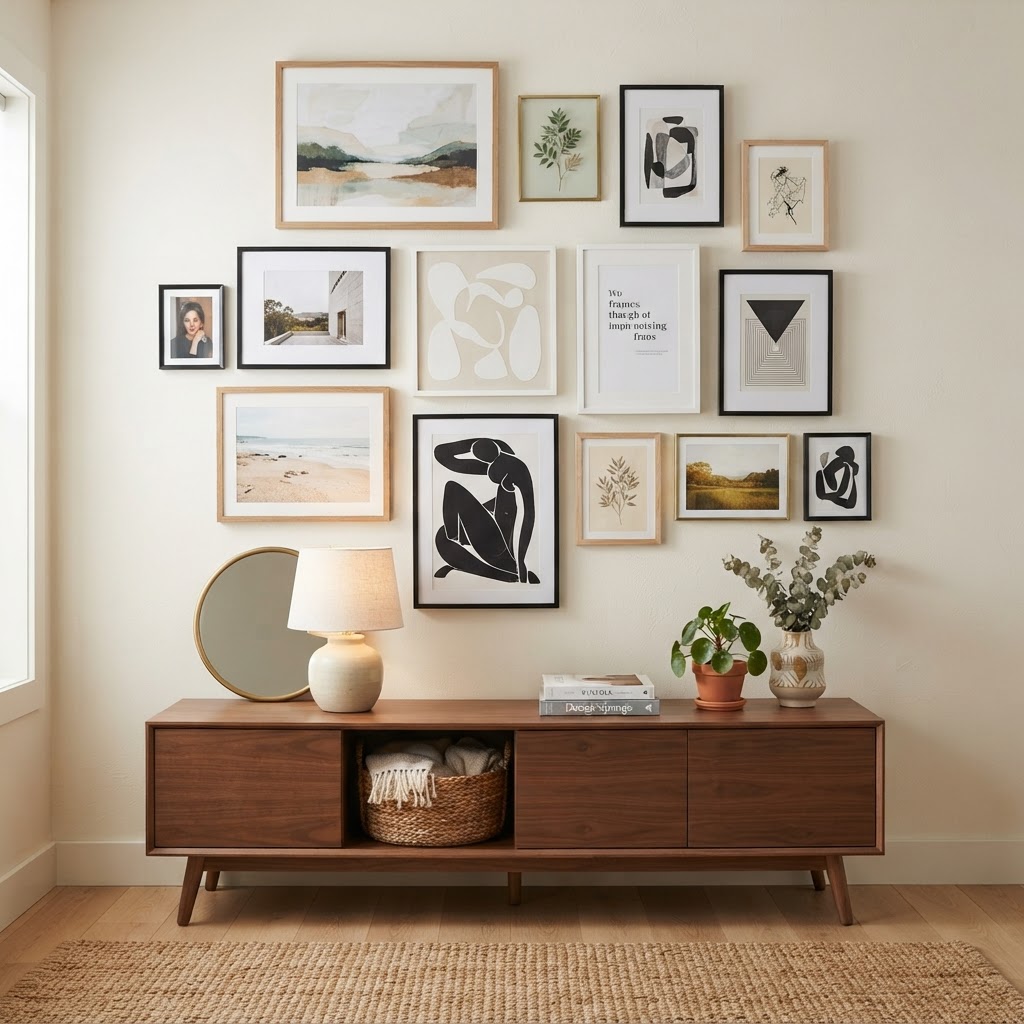
Real talk: Command strips and their various relatives have gotten so good that I honestly forget they're a workaround half the time. We're not just talking about hanging a small framed print. With the right product and the right technique, you can hang shelves, gallery walls, mirrors, and even floating nightstands without putting a single traditional nail hole in your walls. The trick is knowing which product to use for what weight and following the instructions exactly, because skipping steps is where people get burned.
For a gallery wall, plan your layout on the floor before you touch the wall. Trace each frame on paper, cut out the shapes, and tape them to the wall with painter's tape to get the spacing right. Once you're happy with the arrangement, swap in your Command picture-hanging strips one by one. This method takes a bit longer but the result looks genuinely editorial, the kind of thing you'd see in an Architectural Digest apartment tour, not a rental stopgap.
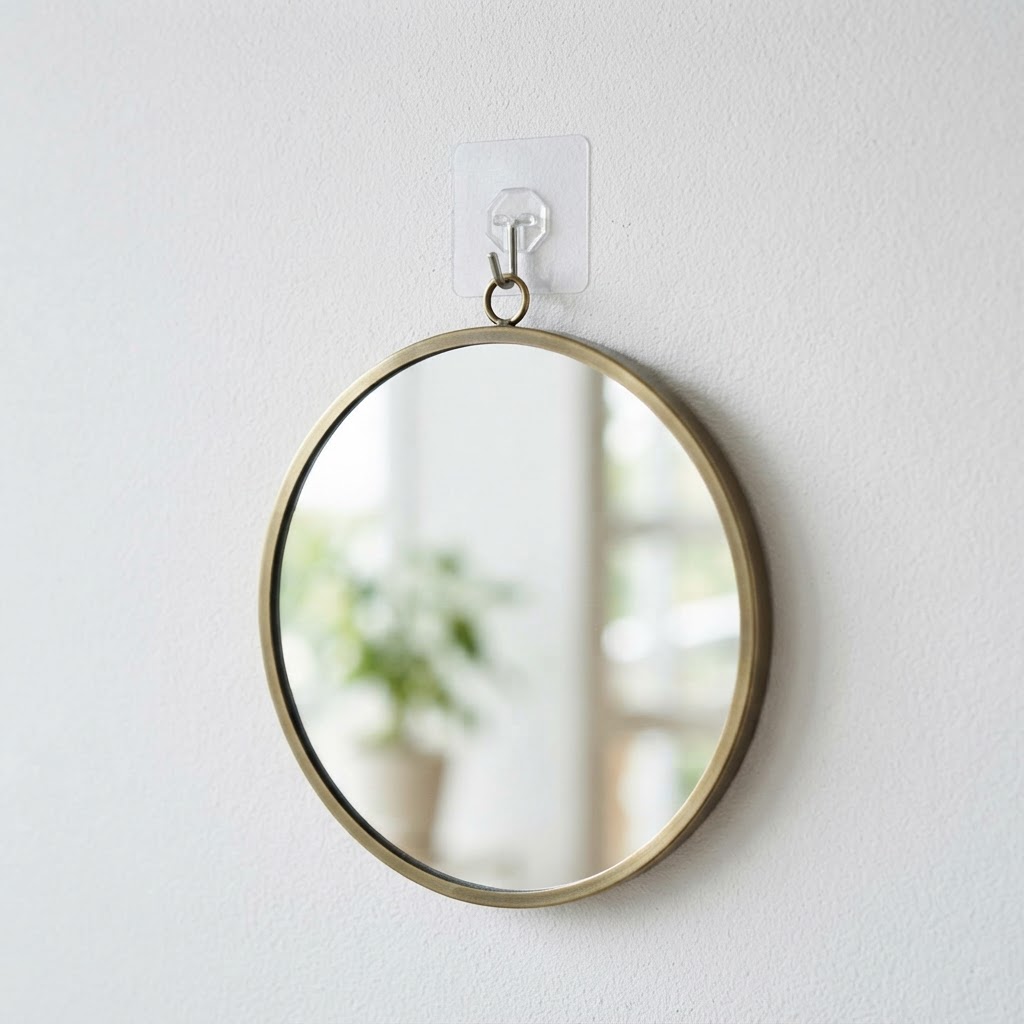
Command also makes adhesive hooks that are rated for several pounds, which means you can hang macrame wall art, woven baskets, lightweight floating shelves, and even small mirrors. The key with mirrors is to never hang anything super heavy without checking the weight limit twice and adding an extra strip for insurance. Removing the strips correctly, pulling straight down slowly rather than yanking, is what keeps your walls intact when move-out day comes.
- Use Command Velcro strips for lighter items and Command picture-hanging strips for anything framed.
- Always clean the wall with rubbing alcohol before applying and wait an hour before hanging anything.
- Mix frame sizes, finishes, and even some unframed items in your gallery wall to make it feel collected over time rather than purchased all at once.
- Adhesive hooks on the inside of cabinet doors, the back of bathroom doors, and in closets add storage without any drilling.
Command strips won't hold an 80-pound mirror or a full set of kitchen shelves, and it's important to be honest about their limits. But for 95% of decorative purposes in a rental, they are genuinely more than enough.
Greenery That Fills Empty Corners
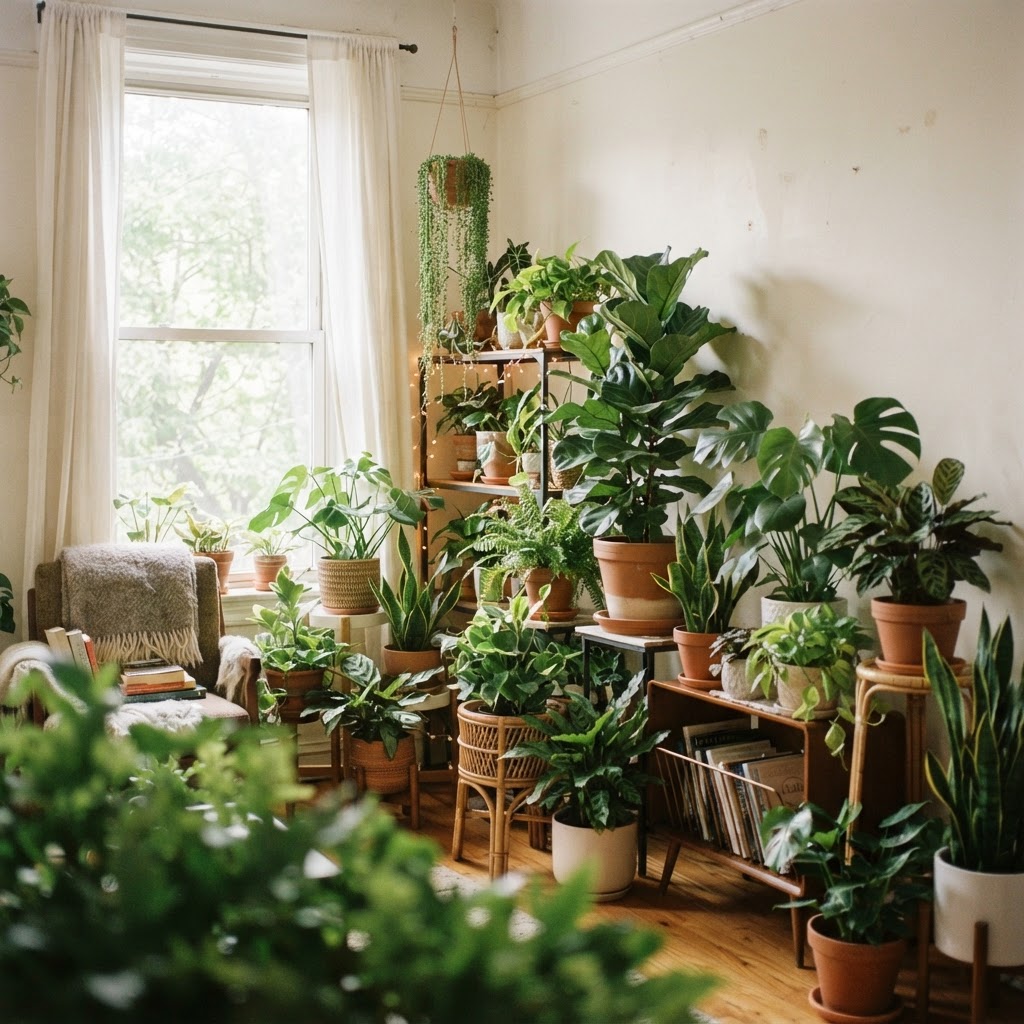
Look, nothing makes a space feel more designed, more alive, more like someone actually lives there intentionally, than plants. Not a single sad succulent on a windowsill. I'm talking about real, substantial greenery that fills vertical space, softens hard edges, and adds genuine warmth to rooms that would otherwise feel a bit cold and impersonal. Plants are the most underused tool in the renter's design toolkit and honestly that's a shame because they cost less than most furniture and they travel with you when you move.
The key to using plants as a design element rather than just a hobby is thinking about scale. A tall fiddle leaf fig, a monstera that's been allowed to actually get big, a bird of paradise with dramatic leaves, these are statement pieces. Put one in the corner of your living room and it does the same job as a sculpture or a floor lamp. It draws the eye, adds height, and creates a sense of lushness that no amount of throw pillows can replicate. Size matters. One large plant almost always looks better than five small ones clustered together.
If you're not confident in your ability to keep plants alive, be honest with yourself about that and choose accordingly. Pothos, snake plants, ZZ plants, and cast iron plants are notoriously hard to kill. They thrive in low light, forgive irregular watering, and still look absolutely beautiful in a well-styled pot. And speaking of pots: the pot matters as much as the plant. A gorgeous marble-effect planter or a handmade ceramic pot elevates even the most basic plant into a design object.
- Use plant stands at varying heights to create visual layers, especially in corners or beside sofas.
- Trailing plants like pothos or string of pearls on high shelves add movement and softness to a room.
- Group plants in odd numbers. Three or five together looks intentional and balanced in a way that two or four usually doesn't.
- High-quality faux plants have gotten genuinely good. If a room gets zero natural light, a convincing faux fiddle leaf in a beautiful pot is a completely valid choice.
Plants also serve a practical purpose in rentals. They soften the view of ugly fixtures, they draw attention away from dingy baseboards, and they fill those awkward empty corners that nobody knows what to do with. An empty corner in a rental says "I'm just passing through." A corner with a six-foot monstera in a beautiful pot says something entirely different.
Final Thoughts
Renting doesn't mean settling. It never has, but for a long time the options were limited enough that it kind of felt that way. What we have now is genuinely exciting: removable wallpapers that look like the real thing, lighting that plugs in and transforms a room, rugs that redefine entire spaces, adhesive products that hold real art on real walls, and plants that bring the kind of life no furniture can match.
The thread running through all of these strategies is intentionality. A rental that looks high-end isn't necessarily one with expensive things in it. It's one where someone made deliberate choices, thought about scale and light and texture, and put things together with care. That's available to anyone, at any budget, in any apartment. You just have to decide you're not going to wait until you own a place to start living beautifully. Start now. Your deposit will thank you.
More in Interior
Stay Inspired
Subscribe for new essays on architecture, design, and the spaces that shape us.