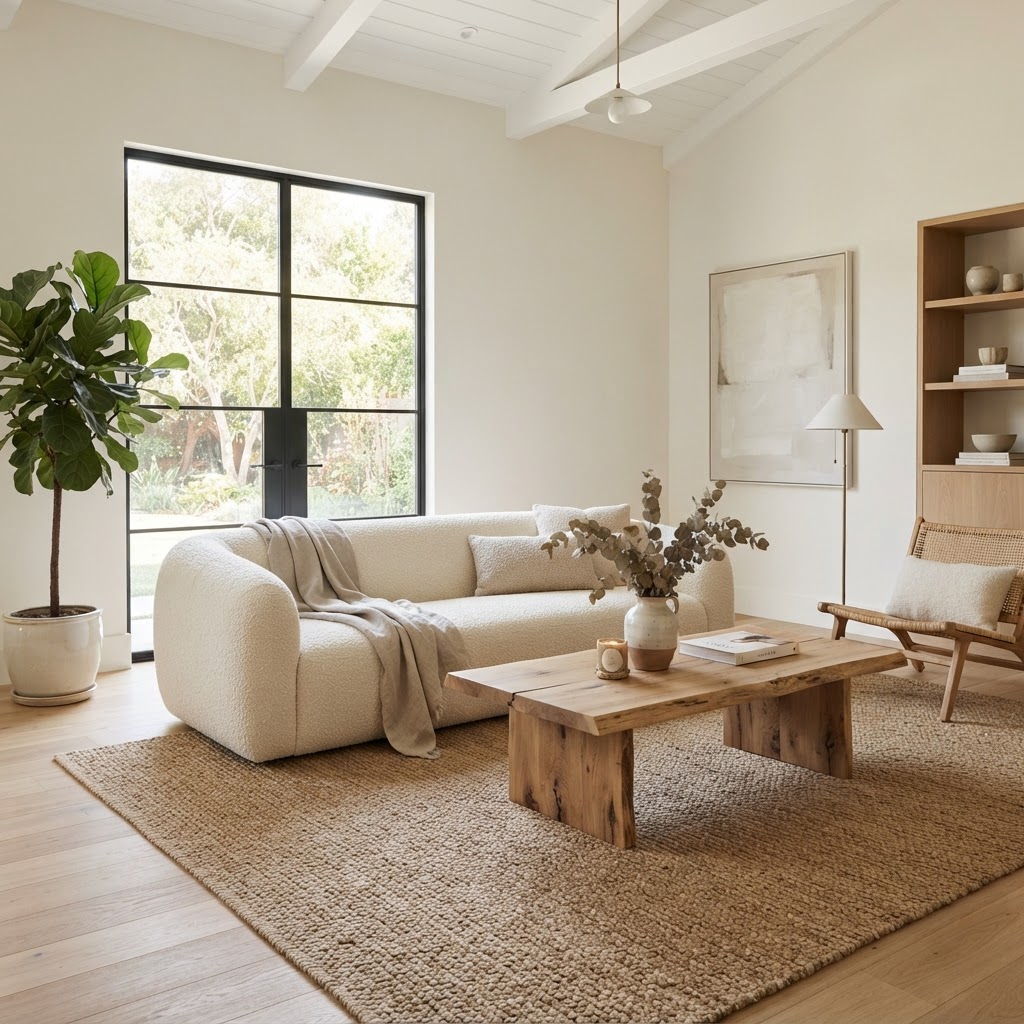
Why Texture is the Secret Ingredient Your Room is Missing
If your home feels a little flat or uninspired even after buying new furniture it is likely missing a tactile element. Discover how layering different materials and surfaces can transform your space from basic to professionally curated.
The Power of Layering Textiles
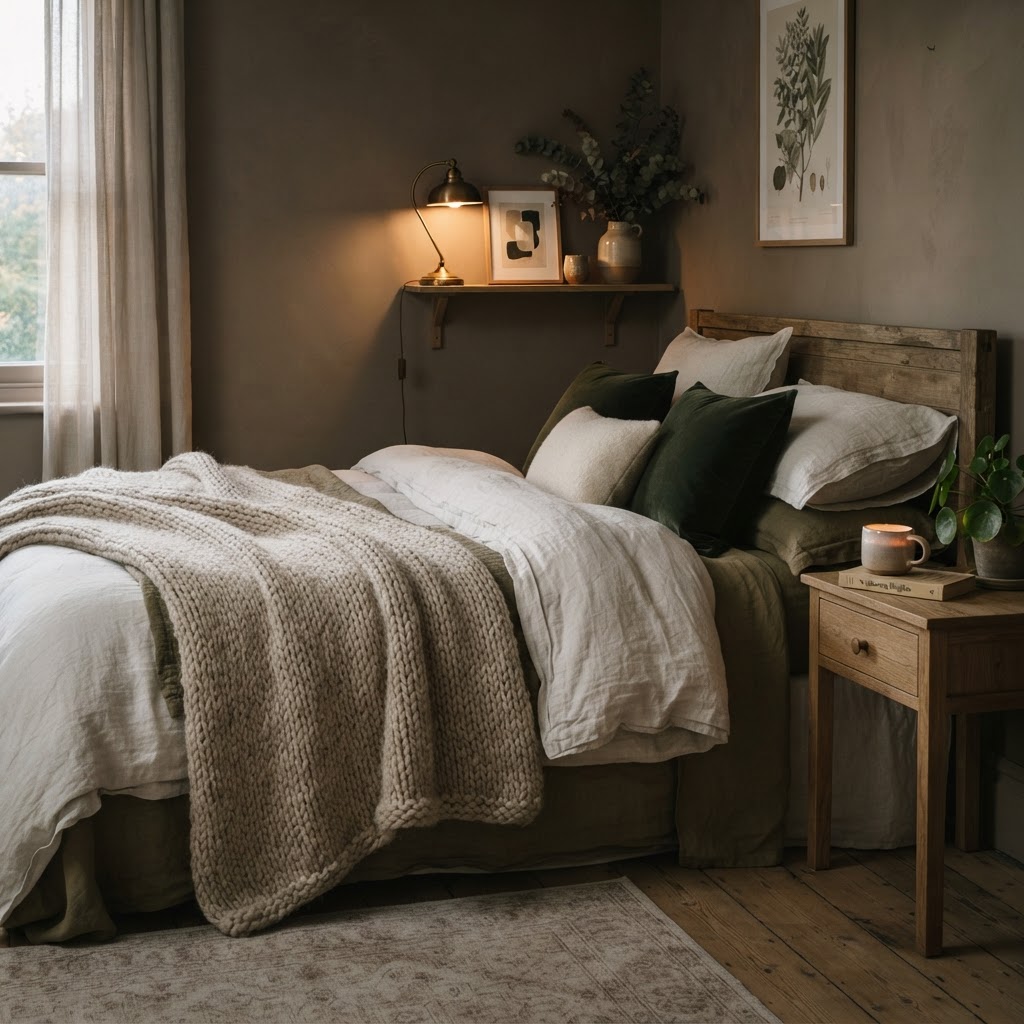
Honestly, if I had to pick one thing that separates a room that feels finished from a room that just feels like a furniture showroom, it would be texture. Not color, not layout, not even lighting. Texture. It's the thing that makes you want to walk in and stay, that makes a space feel like someone actually lives there. And yet it's almost always the last thing people think about, or they don't think about it at all.
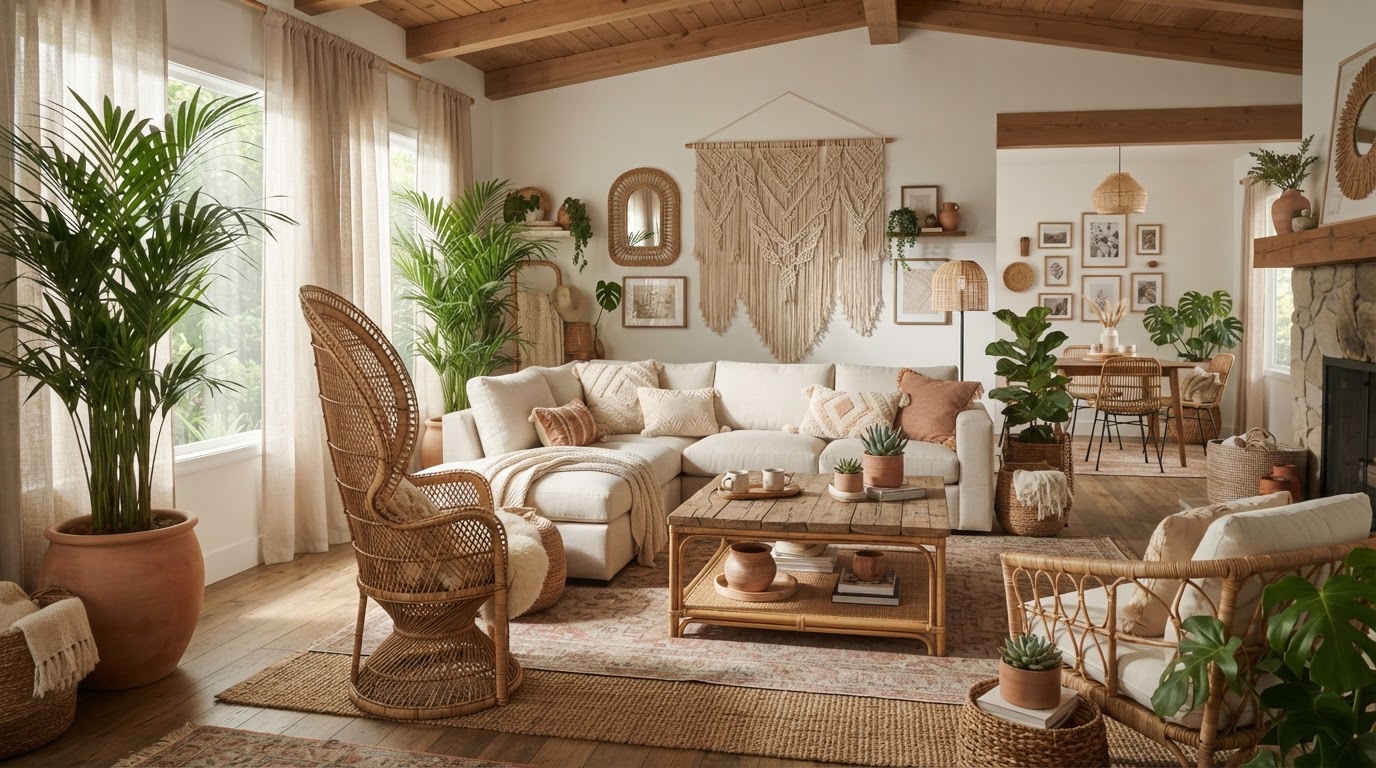
Let's start with textiles, because this is where most of us have the most room to play and the most to gain. Layering textiles is a skill that sounds fancy but is actually pretty intuitive once you get the hang of it. The basic idea is simple: don't just throw one blanket on a sofa and call it a day. Think about combining a chunky knit throw with a smoother linen cushion, and maybe a velvet pillow on top of that. Each material has its own surface quality, and when they sit next to each other, they create this kind of visual conversation that makes the room feel alive.
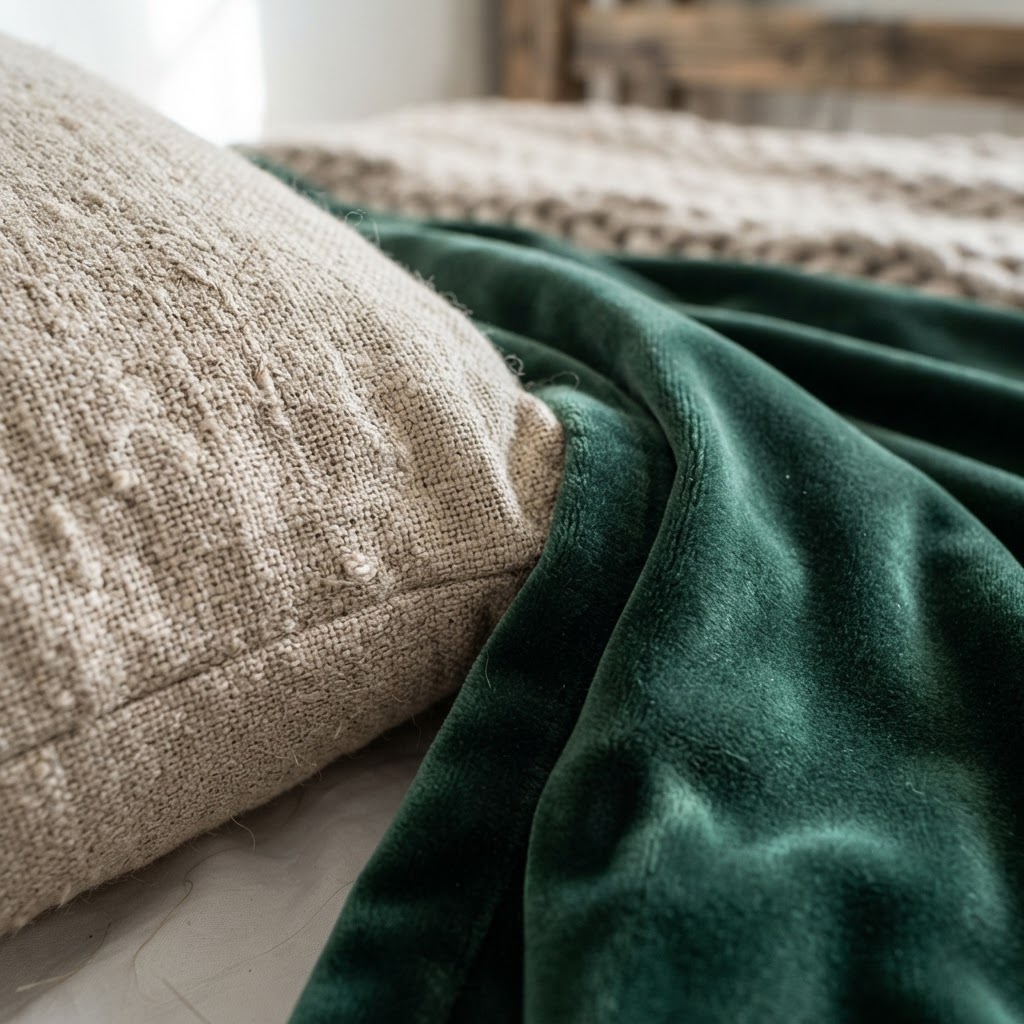
Here's the thing though: you don't need to go crazy with it. You don't need twelve pillows on every surface. What you need is contrast. A smooth surface next to a rough one. A shiny fabric near a matte one. Think about your sofa as a canvas and the textiles as your brushstrokes. A linen sofa with a faux fur throw and a boucle cushion? That's three completely different textures in one spot, and together they create something that feels both casual and curated.
One practical tip I always give people: stick to a tight color palette when you're mixing a lot of different textures. If everything is in the same family of neutrals, creams, and warm whites, you can go absolutely wild with surface variation and it'll still look cohesive. The texture becomes the design element, not the color. Trust me on this one, it's a game changer for anyone who feels nervous about decorating.
- Linen and cotton are your casual, everyday workhorses. Great for cushion covers and curtains.
- Velvet adds instant richness and catches light beautifully, even in small doses.
- Boucle is having its moment right now, and for good reason. It's soft, interesting, and surprisingly versatile.
- Chunky knits bring warmth and that cozy hygge feeling people love in living rooms and bedrooms.
- Faux fur is great as an accent, but keep it contained or it can start to feel a bit much.
Bringing in Natural Elements
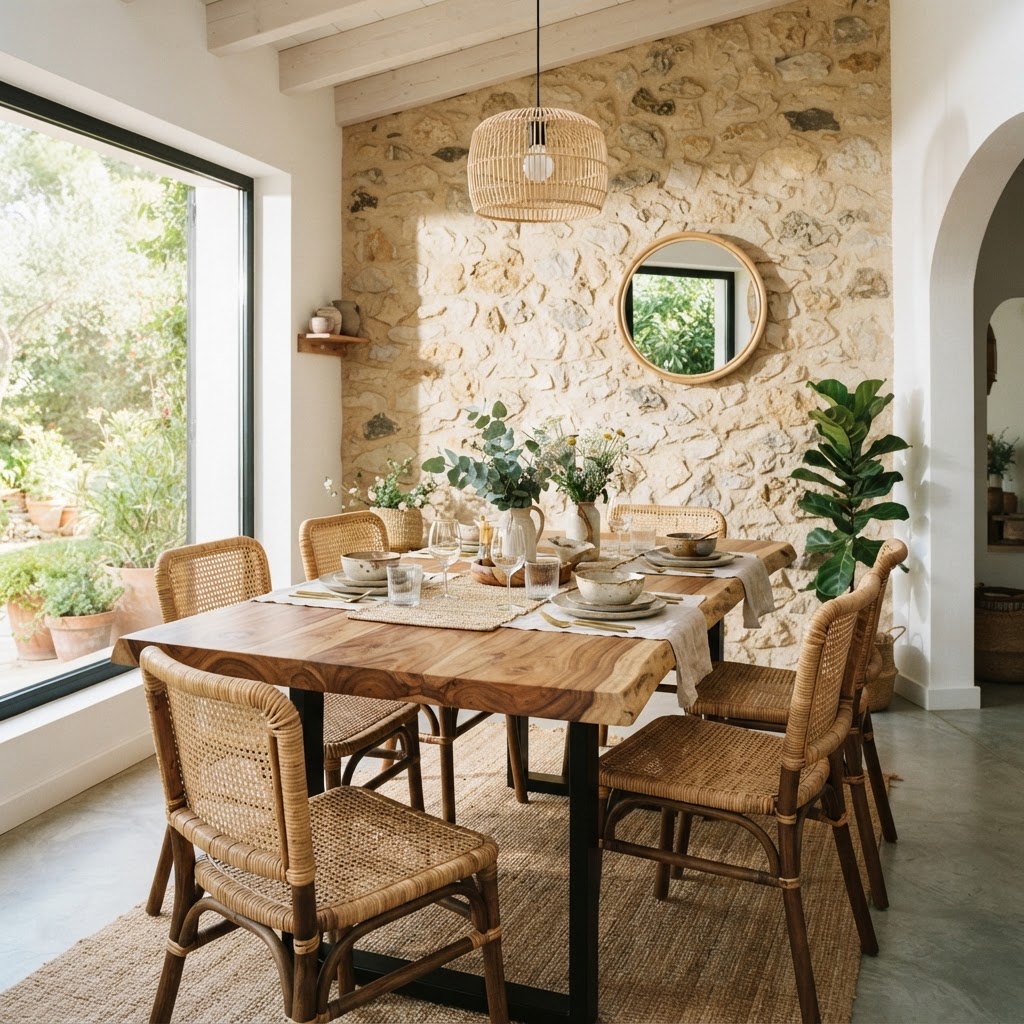
Real talk: there is something deeply satisfying about a room that has natural materials in it. I think it taps into something primal in us, this desire to be connected to the physical world. Wood, stone, rattan, jute, leather, even dried botanicals. These things bring a texture to a room that you genuinely cannot fake with paint or wallpaper. Well, you can try, but it's never quite the same.
Wood is probably the most accessible natural texture most of us work with. And the great news is that wood is incredibly varied in terms of surface quality. A rough-hewn oak coffee table has a completely different texture story than a polished walnut sideboard. Both are wood, but they feel totally different underhand and underfoot. Using both in the same space can actually create a really interesting tension that keeps the eye moving around the room.
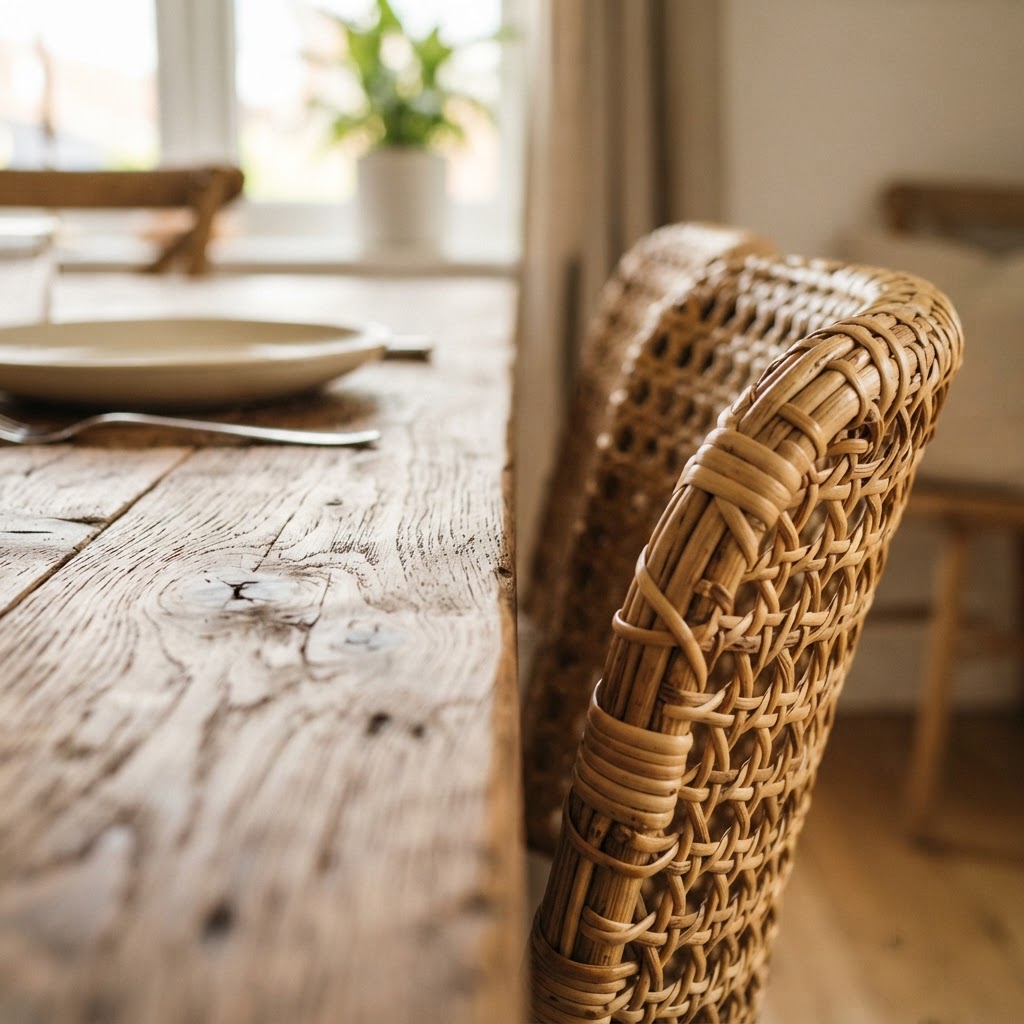
Rattan and cane furniture have had this massive comeback in the last few years, and honestly I'm not surprised. The woven texture is so visually interesting, it does a lot of heavy lifting in a room. Even a small rattan side table or a cane-fronted cabinet can add this whole layer of organic, almost handmade quality that makes a space feel less sterile. It's especially effective in rooms that are otherwise quite contemporary or minimal. That contrast between clean lines and an organic woven surface is really compelling.
Don't overlook stone either. A marble tray on a coffee table, a travertine candle holder, a chunk of raw agate used as a bookend. These small stone elements bring a cool, dense, weighty texture that balances out softer fabrics beautifully. And they're grounding in a way that's hard to explain but easy to feel when you walk into a space that has them. The room just feels more settled somehow.
"A room without natural materials is like a meal without seasoning. Technically fine, but missing that essential something that makes it feel truly satisfying."
Mixing Metals for Modern Depth
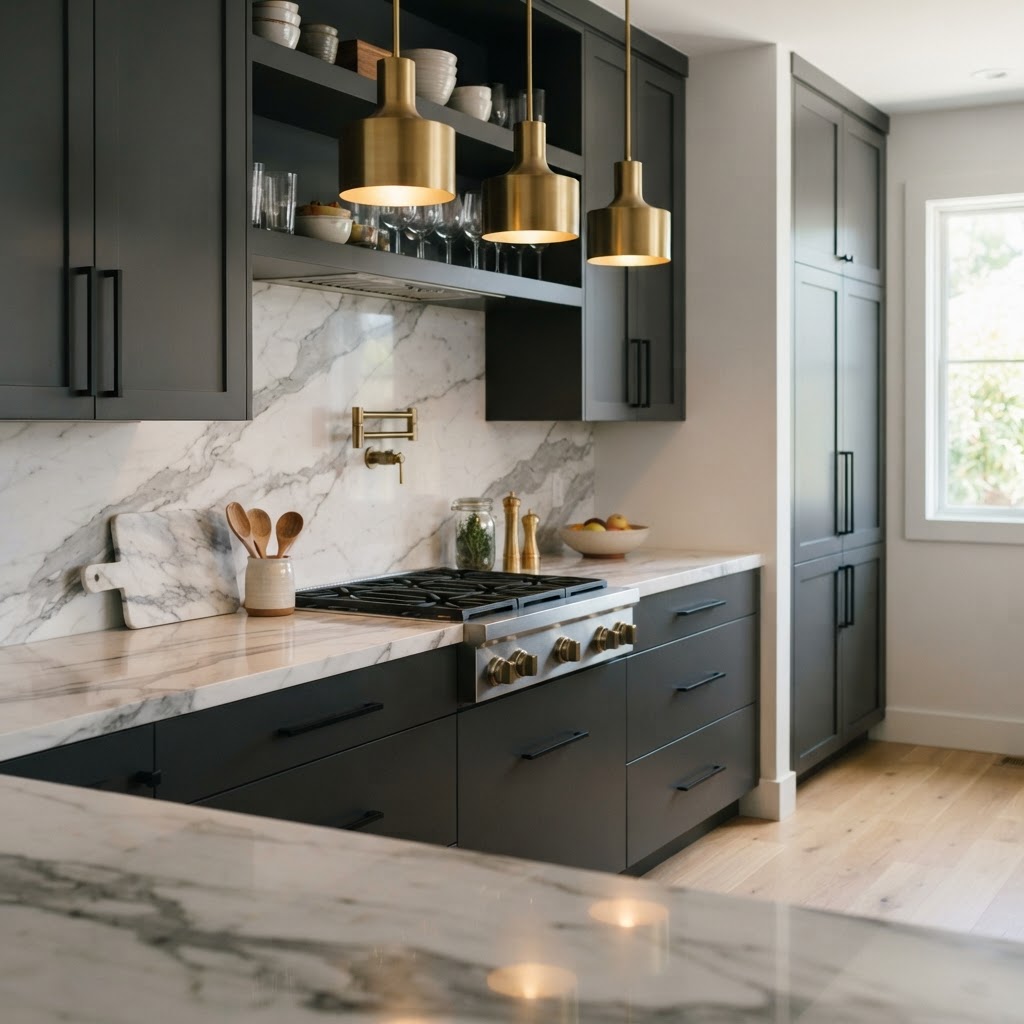
Okay, I know what you're thinking. Mixing metals sounds terrifying. There used to be this very firm rule in interior design that you had to stick to one metal finish throughout a space. Everything matchy-matchy. And look, I understand the instinct, but that approach tends to produce spaces that feel a little flat, a little corporate. Because here's the thing about metals: they're one of the most powerful ways to add reflective texture to a room.
Different metals catch and reflect light in completely different ways. Brass has this warm, almost glowing quality. Chrome is cooler and crisper. Matte black absorbs light rather than reflecting it, which gives it this grounded, anchor-like quality. Brushed nickel sits somewhere in between, soft and diffused. When you mix these finishes thoughtfully, the interplay of reflection and absorption creates a kind of visual texture that you really feel even if you can't always articulate why the room feels so good.
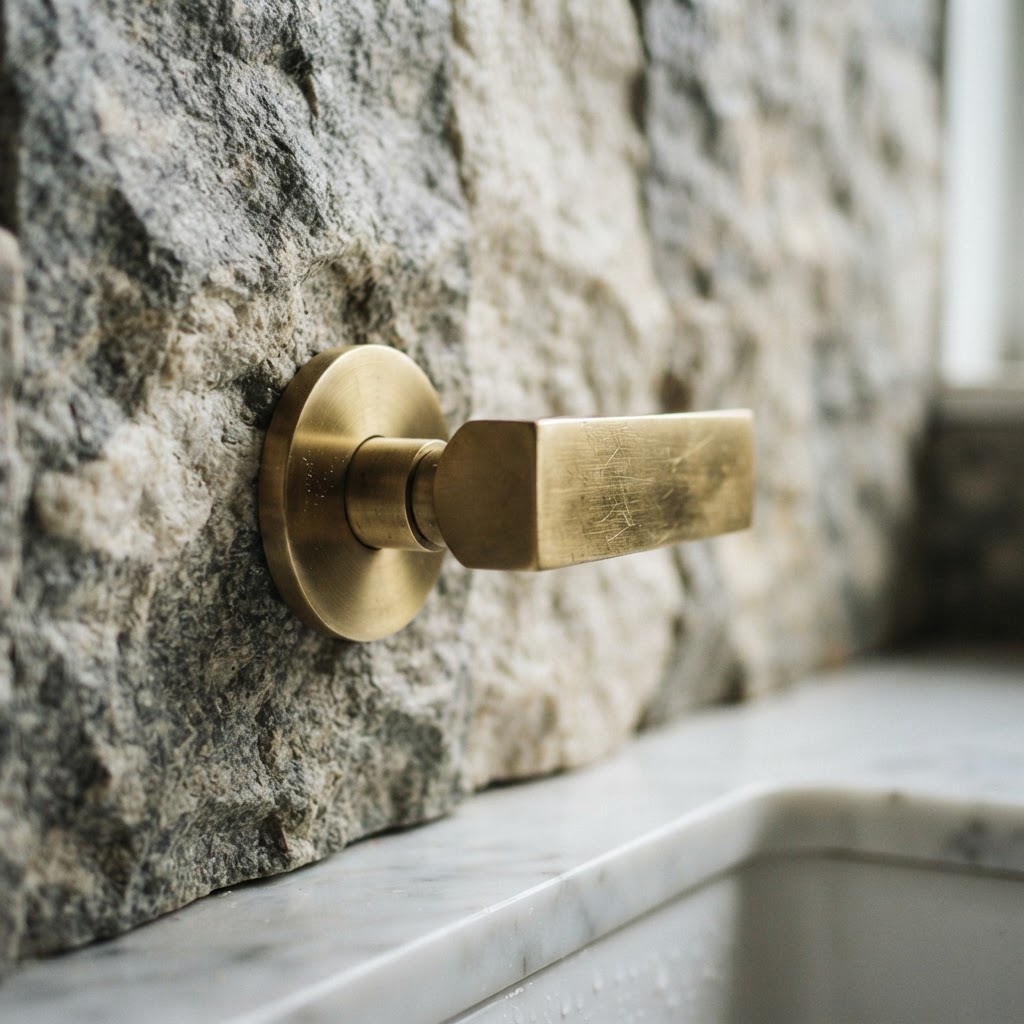
The key to mixing metals without it looking like a mistake is to be intentional about it and to let one finish dominate. Pick a primary metal, maybe warm brass for all your lighting fixtures and cabinet hardware, and then let a secondary metal appear as an accent. A matte black picture frame here, a chrome vase there. The secondary metal should show up at least two or three times in the room so it reads as a deliberate choice rather than an oversight.
Also, pay attention to the finish within each metal family. Polished brass and antique brass are both brass, but they have very different personalities and textures. Polished is formal and a little glamorous. Antique is warmer and more relaxed. Mixing those two within the same metal family is actually a really beautiful, nuanced approach that adds complexity without introducing a whole new color into the mix.
Choosing the Right Rugs and Flooring
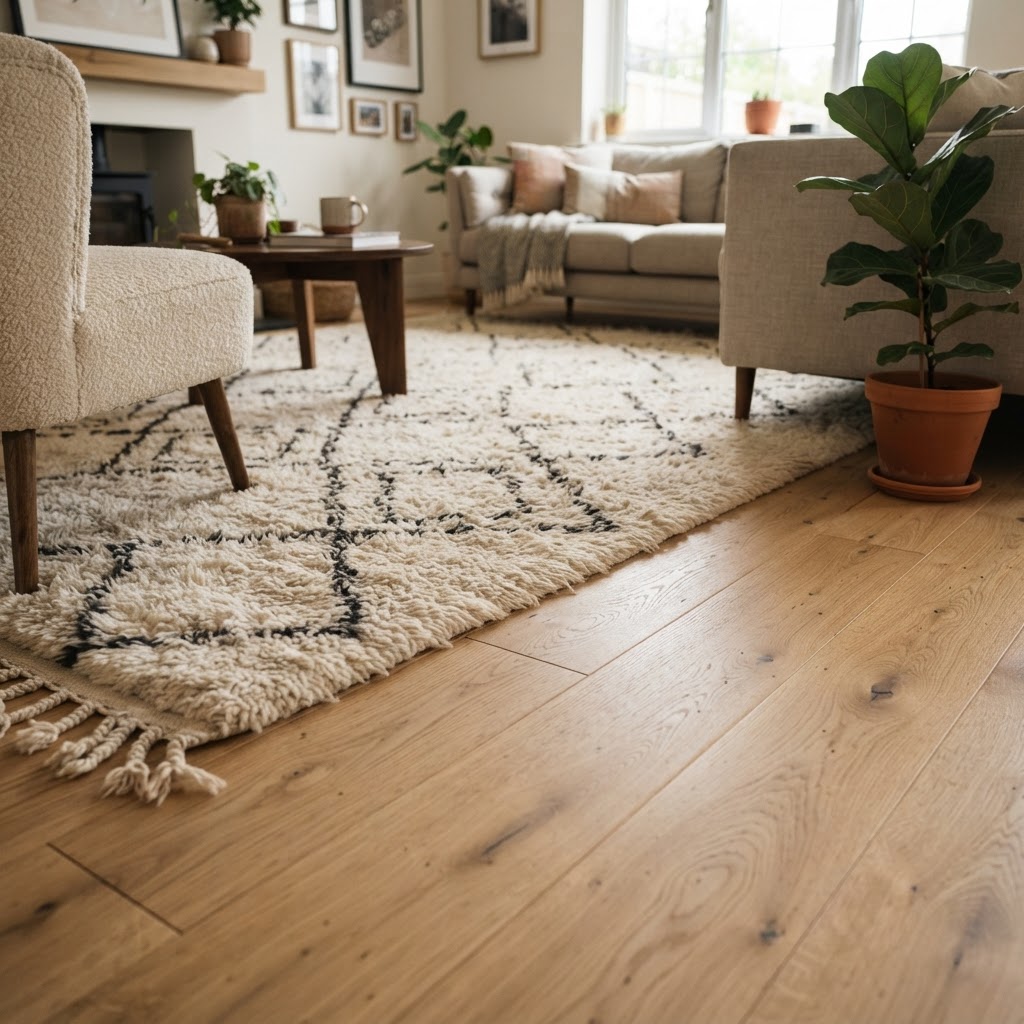
Your floor is literally the foundation of a room, and yet so many people treat it as an afterthought. They spend months agonizing over sofa fabric and paint colors and then just throw down whatever rug was on sale. I get it, rugs are expensive and the whole thing can feel overwhelming. But honestly, a rug is one of the single most impactful texture decisions you'll make in a room, so it deserves some real thought.
The pile height and material of a rug completely change how a space feels, not just visually but physically. A high-pile shag rug in a living room is an invitation to sit on the floor, to feel cozy and cushioned. A flat-weave kilim is cooler, more graphic, more casual. A wool Persian-style rug has this incredible depth and richness that takes years to achieve, and that history reads as texture in itself. Each of these tells a completely different story about the room, even if the color is similar.
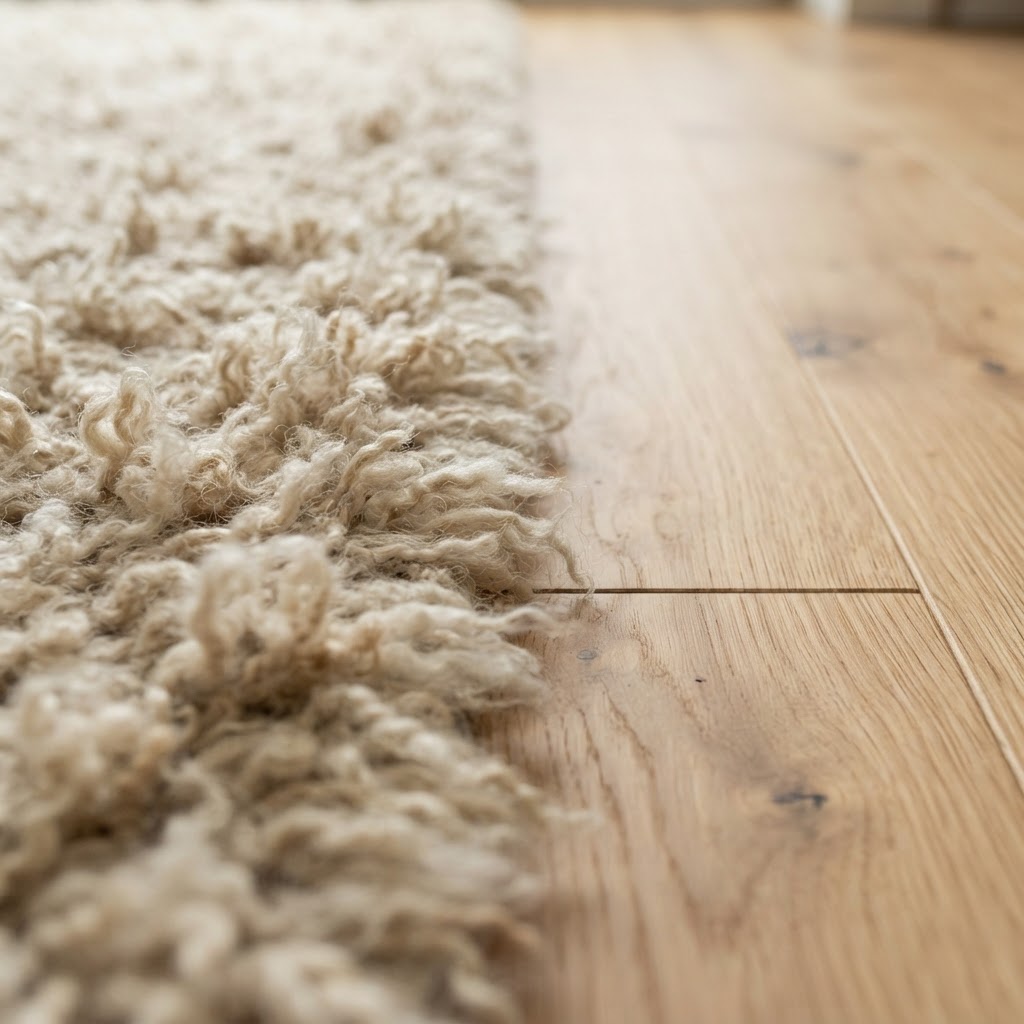
And can we talk about layering rugs for a second? Because if you haven't tried it, you really should. Laying a smaller, more patterned rug over a larger, neutral sisal or jute base rug is one of those tricks that looks incredibly intentional and styled but is actually pretty easy to pull off. The contrast between the rough, natural texture of jute and the softer woven quality of a layered rug on top creates this beautiful, grounded richness underfoot.
- Jute and sisal rugs are affordable, natural, and add a wonderful woven texture as a base layer.
- Wool rugs are durable, warm, and develop beautiful character over time.
- Shag and high-pile rugs are your go-to for maximum coziness in bedrooms and lounging areas.
- Vintage and distressed rugs bring pattern and worn-in texture that new rugs simply can't replicate.
One thing I see people get wrong all the time is rug sizing. A rug that's too small for the room is one of the most common decorating mistakes, and it completely undermines the textural impact. Go bigger than you think you need. All the major furniture legs should ideally sit on or at least touch the rug. When the rug is properly sized, it anchors the room and the texture it brings feels connected to the whole space rather than floating awkwardly in the middle.
The Finishing Touch of Wall Texture
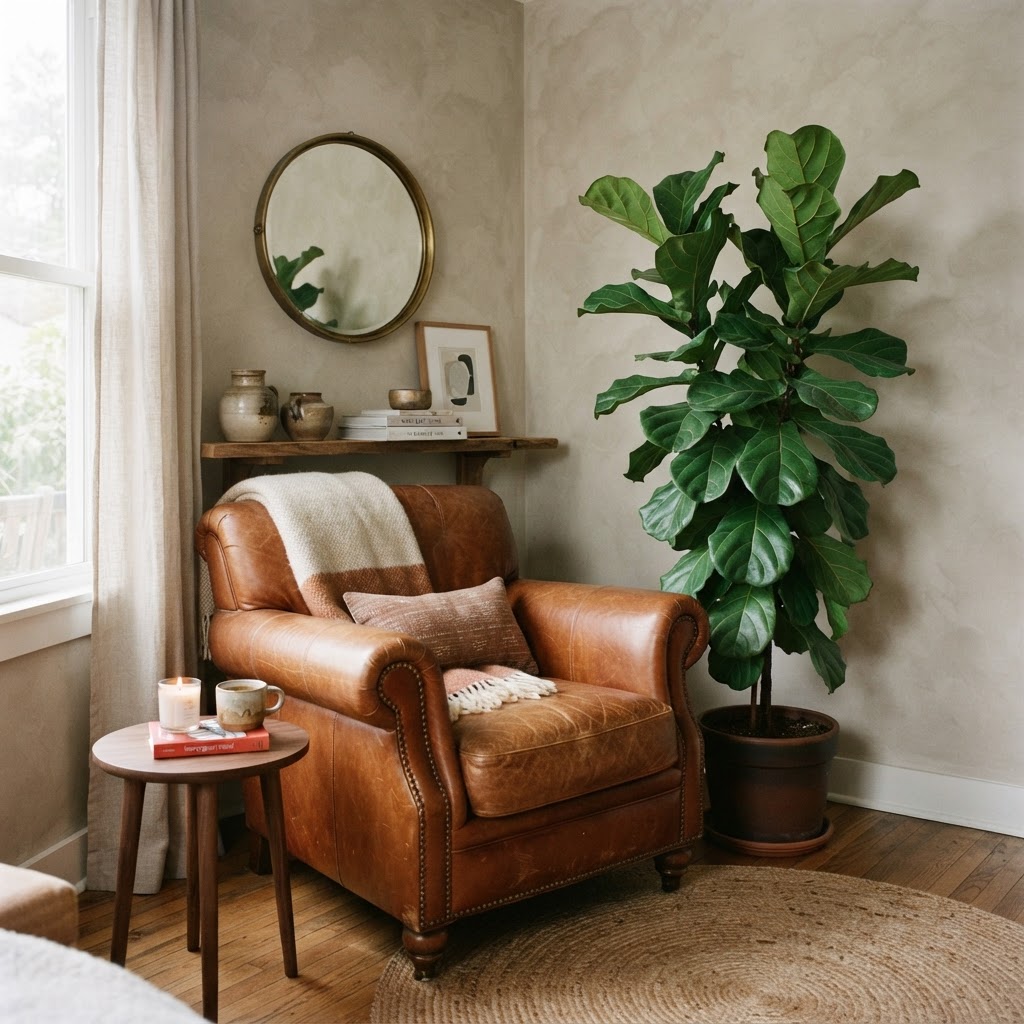
Most people think about walls purely in terms of paint color. And that's fine, color is important. But smooth, flat, perfectly painted walls can actually work against you from a texture standpoint. They become this visual void that all your carefully layered furniture and textiles have to fight against. Adding texture to your walls, even in subtle ways, gives the whole room a much more considered, layered feel.
Limewash paint has become incredibly popular in the last couple of years, and the reason is texture. Unlike regular paint, limewash creates this beautiful, mottled, slightly chalky finish that looks like it's been worn by time. It has depth. The surface catches light differently depending on the angle you're looking from, which gives the wall this almost living quality. It's subtle enough not to dominate but impactful enough to make a real difference to how a room feels.
Panelling is another approach that's having a serious moment, and for very good reason. Whether it's classic wainscoting, modern vertical shiplap, or more architectural ribbed panelling, adding physical dimension to a wall instantly makes a room feel more substantial. The play of shadow in the grooves of panelling is a form of texture in itself, and it looks absolutely beautiful in both traditional and contemporary spaces. It's one of those things that photographs well but feels even better in person.
Textured wallpaper is also worth considering, especially in smaller rooms or spaces where you might not want to commit to a whole paint treatment. Grasscloth wallpaper, for instance, has this incredible woven surface that brings an organic, almost tactile quality to a room that you genuinely have to touch to fully appreciate. Limewash effect wallpapers, textured linen papers, even embossed designs, all of these add a layer of surface interest that flat paint simply can't offer.
"Your walls are the largest surface in any room. Leaving them completely flat is like leaving the biggest canvas in your house blank."
If paint and wallpaper feel like too much commitment, even artwork and gallery walls can introduce texture through their frames and the physical objects they contain. A mix of wooden frames, thin metal frames, and even frameless canvases creates textural interest at eye level. And don't underestimate the texture of the art itself. An impasto oil painting with thick brushwork, a woven textile piece, a relief sculpture mounted on the wall. These all contribute to that layered, rich quality that makes a room feel truly thought through.
Final Thoughts
Here's what I want you to take away from all of this: texture is not an advanced design concept reserved for people with big budgets or professional training. It's something every single one of us can incorporate into our homes starting today, with what we already own. Swap out a smooth cushion for a boucle one. Bring in a wooden tray or a stone bowl. Layer a small vintage rug over your existing one. These small moves compound quickly, and before you know it, your room has this quality that people comment on without being able to pinpoint exactly why.
The rooms we remember, the ones we genuinely love spending time in, are almost always rooms with strong textural layering. They invite you to touch things, to sink in, to stay. And honestly, that's exactly what your home should feel like. Start with one section, one surface, one small swap. Build from there. Texture rewards patience and intention, and the results are absolutely worth the effort.
More in Interior
Stay Inspired
Subscribe for new essays on architecture, design, and the spaces that shape us.