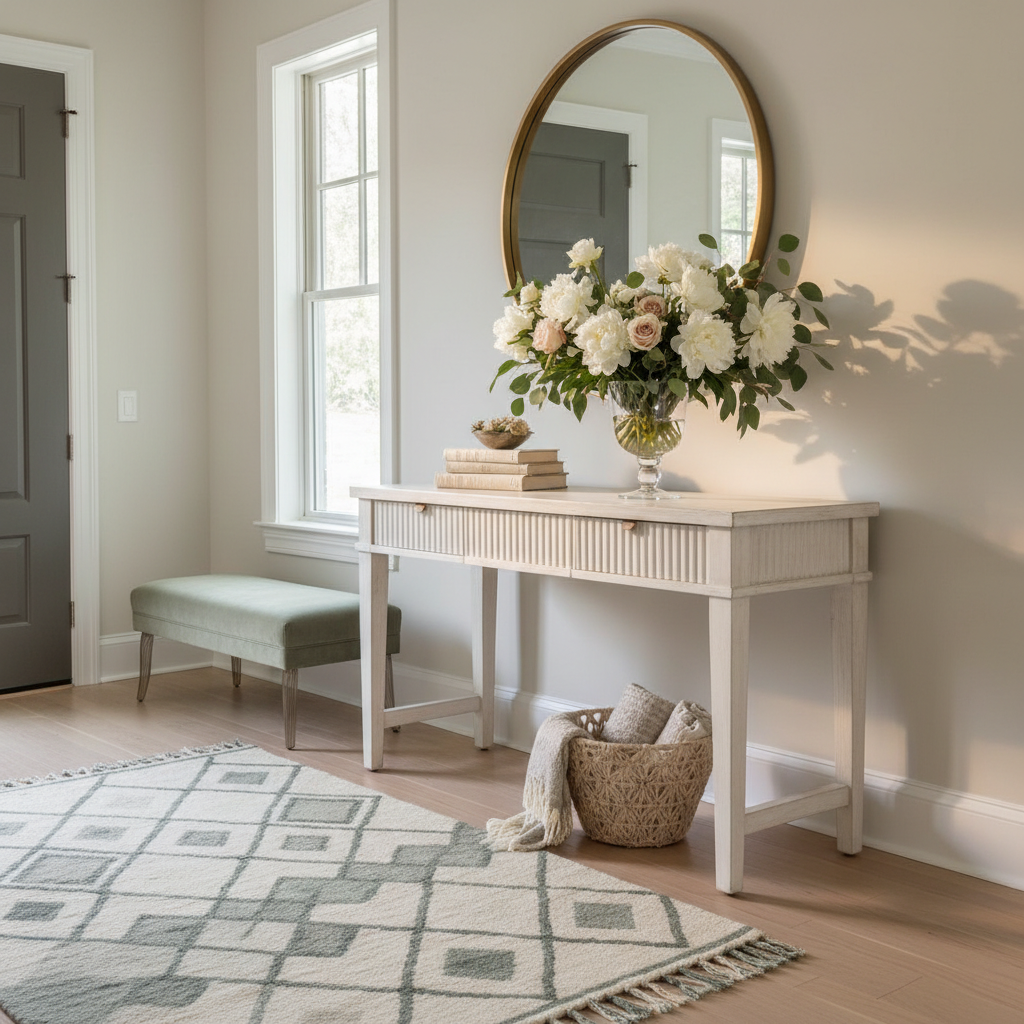
5 Stunning Entryway Decor Ideas to Elevate Your Home's First Impression
Looking to spruce up your home’s entryway? Check out these five stunning decor ideas that will create a welcoming atmosphere and make a lasting first impression. From stylish storage solutions to eye-catching wall art, there’s something here for everyone.
1. Stylish Console Tables for Functional Charm
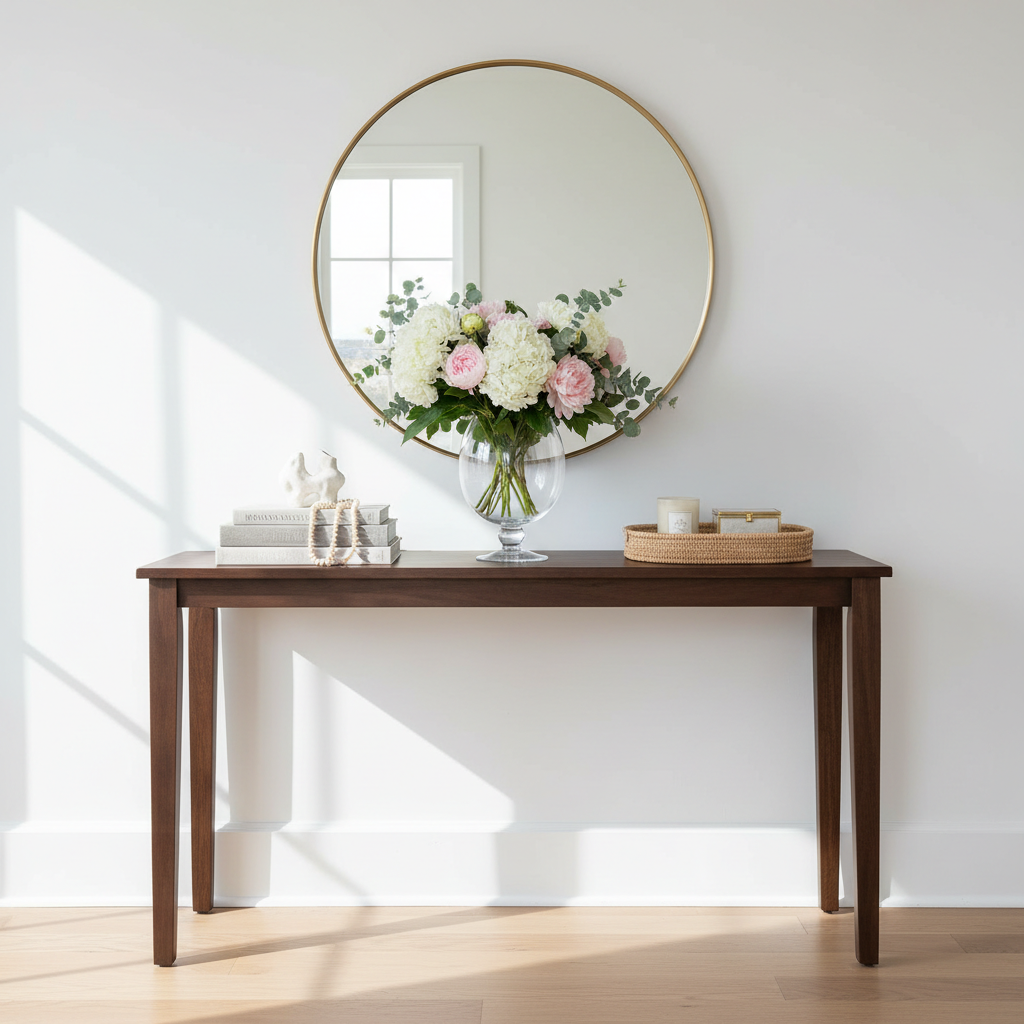
Honestly, if I had to pick just one piece of furniture that does the most work in an entryway, it would be the console table. No contest. It's that perfect blend of form and function that so many other pieces struggle to achieve. You get a surface to toss your keys on, a spot to style with decor, and an instant focal point the moment someone walks through your front door. That's a lot of heavy lifting for one piece of furniture.
Here's the thing about console tables: the style you choose tells people a lot about your home before they even step inside the main living areas. A sleek, minimalist white lacquer console says something totally different than a rustic reclaimed wood slab on hairpin legs. Neither is wrong. But you want it to feel intentional, like you made a choice rather than just grabbed whatever was on sale. Think about the overall vibe of your home and let the console table be a preview of that story.
When it comes to styling the top of your console, less is genuinely more. I know that sounds cliche, but trust me on this. A cluttered console table just looks messy, not curated. Try a simple formula: one tall element like a lamp or a vase with branches, one medium element like a small piece of art or a stack of books, and one low element like a candle or a small tray. That trio creates visual rhythm without making things feel overwhelming.
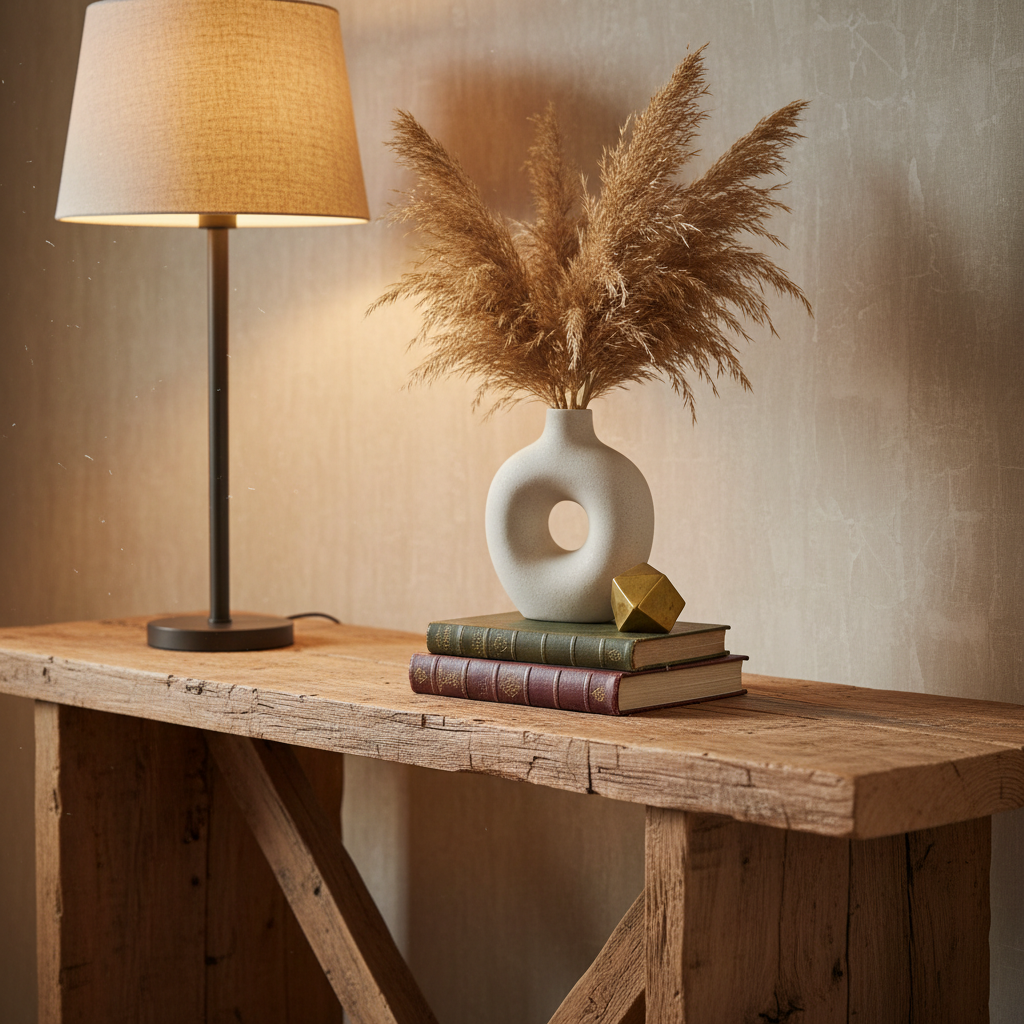
Don't sleep on the storage potential either. Many console tables come with drawers or lower shelves, and those spots are gold for keeping your entryway tidy. A drawer is perfect for mail, lip balm, and those random things that somehow always end up by the front door. A lower shelf can hold a basket for shoes, a tray for dog leashes, or a few decorative objects that ground the whole look. Functionality doesn't have to sacrifice style, and the best console tables prove that every single day.
- Narrow profiles work best in tight entryways, look for tables under 14 inches deep
- Natural materials like wood, marble, and rattan add warmth and texture instantly
- Height matters, aim for around 30 to 32 inches tall so it feels proportional to the space
- Legs make a difference, open-leg designs keep small entryways feeling airy and spacious
2. Statement Mirrors to Reflect Style
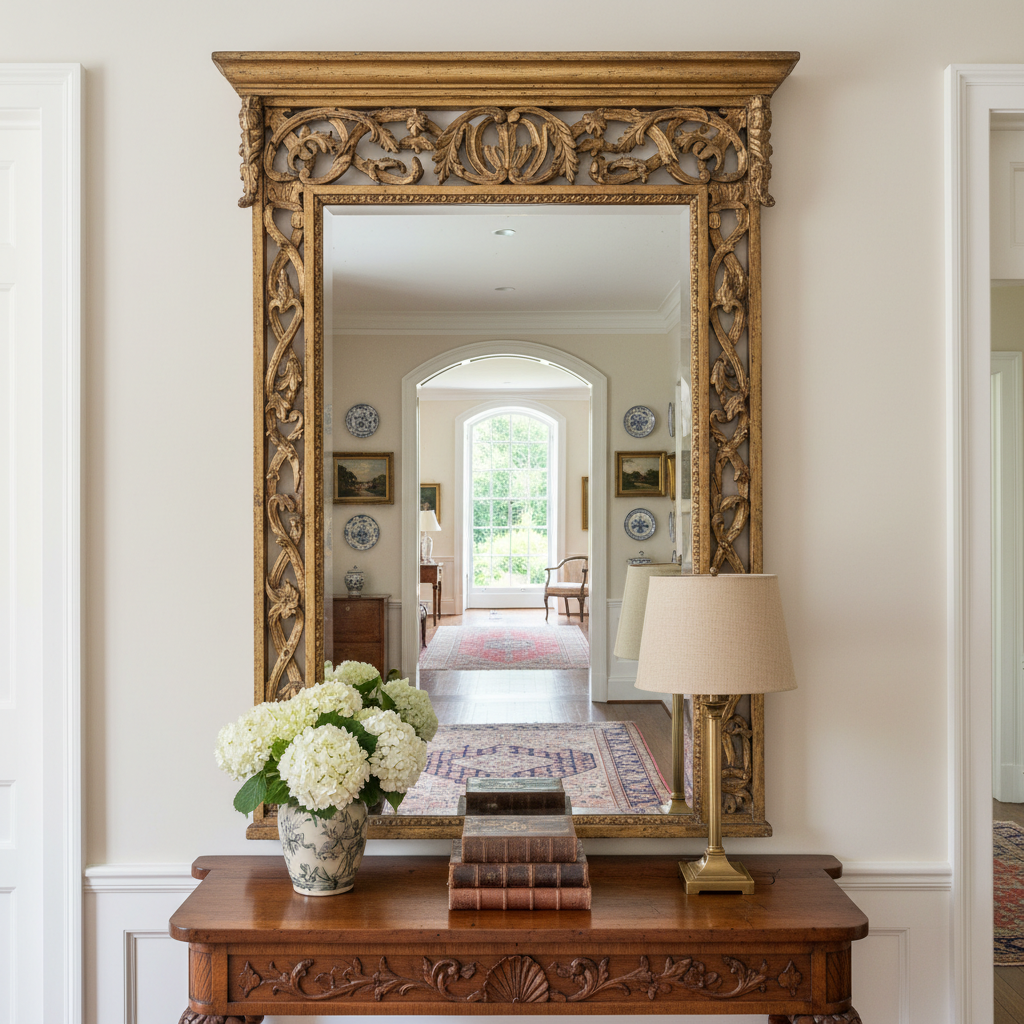
Real talk: a great mirror is probably the single most impactful upgrade you can make in an entryway, especially if yours is on the smaller side. Mirrors bounce light around, make a space feel bigger than it actually is, and give you a spot to do one last vibe check before heading out the door. Practical and gorgeous. That combination is hard to beat.
The frame is where the magic really happens. An ornate gold sunburst mirror brings drama and a touch of old Hollywood glamour. An arched rattan frame feels boho and organic. A simple black metal frame is clean and modern. The shape and material of that frame become a design statement on their own, so think of it less like a functional item and more like wall art that happens to be reflective. That mindset shift changes everything about how you shop for mirrors.
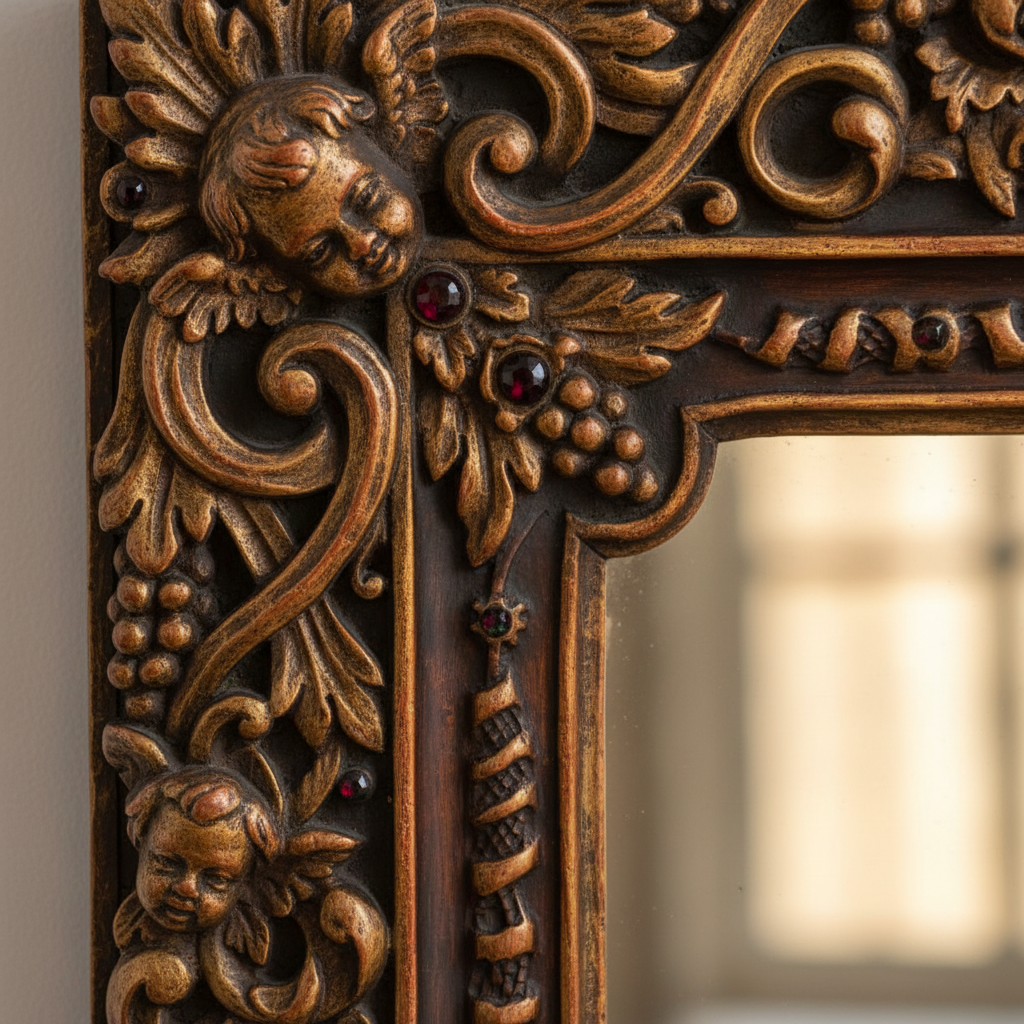
Size is something a lot of people get wrong. They go too small and the mirror ends up looking lost on the wall, like a tiny picture in a big frame. Go bigger than you think you need. A mirror that takes up a significant portion of your wall creates that wow factor and does a much better job of amplifying light and space. If you're hanging it above a console table, the general rule is to aim for a mirror that's about two thirds the width of the table. It just looks more intentional and balanced.
Placement matters too. Hanging a mirror where it reflects a window or a light source multiplies the brightness in the space dramatically. Honestly, the difference between a dim, cave-like entryway and a bright, welcoming one can sometimes come down to one well-placed mirror. Position it thoughtfully and let the light do the work for you.
"A mirror in the entryway isn't just decorative, it's transformative. It's the one piece that simultaneously makes your space feel larger, brighter, and more finished."
3. Wall Art that Welcomes You Home
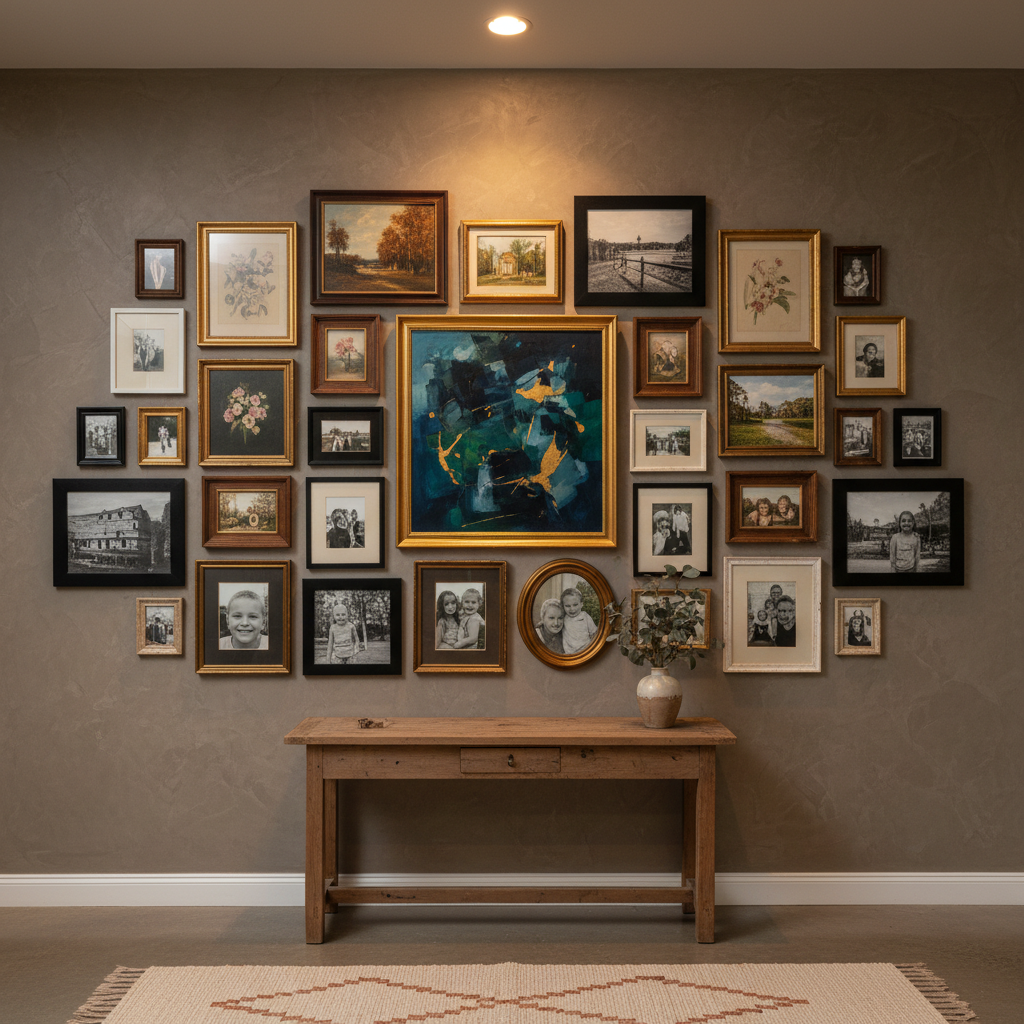
Look, wall art in the entryway is your opportunity to set the emotional tone of your entire home. When someone walks through your front door, the art on your walls is one of the first things their eyes land on. That's a powerful moment. It can say "we're creative and eclectic" or "we love calm, minimal spaces" or "we're a family that travels and collects memories." The art you choose is communicating something, so make sure it's communicating the right thing.
Gallery walls are having a serious moment right now, and honestly they work incredibly well in entryways. The key is cohesion. You don't need everything to match perfectly, but you want some through line tying it all together. That could be a consistent frame color, a shared color palette in the artwork itself, or a mix of similar subject matter. Lay everything out on the floor before you start hammering nails. That step saves so much heartache and unnecessary wall damage.
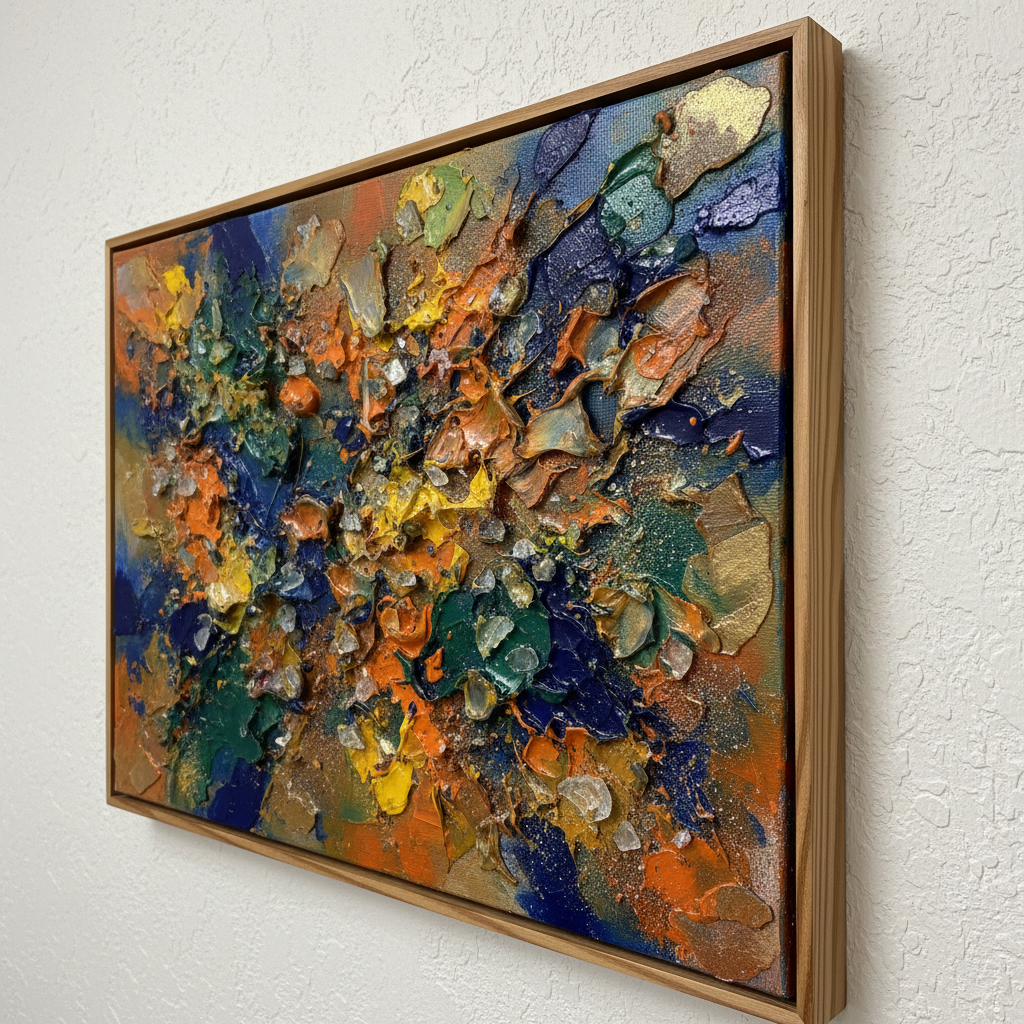
Don't feel like you need to fill every inch of wall space either. Sometimes one large, impactful piece is way more effective than a cluttered arrangement of smaller ones. A single oversized botanical print, a bold abstract canvas, or even a large textile piece hung as art can anchor the entire entryway and give it that pulled-together feeling that takes years off your design education to learn. Restraint is a skill, and it pays off big in small spaces.
And here's something that often gets overlooked: consider three-dimensional art. Woven wall hangings, sculptural metal pieces, and macrame installations add texture and depth that flat prints just can't replicate. In a narrow entryway where you can't fit a lot of furniture, the walls become prime real estate. Use them wisely and with personality.
- Large format prints make a bold impact without needing multiple pieces
- Personal photography adds warmth and tells your family's story beautifully
- Textured wall hangings bring dimension to flat, bland walls
- Consistent framing ties a gallery wall together even when the artwork varies wildly
- Art at eye level is the golden rule, center your pieces around 57 to 60 inches from the floor
4. Inviting Lighting Fixtures for Warmth
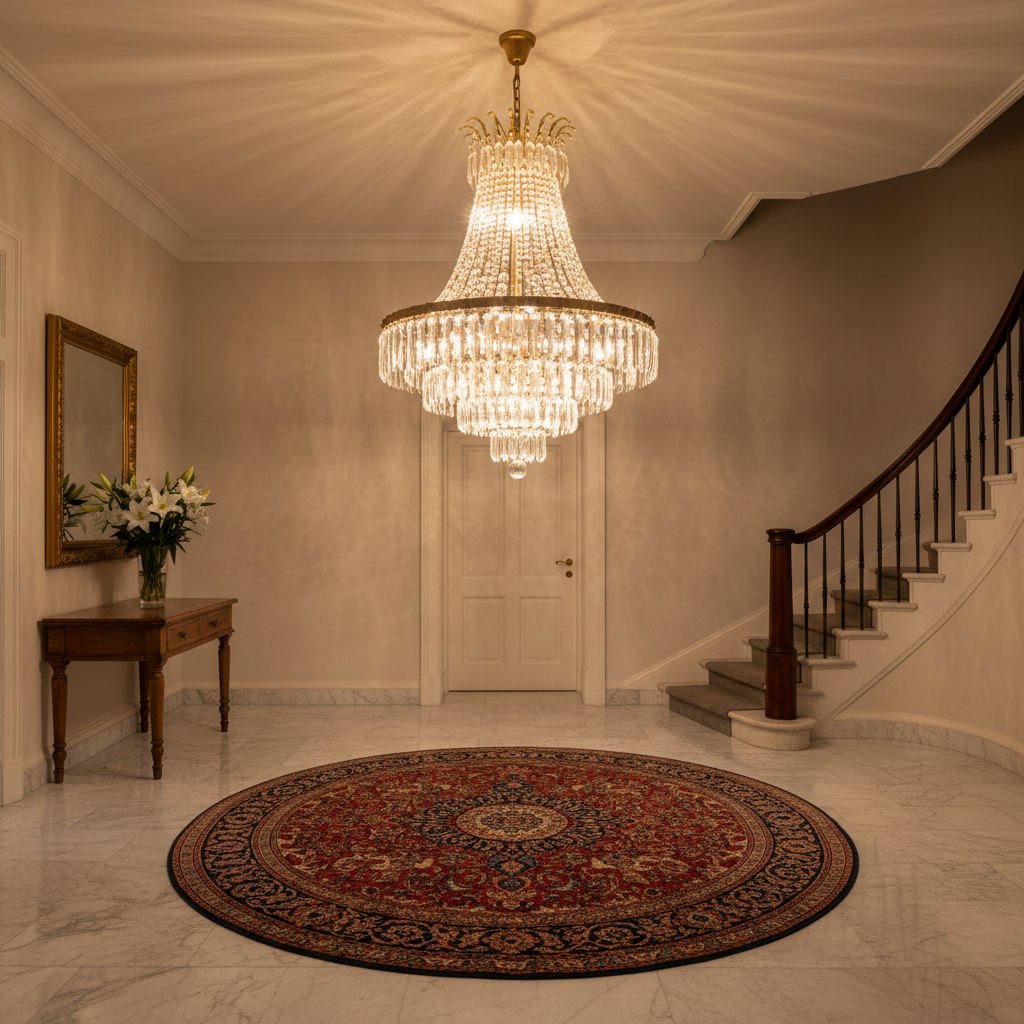
If your entryway lighting situation is a single overhead bulb on a basic fixture, I say this with love: we need to fix that immediately. Lighting is the thing that separates a space that feels designed from one that just feels like a room. And in the entryway, where first impressions are everything, the lighting sets the entire emotional atmosphere. Warm, layered light feels welcoming. Harsh overhead lighting feels clinical. The difference matters more than most people realize.
A statement pendant or chandelier is the obvious starting point if you've got the ceiling height for it. And honestly, you don't need to spend a fortune. There are incredible options at every price point right now, from rattan woven pendants that feel like something out of a boutique hotel to dramatic drum shades to sculptural geometric pieces that double as art. The fixture itself becomes a design element, so choose something that complements your overall aesthetic rather than just filling a functional need.
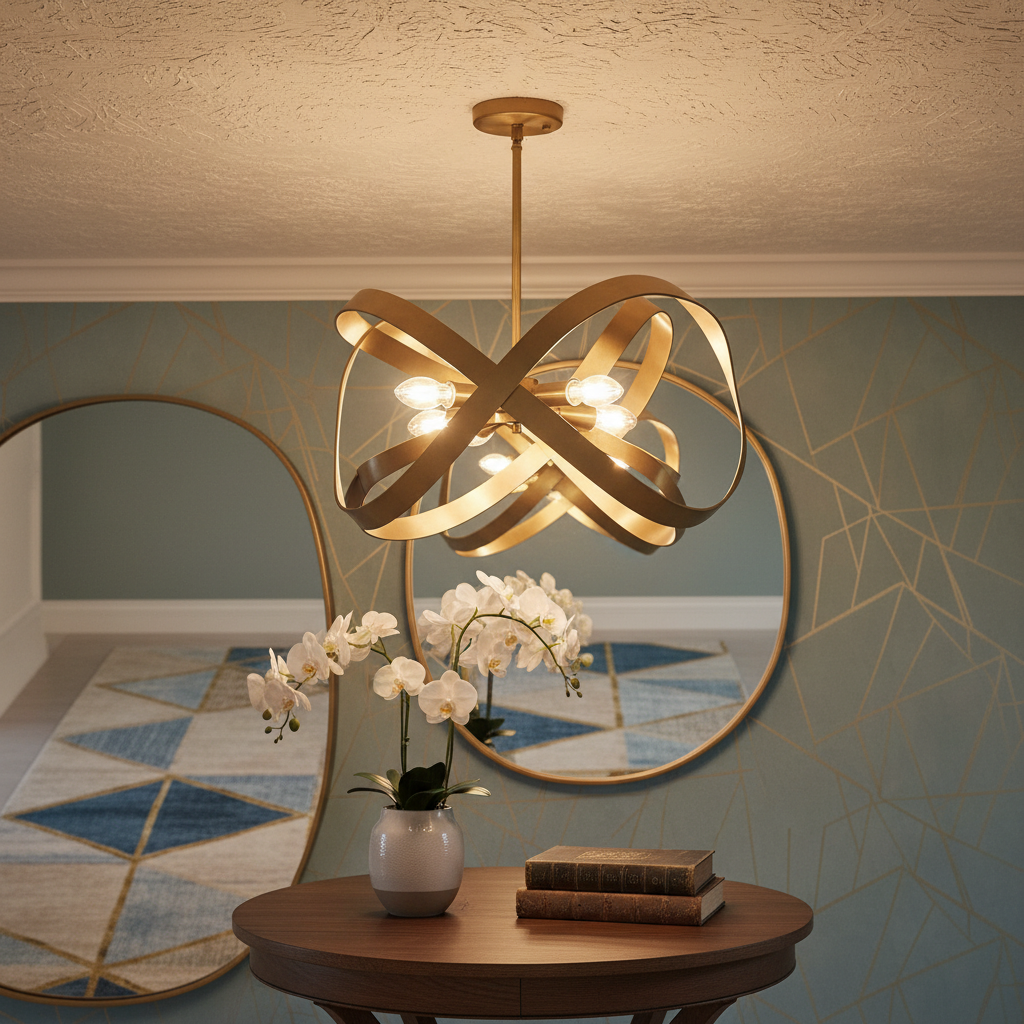
Layering your light sources is what takes things from good to genuinely great. A ceiling fixture is a start, but adding a table lamp on your console table, a couple of wall sconces flanking a mirror, or even some strategic candles creates depth and warmth that a single overhead light simply cannot achieve on its own. Think about how restaurant designers use lighting and bring that same intentionality into your entryway. It's one of those things that's hard to put into words but immediately felt by anyone who walks into the space.
Bulb temperature is a detail that gets overlooked constantly and it makes such a significant difference. Warm white bulbs in the 2700 to 3000 Kelvin range create that cozy, golden glow that feels like a hug when you walk in. Cooler, brighter bulbs feel sterile and unfriendly, which is the opposite of what you want in a welcoming entry. Swap your bulbs before you do anything else. It's the cheapest, most impactful upgrade you can make today.
"Lighting is the jewelry of architecture. In the entryway, it's the first piece you put on before the world sees your home."
5. Functional and Stylish Storage Solutions
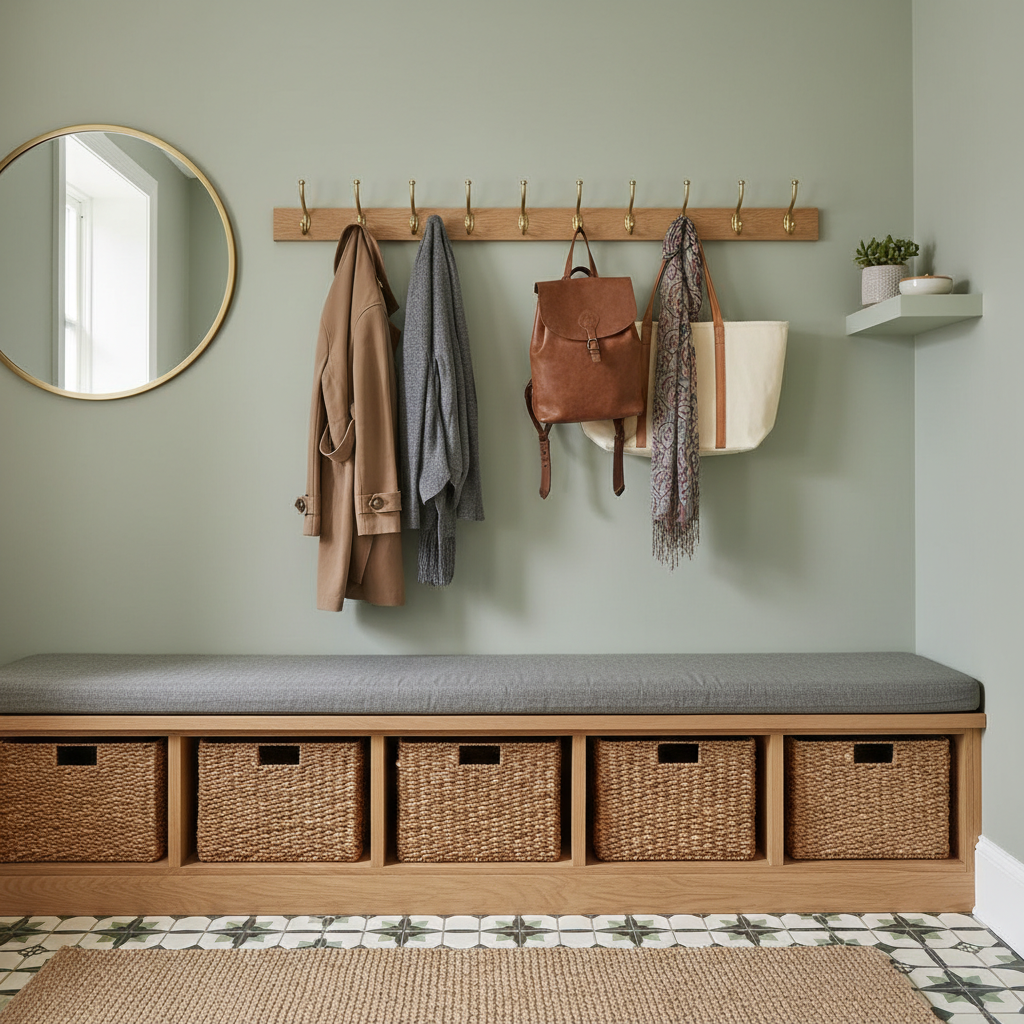
Here's the thing about entryways: they are a dumping ground by nature. Shoes, bags, umbrellas, dog leashes, mail, keys, and about fifty other things all converge at that front door the moment your family arrives home. And if you don't have a system in place, that chaos becomes the first thing anyone sees when they walk into your home. Stylish storage isn't a luxury in an entryway, it's a necessity.
The good news is that storage solutions have come a long way in terms of design. You don't have to sacrifice aesthetics for organization anymore. Built-in mudroom cabinetry is the gold standard if your budget and space allow for it, but there are so many beautiful alternatives. A wooden bench with cubbies underneath does double duty as seating while you put on shoes and as a home for baskets filled with all that door-zone clutter. Hooks on the wall styled as a row of brass pegs or matte black industrial hooks look intentional and keep bags and coats off the floor where they'd otherwise pile up.
Baskets deserve their own moment of appreciation here. Woven seagrass baskets, rattan bins, and fabric storage cubes all look great while hiding a multitude of sins. Put one under the console table for shoes, one near the door for umbrellas and bags, and one on a shelf for miscellaneous items that don't have a home elsewhere. The visual effect is tidy and textural, which is a winning combination in any design scheme.
And honestly, if you're dealing with a truly tiny entryway, think vertical. Wall-mounted shelving, pegboards styled with hooks and small shelves, and over-the-door organizers all take advantage of vertical space that often goes completely unused. A narrow floating shelf at shoulder height with a row of hooks below it creates a full drop zone in a footprint of just a few inches. Smart, functional, and when done right, genuinely beautiful. That's the trifecta every entryway storage solution should be aiming for.
- Benches with storage provide seating and hidden organization in one compact footprint
- Wall hooks keep bags and coats accessible without adding floor clutter
- Baskets and bins corral small items while adding organic texture to the space
- Floating shelves work wonders in narrow spaces where floor furniture won't fit
- Trays and catchalls on the console table create a designated landing zone for keys and small items
Final Thoughts
The entryway is one of those spaces that can feel easy to overlook, especially if it's small or awkwardly shaped. But honestly, it deserves your attention more than almost any other room in the house. It's the first thing you see when you come home after a long day, and it's the first impression every guest gets of your home and your taste. That combination makes it worth investing real thought, energy, and yes, some budget into getting right.
You don't have to tackle everything at once. Start with one element, maybe a console table that finally gives you a proper surface, or a statement mirror that opens up the space. Build from there. Each addition compounds on the last, and before you know it, you've created an entryway that genuinely makes you feel something every single time you walk through the door. And that feeling, that sense of welcome and intention, is exactly what good design is all about.
Trust the process, trust your instincts, and don't be afraid to let your personality show in this space. The best entryways feel like a genuine introduction to the people who live inside. Make yours count.
More in Interior
Stay Inspired
Subscribe for new essays on architecture, design, and the spaces that shape us.