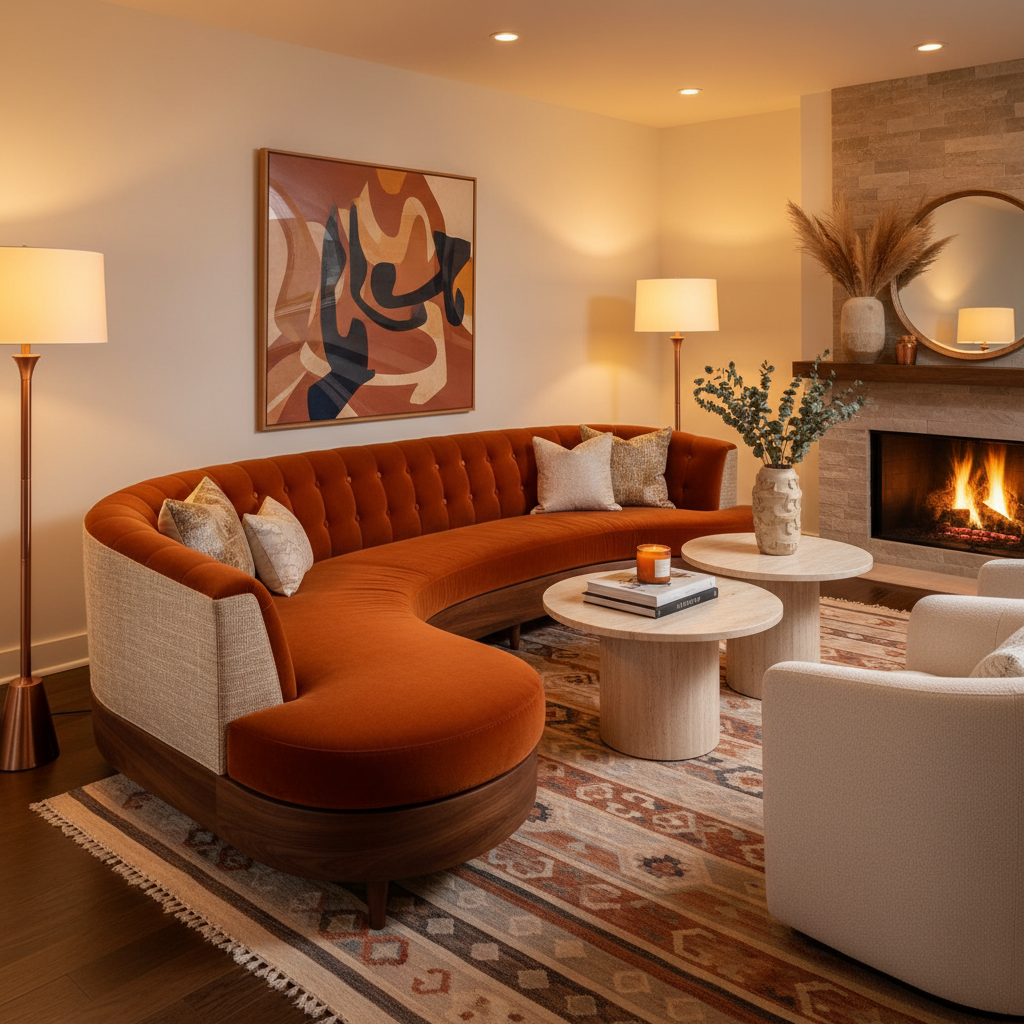
Finding Your Perfect Sofa: A Stylish Guide to Comfort and Design
Choosing the right sofa can transform your living space from ordinary to extraordinary. In this guide, we’ll explore how to select a sofa that suits your style, space, and comfort needs, ensuring your living room feels inviting and chic.
Understanding Your Space
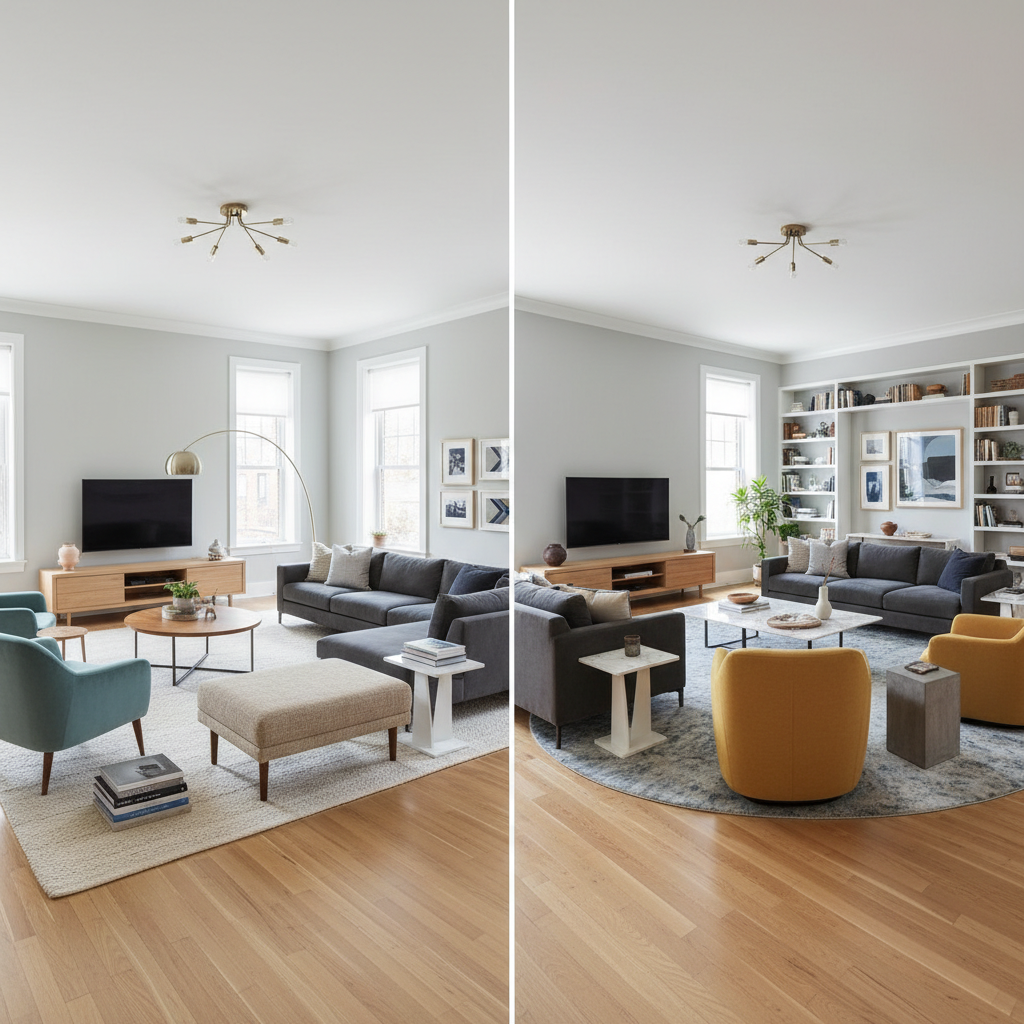
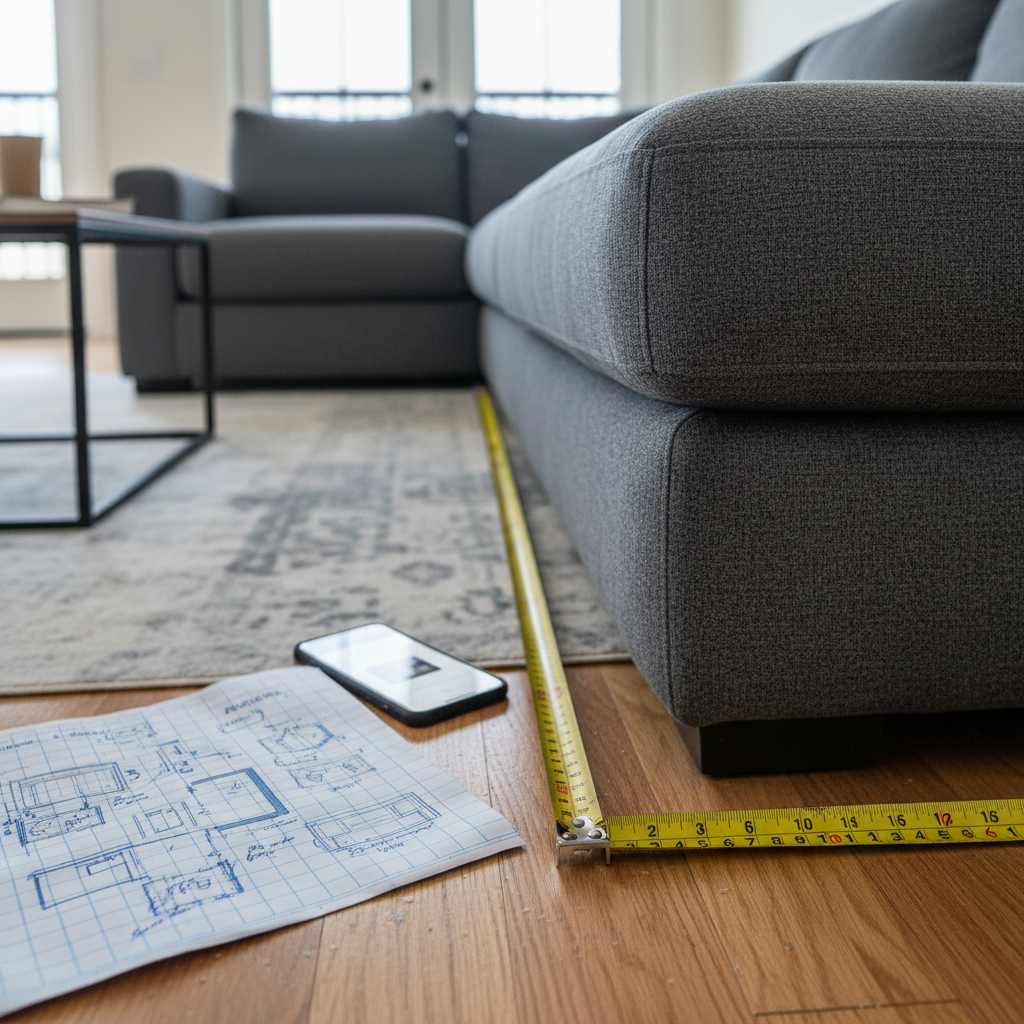
Before you even think about scrolling through sofa listings or walking into a furniture store, you need to spend some real time with your space. Honestly, this is the step most people skip, and it's why so many living rooms end up with a sofa that looks like it was dropped in from another dimension. Get your tape measure out. Measure the length of the wall where the sofa will go, the depth of the room, and most importantly, the width of your doorway and any hallways the sofa needs to travel through to get there.
Here's the thing about scale: a sofa that looks gorgeous in a showroom can completely swallow a smaller apartment living room. Conversely, a dainty little two-seater in a large open-plan space will look sad and lost. The general rule of thumb is that your sofa should take up roughly two-thirds of the wall it sits against. Not the whole wall, not half, about two-thirds. It creates balance without making the room feel cramped.
Think about traffic flow too. You want at least 18 inches between your sofa and the coffee table, and enough space around the perimeter so people aren't squeezing past each other like it's rush hour on the subway. If you've got an open-plan layout, your sofa is essentially doing the architectural work of dividing the space, so placement matters even more. A sofa floating in the middle of the room with its back to the kitchen, for example, can create a natural boundary between the living and dining areas without needing a wall to do it.
And look, if you're not sure how a particular size will feel, use painter's tape on your floor to map out the footprint. It sounds tedious but trust me on this, it takes about ten minutes and it will save you from a very expensive mistake. I've seen people skip this step and end up with a sectional that blocks every single pathway in their living room. Don't be that person.
Choosing the Right Style
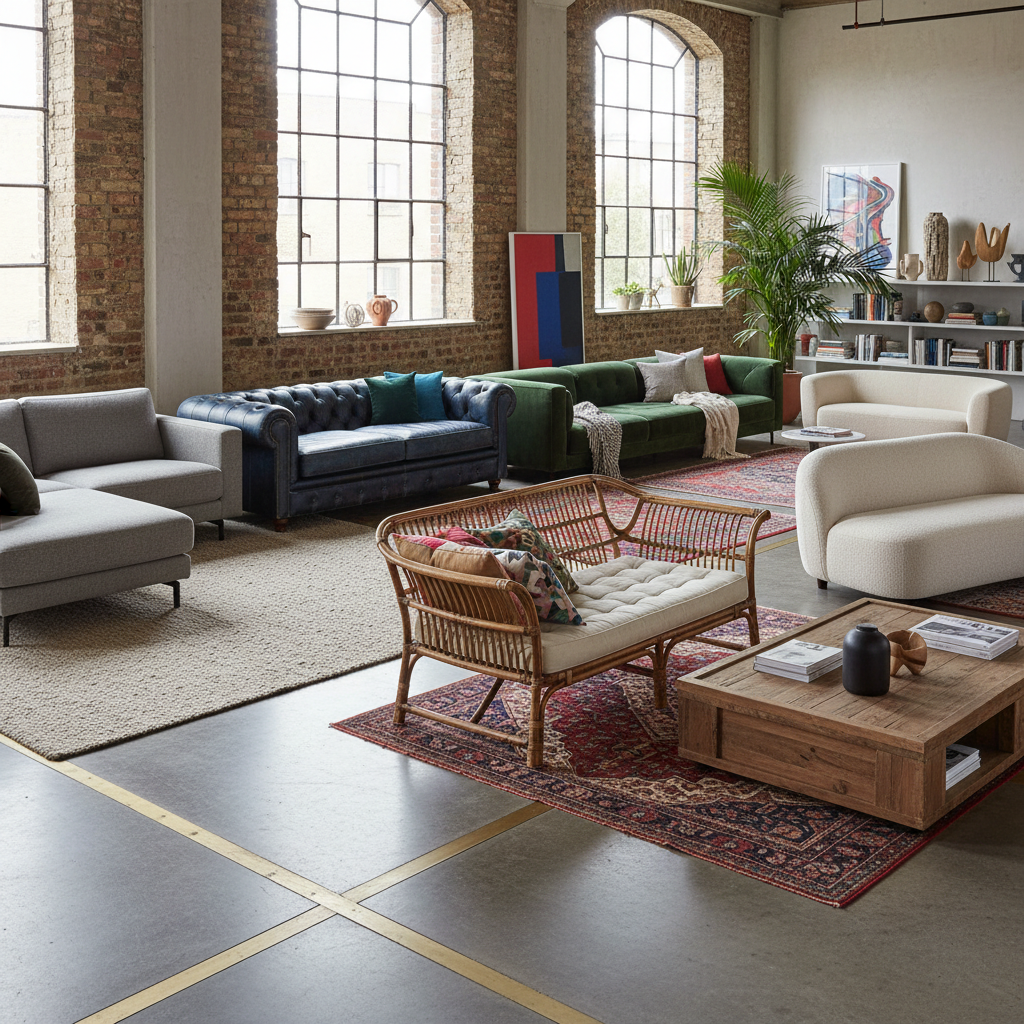
Style is where things get really fun, and also where people tend to overthink it. The sofa is almost always the visual anchor of a living room, the first thing your eye goes to when you walk in. So it needs to feel like it belongs to the overall design story you're telling with the space. Real talk: your sofa doesn't have to match everything, but it does have to be in conversation with everything.
If you've got a home that leans toward the modern and minimal side, a low-profile sofa with clean lines and tight upholstery is going to feel right. Think track arms, no-nonsense cushions, and legs that lift it off the floor. Scandinavian-inspired designs are brilliant for this. On the other end of the spectrum, if your home is warmer and more eclectic, a deeper, cushier sofa with rolled arms and loose back cushions will feel much more at home. Mid-century modern sofas with tapered wooden legs are honestly one of the most versatile styles around, they work in traditional homes, contemporary spaces, and everything in between.
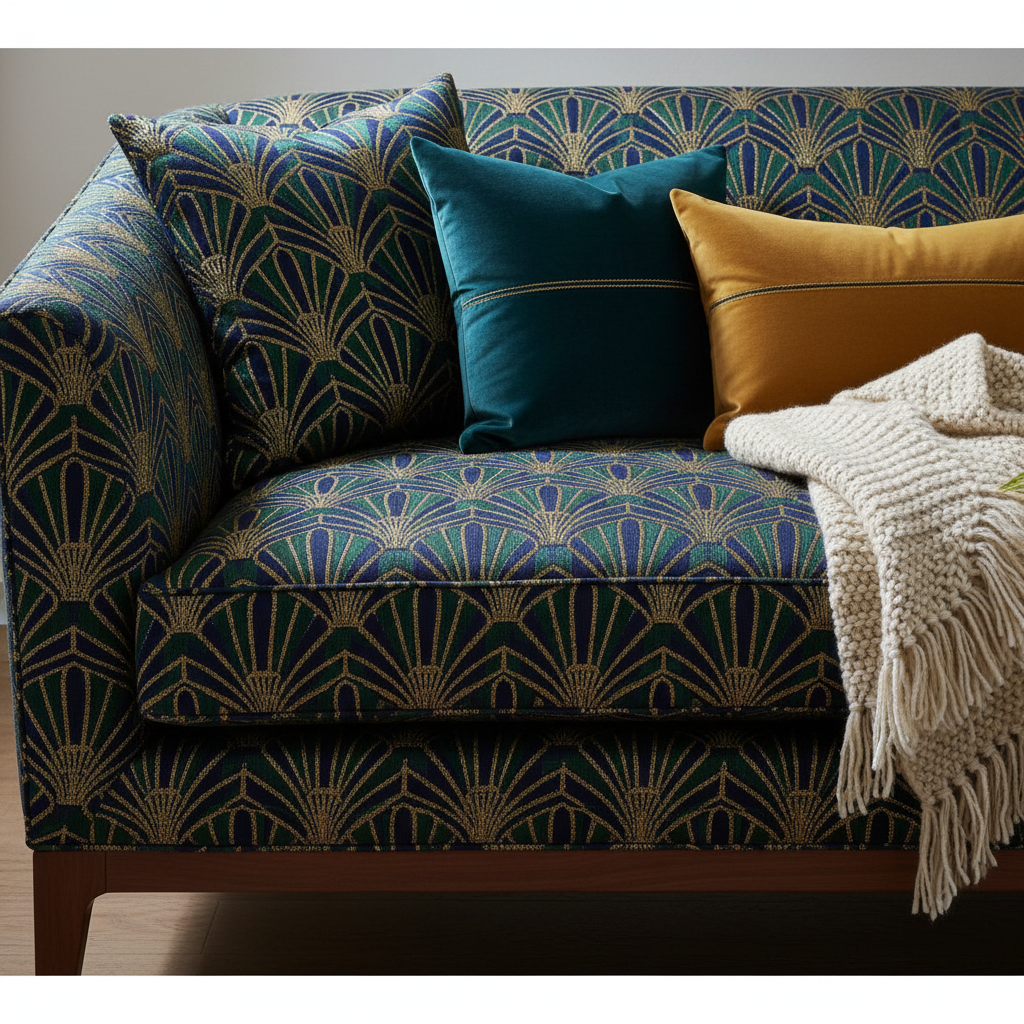
Color is a massive part of this decision too. Neutrals like warm greige, soft cream, or classic charcoal are the safe bets and they really do stand the test of time. But honestly, if you've been eyeing that deep forest green velvet sofa and it speaks to you, go for it. Bold sofa choices are having a serious moment right now, and a rich jewel-toned sofa paired with more restrained surrounding pieces can look absolutely stunning. The key is to keep the rest of the palette relatively calm so the sofa gets to be the star.
- Mid-century modern: Tapered legs, clean lines, low profiles. Incredibly versatile and timeless.
- Contemporary: Often modular, neutral tones, minimal ornamentation. Great for flexible living.
- Traditional: Rolled arms, tufted backs, rich fabrics. Adds warmth and classic elegance.
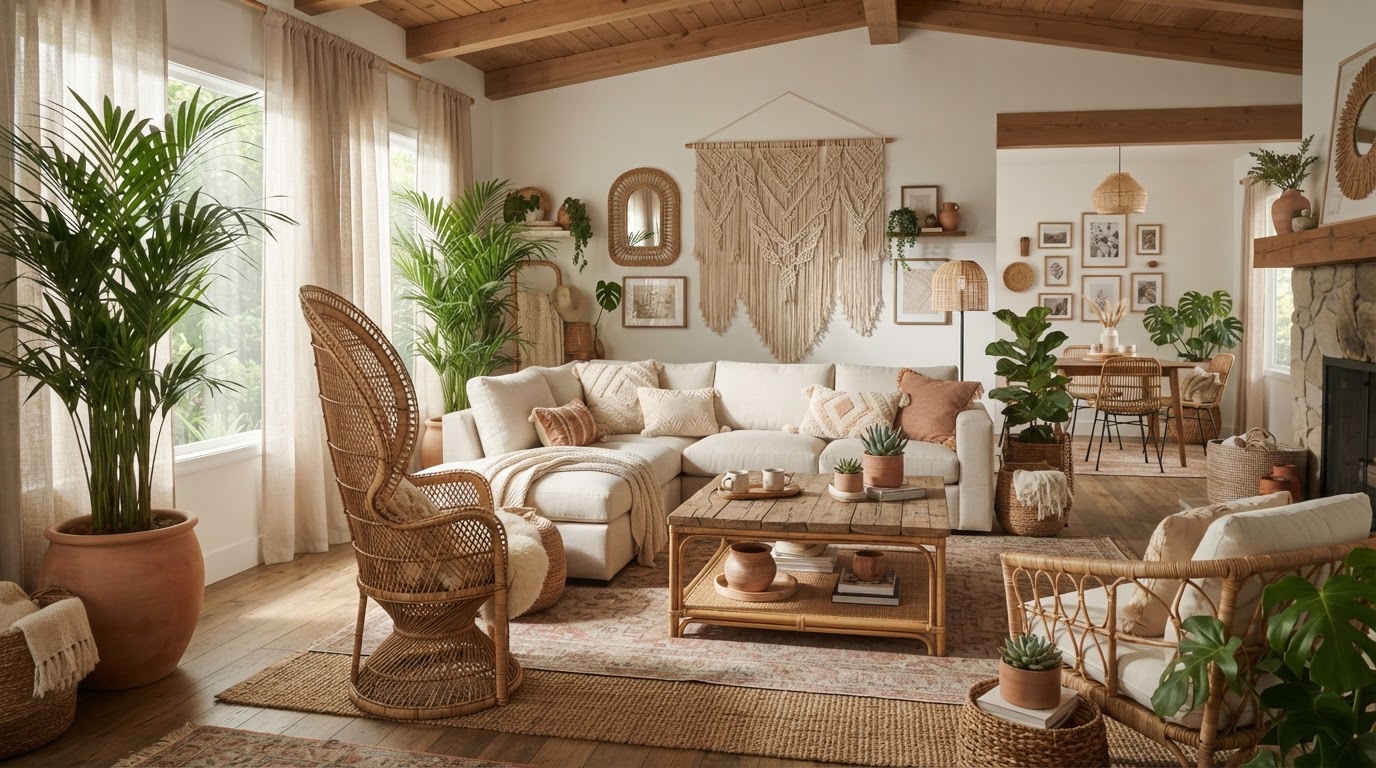
- Bohemian: Layered textures, eclectic patterns, relaxed silhouettes. Perfect for personal, collected spaces.
- Industrial: Leather upholstery, metal legs, boxy forms. Works beautifully in loft-style or urban settings.
Don't forget about the legs. Seriously, people underestimate how much the legs of a sofa affect its overall look and the feel of the room. Exposed wooden legs lift a sofa visually and make a room feel more open and airy. A sofa that goes all the way to the floor, by contrast, feels heavier and more grounded, which can work brilliantly in the right space but can also make a smaller room feel closed in. When in doubt, go for legs.
Comfort Matters: Testing Before You Buy
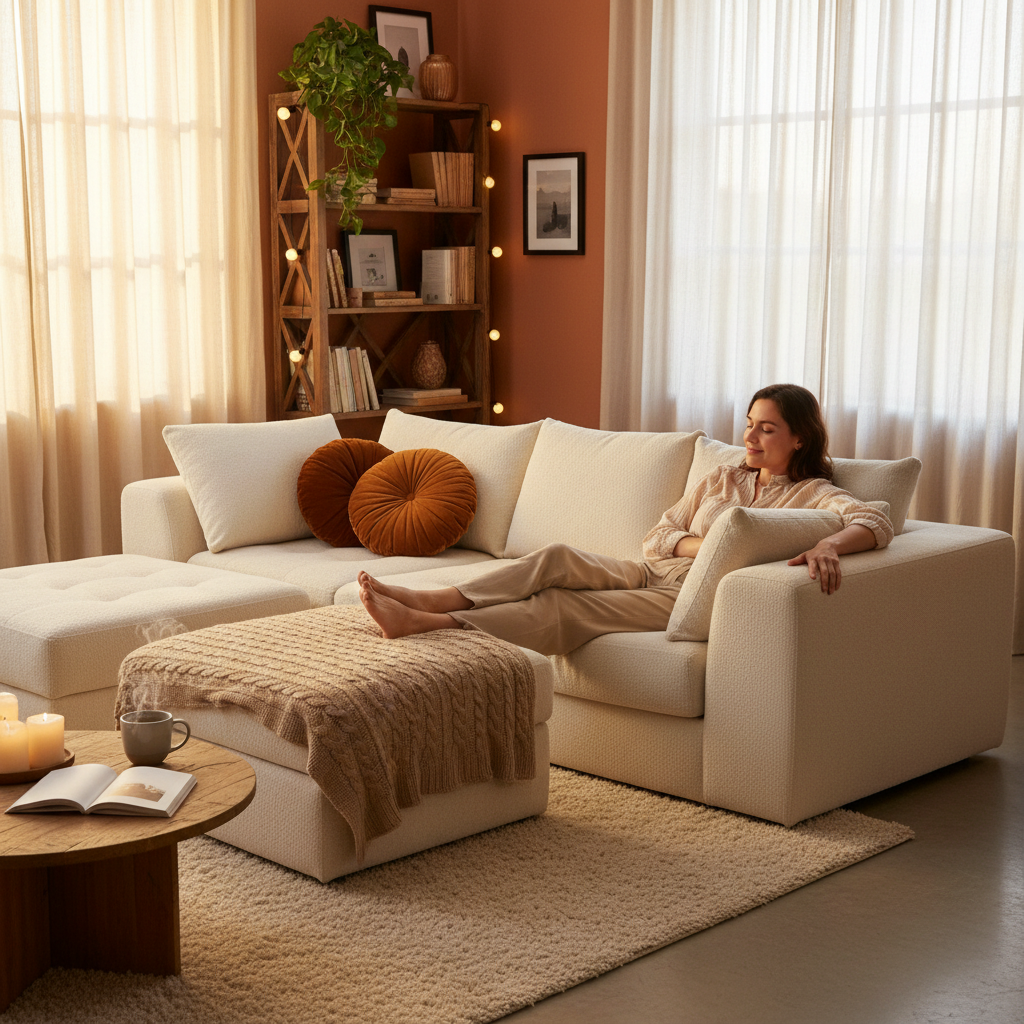
Here's where I need you to really pay attention. A sofa can be the most beautiful piece of furniture you've ever seen, but if sitting on it feels like perching on a park bench, you are going to quietly resent it every single day. Comfort is not secondary to style. It is equally important, full stop. And honestly, comfort is also incredibly personal, which is why you cannot skip testing sofas in person whenever possible.
When you go to a showroom, actually sit on the sofa properly. Don't just do the polite little perch on the edge. Sit all the way back. Let your back make contact with the cushions. Check that your feet can rest flat on the floor comfortably when your back is supported. Sit there for five minutes. Have a conversation with the salesperson from that position. Notice if the seat depth is right for your body. People who are shorter often find deep sofas uncomfortable because their legs end up sticking out at an awkward angle. Taller people sometimes find standard-depth sofas a bit cramped.
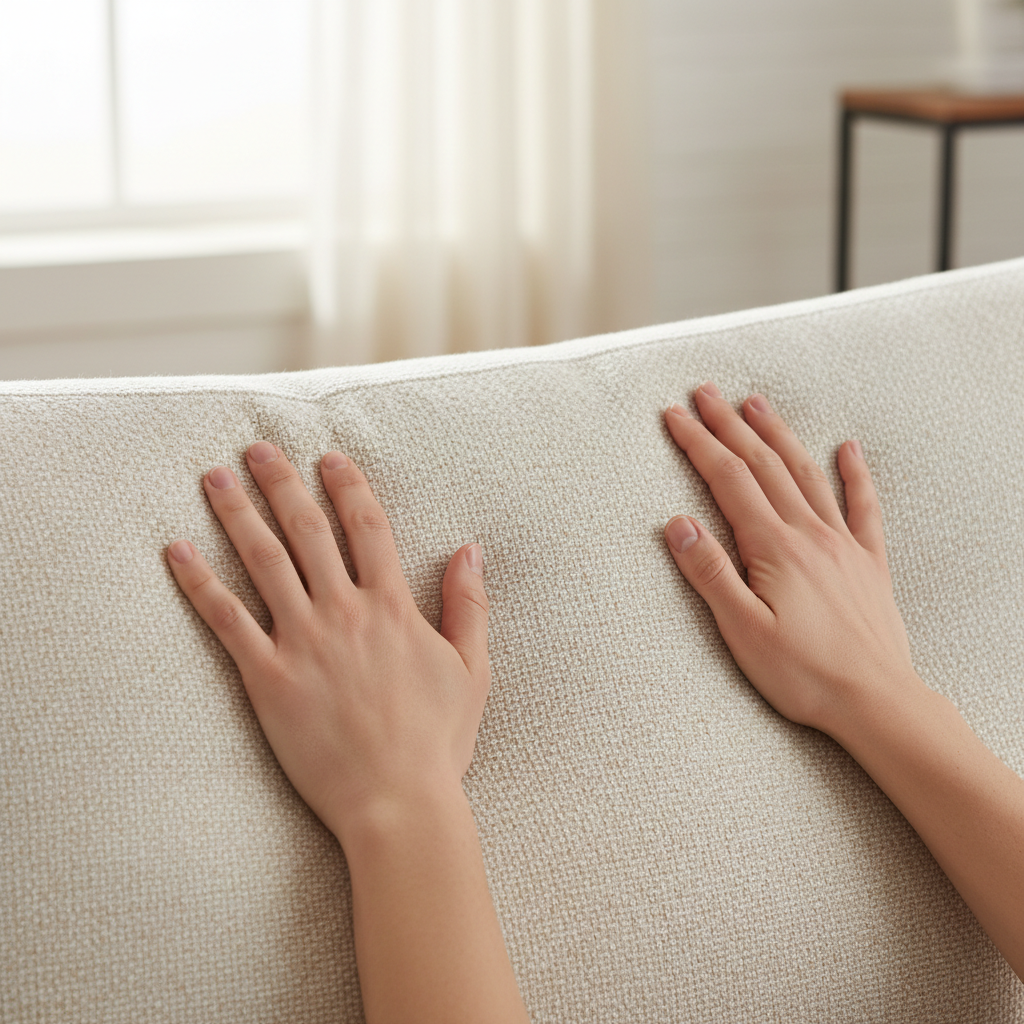
Cushion fill is another thing you'll want to investigate. Down-filled cushions feel absolutely luxurious and cloud-like when you first sink in, but they require regular fluffing and they lose their shape over time. High-density foam cushions are firmer and hold their shape much better, great if you want that crisp, tailored look to stay intact. The sweet spot for most people is a foam core wrapped in a layer of down or fiber, you get the support of foam with that little bit of softness on top.
"The best sofa is the one you genuinely want to come home to at the end of a long day. If you're not excited to sit on it, keep looking."
Also think about what you actually do on your sofa. If you're someone who watches TV lying down with your feet up, you want generous arm height so you can prop yourself up comfortably. If you host a lot of dinners and people tend to sit upright and have conversations in the living room after eating, a firmer, more upright silhouette might actually serve you better. Know your habits, and shop accordingly.
Fabric and Maintenance: What You Need to Know
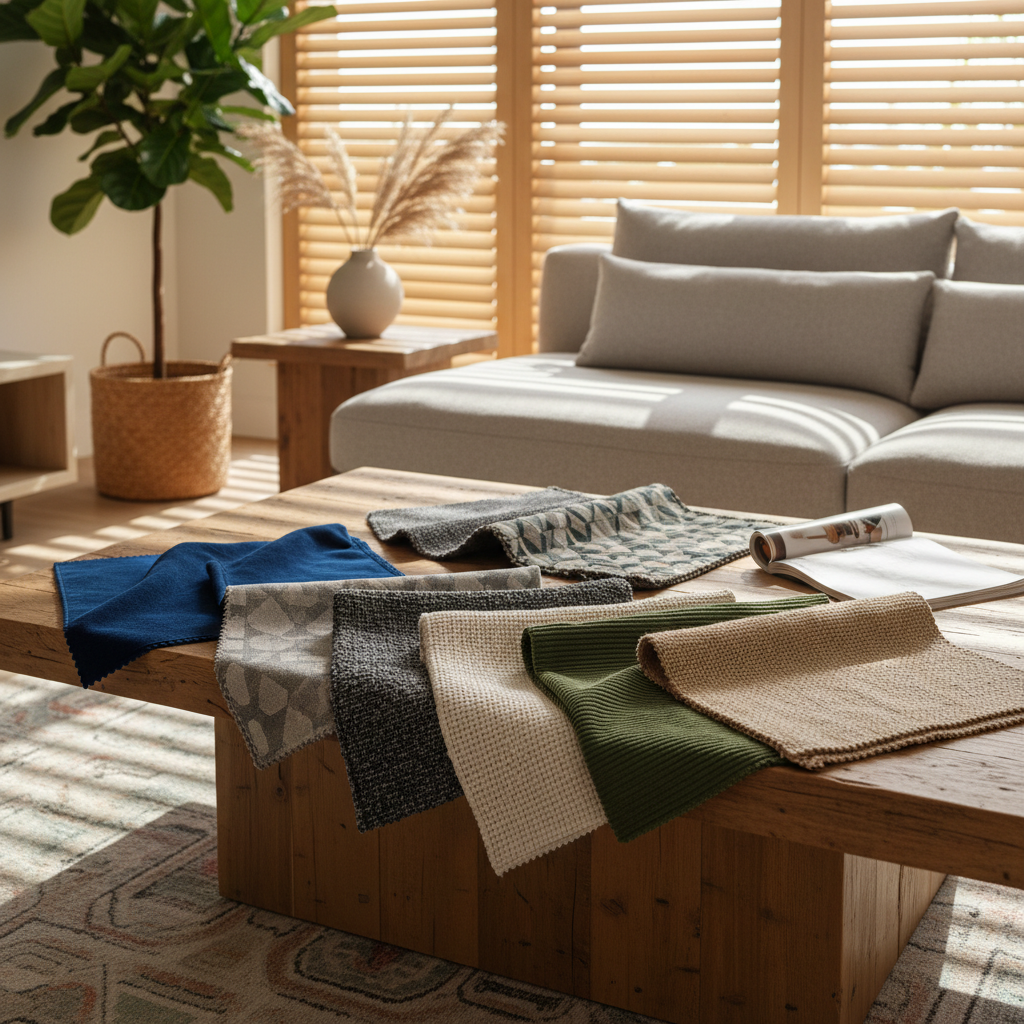
This section might not be the most glamorous part of sofa shopping, but it might actually be the most practical. Because here's the thing: even the most stunning sofa in the world will look terrible in six months if you choose the wrong fabric for your lifestyle. And once you've committed to a fabric, you're kind of stuck with it. So let's talk through it properly.
If you have pets, kids, or you simply live your life in a full and enthusiastic way that involves snacks on the sofa (no judgment, same), you need to prioritize performance fabrics. Microfiber is one of the most underrated sofa fabrics out there. It's soft, it resists staining surprisingly well, and it cleans up easily. Tightly woven synthetics and blends that carry a stain-resistant treatment are also fantastic. Leather is another brilliant option for families with kids or pets because spills just wipe right off, and honestly, leather gets better with age in a way that most fabrics simply don't.
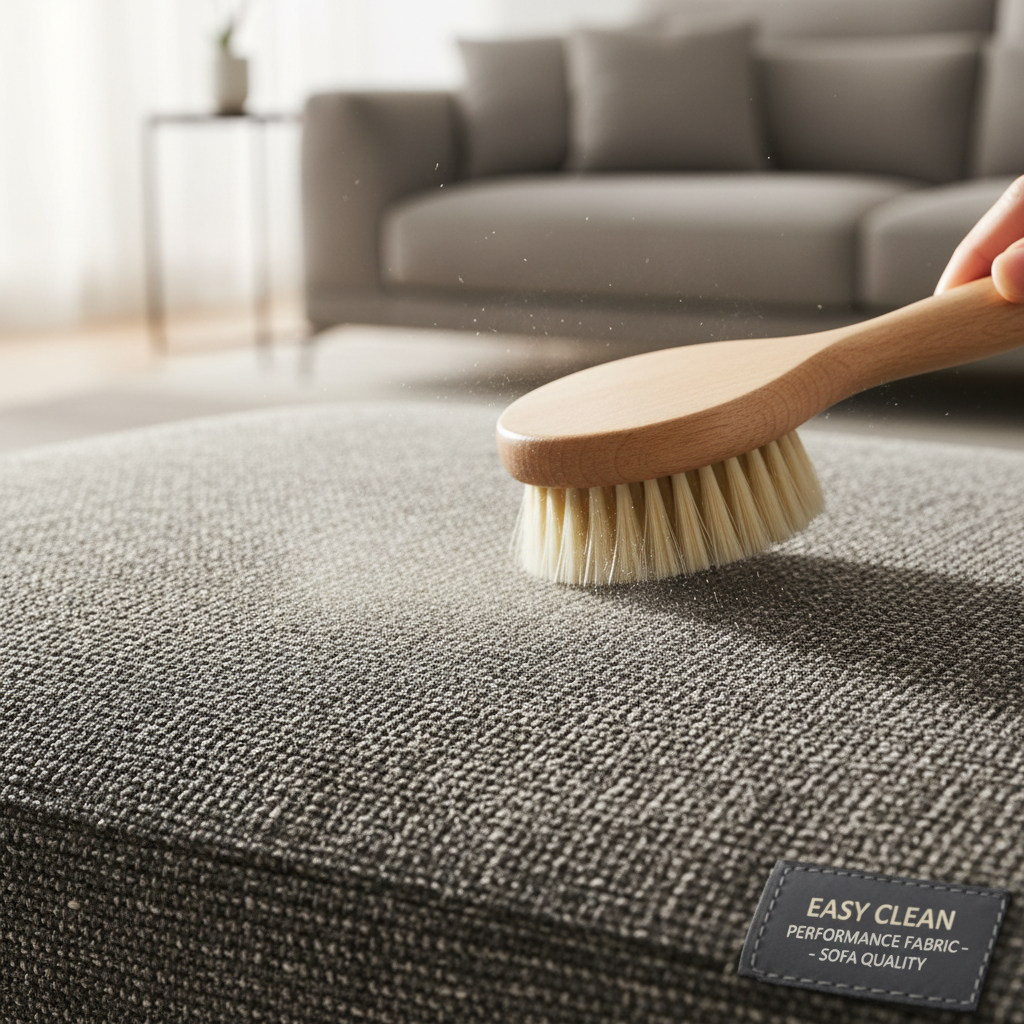
Velvet is having a huge moment right now and honestly it looks absolutely incredible. But it does require more care. It can flatten and mark with regular use, pet hair clings to it like it has a personal vendetta, and cleaning can be trickier. That said, if you live alone or with adults who treat the sofa with respect, velvet is a genuinely gorgeous choice that adds texture and drama to a room in a way few other fabrics can match. Same goes for linen, which is beautiful but wrinkles and marks easily.
- Microfiber: Durable, soft, stain-resistant. Excellent for families and pet owners.
- Leather: Ages beautifully, easy to clean, long-lasting. A serious investment that pays off.
- Performance fabric blends: Engineered to resist stains and fading. Often mimic the look of natural fibers.
- Velvet: Luxurious and visually stunning. Best suited for lower-traffic households.
- Linen: Natural and breathable with a relaxed aesthetic. Requires more maintenance and care.
Always check the cleaning codes on a sofa before you buy. The tag should tell you whether it's water-cleanable, solvent-cleanable, or professional-only. This matters enormously. Finding out after the fact that your sofa can only be professionally cleaned every time your toddler has an accident is a particularly miserable kind of surprise.
Final Touches: Accessories to Complete the Look
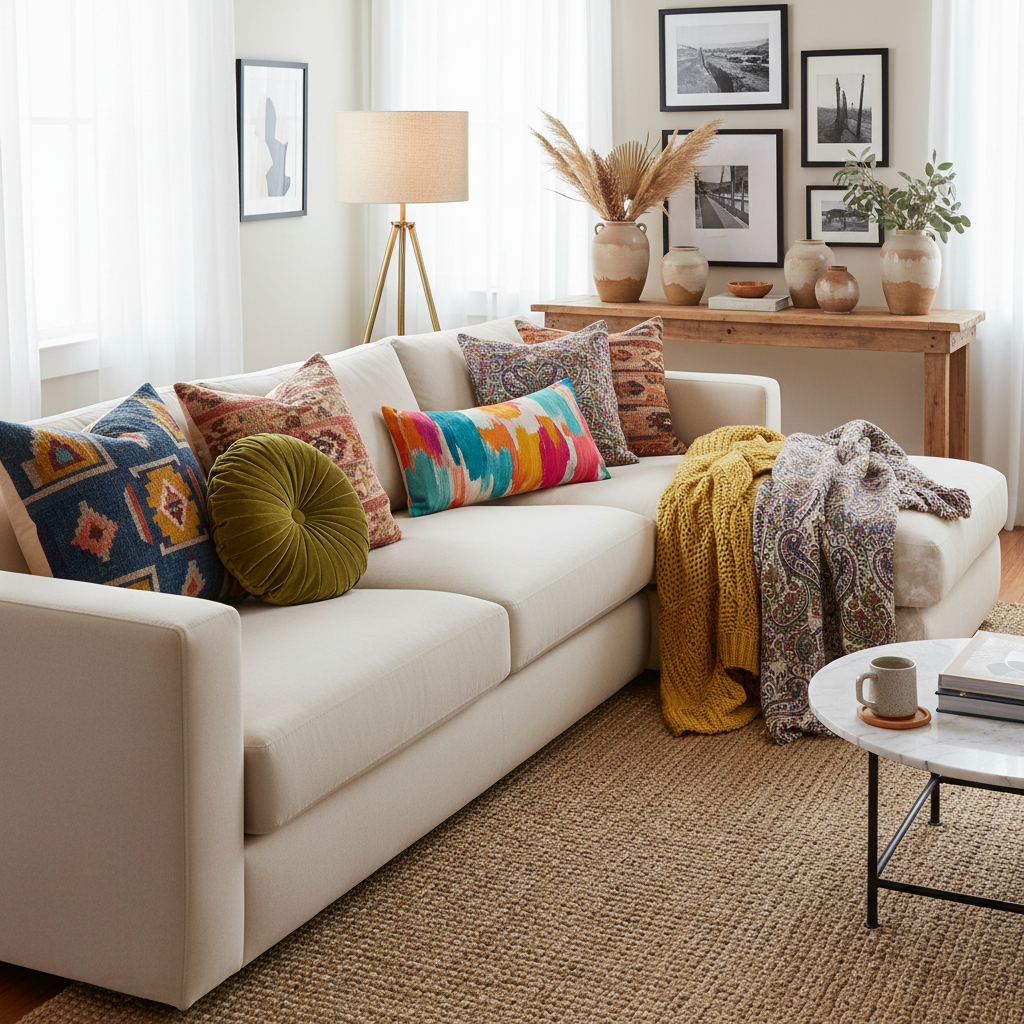
You've found the perfect sofa. It fits the space, it suits your style, it's comfortable enough to live your entire life on, and the fabric won't have you reaching for the stain remover every five minutes. Amazing. But we're not done yet. The accessories you choose around and on your sofa are what transform it from a nice piece of furniture into a beautifully designed room. And honestly, this is the part where you get to really have fun with it.
Throw pillows are the quickest and most affordable way to update the look of your sofa and your whole living room, actually. The general rule is to go for an odd number, three or five pillows tends to look more natural than two or four. Vary the sizes and textures rather than buying a perfectly matched set. Mixing a chunky knit with a smooth linen and a velvet accent pillow looks effortlessly layered and collected. In terms of color, you can use pillows to introduce an accent color from elsewhere in the room, tying the scheme together without it feeling forced.
A throw blanket draped over the arm or corner of a sofa is both practical and decorative. It adds another layer of texture and warmth to the composition, and it signals that this is a space meant for comfort and living. Cashmere, chunky wool, and woven cotton throws all have different visual weights, so choose one that complements rather than competes with your sofa fabric. If your sofa is already heavily textured, go for something with a smoother finish and vice versa.
Don't overlook the rug beneath the sofa, either. The rug grounds the seating area and ties it together visually. The front legs of your sofa should ideally sit on the rug, not behind it, which is a surprisingly common placement mistake. And the rug needs to be large enough for the whole seating arrangement to feel like it belongs together. A small rug floating under just the coffee table with the sofa hovering behind it is one of those things that makes a room feel slightly off even when you can't immediately put your finger on why.
"A sofa styled with intention, the right cushions, a beautiful throw, a lamp that pools light warmly at the corner, becomes the soul of the room."
Finally, consider the lighting around your sofa. A floor lamp positioned at the far end or a table lamp on a side table nearby creates a warm, intimate pool of light that makes the whole seating area feel cozy and inviting. Overhead lighting alone tends to be flat and unflattering for a living space. Layer your light sources. Your sofa, and everyone sitting on it, will look infinitely better for it.
Final Thoughts
Finding the perfect sofa is genuinely one of the most satisfying things you can do for your home. It's a decision that touches every part of daily life, from lazy Sunday mornings to hosting friends to that quiet hour at the end of the day when you finally get to sit down. Take the time to measure properly, think carefully about your actual lifestyle, and resist the urge to rush the decision just because you want it sorted quickly.
And look, no sofa is going to be perfect on every single count. You might find one that's stunning and comfortable but slightly at the upper edge of your budget. You might find one that's practical and well-priced but needs a bit more styling work to really sing. That's okay. Make the best decision you can with the information you have, and then invest in the accessories and the details that will make it feel like yours. Trust me on this: a sofa chosen with care and dressed with personality will make you happy every single time you walk into the room.
More in Interior
Stay Inspired
Subscribe for new essays on architecture, design, and the spaces that shape us.