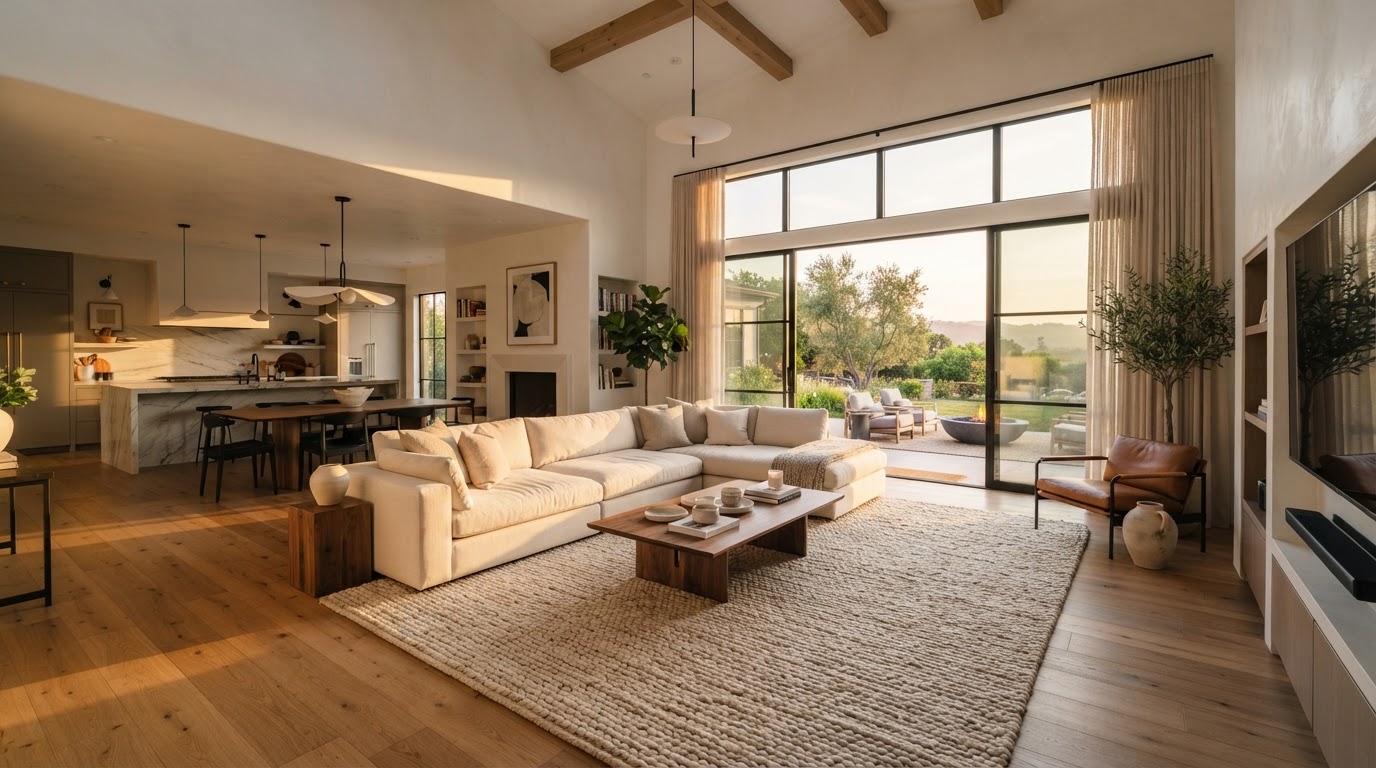
How to Make a Modern Home Feel Cozy Without Adding Clutter
Use texture, wood, layered light and a few softer shapes to warm up a modern interior while keeping the clear lines you like.
A modern room can feel cold even when its colours are warm. Often the missing element is contrast: smooth beside textured, straight beside curved, bright beside gently lit. Before adding more accessories, decide whether the room needs visual softness, a more comfortable place to sit or a better evening atmosphere.
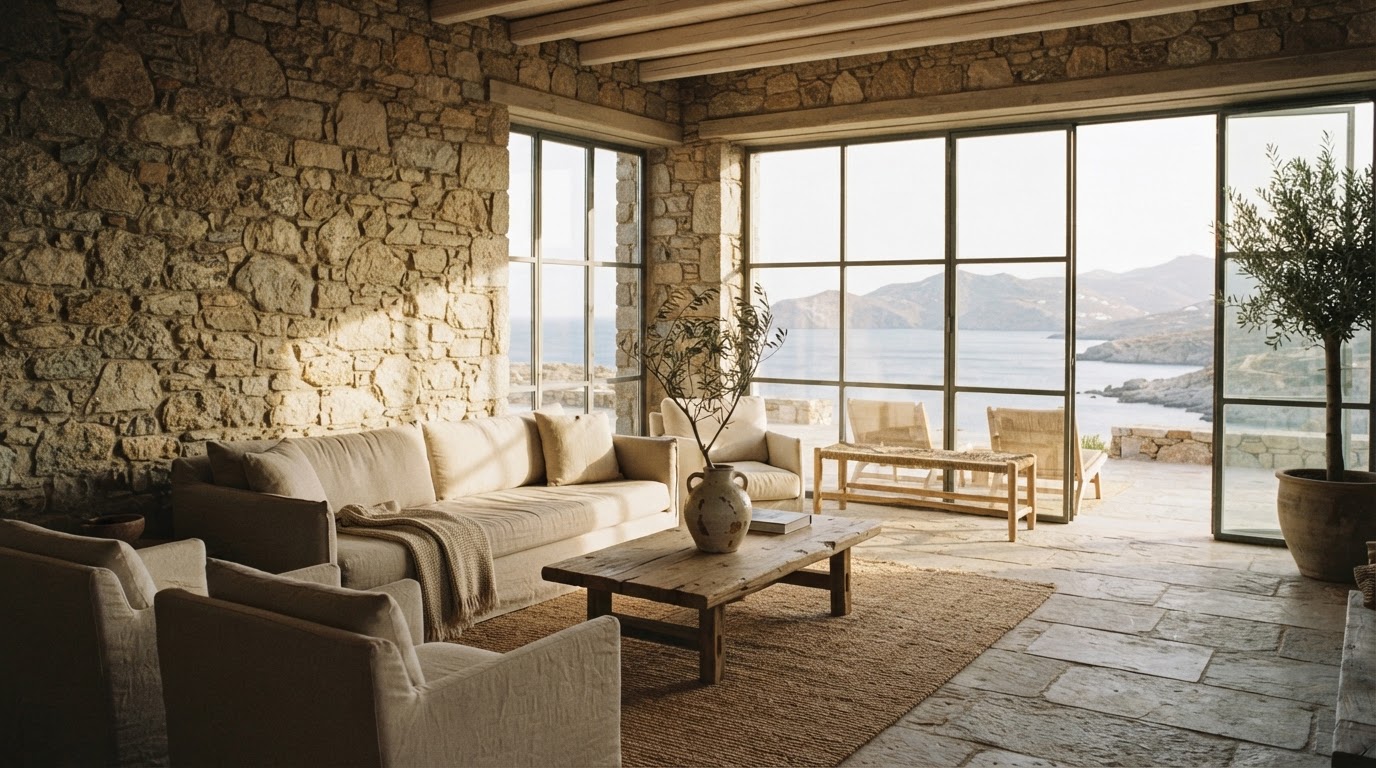
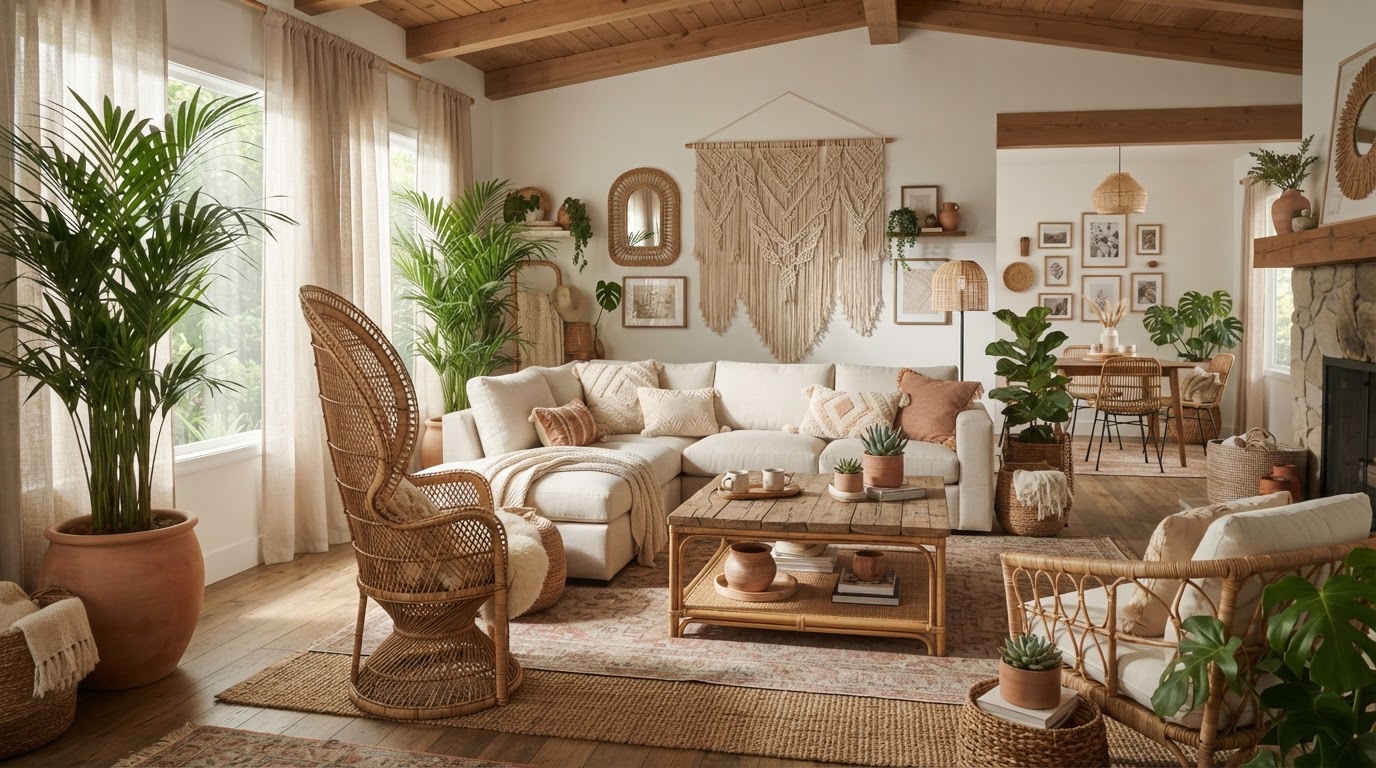
The images in this article are AI-generated concepts used to illustrate design directions.
Start with textiles that change how the room feels to use
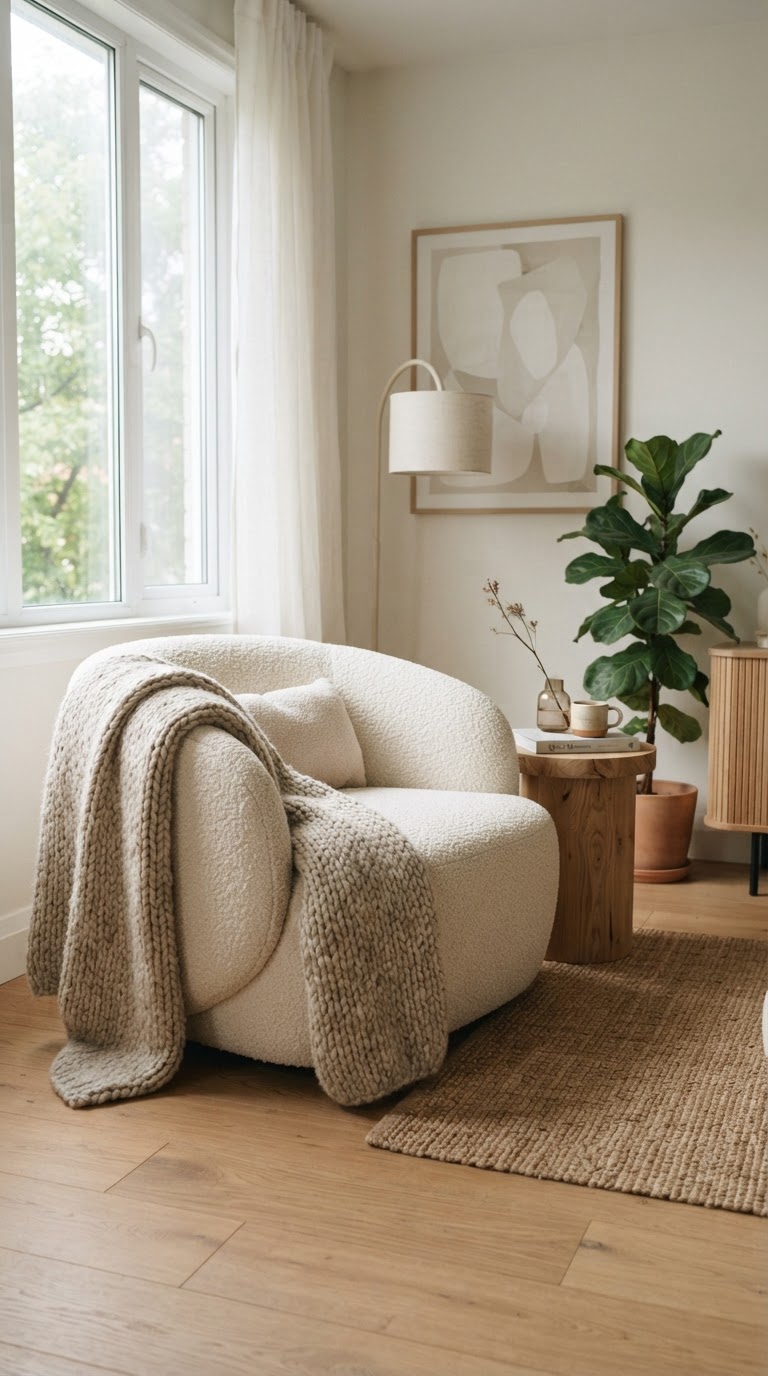
Compare the surfaces you touch every day. A smooth sofa, glossy table and hard floor create a different experience from a fabric seat with a soft throw nearby. Introduce one contrasting textile where it has an actual purpose, such as the chair used for reading.
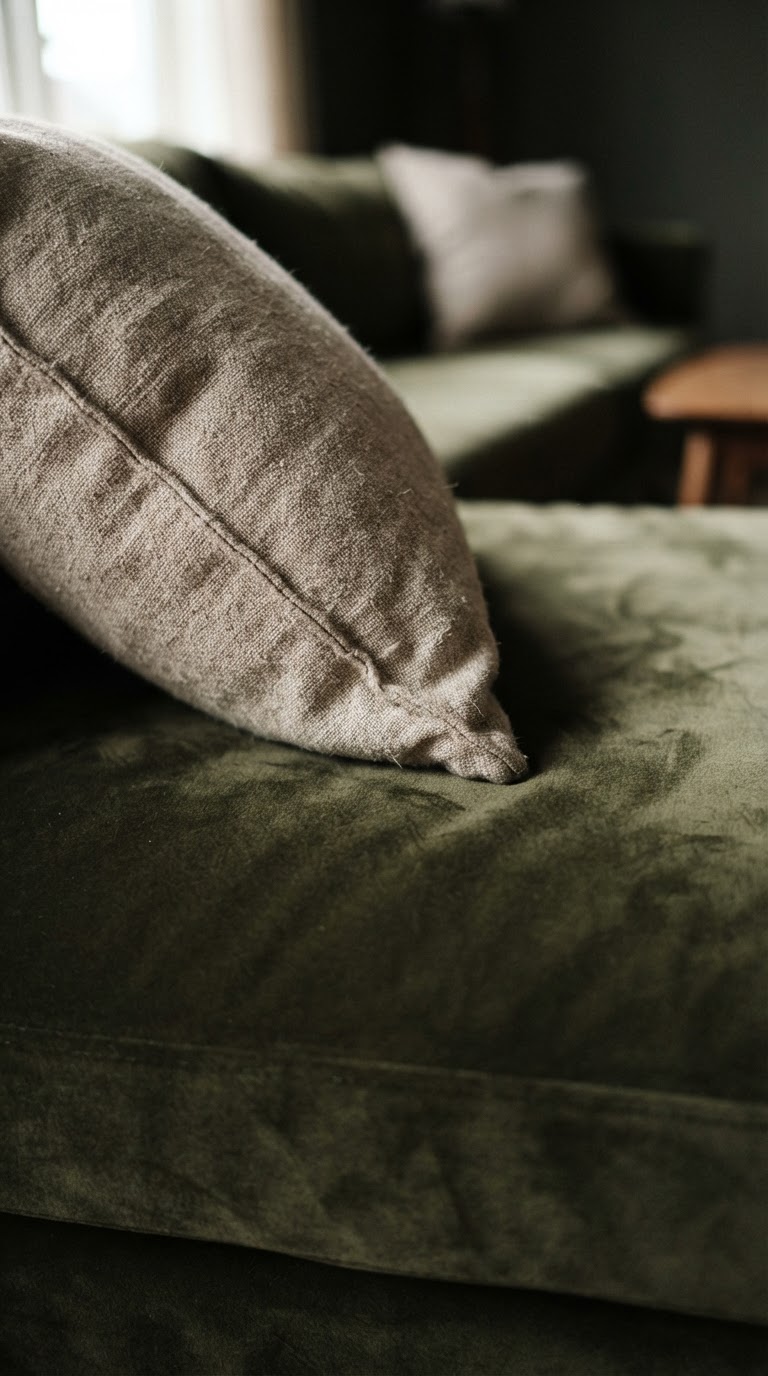
Keep the colours related if you want the clean lines to remain prominent. A plain cotton cushion, a textured throw and an existing rug can bring variation without introducing several new prints. Use what is already in the home before buying a matching set.
Comfort also includes care. Check whether covers can be removed and how the material should be cleaned. A fabric that looks soft in a photograph may be impractical in the spot where it will be used most.
Use a wood tone as a connection
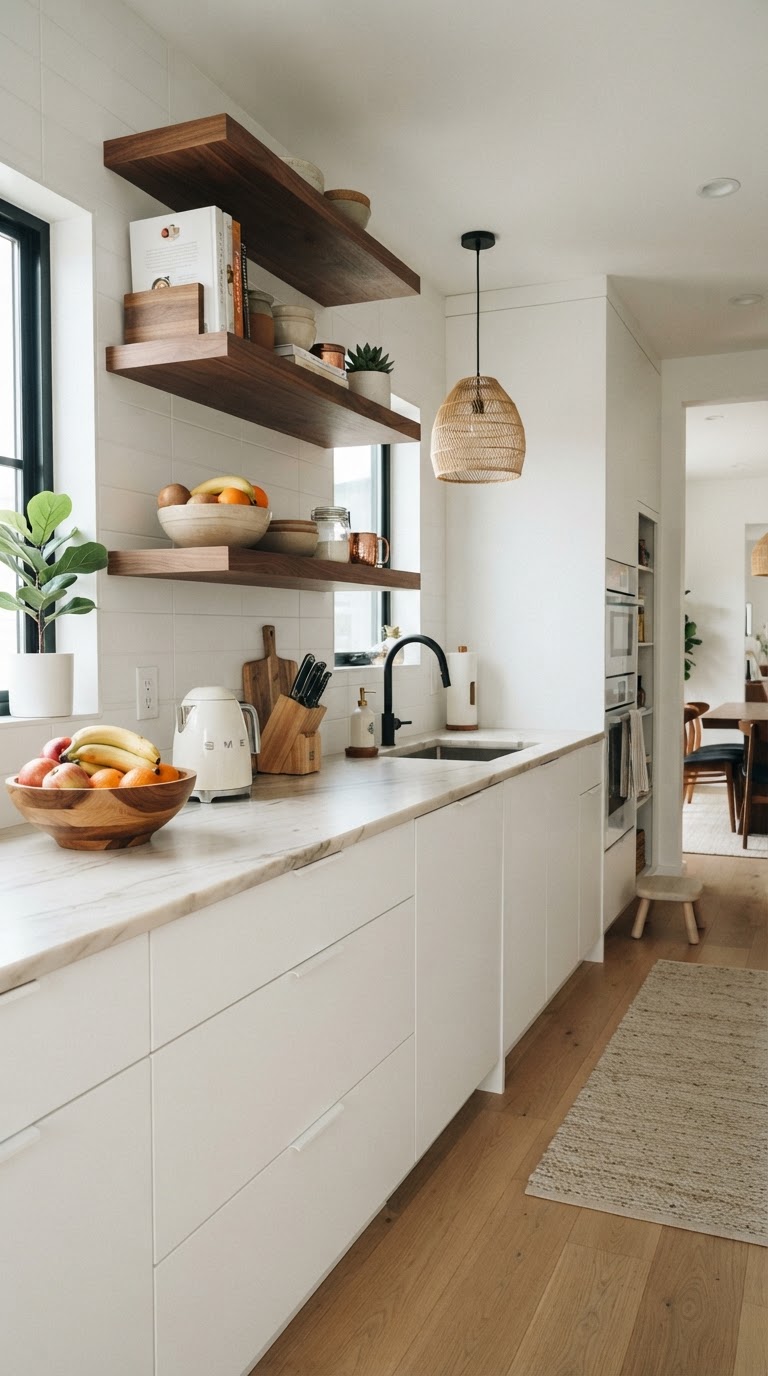
A wood table, shelf or small tray can add a warmer-looking note to a room dominated by pale walls and smooth finishes. Start with the wood already present in the floor or furniture. A related undertone can help the addition feel settled.
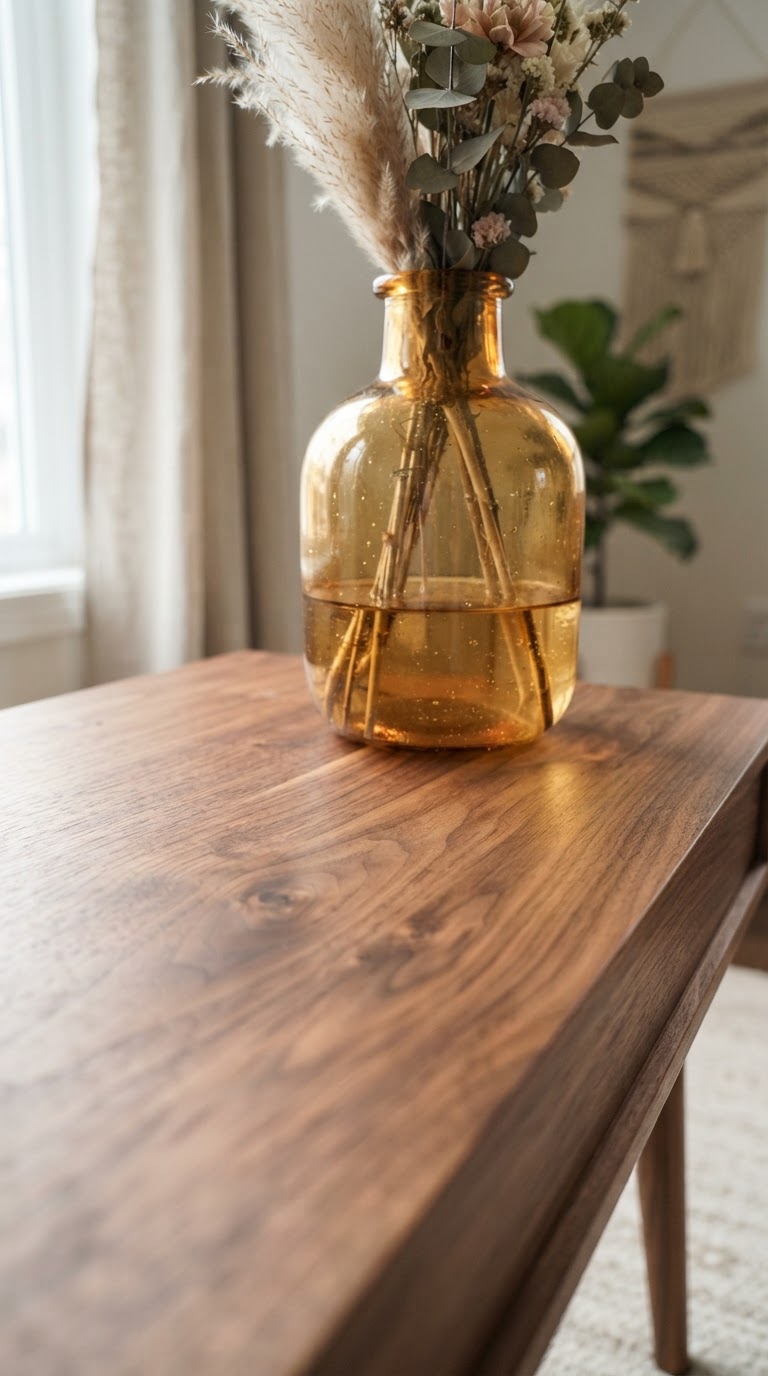
Different woods do not have to match exactly. Compare the samples together and decide which piece should lead. If the room already contains several strong grains, a quieter finish on the next piece may work better than another highly figured surface.
There is no need to replace a functioning table just to add warmth. A smaller object, a frame or a secondhand side table can test the direction first. Judge it in the room's own light rather than relying on a styled product photograph.
Give the evening a different lighting arrangement
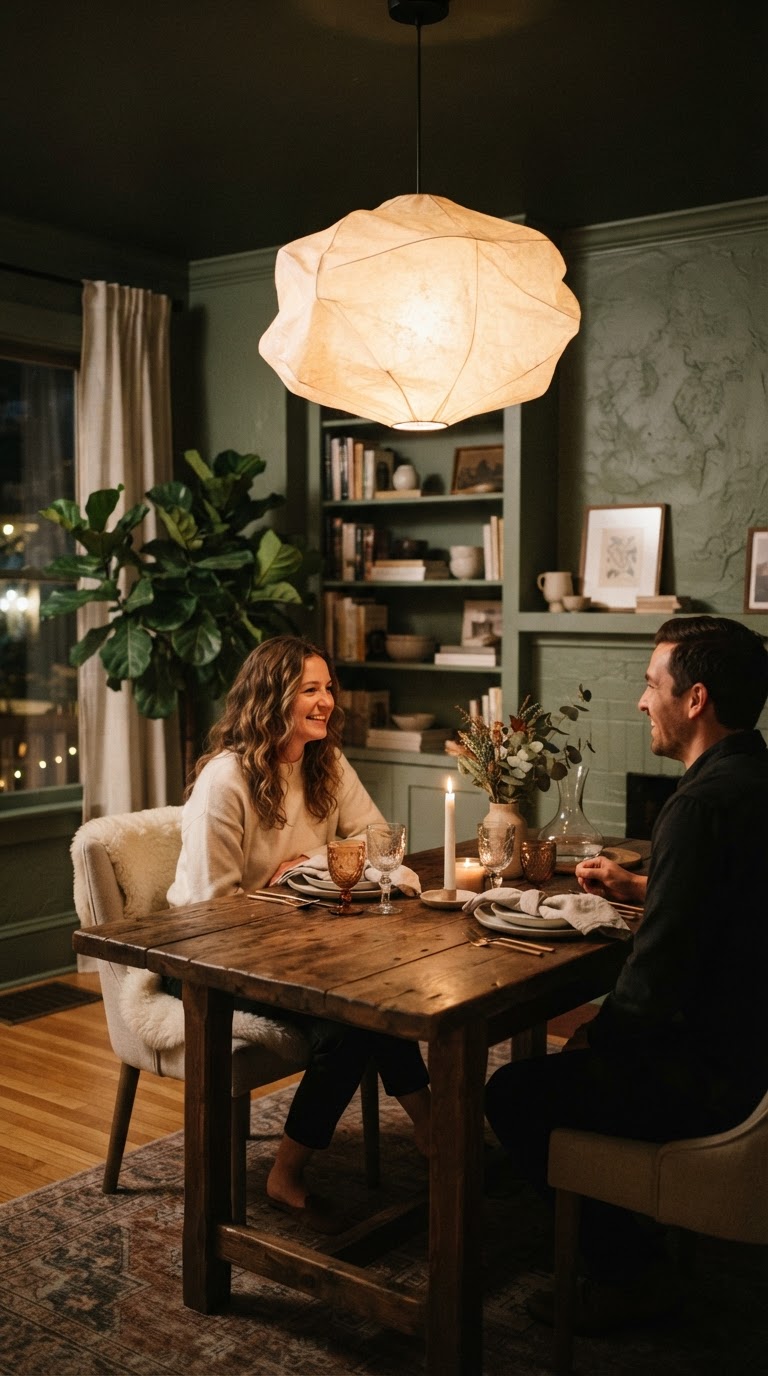
Look at the room after dark with only the ceiling light on. Notice which corners disappear and whether the seat used most often feels comfortable. A lamp beside that seat may do more for the room than another decorative object.
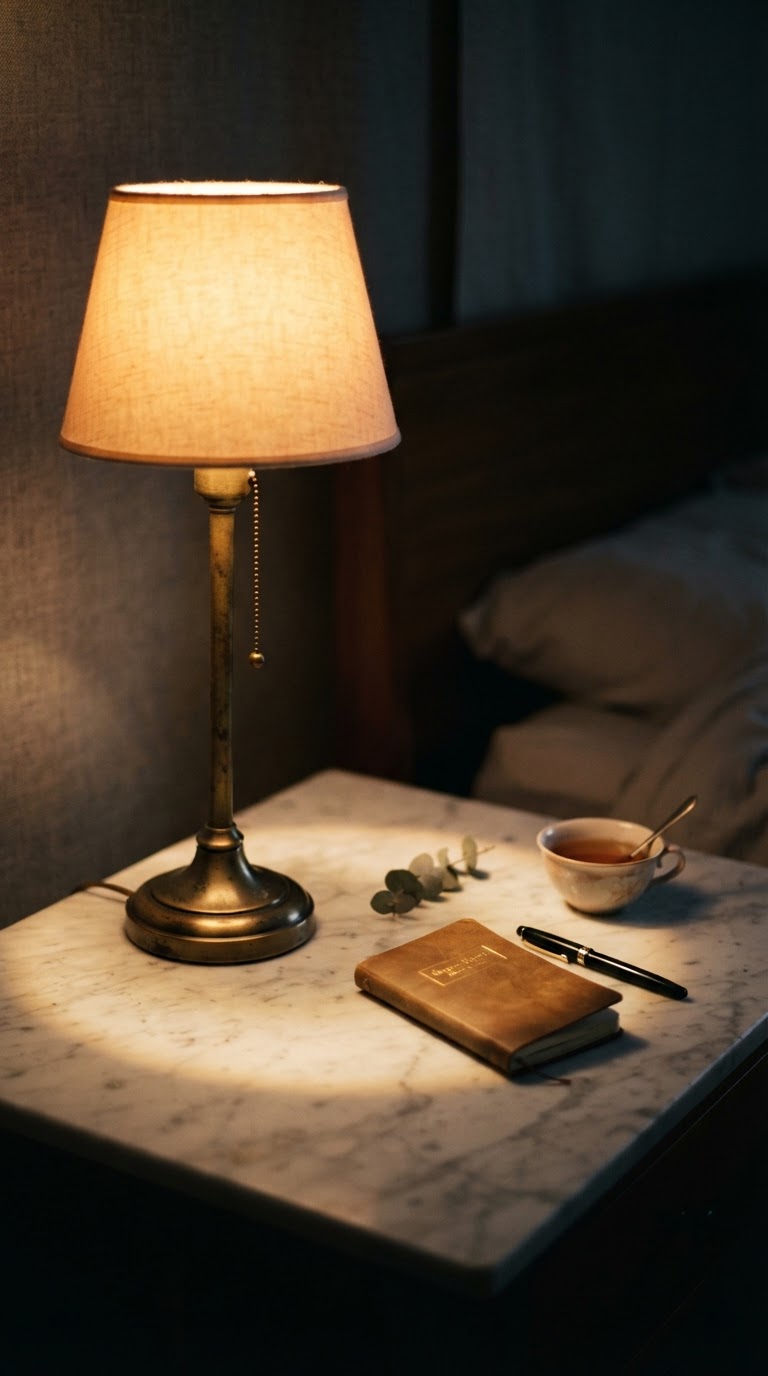
Try a few locations with an existing lamp before buying one. A light near a wall can emphasise its texture, while a lamp beside a chair creates a more focused spot. Check that bulbs and dimmers are compatible with the fittings being used.
The aim is a choice of lighting for different activities, rather than making every area equally dim. Keep enough light for reading and everyday tasks, and arrange cables so that the new layout does not interrupt movement.
Create your own interior design concepts
Generate personalized interior images and explore your own combinations of layouts, materials, and colours independently with AI.
Powered by next-generation AI trained specifically for architecture and interior design.
Be the first to hear when the Studio opens.
Add one softer shape where the geometry feels repetitive
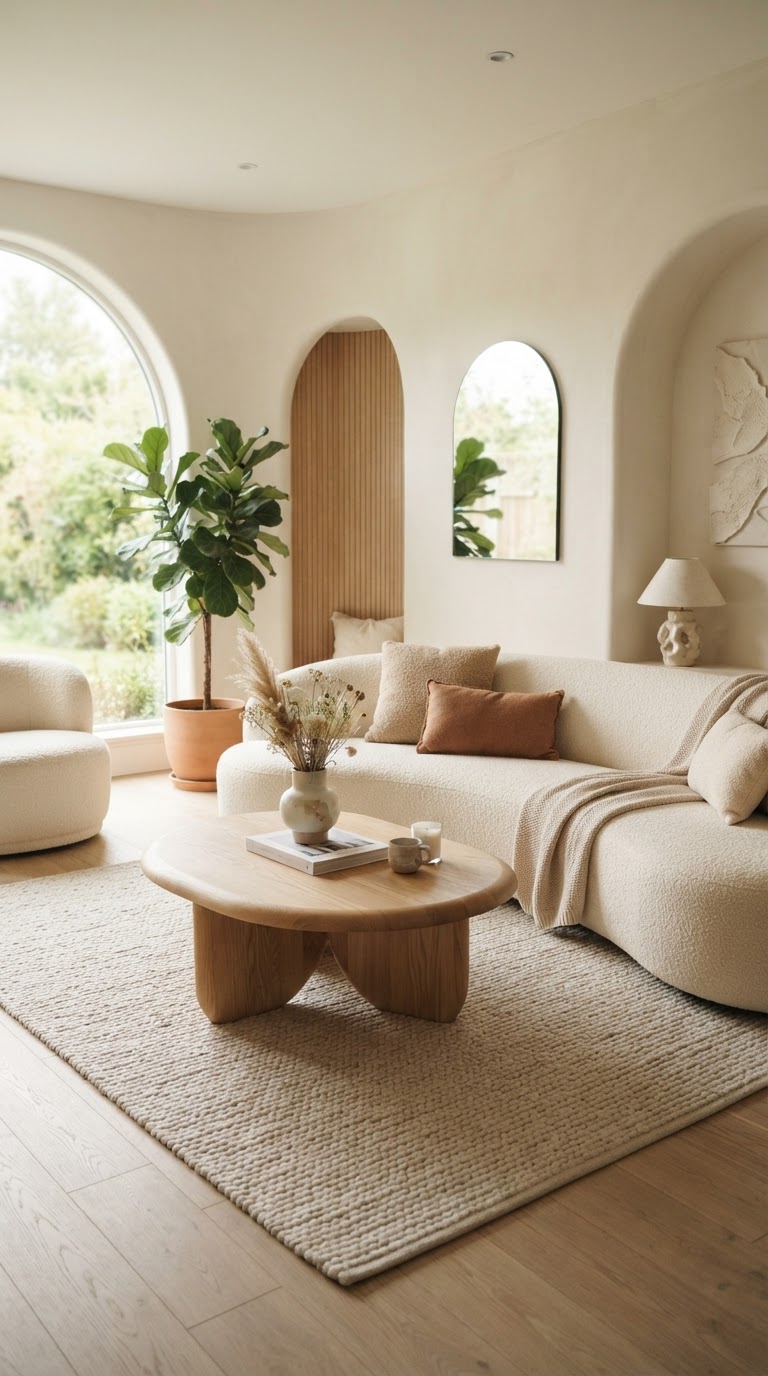
If the sofa, table, shelves and artwork are all sharply rectangular, a rounded object can create a useful contrast. That might be a curved chair, a circular tray or a vase. Choose the scale that suits the space rather than adding a large new piece automatically.
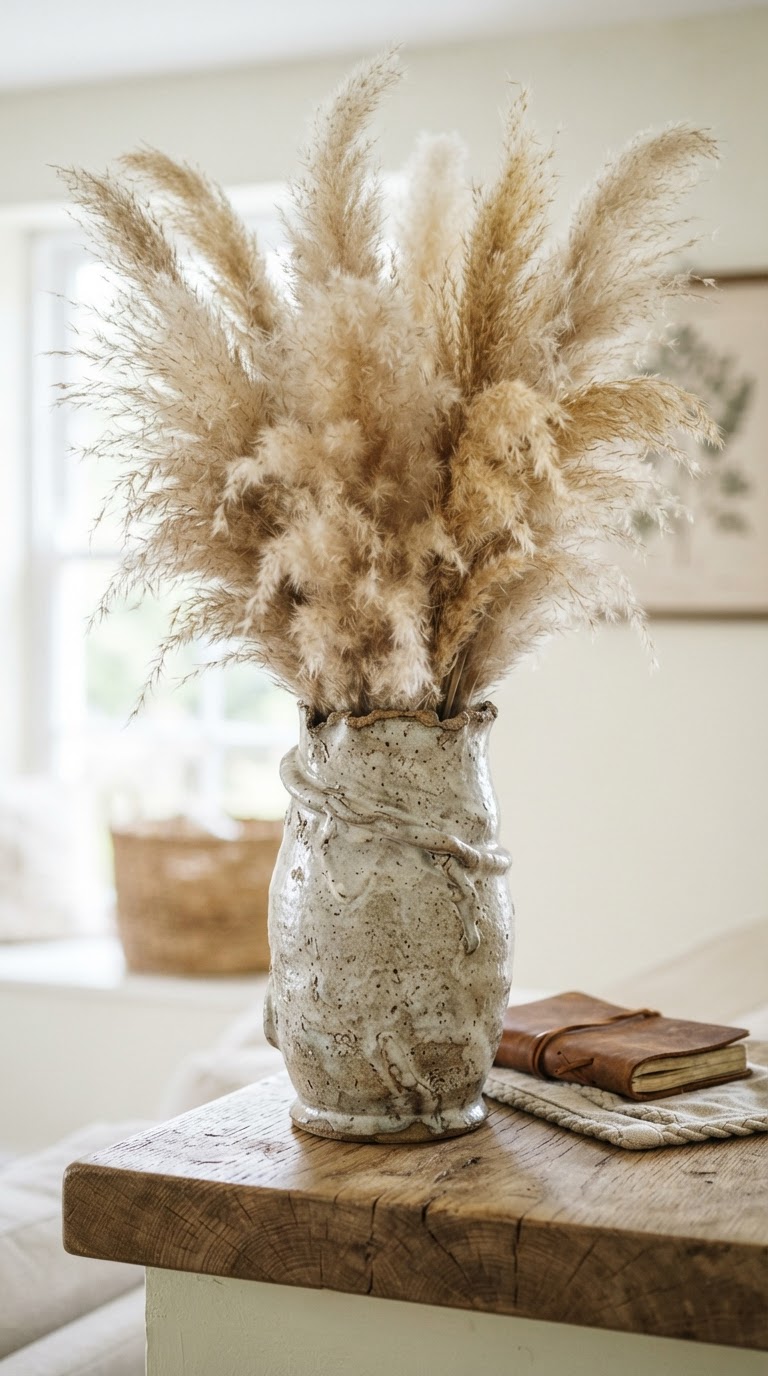
A plant can also introduce a less regular outline, provided it suits the actual light and the care available. If living plants are not practical, texture and shape can still create a comfortable room. Greenery is one option, not a requirement.
Leave some surfaces clear. A few distinct forms are easier to appreciate than many small accessories spread evenly across every shelf. Move an object to a different position before deciding the room needs another one.
Choose a rug around the furniture and daily routine
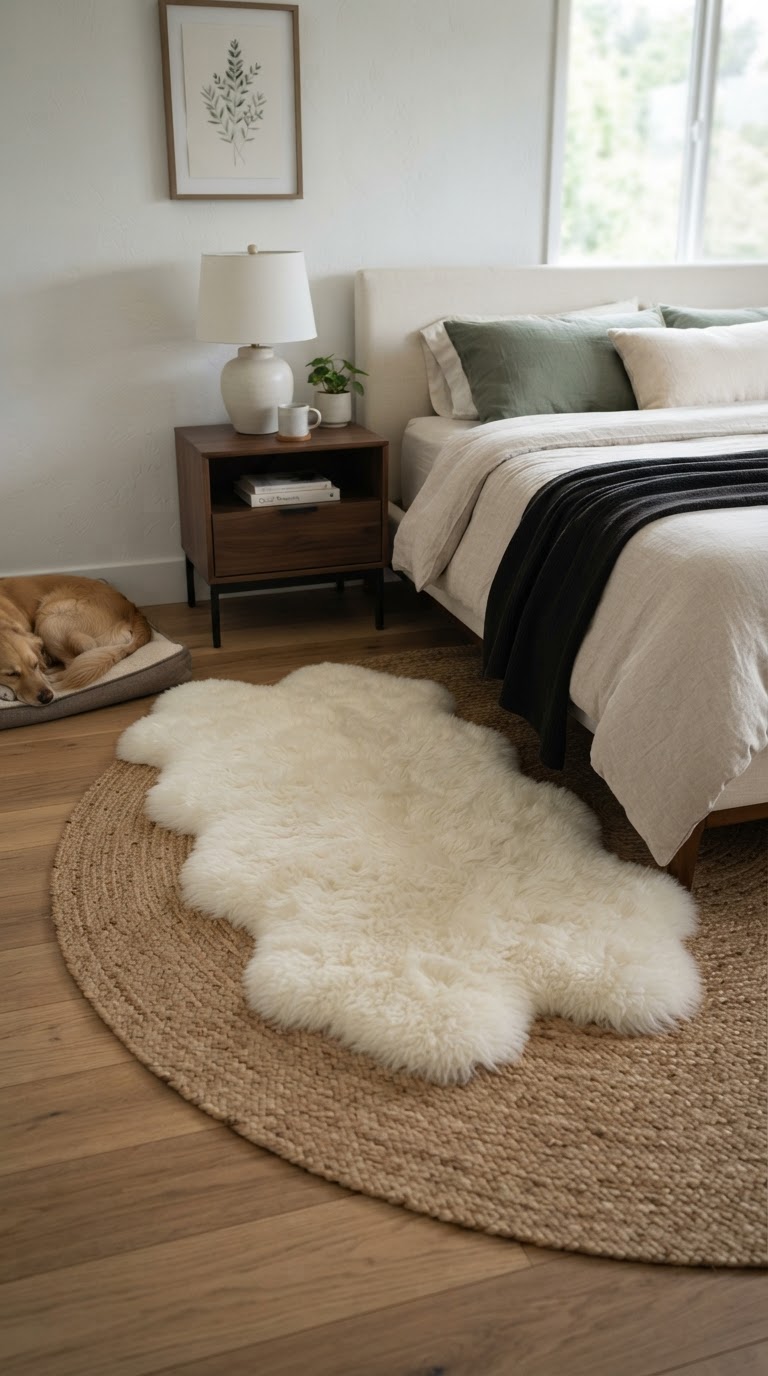
A rug can visually gather a seating group and give bare feet a softer surface. Before choosing a pattern, mark the intended area on the floor. Check how it relates to the sofa, chairs and doors when the furniture is actually in use.
Compare samples for feel, thickness and care as well as colour. A deep pile may be appealing beside a bed but inconvenient under a frequently moved chair. Secure the rug appropriately for the floor and follow the product guidance.
Make one change, live with it for several evenings, then reassess. If the room already feels comfortable, stop there. For a tighter footprint, these small-apartment decorating ideas help balance visual lightness with everyday storage.
More in Interior
Stay Inspired
Subscribe for new essays on architecture, design, and the spaces that shape us.