5 Clever Ways Mirrors Completely Transform Your Space
Mirrors are the secret weapon of interior designers for making small rooms look huge and dark spaces feel bright. Learn how to strategically place them to improve your home layout and style.
Creating the Illusion of Extra Square Footage
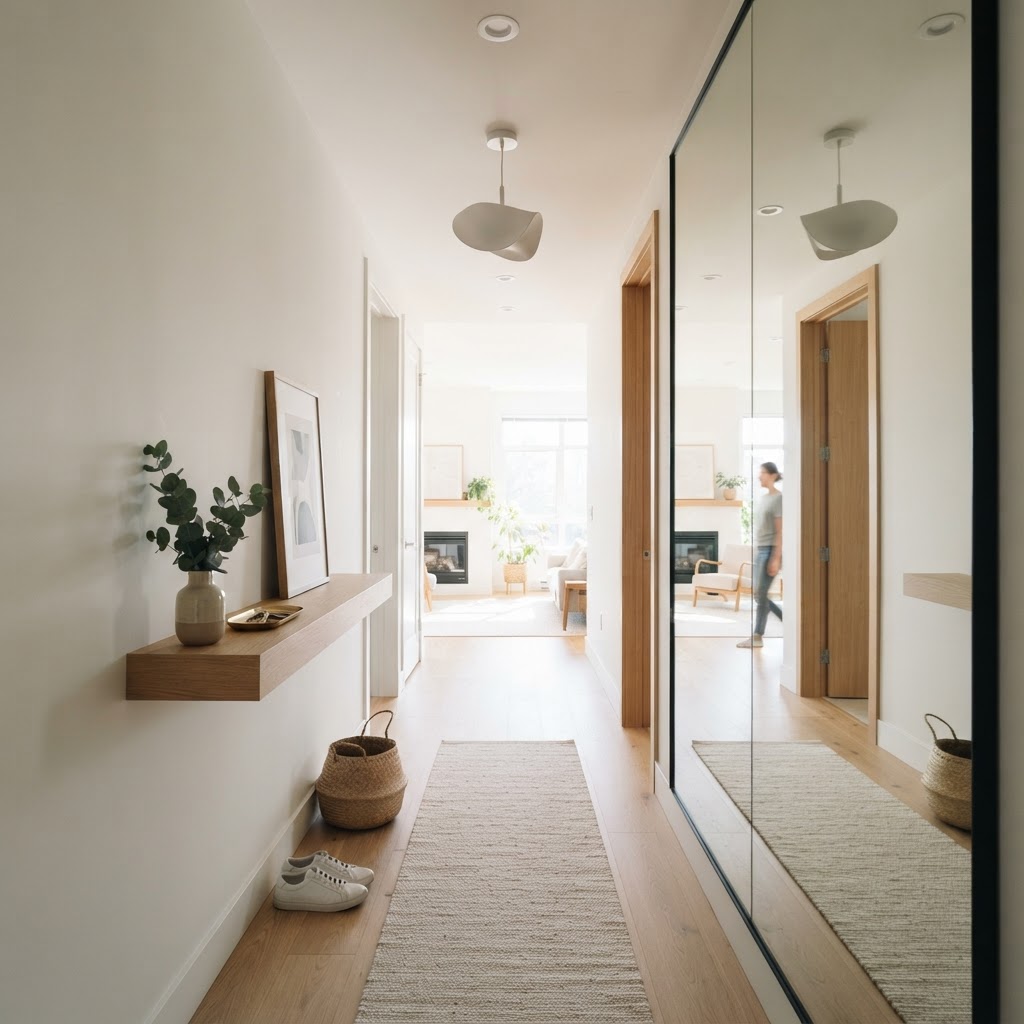
Okay, so here's the thing about mirrors and space. They are genuinely one of the most underrated tools in any designer's kit. People spend thousands on extensions and renovations when honestly, a well-placed mirror can do a lot of the heavy lifting for a fraction of the cost. I've walked into apartments that felt cramped and suffocating, and a single large mirror on the right wall completely changed the energy of the room. It's not magic, it's just optics, but the effect feels pretty magical.
The trick is to think about what the mirror is reflecting. This is where most people go wrong. They hang a mirror on a random wall without considering the view it's going to bounce back at you. If it's reflecting a cluttered corner or a boring blank wall, you're not gaining much. But if it's reflecting a window, a beautiful piece of furniture, or a well-styled vignette, suddenly the room feels like it has a whole second life happening inside it. Place a large floor-to-ceiling mirror on the wall directly across from your main seating area and watch the room effectively double in perceived size.
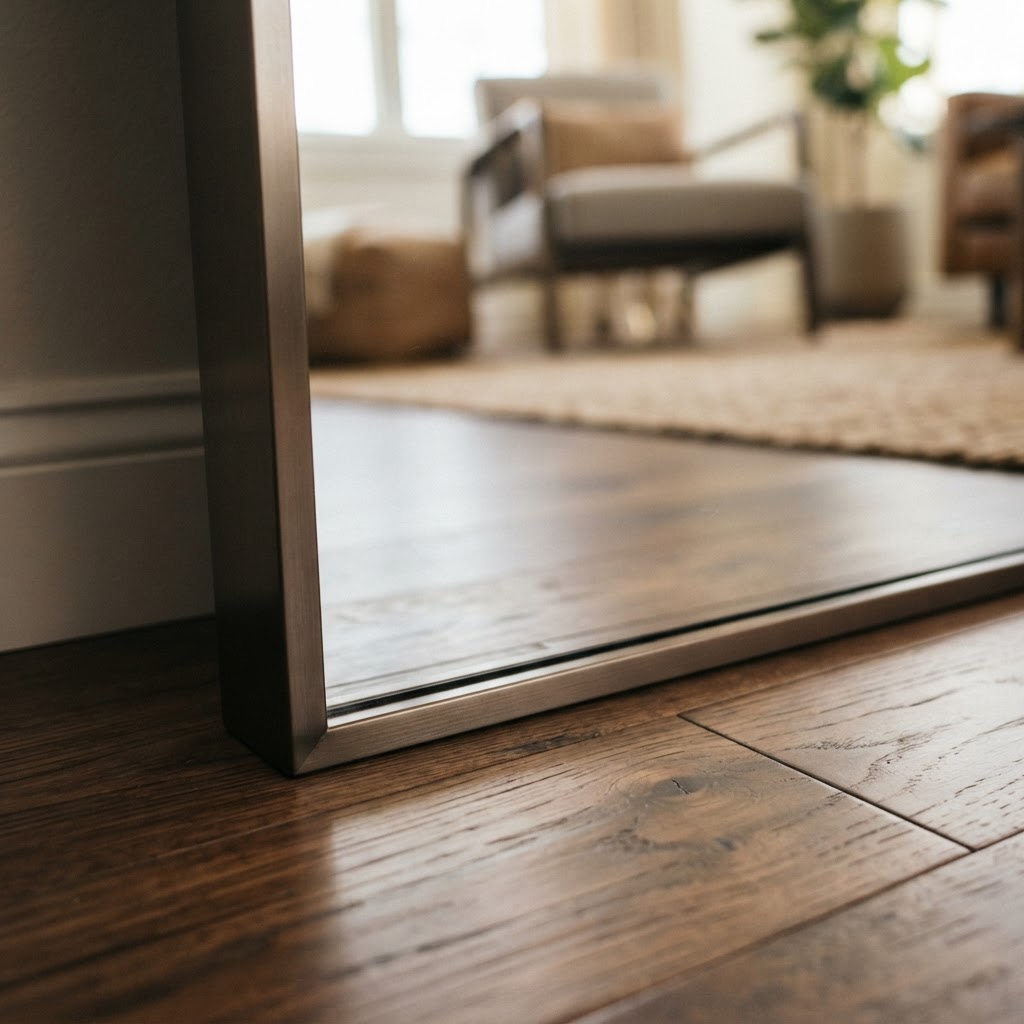
Narrow hallways are a perfect candidate for this trick. They're almost universally awkward and uninviting. Run a long mirror down one side of the hallway and suddenly it doesn't feel like you're squeezing through a corridor anymore. It feels intentional. Designed. Real talk, this is one of my go-to recommendations for anyone dealing with a long, skinny entryway because it costs relatively little and makes a massive impact the moment someone walks through your front door.
For smaller rooms like studio apartments or compact bedrooms, consider leaning an oversized mirror against the wall rather than hanging it. The lean gives it a casual, lived-in feel while still delivering all the spatial benefits. And sizing matters here. Bigger is almost always better when your goal is to create the illusion of space. A tiny decorative mirror in a small room can actually make things feel more cramped because it draws attention to the limitations. Go large or go home on this one.
- Place large mirrors opposite windows or doorways for maximum depth effect
- In hallways, a full-length mirror on one side opens up the entire passage
- Lean oversized mirrors in small bedrooms for a relaxed, expansive feel
- Avoid reflecting cluttered areas, always be intentional about the view
Bouncing Natural Light Into Dim Corners
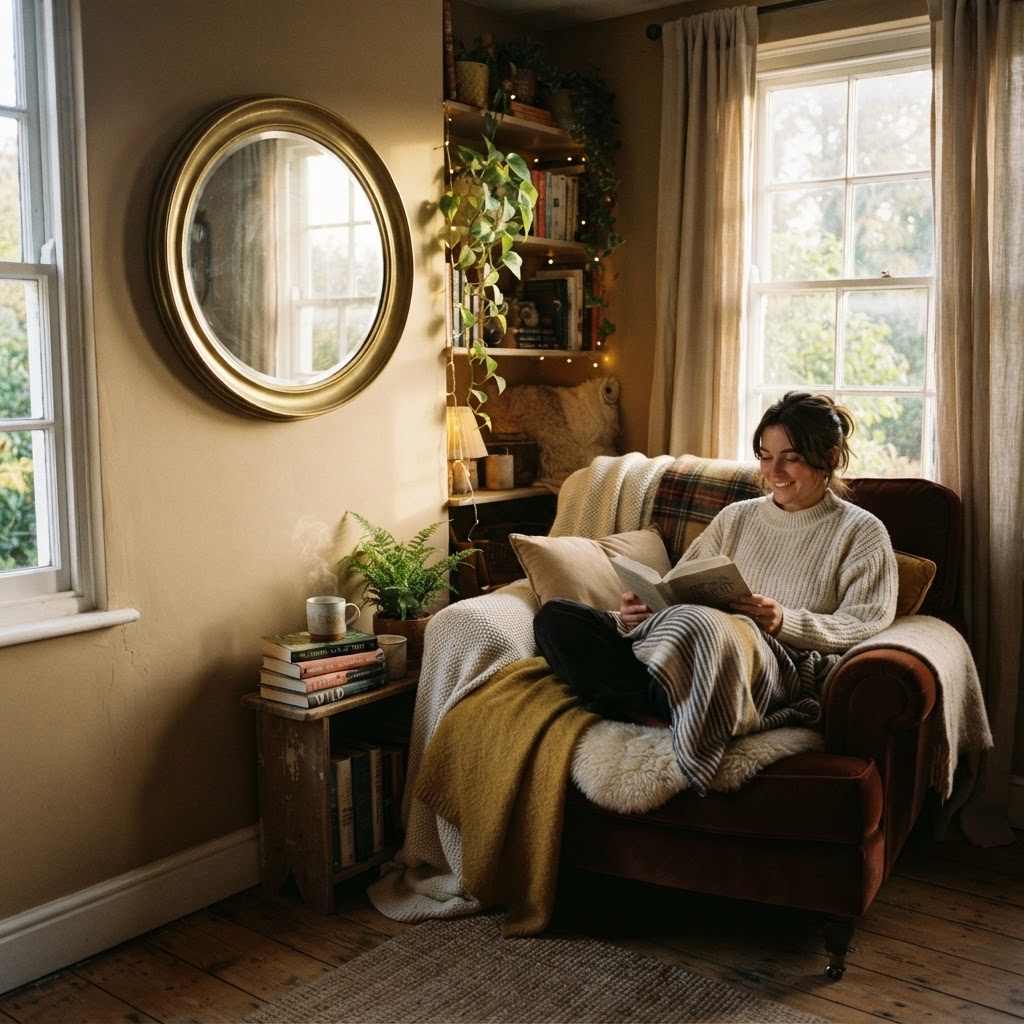
Natural light is everything. Honestly, nothing affects how a room feels more than the quality and quantity of light moving through it. But not every room is blessed with great windows, and not every layout allows light to reach the corners that need it most. This is where mirrors become your best friend and your secret weapon for transforming a gloomy room into something that actually feels good to be in.
The key principle here is angle. You want to position your mirror so it catches the light coming in from a window and redirects it further into the room. The ideal spot is usually on the wall adjacent to your window, not directly opposite it. When you place a mirror directly opposite a window, yes, you get a nice reflection of the outdoors, but you're also potentially creating glare. Adjacent placement catches the light at an angle and throws it sideways into the room, which is often exactly where you need it most.
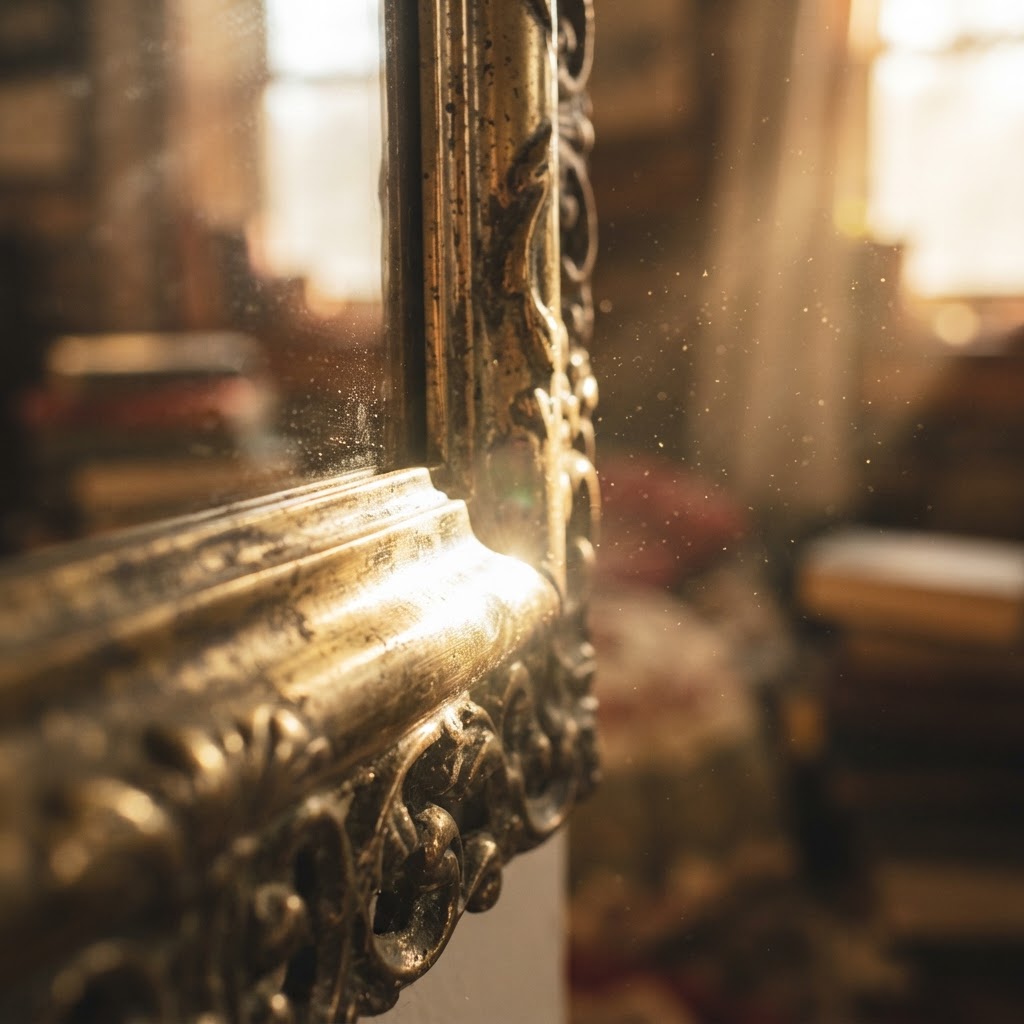
North-facing rooms are notorious for feeling cold and dim, and if you live in the northern hemisphere, you know exactly the kind of flat, grey light I'm talking about. A large mirror in a north-facing room can genuinely change the vibe from depressing to cozy. Pair it with warm-toned artificial lighting nearby and the mirror will amplify both the natural and artificial light simultaneously. It's a double win that takes almost no effort once it's installed.
Don't overlook the potential of smaller accent mirrors either. Grouping a few different-shaped mirrors near a window can scatter light in multiple directions, creating a layered, almost dappled light effect that adds real character to a room. It won't replace a skylight but trust me on this, it can make a surprising difference in how bright and alive a space feels throughout the day.
Using Mirrors as Architectural Art
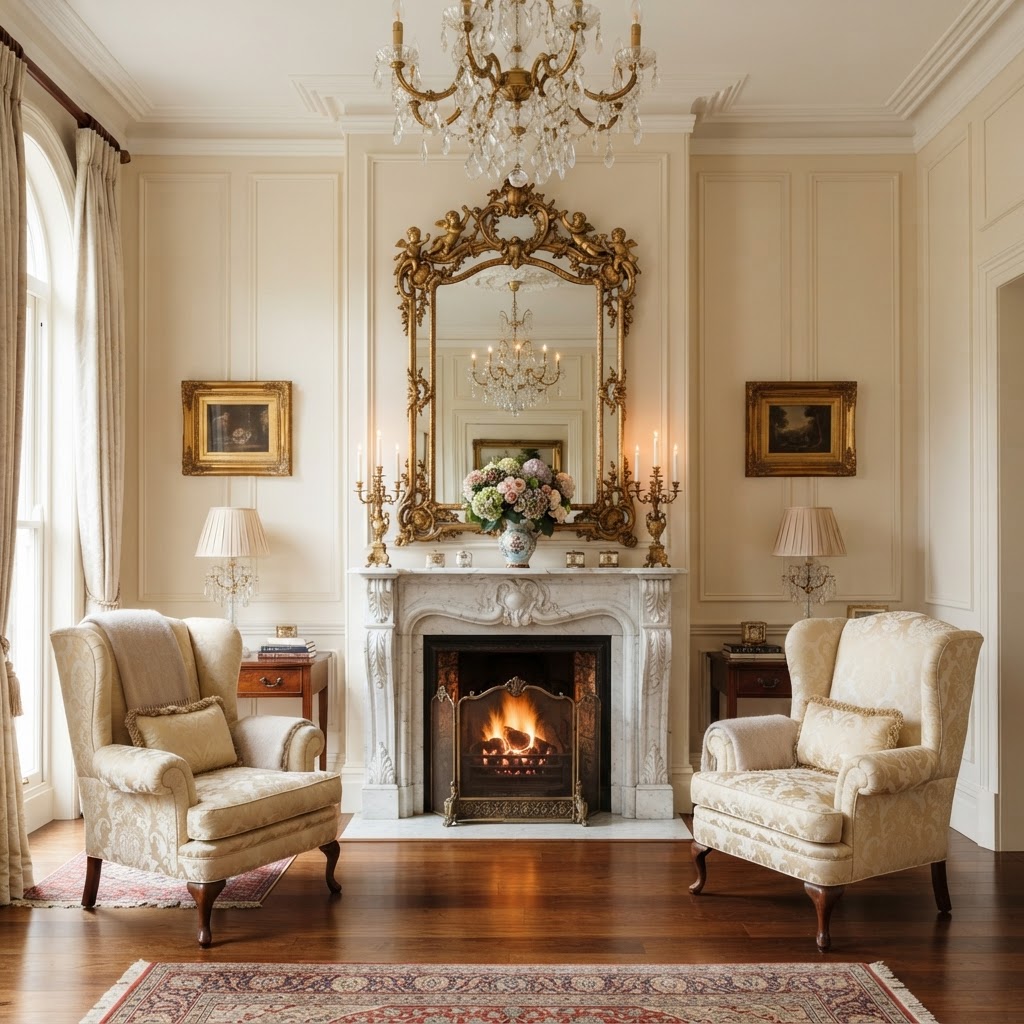
Here's where things get really fun. Mirrors don't have to be purely functional. They can be the most striking piece of art in your entire room. In fact, some of the most stunning interior spaces I've ever seen use mirrors as the primary focal point, not paintings, not sculptures, mirrors. The frame, the shape, the scale, all of it contributes to the overall aesthetic the same way any piece of art would, but with the added bonus of reflecting the rest of your beautiful space back at you.
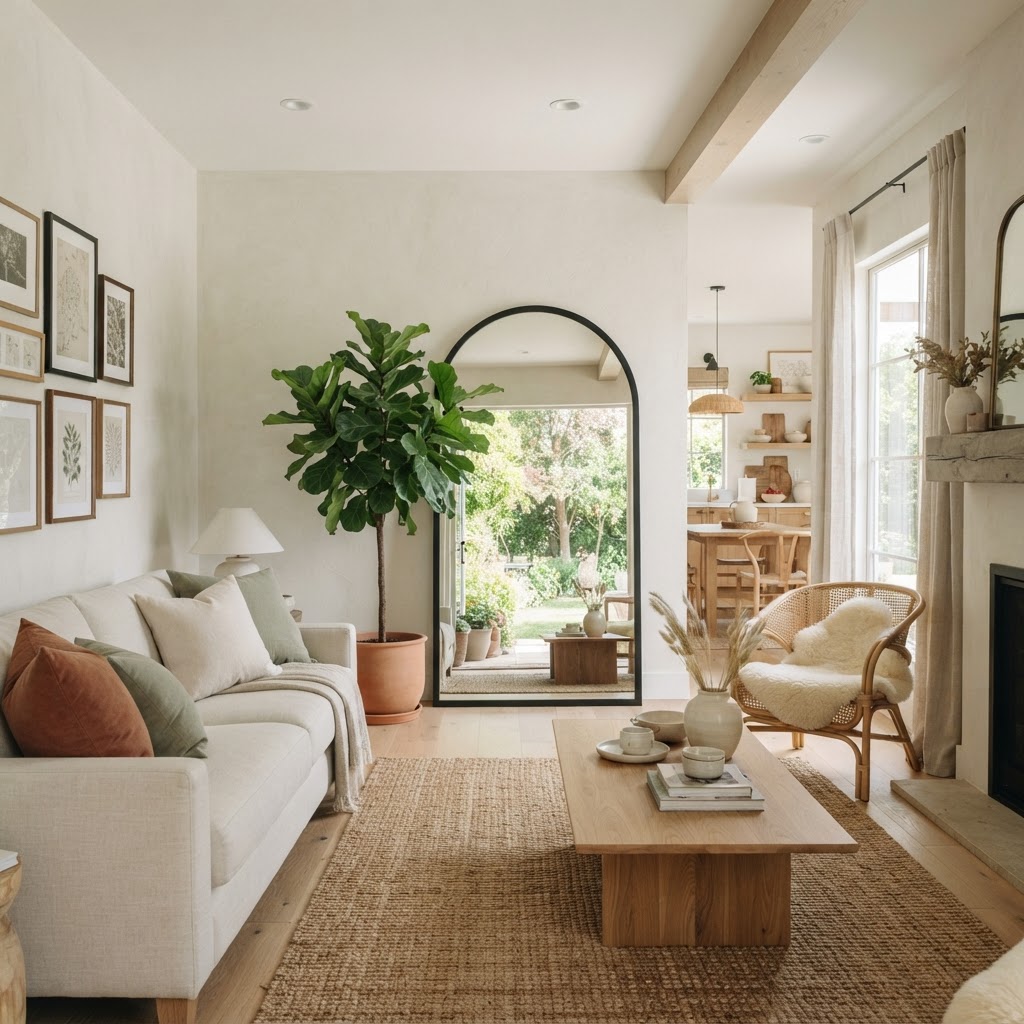
Arched mirrors are having a serious moment right now and honestly, I get it. They add softness and a sculptural quality to a room that flat rectangular mirrors just can't replicate. Lean a tall arched mirror in a living room corner and suddenly you've got architectural interest, extra light, and a focal point all in one piece. Vintage ornate frames work brilliantly in maximalist or eclectic spaces. Frameless or thin metal-framed mirrors suit minimalist and contemporary interiors. The mirror itself is a style statement, so choose it the way you'd choose a statement artwork.
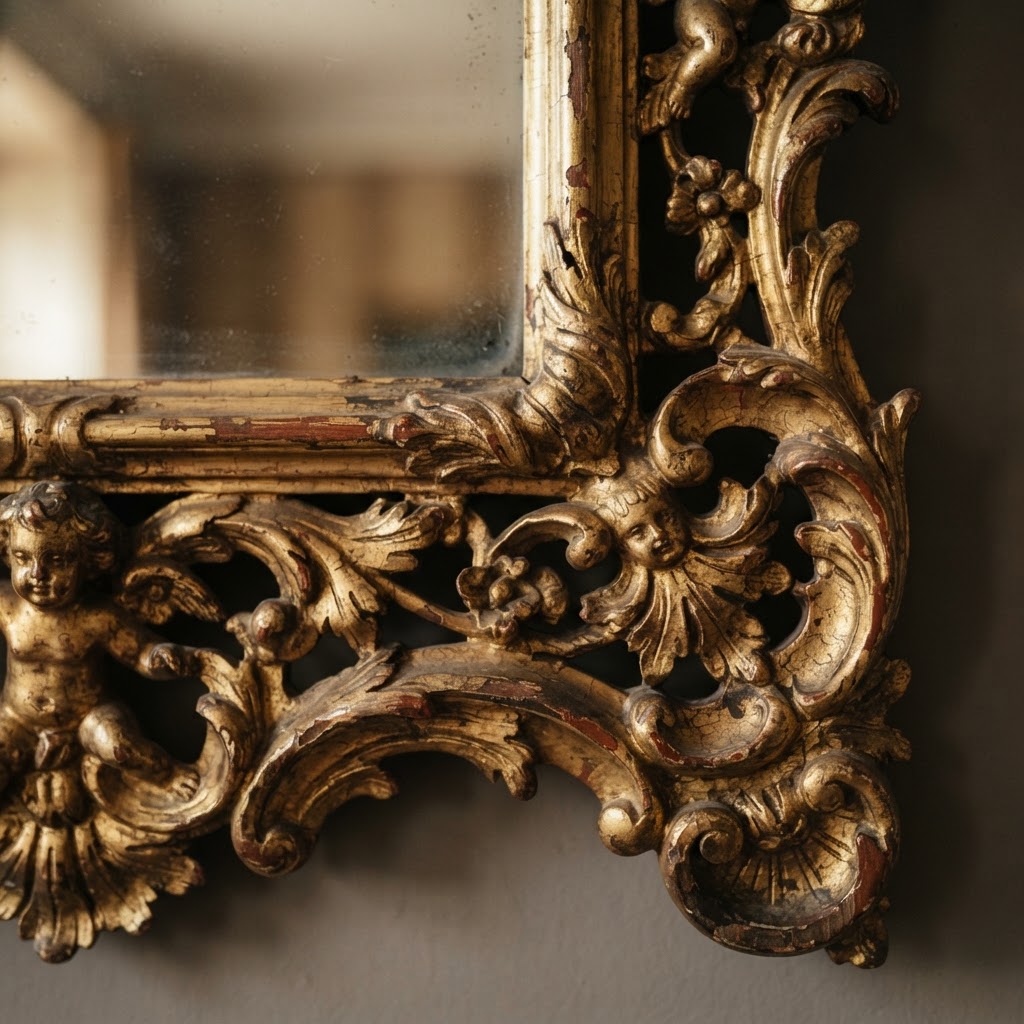
Antique or distressed mirrors deserve a special mention here. That slightly aged, foxed quality you see in vintage mirrors adds warmth and texture in a way that a perfectly clear modern mirror sometimes can't. They're particularly beautiful in dining rooms, where the soft, slightly imperfect reflection creates a flattering, atmospheric glow during evening meals. Look, if you can find a good antique mirror at a salvage yard or vintage market, grab it. They are genuinely special objects that carry history with them.
And don't be afraid to go big and bold. An oversized statement mirror above a fireplace or along an entire dining room wall isn't just decoration, it's architecture. It redefines the proportions of the space and gives the room a sense of grandeur that can be incredibly hard to achieve any other way. This is one of those design moves that looks expensive but is often surprisingly affordable compared to other structural changes.
Strategic Placement for Better Room Flow
Flow is one of those design concepts that's easy to feel but hard to explain. When a space has good flow, moving through it feels natural and comfortable. When it doesn't, something just feels off, even if you can't immediately put your finger on why. Mirrors are a surprisingly effective tool for improving the sense of flow in a home, particularly in layouts that feel choppy or disconnected.
Placing mirrors at transition points, like at the end of a hallway, at the entrance to a living room, or flanking a doorway, creates a sense of visual continuity. The eye is drawn forward and the space feels connected rather than divided into awkward segments. It's a subtle trick but one that professional designers use all the time. The mirror doesn't just reflect the room, it draws you into it. It creates anticipation and makes movement through the space feel deliberate and intentional.
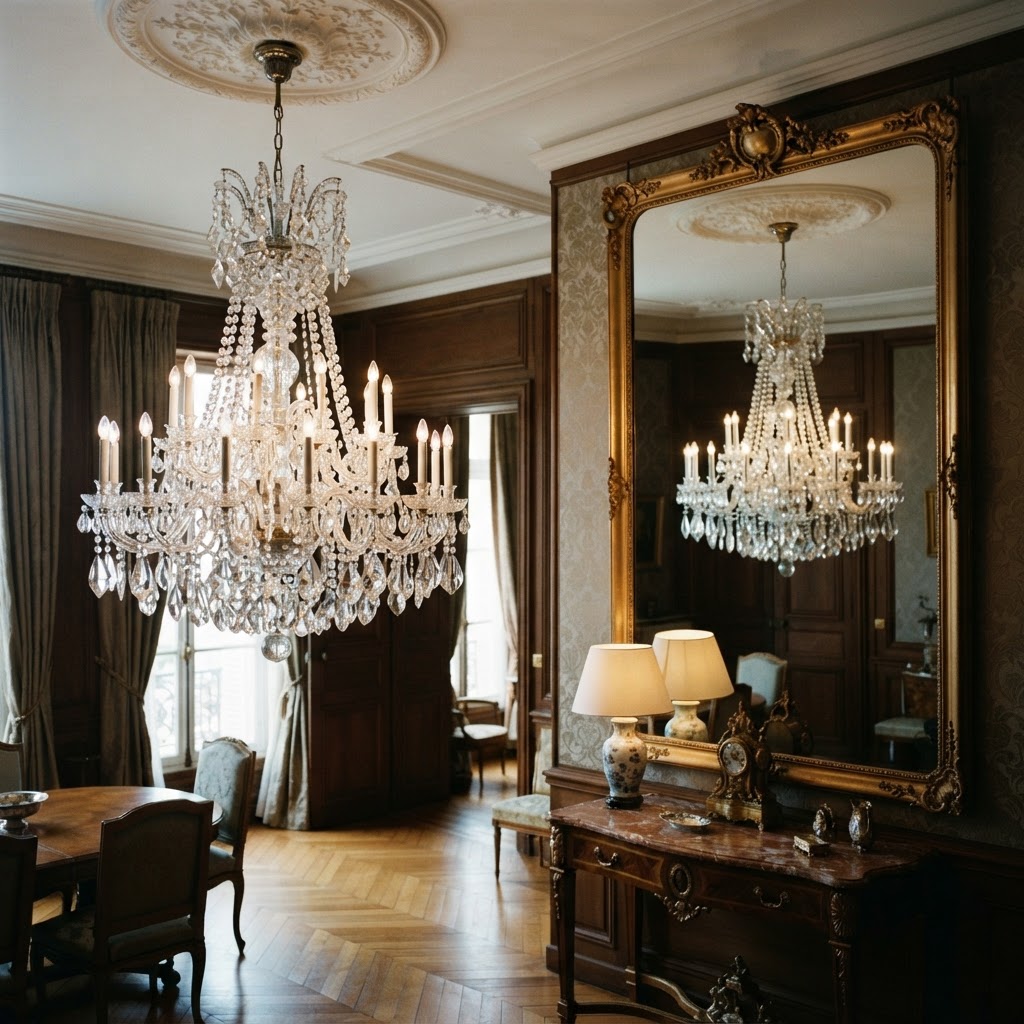
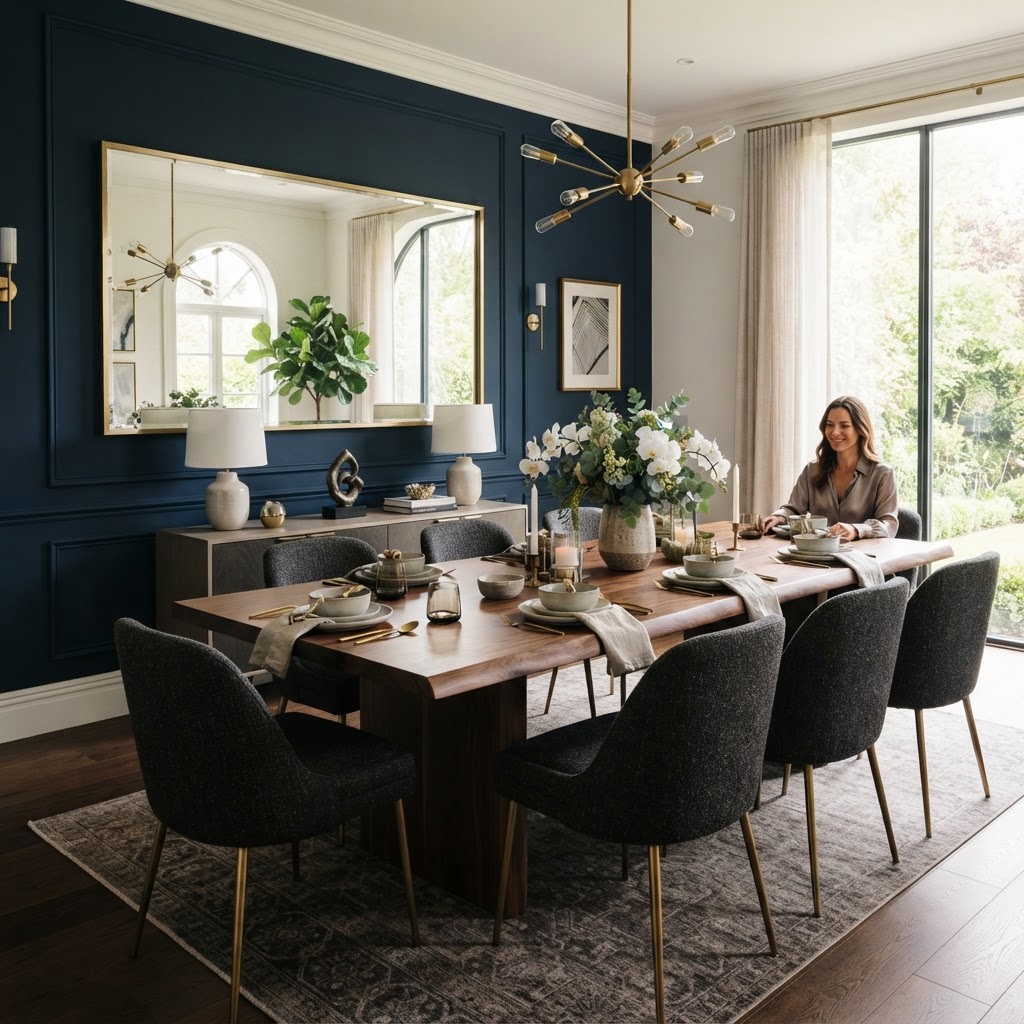
In open-plan living spaces, mirrors can help define zones without using physical barriers. A large mirror on the wall behind a dining table, for instance, visually anchors that zone within the larger open space. It gives the dining area its own identity without closing it off from the kitchen or living room. This is particularly useful in smaller open-plan apartments where you still want different areas to feel distinct but not cramped.
Think about the journey through your home from the perspective of someone entering for the first time. What do they see? Where does their eye go? Mirrors can guide that visual journey in a really intentional way. A mirror that reflects a beautiful view from your window, a stunning piece of art, or a carefully styled shelf gives visitors something pleasing to look at from multiple vantage points in the room. It's layered design thinking and it makes a big difference to how polished and considered a space feels overall.
- Use mirrors at the end of hallways to draw the eye and create depth
- Flank doorways with matching mirrors to create symmetry and flow
- In open-plan spaces, use large mirrors to define and anchor specific zones
- Consider the visual journey through your home and place mirrors along that path
Grouping Smaller Mirrors for Texture
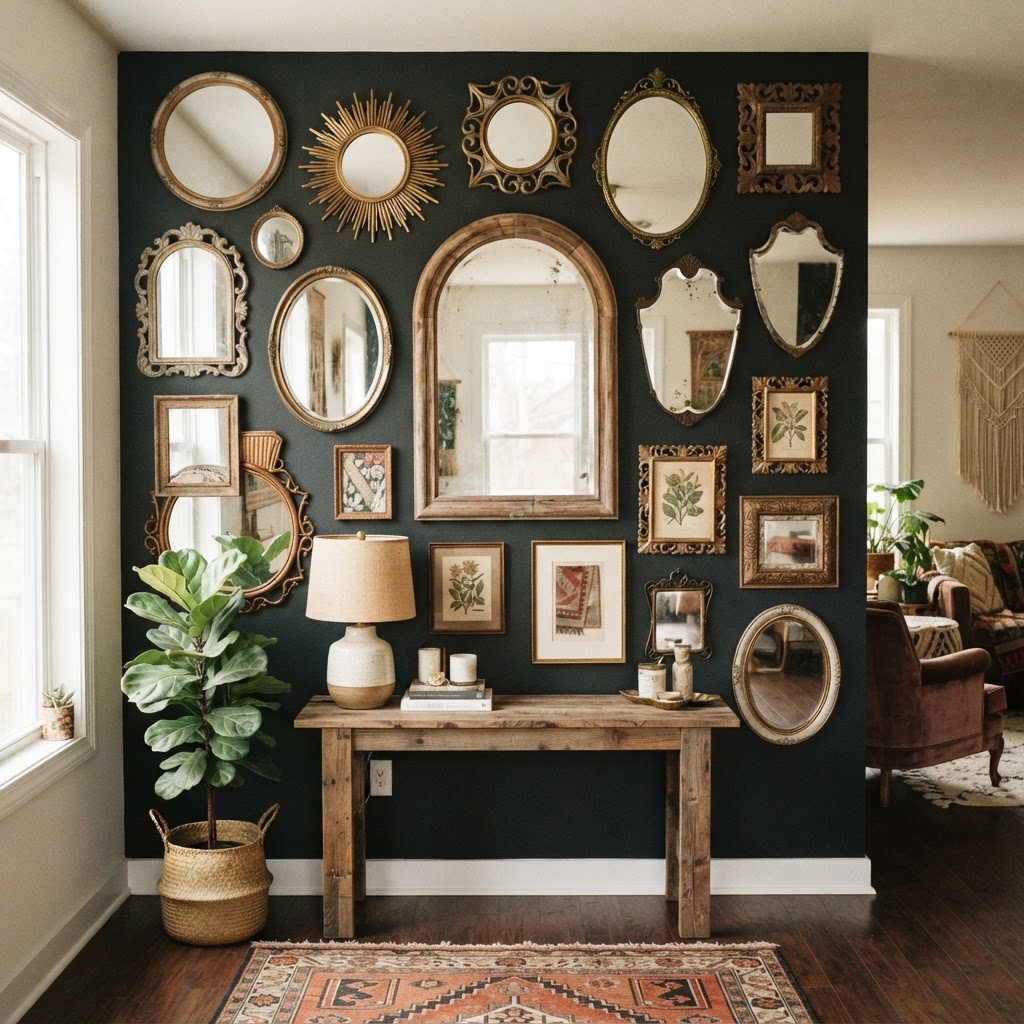
Not every room calls for one giant statement mirror. Sometimes the more interesting, more personal approach is to collect a bunch of smaller mirrors and arrange them together as a group. This is one of my absolute favorite things to do because it lets you build something that feels totally unique to you. No two groupings look the same, and the result is a wall treatment that has texture, depth, personality, and all the reflective benefits of a larger mirror combined.
The key to making a mirror gallery wall work is mixing shapes and frames while keeping some kind of unifying element. That element might be a consistent finish, like all brass frames, or it might be a consistent style, like all vintage or all geometric. Without some through-line, the grouping can start to look chaotic rather than curated. But when you get the balance right, it's genuinely one of the most striking things you can do to a wall, and it usually costs less than a single large designer mirror.
Think about scale and rhythm as you arrange your grouping. You want a mix of larger and smaller pieces so the arrangement has visual movement. Cluster a few small round mirrors around a slightly larger rectangular one. Add an interesting sunburst mirror off to one side for an organic, collected feel. Lay your arrangement out on the floor first before you start putting holes in the wall. This is non-negotiable advice. Spend twenty minutes on the floor arranging and rearranging until it feels right, and then photograph it before you start hanging.
Mirror groupings work particularly well in bedrooms, living rooms, and dining areas. In a bedroom, a cluster of different mirrors above a dresser creates a dressing-table effect that's both practical and beautiful. In a dining room, a grouping on the main wall adds warmth and that lovely, slightly fragmented reflection that makes evening dinners feel more atmospheric. And honestly, the process of building the grouping over time, picking up a mirror here and there from markets and vintage shops, makes the end result feel even more special because it has a story behind it.
Final Thoughts
Mirrors are one of those design elements that work on so many levels at once. They make spaces feel bigger, brighter, and more considered. They can be art, they can be architecture, they can be subtle background players or bold focal points. And compared to most other ways of transforming a room, they're genuinely accessible no matter what your budget looks like.
The thing I love most about working with mirrors is that they reward thoughtfulness. A mirror placed without intention can look awkward or feel random. But a mirror placed with real consideration for what it's reflecting, where the light is coming from, and how it fits into the flow of the space can elevate an entire room. So take your time, experiment with placement before you commit, and don't be afraid to go bigger or bolder than you initially think you should. Nine times out of ten, the bigger mirror is the right call.
Real talk, if you've been holding off on adding mirrors to your home because you're not sure where to start, just pick one of these five approaches and try it. Start with what feels most relevant to the problem you're trying to solve in your space, whether that's a dim room, a cramped hallway, or a wall that just feels flat and uninspired. Mirrors are forgiving, moveable, and endlessly versatile. There's genuinely no wrong time to start experimenting with them.
More in Interior
Stay Inspired
Subscribe for new essays on architecture, design, and the spaces that shape us.