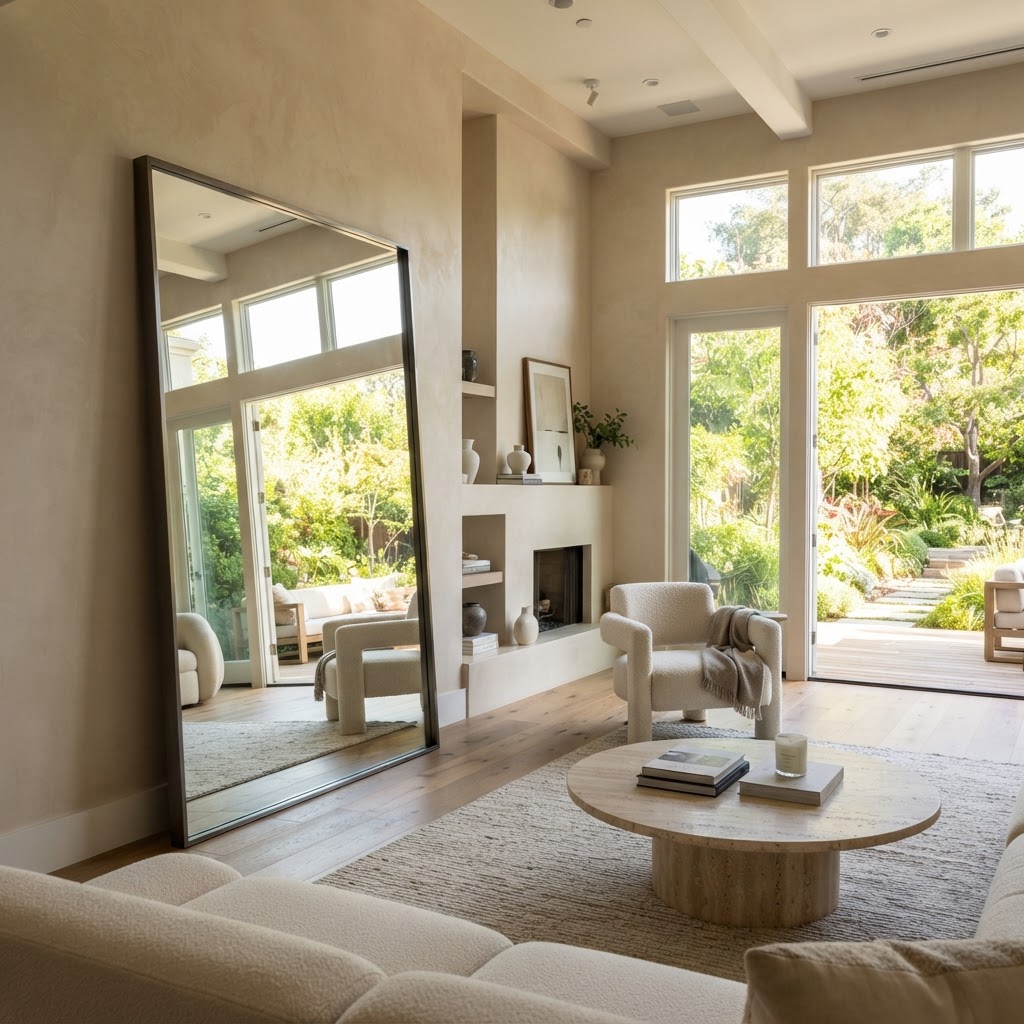
7 Genius Ways Mirrors Can Transform Your Small Space Into A Luxury Retreat
Mirrors do much more than just check your outfit before heading out the door. Learn how to strategically place them to amplify natural light and make your home feel twice as large.
The Illusion of Extra Square Footage
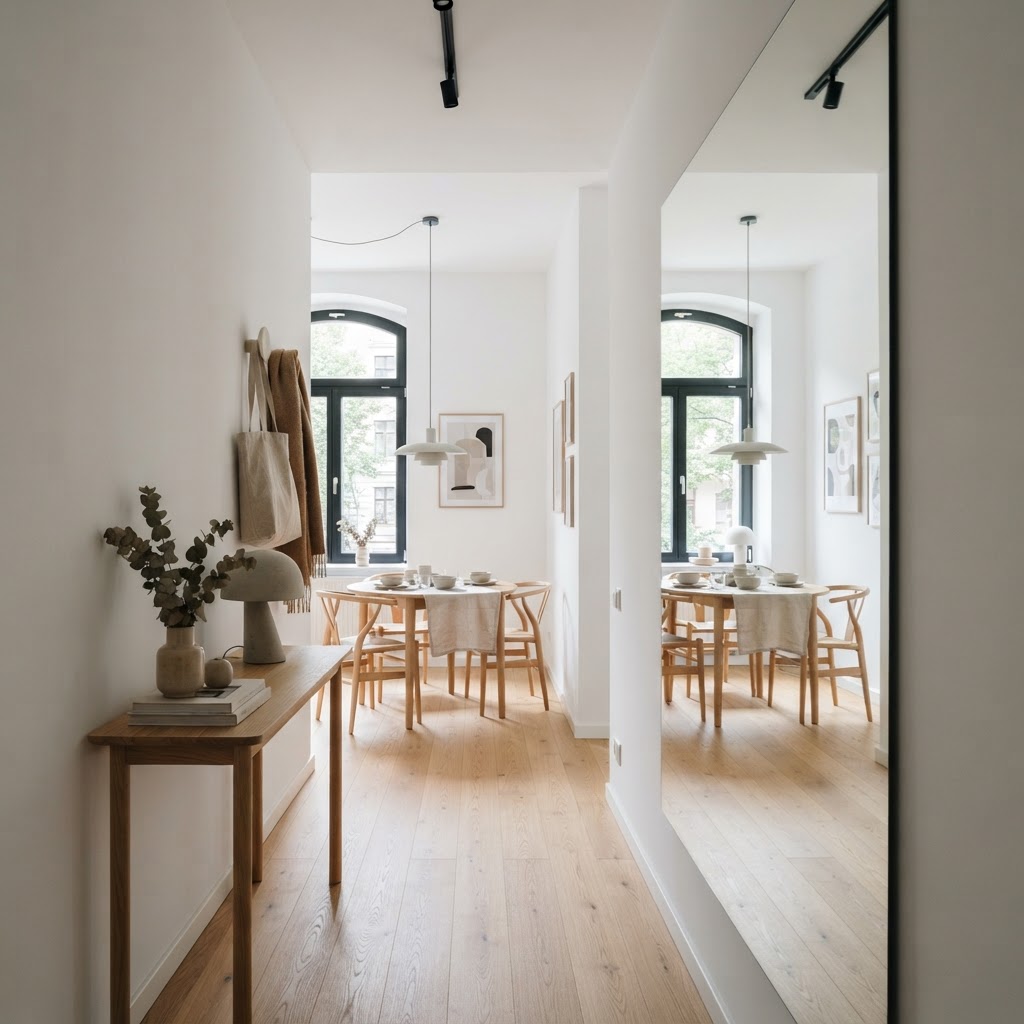
Okay, let's just start with the big one. If you live in a small apartment or a cozy little house, you already know the struggle. You walk in and the walls feel like they're slowly inching toward you. Honestly, it can feel suffocating, even when you've done everything right with furniture and paint. But here's the thing: a mirror placed in the right spot can genuinely make a room feel like it gained an extra hundred square feet. It's not magic, it's just physics and a little bit of design intuition.
The trick is placement. A large mirror hung directly across from a window or an open doorway will reflect the view beyond, tricking your brain into thinking the space continues. It sounds almost too simple, but I've seen it work in the tiniest studio apartments and it's genuinely transformative. The eye follows the reflection and perceives depth where there isn't any. Your brain gets fooled, and honestly, you want it to be fooled in this case.
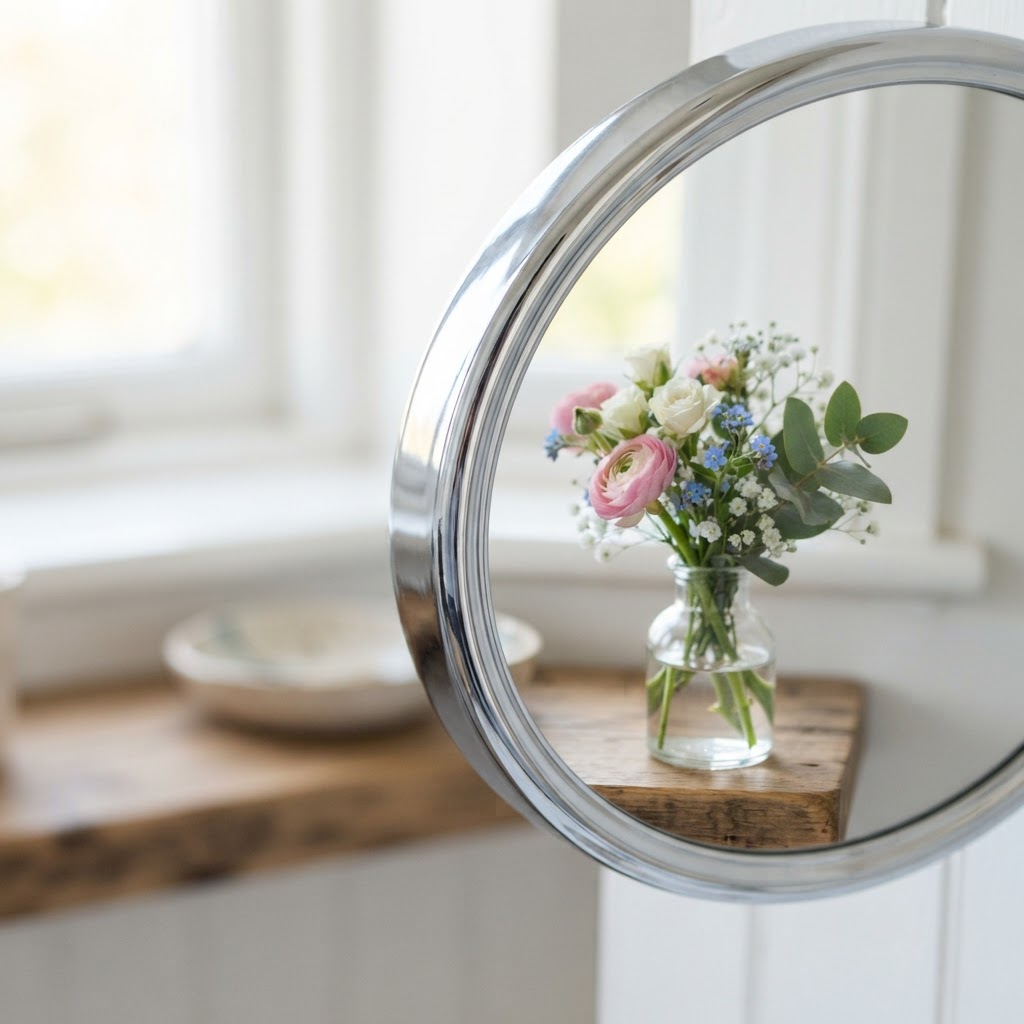
Full-length mirrors leaning against a wall are a great budget-friendly option. But if you want to go all in, consider a floor-to-ceiling mirror or even a mirrored panel on one full wall of a small dining area or bedroom. Designers do this all the time in boutique hotels, and that's exactly why those tiny rooms feel so luxurious. You're borrowing that same trick right for your own home.
- Place large mirrors opposite doorways to create the illusion of another room beyond
- Lean oversized mirrors against walls rather than hanging them for a more casual, editorial feel
- Use mirrored furniture like side tables or dressers to multiply the effect without dedicating an entire wall
- Avoid cluttered reflections since a mirror facing a messy corner will just amplify the mess
Real talk: the biggest mistake people make is hanging a small mirror in a small room thinking it'll help. It won't. Go big or go home. A tiny mirror in a compact space just looks like a random decoration. A large mirror? That's a design decision that actually moves the needle.
Harnessing Natural Light to Brighten Dark Corners
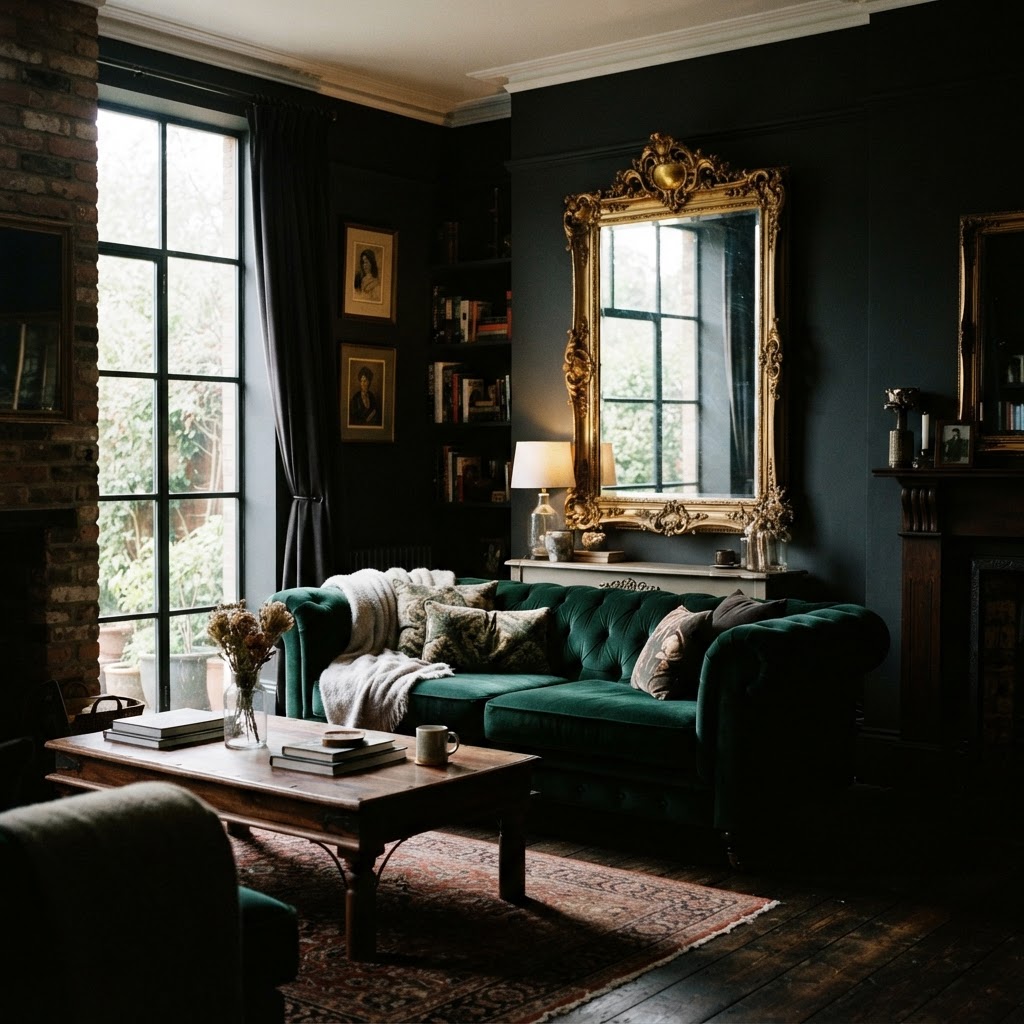
Natural light is literally the most expensive thing you can add to a home, and if you don't have enough of it, life is just a little bit harder. Dark rooms feel smaller, they feel sadder, and they make everything look a little washed out and dull. But mirrors are basically free light boosters, and once you understand how to angle them properly, you can completely change the mood of a room without touching a single light fixture.
Here's the thing about light and mirrors: you're essentially redirecting sunlight. If you have one good window in a room, a mirror hung at a slight angle beside or across from it will catch that light and throw it into the darker parts of the space. Think of it like having a second window, except this one costs you maybe fifty bucks at a thrift store. I've used this technique in north-facing bedrooms with minimal windows and the difference is honestly jaw-dropping.
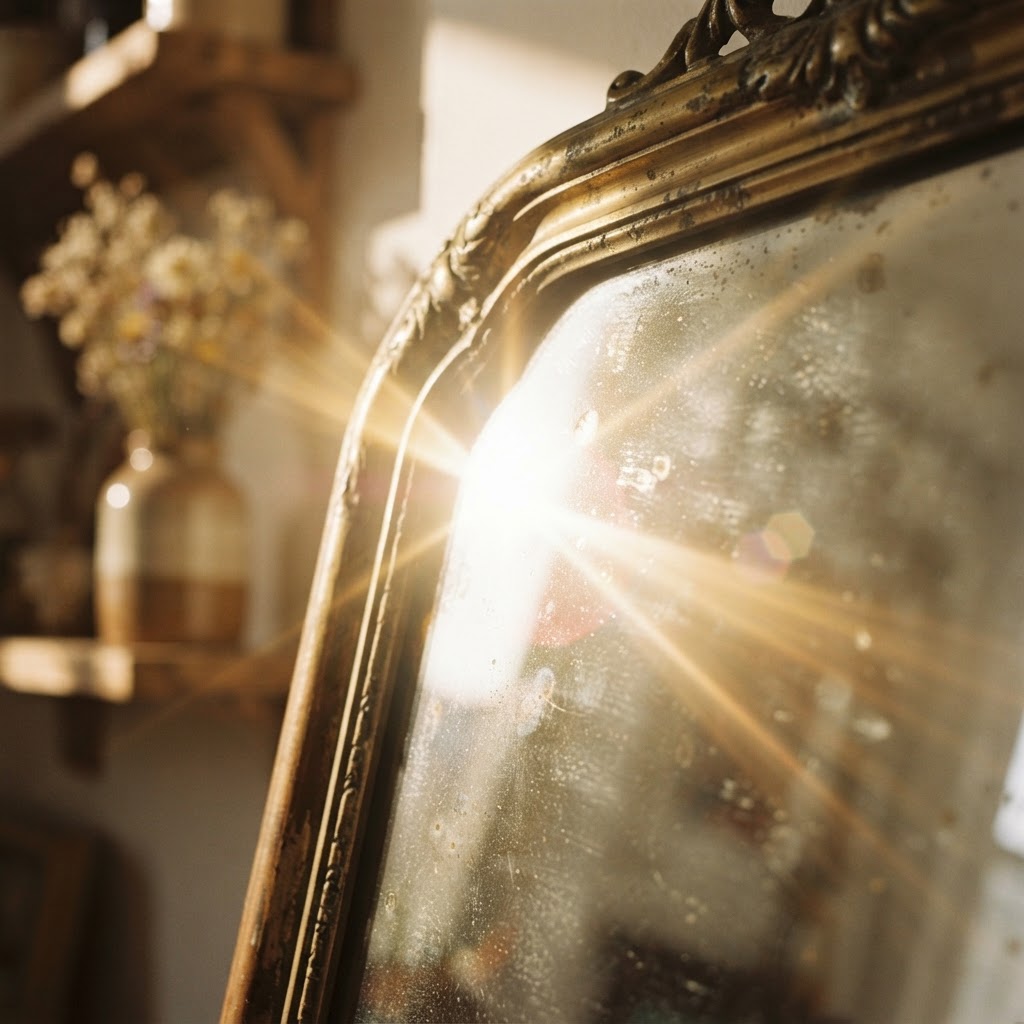
The angle matters more than most people realize. A mirror hung perfectly flat on a wall will reflect whatever is directly across from it. But tilt it slightly downward and it'll catch more of the ceiling and upper light sources. Tilt it slightly sideways and you redirect the beam toward a specific dark corner. Play around with it. Seriously, just hold the mirror up manually before you commit to hanging it and see where the light goes.
"A mirror placed opposite a window doesn't just reflect the view, it doubles the light in the room and makes every hour of the day feel a little more golden."
And don't overlook artificial light either. A mirror placed near a well-designed lamp or sconce will amplify that warm glow after sunset. It's why candlelit dinners always look so romantic in restaurants with mirrored walls. The reflections multiply the warmth and you get this gorgeous, layered ambiance that feels intentional and high-end without any extra effort.
Creating Focal Points with Statement Pieces
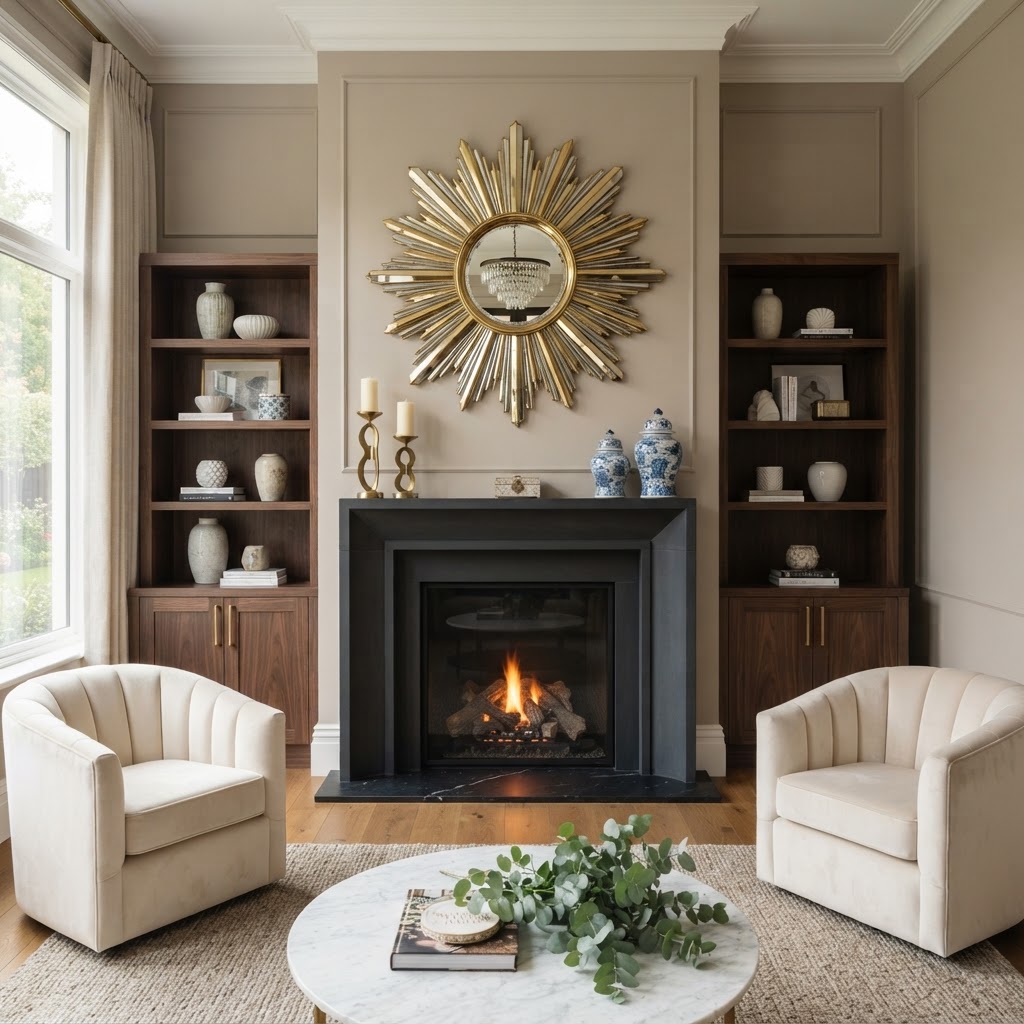
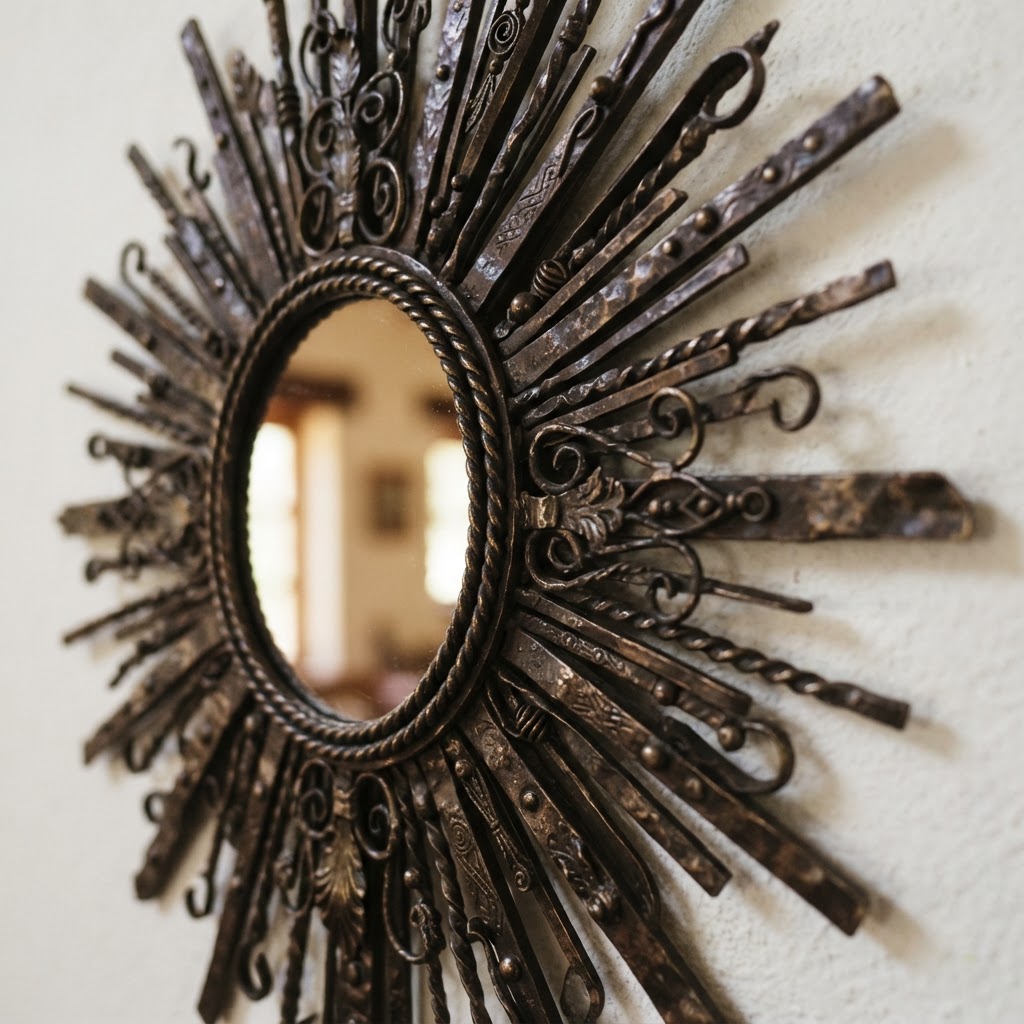
Not all mirrors are created equal, and honestly, the frame is doing at least half the work. A plain rectangular mirror from a big box store is fine, but a mirror with a sculptural sunburst frame, an arched top, or a heavily ornate vintage frame? That's a piece of art. That's a conversation starter. And in a small space, having one truly great focal point is worth more than a dozen mediocre decorative touches scattered around the room.
Think about where your eye naturally goes when you walk into a room. It's usually toward the largest piece of furniture or the most visually interesting thing on the walls. If you place a statement mirror above a fireplace, a console table in an entryway, or centered behind a sofa, you're directing that visual energy intentionally. You're telling the room what to be about, and that kind of intentionality is what separates a designed space from a decorated one.
Arched mirrors are having a massive moment right now and for good reason. That curved top softens a room, adds a sense of height, and feels inherently elegant without being stuffy. If your space has a lot of hard angles and rectangular furniture, one arched mirror can balance the whole thing out beautifully. Look, I'm not saying you need to spend thousands on a designer piece, though if you can, do it. But even a well-chosen affordable mirror with a strong silhouette will absolutely elevate a room.
- Sunburst mirrors work brilliantly in mid-century modern and eclectic spaces
- Arched mirrors suit transitional, Scandi, and organic modern interiors
- Ornate gilded frames add drama to maximalist, vintage, or Hollywood Regency rooms
- Simple black-framed mirrors are endlessly versatile and anchor contemporary spaces with ease
- Irregular or asymmetrical shapes create genuine artistic interest and a custom, one-of-a-kind feel
The one thing to be careful about is what the mirror is reflecting when it's acting as your focal point. A gorgeous statement mirror that reflects a cluttered bookshelf or a boring blank wall is wasting its potential. Style the area in front of and around it thoughtfully so the reflection itself becomes part of the composition.
Elevating Vertical Spaces with Tall Mirrors
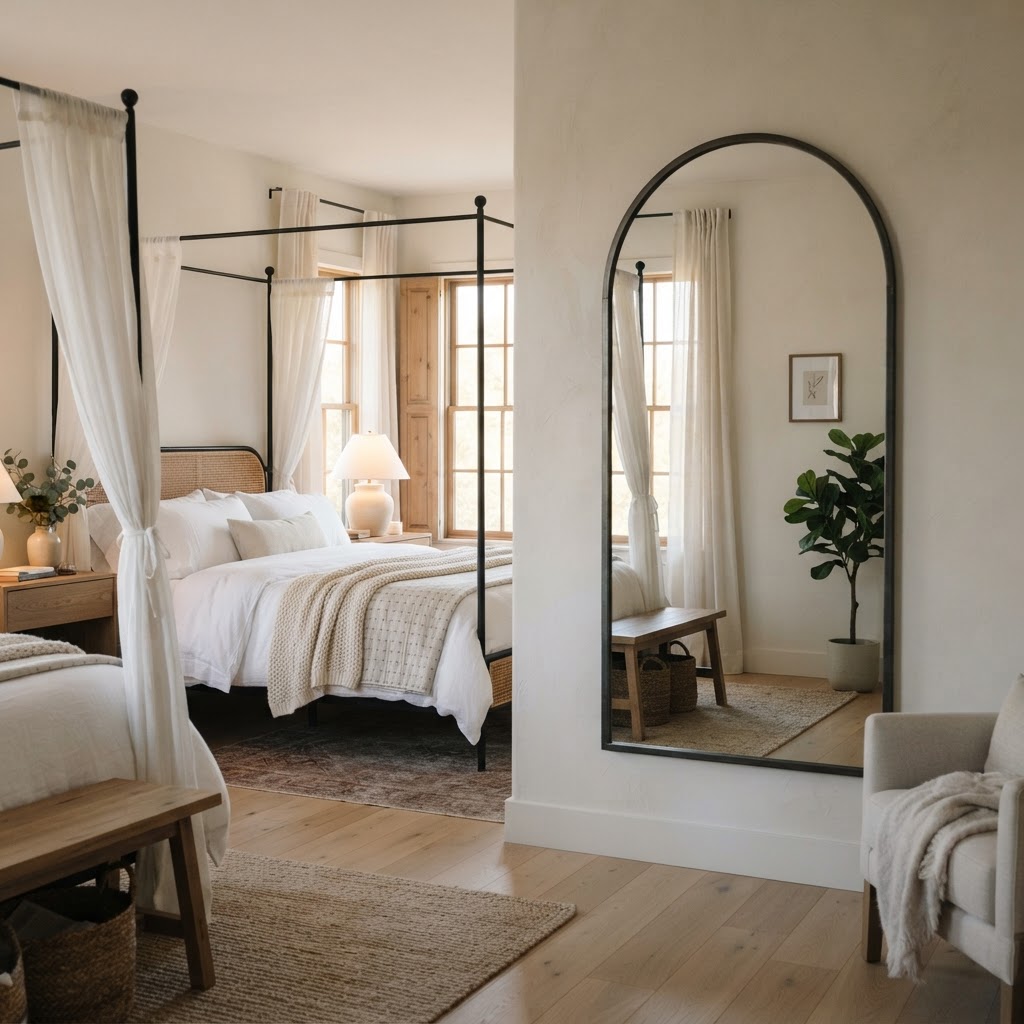
Low ceilings are one of the most common complaints I hear from people in older homes and apartments. And while you can't actually change the ceiling height without a serious renovation, you can absolutely make it feel taller. Tall, vertical mirrors are one of the most effective tools for this, and they work because they draw the eye upward and create a visual line that implies height the space may not technically have.
A floor-to-ceiling mirror in a bedroom or living room is genuinely one of the most transformative single additions you can make to a small space. It doesn't just add the illusion of height, it also makes the room feel more spacious in every direction. Trust me on this: once you live with a full-length mirror in a bedroom, you will never go back. The room just breathes differently.
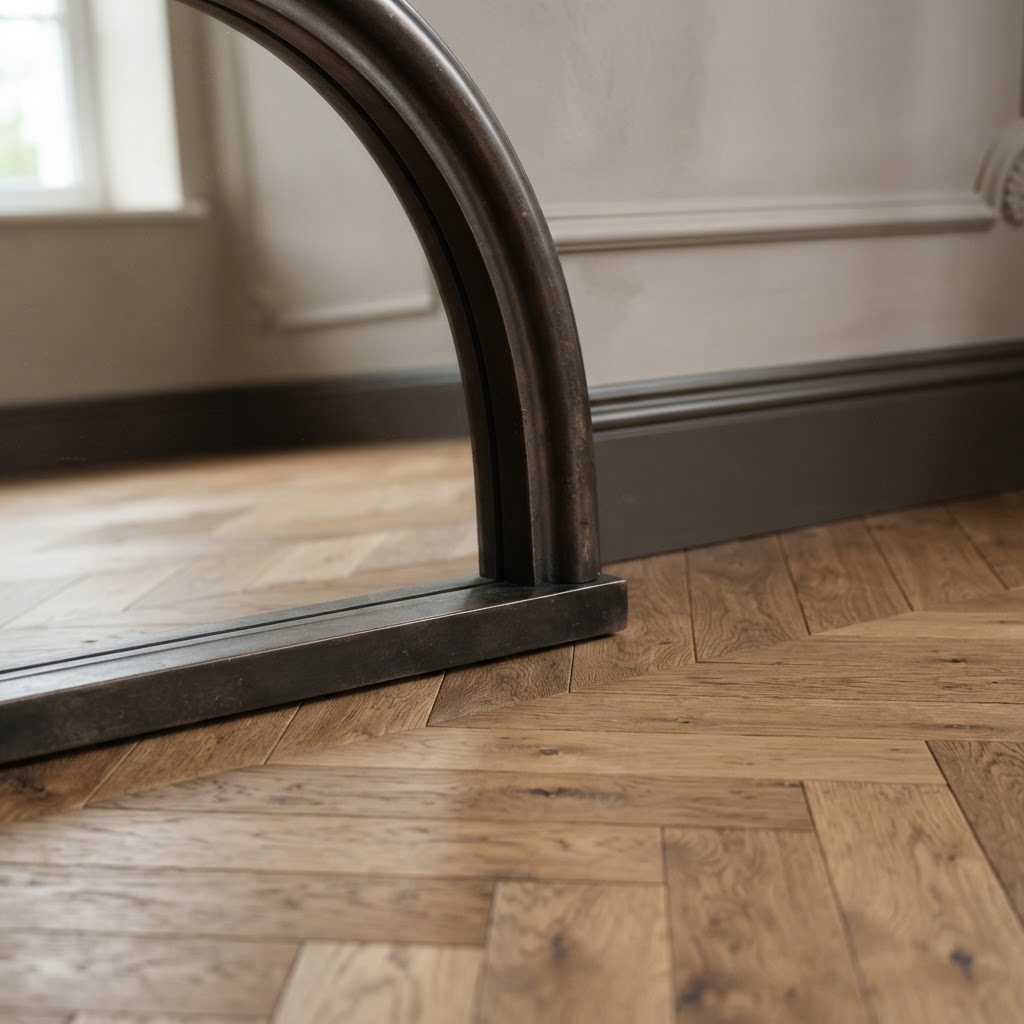
Hallways are another spot where tall mirrors absolutely shine. A narrow hallway can feel like a tunnel, which is not exactly the welcoming vibe you want when guests arrive. But line one wall with a series of tall, narrow mirrors or hang one large vertical piece and suddenly that hallway feels like a proper architectural feature. It becomes intentional. It becomes cool.
For rooms with low ceilings, try hanging the mirror higher on the wall rather than at eye level. When the mirror sits closer to the ceiling line, it blurs the boundary between wall and ceiling and visually pushes that ceiling up. Combine this with vertical striped wallpaper or tall bookshelves and you've got a completely convincing illusion of a much loftier space. Interior designers use this layering approach constantly in challenging spaces.
Mirror Pairings and Gallery Wall Techniques
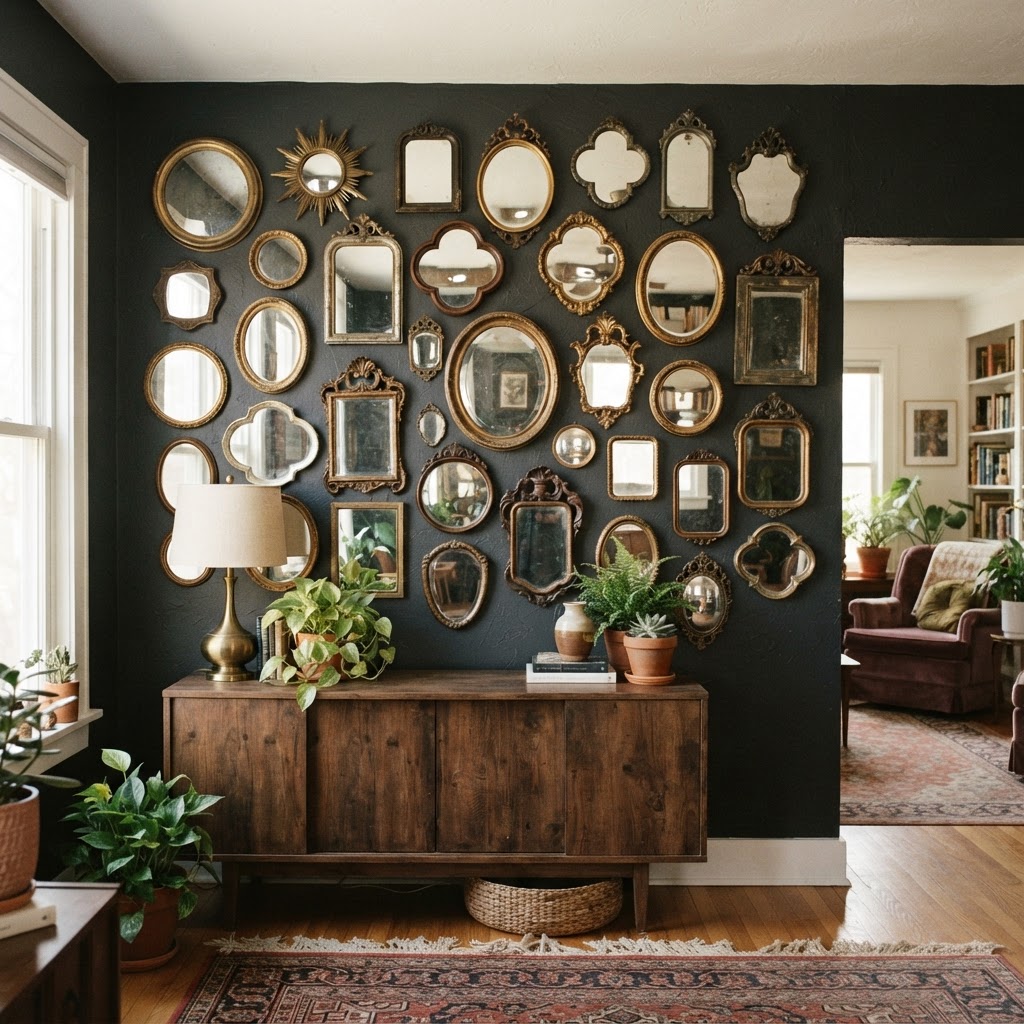
Here's something a lot of people don't think about: you don't have to choose between art and mirrors. You can have both, at the same time, on the same wall, and when it's done right it looks absolutely incredible. A gallery wall that mixes framed artwork with mirrors of varying shapes and sizes creates this layered, collected feel that looks like it took years to assemble, even if you put it together in an afternoon.
The key to mixing mirrors and art on a gallery wall is to treat the mirrors as reflective art pieces rather than just functional objects. Choose mirrors with interesting frames that complement the style of your other pieces. Mix a vintage gilded oval mirror with some modern black-and-white prints and a small botanical illustration and you've got something that feels genuinely curated. The mirrors add depth to the arrangement because they're reflecting the room back, which creates this layered, almost three-dimensional quality that flat artwork alone can't achieve.
Pairs of matching mirrors are another underused technique. Two identical mirrors flanking a bed headboard, a fireplace, or a console table create symmetry and that formal, hotel-like elegance that makes a space feel really polished. It's one of those classic designer moves that never actually gets old. And the symmetry itself signals intention, it tells anyone who walks in that this room was thoughtfully arranged by someone who knows what they're doing.
- Mix mirror shapes in a gallery wall, round with rectangular, arched with square, for dynamic visual interest
- Keep frame finishes cohesive across mirrors and artwork to tie the whole arrangement together
- Use matching mirror pairs to create symmetry around beds, sofas, or fireplaces
- Layer small mirrors with larger artwork so the scale variation keeps the eye moving
And honestly, don't overthink the arrangement. Lay everything out on the floor first, take a photo, and see how it looks. Move things around. The beauty of a gallery wall is that it's supposed to feel a little collected and personal, not like it came out of a catalog. The mirrors will add light, depth, and that indefinable something that makes a wall genuinely interesting to look at.
Final Thoughts
Look, mirrors are one of those design tools that are wildly underestimated. People think of them as purely functional, something you glance at before you leave the house, but they are so much more than that. When used with intention, they expand space, amplify light, create drama, and add a layer of luxury that genuinely rivals much more expensive interventions.
Whether you're working with a tiny studio, a low-ceilinged Victorian flat, or a dark north-facing room, there is a mirror strategy that will make your space feel more generous, more beautiful, and more like the retreat you actually want to come home to. Start with one good piece in the right spot and see what happens. I'm willing to bet you'll be back for more.
And honestly, in a world where square footage costs a fortune, knowing how to visually expand a space with something as simple as a mirror? That's a skill worth having. Use it well.
More in Interior
Stay Inspired
Subscribe for new essays on architecture, design, and the spaces that shape us.