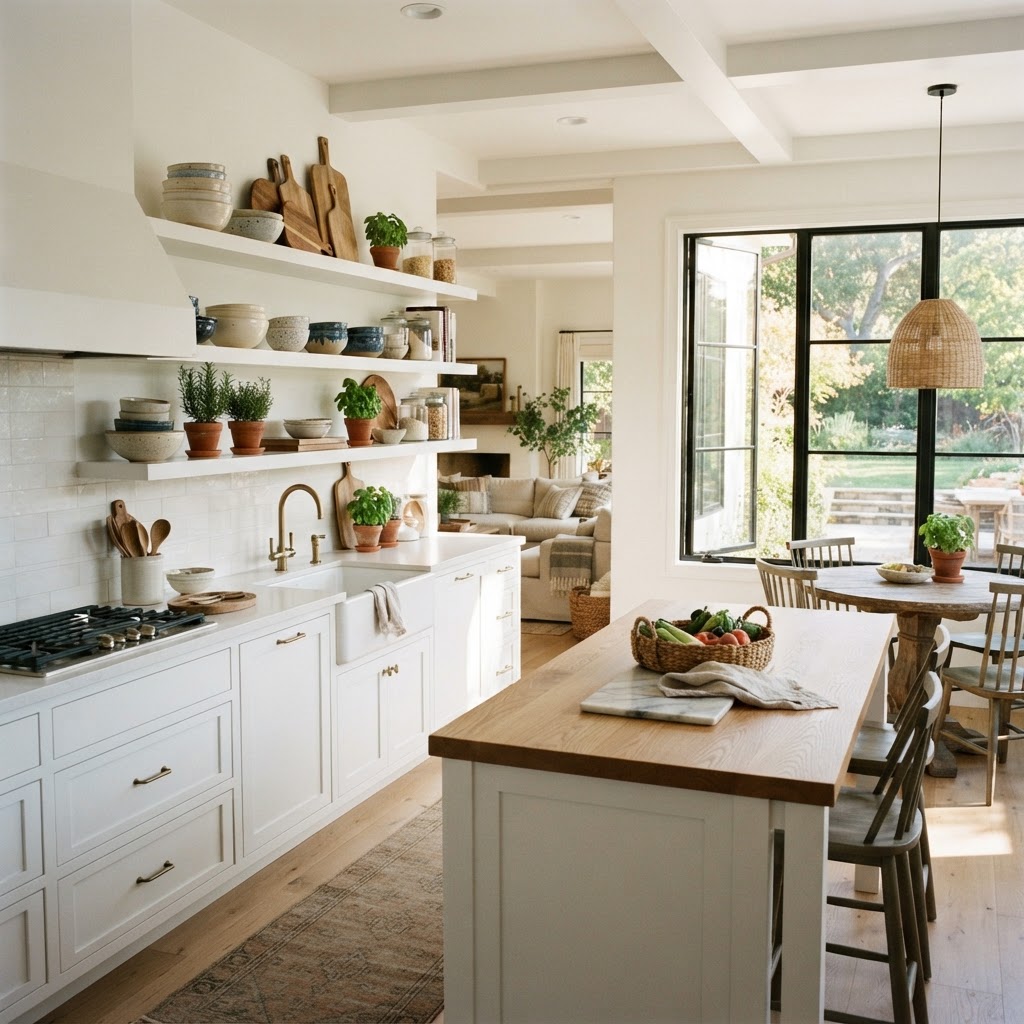
Master the Art of Open Shelving: 6 Simple Steps to a Styled Home
Open shelves are beautiful but can quickly turn into a cluttered mess if you do not have a plan. I am sharing my favorite design secrets to help you balance function and style in your kitchen or living room. Learn how to curate your favorite items so your walls look like a professional magazine spread.
Start with a Clean Slate and Choose Your Color Palette
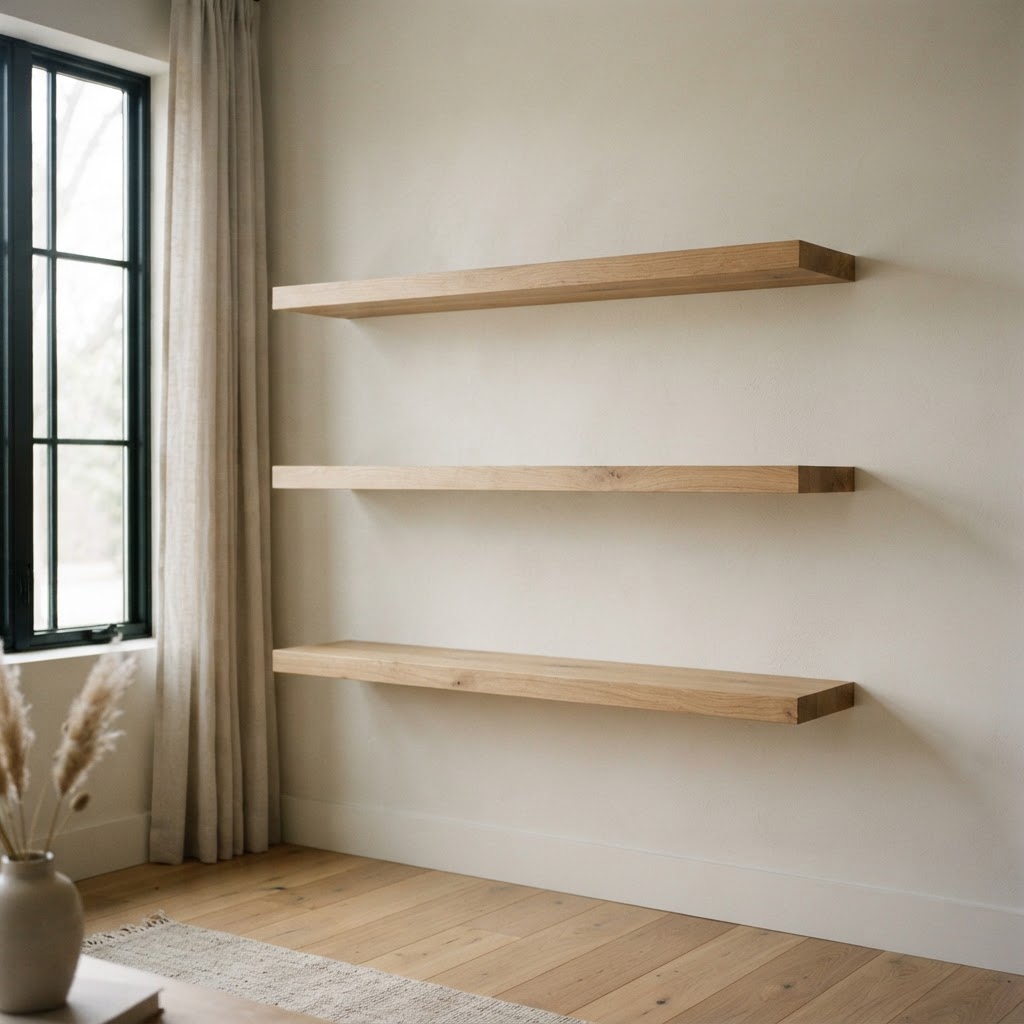
Okay, before we do anything else, I need you to take everything off your shelves. Everything. I know it sounds dramatic, but trust me on this. Starting with a completely empty shelf is the single most important thing you can do before you begin styling. It forces you to be intentional instead of just shuffling things around and hoping for the best.
Once your shelves are bare, give them a good wipe down and just look at them for a minute. Seriously. Take in the proportions, the height between shelves, the width. This is your canvas. Most people skip this step and wonder why their shelves always look cluttered and random. It's because they never gave themselves the mental reset that an empty shelf provides.
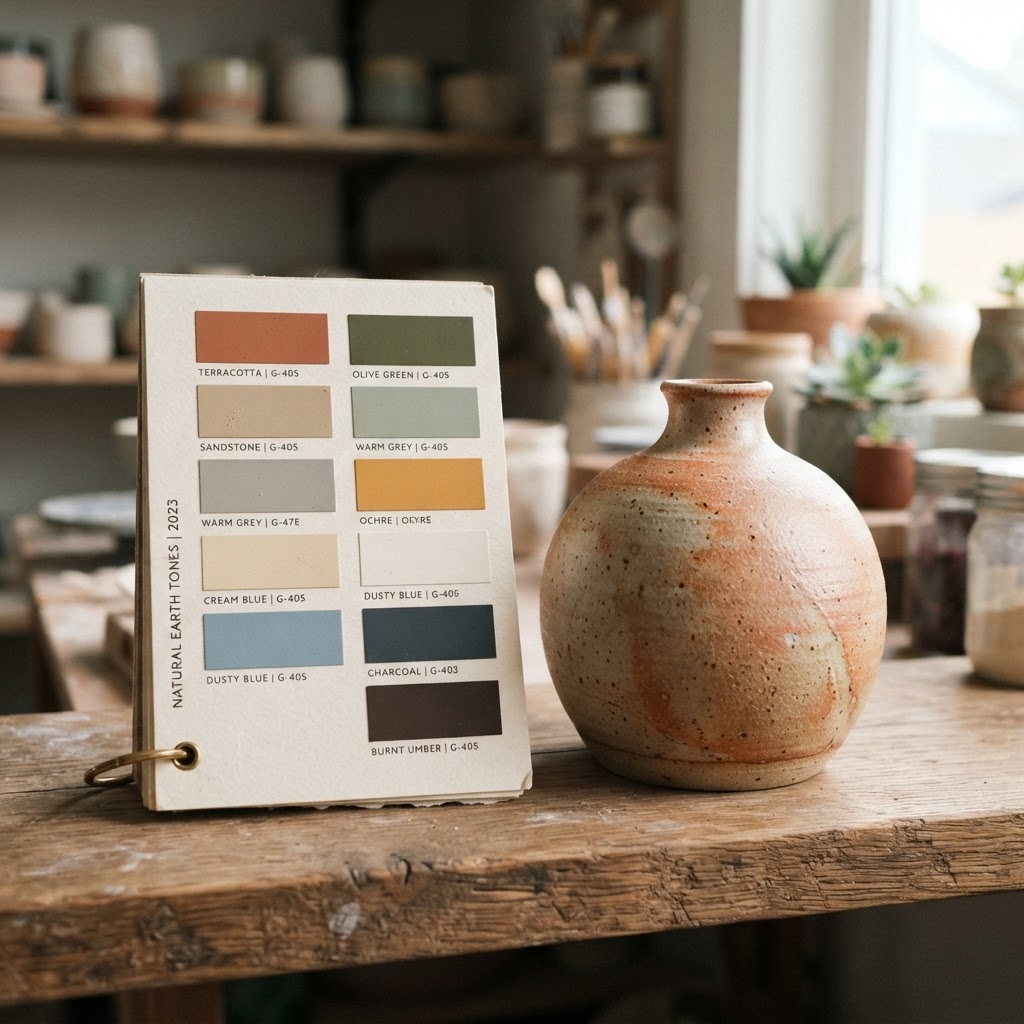
Now here's the thing about color palettes on shelves: you don't need to be strict about it, but you do need a direction. Pick two or three anchor colors and then allow one or two accent colors to pop up occasionally. If your room is neutral, warm whites and creams with wood tones and one earthy accent color like terracotta or sage will carry you a long, long way. If your space already has a bold color story happening, pull from those existing tones so your shelves feel like part of the room instead of a separate project entirely.
Honestly, the color palette step is where most people either win or lose the whole look. When you pull items that are all over the place chromatically, the shelf reads as chaotic even if the objects themselves are beautiful. Grouping within a color story creates harmony almost automatically. You can even lay out all your potential shelf items on the floor first and edit by color before you ever touch the shelf. It sounds extra, but it genuinely works.
The Power of Grouping and Layering Objects
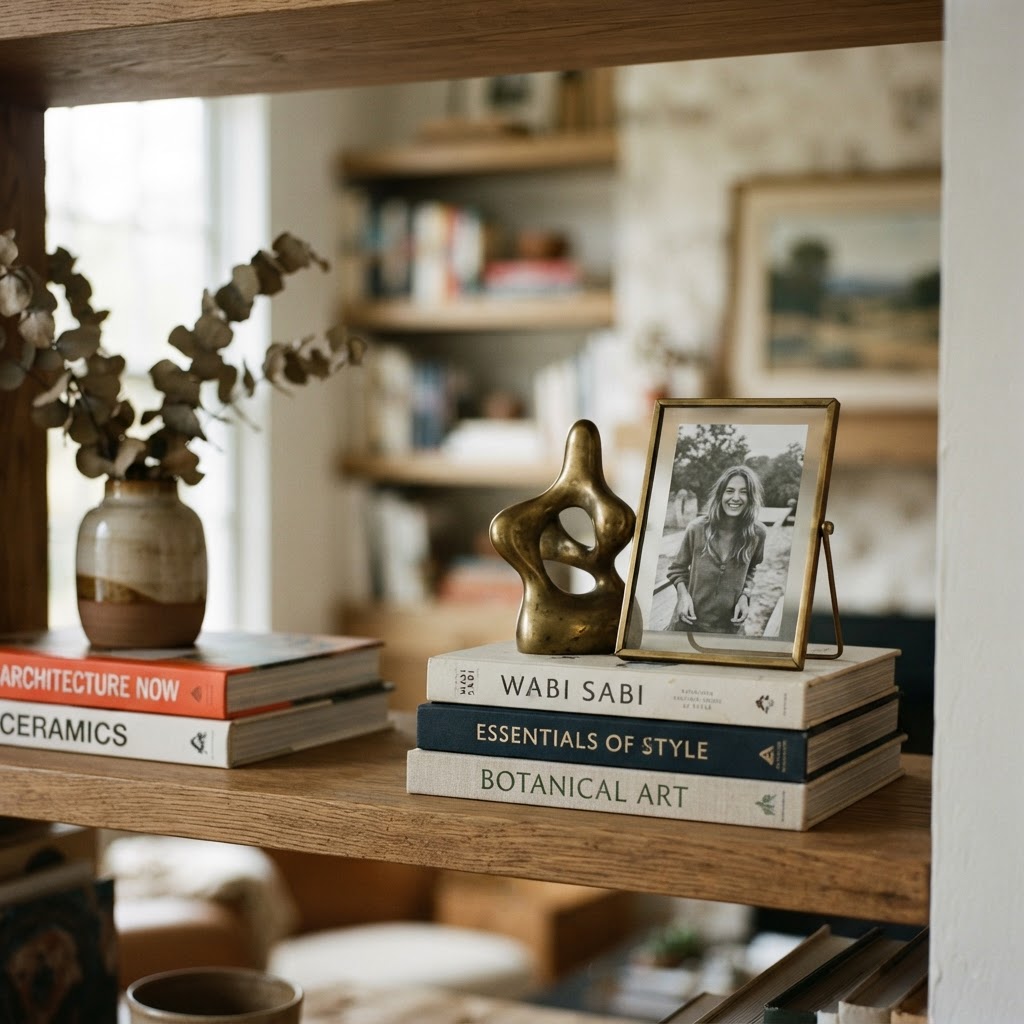
Real talk: this is the step that separates a shelf that looks styled from one that just looks like stuff sitting on a shelf. Grouping and layering are the fundamental principles of shelf styling and once you understand them, you genuinely cannot unsee them. You start noticing them everywhere, in magazine spreads, in hotel lobbies, in every beautiful home tour you've ever scrolled through late at night.
The rule of odds is your best friend here. Groups of three or five almost always look more natural and dynamic than groups of two or four. There's something about even numbers that reads as too symmetrical, too deliberate. Odd numbers have this effortless quality, like the items just happened to land there together. Try grouping a tall vase, a medium candle, and a small object like a stone or a tiny bowl. That trio has height variation, scale variation, and a natural visual flow from tall to small.
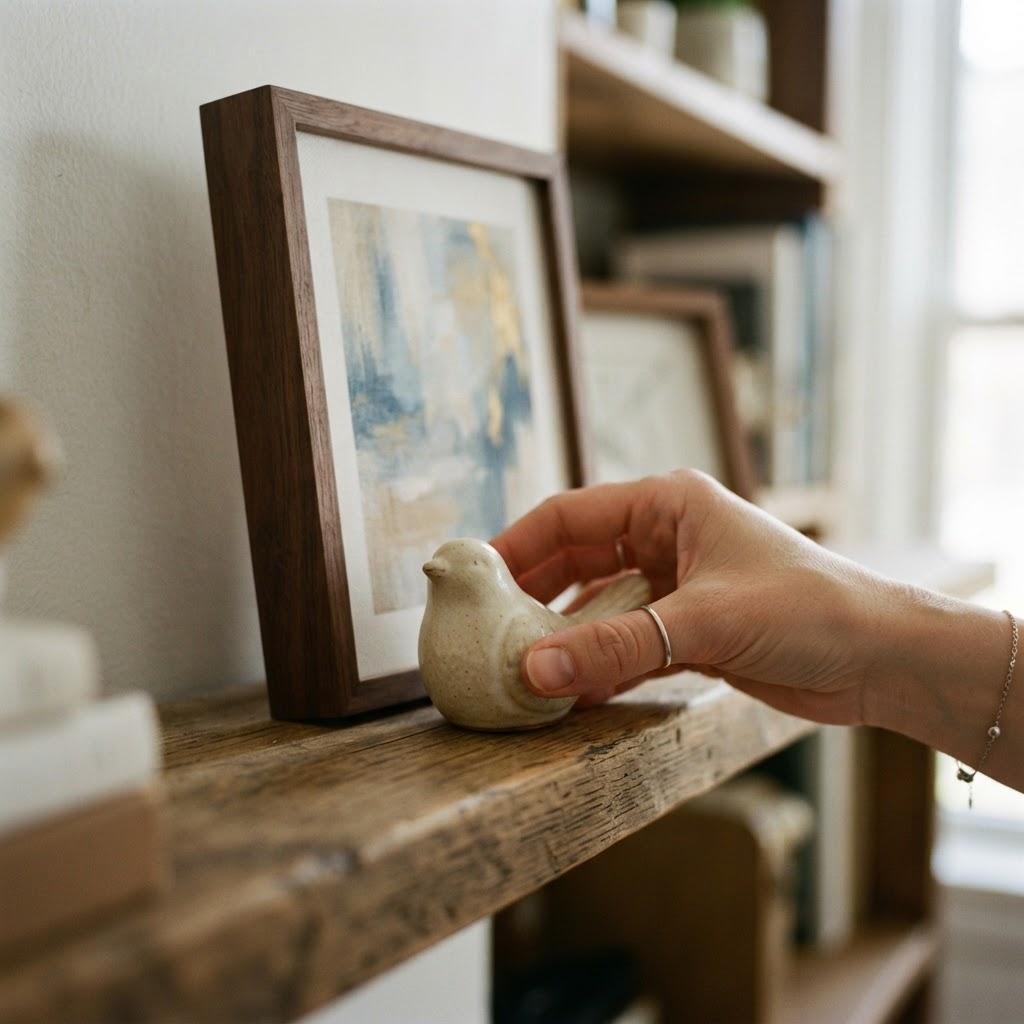
Layering is about depth. Don't just line things up in a single row like a police lineup. Push some things to the back, bring others to the front, lean things against each other. A framed print or a small painting leaned against the back of the shelf with objects placed in front of it creates so much more dimension than anything hung flat or standing alone. Books stacked horizontally with a small object placed on top is another classic layer move that works every single time.
One more thing about grouping: keep the groupings contained to their little zones on each shelf. Leave visual breaks between groups. This is what keeps a well-styled shelf from looking like a flea market table. Each cluster should feel like its own little scene, and together all those scenes tell a cohesive story across the whole unit.
Incorporate Negative Space for Visual Breathing Room
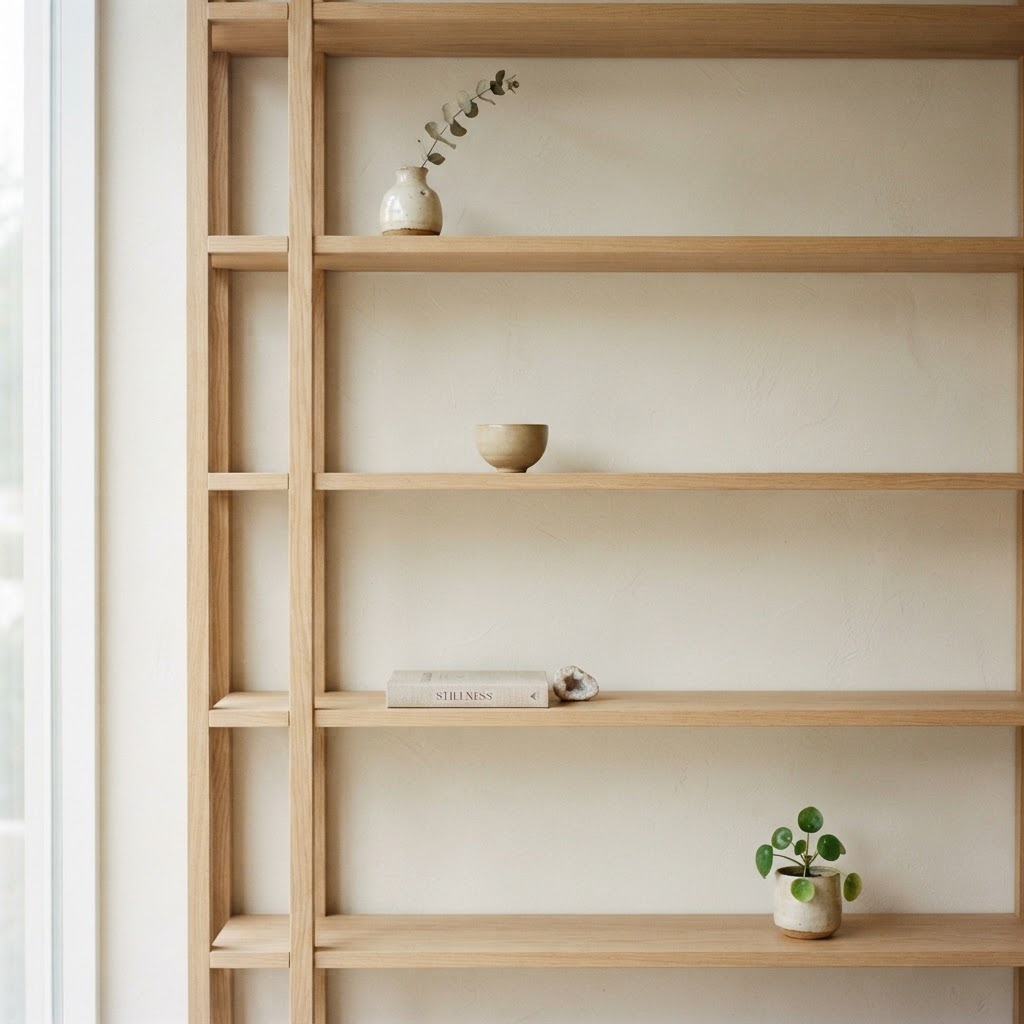
This might be the hardest concept for people to actually implement because it feels counterintuitive. We look at empty shelf space and our instinct is to fill it. More stuff equals more styled, right? Wrong. So wrong. Negative space is not wasted space. It is an active design choice that makes everything around it look more intentional and more beautiful.
Think about how artwork is displayed in a gallery. There's tons of wall space between pieces, and that space is what gives each piece its presence and weight. Your shelf is no different. When every inch is occupied, nothing stands out. Everything competes. Your eye has nowhere to rest, and the whole thing just feels exhausting to look at. A little emptiness creates calm, and calm is deeply appealing in a home.
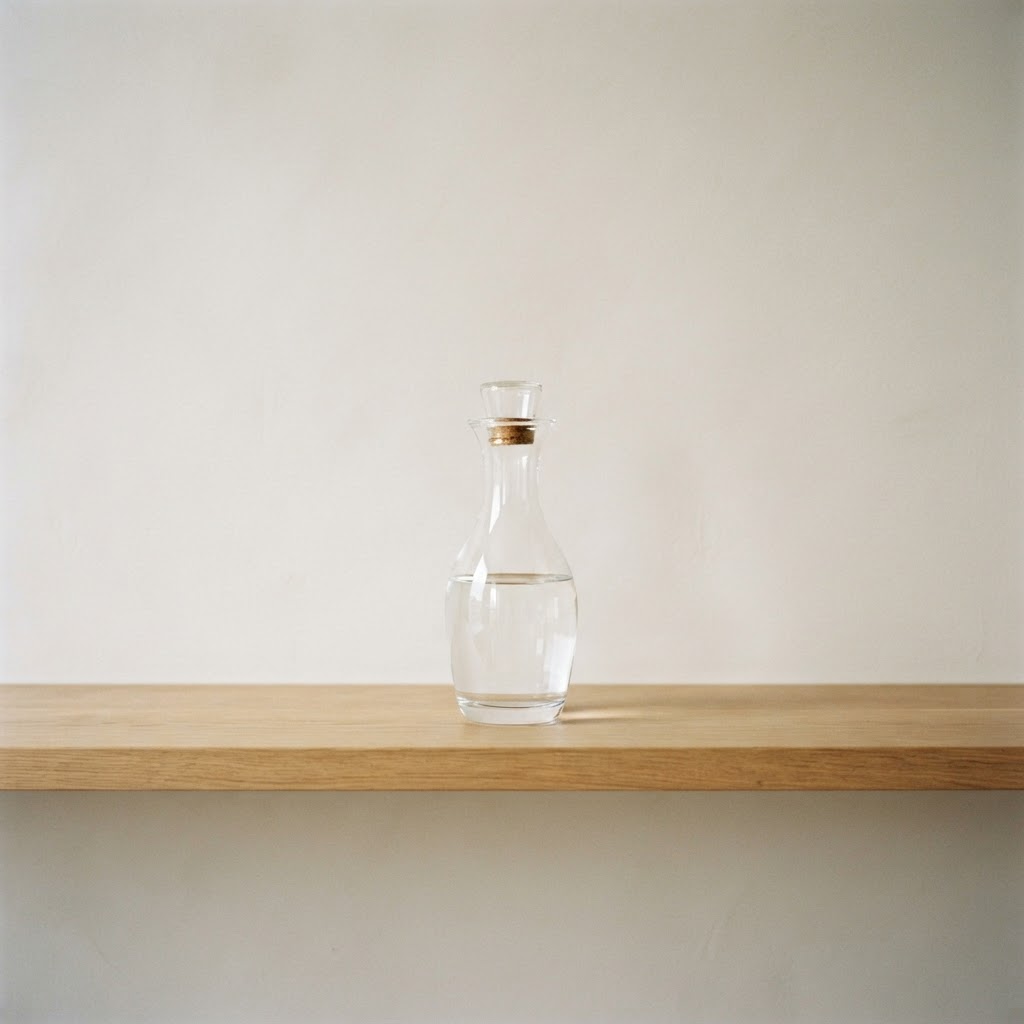
A good practical approach is to aim for shelves that are roughly sixty to seventy percent filled. That means almost a third of your shelf surface is just open. This sounds like a lot but honestly, when you see it, it clicks. Try placing your groupings and then stepping back across the room to look. If your eyes go directly to the objects and feel a sense of ease, you've got it right. If your eyes kind of bounce around without landing anywhere, you likely need to pull a few things off.
Also, consider the space between shelves vertically. If you have a very tall item on one shelf, the shelf above it will have less visual breathing room by default. Balance this by keeping the shelf above it lighter and sparser. The whole unit should feel rhythmic when you look at it, with visual weight distributed thoughtfully rather than just stacked up.
Add Texture and Organic Elements to Warm Up the Space
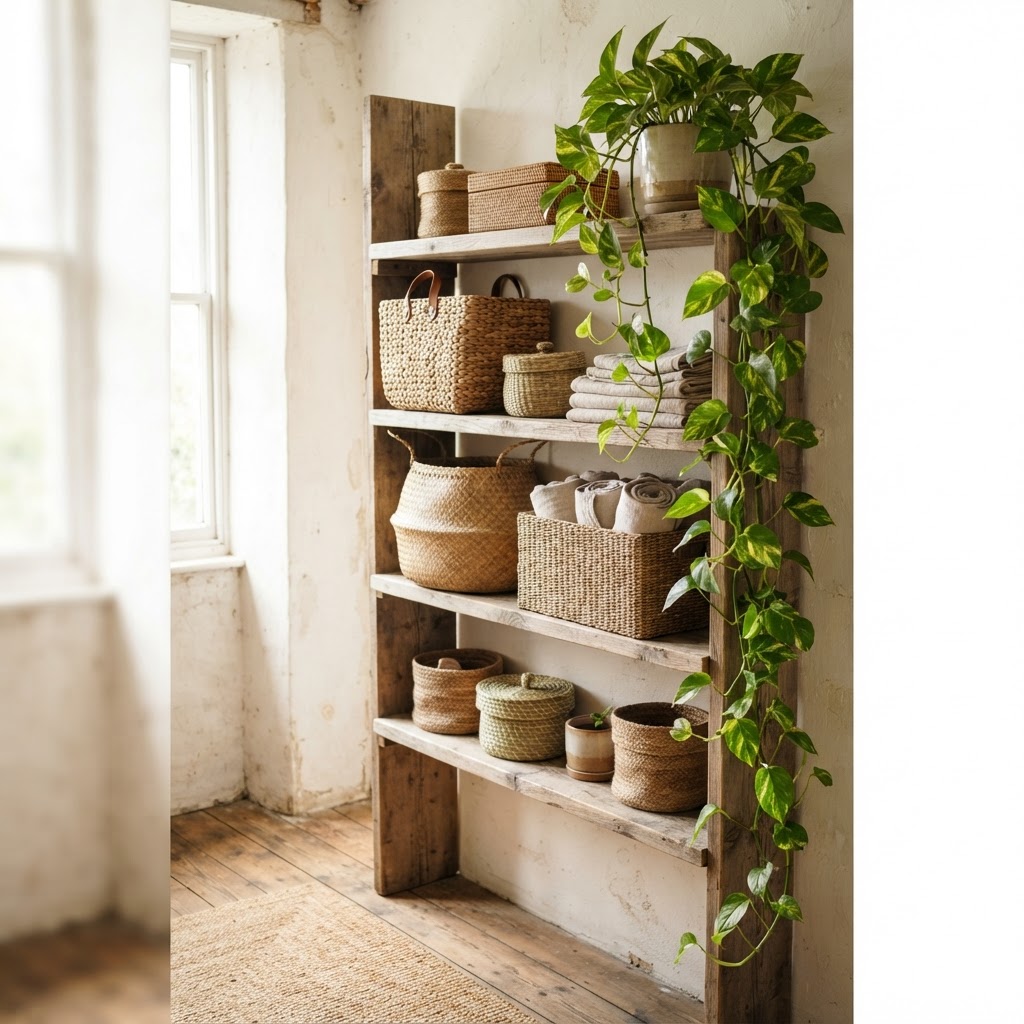
Look, you can have the most perfectly arranged shelf in the world, but if everything on it is smooth, hard, and uniform in texture, it's going to feel a little cold and showroom-y. Texture is what makes a styled shelf feel like a home rather than a display. And organic elements, things from nature or that reference nature, are the fastest way to inject warmth and life into any arrangement.
Think about what textures you're working with. Smooth ceramics are beautiful but they need a counterpoint. A woven basket, a piece of raw wood, a bundle of dried pampas grass, a rough-cut stone, a linen-covered book. These elements introduce tactile variety that the eye reads as richness and depth. You don't need a lot of them. Even one or two organic or textural pieces per shelf can completely transform the feel of the arrangement.
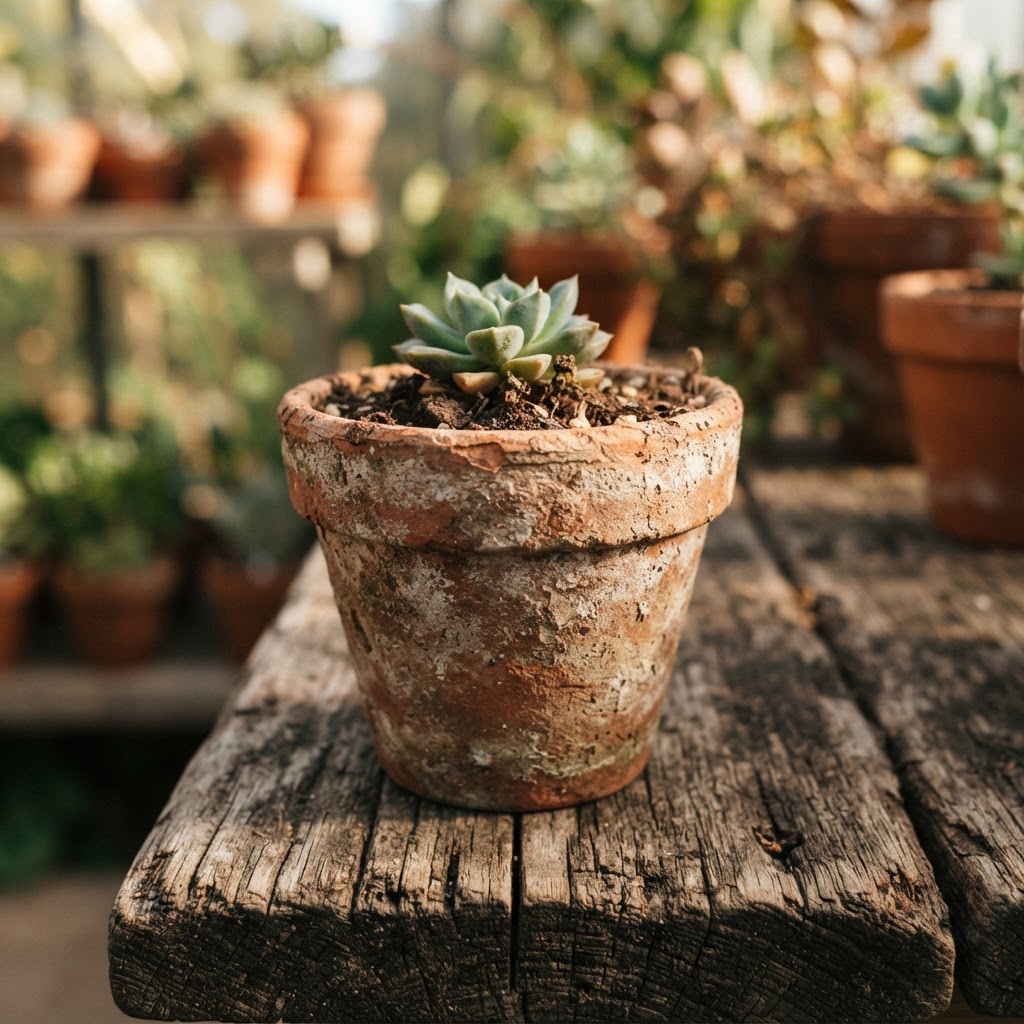
Plants are honestly the ultimate shelf secret weapon. A trailing pothos or an ivy that spills slightly over the shelf edge adds movement and organic imperfection that no purchased object can replicate. Small potted succulents, a propagation vase with a single stem, or even a branch tucked into a vessel can do so much heavy lifting aesthetically. Plants signal life and care, and they make the whole space feel more human.
And here's the thing about organic elements specifically: their imperfection is the point. A perfectly symmetrical ceramic piece has its place, but a knobbly piece of driftwood or an asymmetrical dried floral stem brings a kind of visual relief that polished objects just can't provide. Embrace the irregular shapes. They're what keep a shelf from looking like it was assembled by an algorithm.
Mix Practical Everyday Items with Decorative Accents
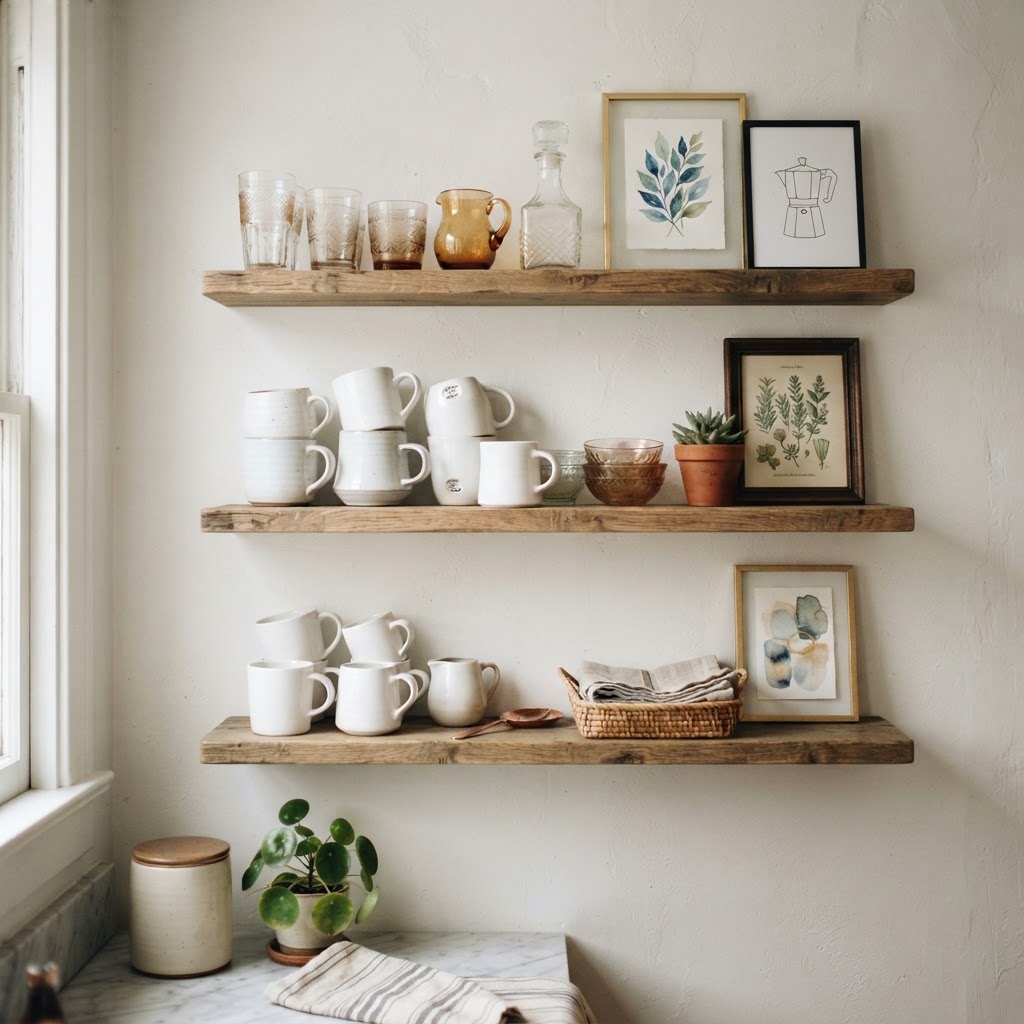
This is the step that makes or breaks whether a styled shelf feels real or feels like a set. And honestly, this is where a lot of design advice falls flat because it tells you to only put beautiful, purposeless objects on display. But most of us have actual lives and actual stuff, and a shelf that's purely decorative can feel a little disconnected from how we actually live.
The trick is to be selective and intentional about which practical items make it onto the open shelves. A beautiful stack of your most-loved hardcover books is both practical and decorative. A set of matching glass canisters for dry goods in a kitchen shelf setting is functional and gorgeous. A small tray holding everyday items like your keys, a candle, and a small plant is practical but arranged deliberately. The line between useful and decorative blurs when you're thoughtful about what you choose and how you present it.
- Books: Stack them horizontally or arrange by color for a clean look. They're the most versatile shelf item you own.
- Baskets and boxes: These do double duty beautifully. They store things you'd rather not see while adding texture and structure to the shelf.
- Candles: Functional when lit, decorative always. Group them with other objects rather than isolating them.
- Matching containers: Decanting pantry items or small supplies into matching vessels instantly elevates the practical to the decorative.
- Meaningful objects: A travel souvenir, a piece from an artist you love, a family heirloom. These are functional for your soul and they tell your story on the shelf.
What you want to avoid is putting things on open shelves that are purely utilitarian and visually awkward without any effort to integrate them. Random chargers, mismatched storage containers, piles of unsorted paper. These things don't have to be hidden away entirely, but they shouldn't land on open shelving without a container or a deliberate arrangement around them. A beautiful basket can absorb a multitude of practical sins.
The overall goal with this step is to make your shelf feel like it belongs to someone who has both taste and a life. Too purely decorative and it reads as untouchable. Too purely practical and it reads as a storage unit. The sweet spot is that blend where you look at the shelf and think, yes, someone lives here and they care about their space.
Final Thoughts
Open shelving is genuinely one of the most rewarding things to get right in a home because it's so visible and so personal. It takes a little patience and a willingness to edit, sometimes ruthlessly, but the payoff is a space that feels curated and intentional without feeling stiff or fussy.
Start clean, commit to a color story, group with intention, honor the empty space, bring in texture and life, and blend the practical with the beautiful. Do those six things and your shelves will look like the ones you save on Pinterest, because that's exactly what the people styling those spaces are doing too.
And remember, this is not a one-and-done project. Shelves evolve. Swap things out seasonally, add new pieces as you find them, remove things that no longer feel right. The best-styled shelves are living arrangements, not permanent installations. Give yourself permission to keep playing with it. That's honestly half the fun.
More in Interior
Stay Inspired
Subscribe for new essays on architecture, design, and the spaces that shape us.