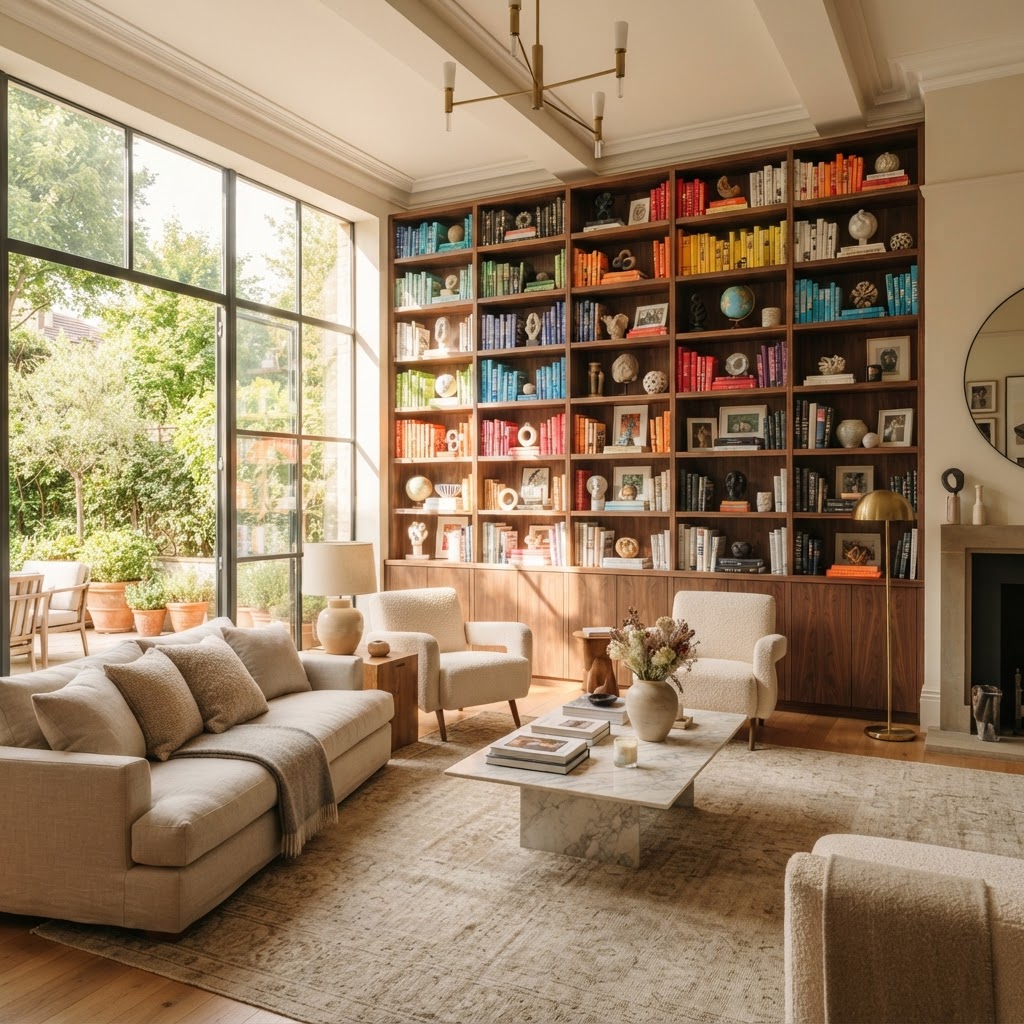
Beyond the Bookshelf: Creative Ways to Decorate with Your Favorite Reads
You do not need to hide your paperbacks in a closet to have a clean home. Learn how to style your book collection to add personality and texture to any room in your house.
Mastering the Art of Color Coding
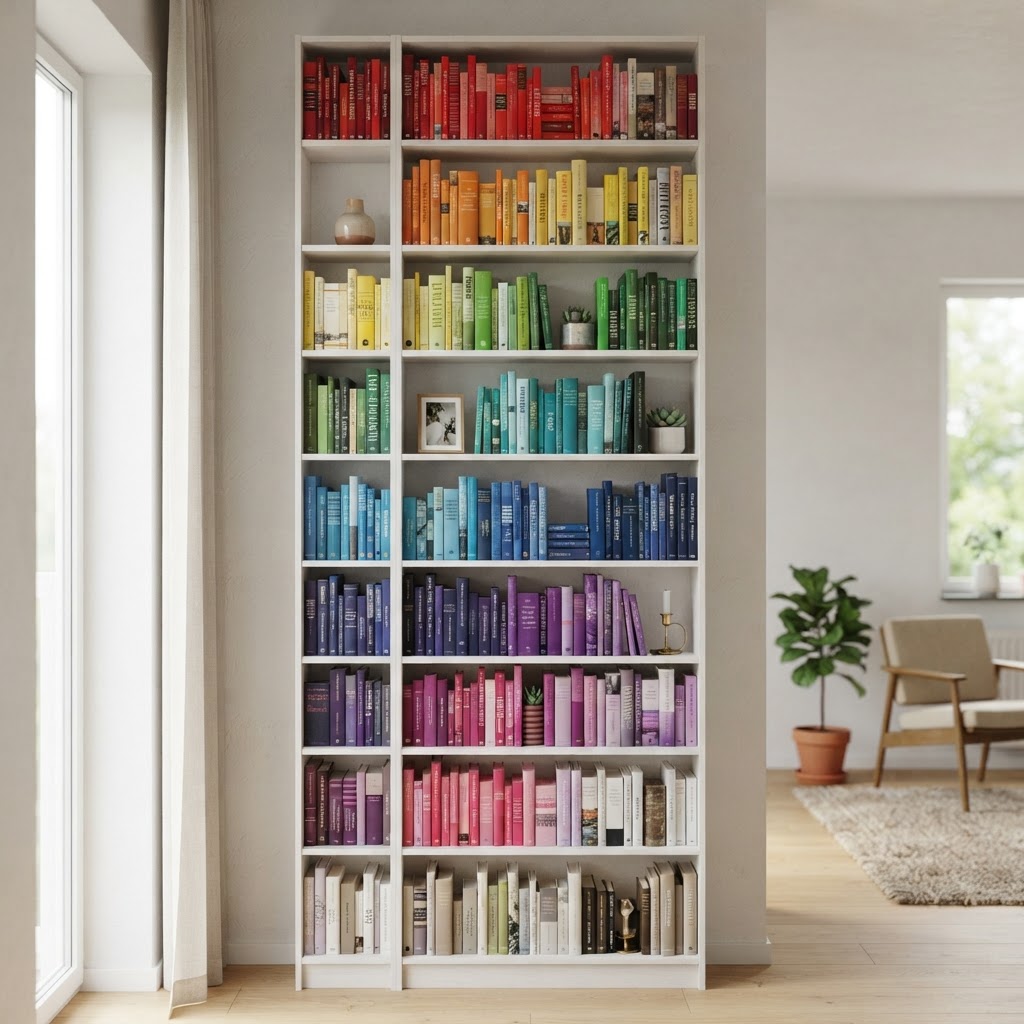
Okay, look, I know color coding your books is one of those things that makes serious readers cringe a little. Organizing by spine color instead of author or genre feels almost criminal to some people. But honestly? When it works, it really works. And we're talking about decorating here, not cataloging a library. So let's set aside our inner librarian for a second and talk about what's actually possible.
The idea is simple: group your books by the dominant color of their spines, and suddenly your shelves stop being a chaotic pile of titles and become a deliberate design statement. You can go full rainbow across an entire wall of shelves, which is bold and beautiful and honestly a little dramatic in the best way. Or you can keep it more restrained, sticking to two or three tones that complement the rest of your room's palette. If your living room leans into warm neutrals and terracotta, pulling out all your books with cream, rust, and brown spines creates this gorgeous cohesive moment that feels totally intentional.
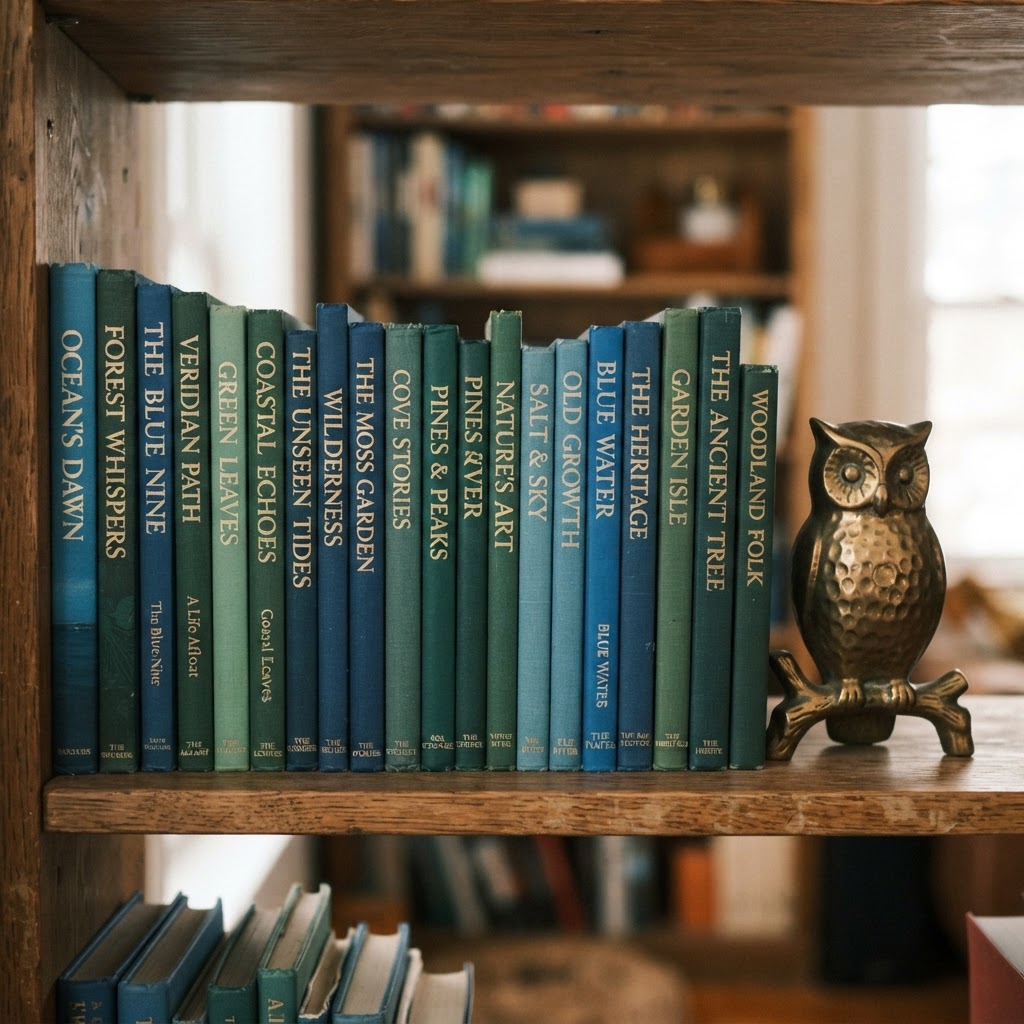
Here's the thing though: you don't have to commit to this for your entire collection. Try it on just one shelf or one section of a built-in. Mix in a few objects like a small ceramic vase or a framed photo to break things up so it doesn't look too rigid. The color coding gives you the visual structure, and the objects give it personality. That balance is everything.
One trick I love is turning some books backwards so only the cream or white pages face out, and mixing those in between colored spines. It adds a little breathing room and creates this soft, almost editorial look. You've probably seen it in those perfectly styled home photos and wondered how they got the shelves to look so calm. That's the secret, honestly.
- Group books by dominant spine color, not exact shades
- Limit your palette to two or three colors per shelf for a cleaner look
- Turn some books backwards to add neutral texture between color blocks
- Mix in small decor objects to prevent the arrangement from feeling too rigid
Styling Coffee Table Stacks
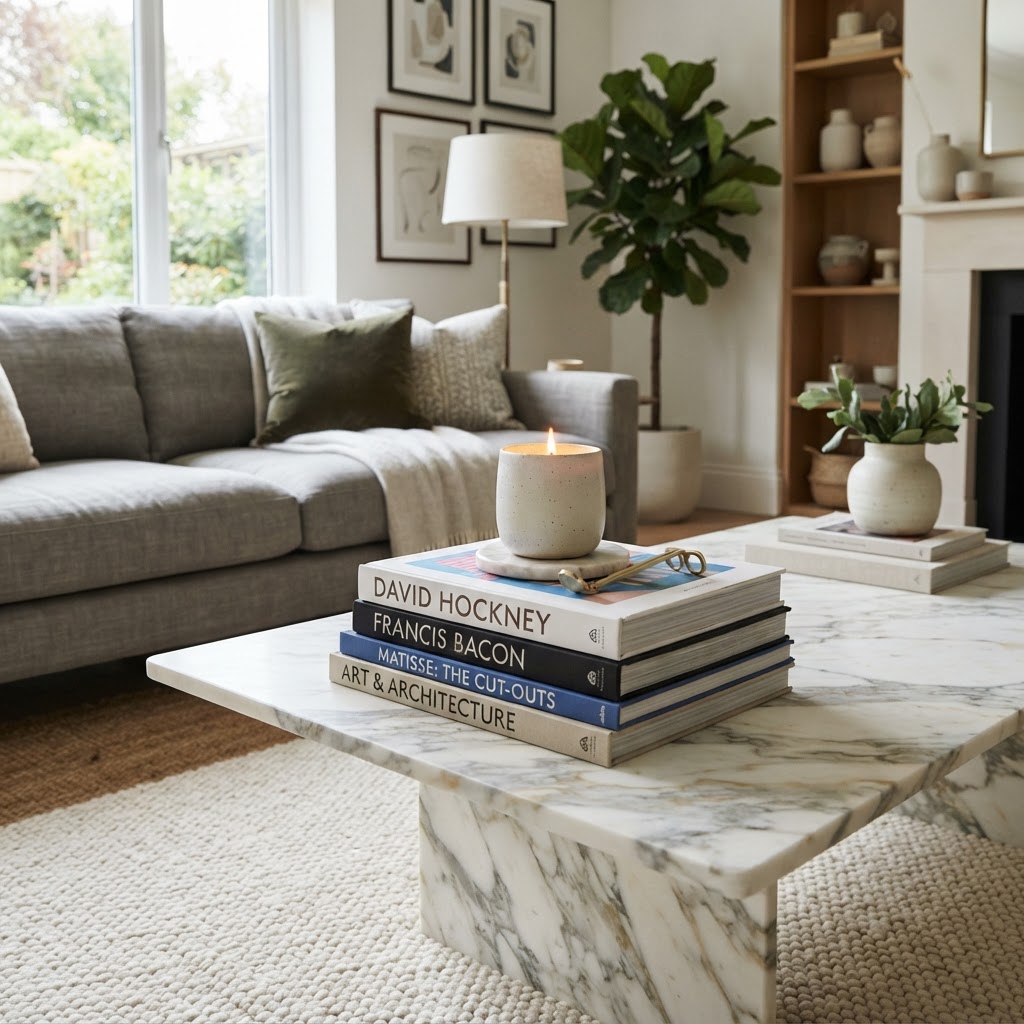
The coffee table stack is one of the easiest and most impactful things you can do with books in a living room, and it's wildly underused. Real talk: a thoughtfully stacked pile of three or four books with something beautiful sitting on top is one of the most effortless styling tricks in the book. No pun intended. It's the kind of thing that makes guests think you have a really good eye, even if it took you five minutes to put together.
The key to a great coffee table stack is variety in size. You want your largest, flattest book on the bottom and progressively smaller ones on top. Oversized art books and photography books are genuinely perfect for this, because they're designed to be looked at from the outside as much as the inside. Think coffee table books about architecture, fashion, travel, or nature photography. The covers and spines are part of the design. Stack them horizontally, not vertically, and suddenly that pile becomes a little plinth, a pedestal for whatever you place on top.
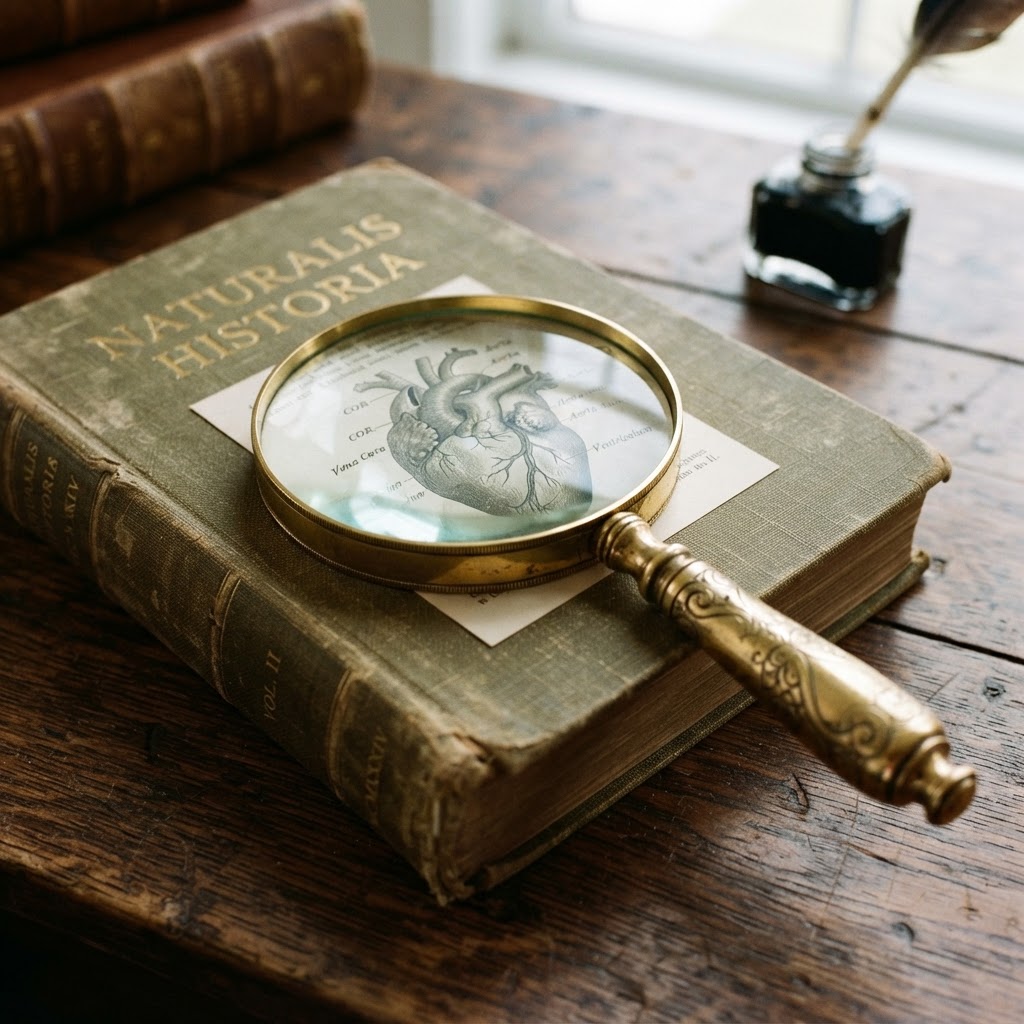
What you place on top matters. A small candle, a little sculptural object, a single stem in a tiny bud vase, even a beautiful stone or piece of driftwood. The stack anchors the object and gives it height, which is something flat coffee tables desperately need. Without that lift, everything just sits at the same level and the whole arrangement feels a bit dull and uninspired.
And honestly, don't limit this to the coffee table. Stacks work on side tables, nightstands, window sills, and the corners of bathroom counters. Anywhere you have a flat surface and a few inches of real estate, a small book stack can add that layer of warmth and character that makes a space feel like someone actually lives there and has taste about it.
Using Books as Pedestals
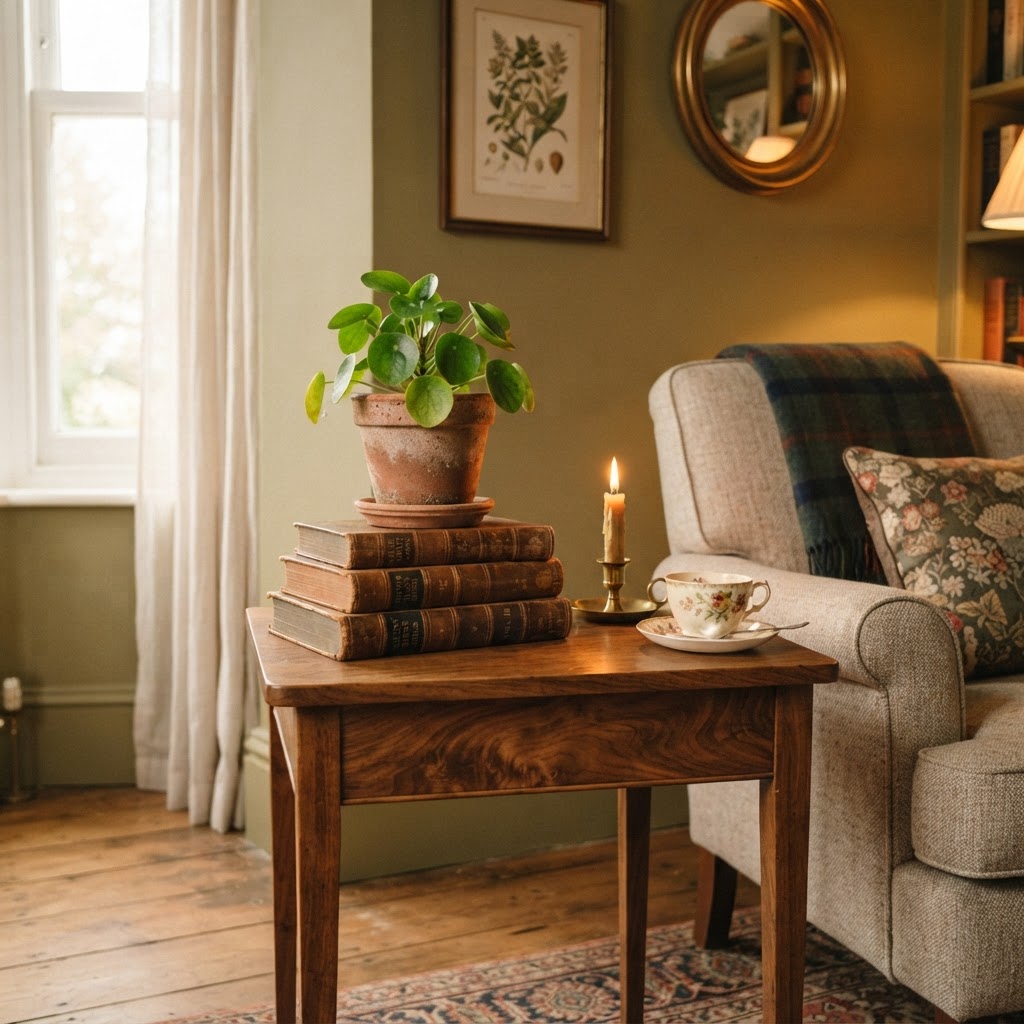
This one is a little less obvious, but trust me on this: books are some of the most versatile pedestals you'll ever find. They come in every height and size, they're relatively sturdy, and they add a layer of texture and story to whatever you're displaying. The idea is to use one or more books, stacked or single, to prop up objects that need a bit of elevation to really shine.
Think about a beautiful sculptural vase on a bookshelf. If it's sitting flat on the shelf next to everything else, it blends in. But if you put it on top of a single thick hardcover, suddenly it has presence. It gets its own little stage. The same goes for framed photos, small plants, a bowl of stones, a vintage clock. Giving objects varying heights on a shelf is one of the fundamental rules of good styling, and books are the cheapest and most interesting way to create that variation.
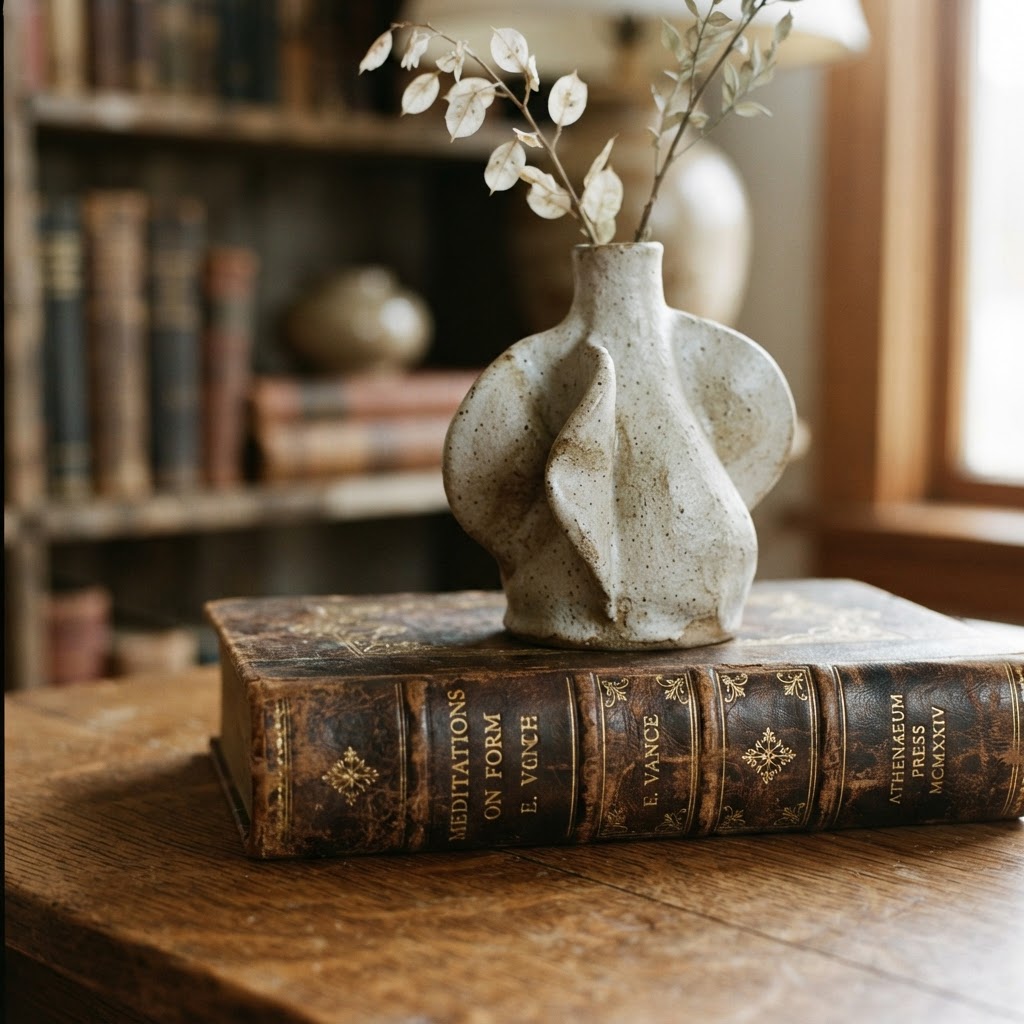
You can also use books as pedestals in more unexpected places. In a bedroom, a few stacked books on the nightstand can raise your lamp to a better height while adding visual interest at eye level when you're lying in bed. In the kitchen, a cookbook propped open on a stack of others creates an impromptu recipe stand that looks genuinely charming. Function and beauty at the same time, which is always the goal.
The trick is to make sure the books you're using as pedestals are ones you actually love the look of. Pay attention to the spine color, the thickness, the general vibe of the cover. If the book looks great on its own, it'll look even better doing double duty as a little platform. Don't just grab the thickest thing you have if it's ugly. Intentionality is everything here.
Creating Nooks and Hidden Corners
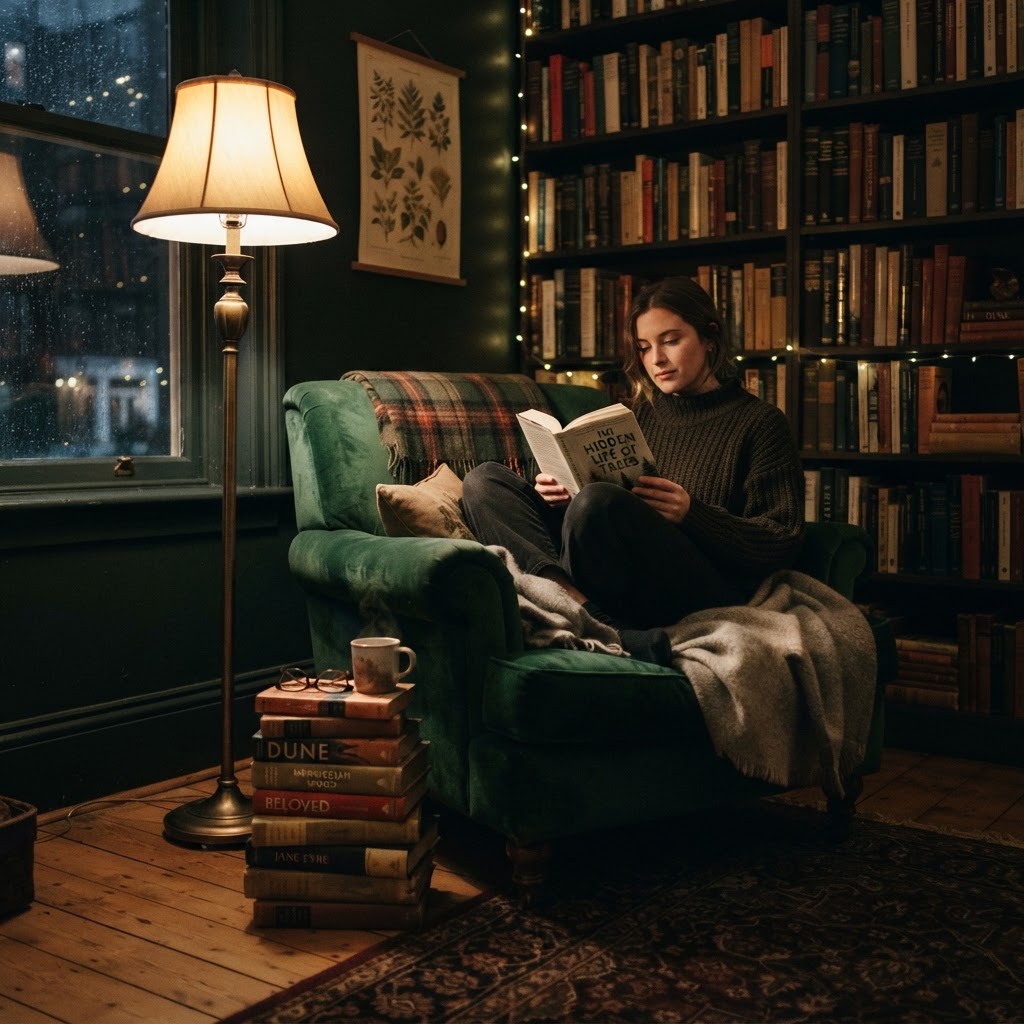
Here's the thing about books: they're not just objects to be displayed, they're mood-setters. And nowhere is that more true than in a really well-designed reading nook or a quiet corner that's been built up with them. There's something about being surrounded by books that feels inherently cozy and intentional. It signals to anyone who enters that this is a space for slowness, for settling in, for actually being present.
Creating a book nook doesn't require a whole room or a major renovation. It can be as simple as positioning a comfortable chair in the corner of a room and flanking it with a narrow bookshelf on each side. Add a good lamp, a small side table, maybe a soft throw, and you've created a destination within a room. The books aren't just there for reading, they're doing architectural work, defining the space and making it feel enclosed and intentional without any actual walls being added.
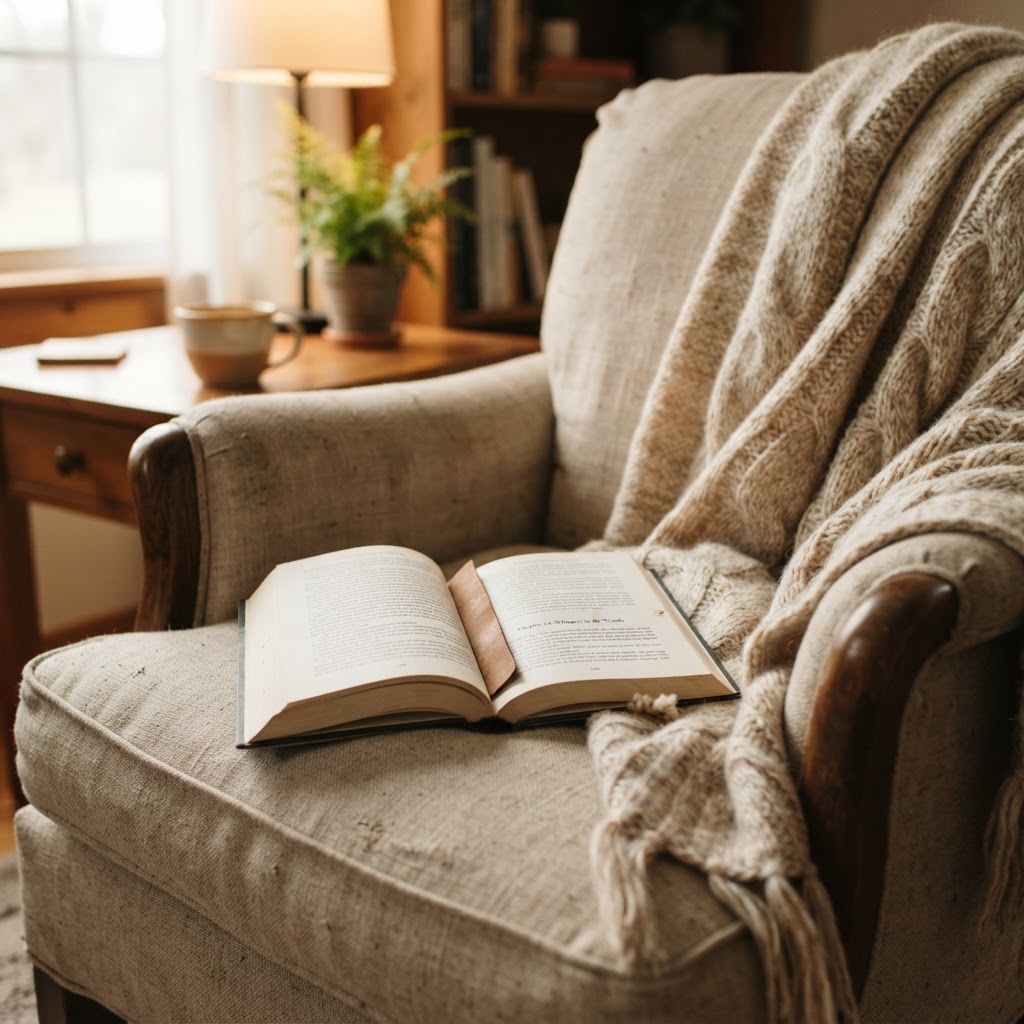
Staircases are another incredible opportunity for this kind of thing. If you have a home with stairs, the space underneath is often wasted or turned into awkward storage. Built-in shelving under a staircase, lined with books, creates this genuinely magical tucked-away corner that feels like it was designed with real care. I've seen this done with a small bench and cushion built right in, and it becomes the best seat in the house, hands down.
Even in smaller apartments without architectural features to work with, you can create the feeling of a nook by clustering books around a specific zone. A low bookcase used as a room divider, with your reading spot on one side, gives you that psychological sense of separation and privacy even in an open plan space. Books have always been about creating inner worlds. It only makes sense that they can create outer ones too.
- Flank a reading chair with narrow bookshelves on both sides to define the space
- Use a low bookcase as a room divider to carve out a cozy reading zone
- Consider built-in shelving under staircases for a truly magical hidden corner
- Layer in good lighting, a side table, and a throw to complete the nook feeling
Mixing Decor with Literature
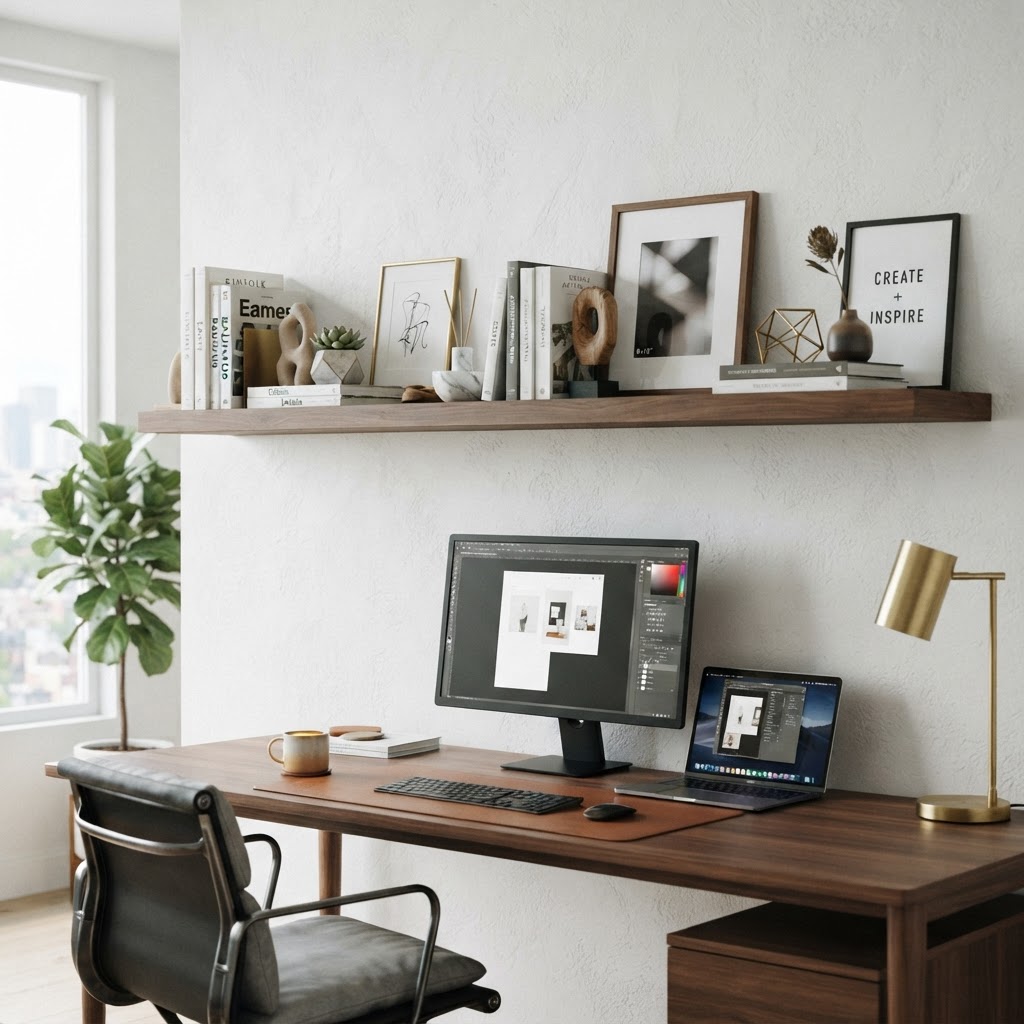
The biggest mistake people make when decorating with books is treating them as separate from the rest of their decor. Books go on the shelves, decor goes everywhere else. But honestly, that separation is what keeps book lovers' homes from reaching their full potential. The magic happens when books and objects are woven together, when a shelf feels like a carefully edited collection of things you love rather than a storage unit with some pretty stuff in front of it.
Start thinking of your books as objects with texture, color, and scale, not just containers for words. A row of books interrupted by a small sculptural piece creates rhythm. A single book leaned against the back of a shelf at an angle next to a framed print creates a little curated moment. Books laid horizontally with a plant on top bring in organic texture. Every shelf is a composition, and books are one of your most flexible and interesting design elements within it.
The real key to mixing books with decor well is restraint and intentionality. You don't want your shelves to look like a jumble sale. Pull out objects that have some kind of relationship with the books near them, whether that's a color connection, a thematic one, or just a vibe that feels right. A travel photography book next to a small souvenir from a trip you loved. A stack of gardening books next to a little terracotta pot. These pairings tell a story about you, and that's what great decorating actually does at its core.
And please, don't feel like every shelf has to be perfectly full. White space on a bookshelf is not wasted space. Leaving a section deliberately open, or allowing some breathing room between groupings, makes the whole arrangement feel considered rather than crammed. It's the difference between a beautifully edited wardrobe and a closet that's bursting at the seams. Less is almost always more when you're trying to let individual pieces actually breathe and be seen.
Final Thoughts
Books are one of the most personal things you can have in a home. They carry your history, your curiosity, your taste, and your memories. So it makes sense that they should be woven into your decor in a way that feels as intentional and meaningful as the rest of your design choices, not just lined up on a shelf and forgotten about.
Whether you're color coding a wall of shelves, building a cozy reading nook, or just stacking a few favorites on your coffee table, the goal is the same: to make your home feel like you. And honestly, there's no better way to do that than by putting the things you love most on display, in the most beautiful way you can manage. Your books deserve a real home. Give them one.
More in Interior
Stay Inspired
Subscribe for new essays on architecture, design, and the spaces that shape us.