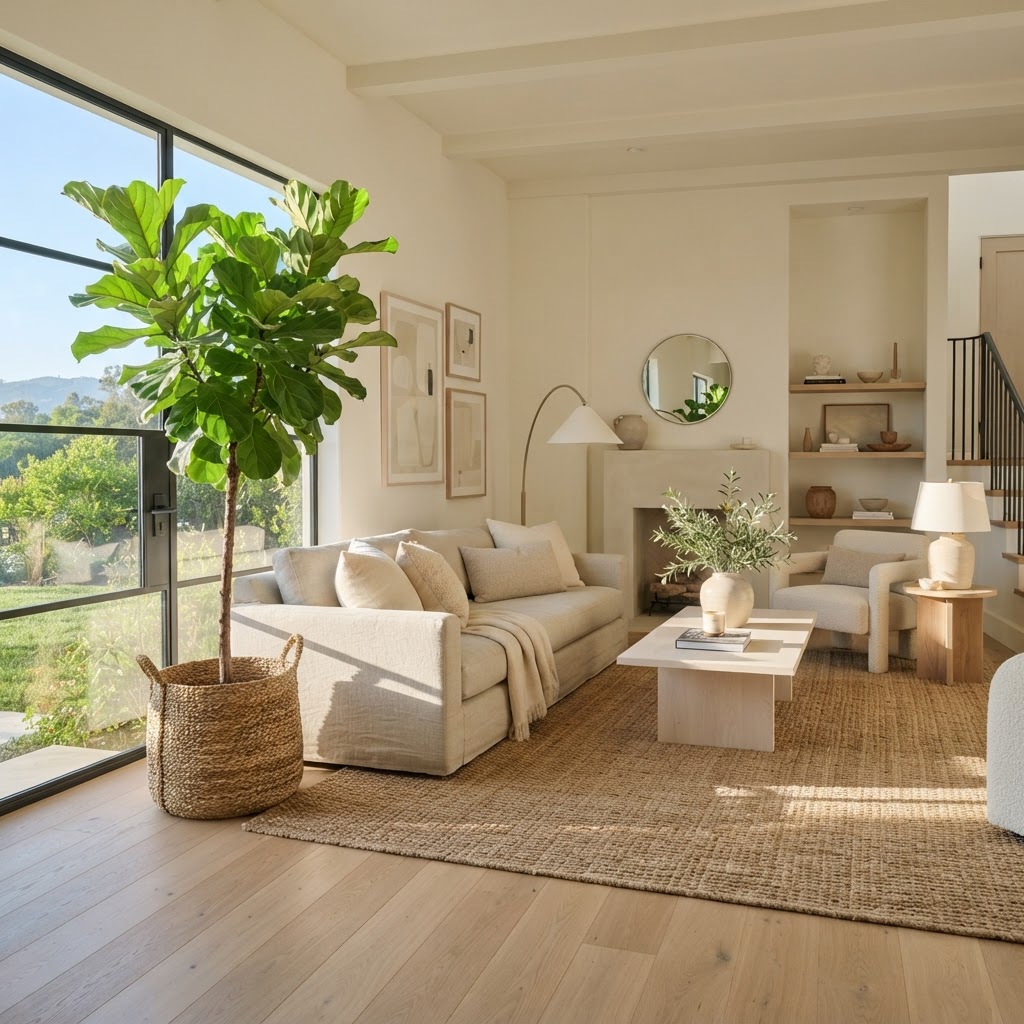
7 Simple Ways to Bring Your Home to Life with Indoor Plants
Adding greenery is the fastest way to make any room feel finished and inviting. We are sharing our favorite designer tips for styling plants to elevate your home decor effortlessly.
Choose the Right Plant for Your Space
Honestly, this is where most people trip up. They fall in love with a gorgeous fiddle leaf fig at the nursery, bring it home, stuff it in a dark corner of their apartment, and then wonder why it looks sad and droopy three weeks later. Here's the thing: every plant has a personality, and you've got to match it to the vibe and conditions of your space before anything else.
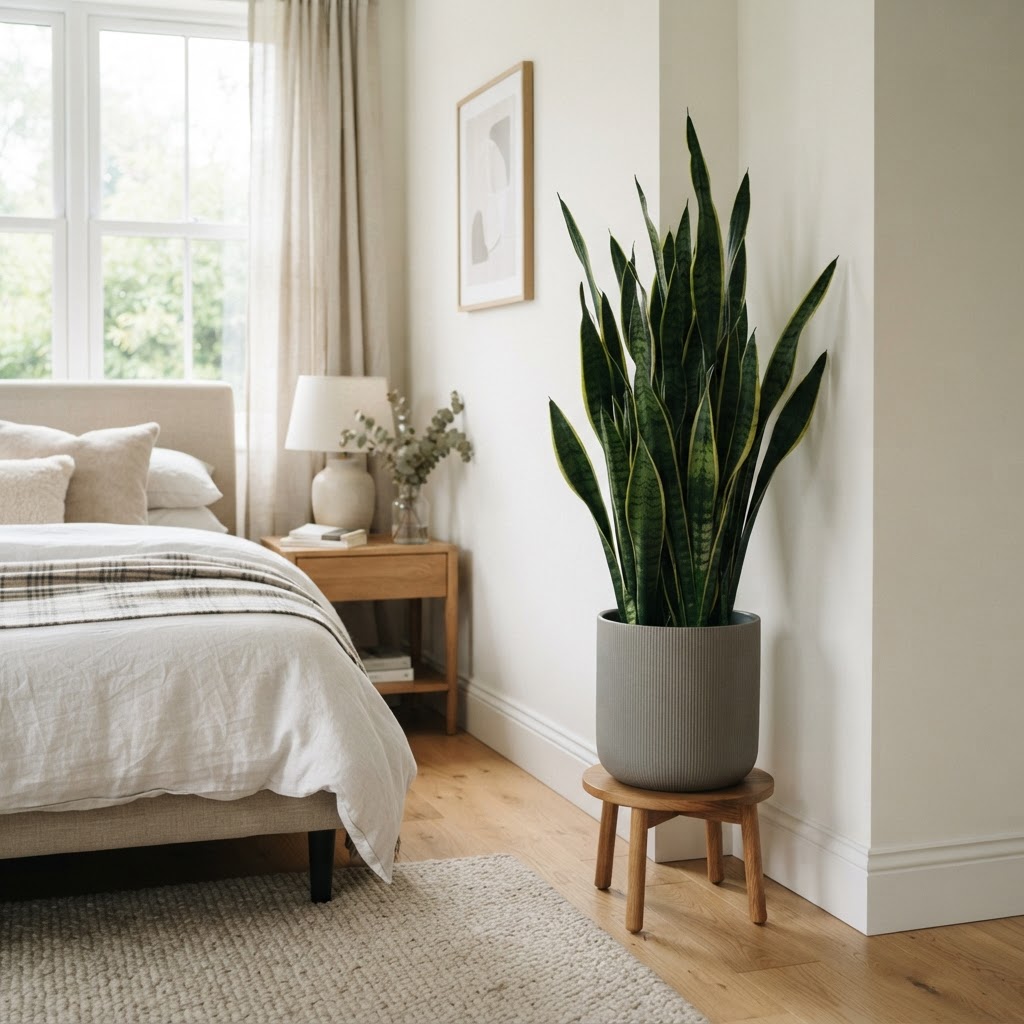
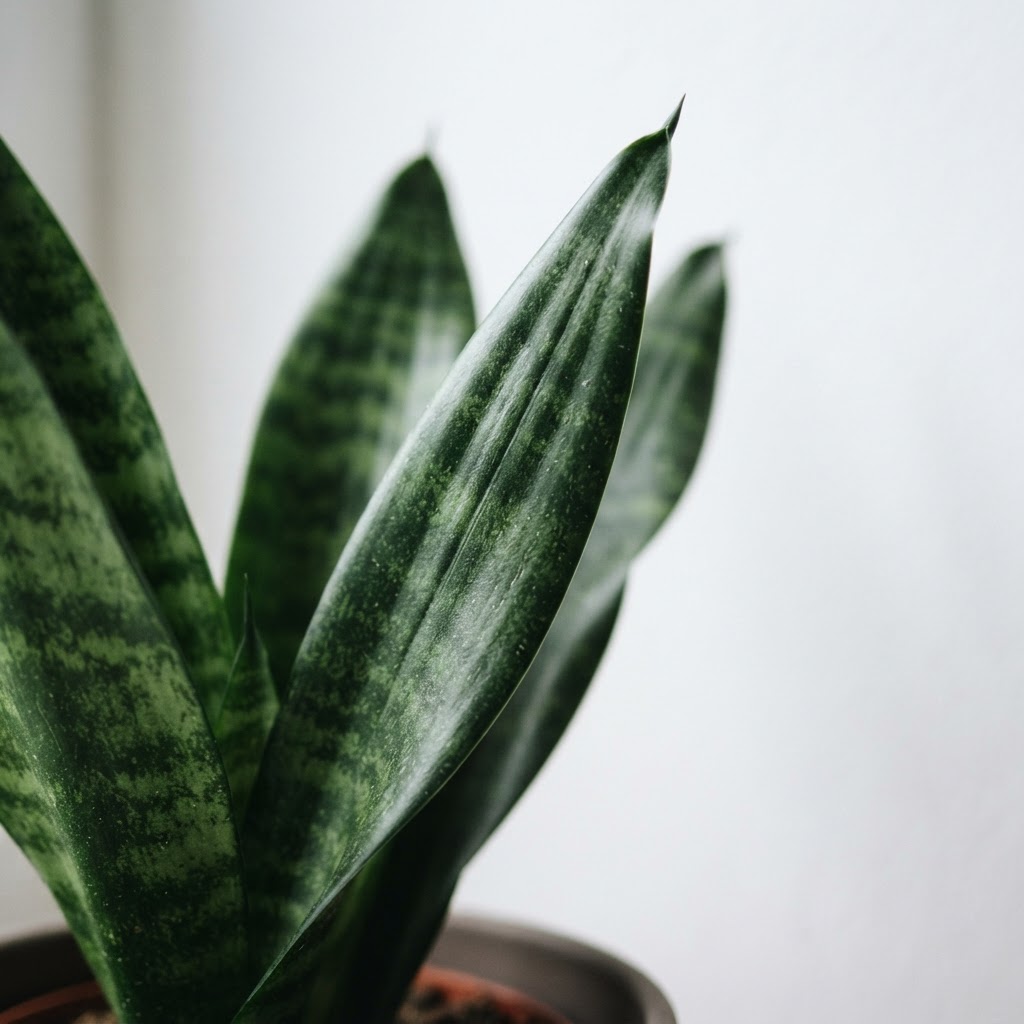
Start by being really honest with yourself about the light situation in your home. South-facing windows get the most sun, east and west-facing windows get gentle morning or afternoon light, and north-facing rooms are on the dimmer side. Low light spaces aren't a death sentence for plant lovers, though. Pothos, ZZ plants, and snake plants thrive in low light conditions and are genuinely hard to kill. Trust me on this, I have neglected a pothos for months and it just kept growing.
Beyond light, think about humidity and temperature. Bathrooms and kitchens tend to be more humid, which means tropical plants like ferns, calatheas, and peace lilies will absolutely love it in there. Living rooms and bedrooms are usually drier, so succulents, cacti, and rubber plants do well. Also consider your actual lifestyle. Real talk: if you travel a lot or tend to forget watering, go for drought-tolerant plants. There is zero shame in being a low-maintenance plant parent.
Room size matters too. A small studio doesn't need a towering monstera, but a large open-plan living area can totally handle something bold and oversized. Think about scale and proportion the same way you would with furniture. A tiny succulent on a big empty floor looks lost. A sprawling bird of paradise in a bright corner looks intentional and stunning. Getting the pairing right from the start saves you so much frustration down the line.
Create Height with Hanging Planters
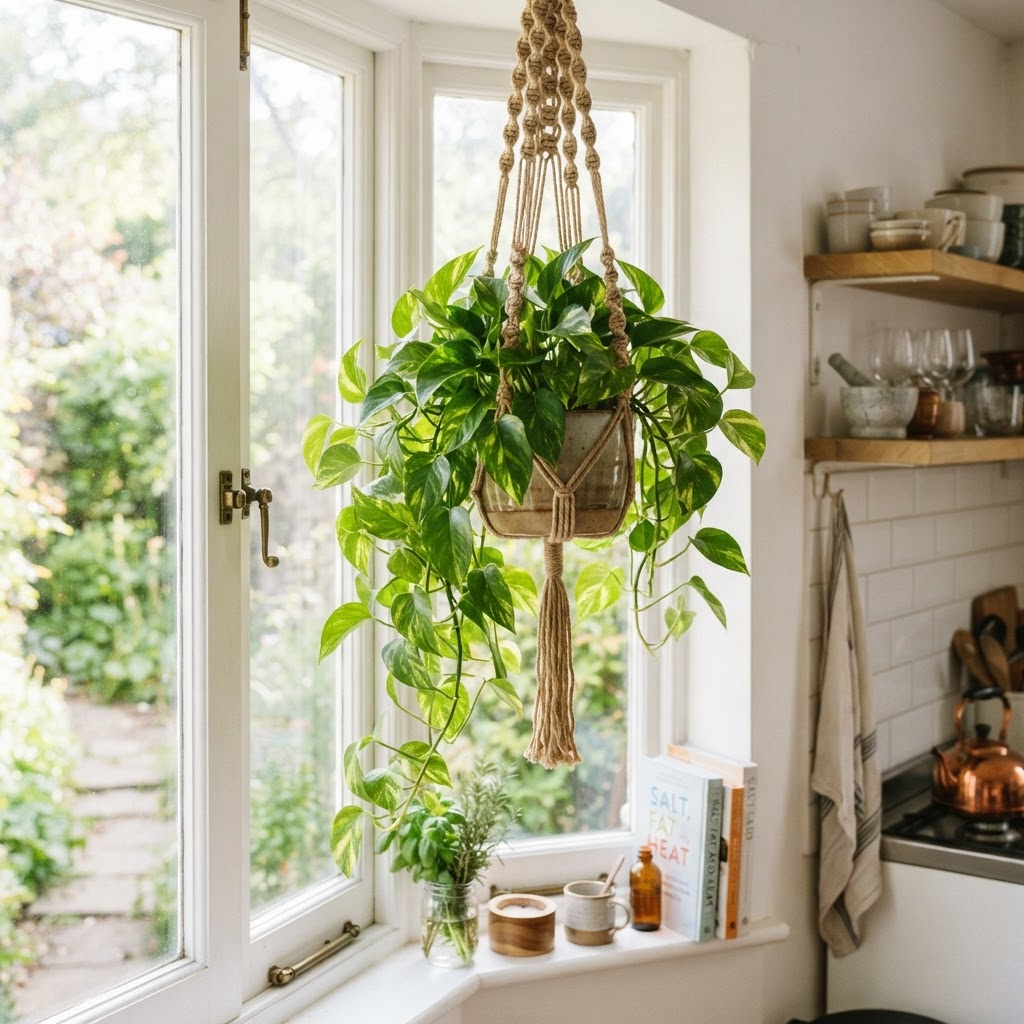
Look, one of the biggest missed opportunities in interior plant styling is forgetting to go vertical. Most people put plants on surfaces, which is fine, but when you start introducing hanging planters, everything opens up. Suddenly your room has layers. It has depth. It feels more alive and intentional in a way that's honestly hard to achieve with anything else.
Hanging planters work brilliantly in spaces where floor or surface real estate is limited. Think small apartments, compact kitchens, or bathrooms with barely any counter space. A macrame hanger with a trailing pothos or a string of pearls cascading down from the ceiling is one of those design moves that looks effortlessly cool but is actually super easy to pull off. You can find beautiful macrame hangers at most home stores or even on Etsy if you want something more unique.

When it comes to placement, near windows is almost always the best call. Plants need light, and hanging them close to a window source means they'll actually thrive rather than just survive. A cluster of two or three hanging planters at slightly different heights near a bright window looks incredibly lush and well-curated. Vary the plants a little, maybe a heartleaf philodendron next to a spider plant next to a trailing ivy, and you get this gorgeous mix of textures.
One practical note: make sure you're hanging them from a proper ceiling hook that can handle the weight, especially once the pot is wet after watering. And get yourself a long-spouted watering can or a small squeeze bottle so you're not making a mess every time you water up high. These small details make the whole thing way more enjoyable to maintain.
Style Your Shelves with Greenery
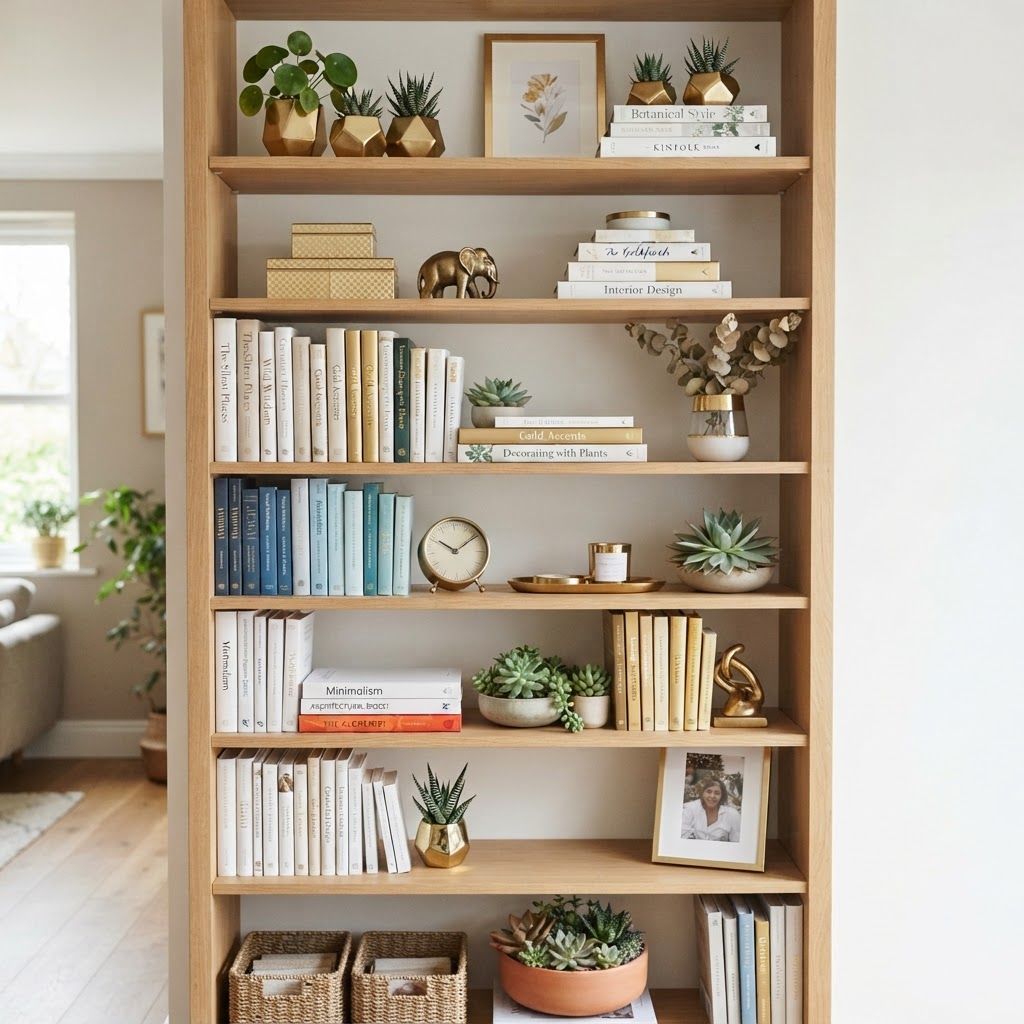
Shelves are one of those things where people either nail it or really miss the mark. And honestly, adding plants is one of the fastest ways to go from a shelf that looks like a storage unit to one that looks like it belongs in an interior design magazine. The greenery breaks up the visual monotony of books and objects and adds something organic and breathing to the arrangement.
Here's the thing about styling shelves with plants: you want to think about trailing versus upright growth habits. Trailing plants like pothos, string of hearts, or creeping jenny are perfect for higher shelves where the vines can hang down and soften the edges. Upright plants like small snake plants, aloe, or even a tiny cactus work better on lower shelves where they can be appreciated without the trailing effect getting tangled with everything below.
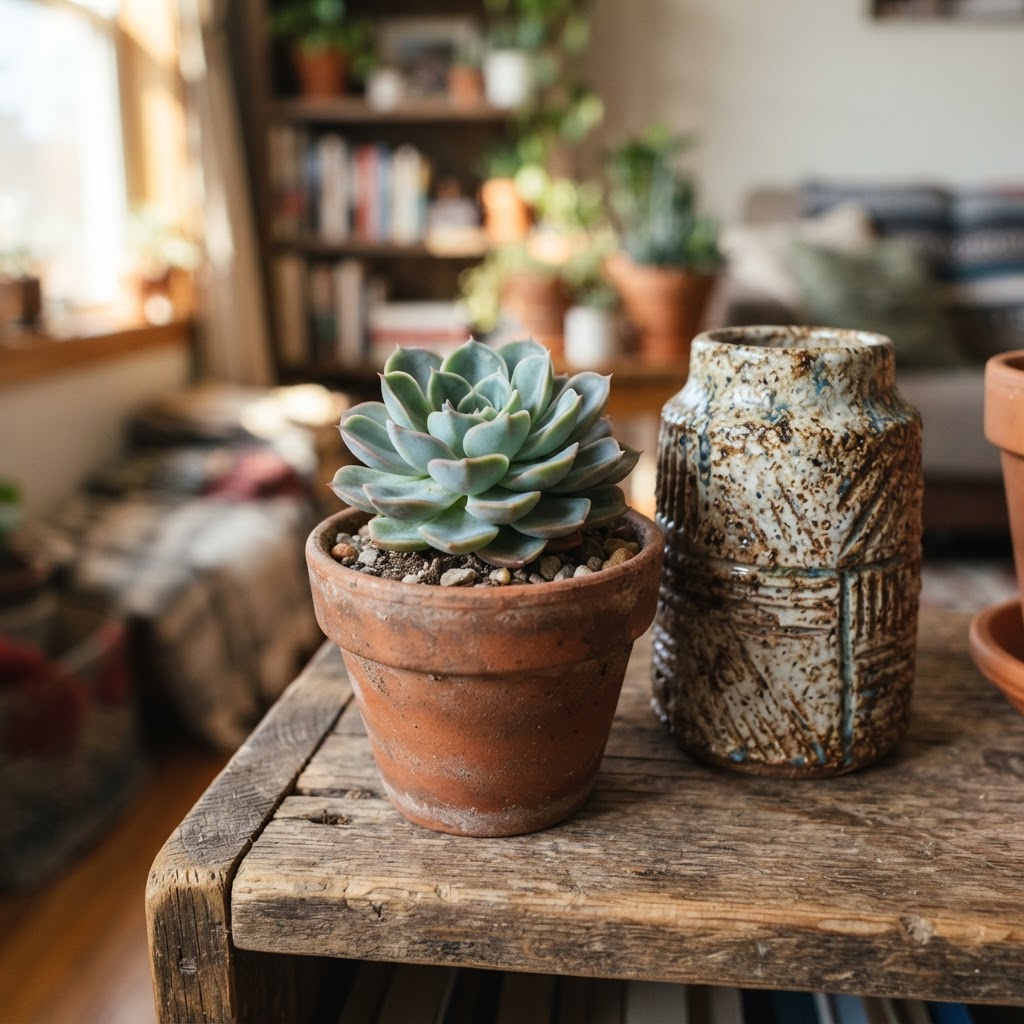
Don't feel like every single shelf needs a plant. That can start to look chaotic and a little overwhelming. Instead, aim for a rhythm. Maybe every other shelf has some greenery, or you cluster plants at one end of a long shelf and balance it with a taller decorative object on the other side. Interior designers call this the "rule of odd numbers," and it basically means groupings of three or five tend to look more natural and pleasing than even numbers.
Pot choice matters a lot here too. On shelves, you want pots that are proportional and not too bulky. Terracotta, ceramic, and woven baskets all look beautiful and have their own texture that adds to the overall aesthetic. Keep a consistent color palette for the pots on a single shelf unit if you want a cohesive look, or mix warm neutrals like cream, sand, and terracotta for that earthy, organic feel that is so popular right now.
Use Plants as Statement Pieces
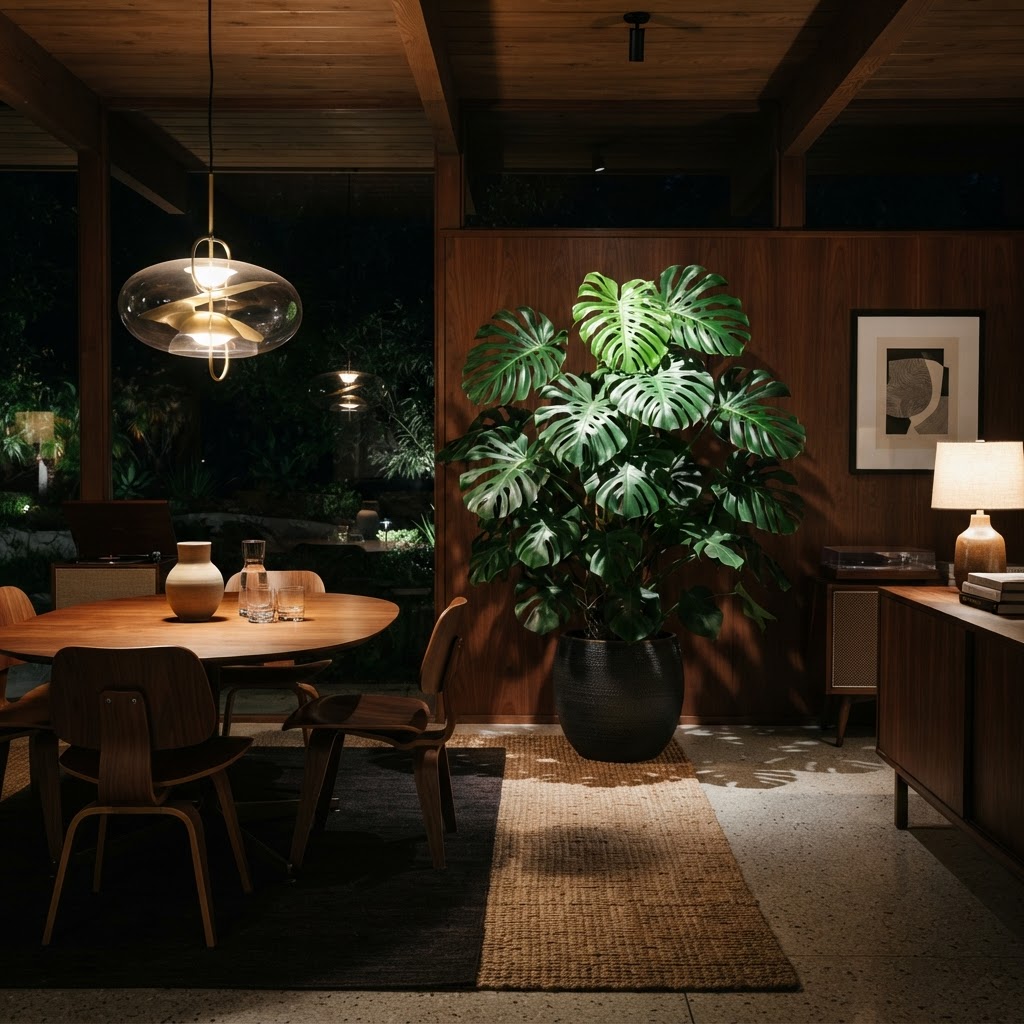
Not every plant needs to be a supporting actor. Some plants are born to be the star of the show, and using one large, dramatic plant as a statement piece can completely transform the feel of a room. This is one of my absolute favorite design moves because it's bold, it's impactful, and honestly it's way more cost-effective than buying a bunch of expensive furniture or art.
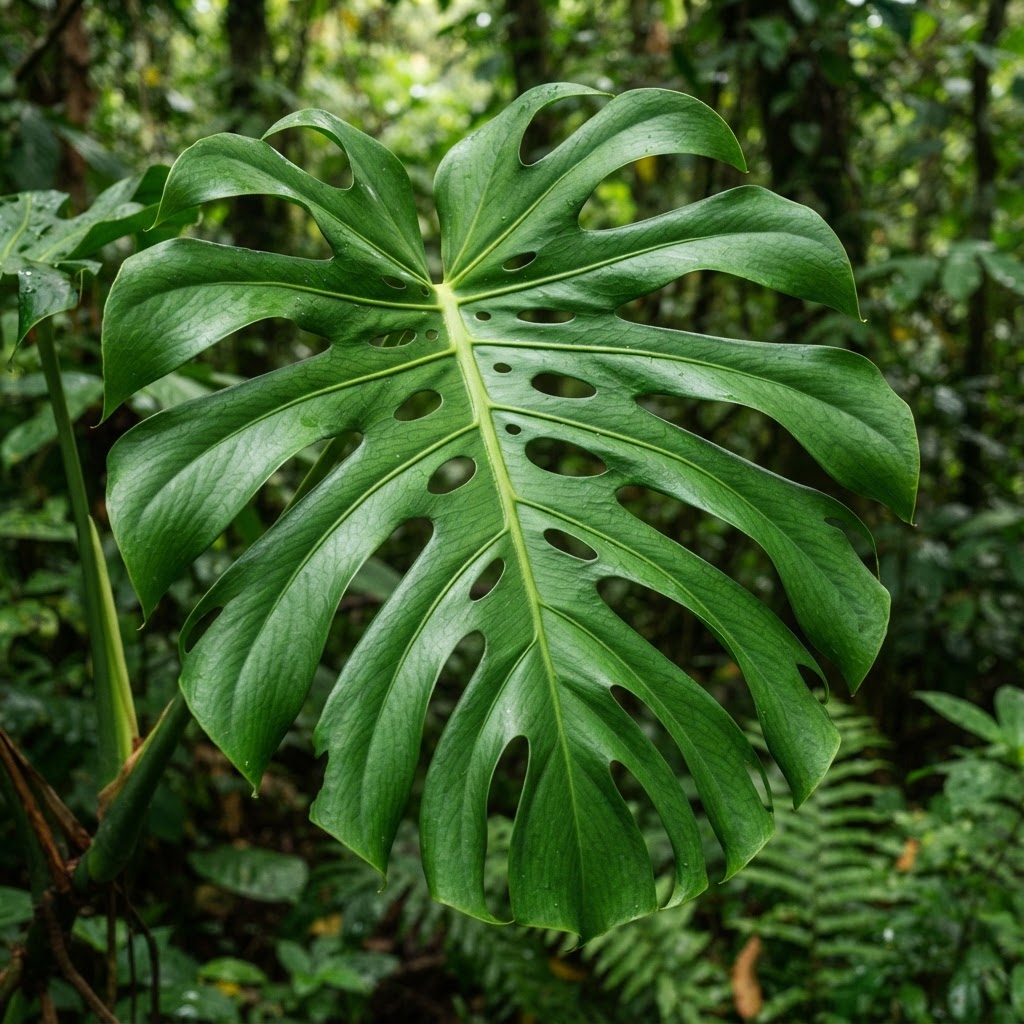
The classics for statement plants include the fiddle leaf fig, which has those gorgeous large glossy leaves and a sculptural form. There's also the bird of paradise, which gets seriously dramatic and tall. The monstera deliciosa with its iconic split leaves is another brilliant choice, and the olive tree is having a real moment right now in interior design circles for its airy, Mediterranean feel. Any of these, placed in a beautiful oversized pot in the right spot, can function the same way a piece of art or a statement sofa does.
Placement is everything with a statement plant. Think about empty corners that feel a little dead, the space beside a sofa or reading chair, or even at the end of a hallway where your eye naturally travels. These plants work best when they have some breathing room around them so they're not competing visually with too many other things. Give them space to be seen and admired.
And look, the pot you choose for a statement plant needs to be equally considered. A beautiful woven rattan basket, a sleek matte ceramic pot, or even a vintage brass planter can elevate the whole thing from "nice plant" to genuine design moment. The pot is basically the frame for the artwork, so spend a little time getting it right. It makes a bigger difference than most people realize.
Group Plants for Impact
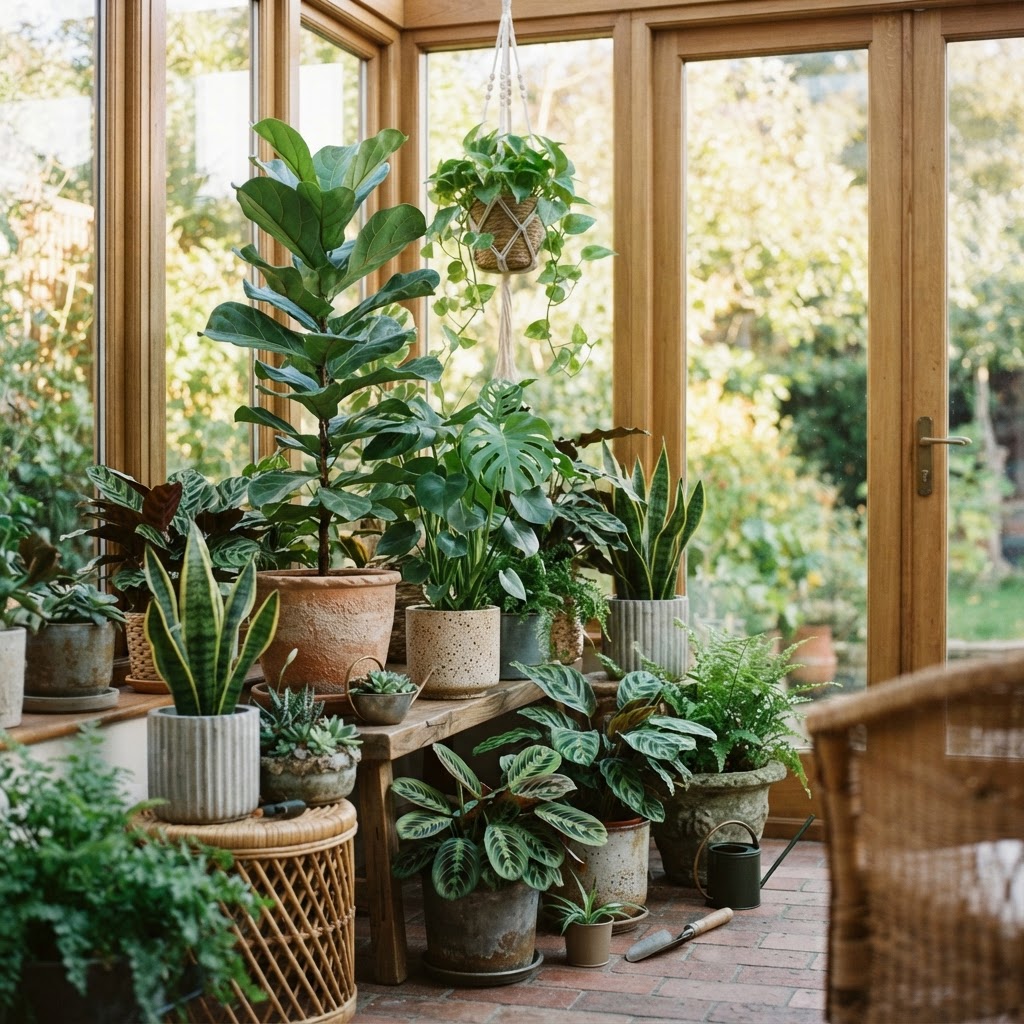
Here's a tip that professional plant stylists and interior designers use all the time: grouping plants together almost always looks better than scattering them individually around a room. A single small plant on a windowsill can look a bit lonely. Three or five plants of different heights and textures clustered together? That looks intentional, lush, and genuinely beautiful.
When you're grouping plants, the key is variety without chaos. You want variation in height, so mix something tall, something medium, and something low. You want variation in leaf texture too, so pair something with big bold leaves next to something with delicate feathery foliage next to something with a spiky architectural form. This contrast is what makes the grouping feel dynamic and interesting rather than repetitive.
There's actually a practical benefit to grouping plants together as well. Plants release moisture through a process called transpiration, and when you cluster them together, they create their own little microclimate with slightly higher humidity. This is especially great for tropical plants that love moisture. So grouping isn't just a style choice, it can genuinely help your plants thrive.
Think about where groupings make sense in your home. A sunny corner of your living room is an obvious winner. The top of a kitchen counter near a window works brilliantly. Even a bathroom windowsill can handle a tight little cluster of moisture-loving plants. The goal is to make it feel like a little ecosystem rather than a random collection, and you achieve that through thoughtful curation of plant types, pot styles, and the heights you work with.
- Vary heights: Use plant stands, stacked books, or different-sized pots to create levels within your grouping.
- Mix textures: Pair bold, glossy leaves with delicate, feathery ones for contrast.
- Keep pots cohesive: Stick to a consistent color palette for pots so the grouping feels pulled together.
- Odd numbers work best: Groups of three or five tend to look more natural and balanced than even groupings.
- Consider care needs: Group plants with similar watering and light requirements so maintenance is easier.
Final Thoughts
Bringing plants into your home doesn't have to be complicated or intimidating. Honestly, it's one of the most rewarding and relatively affordable ways to transform how a space feels. There's something about living greenery that no furniture piece, no paint color, and no decorative object can quite replicate. Plants make a home feel inhabited, cared for, and alive in a way that is just deeply satisfying.
Start small if you're new to this. Pick one or two plants that suit your light conditions and your lifestyle, find pots you genuinely love, and place them somewhere you'll actually notice and enjoy them every day. Once you get a feel for it, you'll naturally want to add more, try new arrangements, experiment with hanging planters and shelf styling and statement pieces. It's genuinely addictive in the best possible way.
The most important thing is to have fun with it and not take it too seriously. Plants die sometimes, and that's okay. You learn, you adjust, you try again. Every plant person has killed a few along the way. What matters is that you keep going, because a home filled with greenery is a home that feels truly, deeply lived in.
More in Interior
Stay Inspired
Subscribe for new essays on architecture, design, and the spaces that shape us.