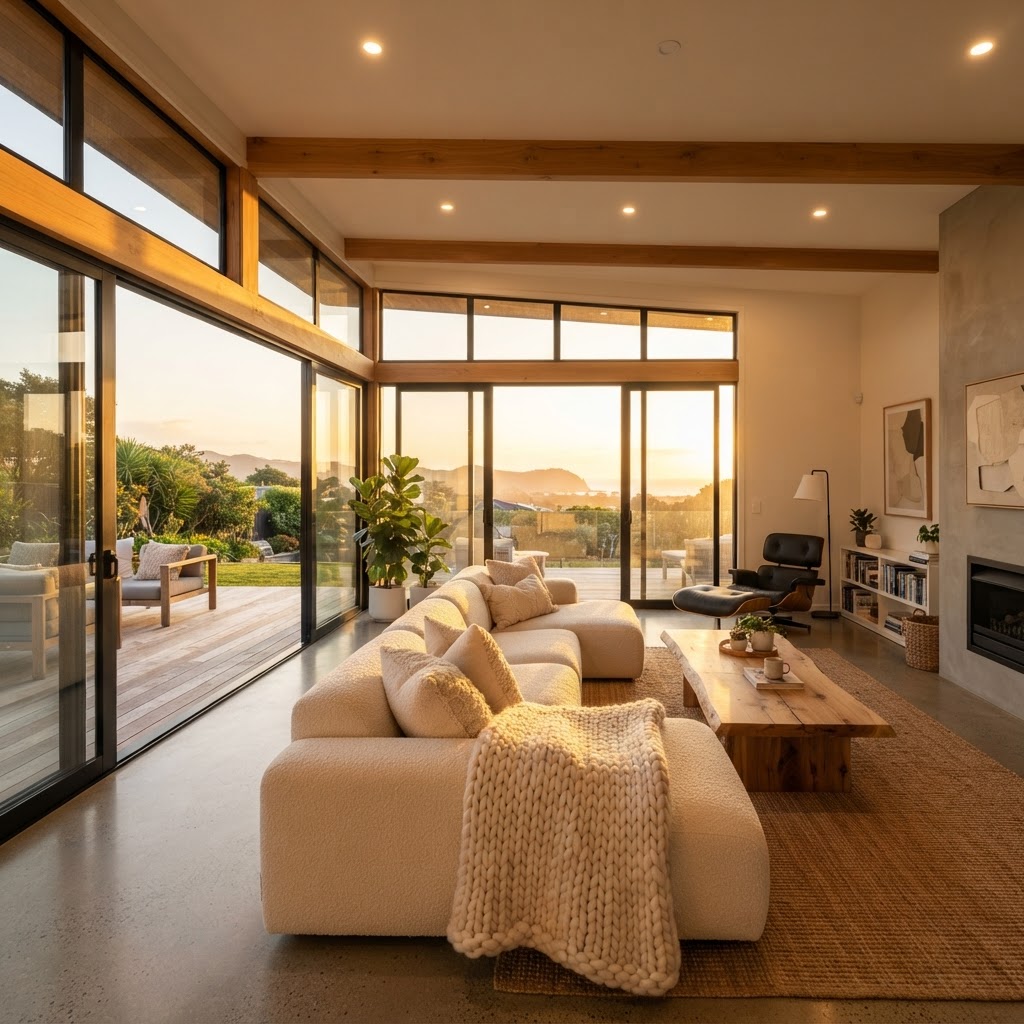
7 Simple Ways to Make Your Modern Home Feel Cozy Instead of Cold
Modern design is beautiful but it can sometimes feel a little too clinical. Here are seven effective ways to add warmth and soul to your home without sacrificing your minimalist style.
Layering Textures for Depth
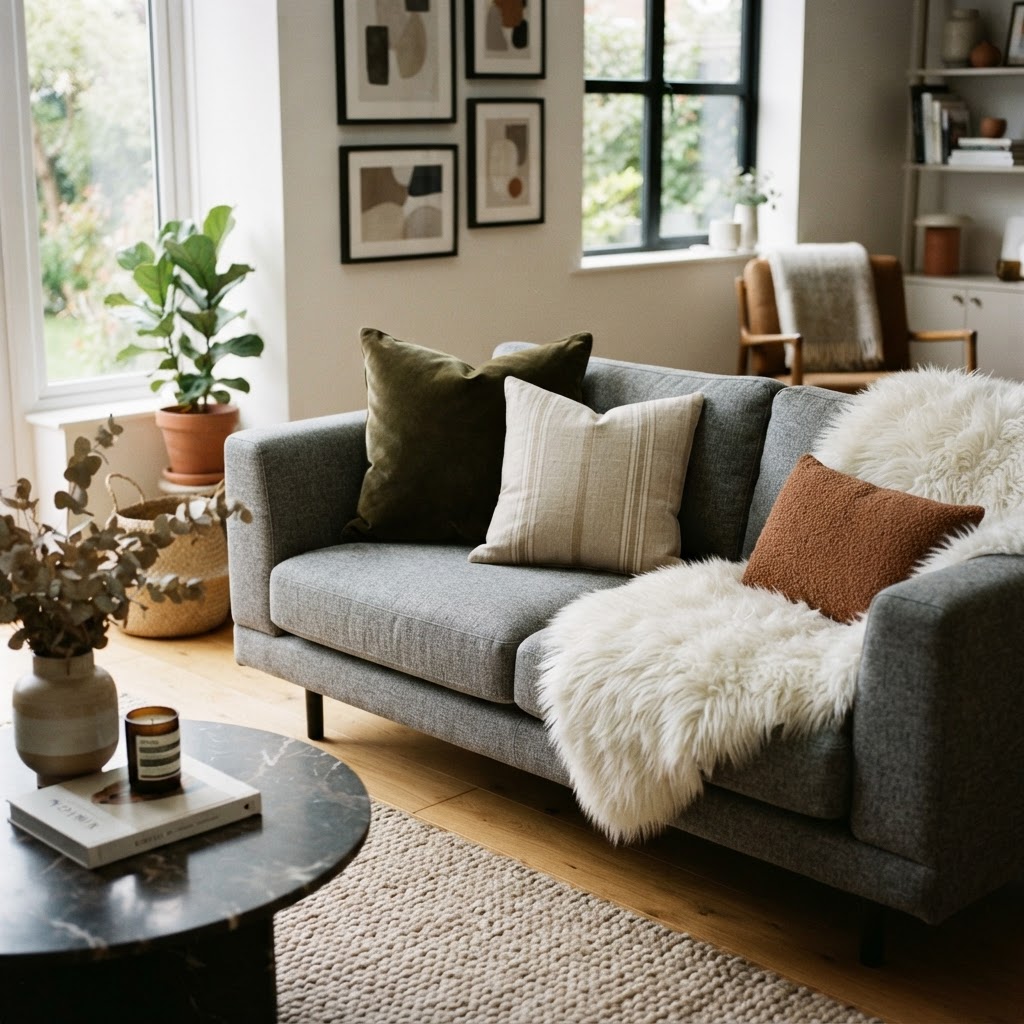
Honestly, this is the number one thing people get wrong when they try to make a modern home feel warmer. They focus on color, they buy a candle, and then they wonder why the space still feels like a magazine spread that nobody actually lives in. The answer almost always comes down to texture. Or more accurately, the complete lack of it.
Modern design loves clean lines and smooth surfaces. Polished concrete, glass, lacquered cabinets, sleek leather sofas. All of that looks incredible, but touch it and it feels cold. Literally and figuratively. What you need to do is deliberately introduce contrast through tactile materials that invite you to slow down and actually sit for a while.
Think about layering the way a really good outfit works. You have a base, something structured and clean. Then you add a middle layer with some personality. Then a top layer that brings the whole thing together with warmth. Your sofa might be a crisp white linen, but then you throw a chunky wool blanket over one arm, stack a couple of velvet cushions, and suddenly that same sofa feels completely different. It feels lived in. It feels like someone actually uses it.
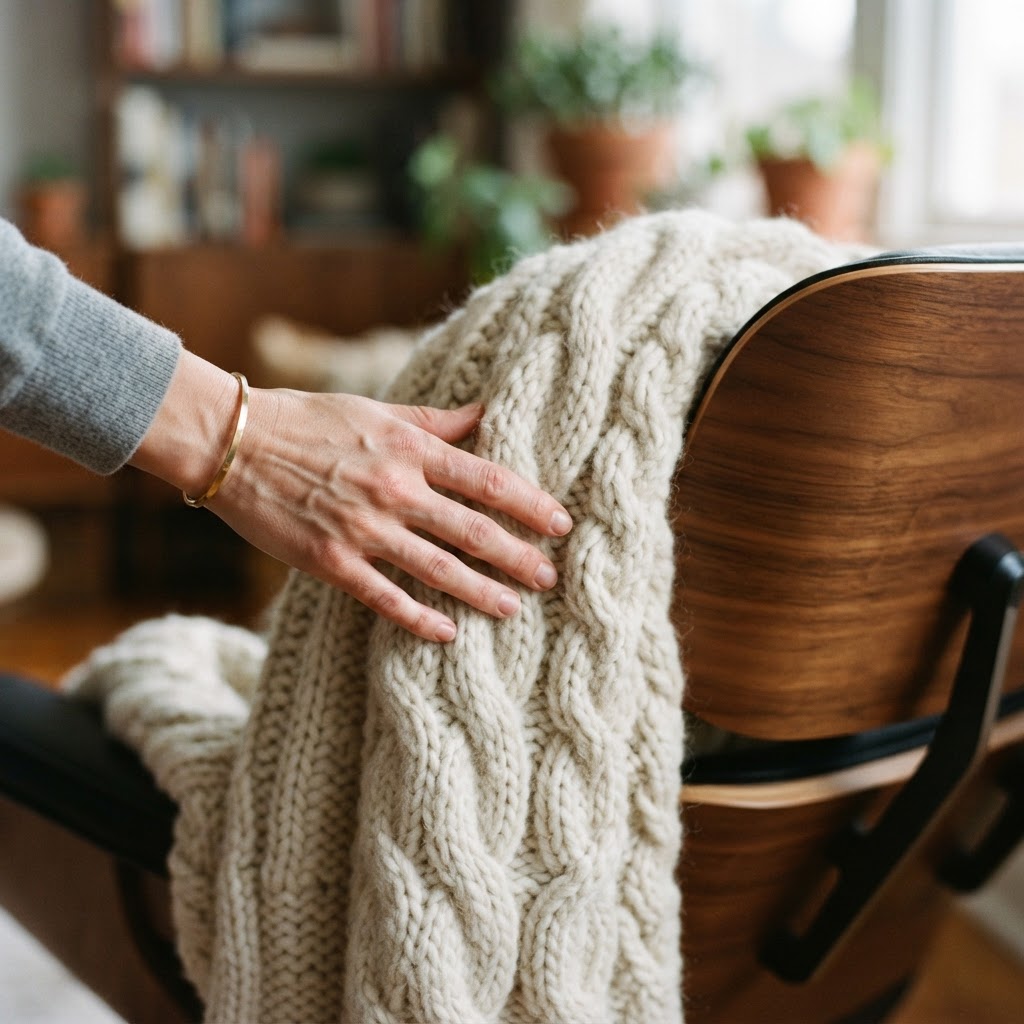
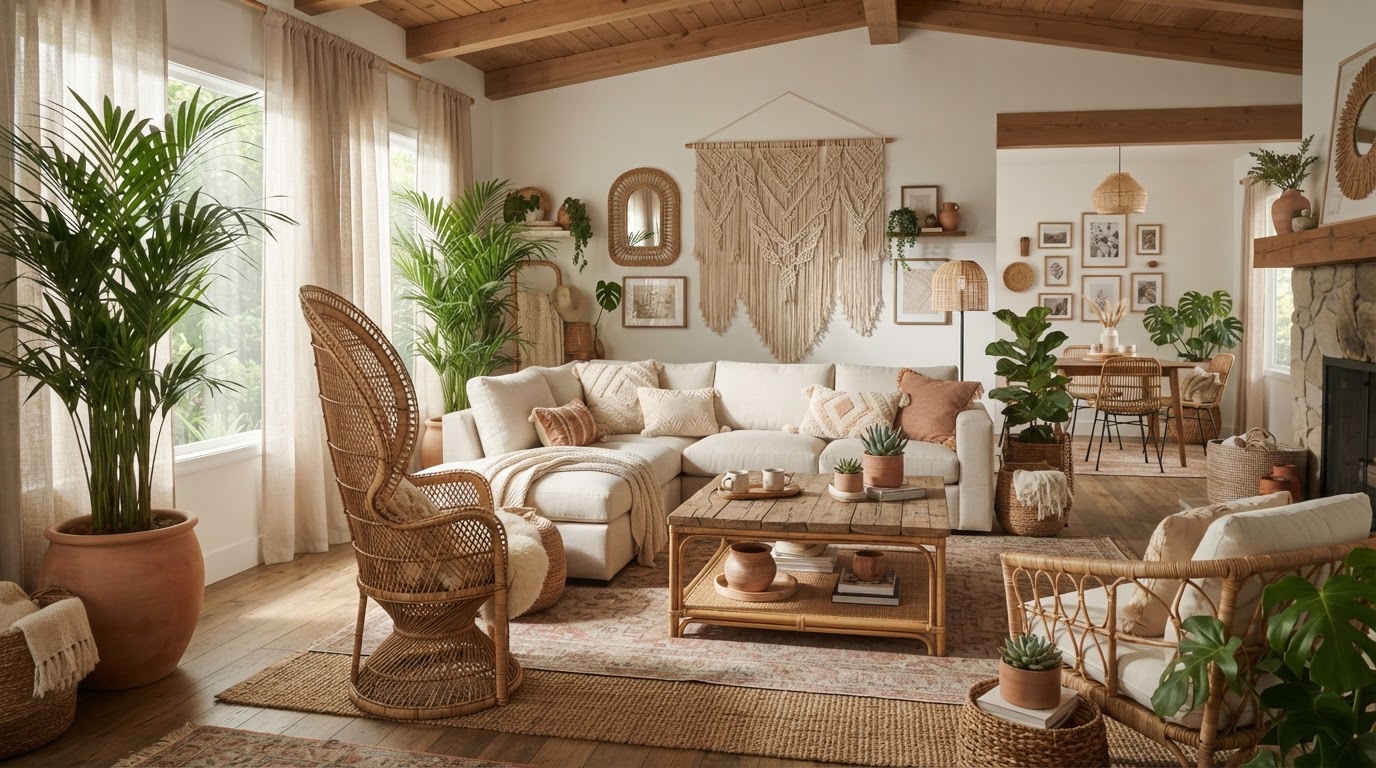
Here's the thing though, you want to be intentional about it. Piling on random textures just makes a space feel cluttered, not cozy. The trick is to pick two or three complementary textures and repeat them throughout the room. If you introduce a chunky boucle cushion, echo that softness somewhere else, maybe in a knitted pouf or a woven wall hanging. Keep the shapes simple and the materials varied. That contrast between sleek modern furniture and soft organic textures is where the magic actually lives.
- Boucle and bouclé-adjacent fabrics are having a major moment right now and for good reason. They're soft, tactile, and they photograph beautifully.
- Linen is your best friend for a relaxed, natural base layer on sofas, cushions, and curtains.
- Chunky knits in throws and small accessories add immediate warmth without overwhelming the space.
- Rattan and wicker bring in texture at a structural level, think side tables, light shades, or storage baskets.
- Velvet accents in cushions or a single accent chair add richness and depth that feels genuinely luxurious.
Real talk, you don't need to spend a fortune on this. A good chunky throw from a homeware store and two or three well-chosen cushions can completely transform a room. Start there before you consider anything else.
Introducing Organic Wood Tones
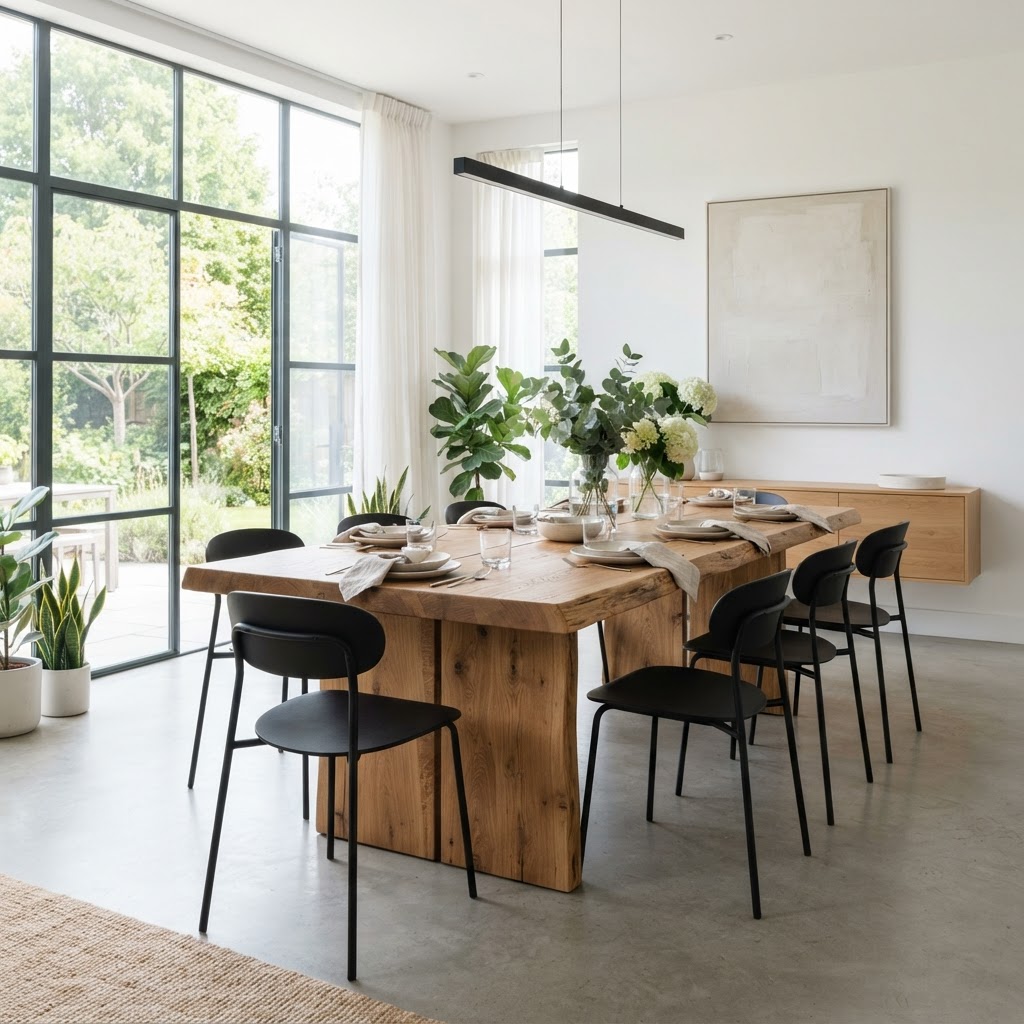
Look, there is a reason Scandinavian design has been so universally beloved for decades. Those designers figured out something really fundamental. You can have a clean, minimal, functional space and still make it feel incredibly warm. The secret ingredient they keep coming back to? Wood. Real, honest, organic wood with visible grain and natural tones.
A lot of modern interiors lean heavily on white, black, and grey. Those colors are timeless and they work, but without wood to balance them out, a space can start feeling clinical. Almost sterile. Even a small amount of warm wood tone, a coffee table, a floating shelf, a wooden bowl on the counter, can shift the entire energy of a room. It's genuinely remarkable how much difference it makes.
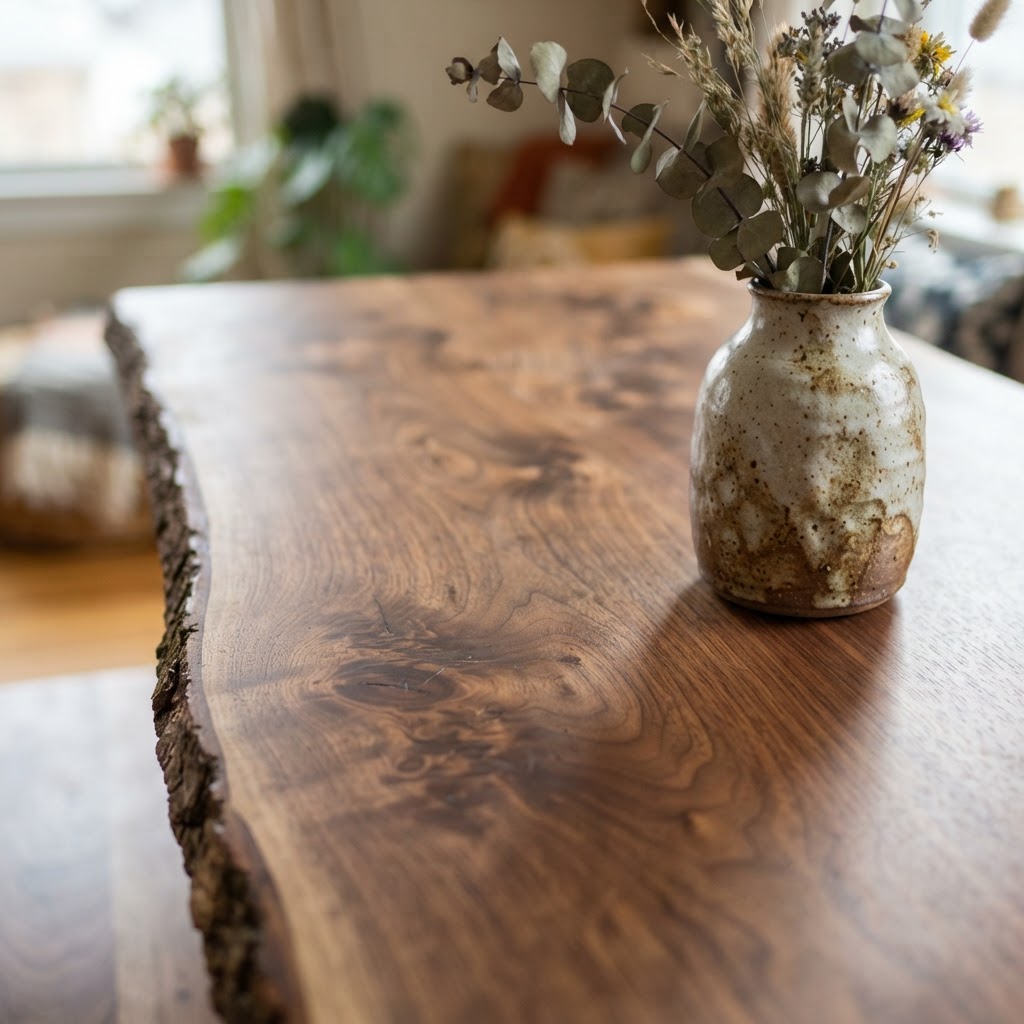
When it comes to choosing wood tones, warmer mid-toned woods tend to work best in modern spaces. Think walnut, oak, teak, or ash. These have enough warmth to soften the room without pulling things into a rustic or country direction, which is not what we're going for here. You want modern and cozy, not modern farmhouse. There's a difference. Very light, almost white wood tones can feel cold if overused. Very dark woods can feel heavy. That sweet spot in the middle is where you want to live.
And honestly, you don't have to invest in brand new furniture to get this right. Wooden cutting boards displayed on kitchen counters, a reclaimed wood tray on a coffee table, a wooden frame around a mirror, these small additions are low cost and high impact. If you do want to go bigger, a solid wood dining table is probably the single best furniture investment you can make in terms of adding lasting warmth to your home. It anchors a dining space beautifully and only gets better with age and use.
Warm Lighting Strategy
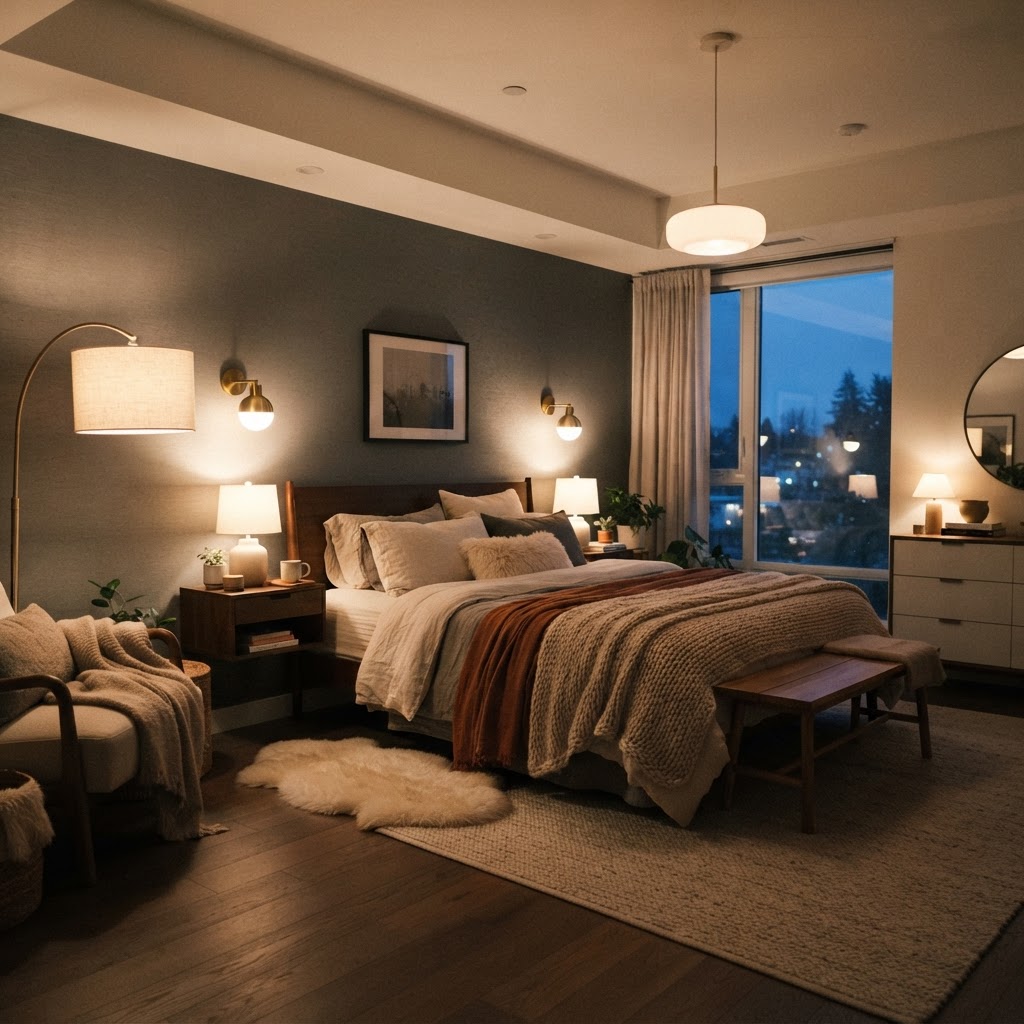
This one might be the most underrated tip on this entire list. Lighting can make or break the feeling of a room in a way that almost nothing else can. And yet so many people are still living under a single overhead light with cool-toned bulbs and then wondering why their gorgeous home feels like a waiting room. Trust me on this, getting your lighting right is genuinely life-changing.
The key concept here is layering your light sources and keeping them warm. Warm bulbs have a color temperature around 2700 to 3000 Kelvin. Anything above that starts feeling clinical. Check your bulbs right now. If they have a blue or white tone, replace them. That single swap might be the easiest and most impactful thing you do this weekend.
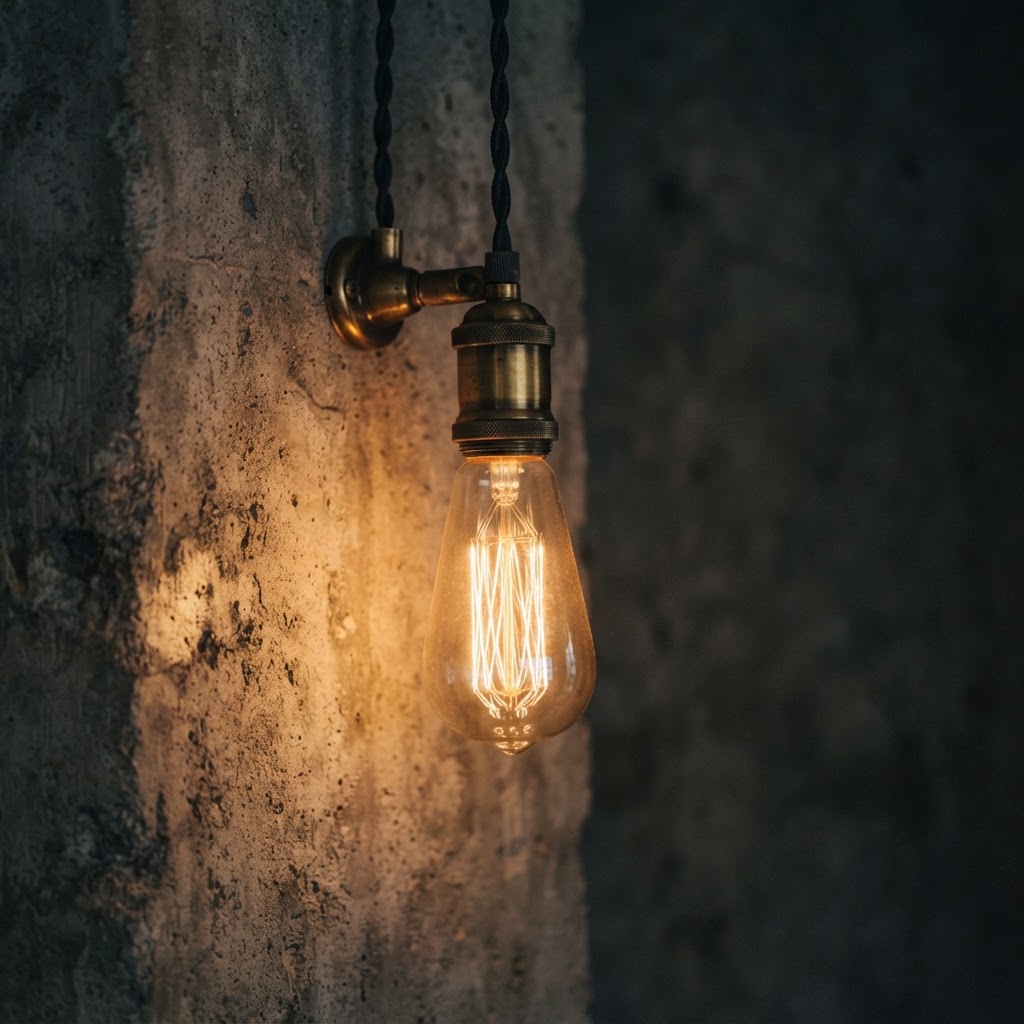
Beyond bulb temperature, think about creating multiple pools of light at different heights. A floor lamp in the corner, a table lamp on the side table, some under-cabinet lighting in the kitchen, maybe a string of warm fairy lights tucked behind a plant or along a shelf. When you have light coming from several different levels and sources, the whole room feels softer and more dimensional. It stops looking like a lit stage set and starts feeling like a real home.
- Dimmers are essential. If you can only do one upgrade, adding dimmer switches to your main overhead lights will transform how you use every room in your house.
- Candles still work. There is genuinely nothing that replaces the flicker of a real flame. Keep some on your coffee table and actually use them.
- Avoid cold-toned task lighting in living areas. Save the bright white light for workspaces where you actually need it.
- Consider lamp shades carefully. Opaque shades that direct light downward create intimate pools. Translucent fabric shades glow beautifully and spread warmth through the whole room.
Here's the thing about lighting. It's one of those areas where the fix is cheap but the impact is enormous. You are not buying new furniture. You are buying bulbs and maybe a floor lamp. Do it.
Incorporating Natural Elements
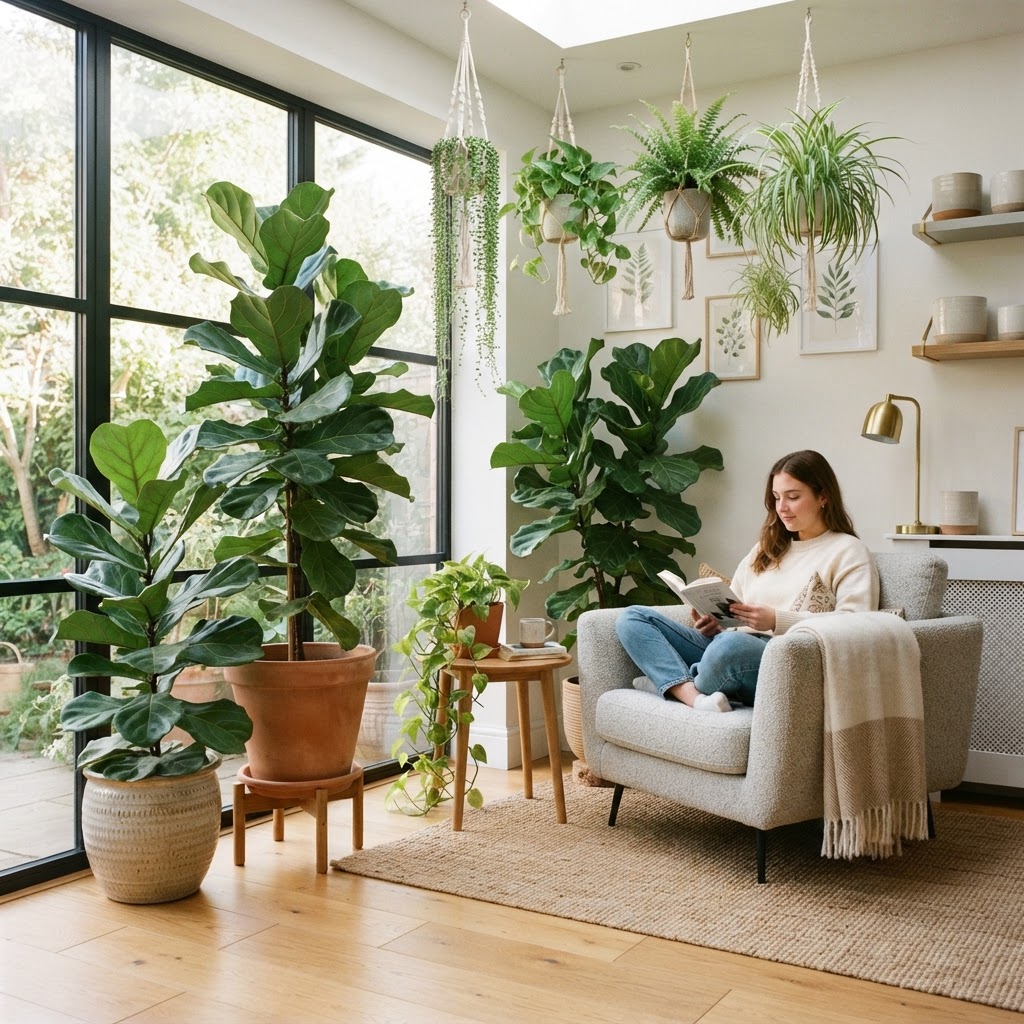
Biophilic design is one of those buzzwords that gets thrown around a lot in interior circles right now, but the concept behind it is genuinely ancient and genuinely true. Human beings feel better when they're around natural elements. Plants, stone, water, unprocessed materials. There is actual research behind this. And more importantly, there is your own gut feeling when you walk into a room that has a big leafy plant in the corner versus one that doesn't. You feel it immediately.
Plants are the obvious starting point, and honestly they deserve all the hype they get. A single large statement plant, a fiddle leaf fig, a monstera, a tall snake plant, can completely anchor a room and give it life in a way that no decorative object can. The scale matters. One large plant in the right spot beats twelve tiny succulents scattered around every time. Go big, place it deliberately, and keep it healthy.
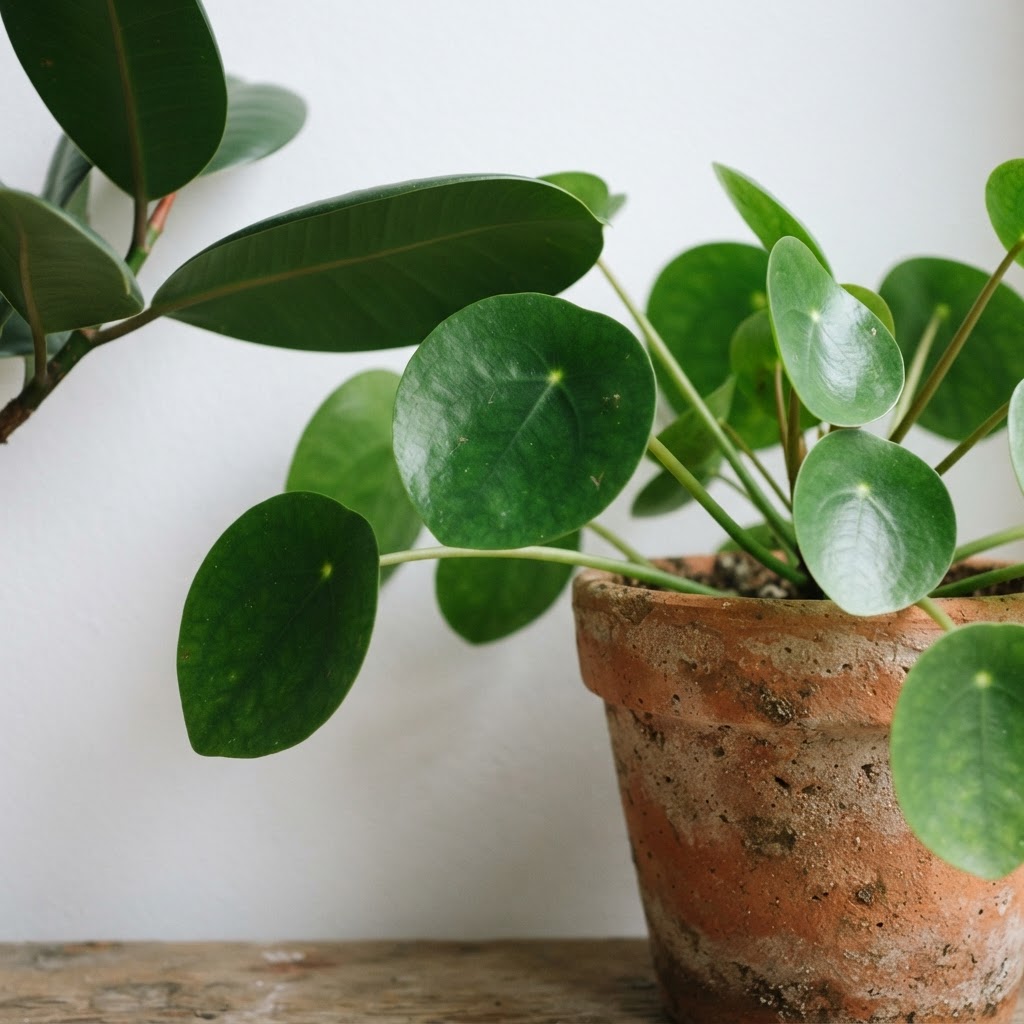
But natural elements go way beyond plants. Think about the materials you choose for decorative objects and functional items. Ceramic vessels with an imperfect handmade quality. A stone tray on the coffee table. A piece of raw quartz or a smooth river stone used as a bookend. Dried botanicals, pampas grass, eucalyptus, dried cotton stems, in simple vases. These things bring texture, color variation, and an organic irregularity that mass-produced objects just can't replicate. And that irregularity is actually what makes a room feel warm and human.
Water features are underused in residential spaces, and I think more people should consider a small tabletop fountain. The sound of moving water is incredibly soothing and grounding. It adds an auditory layer of coziness that you genuinely notice, especially in open-plan modern homes that can feel acoustically harsh.
The Power of Area Rugs
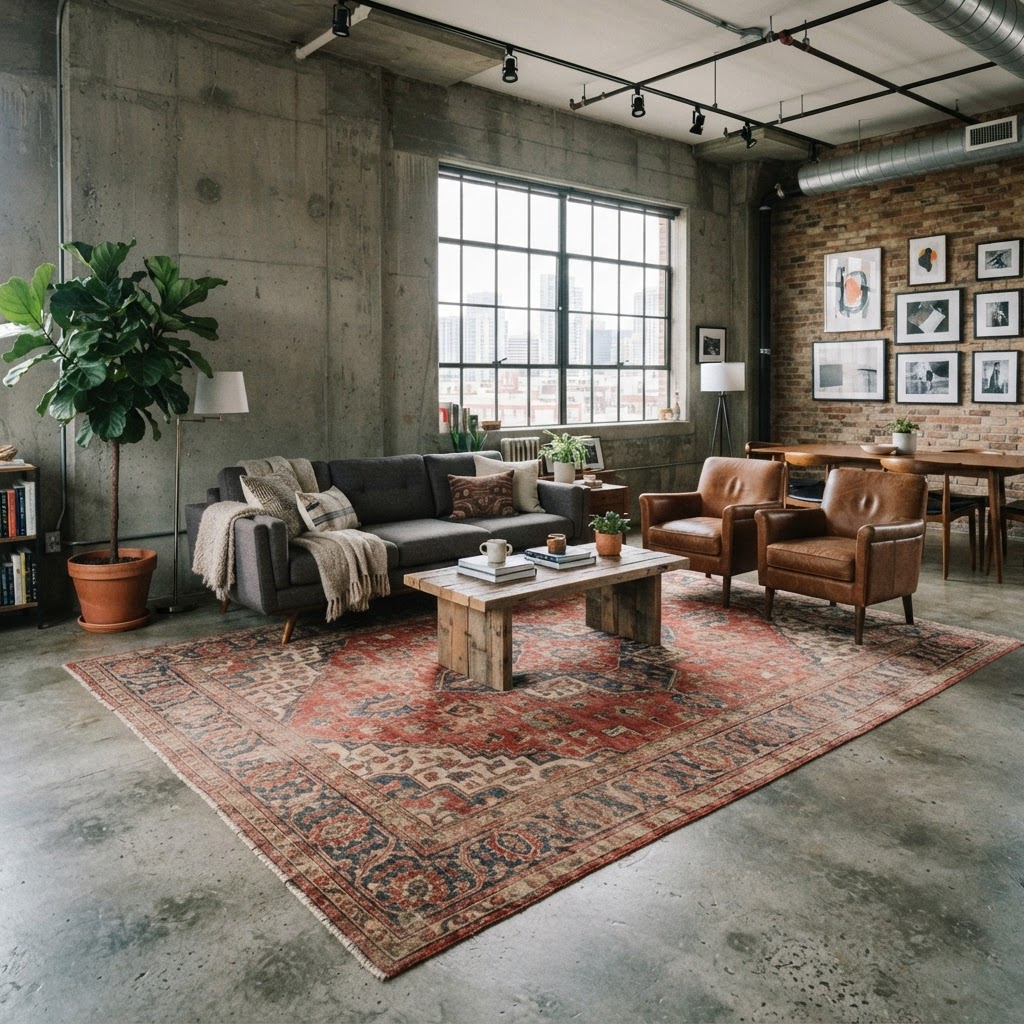
If you have hard floors and no area rugs, stop everything and fix this. I say that with love. Polished concrete, hardwood, tile, all of these look amazing and are completely practical, but they are acoustically and visually hard. A room without a rug often feels unfinished and cold in a way that's hard to name but impossible to ignore once you know what to look for.
A good area rug does several things at once. It defines a zone within an open-plan space, which helps a big modern room feel less like an airport terminal and more like a series of cozy human-scaled areas. It adds texture and softness underfoot. It dampens sound, which makes the whole room feel warmer and more intimate. And it introduces color and pattern in a way that is relatively low commitment because rugs can be changed.
Here's the thing about rug size, and this is where most people go wrong. Bigger is almost always better. A rug that is too small looks like an afterthought. In a living room, you want a rug that is large enough for all the front legs of your furniture to sit on it at minimum. Ideally you want all four legs on it. When the rug is properly sized, the whole seating arrangement feels anchored and cohesive. When it's too small, everything floats and the room looks accidental.
For material, wool is the gold standard if you can stretch the budget. It's warm, durable, naturally stain-resistant, and gets better with age. If wool is out of reach, look for natural fibers like jute or sisal for a more casual textured option, or a good quality polypropylene for high-traffic areas. What you want to avoid is the cheap thin flatweave that feels papery underfoot. That will not give you the warmth you're looking for.
- Layer your rugs for extra warmth and visual interest. A jute base rug with a smaller vintage-style rug on top is a classic combination that works beautifully.
- Use a rug pad. Always. It keeps the rug in place, adds underfoot cushioning, and makes even a mid-range rug feel luxurious.
- Don't be afraid of pattern. A subtle pattern in muted tones adds depth without competing with the rest of the room.
- Consider bedroom rugs too. Stepping out of bed onto a soft rug instead of a cold floor is a small luxury that improves your daily quality of life more than you'd expect.
Honestly, a rug is one of the highest-return purchases you can make in terms of transforming how a space feels. It's not glamorous advice, but it is true.
Final Thoughts
Making a modern home feel cozy is not about abandoning the clean lines and intentional design you love. It's about understanding that warmth comes from layering, from contrast, from human-scale details and natural materials. You can have both. The most beautiful modern spaces in the world manage to feel genuinely inviting, and it's never an accident.
Start small if the whole thing feels overwhelming. Swap your light bulbs. Buy one good throw. Move a plant somewhere more prominent. These tiny shifts compound quickly, and before long your home starts to feel less like a showroom and more like a place where real life actually happens. And honestly, that's the whole point, isn't it? Your home should feel like yours. Warm, layered, alive, and completely worth coming back to at the end of the day.
More in Interior
Stay Inspired
Subscribe for new essays on architecture, design, and the spaces that shape us.