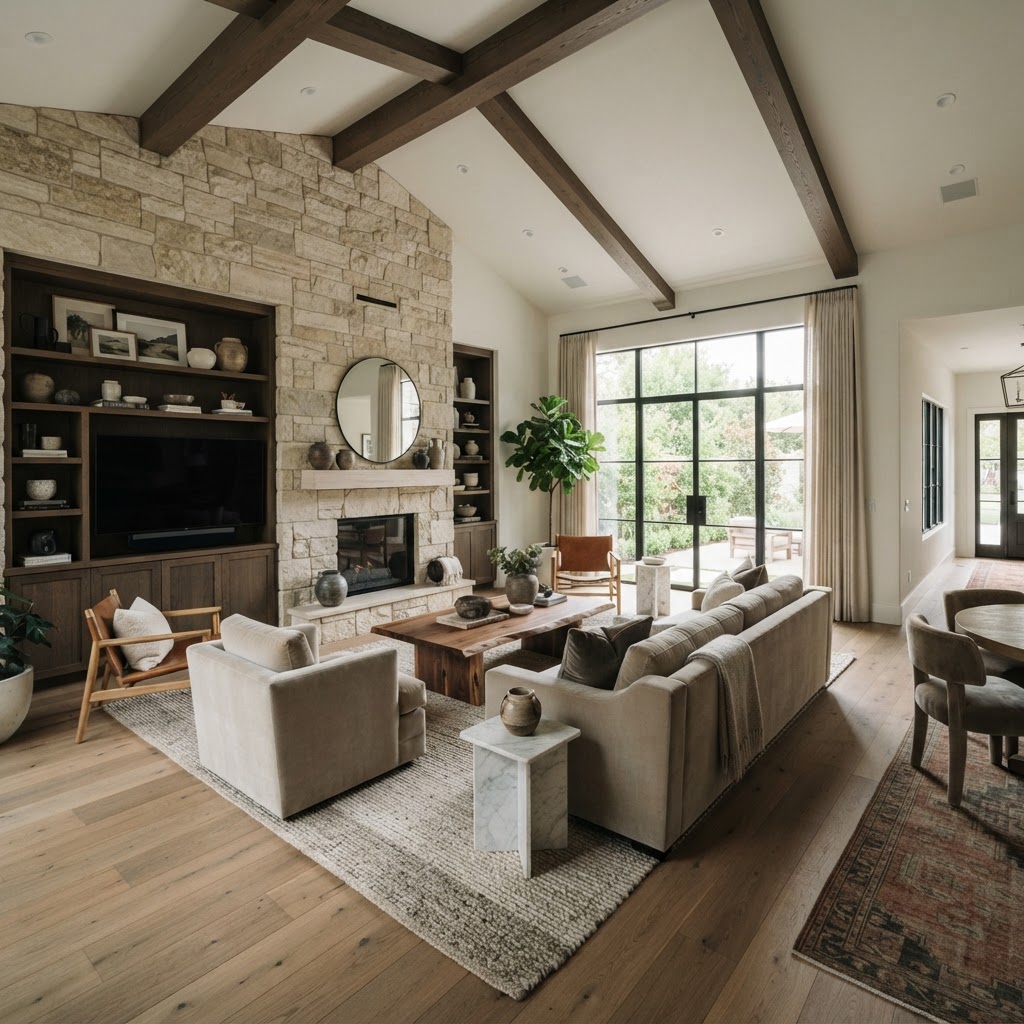
Beyond the Paint: How to Use Texture to Make Your Home Feel Expensive
Most people focus entirely on color when decorating their homes but texture is the real secret to creating a designer look. Learn how to mix different materials to add depth and cozy layers to any room.
The Power of Layering Textiles
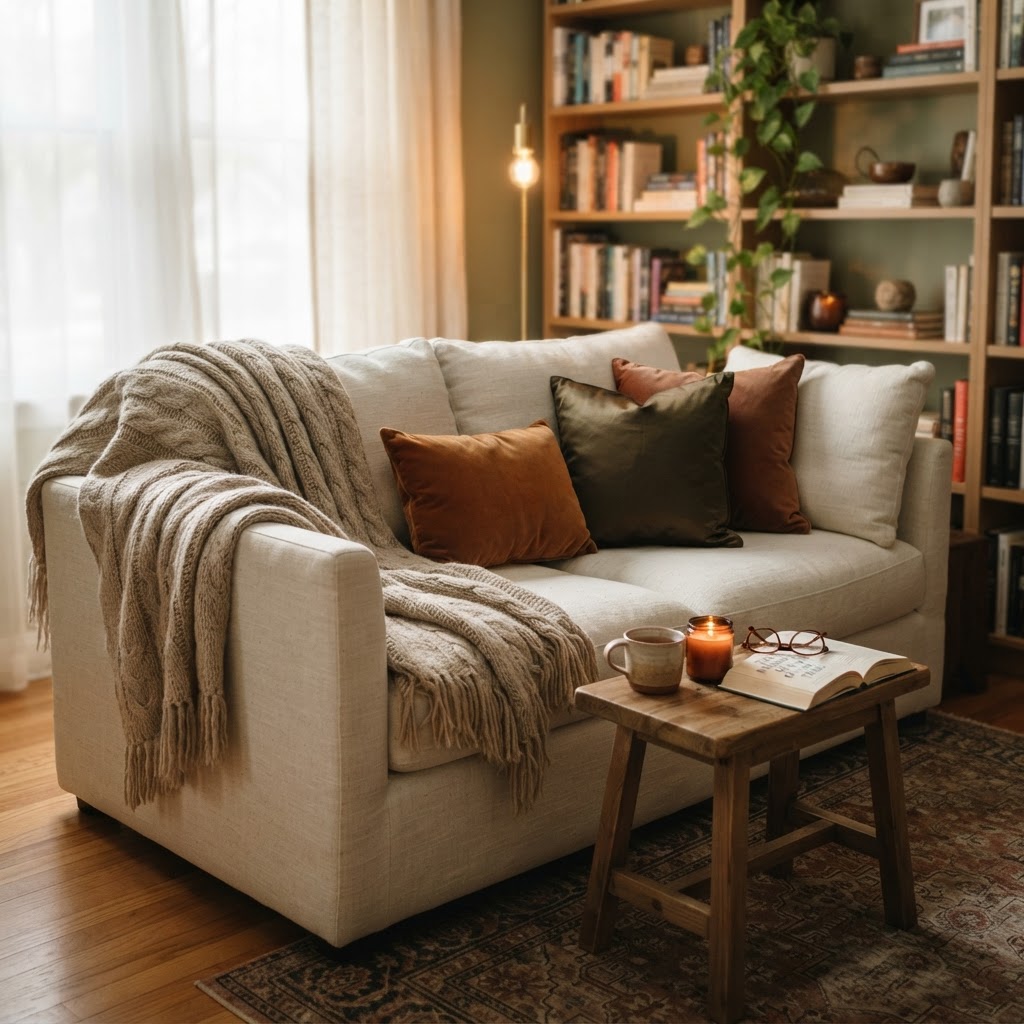
Honestly, if there is one thing that separates a room that looks like a furniture showroom from one that feels genuinely lived-in and luxurious, it is the layering of textiles. Paint color gets all the glory, and sure, it matters. But textiles are doing the quiet, heavy lifting that most people completely overlook. Throw pillows, blankets, curtains, upholstery fabrics, bedding, all of it working together is what gives a space that rich, collected-over-time feeling that no single statement piece can replicate.
Here is the thing about layering textiles: it is not about buying expensive stuff. It is about mixing textures intentionally. You want contrast. A chunky knit throw next to a smooth linen pillow next to a velvet cushion creates this almost tactile tension that your eye reads as sophisticated, even if none of those individual pieces cost very much. The trick is to vary the weight, the weave, and the sheen. Matte against slightly lustrous. Loose weave against tight weave. Rough against smooth.
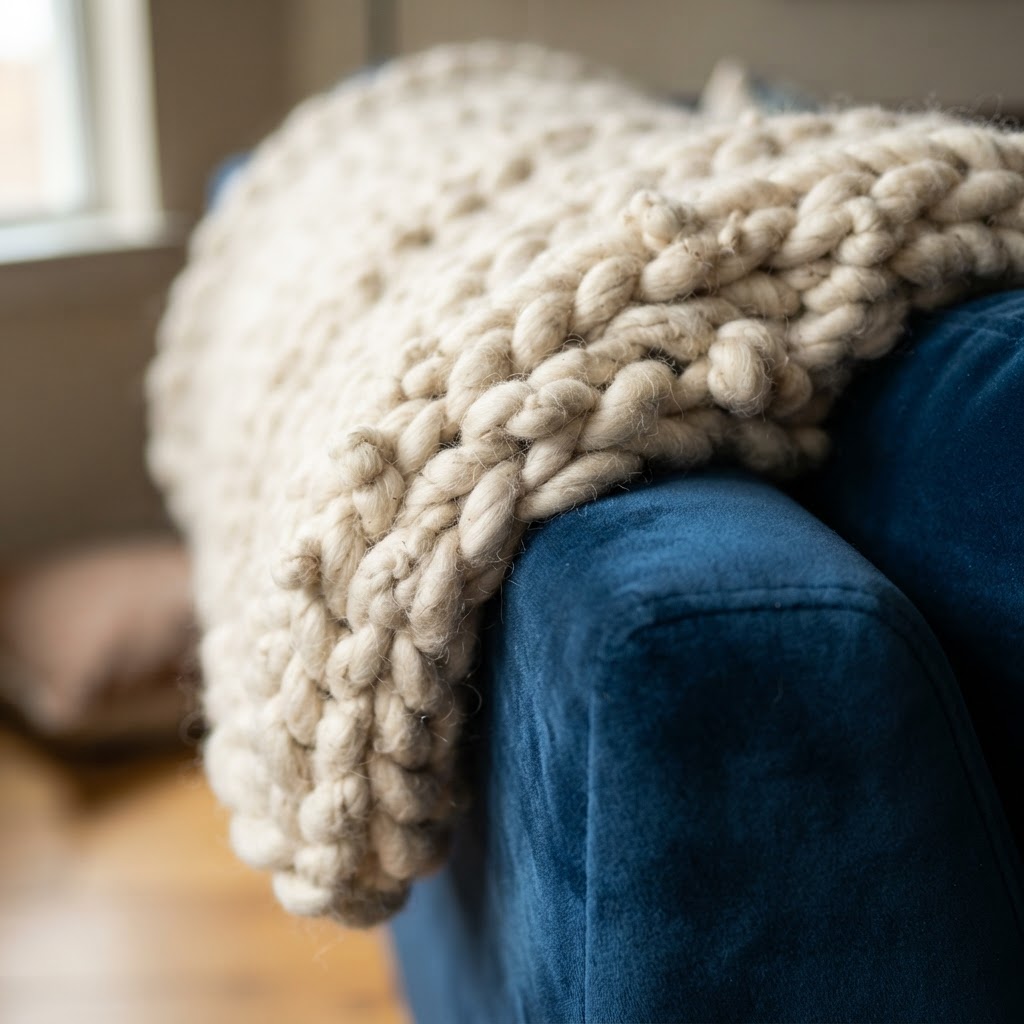
Real talk: most people either over-coordinate (everything matching perfectly, which reads as flat) or under-coordinate (random stuff thrown together, which just looks messy). The sweet spot is a cohesive color palette with varied textures within it. Pick two or three main tones and then pile on as many different fabric textures as you want within those colors. That is genuinely the whole formula.
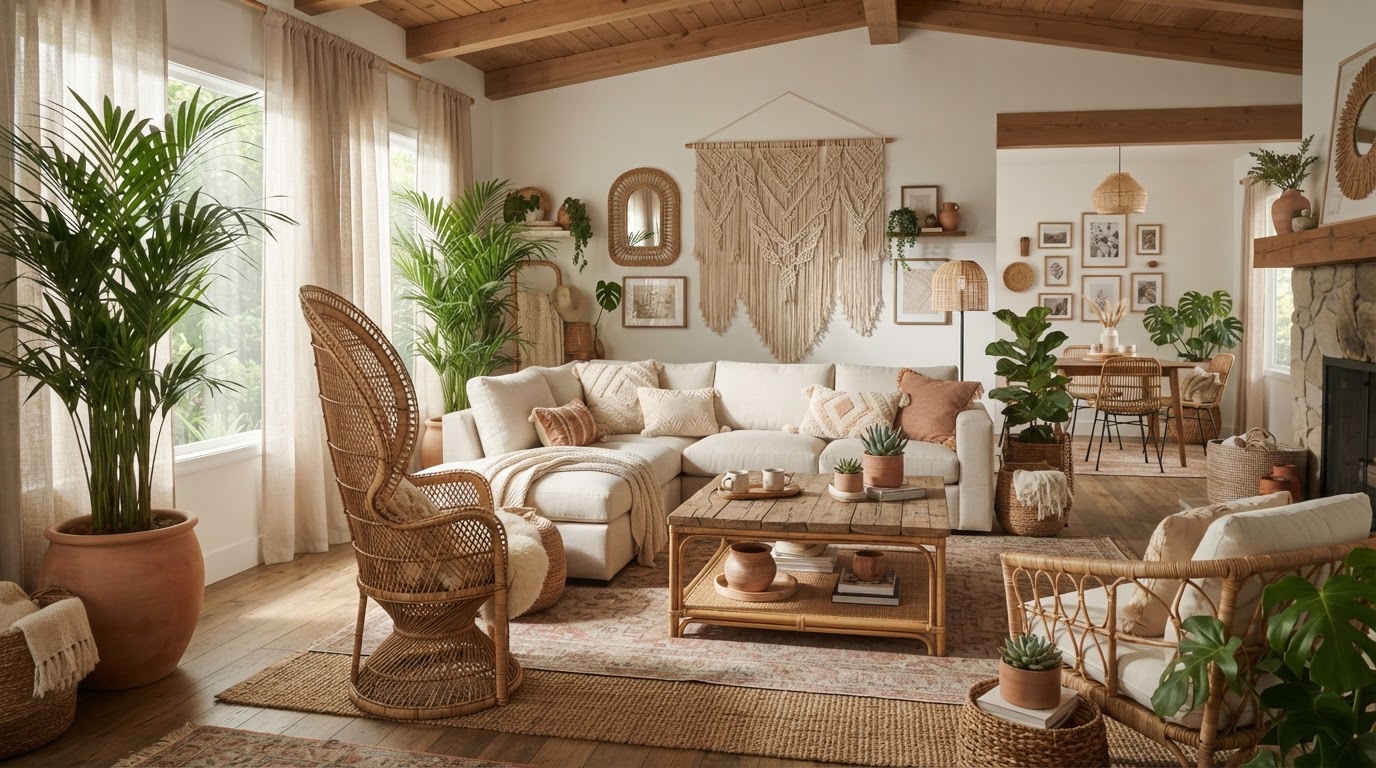
Bedrooms are the most obvious place to practice this, but do not sleep on your living room sofa. Layer a flat-weave blanket at the base, toss a faux fur or boucle pillow in the corner, and add a couple of woven or embroidered cushions in your palette. It takes about ten minutes and costs practically nothing if you shop your own home first. Suddenly that same old sofa looks intentional and expensive. That is the power of textiles working together rather than in isolation.
- Mix at least three different fabric textures in any single seating or sleeping area
- Keep your color palette tight while your texture palette stays wide and varied
- Do not forget curtains, floor-length linen or velvet drapes change the entire mood of a room
- Layer rugs under furniture to add another textile dimension at floor level
Bringing in Natural Elements
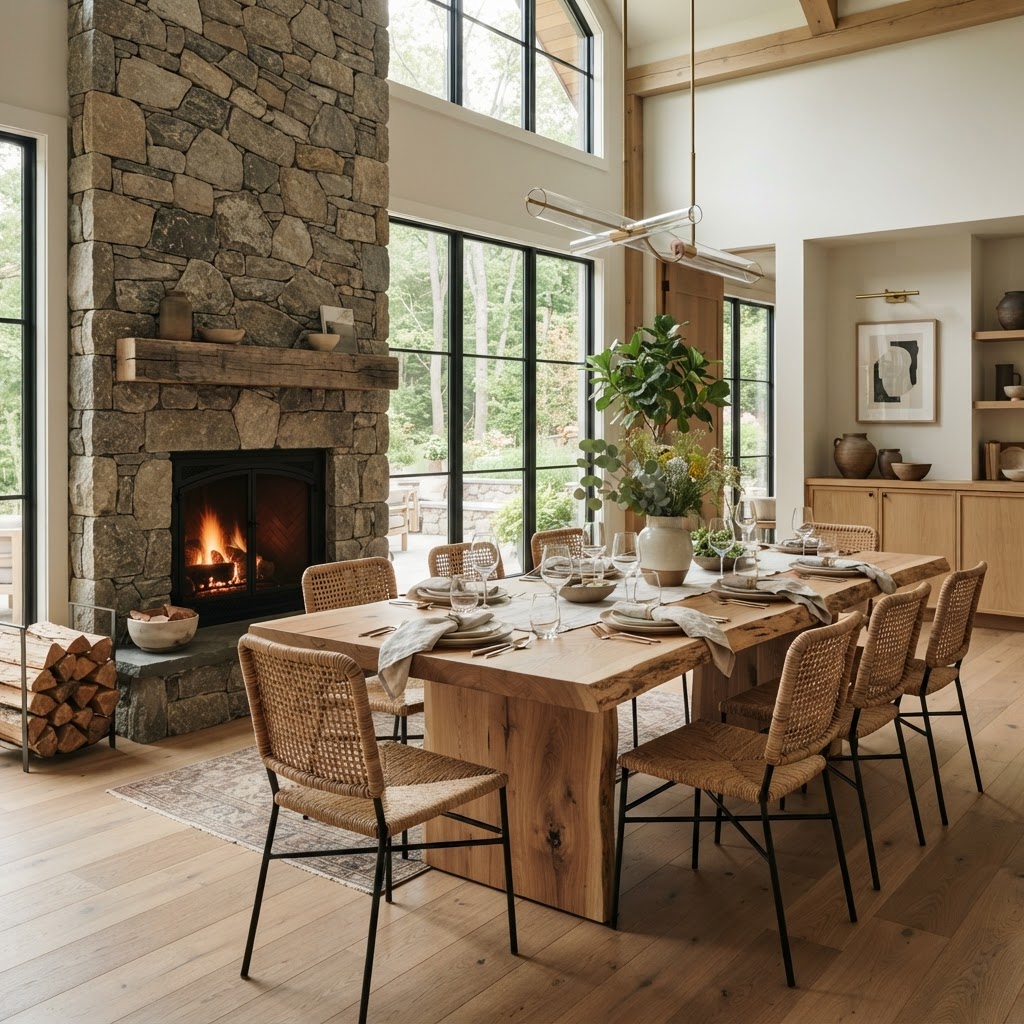
There is something almost primal about why natural materials make a room feel grounded and expensive. Wood grain, stone surfaces, rattan weaves, jute fibers, raw clay ceramics, these things carry inherent texture that no synthetic material has ever fully replicated. And the reason is simple: natural materials are irregular. Each piece is slightly different from the next. That irregularity reads as authentic and rich in a way that perfectly uniform manufactured surfaces never quite achieve.
Look, you do not need to gut your kitchen and install marble countertops to get this effect. Natural elements work beautifully at a small scale. A wooden bowl on your coffee table. A set of stoneware mugs on open shelving. A woven seagrass basket used as a planter or a laundry hamper. A piece of raw-edge wood used as a floating shelf. These small moves add organic texture that makes the whole room feel more considered and less generic.
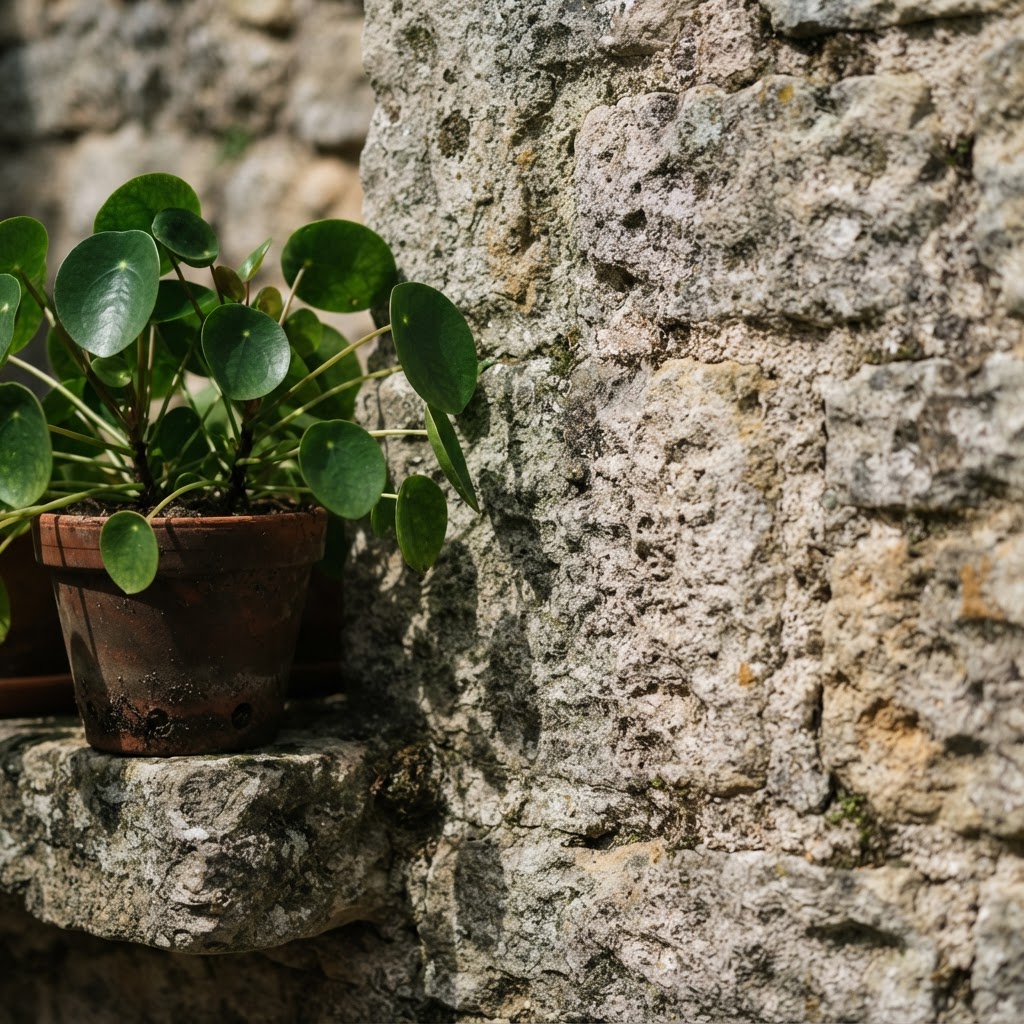
Plants are obviously part of this conversation too. Not just because they are alive and beautiful, but because leaves and stems and soil all add layers of organic texture. A fiddle-leaf fig in a rough terracotta pot, a trailing pothos in a woven hanging planter, fresh eucalyptus in a simple ceramic vase. Each of these things brings a completely different tactile quality into your space. And honestly, no piece of furniture or artwork can compete with the living, breathing texture that plants provide.
The key with natural elements is to let their inherent imperfection shine rather than trying to make everything look polished and perfect. A slightly rough-edged ceramic vase is more interesting than a perfectly glazed one. A live-edge wooden table is more compelling than one with perfectly straight, machined sides. Lean into the grain, the knots, the variation. That is exactly where the luxury lives.
"Natural materials have a memory. They carry the evidence of where they came from, and that story is what makes them irreplaceable in any well-designed space."
Contrasting Smooth and Rough Surfaces
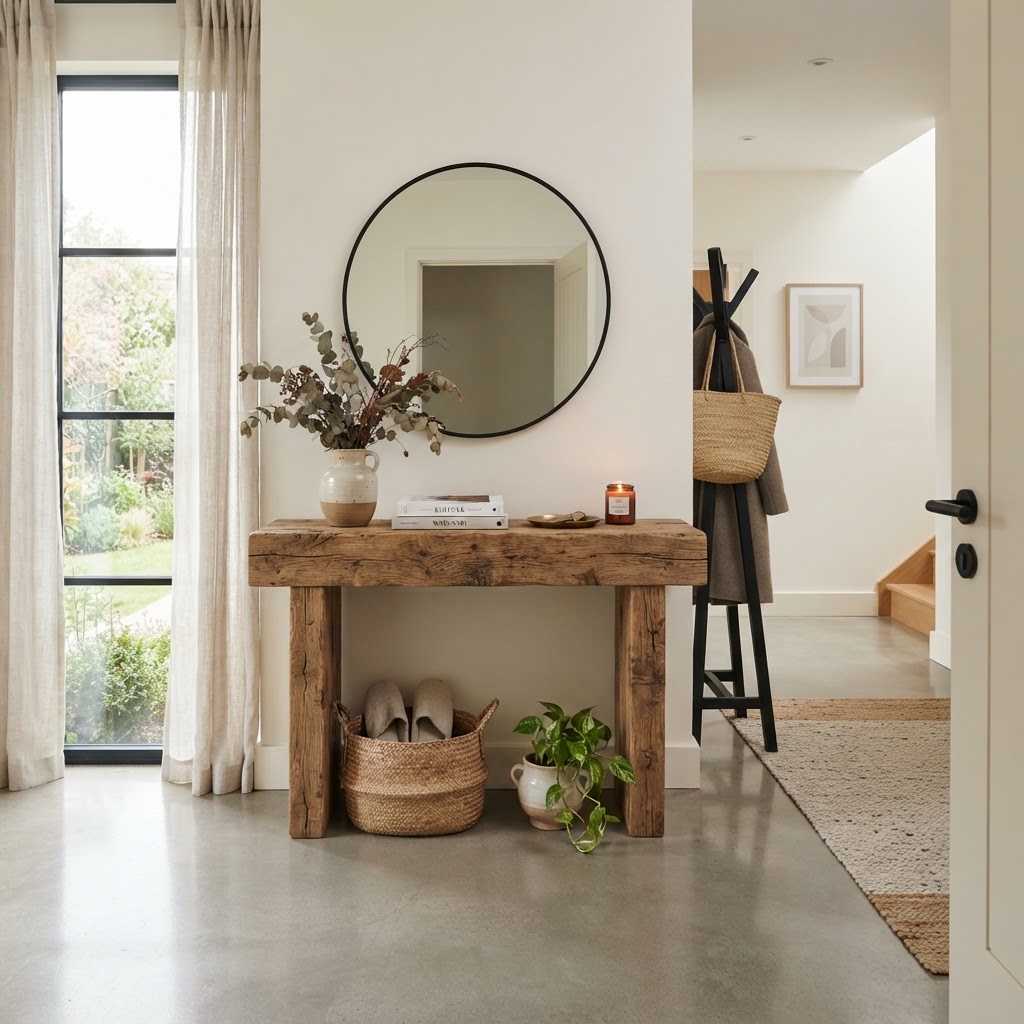
This is genuinely one of the most powerful tools in any designer's kit, and it is also one of the most underused by everyday homeowners. Contrasting smooth and rough surfaces creates visual tension that makes a room feel dynamic rather than static. Think about it: a room where everything has the same surface quality, all matte, or all glossy, or all smooth, starts to feel monotonous pretty quickly. Your eye has nowhere interesting to travel.
The contrast principle is simple. Place something rough next to something smooth and both surfaces look better by comparison. A rough, textured concrete wall behind a sleek, polished marble table. A raw linen sofa in front of a highly lacquered side table. A rustic reclaimed wood floor under a glass and steel coffee table. Each surface is elevated by its opposite. Trust me on this, once you start seeing these pairings you cannot unsee them, and you will start hunting for opportunities to create that contrast everywhere in your home.
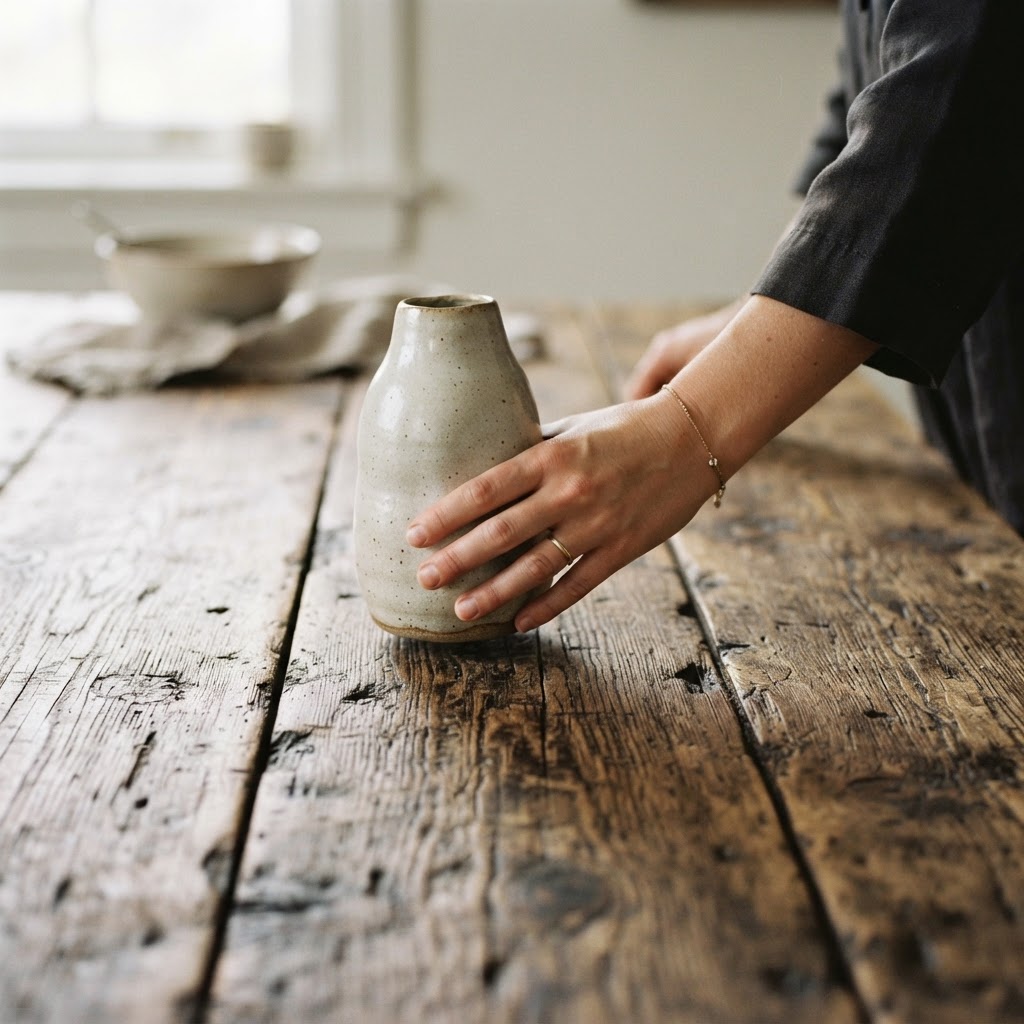
One of the easiest places to apply this is in your bathroom. If you have smooth, glossy tile, bring in a rough natural stone soap dish, a wooden bath mat, or a woven basket for towels. Suddenly those glossy surfaces read as intentionally chosen rather than just default. In a kitchen, if you have smooth quartz countertops, a rough-textured backsplash tile or a distressed wood cutting board left out on the counter adds that contrasting layer that makes the whole room feel more layered and designed.
And honestly, do not overlook walls. A smooth painted wall next to a section of exposed brick, or a wallpapered accent wall with a strong texture next to a flat-painted one, these moves completely transform the spatial quality of a room without requiring a single piece of new furniture. Textured plaster, grasscloth wallpaper, board and batten paneling with a satin paint finish, all of these are ways to introduce surface contrast at a large scale that pays off enormously in terms of how the room reads and feels.
Adding Depth with Metallics
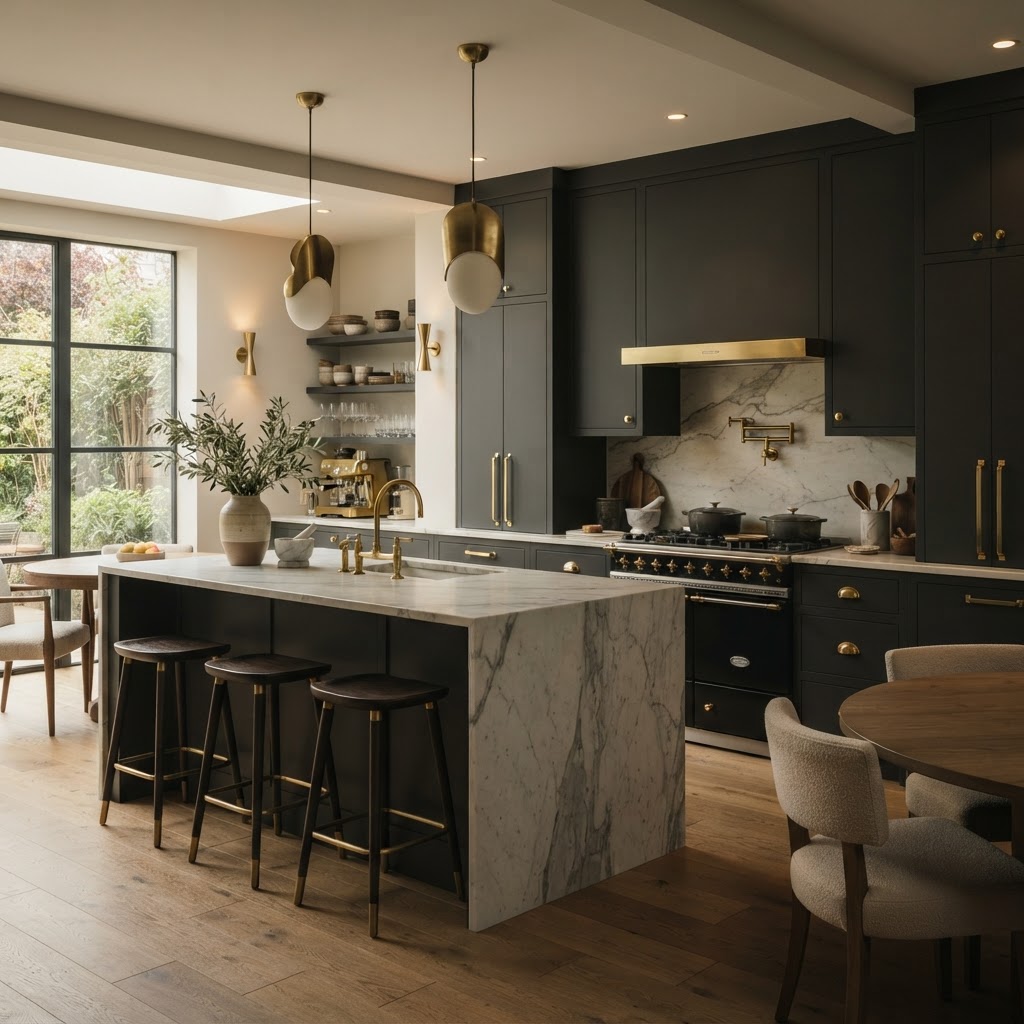
Here is the thing about metallics: people either overdo them, going full glam with everything shiny and reflective, or they avoid them entirely because they are worried about looking tacky. And that is a shame, because used with restraint and intention, metallic textures are one of the fastest ways to make a room feel elevated and expensive. The secret is understanding that metallics are not just about color, they are about light interaction. A brushed brass lamp base catches light differently at every hour of the day. A hammered copper bowl does not just sit on a shelf, it glows from within when the afternoon sun hits it.
The texture of metallics matters as much as the metal itself. Polished chrome is cool, clean, and modern. Brushed gold is warm and sophisticated. Hammered or beaten metals have this gorgeous handmade quality that reads as artisanal rather than mass-produced. Oxidized or aged metals with a patina feel collected and storied. Each finish carries a completely different textural personality, and mixing two or three of these in a room adds layers of interest that a single uniform metallic finish never could.
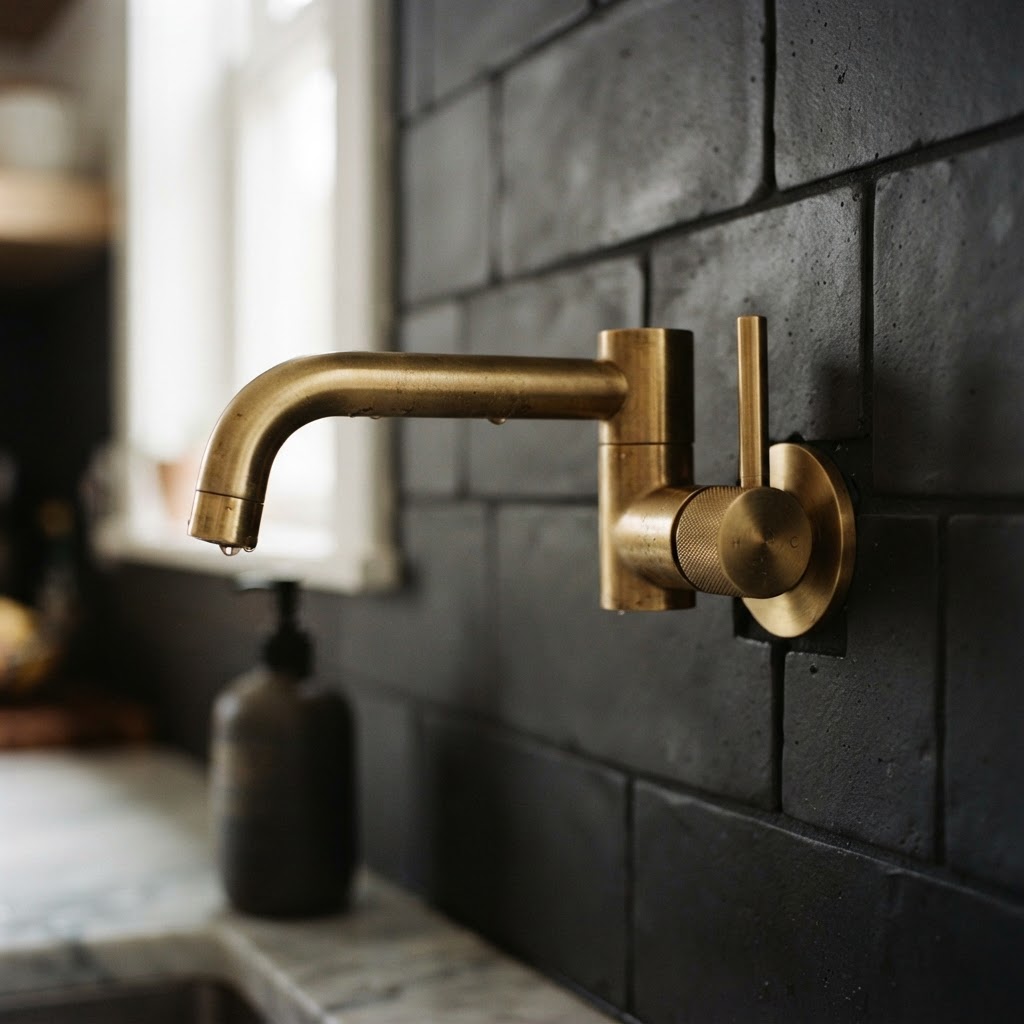
And real talk, you do not need to invest in expensive metallic furniture or fixtures to get this effect. Small accents go a long way. A set of gilded picture frames. A brass magazine rack. A hammered copper planter. A set of mixed metal candle holders clustered on a tray. These small investments in metallic texture add reflective dimension throughout a room that bouncy natural light plays with all day long. That constant subtle shimmer is exactly what makes high-end interiors feel alive rather than static.
- Mix at least two metal finishes in any room, such as brass and matte black, or chrome and aged bronze
- Choose hammered or brushed finishes over polished ones for a more luxurious, less generic look
- Use metallics near light sources so they interact with both natural and artificial light
- Keep the scale varied, mix large statement pieces like a mirror frame with small accents like candleholders
- Let one metal tone dominate with the others playing a supporting role to keep it cohesive
The Role of Rugs and Wall Hangings
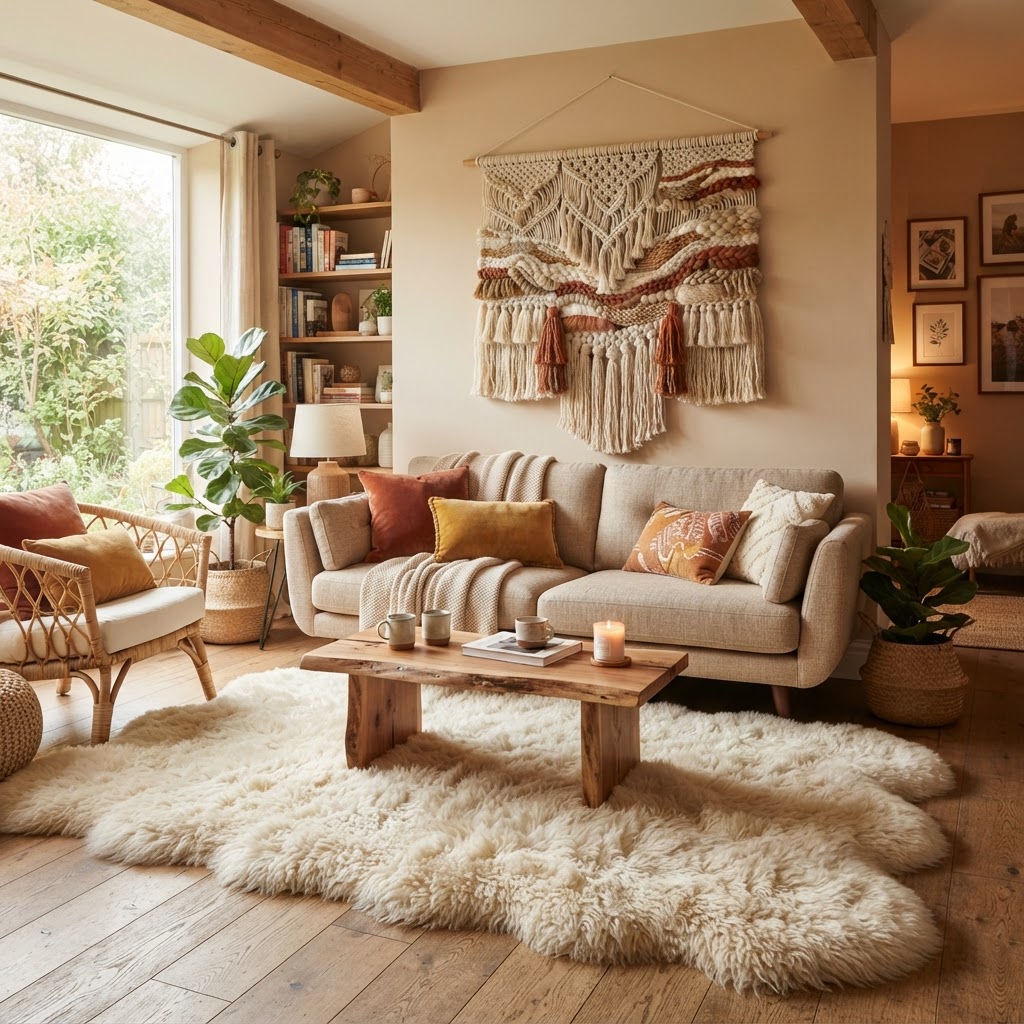
If you have hard floors and bare walls, your room is working against itself. I say this with genuine affection: no matter how good your furniture is, a room with bare hardwood floors and empty white walls will always feel a little cold and unfinished. Rugs and wall hangings are not accessories, they are essential textural layers that change the acoustic quality, the visual warmth, and the overall sense of depth in a space. Full stop.
Let us talk about rugs first because they are the more common conversation. The number one mistake people make is buying a rug that is too small. A small rug floating in the middle of a room makes the space feel awkward and disjointed. A large rug that gets under most of the furniture anchors everything, makes the room feel intentional, and adds a massive swath of texture at floor level that completely transforms how the space reads. Size up almost always. The texture of the rug itself matters enormously too. A high-pile shag feels cozy and sensory. A flat-weave kilim feels graphic and layered. A natural jute or sisal rug feels earthy and grounded. Each brings something different to the room's overall textural story.
Wall hangings are where a lot of people hesitate, and honestly, I get it. The wrong wall hanging can make a space feel like a college dorm or a craft fair gone wrong. But the right one adds a vertical layer of texture that absolutely nothing else can provide. Think about a large woven tapestry behind a bed. A hand-knotted macrame piece in a reading nook. A gallery wall mixing framed textile art with paintings and photography. A single large ceramic wall sculpture above a console table. These things bring texture up off the floor and furniture level and onto the walls, which makes the room feel truly three-dimensional in a way that paint and flat artwork alone cannot achieve.
The most important thing with wall hangings is scale and intentionality. One large, well-chosen piece reads as confident and designed. A dozen small, unrelated pieces reads as cluttered. If you are going for a gallery wall, treat the entire arrangement as a single large piece and give it the wall space it deserves. And do not be afraid of textile-based wall art specifically, woven pieces, embroidered panels, fiber art, these bring soft, warm texture to the one surface in a room that is usually the hardest and flattest.
"The floor and the walls are two of the largest surfaces in any room. Leaving them both bare is like setting a beautifully styled table on a concrete slab. The foundation matters as much as everything on top of it."
Final Thoughts
Texture is honestly the most underrated element in interior design, and I think that is because it is harder to pin down than color or furniture style. You cannot just say "I want a linen living room" the way you can say "I want a navy living room." It requires more intuition, more layering, more willingness to experiment. But here is the payoff: a room that is rich in texture looks expensive at almost every budget level. Because texture is about intention, not price tags.
Start small. Pick one of these five areas and spend a week just looking at your space through that lens. Do you have enough textile layering? Are there any natural elements bringing organic warmth? Is there a smooth-rough contrast happening anywhere? Do your metallics have texture of their own? Are your rugs large enough and your walls doing real work? Each one of these questions leads you somewhere interesting. And honestly, the more you practice thinking about texture, the more natural it becomes, until you walk into any room and instantly understand why it feels flat or why it feels incredible.
Your home should feel like a place that has been built up slowly, thoughtfully, and with genuine care. Texture is how you tell that story. It is the difference between a room that looks nice in a photo and one that makes people walk in and immediately say, wow, this feels so good in here. That is the goal. That is always the goal.
More in Interior
Stay Inspired
Subscribe for new essays on architecture, design, and the spaces that shape us.