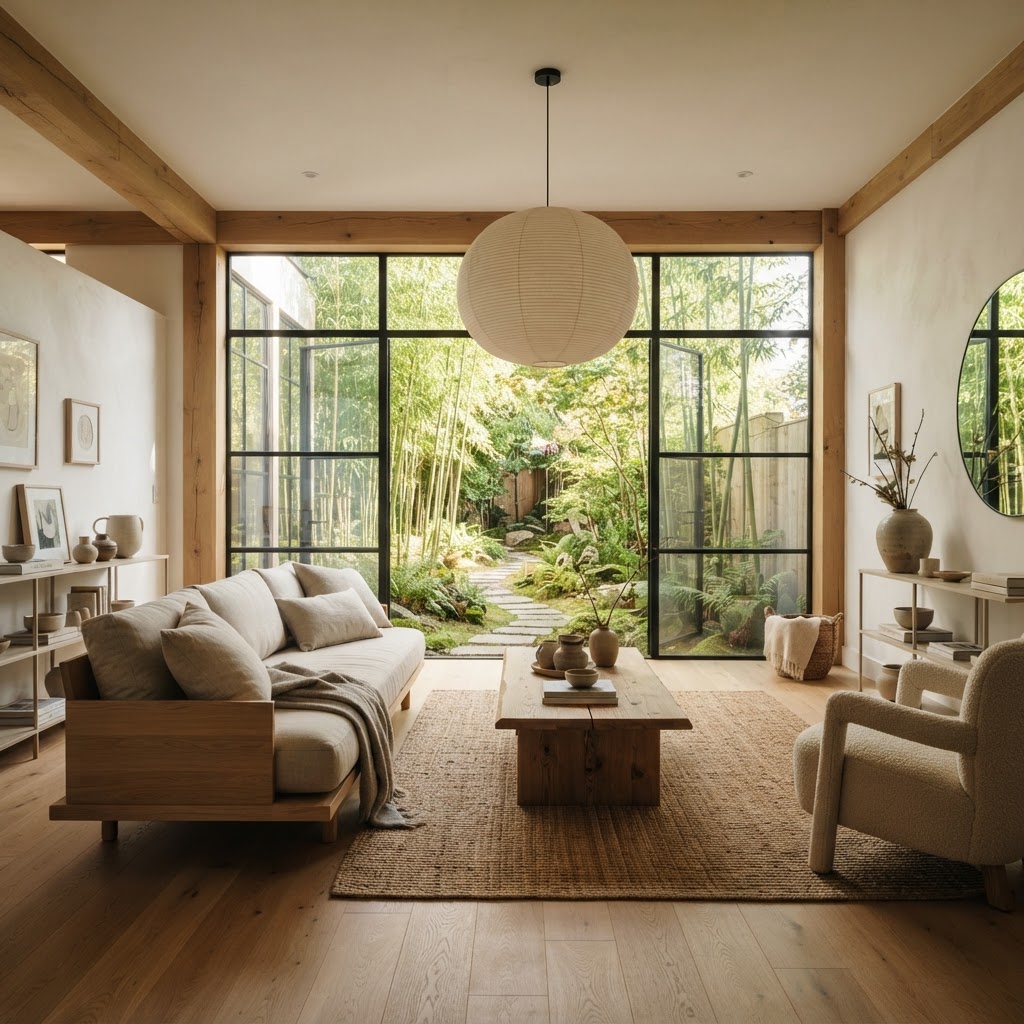
Japandi Style 101: How to Master the Ultimate Zen Aesthetic in Your Home
Discover how to blend the best of Japanese minimalism and Scandinavian warmth to create a peaceful sanctuary. This guide covers everything you need to know to master the Japandi interior design trend in any room of your house.
The Philosophy of Japandi
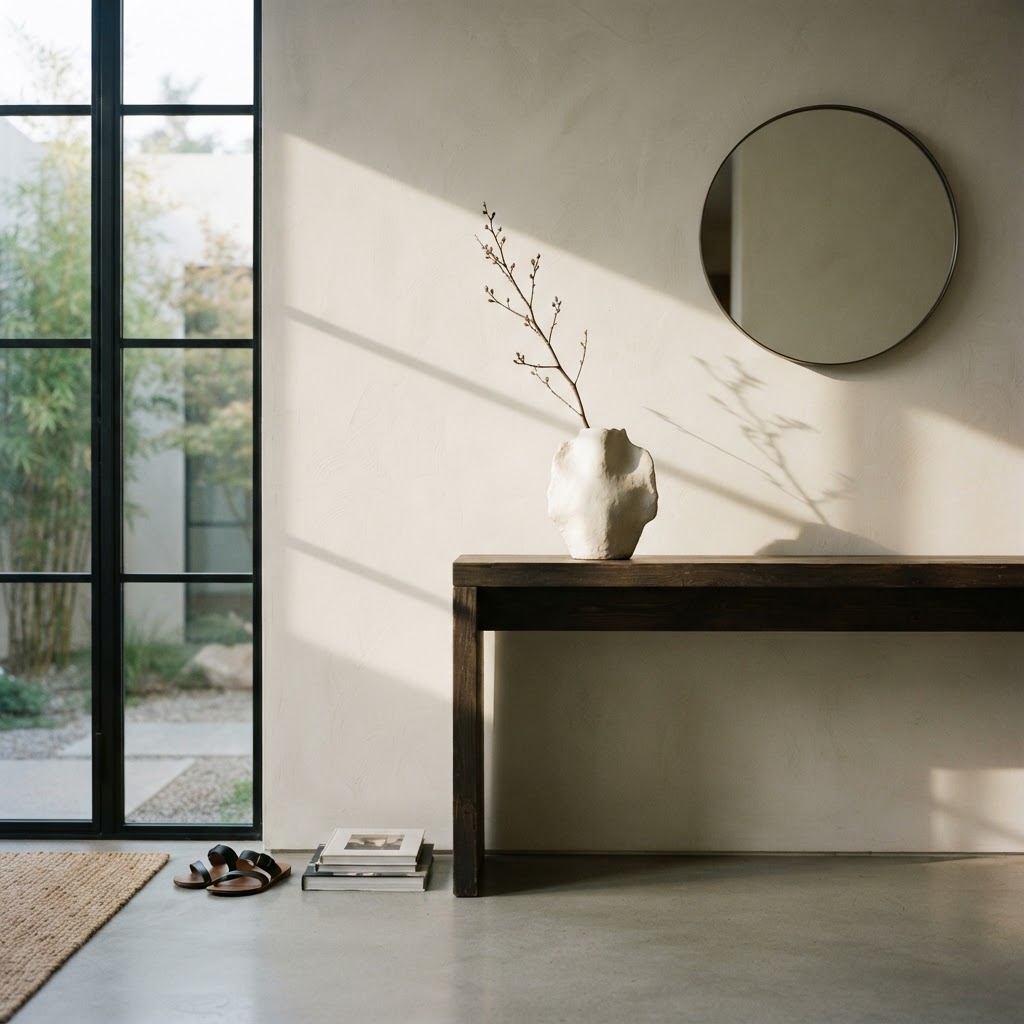
Before you start rearranging furniture or panic-buying linen throws, you really need to understand what Japandi actually is at its core. Because here's the thing: it's not just an aesthetic. It's a mindset. Japandi is the lovechild of two deeply philosophical design traditions, Japanese wabi-sabi and Scandinavian hygge, and honestly, the fact that these two cultures found so much common ground is kind of beautiful when you think about it.
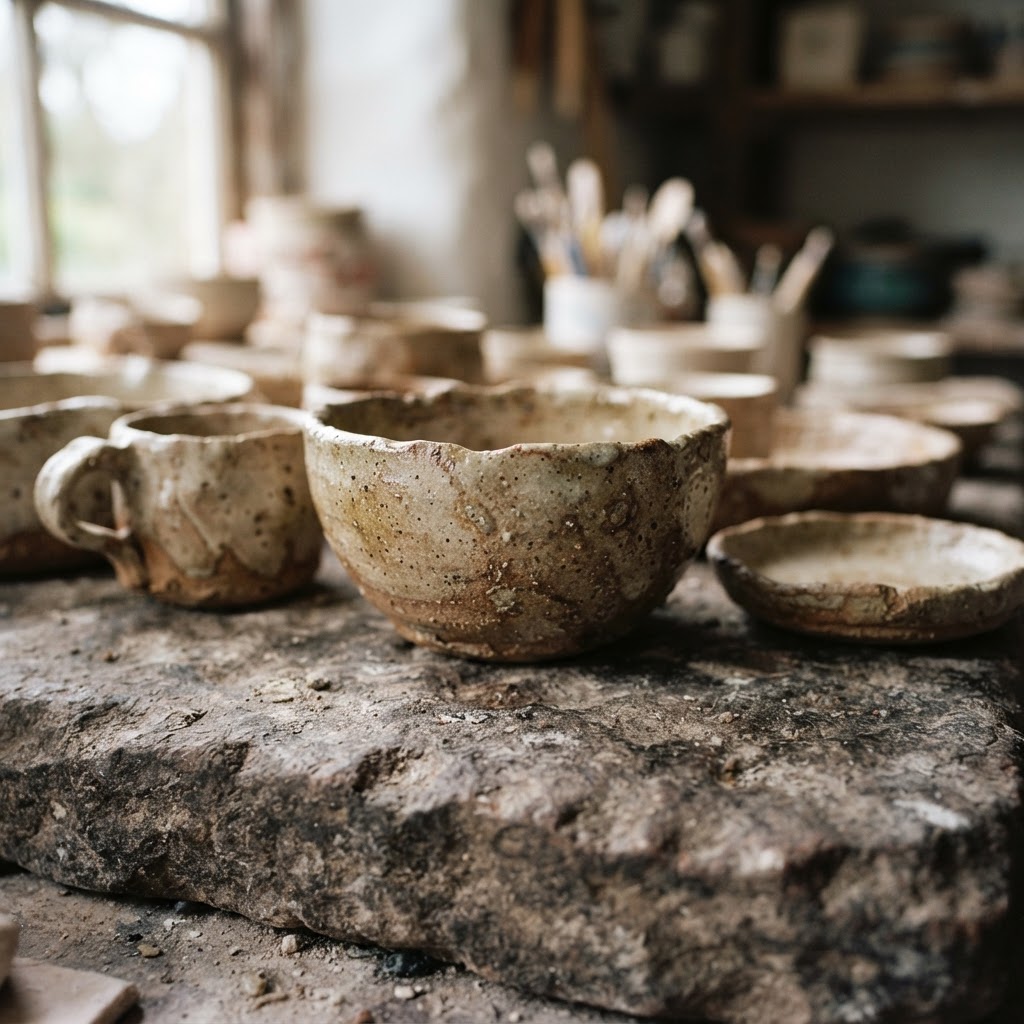
Wabi-sabi is a Japanese worldview centered on accepting imperfection and impermanence. It finds beauty in things that are worn, weathered, and simple. A cracked ceramic bowl isn't flawed in wabi-sabi thinking, it's honest. Hygge, on the other hand, is a Danish and Norwegian concept about creating warmth, comfort, and a sense of coziness in everyday life. It's about slowing down and genuinely enjoying your surroundings. Put them together and you get a design philosophy that says: keep only what matters, make it beautiful, make it warm, and stop trying so hard.
What I love most about Japandi is that it pushes back against the idea that more is more. We live in a world that constantly tells us to accumulate, upgrade, and fill every corner of our homes with stuff. Japandi says the opposite. Real talk, some of the most stunning Japandi spaces I've ever seen have almost nothing in them, and somehow they feel incredibly rich and full. That's the magic of intentionality.
Understanding this philosophy upfront will save you from making the most common Japandi mistake: treating it like a shopping list rather than a way of thinking. You don't achieve Japandi by buying a specific lamp or painting your walls a certain color. You achieve it by asking yourself, with every single object in your home, "does this serve a purpose, does it bring genuine calm, and is it honest in its materials and form?" If the answer is yes, it belongs. If not, it probably doesn't.
Choosing Your Color Palette
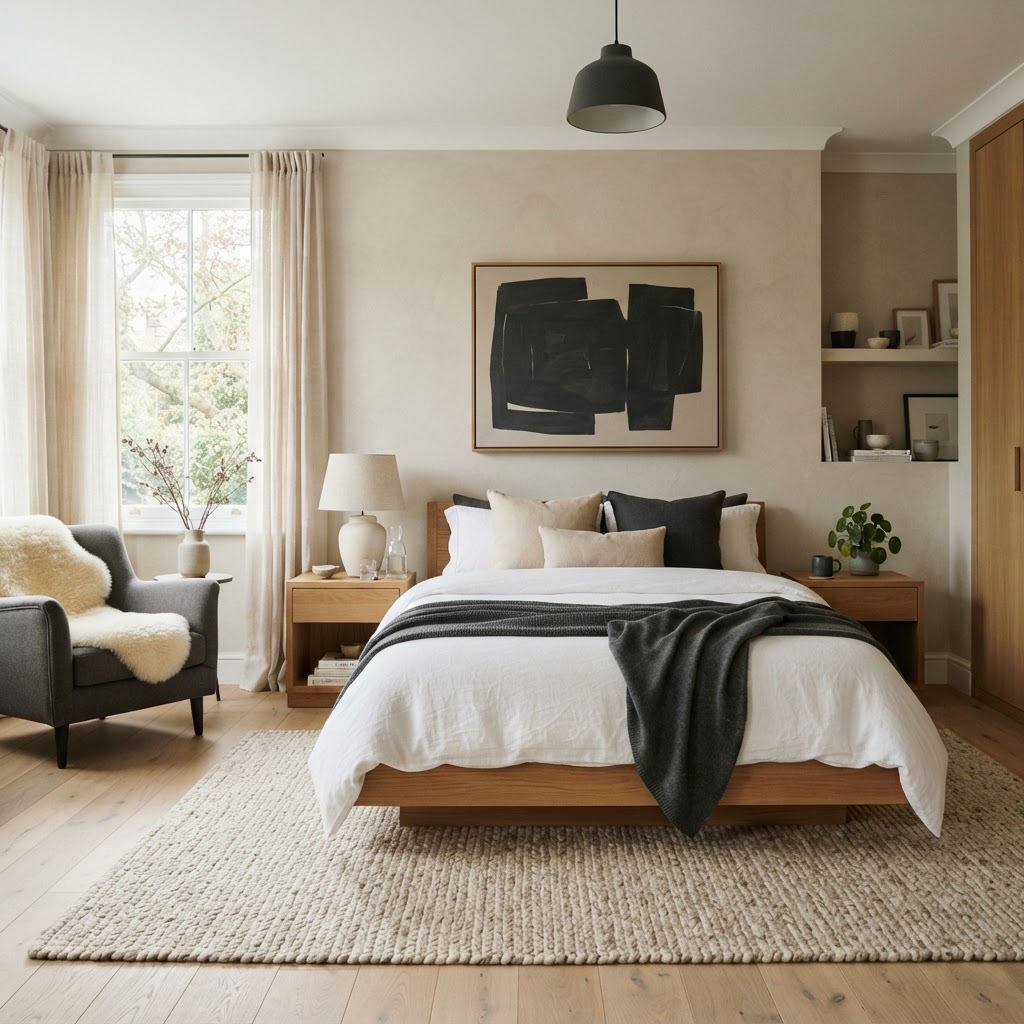
Okay, let's get practical. Color is where a lot of people either nail Japandi or completely miss the mark. And honestly, the good news is that the palette itself is pretty forgiving once you understand the logic behind it. Japandi color choices are rooted in nature, they're muted, organic, and almost always feel like they could exist somewhere in a forest or on a shoreline.
Think warm whites, soft creams, dusty taupes, and pale grays as your base. These are your wall colors, your large furniture tones, your floors. From there, you layer in earthy mid-tones like terracotta, sage green, warm mushroom, and muted clay. These are your accent colors, appearing in cushions, ceramics, textiles, and smaller furniture pieces. The key word here is muted. Japandi never shouts. Every color in the palette feels like it's been slightly softened by light and time.
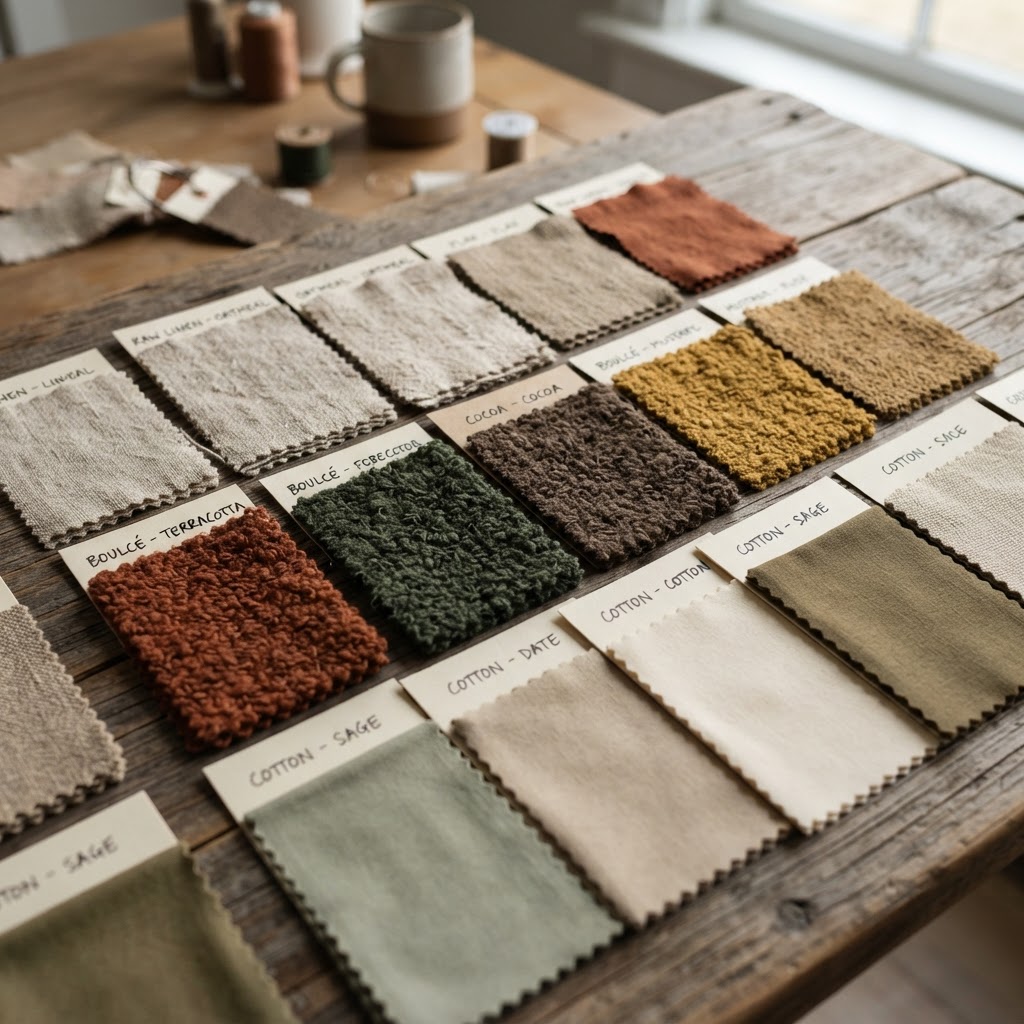
One thing I want to stress: don't be afraid of dark tones. A lot of people assume Japandi is all light and airy, and while it can be, the Japanese influence actually brings in some gorgeous deep charcoals, near-blacks, and deep forest greens. Using a dark tone as a grounding element, like a charcoal gray side table against a warm white wall, creates that beautiful contrast that makes Japandi spaces feel so sophisticated without being cold.
- Base tones: warm white, soft ivory, light greige, pale oat
- Mid-tones: sage green, dusty rose, warm clay, muted terracotta
- Accents: deep charcoal, forest green, rich walnut brown
- Avoid: anything bright, saturated, or primary
One practical tip that honestly changed how I approach palette building: pull your colors from natural materials first. If you're using a beautiful ash wood floor, let that warm honey tone inform your wall color and textile choices. Let the materials lead, and the palette will feel cohesive almost automatically. This is very much in the Japandi spirit, letting nature do the heavy lifting.
The Art of Natural Materials
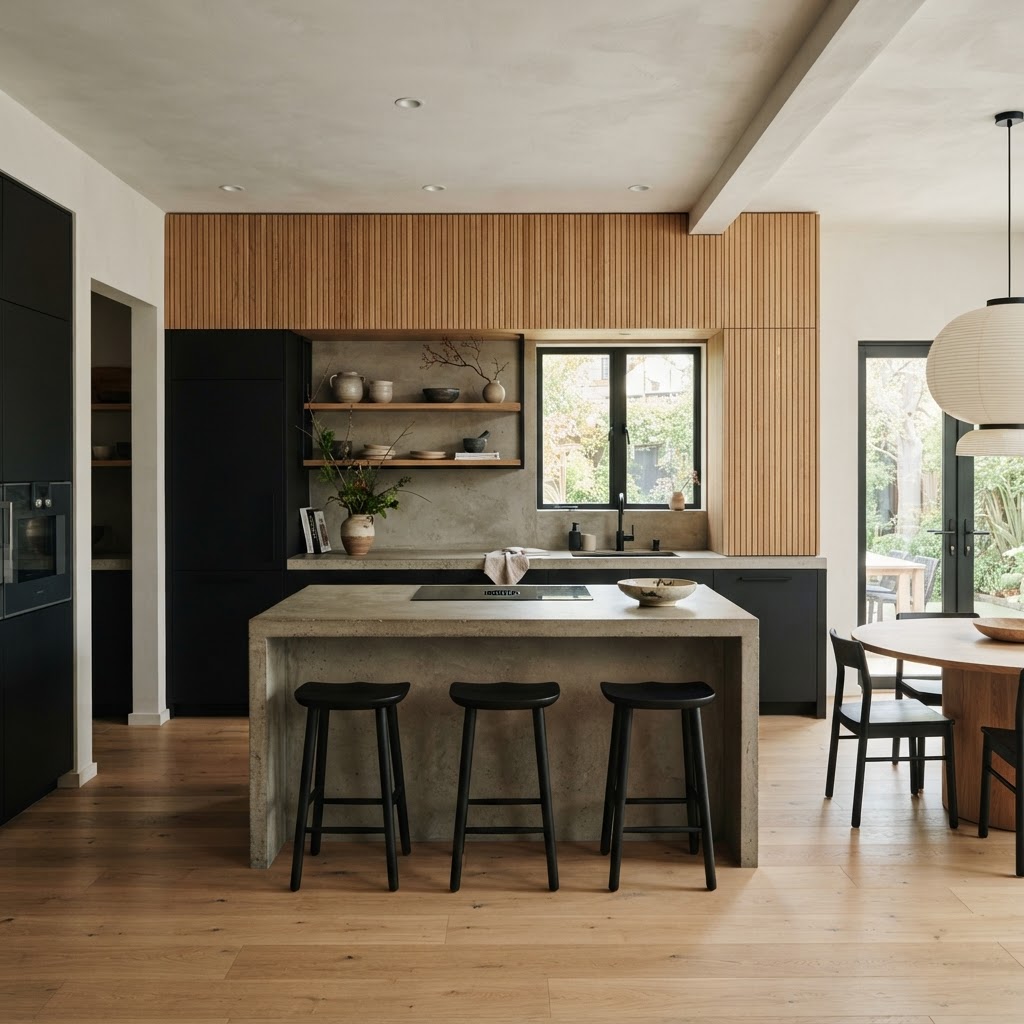
If color is the soul of Japandi, natural materials are the body. This is where things get genuinely exciting, because the tactile quality of a space, the way it feels when you walk through it barefoot, run your hand across a surface, or curl up on a sofa, is absolutely central to what makes Japandi work. Look, you can get the colors right and still miss Japandi entirely if your materials feel synthetic or cheap.
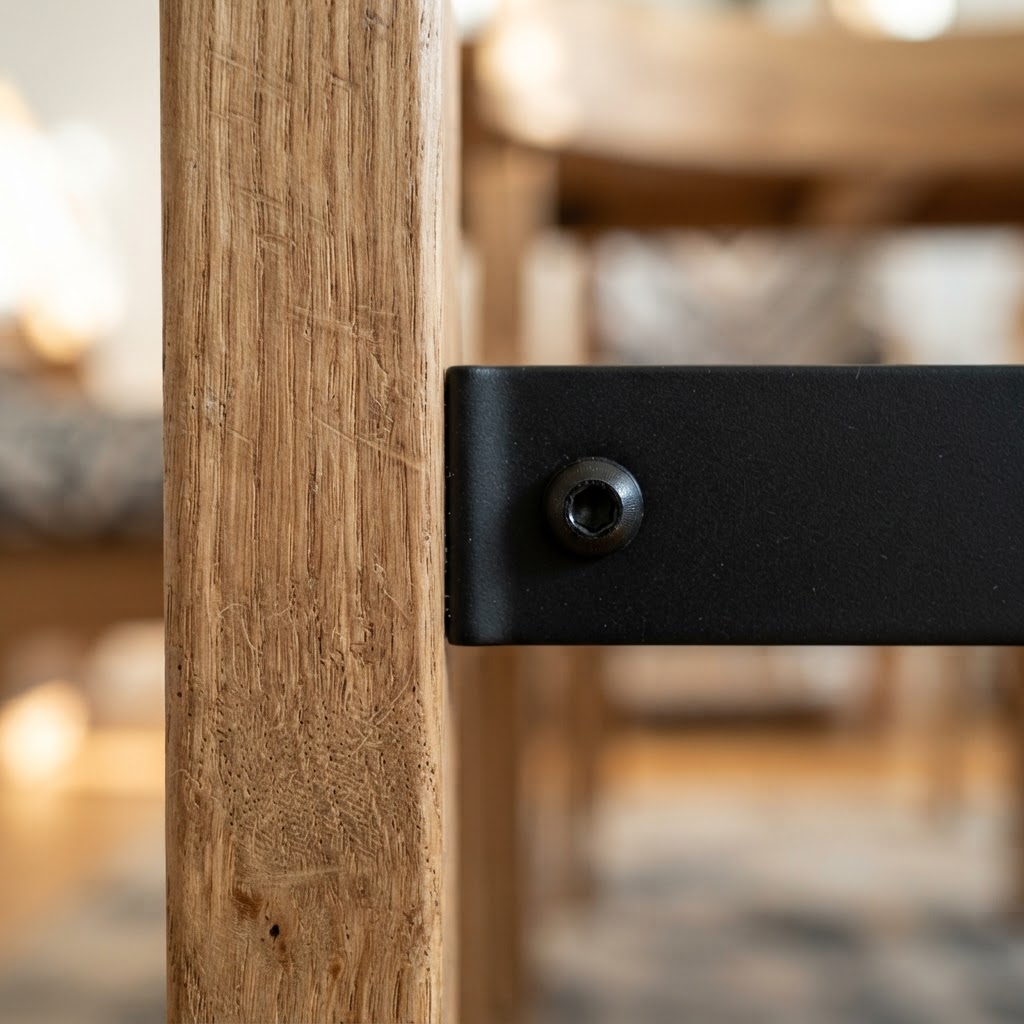
Wood is the big one. Both Japanese and Scandinavian design traditions have an almost reverential relationship with wood, and Japandi is no different. You want wood that feels honest and unforced. Light Scandinavian woods like birch, ash, and pine bring that airy Nordic energy. Darker Japanese-influenced woods like walnut and bamboo add depth and warmth. The grain matters. You want to see it, feel it, appreciate it. Highly polished or lacquered wood tends to feel too slick for Japandi. Instead, look for matte finishes, oiled surfaces, and pieces that show the natural character of the material.
Beyond wood, think about layering in natural textiles and stone. Linen is basically the official fabric of Japandi. It's slightly rough, it wrinkles beautifully, and it gets better with age, which is very wabi-sabi. Cotton, jute, and wool also work well. For hard surfaces, unpolished stone, honed marble, and raw concrete all feel right at home. Rattan and wicker can add lovely organic texture, especially in smaller accent pieces like pendant lights or side tables.
- Prioritize wood with visible grain and matte finishes
- Choose linen, cotton, and wool over synthetic fabrics
- Incorporate stone or concrete for counters and floors where possible
- Add rattan or bamboo as accent textures
- Let imperfections in natural materials be features, not flaws
Trust me on this: once you start building a space with genuinely natural materials, you'll immediately understand why Japandi feels so different from other minimalist styles. It's warm. It breathes. Synthetic materials, no matter how well-designed, tend to create a subtle visual flatness that kills the mood. Natural materials have depth, variation, and a kind of quiet life to them that's absolutely irreplaceable.
Minimalist Furniture Selection
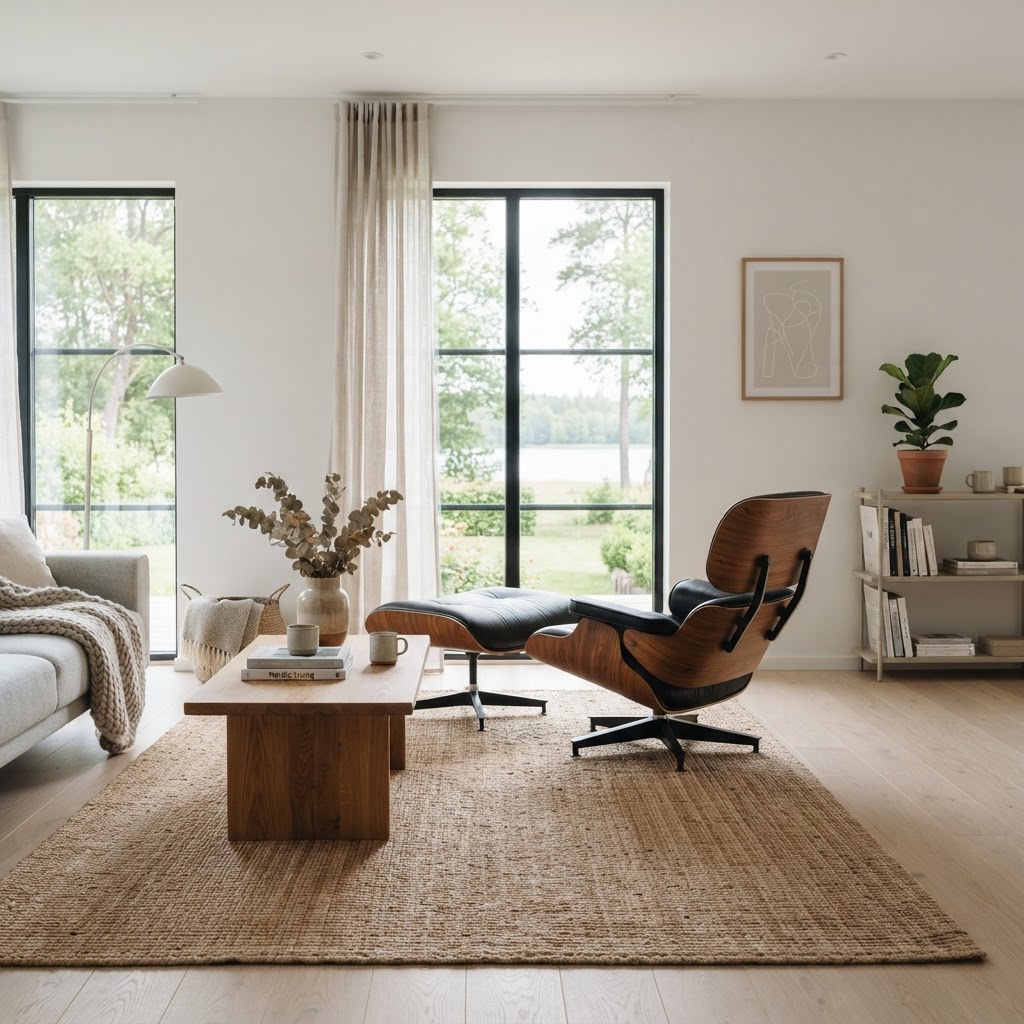
Here's where a lot of people get tripped up. Minimalist furniture does not mean uncomfortable furniture. It does not mean cold, sparse, or unwelcoming. In Japandi, every piece of furniture needs to earn its place, but it also needs to contribute to that sense of warmth and calm that the whole style is built on. These two things can absolutely coexist, and in the best Japandi spaces, they do beautifully.
The silhouettes you're looking for are clean, low, and grounded. Japanese interiors traditionally use very low furniture, which creates a sense of connection to the floor and a feeling of spaciousness in a room. Think low-slung sofas, platform beds, coffee tables that sit close to the ground, and dining tables with simple, tapered legs. Scandinavian design brings its own version of this with functional pieces that prioritize clean lines and honest construction. The combination means furniture that feels deliberate and considered without being stiff or formal.
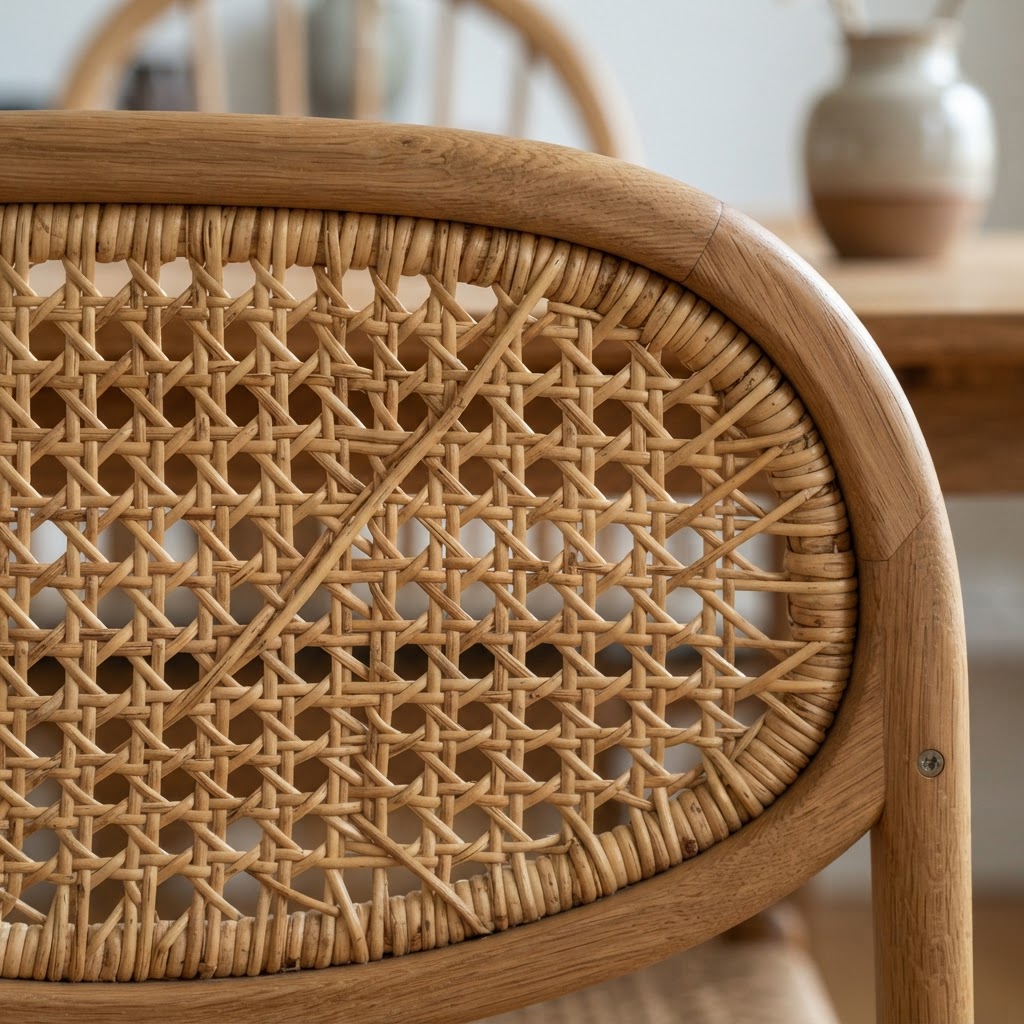
When you're shopping for Japandi furniture, the question to ask isn't "do I like this?" but rather "does this do exactly what it needs to do, and does it do it beautifully?" A sofa should be comfortable and upholstered in a natural fabric. A dining chair should be well-made, proportional, and ideally crafted from solid wood. Storage pieces should be functional and simple, no elaborate hardware or decorative flourishes. Honestly, some of the best Japandi furniture is Japanese furniture or Scandinavian vintage pieces, both of which were designed with this kind of purposeful simplicity from the start.
Negative space is your friend here. In Western interiors, we tend to feel anxious about empty floor space and want to fill it with something. Japandi actively resists this impulse. Leave breathing room between pieces. Let your furniture feel considered and placed, not crammed in. The emptiness is part of the design, it creates visual rest and lets each individual piece of furniture be properly appreciated.
Curating Your Decor
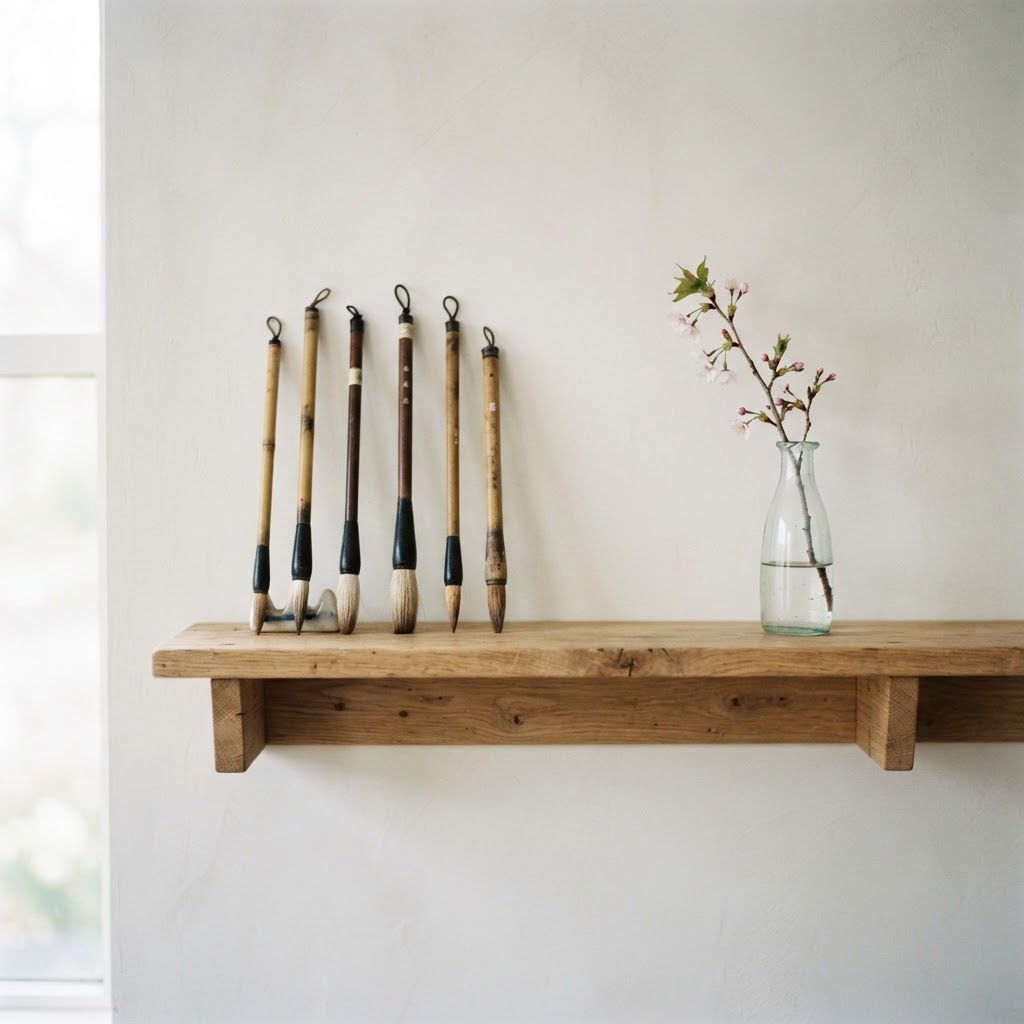
Decor is where Japandi gets really personal, and honestly, it's my favorite part of the whole process. This is where you get to make the space genuinely yours within the framework of the style. But here's the thing: Japandi decor operates on a strict "less is more" principle, and the pieces you do choose need to be really intentional. You're not decorating, you're curating.
The Japanese concept of ma, which roughly translates to meaningful empty space or negative space, is super relevant here. In Japandi interiors, what you leave out is just as important as what you put in. A single, beautiful ceramic vase on a shelf says more than ten objects clustered together. One carefully chosen piece of artwork on a wall has far more impact than a gallery wall of mixed prints. This is genuinely hard for most of us because we've been conditioned to fill space, but once you lean into it, it's incredibly liberating.
For the decor pieces you do choose, think handmade and organic. Hand-thrown ceramics with slightly irregular forms, a single sculptural branch in a tall vase, a woven basket, a stack of books with natural toned covers, a simple bonsai or trailing pothos plant. Each object should feel like it was made by human hands and should have some relationship to the natural world. Plants are especially important in Japandi, they bring life, oxygen, and that essential connection to nature that both design traditions deeply value.
- Choose handmade or artisanal pieces over mass-produced decor
- Limit decorative objects on any surface to one or three items maximum
- Incorporate living plants as central decor elements
- Use simple, organic vessels like hand-thrown pottery and natural baskets
- Let negative space be a deliberate design choice, not an oversight
Lighting deserves a special mention here. Japandi lighting is soft, warm, and layered. Avoid harsh overhead lighting wherever possible. Instead, build a lighting scheme using floor lamps with warm bulbs, small table lamps, and candles. Japanese paper lanterns and simple Scandinavian pendant lights in natural materials like woven rattan or matte ceramic are perfect fits. The goal is to create light that feels like it could almost be natural, gentle and warm rather than bright and clinical.
Final Thoughts
Japandi is one of those rare design styles that actually improves the way a home feels to live in, not just the way it looks in photos. And that's really the whole point. When you strip away the excess, choose materials that are honest and natural, and fill your space only with things that genuinely matter, something shifts. The home becomes calmer. You feel calmer in it.
The most important thing to remember is that Japandi isn't a destination you arrive at by buying the right stuff. It's an ongoing practice of editing, choosing intentionally, and staying connected to what actually brings you peace and comfort. Start with one room, get the palette right, invest in a few genuinely beautiful natural material pieces, and let the philosophy do the rest. You don't have to do it all at once, and honestly, the slow approach is very much in the Japandi spirit anyway.
Give it time, trust the process, and your home will thank you for it.
More in Interior
Stay Inspired
Subscribe for new essays on architecture, design, and the spaces that shape us.