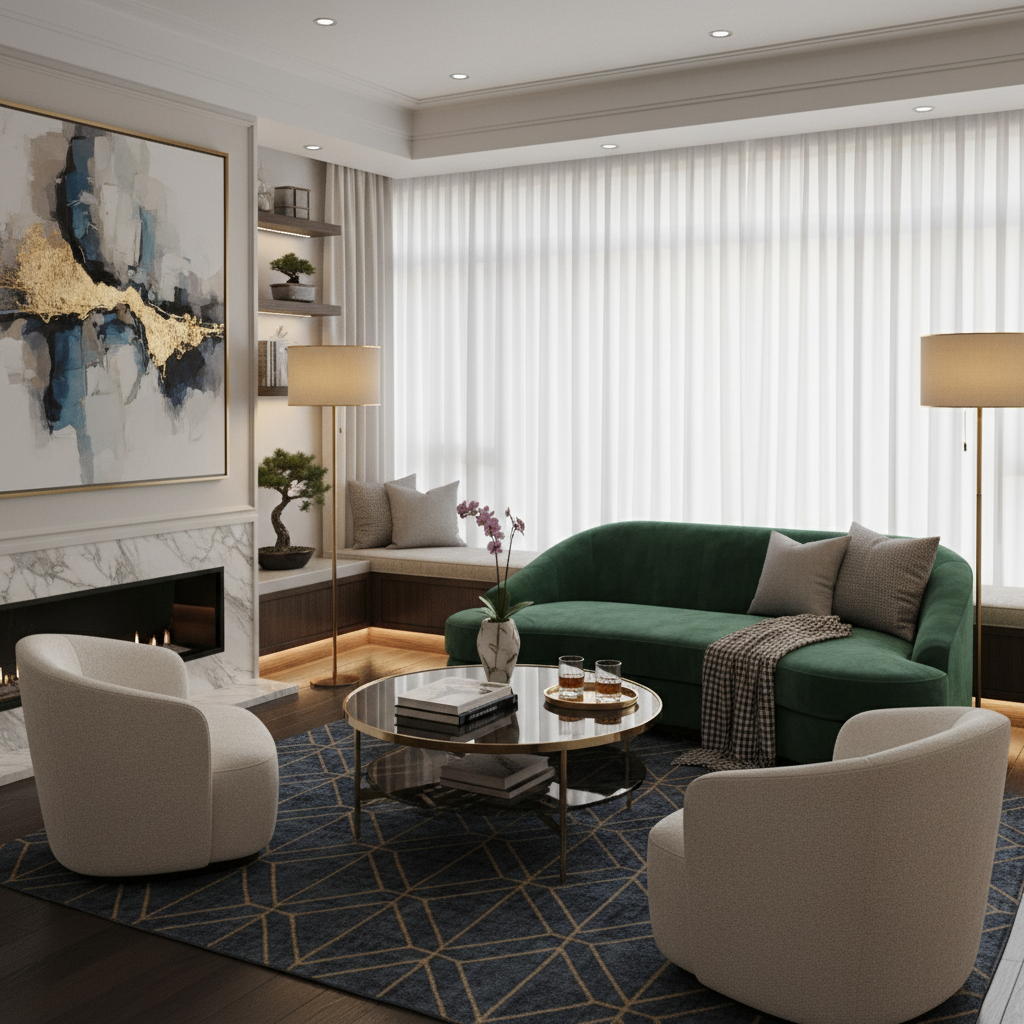
5 Luxurious Tricks to Elevate Your Small Space
Transforming a small space into a refuge of luxury is easier than you think. With the right design choices and a touch of elegance, even cozy corners can feel grand. Discover innovative ways to embrace luxury without sacrificing space.
Embrace Rich Textures
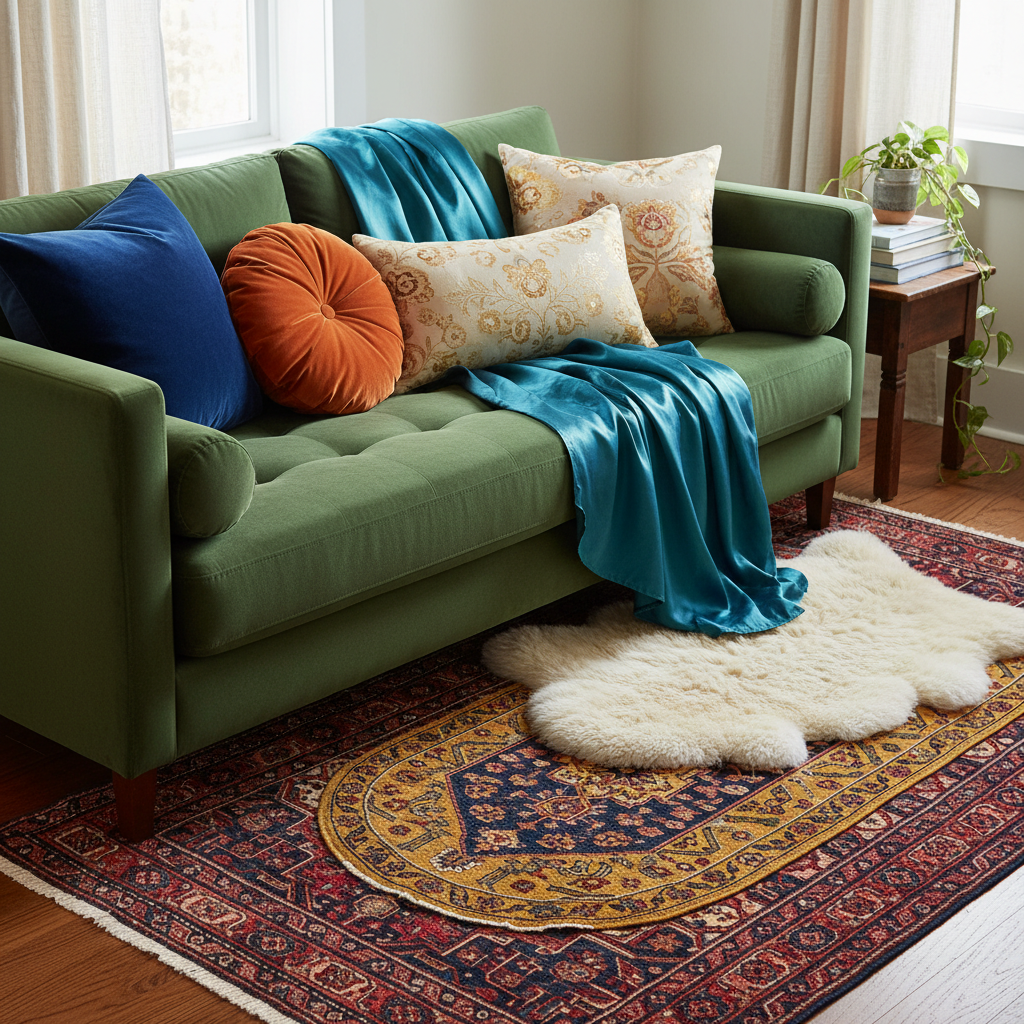
Okay, let's start with the one thing most people completely overlook when they're trying to make a small space feel expensive: texture. Honestly, texture is doing so much heavy lifting in interior design and nobody talks about it enough. When you walk into a room that feels rich and layered, it's rarely because of a massive sofa or a sprawling floor plan. It's because your eyes have somewhere interesting to travel, and that journey is made possible through tactile variety.
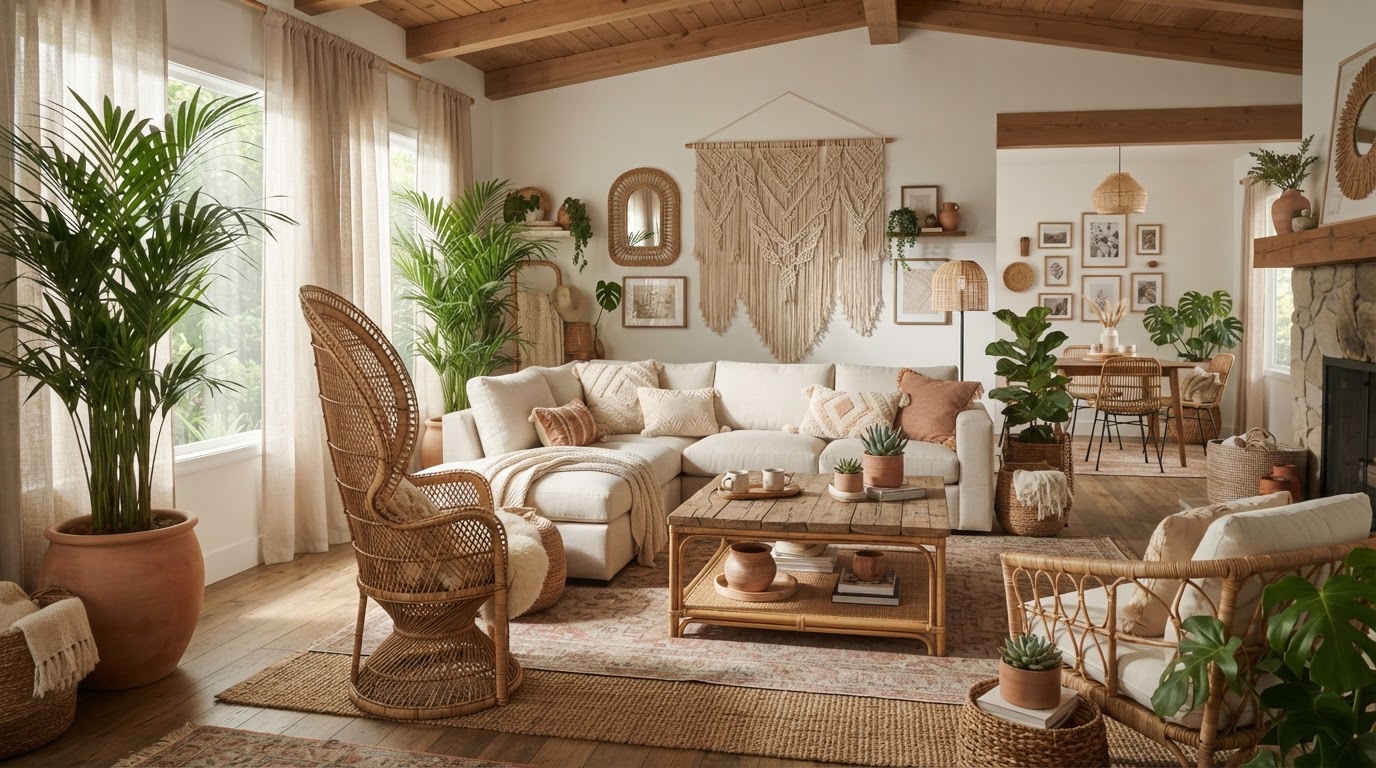
Think about it this way. A tiny studio apartment with bare white walls, a flat linen duvet, and one sad throw pillow is going to feel exactly like what it is: small and a little depressing. But that same studio with a chunky knit blanket draped over the arm of a chair, velvet cushions in deep jewel tones, a jute rug underfoot, and some raw linen curtains? That's a completely different story. Same square footage, totally different energy.
Here's the thing about layering textures in a small space specifically: you want contrast without clutter. You're not trying to cram in every tactile material known to humanity. You're choosing maybe three to four textures that complement each other and letting them do their thing. A good starting point is to pick one smooth surface, one rough or natural material, and one soft or plush element. That combination alone can make a room feel intentional and genuinely luxurious.
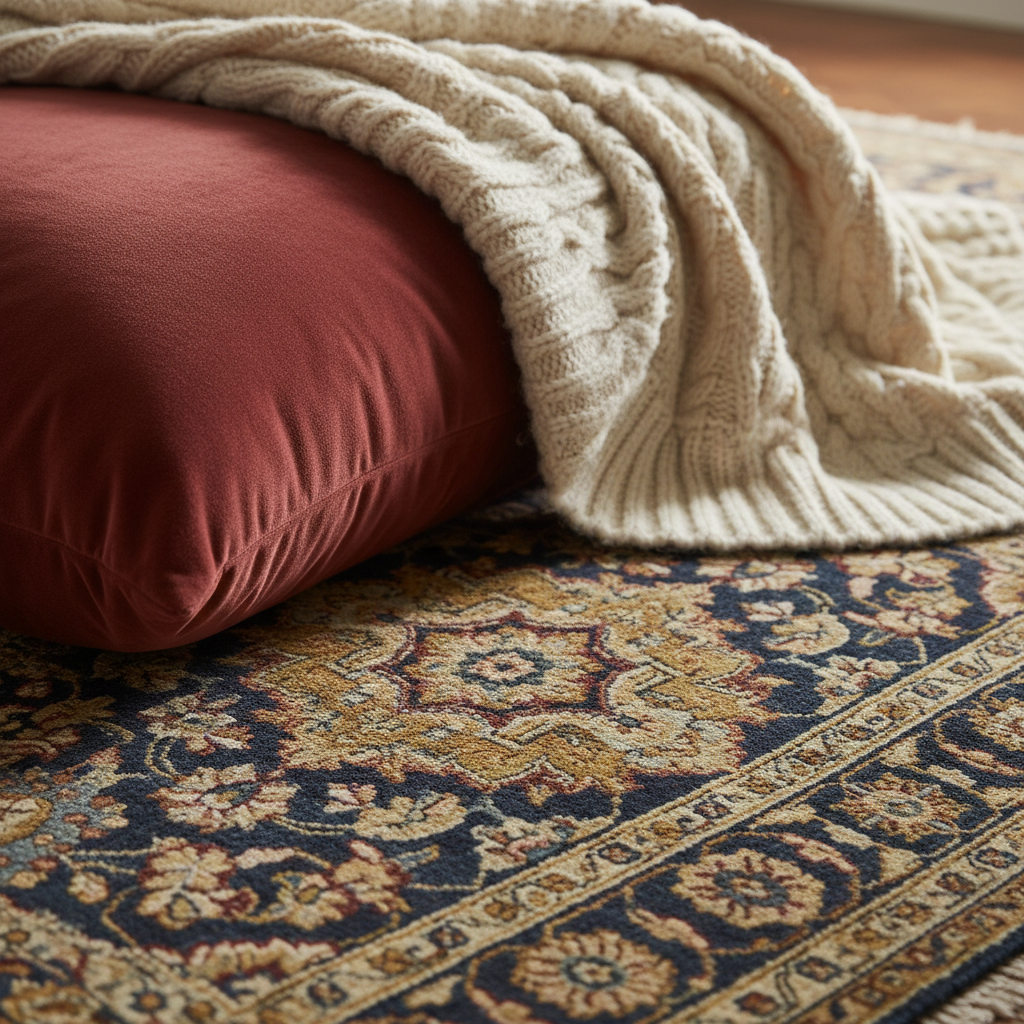
Some of my absolute favorite texture combinations for small spaces include pairing a sleek marble side table with a shaggy Berber rug, or mixing smooth cotton bedding with a heavily woven throw. Velvet is genuinely one of the most transformative materials you can introduce to a room because it catches light differently depending on the angle, which creates this sense of depth and dimension that's hard to replicate. And real talk, even a couple of velvet cushions from a discount homeware store can elevate a space dramatically.
- Layer your soft furnishings: Mix materials like cotton, linen, velvet, and wool across your cushions and throws for an effortlessly curated look.
- Bring in natural textures: Rattan, jute, wicker, and raw wood introduce an organic richness that feels grounded and warm.
- Consider your walls: Textured wallpaper, limewash paint, or even a plaster finish can add enormous visual depth without taking up any physical space at all.
- Don't forget the floor: A layered rug situation, where you place a smaller patterned rug over a larger neutral one, is a designer trick that works brilliantly in small rooms.
Trust me on this: once you start seeing texture as a design tool rather than just an afterthought, your entire approach to decorating small spaces will shift. It's one of the highest-impact, lowest-cost changes you can make.
Choose a Soothing Color Palette
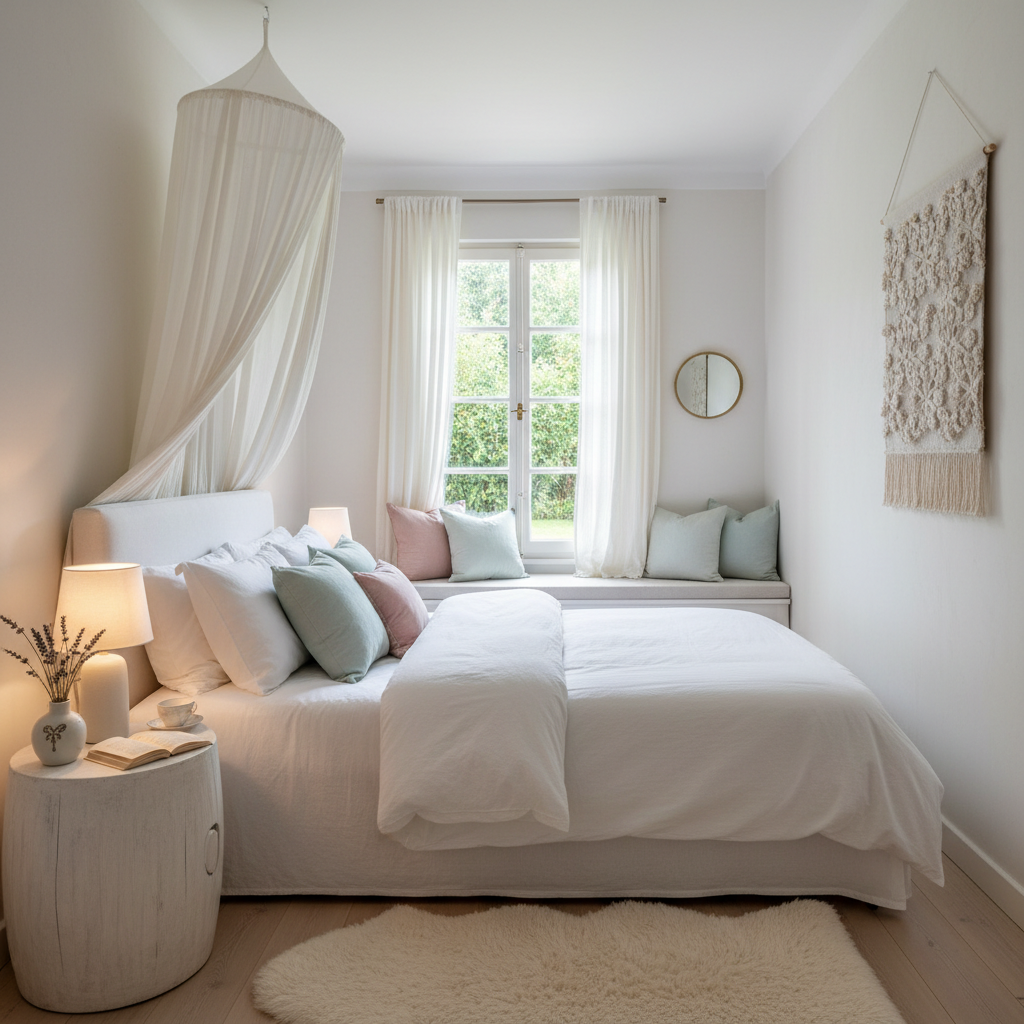
Color is where a lot of people go wrong with small spaces, and honestly, I get it. When you're staring down a tiny room, the instinct is to go as light and white as possible, hoping the brightness will trick your brain into thinking there's more space than there is. And while there's some truth to that logic, it's also a bit reductive. A stark, clinical white room isn't luxurious, it's just... stark. The secret isn't necessarily going light, it's going cohesive.
A soothing, tonal color palette, where you use varying shades of the same hue or a small family of complementary colors, creates a sense of harmony that actually makes a room feel larger and more considered. Think of those gorgeous Scandinavian interiors where everything is in varying shades of warm cream, taupe, and mushroom. Or the moody, enveloping feel of a room done entirely in deep sage green from floor to ceiling, walls, trim, and all. When the eye doesn't have to jump between jarring contrasts, the space reads as calmer, and calm reads as spacious.
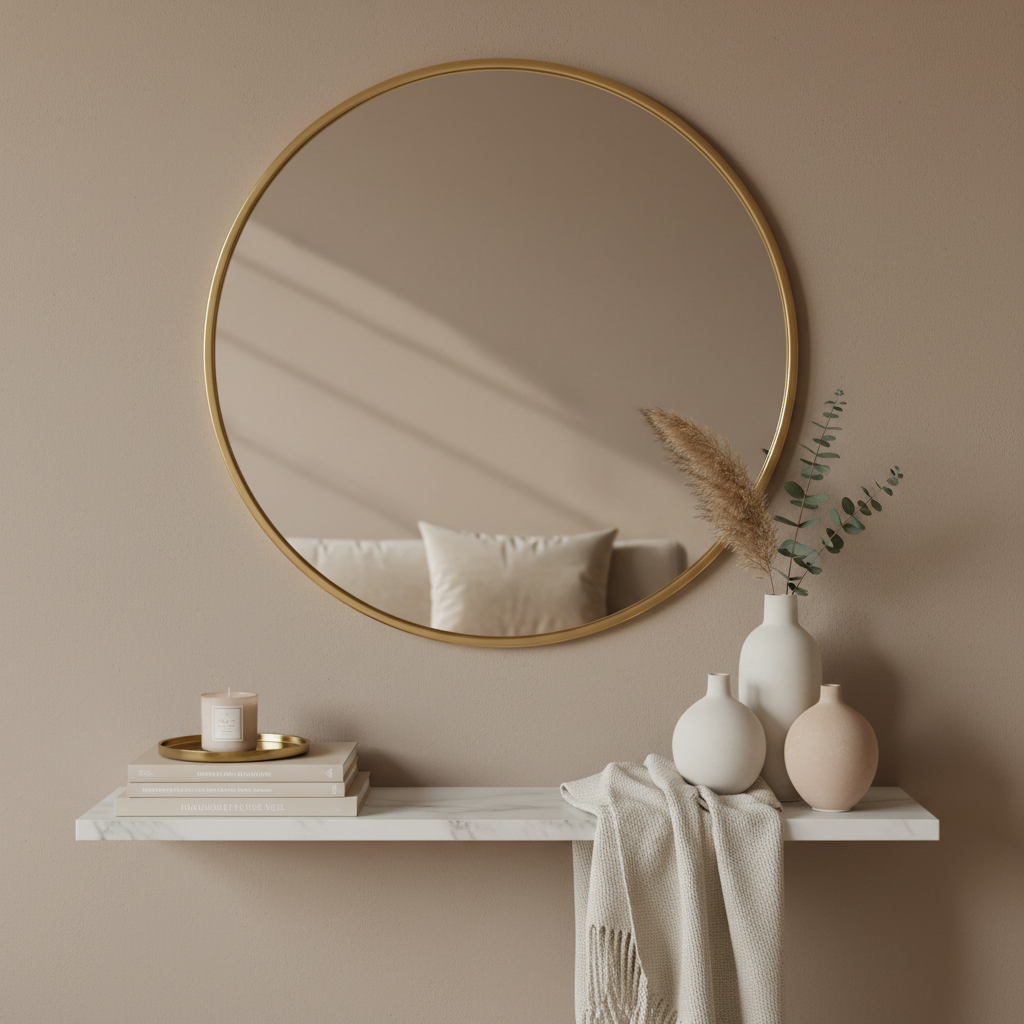
Here's a move that interior designers use all the time and it's kind of a game changer: paint your walls and your ceiling the same color. Or at least the same color family with slightly different sheens. This eliminates the visual "chopping" that happens when a white ceiling sits on top of a colored wall, making the ceiling feel lower and the room feel boxier. When the color wraps up and over, the space suddenly has this enveloping, cocoon-like quality that feels genuinely luxurious and intentional.
"Color isn't just decoration. It's architecture. It's the thing that shapes how we feel in a space before we even notice we're feeling something."
When choosing your palette, think about the mood you want the room to evoke. For a bedroom, softer tones like dusty rose, warm greige, or muted sage will create that spa-like serenity. For a living space, something a little warmer, think caramel, warm terracotta, or even a soft rust, can create a cozy, gathering energy. The goal is always cohesion. Pick two to three colors, use them consistently across textiles, furniture, and walls, and don't introduce anything that fights with that palette.
Incorporate Statement Lighting
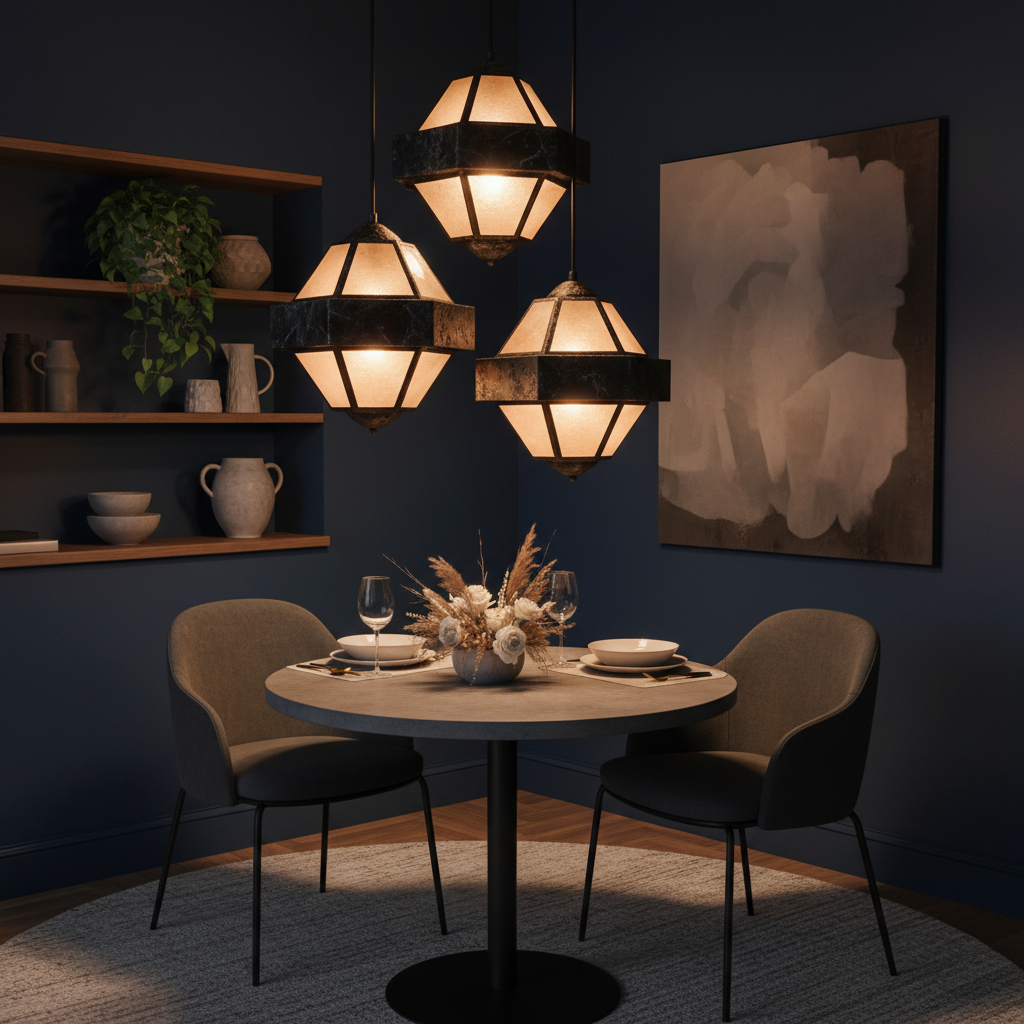
Look, I cannot stress this enough: lighting is everything. It is the single most underestimated design element in residential spaces, and it's the reason why some rooms feel warm and magazine-worthy while others feel flat and uninviting even with great furniture. In small spaces especially, lighting does an enormous amount of emotional and visual work.
The first thing to understand is that overhead lighting alone is almost always a mistake. A single ceiling fixture, especially a flat one, casts an even, shadowless light that makes everything look kind of two-dimensional. What you want instead is layered lighting: a combination of ambient, task, and accent lighting that creates pools of light at different heights. This adds depth, dimension, and that warm, lived-in glow that makes spaces feel luxurious.
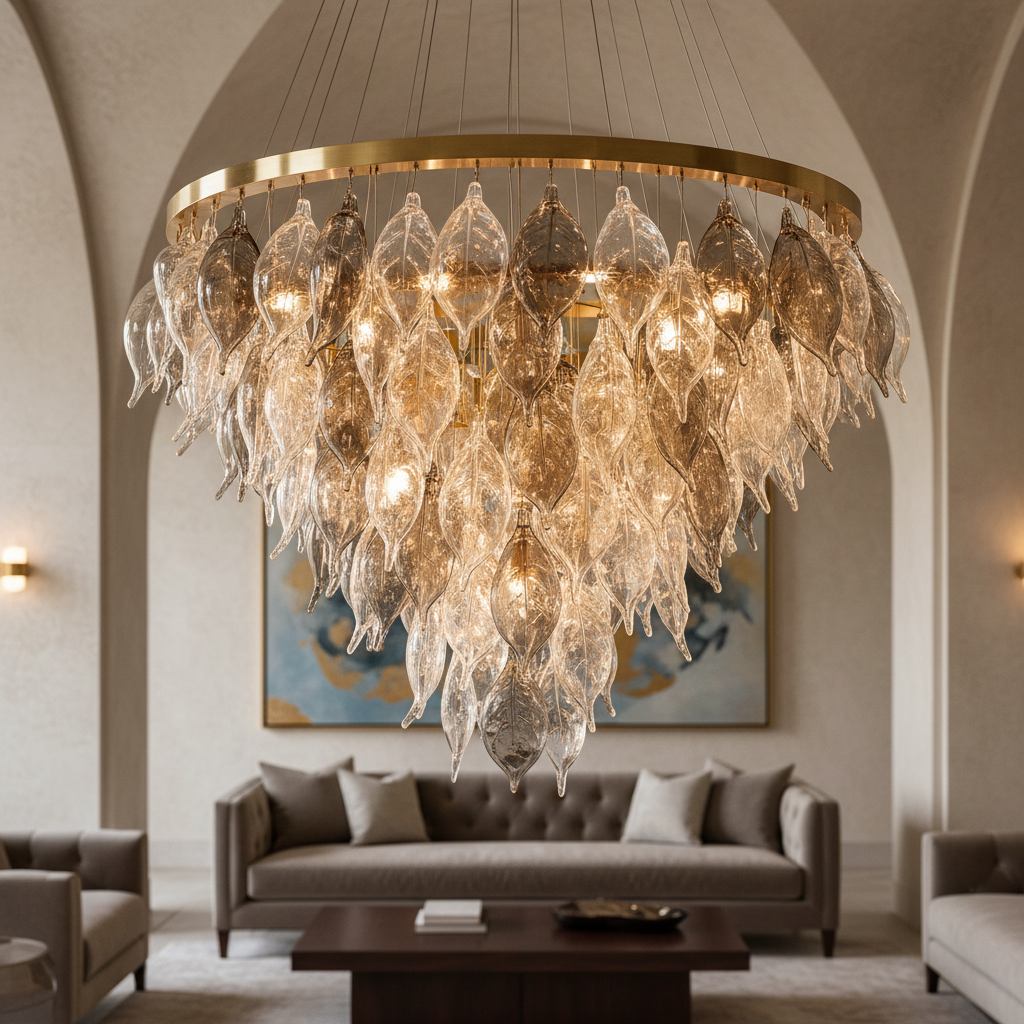
Now here's where the "statement" part comes in. In a small room, you actually have an advantage: one great light fixture can become the entire focal point of the space without overwhelming it. A sculptural pendant light, a dramatic arc floor lamp, or an oversized chandelier in a compact dining area will draw the eye upward, create a sense of occasion, and make the whole room feel intentional and elevated. Don't be afraid to go bigger than you think you should with a statement fixture. Oversized lighting in a small space is a bold move that almost always pays off.
- Always use warm bulbs: Anything with a color temperature of 2700K to 3000K will cast that golden, flattering glow that makes spaces feel inviting rather than interrogation-room harsh.
- Add table and floor lamps: These bring light down to human level and create intimacy, which is exactly the energy you want in a compact space.
- Try wall sconces: They free up surface space while adding light at an eye-catching mid-height level that overhead fixtures can't reach.
- Use dimmers everywhere you possibly can: The ability to shift the mood of a room with a single gesture is genuinely transformative and it costs very little to install.
And honestly, candles. Don't underestimate candles. A few good quality candles scattered around a small space at night, combined with your layered electric lighting, creates this incredibly sensory, luxurious atmosphere that no overhead LED can replicate.
Use Mirrors to Amplify Space
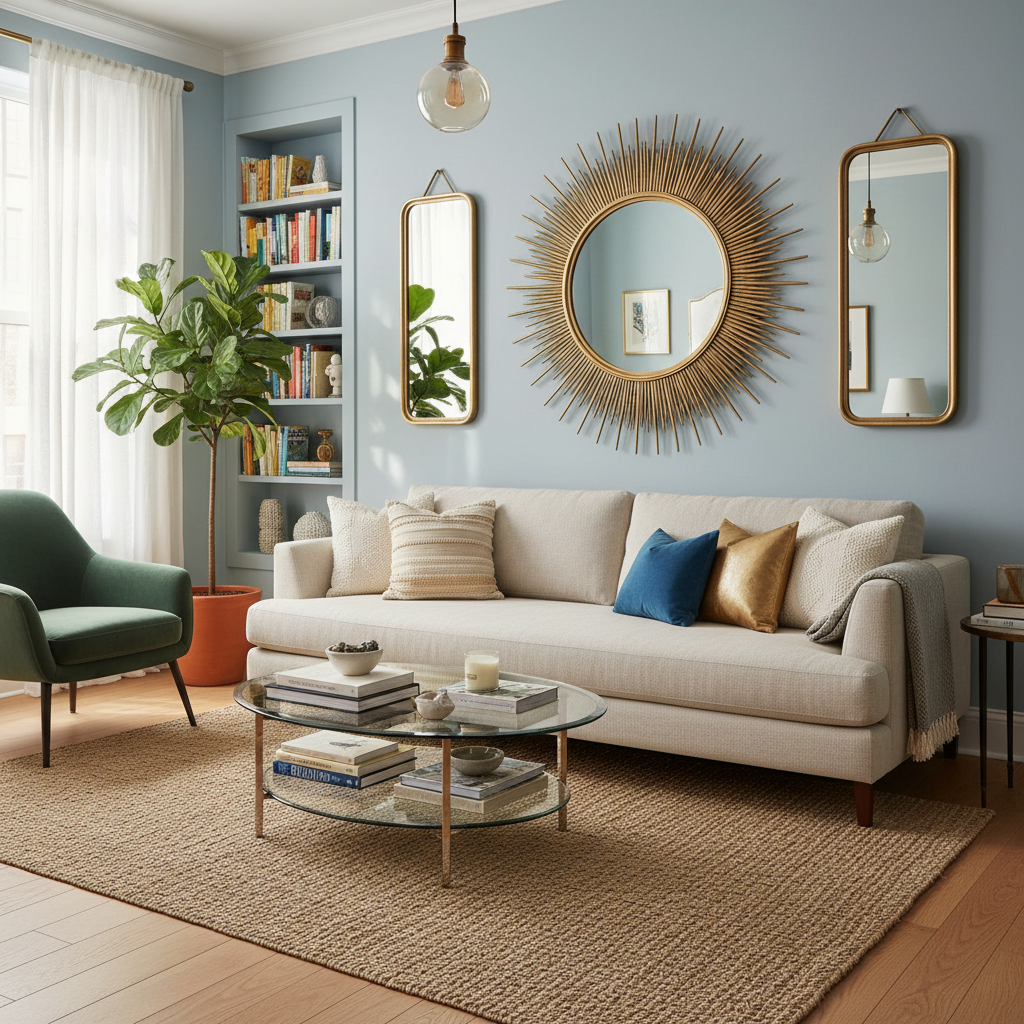
Mirrors are the oldest trick in the interior design book, and they're a cliche for a very good reason: they genuinely work. But the way most people use mirrors is pretty timid, a small decorative mirror here, a bathroom medicine cabinet there, and they miss the full potential of what a strategically placed mirror can do to a small space. Real talk, mirrors can be genuinely transformative when you use them with some intention.
The classic move is to place a large mirror on the wall opposite a window. This reflects natural light back into the room and essentially creates the illusion of a second window, doubling your perceived light source and making the space feel significantly brighter and more open. In a narrow hallway or a small living room, this trick can be borderline magic. The mirror doesn't just reflect the view, it extends it, and your brain reads that visual depth as actual physical space.
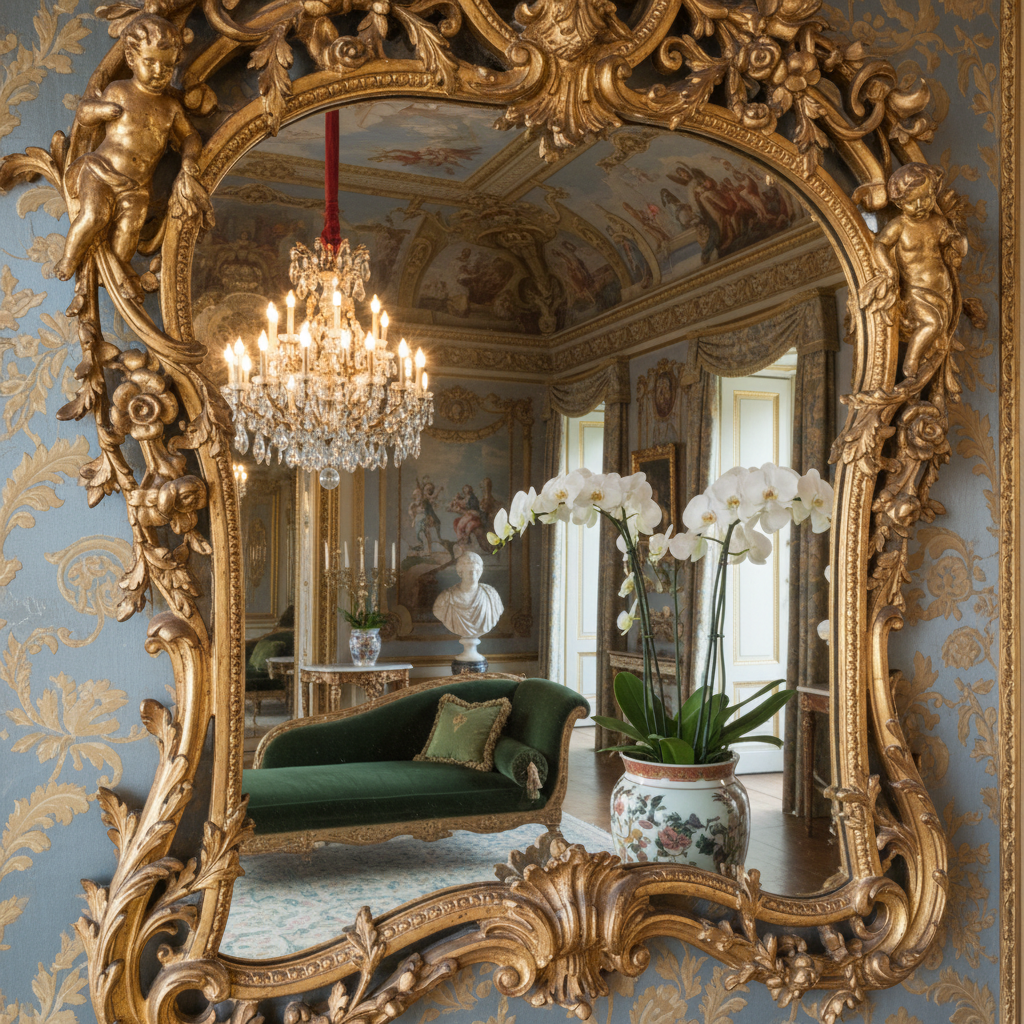
But here's where it gets interesting: mirrors don't have to be purely functional. The frame of a mirror is an opportunity to introduce a sculptural, artistic element to a small space. An arched mirror with an antique brass frame, a cluster of smaller mirrors arranged in a gallery wall formation, or a leaning oversized floor mirror with a raw wood surround, these are all design choices that add character and a sense of curated luxury while simultaneously doing that practical work of opening up the room.
A few things to be mindful of: avoid placing mirrors where they'll reflect something awkward or unflattering, like the inside of a cluttered closet or a particularly uninspiring corner. The reflection matters as much as the placement. If your mirror is going to bounce an image around your room all day, make sure that image is worth looking at. Position it to capture a beautiful lamp, a piece of art, or a view of plants or natural light. That reflected scene becomes part of your decor.
Opt for Minimalist Furnishings
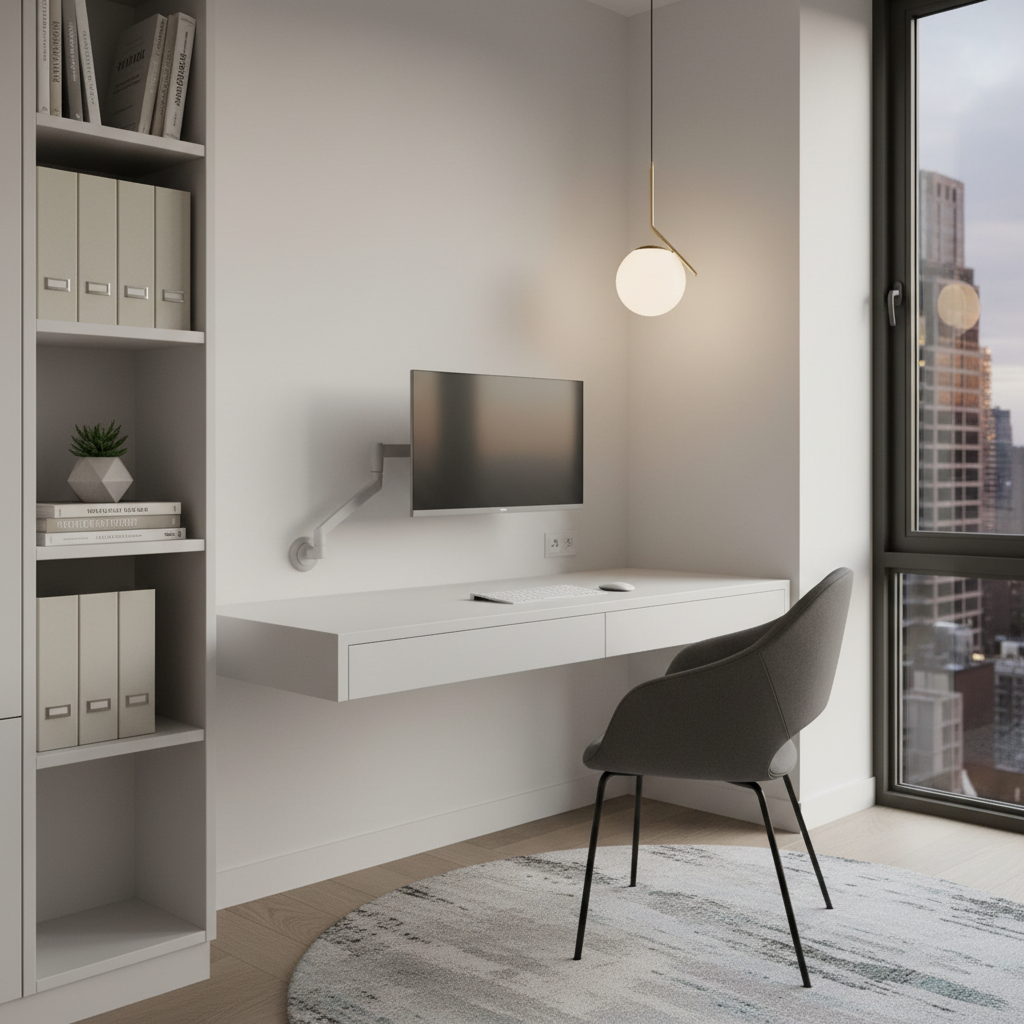
Here's the thing about small spaces and furniture: less is almost always more, but "less" doesn't mean cheap or sparse or boring. It means being ruthlessly intentional about every single piece you bring into the room. Minimalist furnishings in a small space aren't a compromise, they're a design decision that, when done right, creates an aesthetic that looks more expensive and more considered than a room stuffed to capacity with mismatched pieces.
The key principle is to choose furniture with clean lines, raised legs, and a slim profile wherever possible. Sofas and chairs with legs, rather than those that sit directly on the floor, allow light to pass underneath the piece and make the floor plan look more open. A low-profile, streamlined sofa in a neutral tone will always make a living room feel bigger than a deep, overstuffed sectional, even if the sectional is technically more comfortable. Visual lightness translates to perceived spaciousness.
Another big one is multifunctional furniture. In a small space, every piece should ideally earn its place by doing more than one job. An ottoman with internal storage, a bed frame with built-in drawers underneath, a dining table that can extend when you have guests, a console table that doubles as a desk, these are all examples of smart, minimalist thinking that eliminates the need for additional pieces and keeps the visual landscape clean.
"In a small space, editing is the ultimate luxury. Every piece should be chosen, not just placed."
- Prioritize scale: Furniture that is proportionally right for your room is so much more important than finding a piece you love in the wrong size. Measure obsessively before you buy.
- Keep legs visible: Furniture with exposed legs creates visual breathing room and makes even compact pieces feel less heavy.
- Invest in fewer, better pieces: One genuinely beautiful sofa will always outperform three mediocre ones. Quality over quantity is a luxury mindset that pays dividends in small spaces.
- Embrace built-ins where possible: Built-in shelving, cabinetry, or window seats take up structural space rather than floor space and look endlessly more polished than freestanding alternatives.
- Edit ruthlessly and regularly: A small space requires ongoing curation. If something isn't earning its place visually or functionally, it needs to go.
Honestly, the discipline required to furnish a small space minimally is also what makes the result feel so elevated. When every piece is chosen carefully and every surface is given room to breathe, the whole room exudes a sense of intention that reads as luxury. It's not about having less, it's about having exactly the right things.
Final Thoughts
Living in a small space isn't a design limitation you have to work around, it's genuinely an opportunity to be more intentional, more creative, and ultimately more luxurious than you might be in a larger home where it's easier to just keep adding stuff. The five tricks we've covered here, layering textures, building a cohesive color palette, investing in great lighting, using mirrors strategically, and editing your furnishings down to only the best pieces, all work together to create something that feels genuinely elevated and personal.
None of this requires an enormous budget. Some of the most impactful changes you can make, painting a ceiling to match a wall, rearranging a mirror to face a window, swapping out flat overhead lighting for a sculptural pendant, cost very little and take an afternoon. The difference they make is disproportionate to the effort involved, and that's the whole point.
Small spaces force you to think carefully about what you bring in and why, and that mindfulness is actually the foundation of really good design. So lean into it. Edit hard, choose well, and trust that a thoughtfully designed small space will always, always feel more luxurious than a large one that's been filled without intention.
More in Interior
Stay Inspired
Subscribe for new essays on architecture, design, and the spaces that shape us.