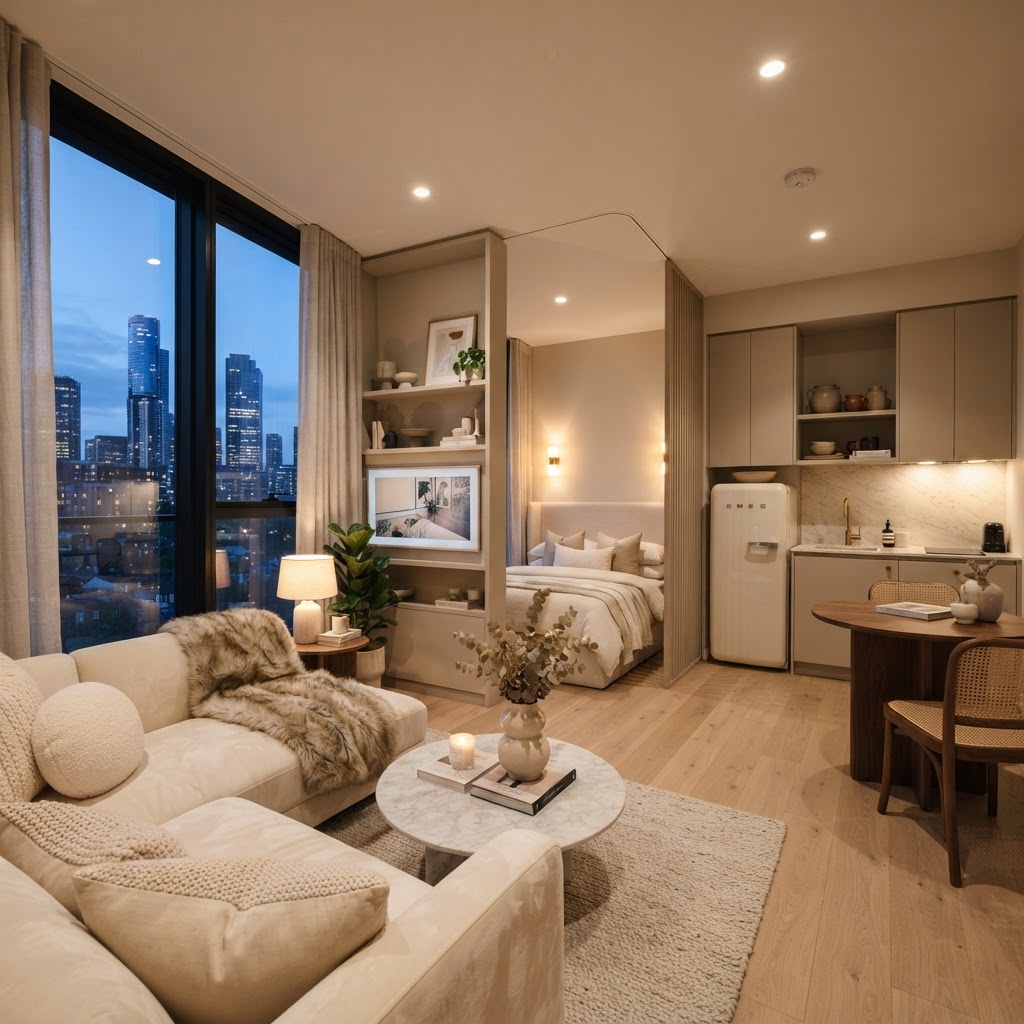
7 Secrets to Making Your Tiny Apartment Feel Like a Five Star Hotel
Living in a small apartment does not mean you have to sacrifice high end style. These design tips will help you maximize every square inch while creating a sophisticated atmosphere that feels truly luxurious.
Choose Statement Lighting Over Basics
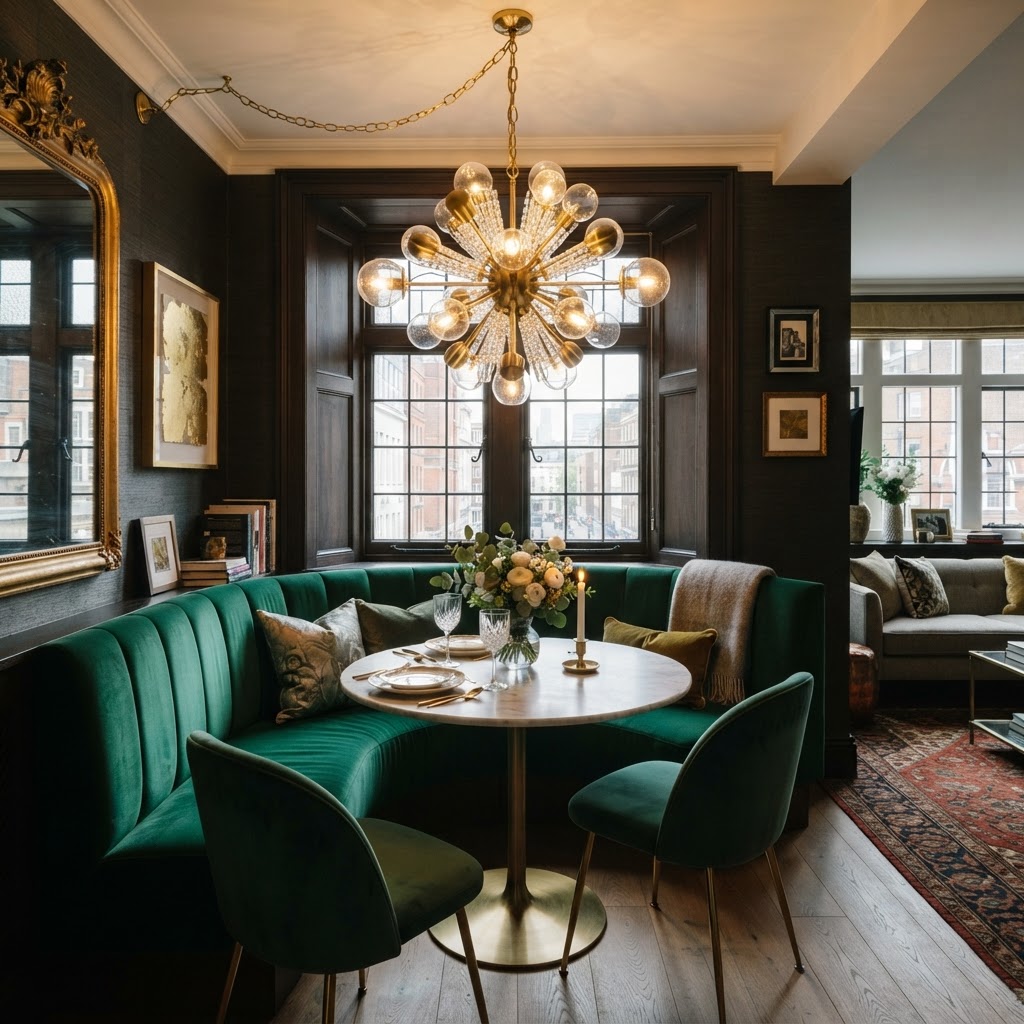
Honestly, lighting is the single most underestimated tool in any decorator's arsenal, and it's basically criminal how little attention most apartment renters give it. You move in, you screw in a few basic bulbs, maybe grab a lamp from a big box store, and call it a day. But here's the thing: five star hotels obsess over their lighting. Every layer, every fixture, every warm glow is deliberate. And you can do the exact same thing in your 500 square foot apartment.
Start by ditching the overhead light as your main source entirely. That harsh, flat light from a single ceiling fixture is doing you zero favors. It makes spaces feel clinical and small. Instead, think in layers. You want ambient light, task light, and accent light all working together. A gorgeous pendant over your dining area, a sculptural floor lamp in the corner, some warm LED strip lighting tucked behind your headboard. Suddenly your apartment doesn't feel like an apartment anymore.
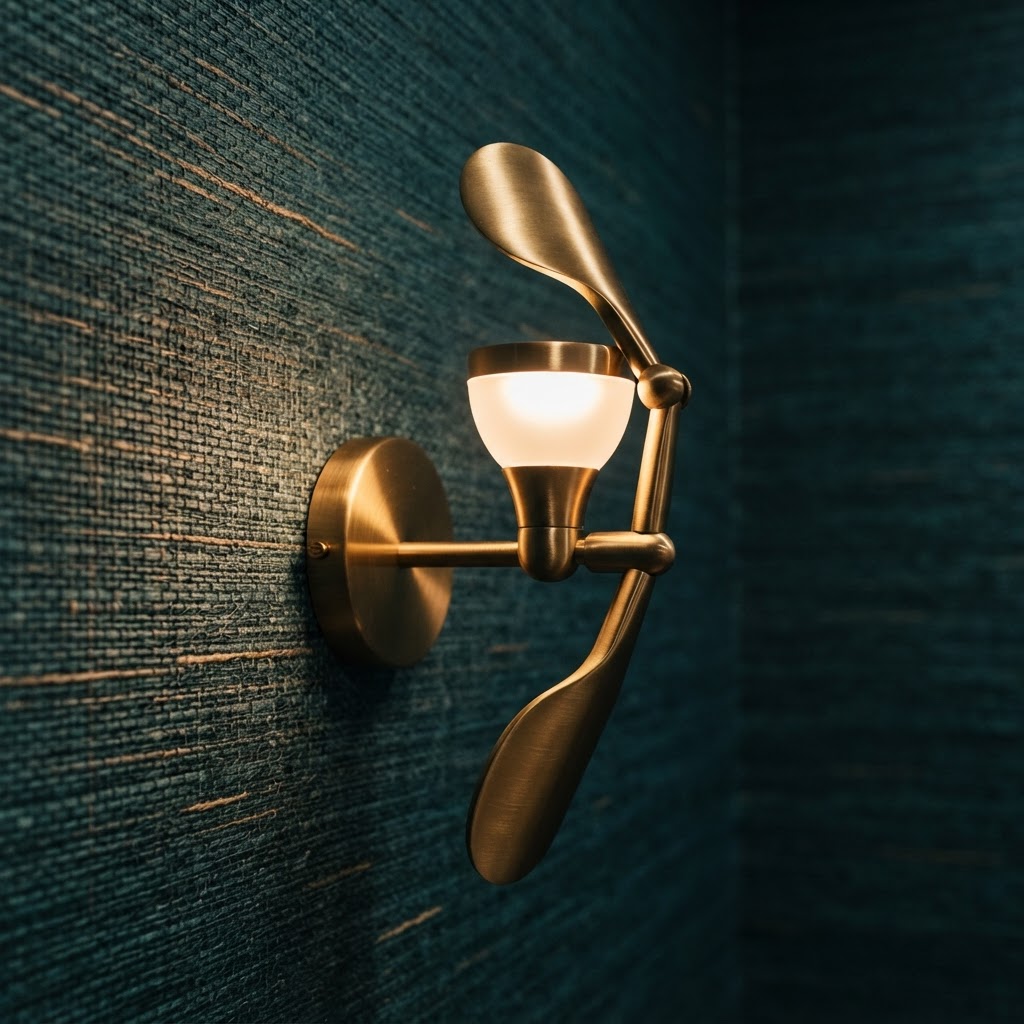
When it comes to the actual fixtures, go for something that makes a statement. A bold brass pendant, a sculptural arc lamp, even a cluster of rattan pendants over your kitchen island if you have one. These pieces do double duty: they provide light AND act as decor. Real talk, one great lighting fixture can do more for a room than a hundred little decorative trinkets scattered around. The key is to keep the color temperature warm, around 2700K to 3000K. That golden warmth is exactly what gives hotel rooms their signature cozy glow.
Also, please, get yourself some dimmers. They're cheap to install, and the ability to control the mood of a room with a simple dial is genuinely life-changing. Low lighting in the evening, brighter for working or cooking. It sounds simple because it is, but most people just never bother.
Layer Textures for Visual Depth
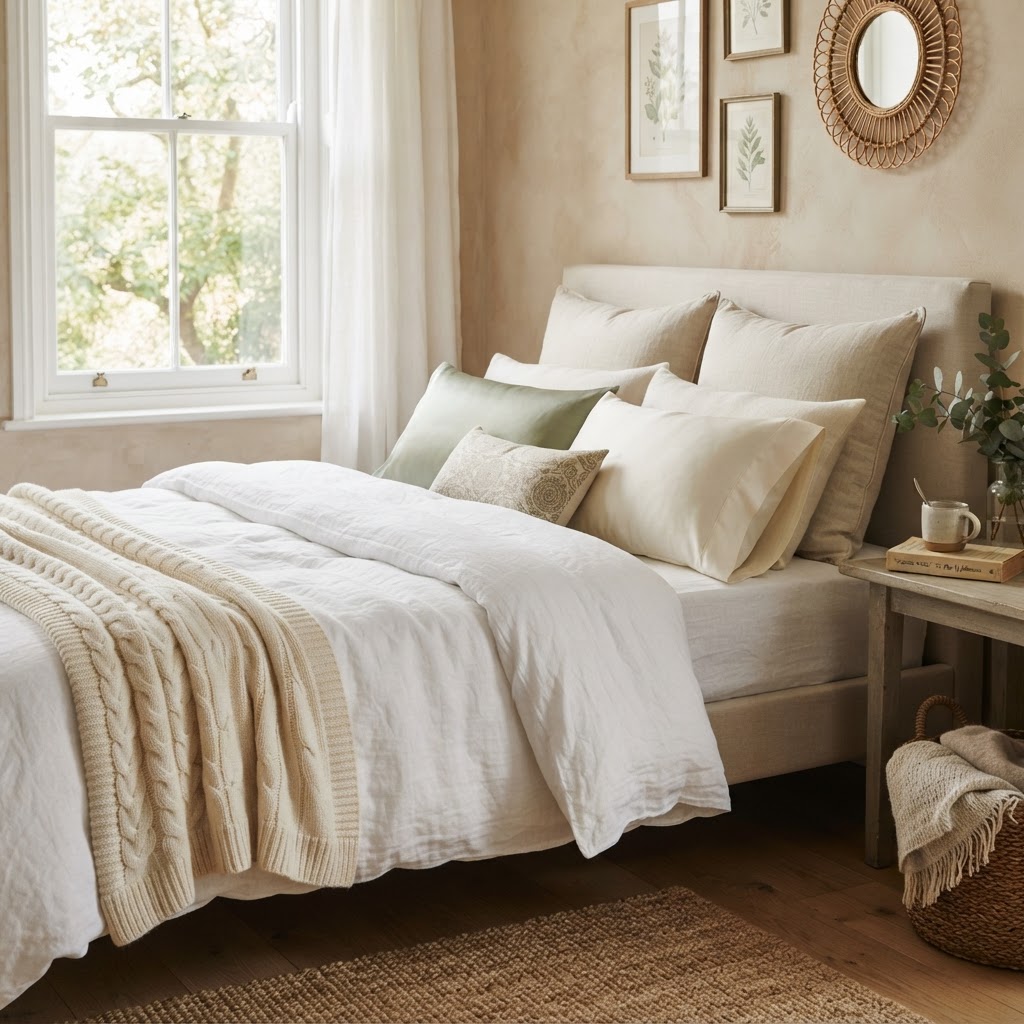
Walk into any luxury hotel room and close your eyes for a second. When you open them, what do you notice? It's not necessarily the size of the room or even the color palette. It's the richness of it all. There's something layered and complex happening even if the color scheme is totally neutral. That feeling almost always comes down to texture. And here's the thing, texture is completely free to play with. You're not buying new furniture, you're just getting smarter about what you already have or adding affordable soft goods.
Think about your sofa. Is it one texture, one fabric, one vibe? Throw a chunky knit blanket over one arm, add a velvet pillow, tuck in a linen cushion. Already you've got three different textures telling a story together. The same goes for your bed. Crisp white cotton sheets, a waffle-weave throw at the foot, a faux fur or bouclé pillow on top. That's the hotel bed look right there and it costs almost nothing to achieve once you know what you're going for.
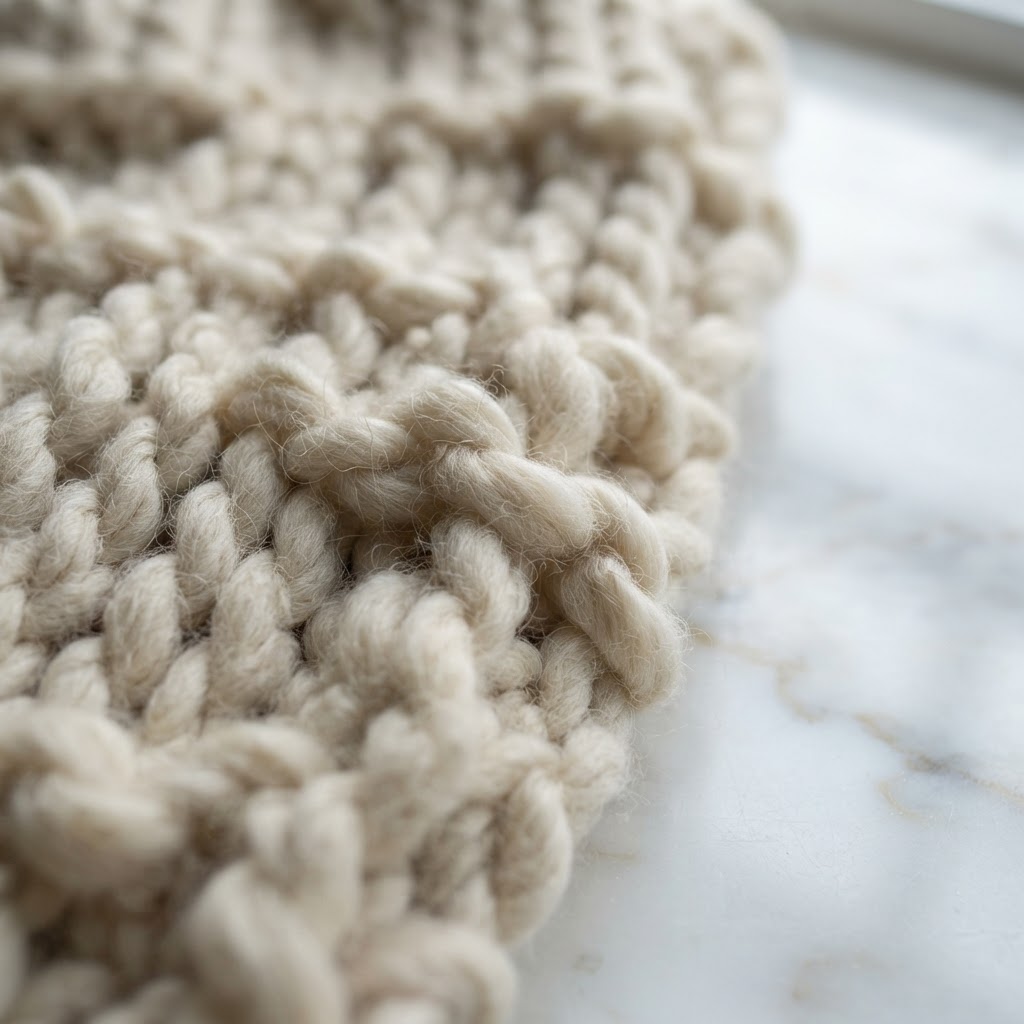
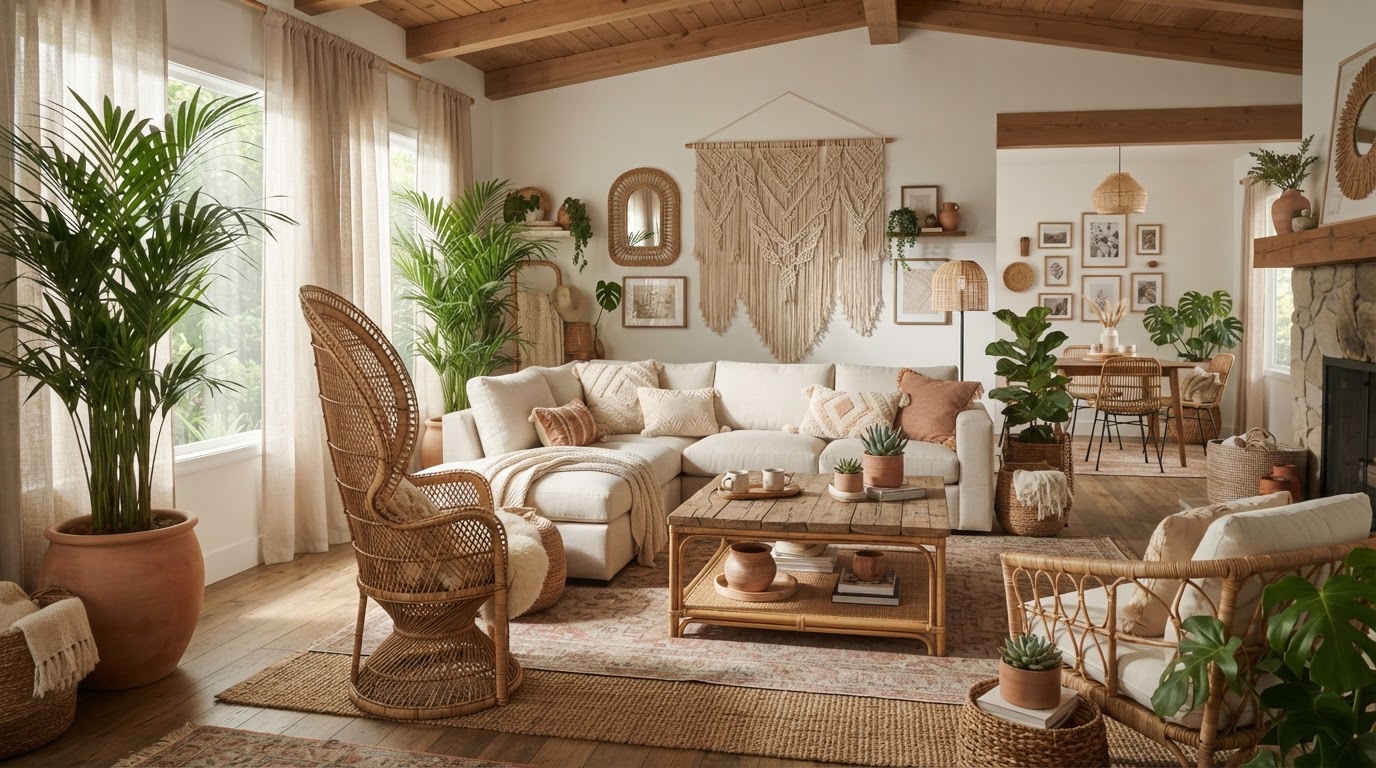
Don't forget the floors either. A layered rug situation, like a natural jute rug with a smaller patterned rug on top, is incredibly effective in a small space. It anchors the room, adds warmth underfoot, and creates that intentional designer look. And on the walls, even a simple canvas or a woven wall hanging adds a tactile dimension that paint alone just can't achieve.
The trick is to vary the textures while keeping the colors cohesive. If everything is a similar tone, say warm neutrals and earthy tones, you can mix as many different materials as you want and it'll all feel intentional rather than chaotic. Trust me on this one. Texture is your best friend in a small space because it adds visual interest without adding visual noise.
- Mix hard and soft: Balance smooth surfaces like wood or metal with soft textiles like linen or velvet.
- Think about touch: A space that feels good to touch feels luxurious to be in.
- Layer your bedding: At minimum, three different textures on your bed makes it look five times more expensive.
- Use natural materials: Rattan, jute, wood, and stone all bring organic texture that feels elevated.
Utilize Reflective Surfaces to Expand Space
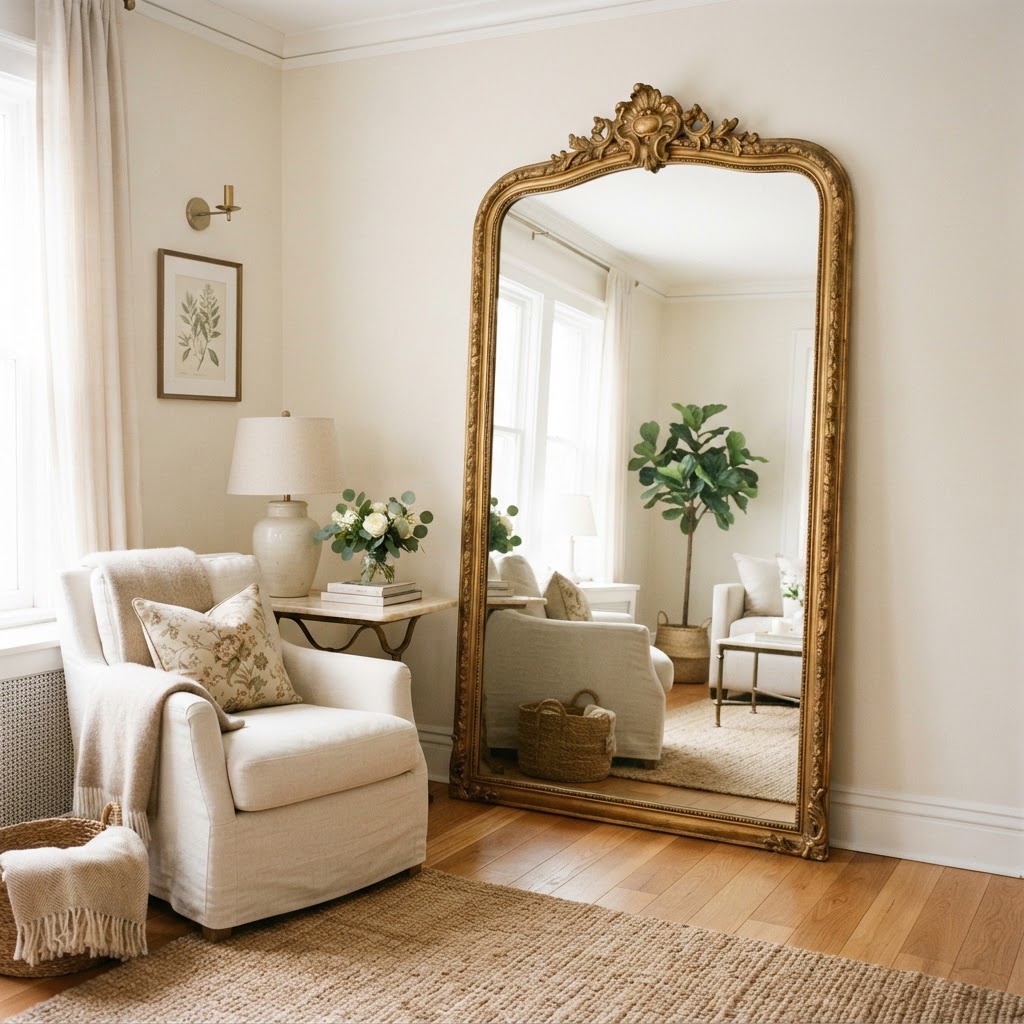
Look, mirrors are not a new idea. Everyone knows mirrors make a room look bigger. But most people slap a small mirror above a console table and think they're done. That's not the same thing at all. To really use reflective surfaces the way hotels do, you need to think bigger and more strategically. A full-length mirror leaning against a wall, a large ornate mirror hung opposite a window, mirrored furniture accents, even a mirrored tray on your coffee table. All of it works together to bounce light around and create the illusion of depth.
The science is pretty simple. Light hits a reflective surface and bounces back into the room, making the space feel brighter and bigger. Place a large mirror directly opposite your best natural light source, whether that's a window or even a nice lamp, and watch what happens to your room. It's almost magic honestly. Suddenly there's more light, more perceived space, and more visual interest.
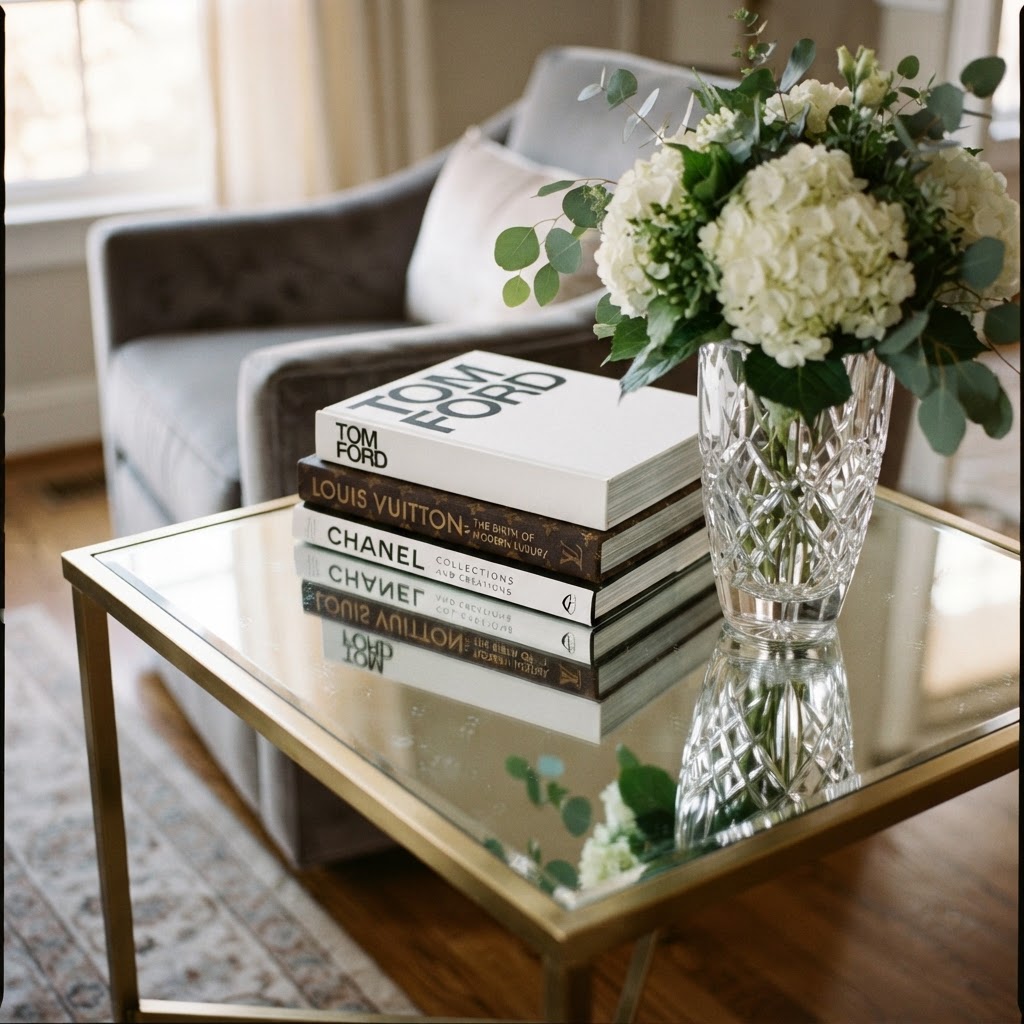
Beyond mirrors, think about other reflective materials. A glass coffee table instead of a solid wood one keeps your living room feeling open. Metallic accents like brass candleholders, chrome lamp bases, or even a shiny ceramic vase all catch and reflect light in subtle ways that add up. Lacquered furniture does the same thing. Even a high-gloss paint on a single accent wall can transform how light moves through a room.
One thing to be careful of though is going overboard. Too many mirrors or too much shine and the room starts feeling cold and over-styled. You want reflective surfaces to be part of a balanced mix, not the dominant feature. Think of them as a supporting cast, incredibly important but working quietly in the background to make everything else look better.
Curate Your Decor with Intentional Minimalism
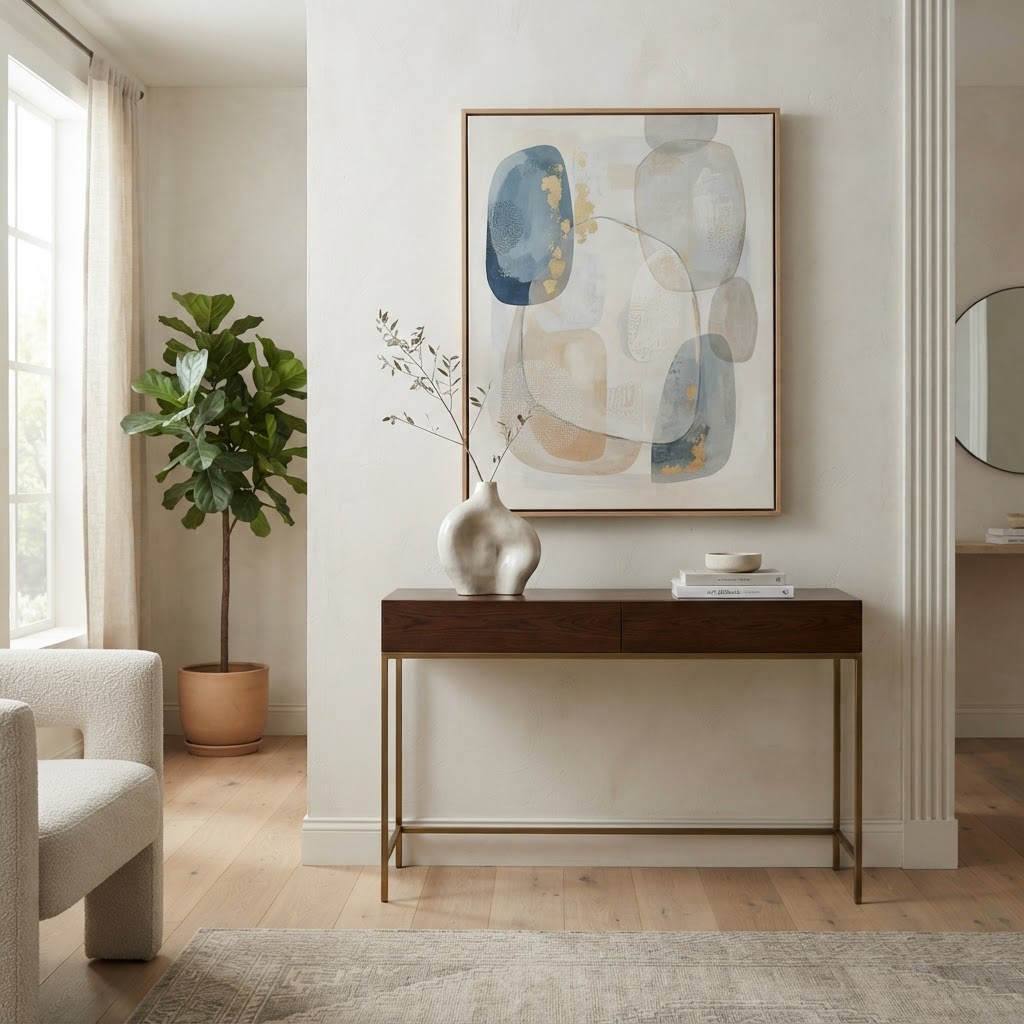
Real talk: clutter is the enemy of luxury. Walk into any high-end hotel room and notice what's NOT there. There's no stack of old magazines, no random knickknacks covering every surface, no collection of mismatched frames fighting for attention. Everything you see has been deliberately chosen and placed. That restraint is what communicates quality and calm. And in a small apartment, intentional minimalism isn't just aesthetically smart, it's practically essential.
This doesn't mean you need to live like a monk. It means being selective. Instead of twenty small decorative objects scattered around, choose five really good ones and give them space to breathe. A beautiful ceramic vase, a stack of books with interesting spines, a small sculptural object, a candle in a gorgeous vessel. That's it. Each item should be something you genuinely love and that adds something to the room, whether that's color, texture, meaning, or just visual interest.
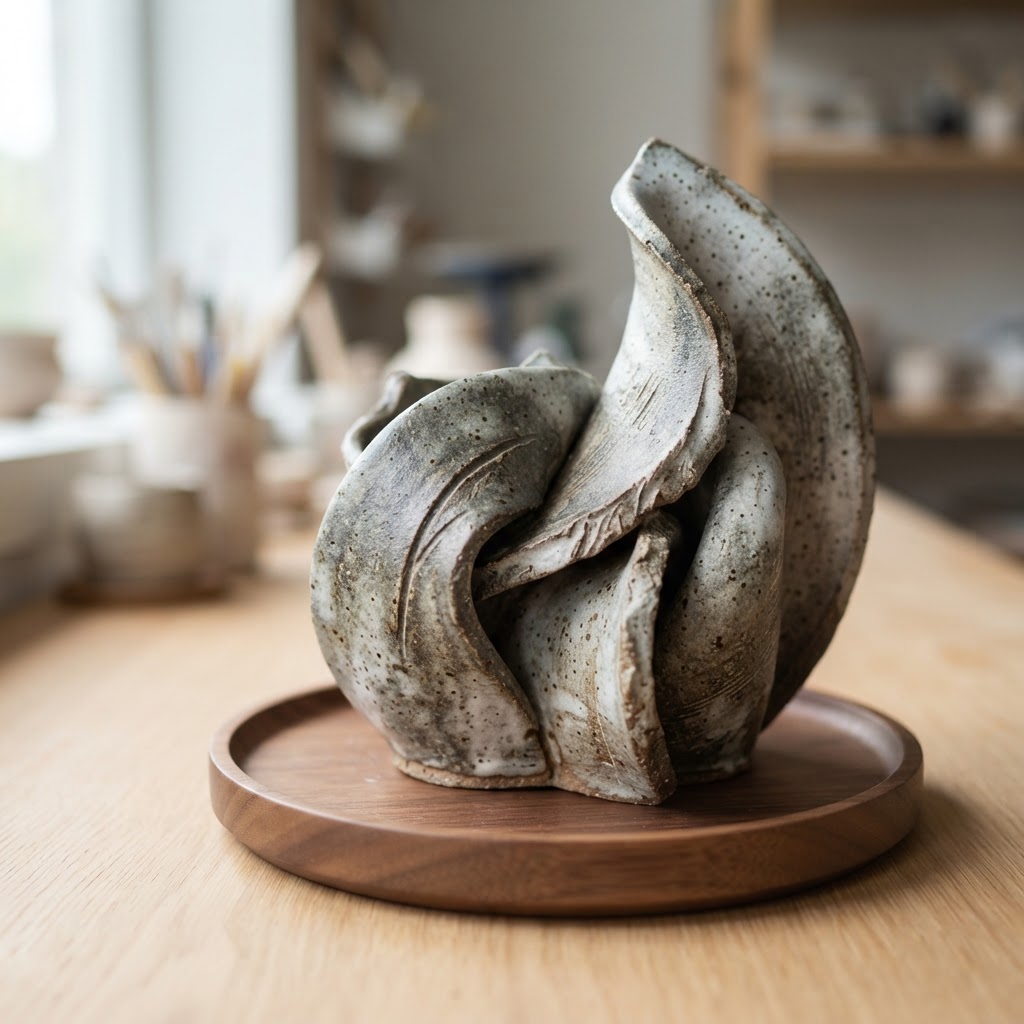
The hardest part of this for most people isn't buying less, it's editing what they already have. Go through your apartment with fresh eyes, or better yet, ask a friend to come over and be honest with you. What's on your surfaces that doesn't need to be there? What are you keeping out of habit rather than love? Box it up, store it, donate it. The cleared space you're left with will feel immediately more luxurious and intentional.
A good rule of thumb is the "one in, one out" principle. Every time you bring something new into your home, something else has to go. It keeps the accumulation of stuff in check and forces you to be thoughtful about what you're actually bringing in. Hotels are maintained by someone whose whole job is to keep things looking perfect. In your apartment, that person is you, so be a little ruthless about it.
- Edit ruthlessly: If you haven't thought about it in a month, it probably doesn't need to be on display.
- Group items in odd numbers: Three objects together almost always look more intentional than two or four.
- Vary heights: A tall vase next to a low candle next to a medium-height object creates visual movement.
- Keep surfaces mostly clear: At least 60% of any surface should be empty for it to feel luxurious.
Invest in High Quality Window Treatments
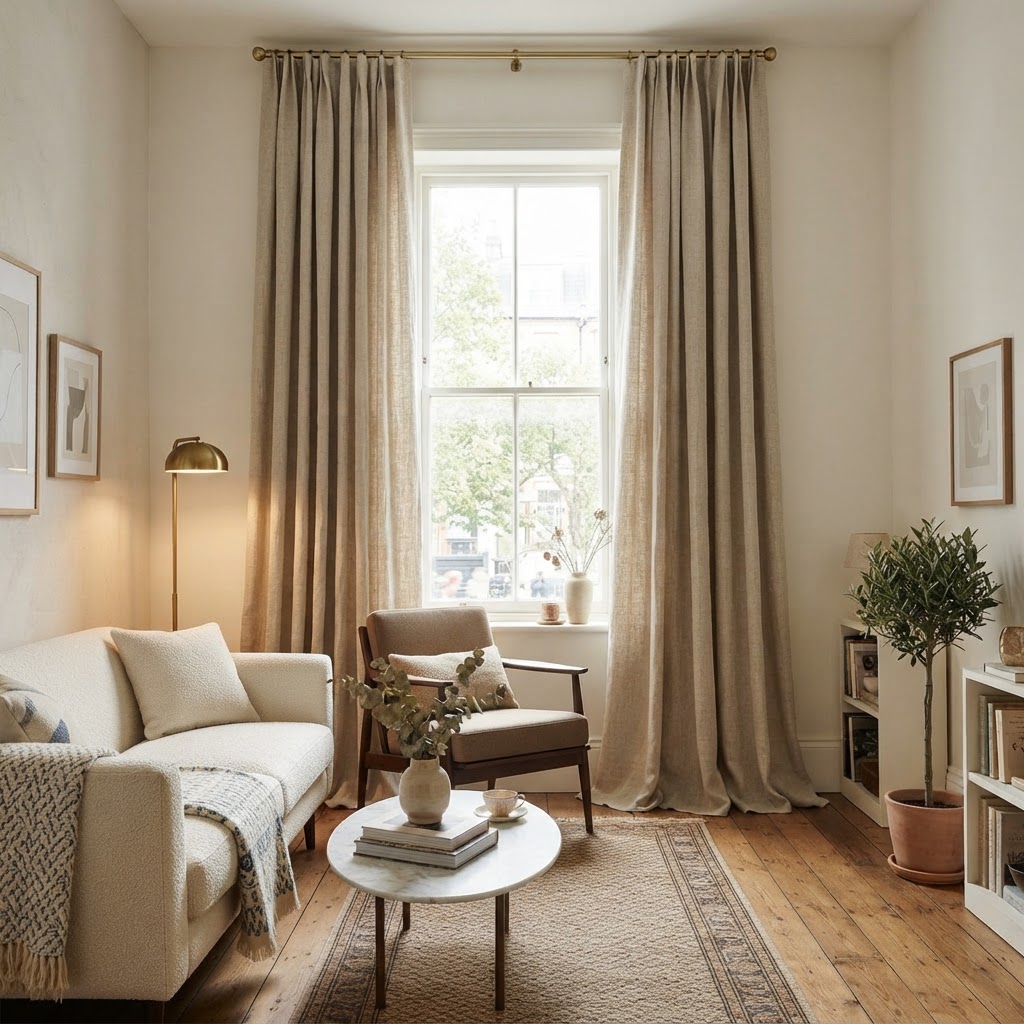
If I had to pick one single change that makes the most dramatic difference in a small apartment, honestly it might be this one. Window treatments are something most renters completely phone in. Plastic blinds that came with the place, some cheap curtains hung right at the window frame, or nothing at all. And it shows. Good window treatments are one of the clearest signals that a space has been thoughtfully designed rather than just furnished.
Here's the hotel secret: hang your curtains high and wide. Mount the rod as close to the ceiling as possible, and extend it six to twelve inches beyond the window frame on each side. When you hang floor-length curtains this way, a few things happen simultaneously. The ceiling feels higher. The window looks bigger. The whole room feels more grand and considered. This trick works in literally every size space and costs maybe thirty dollars extra in curtain rod and hardware.
For the fabric itself, linen is your best friend. It's got that effortlessly luxurious look without being fussy or formal. Sheer linen panels that let light filter through during the day, with a heavier blackout option behind them if you need privacy and darkness, is basically the exact setup you'll find in an upscale boutique hotel. The layered curtain look is both functional and incredibly beautiful.
Color-wise, stick to neutrals for your main panels. Soft white, warm ivory, oatmeal, taupe. These all work with almost any color scheme and they have a quiet elegance that bolder colors don't always achieve. You can always add color and pattern through your other soft furnishings. Your curtains should be a beautiful backdrop, not the main event. And please, make sure they're long enough to just puddle slightly on the floor. That little extra length is the detail that takes a room from "nice" to "wow."
Final Thoughts
Making a tiny apartment feel like a five star hotel isn't about spending a fortune or somehow getting more square footage. It's about being intentional. It's about understanding that luxury is really just a feeling, and that feeling comes from light, texture, space, and thoughtful curation. Every single thing on this list is achievable on a real budget if you prioritize smart and shop carefully.
Start with one thing. Honestly, just pick the one on this list that resonates most with you right now and do that first. Maybe it's finally getting proper curtains hung up high, or maybe it's doing a serious edit of your surfaces. Small changes compound quickly in a small space. You'll be surprised how fast your apartment starts to feel different once you start approaching it with the same intentionality that goes into designing spaces you love to stay in.
Your home should feel like a treat. You spend more time there than anywhere else, so it deserves that same level of care and consideration. Trust me, once you start seeing your apartment as a space to be designed rather than just lived in, you'll never go back.
More in Interior
Stay Inspired
Subscribe for new essays on architecture, design, and the spaces that shape us.