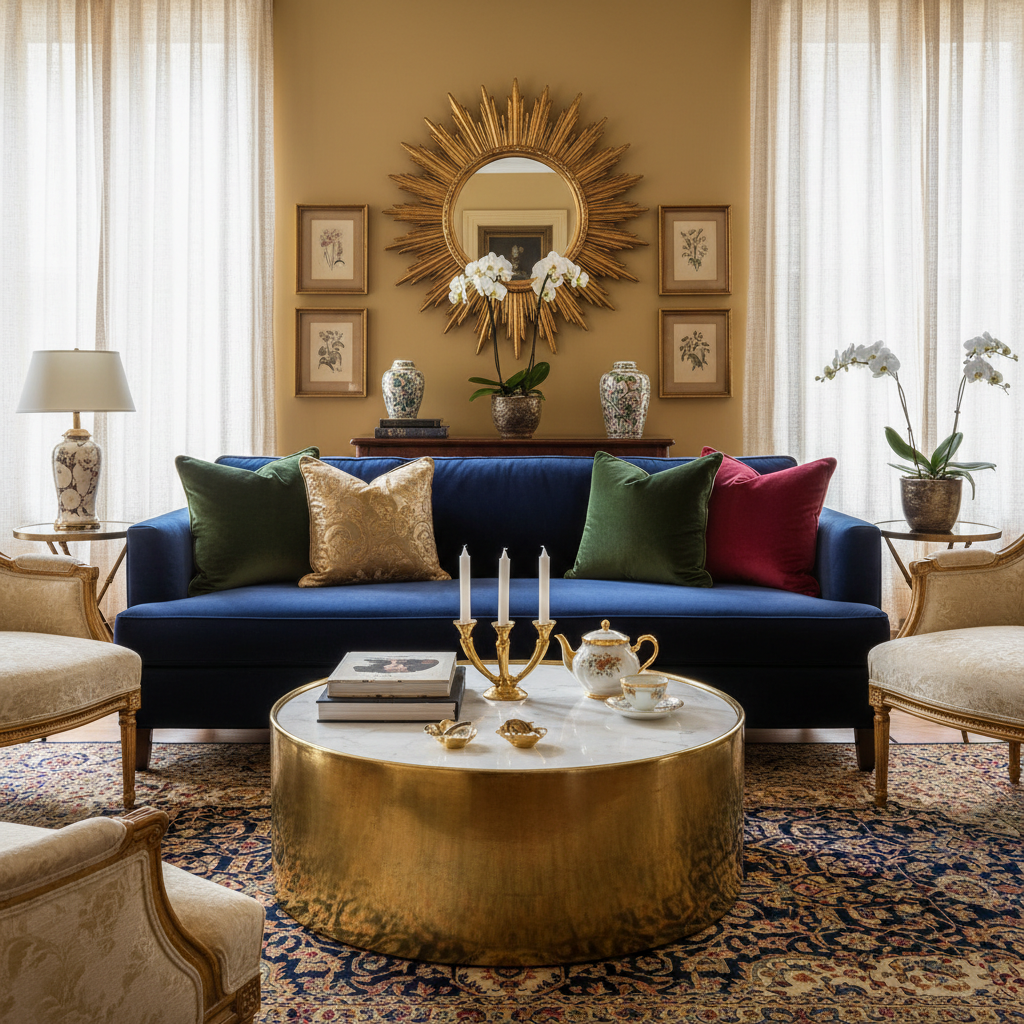
Transform Your Tiny Space: Tips for Adding Luxe Flair
Are you dreaming of a luxurious home but limited by square footage? Discover how to elevate your small space with our top tips for creating an opulent feel without sacrificing functionality. From chic decor choices to smart design tricks, we’ve got all the inspiration you need!
Choose a Bold Color Palette
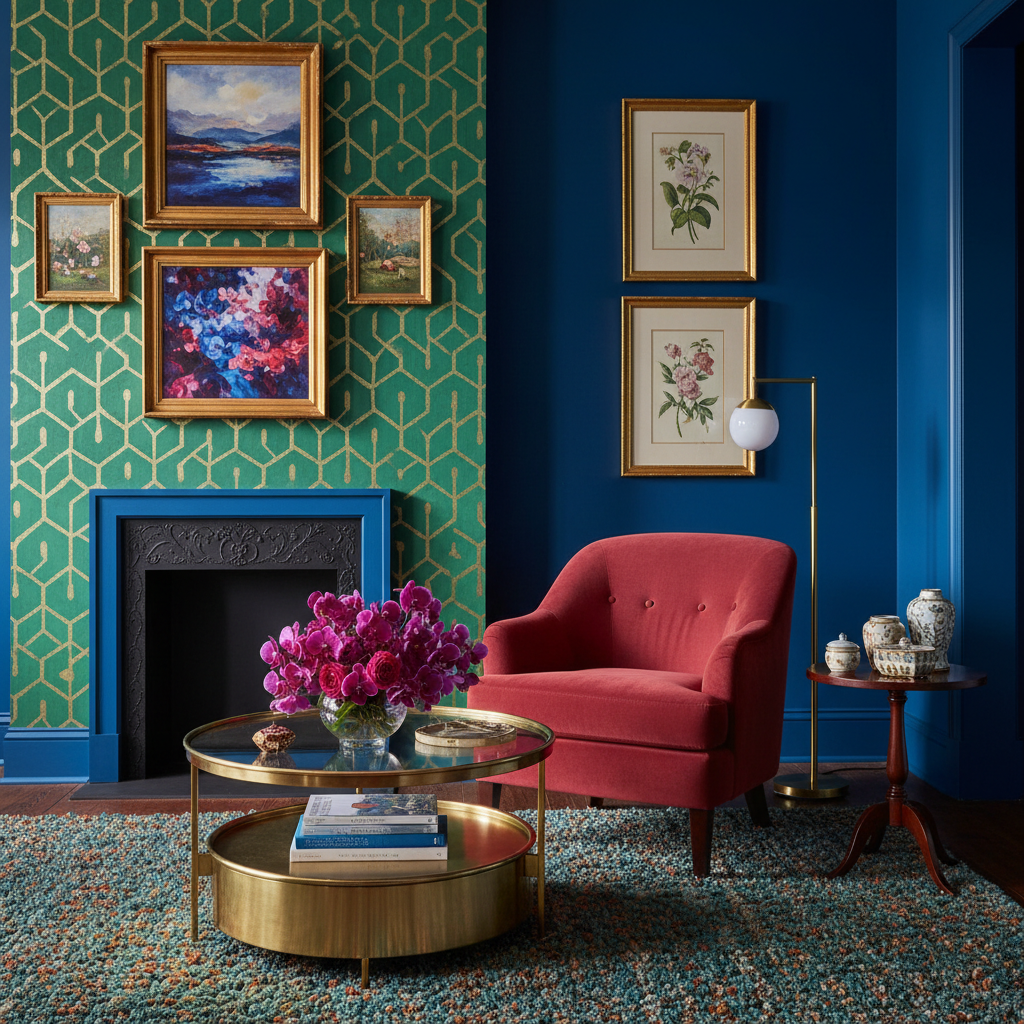
Okay, I know what you're thinking. "Bold colors in a small space? That sounds like a disaster waiting to happen." And honestly, I get it. For years, the standard advice has been to paint small rooms white or light gray to make them feel bigger. But here's the thing: that advice is played out, and it's keeping a lot of people stuck in spaces that feel sterile and forgettable instead of intimate and intentional.
Bold color in a small room doesn't make it feel smaller. It makes it feel purposeful. Think about it, a deep emerald green library or a moody navy bedroom wrapped in velvet. Those spaces feel luxurious precisely because the color is confident. It's committing to a vibe instead of hedging your bets. When you walk into a room painted a rich terracotta or a saturated plum, you don't think "wow, this room is tiny." You think "wow, this room has character."
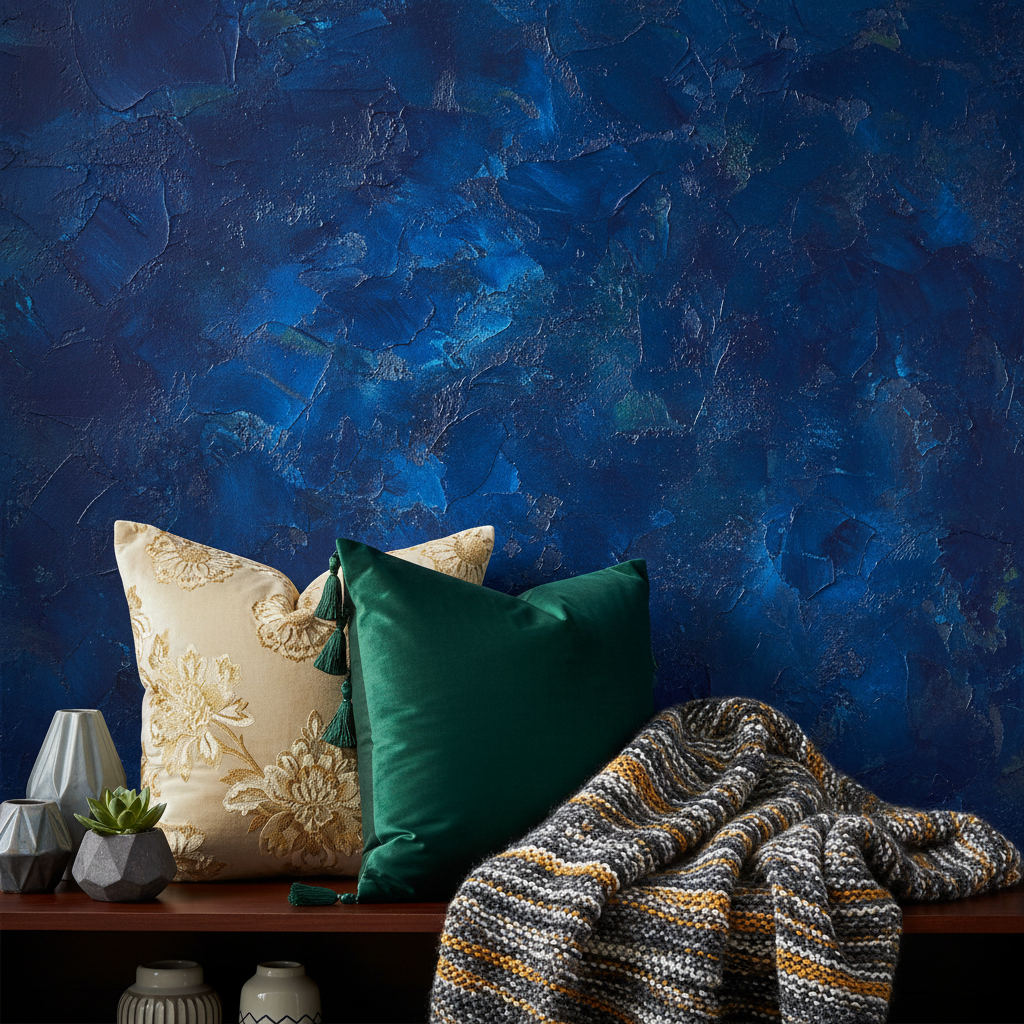
The trick is to pick one anchor color and commit. Don't mix three bold shades competing for attention. Choose something you genuinely love, something that feels exciting when you imagine living inside it, and then build everything else around it in tonal variations. Try a deep dusty rose with blush accents, or a forest green with sage and cream. The monochromatic approach is genuinely one of the most effective ways to make a small space feel both expansive and expensive at the same time.
Real talk: the ceiling is your secret weapon here. Painting your ceiling the same color as your walls, or going even deeper, creates what designers call an "enveloping" effect. It feels cozy and intentional rather than cramped. Add in a few well-placed warm light sources and suddenly your tiny studio apartment feels like a boutique hotel suite. That's the goal. That's what we're going for.
Incorporate Statement Pieces
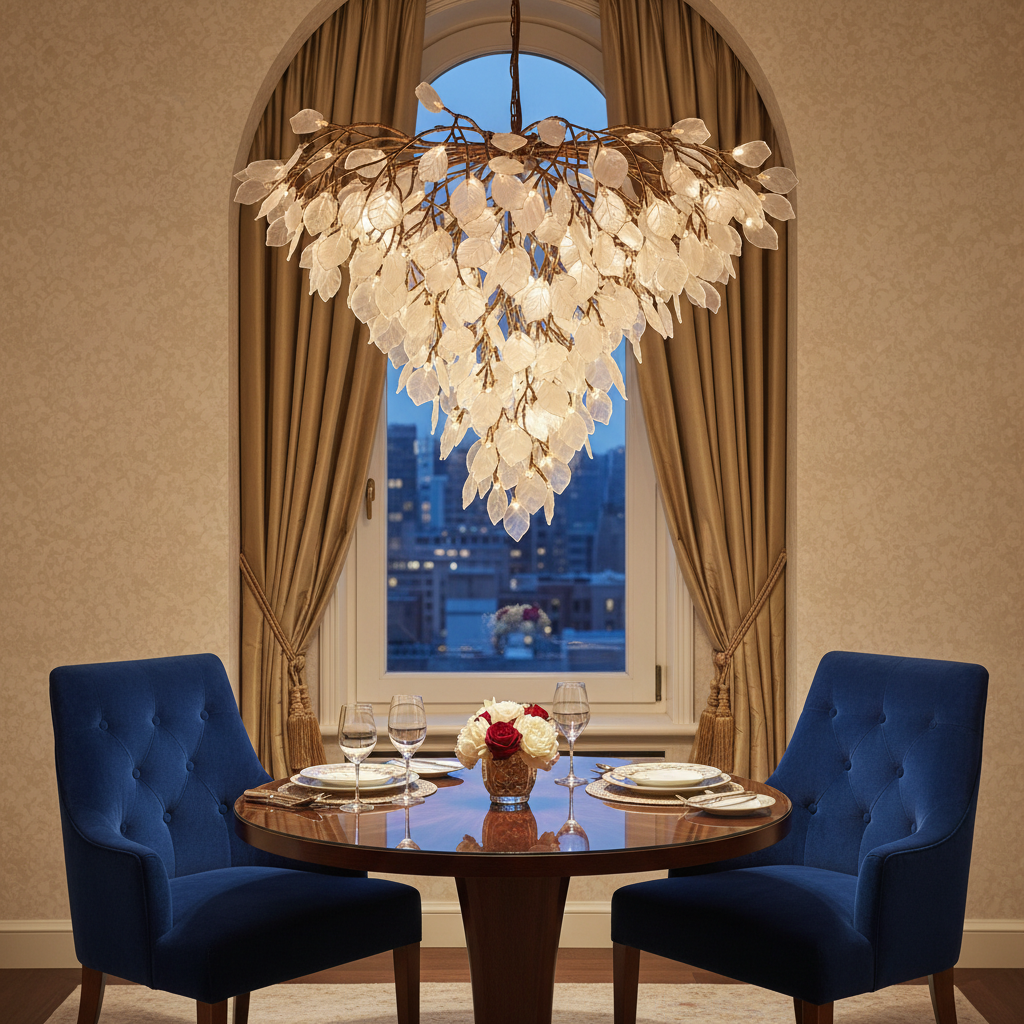
Here's the thing about small spaces: you actually have a real advantage when it comes to statement pieces. Because the room is compact, one stunning item does more visual work than it ever could in a sprawling open-plan loft. A single oversized pendant light, a sculptural chair in an unexpected fabric, or a vintage credenza with incredible hardware can carry an entire room on its own. You don't need a lot. You need the right things.
The mistake most people make is filling a small space with lots of small, safe, generic furniture. Everything ends up feeling scattered and underwhelming. Instead, I always say: go for fewer pieces, but make them count. Invest in that one really gorgeous sofa instead of buying three mediocre accent chairs. Choose a dining table that's actually beautiful rather than just functional. When every piece in the room earns its place both in terms of use and beauty, the whole space levels up dramatically.
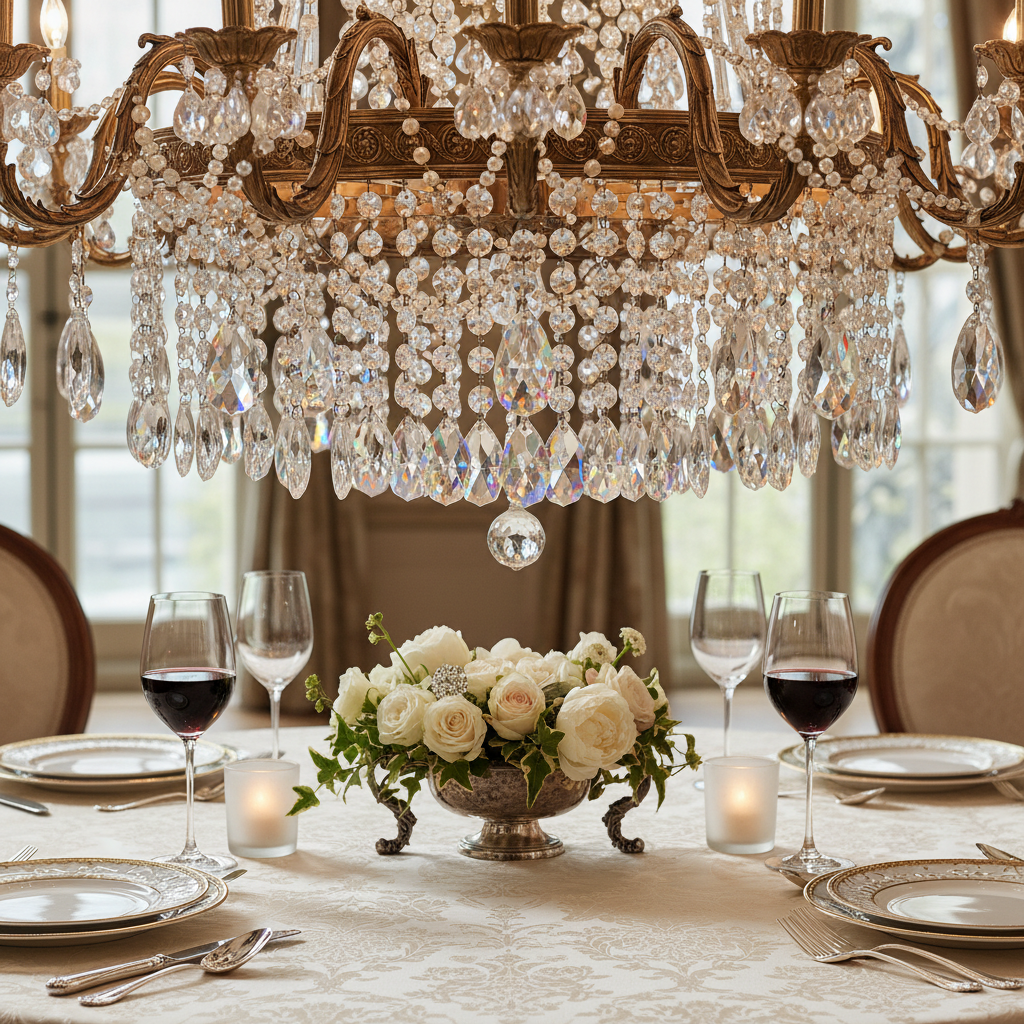
Think about mixing vintage with modern, too. An antique gilded mirror above a sleek contemporary console table? That tension is what makes a space feel curated rather than catalog-bought. Look for pieces with interesting silhouettes, unexpected materials, or a little bit of history behind them. Flea markets, estate sales, and even well-selected pieces from vintage online marketplaces are goldmines for this kind of find.
- One oversized light fixture that acts as a ceiling sculpture and draws the eye upward
- A single bold sofa in a luxurious fabric like boucle, velvet, or linen
- A piece of original art or a large-format print that anchors a wall
- An unexpected accent chair in a sculptural shape that doubles as functional art
Honestly, if your budget is tight, just focus on the lighting first. A truly special light fixture transforms a room more than almost anything else. It changes the mood, sets the tone, and immediately signals that someone with taste lives here. Ceiling fans with a builder-grade frosted globe? Out. A dramatic rattan pendant or an aged brass chandelier? Absolutely in.
Layer Textures for Depth
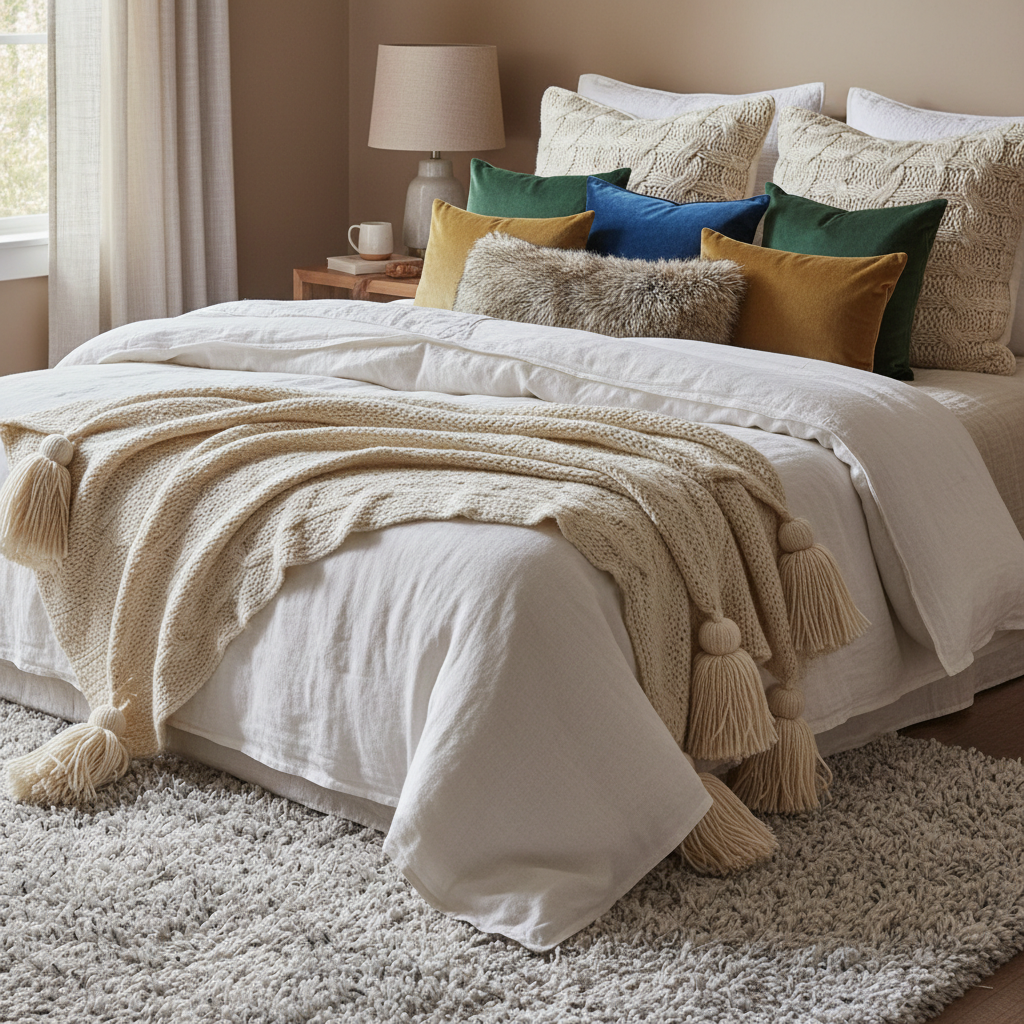
Texture is the thing that separates a room that looks "done" from a room that looks genuinely luxurious. And in a small space, it's your best friend because it adds depth and visual interest without adding actual volume. You're not adding more stuff, you're adding more dimension. That's a really important distinction.
Start with your foundation layers: the rug, the sofa fabric, and the curtains. These are the big surface areas, so they set the textural tone of the whole room. A chunky woven rug underneath a velvet sofa with linen curtains already gives you three distinct textures working together beautifully. From there, you layer in smaller elements: a knitted throw draped over the arm of a chair, linen pillow covers, a ceramic vase, a wood side table with visible grain.
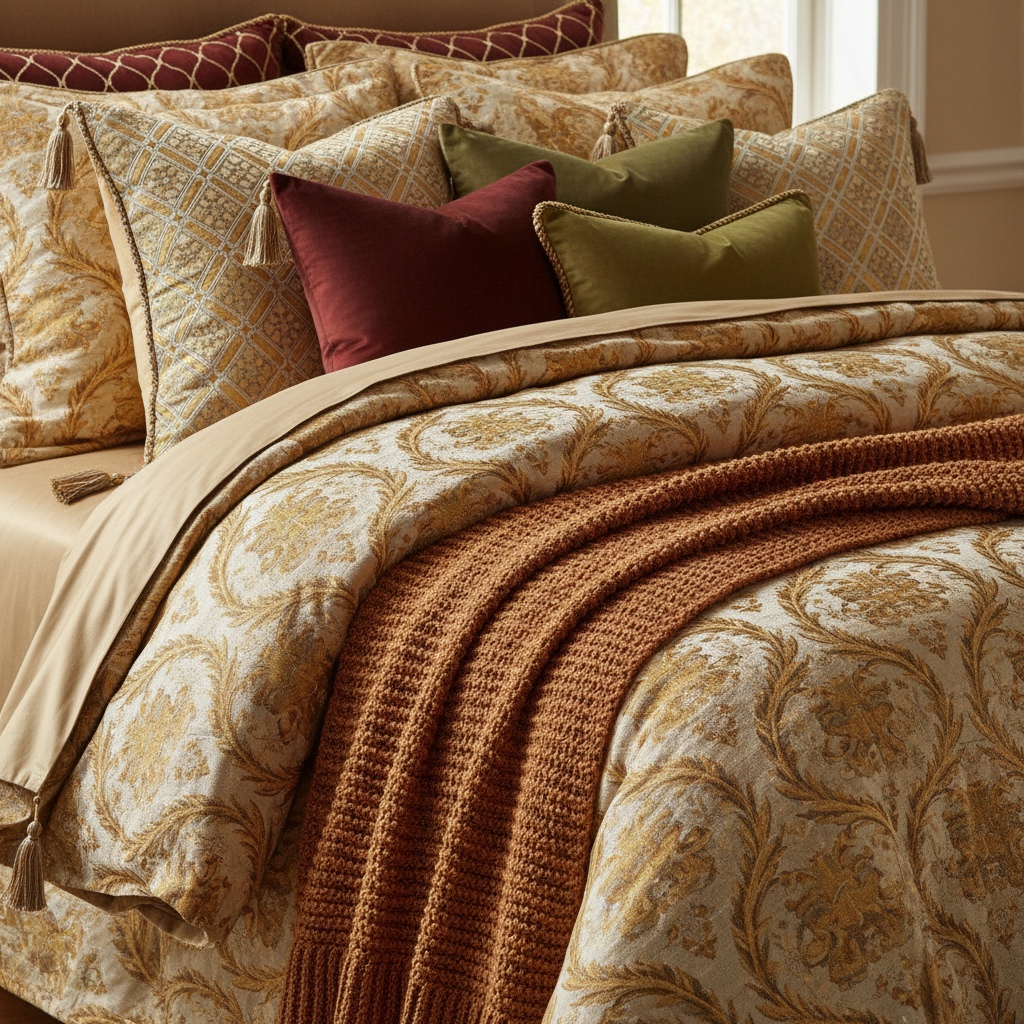
The key is contrast. Smooth next to rough. Matte next to shiny. Soft next to hard. When you put a polished brass lamp on a raw wood shelf next to a matte ceramic bowl, that contrast is what catches the eye and creates a layered, editorial feeling. It's why rooms that are entirely one material, even a gorgeous one, can end up feeling a little flat and one-dimensional.
Trust me on this: the most common texture mistake in small spaces is skipping the rug because you think it'll make the room feel smaller. The opposite is true. A rug defines the space, grounds the furniture, and adds an entire layer of warmth and coziness. Go bigger than you think you need to. The rug should sit under at least the front legs of your furniture. A tiny rug floating in the middle of the floor is one of the quickest ways to make a room feel cheap and unfinished, regardless of how much you spent on everything else.
Maximize Natural Light
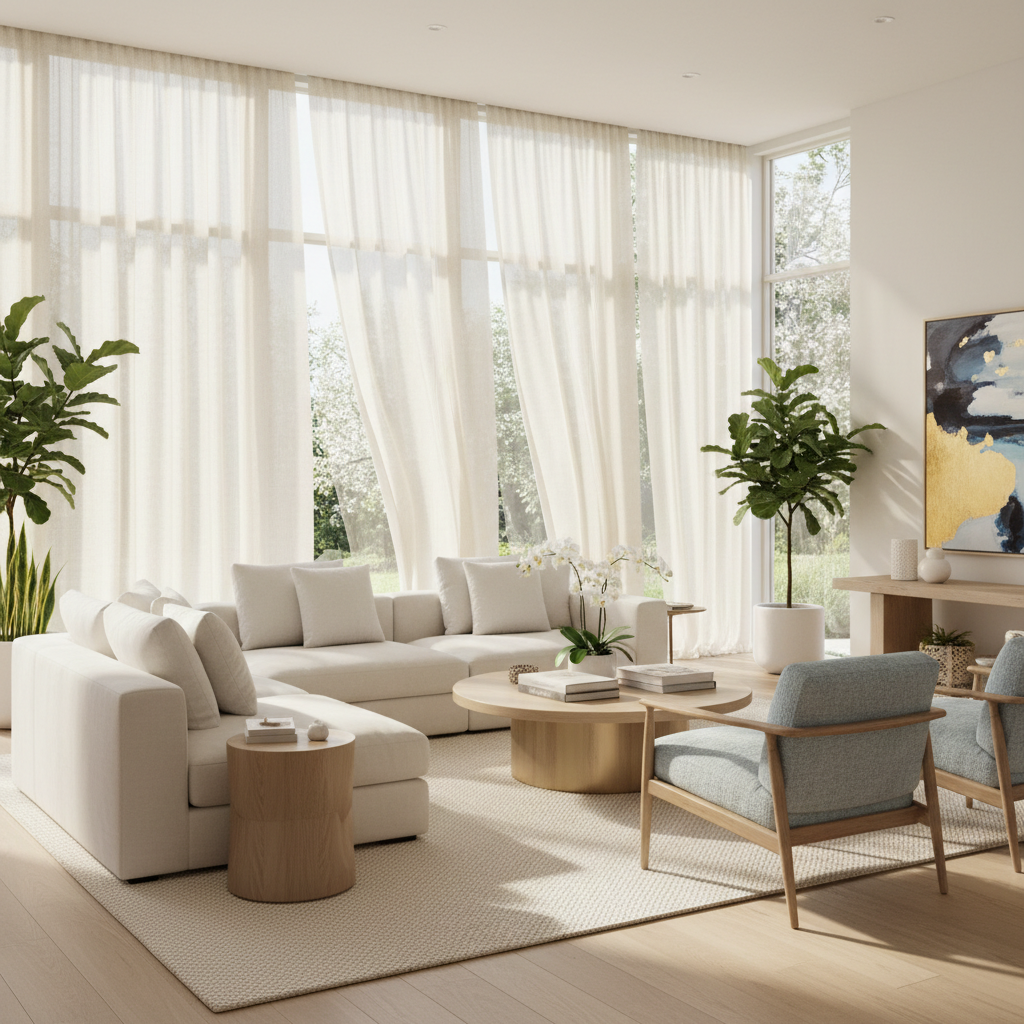
Natural light is genuinely free, and it's one of the most powerful tools you have in a small space. A room flooded with light feels open, generous, and alive. A room starved of it feels like a cave no matter how beautifully it's decorated. So before you spend a single dollar on furniture or decor, take a serious look at how light moves through your space and figure out how to amplify what you've got.
Window treatments are the first place to start. A lot of people block their windows with heavy drapes hung too low and too close to the frame, which is basically stealing light from yourself. Hang your curtains as high as possible, ideally right at or near the ceiling, and extend the rod well beyond the window on both sides. This frames the window dramatically, makes it look much larger, and allows light to pour in unobstructed when the curtains are open. Choose lightweight fabrics in linen, cotton, or sheer voile that let diffused light through even when closed.
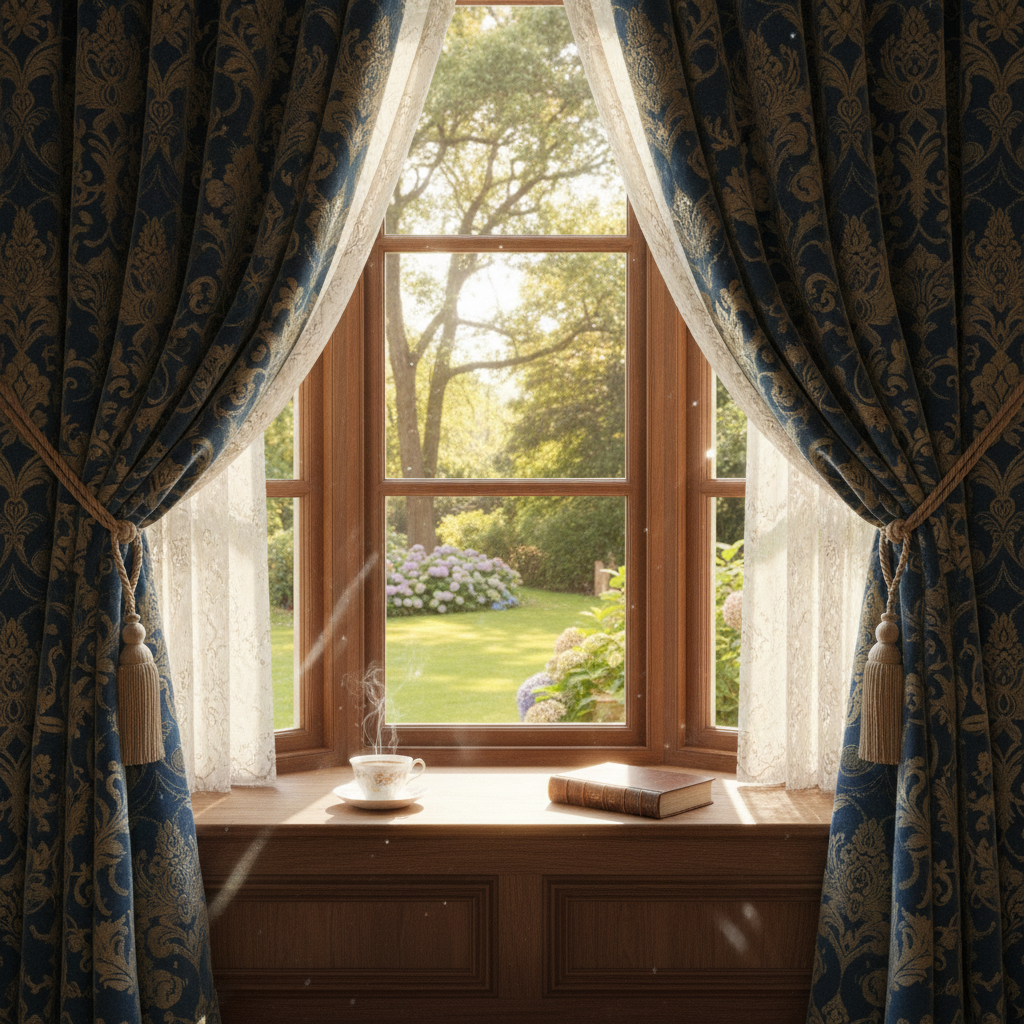
Beyond the windows themselves, think about what surfaces are reflecting and bouncing that light around the room. Glossy or semi-gloss paint on trim and cabinets, metallic hardware, glass tabletops, polished stone surfaces, and of course mirrors (more on that in a moment) all help amplify the light that's already there. Even swapping out a solid wood coffee table for one with a glass top can make a noticeable difference in how light moves through a compact living room.
And look, don't neglect your artificial lighting either. Natural light is incredible during the day, but your space needs to transition beautifully into the evening too. Layered lighting with warm-toned bulbs, dimmers where you can manage them, and a mix of overhead, task, and ambient sources creates that golden, glowing atmosphere that makes any small room feel like the most inviting place on earth.
Curate Your Decor Wisely
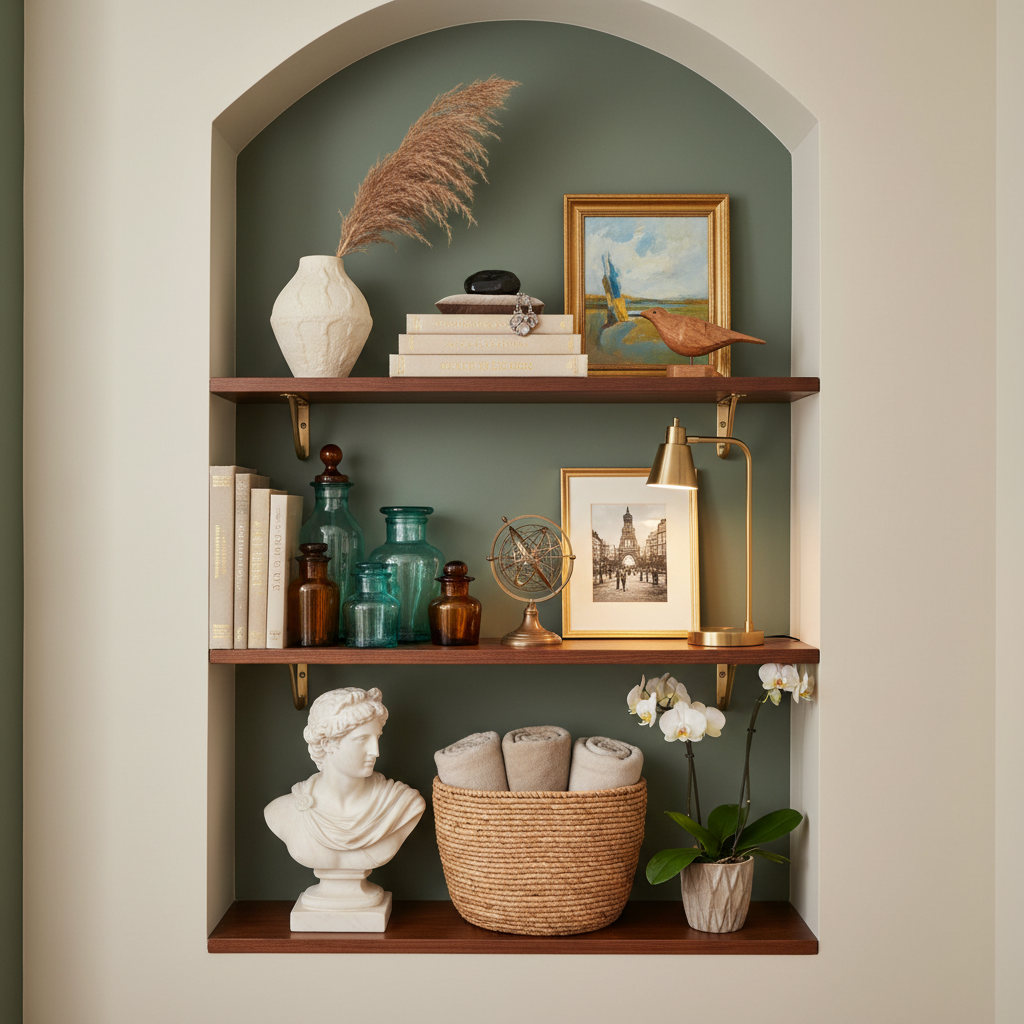
Curation is honestly one of the most underrated skills in decorating, especially when you're working with limited square footage. It's not about having more stuff. It's about having the right stuff and displaying it with intention. The difference between a small space that feels cluttered and overwhelming and one that feels like a carefully styled boutique is almost entirely about curation.
The rule I live by: every object that sits out in a small space should either be beautiful, meaningful, or both. That random stack of Amazon boxes, the collection of mismatched candles from five different stores, the bowl of takeout menus you've been meaning to throw away for six months? Gone. What stays is what you actually love, arranged with care. Give things breathing room. A single stunning ceramic vase on a shelf makes far more impact than seven random objects jostling for attention.
Think in odd numbers when you're grouping items. Three objects together almost always look better than two or four. Vary the height within the grouping, tall next to medium next to low, and vary the material too, something organic like wood or stone alongside something more refined like glass or metal. This kind of intentional grouping is what gives a shelf or a console table that "styled" look that feels effortless even though it absolutely isn't.
- Edit ruthlessly. If you haven't noticed it in a month, it probably doesn't need to be there.
- Group with intention. Cluster items by color, material, or theme rather than spreading them randomly.
- Add living elements. A real plant or fresh flowers bring life and warmth that no object can replicate.
- Rotate seasonally. Swapping a few decor pieces throughout the year keeps your space feeling fresh without accumulating more stuff.
Utilize Mirrors for a Luxe Illusion
Okay, mirrors. This tip is genuinely not as obvious as it sounds, because most people either skip mirrors entirely or hang one sad little mirror in the bathroom and call it a day. But used well, mirrors are one of the most transformative and honestly luxurious tools you can bring into a small space. They bounce light, create depth, and when they're beautiful in their own right, they function as stunning pieces of art.
The key is scale and placement. A large mirror, and I mean genuinely large, like leaning-floor-to-ceiling or covering most of a wall large, does something almost architectural to a small room. It effectively doubles the perceived size of the space and creates the illusion of another room beyond the wall. This is why you'll see oversized mirrors in almost every high-end small apartment or boutique hotel room. They know something a lot of homeowners don't: bigger mirrors are almost always better in compact spaces.
Placement matters enormously. Hang or lean a mirror on a wall that's opposite or adjacent to a window and it will reflect natural light back into the room, amplifying your light source dramatically. Avoid placing mirrors where they'll reflect an unattractive view like the back of a door or a blank wall with nothing on it. You want the reflection to show something beautiful, a gorgeous view, a well-styled shelf, or a lit candle grouping, because the mirror essentially frames that view and doubles it.
And real talk, don't overlook the frame. A plain frameless mirror looks bathroom-adjacent. An ornate vintage gilded frame, an arched wood frame, a sleek brushed brass frame, these turn a mirror into a piece of furniture, something with presence and personality. Scour antique markets and online vintage sellers for mirrors with interesting frames. They're often surprisingly affordable and they do an enormous amount of heavy lifting in a small, styled space.
"A well-placed mirror doesn't just reflect the room. It redefines it. It adds a layer of depth and light that no amount of furniture rearranging can achieve on its own."
One more thing on mirrors: consider using them in unexpected places. A mirrored tray on a coffee table to corral candles and small objects. A vintage mirror propped on a bathroom counter instead of mounted to the wall. A row of smaller antique mirrors grouped gallery-style on a single wall. The cumulative effect of multiple mirrors working together throughout a room is genuinely breathtaking, especially in the evening when the candlelight or warm lamp glow bounces endlessly through the space.
Final Thoughts
Here's what it really comes down to: a small space is not a limitation. It's an invitation to be intentional. Every single design decision you make in a compact room matters more, not less, because there's nowhere to hide. But that's also what makes it so exciting. When you get it right, a tiny room decorated with confidence and care can feel more luxurious than a sprawling space filled with random furniture.
Go bold with color. Invest in fewer, better pieces. Layer your textures. Let the light in and amplify it. Edit your decor down to what you truly love. And hang a really good mirror somewhere it can work its magic. Do those six things and I promise you, your small space will feel like somewhere you genuinely, deeply love to be. And honestly, that's the whole point, isn't it?
More in Interior
Stay Inspired
Subscribe for new essays on architecture, design, and the spaces that shape us.