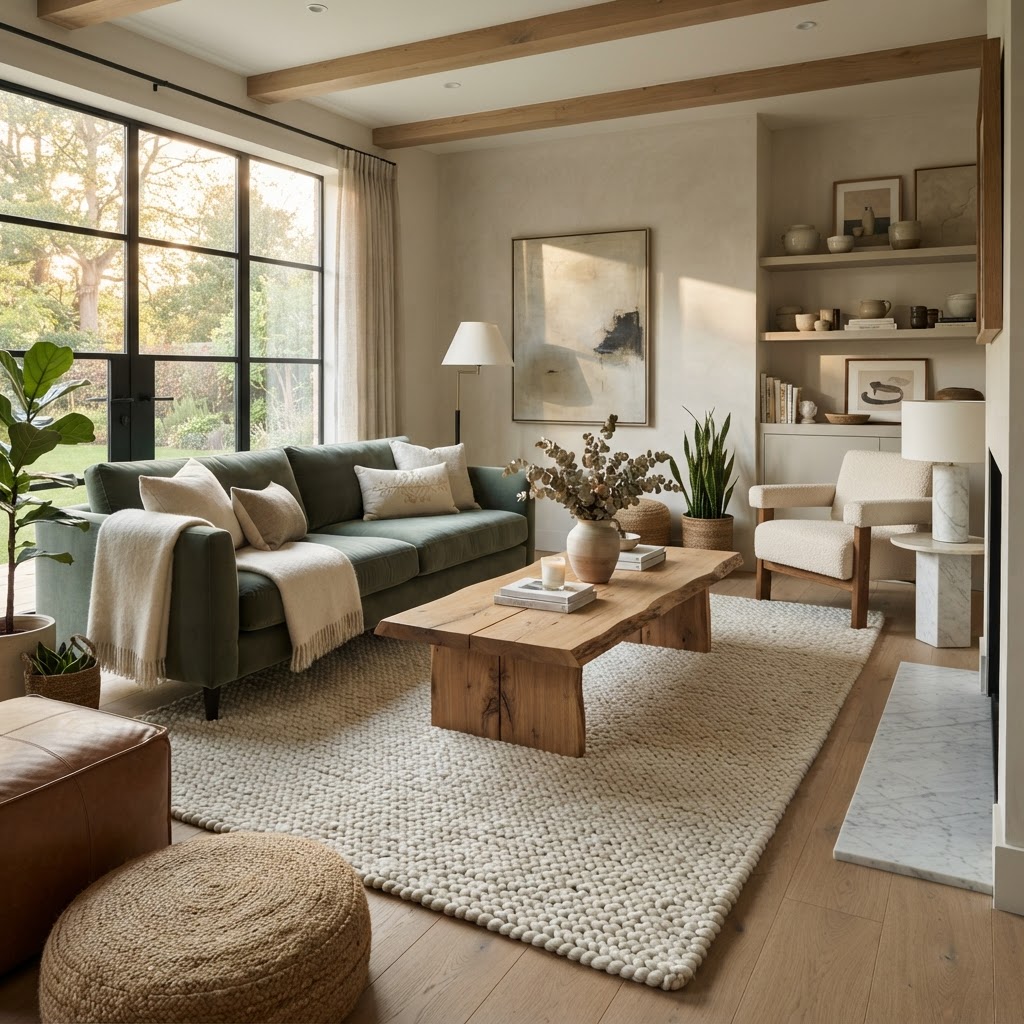
Beyond the Paint: How to Master the Art of Layering Texture in Your Home
Many rooms fall flat because they lack physical depth and interest. Learn how to mix fabrics, wood, and stone to transform your space from basic to professionally designed without needing a massive renovation.
The Foundation: Why Texture Matters
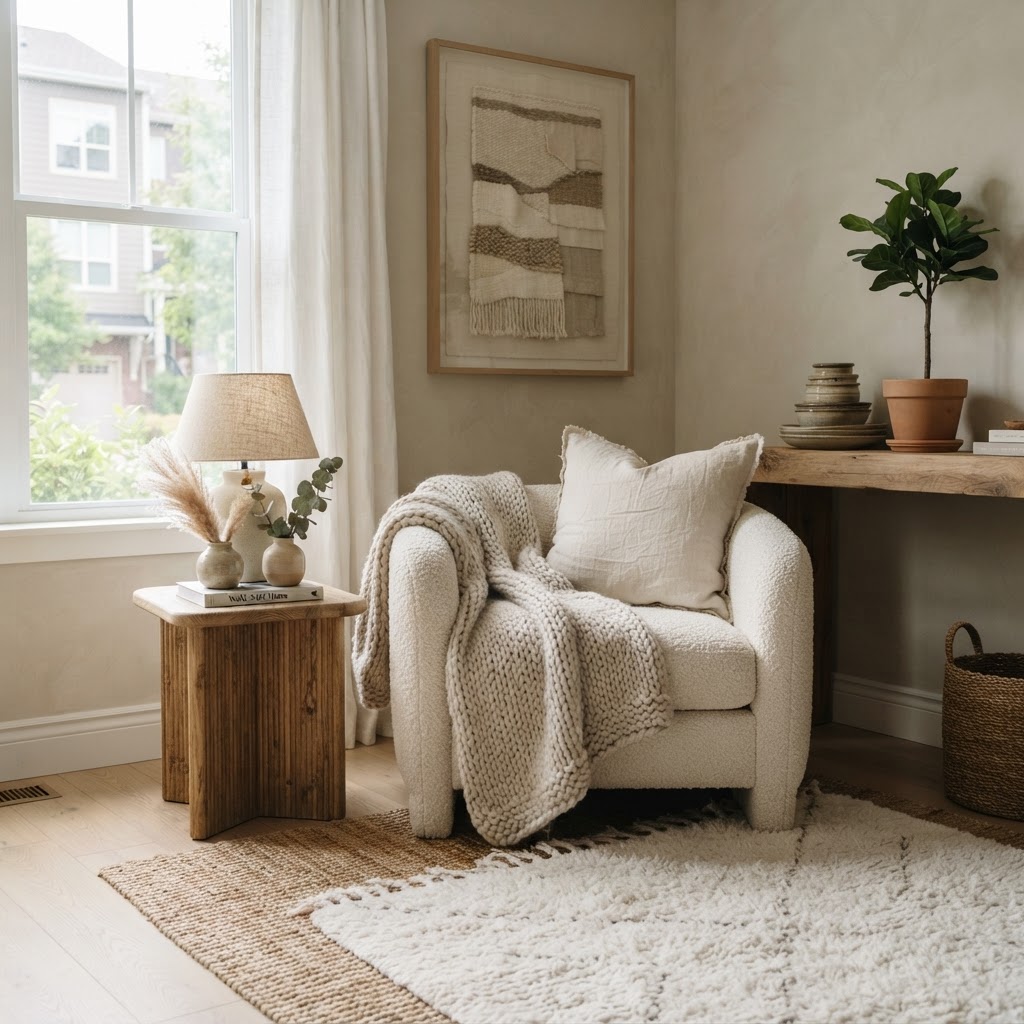
Here's the thing about texture: most people completely underestimate it. They spend weeks agonizing over paint colors, hunting down the perfect sofa, obsessing over lighting fixtures, and then they wonder why the room still feels kind of... flat. Kind of lifeless. The answer, almost every single time, is texture. Or the lack of it.
Texture is basically the secret language of interior design. It's what makes a room feel like it was put together by someone who actually knows what they're doing versus someone who just bought everything from the same catalog page. When you walk into a space that has been layered thoughtfully, you feel it before you can even explain it. There's a richness to it. A sense that the room has been lived in, considered, built up over time.
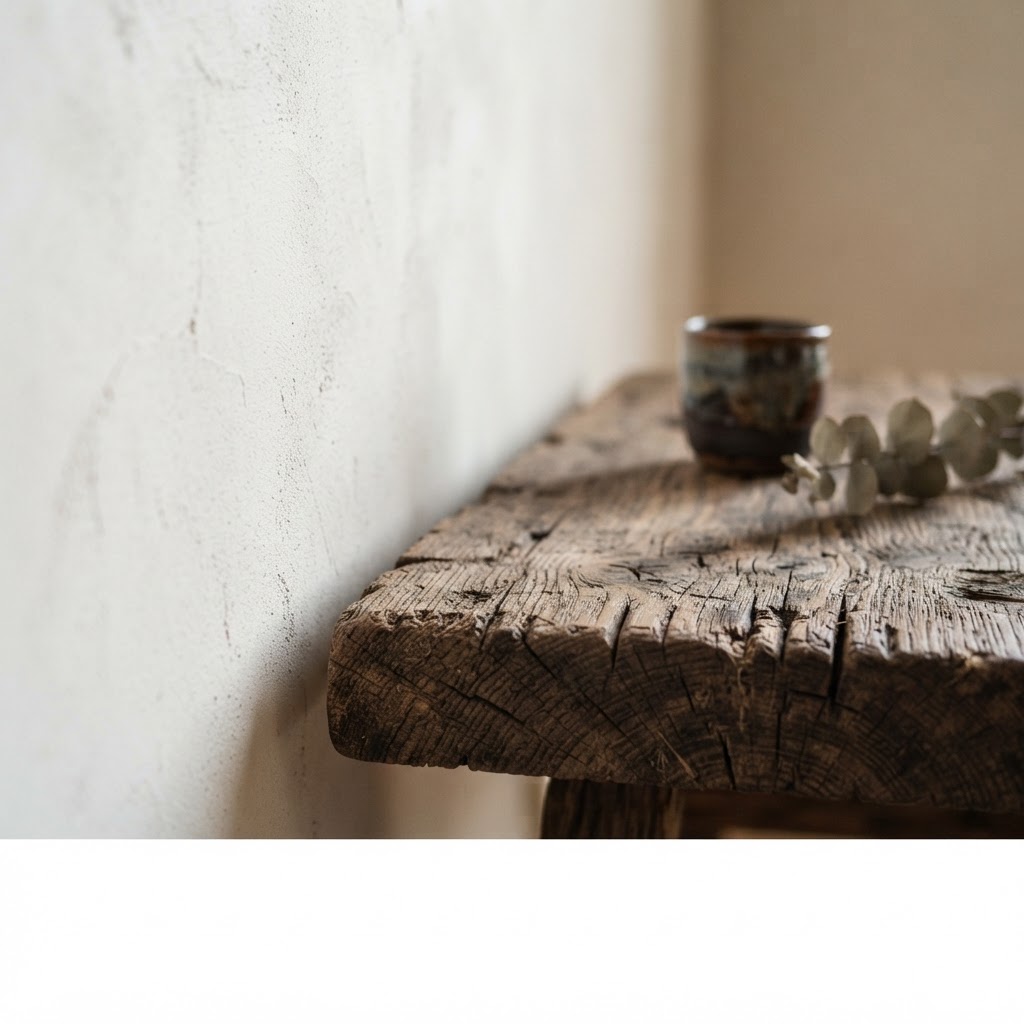
And here's what I find so fascinating about it: texture works even when everything in a room is the same color. Honestly, some of the most sophisticated interiors I've ever seen were almost entirely neutral, cream on cream on cream, and yet they felt so incredibly rich because the designer understood how to mix rough against smooth, matte against shiny, soft against structured. Color gets all the glory but texture is doing the real heavy lifting.
So before we get into the how, let's just agree on one thing. If you want your home to feel designed and intentional rather than assembled and adequate, you have to start thinking about texture as a primary tool, not an afterthought. It's the foundation. Everything else gets built on top of it.
Mixing Hard and Soft Elements
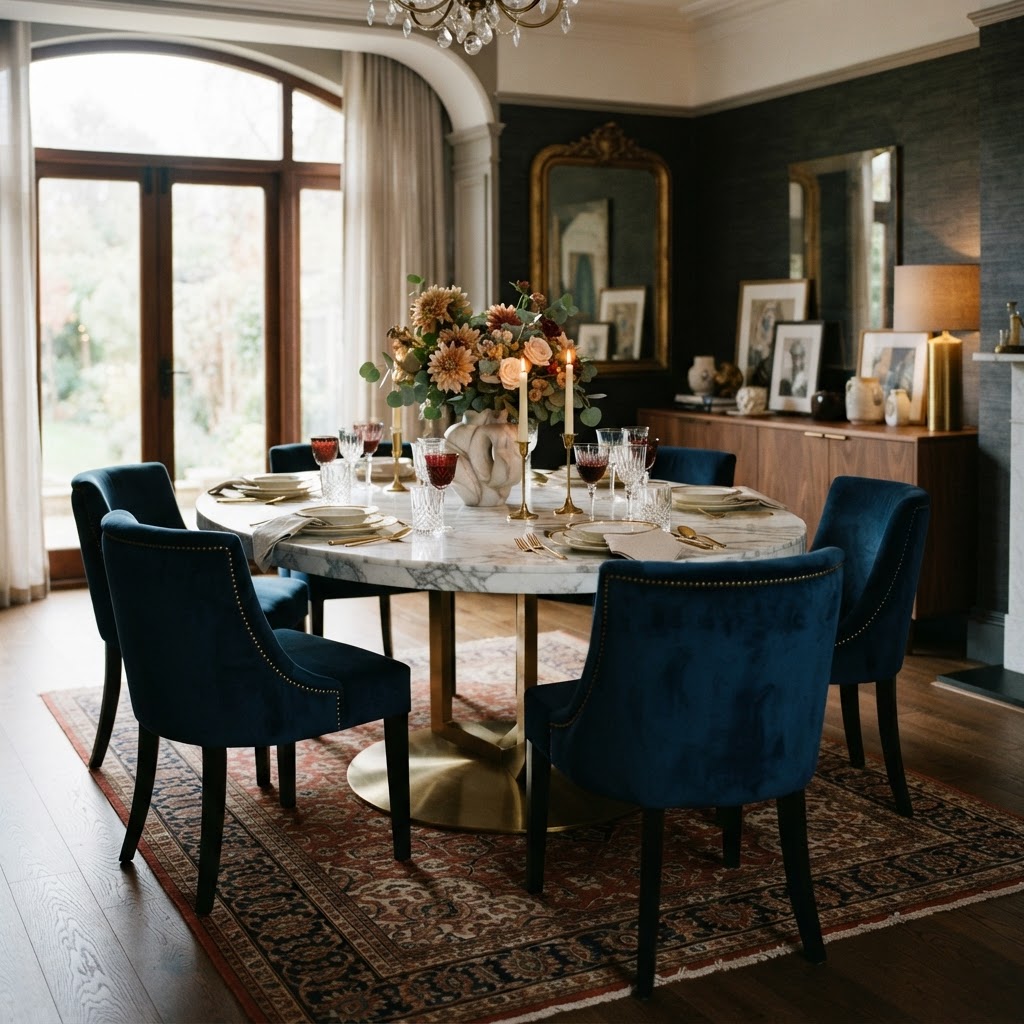
Real talk: if every surface in your room is soft and cushy, the space is going to feel like you're living inside a marshmallow. And if everything is hard and sleek and structured, it's going to feel like a showroom that nobody actually lives in. The magic is in the tension between the two. Hard and soft elements need each other. They make each other look better.
Think about a living room, for example. A concrete or stone coffee table sitting in front of a deep, linen-upholstered sofa. The hard, cool surface of the table pushes against the warmth and give of the fabric, and suddenly both of them feel more intentional. More interesting. Neither one would have that same impact on its own. This is the principle you want to carry through every single room in your home.
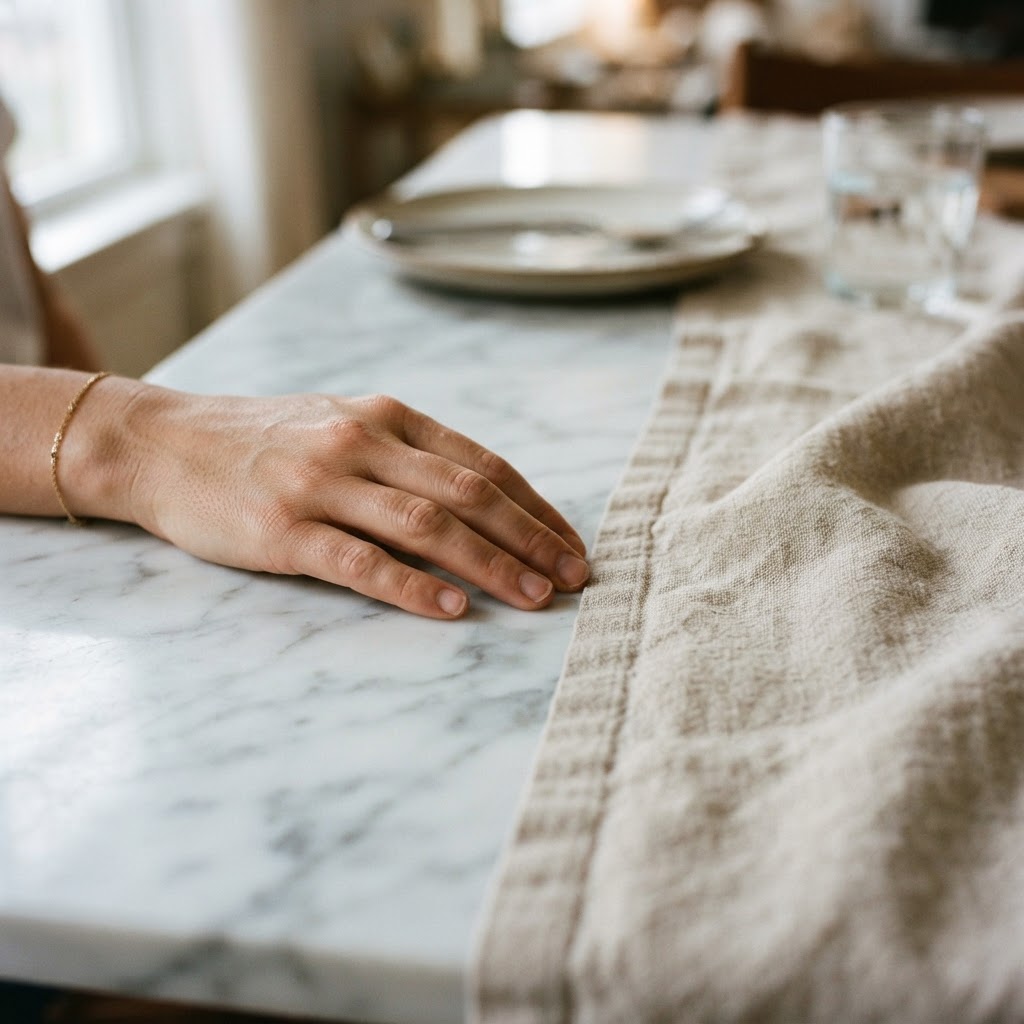
Here are some pairings that work really well and that I keep coming back to:
- Metal side tables next to upholstered chairs. The visual contrast is immediate and it works in almost any style, from industrial to traditional.
- A chunky knit throw draped over a wooden bench. The grain of the wood and the loopy softness of the knit are opposites in the best possible way.
- Ceramic vessels on raw wood shelving. The smoothness of glazed ceramics against the rougher, more organic surface of timber is a combination that feels grounded and beautiful.
- Glass pendant lights over a reclaimed wood dining table. Transparent and airy against something dense and earthy. Stunning every time.
Honestly, once you start seeing your room in terms of hard versus soft, you won't be able to unsee it. And you'll start naturally gravitating toward combinations that create that tension. Trust me on this, it becomes almost instinctive once you get the hang of it.
Textiles That Add Immediate Depth
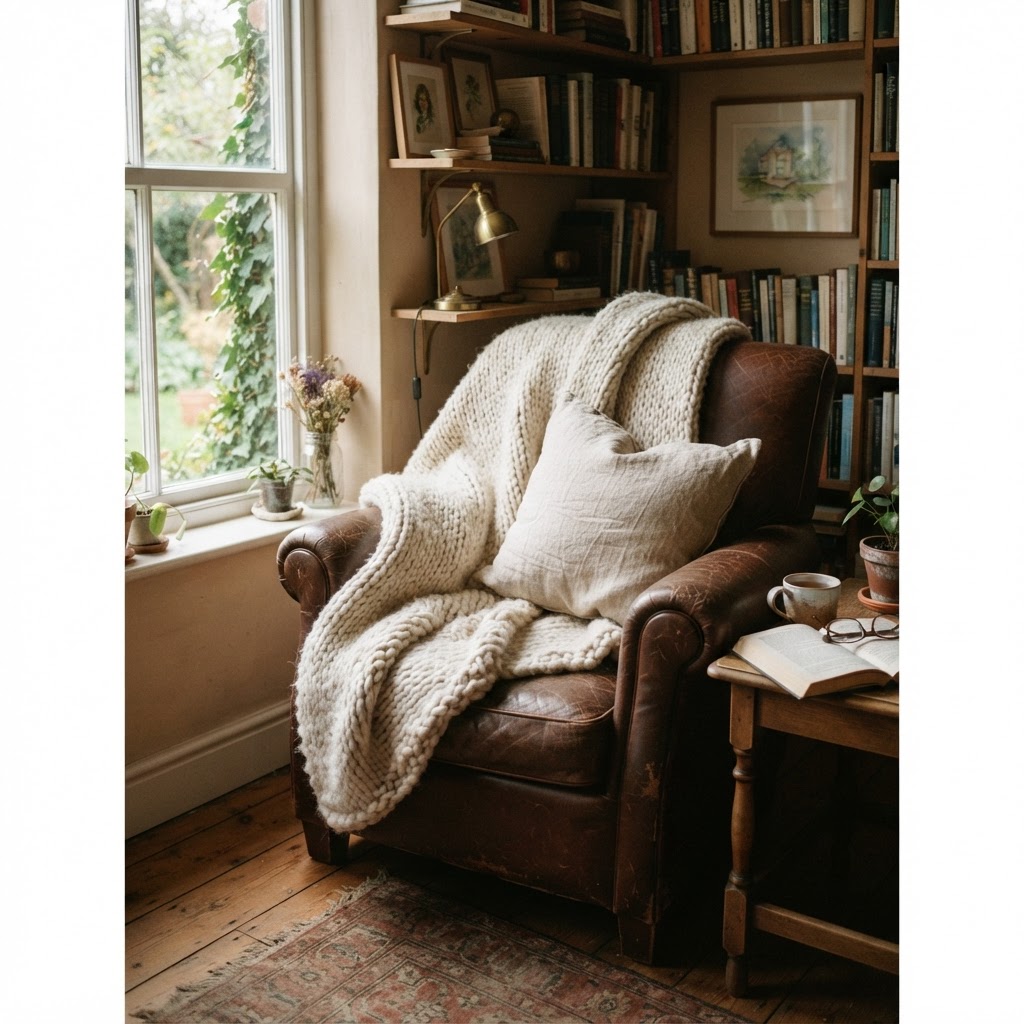
If you want one area to focus on that will give you the biggest bang for your buck, it's textiles. Rugs, curtains, cushions, throws, bedding. These are the things you can change relatively easily and affordably, and they have an enormous impact on how a room feels. Not just looks. Feels. There's a tactile dimension to a well-layered room that photographs honestly can't fully capture.
The key with textiles is to mix weaves, weights, and finishes. A room with all smooth fabrics is missing something. A room with all chunky, rough-hewn textiles can start to feel heavy and overwhelming. You want a conversation happening between the different fabrics. Velvet cushions next to a linen throw. A flat-weave rug layered under a sheepskin. Silk curtains in a room that also has a jute basket in the corner. The contrast is what creates that sense of richness.
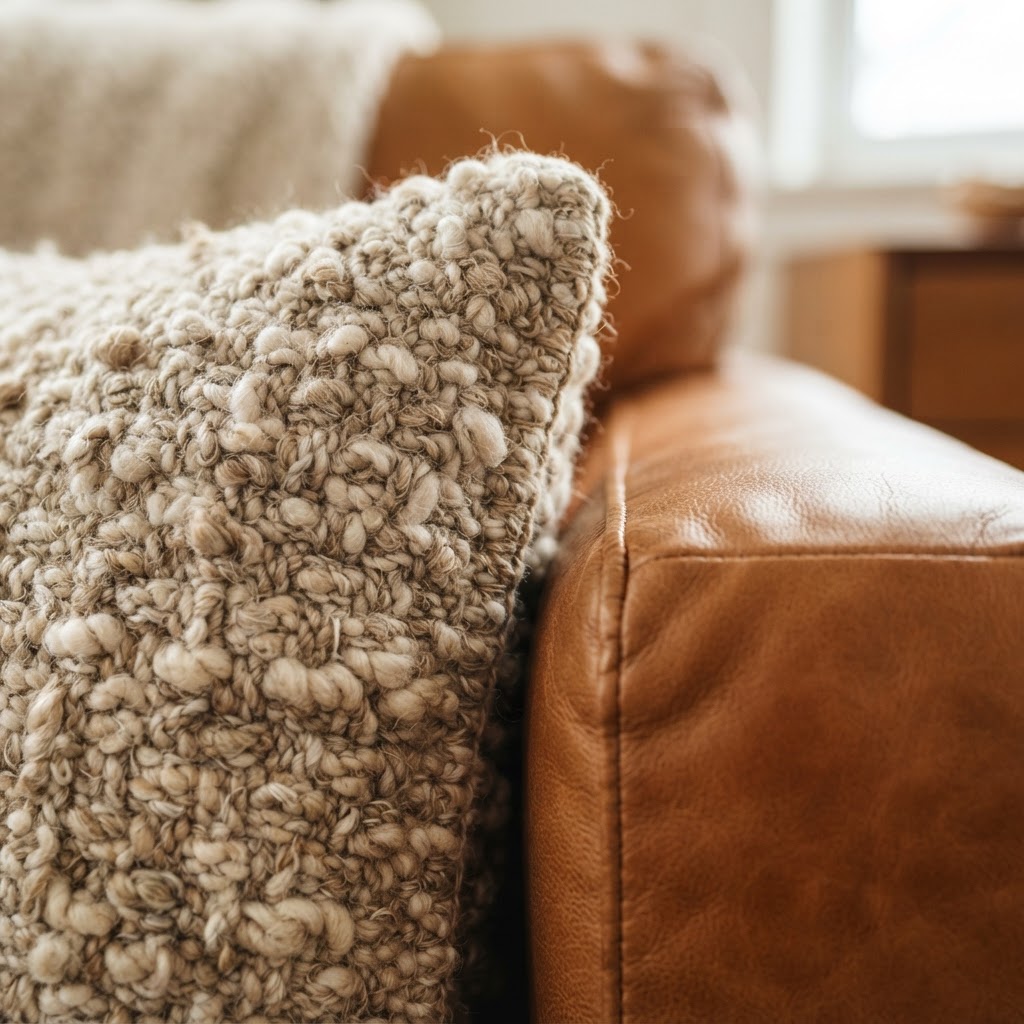
Bedrooms are where this really shines. I am a massive advocate for layering your bed with multiple textiles. Start with a fitted sheet in a high-thread-count cotton. Add a quilt or a coverlet in something with a little texture, maybe a waffle weave or a matelasse. Then add a duvet. Then throw a chunky knit blanket across the foot of the bed. Pile on pillows in different fabrics, some smooth, some linen, maybe one in a rough bouclé. It sounds like a lot but when it's done right it looks incredibly inviting. Like a bed you actually want to fall into.
"The goal isn't to match your textiles. The goal is to make them feel like they belong together, which is a completely different thing."
And don't overlook curtains. Full-length curtains in a fabric with some weight and texture, think linen, velvet, or even a loosely woven cotton, do so much for a room. They frame the windows, they soften the walls, they add vertical lines that make ceilings feel higher. A good set of curtains is worth every penny.
Bringing in Natural Materials
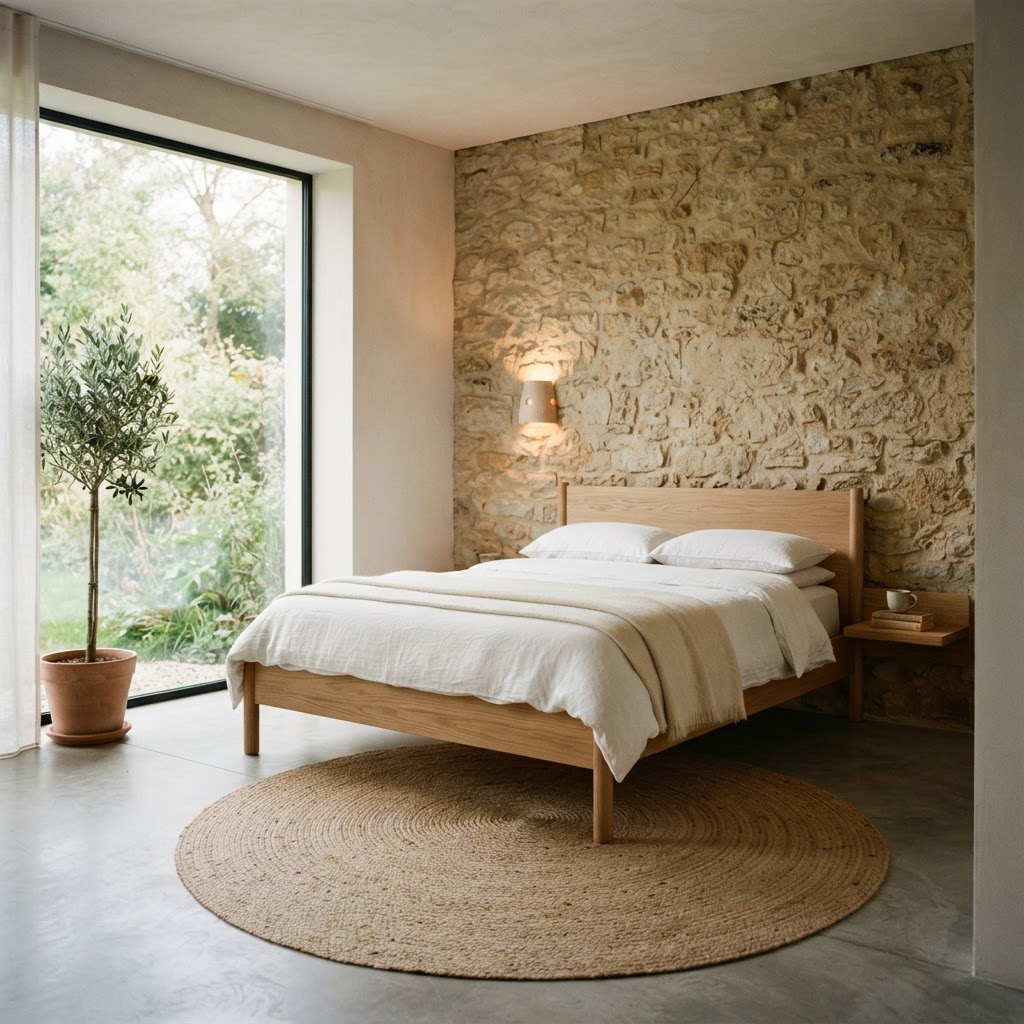
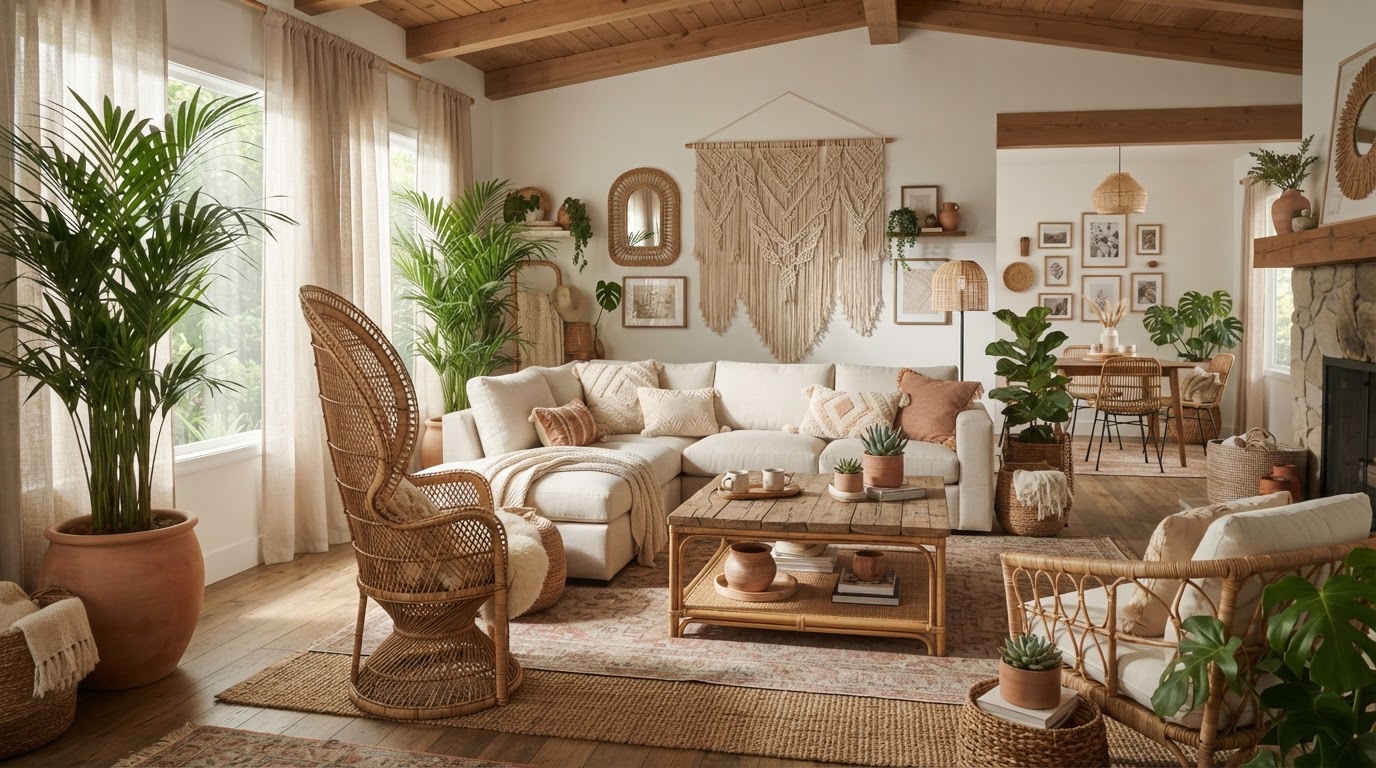
Look, there is something that natural materials do that absolutely nothing else can replicate. Wood has grain and warmth and a kind of aliveness to it. Stone is cool and weighty and ancient feeling. Rattan and cane have this gorgeous geometric texture that feels both handmade and graphic at the same time. Clay and terracotta have an earthiness to them that grounds a space in a way that feels really instinctive and right. These materials carry texture inherently. You're not adding it, you're revealing it.
The really good news is that you don't need to do a full renovation to bring natural materials into your home. Some of my favorite ways to incorporate them are actually pretty small-scale. A wooden bowl on the kitchen counter. A rattan pendant light in the dining room. A stack of river stones on a bathroom shelf. A terracotta pot holding a plant in the corner of the living room. These details accumulate and they build up that sense of layered texture without requiring you to knock down any walls.
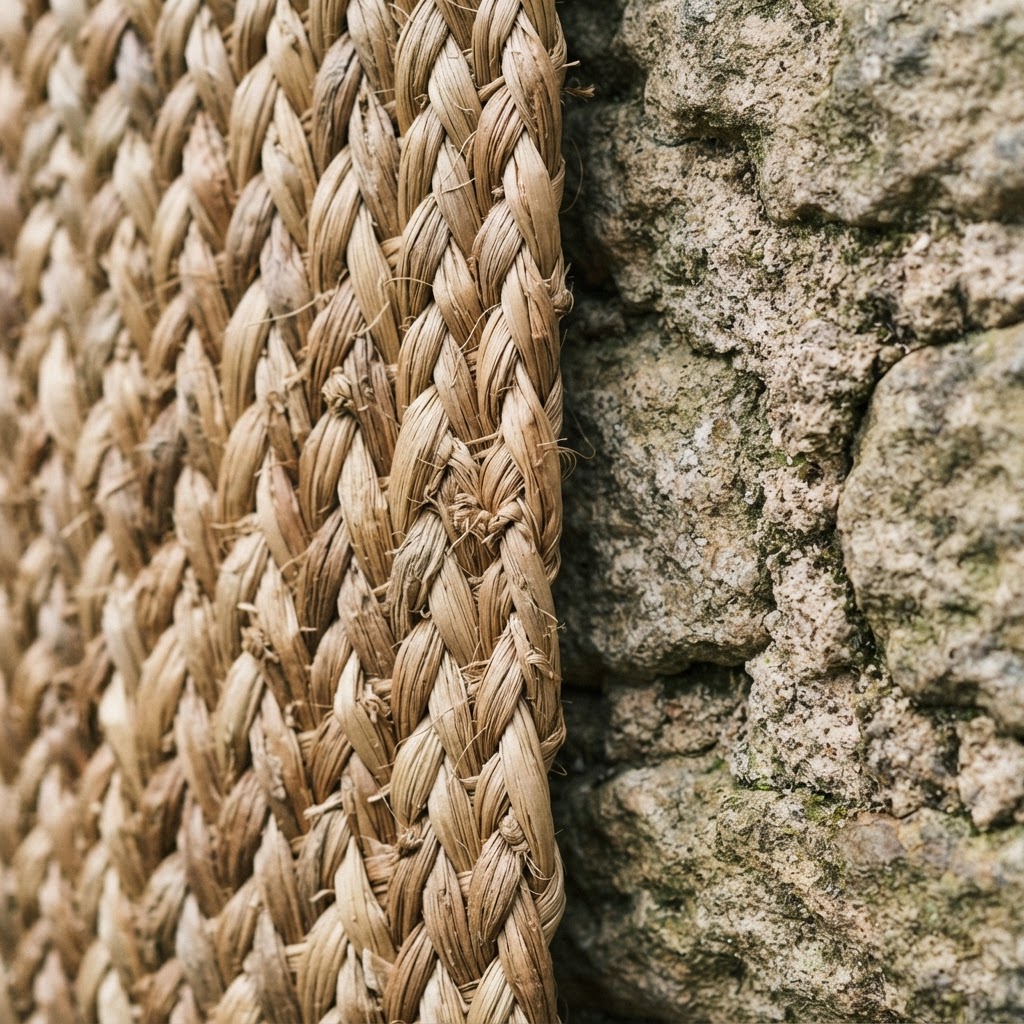
If you are doing any kind of renovation or refresh, though, I'd strongly encourage you to think about how natural materials can be incorporated at the architectural level. Exposed brick. A stone fireplace surround. Wide-plank hardwood floors. Limewash plaster on one wall. These are the kinds of things that become the permanent textural backbone of a space, the layers that everything else gets built around.
Plants also count here, and I think they're underrated as a textural element. The broad, glossy leaf of a monstera. The spiky, architectural form of a cactus. The soft, trailing fronds of a fern. Plants bring living texture into a room and they do it in a way that changes slowly over time, which makes a room feel genuinely alive. And honestly, who doesn't want that.
Balancing Glossy and Matte Finishes
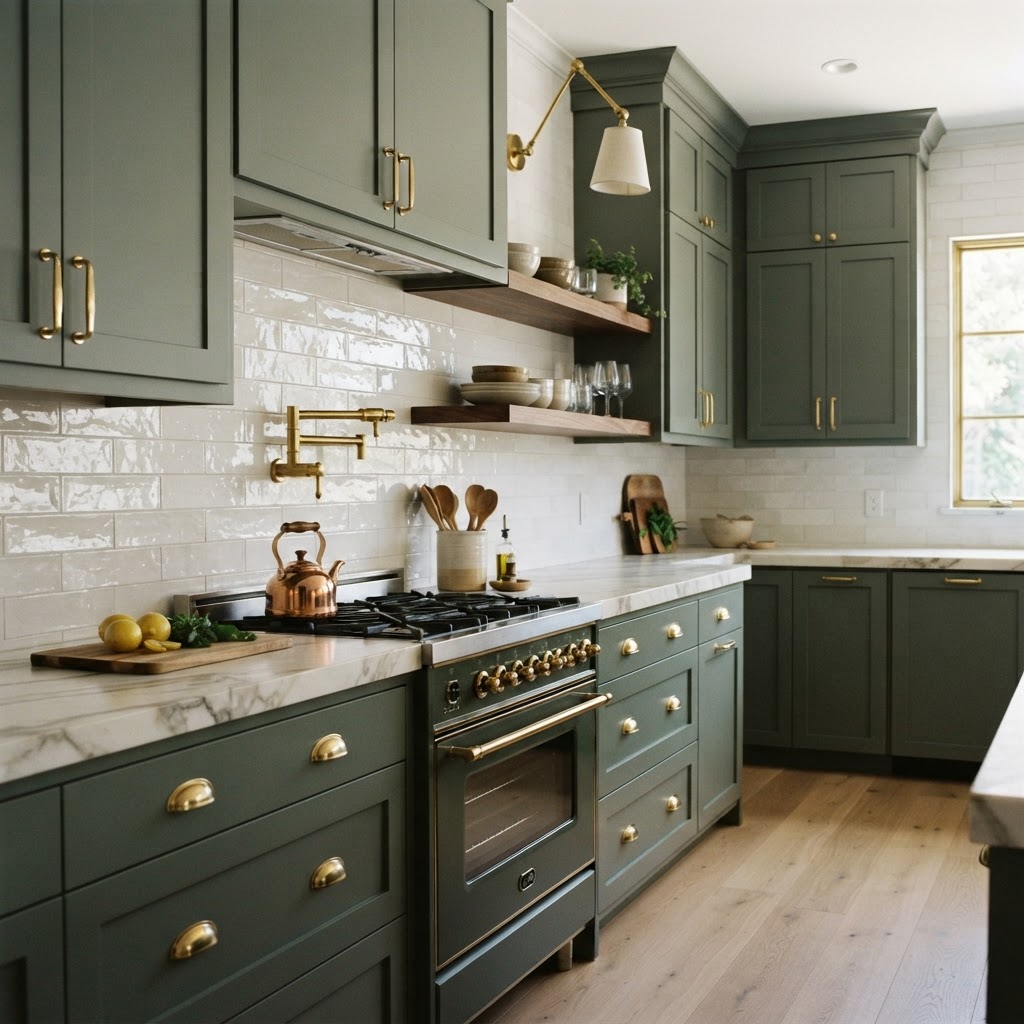
This one is subtle but it's so important, and I feel like it doesn't get talked about enough. The finish of a surface, whether it's glossy and reflective or matte and light-absorbing, is a form of texture. It changes how light moves through a room. It changes how objects feel visually. And when you mix finishes intentionally, you add a whole other layer of depth to a space.
Think about a kitchen, for instance. If every surface is matte, the whole thing can start to feel a little flat and dusty. If everything is glossy, it feels clinical and cold. But matte cabinets paired with a glossy subway tile backsplash? A honed stone countertop next to a polished chrome faucet? That's where things get interesting. The contrast between the two finishes makes each one look better. The matte surfaces feel more intentional and grounded. The glossy ones feel more lively and dynamic.
The same principle applies in every other room. Here's a quick breakdown of how to think about it:
- In living rooms, try a matte-painted wall behind a glossy lacquered console or a mirrored side table. The wall recedes and the furniture pops.
- In bedrooms, matte linen bedding with glazed ceramic lamp bases creates a lovely softness with just enough visual interest to keep things from feeling monotonous.
- In bathrooms, matte tiles with polished brass fixtures is one of the most popular combinations right now and for good reason. It's genuinely beautiful and it photographs incredibly well.
- On shelving, mix matte objects like books and unglazed ceramics with occasional glossy or metallic pieces to create rhythm and movement across the shelf.
One thing I want to be clear about: glossy doesn't mean cheap and matte doesn't mean sophisticated. Both finishes can be used elegantly or poorly. It's really about the ratio and the intention behind it. As a rough guide, let matte surfaces do most of the work and bring in glossy finishes as accents. That ratio tends to feel balanced and considered without tipping into either extreme.
And pay attention to how light changes throughout the day in your space. A glossy surface that looks great in morning light might feel overwhelming in the afternoon when the sun hits it directly. These are the details that really matter when you're making finish decisions, especially for anything permanent like tiles or cabinetry.
Final Thoughts
Layering texture is genuinely one of the most rewarding things you can do for your home. It doesn't require a big budget. It doesn't require tearing anything apart. It requires attention and intention and a willingness to think beyond color and furniture and start asking yourself how a space feels, not just how it looks.
Start small if you need to. Add a throw blanket. Swap out your cushions for ones in different fabrics. Bring in a wooden bowl or a terracotta pot. Lay a sheepskin over a bench. Each small addition builds on the last, and before you know it you'll have a room that feels layered and warm and genuinely yours.
That's what texture does. It makes a house feel like a home. And honestly, that's everything.
More in Interior
Stay Inspired
Subscribe for new essays on architecture, design, and the spaces that shape us.