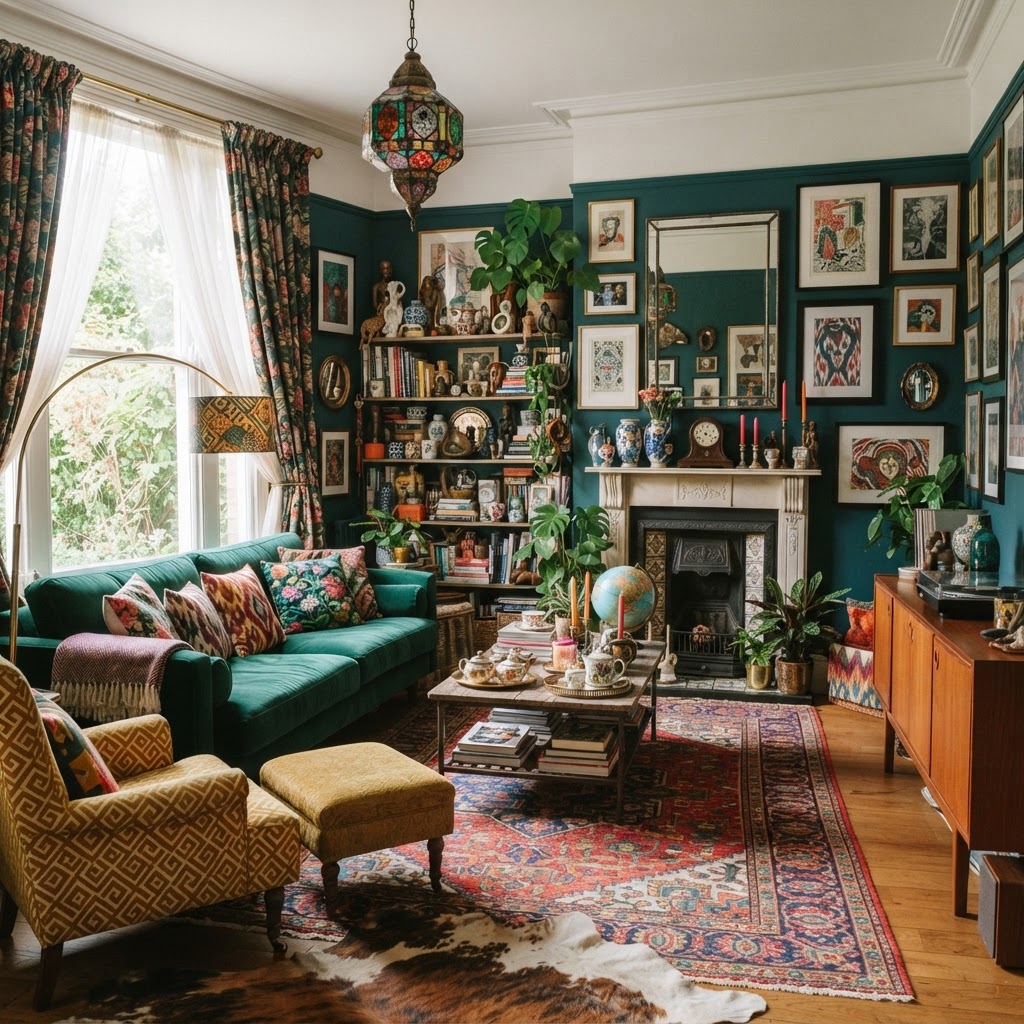
Embrace the Chaos: Your Ultimate Guide to Stunning Maximalist Interior Design
Maximalism is all about bold colors, rich textures, and an abundance of personality. If you’re ready to break free from minimalism, this guide will help you craft spaces that are expressive and uniquely yours. Let's dive into the world of maximalism and explore how to make it work in your home.
What is Maximalist Interior Design?
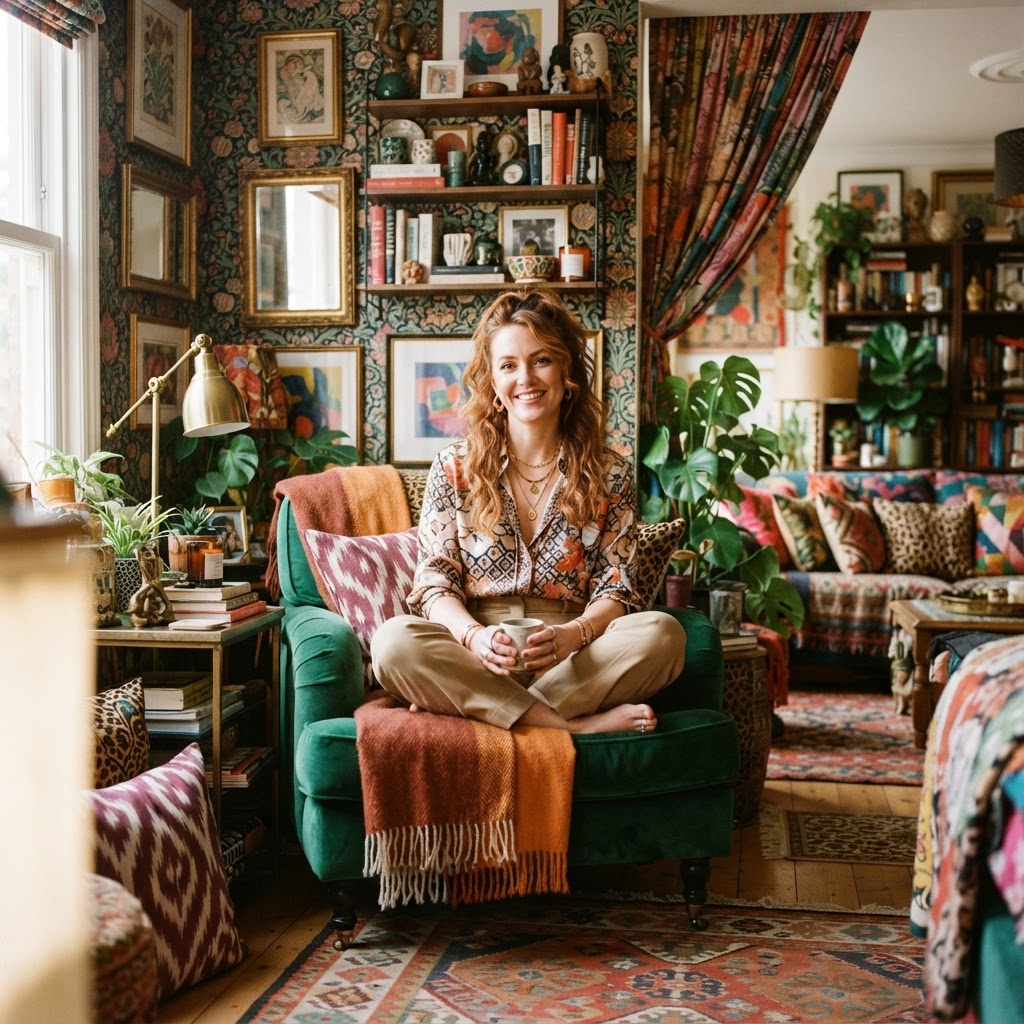
Okay, let's get one thing straight right off the bat. Maximalism is not a design accident. It is not what happens when someone forgets to edit their space or just keeps buying stuff without a plan. Real maximalist interior design is intentional, considered, and honestly, one of the most expressive ways you can decorate a home. It is the full opposite of the "less is more" philosophy, and it wears that badge with pride.
Here's the thing: minimalism has had its moment in the spotlight for a long time now. White walls, bare surfaces, a single sculptural vase. Beautiful, sure. But for a lot of us, it just doesn't feel like home. Maximalism says "more is more," and it invites you to fill your space with the things you actually love, whether that's a gallery wall of 30 framed prints, a velvet sofa in deep emerald, stacks of books, layered rugs, and collections of objects that tell your story.
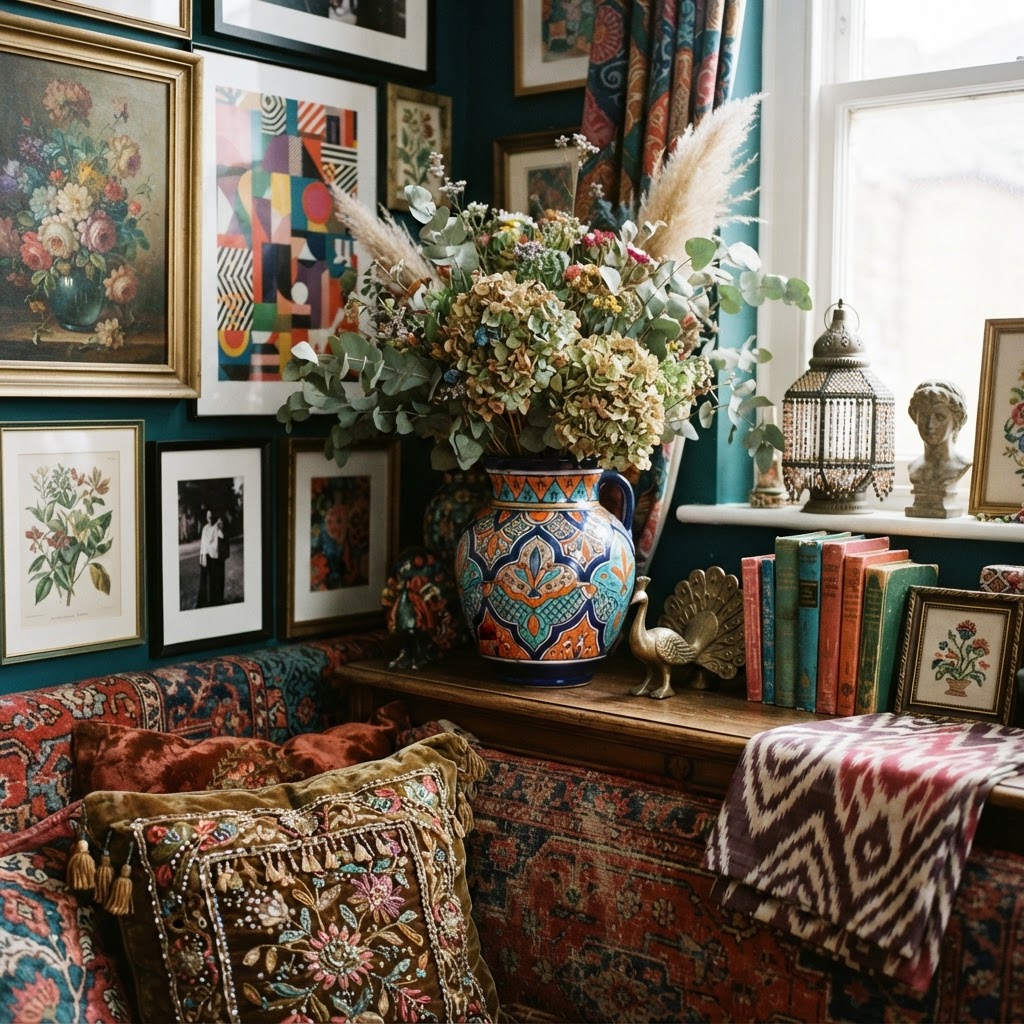
Maximalism has roots that go way back, think Victorian parlors crammed with curiosities, Baroque architecture dripping with ornamentation, the eclectic homes of artists and intellectuals throughout history. It has always been around. It just got a little overshadowed for a while. But it's back, and honestly, it never really left. The designers and homeowners who were quietly living their maximalist lives all along are finally getting their due recognition.
At its core, maximalism is about abundance and self-expression. It's the design philosophy that says your home should reflect who you are in vivid, unapologetic detail. The key difference between maximalism done well and a space that just looks cluttered comes down to one word: intention. Every item should be chosen, every color considered, every pattern deliberate. The chaos is curated. And once you understand that distinction, everything else starts to fall into place.
Key Elements of Maximalist Design
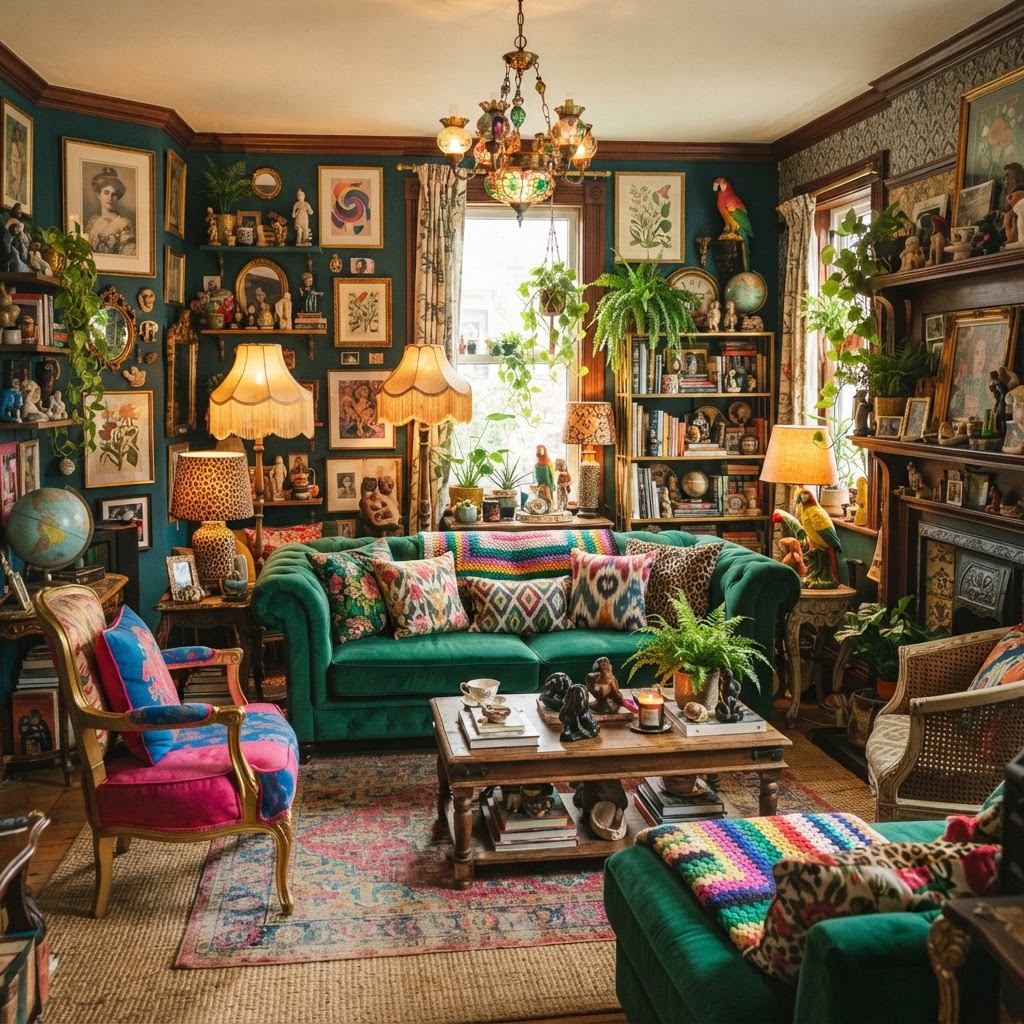
So what actually makes a space feel maximalist rather than just messy? There are a handful of core elements that show up again and again in the best maximalist interiors, and getting familiar with them is genuinely the fastest way to start building your own version of this aesthetic. Let's dig in.
Layering is probably the single most important concept to understand. In a minimalist space, you have one rug, one sofa, maybe one piece of art. In a maximalist space, you layer. You put a smaller rug on top of a larger one. You stack throw pillows in different sizes and fabrics. You hang art in clusters rather than isolating a single piece. Layering creates depth and richness, and it's what gives a maximalist room that feeling of warmth and complexity that you just can't achieve any other way.
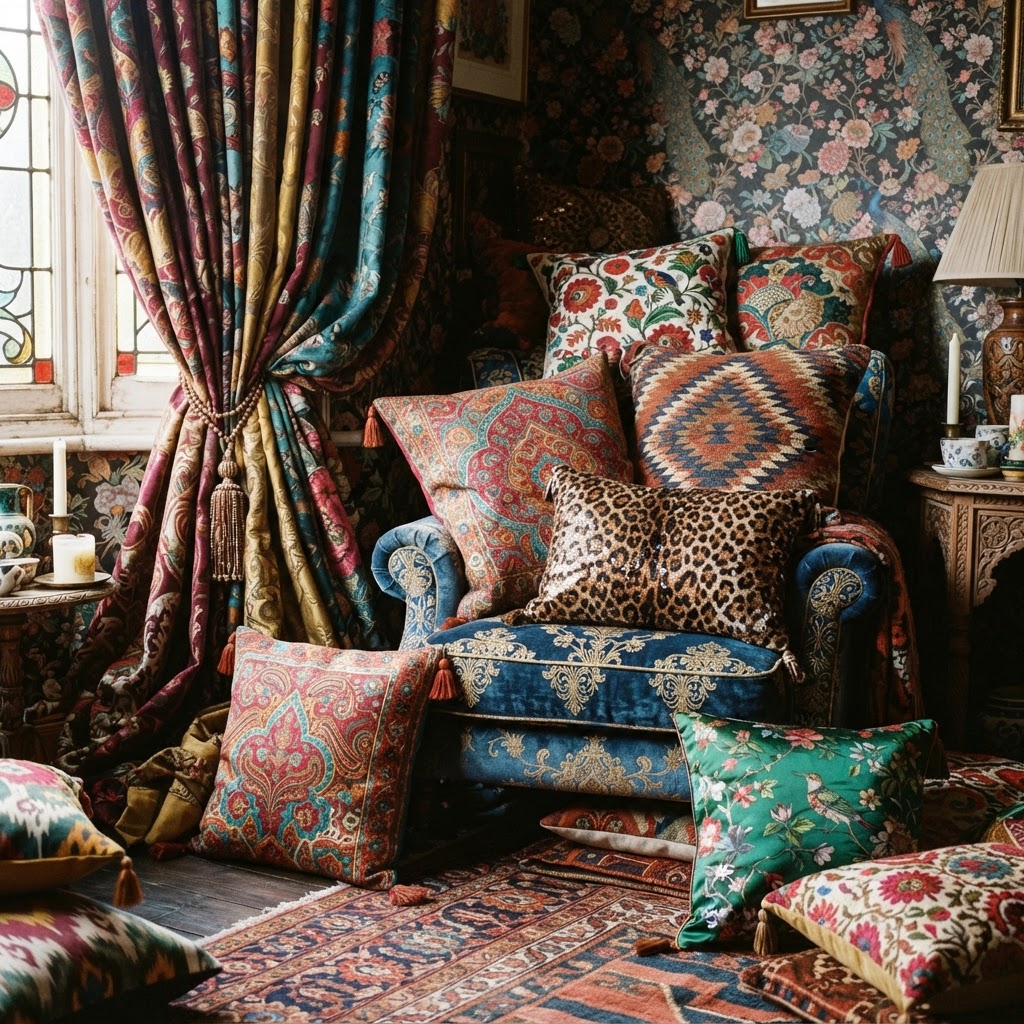
Then there's texture. Maximalist spaces love texture. Velvet sofas, fringed lampshades, rattan side tables, silk curtains, woven baskets, shaggy rugs. The more tactile variety you bring into a room, the more interesting it becomes. Texture is also what saves a maximalist space from feeling flat or overwhelming, because even when you've got a lot going on visually, varied textures give the eye places to rest and explore.
- Bold statement furniture: Think oversized sofas, ornate headboards, or a dining table with serious visual weight. In maximalism, furniture is not background noise. It's part of the show.
- Collections on display: Books, ceramics, vintage finds, travel souvenirs. Maximalism celebrates the things you've gathered over time and puts them front and center.
- Dramatic lighting: A chandelier dripping with crystals, a cluster of pendant lights, a floor lamp with an oversized shade. Lighting in a maximalist room should feel theatrical.
- Art everywhere: Walls, shelves, even leaning against the baseboard. Maximalism treats art as essential, not optional.
- Pattern mixing: More on this in the next section, but pattern is absolutely a key element and possibly the most misunderstood one.
One thing I always tell people when they're starting out with maximalism is to think about the overall cohesion of the space. Even when there's a lot going on, a maximalist room should feel like it has a point of view. That might come from a consistent color story, or from a unifying theme like botanicals or Art Deco, or simply from the collector's taste running through every choice. Without some thread connecting everything, a room tips from maximalist into chaotic. And trust me on this, there's a real difference.
How to Mix Patterns Like a Pro
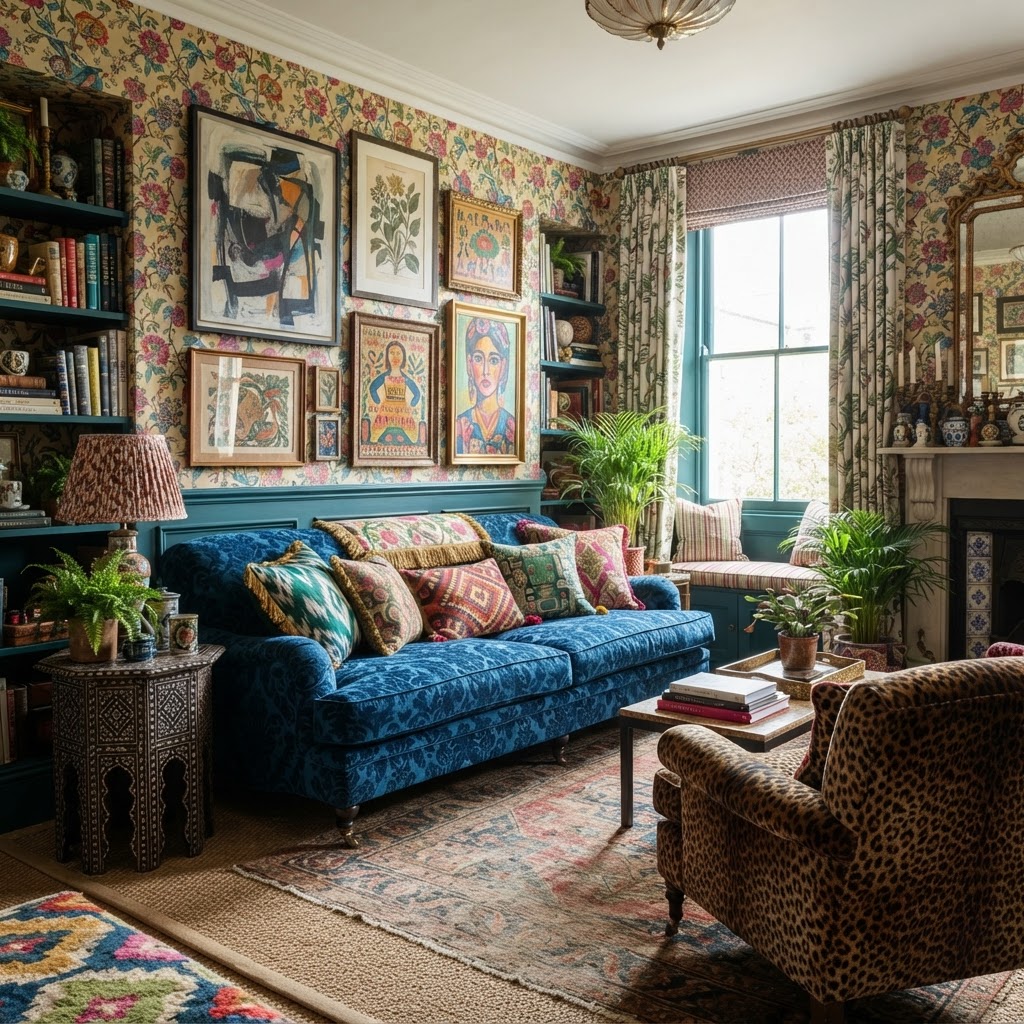
Pattern mixing is the part of maximalist design that intimidates people the most, and honestly, I get it. When you're staring at a floral pillow, a striped throw, and a geometric rug, trying to figure out if they can live together peacefully, it can feel completely overwhelming. But here's the thing: there are actual rules to mixing patterns, and once you know them, it becomes genuinely fun rather than stressful.
The golden rule is to vary the scale. If you're going to mix patterns, make sure they're different in size. A large-scale floral, a medium-scale stripe, and a small-scale geometric can absolutely share a space because they're each operating at a different visual frequency. When you put two patterns of the same scale together without anything to differentiate them, they fight for attention and neither one wins. Vary the scale and you give each pattern room to breathe.
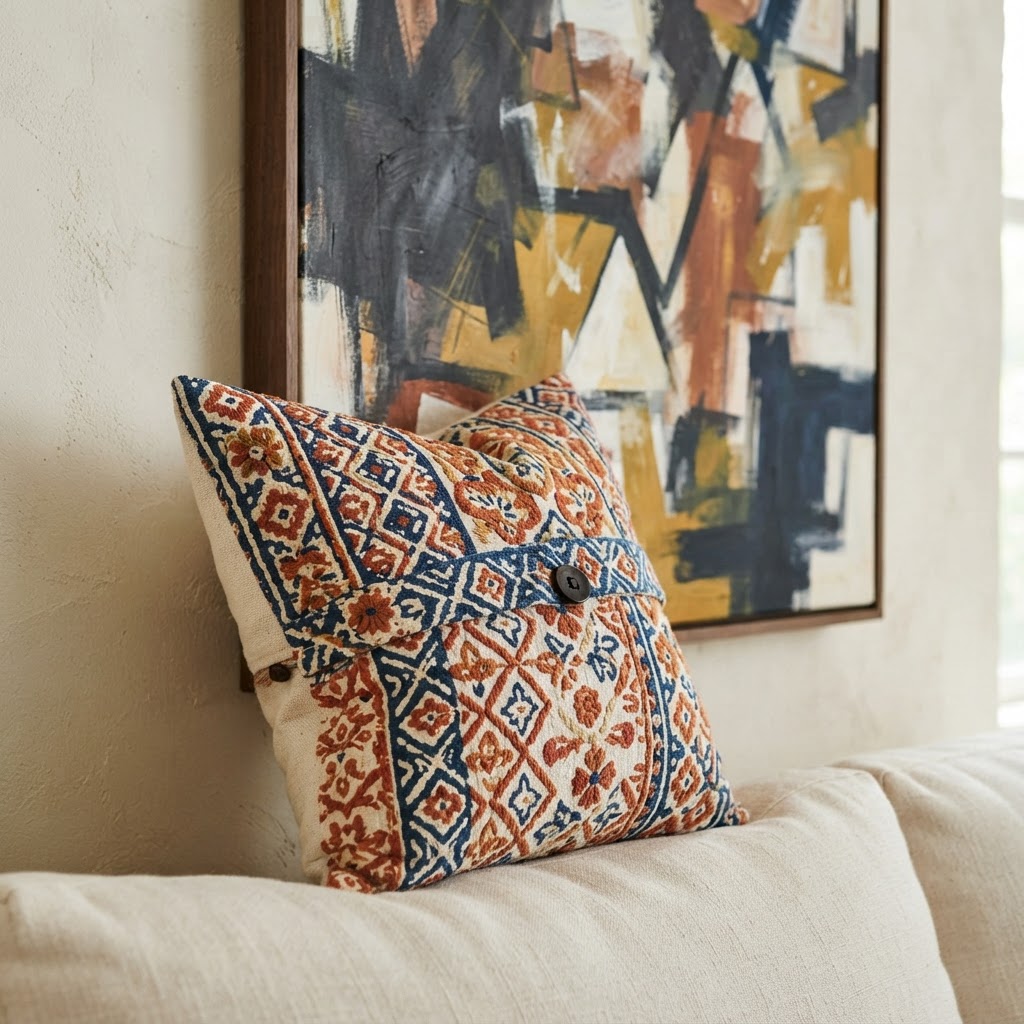
The second rule is to find a shared color. This is honestly the secret sauce of pattern mixing. When your floral has hints of terracotta and your geometric also has terracotta running through it, they feel connected even though they're totally different patterns. You don't need matching colors, you just need a thread. Pull a color from one pattern and make sure it shows up somewhere else in the room, and suddenly the whole thing starts to feel intentional rather than accidental.
Real talk: don't be afraid to use a solid as a bridge. Not every piece in a maximalist room needs to be patterned. A solid-colored sofa in a rich jewel tone can anchor a room full of busy patterns and give your eyes a place to settle. Solids are not the enemy of maximalism. They are actually one of its most useful tools. Think of them as the pause between sentences, necessary for the whole thing to make sense.
And finally, mix pattern types rather than just mixing colors. Organic patterns like florals and botanical prints tend to play well with geometric patterns like stripes, checks, or lattice designs. The contrast between structured and free-form shapes creates a visual tension that's exciting rather than jarring. Some of the most stunning maximalist rooms I've ever seen have combined vintage chinoiserie with bold graphic stripes, and it works because the shapes are so different they end up complementing each other perfectly.
Color Palettes that Pop
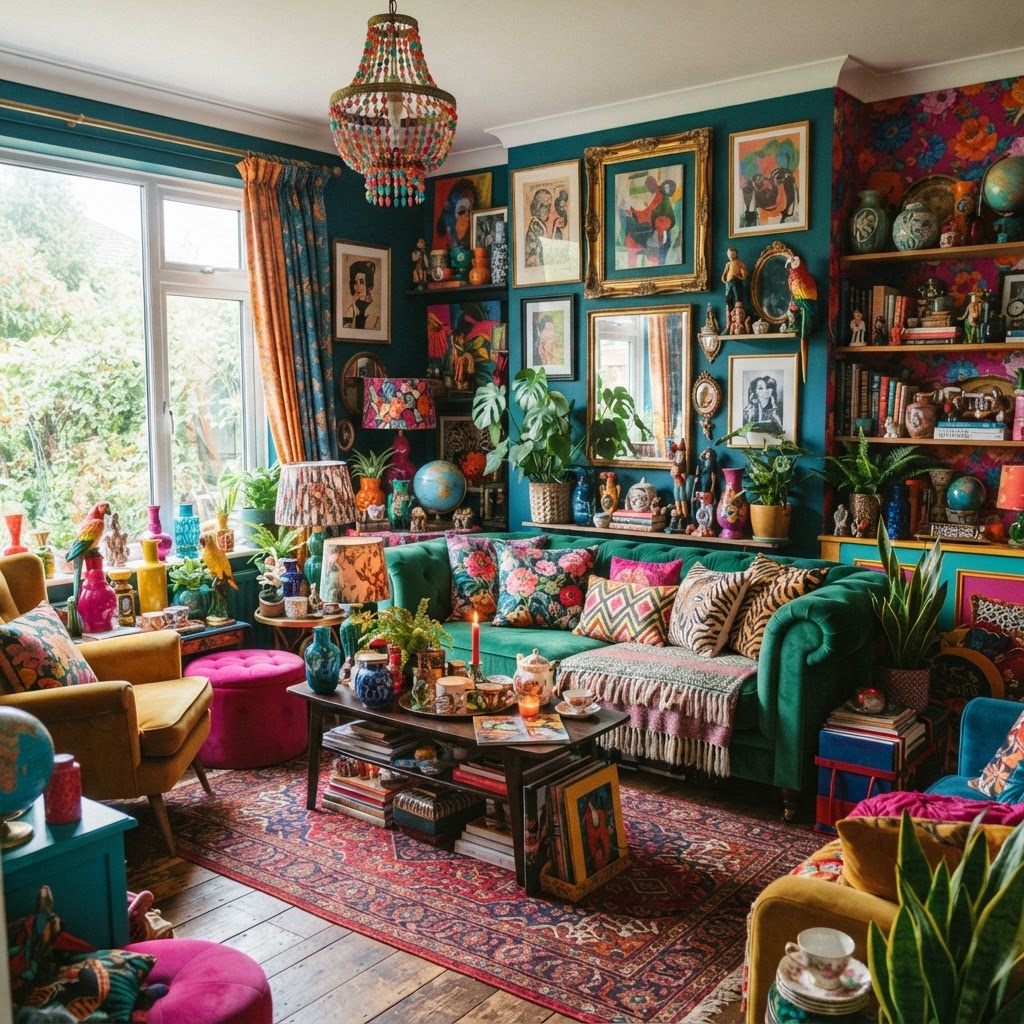
Color is where maximalism really gets to flex. While minimalism often leans on neutral tones to create calm and cohesion, maximalism embraces color with open arms. Deep jewel tones, warm earth hues, unexpected color combinations, and rooms where every wall might be a different saturated shade. It can feel daunting, but honestly, once you understand a few basic principles, building a maximalist color palette becomes one of the most satisfying parts of the whole design process.
Jewel tones are basically the unofficial colors of maximalism. Sapphire blue, emerald green, amethyst purple, ruby red, amber gold. These colors have depth and richness that makes them feel luxurious even when you're working with budget-friendly pieces. A deep teal velvet sofa instantly looks expensive. A bedroom painted in rich plum with gold accents feels like a jewel box. Jewel tones work in maximalism because they have enough visual weight to hold their own in a busy, layered space.
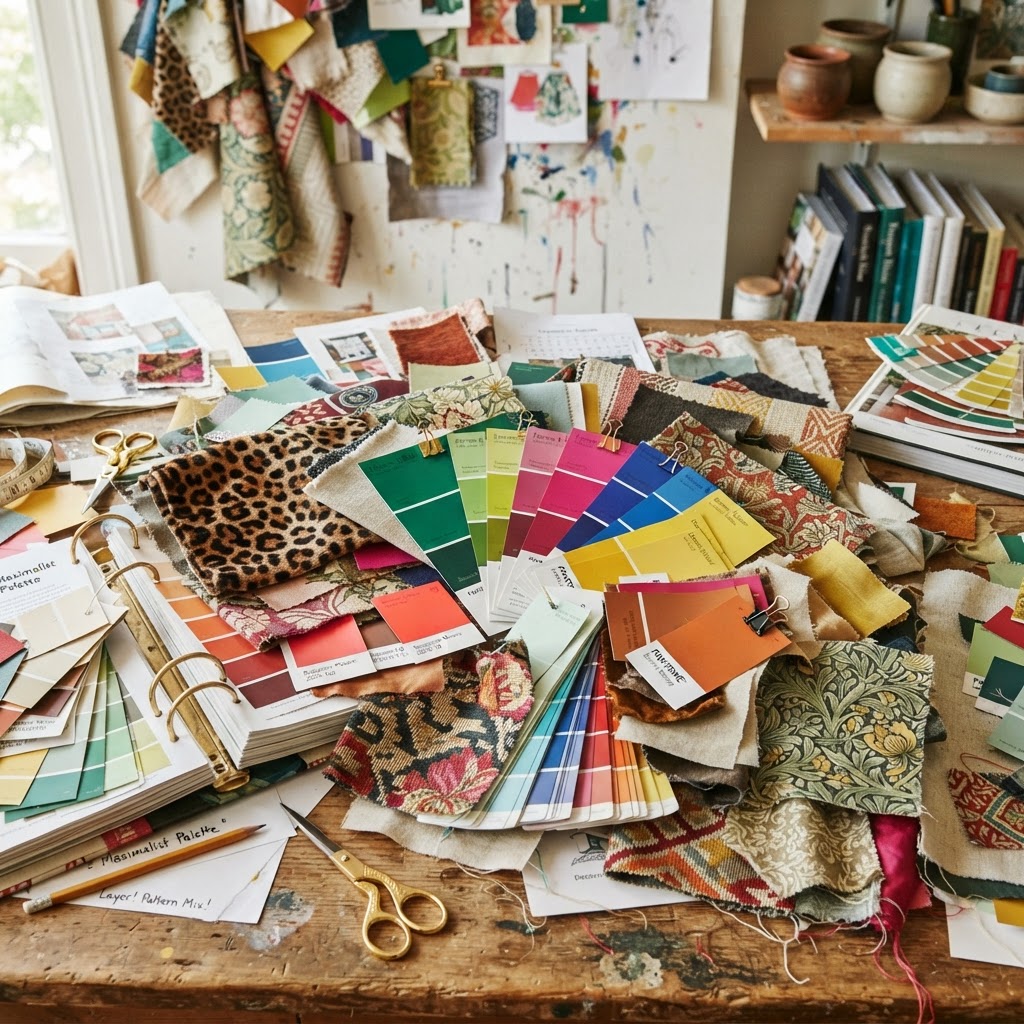
But maximalism isn't only about dark jewel tones. There's a whole world of warm, saturated maximalism that leans into terracotta, saffron, forest green, and burnt sienna. Think of the interiors of Moroccan riads or the colorful homes of Frida Kahlo. These warmer palettes feel earthy and enveloping rather than dramatic, and they're especially beautiful in spaces that get natural light.
"The secret to a successful maximalist color palette is not using every color at once. It's finding colors that belong to the same family of feeling and letting them fill the room together."
Look, the one color rule I'd give anyone going maximalist is this: pick an anchor color and come back to it everywhere. If your anchor is forest green, you might have a green sofa, green tiles in the kitchen, green plants throughout, a green throw pillow on a chair in the bedroom. It doesn't have to be exact, it can shift in shade and tone, but that thread of green running through the whole home is what makes it feel designed rather than chaotic. Everything else can be bold and varied as long as that anchor color keeps showing up to hold it together.
Personalizing Your Maximalist Space
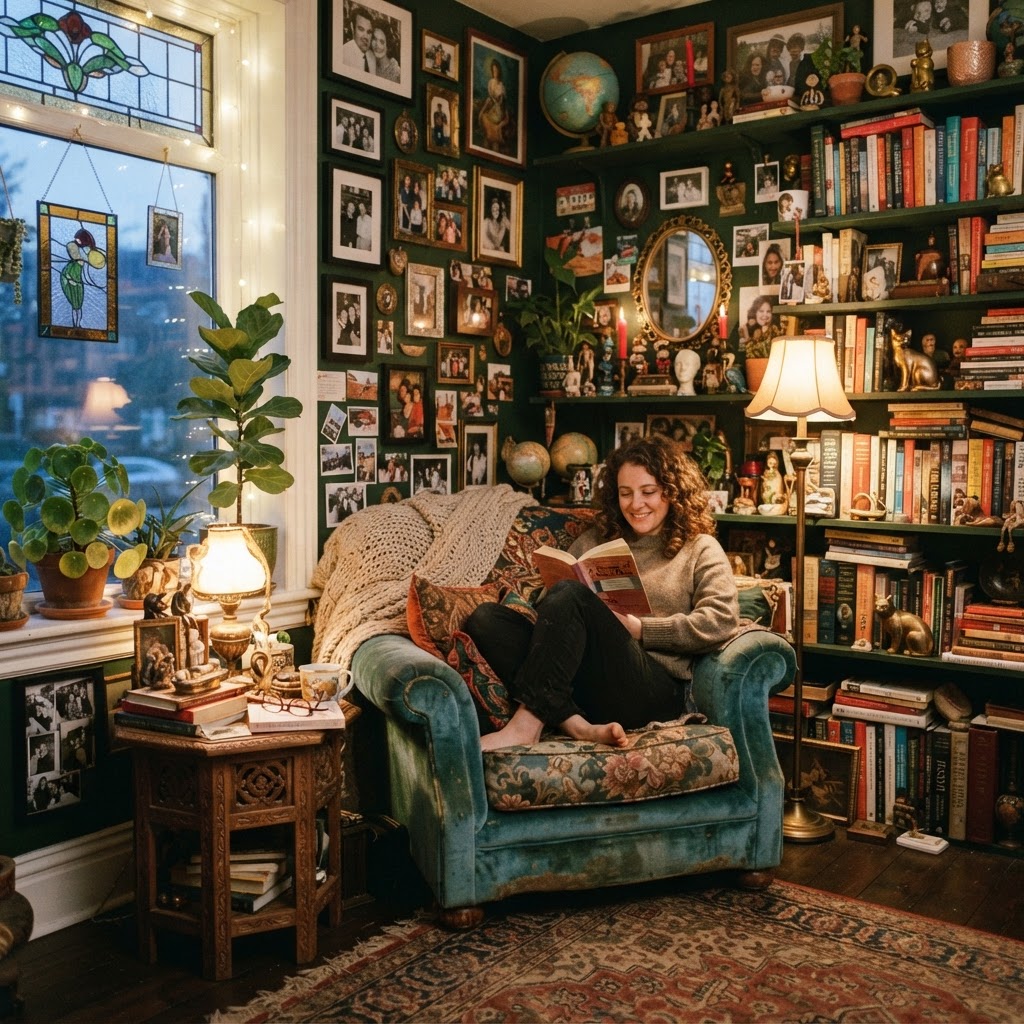
This is honestly my favorite part of the whole guide, because personalization is where maximalism completely separates itself from every other design style. You can achieve minimalism by following a fairly strict formula. But you cannot achieve real maximalism by following someone else's blueprint, because maximalism is fundamentally about you. Your collections, your memories, your obsessions, your history. It is the most personal design style there is, and that's exactly what makes it so compelling.
Start by thinking about the things you genuinely love and collect, even if you've never thought of them as "collections" before. Maybe you have a tendency to pick up interesting rocks and shells from every trip you take. Maybe you've got a pile of vintage cookbooks you can never stop buying. Maybe you collect ceramics from local potters, or vintage band posters, or antique mirrors. Whatever it is, lean into it. Maximalism says those things deserve to be displayed, celebrated, and built around rather than hidden away.
One of the most powerful ways to personalize a maximalist space is through a gallery wall. And I don't mean a perfectly curated grid of matching frames in the same color. I mean a real, lived-in gallery wall where a vintage portrait from a flea market hangs next to a photo your kid drew, next to a textile you brought back from Mexico, next to a mirror, next to a postcard you've had since college. The mix of scales, frames, and subject matter is what gives it character. That wall tells a story, your story, in a way that no carefully coordinated set of prints ever could.
Travel and culture are also huge sources of maximalist inspiration and personalization. The most stunning maximalist homes I've ever seen feel like they've been assembled over decades of living, traveling, and collecting. Kilim rugs from Turkey, lacquerware from Japan, hand-embroidered textiles from India, woven baskets from West Africa. These pieces bring color, pattern, texture, and meaning all at once. And they make a space feel rich in a way that has nothing to do with money spent and everything to do with life lived.
Don't underestimate the power of books, either. A maximalist home almost always has books everywhere, not just on shelves but stacked on side tables, piled on the floor, tucked into every available surface. Books add color, texture, and an immediate sense of intellectual warmth to a space. Arrange them by color if you want a more graphic look, or leave them in their natural chaos if that feels more authentic. Either way, they're one of the easiest and most affordable ways to add that layered, lived-in maximalist feeling to any room.
Final Thoughts
Maximalist design is not for everyone, and that's perfectly fine. But if you've ever walked into a beautifully decorated, wildly layered, color-drenched room and felt your heart lift a little, then you probably have a maximalist soul. And you deserve a home that reflects that.
The most important thing to remember is that maximalism is not about accumulating stuff. It's about creating a space that is deeply, authentically yours. Every pattern, every color, every collected object should be something you genuinely love. When that's the foundation, the abundance feels intentional and joyful rather than overwhelming.
Start small if you need to. Add a bold rug, hang more art, pull out those collections you've been keeping in boxes. Layer a little more than feels comfortable, because honestly, maximalism almost always wants you to go one step further than your instincts tell you to. Trust the process, trust your taste, and embrace the beautiful, expressive chaos of a home that truly looks like you.
More in Interior
Stay Inspired
Subscribe for new essays on architecture, design, and the spaces that shape us.