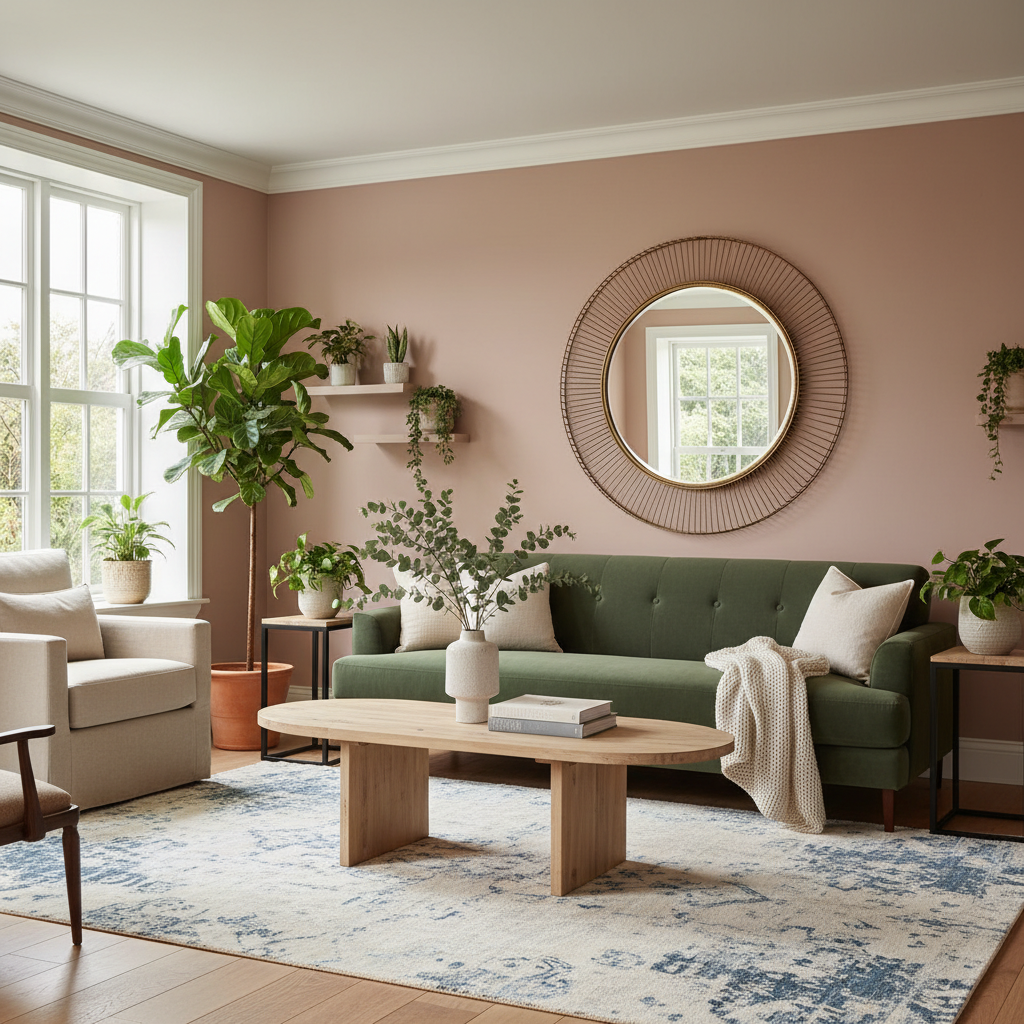
Transform Your Space: How Mirrors Can Change a Room's Vibe
Mirrors are more than just reflective surfaces; they can completely transform the feel of a room. Discover how the right mirror placement and style can enhance light, space, and decor in any area of your home.
1. The Magic of Light: How Mirrors Amplify Natural Brightness
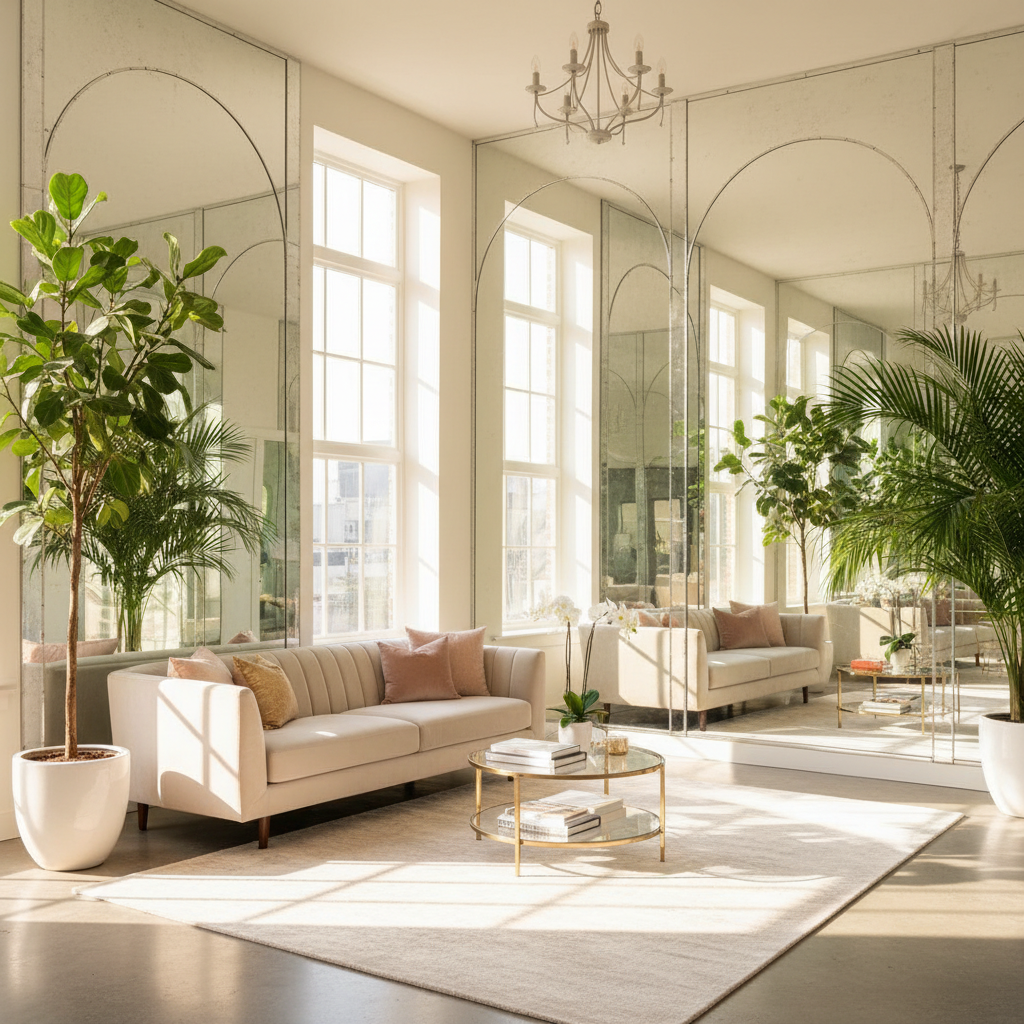
Honestly, one of the most underrated tricks in interior design is also one of the simplest. You want more light in a room? Put up a mirror. That's it. That's the whole secret. But of course, there's a bit more nuance to it than just slapping a mirror on any random wall and calling it a day.
Here's the thing about natural light: it's precious, it's free, and most of us don't have nearly enough of it in our homes. North-facing rooms, apartments with small windows, basement conversions, that one hallway that always feels like a cave no matter what time of day it is. Mirrors solve all of this. When you place a mirror directly opposite or at an angle to a window, you're essentially doubling your light source. The mirror catches the sunlight or daylight coming in and throws it back into the room, reaching corners and walls that the original light source never could.
The placement is everything, though. A mirror hung too high or too low just won't do the job properly. You want the reflective surface to be capturing the window itself, not the ceiling or the baseboard. Interior designers will tell you to literally stand in the spot where you're thinking of hanging the mirror and look at what it reflects. If you can see the window or the sky in its reflection, you're golden. If you're seeing your own knees, move it up.
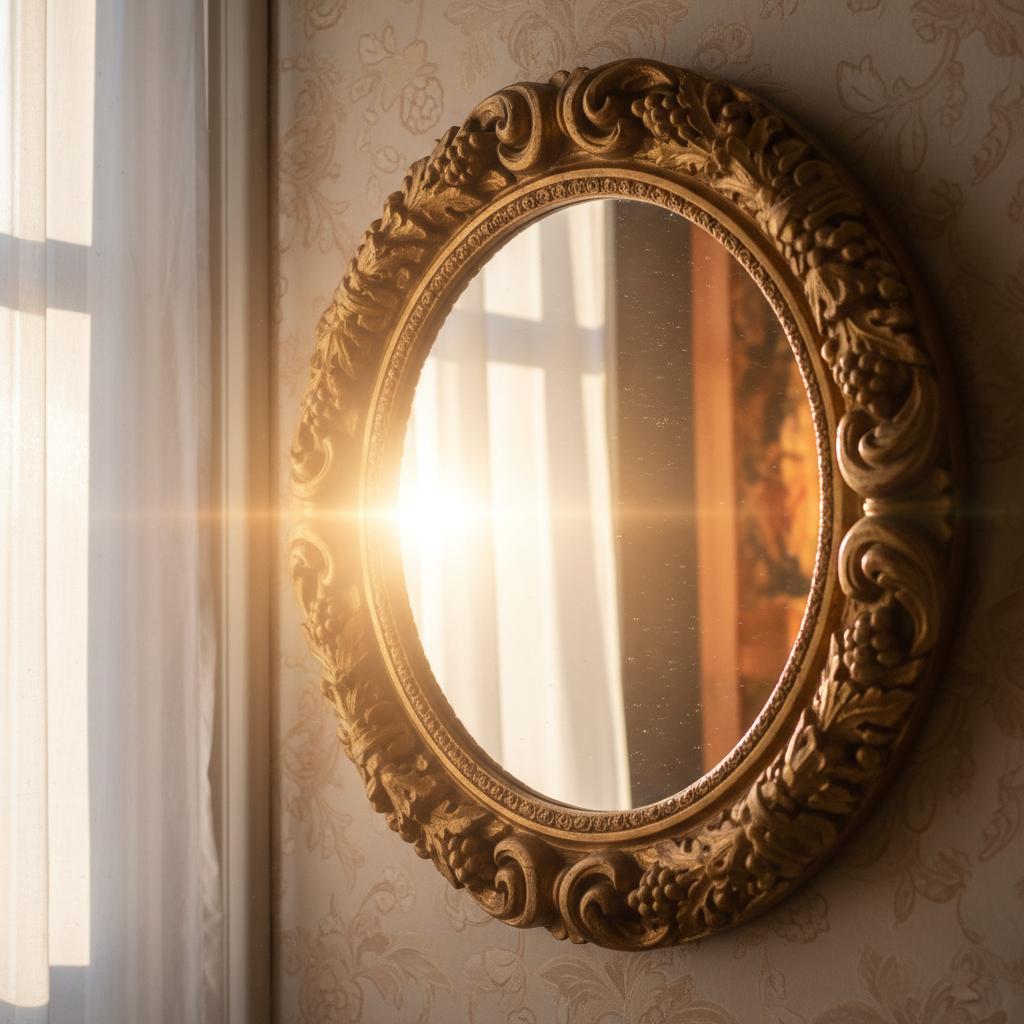
Size matters here too. A small decorative mirror will brighten things up a little, sure. But a large mirror, something that covers a significant portion of a wall, can genuinely transform the atmosphere of a room. Think about the grand hallways in old French chateaux with their floor-to-ceiling mirrors. That wasn't just about looking glamorous (though it definitely was that too). It was functional. Those spaces were lit by candles and fireplaces, and mirrors multiplied that warmth tenfold.
And here's a bonus tip that most people don't think about: mirrors don't just work with natural light. They amplify artificial light too. A mirror placed near a lamp or a set of sconces will make your evening lighting feel softer, warmer, and more generous throughout the space. It's one of those design moves that works around the clock, literally.
2. Creating the Illusion of Space: Mirrors in Small Rooms
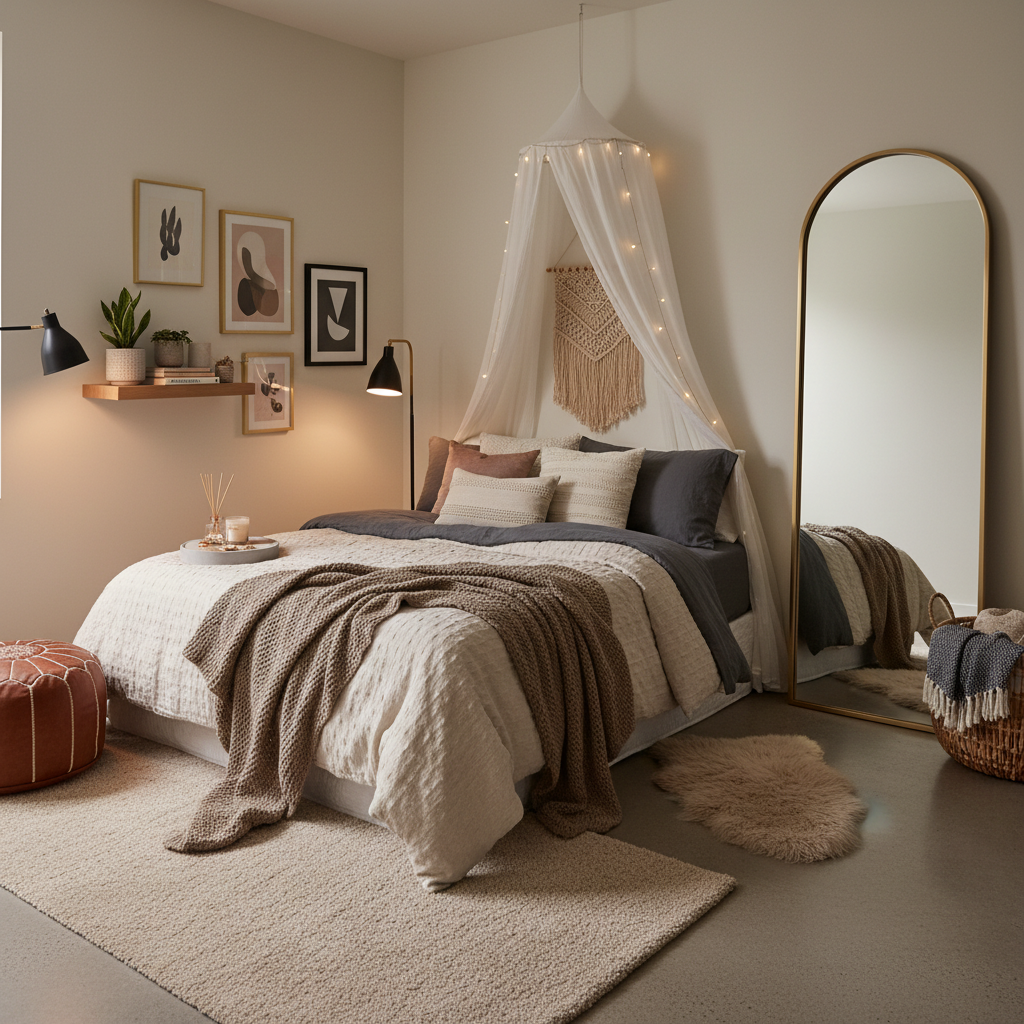
Real talk: living in a small space is tough. Whether it's a studio apartment, a tiny bedroom, or a narrow galley kitchen, the feeling of being cramped is genuinely exhausting. And while you can't knock down walls (most of the time), you can absolutely trick the eye into perceiving more space than there actually is. Mirrors are your best friend here.
The psychology behind this is pretty fascinating. Our brains interpret reflections as actual depth. When you look into a mirror on a wall, your brain registers what it sees as a continuation of the room. So a mirror on one end of a narrow hallway makes that hallway feel twice as long. A large mirror on a bedroom wall makes the room feel like it extends further than it does. It's not magic exactly, it's just how our visual perception works, and smart designers exploit this all the time.
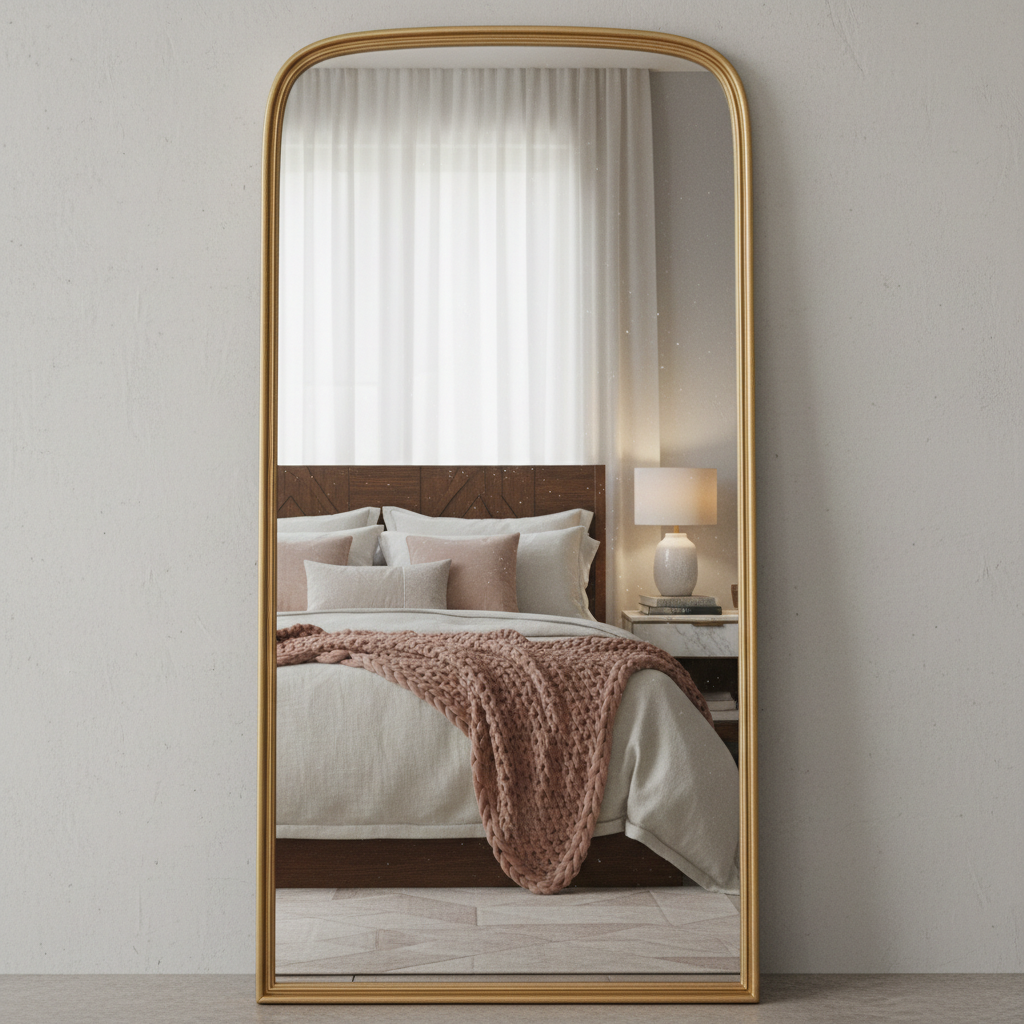
For small rooms specifically, here are the approaches that actually work:
- Full-length leaning mirrors are incredible in bedrooms. They're functional, they make the space feel taller and deeper, and they don't require you to commit to putting holes in the wall.
- Mirrored wardrobe doors are a classic for a reason. They're practical and they genuinely make a bedroom feel like it's double the size.
- Horizontal mirrors in dining rooms work brilliantly. A wide, landscape-oriented mirror on a dining room wall makes the space feel broader and more expansive, perfect for those awkward narrow dining rooms that so many older homes have.
- Bathroom mirrors that span the full width of the vanity do wonders for small bathrooms. The bigger the mirror, the more open and airy the room feels.
One thing to watch out for, though, is over-mirroring a space. Yes, that's a real thing. If you cover too many walls with mirrors, the effect stops feeling expansive and starts feeling disorienting, almost like a funhouse. Trust me on this. One or two well-chosen mirrors will do far more for a small space than five mediocre ones scattered everywhere. Restraint is your friend.
3. Style Statement: Choosing the Right Mirror for Your Decor
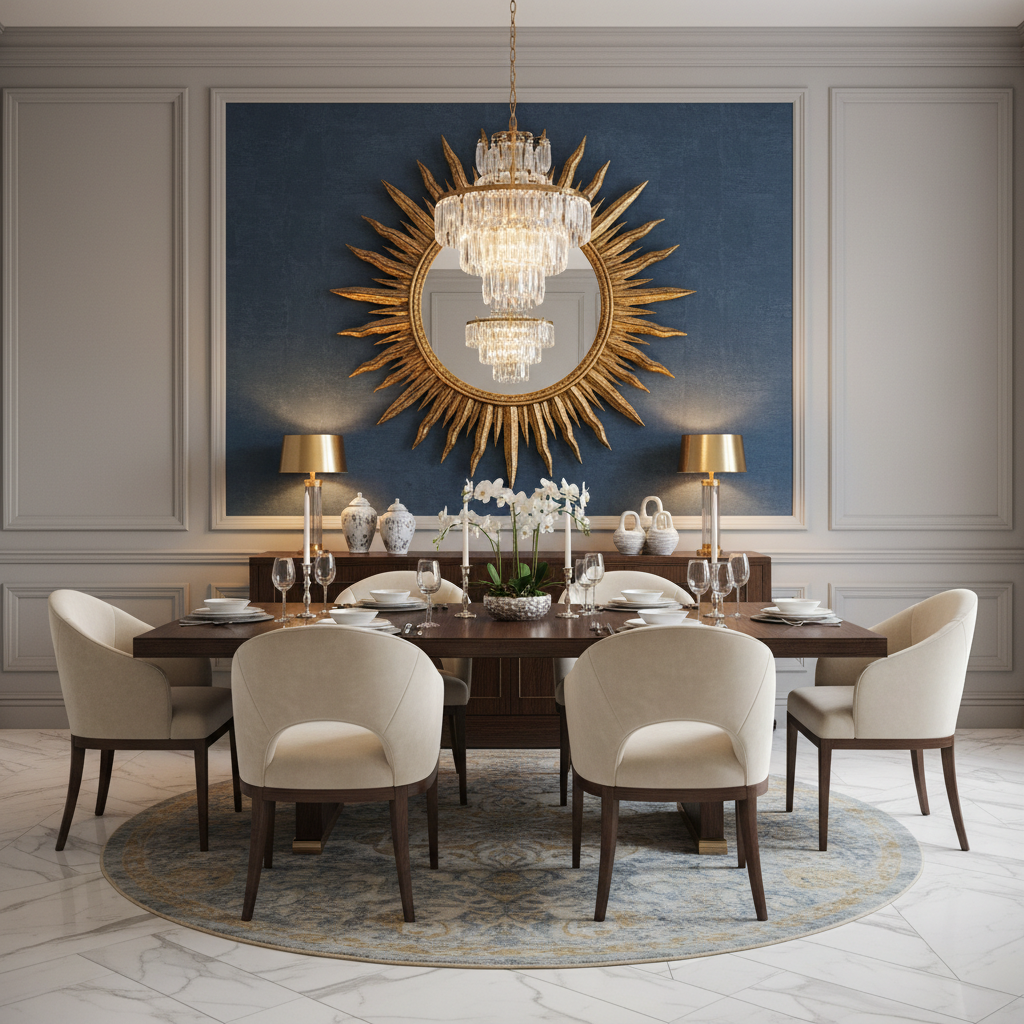
Look, not all mirrors are created equal, and the frame, shape, and finish of a mirror can completely make or break a room. This is where mirrors stop being just a functional item and become genuine decor pieces. Choosing the wrong style mirror for your space is like wearing a tuxedo to a beach party. Technically fine, but deeply off.
Let's break down the major style categories and where they work best. Ornate, gilded frames with intricate detailing are made for maximalist interiors, traditional spaces, and anything with a vintage or antique leaning. They're dramatic and unapologetically so. An oversized gold-framed mirror above a fireplace? Iconic. That same mirror in a minimalist Scandi-style apartment? Chaotic.
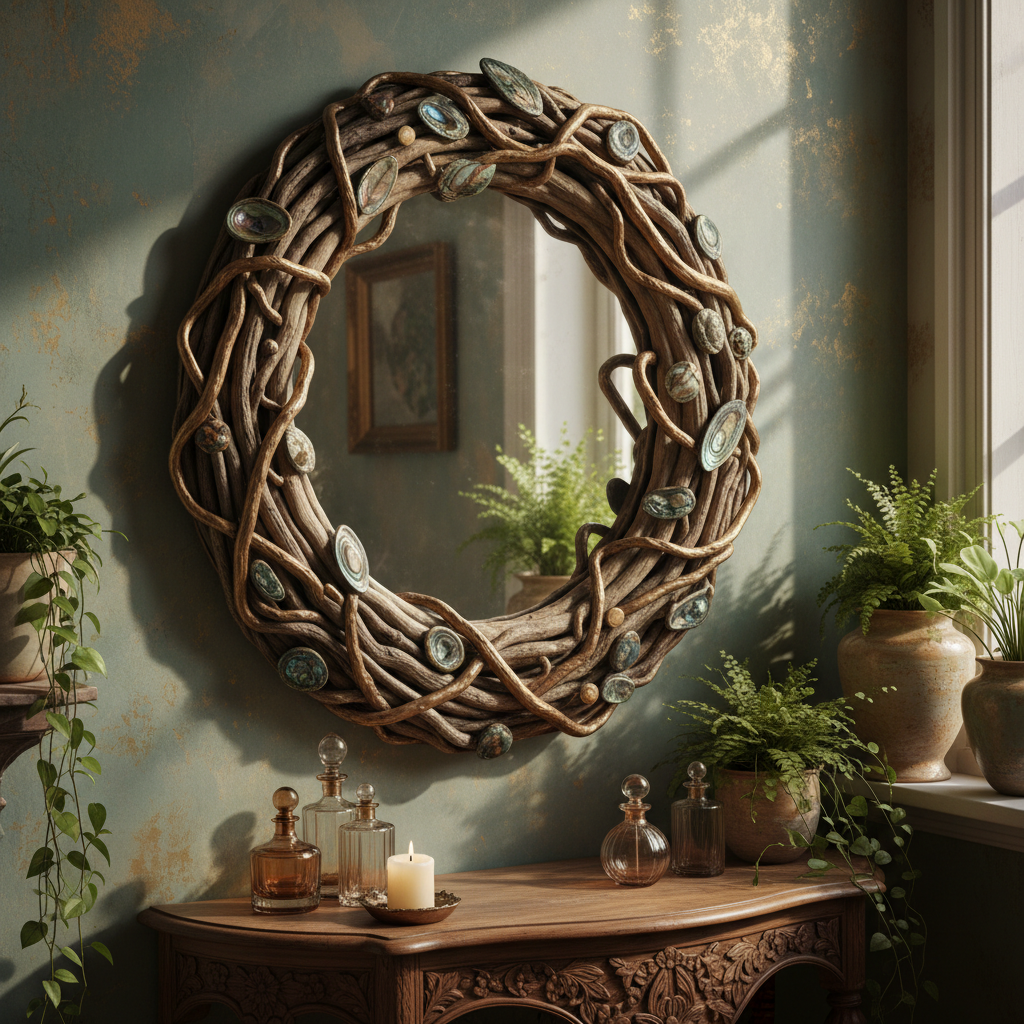
Simple black or dark metal frames are incredibly versatile and honestly one of the safest choices for contemporary interiors. They work in industrial spaces, modern farmhouses, transitional homes, and Scandi-inspired rooms. They have an edge without being overwhelming. Natural wood frames bring warmth and texture and feel right at home in earthy, organic interiors with lots of natural materials and neutral tones.
Shape is having a major moment in interior design right now, and mirrors are leading the charge. The classic rectangular mirror is reliable and timeless, but arch-shaped mirrors, sunburst mirrors, irregular organic shapes, and even wavy-edged designs are everywhere. And honestly, they deserve to be. An arch mirror in a bathroom or bedroom adds softness and architectural interest that a rectangle just can't match. A sunburst mirror above a console table in an entryway is a conversation starter every single time.
"The mirror frame is essentially a piece of wall art. It needs to earn its place in the room the same way any other decorative object does."
The finish of the mirror itself matters too. Standard clear glass is the most common, but antiqued or smoked mirror glass adds incredible depth and warmth. Antiqued mirrors have that slightly aged, slightly distorted quality that feels very grown-up and sophisticated. They're especially beautiful in dining rooms and bars, where the slightly moody quality of the reflection adds to the atmosphere.
4. Mirrors as Art: Creative Display Ideas
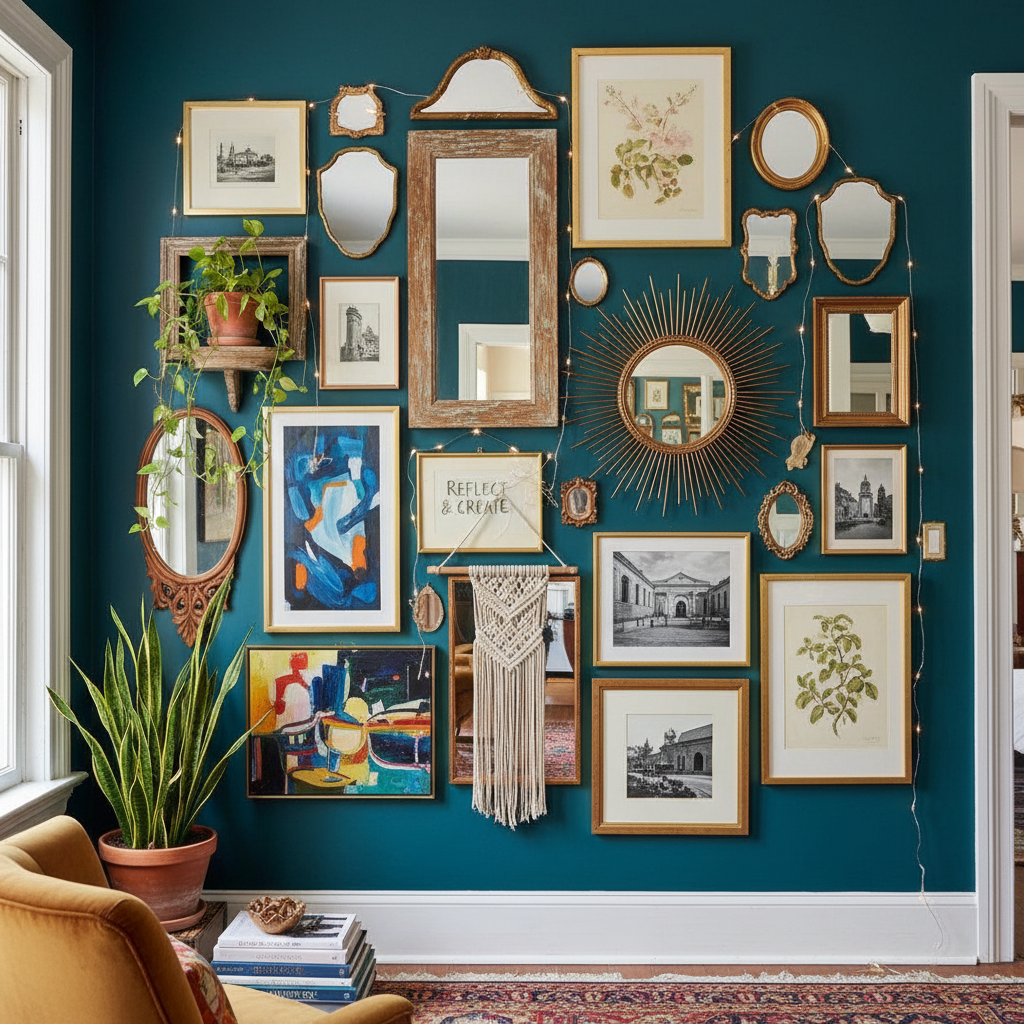
This is the part where things get really fun. Mirrors don't have to be single, standalone objects hanging quietly on a wall. They can be the centerpiece of a whole design moment. They can anchor a gallery wall, create a sense of drama above a mantel, or be layered and grouped in ways that feel genuinely artistic. Honestly, treating mirrors as art rather than just accessories opens up a whole world of creative possibilities.
One of the trends that has totally taken over interior design feeds in the last few years is the mirror gallery wall. Instead of (or in addition to) artwork and photographs, you group several mirrors of varying shapes, sizes, and frame styles together on one wall. The effect is stunning. Each mirror reflects a slightly different part of the room, creating a constantly shifting, layered visual experience. It works especially well in living rooms, entryways, and dining rooms where you have a large, prominent wall to work with.
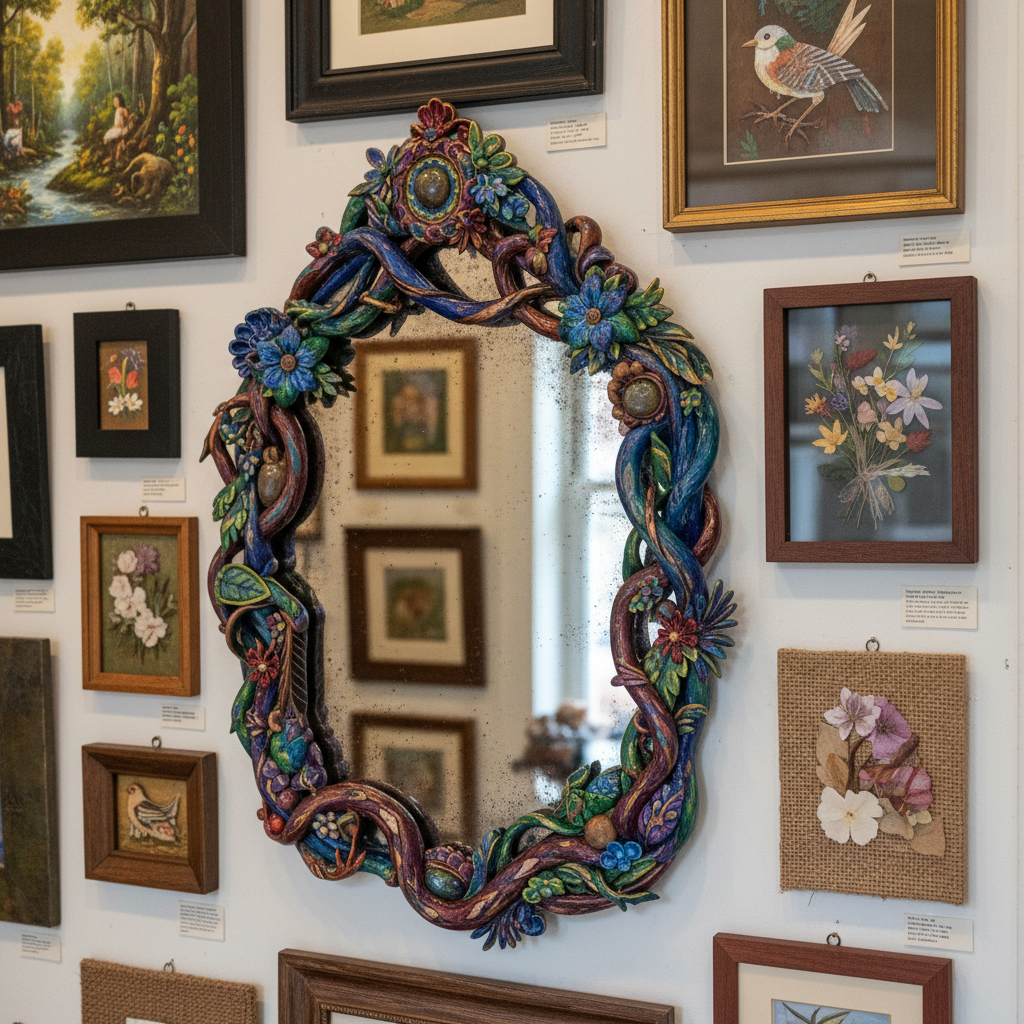
Here are some other creative display ideas worth stealing:
- Lean, don't hang. Leaning a large mirror against a wall, especially in a bedroom or living room, creates a casual, effortless look that somehow feels more intentional than hanging it. Layer a smaller framed artwork or a plant in front of it for extra depth.
- Pair mirrors with plants. The combination of greenery and reflective surfaces is incredibly lush and alive. The mirror reflects the plant and doubles the visual greenery. It's a ridiculously easy way to make a space feel more vibrant.
- Use mirrored panels as a backsplash. In kitchens or bar areas, mirrored glass as a backsplash adds glamour and amplifies the light in a way that tile simply cannot match.
- Create a focal point above the fireplace. An oversized mirror above a mantel is a classic for a reason. It draws the eye, reflects the room, and adds a sense of grandeur that makes any living room feel more considered and complete.
The key to making any creative mirror display work is intention. Random mirrors thrown on a wall just look like random mirrors. But when you think about the shapes, the frame styles, the spacing, and what each mirror is actually reflecting, the whole thing comes together as something that feels genuinely designed rather than accidental. Take your time with it. Move things around. Live with it for a few days before committing. It's worth the effort.
5. Reflecting Your Personality: Custom Mirrors for Unique Spaces
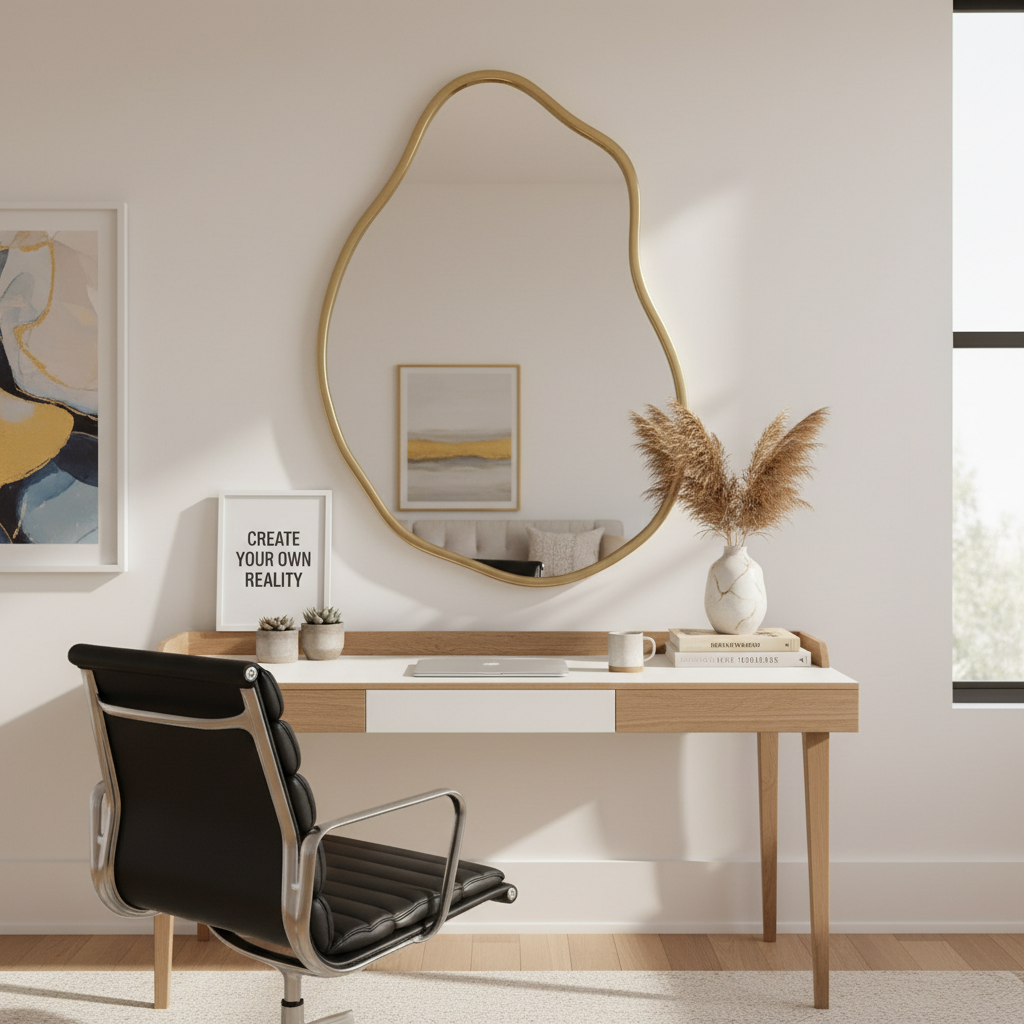
Here's the thing: mass-produced mirrors are fine. They do the job. But if you really want a space to feel like it's uniquely yours, custom mirrors are where it's at. And I know what you're thinking. "Custom sounds expensive and complicated." But honestly, it's become a lot more accessible than most people realize, and the results are worth every penny.
Custom mirrors open up possibilities that off-the-shelf products simply can't offer. Want a mirror that's precisely 187cm tall to fill a very specific wall space? Done. Want a mirror cut into the shape of an abstract organic form that you sketched yourself? Also done. Want a mirror with a bespoke frame made from reclaimed timber to match the wooden beams in your living room? Absolutely doable. The level of personalization is extraordinary, and in a world where so many homes end up looking like the same furniture catalogue, having something truly bespoke is genuinely exciting.
There are several ways to go custom with mirrors, depending on your budget and ambition. You can work with a local glazier to get mirror glass cut to a specific size or shape, which is often more affordable than you'd expect. You can commission a craftsperson or furniture maker to build a frame around a standard mirror glass to your exact specifications. Or you can work with specialist mirror companies that offer fully bespoke services, from the glass itself to the frame to the finish and even the aging or tinting of the glass.
Custom mirrors are particularly transformative in these situations:
- Awkward architectural spaces. Alcoves, angled walls, oddly shaped rooms. A custom-cut mirror can fill these spaces perfectly and turn an architectural quirk into a design feature.
- En-suite bathrooms and dressing rooms. A mirror designed to span an entire wall or to fit perfectly above a custom vanity unit takes these functional spaces to a whole new level of luxury.
- Statement entryways. Your entryway is the first thing guests see. A custom mirror in a one-of-a-kind frame sets the tone for your entire home immediately and memorably.
- Children's rooms. Custom mirrors in fun shapes, with painted frames or built-in shelving, can make a child's bedroom or playroom feel genuinely magical and completely theirs.
And look, even if a fully custom mirror isn't in the budget right now, you can get a surprisingly similar effect by painting or modifying the frame of an existing mirror. A basic IKEA mirror with a rattan-wrapped frame? Totally different piece. A simple frameless mirror with a custom wooden ledge shelf attached below it? Now it's a designer feature. The point is that mirrors are one of those rare design objects where your own creativity and input can genuinely elevate the end result without necessarily requiring a massive budget.
Final Thoughts
Mirrors are honestly one of the most powerful tools in the entire interior design toolkit, and they're criminally underused by most homeowners. They bring in light, create space, add style, serve as art, and when done right, they reflect the personality of the people who live in the home. That's a lot of work for one object.
The most important thing to remember is that mirrors reward thoughtfulness. Think about what you want the mirror to reflect. Think about the frame as a piece of decor in its own right. Think about size, placement, and how the mirror interacts with the light in your specific space. Get those things right, and a mirror won't just change a room's vibe. It'll transform it completely.
Start with one room, one wall, one mirror. See what it does. I'd be genuinely surprised if you didn't immediately start eyeing up every other wall in your home with new possibilities in mind.
More in Interior
Stay Inspired
Subscribe for new essays on architecture, design, and the spaces that shape us.