Rental Decor Hacks That Keep Your Security Deposit Safe
Decorating a temporary space is tricky when you are worried about your deposit. Here are several simple and reversible ways to make your apartment feel like home without causing any permanent damage.
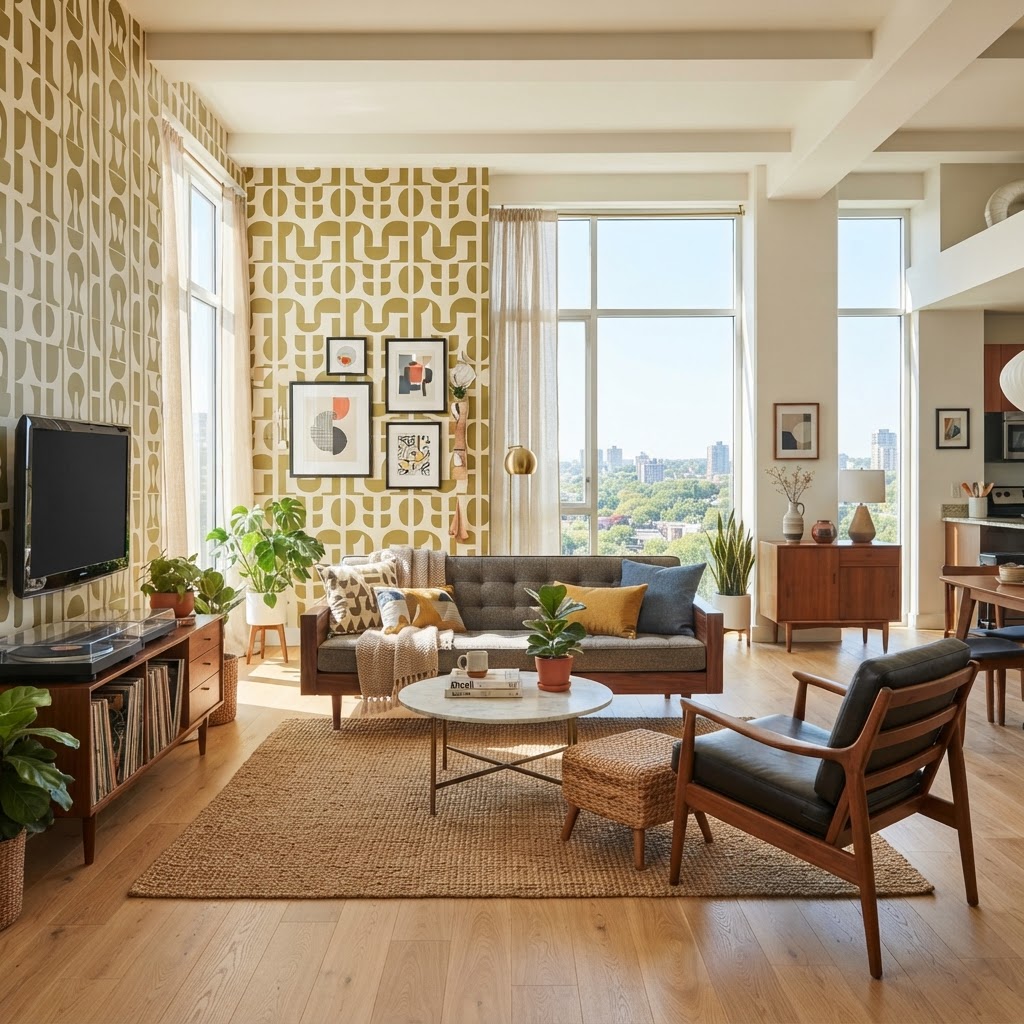
The Magic of Peel and Stick Wallpaper
Honestly, if there's one product that has genuinely changed the rental game over the past few years, it's peel and stick wallpaper. I remember staring at the sad beige walls of my first apartment thinking there was absolutely nothing I could do about them. I was wrong. So wrong. These removable wallpapers have gotten so good that some of them are genuinely hard to distinguish from the real thing, and the variety of patterns, textures, and colors available right now is honestly overwhelming in the best way.
Here's the thing though: not all peel and stick wallpaper is created equal, and this matters a lot when your security deposit is on the line. You want to look for products that are specifically labeled as removable and repositionable. Brands like Tempaper, RoomMates, and Chasing Paper have solid reputations, and a lot of renters swear by them. Read the reviews before you buy, especially the ones where people talk about removal. That's the real test.
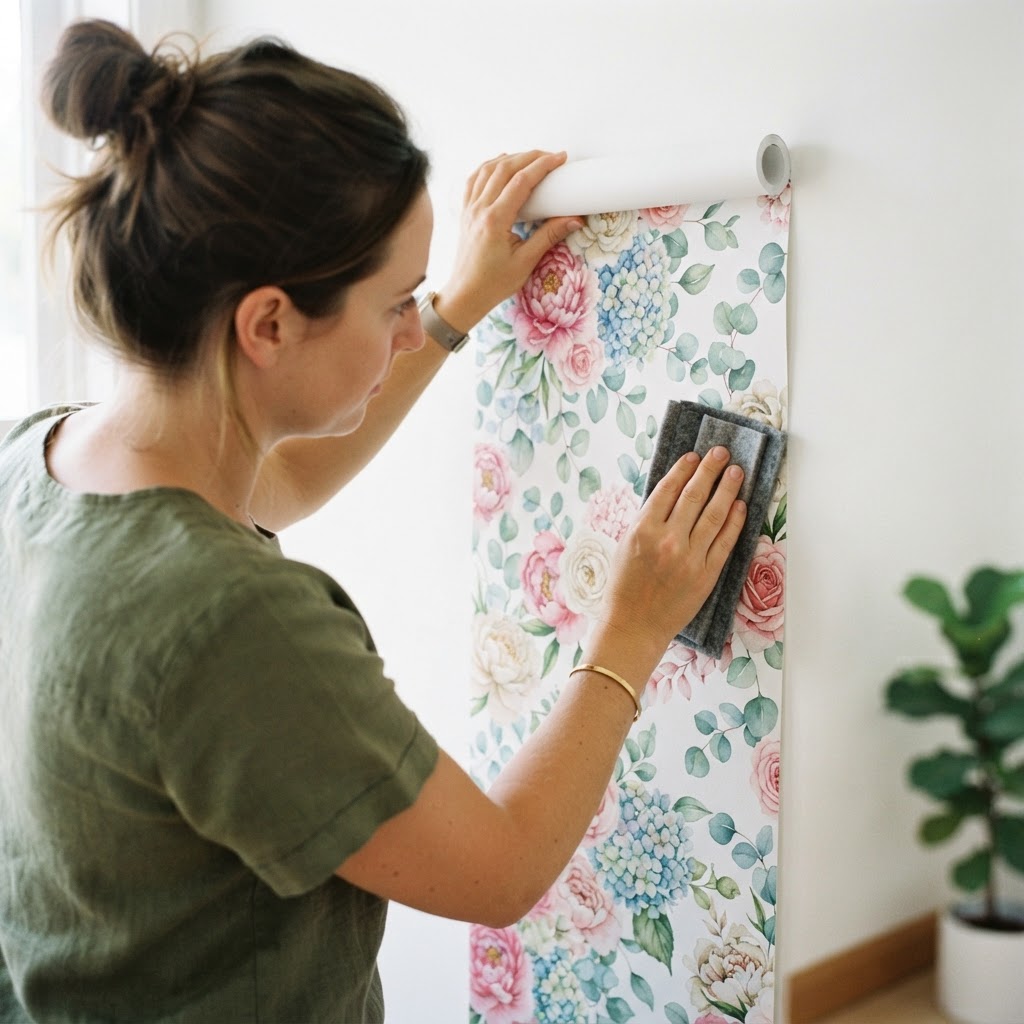
Application technique matters more than people think. Clean your walls thoroughly before you start, because any dust or grease will mess with the adhesive and could actually cause the paper to pull paint off when you remove it. That's the nightmare scenario. Let the wall dry completely, then apply slowly, smoothing out bubbles as you go. A credit card or a squeegee works great for this.
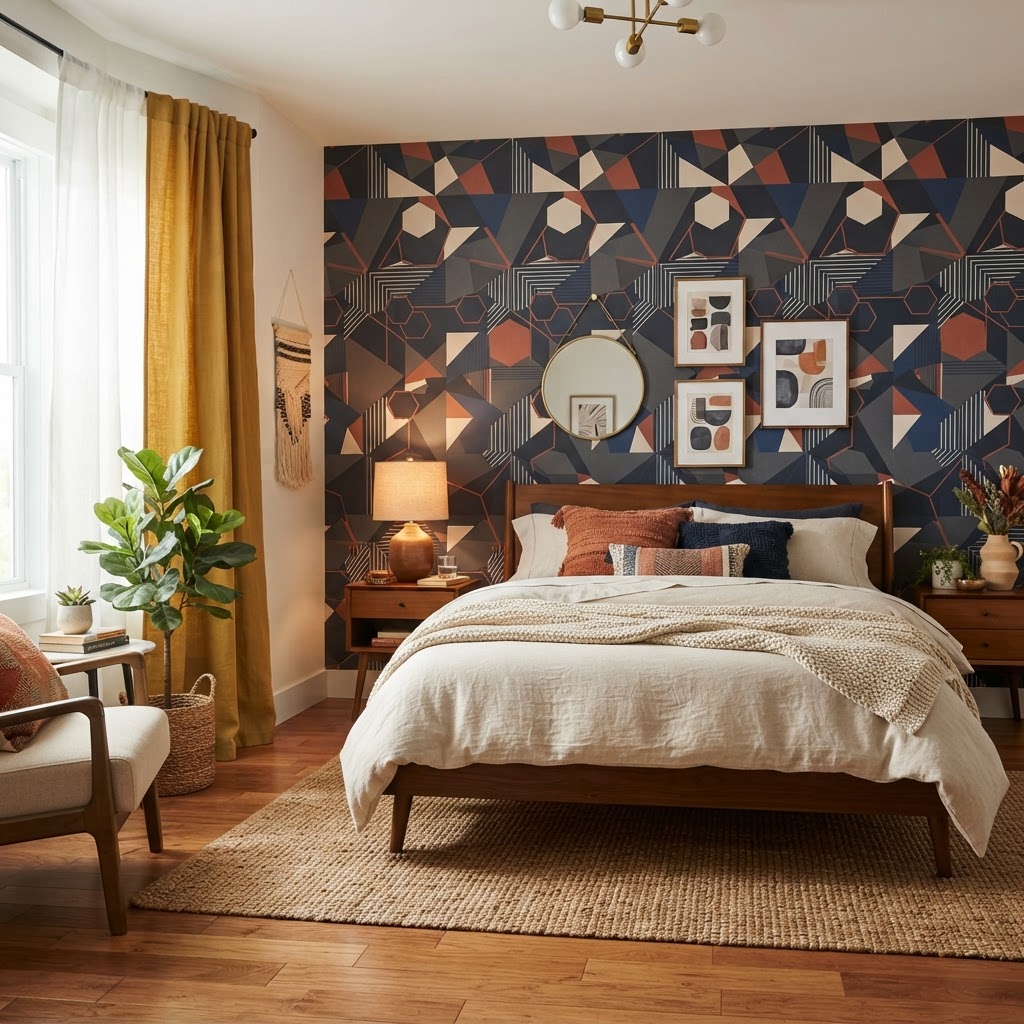
One of my favorite tricks is to use peel and stick wallpaper on just one accent wall rather than doing a whole room. It's less work, less cost, and honestly the visual impact is just as strong. A bold geometric pattern or a moody dark floral behind your bed or sofa can make a rental feel like it was designed with intention. People will come over and assume you own the place. Trust me on this.
When the time comes to move out, remove it slowly and at a low angle, ideally on a warm day or after gently warming the paper with a hair dryer. The adhesive releases much more cleanly with a little heat. Take your time and you'll get it off without a single mark left behind. Walls back to their original state, deposit intact, and you get to take your wallpaper with you to the next place.
Upgrade Your Lighting Without Tools
Real talk: lighting is probably the most underestimated element in any interior, and it's also one of the easiest things to upgrade in a rental without touching a single wall or ceiling fixture permanently. Most rentals come with the most depressing overhead lighting imaginable. That harsh, flat, fluorescent or cool white light that makes your skin look terrible and your furniture look cheap. You don't have to live with it.
The simplest move is just swapping out the bulbs. Keep the originals in a bag so you can put them back before you leave. Replace them with warm white LED bulbs, something in the 2700K to 3000K range. The difference is immediate and kind of shocking. Your whole apartment will feel warmer, cozier, and more intentional just from that one tiny change. It costs almost nothing and takes five minutes.
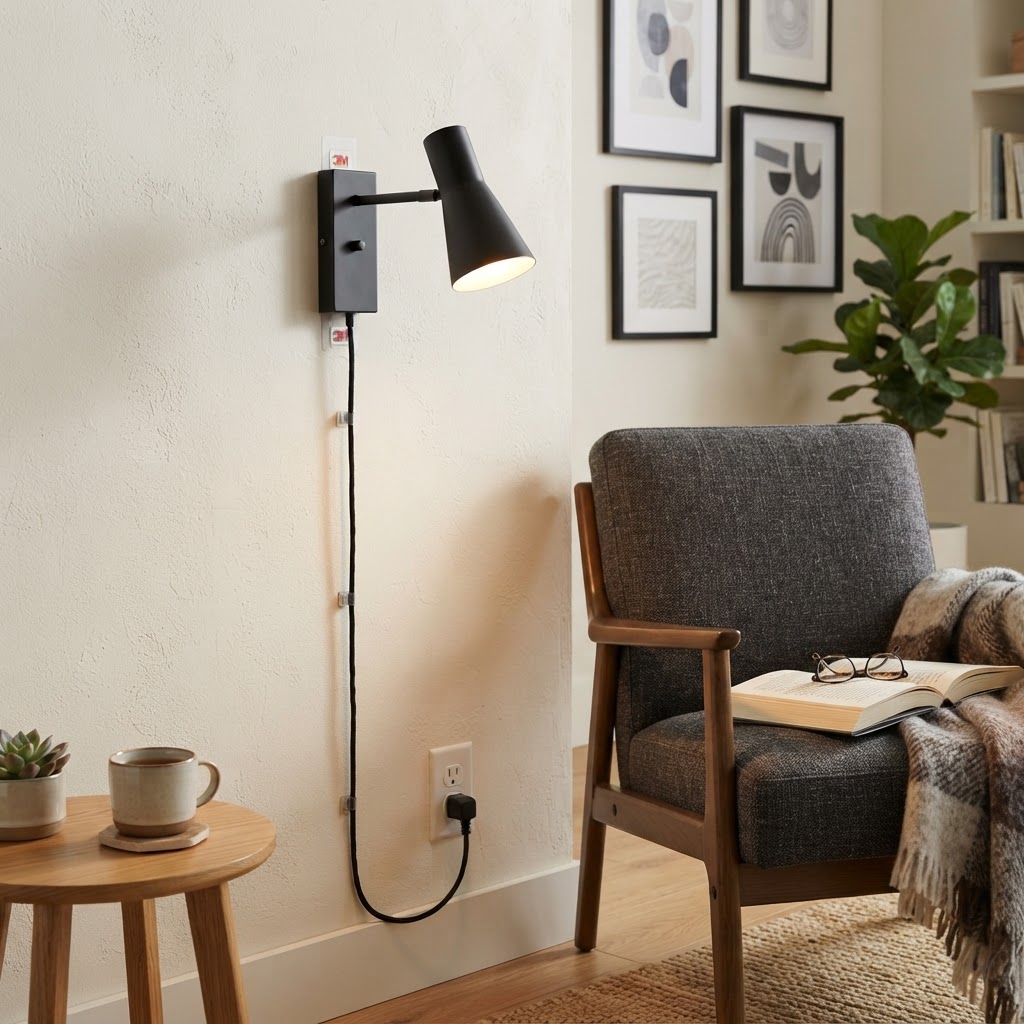
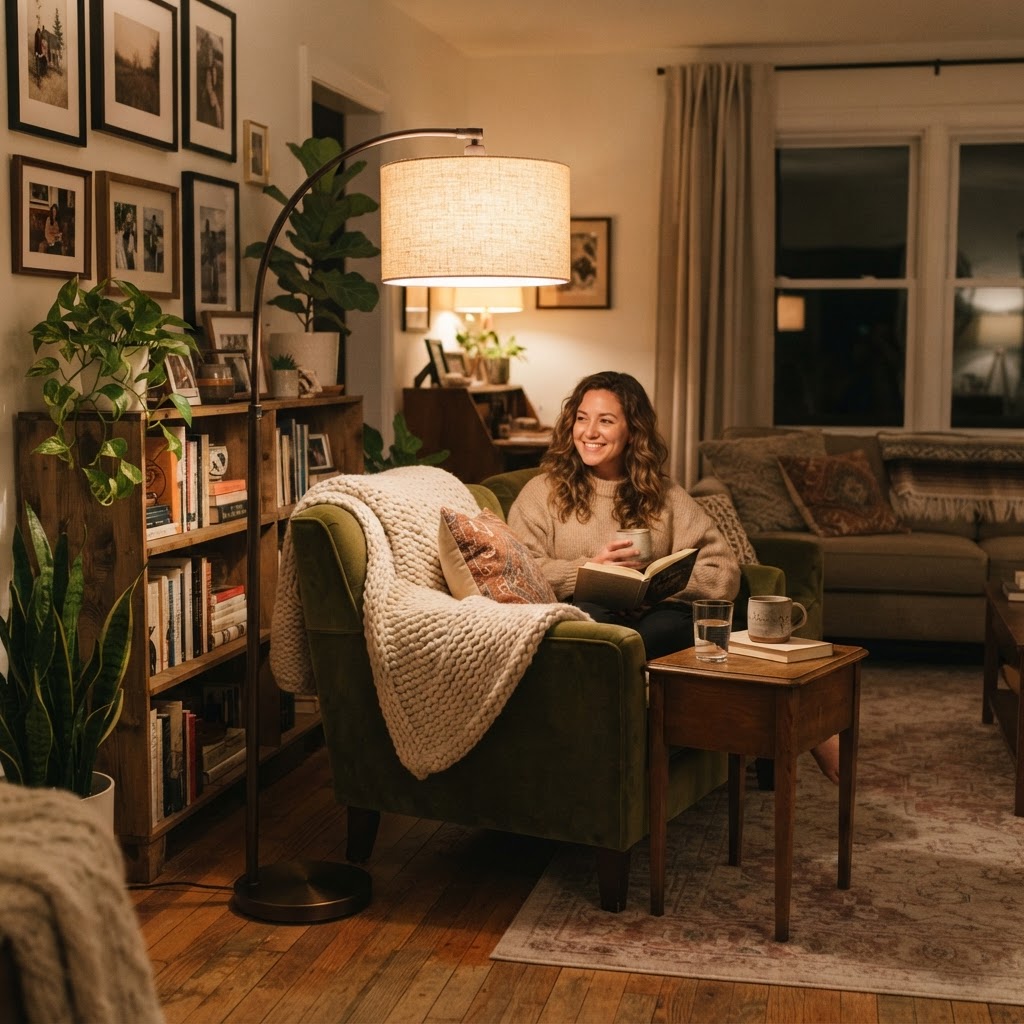
Beyond bulbs, layering your lighting with floor lamps and table lamps is the real secret weapon. Interior designers talk about this all the time: you want light at multiple levels and from multiple sources. A tall arc floor lamp next to your sofa, a small table lamp on your nightstand, maybe some plug-in sconces if you want to get a little fancy. None of this requires drilling anything. It all just plugs in.
Plug-in pendant lights and swag lamps are also having a huge moment right now, and they're perfect for renters. You hang them from a ceiling hook, which leaves a tiny hole at most, and run the cord along the wall or ceiling with adhesive cord clips. The look is genuinely stunning and so much more elevated than whatever sad fixture came with the apartment. When you move, you take the light with you, patch the tiny hook hole with a bit of spackle, and you're done.
- Swap bulbs to warm white (2700K to 3000K) for an instant cozy upgrade
- Add floor lamps to create pools of light in dark corners
- Try plug-in pendant lights over dining tables or in bedrooms
- Use dimmer plug adapters to make any lamp dimmable without rewiring
- String lights are underrated for ambient glow in living rooms and bedrooms
Swap Out Hardware for Instant Character
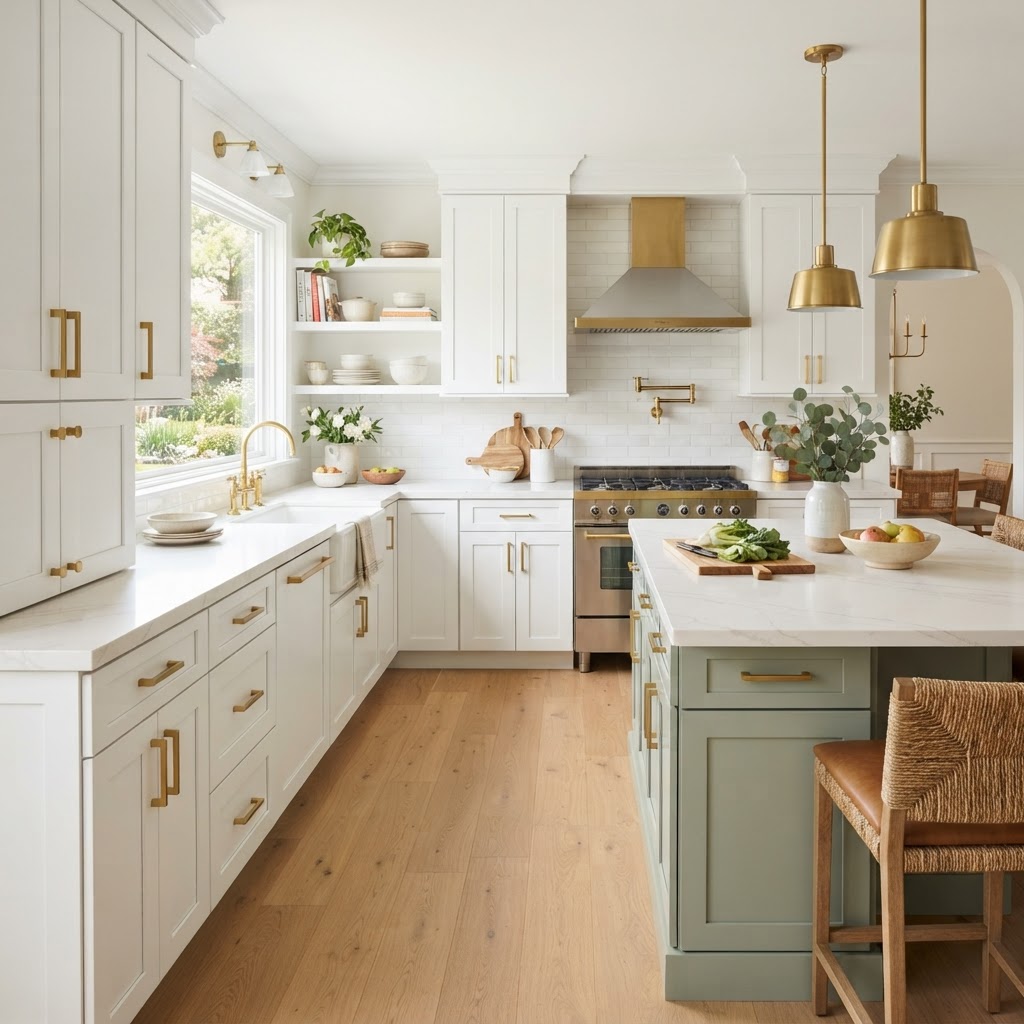
Look, this one feels like cheating because it's so easy and the payoff is so disproportionately large. The hardware on your kitchen cabinets and bathroom vanity, those little knobs and pulls, is probably the cheapest and most builder-basic hardware that exists. Swapping it out for something with actual personality takes maybe an hour total and costs anywhere from twenty to a hundred dollars depending on how many pieces you need and what you choose.
The key here is simple: keep all the original hardware in a ziplock bag, store it somewhere you'll actually be able to find it when you move out, and put it back before the landlord does the walkthrough. That's literally the entire strategy. Screw off the old, screw on the new. Done. You don't need to patch anything, you don't need any special tools beyond a basic screwdriver.
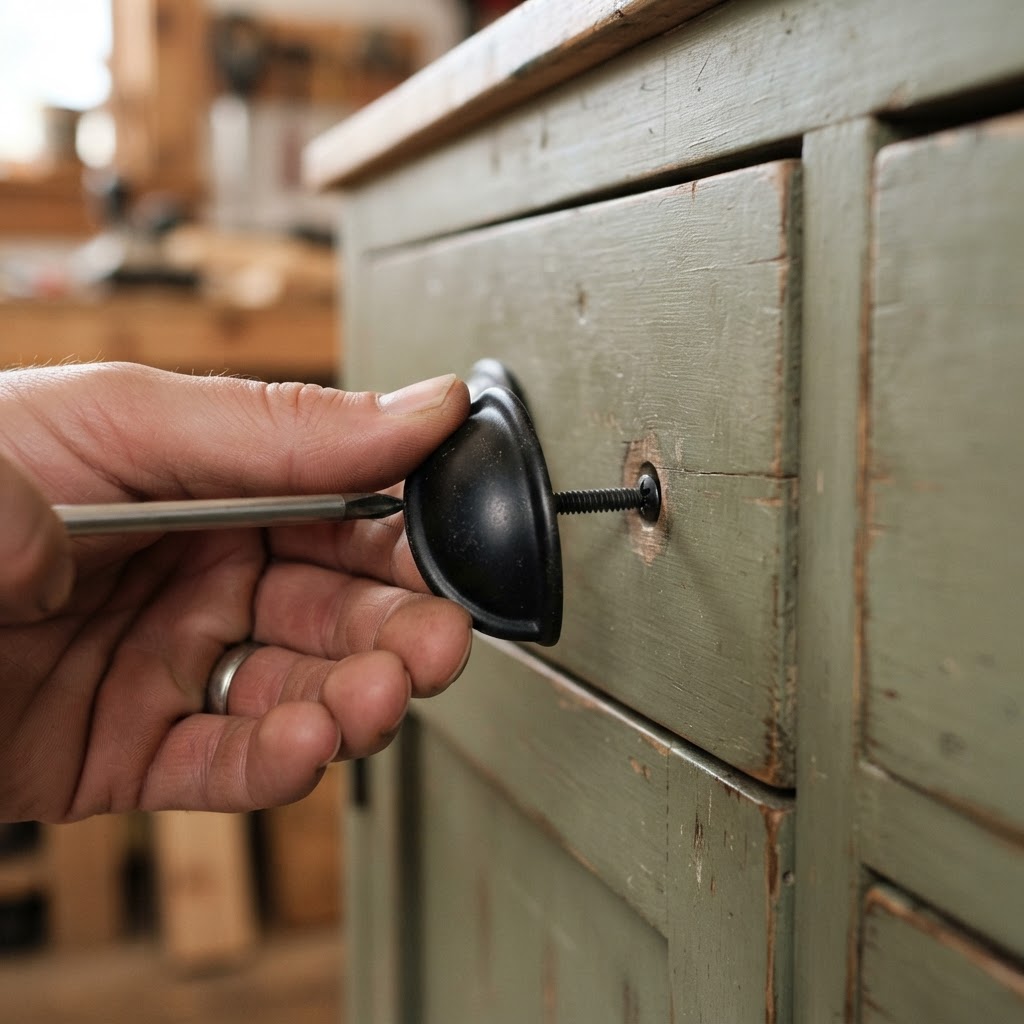
When it comes to choosing new hardware, brushed brass and matte black are both incredibly popular right now and honestly they work in almost any kitchen or bathroom. If your space leans more modern and minimal, matte black is your friend. If you want something warmer and a little more vintage or transitional, brushed brass or unlacquered brass gives you that lived-in warmth that's really hard to fake any other way.
And don't stop at cabinets. You can also swap out your bathroom towel bars, toilet paper holder, and robe hooks the exact same way. Same principle, bag the originals, install the new ones, reverse on move-out day. These are the kinds of details that make a bathroom feel like it belongs to you rather than to every anonymous tenant who lived there before.
Layering Textiles to Cover Flooring
Rental floors are a whole situation. Whether you've got scratched laminate, dated linoleum, worn carpet, or that beige tile that seems to exist in every single apartment built between 1990 and 2010, there's a good chance the flooring is not your favorite part of the space. The good news is that rugs exist, and honestly layering textiles to deal with bad floors is one of the most effective and completely reversible decorating moves you can make.
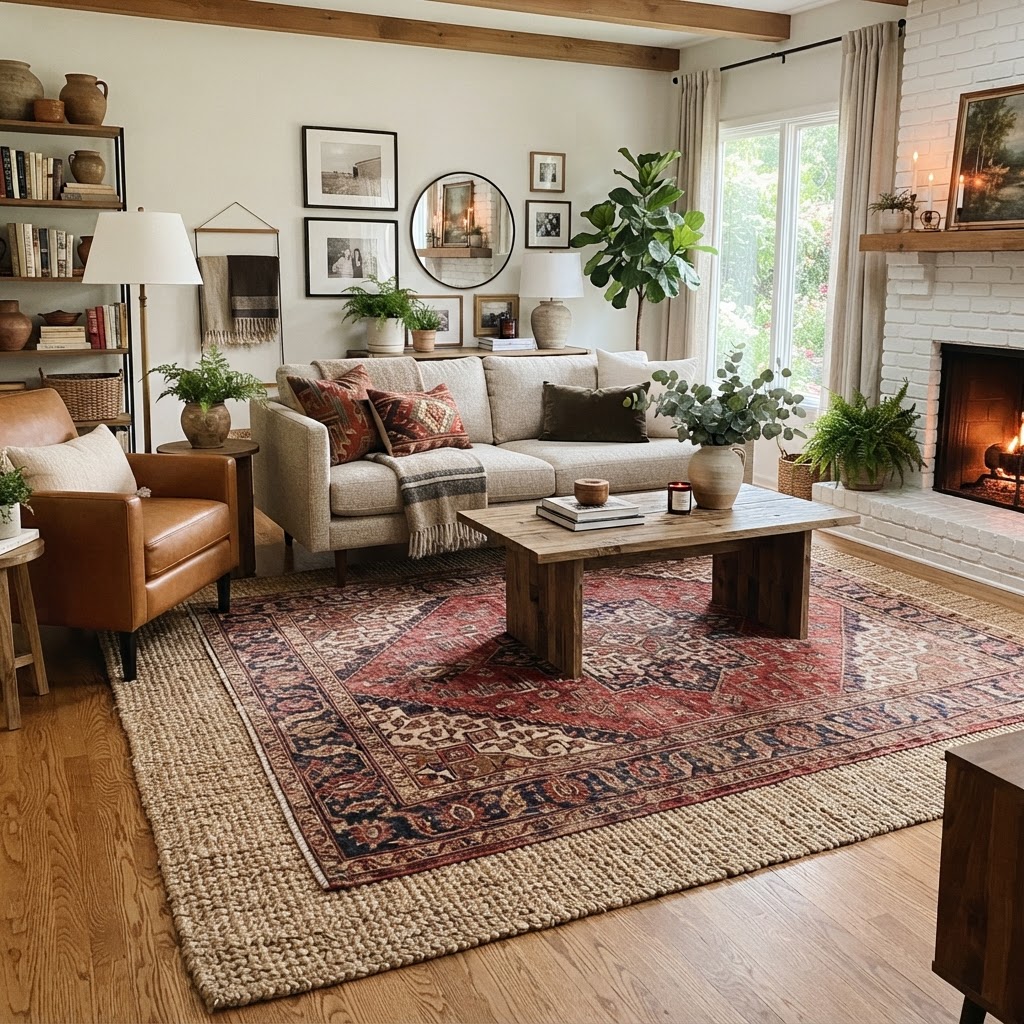
Start with a large area rug in your main living area. And when I say large, I mean it. One of the most common decorating mistakes is going too small with a rug. In a living room, you want at least the front legs of all your major furniture sitting on the rug, ideally the whole thing. A rug that's too small just looks like it floated in from another room. Size up, even if it feels like a stretch financially. A good rug is an investment you take with you.
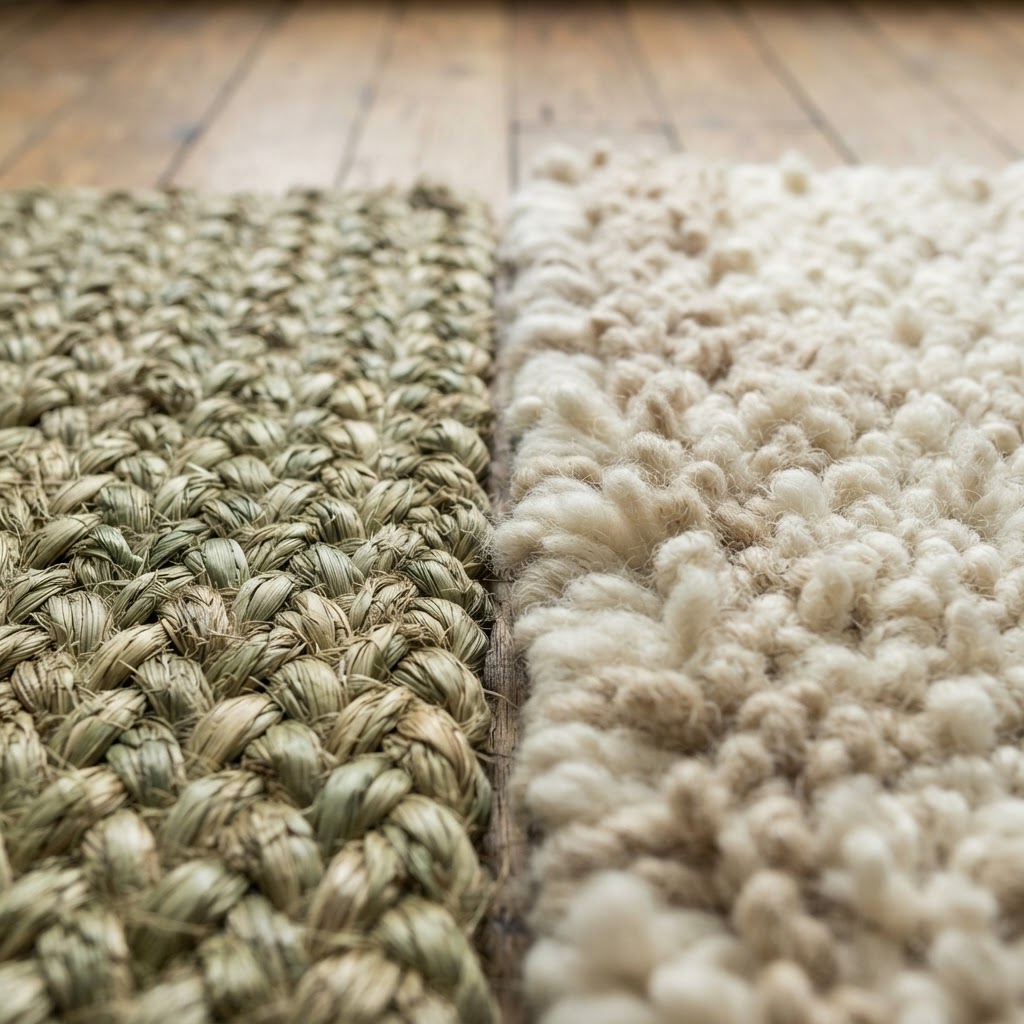
The layering trend is also genuinely useful for renters, not just aesthetically interesting. Putting a smaller, more decorative rug on top of a larger neutral jute or sisal rug lets you get more coverage and more personality at the same time. It also protects the floors underneath, which is an added bonus if you're worried about damage.
In the kitchen and bathroom, where you might be dealing with truly terrible tile, consider washable cotton runners and bath mats in colors and patterns you actually love. They're inexpensive, they're easy to clean, and they cover a lot of visual sins. Pair them with a nice shower curtain and matching textiles and suddenly a dated bathroom feels like it was decorated on purpose.
"Rugs are the single most impactful change you can make to a rental, and you take every inch of that investment with you when you go."
Displaying Art with Damage Free Hooks
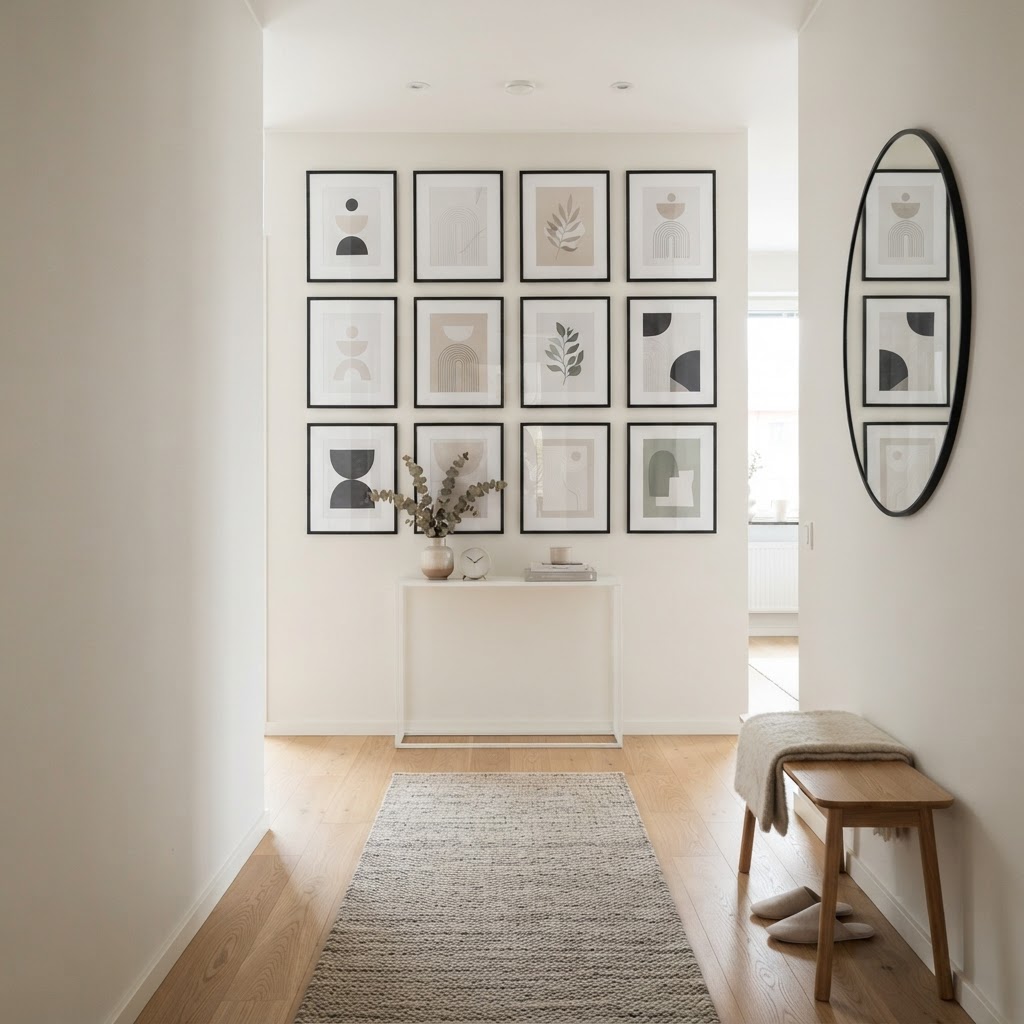
Bare walls are the fastest way to make a rental feel temporary and sad. Art and photographs are what make a space feel like it belongs to you, and the idea that you just have to live without them because you rent is honestly outdated at this point. Damage-free hanging solutions have gotten genuinely good, and if you use them correctly you can hang a real gallery wall without leaving a single mark behind.
Command strips are the obvious go-to and they work well for lighter pieces. The key is following the instructions exactly, which most people skip. Clean the wall with isopropyl alcohol first, let it dry, press the strips firmly for 30 seconds, and then wait a full hour before hanging anything. The waiting is painful but it makes a real difference in how well they hold. For removing them, pull the tab straight down slowly and at a low angle, never out from the wall.
For heavier pieces, look into adhesive picture hanging strips rated for more weight, or consider leaning art rather than hanging it. Leaning large canvases or framed prints against the wall on a shelf, on the floor, or on a console table is actually a really intentional-looking styling choice. It's popular in design magazines for a reason. It reads as casual and curated at the same time, which is a vibe a lot of people are going for.
- Always prep the wall with isopropyl alcohol before applying any adhesive product
- Check the weight rating on Command strips and never exceed it
- Lean large format art against walls or shelves for a styled, editorial look
- Use picture ledges mounted with minimal hardware to display rotating art collections
- Remove strips slowly and on a warm day for the cleanest results
One more thing worth mentioning: picture ledges, like the MOSSLANDA shelves from IKEA, are a fantastic option for renters. You install them with just a couple of screws, which leaves two tiny holes per shelf, and then you can swap art in and out constantly without making any new marks. Tiny screw holes are easy to fill with a little toothpaste or spackle when you move out. It's a very small trade-off for the ability to have a whole rotating art display.
Final Thoughts
Renting doesn't mean you have to live in a space that feels generic, unloved, or like a hotel that never quite unpacked. Every single hack in this list is reversible, most of them are affordable, and all of them make a real difference in how a space feels day to day. Your home is where you spend the majority of your time and it deserves to feel like yours, even if your name isn't on the deed.
The secret to decorating a rental well is just being strategic and a little bit organized. Keep original hardware in labeled bags. Read product instructions. Invest in the things you'll take with you, like rugs, lamps, and art. And honestly, don't underestimate the cumulative effect of a bunch of small changes. Warm bulbs plus a great rug plus some art on the walls plus swapped cabinet hardware adds up to a space that feels completely transformed, and your landlord gets their deposit back in full. Everybody wins.
More in Interior
Stay Inspired
Subscribe for new essays on architecture, design, and the spaces that shape us.