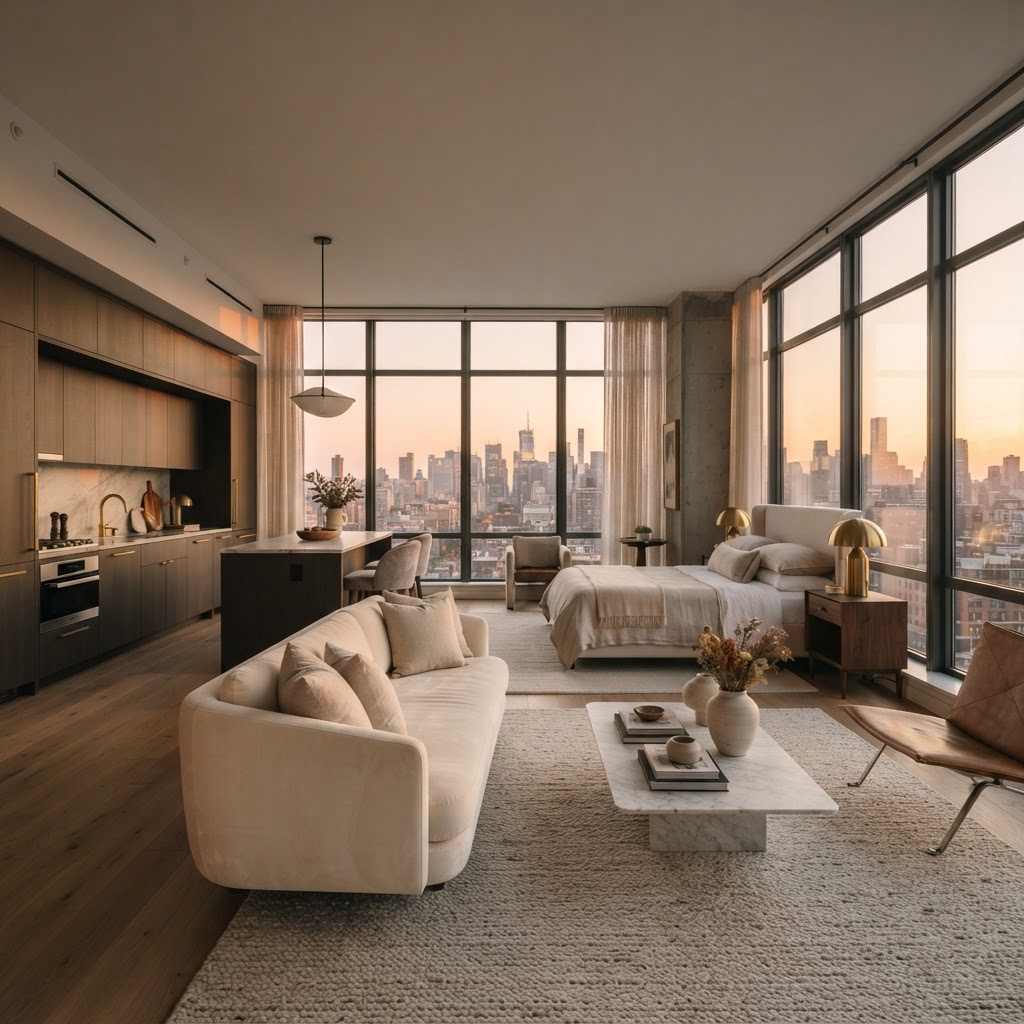
7 Secrets to Make Your Small Apartment Feel Like a Luxury Hotel Suite
Living in a small footprint does not mean you have to sacrifice elegance. These expert design hacks will help you elevate your home with high-end textures and clever spatial planning.
Choose a Cohesive Color Palette
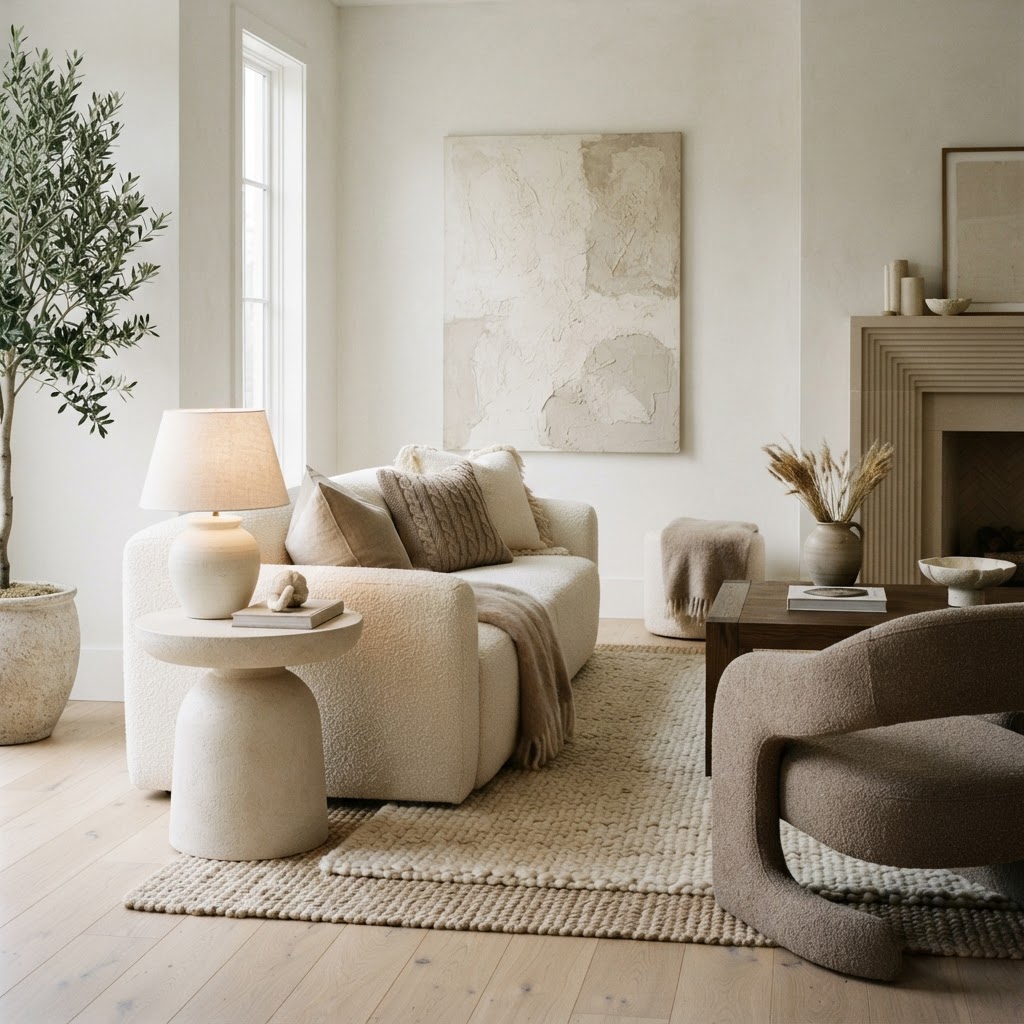
Here's the thing about luxury hotels: they never feel chaotic. You walk in and everything just... breathes. And honestly, the number one reason for that is a deliberate, cohesive color palette. It's not about painting everything white and calling it minimalist. It's about picking a family of colors that actually talk to each other and sticking with it throughout the entire space.
For small apartments especially, a cohesive palette does something almost magical. It removes the visual noise that makes a space feel cluttered and cramped. When your walls, your soft furnishings, your rugs, and your decor accessories all live in the same tonal family, your eye moves smoothly around the room instead of jumping from one jarring element to the next. That smooth visual flow is exactly what gives high-end spaces that calm, expansive feeling.
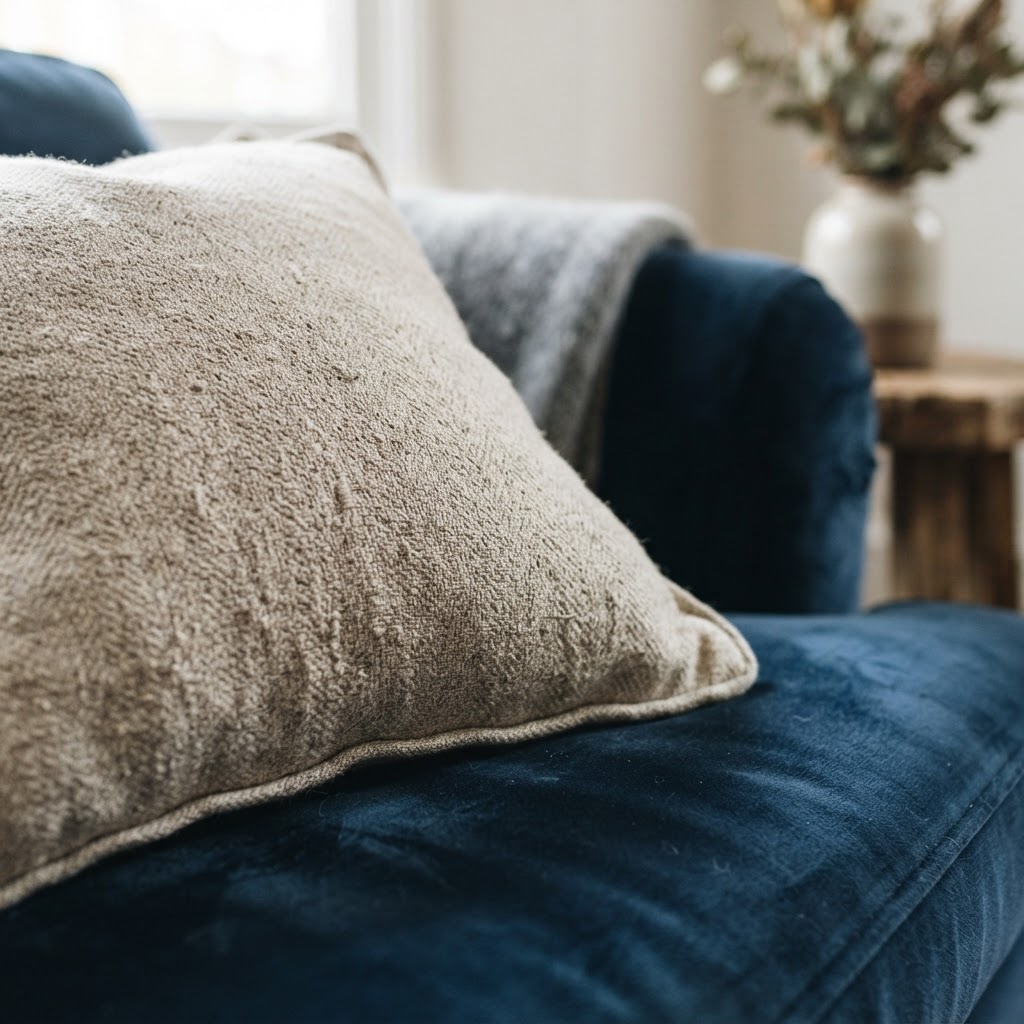
My go-to advice is to choose one anchor color, one or two supporting tones, and one accent. Think warm greige walls with soft ivory linens, aged brass accents, and one deeper tone like a dusty olive or terracotta showing up in a throw pillow or a small ceramic. That's it. That's the whole formula. You don't need to go wild. Restraint is genuinely the luxury move here.
And real talk, this also applies to your furniture. If your sofa is a cool grey and your rug is warm brown and your curtains are bright white, the room will feel disconnected no matter how expensive each individual piece is. Cohesion is what makes the whole thing feel intentional and considered, which is exactly the vibe we're going for.
Invest in Statement Lighting
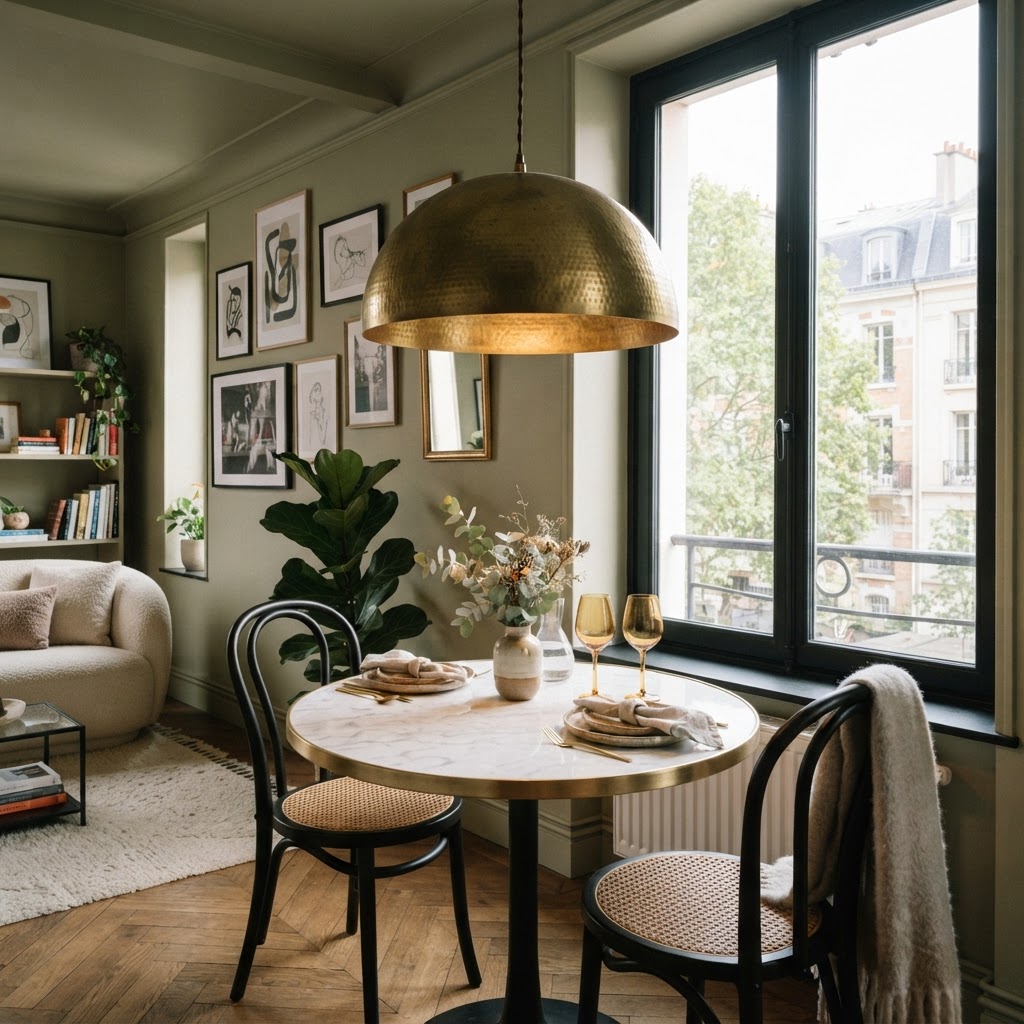
If I had to pick one single thing that separates a truly luxurious space from a just-okay one, honestly, it would be lighting. Not the light itself, but the quality and intentionality of it. Most apartments come with one overhead light in the center of the ceiling, and if that's the only light source you're using, I promise you the space will never feel like a hotel suite. It'll feel like a waiting room.
The fix is layered lighting, and it's more achievable than you think. You want ambient light (the general overhead stuff), task lighting (for reading, cooking, working), and accent lighting (the stuff that adds mood and drama). A sculptural floor lamp in the corner, a small table lamp on a side table, some warm LED strip lighting tucked under a shelf. These layers working together create that warm, enveloping glow that makes a room feel expensive and intentional.
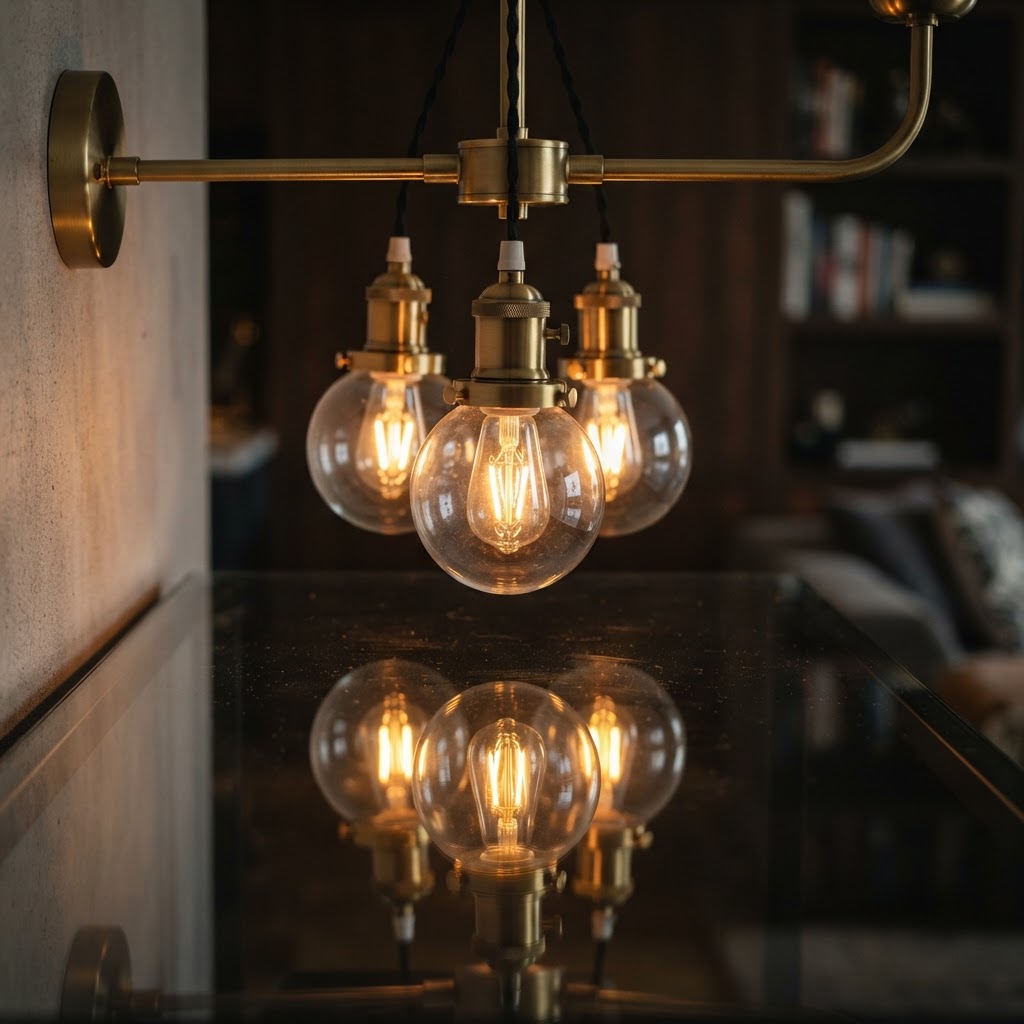
Now, statement lighting. This is where you get to have some real fun. One genuinely striking pendant or chandelier, even in a small space, acts as jewelry for the room. It draws the eye upward, which makes the ceiling feel higher and the room feel larger. And trust me on this: people will comment on it every single time. A beautiful light fixture is one of those investments that pays off way beyond its price tag in terms of perceived luxury.
Swap out your bulbs too, please. Cool white bulbs are the enemy of coziness. Go for warm white bulbs in the 2700K to 3000K range. That alone will transform the feeling of your entire apartment. It's a five dollar fix that makes a fifty thousand dollar difference. Okay, that might be a slight exaggeration, but you get the point.
Embrace Floor-to-Ceiling Drapery
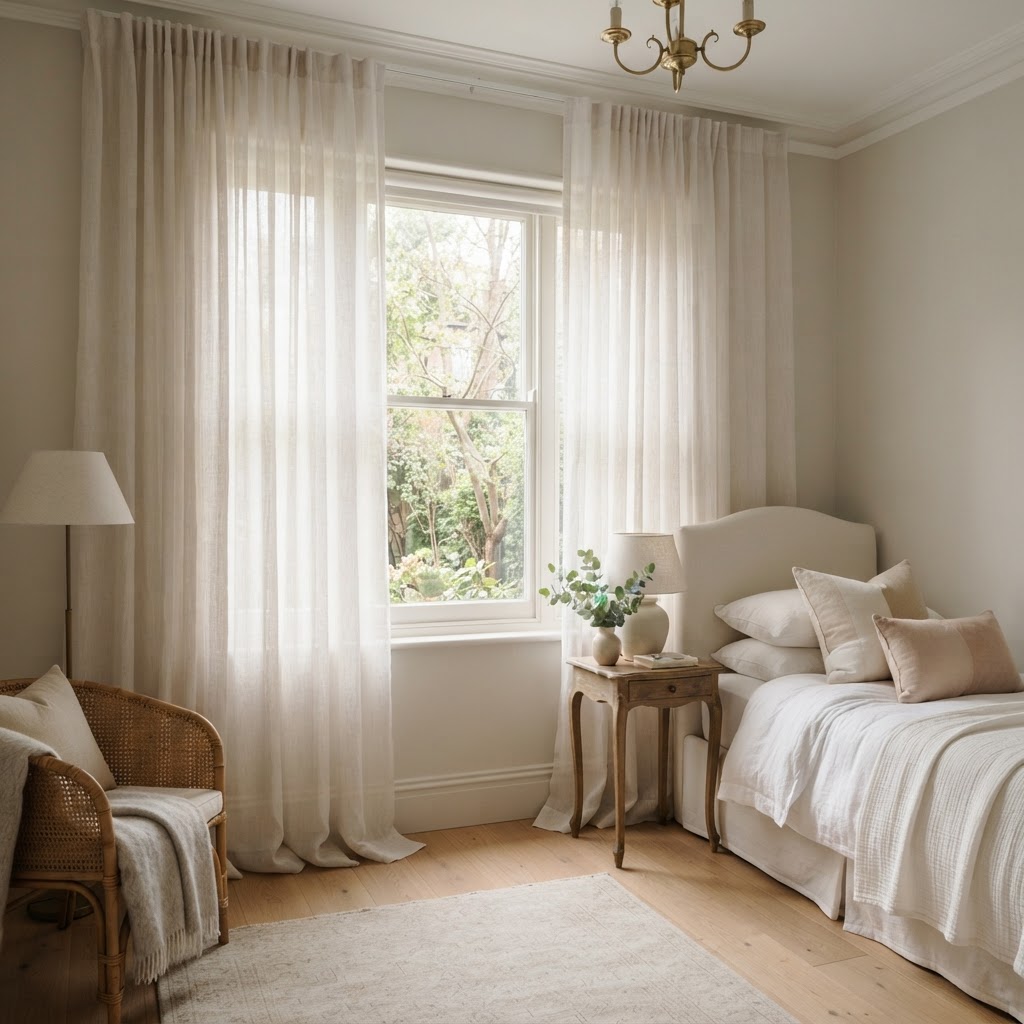
Look, curtains are one of the most underestimated tools in interior design, especially for small spaces. Most people hang their curtain rod right above the window frame, which is honestly one of the biggest design mistakes I see over and over again. It cuts the wall in half visually and makes both the window and the ceiling feel shorter. The hotel trick? Hang your curtains as close to the ceiling as possible, and let them pool slightly on the floor.
This single change does several things at once. It draws the eye upward, making the room feel dramatically taller. It makes your windows look enormous, even if they're actually pretty modest in size. And it adds that soft, gathered, opulent quality that you see in every single upscale hotel room ever photographed. Floor-to-ceiling drapes are genuinely one of the highest-impact, lowest-effort upgrades you can make.
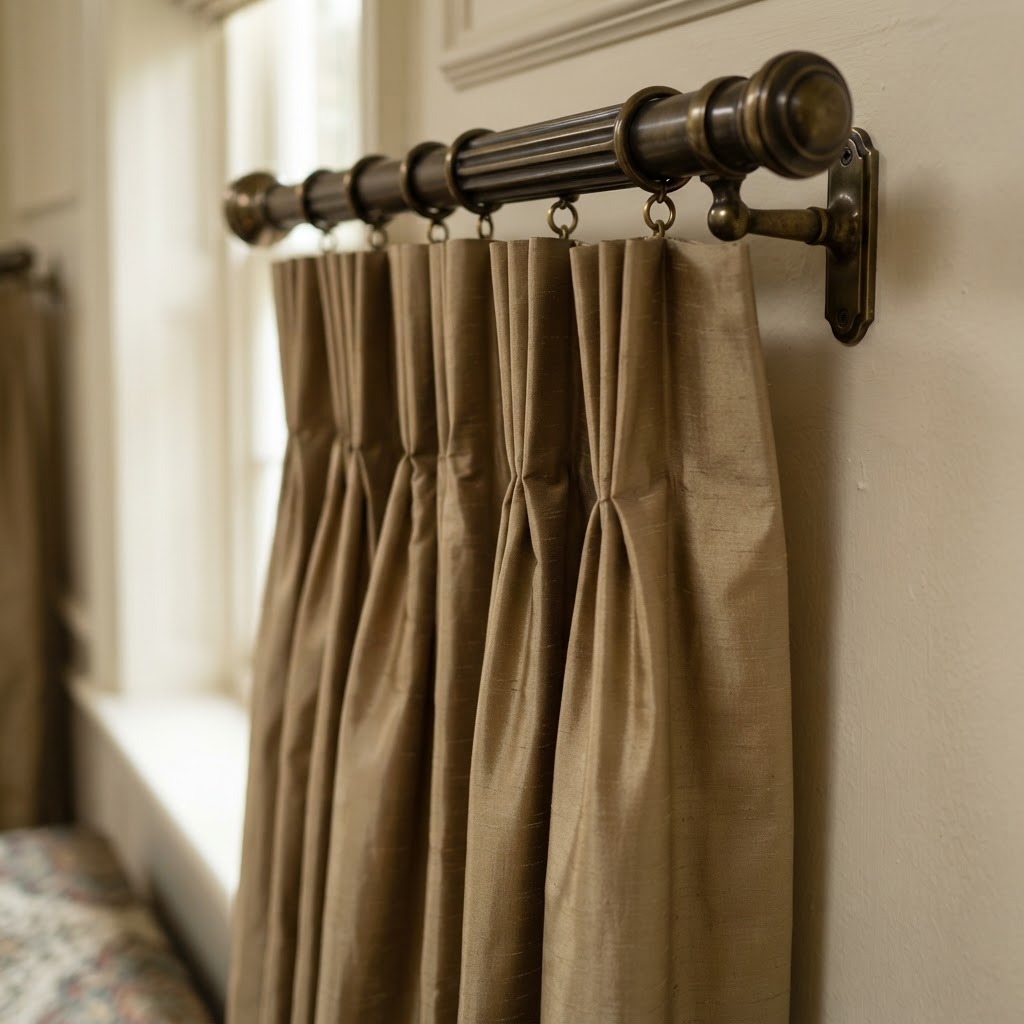
For fabric, linen is your best friend if you want that breezy, airy quality. Velvet is the move if you're going for something richer and more dramatic. Either way, stick to colors that complement your palette rather than contrast sharply with it. And make your curtain panels wider than the window itself so that when they're open, the fabric frames the window without blocking any light. That's the professional trick right there.
- Mount the rod 4 to 6 inches above the window frame, or even closer to the ceiling if possible
- Choose panels that are at least 1.5 times the width of your window for a full, luxurious gather
- Let them just touch or slightly puddle on the floor for that editorial, hotel-suite finish
- Opt for blackout or semi-blackout lining so the fabric has real weight and drapes beautifully
Layer Your Textures
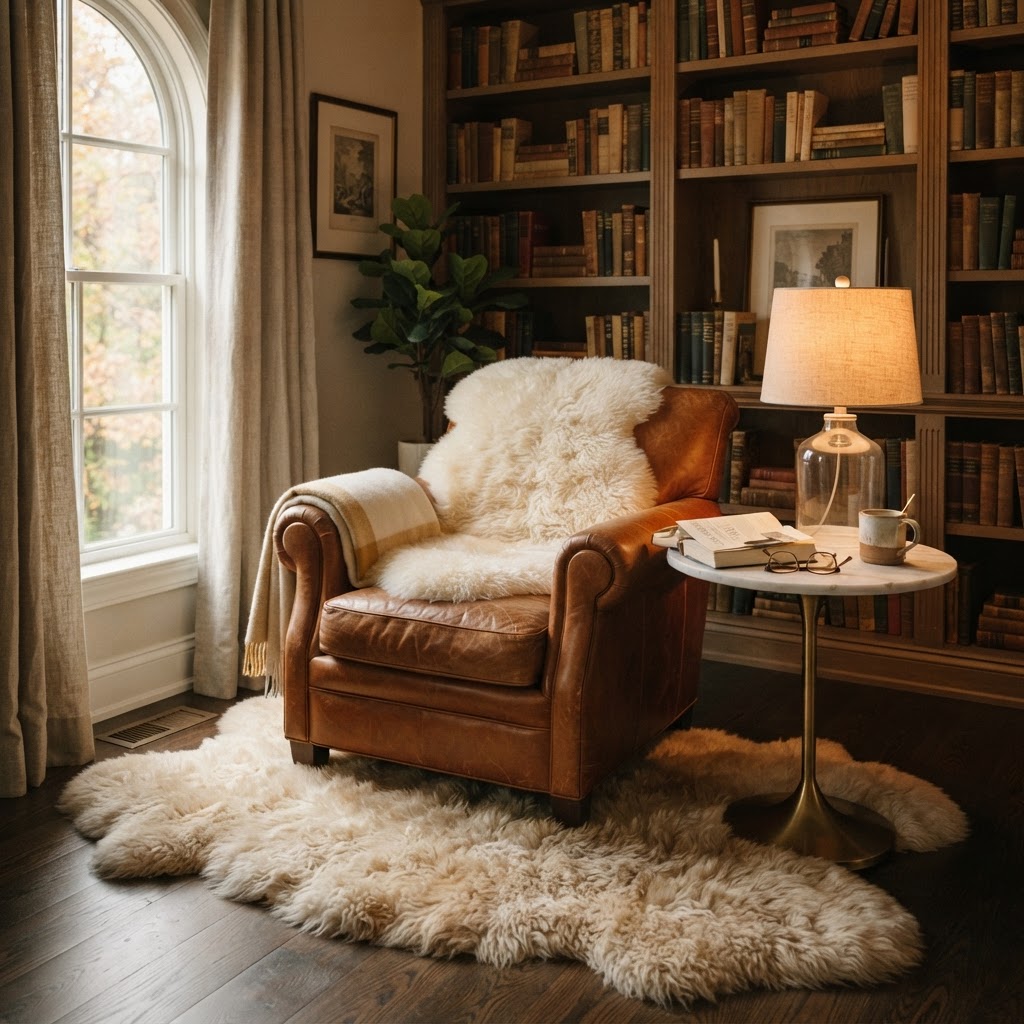
Okay, this is the secret that most people skip, and I genuinely think it's what separates a space that looks nice in photos from one that feels incredible in person. Texture. Layering it, mixing it, being intentional about it. When a room has multiple textures playing off each other, it creates this sensory richness that reads as luxurious even when the individual pieces aren't particularly expensive.
Think about what you find in a great hotel room. A crisp cotton duvet, a chunky knit throw draped casually at the foot of the bed, a smooth marble side table, a soft wool rug underfoot, maybe some velvet on the upholstered headboard. None of these textures fight each other. They complement and contrast in a way that feels curated and layered. You can absolutely recreate this in your apartment, and it doesn't require a massive budget.
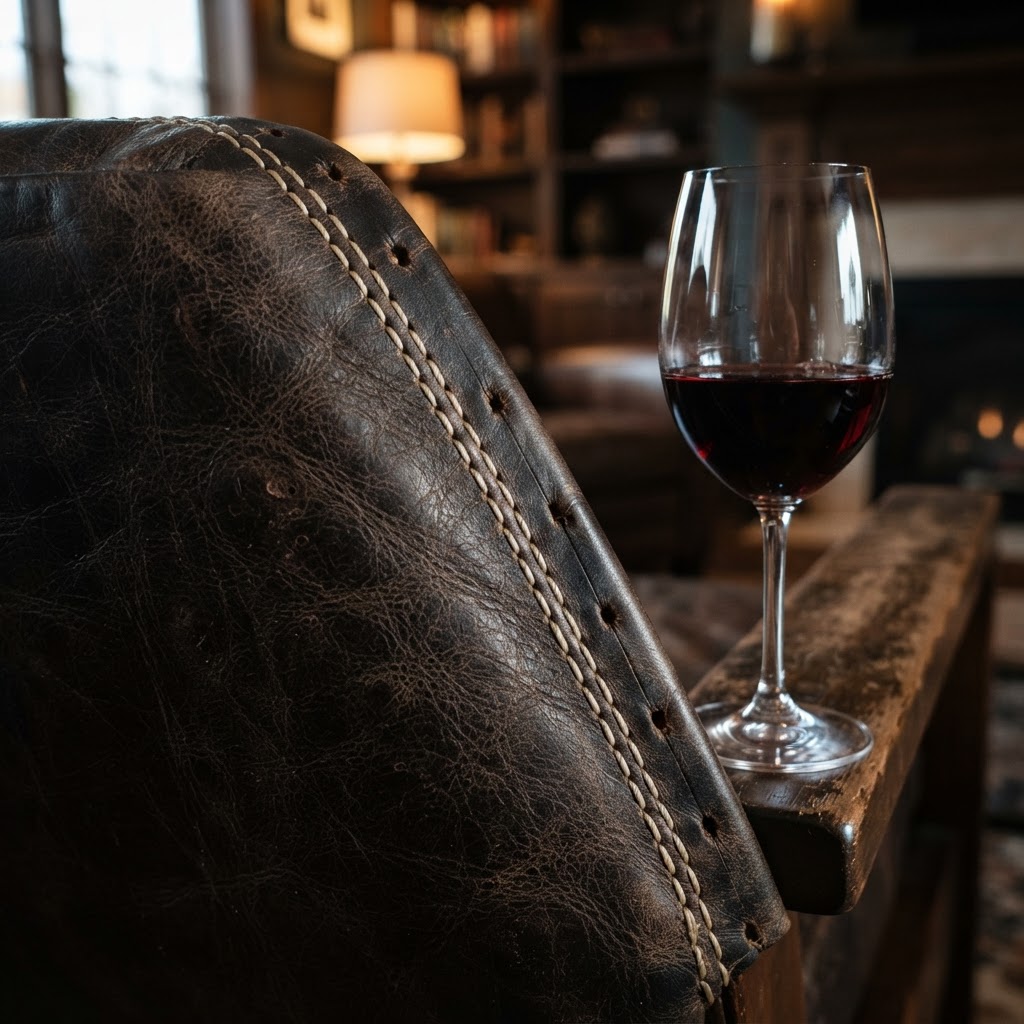
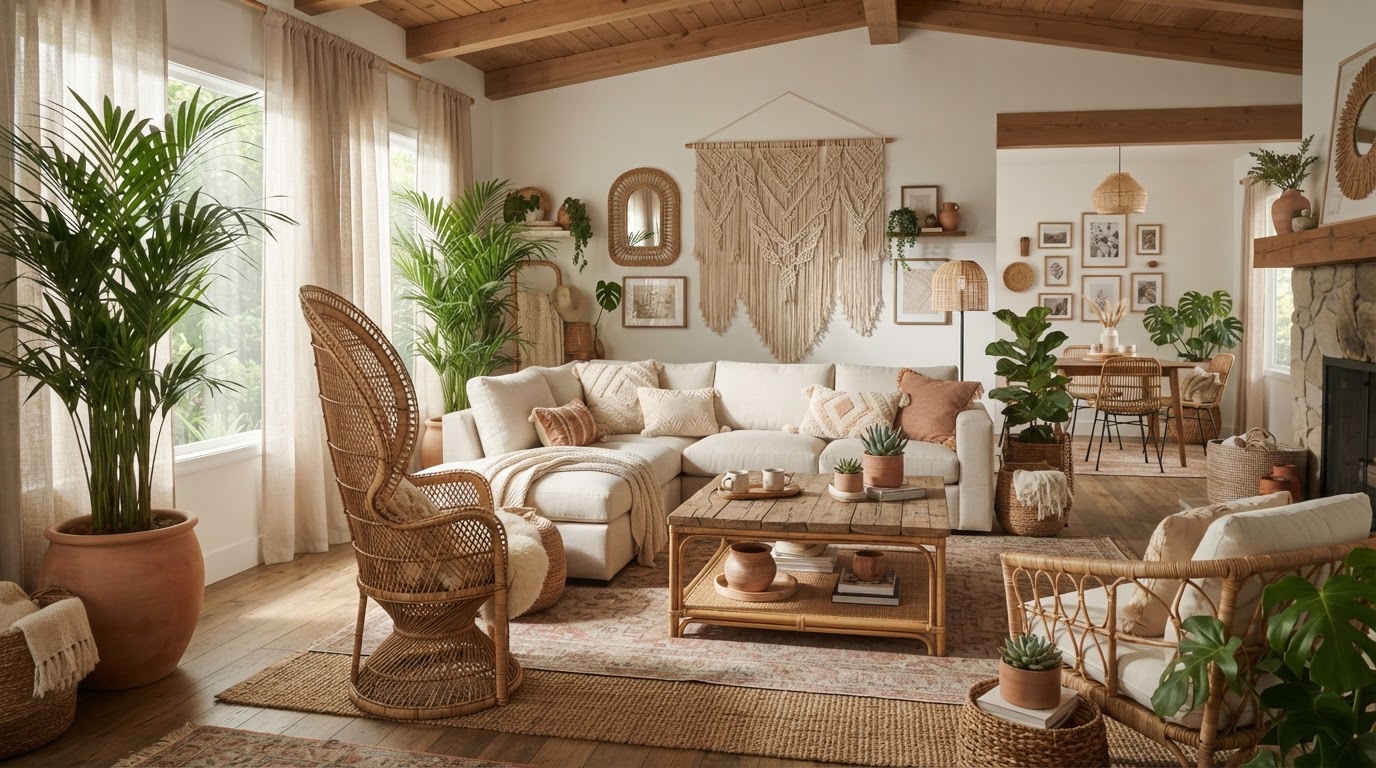
The key is to vary your textures across a few categories. You want something smooth (like a lacquered tray or a ceramic vase), something soft and plush (a rug, a throw, velvet cushions), something natural and organic (a rattan basket, a raw wood element, a woven accent), and something with a bit of sheen (a metallic lamp, a glass object, mirrored surfaces). When you have a representative from each of those categories in a room, the space automatically feels rich and considered.
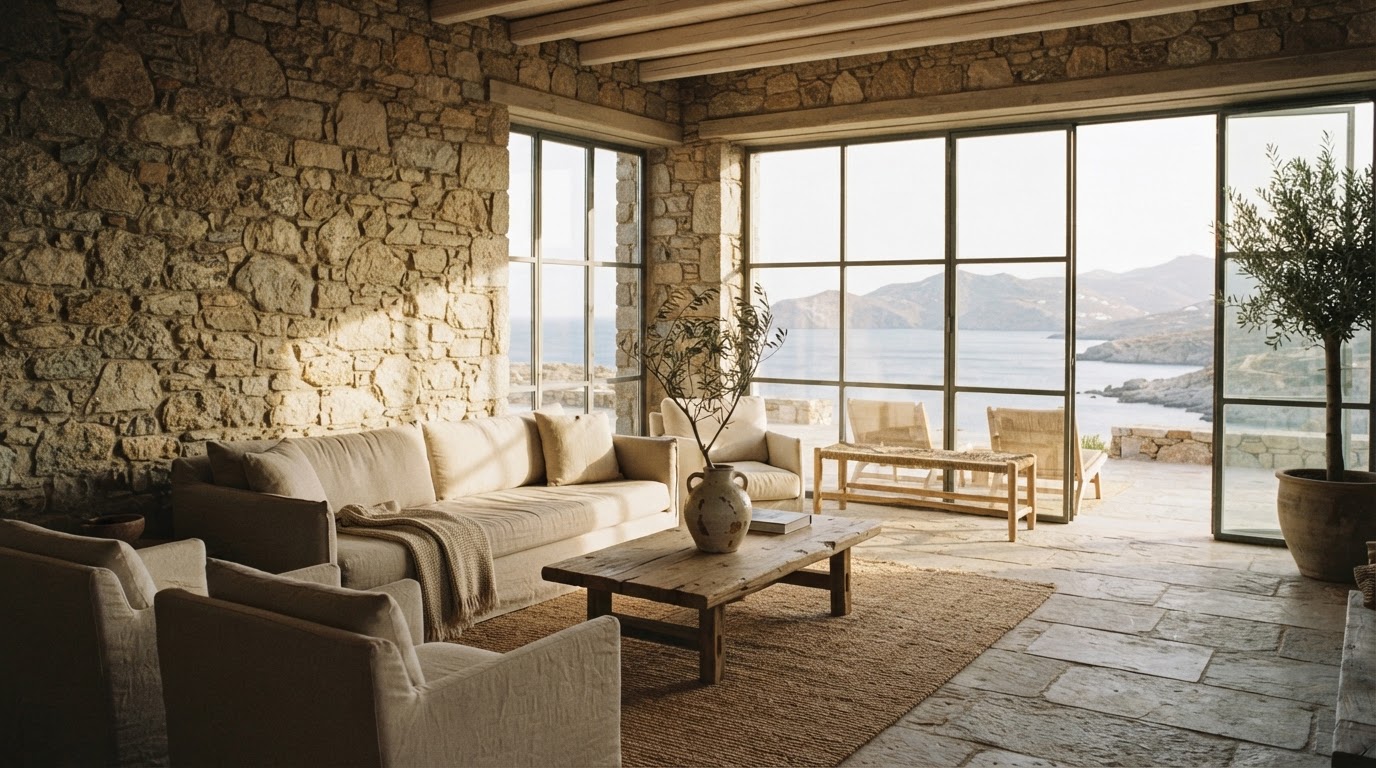
And honestly, texture is also how you add visual interest without adding color. If you're working with a very neutral palette, texture becomes your main design tool. A chunky boucle chair and a sleek marble coffee table and a nubby linen sofa can all be variations of the same cream-beige tone and still look incredibly dynamic together. That's the power of this approach.
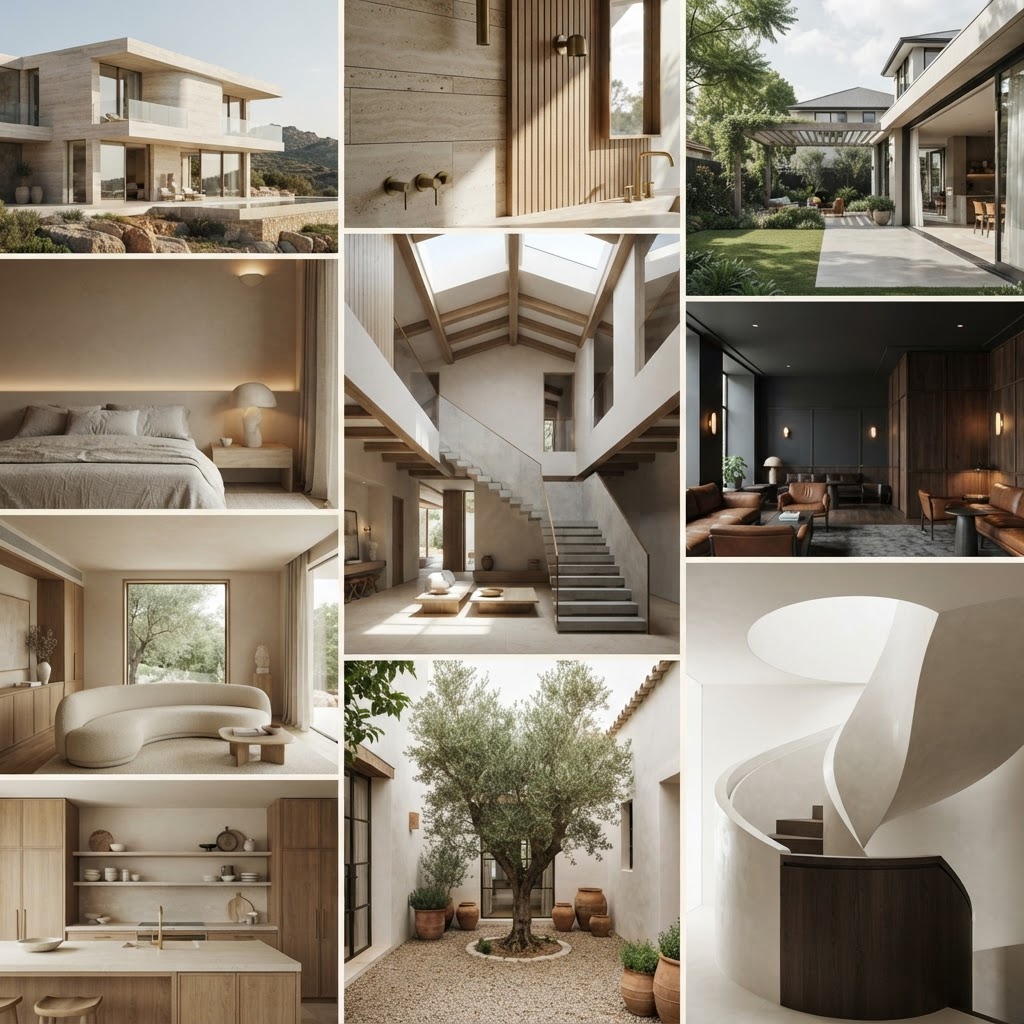
Create your own interior design concepts
Generate personalized interior images and explore your own combinations of layouts, materials, and colours independently with AI.
Powered by next-generation AI trained specifically for architecture and interior design.
Be the first to hear when the Studio opens.
The Power of Oversized Mirrors
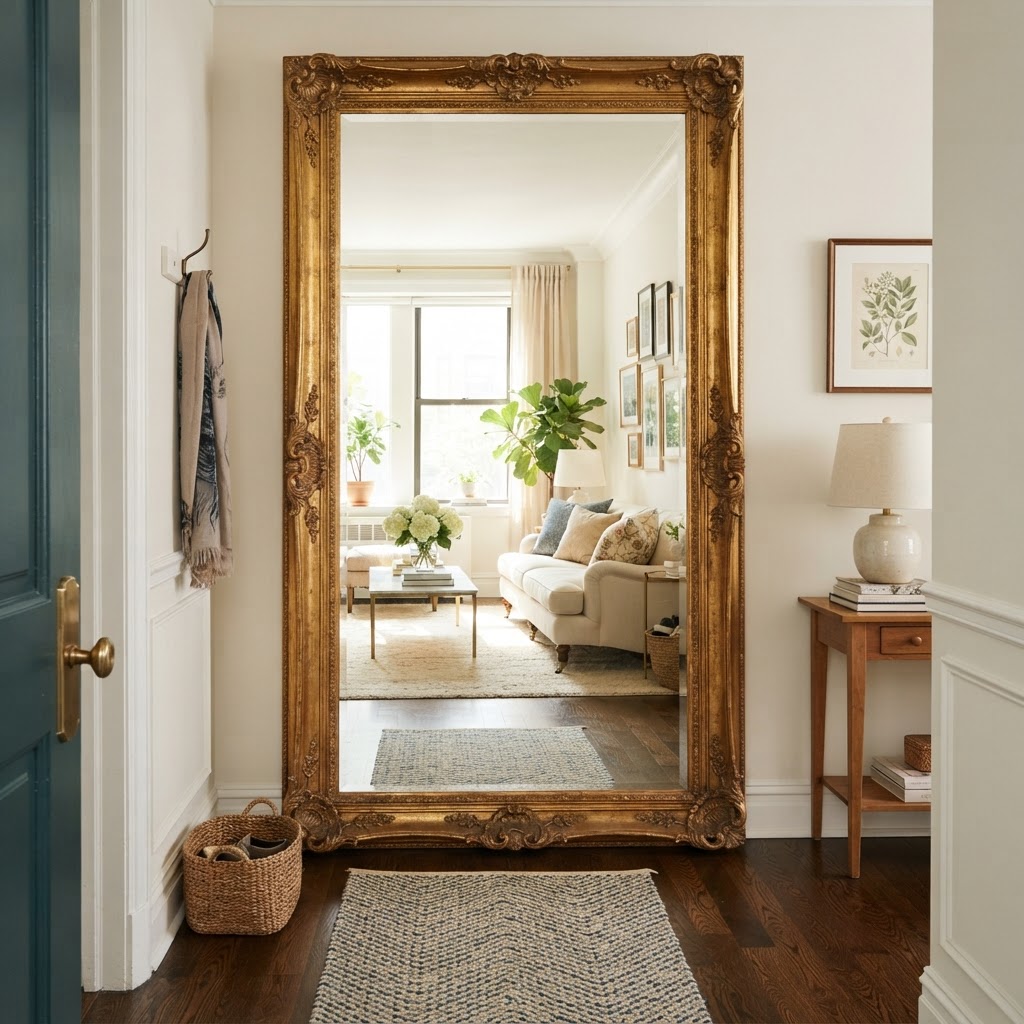
Real talk: mirrors are one of the oldest tricks in the interior design playbook, and they work every single time without fail. An oversized mirror in a small apartment does things that no other decor element can do. It reflects light, it creates the illusion of depth, and it essentially doubles the visual square footage of a room. Hotels know this. That's why you see them everywhere in high-end properties.
The key word here is oversized. A small decorative mirror on a wall does basically nothing for a space beyond looking cute. What you want is something that commands attention. A large leaning mirror propped against a wall in the living room. A full-length arch mirror beside a sofa. A wide mirror hung above a console table in an entryway that reflects the entire room back at you as you walk in. These are the moves that create real impact.
Placement matters a lot too. Position your mirror so that it reflects something beautiful, whether that's a window with natural light, a well-styled bookshelf, or a piece of art. You want the reflection to add to the room, not just bounce back an image of a blank wall. When you get this right, the mirror becomes almost like a second window, and the space opens up in a way that feels genuinely surprising and delightful.
- Lean a large floor mirror against the main wall opposite a window to maximize light reflection
- Choose frames that complement your palette, whether that's warm brass, natural wood, or simple black
- Avoid placing mirrors directly opposite doors as it can feel disorienting rather than expansive
- Consider a mirrored wardrobe panel in a bedroom to serve both functional and aesthetic purposes
- Group smaller mirrors in a gallery arrangement if you can't source one large piece, just make sure they share a cohesive frame style
And here's a bonus thought on mirrors: the frame is part of the furniture. A beautifully framed oversized mirror is genuinely a piece of art and a functional design element at the same time. It's one of the best value-for-impact purchases you can make for a small space, full stop.
Final Thoughts
Honestly, making a small apartment feel like a luxury hotel suite is not about spending a fortune. It's about being intentional. It's about understanding why high-end spaces feel the way they do and then applying those same principles at whatever scale and budget you're working with. A cohesive color palette, thoughtful layered lighting, dramatic floor-to-ceiling drapes, a rich mix of textures, and the strategic use of oversized mirrors, these are not complicated ideas. They're just ideas that most people don't implement because they don't know about them or they underestimate how much difference they make.
Start with one section. Pick the tip that resonates most and actually do it this weekend. You'll be amazed how quickly your perspective on the whole space shifts once you make one really considered change. That's the thing about good design: it's cumulative. Each right decision builds on the last, and before you know it, you'll walk into your apartment and feel something you haven't felt before. Something that feels a whole lot like this is exactly where I want to be.
"Luxury is not about price. It's about intention, restraint, and the feeling a space gives you when you walk through the door."
Trust me on this. Your small apartment has more potential than you think. It just needs a little direction.
More in Interior
Stay Inspired
Subscribe for new essays on architecture, design, and the spaces that shape us.