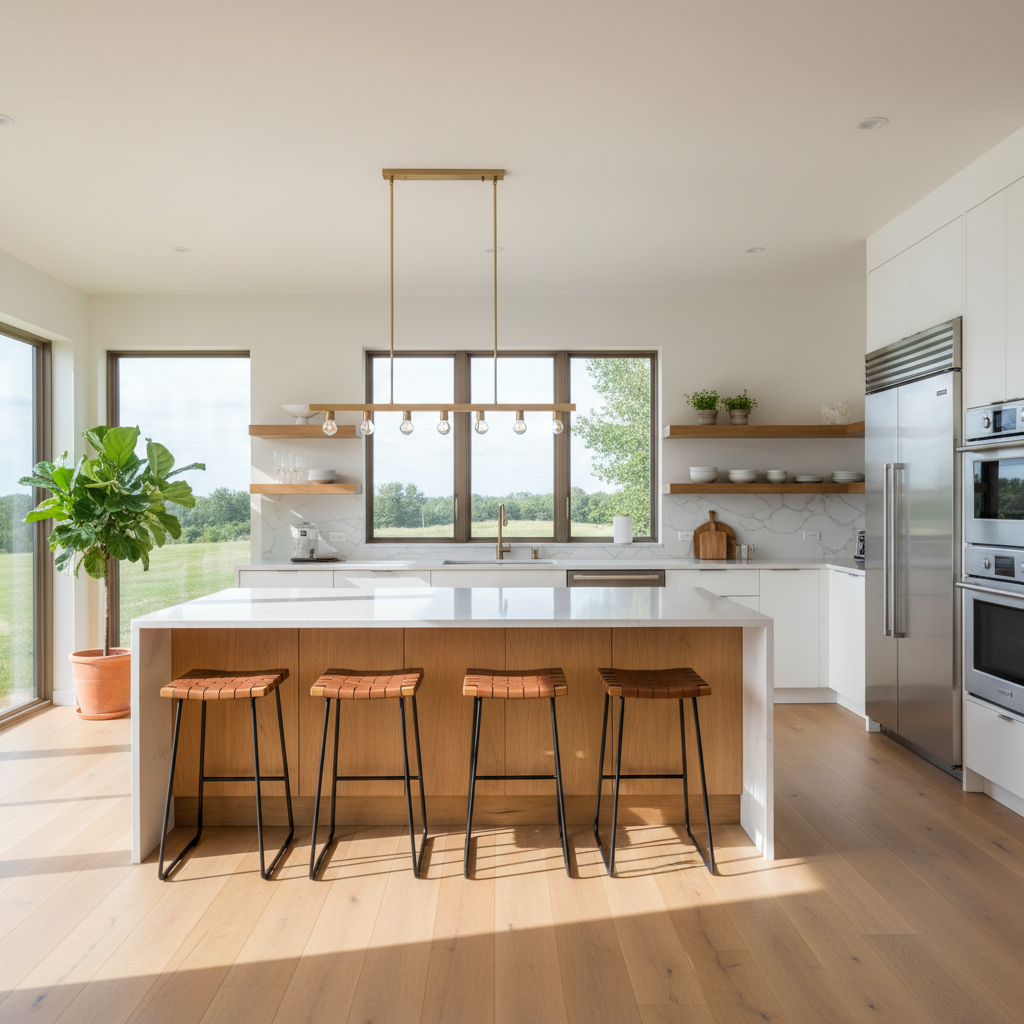
5 Stunning Kitchen Island Designs That Transform Your Space
Looking to elevate your kitchen decor? Check out these five unique kitchen island designs that not only maximize functionality but also add style to your culinary space. From modern to rustic, there's something here to inspire your next renovation project.
1. Minimalist Marble Marvel
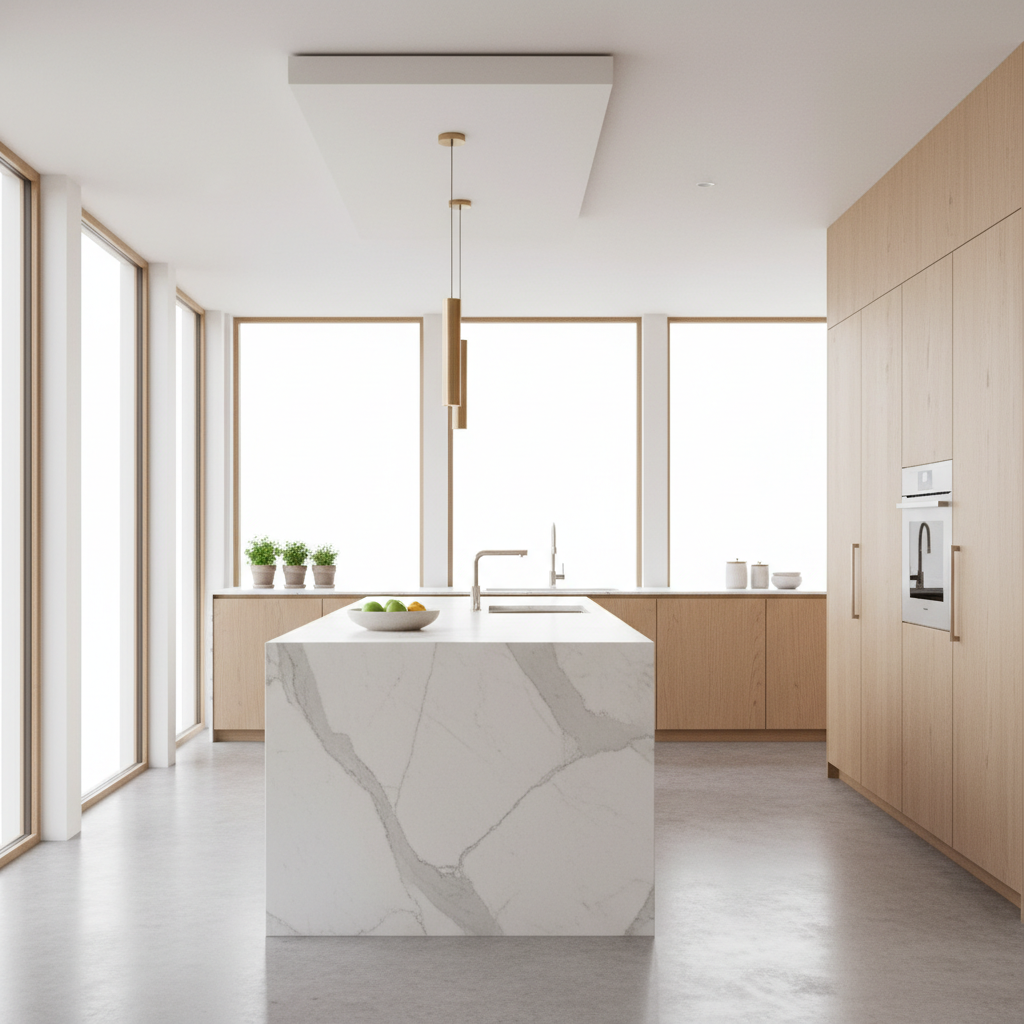
Honestly, if you've ever walked into a kitchen and felt your jaw just drop, there's a pretty good chance a marble island was involved. There's something about that cool, veined stone surface that communicates luxury without even trying. And when you pair it with a truly minimalist design approach, stripping away all the clutter and fuss, you end up with something that feels almost architectural. It's not just a countertop. It's a statement.
Here's the thing about minimalist marble islands that a lot of people miss: the simplicity is actually the hard part. Anyone can pile on the details. Getting a kitchen to look this refined, this intentional, takes real restraint. We're talking clean waterfall edges where the marble flows uninterrupted down the sides, integrated cabinetry with handleless drawers, and a color palette that lets the natural veining of the stone do all the talking. White Carrara, Calacatta Gold, or Statuario are the go-to choices here, and real talk, each one has a personality of its own.
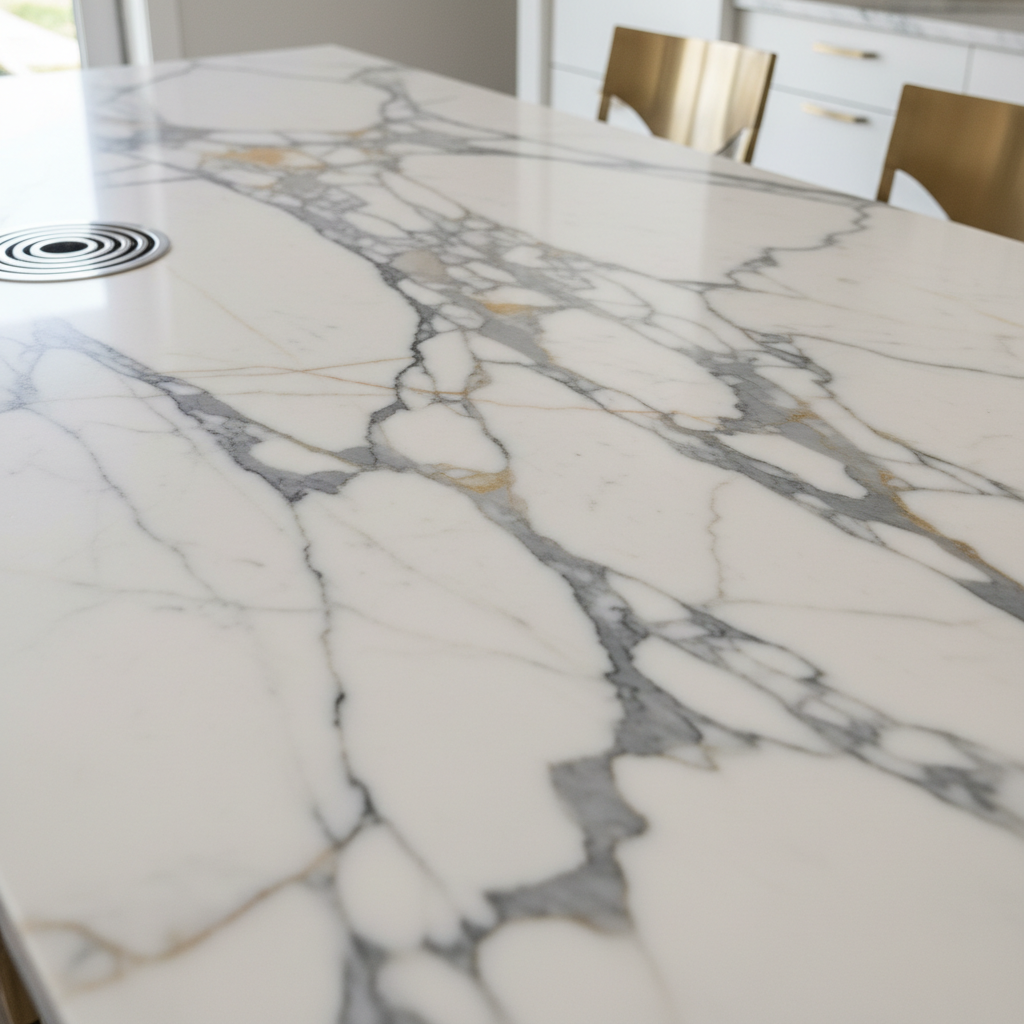
The lighting situation matters enormously with this style. Pendant lights hung low over the island, slim and architectural in shape, can either make or break the whole look. Go for brushed brass or matte black fixtures, nothing too ornate. You want the eye to travel to the marble, not the hardware. And if your kitchen gets decent natural light, even better. Marble in afternoon sun is genuinely one of life's little pleasures.
From a practical standpoint, yes, marble requires some care. It can stain if you're not careful with red wine or citrus, and it does scratch over time. But honestly, a lot of people have come around to embracing the patina. Those subtle marks and imperfections start to tell the story of your kitchen, your family, your life. If that sounds too romantic for you, consider a honed finish rather than polished. It's more forgiving and gives a softer, more matte look that's arguably even more beautiful in a minimal space.
- Best stone options: Calacatta Gold, White Carrara, Statuario, or Arabescato for more drama
- Key design details: Waterfall edges, integrated storage, flush-mount hardware
- Lighting pairing: Slim pendant lights in brass or matte black finishes
- Maintenance tip: Seal annually and opt for honed finish if you use the kitchen heavily
If you're going to invest in one feature that transforms your entire kitchen, a minimalist marble island is genuinely hard to beat. It ages beautifully, it photographs beautifully, and every single day you cook in that space you'll feel like you made the right call.
2. Rustic Reclaimed Wood Charm
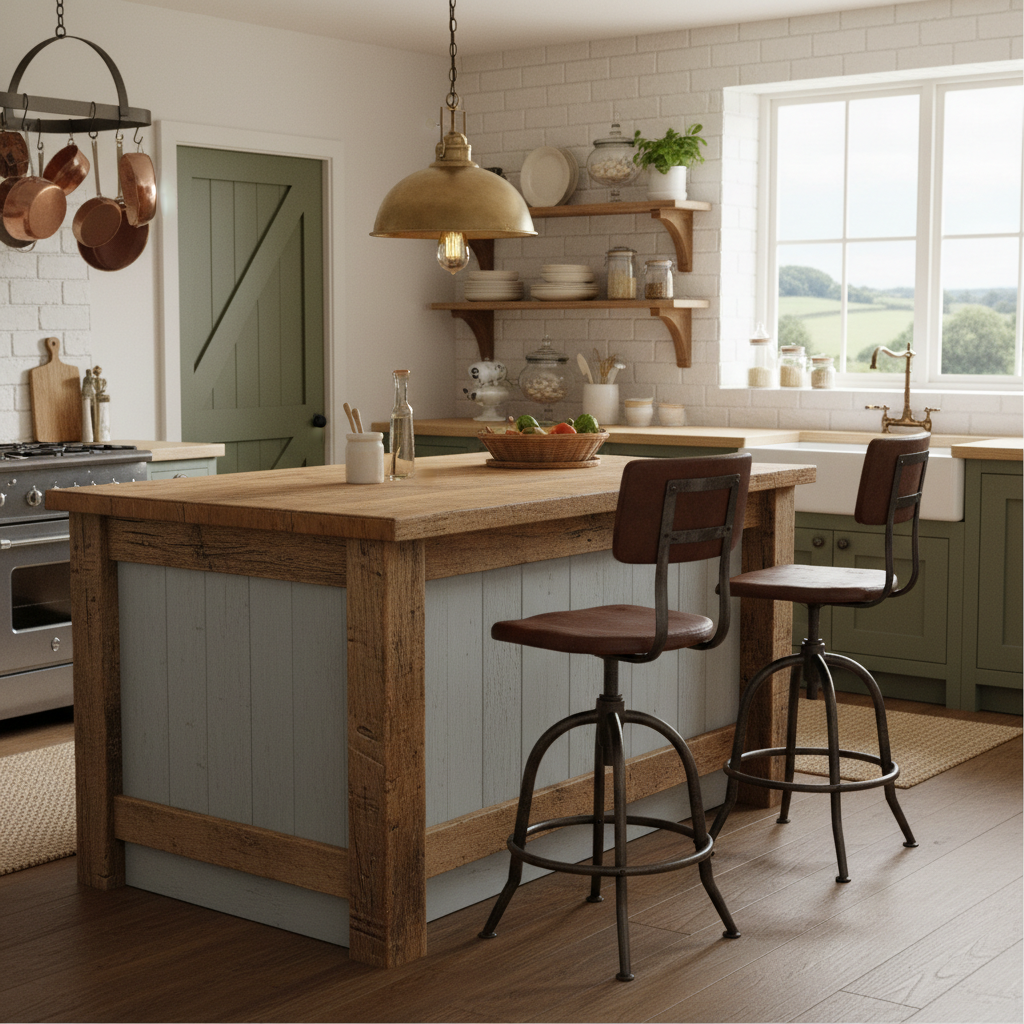
Look, not every kitchen needs to feel like a five-star hotel lobby. Sometimes what a space really craves is warmth. Soul. The kind of texture and character that you simply cannot buy off a showroom floor. That's exactly what a reclaimed wood kitchen island delivers, and trust me on this, once you see one done well, it's really hard to go back to anything else.
Reclaimed wood has a quality that new timber just can't replicate. We're talking about planks that might have been barn siding in Pennsylvania, factory flooring in a Detroit warehouse, or shipping crates that traveled across oceans. Each piece carries knots, nail holes, saw marks, and color variations that are completely unique. When you build an island from this material, you're not just adding furniture to your kitchen. You're bringing a whole history into the room.
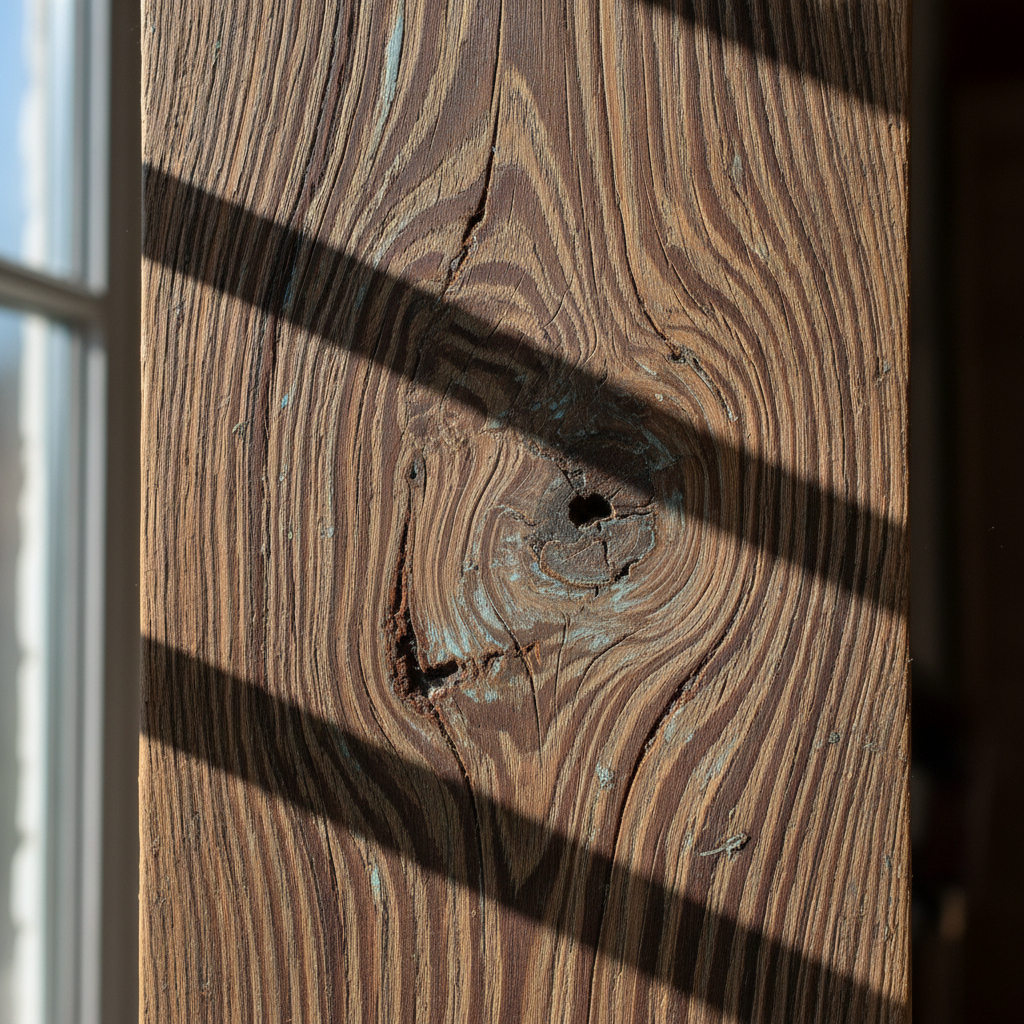
The design approach here is all about embracing imperfection. Thick, chunky wood profiles work best, especially for the base and legs. A butcher block top in the same reclaimed material creates a cohesive look, or you can contrast it with something like a concrete or honed black granite surface to add visual interest. That mix of rustic wood with an industrial or stone top is a combination that's been working in kitchens for years now and shows absolutely no signs of getting old.
In terms of pairings, this style plays incredibly well with open shelving, vintage hardware in aged brass or wrought iron, and farmhouse-style fixtures. Think deep apron-front sinks, exposed brick if you have it, and pendant lights with Edison bulbs. The whole vibe is honest, unpretentious, and seriously livable. These kitchens feel like the kind of place where people actually gather, where kids do homework at the island while dinner gets made, where wine gets poured and conversations stretch late into the evening.
"A kitchen island made from reclaimed wood isn't just a design choice. It's a commitment to the idea that beauty comes from lived experience, not perfection."
One thing to keep in mind: seal and treat your reclaimed wood properly before installation. Old wood can harbor surprises, and you want to make sure it's been cleaned, kiln-dried if possible, and properly finished so it holds up in a kitchen environment. Done right, though, this kind of island just gets better and better looking over the years.
3. Sleek Two-Tone Contrast
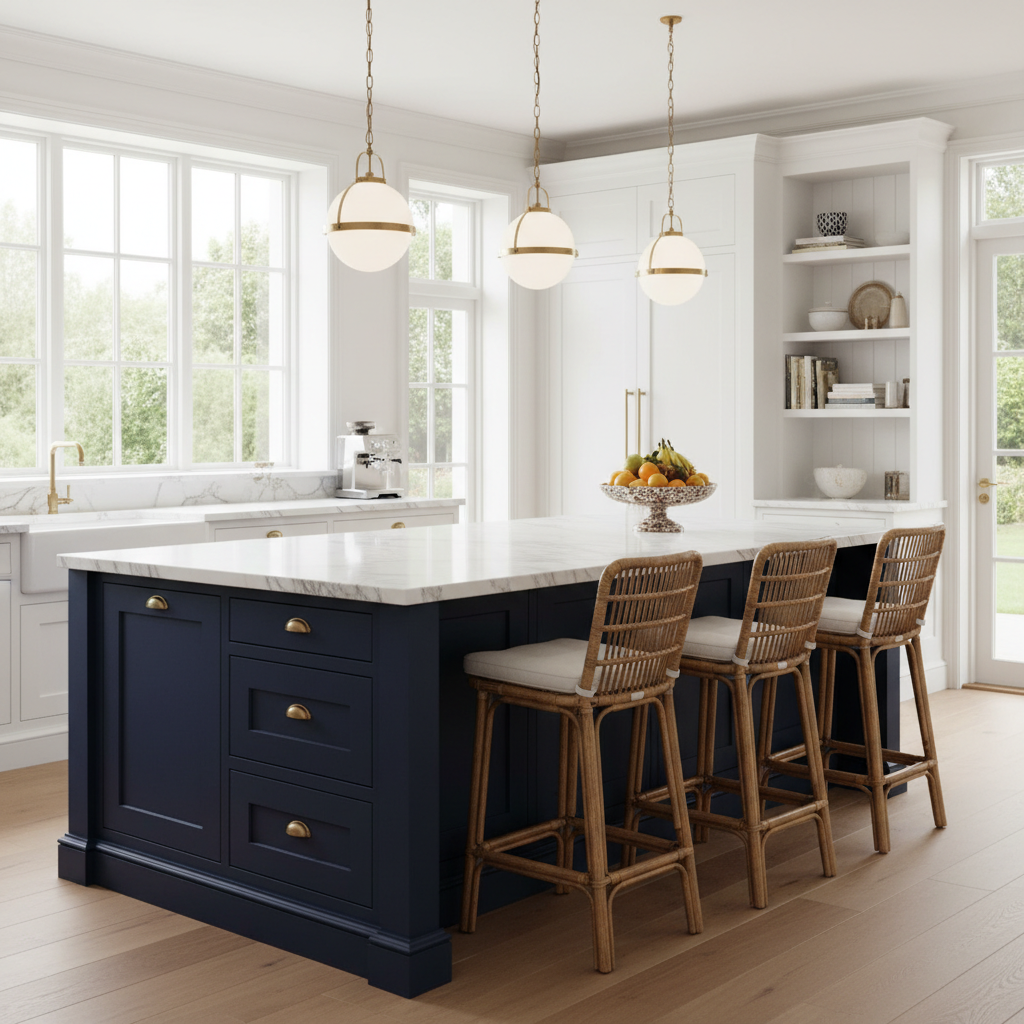
If you want a kitchen that looks intentionally designed without going full interior-designer-budget mode, two-tone islands are honestly one of the smartest moves you can make. The concept is simple: your island is a different color or finish from the rest of your cabinetry. But the execution, when it's done right, is anything but simple-looking. It's bold. It's current. And it gives the island its own visual identity within the space.
The most classic version of this is pairing white upper and perimeter cabinets with a deep navy or forest green island base. That combo has been dominating kitchen design for the past several years and it's still absolutely killing it. But there's a whole world of two-tone options beyond that. Soft sage green against warm white. Charcoal gray anchoring a light wood kitchen. Dusty rose paired with crisp white for something more unexpected and honestly kind of breathtaking. The key is making sure your two colors have a clear relationship, either through shared undertones or a strong contrast that's clearly deliberate rather than accidental.
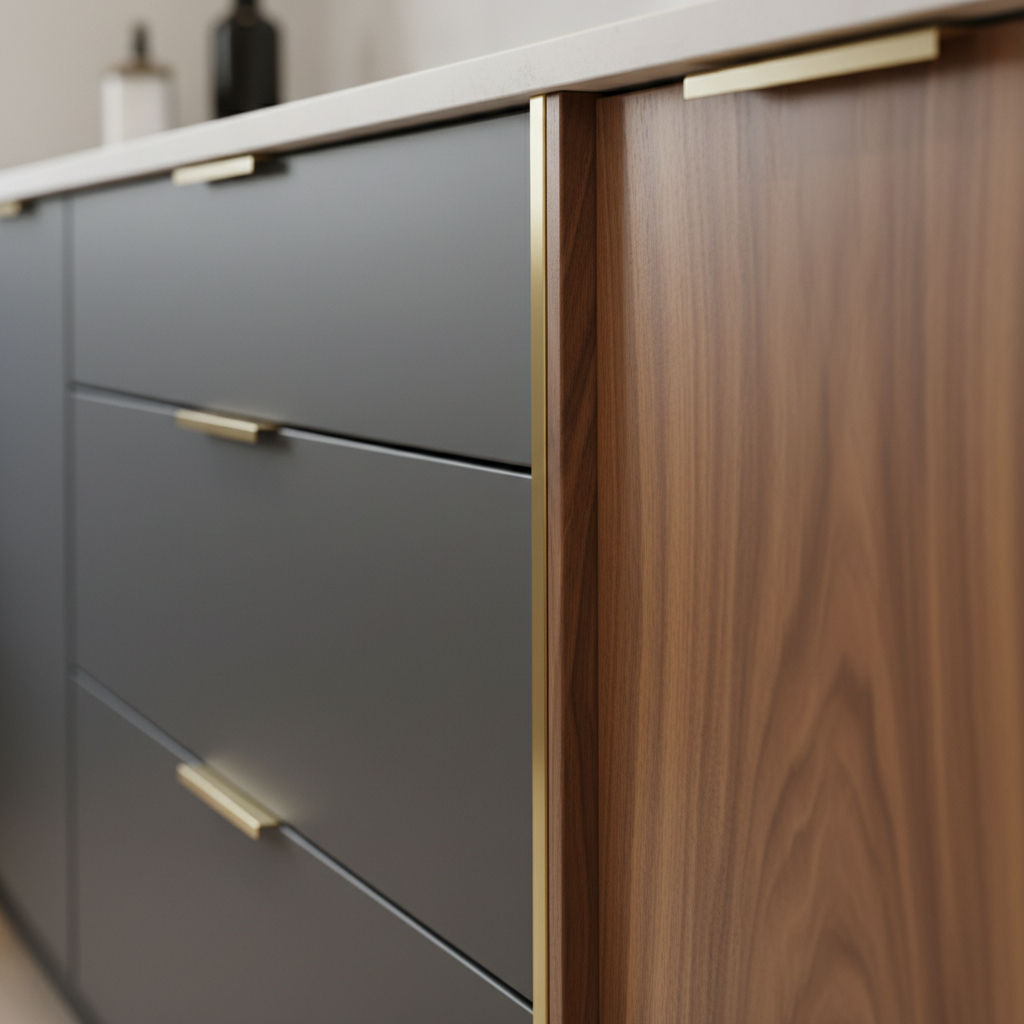
Hardware plays a huge role in pulling a two-tone kitchen together. Gold or brass hardware on a dark island base is an incredibly satisfying combination. It adds warmth to what might otherwise feel too stark or serious. Matte black hardware, on the other hand, keeps things feeling more contemporary and graphic. Whatever you choose, use it consistently across both tones to create cohesion. That's the move that makes it look like a professional designed it rather than a happy accident.
Counter material matters too. A lighter countertop, like a white quartz or pale veined marble, can help bridge the gap between a dark island and lighter surroundings. It creates a smooth visual transition rather than a jarring cut. Some designers go the opposite route and extend the same dark material from the island base up through the counter, creating a monolithic block effect that is genuinely stunning in the right space. Both approaches work. It just depends on the vibe you're going for.
- Popular color combinations: Navy and white, sage green and warm white, charcoal and light oak
- Hardware tip: Brass warms up dark bases, matte black keeps things graphic and modern
- Countertop strategy: Light tops bridge contrast, matching dark tops create a bold monolithic effect
- Common mistake to avoid: Choosing two tones with clashing undertones, always test samples together in your actual lighting
4. Functional Multi-level Island
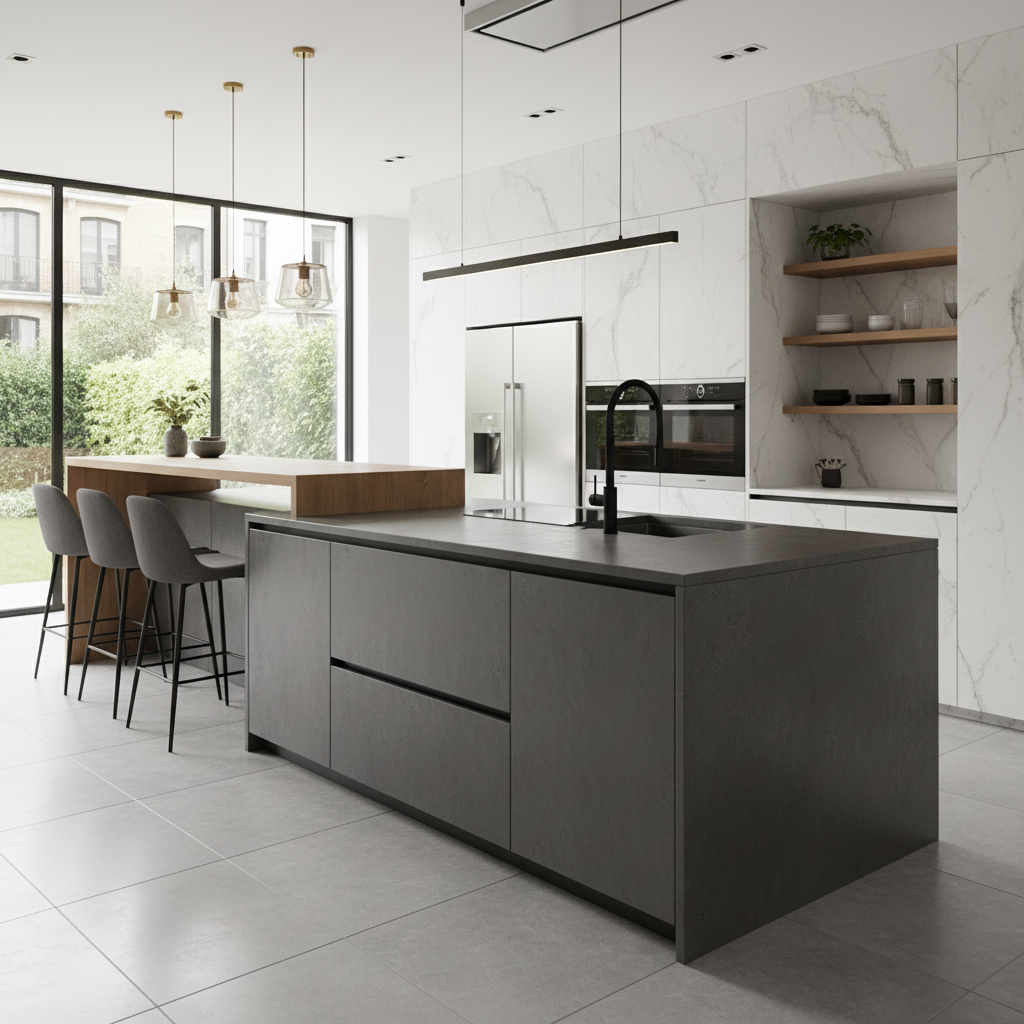
Real talk: beautiful kitchens that don't actually work well are kind of useless. And that's where the multi-level island comes in as an absolute game changer for anyone who actually cooks, entertains, and lives in their kitchen. This design takes the standard flat-top island and elevates it, quite literally, by incorporating two or more distinct height levels, each serving a specific function.
The most common setup is a prep-height section sitting at standard counter height (around 36 inches) paired with a raised bar or breakfast counter section at about 42 inches. The lower section is where you chop, knead, and prep. The raised section is where guests perch on stools, where kids eat breakfast, where you drop your mail when you walk in the door. That separation of zones is incredibly practical because it means you can have people hanging out at the island while you cook without them being in your way or seeing the mess you're making on the prep side.
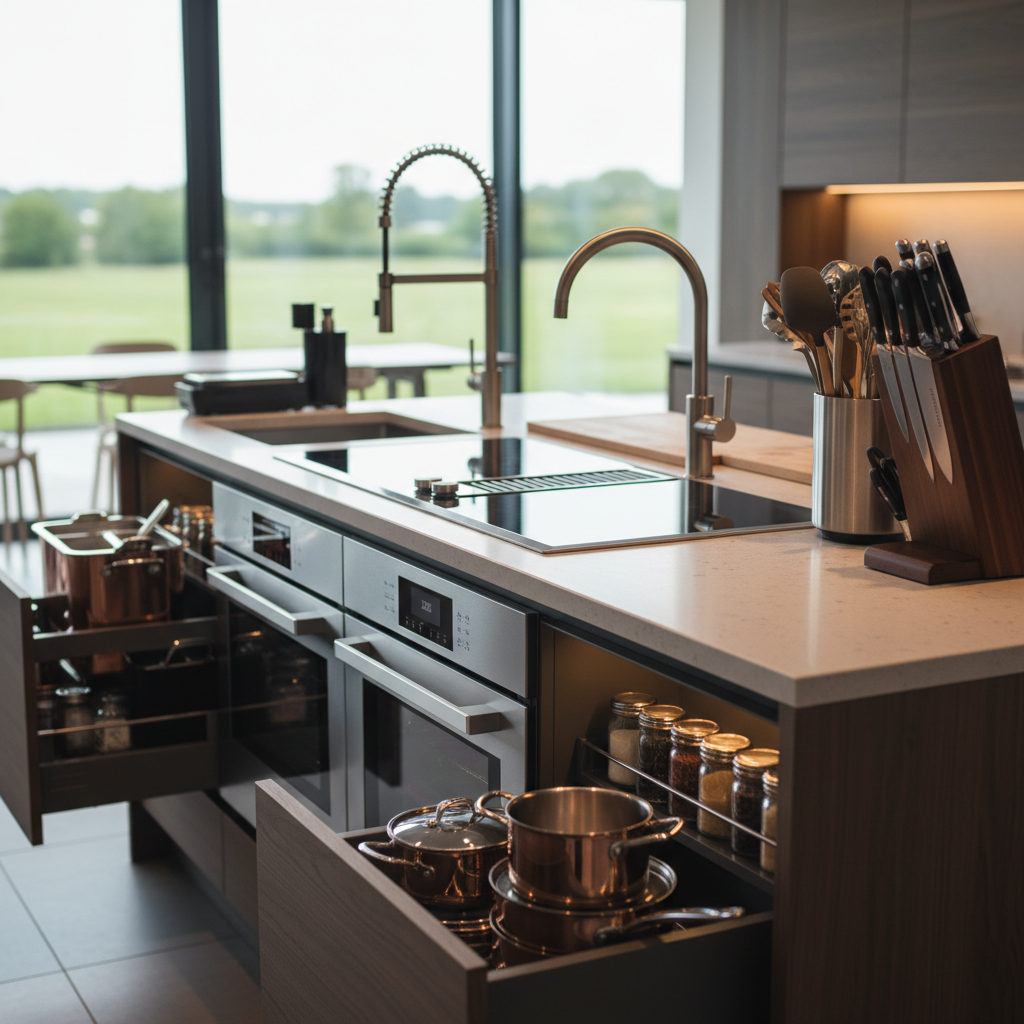
Some more ambitious multi-level designs go even further, incorporating a sink at one level, a raised dining surface at another, and sometimes even a lower section specifically designed for baking, since working with dough is actually easier at a slightly lower height. If you bake a lot, honestly, that lower counter zone is life-changing. It's not just a trend. It's genuinely ergonomic and practical.
Visually, multi-level islands create natural movement and interest in a space. They prevent the kitchen from feeling like a big flat expanse and give the eye different places to land. Pairing different materials at each level adds even more dimension, maybe a butcher block top on the prep side and a sleek quartz or marble surface for the bar seating area. The contrast between materials emphasizes the different functions and looks incredibly intentional and layered.
"The best kitchen islands don't just look good. They actively make your life easier, and the multi-level design might be the most honest expression of that idea."
If you're planning a kitchen renovation and you entertain even semi-regularly, or if you have kids who tend to congregate in the kitchen (and they always do), seriously consider going multi-level. The investment in the additional design complexity pays back every single time you use the space.
5. Luxe Metallic Accents
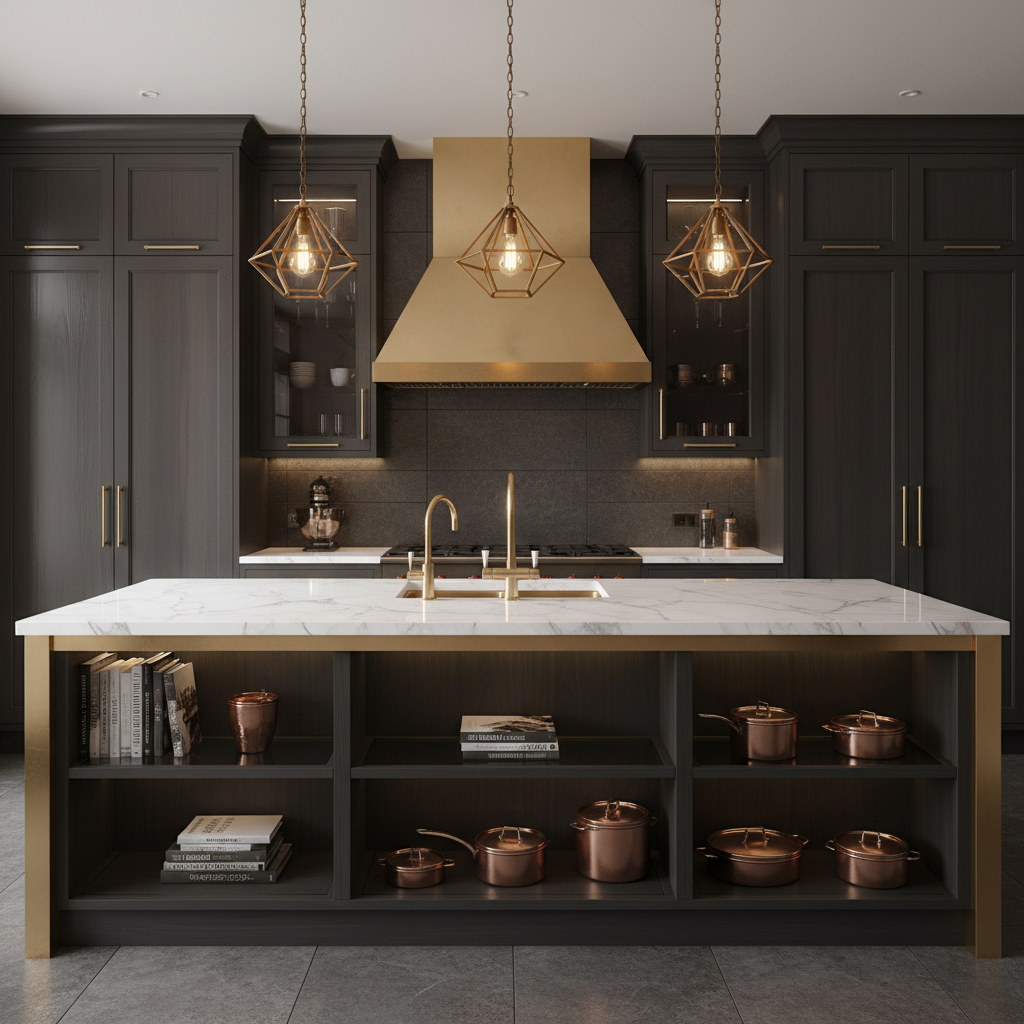
And then there are the kitchens that just feel expensive. Not in a showy or over-the-top way, but in that quiet, confident way where everything just seems to glow a little. Nine times out of ten, metallic accents are responsible for that feeling. And when they're incorporated thoughtfully into a kitchen island design, the effect is genuinely transformative.
Here's the thing about metallic accents: the word "accent" is doing a lot of work in that phrase. This is not about going full chrome everything. It's about strategic placement of metal in ways that catch light and elevate the overall composition. Fluted brass cabinet fronts on the island base. A burnished gold edge detail along the countertop. Oversized pendant lights with hammered brass shades hanging overhead. Integrated pulls in a warm antique brass that pick up on the warmth in the stone countertop. Each of these choices on its own is subtle. Together, they create something genuinely luxurious.
The current frontrunners in the metallic accent world are brass and gold tones, though they're not the only game in town. Unlacquered brass, which develops a beautiful natural patina over time, is having a huge moment and honestly deserves every bit of the attention it's getting. Brushed gold is more uniform and easier to maintain. Aged bronze gives a slightly darker, moodier feel. And for those who prefer a cooler palette, pewter and brushed nickel can deliver that same sense of elevated quality without veering warm.
- Top metallic choices right now: Unlacquered brass, brushed gold, aged bronze, burnished nickel
- Best places to incorporate metal: Cabinet hardware, edge detailing, pendant lights, sink fixtures, leg accents
- The golden rule: Stick to one or two metal tones throughout the island to avoid a chaotic look
- Unexpected idea: Fluted brass or reeded metal panels on the island front for incredible texture and depth
One important note: mixing metals is actually fine, and in some cases it's encouraged, but there needs to be a hierarchy. Choose one dominant metal that appears in the larger elements, like cabinet hardware and the sink fixture, and use a secondary metal sparingly as an accent. The moment you have three or four different metals competing for attention, the whole thing starts to feel unresolved. And in a kitchen where you're already dealing with appliances in stainless or other finishes, keeping the metallic palette disciplined is what separates a polished, curated look from a messy one.
If you're worried about committing to metallics in a full renovation, start with the hardware. Swapping out cabinet pulls and handles on an existing island is one of the highest return, lowest cost changes you can make in a kitchen. Drop in some brass or gold hardware and watch how quickly the whole space shifts. It's honestly a little shocking how much difference it makes.
Final Thoughts
Kitchen islands are one of those rare design elements where form and function are genuinely equal partners. The best ones aren't just beautiful to look at. They change how you move through your kitchen, how you cook, how you connect with people in your home. Whether you're drawn to the quiet sophistication of marble minimalism, the soul of reclaimed wood, the graphic boldness of two-tone contrast, the practical brilliance of a multi-level layout, or the elevated glow of metallic accents, there's a version of this that's exactly right for your space and your life.
The most important thing, honestly, is to pick a direction that actually reflects how you live. Not what photographs well on a design website (though if it does both, even better). Think about who uses your kitchen, how often, and for what. Let that guide your choices as much as the aesthetics do. Because the kitchen that works beautifully for your actual life is always going to be more satisfying than the one that just looks stunning in photos.
Whatever direction you go, invest in the details. The edge profile, the hardware finish, the countertop material, the pendant light scale. These are the things that separate a good kitchen island from an unforgettable one. And trust me on this: you'll be looking at that island every single day. It's worth getting right.
More in Interior
Stay Inspired
Subscribe for new essays on architecture, design, and the spaces that shape us.